
The United States draws hundreds of millions of visitors each year to attractions ranging from natural wonders to world-class theme parks. Every state has its own destination that captures travelers’ imaginations. Whether you’re planning a road trip or simply curious about what draws crowds across the country, these popular spots offer a look at the variety of American tourism.
Here we look at the single most visited tourist attraction in all 50 states, complete with annual visitor numbers that reveal where Americans and international travelers choose to spend their time. You’ll find everything from iconic national parks and historic landmarks to busy urban centers and family-friendly entertainment venues.
Alabama: U.S. Space & Rocket Center (850,000 visitors)

One of the world’s most comprehensive space museums sits right in Huntsville, Alabama. The U.S. Space & Rocket Center draws roughly 850,000 visitors each year, many eager to explore America’s space history. You can walk beneath a massive Saturn V rocket, try shuttle launch simulators, and see artifacts from actual NASA missions.
The center serves as the official visitor hub for NASA’s Marshall Space Flight Center. Engineers there developed the rockets that carried astronauts to the moon. Inside, interactive exhibits give you hands-on access to spaceflight simulators that recreate the feeling of launch and landing. The facility also hosts Space Camp, where kids and adults can train like astronauts. If you’re into aviation and space history, this attraction offers an up-close look at the technology that made human spaceflight possible.
Alaska: Glacier Bay (740,000 visitors)
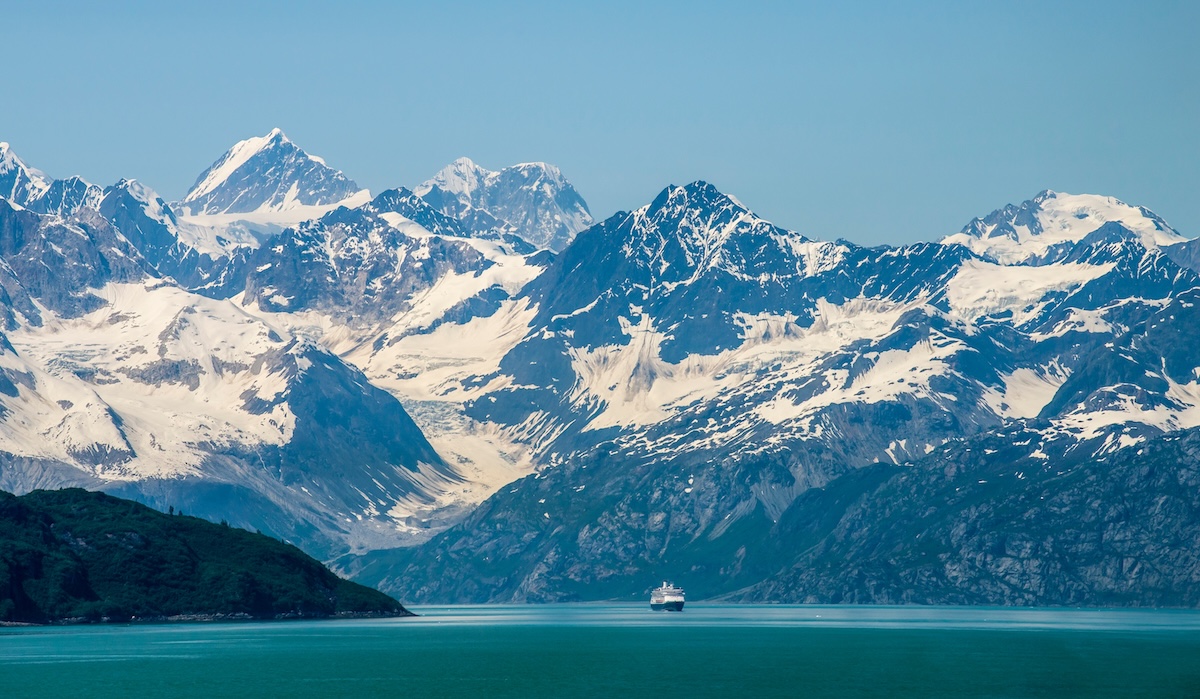
Glacier Bay National Park and Preserve brings you into one of the world’s most spectacular landscapes of tidewater glaciers and untouched wilderness. Massive ice formations calve into the sea while snow-capped peaks and dense temperate rainforests surround you. The park protects more than 3.3 million acres of Southeast Alaska’s Inside Passage, where humpback whales, sea otters, brown bears, and mountain goats live in their natural habitat.
Most visitors experience Glacier Bay aboard cruise ships or tour boats that move through the icy waters. These trips offer close views of the park’s sixteen tidewater glaciers. If you’re looking for a more intimate adventure, you can kayak among icebergs in the turquoise water. The bay shows geological processes in action as glaciers retreat and advance, creating new ecosystems along the way. Plan ahead, though. The National Park Service limits the number of vessels that enter each day to protect this fragile environment.
Arizona: Grand Canyon National Park (4.92 million visitors)
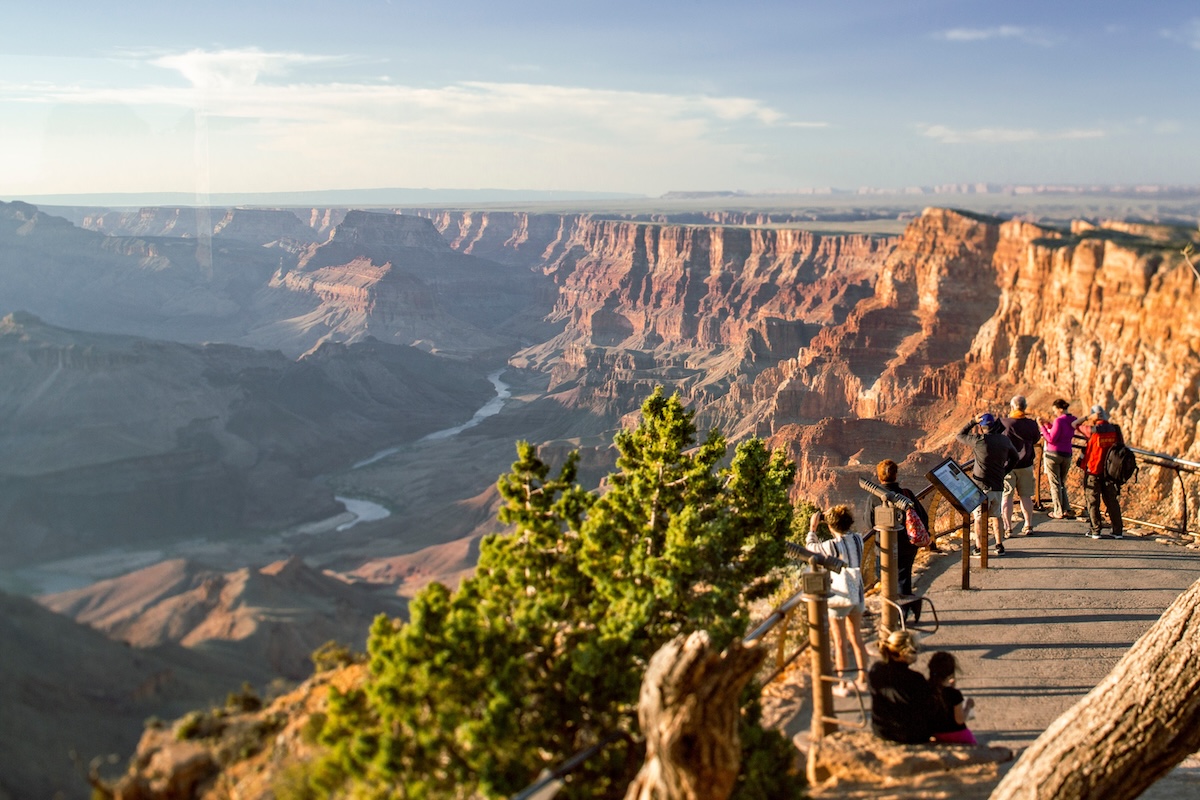
When you stand at the Grand Canyon’s rim, you see one of Earth’s most impressive geological formations. The Colorado River carved it over millions of years. The canyon runs 277 miles long, reaches up to 18 miles wide, and drops more than a mile deep in places. You can explore the South Rim, which stays open year-round and offers the most visitor services, or the North Rim, which provides a quieter experience at a higher elevation.
Your visit might involve taking in the views from several overlooks or hiking challenging trails such as Bright Angel or South Kaibab. You could also raft the Colorado River, take a helicopter tour, or watch the sunrise color the canyon walls red and orange. The park receives nearly 5 million visitors annually, making it one of America’s most popular natural landmarks. Spring and fall bring the most comfortable temperatures, though the canyon looks spectacular in any season.
Arkansas: Hot Springs National Park (2.5 million visitors)
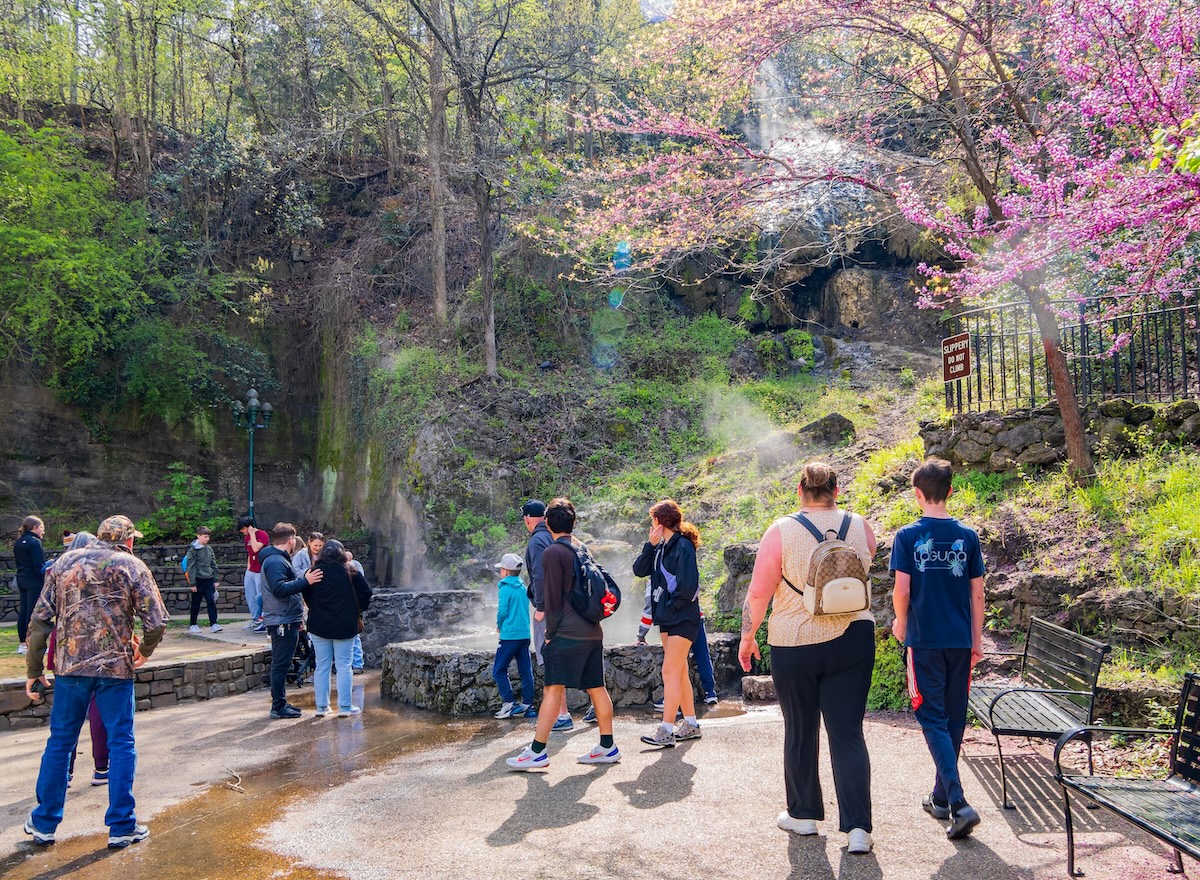
Hot Springs National Park sits in the Ouachita Mountains and ranks among the smallest yet most unusual parks in the National Park System. While most national parks focus on wilderness, this one centers on the historic bathhouses of Bathhouse Row. Visitors come to experience naturally heated thermal waters that have attracted people for centuries. The park welcomes about 2.5 million visitors each year.
You can tour the restored Fordyce Bathhouse, which now serves as the park’s visitor center and museum. Inside, exhibits showcase the opulent bathing culture of the early 1900s. The park also offers 26 miles of hiking trails through the surrounding mountains, with scenic views and access to the springs at their source. For a traditional thermal bath, visit Buckstaff Bathhouse or Quapaw Baths. Both facilities cool the 143-degree spring water to comfortable bathing temperatures. Natural thermal features, historic preservation, and an accessible urban setting give Hot Springs National Park a character all its own.
California: Disneyland Park (17.3 million visitors)
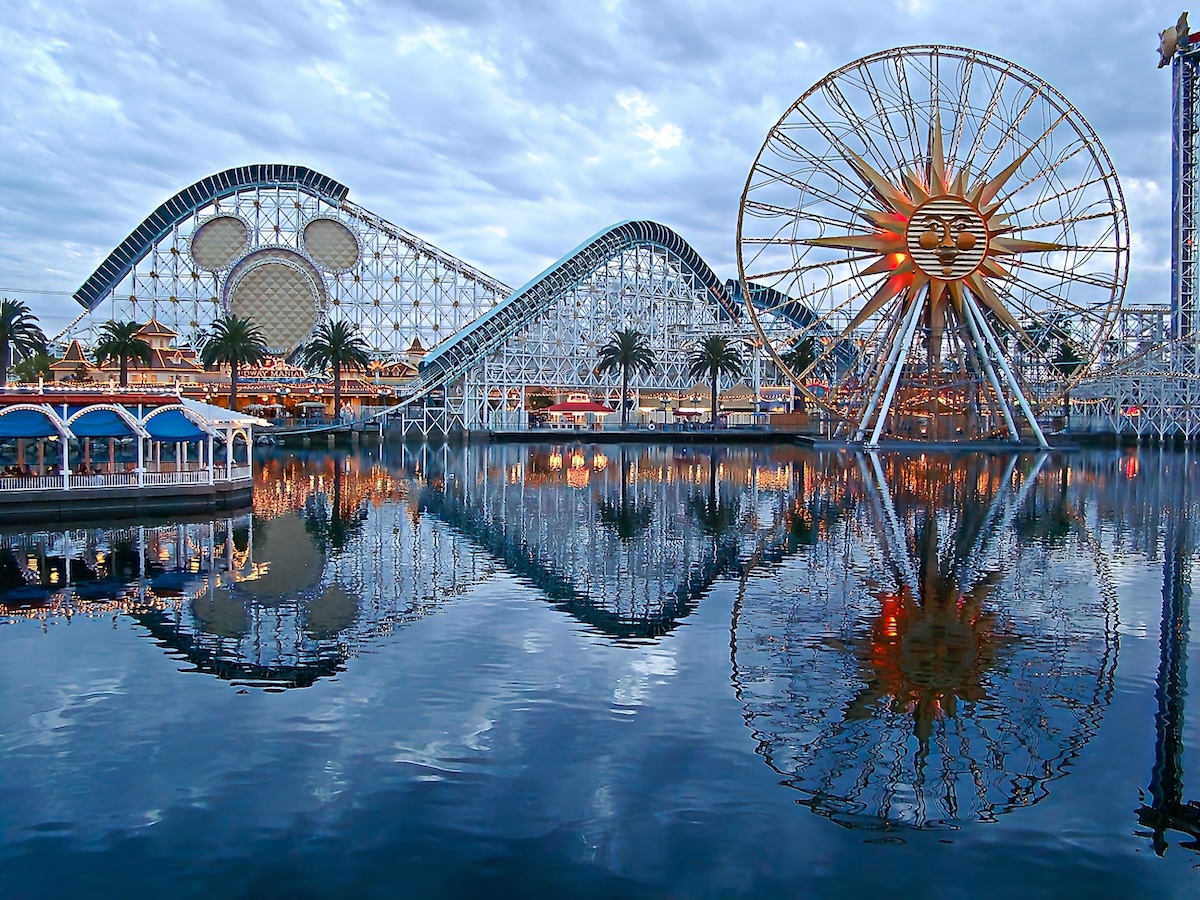
When you step through Disneyland Park’s gates in Anaheim, you enter the original Disney theme park, which Walt Disney opened in 1955. The park welcomes 17.3 million visitors annually and remains one of the country’s most popular tourist destinations. Eight themed lands spread across the park, from nostalgic Main Street, U.S.A. to futuristic Tomorrowland, and each offers its own attractions.
You can ride classics such as Space Mountain, Pirates of the Caribbean, and the Matterhorn Bobsleds, along with newer attractions that continue to draw crowds. The park operates year-round and holds seasonal events, including Halloween celebrations and holiday festivities. Beloved Disney characters appear throughout the day, while parades and the famous fireworks show over Sleeping Beauty Castle add to the experience. Disneyland stays appealing by creating magical moments for visitors of all ages while updating its offerings over time.
Colorado: Garden of the Gods (4.5 million visitors)
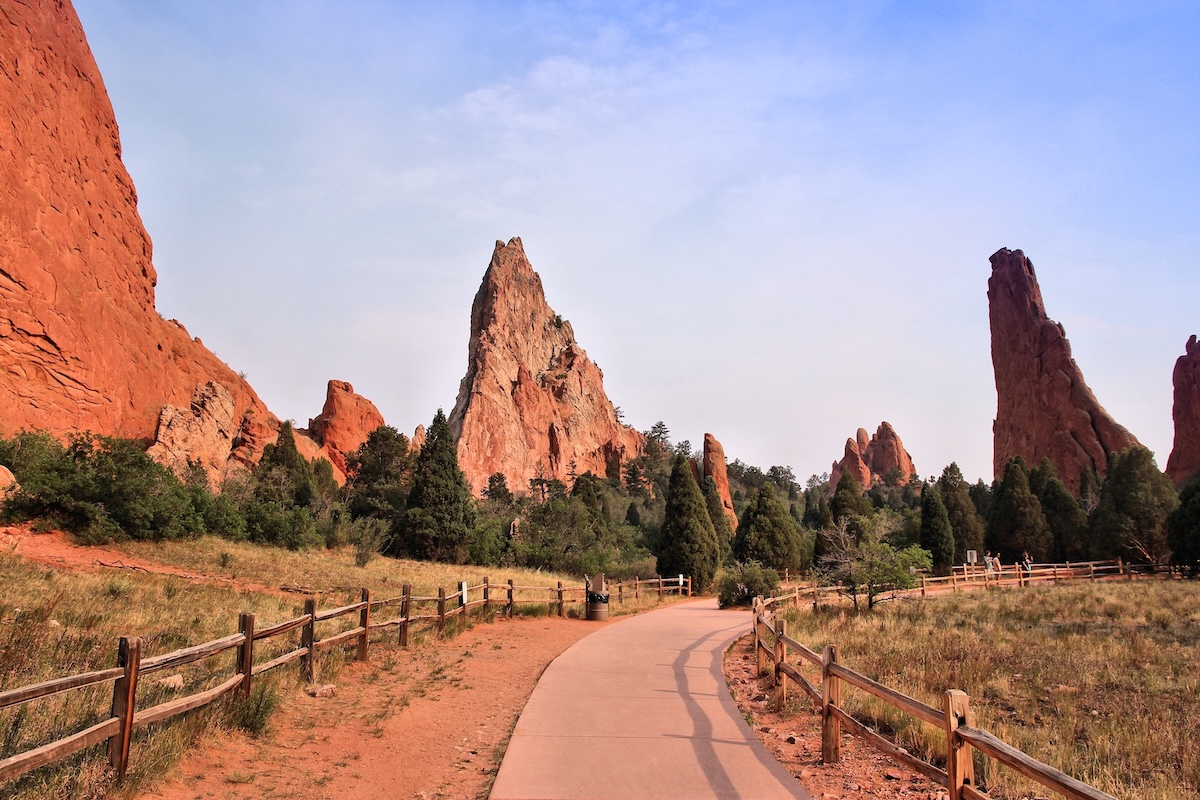
Just outside Colorado Springs, massive red rock formations rise against a backdrop of Pikes Peak at Garden of the Gods. The park draws 4.5 million visitors each year, who come to see ancient sandstone spires shaped by geological uplift and erosion millions of years ago.
You can explore 15 miles of trails, from easy paved paths to more demanding climbs through the rock formations. Landmarks include Balanced Rock and the Kissing Camels formation. Visitors can also go rock climbing, horseback riding, or take photographs. The park remains free year-round, so it’s an accessible choice whether you want outdoor adventure or a scenic view from one of the designated overlooks across the 1,367-acre preserve.
Connecticut: Mystic Aquarium (800,000 visitors)
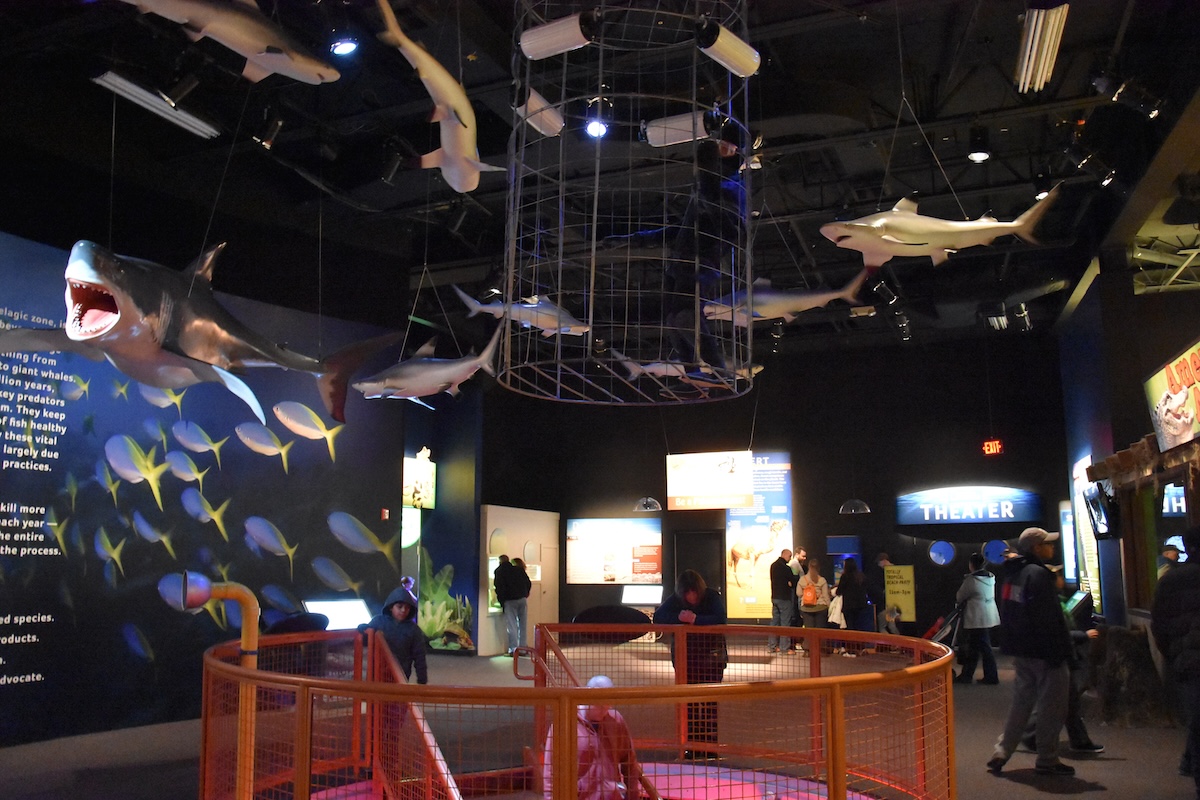
Mystic Aquarium ranks among New England’s leading marine attractions. About 800,000 visitors travel to Connecticut’s southeastern coast each year to see its beluga whales, African penguins, and sea lions. The facility houses thousands of animals and more than 300 species from around the world.
A visit offers more than simple observation. Interactive touch tanks let you connect with rays and small sharks, while daily shows and feeding demonstrations bring you closer to the animals and their trainers. The aquarium also runs research and conservation programs, meaning your visit supports marine science and animal rescue. Since it sits in the charming coastal town of Mystic, you can easily pair the aquarium with the historic Mystic Seaport Museum and the area’s well-known seafood restaurants.
Delaware: Rehoboth Beachfront & Boardwalk (3.5 million visitors)
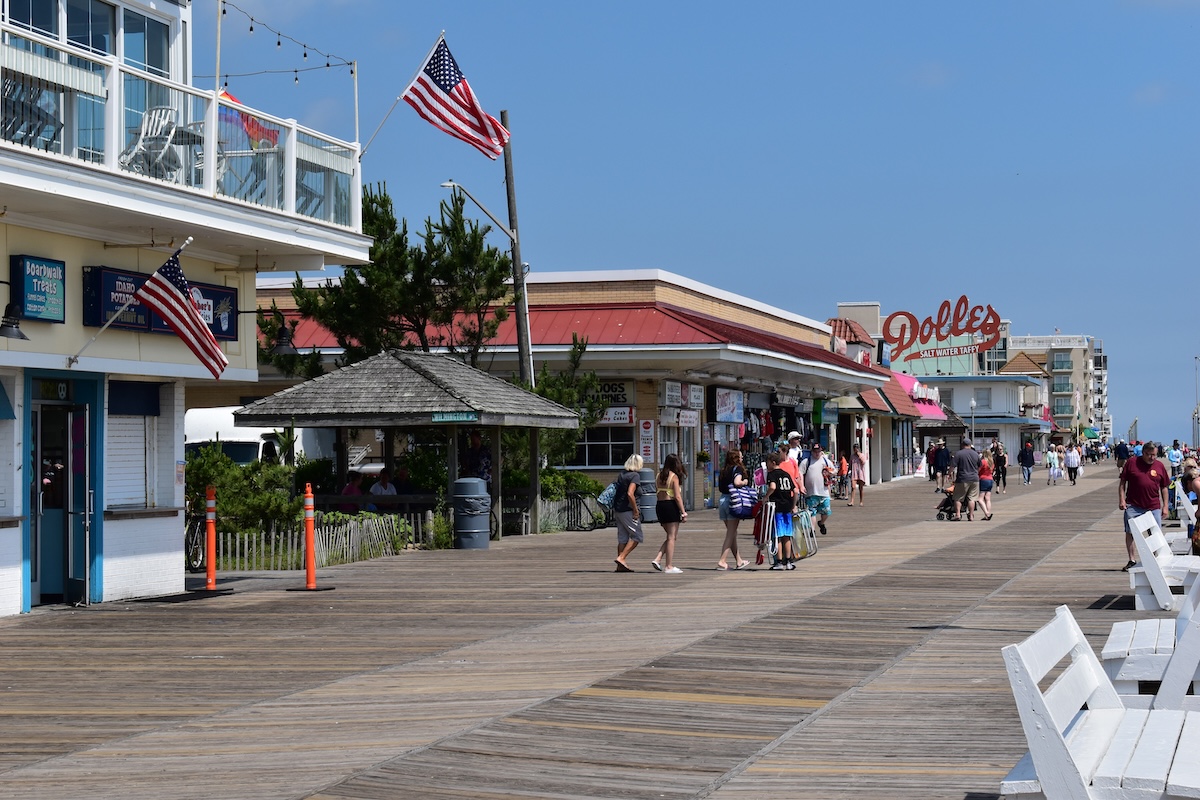
Rehoboth Beach offers one of the Mid-Atlantic’s most popular coastal escapes, with a mile-long boardwalk that draws 3.5 million visitors annually. The beachfront invites visitors to sunbathe, swim, play beach volleyball, and paddleboard. Alongside it, the wooden boardwalk adds classic seaside charm. You can browse shops selling saltwater taffy and beach gear, then choose between casual boardwalk fries and upscale seafood restaurants.
The town earned the nickname “Nation’s Summer Capital” because Washington D.C. residents often visit for a quick beach getaway. Families can enjoy Funland, a vintage amusement park that has entertained visitors with rides and arcade games since 1962. The beach offers clean sand, lifeguard stations, and a relaxed atmosphere for families, couples, and groups. Summer weekends bring the biggest crowds, but the shoulder seasons offer a quieter visit while preserving the area’s natural beauty and amenities.
Florida: Magic Kingdom (17.8 million visitors)
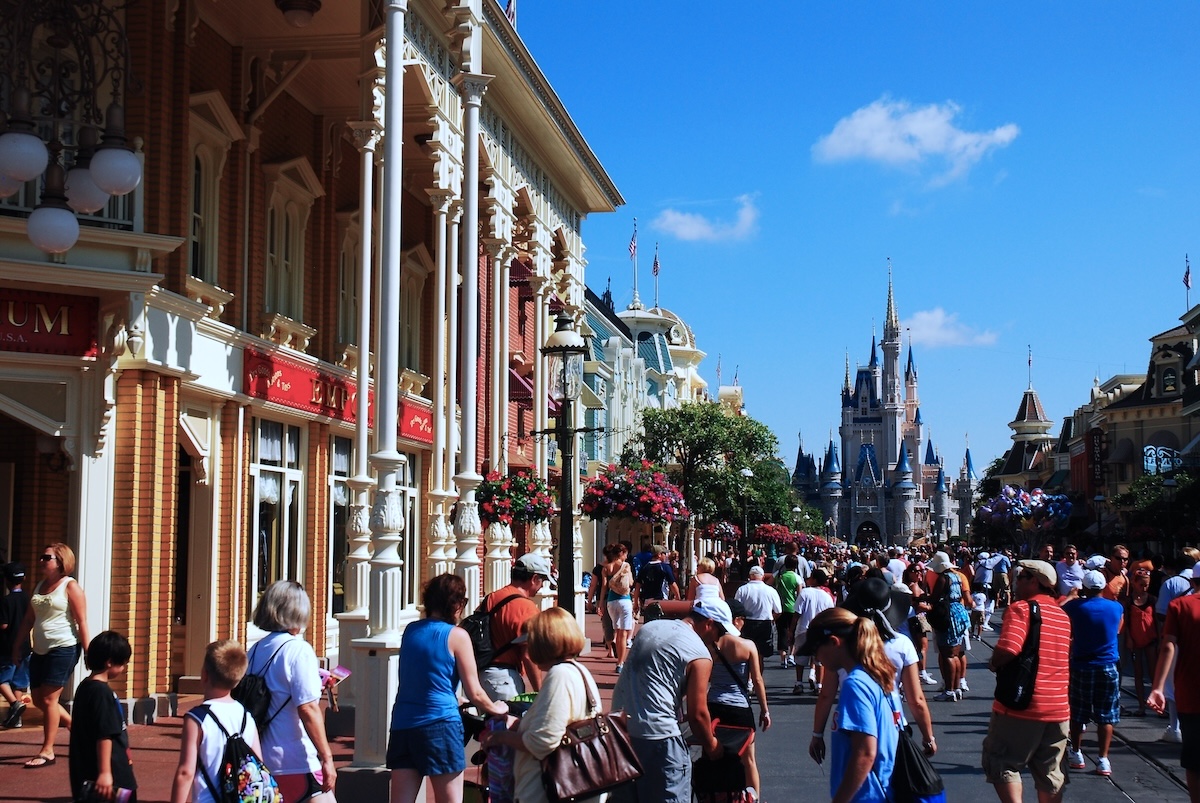
When you enter Magic Kingdom at Walt Disney World Resort, you step into the most visited theme park in the United States. This iconic Orlando destination has welcomed families since opening in 1971 and now attracts 17.8 million visitors each year. Six themed lands radiate from Cinderella Castle, with attractions ranging from classic dark rides to thrilling roller coasters.
You can enjoy favorites such as Space Mountain, Pirates of the Caribbean, and Haunted Mansion. Across the 107-acre park, visitors meet Disney characters, watch parades, and finish the day with fireworks over the castle. Whether you’re introducing young children to Disney magic or returning for a bit of nostalgia, Magic Kingdom offers an immersive experience that keeps drawing people from around the world.
Georgia: Georgia Aquarium (2.5 million visitors)
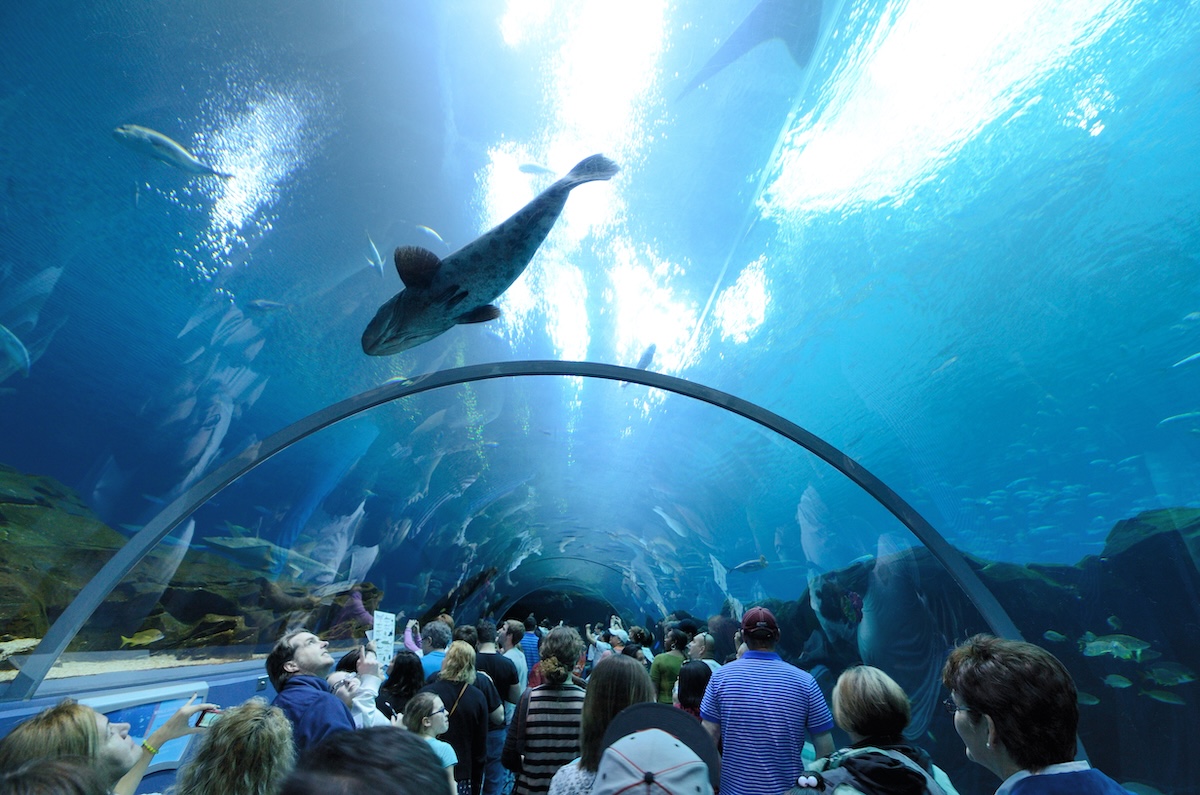
One of the world’s largest aquariums stands in downtown Atlanta, where 2.5 million visitors arrive each year to see its marine life. The Georgia Aquarium holds more than 10 million gallons of water and houses thousands of animals from hundreds of species. Underwater tunnels surround you with whale sharks, manta rays, and countless fish, creating the feeling of exploring the ocean floor without getting wet.
Several galleries showcase different aquatic environments and ecosystems. During your visit, you’ll see playful sea otters, graceful beluga whales, and African penguins. Interactive experiences let you touch stingrays or join behind-the-scenes tours. The aquarium’s location near Centennial Olympic Park and other Atlanta attractions makes it a popular stop for families, school groups, and anyone interested in marine conservation and ocean life.
Hawaii: Pearl Harbor National Memorial (1.7 million visitors)
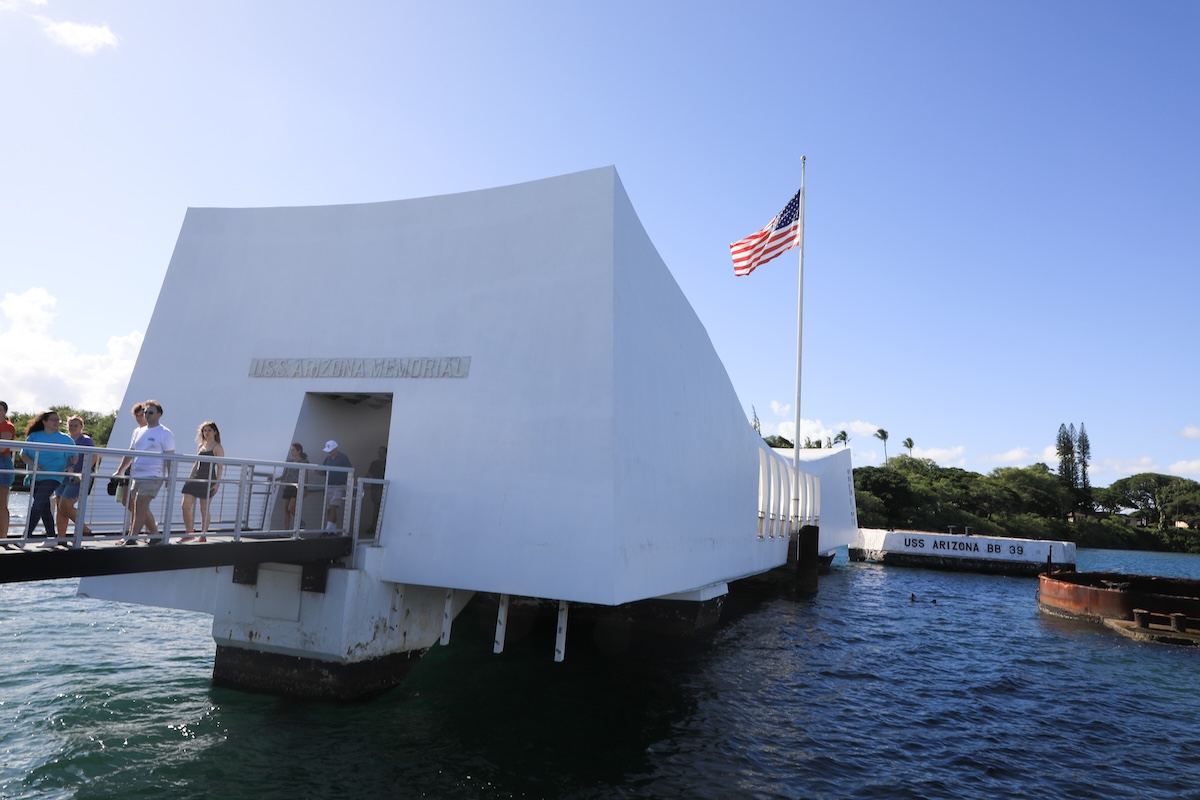
A visit to Pearl Harbor National Memorial on Oahu takes you to one of the most significant historical sites in the United States. The memorial commemorates the December 7, 1941, attack that brought the country into World War II. About 1.7 million visitors come each year to pay their respects and learn about this pivotal moment.
Most visits center on the USS Arizona Memorial, which stands above the sunken battleship where more than 1,000 sailors and Marines remain entombed. You can also explore the USS Missouri, where Japan formally surrendered to end the war, and the USS Bowfin submarine museum. Admission to the sites is free, though you must reserve tickets in advance for the Arizona Memorial boat program. At the visitor center, exhibits, documentary films, and personal stories explain what happened that day and how it shaped the nation.
Idaho: Shoshone Falls (300,000 visitors)
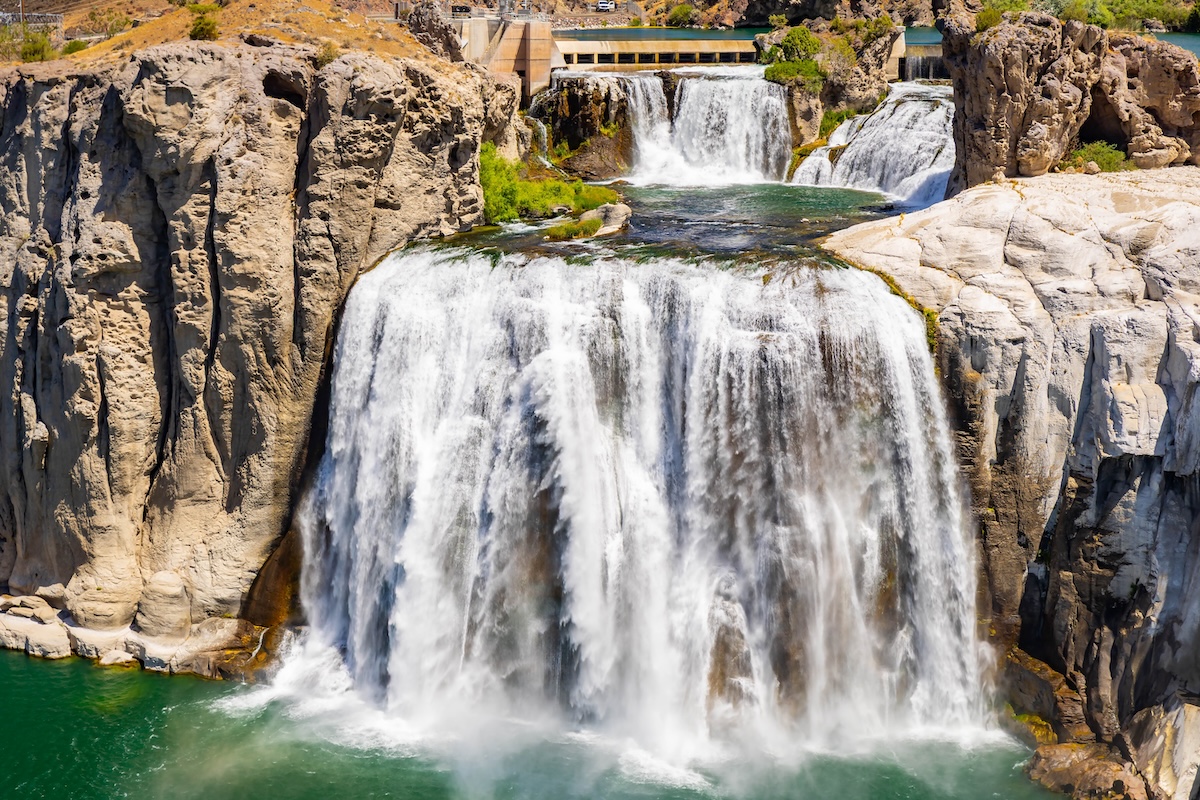
Just outside Twin Falls, Idaho, you’ll find one of the American West’s most impressive waterfalls. Shoshone Falls drops 212 feet over a broad basalt cliff along the Snake River, falling even farther than Niagara Falls. The cascade reaches its most dramatic volume during spring runoff, when mountain snowmelt swells the river.
Several viewing platforms and a park area give you plenty of ways to enjoy the falls. About 300,000 visitors come each year to see this natural wonder, which stretches roughly 900 feet across. You can follow the park’s trails, use the swimming area during summer, or take in the view from the rim overlook. Peak flow usually arrives between April and June, although water flows year-round depending on irrigation demands upstream.
Illinois: Millennium Park (25 million visitors)
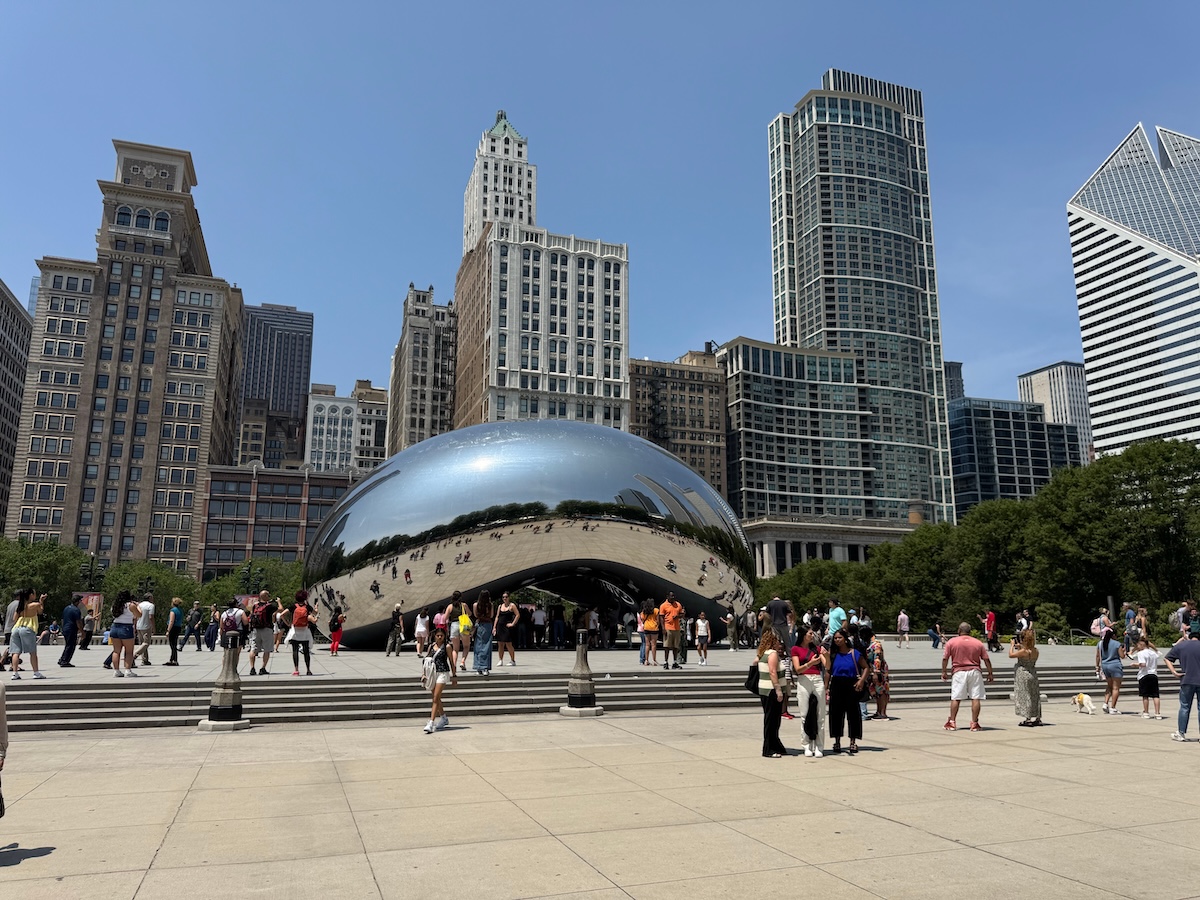
Millennium Park sits in the heart of downtown Chicago and attracts roughly 25 million visitors each year. This 24.5-acre urban oasis opened in 2004 and quickly became a favorite for tourists and locals. The park lies between Michigan Avenue and Columbus Drive, so you can reach it easily from anywhere in the Loop.
Cloud Gate, the mirror-polished steel sculpture locals call “The Bean,” is impossible to miss. You’ll also find the Crown Fountain, an art installation with LED video displays, and the Frank Gehry-designed Jay Pritzker Pavilion, which hosts free summer concerts. Beautiful gardens, outdoor ice skating in winter, and year-round cultural events add to the park’s appeal. Whether you’re taking selfies at the reflective Bean or watching a live performance, you’re seeing one of America’s best-known examples of contemporary urban park design.
Indiana: Indiana Dunes National Park (2.7 million visitors)
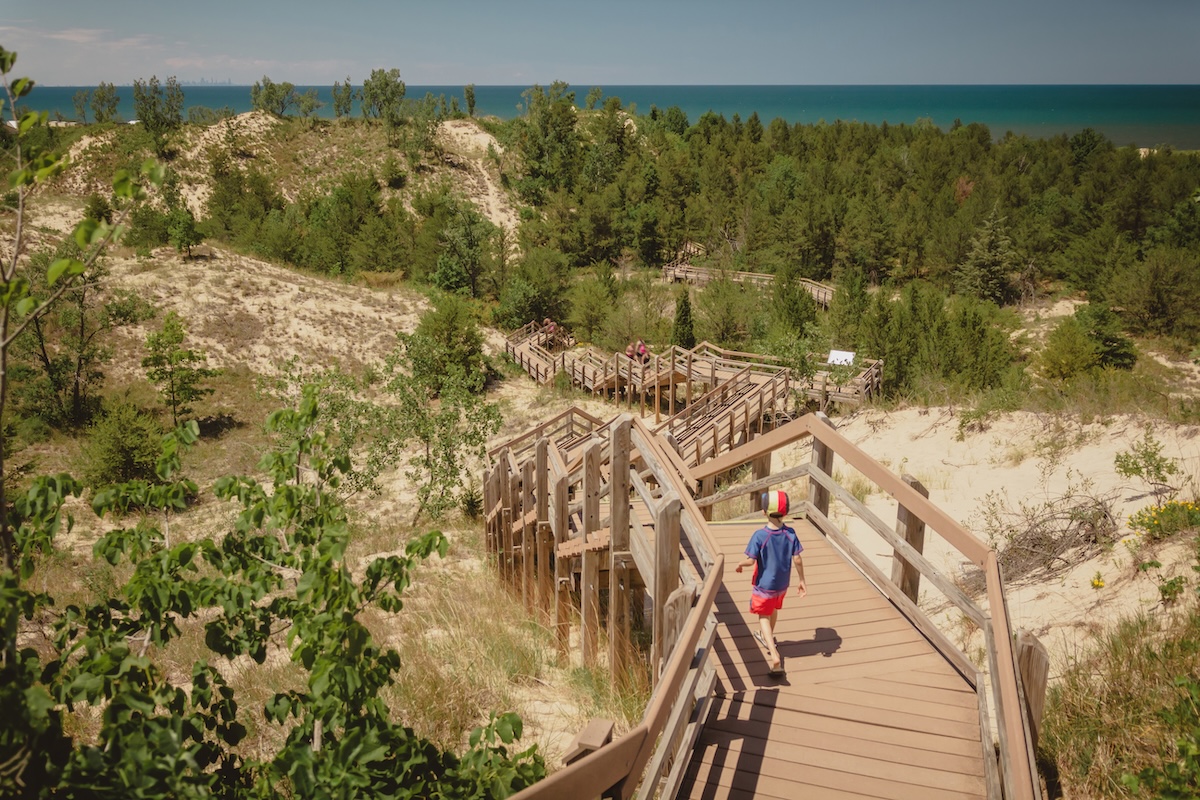
You’ll find one of the Midwest’s most surprising natural treasures along Lake Michigan’s southern shore, where Indiana Dunes National Park draws 2.7 million visitors annually. The park stretches across 15 miles of shoreline and features towering sand dunes, some nearly 200 feet high. You can explore over 50 miles of trails winding through wetlands, prairies, forests, and beaches.
Your visit offers more than scenic dunes and swimming. The park sits remarkably close to Chicago, making it an easy escape for urban dwellers who want nature without a long trip. You’ll find unexpected biodiversity here, with more than 1,100 native plant species thriving across its varied habitats. During your stay, hike Mount Baldy, relax on West Beach, or explore historical sites that reveal the region’s industrial and conservation heritage. The beaches fill up during summer, while fall and spring offer quieter chances for birdwatching and hikes through changing landscapes.
Iowa: Blank Park Zoo (470,000 visitors)

You’ll find one of Iowa’s most beloved attractions in Des Moines, where Blank Park Zoo welcomes nearly half a million visitors each year. The zoo spans 49 acres and houses over 800 animals from around the world, making it an ideal destination whether you’re traveling with kids or simply appreciate wildlife. You can explore exhibits featuring African lions, red pandas, snow leopards, and Australian animals in thoughtfully designed habitats.
The zoo stands out for its conservation and education programs, which engage visitors of all ages. You’ll find interactive experiences such as feeding giraffes, riding camels, and taking the Discovery Safari train through the grounds. A popular splash pad also offers a great way to cool off during hot Iowa summers. Your visit supports breeding programs for endangered species and lets you connect with animals you might never see otherwise.
Kansas: Sedgwick County Zoo (700,000 visitors)

You’ll find one of the Midwest’s premier wildlife attractions in Wichita, where Sedgwick County Zoo draws roughly 700,000 visitors annually. The zoo spans more than 200 acres and houses over 3,000 animals representing species from around the world. You can explore habitat zones modeled on environments ranging from the African plains to South American rainforests, creating an immersive experience as you move through the exhibits.
Your visit can include encounters with elephants, lions, giraffes, penguins, and countless other species. The zoo emphasizes conservation and education, with programs that connect you to wildlife preservation efforts. You’ll appreciate features such as the Downing Gorilla Forest and the penguin exhibit, which offer close-up views of remarkable animals in settings that resemble their natural habitats. Whether you’re traveling with family or exploring solo, the zoo offers a full day of discovery in the heart of Kansas.
Kentucky: Kentucky Horse Park (1 million visitors)
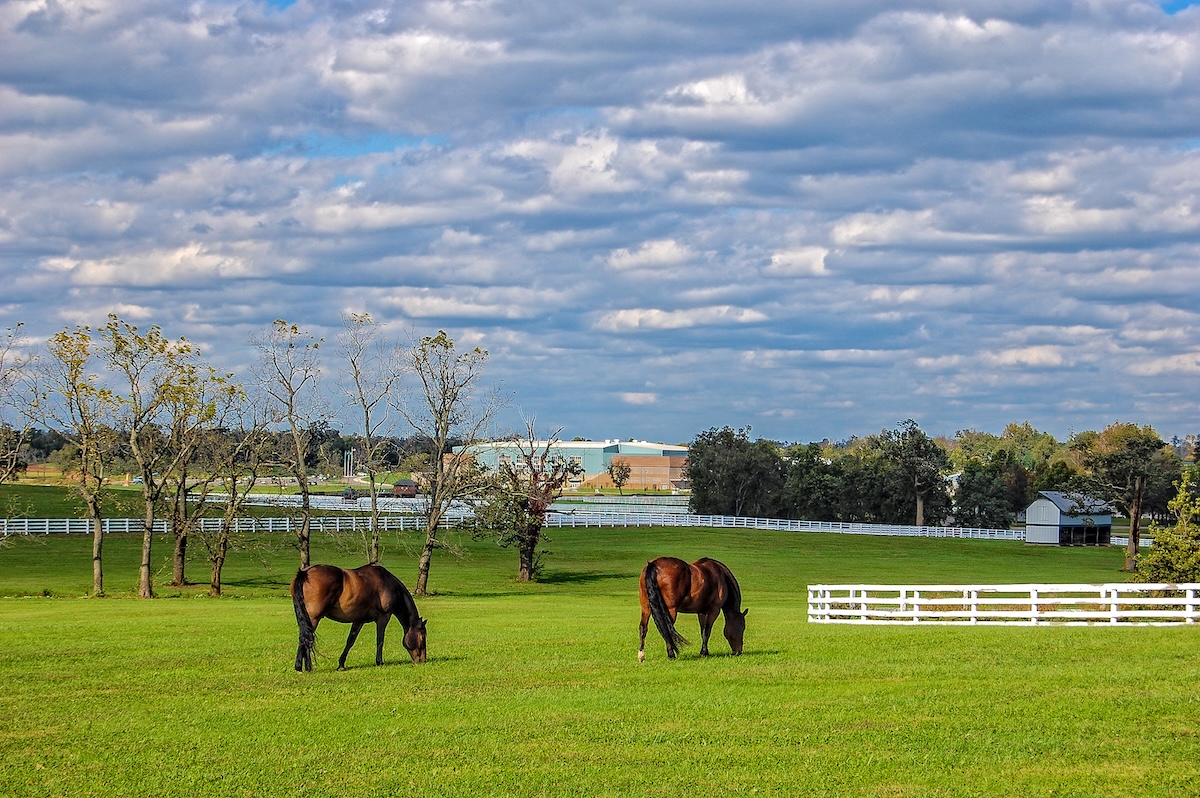
You’ll find yourself immersed in equestrian culture at Kentucky Horse Park in Lexington, a working horse farm that attracts around 1 million visitors annually. The 1,200-acre facility serves as both a championship competition venue and an educational theme park devoted to the relationship between humans and horses. You can watch live horse shows, explore the International Museum of the Horse, and meet dozens of breeds up close during the daily Parade of Breeds presentation.
The park offers hands-on experiences beyond a typical museum visit. You can take guided trail rides through the scenic grounds, watch farriers and blacksmiths demonstrate their crafts, and visit the graves of legendary horses such as Man o’ War and Secretariat at the Memorial Walk of Champions. If you visit during competition season, you might catch world-class events ranging from dressage to show jumping. The campground even lets you bring your own horse, making the park a unique destination for riders traveling with their equine companions.
Louisiana: Jackson Square (2 million visitors)
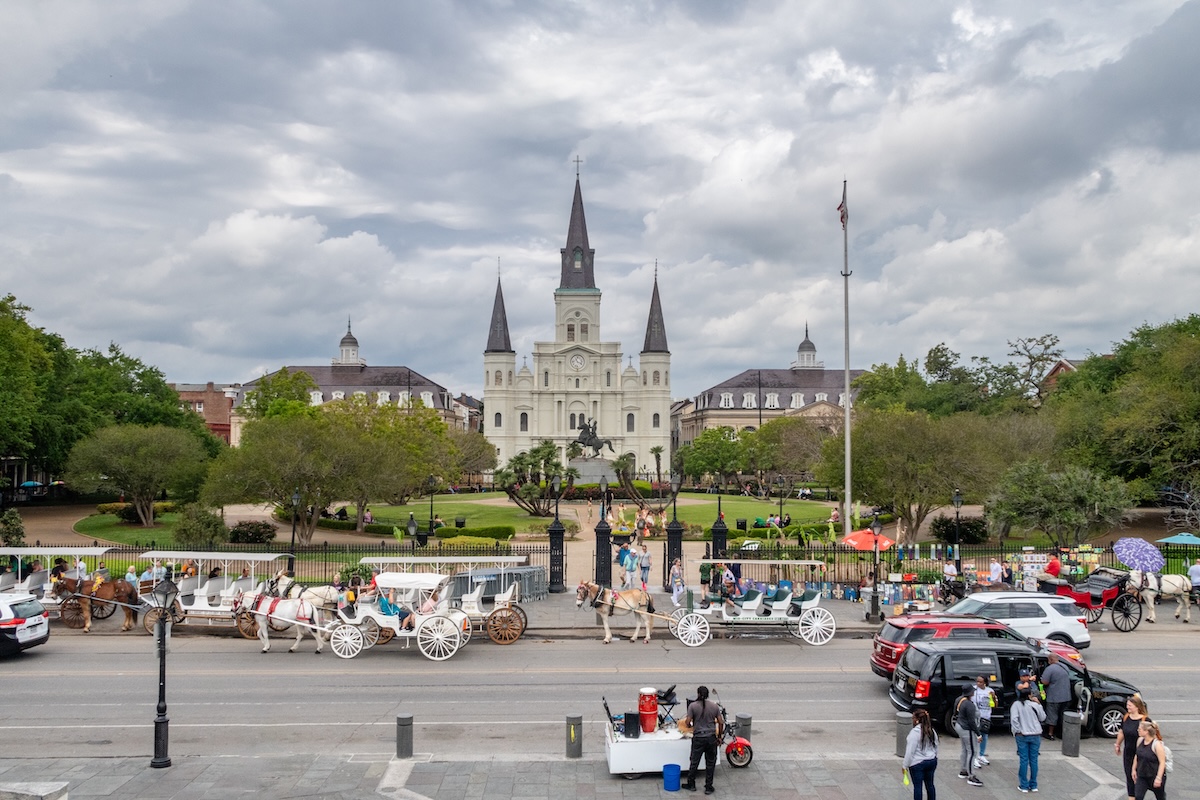
You’ll find Jackson Square at the heart of New Orleans’ French Quarter, where street performers, artists, and fortune tellers create an atmosphere unlike anywhere else in America. The historic park sits beside iconic landmarks such as St. Louis Cathedral, the Cabildo, and the Presbytère. You can watch local artists display paintings along the wrought-iron fence or catch a live jazz performance that captures the city’s musical soul.
The square dates to the 1720s and has served as the city’s central gathering place for centuries. At its center, you’ll see an impressive equestrian statue of Andrew Jackson, which commemorates the general’s victory at the Battle of New Orleans. When you visit, explore the surrounding architecture shaped by French and Spanish colonial influences, grab beignets from nearby Café du Monde, or sit on a bench and take in the lively street scene. The square draws about 2 million visitors annually who come to experience this essential slice of New Orleans culture and history.
Maine: Acadia National Park (4 million visitors)
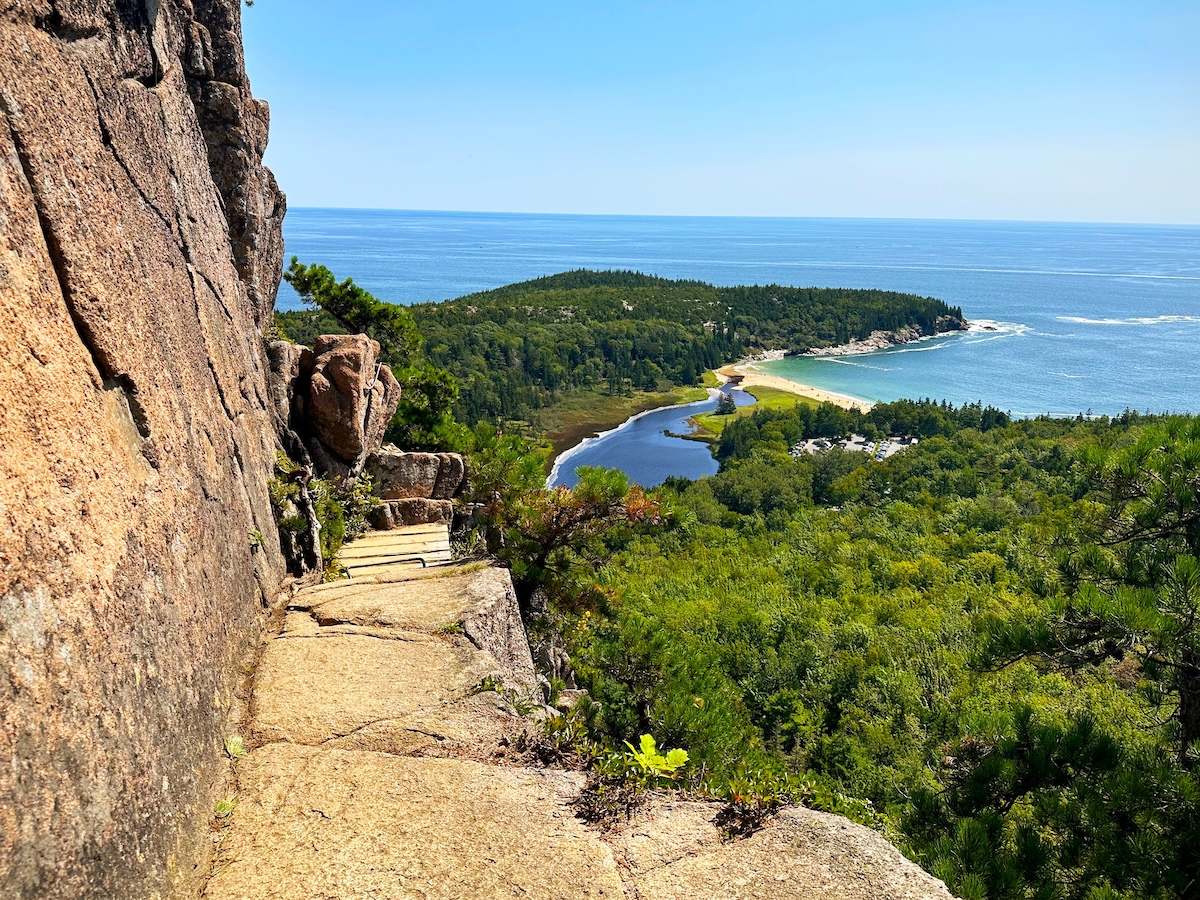
You’ll find Acadia National Park along Maine’s rugged Atlantic coastline, where granite cliffs meet crashing ocean waves. This stunning park draws around 4 million visitors annually to its 27,000 acres of varied landscapes, from rocky beaches to wooded trails and mountain peaks. You can drive the scenic Park Loop Road, hike Cadillac Mountain for a sunrise seen before anywhere else in the country, or explore the unique carriage roads winding through the forest.
The park offers more than breathtaking views. You’ll discover tide pools filled with marine life, enjoy fresh lobster in nearby Bar Harbor, and bike along car-free paths that highlight the area’s natural beauty. Whether you’re camping under the stars, kayaking along the coast, or watching the sunset from Thunder Hole, Acadia gives you an authentic taste of Maine’s wild character. The park stays accessible year-round, although summer and fall remain the busiest seasons, with comfortable weather and striking foliage.
Maryland: National Aquarium (1.1 million visitors)
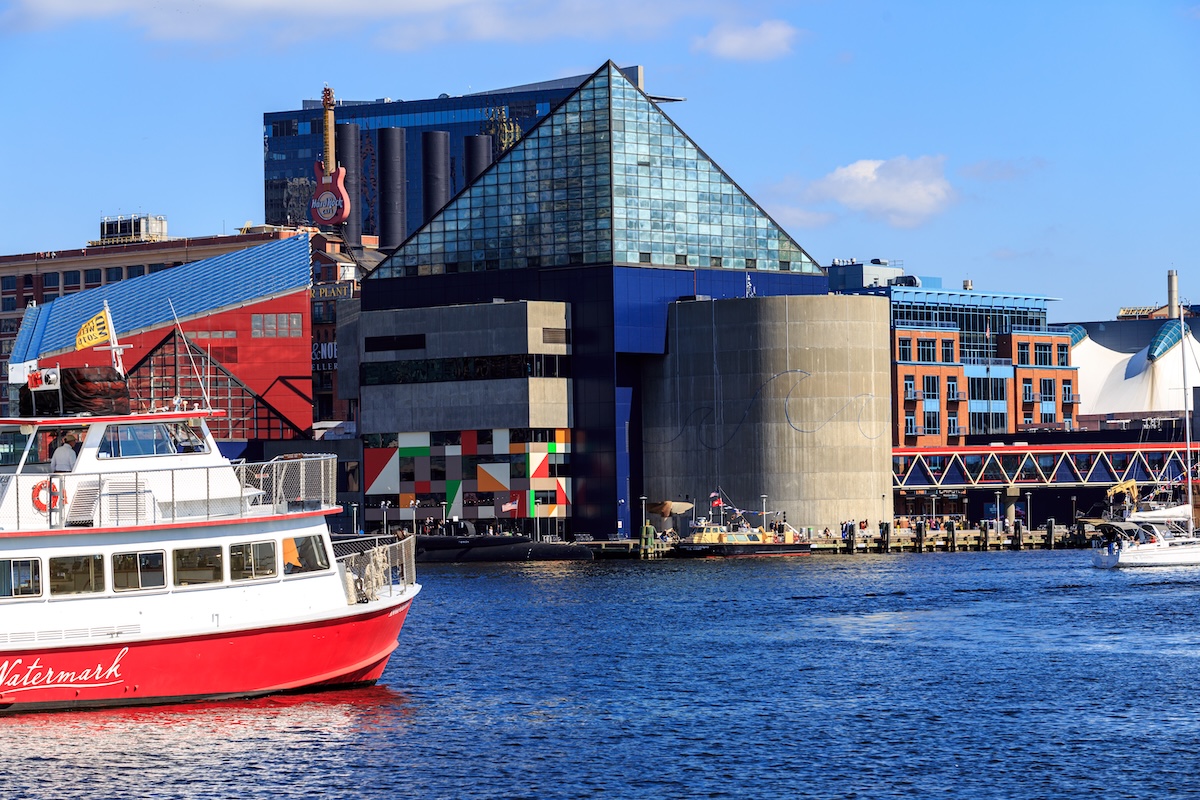
When you visit Baltimore’s Inner Harbor, you’ll find one of the nation’s most impressive aquatic institutions, drawing 1.1 million visitors annually. The National Aquarium houses over 20,000 animals representing more than 800 species across several immersive exhibits. You can explore a tropical rainforest filled with birds and reptiles, watch blacktip reef sharks glide overhead in a coral reef display, and observe playful bottlenose dolphins during daily presentations.
The aquarium’s iconic glass pyramid stands as a waterfront landmark and holds multiple floors of marine habitats. You’ll encounter jellyfish drifting through illuminated tanks, brightly colored poison dart frogs, and an Australian river ecosystem teeming with life. The facility emphasizes conservation and education, offering ways to learn about ocean health and sustainability while experiencing aquatic environments up close. Plan on three to four hours if you want to explore all the exhibits, whether you’re traveling with family or visiting on your own.
Massachusetts: Faneuil Hall Marketplace (18 million visitors)
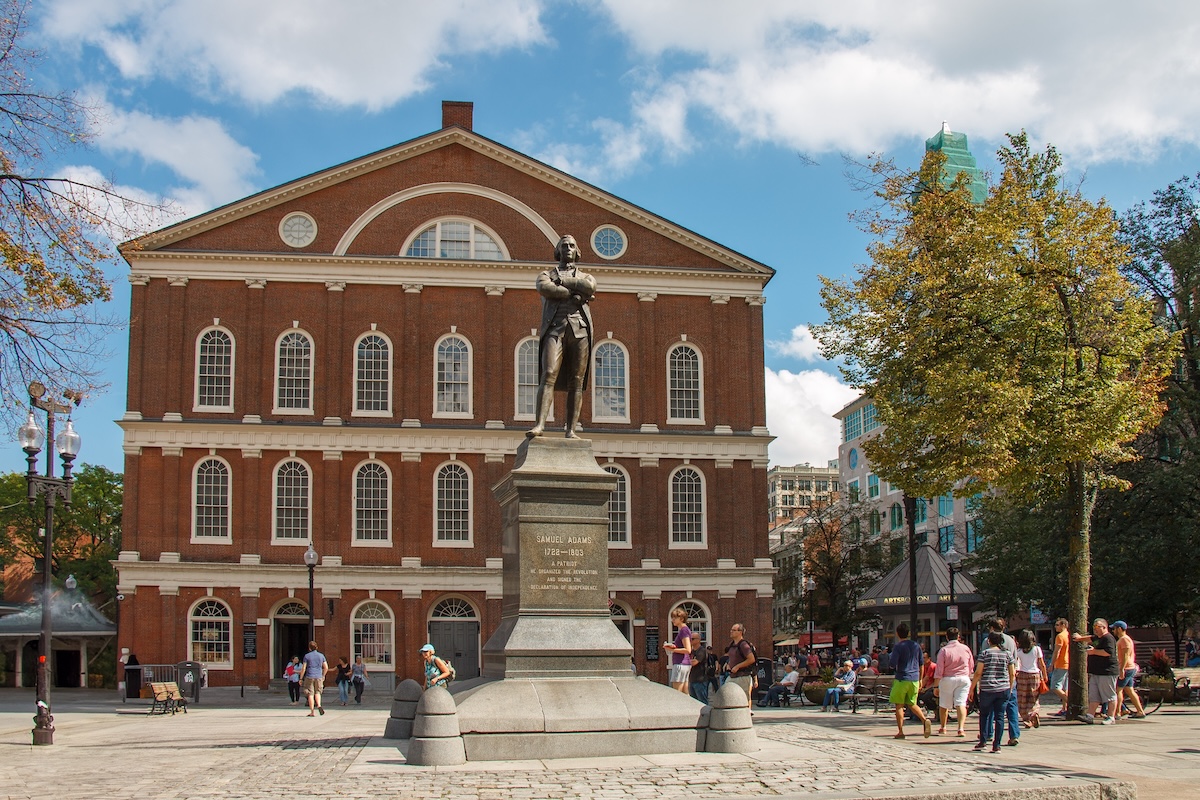
You’ll find one of Boston’s busiest destinations at Faneuil Hall Marketplace, where history and commerce have met since 1743. The complex includes the original Faneuil Hall, known as the “Cradle of Liberty” for its role in Revolutionary War meetings, along with three historic market buildings that now hold over 100 shops and eateries. When you visit, explore Quincy Market’s famous food colonnade, browse local artisan goods, and watch street performers entertain crowds in the open plazas.
Your experience here combines colonial architecture with modern urban energy. The marketplace sits in downtown Boston, making it an easy stop while you explore the Freedom Trail or nearby waterfront. You can grab a bowl of New England clam chowder, shop for Boston souvenirs, or simply take in this National Historic Landmark. Tourists and locals visit year-round, creating a lively mix that reflects Boston’s character as a city that honors its past while embracing contemporary life.
Michigan: The Henry Ford (1.8 million visitors)

You’ll find one of America’s most impressive museum complexes in Dearborn, where The Henry Ford draws 1.8 million visitors annually. This sprawling destination celebrates innovation and American ingenuity through several attractions across 250 acres. The indoor Henry Ford Museum of American Innovation houses an extraordinary collection, including the presidential limousine in which JFK was assassinated, the bus where Rosa Parks made her historic stand, and Thomas Edison’s laboratory.
When you visit, explore Greenfield Village, an outdoor living history museum where costumed interpreters demonstrate everything from glassblowing to Model T assembly. The village features historic buildings relocated from their original sites, including the Wright Brothers’ bicycle shop and Henry Ford’s birthplace. You’ll also have access to the Ford Rouge Factory Tour, where you can watch modern F-150 trucks being assembled on active production lines. The complex offers year-round programming, with seasonal events that bring different eras of American history to life through hands-on experiences and demonstrations.
Minnesota: Mall of America (32 million visitors)

You’ll find the nation’s largest shopping and entertainment complex in Bloomington, Minnesota, where the Mall of America draws an impressive 32 million visitors annually. This massive destination covers 5.6 million square feet and houses over 500 stores, making it much larger than most shopping centers you’ve encountered. The mall doesn’t charge Minnesota sales tax on clothing and shoes, which adds to its appeal for shoppers hunting for deals.
Beyond retail therapy, you can enjoy Nickelodeon Universe, a seven-acre indoor theme park at the mall’s center, or visit SEA LIFE Minnesota Aquarium, with its 1.2 million gallons of water and underwater ocean tunnel. The complex also features more than 50 dining options, from quick bites to sit-down restaurants. You might spend an entire day exploring entertainment venues such as mini-golf, escape rooms, and a comedy club. Its location near Minneapolis-St. Paul International Airport makes the mall easy to reach for local visitors and tourists flying in from across the country.
Mississippi: Vicksburg National Military Park (400,000 visitors)
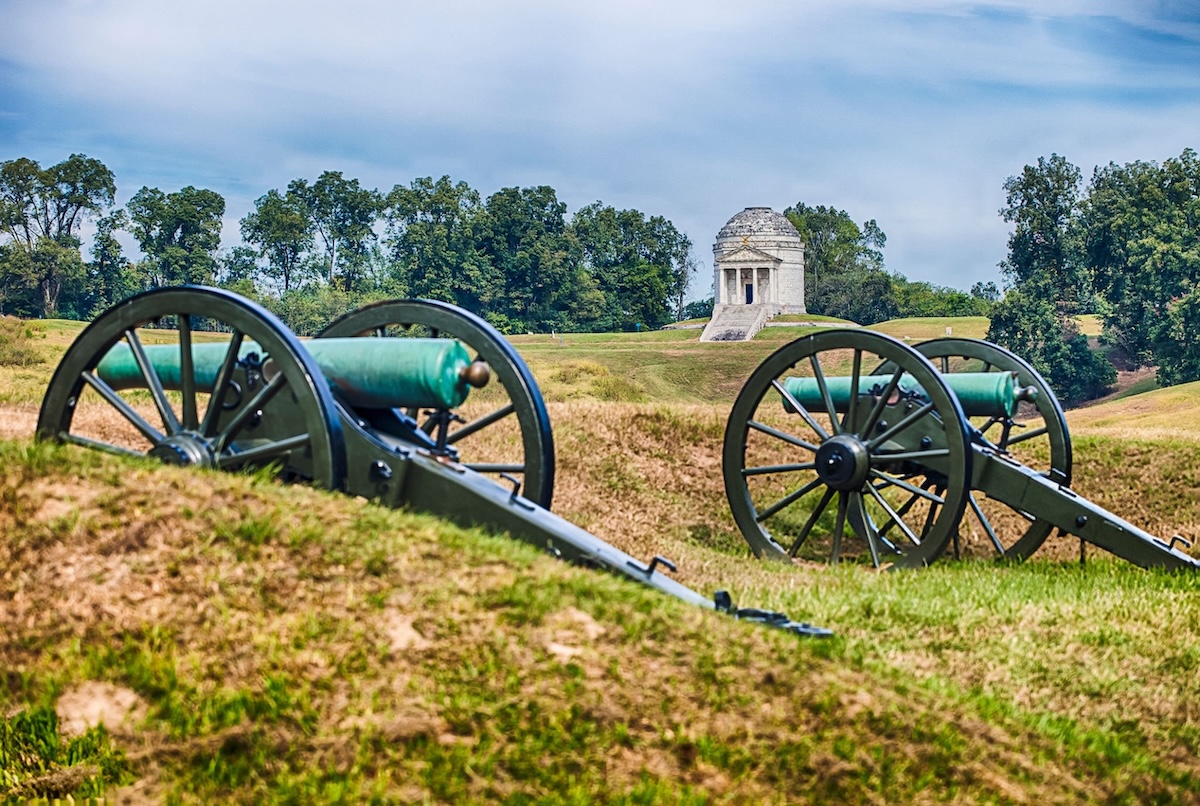
You’ll find one of the Civil War’s most significant battlefields preserved across 1,800 acres in western Mississippi. Vicksburg National Military Park commemorates the pivotal 47-day siege that gave the Union control of the Mississippi River in 1863. When you visit, you can explore over 1,400 monuments and markers across the landscape, making this one of America’s most extensively documented battlefields.
Your experience at the park includes a 16-mile driving tour through historic battle positions and earthworks. You can walk the same grounds where soldiers fought and visit the USS Cairo Museum, which houses a restored Union ironclad gunboat sunk during the campaign. The Vicksburg National Cemetery, located within the park, serves as the final resting place for nearly 17,000 Union soldiers. You’ll also discover varied terrain, from steep bluffs overlooking the river to dense hardwood forests that have reclaimed former battlefields.
Missouri: Saint Louis Zoo (2.9 million visitors)
You’ll find one of America’s best free attractions in Forest Park, where the Saint Louis Zoo welcomes nearly 3 million visitors annually without charging for general admission. Since opening in 1910, this 90-acre zoo has grown into a world-class facility housing over 12,000 animals representing more than 500 species. You can explore zones such as River’s Edge, where hippos and elephants roam in naturalistic habitats, or visit Penguin & Puffin Coast to watch seabirds dive and play.
The zoo’s commitment to conservation and education sets it apart from typical tourist attractions. You’ll encounter rare species in carefully designed exhibits that prioritize animal welfare and authentic environments. The historic 1904 Flight Cage, a surviving structure from the World’s Fair, still houses free-flying birds today. Whether you’re riding the Conservation Carousel, catching a sea lion show, or walking through immersive wild spaces, you’ll experience one of the nation’s top-ranked zoological parks, proving that exceptional attractions don’t require hefty admission fees.
Montana: Glacier National Park (3.2 million visitors)
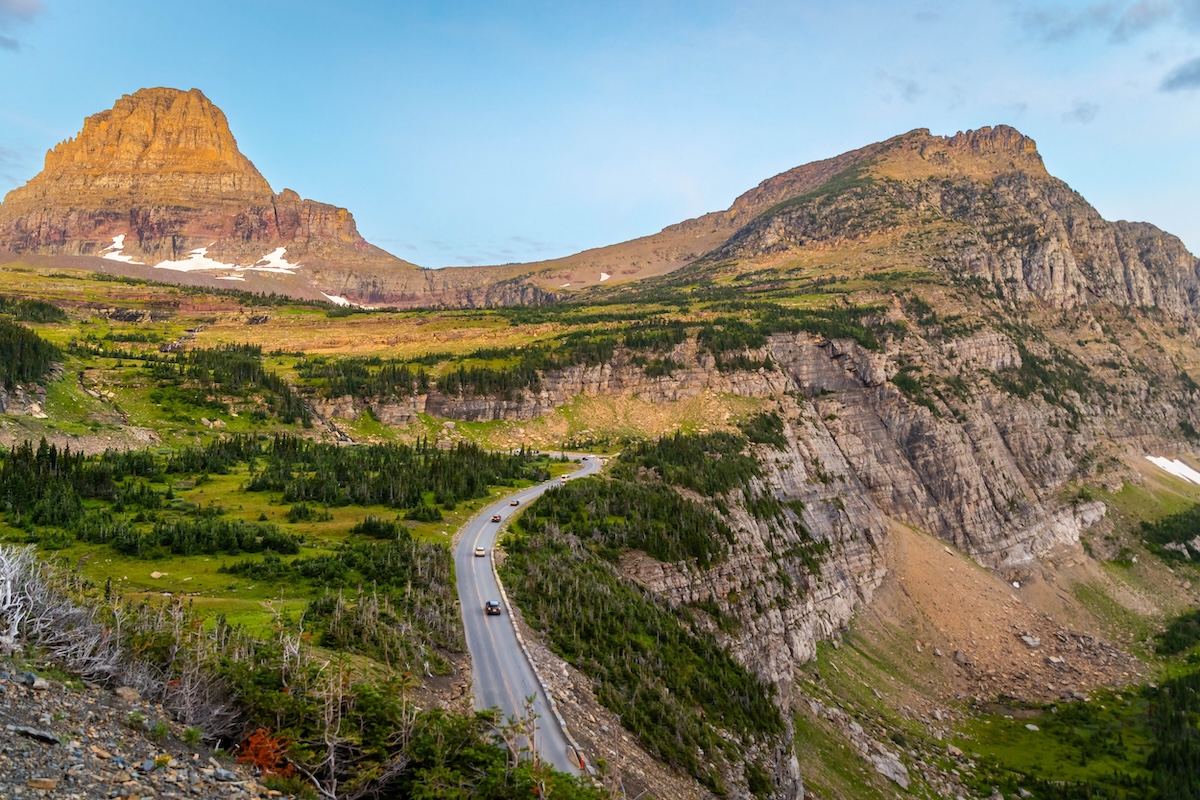
You’ll find one of America’s most spectacular wilderness areas straddling the Continental Divide in northwestern Montana. Glacier National Park draws 3.2 million visitors annually with dramatic mountain landscapes, pristine alpine lakes, and over 700 miles of hiking trails. The famous Going-to-the-Sun Road offers breathtaking views as it winds through the park and crosses the divide at Logan Pass.
Your visit might include spotting mountain goats, grizzly bears, and bighorn sheep in their natural habitats. The park contains more than 130 named lakes and two mountain ranges with peaks exceeding 10,000 feet. You can explore ecosystems ranging from prairie grasslands to dense cedar forests. Its 26 remaining glaciers continue to shape the landscape, though they’re much smaller than they were a century ago. Whether you’re backpacking through remote backcountry or taking a scenic boat tour on Lake McDonald, you’ll experience some of the most unspoiled terrain in the Lower 48 states.
Nebraska: Omaha’s Henry Doorly Zoo and Aquarium (1.6 million visitors)
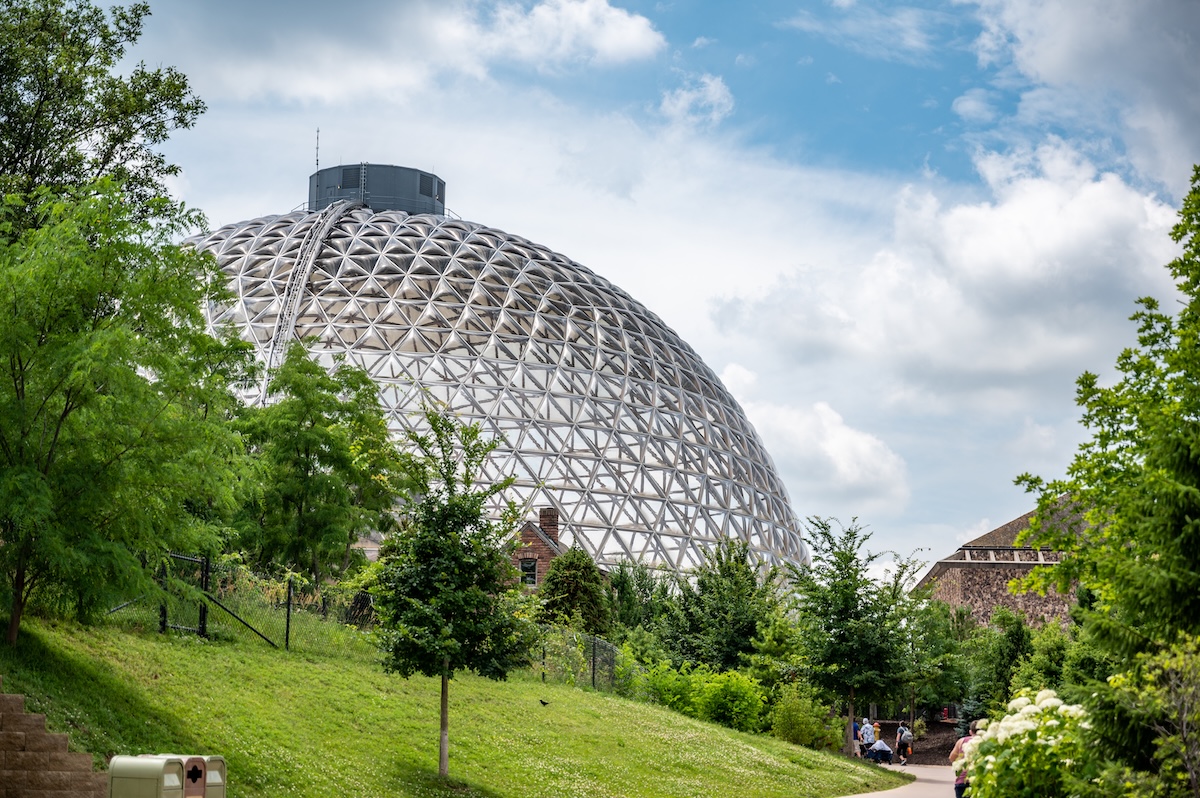
You’ll find one of the world’s premier zoological institutions in the heart of Nebraska. Omaha’s Henry Doorly Zoo and Aquarium draws 1.6 million visitors annually, making it the state’s top tourist destination. The facility spans 160 acres and houses thousands of animals from every continent, offering an immersive experience far beyond typical zoo exhibits.
When you visit, you can explore the Desert Dome, the world’s largest indoor desert, and descend into the Kingdoms of the Night, where nocturnal creatures live in a dimly lit underground environment. The Lied Jungle recreates a tropical rainforest indoors, while the Scott Aquarium features a 70-foot shark tunnel that puts you face-to-face with marine predators. Your ticket also grants access to the African Grasslands, where giraffes, elephants, and rhinos roam in spacious habitats designed to resemble their natural environments.
Nevada: Fremont Street Experience (24 million visitors)
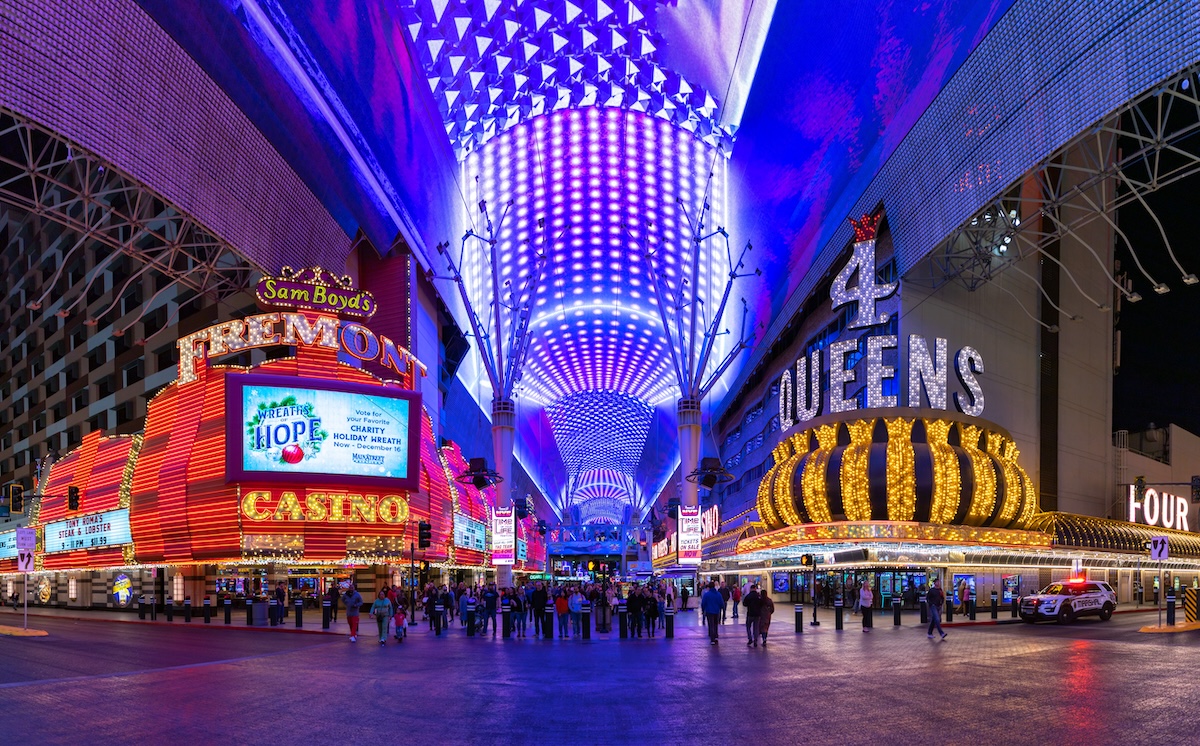
You’ll find one of downtown Las Vegas’s most electrifying attractions at the Fremont Street Experience, where a five-block pedestrian mall becomes a spectacular showcase of light and sound. The centerpiece is Viva Vision, a massive LED canopy stretching 1,500 feet overhead that displays free light shows throughout the evening. You can enjoy live music on multiple stages, zip above the crowds on SlotZilla, and explore vintage casinos that hark back to old Las Vegas.
The Fremont Street Experience offers a different vibe from the Strip, with a compact layout that makes exploring on foot easy. You’ll discover street performers, outdoor bars, and classic neon signs from Las Vegas’s golden age. Roughly 24 million visitors come each year to experience this blend of nostalgia and modern entertainment. Whether you’re people-watching from a casino patio or catching one of the nightly LED shows, you’re seeing a piece of Vegas history reimagined for today’s travelers.
New Hampshire: White Mountain National Forest (6 million visitors)
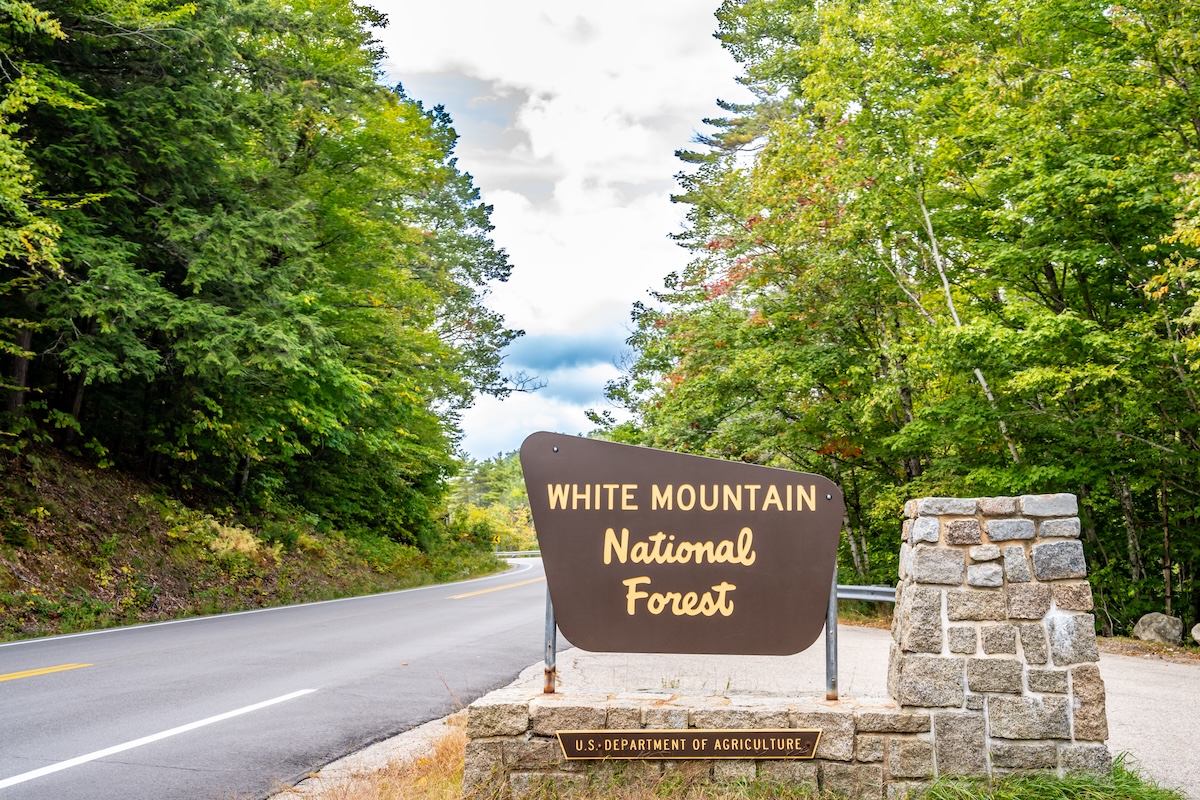
You’ll find some of the Northeast’s most dramatic mountain scenery in White Mountain National Forest. Spanning nearly 800,000 acres across New Hampshire and western Maine, the forest draws 6 million visitors annually with its rugged peaks, cascading waterfalls, and extensive trail networks. It includes Mount Washington, the highest peak in the northeastern United States, known for extreme weather and a historic cog railway that has carried passengers to the summit since 1869.
Your visit might include a leisurely drive along the Kancamagus Highway or a challenging hike through the Presidential Range. The forest offers year-round recreation. Hiking, camping, and wildlife viewing dominate the warmer months, while winter brings skiing, snowshoeing, and ice climbing. You can explore more than 1,200 miles of trails, including portions of the Appalachian Trail, or enjoy the fall foliage that covers the mountains in brilliant reds, oranges, and golds.
New Jersey: Atlantic City Boardwalk (27 million visitors)

You’ll find America’s first boardwalk along the Atlantic City shoreline, where 27 million visitors stroll the iconic wooden planks each year. Built in 1870, this legendary promenade stretches roughly four miles and offers an authentic taste of classic American beach culture alongside modern entertainment. It even inspired the street names in Monopoly.
When you visit, you can explore famous casino resorts, sample saltwater taffy from century-old candy shops, and watch street performers along the way. The boardwalk provides access to pristine beaches, the historic Steel Pier amusement park, and countless dining options, from casual pizza joints to upscale restaurants. You’ll also discover shopping opportunities ranging from souvenir stands to high-end boutiques. Whether you’re riding the rolling chairs that have transported visitors since 1887, playing games in an arcade, or simply enjoying the ocean breeze, the Atlantic City Boardwalk offers a quintessential Jersey Shore experience for families, couples, and solo travelers.
New Mexico: ABQ BioPark (1.2 million visitors)
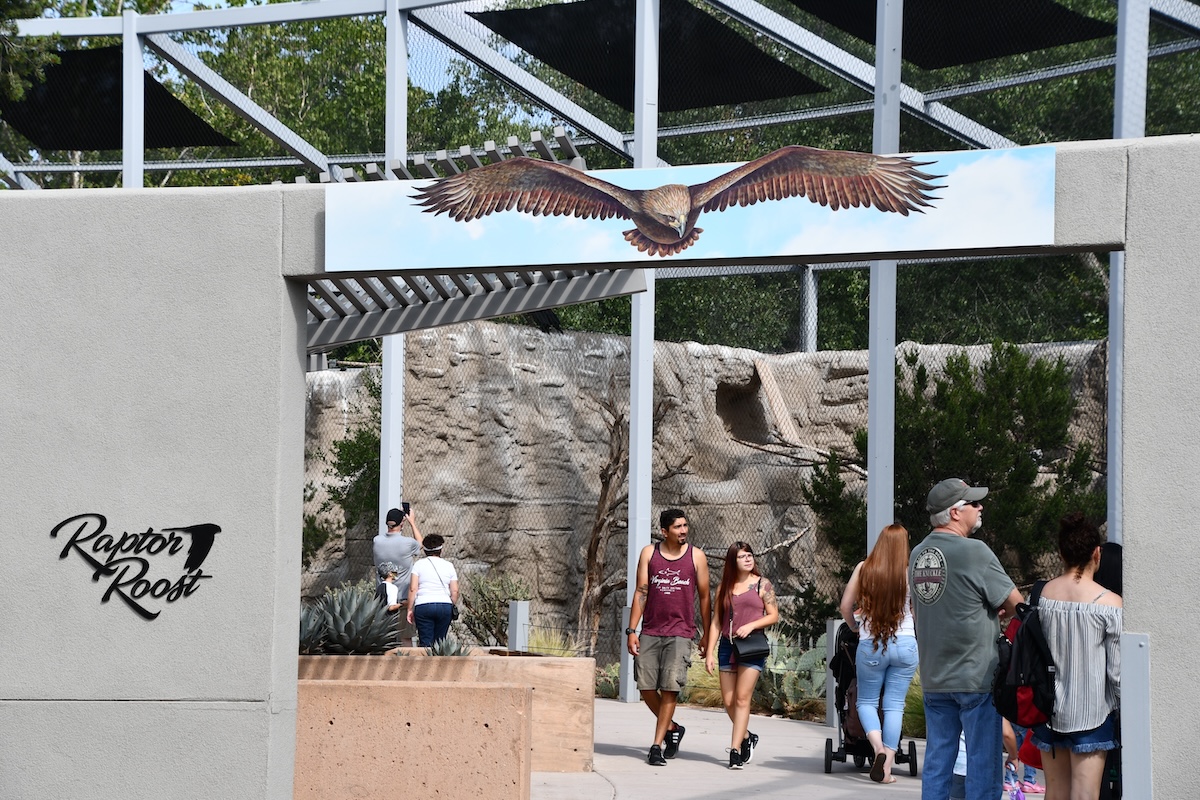
When you visit Albuquerque, the ABQ BioPark offers four distinct attractions under one umbrella and draws 1.2 million visitors annually. You can explore the zoo, aquarium, botanic garden, and Tingley Beach, each offering a different experience in the heart of New Mexico’s largest city. The zoo houses animals from around the world, while the aquarium takes you from the Gulf of Mexico upstream through several ecosystems.
The botanic garden showcases desert plants and Mediterranean flora across multiple themed gardens, giving you a taste of diverse botanical environments. Tingley Beach rounds out the experience with fishing ponds and model boat sailing. The BioPark’s location along the Rio Grande provides a natural setting, and you can easily spend an entire day exploring all four facilities with one admission pass.
New York: Times Square (50 million visitors)
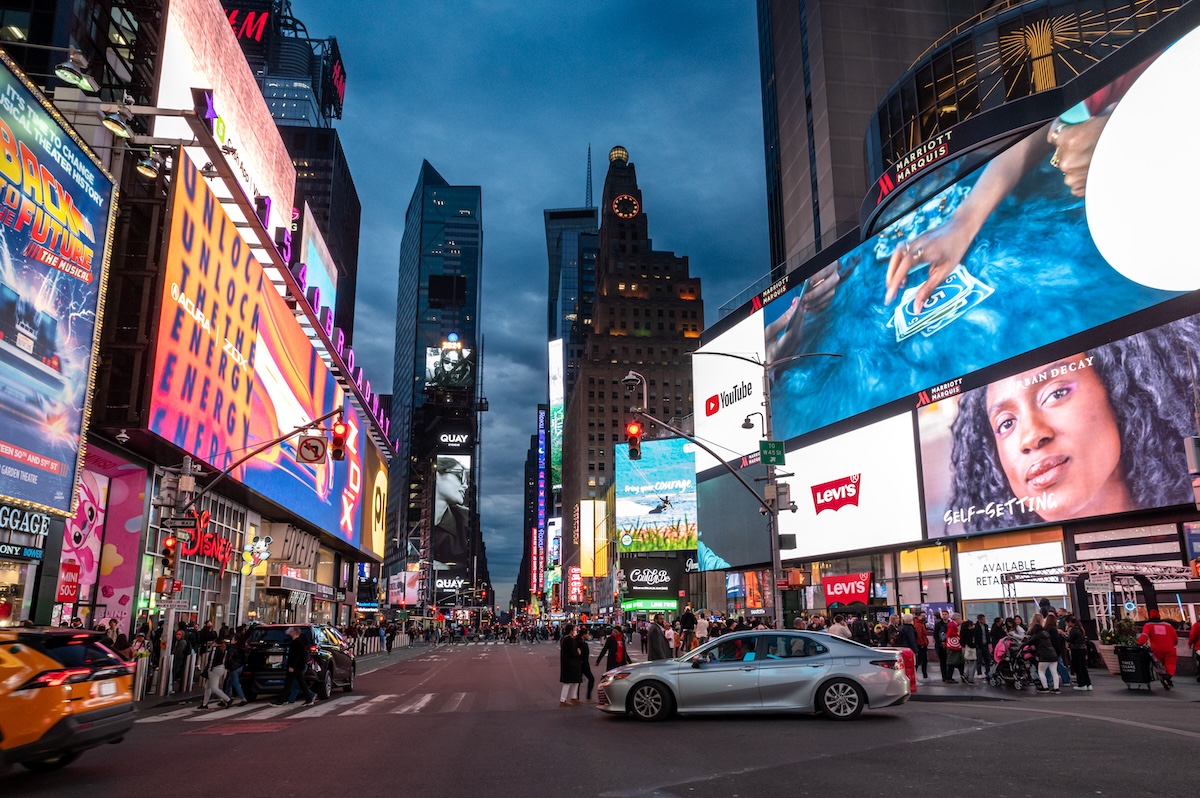
You’ll find one of the world’s most recognizable intersections in Manhattan’s Times Square. This bustling commercial hub attracts roughly 50 million visitors annually, making it New York State’s most visited tourist attraction. The area runs from West 42nd to West 47th Streets, where Broadway crosses Seventh Avenue, creating a pedestrian-friendly zone filled with massive digital billboards, theaters, and entertainment venues.
Your visit gives you access to Broadway’s famous theater district, countless restaurants, and flagship retail stores. The square stays lively at all hours, though it becomes especially spectacular after dark when LED displays light up the streets. You can watch street performers, visit the TKTS booth for discounted theater tickets, or simply take in the energy that has made this place synonymous with New York City. On New Year’s Eve, more than a million people gather to watch the iconic ball drop at midnight.
North Carolina: Blue Ridge Parkway (11.3 million visitors)
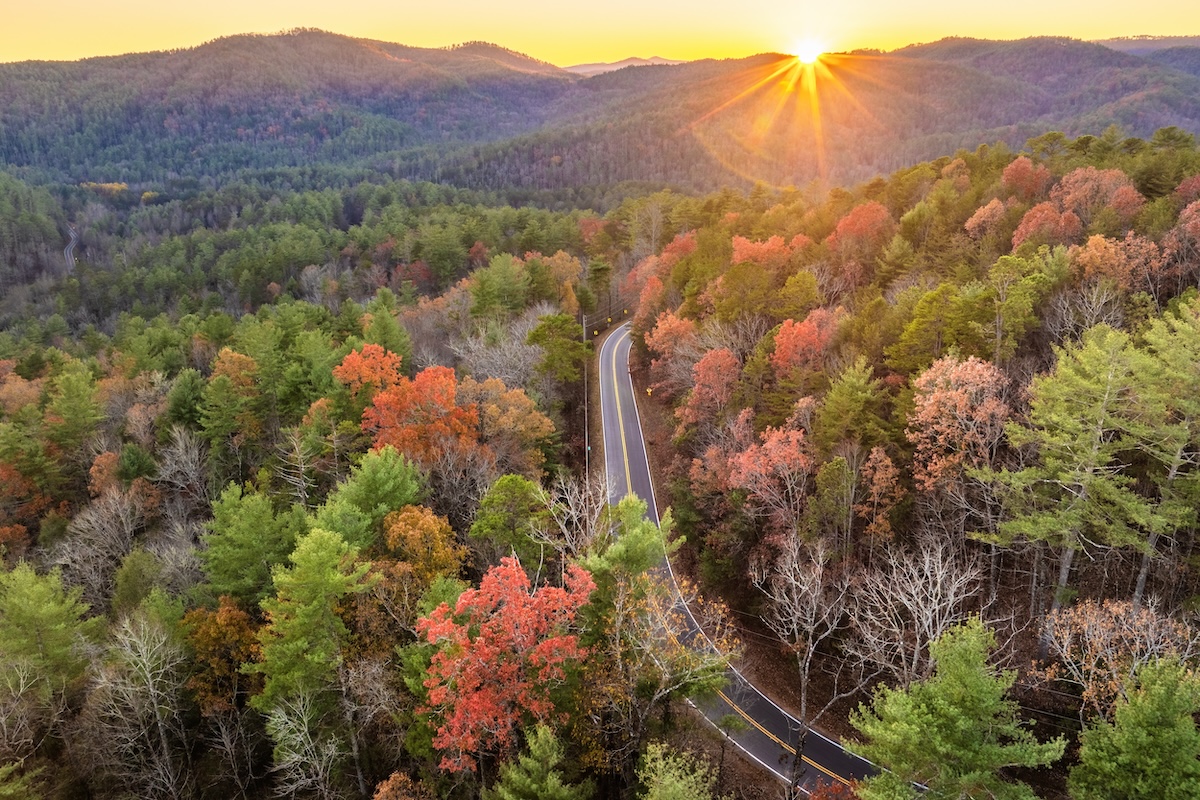
You’ll find America’s most visited national parkway winding 469 miles through the Appalachian Highlands, connecting Virginia’s Shenandoah National Park with North Carolina’s Great Smoky Mountains. The Blue Ridge Parkway draws more than 11 million visitors annually with its mountain vistas, rolling meadows, and Southern Appalachian culture. The route climbs from 649 to 6,053 feet, so the scenery keeps changing as you travel.
When you visit, you can stop at overlooks, hiking trails, and historic sites that highlight the region’s natural beauty and heritage. The parkway is especially popular in fall, when the mountainsides burst into autumn color, though spring wildflowers and summer greenery bring plenty of visitors too. Along the way, you’ll encounter the Linn Cove Viaduct, Linville Falls, and the Folk Art Center. With no entrance fee and year-round access, weather permitting, you can explore at your own pace and return whenever you’d like.
North Dakota: Theodore Roosevelt National Park (730,000 visitors)
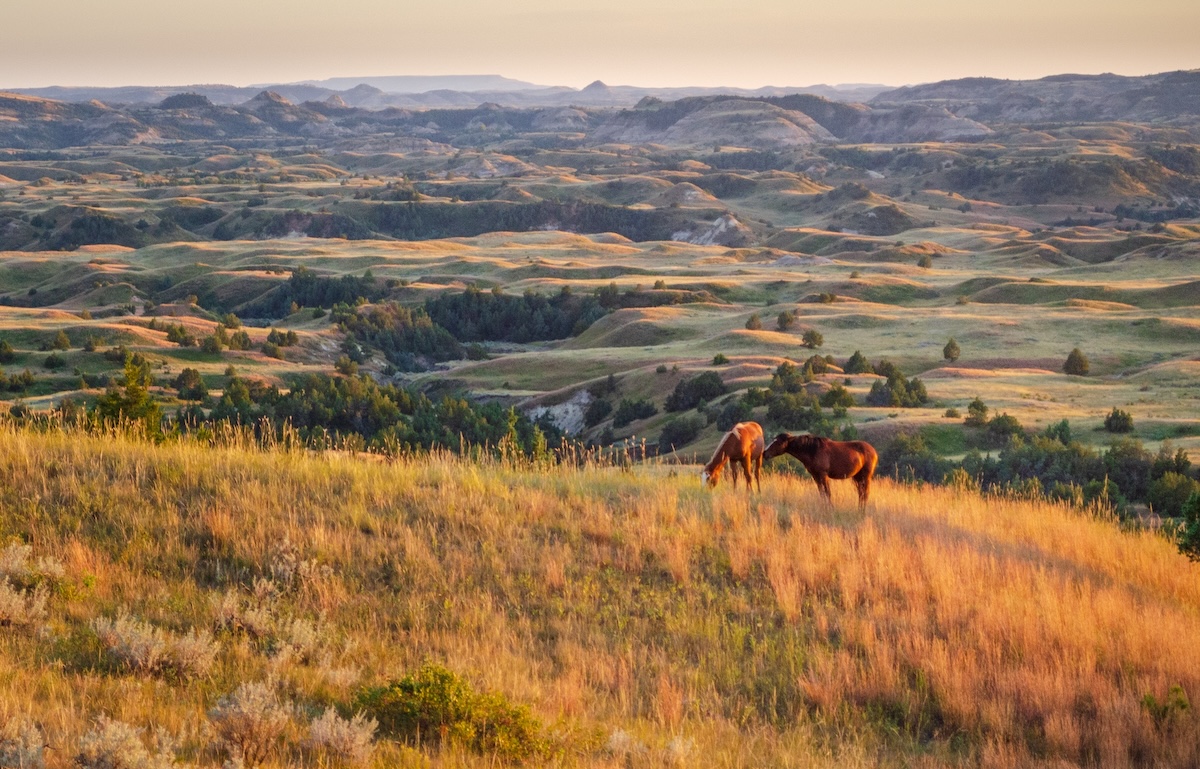
You’ll find rugged beauty in North Dakota’s badlands at Theodore Roosevelt National Park, where more than 730,000 visitors explore the landscape that shaped the 26th president. The park spans three units across western North Dakota, with sweeping views of colorful rock formations, winding rivers, and broad prairie grasslands. Wild bison, prairie dogs, and wild horses roam freely across the terrain.
Scenic drives provide easy access to striking overlooks, while more than 100 miles of trails let you hike deeper into the wilderness Roosevelt cherished. At Maltese Cross Cabin, where he once lived as a rancher, you’ll see why this stark landscape inspired his conservation legacy. The South Unit near Medora serves as the main visitor hub. The North Unit offers a quieter experience, with equally impressive geological formations and wildlife viewing.
Ohio: Cedar Point (4.05 million visitors)
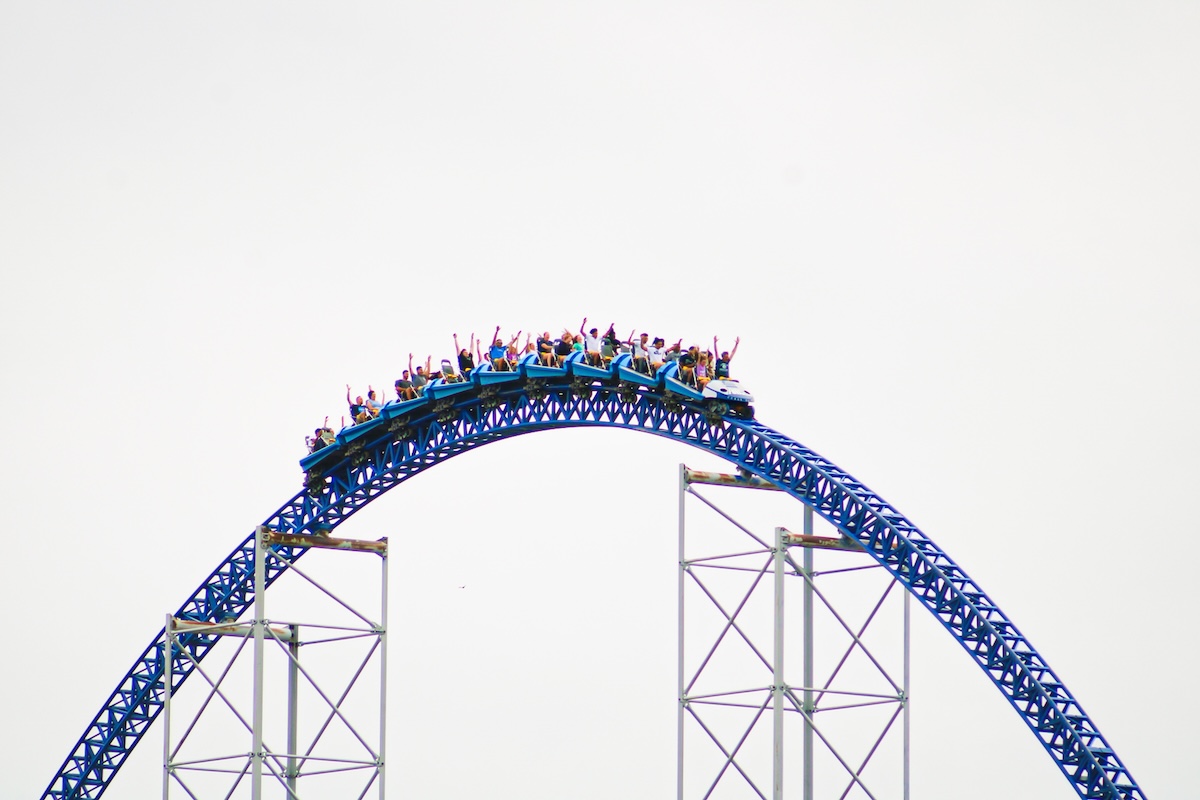
You’ll find one of America’s premier amusement parks along Lake Erie’s shores in Sandusky, where Cedar Point has thrilled visitors since 1870. Its reputation as the “Roller Coaster Capital of the World” isn’t just marketing hype. You can ride 17 world-class roller coasters, more than almost any other park on the planet. From Millennium Force’s towering heights to Top Thrill Dragster’s record-breaking speed, these rides remain favorites among enthusiasts.
Beyond the coasters, you’ll discover a full-scale resort with a mile-long beach, water park, and live entertainment that keeps families coming back. The park operates seasonally from May through October, with special events like HalloWeekends drawing major crowds in fall. About 4.05 million guests visit each year, making Cedar Point Ohio’s most-visited tourist attraction. Its historic charm, modern thrills, and lakefront setting have kept the park relevant for more than 150 years.
Oklahoma: Oklahoma City Zoo & Botanical Garden (1.1 million visitors)
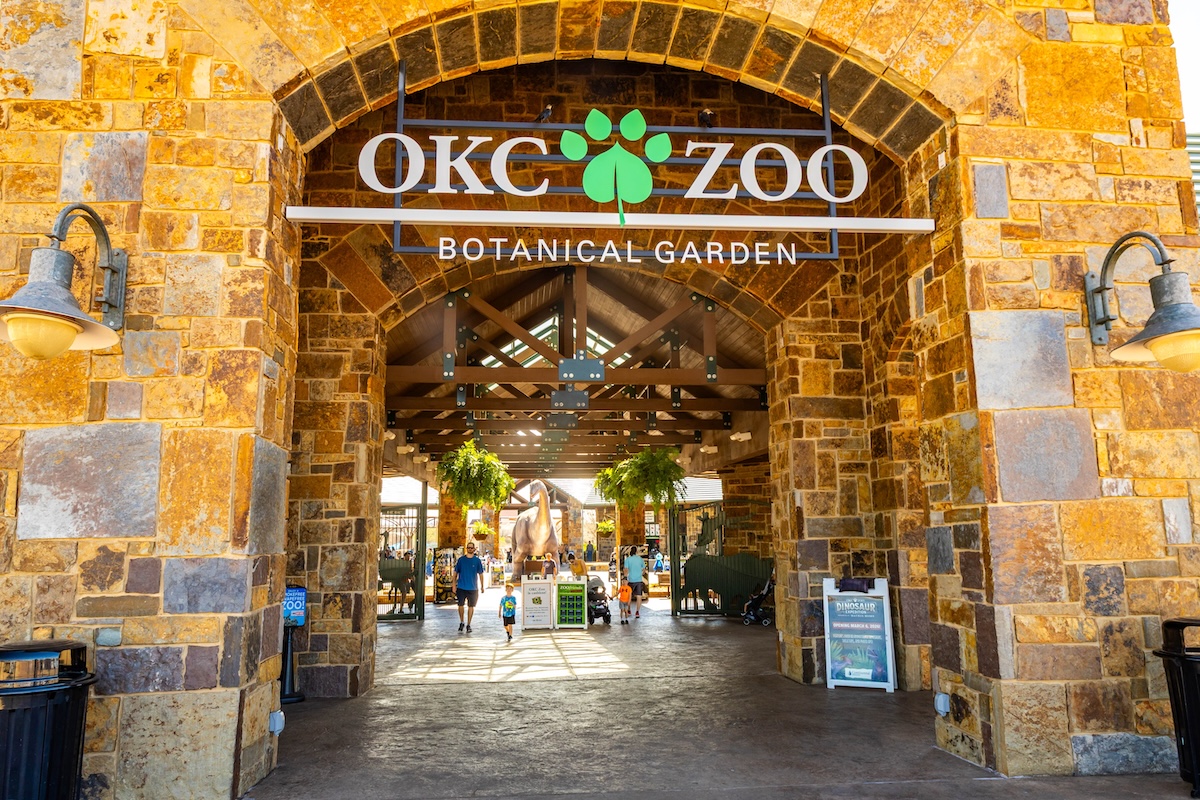
You’ll find one of Oklahoma’s premier family destinations spread across 119 acres in the heart of the state capital. The Oklahoma City Zoo & Botanical Garden welcomes about 1.1 million visitors annually, making it the state’s most visited attraction. The facility houses more than 1,900 animals from around the world, along with carefully maintained botanical gardens featuring native and exotic plants.
When you visit, you can explore habitats such as the Great EscApe primate exhibit, the Elephant Habitat, and Cat Forest, which features big cats from several continents. The zoo’s Sanctuary Asia exhibit takes you through multiple Asian ecosystems, while the butterfly garden offers a quieter wildlife experience. During warmer months, shaded paths and cooling stations make getting around more comfortable. The botanical gardens add another layer to the visit, with seasonal displays that change throughout the year. Between animal encounters, educational programs, and year-round events, families and wildlife enthusiasts have plenty to explore.
Oregon: Multnomah Falls (2 million visitors)
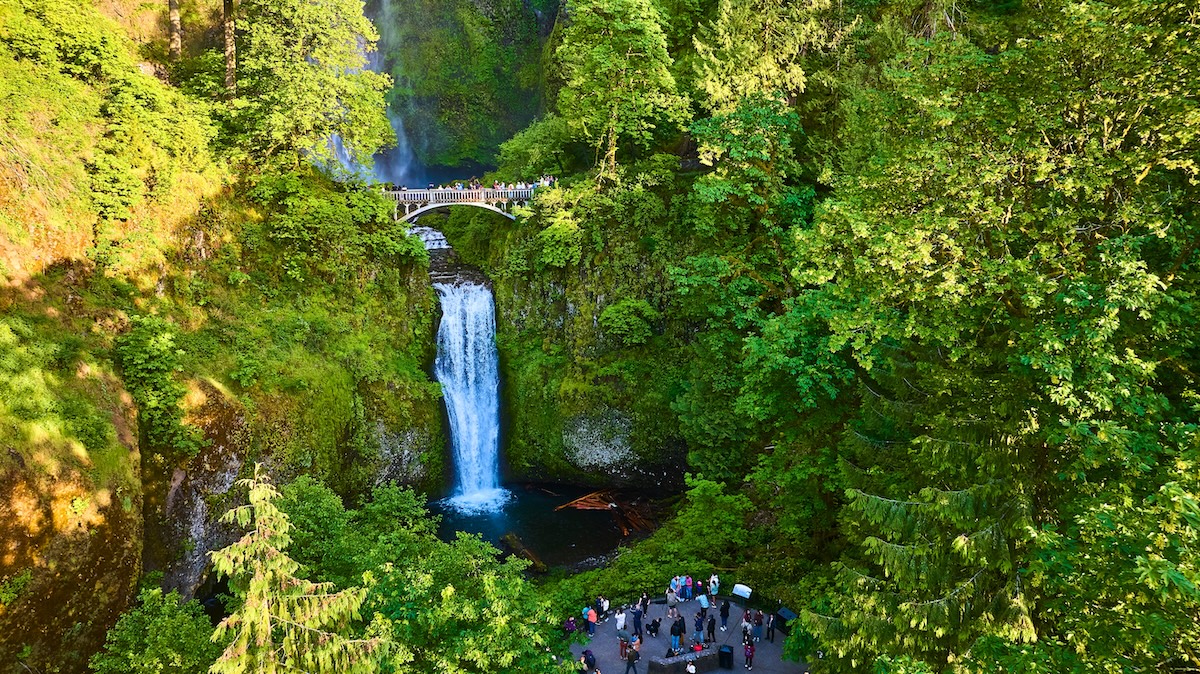
You’ll find Oregon’s most iconic waterfall about 30 minutes east of Portland in the Columbia River Gorge. Multnomah Falls drops 620 feet in two dramatic tiers, making it the state’s tallest waterfall and one of the Pacific Northwest’s most photographed natural attractions. The cascade flows year-round, fed by underground springs from Larch Mountain, and visitors can view it from several points along a paved trail.
The historic Benson Bridge, built in 1914, crosses the falls at the 69-foot mark between the upper and lower cascades. From there, mist sprays around you as you take in an unforgettable view. If you’re up for a steeper climb, the trail continues another mile to the top, where you’ll get panoramic views of the gorge. Roughly 2 million visitors come each year, and the base includes a visitor center, gift shop, and lodge. Spring brings the heaviest flow as snow melts, though the falls remain impressive in every season.
Pennsylvania: Hersheypark (3 million visitors)
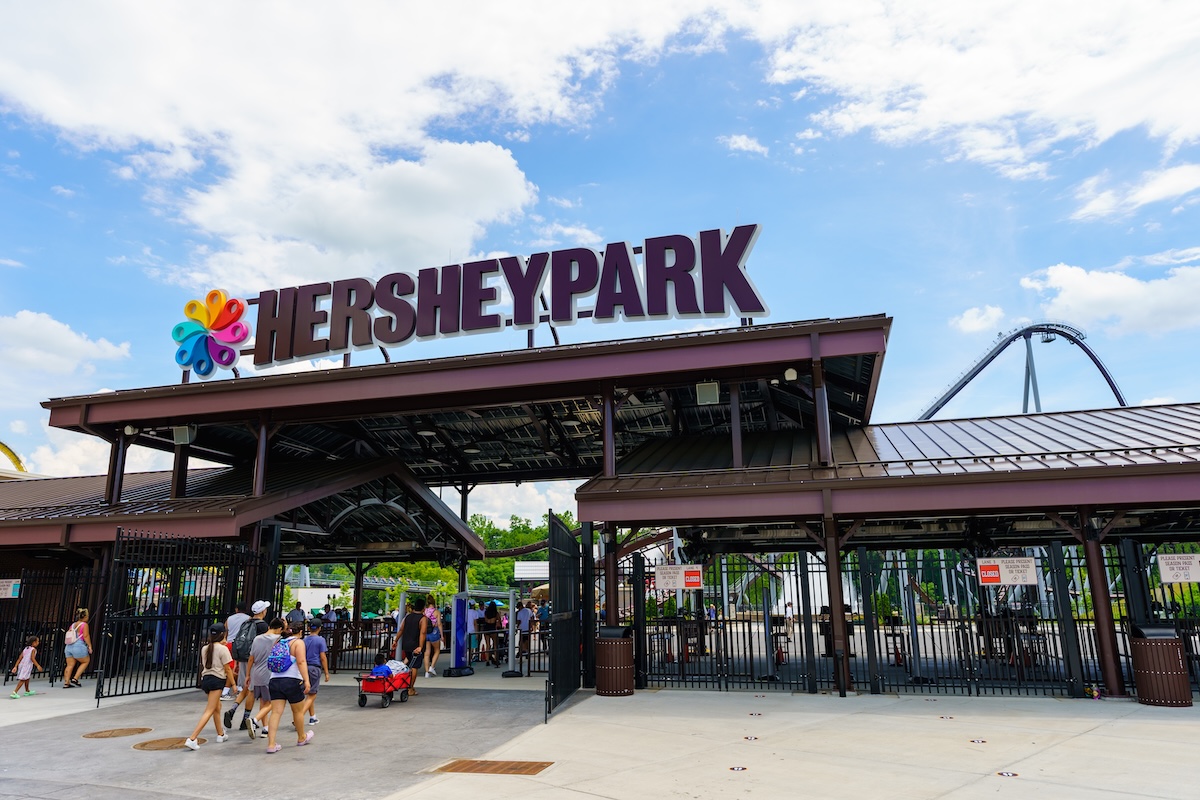
You’ll find yourself in the sweetest place on Earth at Hersheypark, which draws around 3 million visitors annually. Located in Hershey, this iconic amusement park combines thrilling rides, family attractions, and chocolate-themed details throughout the experience. The park features more than 70 rides and attractions, including 15 roller coasters for both adrenaline seekers and visitors who prefer gentler options.
Your visit goes beyond the rides. Seasonal events such as Summer Nights and Hersheypark Christmas Candylane transform the park throughout the year. During warmer months, you can cool off at The Boardwalk, the park’s water attraction area. Hershey’s connection to its chocolate brand makes it unusual among American theme parks, with chocolate-themed elements appearing in attractions and dining options. Whether you’re traveling with young children or teenagers, you’ll find entertainment for different age groups across the park’s themed areas.
Rhode Island: Newport Mansions (1 million visitors)

When you visit Newport’s mansion district, you’ll step into America’s Gilded Age at its most extravagant. Wealthy families such as the Vanderbilts and Astors built these opulent estates as summer “cottages” in the late 1800s. You can tour several properties, each filled with remarkable architecture, imported materials, and ornate furnishings that rival European palaces.
The most famous mansion is The Breakers, a 70-room Italian Renaissance-style palace overlooking the Atlantic Ocean. You’ll also find Marble House, Rosecliff, and several other properties managed by the Preservation Society of Newport County. Your visit includes manicured gardens, elaborate ballrooms, and servants’ quarters that reveal what mansion life was really like. Around 1 million visitors come each year to see these historic homes and glimpse the lifestyle of America’s wealthiest families.
South Carolina: Broadway at the Beach (12 million visitors)

You’ll find one of Myrtle Beach’s most popular entertainment complexes in the heart of South Carolina’s Grand Strand. Broadway at the Beach covers 350 acres and welcomes around 12 million visitors annually, making it the state’s most visited attraction. The complex opened in 1995 and centers on a 23-acre lake surrounded by shopping, dining, and entertainment venues.
When you visit, you can explore more than 100 specialty shops, 20 restaurants ranging from casual to upscale, and entertainment options that include nightclubs, theaters, and other attractions. The complex includes Ripley’s Aquarium, mini-golf courses, and themed areas linked by walkways and bridges. You’ll also find family attractions such as WonderWorks and the Hollywood Wax Museum. Whether you’re planning a full day of shopping, dinner with lake views, or an outing for the whole family, Broadway at the Beach has something for nearly every traveler.
South Dakota: Mount Rushmore National Memorial (2.4 million visitors)
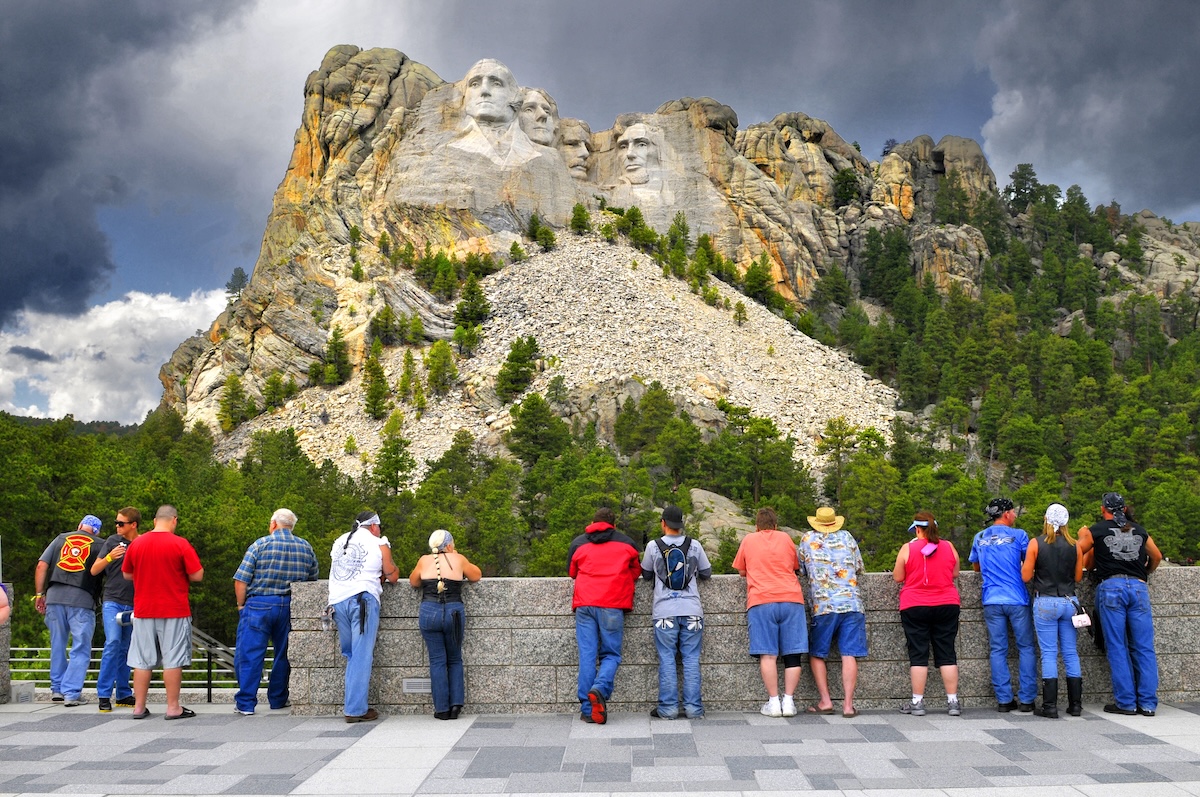
You’ll find one of America’s most iconic monuments carved into South Dakota’s Black Hills, where the 60-foot faces of four presidents look across the landscape. Mount Rushmore draws 2.4 million visitors annually to see the monumental sculpture of George Washington, Thomas Jefferson, Theodore Roosevelt, and Abraham Lincoln. The memorial represents 150 years of American history and took 14 years to complete, from 1927 to 1941.
When you visit, you can walk the Presidential Trail for closer views of the granite faces and explore the sculptor’s studio to learn how the monument came together. The site also offers a museum, visitor center, and summer evening lighting ceremony. You’ll want at least two hours to appreciate the monument and its facilities, though many visitors spend half a day exploring the area and nearby Custer State Park.
Tennessee: Great Smoky Mountains National Park (9 million visitors on the Tennessee side)
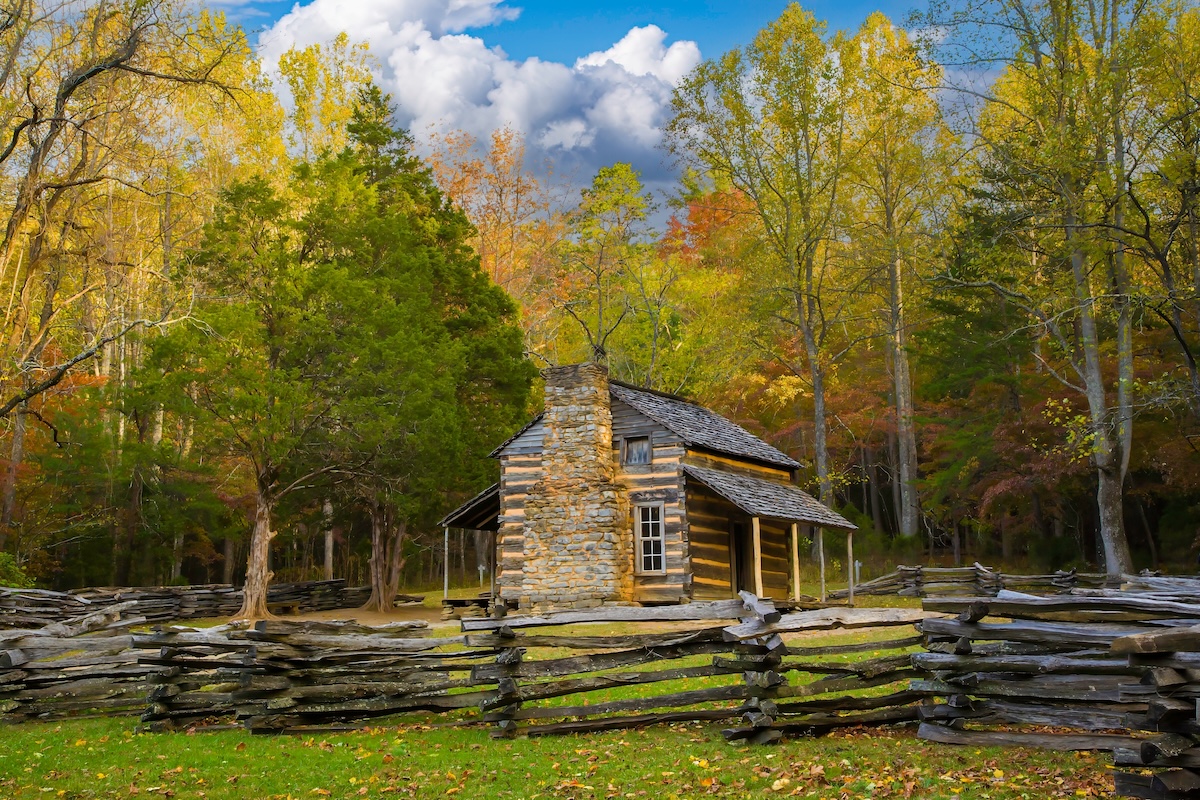
America’s most visited national park straddles the Tennessee-North Carolina border, with about 9 million visitors exploring the Tennessee side each year. Free admission keeps it accessible to everyone, while its proximity to Gatlinburg and Pigeon Forge makes getting there easy. You can explore more than 800 miles of trails, from gentle nature walks to challenging backcountry routes, and may spot black bears, elk, and white-tailed deer along the way.
The park showcases remarkable biodiversity, with ancient mountains covered in dense forests that create its signature smoky blue mist. As the elevation changes, so do the ecosystems, shifting from lowland hardwood forests to spruce-fir forests near the higher peaks. Cades Cove remains one of the Tennessee side’s most popular destinations, with an 11-mile loop road lined by historic buildings and abundant wildlife. Visit in autumn for spectacular fall foliage, or come in spring when wildflowers bloom and waterfalls flow at their fullest.
Texas: San Antonio River Walk (14 million visitors)
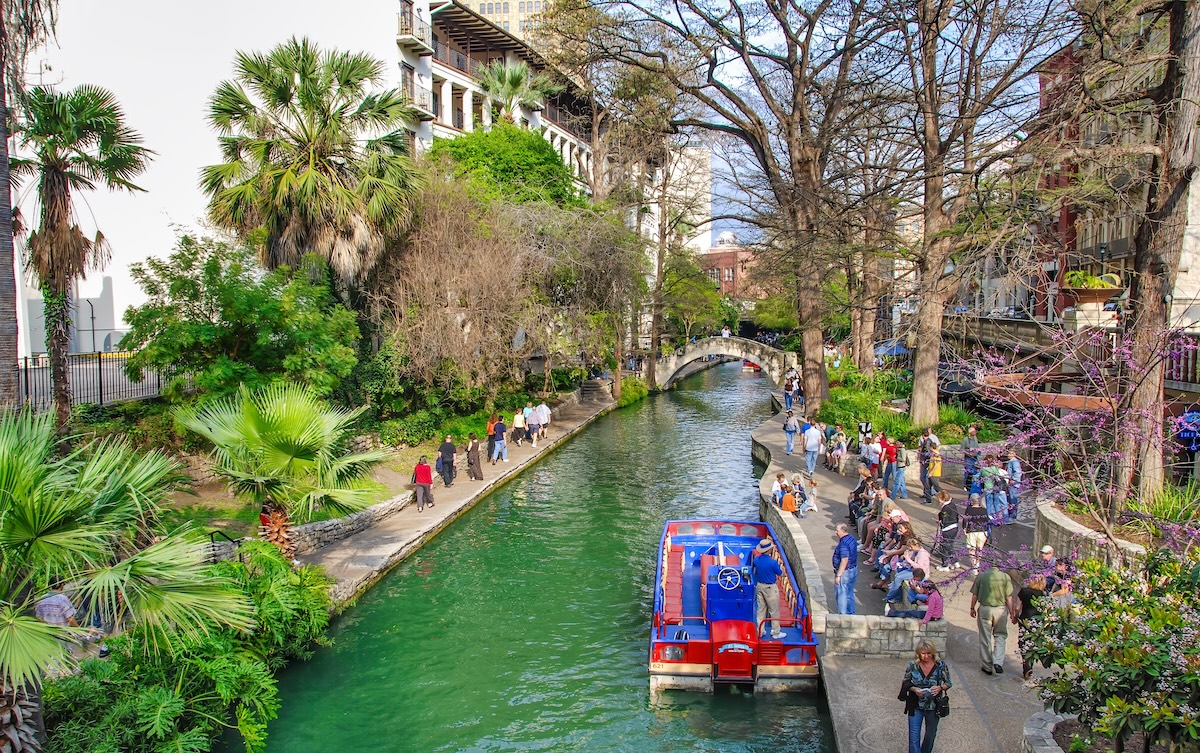
You’ll find a network of walkways winding below street level through downtown San Antonio, where cypress-lined paths follow the curves of the San Antonio River. The River Walk stretches 15 miles, although most visitors stick to the busy sections packed with restaurants, bars, shops, and hotels. You can board a river barge for a narrated tour or stroll at your own pace while locals and tourists enjoy this urban oasis.
The atmosphere changes throughout the day, from peaceful morning walks to lively evenings around outdoor cafés. Spanish Colonial architecture reflects in the water, and during events such as Fiesta or the holiday River Walk lighting ceremony, the entire pathway turns into a celebration. The area connects you with major attractions, including the Alamo, the Pearl Brewery complex, and the Museum Reach extension. It works as both a destination and a route through San Antonio’s history.
Utah: Zion National Park (4.9 million visitors)
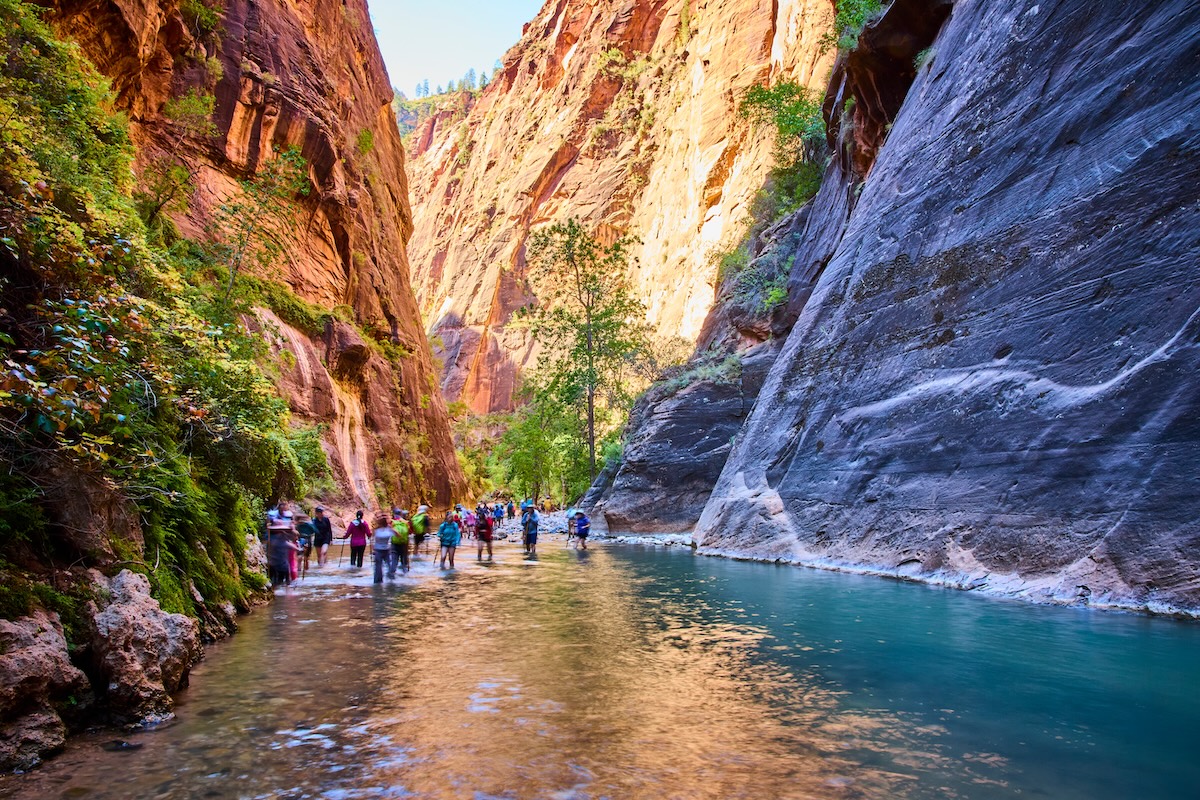
Zion National Park offers one of America’s most dramatic landscapes, with towering sandstone cliffs rising nearly 2,000 feet above the canyon floor. Over millions of years, the Virgin River carved the park’s distinctive red and white formations into narrow slot canyons and other striking geological features. With 4.9 million annual visitors, Zion ranks among the country’s most popular national parks.
You can hike the famous Angels Landing trail for breathtaking views from a narrow ridge, or wade through The Narrows between towering canyon walls. The park’s scenic drive offers accessible viewpoints if you prefer a less strenuous outing. Spring and fall bring the most comfortable temperatures for outdoor activities, while summer can feel intensely hot and winter may bring snow to higher elevations. During peak season, you’ll need to use the park shuttle because officials limit private vehicle access to ease congestion and protect the environment.
Vermont: Ben & Jerry’s Factory (350,000 visitors)
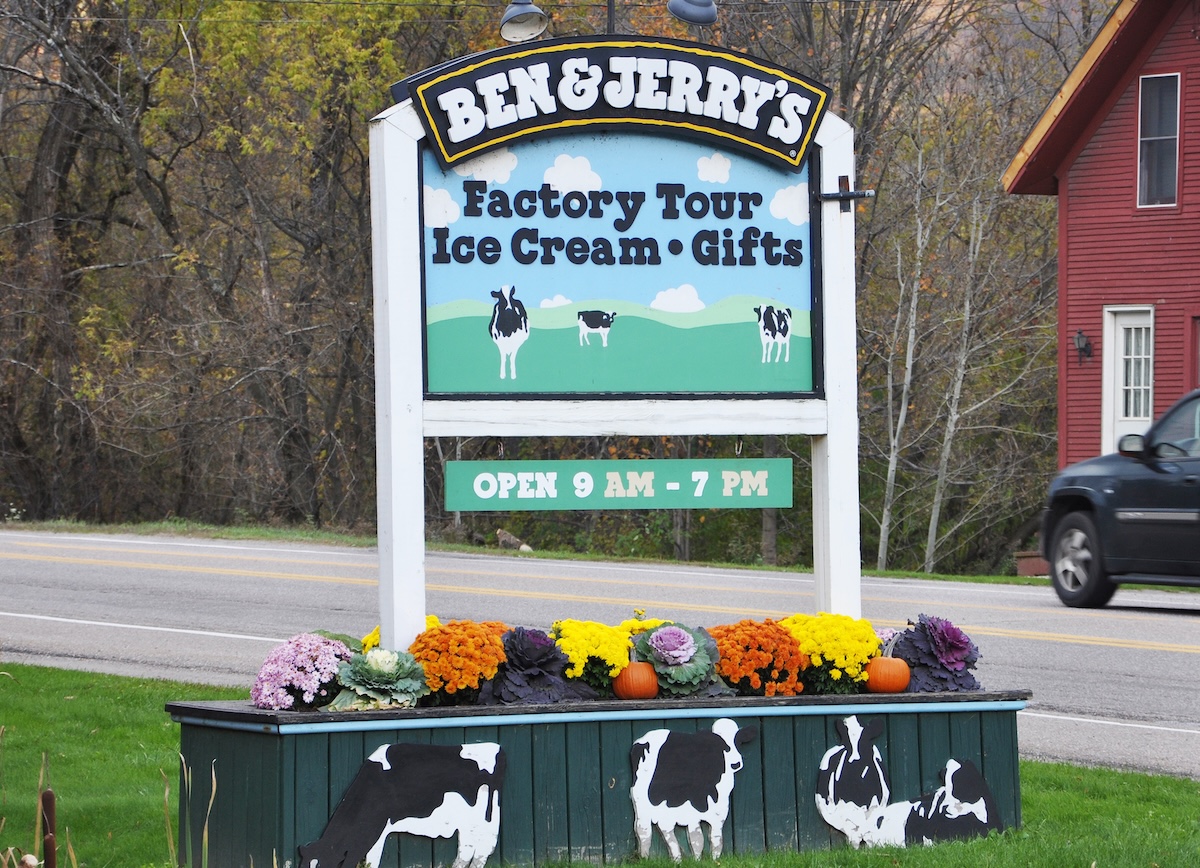
In Waterbury, the Ben & Jerry’s Factory draws around 350,000 visitors each year. The facility offers guided tours of the ice cream-making process, from ingredients through the finished product. You can watch the production floor in action and hear how the company grew from a converted gas station in Burlington into an internationally recognized brand.
The tour ends at the Flavor Graveyard, where you can pay your respects to discontinued flavors, and at the scoop shop, where you can sample fresh ice cream made on-site. Don’t skip the grounds, which feature cow-themed photo spots and beautiful Vermont scenery. The factory operates year-round, though production schedules vary, so you might see the machinery running or catch it at rest. Either way, you’ll get a glimpse of Vermont’s dairy heritage and the quirky corporate culture that turned Ben & Jerry’s into a household name.
Virginia: Arlington National Cemetery (3 million+ visitors)

Just across the Potomac River from Washington, D.C., Arlington National Cemetery stands as one of America’s most hallowed grounds. More than 3 million visitors come each year to honor the nation’s fallen heroes. The 639-acre site serves as the final resting place for over 400,000 veterans and their families, representing conflicts from the Revolutionary War through present-day operations.
During your visit, you can watch the Changing of the Guard ceremony at the Tomb of the Unknown Soldier. It takes place every hour during winter and every half hour in summer. The cemetery also includes notable gravesites, such as President John F. Kennedy’s eternal flame, along with memorials to the Space Shuttle Challenger and Columbia crews. Wear comfortable shoes, since the grounds cover considerable terrain and include rolling hills. Because the cemetery remains an active burial site, maintain a respectful demeanor throughout your visit.
Washington: Pike Place Market (10 million visitors)

Above Seattle’s Elliott Bay waterfront sits one of America’s oldest continuously operating public farmers markets. Pike Place Market opened in 1907 and has attracted crowds ever since with its lively atmosphere and iconic experiences. You can watch fishmongers toss fresh salmon through the air, browse hundreds of local vendors selling everything from flowers to handmade goods, and grab coffee at the original Starbucks location.
The market covers several blocks and multiple levels, so there’s plenty to explore. You’ll find specialty food shops, antique dealers, and street performers around almost every corner. The neon Public Market Center sign offers a classic photo opportunity, especially with the Sound and Olympic Mountains in the background. The market captures Seattle’s character by blending local food traditions, artistic energy, and Pacific Northwest charm. Roughly 10 million people visit each year, making it one of the state’s best-loved destinations.
West Virginia: New River Gorge National Park & Preserve (1.8 million visitors)
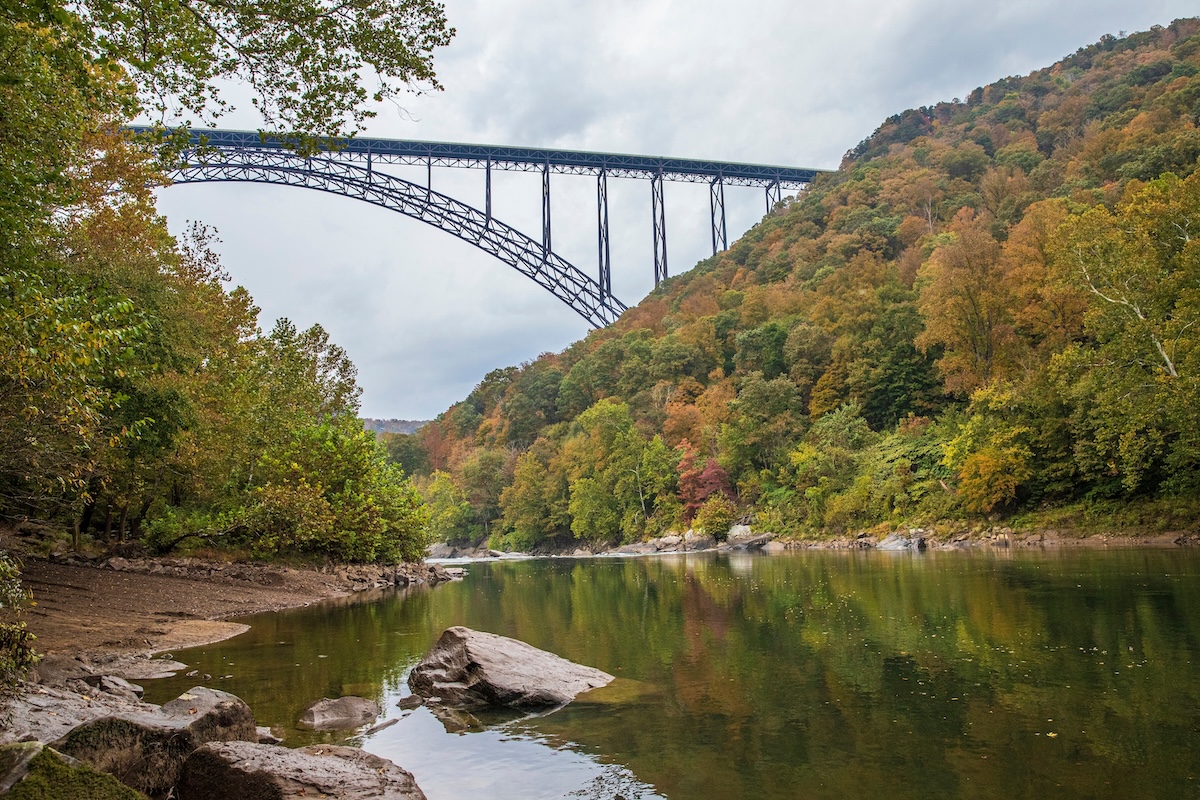
One of America’s newest national parks sits in West Virginia’s rugged mountains, where the New River carved a dramatic 1,000-foot-deep canyon over millions of years. The park became the country’s 63rd national park in 2020, after decades of protection as a national river. You can explore more than 70,000 acres of Appalachian landscape, including sandstone cliffs, dense forests, and some of the continent’s oldest rivers, despite the park’s misleading name.
The park offers activities throughout the year, from world-class whitewater rafting on the New River to rock climbing on the gorge’s famous sandstone walls. More than 100 miles of trails range from easy riverside walks to demanding backcountry routes. The iconic New River Gorge Bridge, one of the world’s longest single-span arch bridges, offers stunning views and stands as a symbol of West Virginia. If outdoor recreation is your thing, you’ll appreciate the park’s reputation as an East Coast adventure hub, with fishing, hunting, and camping spread across its varied terrain.
Wisconsin: Milwaukee County Zoo (1.13 million visitors)

In Milwaukee, the county zoo has welcomed visitors since 1892 and remains one of the Midwest’s leading wildlife destinations. More than 2,100 animals representing over 300 species live across 190 acres, giving you enough to see for a full day. Habitats range from African savannas to tropical rainforests, while modern exhibits focus on animal welfare and education. You can get close to species ranging from polar bears to red pandas.
There’s more to do than view animals. Ride the zoo train or sky safari for an aerial look at the grounds, an easy way to travel between exhibits while seeing the zoo from a different angle. The facility stays open year-round, and each season brings a different feel. Winter shows how cold-weather species handle the conditions, while summer brings lush gardens and special events. Educational programs and keeper talks explain conservation work and animal behavior, making the visit entertaining and informative for visitors of all ages.
Wyoming: Yellowstone National Park (4.7 million visitors)
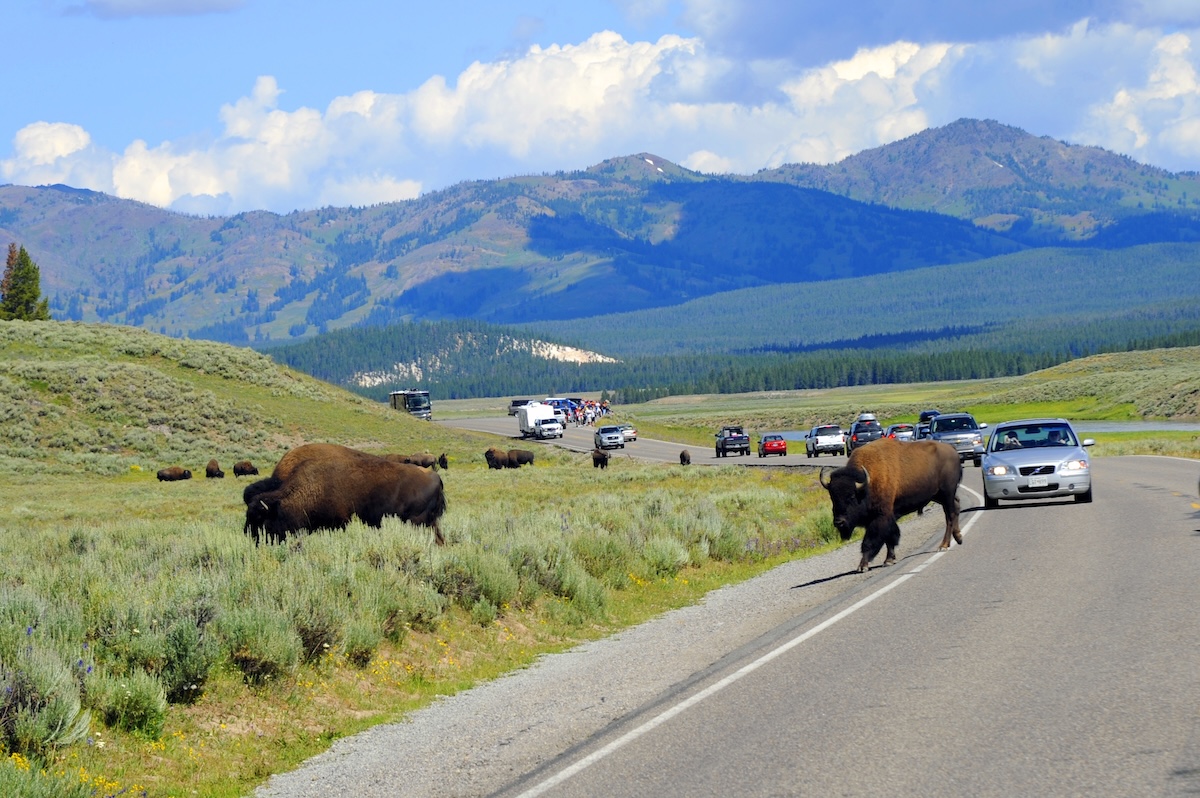
When you visit Yellowstone National Park, you’re exploring America’s first national park and one of the country’s most iconic natural wonders. The park welcomes 4.7 million visitors each year, many hoping to see its famous geothermal features, including Old Faithful geyser, colorful hot springs, and bubbling mud pots. It has more than 10,000 hydrothermal features, more than anywhere else on Earth.
A trip to Yellowstone also brings encounters with wildlife such as bison, elk, grizzly bears, and wolves, which roam across nearly 2.2 million acres of wilderness. The park stretches across three states, although most of it sits in Wyoming’s northwest corner. You can explore dramatic canyons, pristine lakes, and vast forests throughout your visit. Late spring through early fall usually offers the best conditions, but summer crowds can be heavy. In winter, snow transforms the park into a wonderland that you can mainly reach by snowcoach or snowmobile.