
The most visited city list produces surprises every time, mostly because the numbers include domestic travelers, which flips the ranking on its head. Chinese cities receiving enormous volumes of domestic visitors rank above Paris and Barcelona, while Florida’s theme park corridor sits well above New York City.
The visitor counts you will see for each city reflect overnight stays from both domestic and international sources, which is why the list paints a way more detailed picture of the world’s top destinations. An American family driving to Orlando counts. So does a Chinese businessperson overnighting in Shenzhen. The math checks out, even when it feels counterintuitive.
25. Singapore (16.53 million visitors)
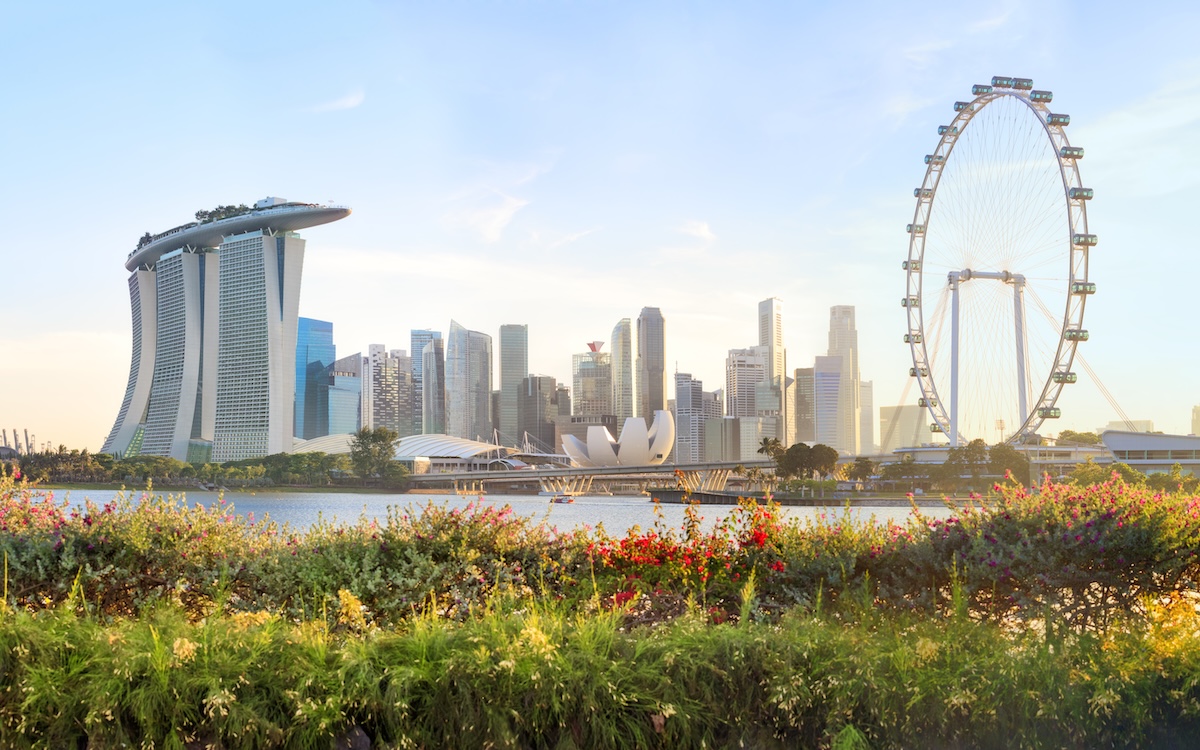
Singapore has engineered itself into one of the most functional places on earth and is not asking for your permission to do so. It is a city-state of about 730 square kilometers that somehow manages to be a global financial hub, a food destination, and one of the cleanest cities on the planet all at once. The hawker centers here have earned Michelin stars, which is a sentence that would have baffled the people who built them, and both the cheap and expensive versions of the food scene are worth your full attention.
Gardens by the Bay and Sentosa Island take care of the leisure side of the itinerary. Singapore is not a budget destination by any means, but it delivers exactly what it charges for, which is more than most cities can honestly say.
24. Antalya, Turkey (16.9 million visitors)
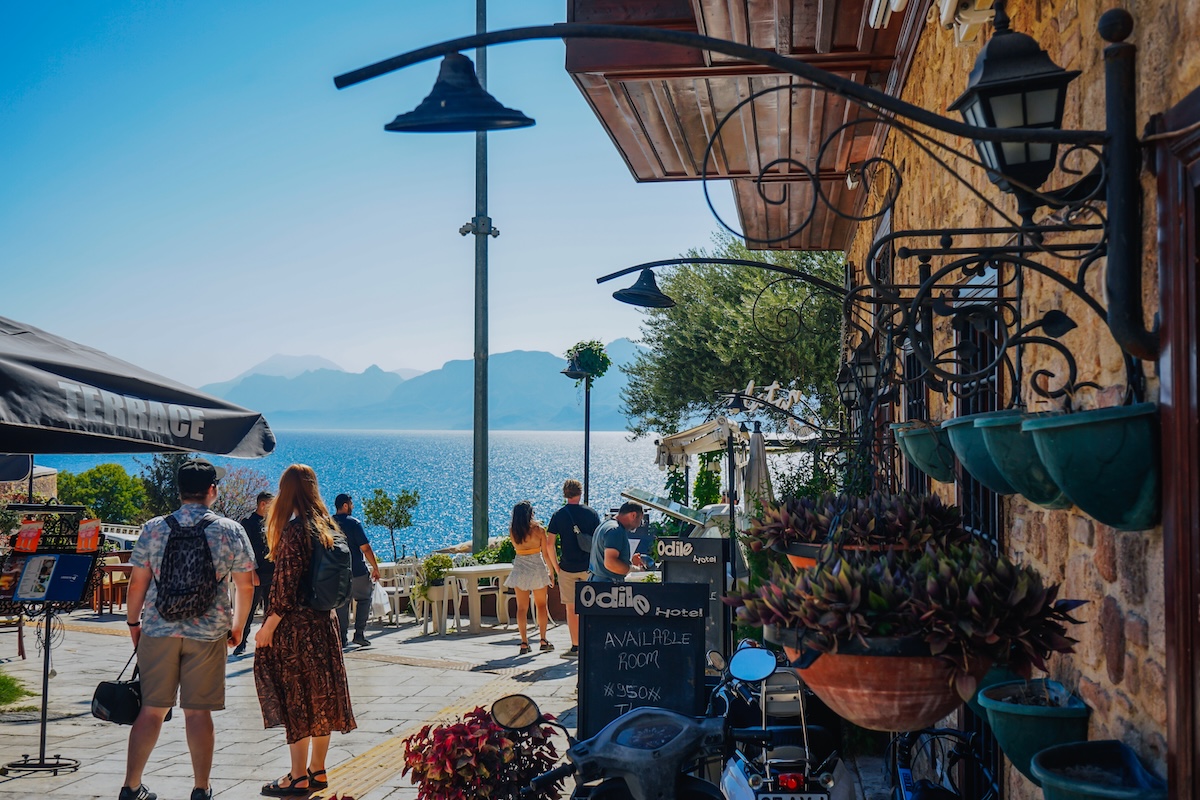
Antalya is where Europe comes to get a tan on the Turkish Mediterranean coast, and it handles that role with more grace than what you might expect from the sheer number of packaged holidays. The Taurus Mountains drop straight to the sea behind the city, the water is warm from May through October, and the old city of Kaleiçi sits on Roman foundations inside walls that take a good afternoon to properly get lost in.
The beaches spread far enough in both directions that 16.9 million visitors distribute themselves without the whole situation collapsing into chaos. Antalya has been a functioning city since 150 BC and treats the modern resort industry as a relatively recent development it has mostly made peace with.
23. Dubai, UAE (18.7 million visitors)
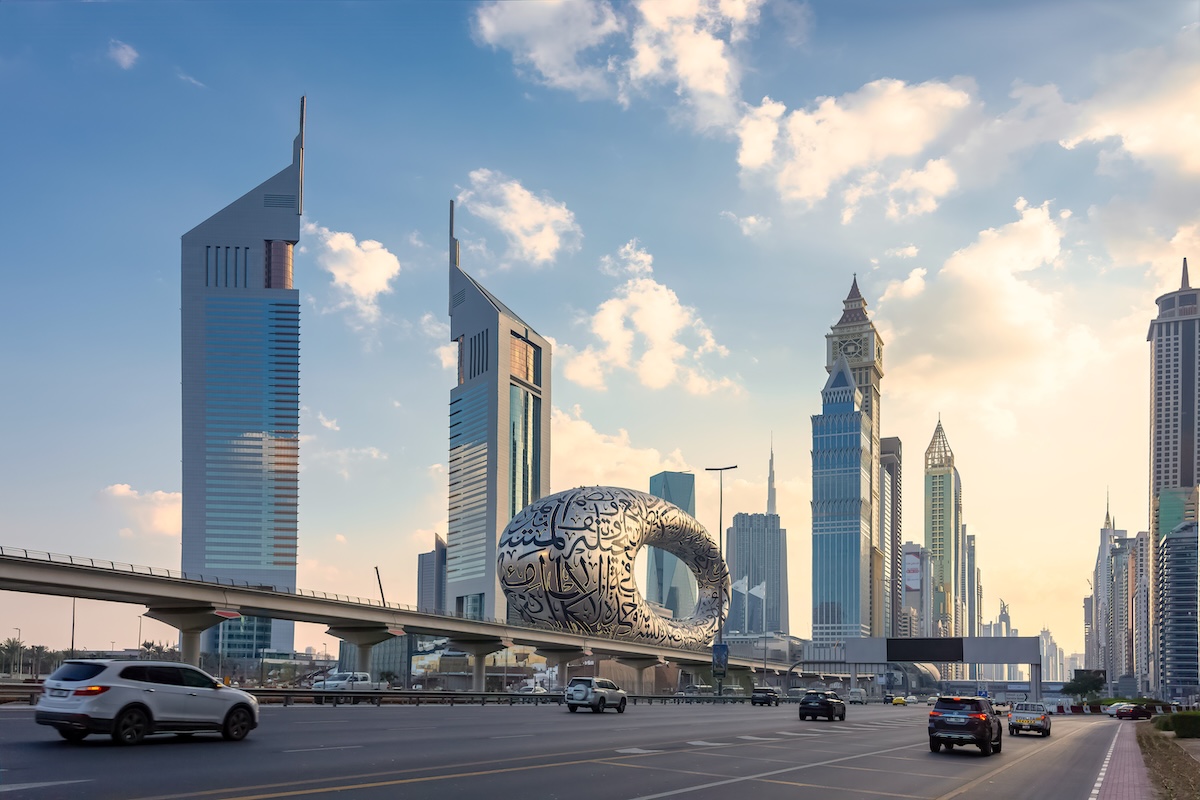
The superlatives attributed to Dubai hold water, and the city isn’t afraid to remind you of it. The tallest building in the world, an indoor ski slope in the desert, islands built in the shape of a palm tree: the ambition is so total that most visitors stop asking questions and just dive in headfirst, just as it was all meant to be enjoyed.
The older Dubai Creek neighborhood offers something more grounded, where the gold souk and the spice souk keep chugging much as they have for generations. Two very different cities share one address here, and both do their respective things with total commitment.
22. Miami, USA (20.1 million visitors)
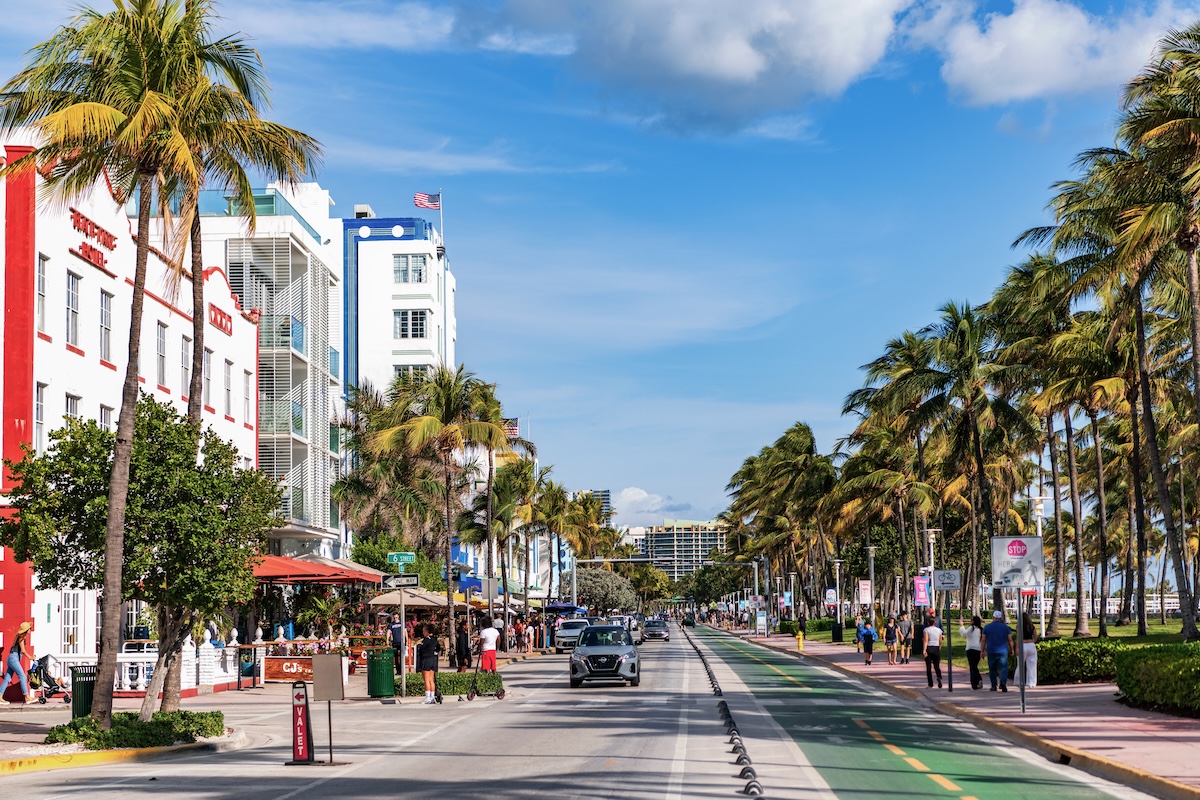
Cuban coffee, ocean light, and high self-esteem are what Miami runs on. The Art Deco district along Ocean Drive is the most photographed streetscape in Florida, and Wynwood turned itself from a warehouse district into an internationally recognized arts destination in about fifteen years, which is fast even by Miami standards.
Biscayne Bay separates Miami Beach from the mainland, and the two function almost as separate destinations with separate personalities. The food is humble at Little Havana’s lunch counters, but then quickly transforms when you reach the high-design restaurants on South Beach. And when it comes to the nightlife, you can almost guarantee that getting up the next morning will be a serious negotiation.
21. Kuala Lumpur, Malaysia (21.91 million visitors)
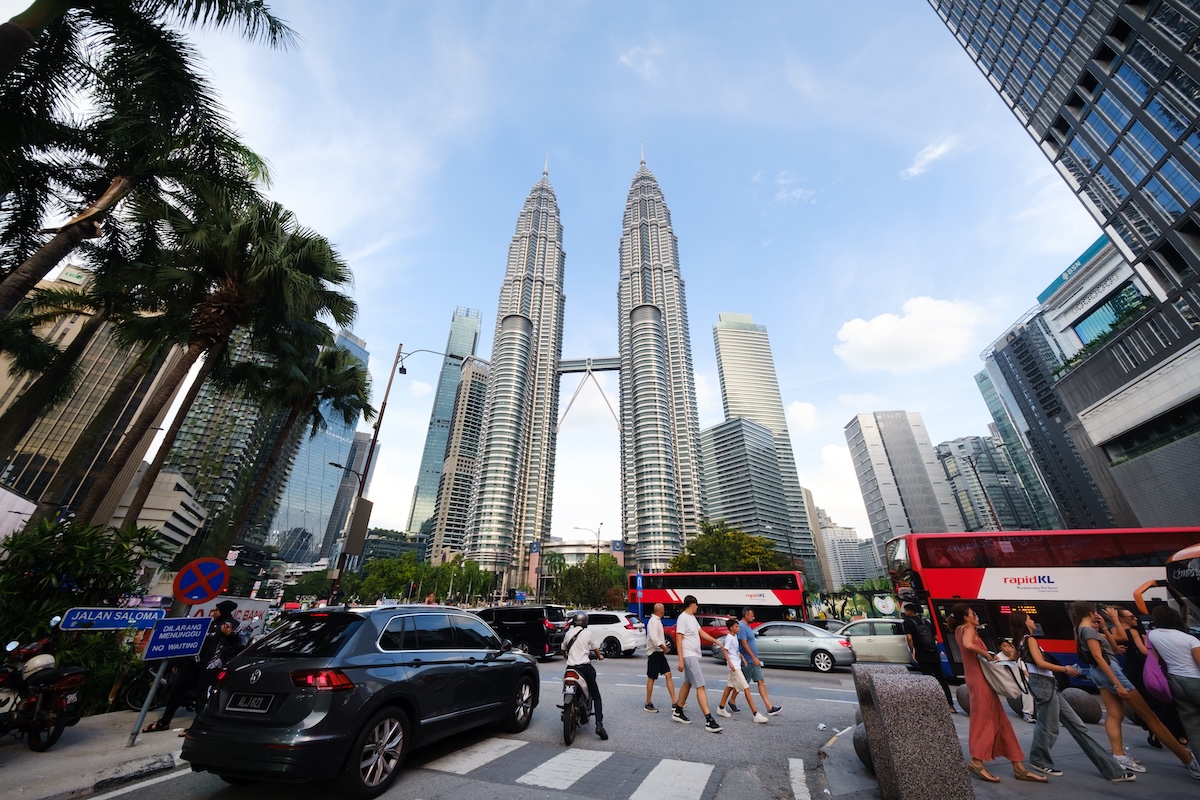
The Petronas Towers defined Kuala Lumpur’s skyline for a generation and still catch people off guard when they finally stand at the base and gawk upwards. The city has been ambitiously building around them, but they hold their ground. What really does the city justice, though, is the food. Malay, Chinese, and Indian cultures overlap here, making the street markets the only logical first stop for any new arrival.
Batu Caves, just outside the city, is a Hindu temple complex built into limestone caverns, with 272 steps and a gold-painted deity at the entrance tall enough to see from the road. Everyone who visits quickly sees that Kuala Lumpur is the kind of city that keeps giving you reasons to stay one more day.
20. Hong Kong, China (21.94 million visitors)
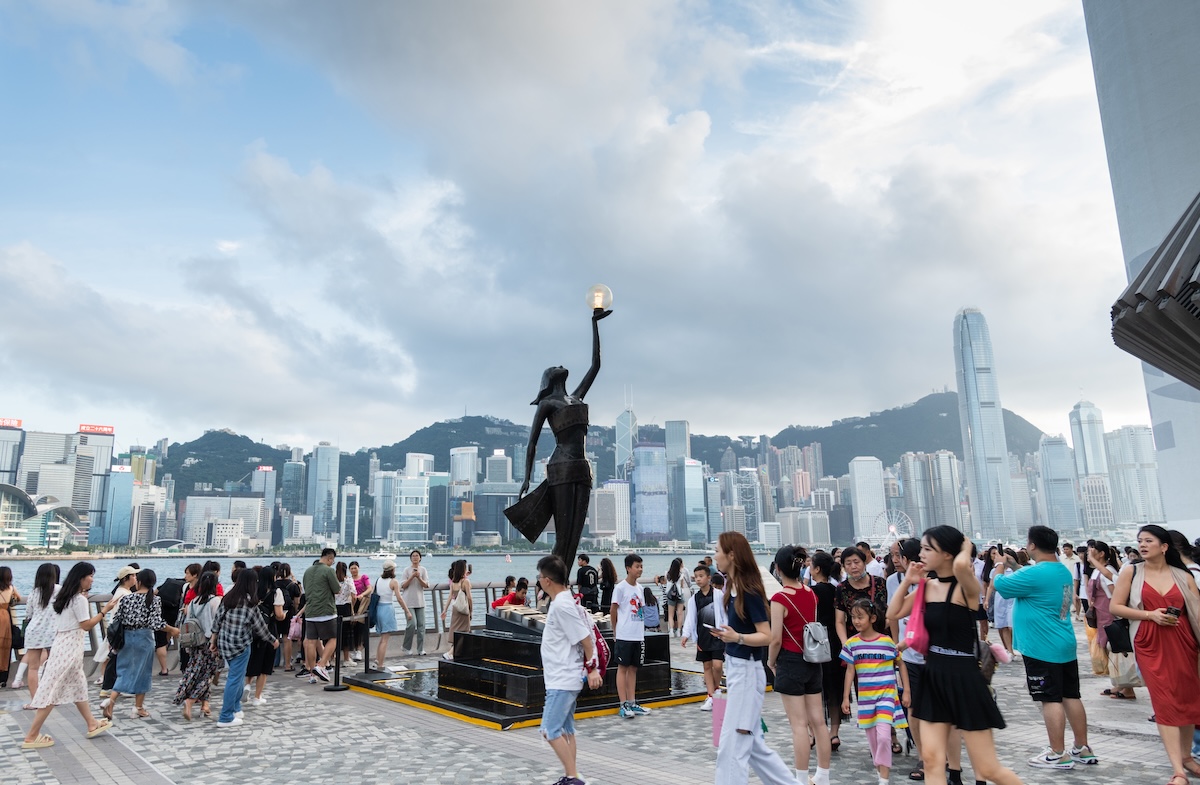
The skyline along Victoria Harbour at night is one of those views that makes you understand immediately why people move somewhere. The Star Ferry crossing from Kowloon delivers it from exactly the right angle for almost nothing, which makes it one of the best deals in Asian travel and a habit that’s very hard to break once you’ve done it once.
The dim sum culture here is as serious as it gets, and the hiking trails on the surrounding islands are a very unexpected bonus for people who don’t expect any natural escape in this concrete jungle. The MTR gets you everywhere fast, adding to the intoxicating hum of this must-see city.
19. Rome, Italy (22.2 million visitors)
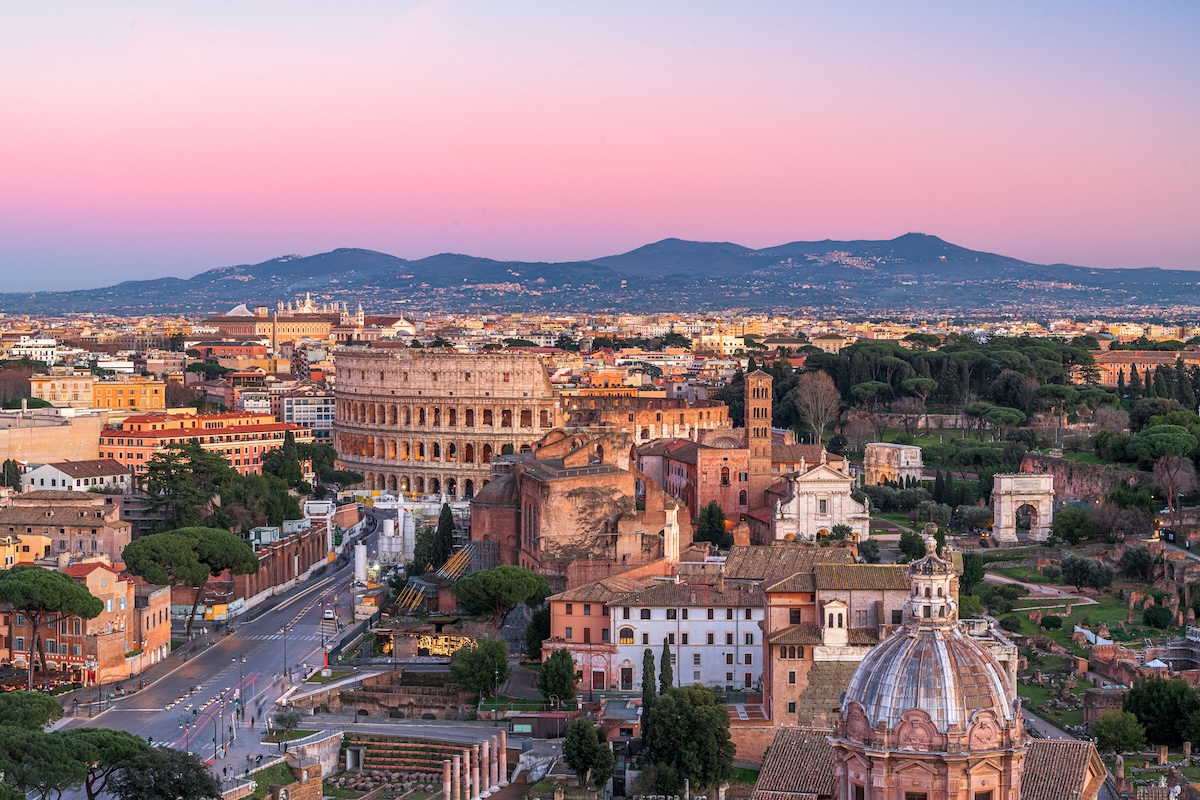
The sheer volume of historic giants all in a short walk from each other is something that doesn’t quite feel plausible until you get to Rome. The Colosseum, the Forum, the Pantheon, and the Vatican all sit within a few kilometers of each other, and the city somehow functions as a living, breathing place around all of it. Romans have perfected the art of walking past the Colosseum without looking up, and that blasé attitude is part of what makes the city so watchable.
The food is outstanding and nearly impossible to get wrong at the neighborhood level. Summer heat and tour groups arrive at exactly the same time every year, and visiting outside July and August pays for itself almost immediately. So spare yourself the trauma or prepare to queue way too long for good gelato.
18. Pattaya, Thailand (25.4 million visitors)
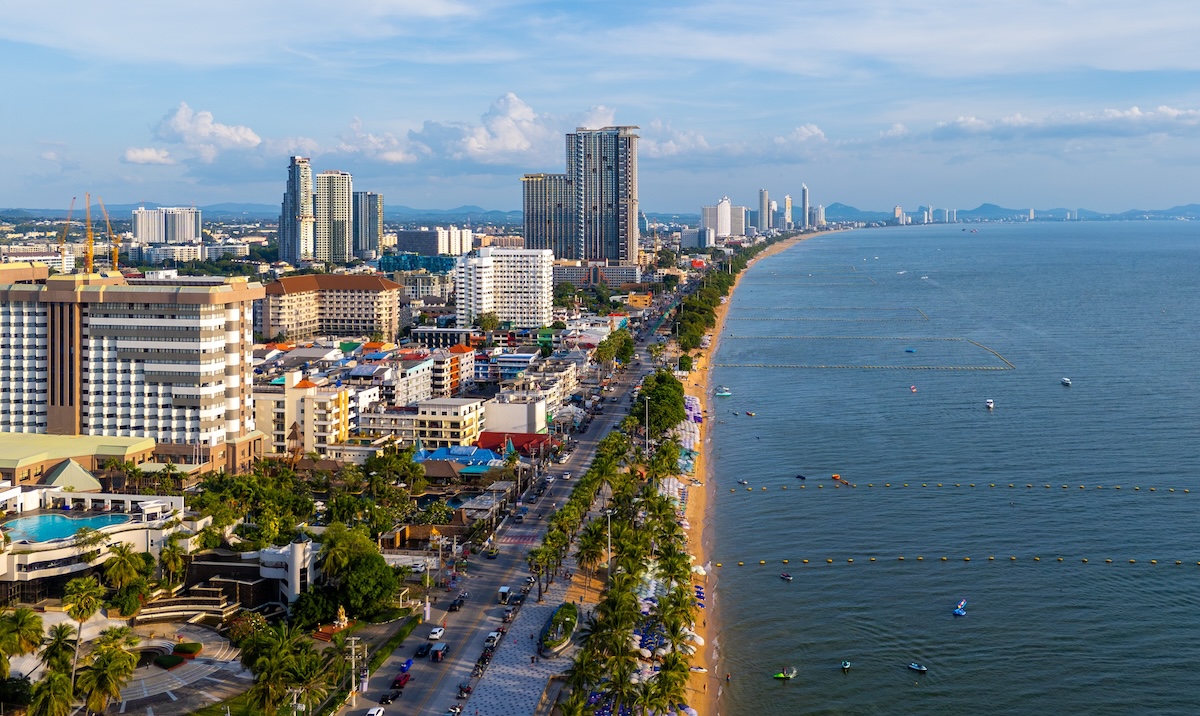
About two hours south of Bangkok, Pattaya has a bad reputation built into the name. The beach resort that grew around the US military presence during the Vietnam War developed a distinct international identity, and the city has spent recent decades trying to reposition itself while the older economy complicates the effort at every turn.
Step outside the louder parts of town and there are beaches, water parks, and day trips that run on an entirely different frequency. Pattaya pulls 25 million visitors a year, which means the full spectrum of human tourism motivations is represented here at any given moment, often on the same street.
17. Istanbul, Turkey (26 million visitors)
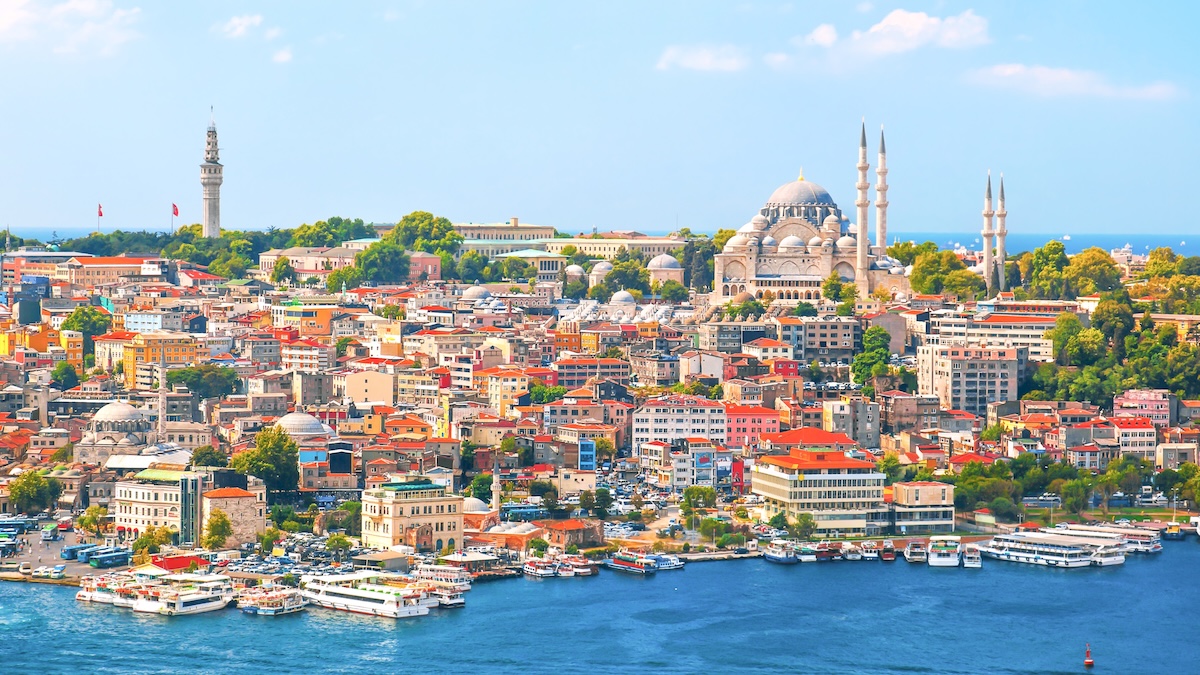
Istanbul is the only city in the world that sits across two continents, and it brings it up at every available opportunity. The historical weight on the European side alone, from the Hagia Sophia to the Topkapi Palace to the Grand Bazaar, fills several days before the Asian shore’s restaurants and neighborhoods even get a look-in. Moving between empires in a single afternoon is one of the more disorienting pleasures in travel, and Istanbul makes it feel completely routine.
The food culture runs deep and changes meaningfully from neighborhood to neighborhood. Come hungry, stay longer than planned, and budget extra time for getting lost in the Bazaar, because everyone does and nobody seems to mind.
16. Sanya, China (26 million visitors)
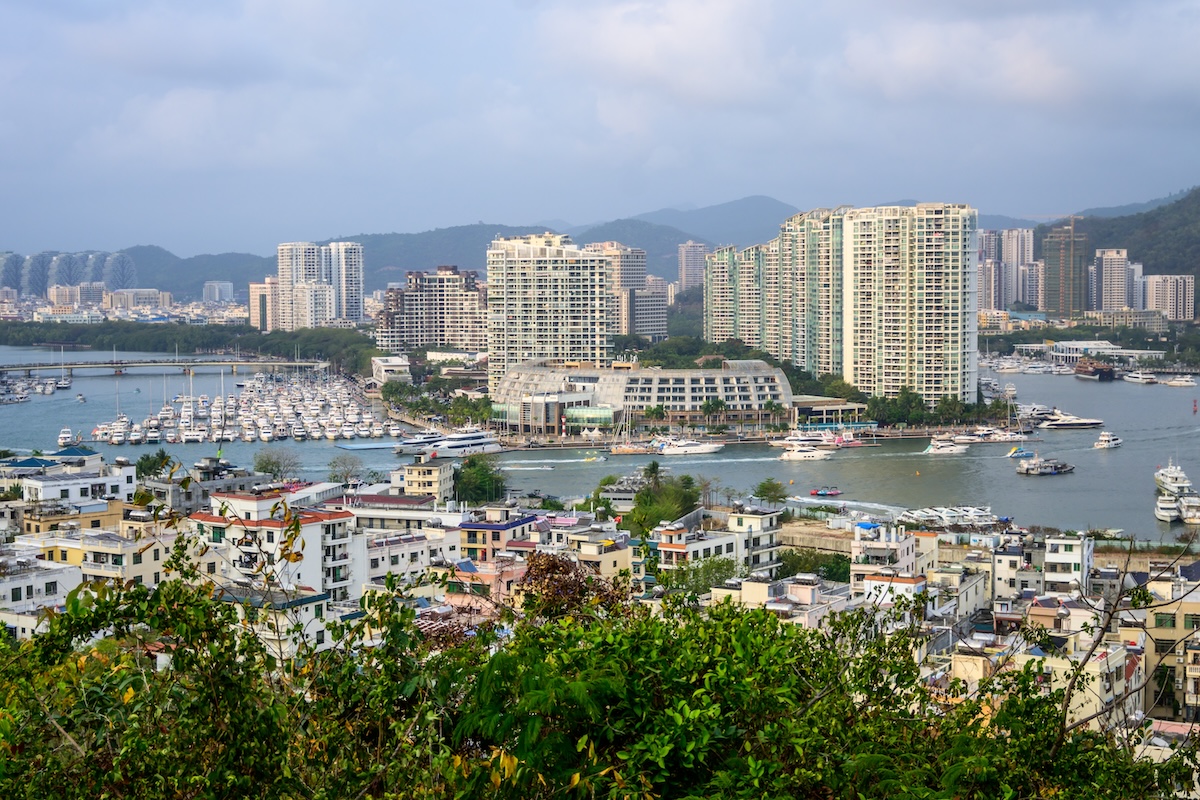
Sanya sits at the southern tip of Hainan Island and is essentially China’s answer to Florida, pulling domestic visitors south for beaches, warmth, and resorts that have attracted enough international hotel brands to confirm the beaches are worth the trip. Yalong Bay and Haitang Bay are indescribably beautiful, which is not always a given when a destination markets itself this aggressively on scenery.
Most international travelers bypass Sanya entirely, which the 26 million domestic visitors arriving annually have decided suits them perfectly. The city also draws a large Russian tourist contingent alongside the dominant domestic crowd, giving some resort areas a cultural mix that catches first-time visitors off guard.
15. Mecca, Saudi Arabia (26 million visitors)
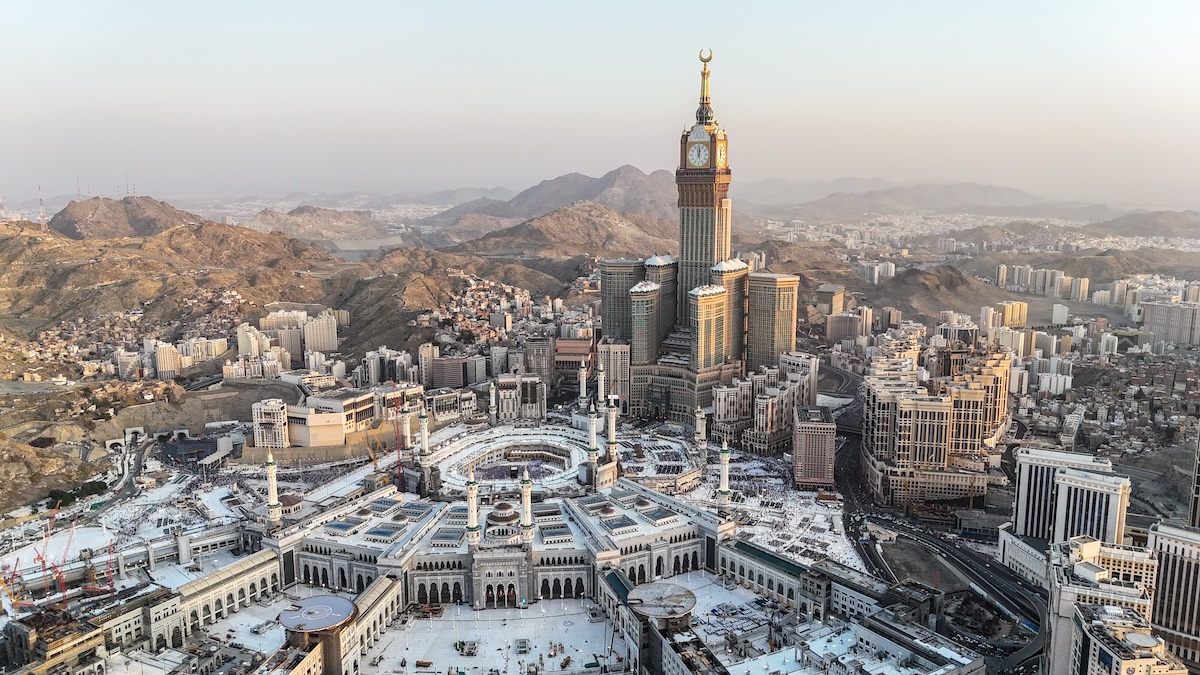
Mecca is the holiest city in Islam, and entry is restricted to Muslims, making it unique on this list. Every visitor counted in that 26 million figure is a pilgrim, arriving for Hajj, the annual pilgrimage that every Muslim is obligated to complete at least once in a lifetime, or for Umrah, which runs year-round. No other city on earth operates on this premise or draws visitors for reasons this profound.
During Hajj, the concentration of humanity around the Masjid al-Haram becomes the largest annual human gathering on the planet. The logistics of managing that many people in one place are staggering, and Saudi Arabia has spent decades building infrastructure to match the scale of the obligation.
14. Chicago, USA (30.8 million visitors)
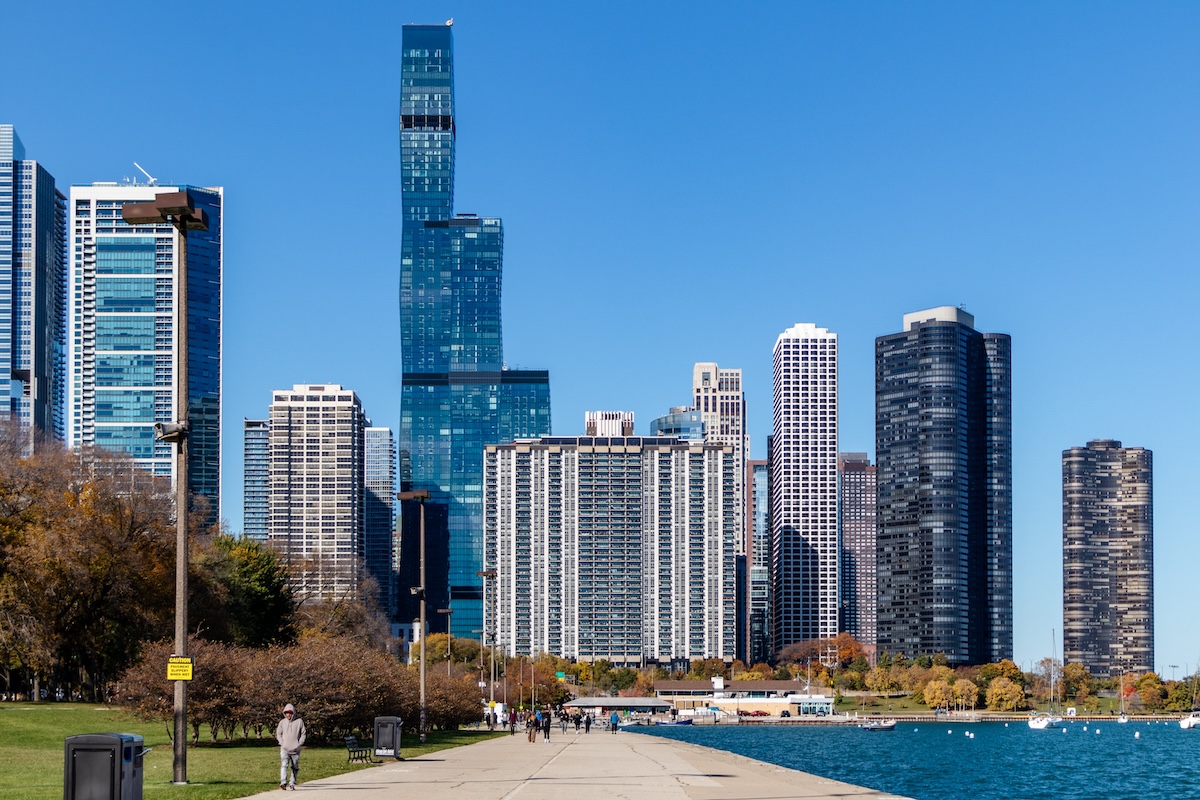
Consistently underestimated by people who haven’t been there, Chicago is the American city that tends to convert skeptics fastest. The architecture is extraordinary by any global standard, Lake Michigan has a waterfront that most coastal cities would envy, and the Art Institute is one of the great art museums in the world with a permanent collection that will absorb days of your time.
Millennium Park in summer is what public space dreams are made of. The neighborhoods spread from the Loop in every direction, each one worth a day of its own. The deep-dish pizza debate has been ablaze since 1943, and if you arrive with no opinion on the matter, Chicago will give you one before you leave.
13. Los Angeles, USA (31.6 million visitors)
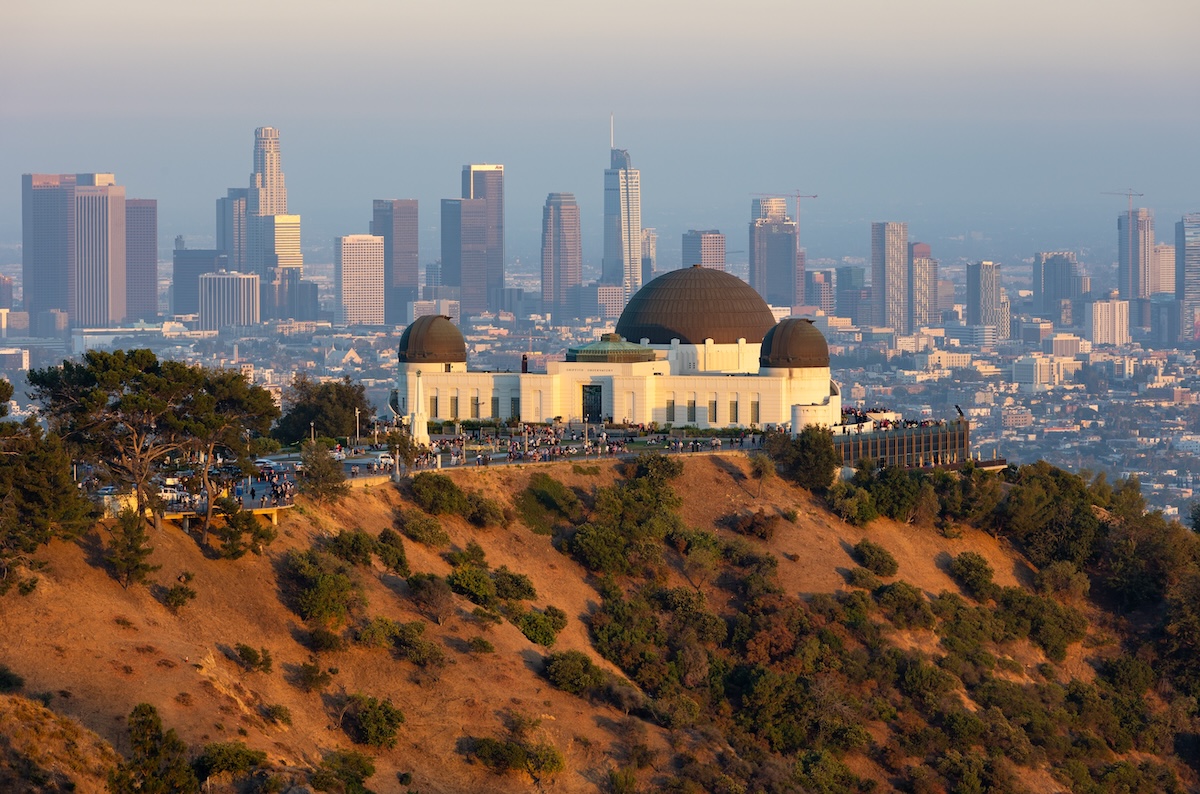
Nobody walks in Los Angeles (by choice at least), which tells you most of what you need to know about how the city was designed. Built across 500 square miles without a central logic, it runs on cars, sunshine, and an entertainment industry that has shaped global culture for over a century. The beach cities from Santa Monica to Manhattan Beach, Hollywood, and Downtown each operate as separate destinations that happen to share a freeway system.
The food scene and cultural institutions have elevated far beyond the city’s shallow reputation. The Getty Center on a weekday morning also has one of the better museum experiences in the country, and admission is free, which Los Angeles doesn’t usually mention.
12. Bangkok, Thailand (33.8 million visitors)
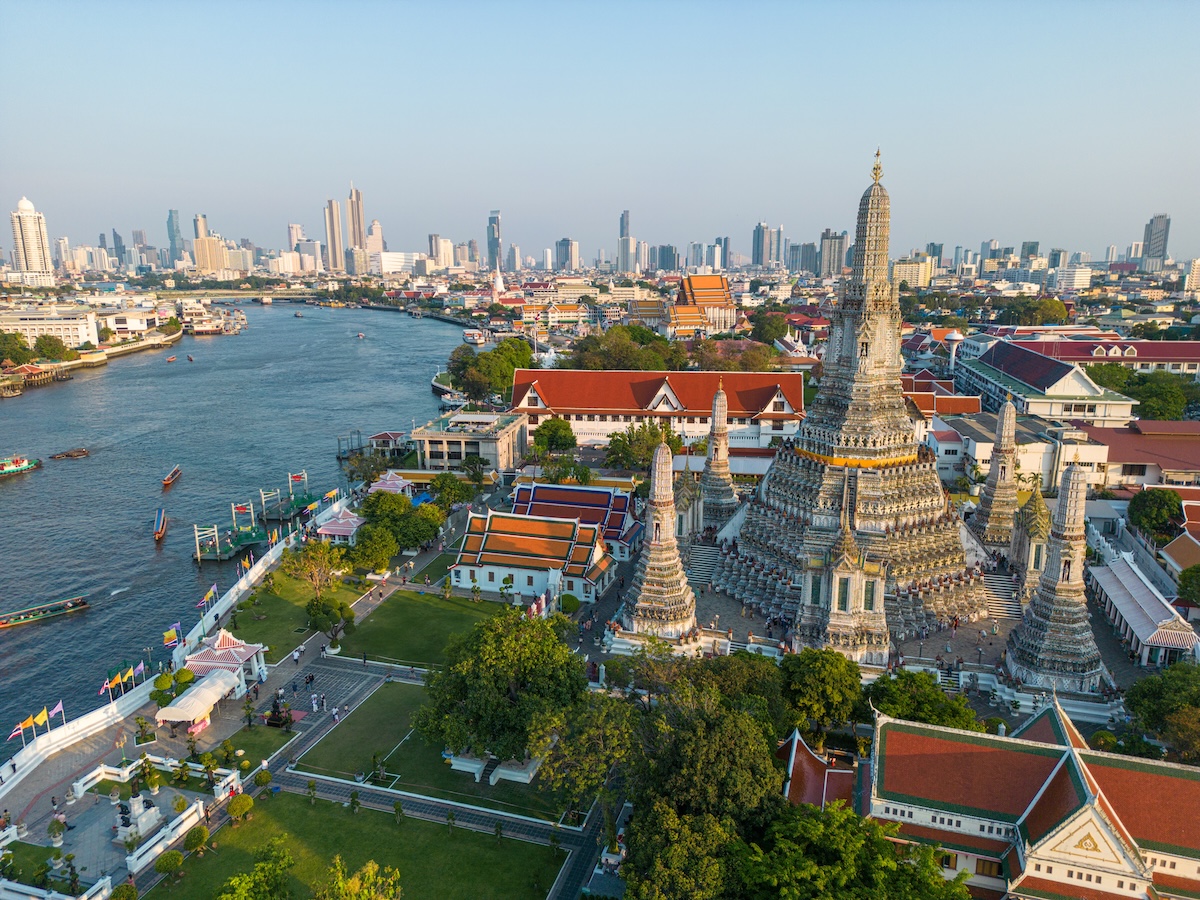
Enormous, chaotic, and completely impossible to be bored in, Bangkok is for the traveler that doesn’t fight upstream, someone that is simply happy to go where the flow takes you. Wat Pho’s reclining Buddha and Wat Arun’s riverside towers are the headline attractions, but the street food is what people are still talking about six months after they get home. A pad thai from a wok on a sidewalk in the old city costs almost nothing and outperforms restaurants charging ten times the price.
The Chao Phraya River ferry runs the morning commute and the tourist routes simultaneously, which is an extremely useful arrangement. Traffic on the roads moves at a snail’s pace, so a whole economy has developed to try and help you escape it. But it should also serve as a moment to take it all in, slowly.
11. London, UK (36 million visitors)
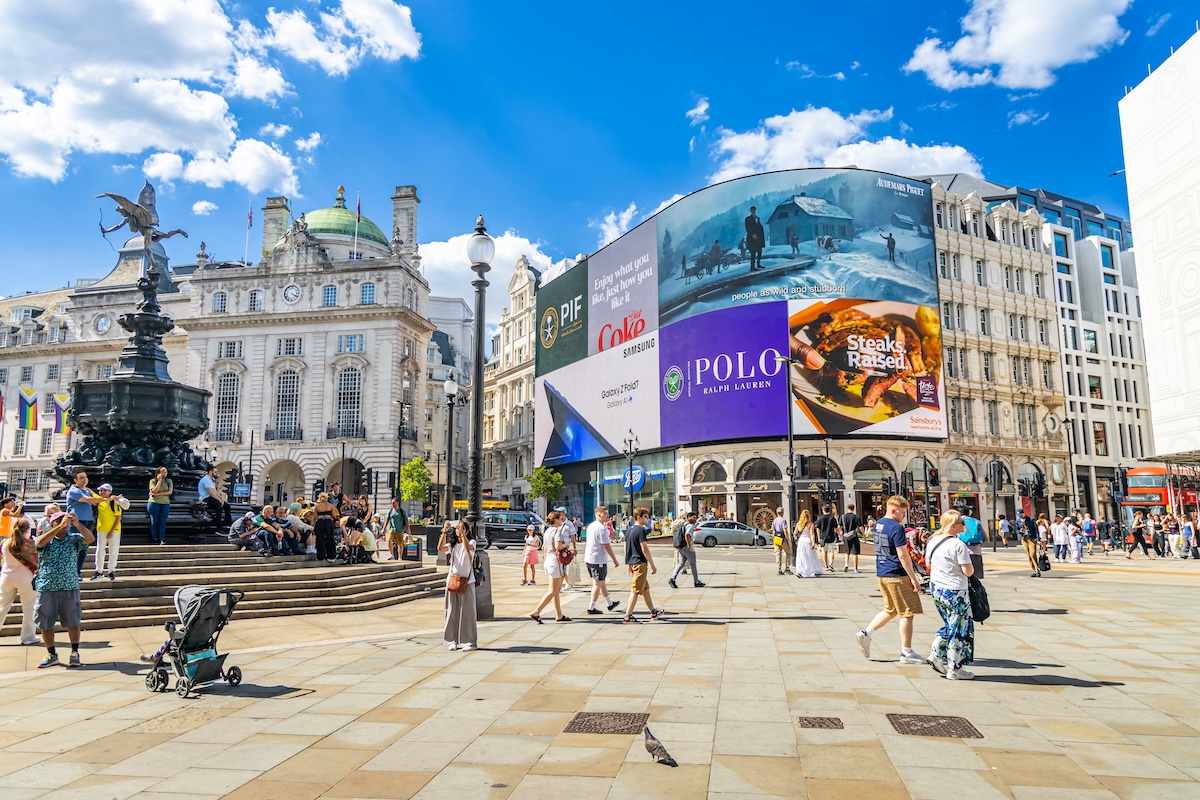
Free world-class museums are London’s best-kept secret, which is remarkable given how loudly everything else about the city announces itself. The British Museum, the National Gallery, the Natural History Museum, the V&A, the Tate Modern: all free, all extraordinary, all within reasonable distance of each other. Walking into the British Museum at nine in the morning without having spent a pound is one of those travel experiences that makes you feel like you got away with something.
The food revolution London went through from the 1990s onward transformed what was once an easy target for mockery into one of the most varied dining cities in the world. So just know it’s not all fish and chips and mushy peas all the time. The weather has not changed. Everything else has.
10. Paris, France (36.3 million visitors)
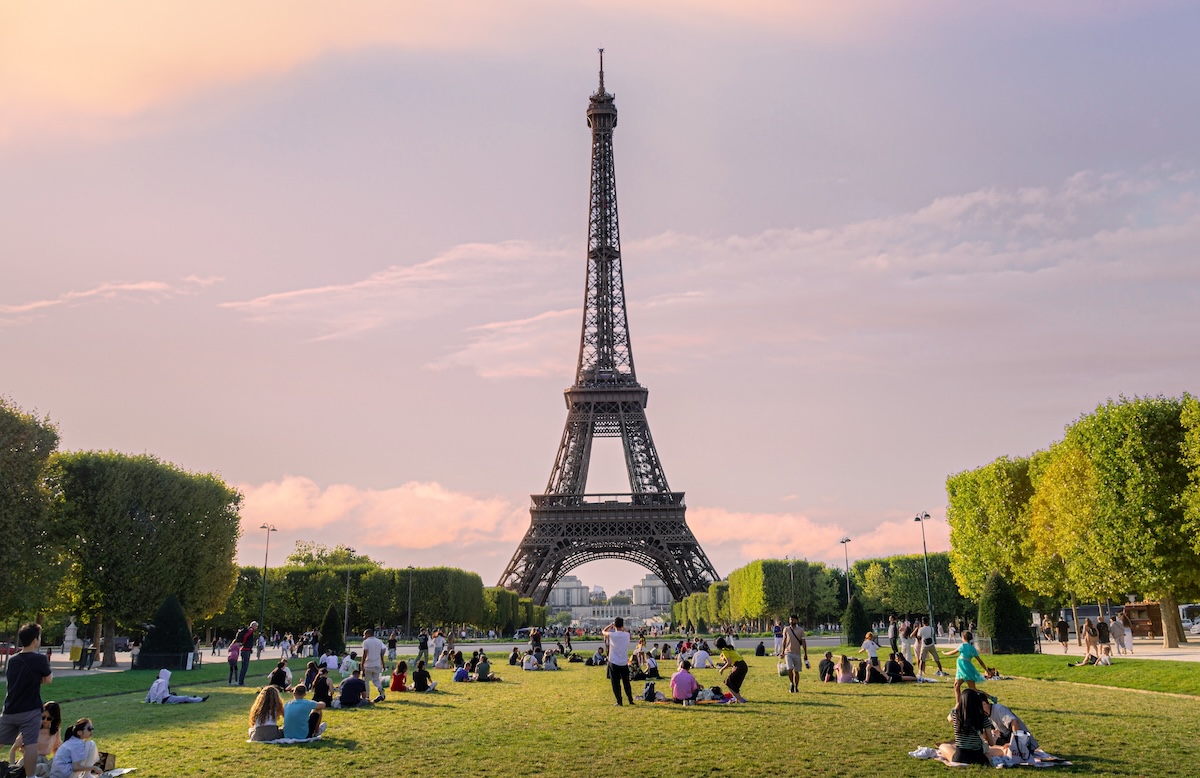
Paris generates more pointed opinions per square kilometer than any city on earth, and most of them are correct. It is beautiful, crowded, occasionally rude, gastronomically serious, and architecturally coherent. The Louvre alone could swallow two full days and still leave you with a list of things you missed.
The Seine-Saint-Denis suburbs north of the périphérique hold some of the city’s most interesting food and culture if the main tourist circuit starts feeling overfamiliar. But Paris is your time to let go of any strict itinerary (except if you booked tickets in advance), because the must-sees have a way of revealing themselves without much planning effort.
9. Osaka, Japan (37.5 million visitors)
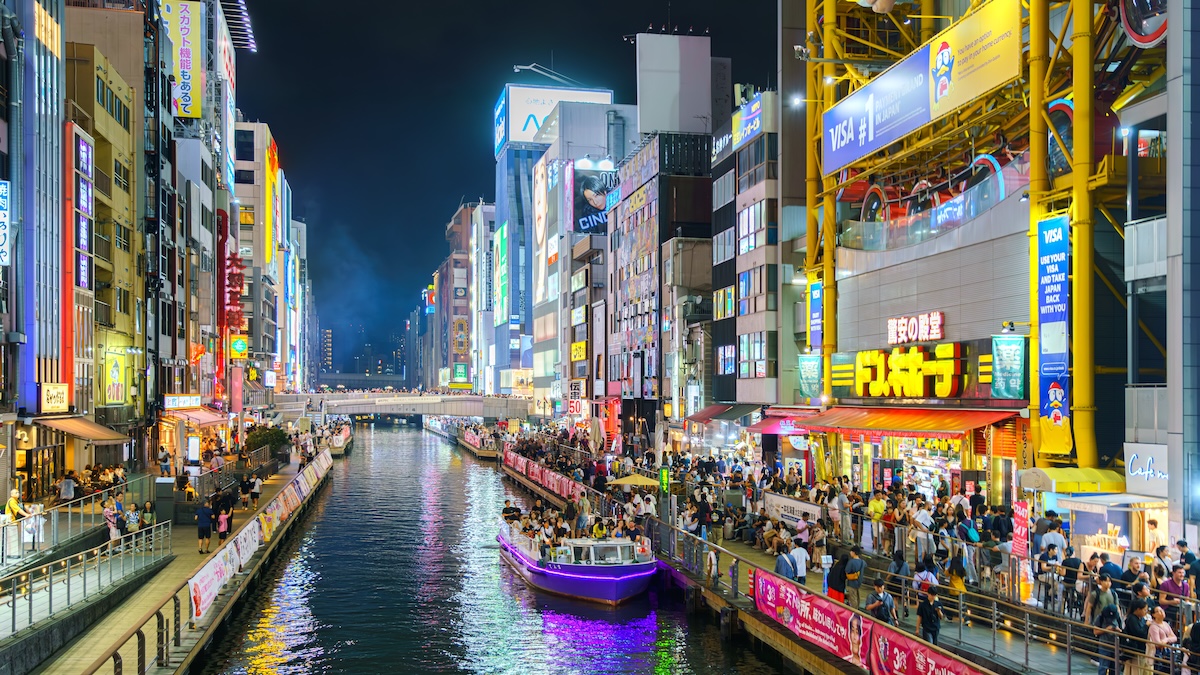
Japan’s self-declared kitchen takes the title seriously enough to make Dotonbori, its neon-lit food street, the de facto center of city life. Takoyaki, okonomiyaki, kushikatsu: Osaka’s street food is eaten standing up, something that Tokyo’s food culture rarely matches. The city has a personality distinct from the capital, warmer and considerably louder about it, and locals will tell you within minutes of meeting you that Osaka people are different, and they are right.
Osaka Castle sits above the city with a history going back to 1583, and Kyoto is twenty-five minutes away by bullet train. Most visitors treat that proximity as an Osaka advantage rather than a reason to base themselves elsewhere, and they are absolutely correct to do so.
8. New York City, USA (39.5 million visitors)
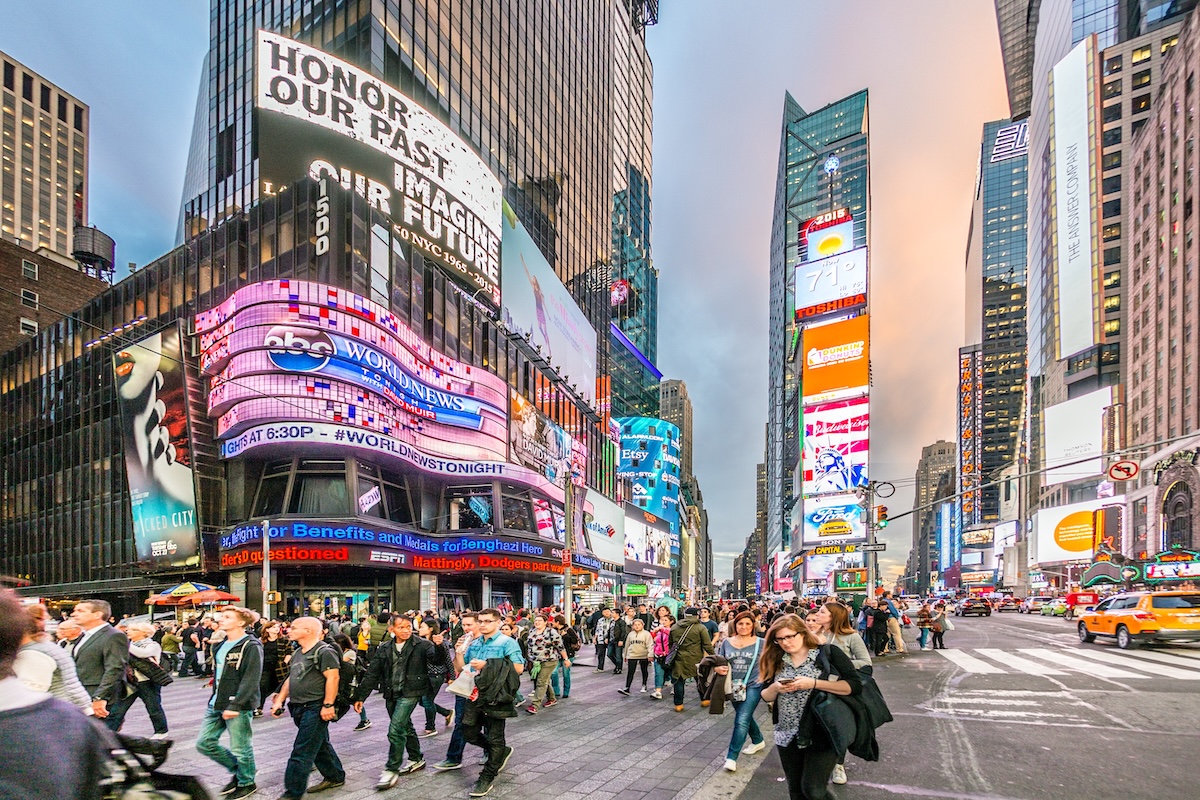
Calling New York a city undersells it by a significant margin. It is five boroughs, eight million people, and several dozen distinct neighborhoods, each with a legitimate claim to being worth a trip on its own terms. The density of culture, food, and general ambient energy packed into that footprint has been pulling visitors here for over a century without the pitch ever getting old.
The subway moves all of it at all hours, which is the founding infrastructure decision that makes everything else possible. Most visitors scratch the surface and leave wanting more, which is exactly what New York bargains on.
7. Las Vegas, USA (41.7 million visitors)
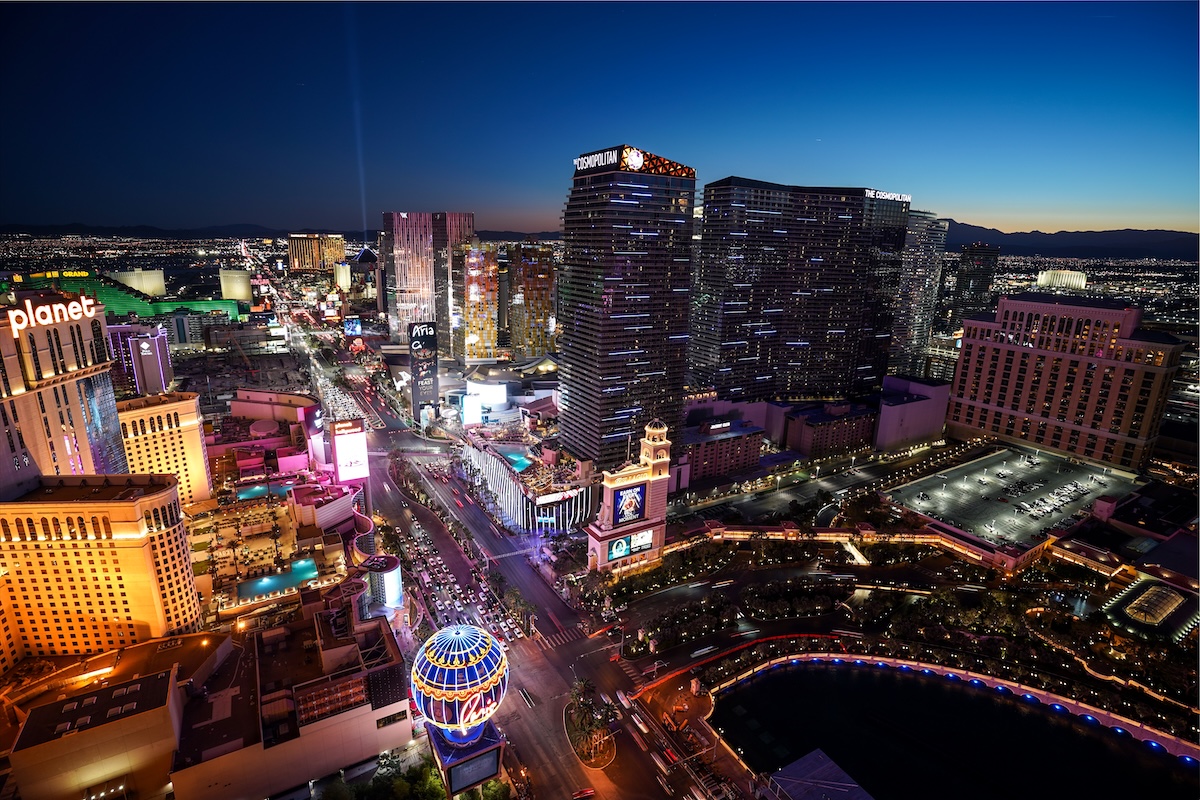
Built in a desert and running entirely on electricity, air conditioning, and gambling mathematics that favor the house, Las Vegas is one of the more honest cities on earth. It tells you exactly what it is from thirty miles out, and people arrive in their tens of millions anyway. The Strip is a mile and a half of hotel-casinos built to a scale that nothing in your previous experience prepares you for.
Las Vegas is also, somewhat surprisingly, one of the better food cities in the country. The neon doesn’t particularly advertise this, but the restaurants behind the casino floors are very much the real thing.
6. Beijing, China (45.8 million visitors)
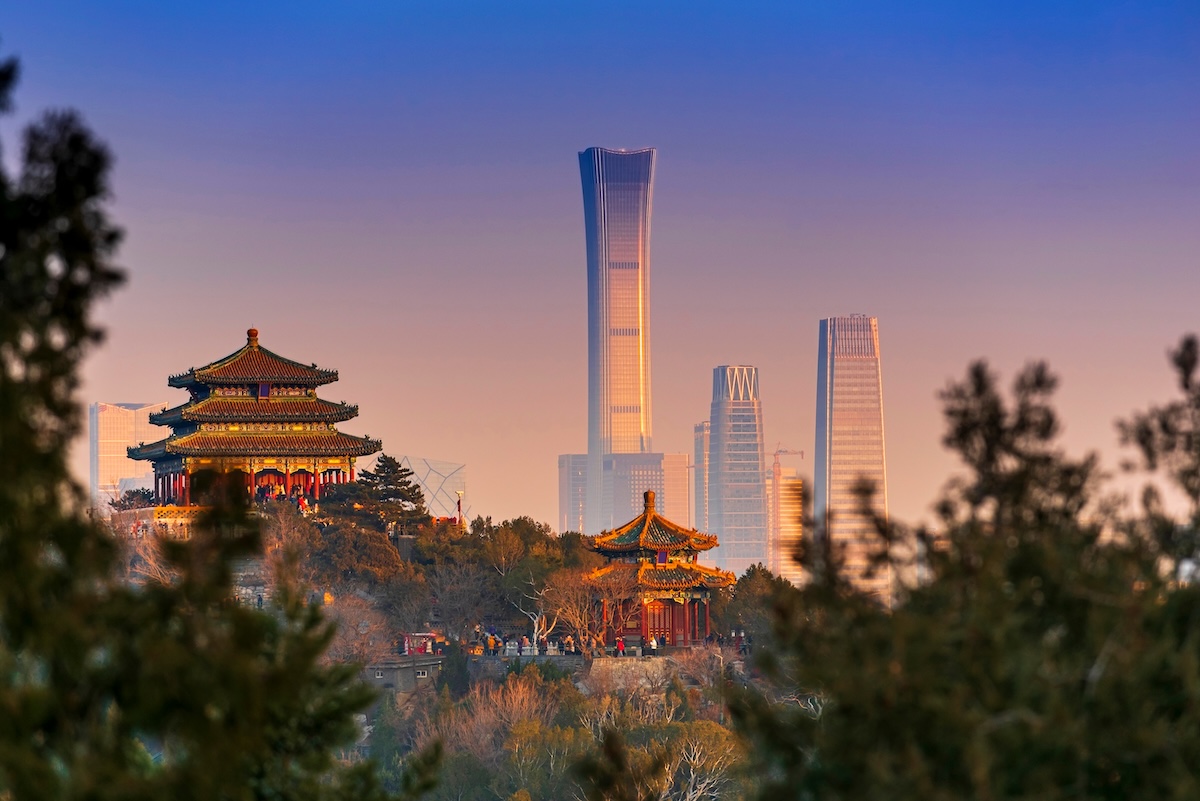
The Forbidden City is the largest palace complex in the world, covering 180 hectares in the center of the capital. Walking through it takes most of a day and covers 600 years of imperial history, and that is before you have even thought about the Great Wall an hour north by road. The Jinshanling and Mutianyu sections are in far better condition than the overcrowded Badaling stretch, a detail worth knowing before you book the tour bus.
Tiananmen Square sits at the southern entrance to the Forbidden City, carrying a political weight that the government prefers visitors process without too much independent reflection. Beijing is a city that rewards curiosity and occasionally discourages it at the same time.
5. Delhi, India (48.3 million visitors)
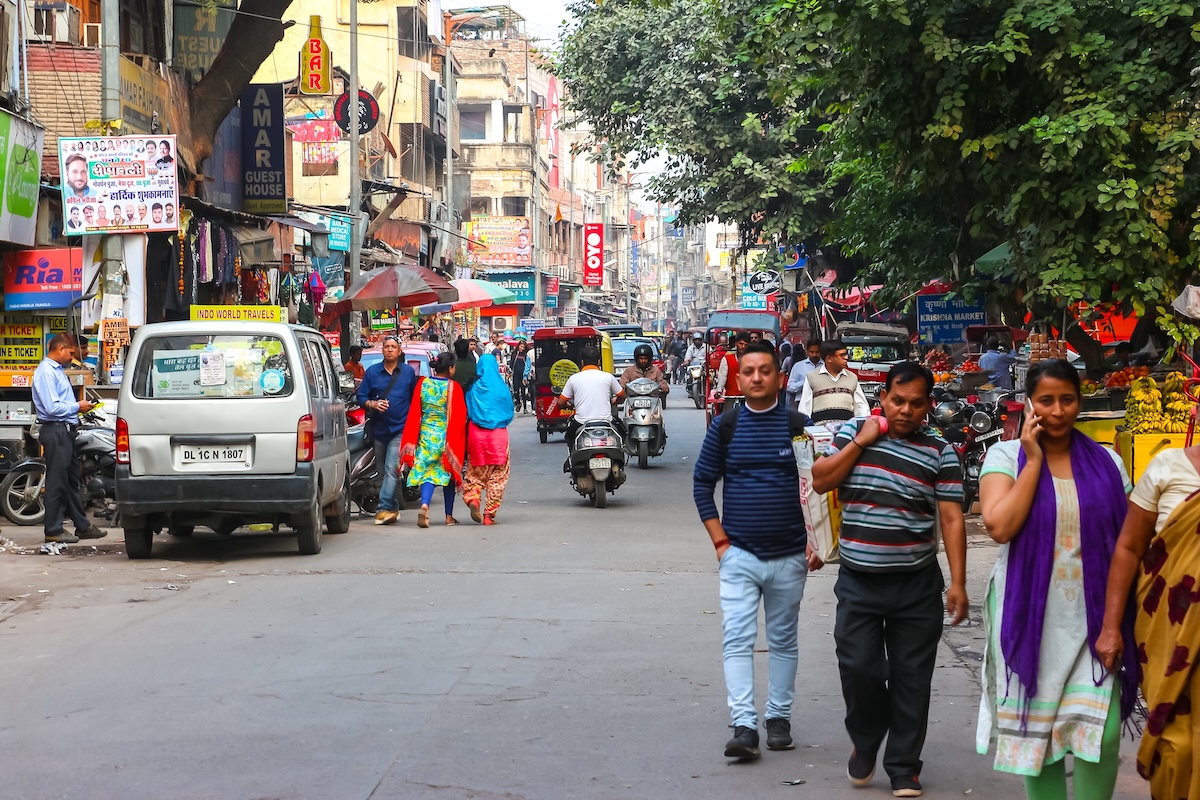
Old Delhi and New Delhi share a border and very little else. Old Delhi is dense and loud, and it might take several days to fully appreciate it, and Chandni Chowk is one of the most intense sensory environments on the planet. New Delhi, built by the British as their colonial capital and completed in 1931, runs at a grander and more navigable scale, with wide boulevards that suggest someone had a plan.
The Red Fort, Humayun’s Tomb, the Qutb Minar, and the Lotus Temple represent four different architectural eras in the same city. The street food in both halves is exceptional, cheap, and no one on the list even comes close to being called a real rival.
4. Orlando, USA (55 million visitors)
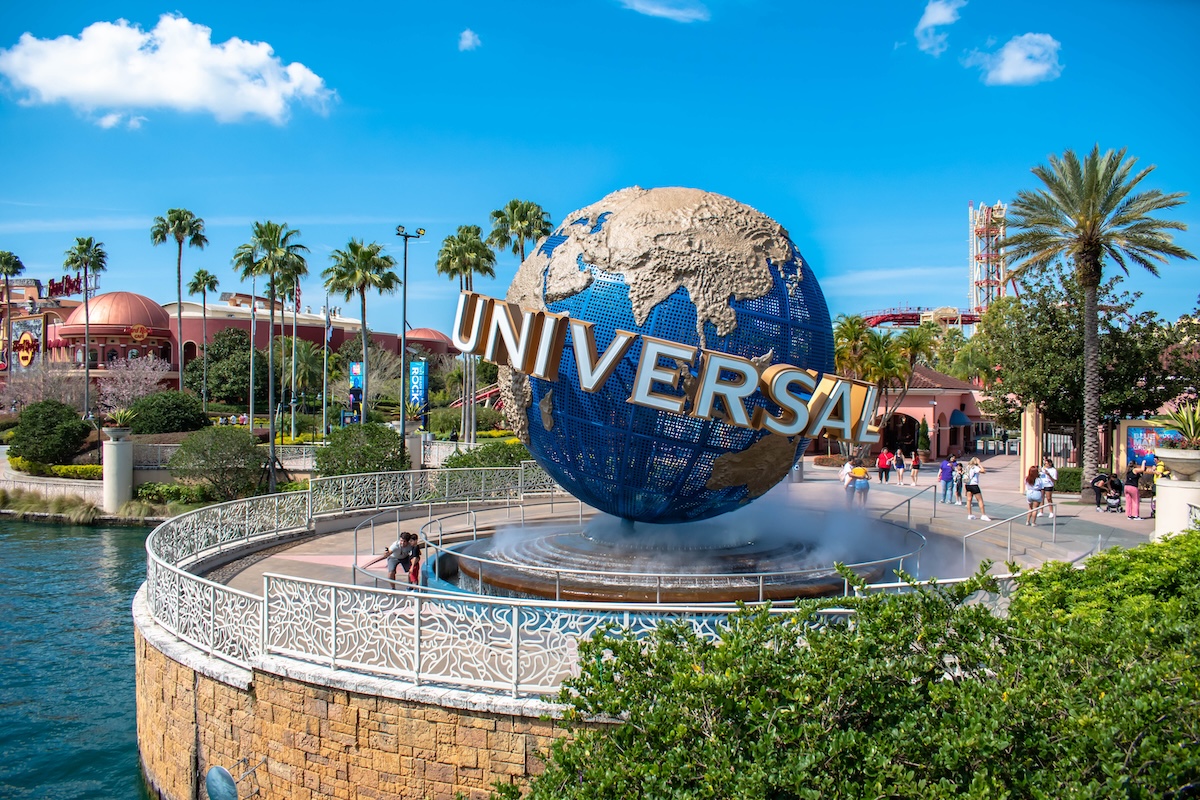
Orlando sits at number four almost entirely because of Walt Disney World, which opened in 1971 on a property roughly the size of San Francisco. Universal Studios followed, SeaWorld followed that, and Central Florida has been running the mathematics of family tourism ever since. The theme park corridor is one of the most efficiently engineered visitor experiences ever built, and the numbers speak for themselves.
Outside the parks, Orlando is a mid-size Florida city with a downtown that has developed real character in recent years. Most of the 55 million visitors never find out, and honestly, they came for Mickey, so that’s probably fine.
3. Guangzhou, China (58.8 million visitors)
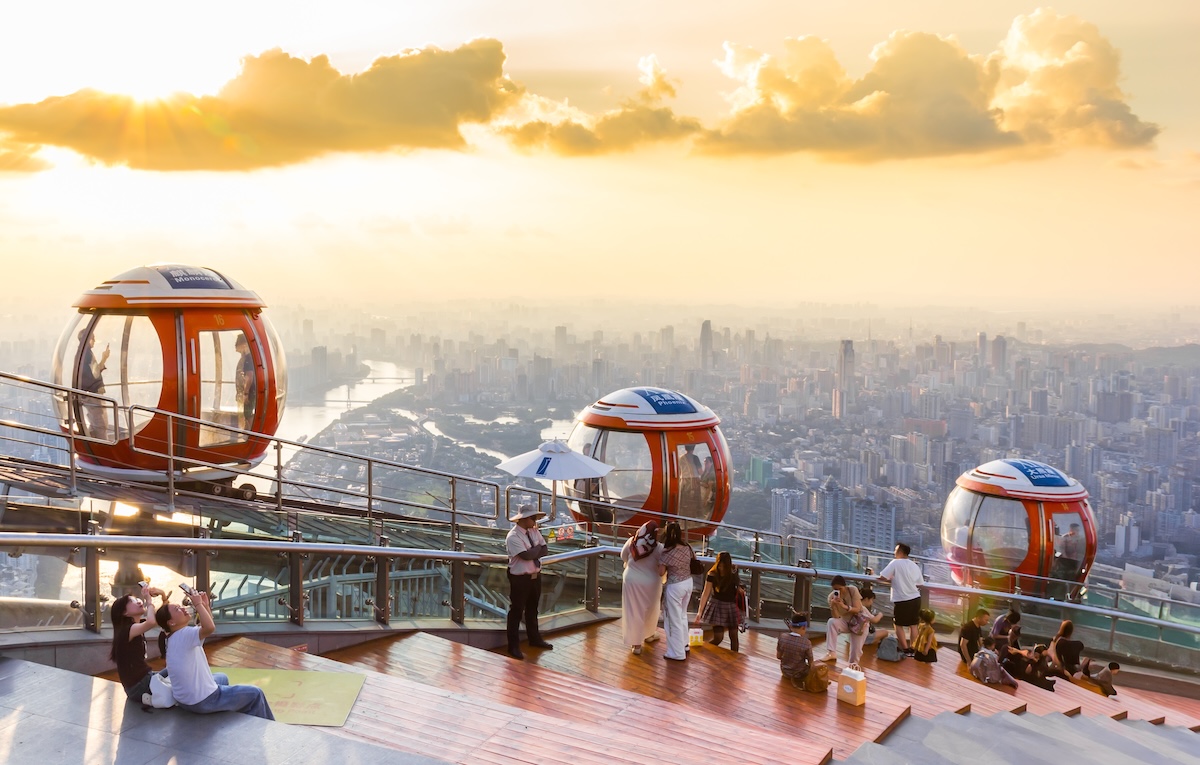
China’s trade capital hosts the Canton Fair twice a year and pulls business visitors from across the globe in bewildering numbers. The 58.8 million figure is dominated by domestic Chinese visitors arriving for commerce, food, and family connections to one of China’s most historically significant cities since the Tang Dynasty.
The Cantonese food culture here is the source material for Chinese cuisine across the world. Dim sum in Guangzhou is served at hours and in formats that the international version has simplified beyond recognition, and spending a morning finding out what it actually is remains one of the better decisions you can make in southern China.
2. Tokyo, Japan (59.5 million visitors)
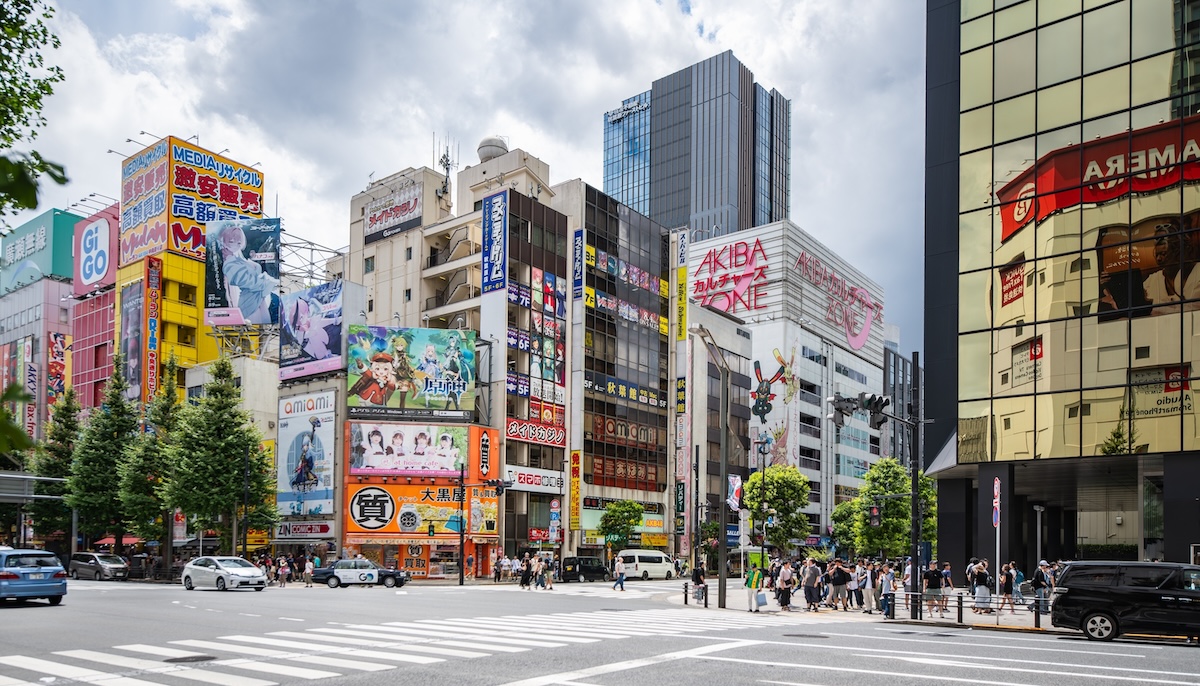
The largest metropolitan area on earth by population has somehow managed to be simultaneously the most efficient, the most food-obsessed, and one of the safest cities on the planet. The punctual subway moves millions of people daily, a feat that is studied by envious cities at length.
Tokyo spreads across thirty-two wards, each with its own character. Moving between them reveals a city permanently reinventing itself while keeping everything that already works exactly as it is. The concentration of Michelin-starred restaurants is the highest in the world, and the ramen shops filling the gaps are not a step down from anything.
1. Shenzhen, China (83 million visitors)
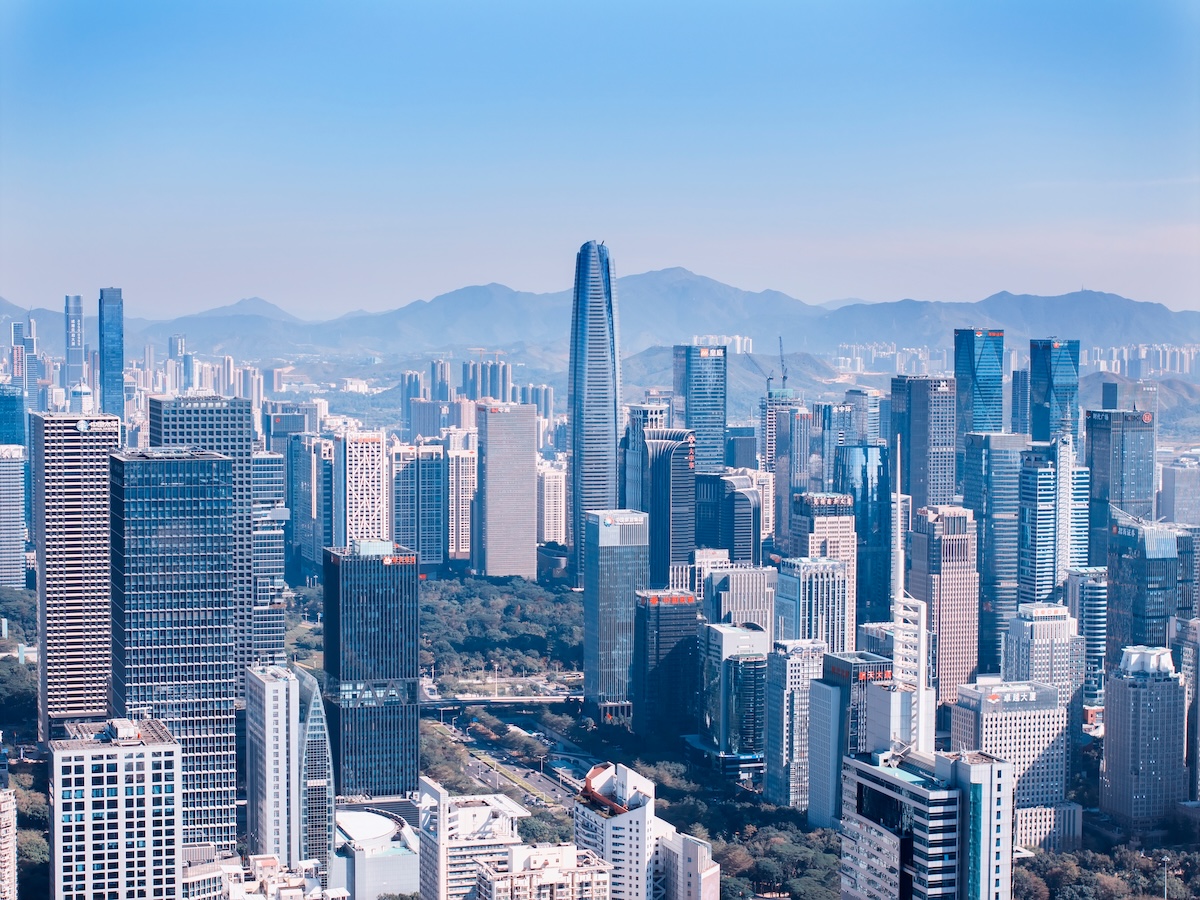
In 1980, Shenzhen was a collection of fishing villages with around 30,000 people. That year it became China’s first Special Economic Zone, and what followed was one of the fastest urban expansions in human history. The city now has over seventeen million permanent residents and pulls in 83 million visitors annually, mostly domestic Chinese travelers drawn by commerce, technology, and proximity to Hong Kong across the border.
The Huaqiangbei electronics market is a square kilometer of every component ever manufactured, at prices that will make your jaw drop, yet Shenzhen rarely appears on Western travel itineraries. The 83 million people visiting each year have clearly decided that works in their favor.