
State parks showcase some of the most stunning natural landscapes in America, often rivaling their better-known national park cousins. These protected areas invite millions to experience everything from coastal cliffs to desert canyons, all without straying too far from home.
Every state boasts a standout park that captures its region’s unique beauty—think dramatic rock formations, tumbling waterfalls, or untouched shorelines. Whether you hike, camp, or just snap a few photos, exploring these places is always worth your time.
From Alabama’s mountaintop vistas to Wyoming’s wild wonders, these parks highlight the best natural attractions each state has to offer. They preserve ecological treasures and let you reconnect with nature, sometimes just a short drive away.
Alabama: Cheaha State Park
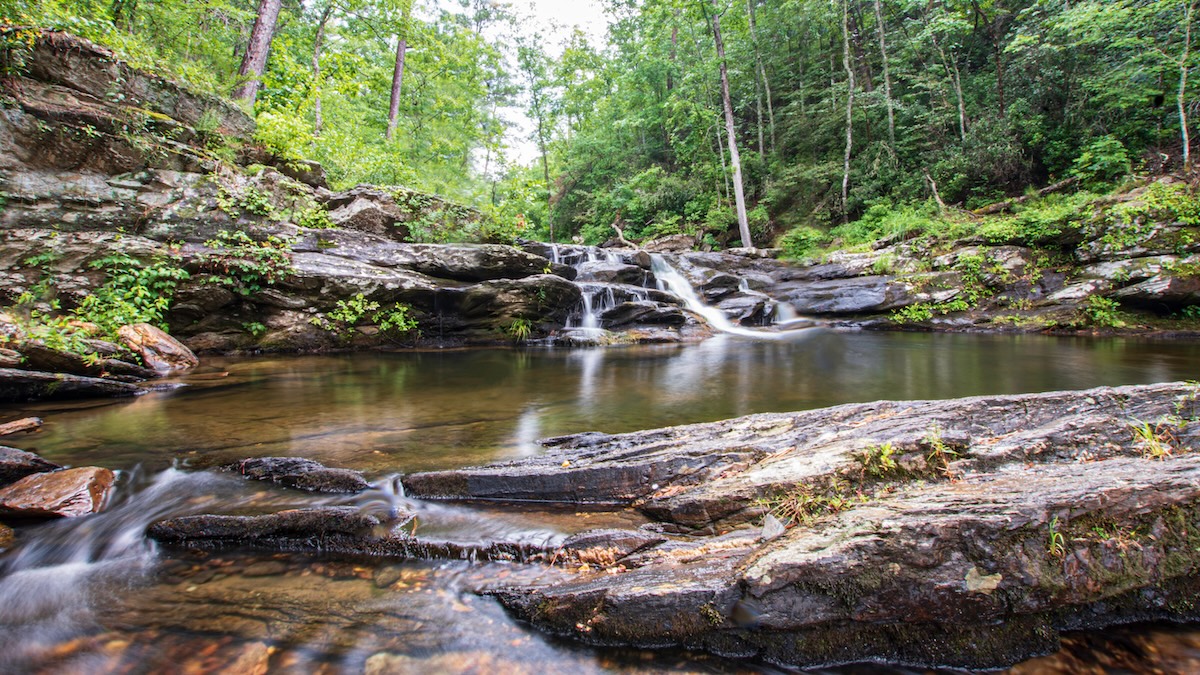
Alabama’s highest point sits at Cheaha State Park, topping out at 2,407 feet above sea level. Perched atop Cheaha Mountain in the Talladega National Forest, the park dishes out panoramic views stretching across valleys and ridges. On a clear day, the forested landscape seems to go on forever.
Bald Rock, a huge stone outcropping, draws photographers from all over. Trails wind through varied terrain, including a stretch of the Pinhoti Trail. The stone observation tower at the summit adds another angle on those sweeping views, while the rustic CCC-era lodge and cabins bring a sense of history to your stay. Whether you’re catching sunrise from a rocky overlook or wandering through mountain forests, Cheaha has a beauty that stands apart from Alabama’s coastal and lowland spots.
Alaska: Chugach State Park
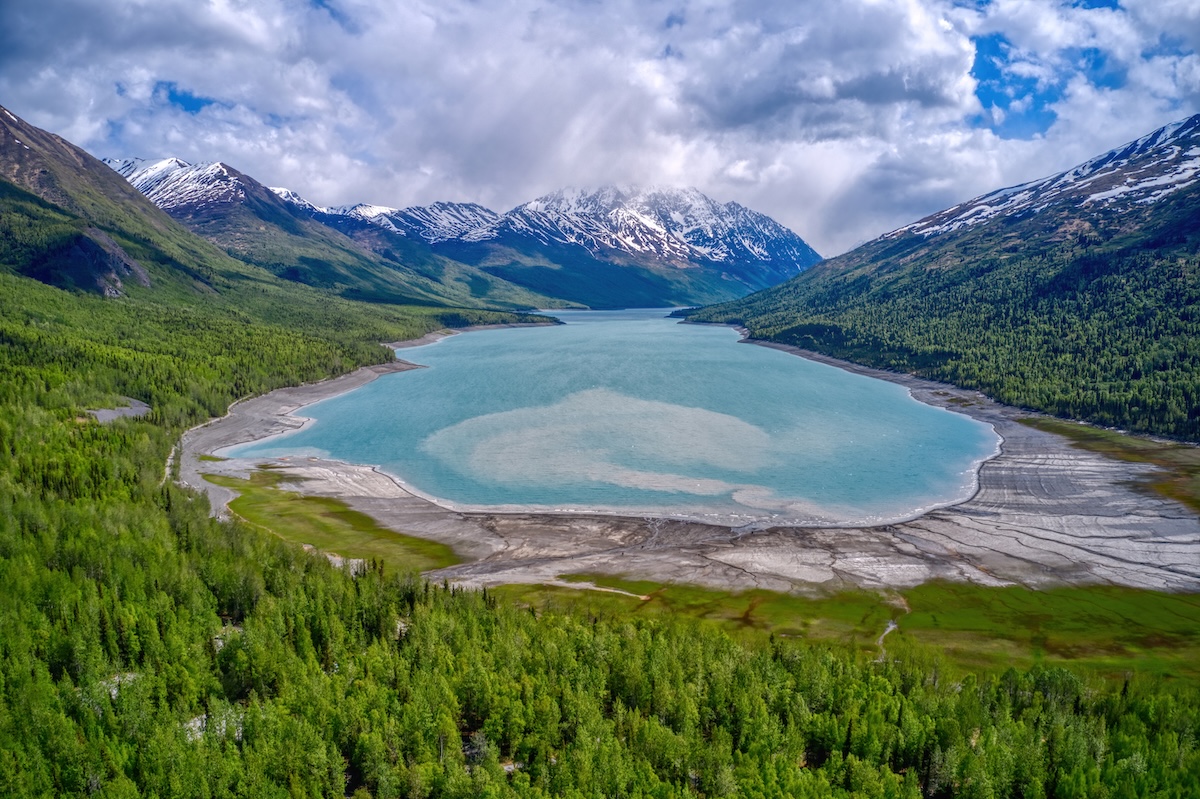
Just outside Anchorage, Chugach State Park sprawls across nearly half a million acres of wild Alaskan landscape. The park lets you dive straight into dramatic mountain peaks, glacial valleys, and rugged coastline—all just minutes from the city.
You can take on anything from easy lakeside strolls to tough alpine hikes, moving through forests and up to exposed ridges. Wildlife is everywhere: Dall sheep balance on rocky ledges, moose graze in wetlands, and bears sometimes roam the hillsides. Since it’s so close to Anchorage, day trips are easy, but the backcountry offers endless room for longer adventures. Summer brings those long daylight hours, perfect for squeezing in more miles, while winter turns the park into a snowy playground for skiing and snowshoeing.
Arizona: Lost Dutchman State Park
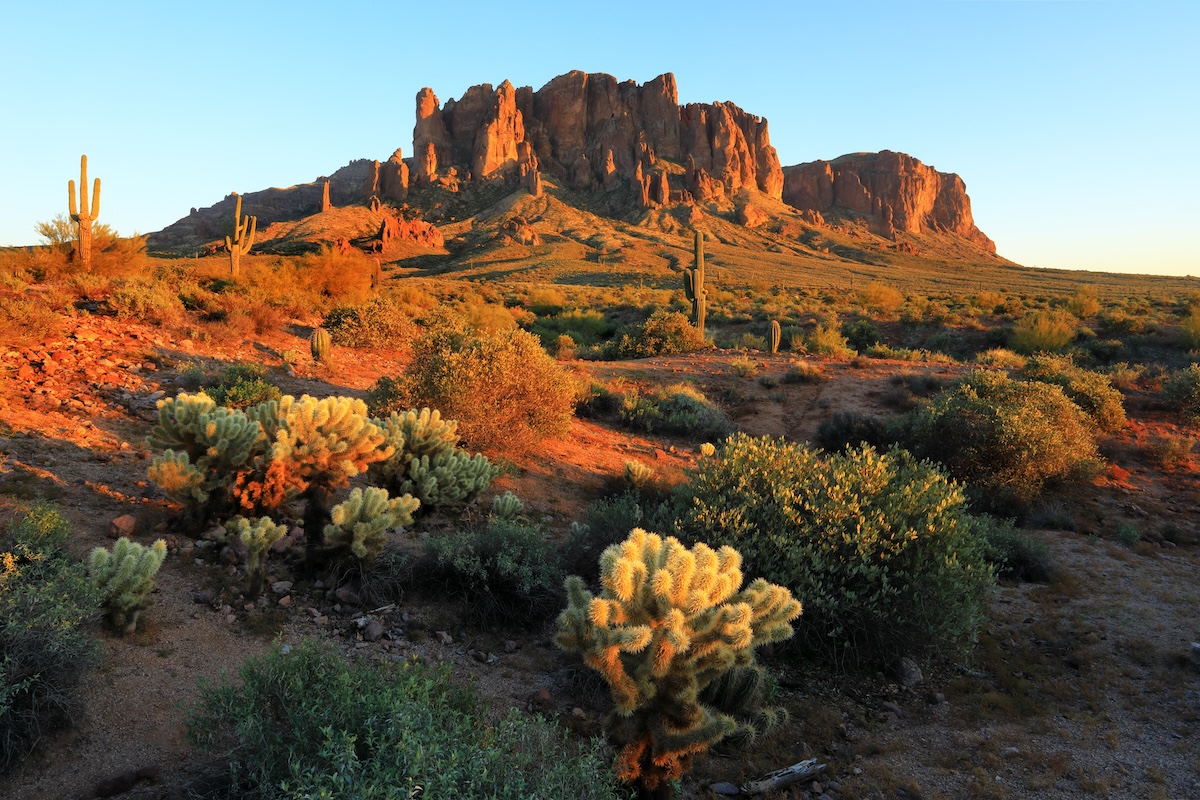
Lost Dutchman State Park sits right up against the Superstition Mountains, about 40 miles east of Phoenix. The park’s name comes from the legendary lost gold mine supposedly hidden in these rugged peaks. Here, the Sonoran Desert really puts on a show—towering saguaro cacti line trails that snake through valleys and climb rocky slopes.
Views are stunning all year, but spring wildflowers can turn the desert floor into a riot of color. If you’re up for a challenge, the Siphon Draw Trail rewards you with sweeping vistas of the Superstitions. There are easier options too, like the Treasure Loop Trail, which is great for families or anyone wanting a gentler hike. Camping here means you can watch the desert sky fill with stars after dark. Winter is the sweet spot for hiking, with comfortable temperatures and clear air.
Arkansas: Petit Jean State Park
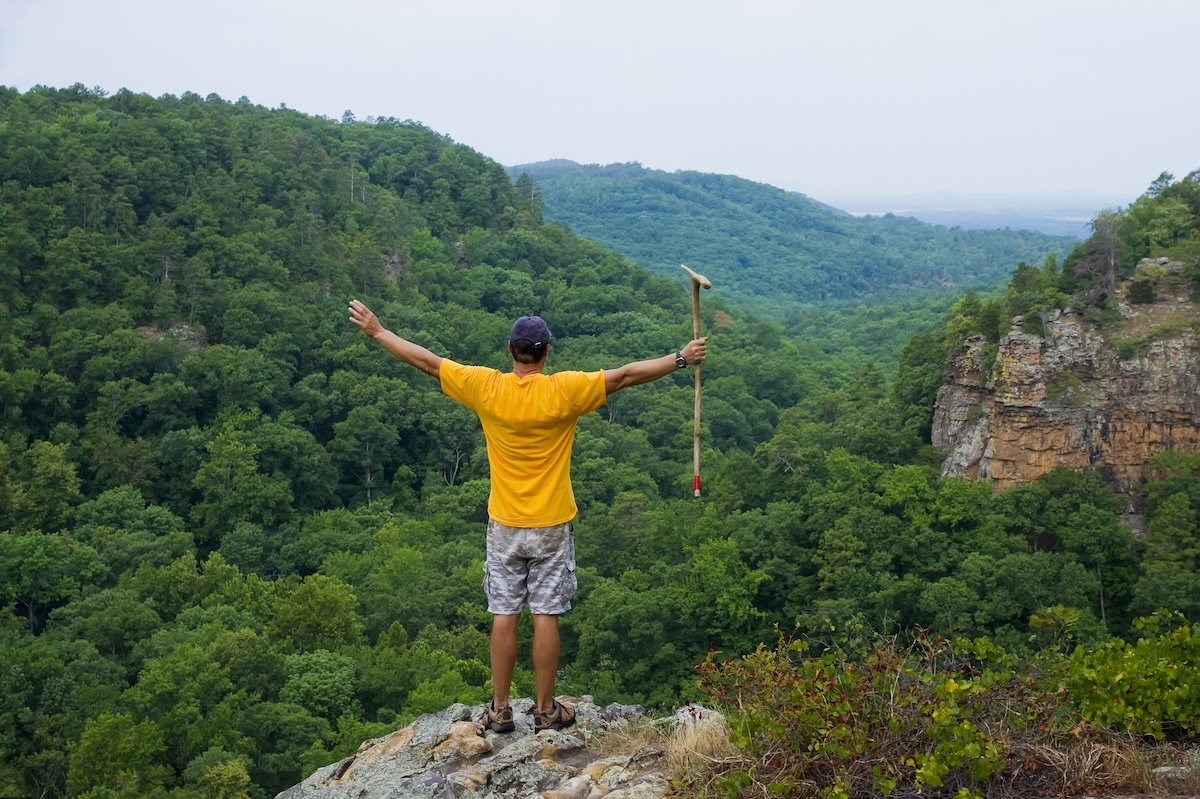
Arkansas’s first state park sits atop Petit Jean Mountain, with the Arkansas River Valley stretching out beneath dramatic bluffs and waterfalls. Established in the 1930s, the park highlights the kind of natural beauty that defines the state. Cedar Falls—a 95-foot cascade—serves as a main draw, reachable via a moderately tough hike through the woods.
But there’s more than just overlooks and waterfalls. Rock House Cave, Bear Cave, and the edge of Cedar Creek Canyon all offer unique stops. Trails pass by natural bridges and rock formations shaped by millions of years of erosion. Whether you’re camping, picnicking, or just passing through, Petit Jean delivers a classic Arkansas outdoor experience—rugged, beautiful, and easy to enjoy.
California: Julia Pfeiffer Burns State Park
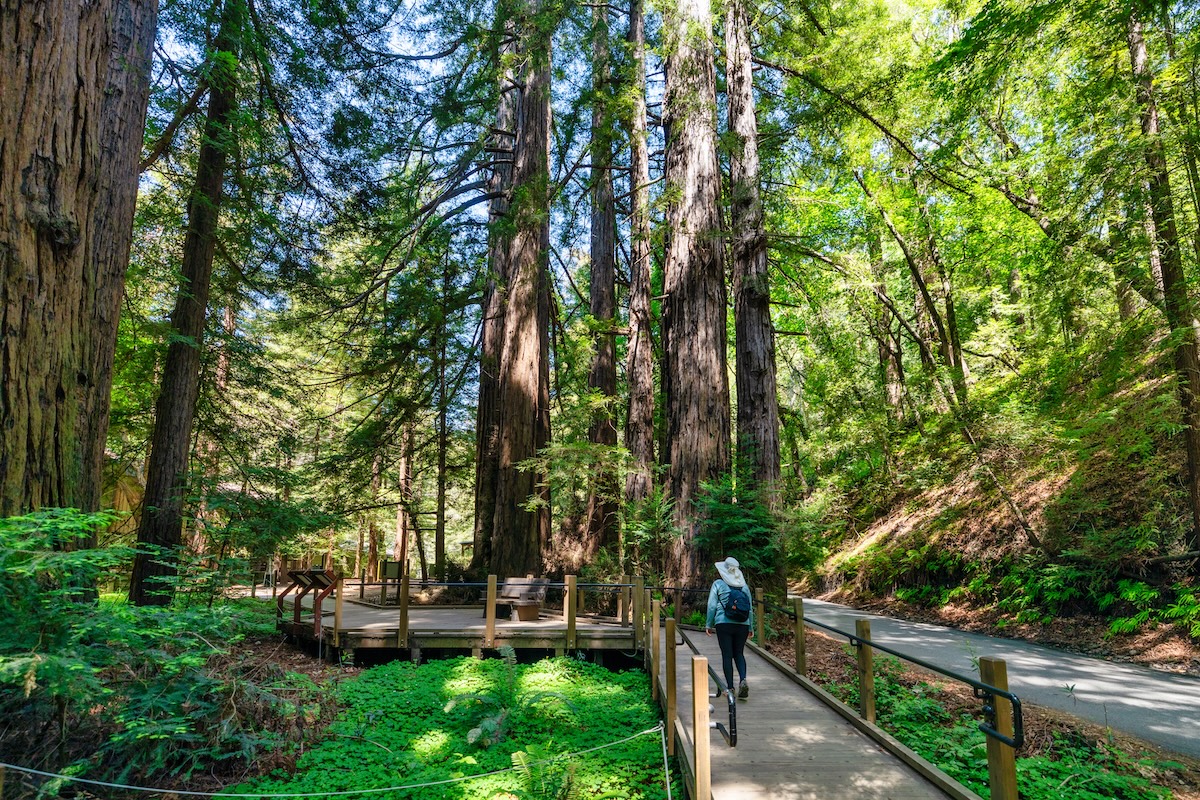
Julia Pfeiffer Burns State Park is home to one of California’s most iconic scenes: McWay Falls plunging 80 feet onto a sandy beach below. This rare waterfall drops straight onto the shore, and you get a postcard-perfect view from the Overlook Trail. The park hugs the Big Sur coastline, offering dramatic ocean vistas framed by steep cliffs.
Several trails cut through redwood groves and coastal scrub, but the short walk to the waterfall overlook remains the main event. If you time it right, you can poke around tide pools or just take in the vivid turquoise waters and golden sand. The park covers over 3,700 acres, so there’s space to wander and soak up the central coast’s wild beauty. McWay Falls is especially impressive in winter and spring when the water really thunders down.
Colorado: Eldorado Canyon State Park
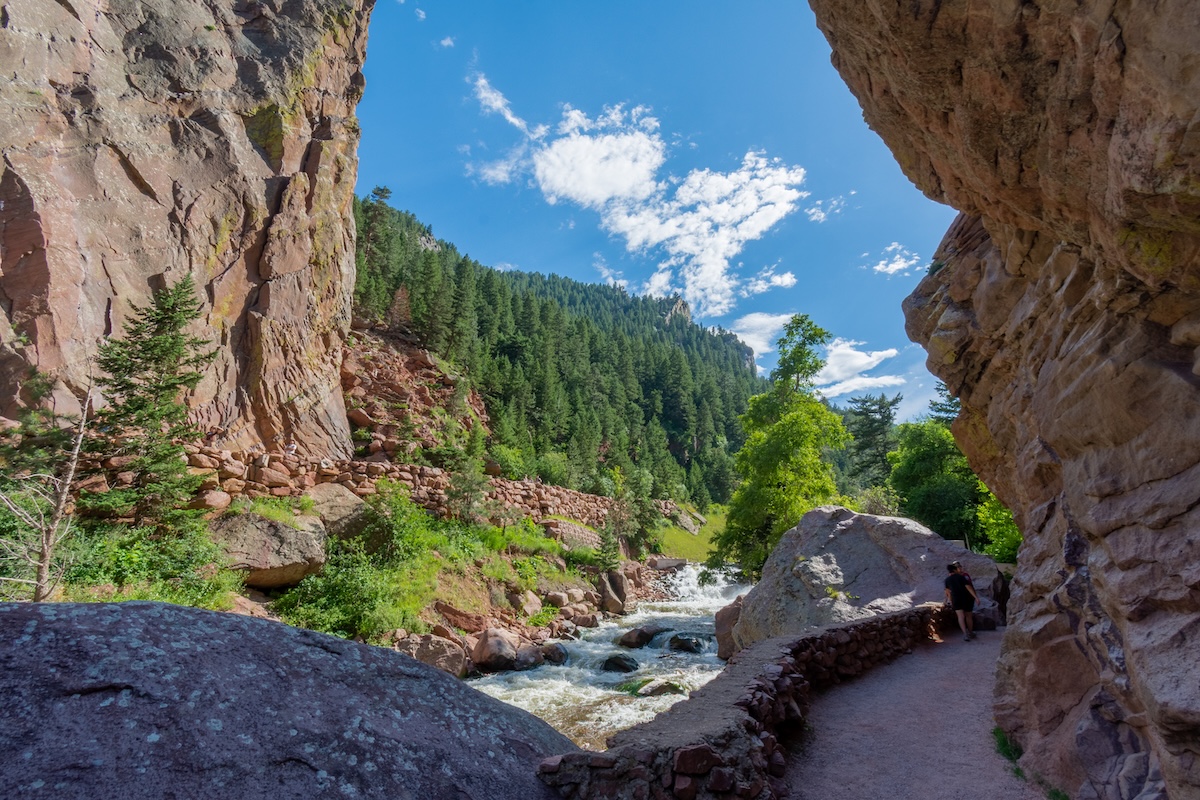
Eldorado Canyon State Park nestles in the foothills just south of Boulder, where sandstone cliffs tower over South Boulder Creek. Climbers from around the world flock here—these golden-red rock walls are legendary. Not a climber? No problem. The hiking trails are just as rewarding.
The Rattlesnake Gulch Trail gives you sweeping views of the Continental Divide and leads to the old ruins of the Crags Hotel, which burned way back in 1912. Easier walks like the Streamside Trail hug the creek and are great for families. Keep your eyes peeled for mule deer, black bears, and golden eagles soaring overhead. Since Boulder is so close, the park makes for an easy day trip—just be sure to get there early if you want a parking spot during busy months.
Connecticut: Hammonasset Beach State Park
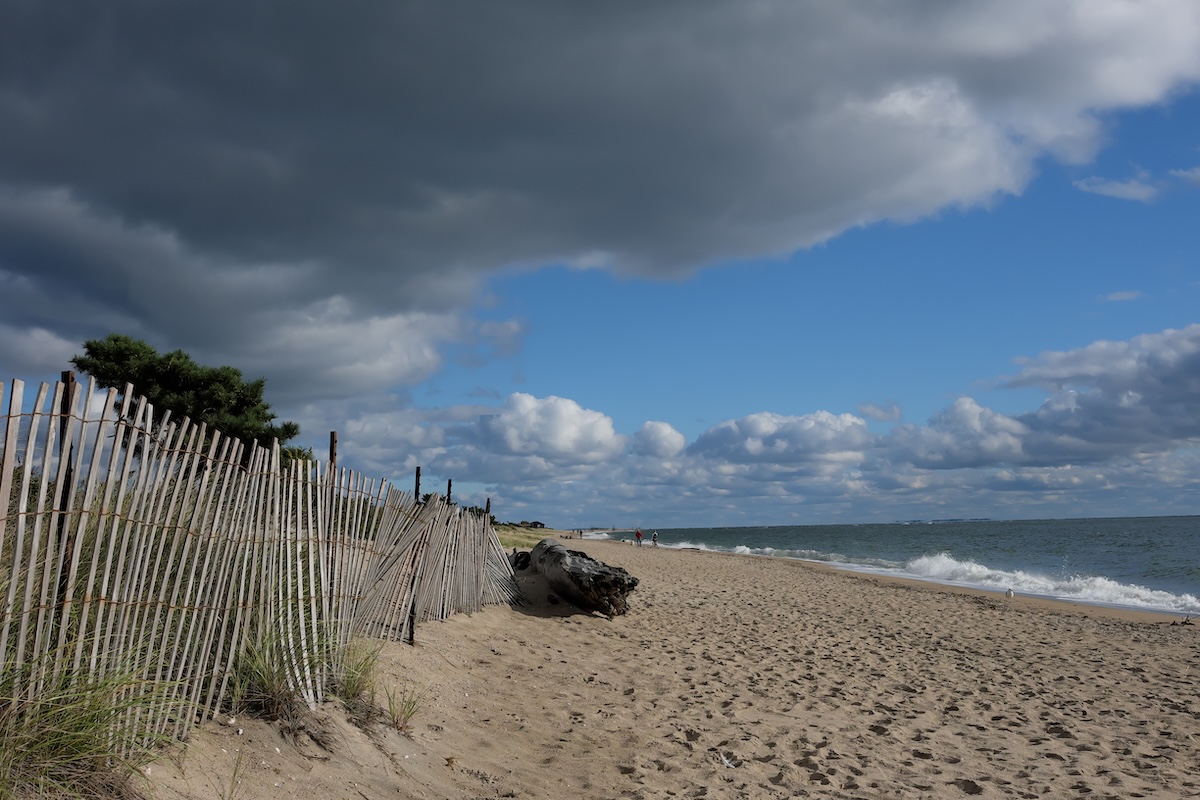
Connecticut’s biggest shoreline park stretches across two miles of beach on Long Island Sound. At Hammonasset Beach State Park, you get more than just pretty views—it’s a full-on seaside escape. Swim, fish, or just stroll the boardwalk and breathe in the salt air.
The park is a hotspot for birdwatching and photography, thanks to its tidal marshes and coastal forests. Meigs Point Nature Center is worth a stop if you want to learn about local wildlife. Camping is available if you’re up for extending your stay. Whether you’re picnicking, kayaking, or catching a sunset, Hammonasset feels like classic New England—without the crowds you’d find at bigger ocean beaches.
Delaware: Cape Henlopen State Park
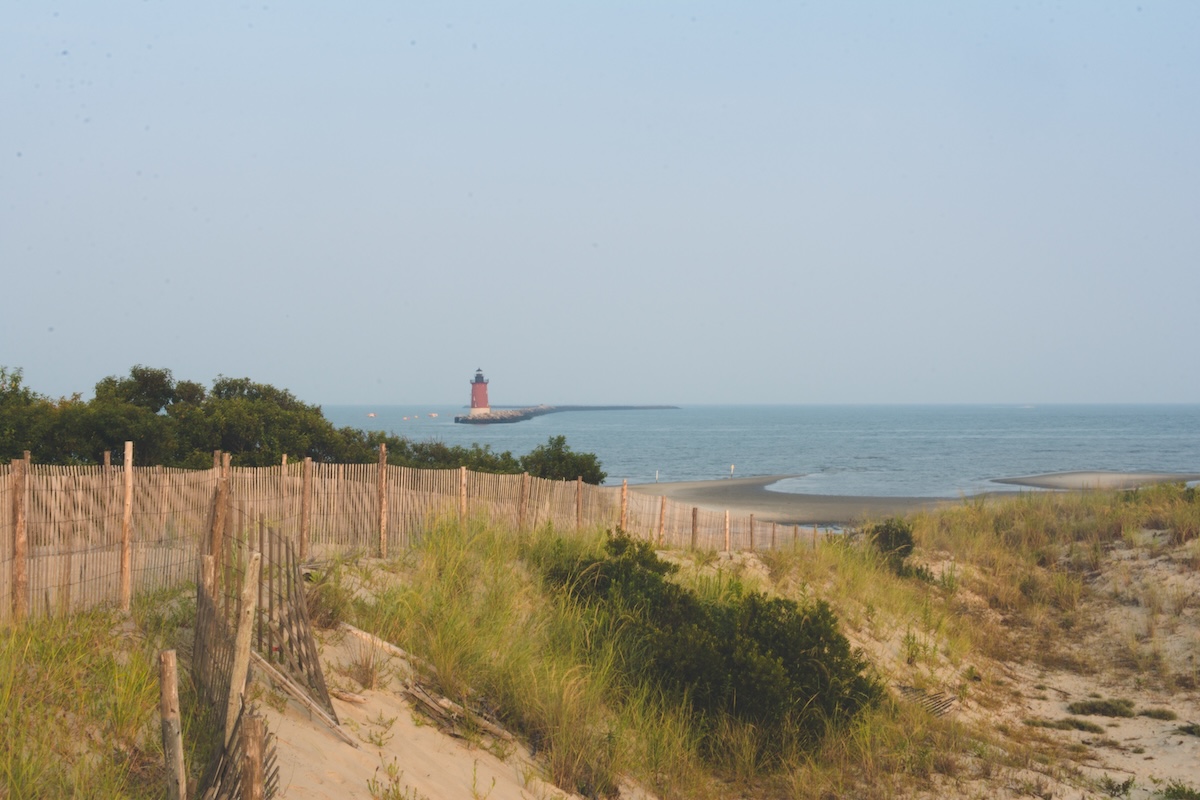
Delaware’s coastal gem sits where the bay meets the Atlantic, blending rugged beaches, rolling dunes, and maritime forests. Cape Henlopen State Park covers nearly 5,200 acres and has drawn visitors since 1964. The place has a fascinating past—it once served as a military base during World War II, and you can still climb up the concrete observation towers that kept watch over the coast.
There’s more than just ocean views here. Climb the iconic tower for a panoramic sweep, hike the pine-scented Pinelands Nature Trail, or spend hours combing the beach for shells. Gordon’s Pond Trail winds through habitats full of migrating birds and native wildlife. Fishing, camping, and sunrise-watching round out the experience. Cape Henlopen is an easygoing escape that shows off Delaware’s natural beauty—no frills, just the good stuff.
Florida: Bahia Honda State Park
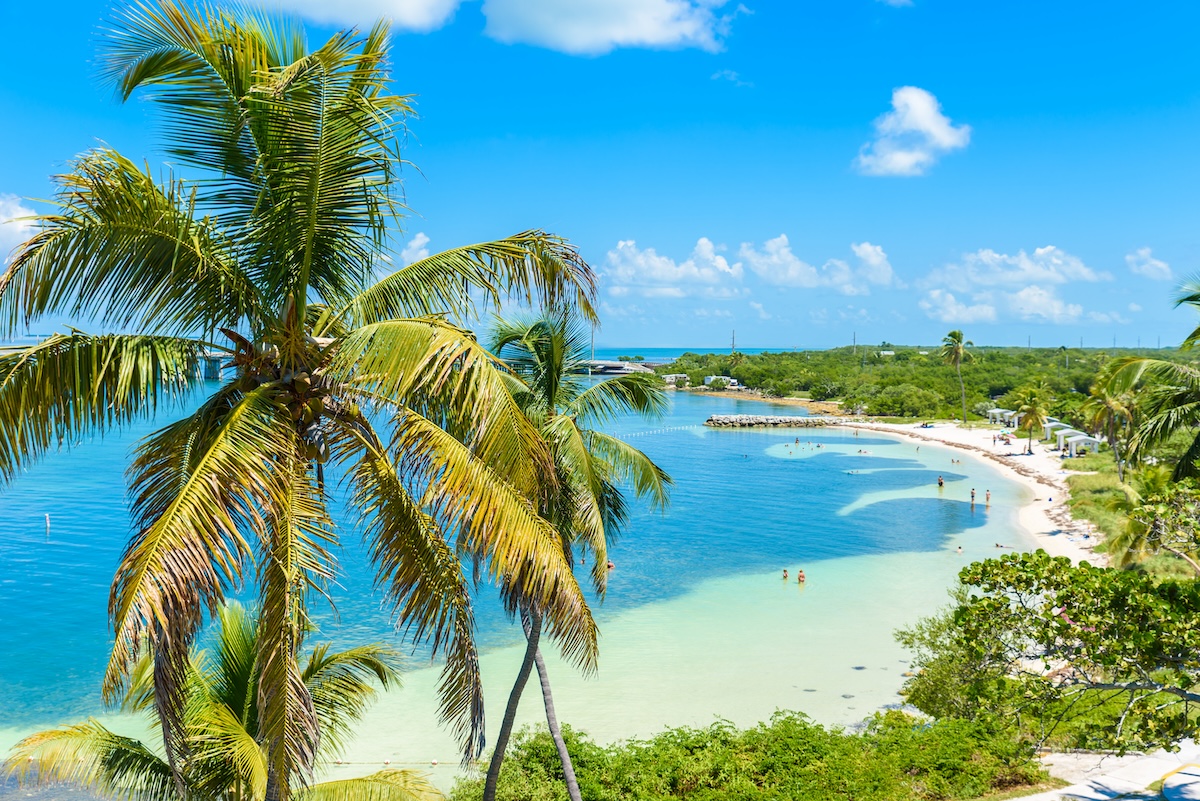
Bahia Honda State Park sits in the Florida Keys, where turquoise water meets powdery white sand that rivals any Caribbean beach. Built around a small island and the old Bahia Honda Rail Bridge, the park offers some of the most pristine shoreline in the state. Sandspur Beach often lands on lists of Florida’s best, with calm, clear water perfect for swimming and snorkeling.
You’ll find tropical fish, sea turtles, and rays in the shallow waters. Trails wind through coastal hammocks, and you can camp right by the ocean. The old railroad bridge makes a great backdrop for photos and adds a touch of history. Kayak through mangroves, dive the offshore reef, or just lounge on the sand—Bahia Honda delivers a true tropical vibe without leaving the mainland.
Georgia: Cloudland Canyon State Park
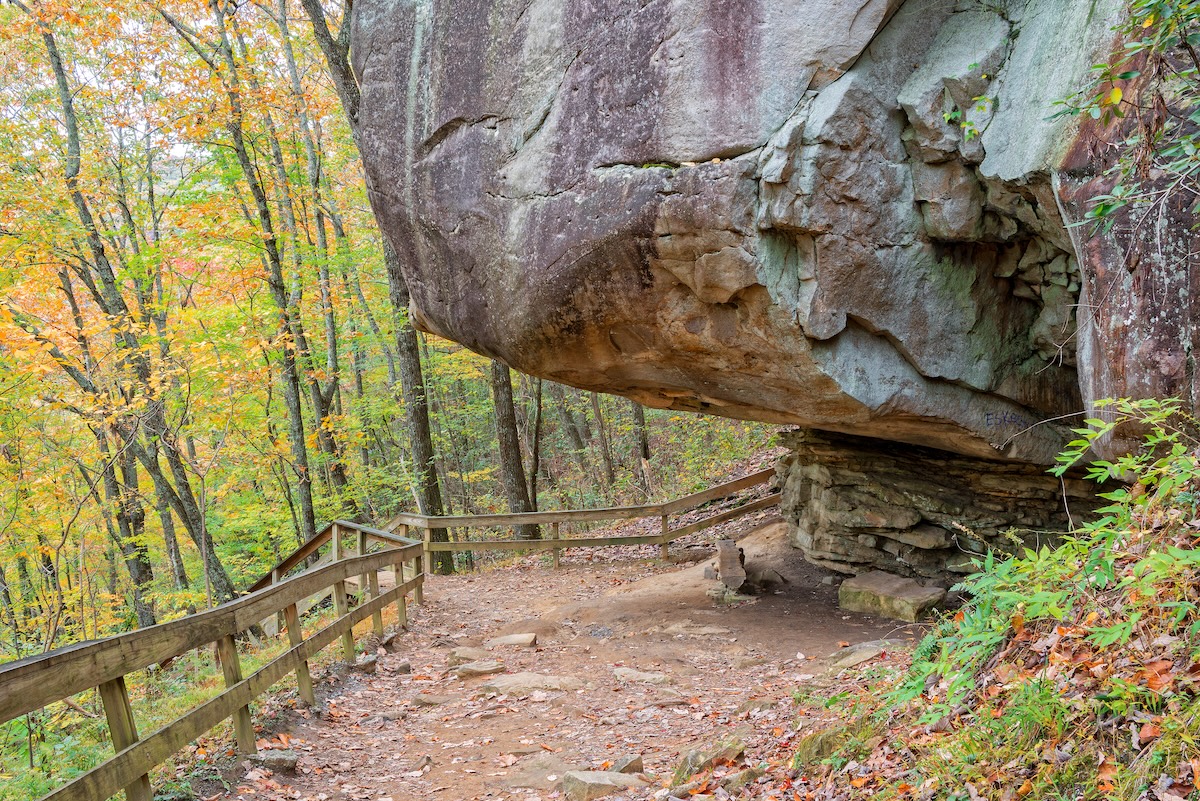
Cloudland Canyon State Park perches on the western edge of Lookout Mountain, serving up scenery that feels nothing like the rest of Georgia. A thousand-foot-deep gorge carved by Sitton Gulch Creek slices through sandstone cliffs and thick forests, creating a landscape that channels the Appalachian highlands. The park’s two main waterfalls—Cherokee Falls and Hemlock Falls—require a descent down 600 metal stairs, but the mist and the view at the bottom are worth every step.
With over 60 miles of trails, you can stick to easy rim walks or push yourself on tough backcountry hikes. Overlooks deliver jaw-dropping views, especially at sunrise when fog fills the canyon. Camping, cabins, and backcountry sites are all options if you want to stay overnight. If you’re into climbing, mountain biking, or birdwatching, there’s plenty to keep you busy in this rugged corner of the state.
Hawaii: Nā Pali Coast State Wilderness Park
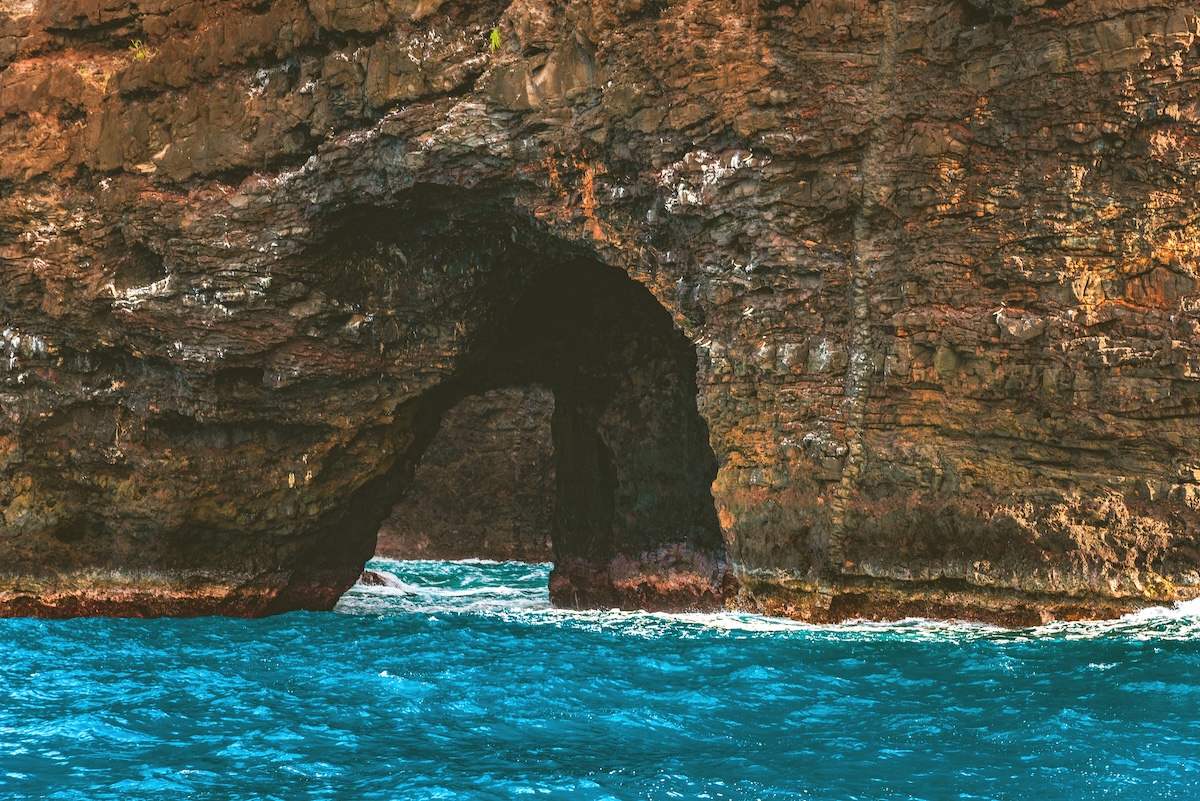
The Nā Pali Coast on Kauai’s northwest shore is about as dramatic as scenery gets. The park covers 6,175 acres of wild cliffs, emerald valleys, and hidden beaches where the land just drops straight into the Pacific. The 11-mile Kalalau Trail lets you hike through this untouched landscape, with razor-sharp ridges and jaw-dropping ocean views around every bend.
No roads cut through the park, so you’ll need to hike, kayak, or take a boat or helicopter tour to really see it. In winter, you might spot humpback whales offshore, while the lush valleys shelter native Hawaiian plants and rare seabirds. The isolation and sheer scale of the cliffs make this one of the world’s most photographed coastlines—and honestly, it’s hard to do it justice with words.
Idaho: Farragut State Park
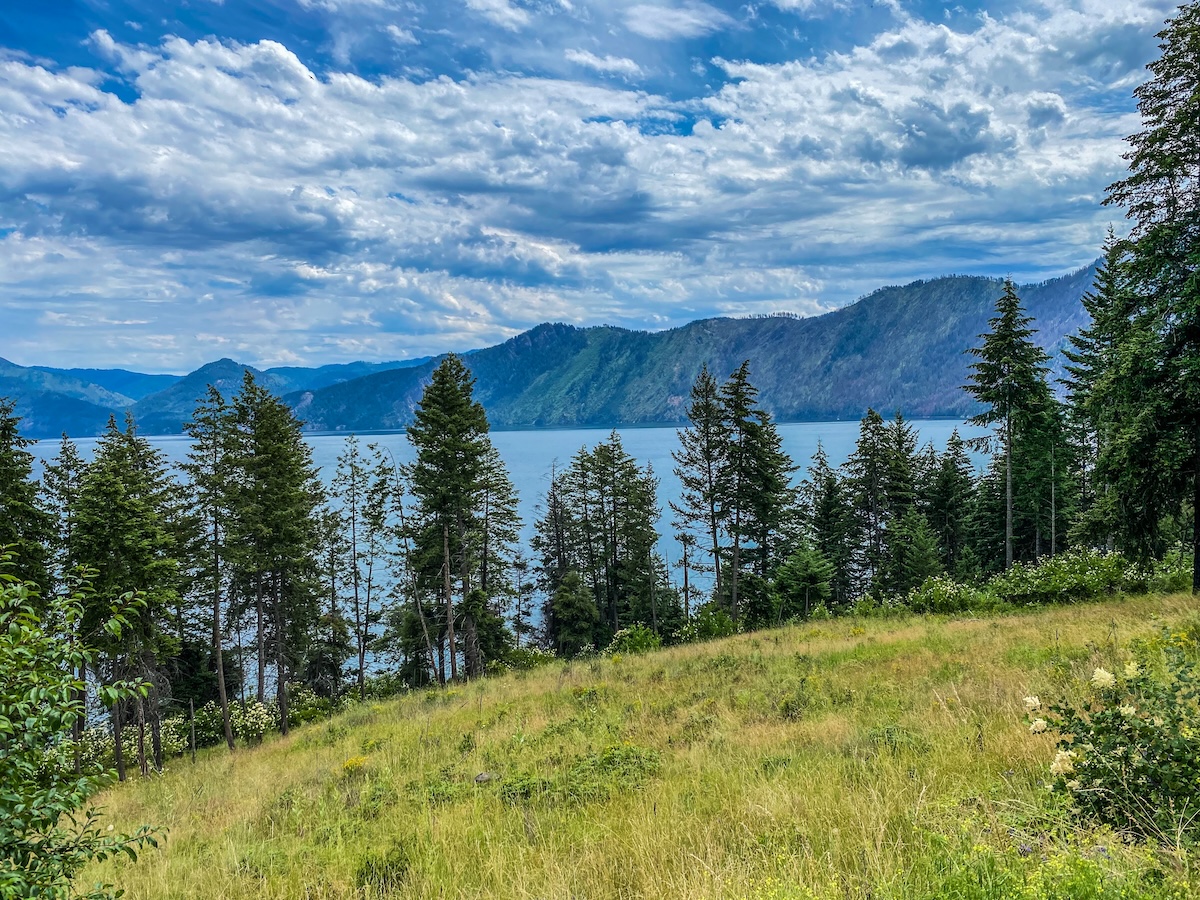
Farragut State Park hugs the shores of Lake Pend Oreille in northern Idaho, with the state’s largest lake reflecting mountain views in every direction. The park covers more than 4,000 acres of forest and meadow, shifting with the seasons from dramatic sunsets to snow-dusted trails and glimpses of wildlife.
More than 30 miles of trails weave through the woods and open spaces. Water lovers can swim, boat, or fish in the lake’s famously clear, deep water. When winter hits, the park turns into a haven for cross-country skiing and snowshoeing. Once a naval training station during World War II, Farragut now focuses on outdoor fun and natural beauty.
Illinois: Starved Rock State Park
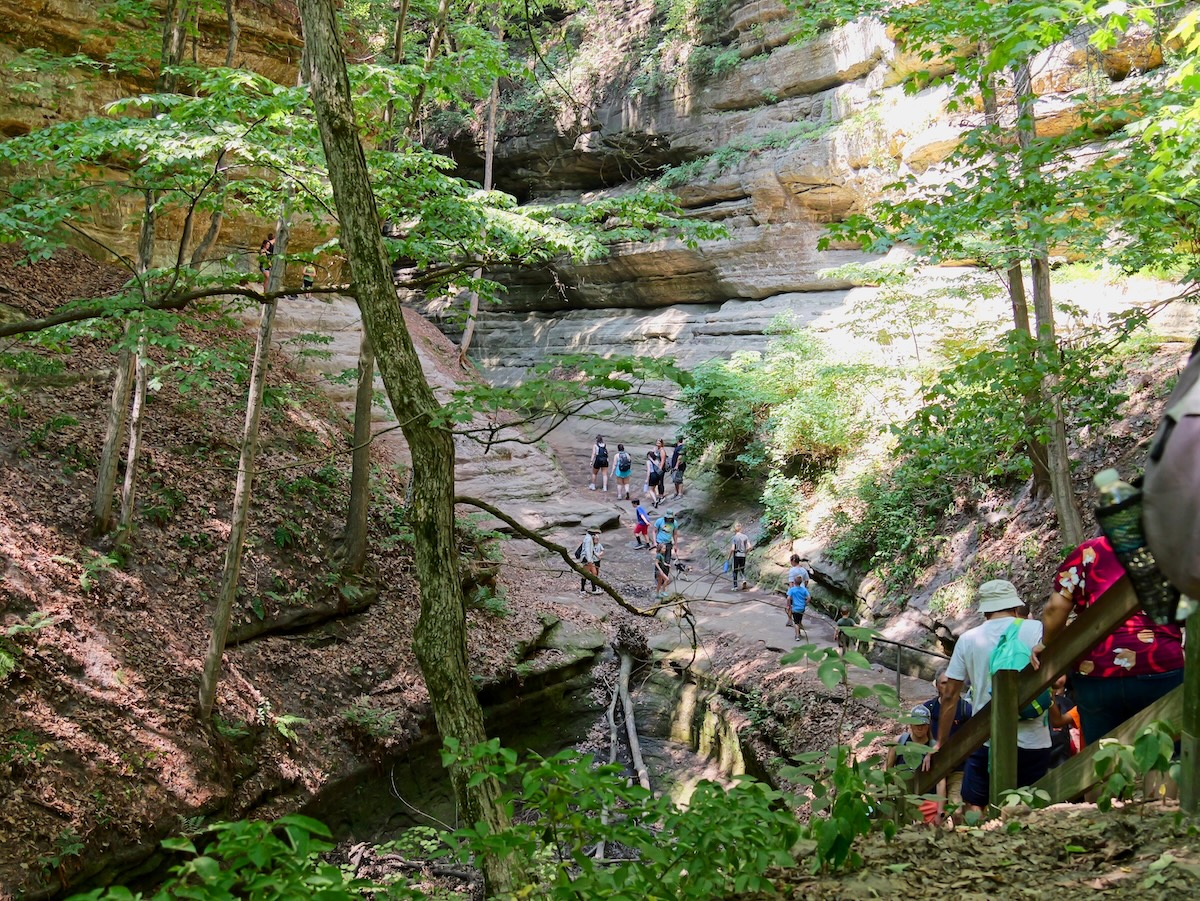
Starved Rock State Park sits along the Illinois River, where 18 canyons carved through sandstone create a landscape you won’t find anywhere else in the state. The park’s 125-foot bluffs rise above the water, offering overlook points that reveal miles of forested valleys. Spring brings waterfalls that tumble down mossy canyon walls, turning the narrow passages into green sanctuaries.
You can wander 13 miles of marked trails through these ancient formations. The park’s name comes from a Native American legend tied to a towering rock formation above the river. In winter, ice columns form along the canyon walls, and in fall, the foliage lights up against the sandstone. Bald eagles often roost here during their winter migration, so there’s always something to see no matter the season.
Indiana: Turkey Run State Park
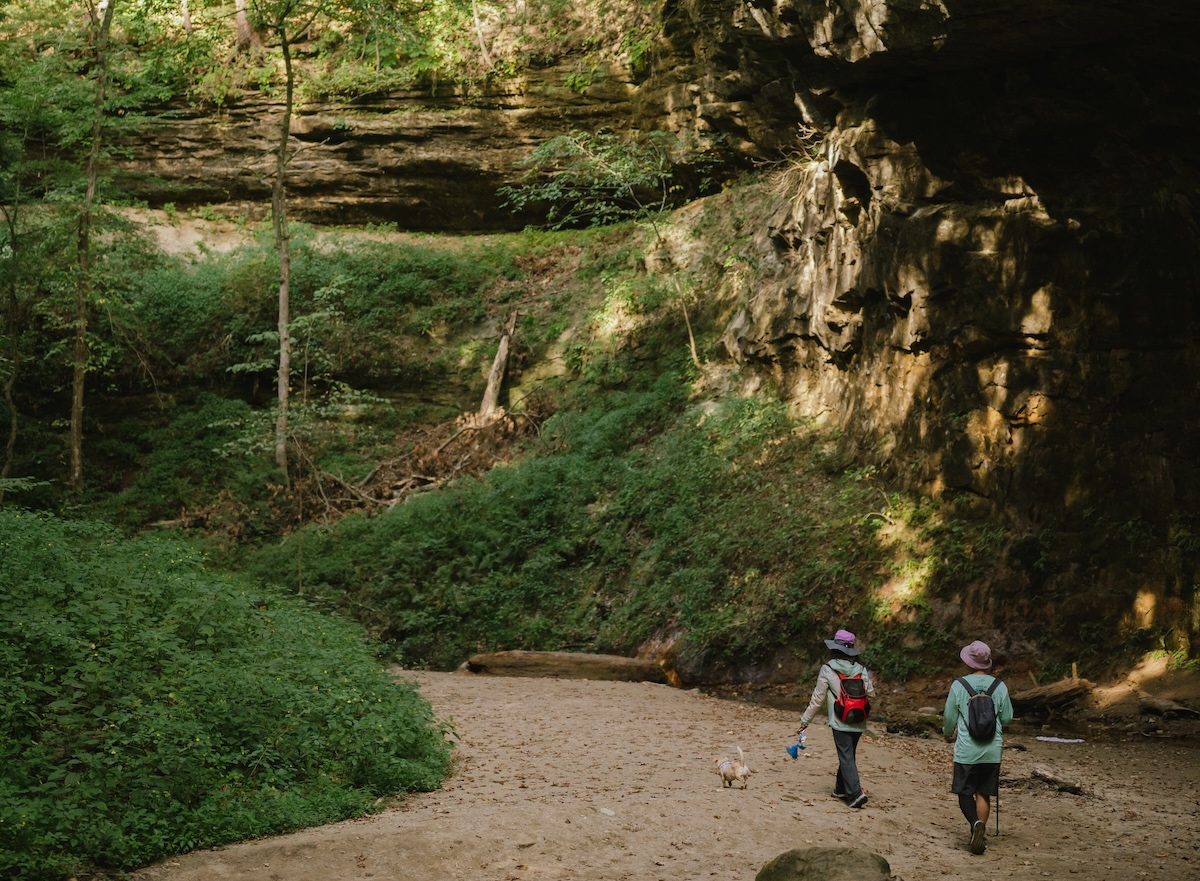
Turkey Run State Park sits tucked away in west-central Indiana, where Sugar Creek carved dramatic sandstone gorges over thousands of years. Eleven hiking trails wind through these narrow ravines, giving you close-up views of mossy cliffs and hemlock trees arching overhead. In fall, the hardwood forest explodes into brilliant reds, oranges, and golds—honestly, it rivals any autumn spot in the Midwest.
The suspended bridge over Sugar Creek sways gently as you cross, offering a fresh perspective on the landscape. You might scramble over boulders in the ravines, spot wildlife along the trails, or just enjoy a picnic near the historic Hoosier Heritage Inn. Wildflowers cover the forest floor in spring, and winter brings icy coats to the sandstone formations—a totally different kind of beauty. Visitors have flocked here since the early 1900s, drawn by the park’s old-growth forest, which still ranks among Indiana’s most photographed places.
Iowa: Backbone State Park
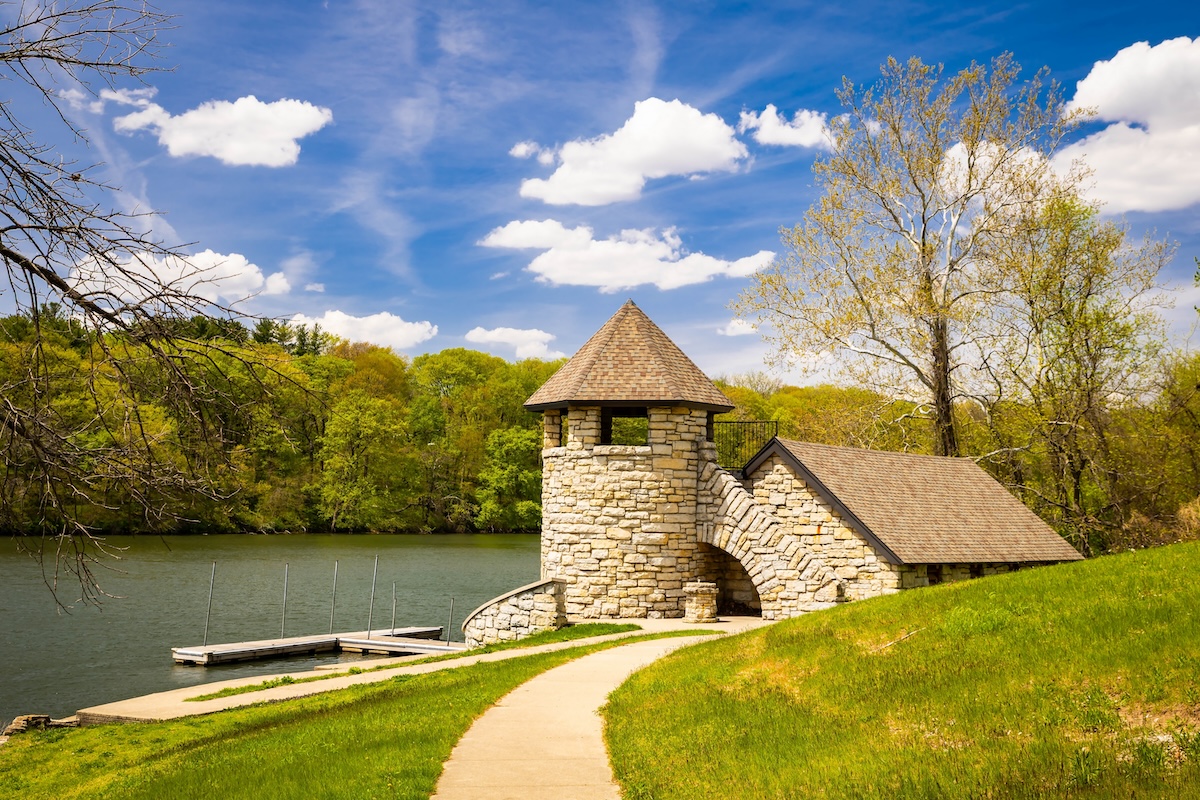
Iowa’s first state park hides in the rolling hills of Delaware County, where rugged limestone bluffs and winding trails create a surprisingly dramatic landscape. Backbone State Park gets its name from a narrow bedrock ridge—the “backbone”—that stretches through its core. The Maquoketa River slices through ancient rock, carving out scenic overlooks and geological features you won’t find elsewhere in Iowa.
You can hike 14 miles of trails weaving through dense woods and past towering outcrops. Cast a line or paddle on the 21-acre lake, and if you’re up for it, explore the river’s gentle currents. Summer brings swimmers to the beach and curious explorers to limestone caves tucked in the bluffs. When winter settles in, the park transforms into a haven for cross-country skiing and snowshoeing through hushed woodlands.
Kansas: Mushroom State Park
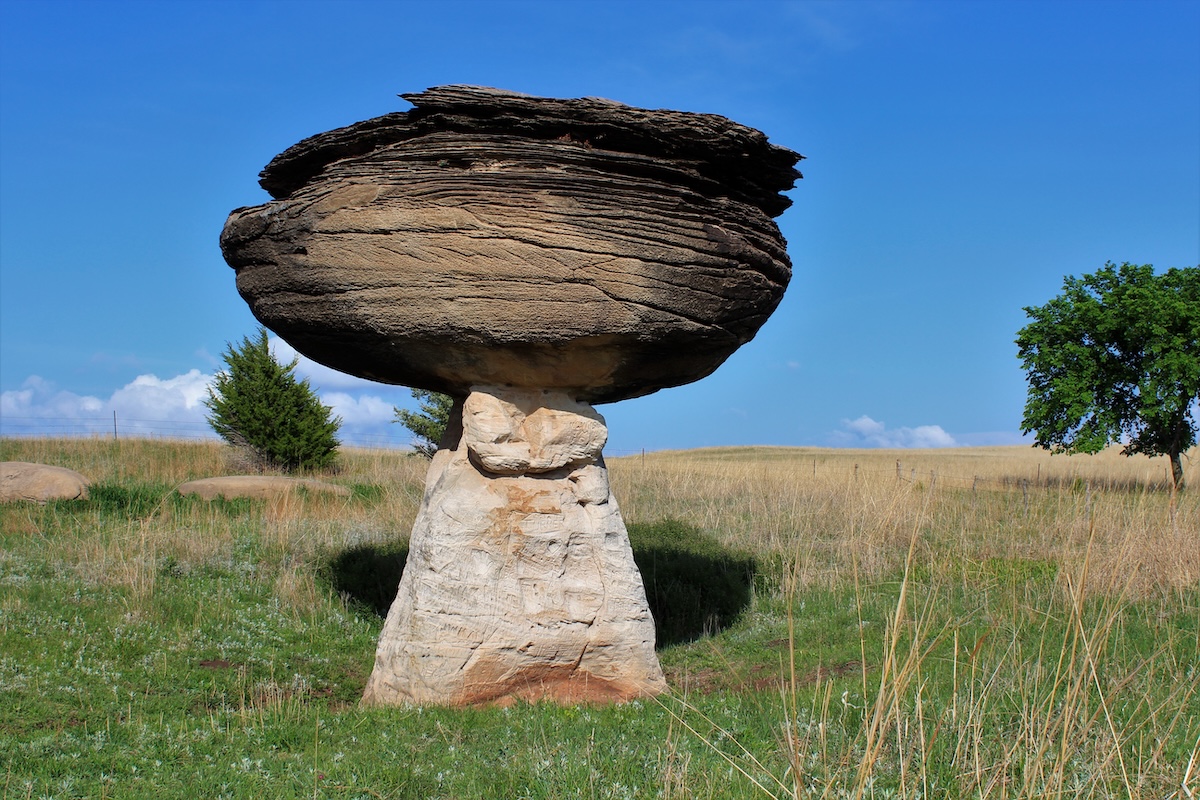
Mushroom State Park stands out as one of Kansas’s most distinctive spots, thanks to its quirky rock formations. The park gets its name from the mushroom-shaped rocks scattered across the land—nature sculpted these oddities over millions of years. Each pedestal, topped with a wide cap, really does look like a giant mushroom sprouting from the earth.
Trails wind among the formations, making it a haven for photographers and anyone who likes a quieter park experience. You’ll get plenty of space to soak in the geological oddities at your own pace. Spring and fall bring the best weather for exploring, but the park stays open all year. Honestly, it’s a hidden gem that flips the script on Kansas’s “flat” reputation—remarkable beauty pops up where you least expect it.
Kentucky: Natural Bridge State Resort Park
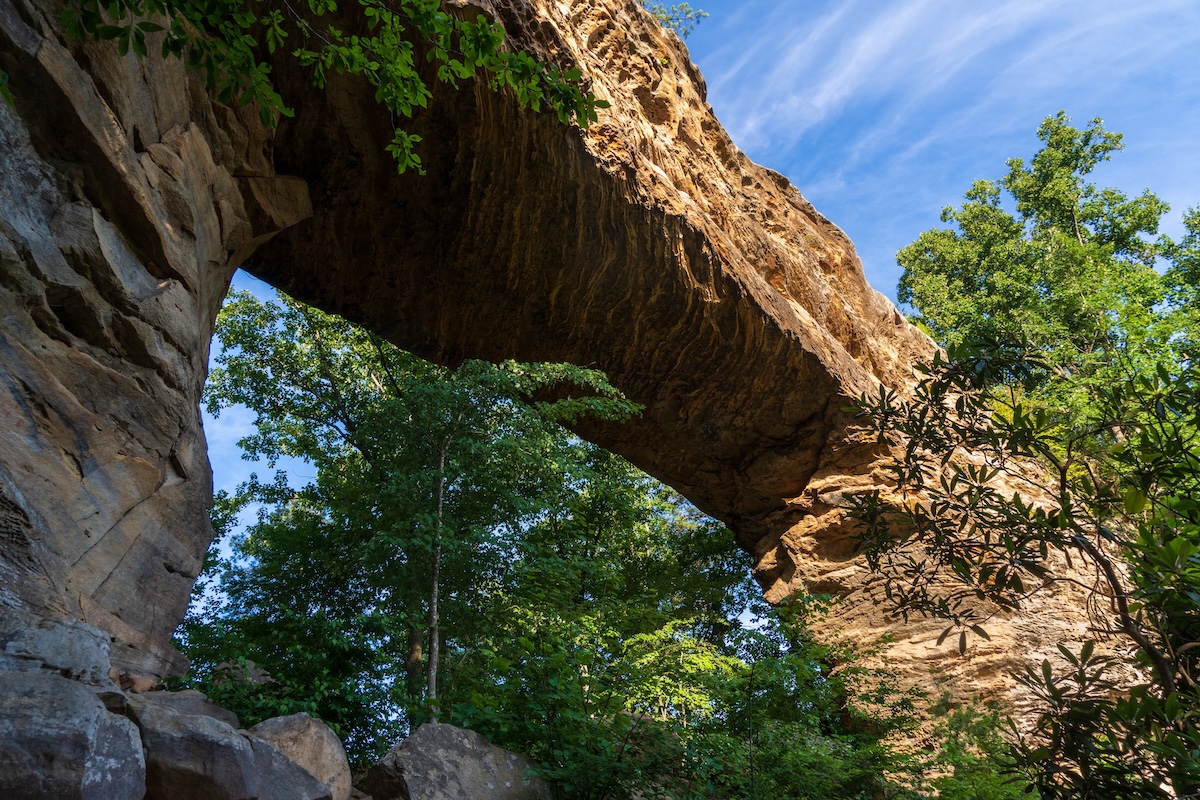
In the Red River Gorge, Natural Bridge State Resort Park shows off one of Kentucky’s most impressive natural wonders—a massive sandstone arch that stretches 78 feet, formed over millions of years. The bridge rises 65 feet above the gorge floor. You can reach it by hiking a moderate trail or, if you want to take it easy, hop on the sky lift. The arch draws visitors throughout the year, rewarding them with sweeping views of Daniel Boone National Forest.
But there’s more than just the bridge. Over 20 miles of trails snake through hemlock groves, past rock formations, and along sandstone cliffs. Fall turns the canopy into a riot of red, orange, and gold. Stay at Hemlock Lodge or rent a cottage for easy access to dawn hikes before the crowds. You’ll find rock climbing opportunities, a swimming pool, and interpretive programs that shed light on how this wild landscape came to be.
Louisiana: Fontainebleau State Park
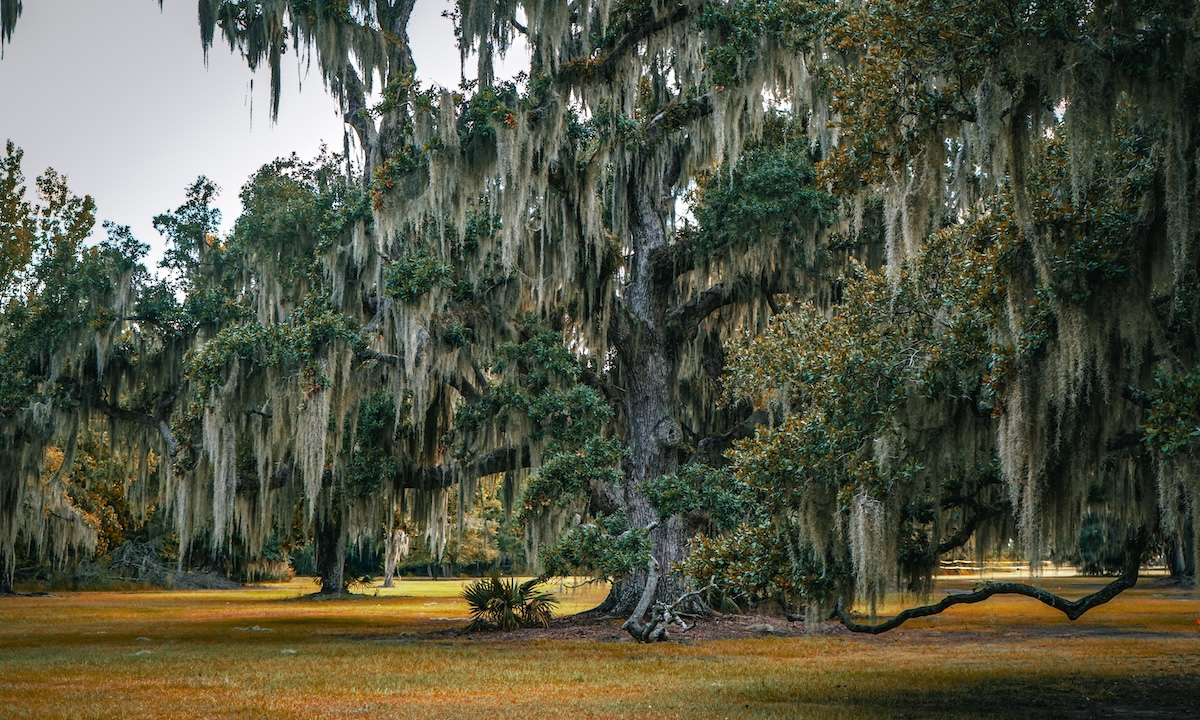
Fontainebleau State Park stretches along the north shore of Lake Pontchartrain, with 2,800 acres of natural beauty making it one of Louisiana’s most scenic escapes. Moss-draped live oaks, sandy beaches, and the ruins of a sugar mill add a bit of Southern charm. Nature trails wind through coastal forests, where you might spot local wildlife or glimpse wetland ecosystems you won’t see elsewhere.
You can swim, fish, or camp for a few days—there’s plenty to keep you busy. The park sits just outside New Orleans, so it’s a convenient getaway that still feels like a world apart. Paddle through bayous, picnic under ancient trees, or just relax on the beach and watch sailboats glide by. Fontainebleau really captures the blend of recreation and natural beauty that defines Louisiana’s coast.
Maine: Camden Hills State Park
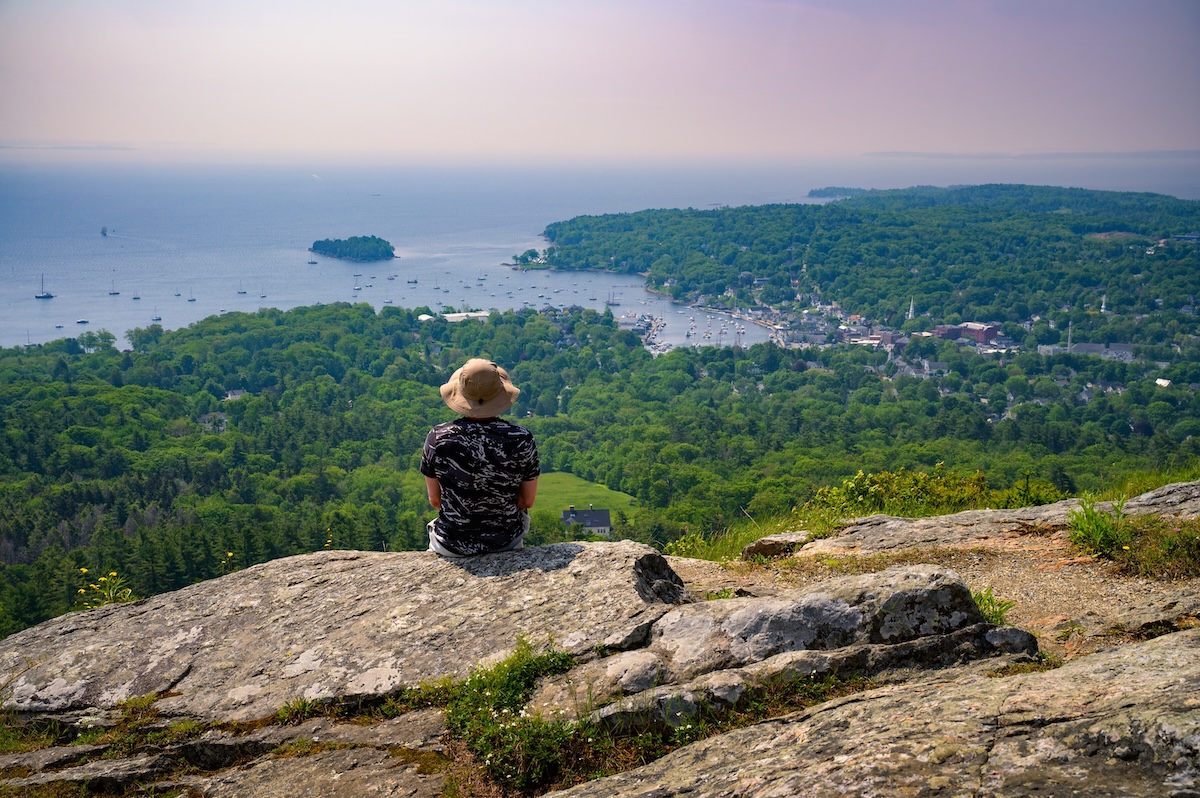
Camden Hills State Park hugs Maine’s mid-coast, where the mountains tumble toward Penobscot Bay in a showy display of scenery. The park’s 5,700 acres pack in forests, hiking trails, and some of New England’s best coastal views. From the summit of Mount Battie—reachable by foot or by car—you get a sweeping panorama of island-speckled waters, the harbor town below, and distant peaks.
With more than 30 miles of trails, you can wander through thick woods or tackle rocky climbs. Mount Megunticook, at 1,385 feet, offers the park’s highest vantage point. In autumn, the foliage blazes in reds, oranges, and golds, set off by the deep blue of the bay. Summer brings sailboats into view from the high overlooks.
Maryland: Cunningham Falls State Park
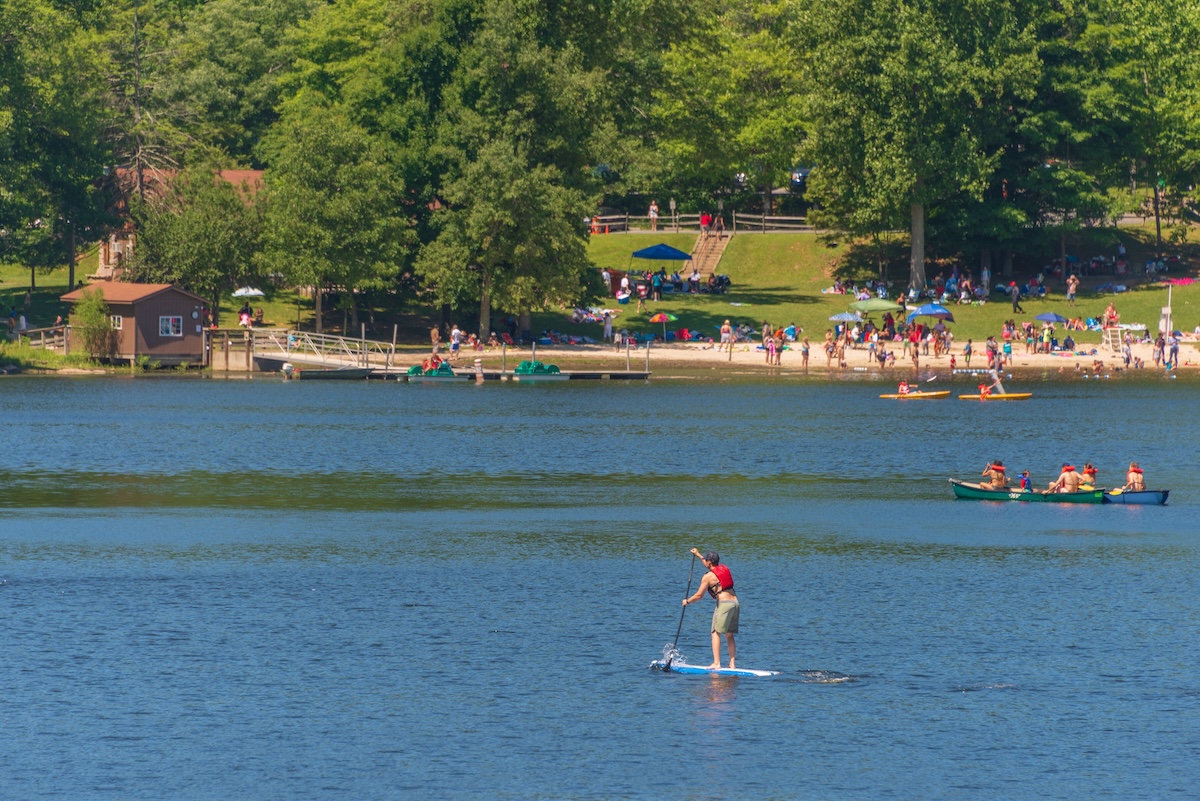
Cunningham Falls State Park is home to Maryland’s tallest waterfall—a 78-foot cascade tucked into the Catoctin Mountains. The park covers more than 5,000 acres of forest, making it a cool, shady retreat from summer heat.
A short, easy-to-moderate hike leads you through woodland to the falls themselves. You can swim, fish, or paddle on Hunting Creek Lake, a 43-acre spot that’s perfect for warmer days. Trails range from gentle nature walks to challenging ridge routes with broad mountain views. If you catch the park in autumn, the hardwoods put on a show of reds, oranges, and yellows—easily one of the best times to visit if you’re chasing fall color.
Massachusetts: Mount Greylock State Reservation
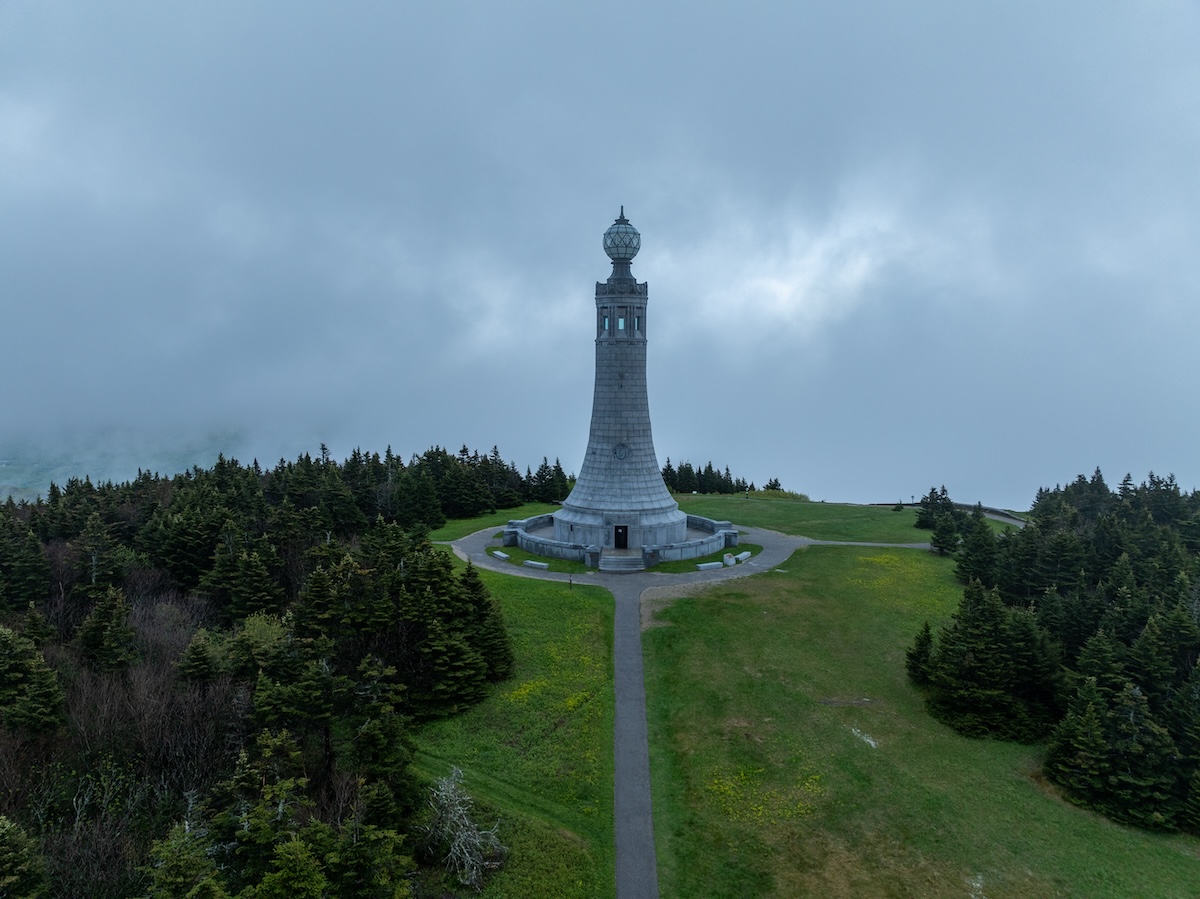
Mount Greylock State Reservation protects Massachusetts’ highest point, with the summit reaching 3,491 feet. The park sprawls across 12,000 acres in the Berkshires, offering up some of New England’s most dramatic scenery. On a clear day, you can spot up to five states from the top, and the Veterans War Memorial Tower stands tall as a landmark.
More than 70 miles of trails crisscross the reservation, including a stretch of the Appalachian Trail. Drive the scenic auto road or pick from hiking routes that range from easy strolls to tough climbs. You’ll pass old-growth forests, tumbling streams, and rocky overlooks with year-round views. Whether you’re camping at a primitive site, hanging out at Bascom Lodge, or just soaking up the vistas, Mount Greylock delivers a real mountain experience—no need to leave Massachusetts.
Michigan: Porcupine Mountains Wilderness State Park
Michigan’s wildest landscapes line the southern shore of Lake Superior, where the Porcupine Mountains rise abruptly from the water. This 60,000-acre park protects one of North America’s largest tracts of old-growth northern hardwood forest. Early explorers thought the ridges looked like a crouched porcupine, which is how the park got its name.
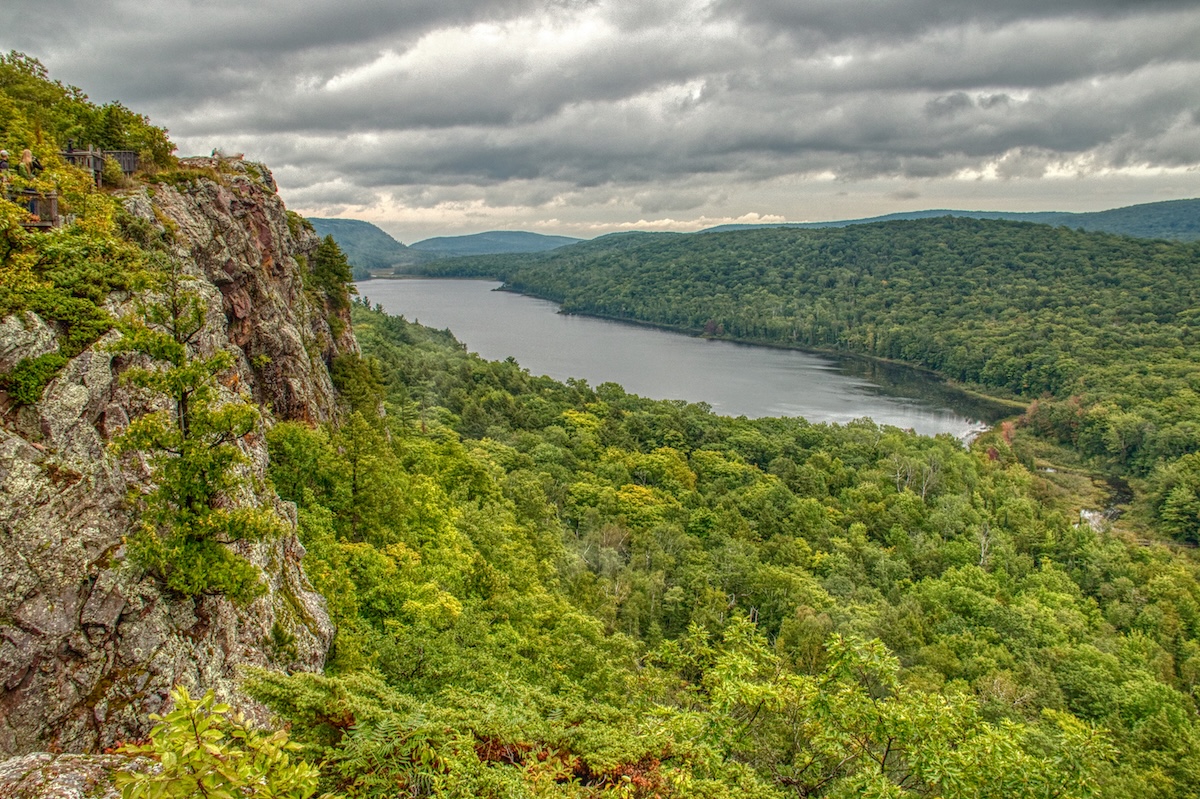
You shouldn’t miss the Lake of the Clouds overlook—it’s a classic. From there, you can gaze down at a pristine lake nestled between forested ridges. More than 90 miles of trails twist through hemlock and maple woods, past waterfalls and along the rugged Lake Superior shoreline. Backcountry cabins offer overnight stays, and the Escarpment Trail delivers jaw-dropping views. In autumn, the park erupts in color, drawing photographers and leaf-peepers from all over.
Minnesota: Tettegouche State Park
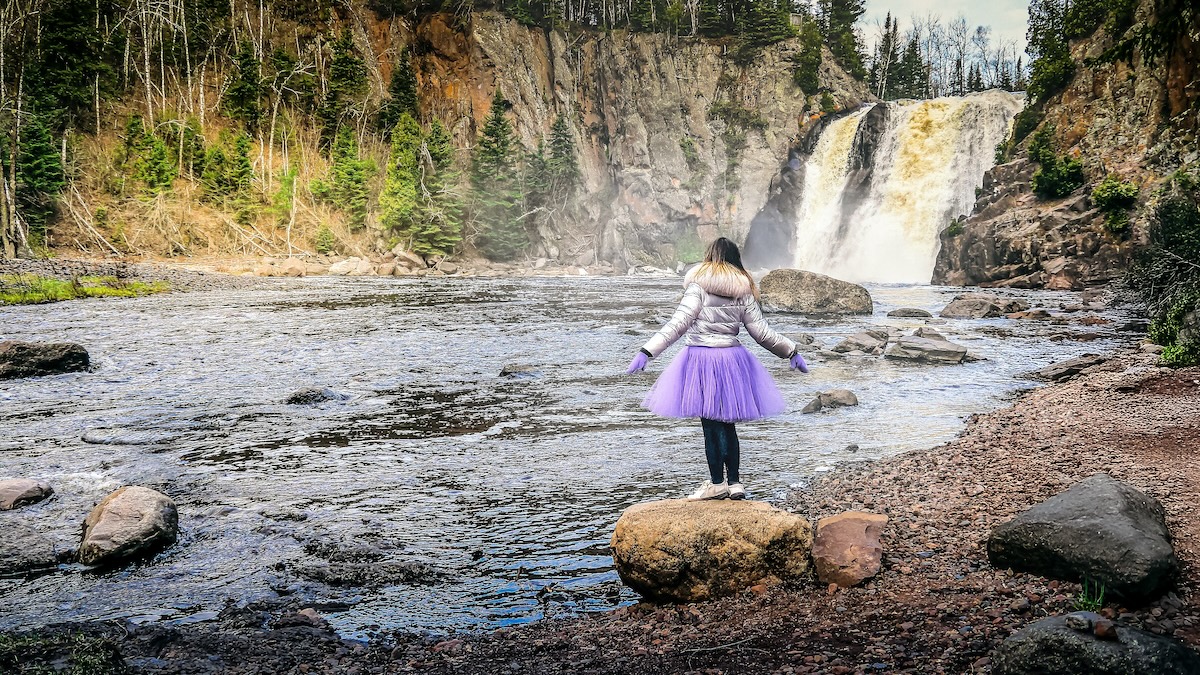
Tettegouche State Park, perched on Lake Superior’s North Shore, serves up some of Minnesota’s most dramatic scenery. Four inland lakes, cliffs rising 170 feet above the big lake, and the Baptism River High Falls—the state’s tallest at 60 feet—all call this 9,346-acre park home.
You’ll have your pick of hiking, with over 23 miles of trails ranging from easy lakeside strolls to tough climbs up Palisade Head. In fall, the color show is tough to beat. Winter turns the park into a playground for cross-country skiing and snowshoeing. If you’re up for an overnight, stay at one of the four rustic campsites on inland lakes for a true wilderness vibe just off Highway 61.
Mississippi: Tishomingo State Park
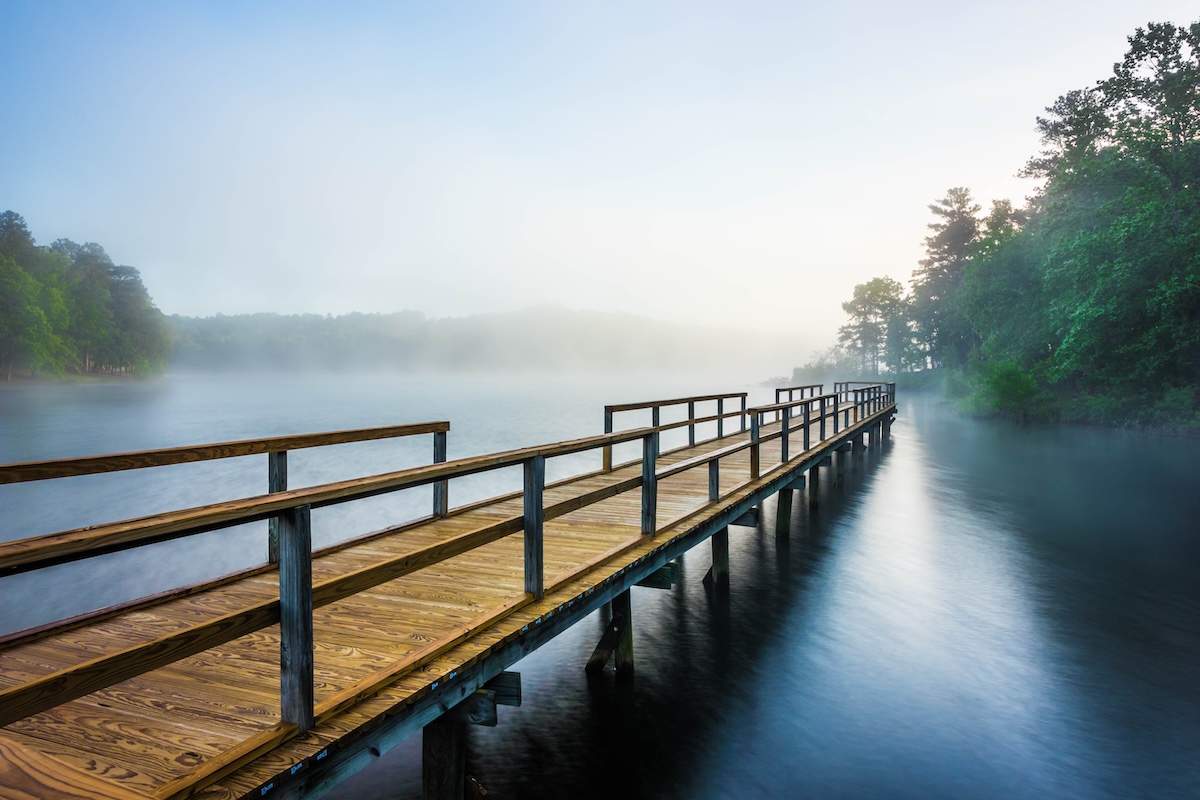
Mississippi’s most striking park hides in the foothills of the Appalachians, way up in the state’s northeast corner. Tishomingo State Park doesn’t look like the rest of Mississippi—massive rock formations, fern-filled crevices, and dramatic outcrops give it a rugged, almost out-of-place feel. Bear Creek runs through the park, offering a cool spot to dip your toes or just relax to the sound of water.
There’s more than scenery here. Thirteen miles of hiking trails wind through rocky terrain and dense woods, including stretches of the famous Natchez Trace. Swinging bridges add a little thrill to your hike. If climbing’s your thing, the sandstone is great for bouldering. You’ll find fishing, picnicking, and camping, too. Honestly, it feels more like Tennessee or Kentucky than the Mississippi you might expect.
Missouri: Johnson’s Shut-Ins State Park
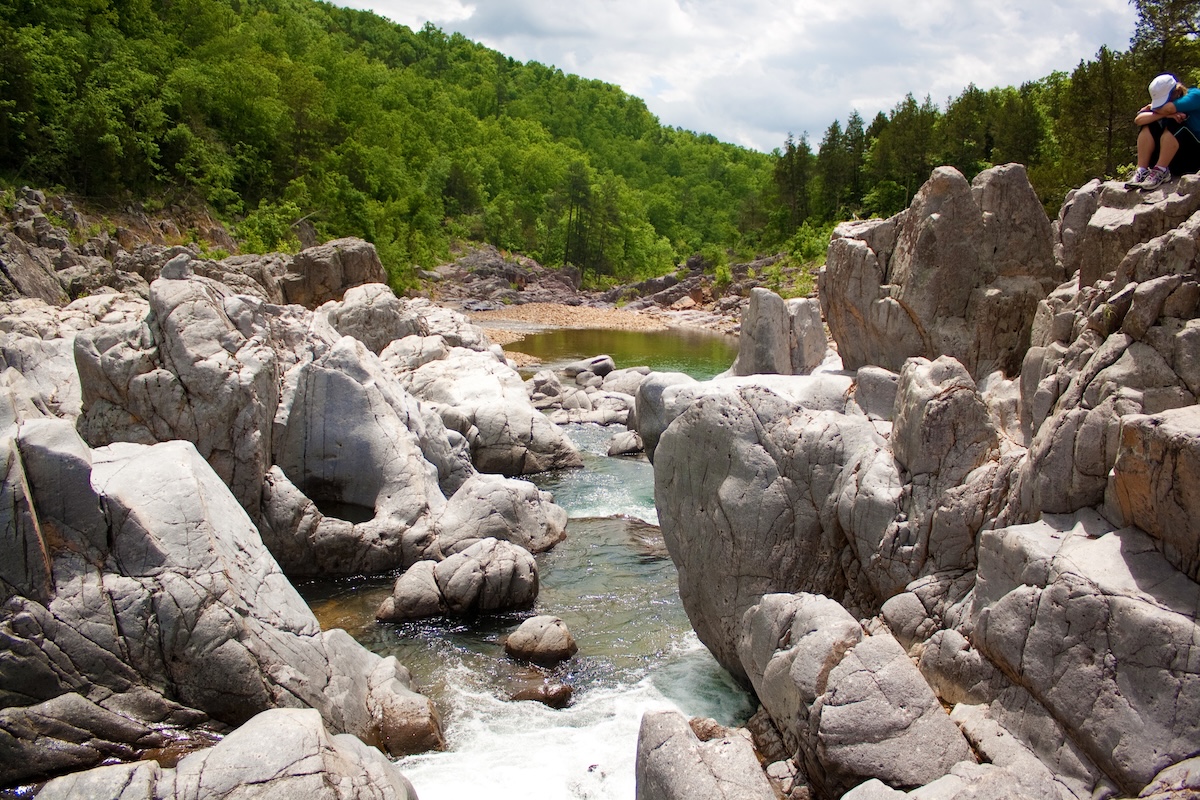
In the St. Francois Mountains, Johnson’s Shut-Ins State Park showcases one of Missouri’s most unique natural playgrounds. Ancient volcanic rock “shuts in” the Black River, forcing water through narrow channels of billion-year-old rhyolite. The result? A wild series of natural slides, pools, and cascades that turn the river into an outdoor water park.
Summer’s the time to swim, slide, and explore the smooth rocks shaped by centuries of rushing water. Beyond the shut-ins, you’ll find hiking trails through forest, picnic spots by the river, and a surprising variety of plant life clinging to the rocky slopes. The blend of rugged volcanic bedrock and lively water creates a place that’s both wild and welcoming—perfect for adventure seekers and anyone who just loves being outdoors.
Montana: Makoshika State Park
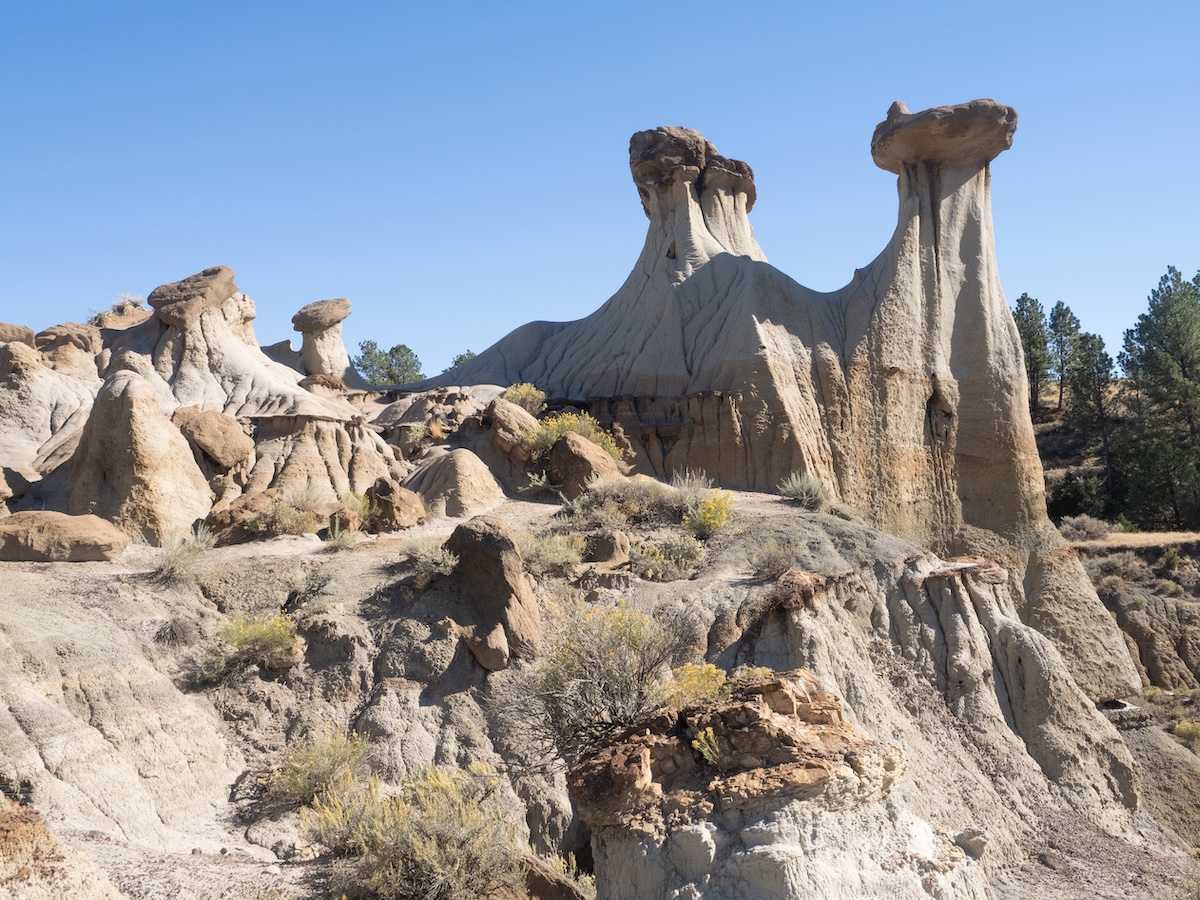
Montana’s largest state park sprawls across 11,531 acres of badlands near Glendive, way out in the state’s east. Makoshika’s layered cliffs, dramatic rock formations, and deep ravines tell stories that go back millions of years. The name comes from a Lakota phrase meaning “bad earth” or “bad land”—honestly, it fits the vibe.
But Makoshika isn’t just about the scenery. It’s a hotspot for fossils, with Triceratops and T. rex remains discovered here. You can drive a 12-mile scenic loop through the badlands or set out on hiking trails that range from easy strolls to tough treks. Kinney Coulee Trail delivers sweeping views, while Cap Rock Nature Trail offers a shorter, geology-focused option. Keep an eye out for mule deer, pronghorn, and plenty of birds—life finds a way, even in this harsh but beautiful landscape.
Nebraska: Smith Falls State Park
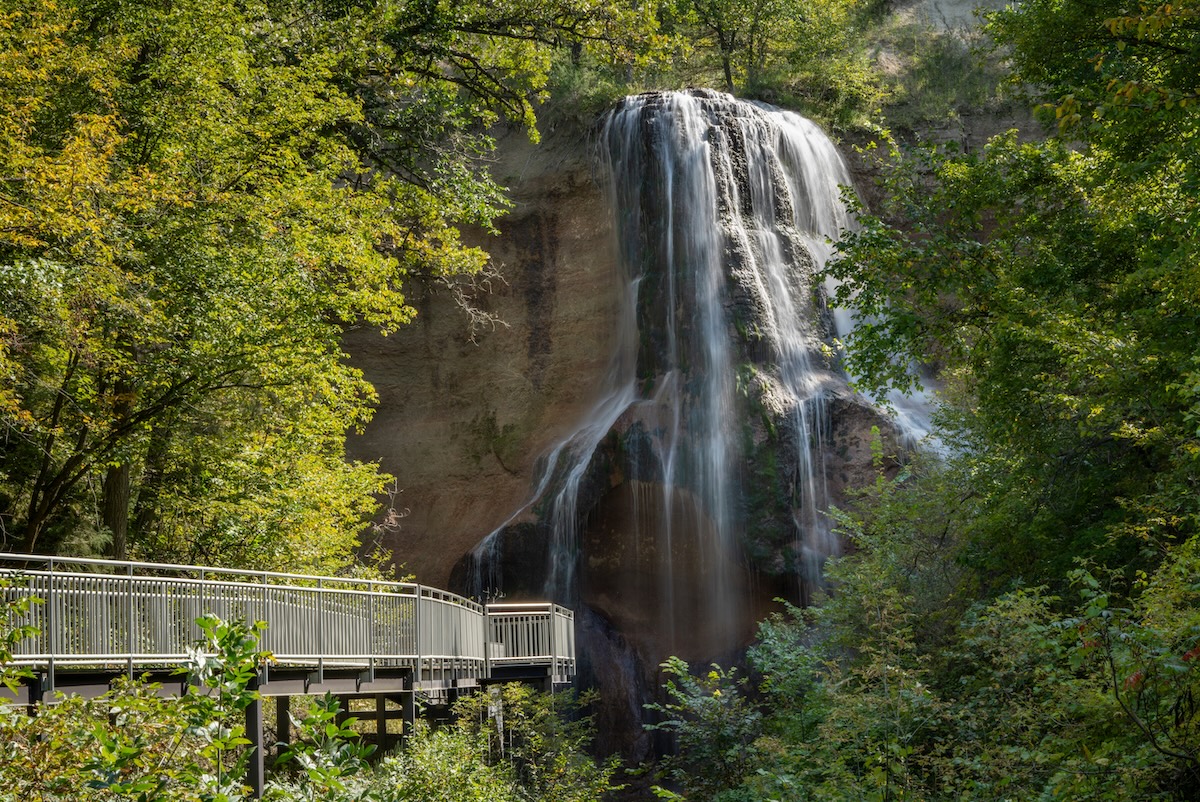
Smith Falls State Park claims Nebraska’s tallest waterfall, where water drops 63 feet over a mossy cliff into the Niobrara River. The park sits in the Niobrara Valley, a unique spot where eastern and western plants mix and mingle. A short boardwalk trail leads you through lush greenery right to the falls, making it an easy visit for just about anyone.
You’ll find peace and quiet here, plus canoeing and kayaking on the Niobrara River as it winds through the property. Notice the contrast between prairie above and the green, canyon-like world closer to the water. Spring and early summer bring the heaviest flow—definitely the most impressive time to see the falls. Compared to other parks, crowds are light, so you can soak up this natural wonder without feeling boxed in.
Nevada: Valley of Fire State Park
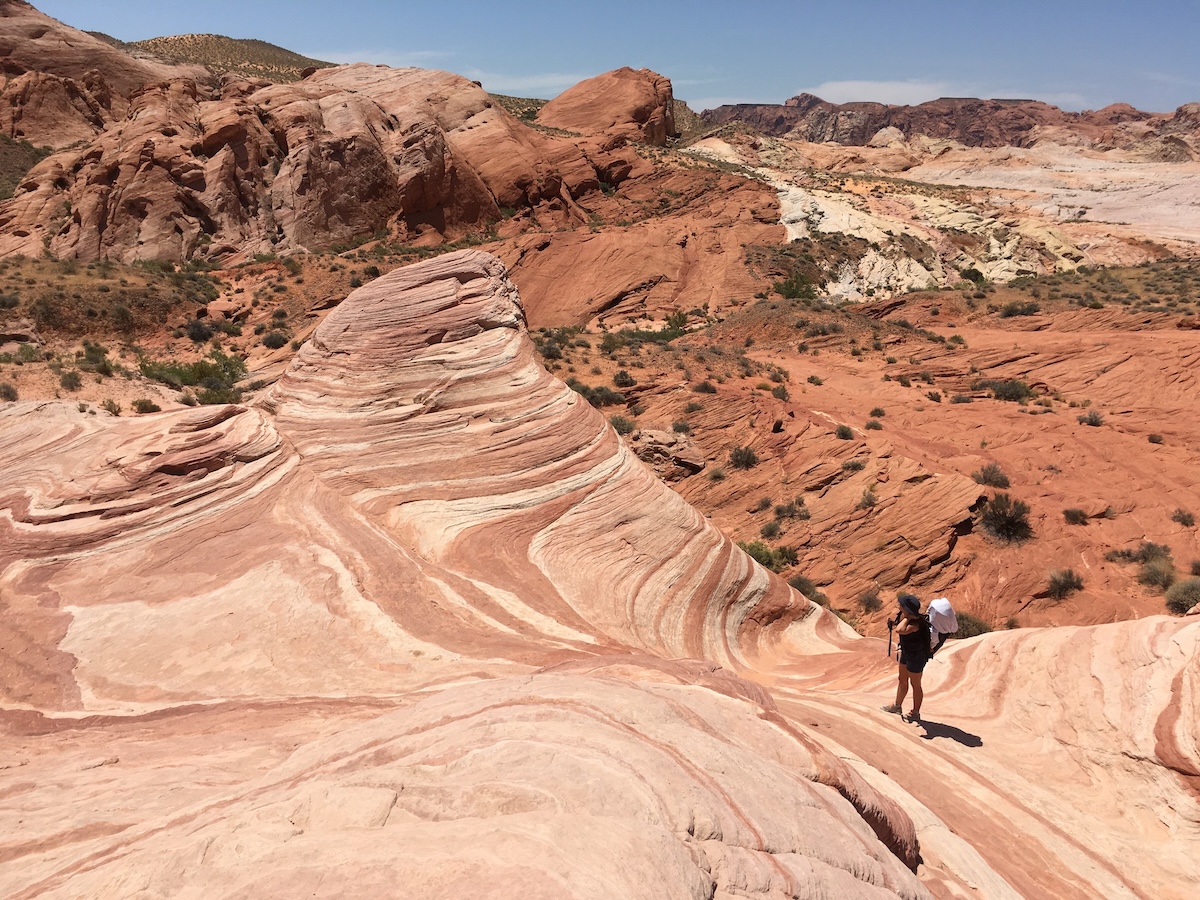
Nevada’s oldest and largest state park sits just an hour northeast of Las Vegas, where ancient red sandstone formations create a landscape you really won’t find anywhere else in the state. The park gets its name from the brilliant crimson and orange rocks that seem to catch fire in the sunlight, especially at sunrise and sunset. These formations go back about 150 million years, all the way to the age of dinosaurs.
You can wander through several distinct areas across the park’s sprawling 40,000 acres. Hike through slots like Mouse’s Tank Canyon and you’ll spot 2,000-year-old petroglyphs left by the Ancestral Puebloans. The most photographed spots? Fire Wave, with its wild swirls of red and white sandstone, and Elephant Rock, which looks uncannily like its namesake. Bring plenty of water—summer temps here easily soar past 100°F.
New Hampshire: Franconia Notch State Park
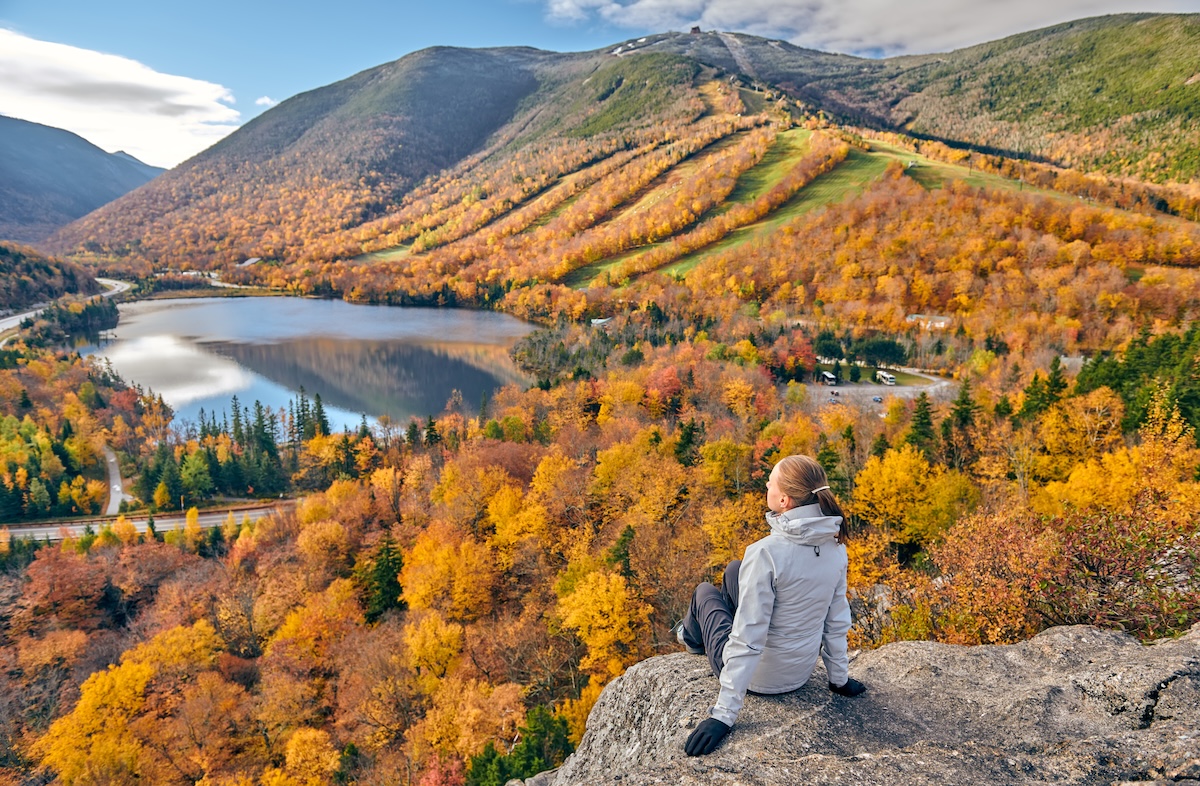
Franconia Notch State Park sits tucked into the White Mountains, where dramatic peaks frame an eight-mile mountain pass. The alpine scenery is just about everywhere you turn, from the clear waters of Echo Lake to the granite cliffs looming over the Parkway. With over 28 miles of hiking trails, you can choose anything from an easy lakeside walk to a tough summit climb.
You’ll want to check out the Flume Gorge, an 800-foot natural chasm at Mount Liberty’s base, where wooden walkways thread through mossy walls and waterfalls. If adventure calls, the Cannon Mountain aerial tramway lifts you 2,022 feet for sweeping views across four states. In summer, swim at Echo Lake Beach or bike along the recreational path winding through the notch. Fall? The foliage is unreal—vivid orange, red, and gold everywhere you look.
New Jersey: High Point State Park
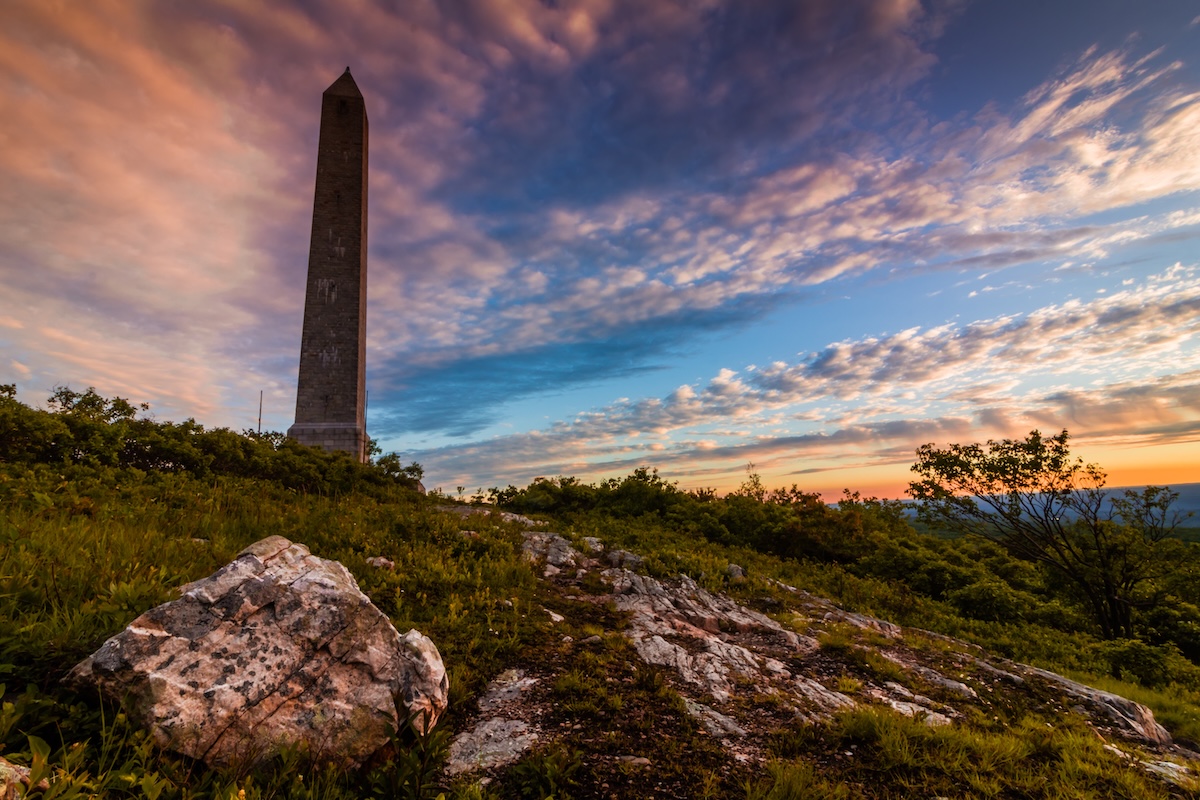
At High Point State Park, New Jersey’s highest elevation rises 1,803 feet above sea level. The park’s 220-foot monument stands as its centerpiece, and once you climb it, the panoramic views stretch across three states. On a clear day, you might spot the Catskills to the north, the Poconos to the west, and New Jersey farmland sprawling below.
Covering more than 15,000 acres along the Kittatinny Ridge, the park gives you a slice of the Appalachian Trail. Multiple hiking trails wind through hardwood forests, cedar swamps, and mountain laurel that bursts into bloom in late spring. Lake Marcia, spring-fed and tucked among the ridges, offers a swim spot in summer. You’ll also find camping and picnic areas—perfect for a full day among the quiet highlands of northwest Jersey.
New Mexico: City of Rocks State Park
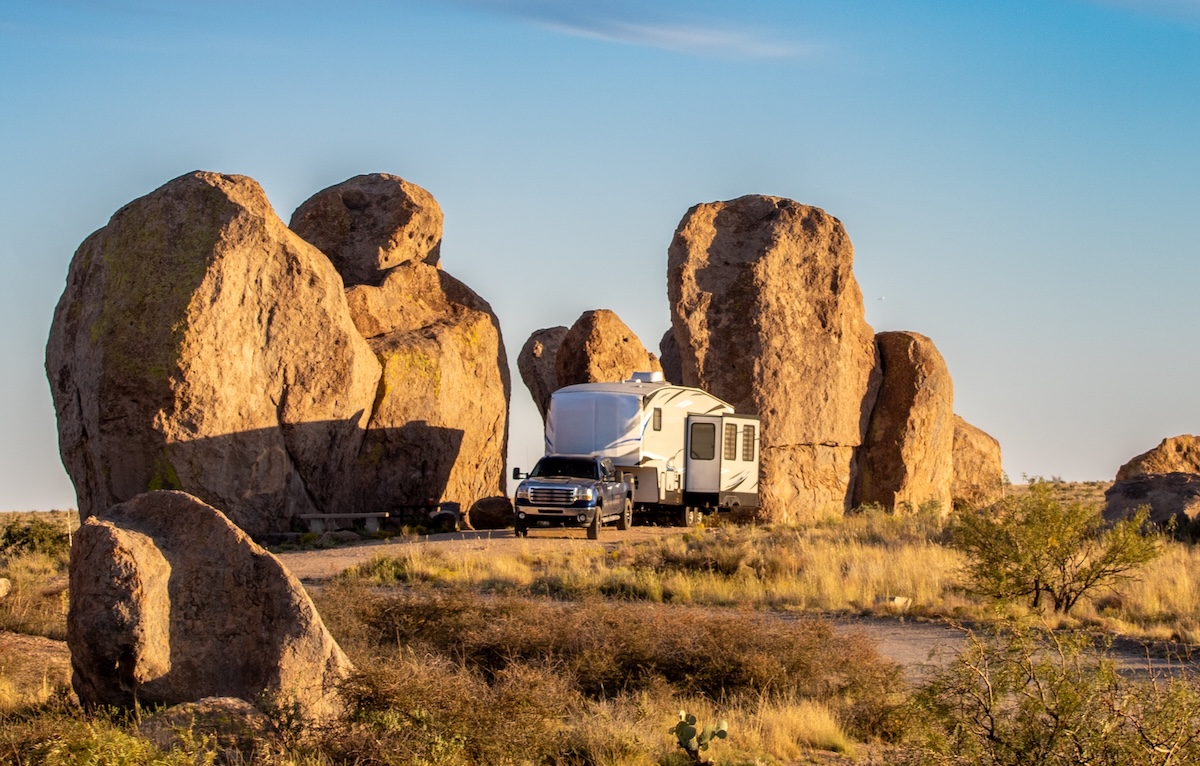
In the middle of the Chihuahuan Desert, City of Rocks State Park feels like stumbling into an ancient stone city. Volcanic rock formations tower up to 40 feet, forming natural corridors and sculpted clusters across the landscape. Millions of years ago, volcanic ash fused and then eroded into these dramatic pillars and blocks. The park covers about 680 acres, with winding paths threading between the rocks.
It’s a stargazer’s paradise—designated as an International Dark Sky Park, so you get a full Milky Way view with almost no light pollution. You can camp right among the rocks, with campsites tucked between formations for a pretty unforgettable night. Desert wildlife shows up too: roadrunners, jackrabbits, and plenty of reptiles. In spring, wildflowers splash color across the desert floor, brightening up the gray volcanic landscape.
New York: Letchworth State Park
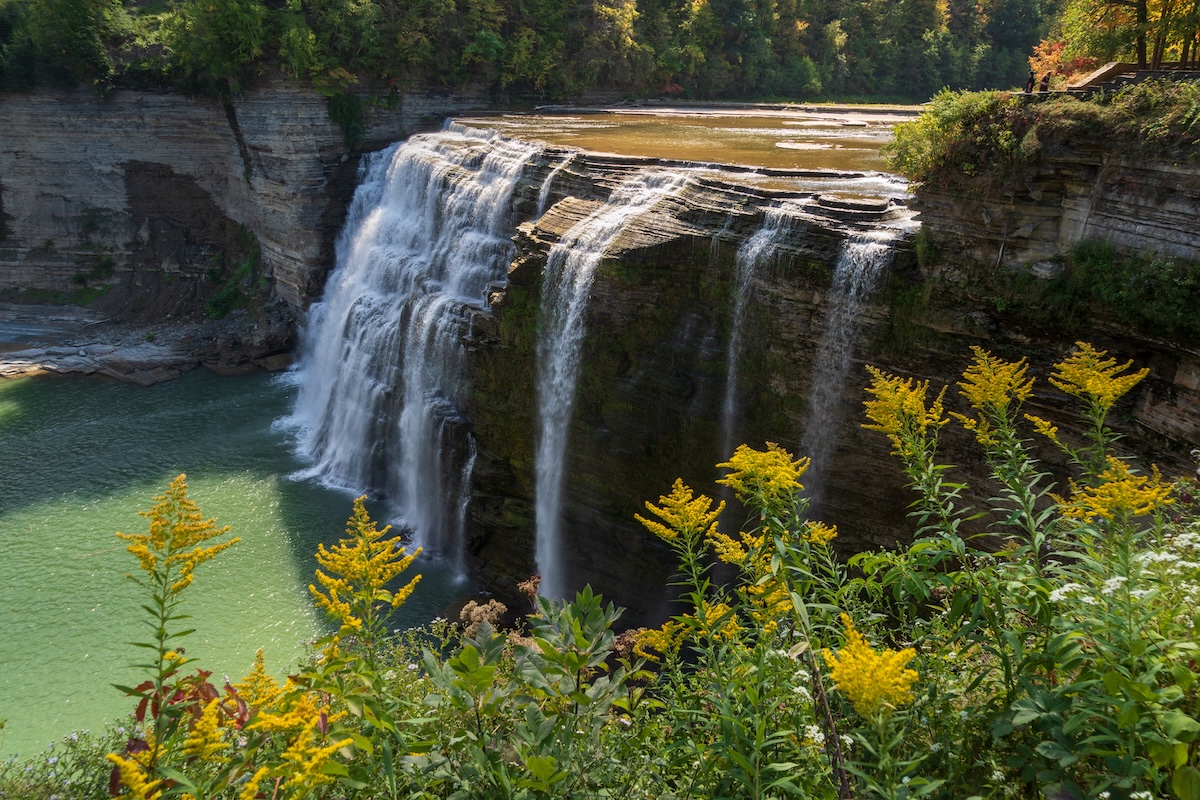
Letchworth State Park stretches along the Genesee River in western New York, where the river carves a 17-mile gorge through ancient rock. The park’s steep canyon walls, up to 600 feet high, have earned it the nickname “Grand Canyon of the East.” Three major waterfalls tumble through the gorge, with the Middle Falls dropping a dramatic 107 feet.
More than 66 miles of hiking trails trace the canyon rim and dip down to the river. The park covers over 14,000 acres and stays busy year-round—camping, whitewater rafting, and even hot air balloon rides during festival weekends. The historic Glen Iris Inn, once home to the park’s founder William Pryor Letchworth, now serves as a restaurant and museum. Come fall, the canyon lights up in red, orange, and gold, drawing photographers from all over.
North Carolina: Hanging Rock State Park
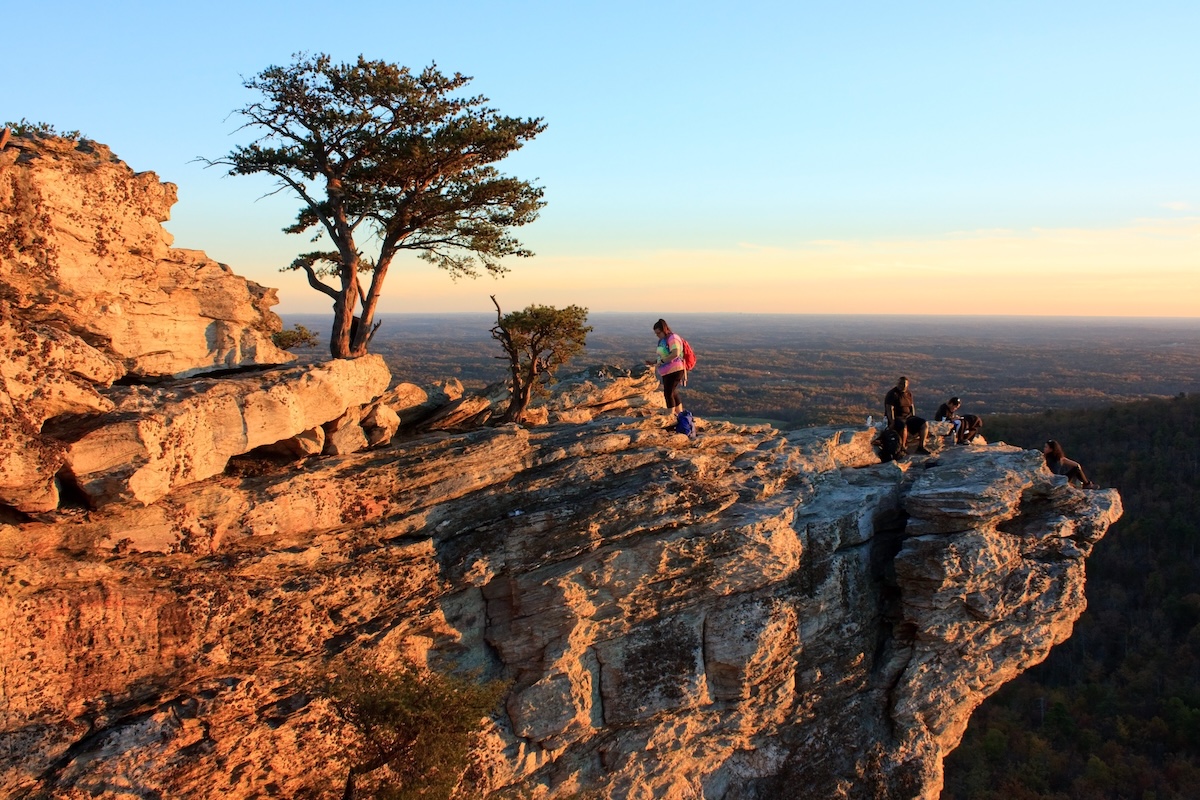
Hanging Rock State Park lies in the Sauratown Mountains of Stokes County, where rugged peaks and cliffs create some of Piedmont’s most dramatic scenery. The park’s namesake, Hanging Rock, rises 1,800 feet and rewards a moderately tough hike to the summit with serious panoramic views. The hike itself? Not easy, but worth it.
The park covers over 9,000 acres and has more than 20 miles of trails that wind through all kinds of terrain. You’ll stumble upon waterfalls like Hidden Falls and Window Falls, both reached by shady forest paths. On hot days, the spring-fed lake welcomes swimmers and paddlers. Rock climbers get their fix on the exposed quartzite cliffs, and the trail network covers everything from casual nature walks to tough backcountry routes. It’s a taste of North Carolina’s highlands without driving too far.
North Dakota: Little Missouri State Park
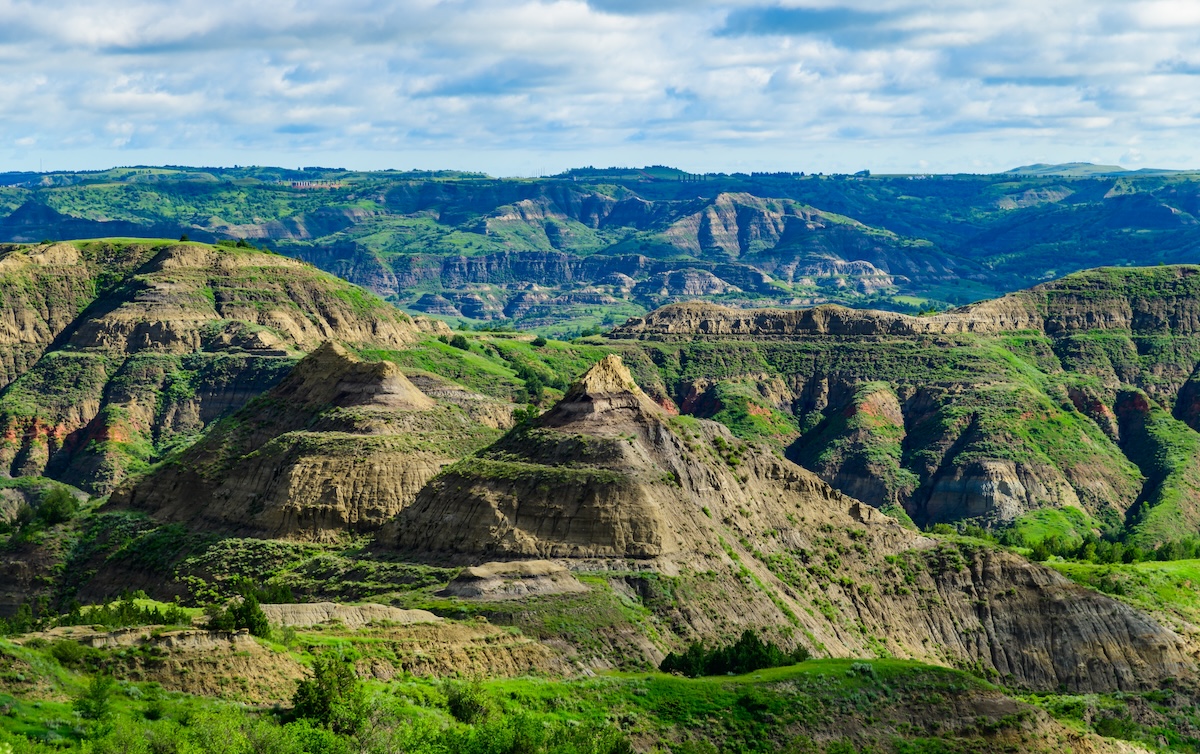
Little Missouri State Park sits deep in North Dakota’s Badlands, where the Little Missouri River snakes through a landscape that’s almost otherworldly. The park covers more than 5,700 acres of buttes, coulees, and prairie grasslands that showcase the wild side of western North Dakota. It’s remote out here—one of the last places you can really feel the wilderness.
Miles of hiking and horseback trails take you straight into the heart of the Badlands. Wildlife watchers might spot bison, elk, or pronghorn wandering the prairie. Campers get front-row seats to the rugged scenery, with the river cutting a green swath through the arid land. The landscape tells a story of geological forces at work over millions of years, and you can see it all up close.
Ohio: Hocking Hills State Park
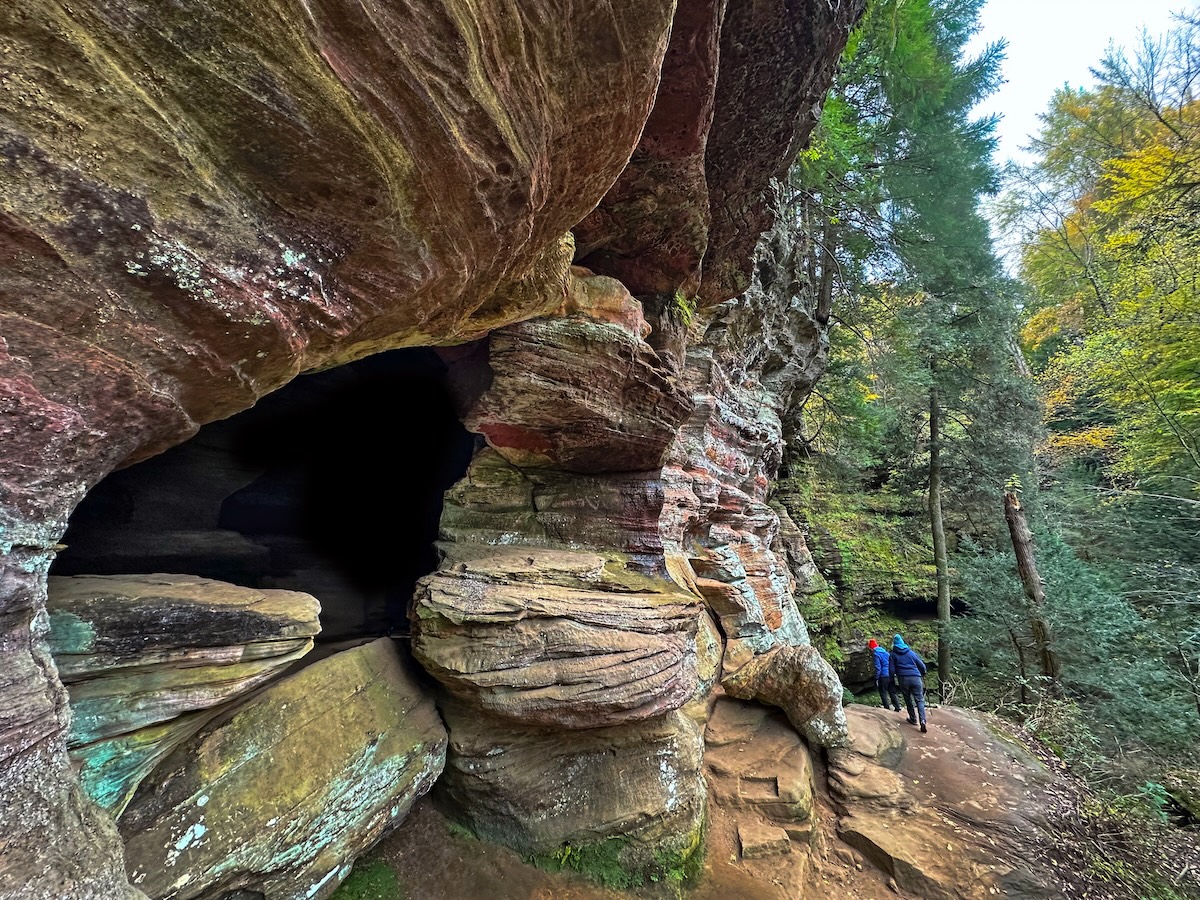
Hocking Hills State Park brings together some of Ohio’s most dramatic natural sights—ancient rock formations, gorges, and waterfalls that feel a world away from the rest of the Midwest. Old Man’s Cave, the park’s main draw, is a massive recess cave carved into Black Hand sandstone by water over centuries. Trails wind for miles through hemlock groves and past mossy cliffs that have stood for millions of years.
Don’t skip Ash Cave, Ohio’s largest recess cave, or Cedar Falls, where water plunges into a scenic gorge. Every season brings its own magic: spring wildflowers and rushing falls, lush green summers, fiery autumn leaves, and winter ice coating the rocks. Hocking Hills keeps nature lovers and photographers coming back year-round with its unique geology and peaceful forest trails.
Oklahoma: Beavers Bend State Park
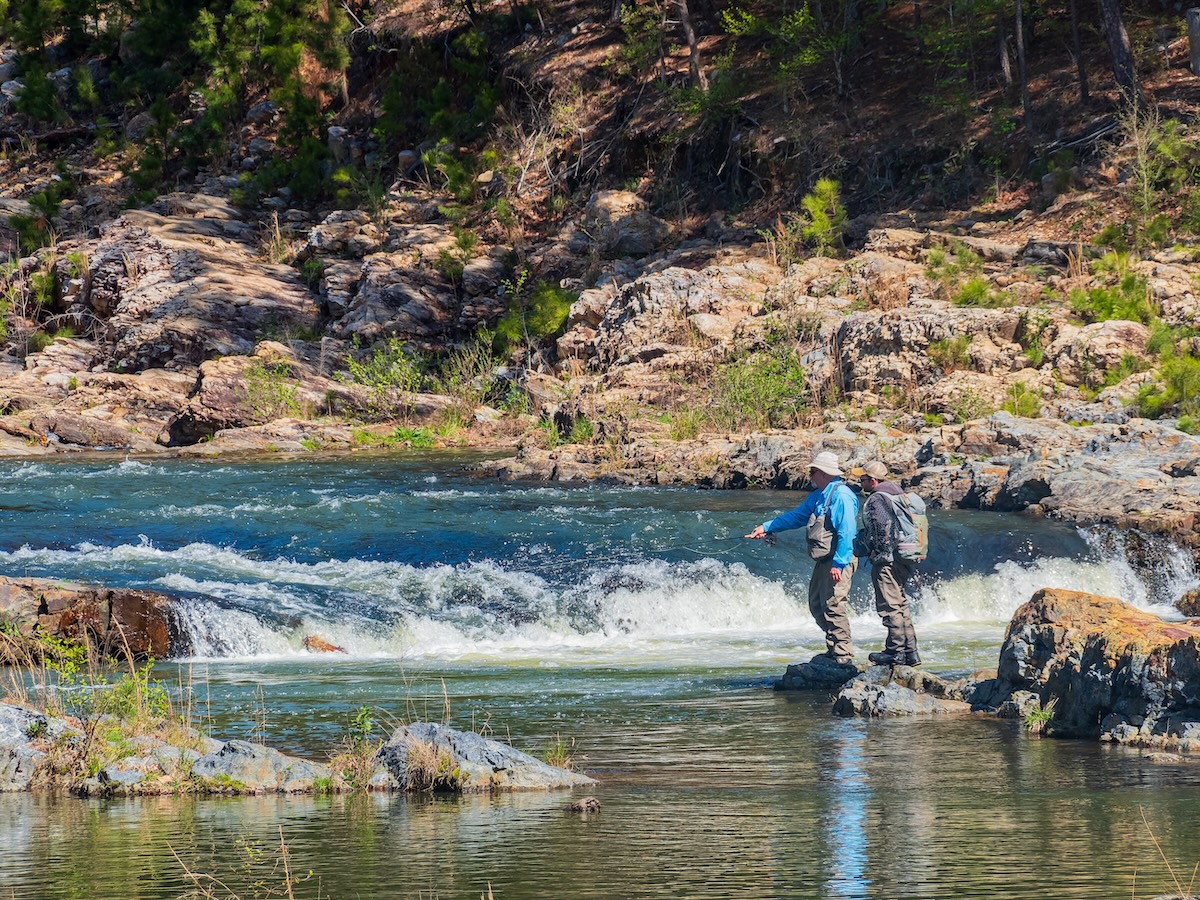
Beavers Bend State Park sits in southeastern Oklahoma’s Ouachita Mountains, where dense pine forests meet the clear Mountain Fork River. Towering trees form a lush canopy, and the river winds through rocky valleys and formations that feel more Ozarks than Oklahoma. The park spreads over 1,300 acres of surprisingly varied terrain.
Kayak or fish in the river, hike through forested trails with scenic overlooks, or just relax under the pines. In fall, the hardwoods explode into reds, oranges, and golds against the green pines. Broken Bow Lake is just nearby, offering even more water activities and wildlife spotting. The mix of mountains, forests, and rivers makes this one of Oklahoma’s most photogenic escapes.
Oregon: Silver Falls State Park
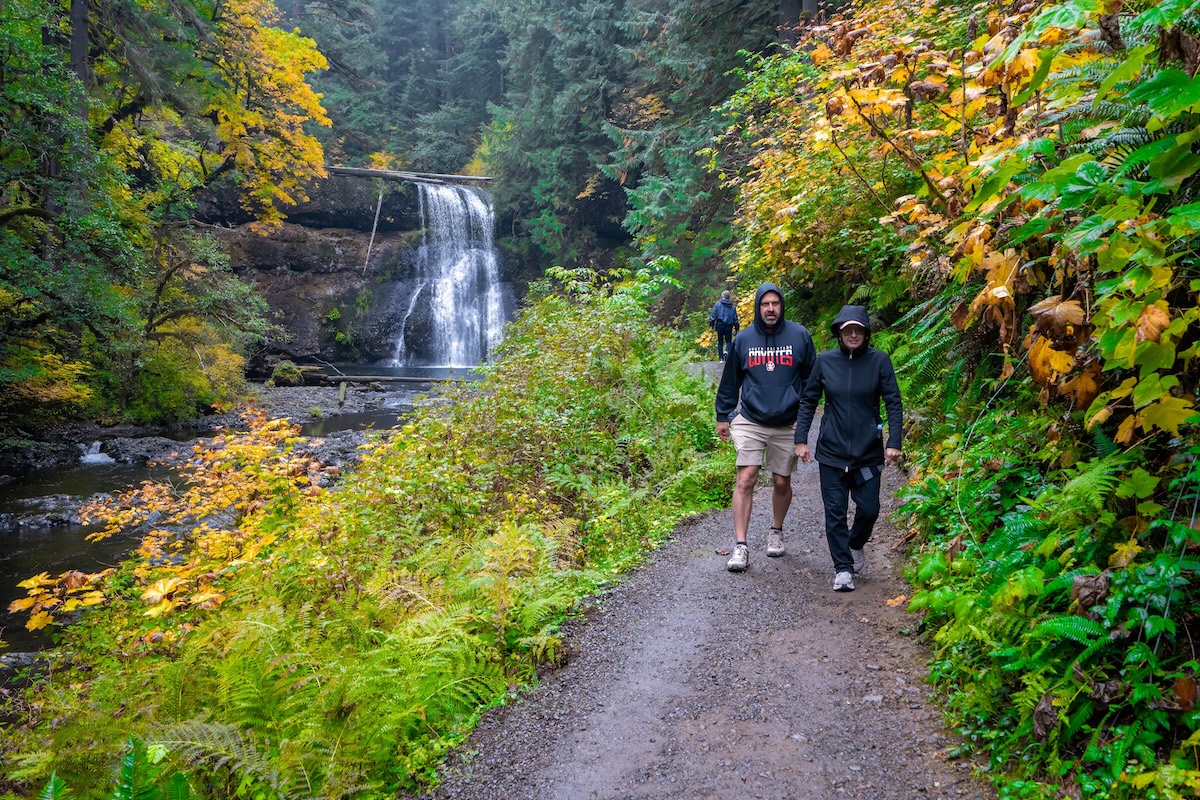
Silver Falls State Park, tucked in the Cascade foothills, is Oregon’s crown jewel for hiking. The famous Trail of Ten Falls loops through 8.7 miles of lush forest, taking you past ten waterfalls ranging from 27 to 178 feet tall. The real thrill? You can walk behind several falls, including the powerful South Falls, and feel the mist on your face.
Wander through forests of Douglas fir and western hemlock, with moss blanketing everything. Spring brings a carpet of wildflowers, while fall turns the canyon golden and crimson. The trail’s moderate and doable for most, but keep an eye out for slippery spots near the falls. Some folks spend a whole day exploring, while others break the trail into shorter chunks for a slower pace.
Pennsylvania: Ohiopyle State Park
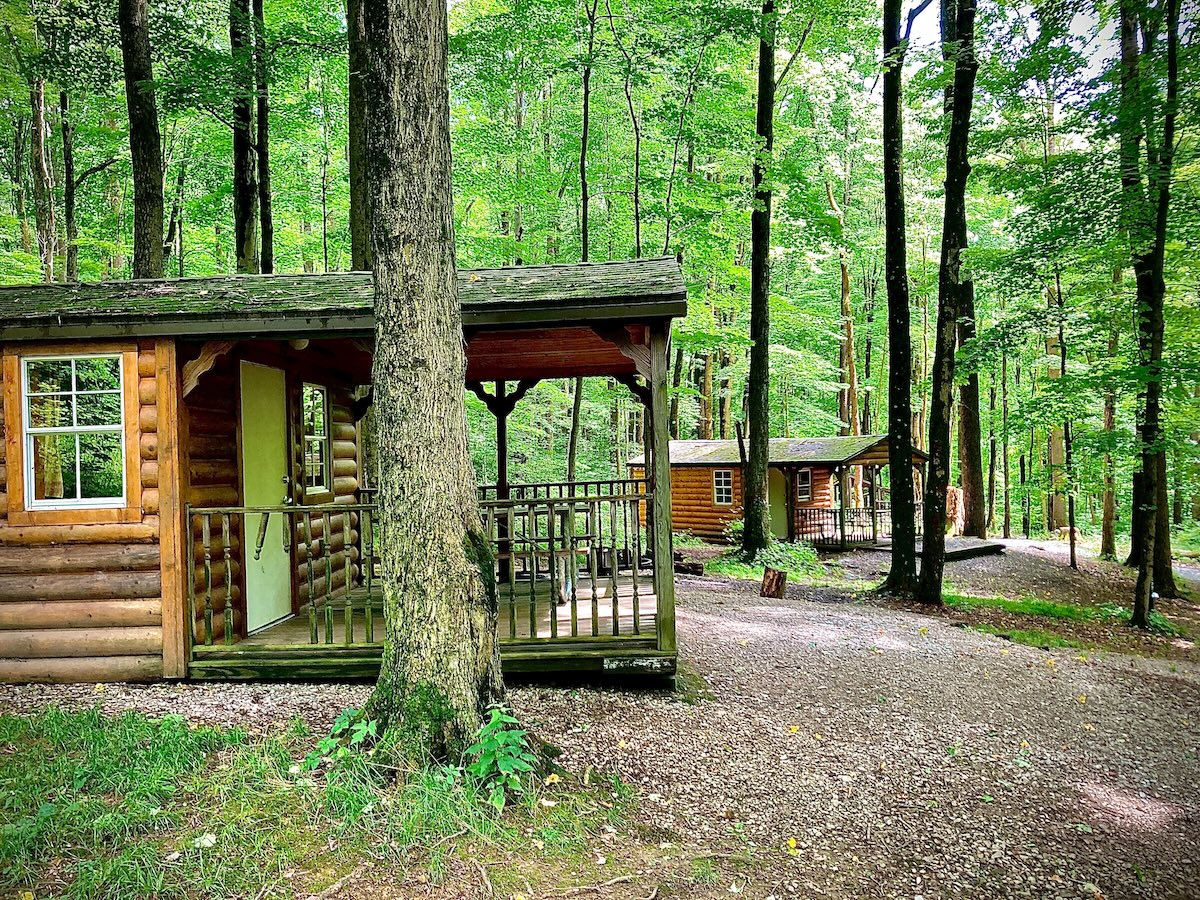
Ohiopyle State Park sits in Pennsylvania’s Laurel Highlands, where the Youghiogheny River carves through gorges and creates some of the East’s best whitewater. The park sprawls over 20,000 acres of rugged land, offering everything from mellow hikes to rapids that draw kayakers and rafters from all over. Ohiopyle Falls, the park’s showpiece, drops 20 feet across wide rock—easy to view from several overlooks.
With more than 79 miles of trails, including the Great Allegheny Passage rail-trail for biking, there’s plenty to explore. The Ferncliff Peninsula harbors old-growth forest and rare plants, while Cucumber Falls offers a more secluded waterfall scene. In summer, you can swim in the river at designated spots or sign up for guided rafting trips. Come autumn, the woods burst into color, making fall a prime time to visit.
Rhode Island: Colt State Park
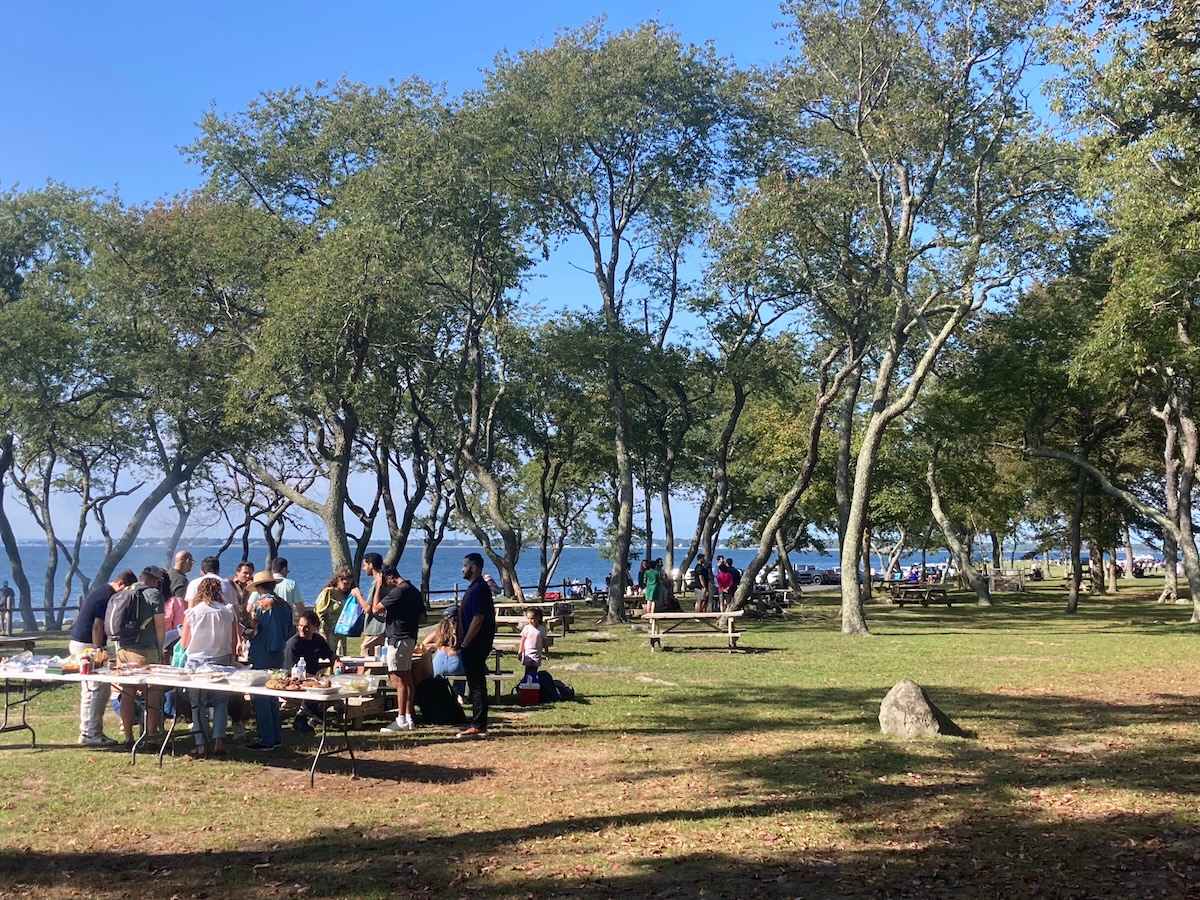
Colt State Park hugs Narragansett Bay in Bristol, serving up some of Rhode Island’s prettiest coastal views. The park covers 464 acres of manicured lawns, stone walls, and tree-lined drives—all framing the water. Four miles of scenic bike paths wind through the grounds, perfect for an afternoon ride or a lazy stroll.
Open fields and the waterfront make for great picnic spots, with stone pavilions and benches positioned for the best bay views. The landscaping stands out—ornamental trees and flowering shrubs add color year-round. The Chapel-by-the-Sea sits near the water, adding a unique architectural touch. If you want coastal beauty without beach crowds, this park delivers with its blend of maintained grounds and natural shoreline.
South Carolina: Table Rock State Park
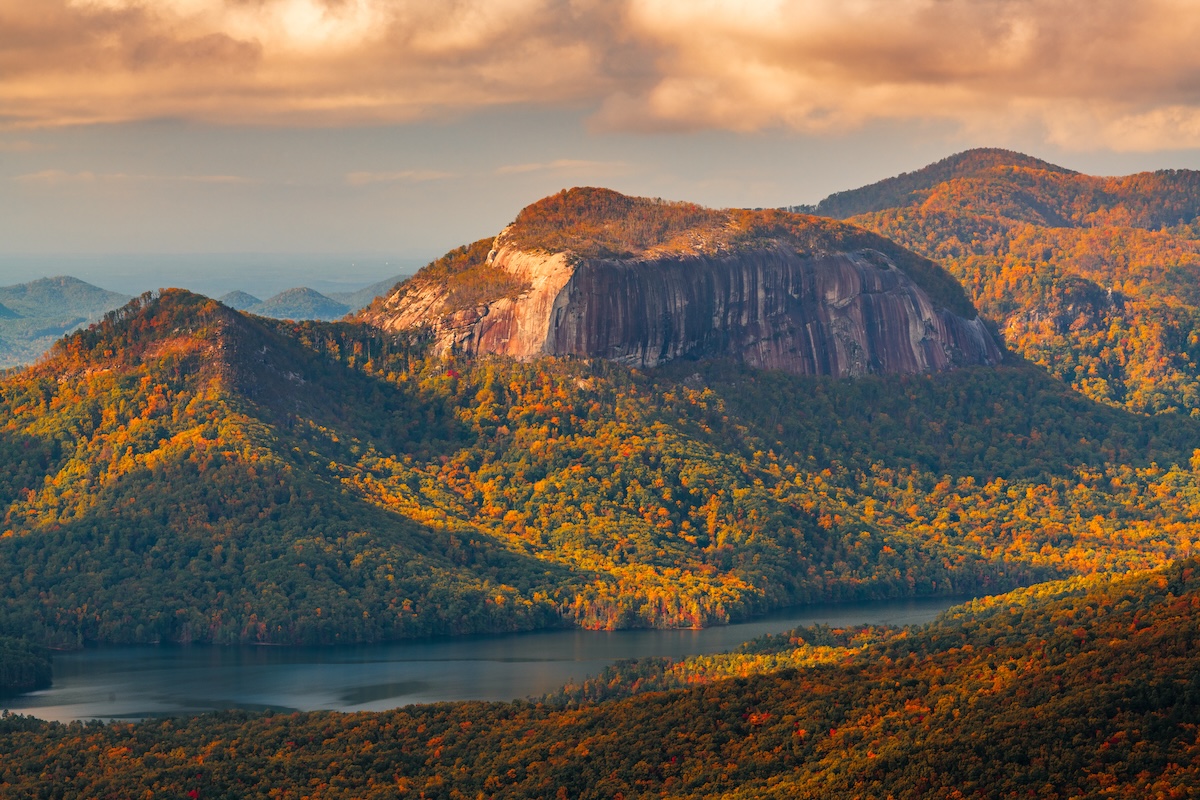
Table Rock State Park sits in the Blue Ridge Mountains of upstate South Carolina, where granite peaks create one of the region’s most striking backdrops. The park’s namesake mountain rises to 3,124 feet, and the challenging trails to the top reward you with sweeping views across three states. Built by the Civilian Conservation Corps in the 1930s, the park’s rustic stone and timber buildings feel like they’ve always belonged here.
Swim in the lake, hike trails that range from easy lakeside walks to tough summit climbs, or just relax and soak up the mountain air. The park links up with the Foothills Trail, a 77-mile backcountry route for those wanting a bigger adventure. Each season changes the scenery—spring wildflowers, lush summers, blazing fall colors, and sometimes even icy cliffs in winter. Whether you’re camping or just out for a day hike, Table Rock gives you a true mountain experience without the long drive to bigger ranges.
South Dakota: Custer State Park
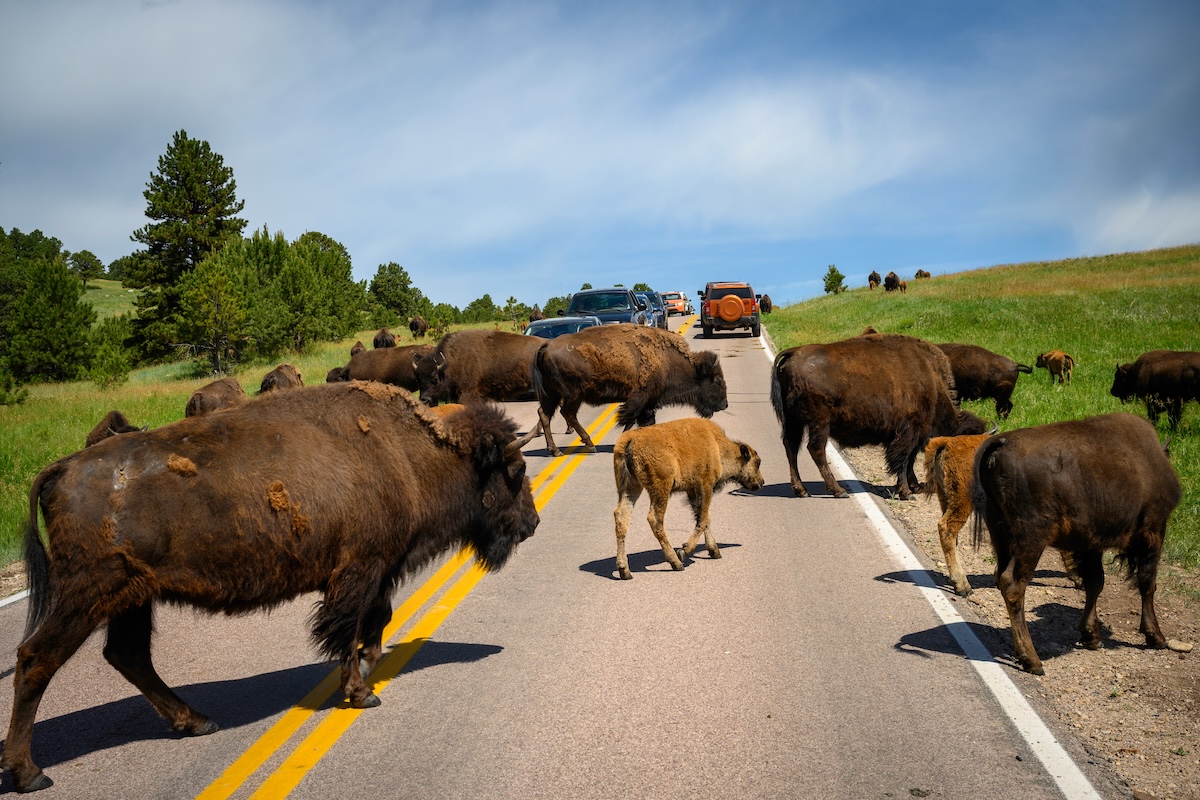
Tucked into the Black Hills, Custer State Park sprawls across 71,000 acres of wild, rolling country. Herds of bison—about 1,300 strong—roam the grasslands, their hulking shapes often spotted from the park’s scenic drives. If you time your trip right, you can catch the annual buffalo roundup each fall, which is honestly a spectacle you’ll never forget.
Driving the Needles Highway is a must. This 14-mile route twists through granite spires and squeezes through tunnels carved straight into stone. The Wildlife Loop Road runs for 18 miles, and chances are good you’ll spot pronghorn antelope, bighorn sheep, prairie dogs, and wild burros along with the bison. Four lakes invite you to fish, swim, or kayak, and over 70 miles of hiking trails let you wander from open prairie to pine forests and rocky peaks. The mix of wild animals, dramatic rocks, and wide-open spaces really nails the spirit of the American West.
Tennessee: Fall Creek Falls State Park
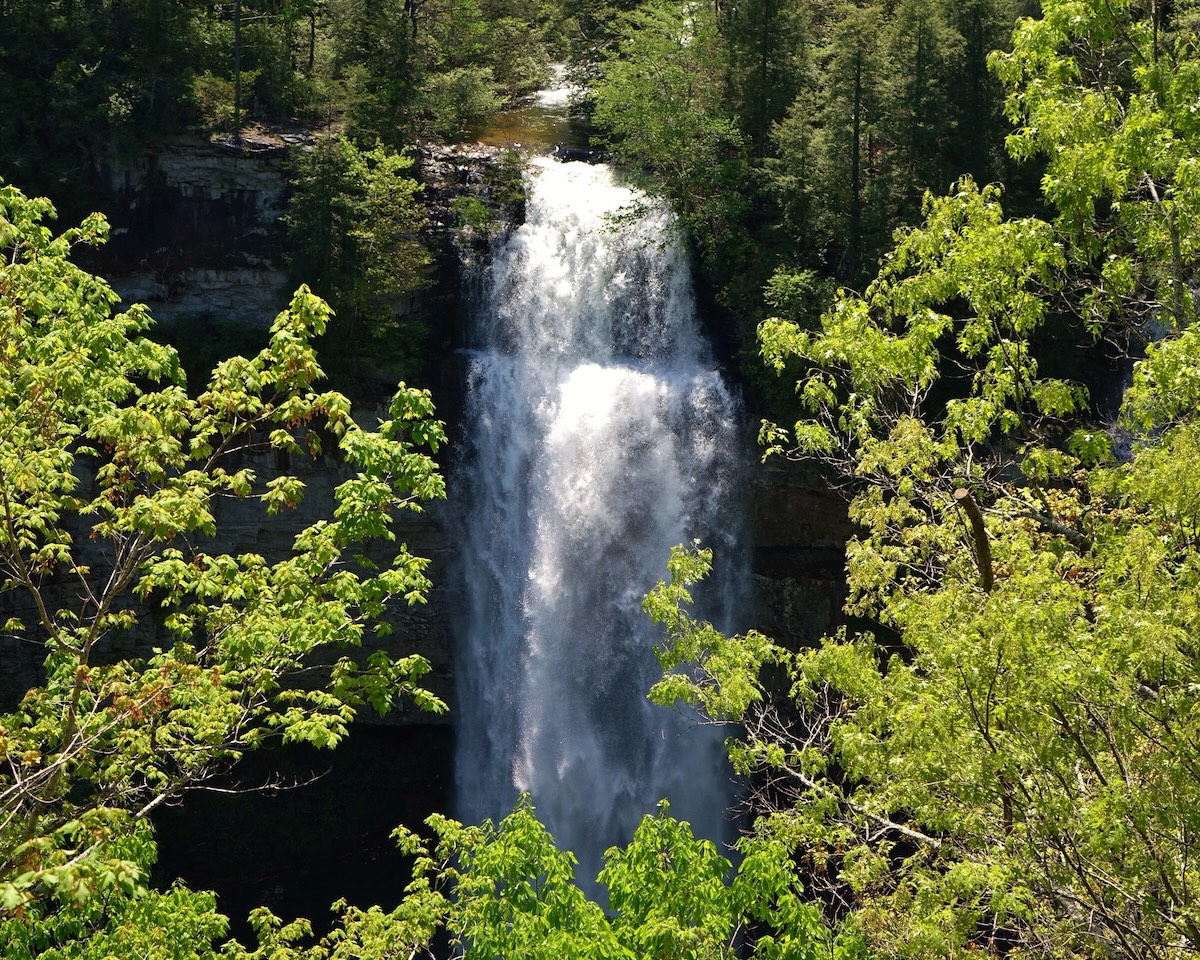
Hidden in the Cumberland Plateau, Fall Creek Falls State Park boasts Tennessee’s most dramatic waterfall—Fall Creek Falls itself, plunging 256 feet into a misty gorge. It’s one of the tallest cascades east of the Mississippi, but it’s just the beginning. The park covers 26,000 acres packed with hardwood forests, deep gorges, and overlooks that show off the rugged beauty of the highland rim.
You’ll find everything from gentle nature walks to tough backcountry trails that snake through the hills. Swim in Cane Creek Lake, cast a line in clear streams, or just keep an eye out for wildlife. Spring brings wildflowers and roaring falls, while autumn lights up the trees in fiery reds and oranges. Whether you’re gazing up at the main waterfall or wandering the park’s maze of gorges, you’re smack in the middle of some of the Southeast’s most breathtaking scenery.
Texas: Palo Duro Canyon State Park
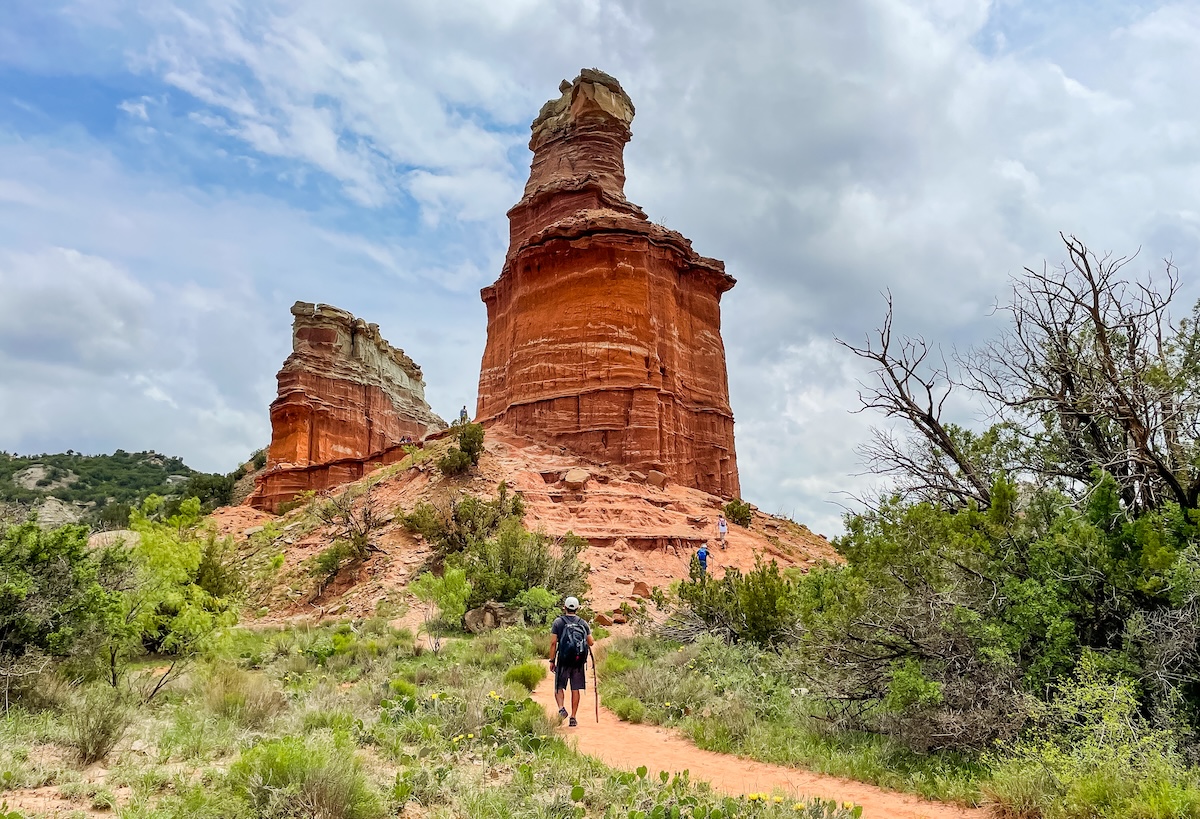
Deep in the Texas Panhandle, Palo Duro Canyon State Park reveals the country’s second-largest canyon—a 120-mile-long, 800-foot-deep chasm painted in layers of red, orange, and yellow. Trails stretch for more than 30 miles, from easy strolls to steep climbs with sweeping views. The geology here tells a wild story, and the colors are unreal, especially at sunrise and sunset.
Walk the same ground that once drew Native Americans and Spanish explorers. Mule deer, wild turkeys, and roadrunners dart among the rocks. In summer, the Pioneer Amphitheatre hosts the outdoor musical TEXAS, which feels like a real slice of local culture. Mountain bikers and hikers make a beeline for the Lighthouse Trail to see the park’s signature rock formation. Nights here, under endless stars, remind you just how far you are from the flat plains above.
Utah: Goblin Valley State Park
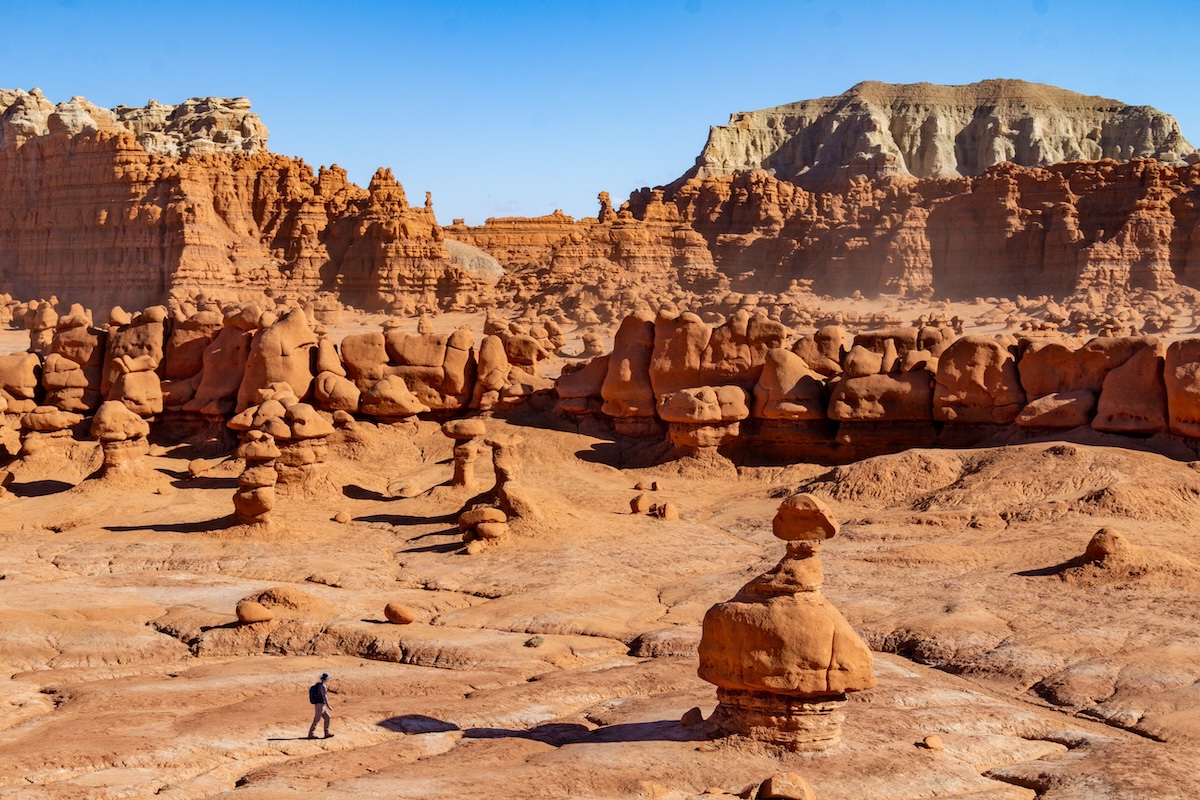
Stepping into Goblin Valley State Park feels like landing on another planet. Thousands of mushroom-shaped hoodoos—or “goblins”—dot the landscape, their odd shapes carved by wind and water over millions of years. The rust-red sandstone pillars fill the valley, sparking your imagination with every turn.
Here, you actually get to wander right among the goblins—no need to stick to marked trails. Scramble over rocks, duck through tight passages, and stumble onto hidden nooks. Sunrise and sunset light up the rocks in warm, glowing colors, making for some pretty epic photos. If camping’s your thing, the park has you covered, and there are a few marked trails for those who prefer a little more structure. Still, the real fun is getting lost (not literally, hopefully) in this bizarre stone playground.
Vermont: Smugglers’ Notch State Park
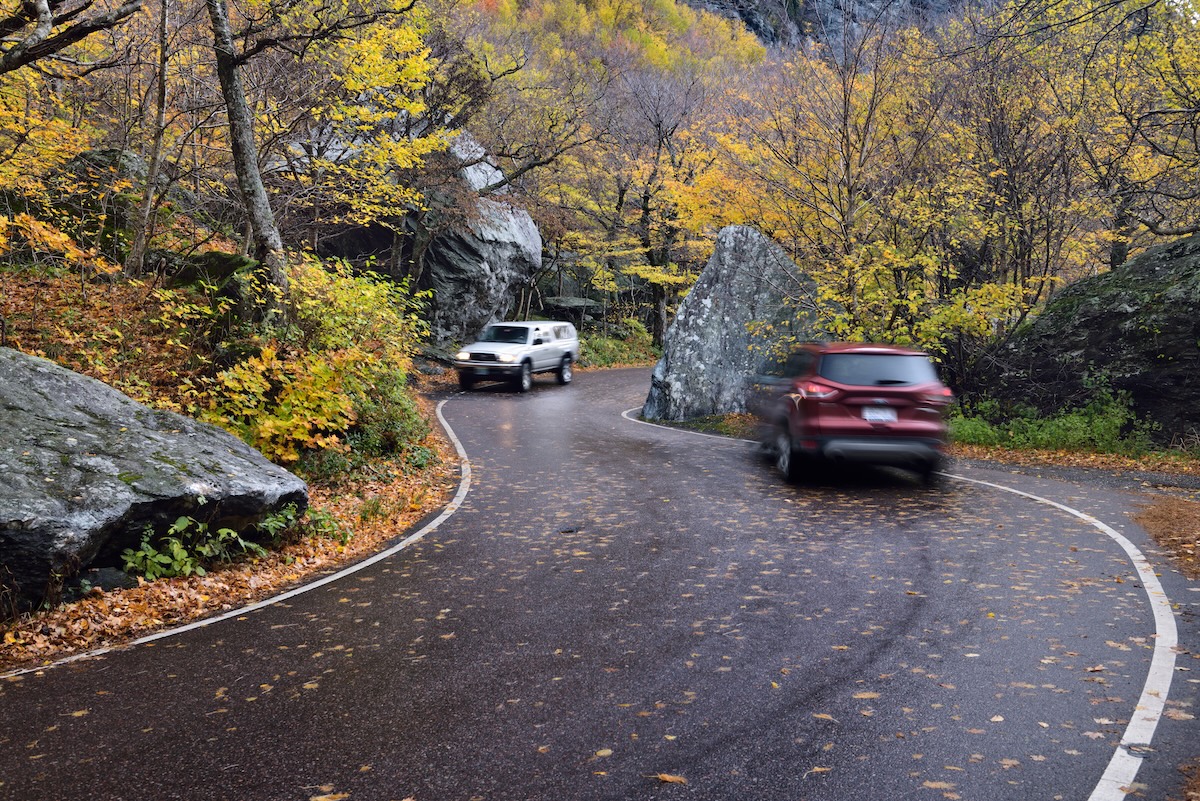
Smugglers’ Notch State Park nestles into the Green Mountains, tracing a dramatic pass through towering cliffs and thick forest. The park’s name harks back to days when smugglers ran goods between the U.S. and Canada during the War of 1812 and Prohibition. The twisty, narrow road through the notch usually closes in winter, so plan your visit for late spring to mid-fall.
Trails here range from mellow strolls to tough climbs up Mount Mansfield, Vermont’s highest peak. You can explore caves and boulder fields or cool off in the swimming area during summer. The campground tucks into the woods, offering a cozy base for mountain adventures or exploring the nearby Stowe area. It’s a place with a bit of history and a whole lot of natural charm.
Virginia: Grayson Highlands State Park
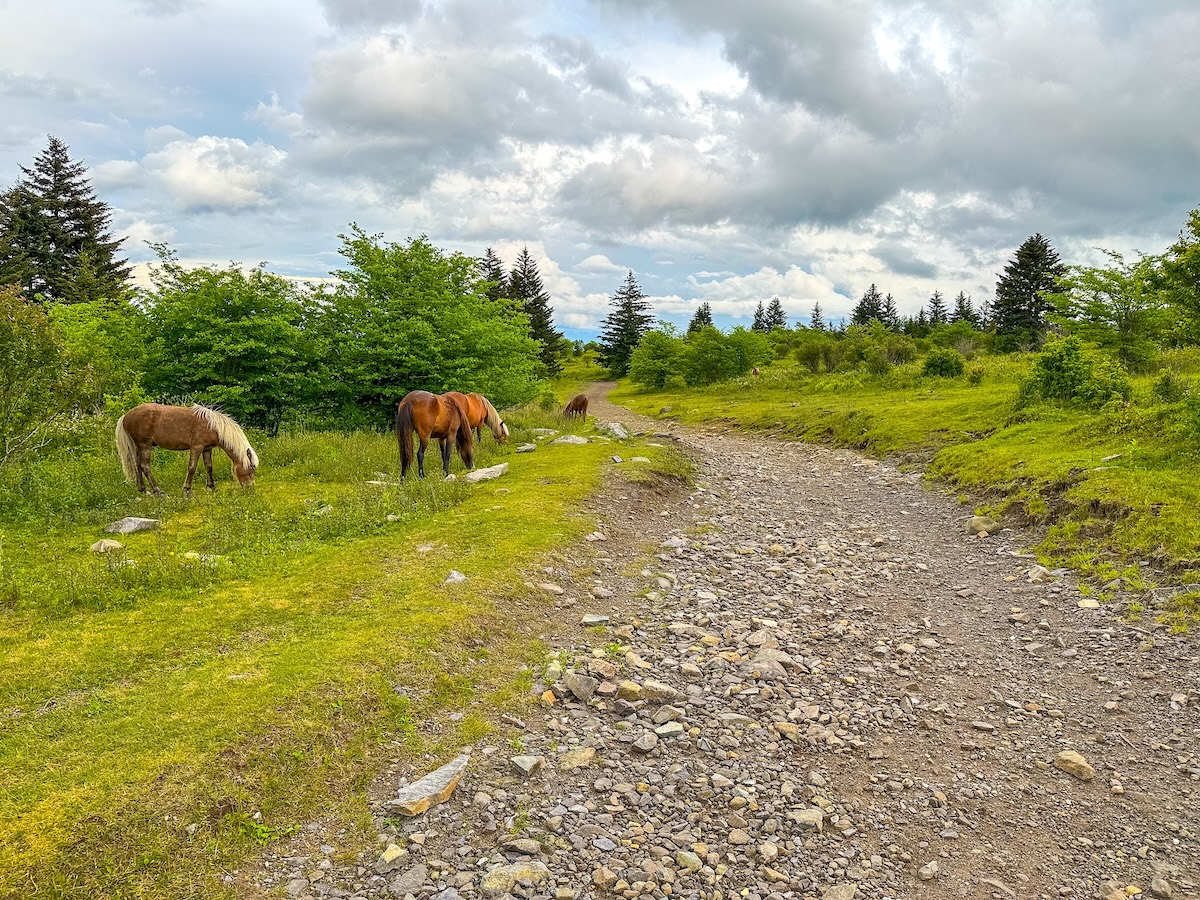
High in southwestern Virginia, wild ponies graze the open meadows of Grayson Highlands State Park. Sitting above 5,000 feet along the Appalachian Trail, the park’s windswept balds and rocky outcrops look more like Scotland than the American South.
Trails wind through rhododendron thickets and up Mount Rogers, Virginia’s highest point at 5,729 feet. The ponies—descendants of horses released decades ago—often wander close to visitors, making for some pretty memorable photos. In late spring and early summer, rhododendrons and flame azaleas blanket the highlands in color. The park includes camping, a visitor center, and miles of trails that link up with the Mount Rogers National Recreation Area.
Washington: Deception Pass State Park
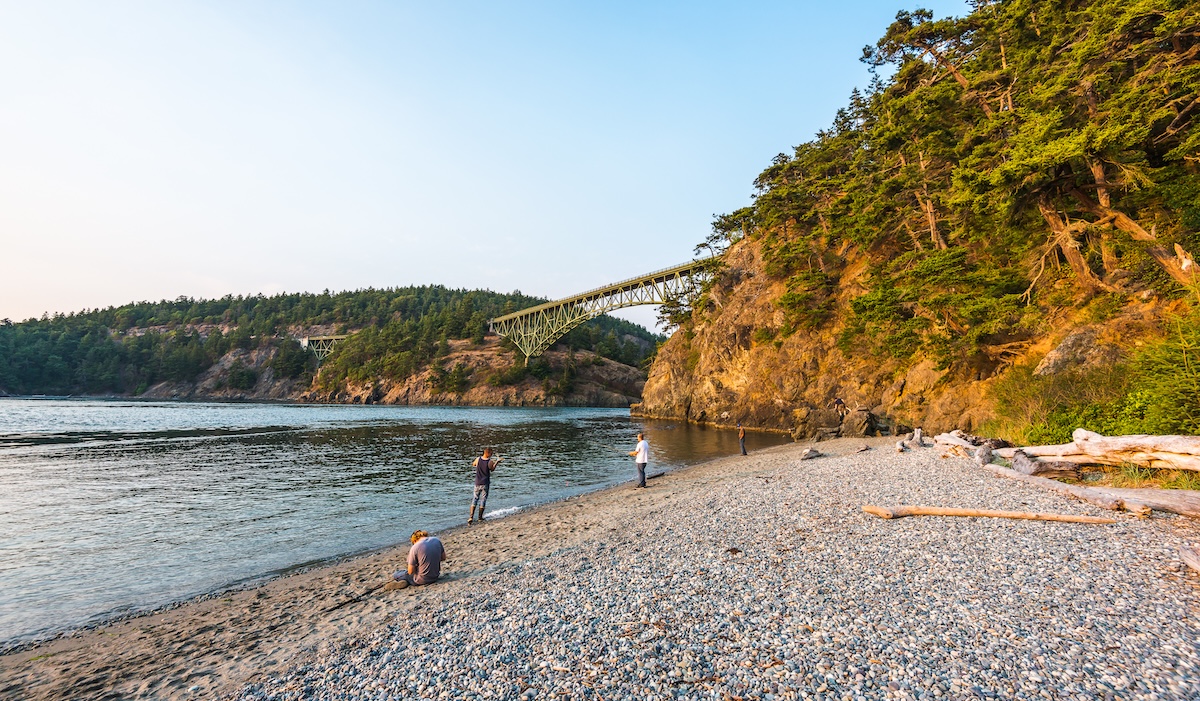
Deception Pass State Park lays out one of the Pacific Northwest’s most jaw-dropping coastal scenes, where rugged cliffs plunge into swirling waters between Whidbey and Fidalgo Islands. The park’s iconic bridge, perched 180 feet above the water, gives you a dizzying view of the tidal currents racing through the narrow strait.
With 4,100 acres to roam, you can hike through forests of Douglas fir and western red cedar, find hidden coves along 15 miles of saltwater shoreline, and spot eagles circling overhead. Rocky beaches invite tide pooling, while freshwater lakes offer swimming spots. Trails wind through old-growth woods and open onto sweeping ocean views. Whether you’re watching boats from the bridge or hiking down to Bowman Bay’s quiet beaches, it’s easy to see why this is Washington’s most visited state park.
West Virginia: Blackwater Falls State Park
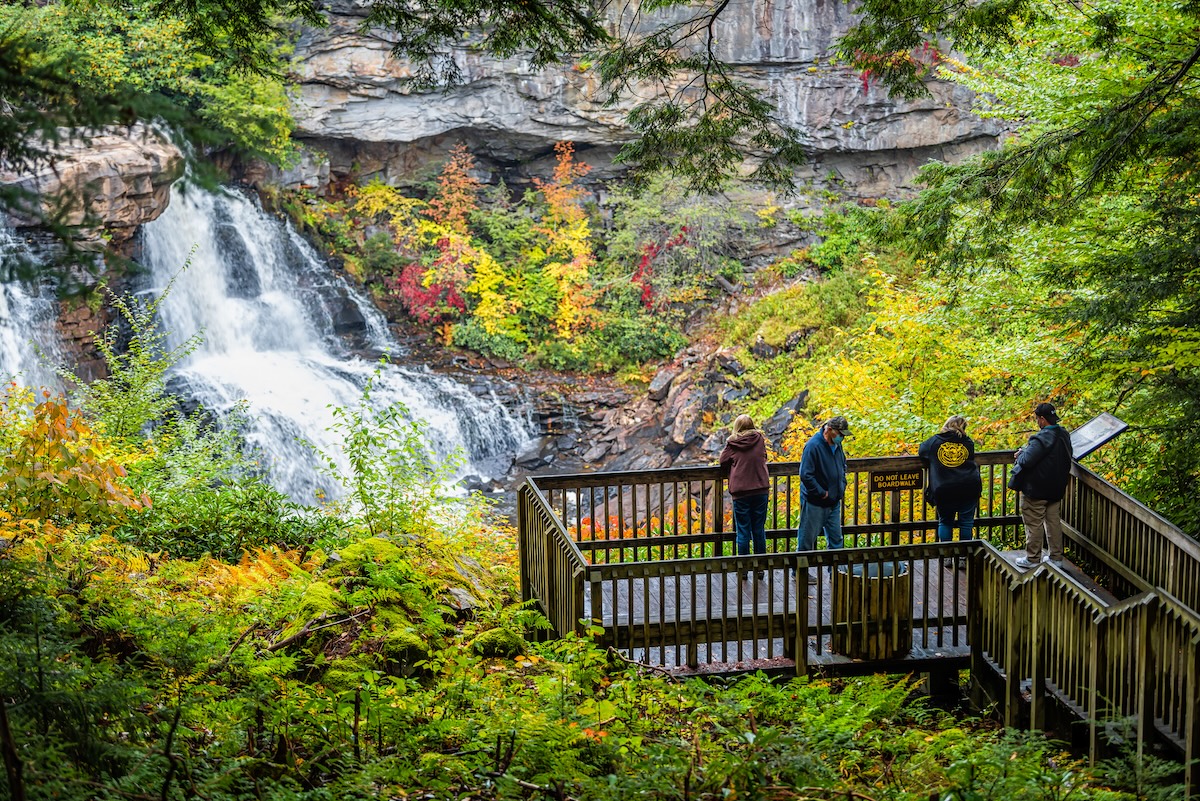
At Blackwater Falls State Park, amber-tinted water tumbles 57 feet into an eight-mile gorge, creating one of the most photographed waterfalls in the Appalachians. The dark color comes from tannins in fallen hemlock and red spruce needles, setting off the falls against pale sandstone cliffs. A short boardwalk leads to several viewing platforms, making the falls easy to reach even if you’re not up for a big hike.
Beyond the waterfall, trails wind for 20 miles through ancient woods and along the canyon rim. In winter, the park transforms as the falls freeze into wild ice formations, drawing photographers from all over. Sitting at a higher elevation than much of West Virginia, the park stays cooler in summer and puts on a real show when the leaves turn in fall. Whether you’re just stopping by for the falls or camping for a few days, the park packs in year-round beauty in the Mountain State’s highlands.
Wisconsin: Devil’s Lake State Park
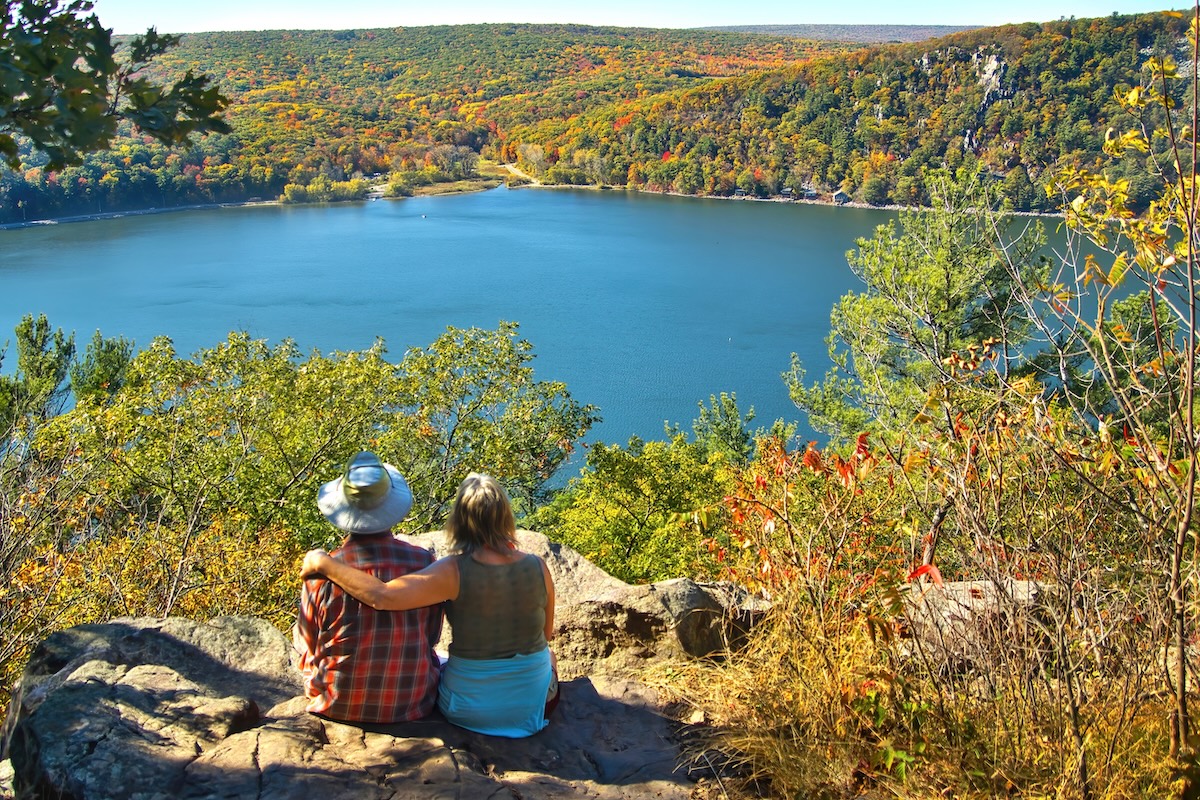
Devil’s Lake State Park sits in the Baraboo Range, where 500-foot quartzite bluffs rise above a clear, glacier-carved lake. Spanning nearly 10,000 acres, the park draws more than three million visitors each year—no surprise, given the dramatic cliffs that glow purple and pink when the sun’s low.
You’ve got 29 miles of hiking trails, from easy loops along the water to steep climbs up the East and West Bluffs. Rock climbers flock here to scale the ancient quartzite faces, with hundreds of routes to choose from. The 360-acre lake is perfect for swimming, fishing, or kayaking in the warmer months. Come autumn, the forests ignite in red, orange, and gold, and the colors reflect right back off the water. It’s a Midwest classic that somehow still feels wild.
Wyoming: Hot Springs State Park
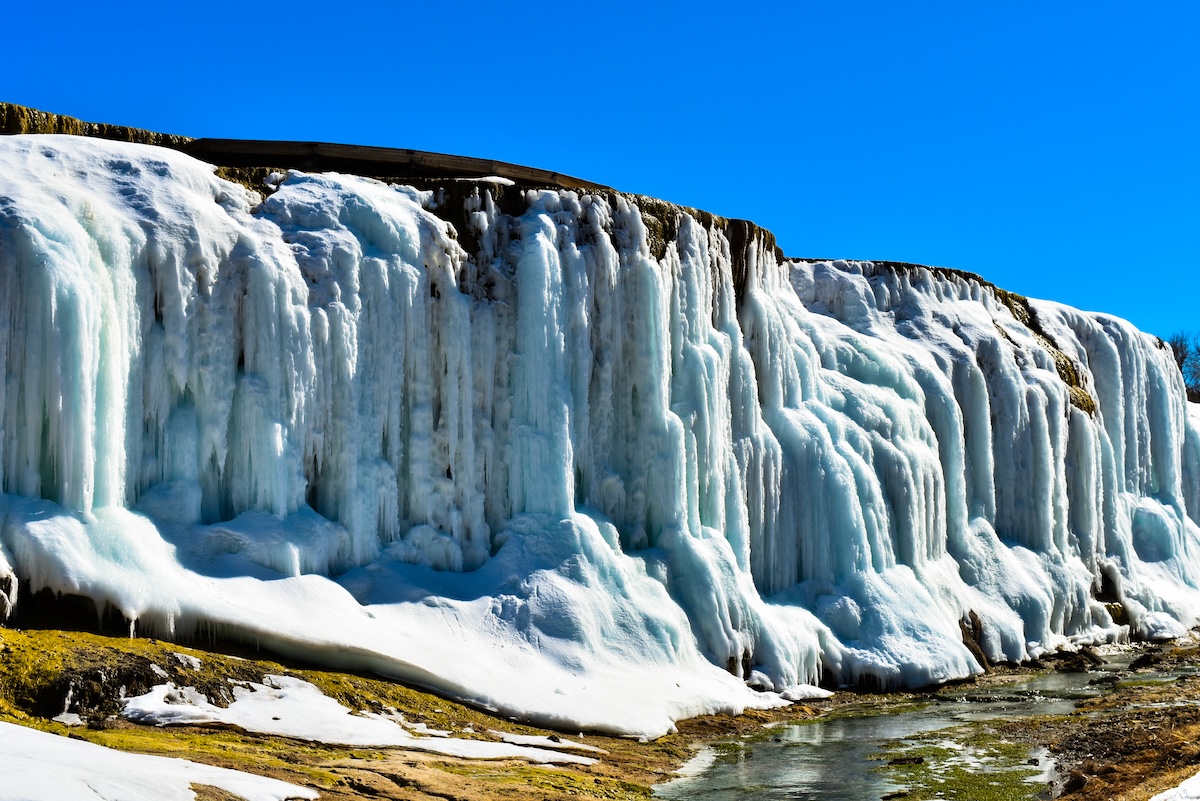
In Thermopolis, you’ll stumble across one of Wyoming’s most fascinating natural wonders—Hot Springs State Park, home to the world’s largest mineral hot springs. Here, terraced travertine formations catch your eye as mineral-rich water spills over colorful limestone, creating a scene that’s honestly hard to forget. The State Bath House lets you soak in those therapeutic waters for free, which is a rare treat and, frankly, a pretty generous move.
The park covers more than 1,100 acres along the Bighorn River. It’s not just about the hot springs, either. You can wander boardwalks that twist through steaming pools, and if you’re lucky, spot the resident bison herd ambling around. Rainbow Terrace is ridiculously photogenic—splashes of orange, yellow, and white minerals paint the place like some wild, natural mural. The old swinging bridge? It gives you a killer view across the river. Between soaks, you might just want to kick back in the flower gardens or sprawl out on the grass. It’s all surprisingly peaceful, even with the occasional whiff of sulfur in the air.