
You know the feeling: you’re on a long drive, the highway signs blur together, and then one points toward a town you’ve never heard of. On a whim, you take the exit. Twenty minutes later, you’re standing on a brick main street with a coffee in hand, wondering why nobody told you about this place sooner.
Small towns hold some of the country’s best scenery, architecture, and food, and plenty sit just a short detour off the interstate. Some cling to mountainsides, while others hug harbors or hide in river valleys.
The picks below cover all 50 states, with one town each. They’re chosen for their looks, character, and that feeling of finding somewhere worth the trip.
Alabama: Eufaula
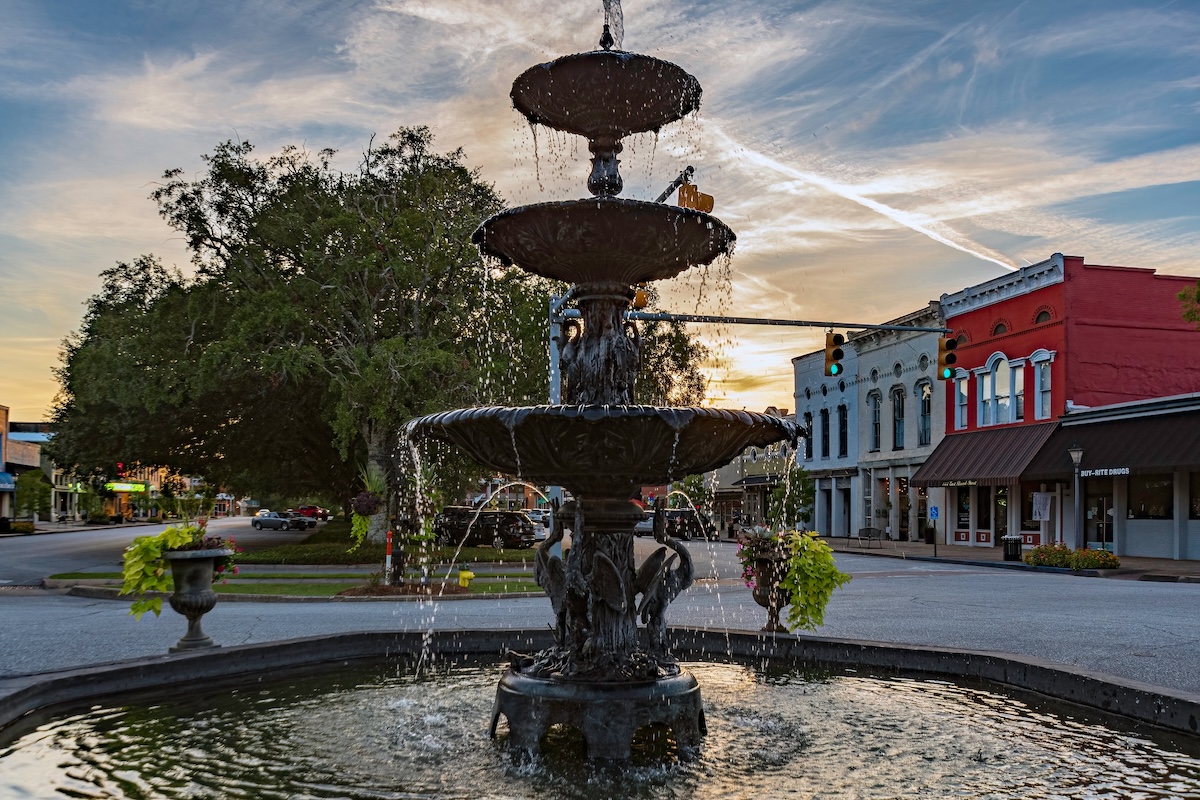
Eufaula packs one of Alabama’s largest collections of historic homes into a quiet town on the Chattahoochee River. Antebellum and Victorian mansions line North Eufaula Avenue beneath live oaks, and you can tour the grand Neoclassical Shorter Mansion.
Each spring, the Eufaula Pilgrimage opens private homes to visitors, so plan an April trip if you want to see inside. The rest of the year, fish Lake Eufaula, which anglers call the “Big Bass Capital of the World,” or explore Eufaula National Wildlife Refuge for herons, alligators, and wintering ducks.
Alaska: Sitka
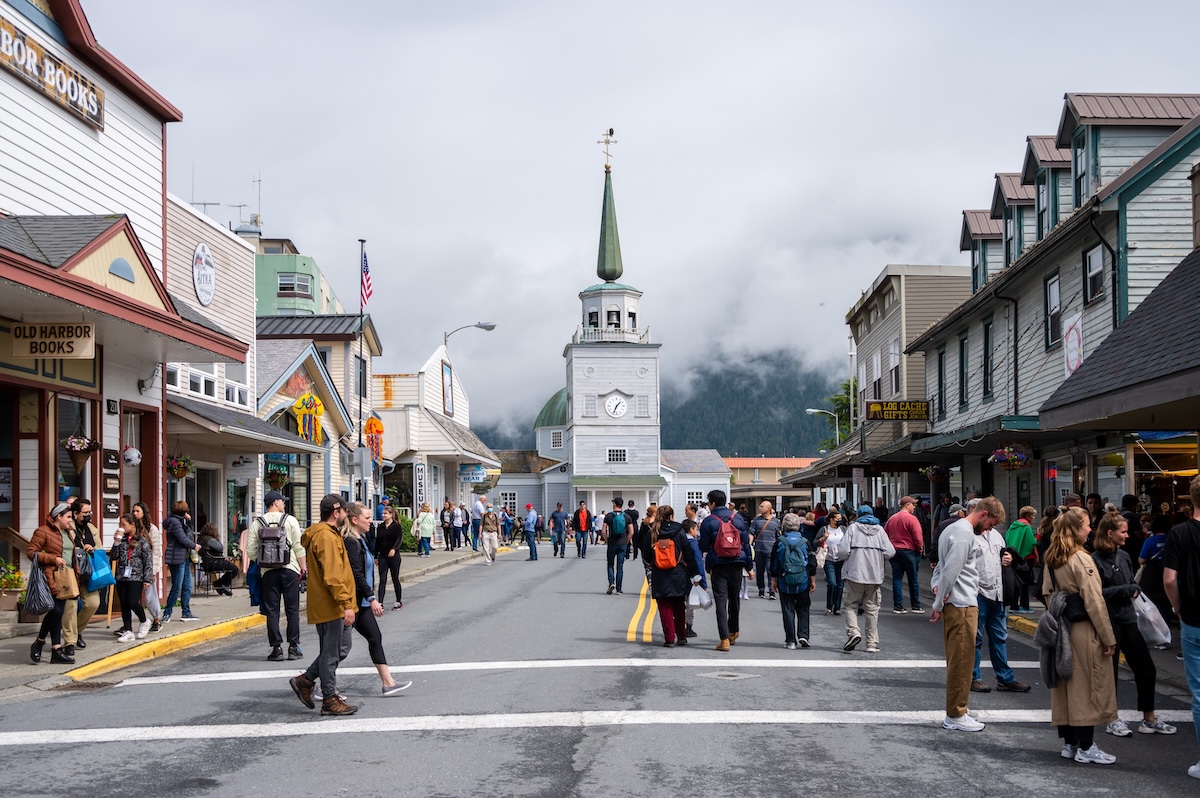
Sitka sits on Baranof Island, with snowcapped peaks behind it and the Pacific in front. You can reach it only by boat or plane, and that isolation keeps the town compact and walkable.
Tlingit culture and Russian colonial history meet here. Downtown, you’ll see the onion dome of St. Michael’s Cathedral, then you can walk among carved totem poles at Sitka National Historical Park. Summer brings whale-watching tours, sea otters in the sound, and long daylight hours for trails like Gavan Hill. Pack rain gear whatever the month, since Sitka sits in a temperate rainforest.
Arizona: Bisbee
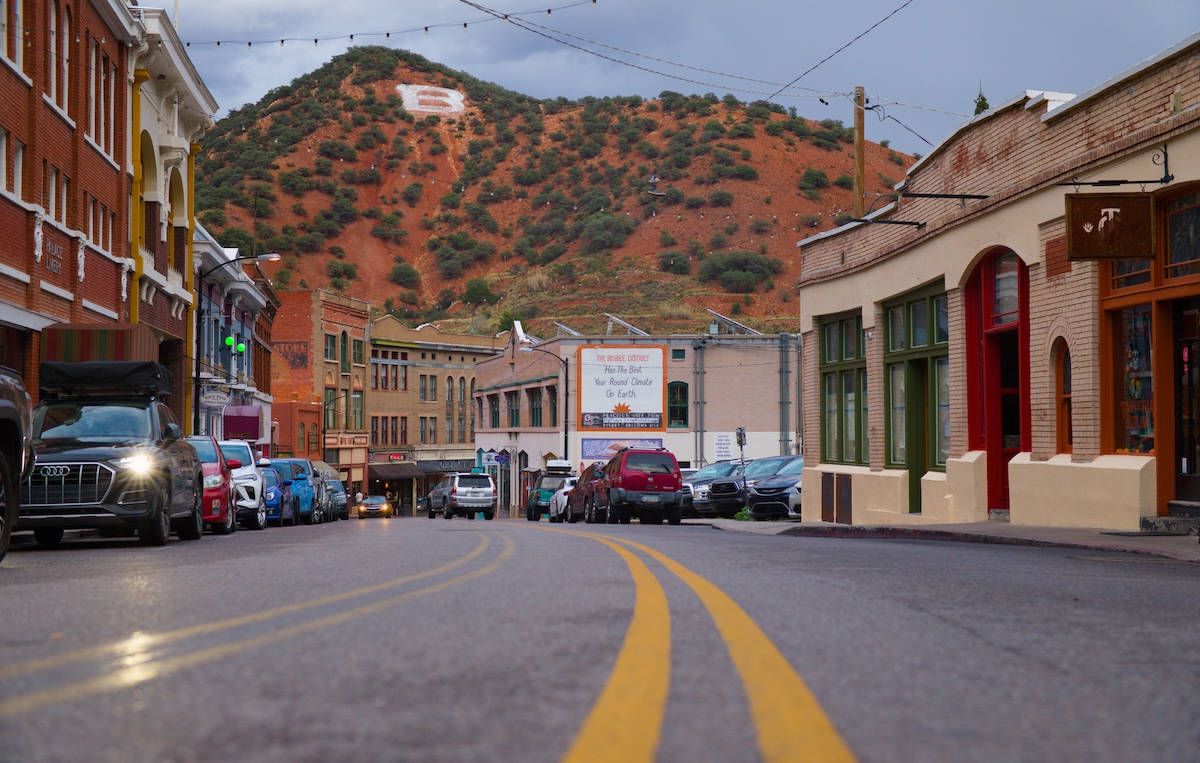
Built into the steep canyons of the Mule Mountains, Bisbee is a former copper-mining town that reinvented itself as an artist colony. Houses stack up the hillsides, linked by public staircases that locals have turned into an annual stair-climb race.
Ride a mine cart deep underground on the Queen Mine Tour, led by retired miners, then take in the vast, terraced Lavender Pit at the edge of town. Back on Main Street, brick buildings house galleries, vintage shops, and cafés. At about 5,300 feet, Bisbee stays cooler than Tucson, making it a pleasant summer escape.
Arkansas: Eureka Springs
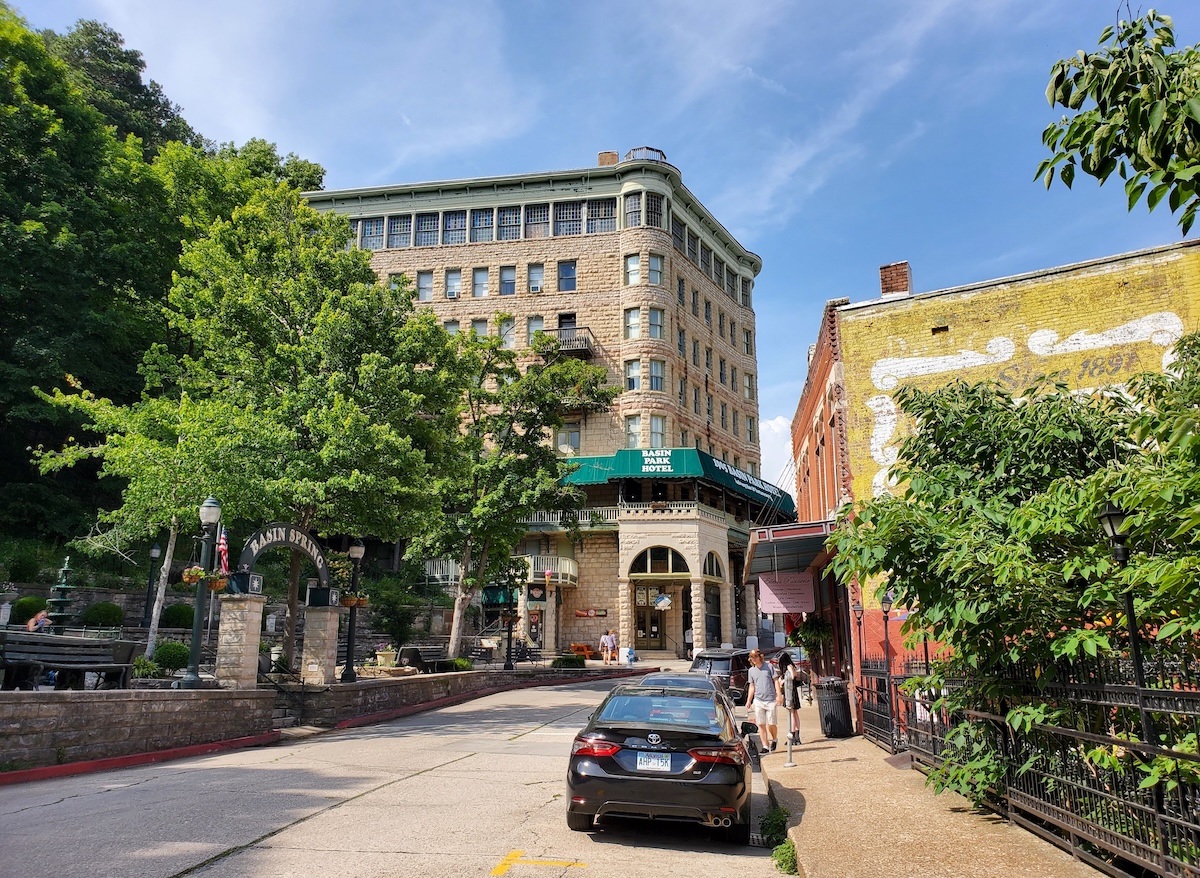
Eureka Springs winds through the Ozark hills, where the slopes are so steep that none of the downtown streets meet at right angles. Victorian limestone and brick buildings cling to the hillsides, and the entire downtown is listed on the National Register of Historic Places.
The town grew around natural springs once believed to have healing powers. You can still visit many of them along the historic loop. Stop at Thorncrown Chapel, a soaring glass-and-wood chapel in the woods, and the 1886 Crescent Hotel, which bills itself as haunted. When your legs give out on the hills, take the trolley.
California: Mendocino
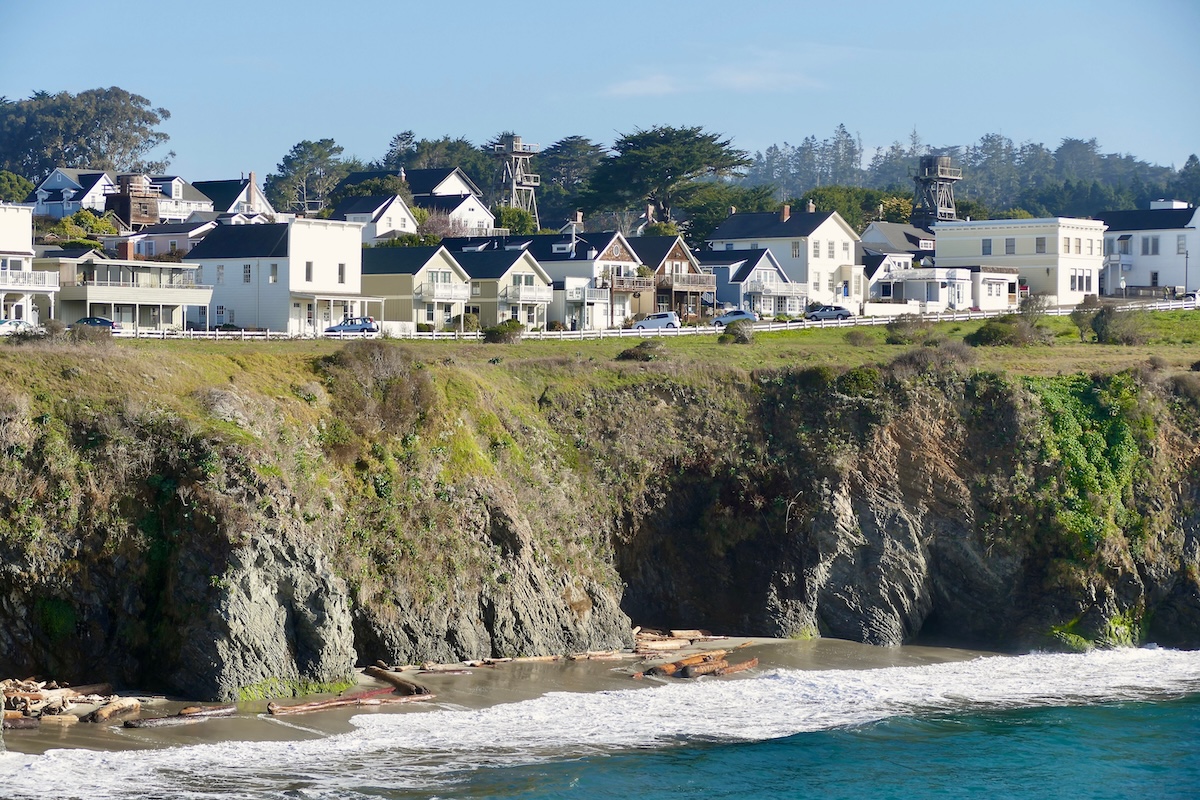
Perched on a headland above the Pacific, Mendocino looks like a New England village that drifted west. Its wooden water towers and saltbox houses date to the logging boom of the 1800s, and the town has kept nearly all of that look.
Walk the bluff trails of Mendocino Headlands State Park right from the village, watching waves crash into sea caves. From December through April, you might spot migrating gray whales offshore. Nearby, Russian Gulch and Van Damme state parks offer fern canyons and pygmy forests. Book lodging early for summer weekends, since the town’s inns fill fast.
Colorado: Ouray
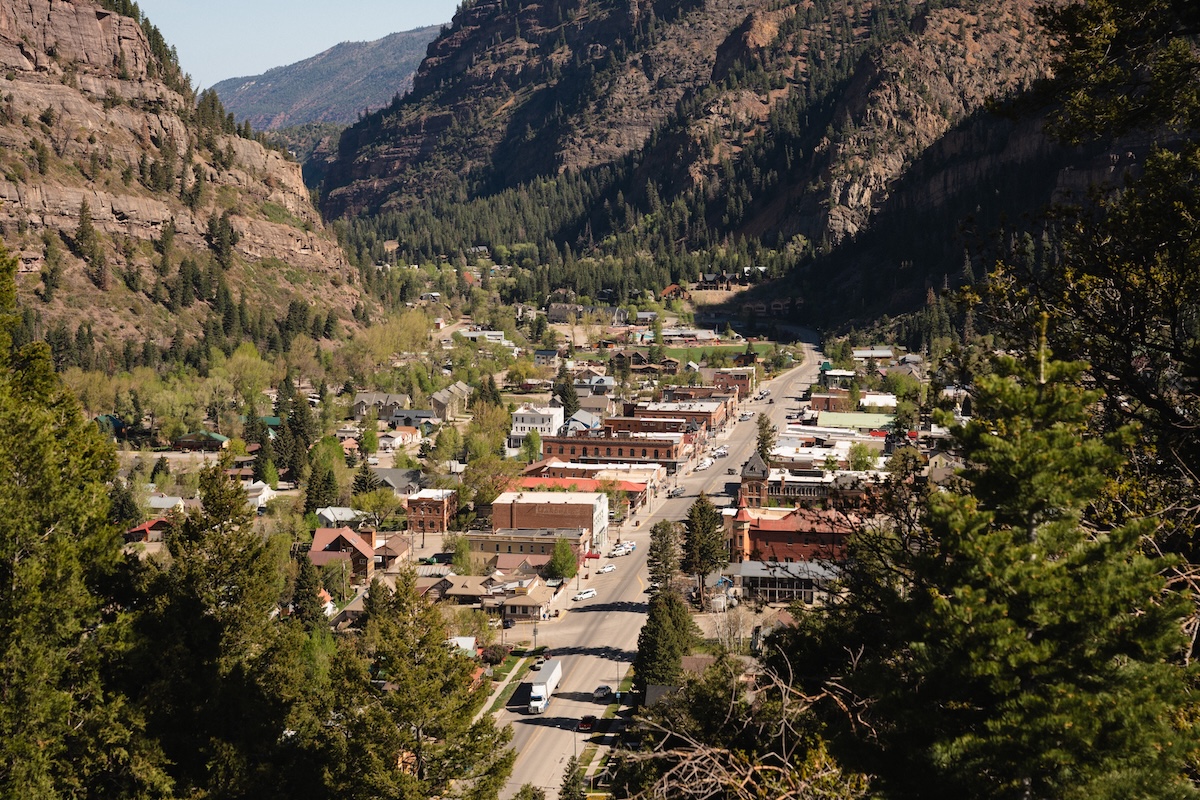
People call Ouray the “Switzerland of America.” One look at the box canyon of jagged peaks around town explains why. Ouray sits at about 7,800 feet in the San Juan Mountains, with Victorian storefronts set against sheer rock walls.
Soak in the Ouray Hot Springs Pool, then hike to Box Canyon Falls, where water thunders through a narrow slot. In winter, the Ouray Ice Park turns a gorge into one of the country’s best-known ice-climbing spots. In summer, you can drive the Million Dollar Highway south toward Silverton, though the drop-offs demand your full attention.
Connecticut: Essex
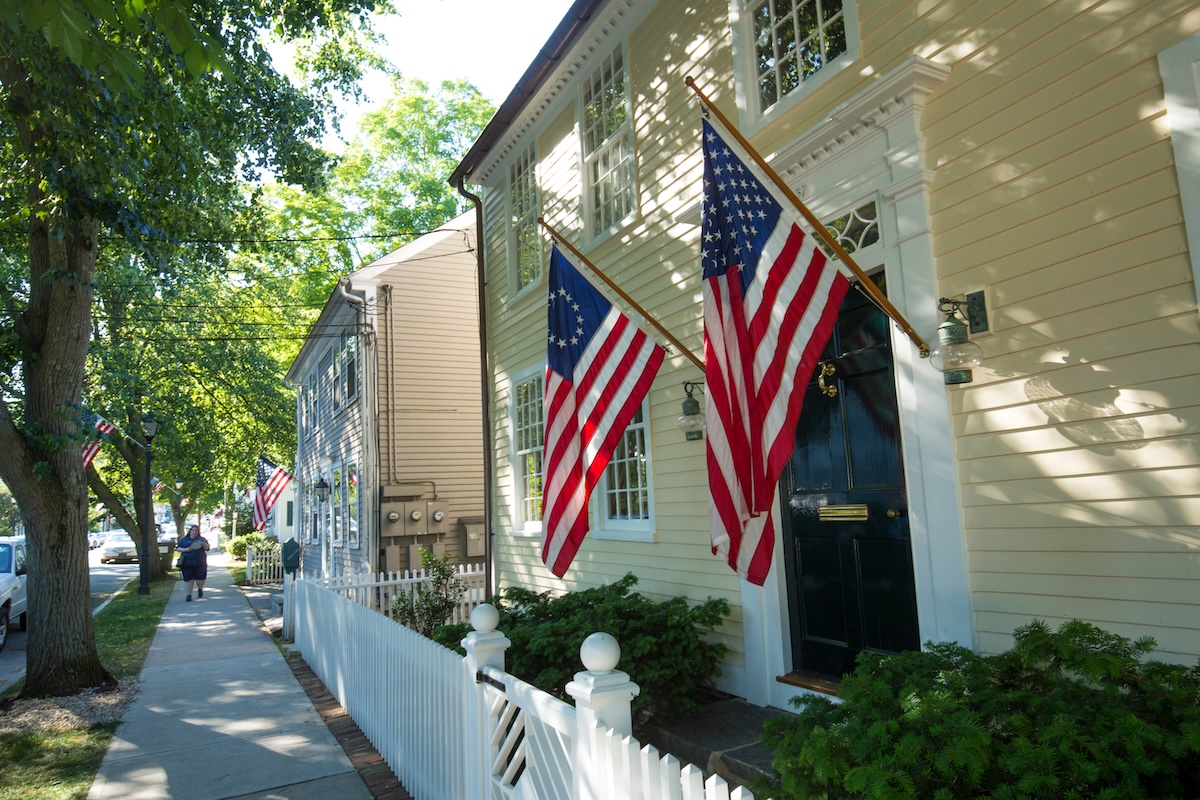
Essex sits at the mouth of the Connecticut River, where white clapboard houses and a busy marina create a classic New England harbor feel. Main Street runs down to the water, passing the Griswold Inn, which has welcomed guests since 1776.
The Connecticut River Museum explores the area’s shipbuilding past, including a British raid on the harbor during the War of 1812. For a slower look at the scenery, ride the Essex Steam Train and connect to a riverboat cruise. Fall is a great time to visit, when foliage lines the riverbanks; bald eagles return in winter.
Delaware: Lewes
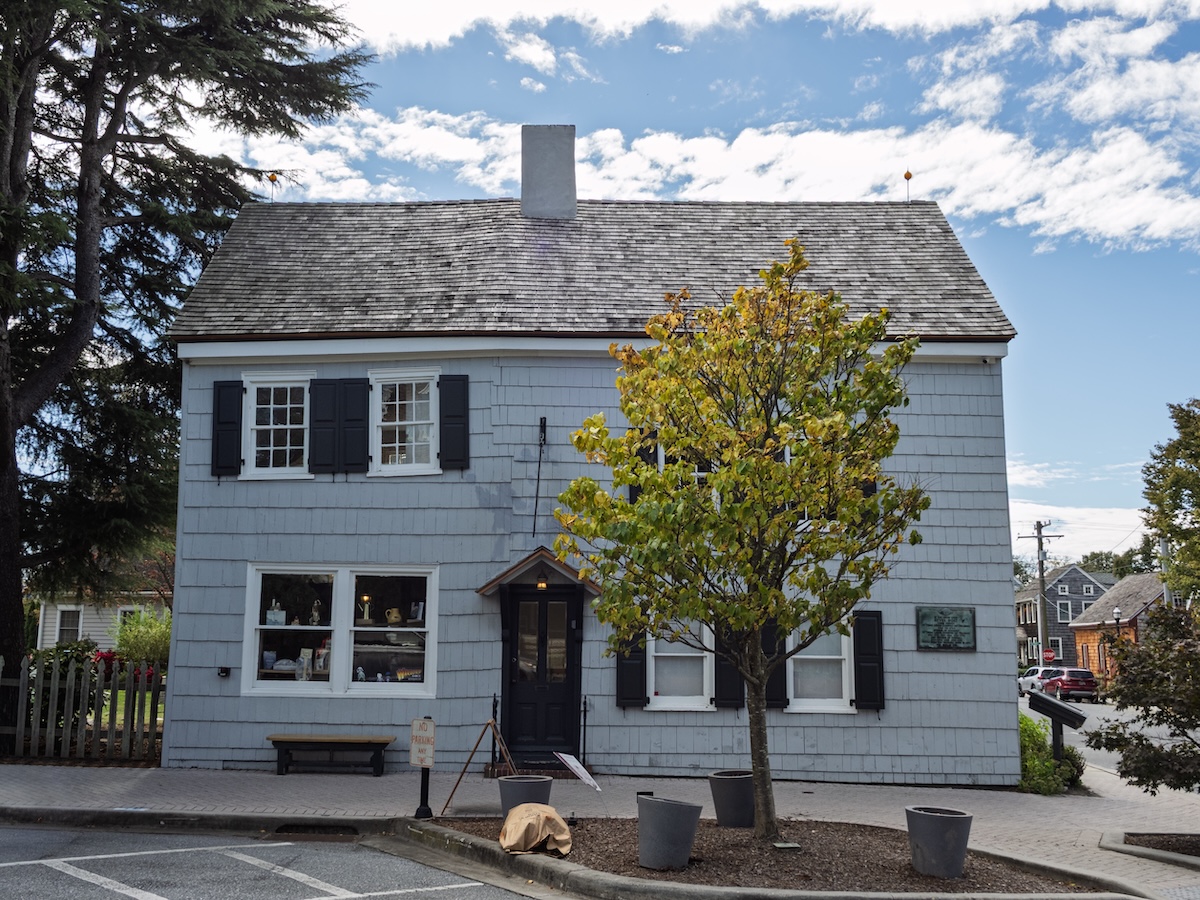
Lewes calls itself “The First Town in the First State,” and its roots go back to a Dutch settlement in 1631. Today, tree-lined streets of restored homes, small shops on Second Street, and an easy pace set it apart from busier beach towns nearby.
Cape Henlopen State Park sits right next door, with dunes, bike paths, and a WWII observation tower you can climb for views over the bay. The Cape May-Lewes Ferry departs from town, making it easy to pair a visit with a trip to New Jersey. The Zwaanendael Museum explores the town’s Dutch heritage in a striking building.
Florida: Apalachicola
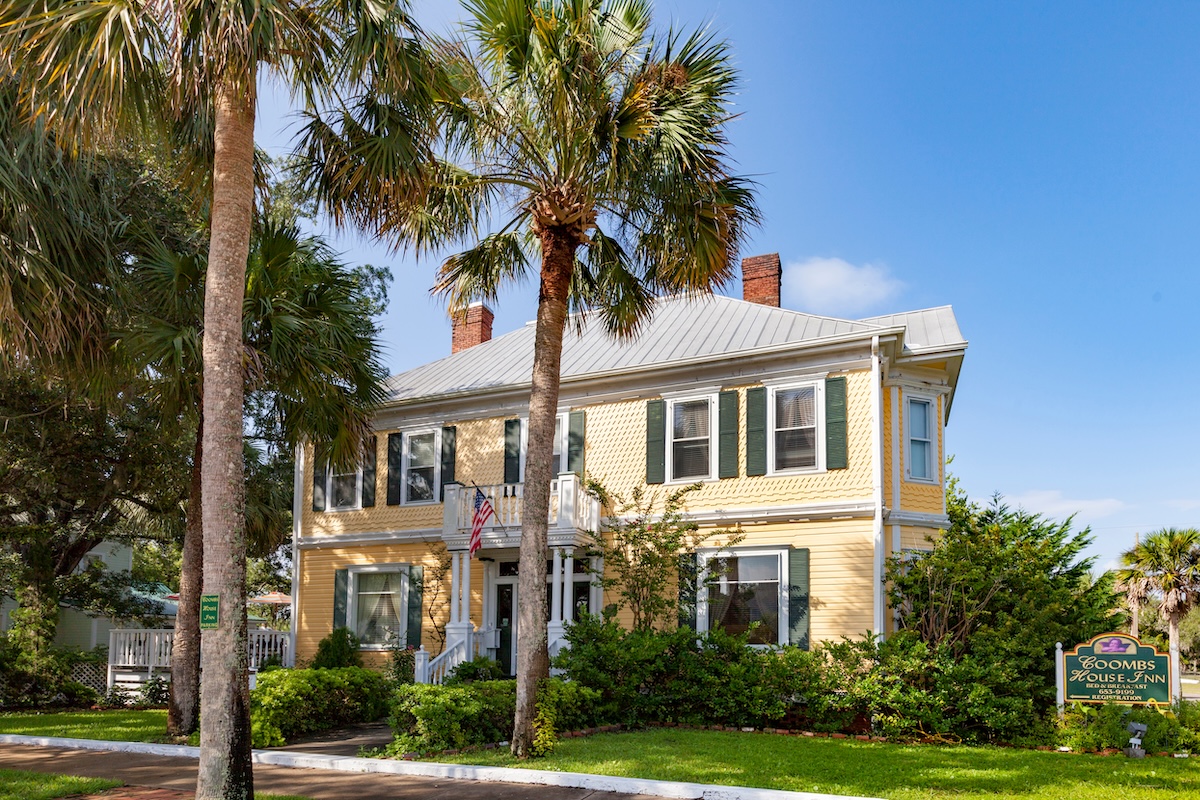
Apalachicola feels like old Florida: a Gulf fishing town where shrimp boats still dock beside brick cotton warehouses. Downtown has a few hundred historic buildings, many dating to the 1800s cotton trade.
Oysters made the town famous, and local seafood is easy to find at waterfront restaurants and raw bars. The John Gorrie Museum State Park honors the local doctor whose ice machine helped pave the way for air conditioning. Nearby St. George Island has uncrowded beaches, while the Apalachicola River and its bay support some of the country’s richest estuaries, perfect for kayaking.
Georgia: Madison
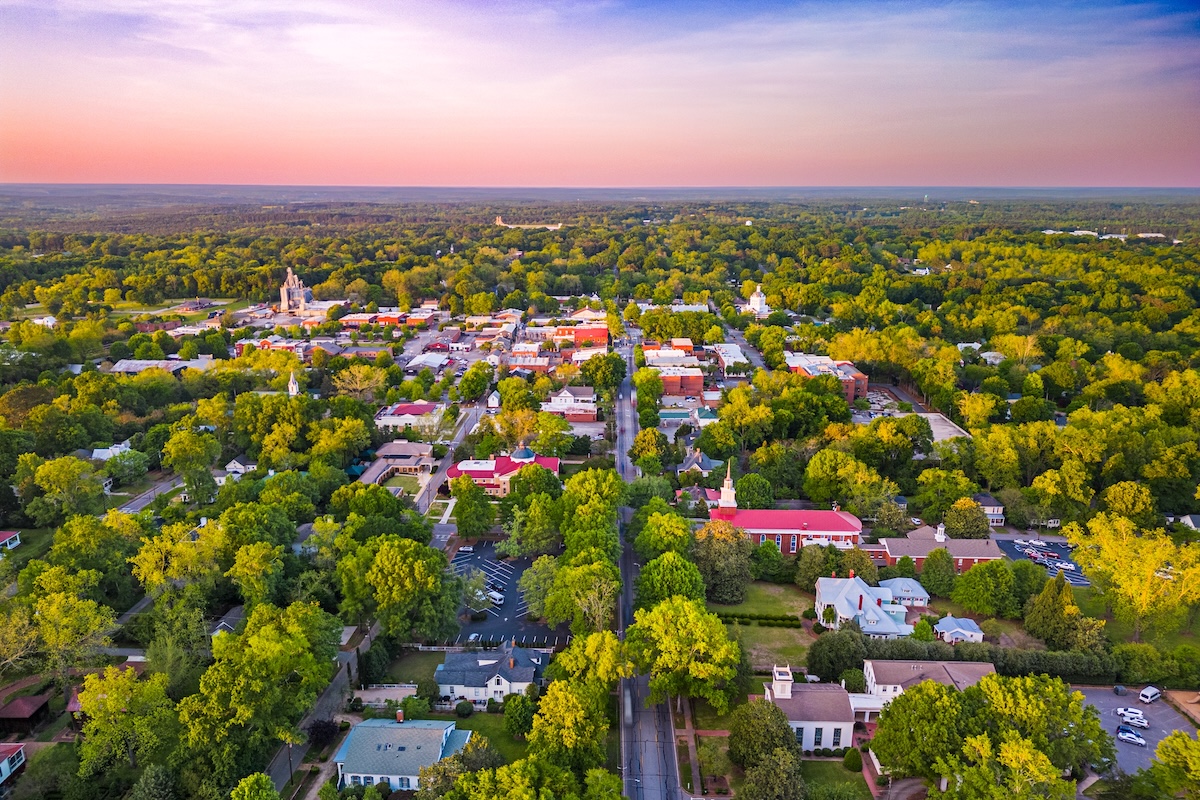
Madison has one of Georgia’s largest historic districts, with antebellum homes and churches arranged around a handsome town square. Local lore says General Sherman spared the town on his March to the Sea, which helps explain how much of it survived.
Tour Heritage Hall, an 1811 Greek Revival home, and browse the antique shops on the square. The Madison-Morgan Cultural Center occupies a restored 1895 schoolhouse and hosts galleries and performances. Spring brings blooming dogwoods and azaleas. About an hour east of Atlanta, Madison also makes an easy day trip.
Hawaii: Hanalei
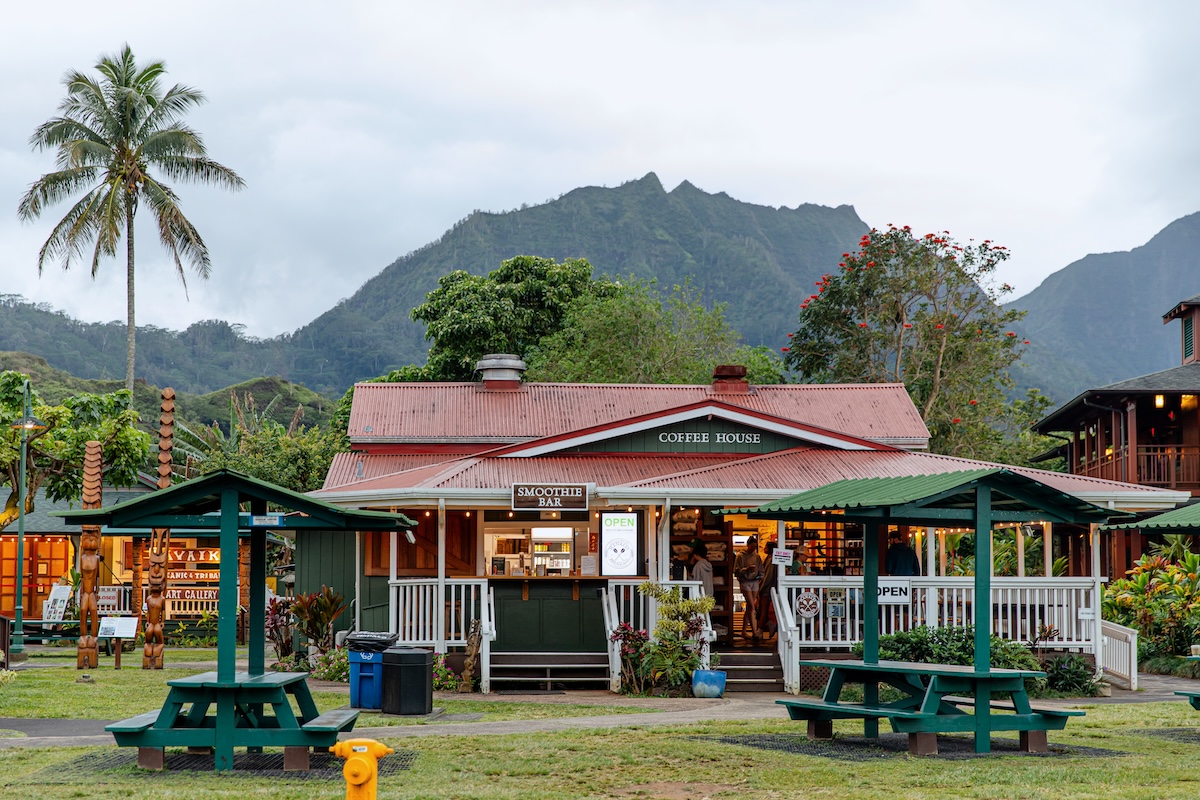
Hanalei, on Kauai’s North Shore, sits beside a crescent bay framed by green mountains streaked with waterfalls after rain. The view on the drive in, across taro fields and over a one-lane bridge, is worth slowing down for.
Hanalei Bay’s long beach and pier draw swimmers in summer and surfers in winter, when big swells roll in. Taro fields in the Hanalei National Wildlife Refuge supply much of Hawaii’s poi crop and shelter endangered native birds. Keep driving west toward Ke’e Beach and the Kalalau Trailhead, but note that Haena State Park requires advance reservations.
Idaho: Wallace
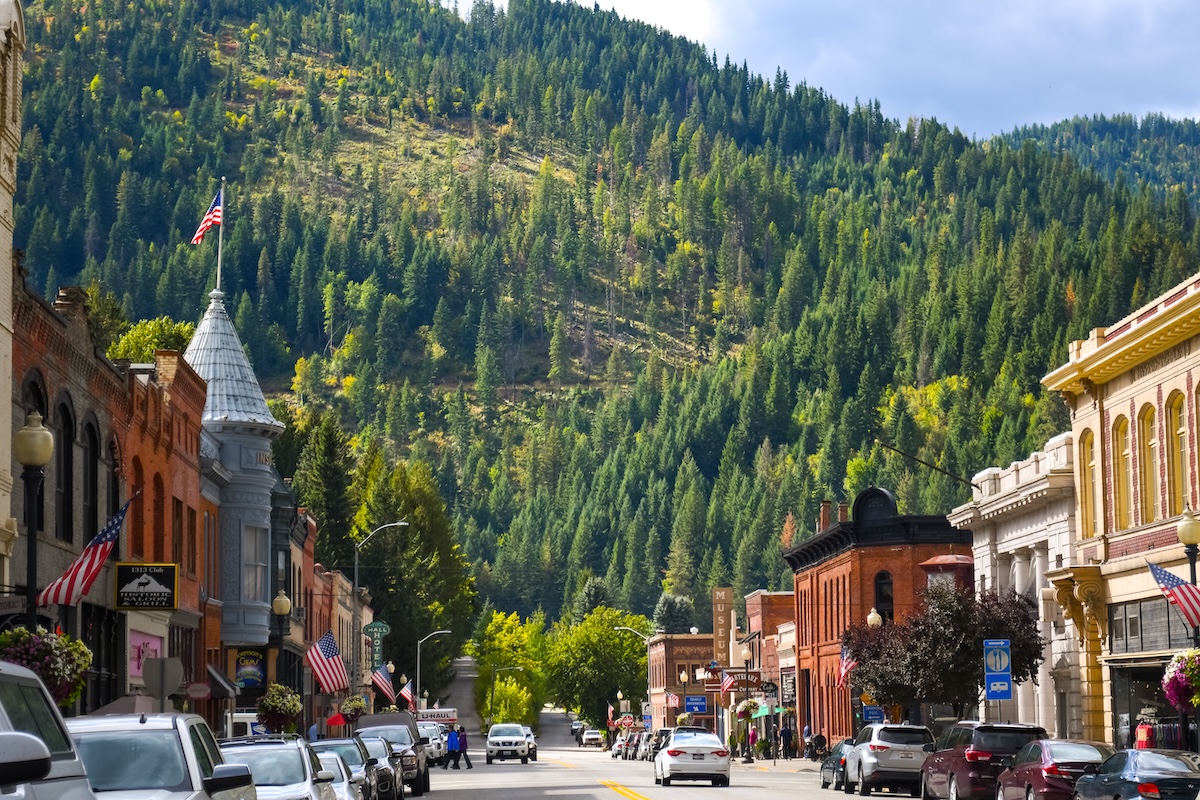
Every building in downtown Wallace is listed on the National Register of Historic Places, giving the whole town the feel of a preserved silver-mining boomtown. Wallace sits in a narrow valley in the Silver Valley of northern Idaho’s Panhandle.
Take the Sierra Silver Mine Tour to see how miners brought ore out of the mountains, then stop at the Oasis Bordello Museum for a franker look at local history. Wallace also claims to be the “Center of the Universe,” marked by a manhole cover downtown. Cyclists come for the nearby Route of the Hiawatha, a rail trail with tunnels and high trestles.
Illinois: Galena
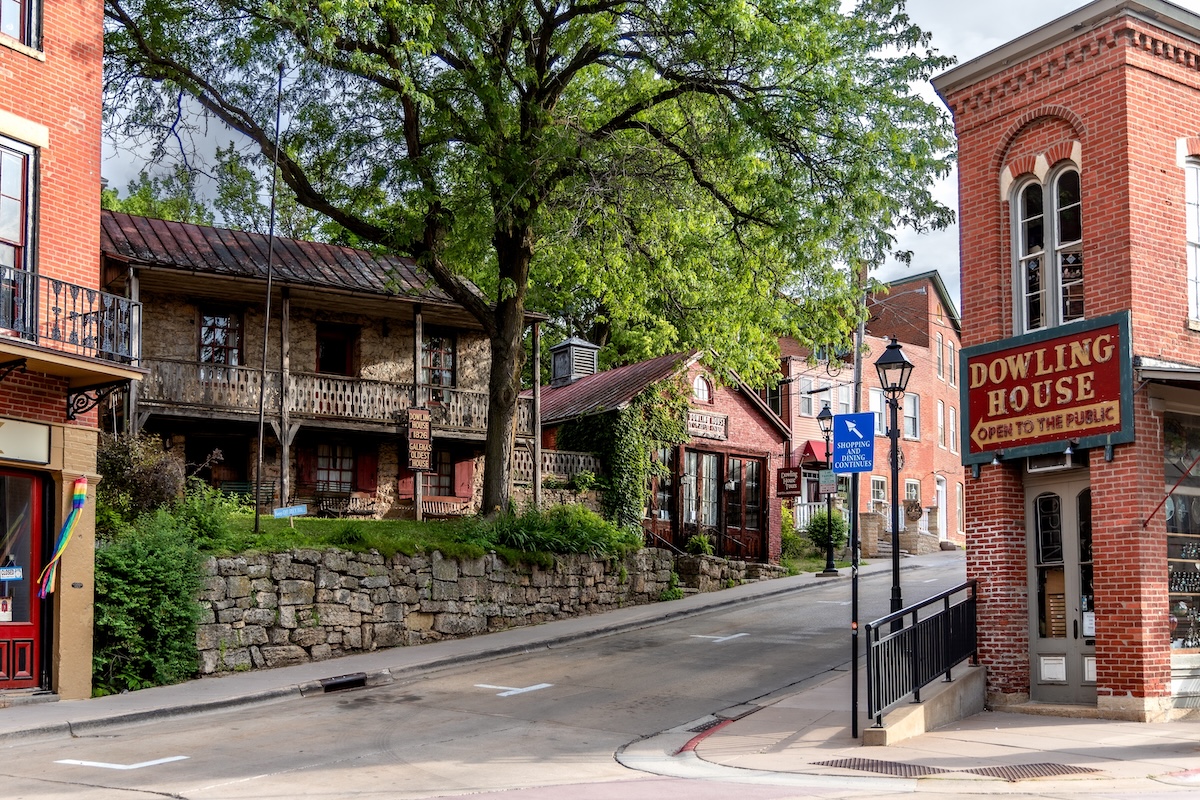
Galena surprises anyone who thinks Illinois is all flat farmland. Its brick downtown climbs bluffs above the Galena River, and much of the town dates to the mid-1800s, when lead mining made it a booming river port.
Ulysses S. Grant lived here, and you can tour the brick home the town gave him after the Civil War. Main Street has more than a hundred shops and restaurants, with wineries in the surrounding hills. Fall makes for beautiful countryside drives, and Chestnut Mountain Resort offers winter skiing above the Mississippi.
Indiana: Madison
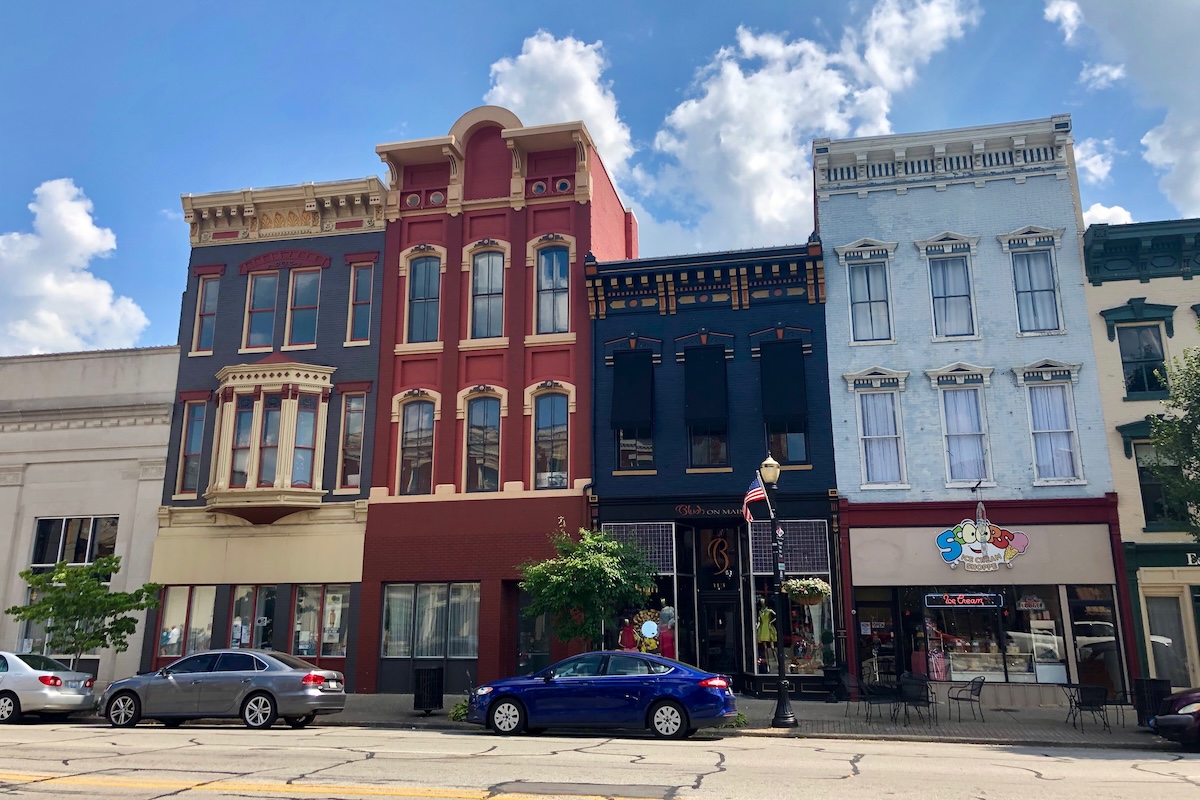
Madison sits on the Ohio River, with wooded hills behind it and one of the country’s largest contiguous National Historic Landmark districts. Its downtown buildings range from Federal to Italianate styles, and many date to the 1800s riverboat era.
Tour the Lanier Mansion, a Greek Revival home with gardens facing the river. Just outside town, Clifty Falls State Park has waterfalls and canyon trails that look their best after spring rains. Summer brings the Madison Regatta, a hydroplane race on the river, and the Ohio River Scenic Byway makes for a particularly pretty drive in.
Iowa: Decorah
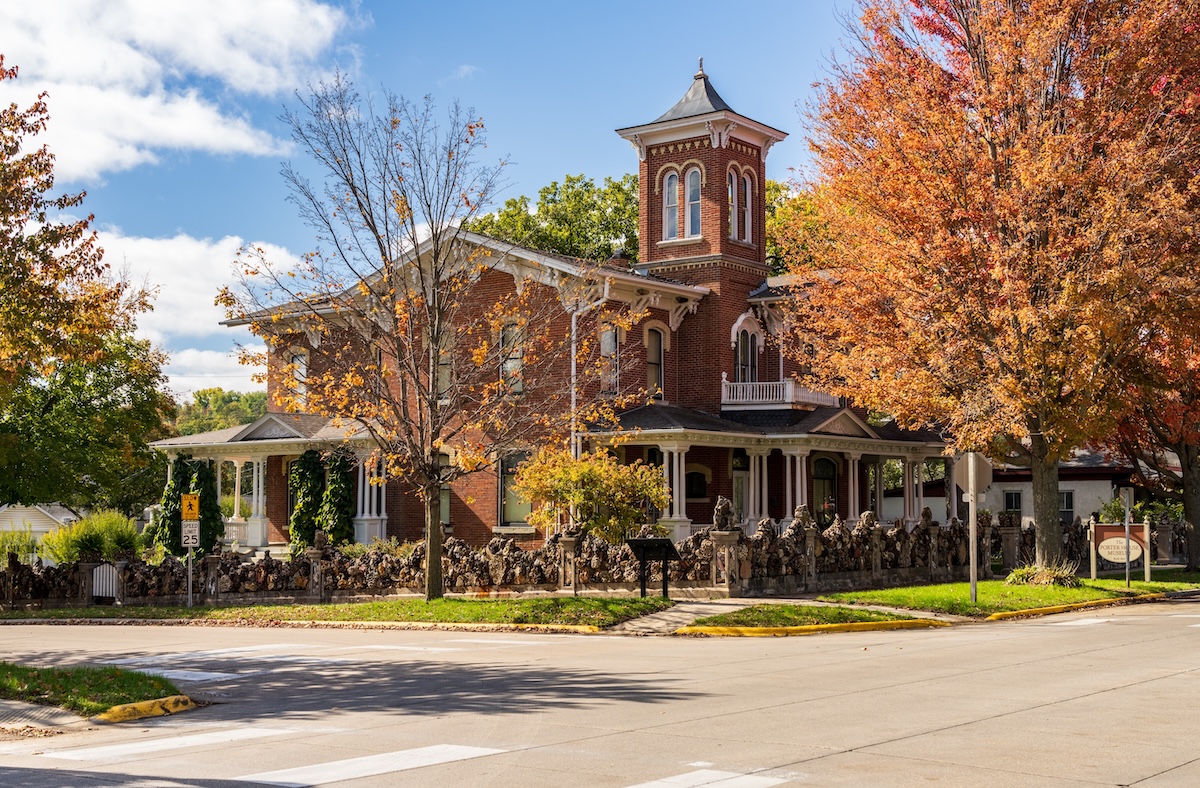
Decorah sits in the bluff country of northeast Iowa, where the land rolls into limestone cliffs and trout streams. Its Norwegian heritage shows in the town’s architecture and festivals.
Visit the Vesterheim National Norwegian-American Museum to see folk art and historic buildings, then walk to Dunning’s Spring, a waterfall just a short stroll from downtown. The Upper Iowa River draws paddlers, and Trout Run Trail loops around town on a paved path. Every July, Nordic Fest brings parades, dancing, and lefse. Decorah is also home to Luther College and Seed Savers Exchange.
Kansas: Lindsborg
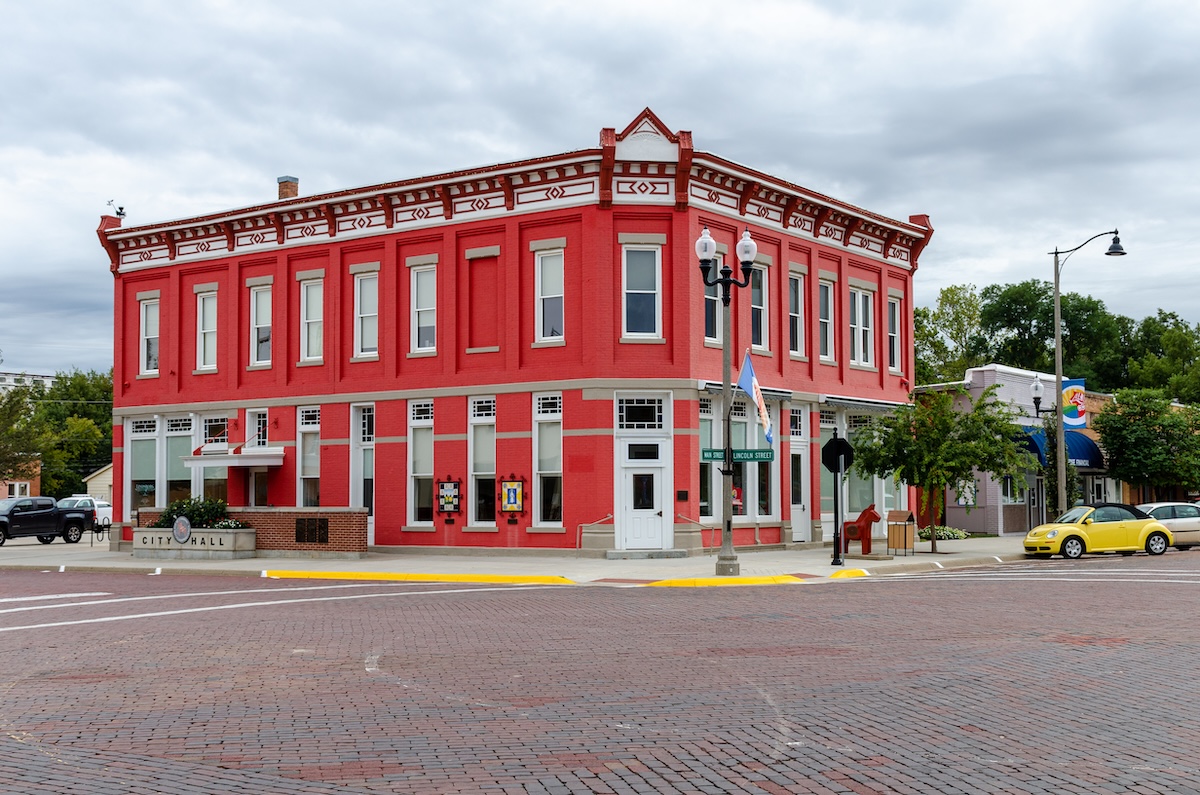
Swedish settlers founded Lindsborg in 1869, and the town still embraces its “Little Sweden” identity. Painted wooden Dala horses stand on downtown corners, and Swedish flags hang from storefronts.
Browse shops selling Scandinavian goods, then visit the Birger Sandzén Memorial Gallery to see work by the Swedish-born painter known for his bold Kansas landscapes. Bethany College hosts the Messiah Festival around Easter, a tradition that dates to 1882. Just outside town, Coronado Heights offers a stone castle shelter and wide views of the Smoky Valley.
Kentucky: Midway
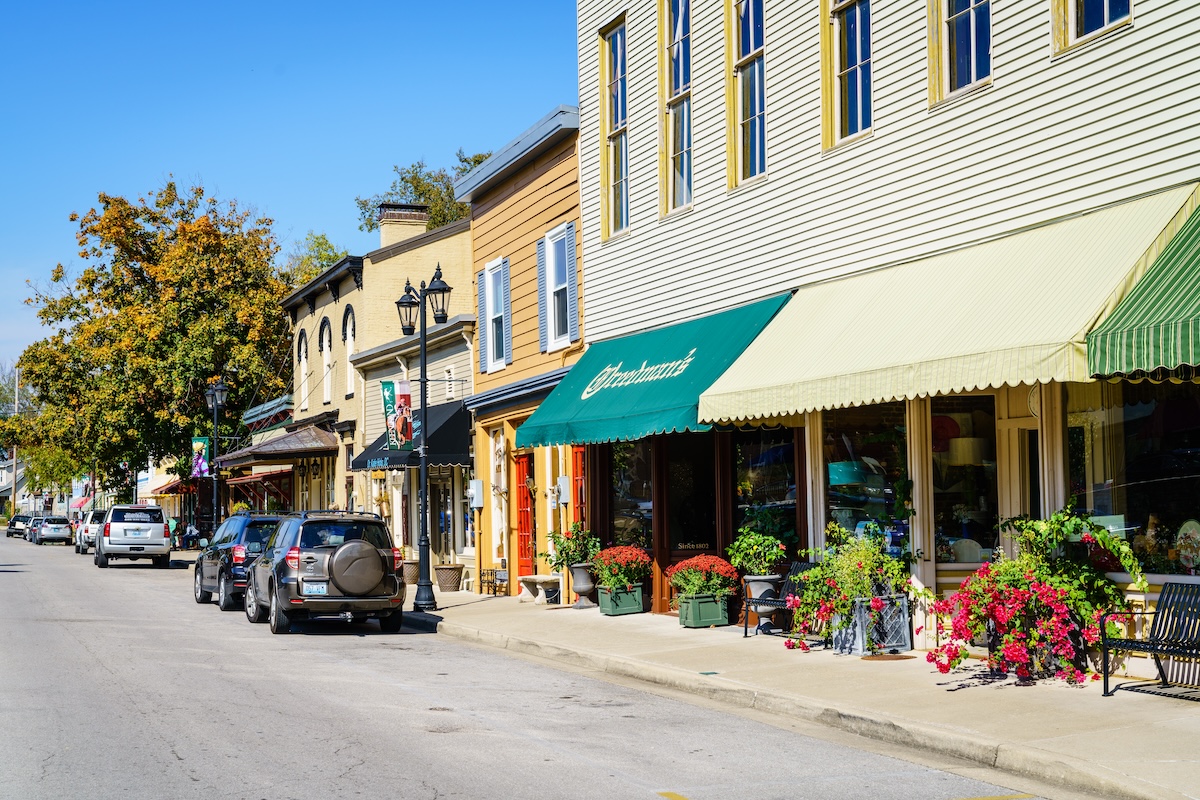
Midway sits in the heart of Bluegrass horse country, with rolling pastures, stone fences, and Thoroughbred farms all around. Train tracks run straight down the middle of its main street, a reminder of its founding as a railroad town in the 1830s.
Restored buildings on Railroad Street house antique shops and restaurants. You’re also close to distillery country, with Woodford Reserve and Castle & Key just minutes away. Several nearby horse farms offer tours by reservation, and Lexington is about 15 miles east, so you can pair city amenities with quiet countryside.
Louisiana: St. Francisville
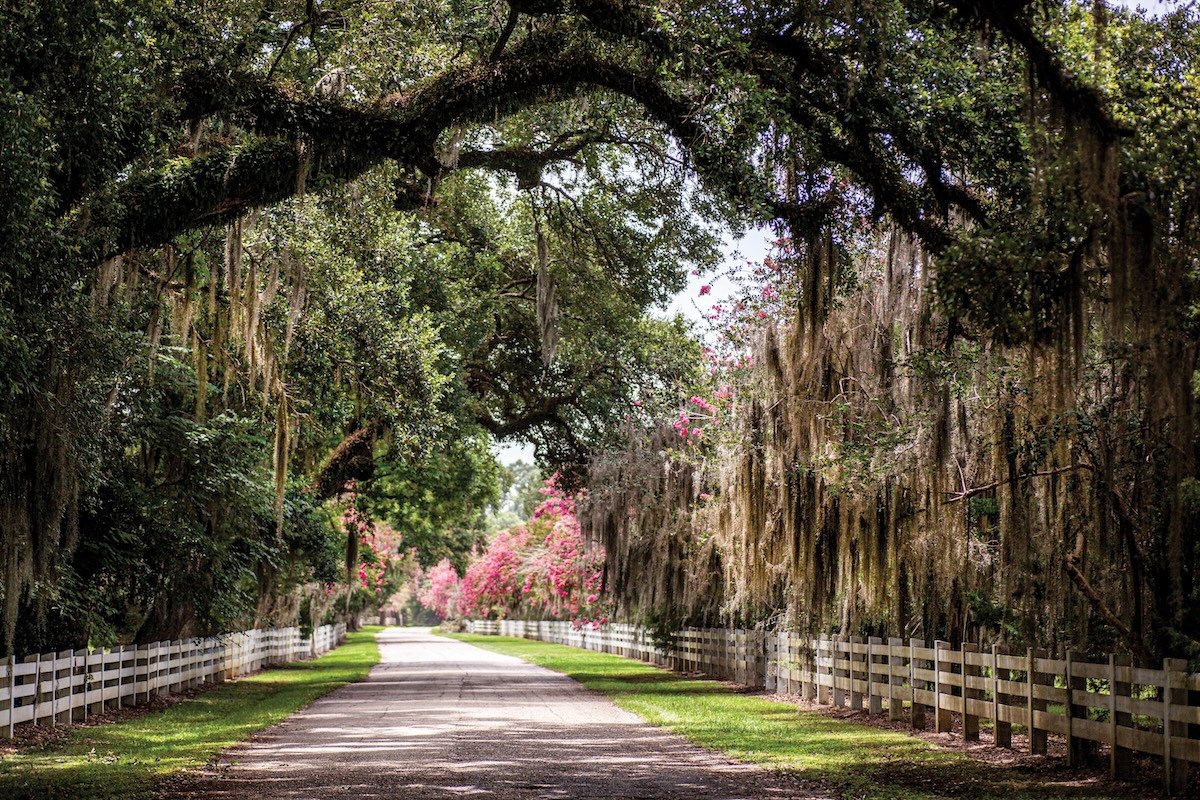
St. Francisville stretches along a ridge above the Mississippi River, its streets shaded by oaks draped in Spanish moss. The town grew among cotton and sugar plantations, and you can tour several historic homes nearby.
Visit Rosedown Plantation State Historic Site for its formal gardens, and Oakley House at Audubon State Historic Site, where John James Audubon worked on his bird paintings. Downtown’s Royal Street historic district has churches and cottages worth a walk. In spring, the Audubon Pilgrimage opens private homes, while nearby Tunica Hills offers hikes with waterfalls.
Maine: Camden
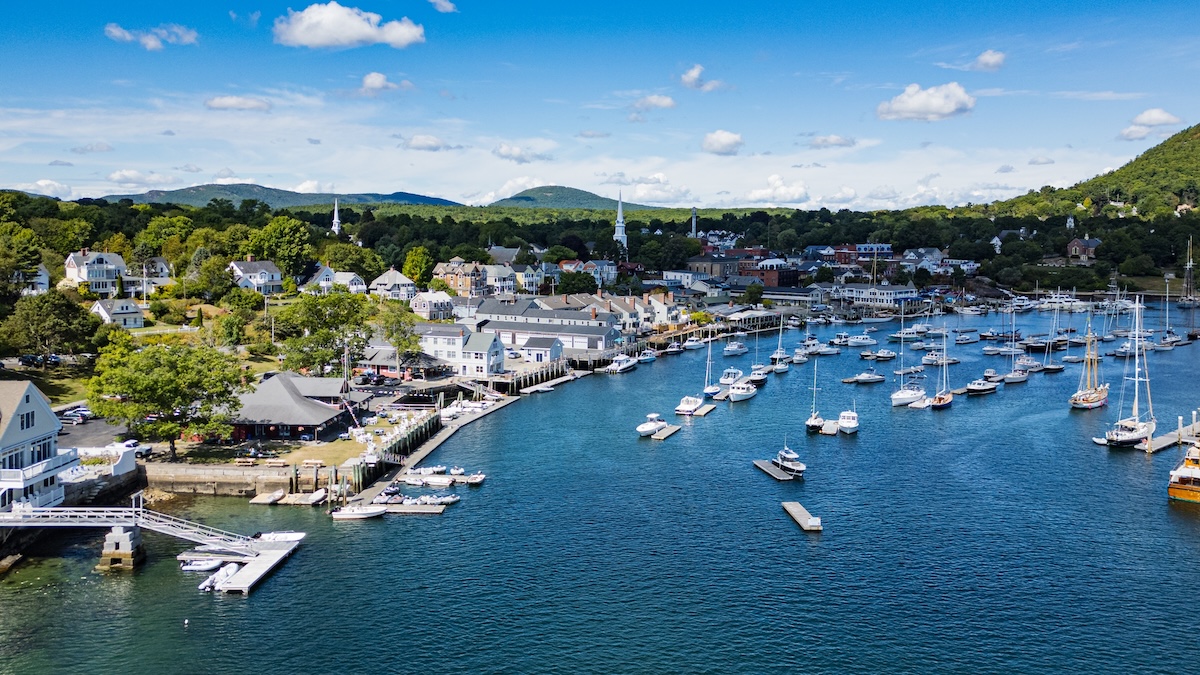
Camden is where the mountains meet the sea. Its harbor, full of sailboats, sits below the hills of Camden Hills State Park. Classic windjammer schooners sail from here on multi-day cruises around Penobscot Bay.
Hike or drive up Mount Battie for a panoramic view of the harbor and islands, the same view that inspired Edna St. Vincent Millay. Downtown has shops, seafood shacks, and the Camden Amphitheatre and Harbor Park by the water. Fall foliage season gets busy, so book inns ahead. Even in summer, evenings can be cool.
Maryland: St. Michaels
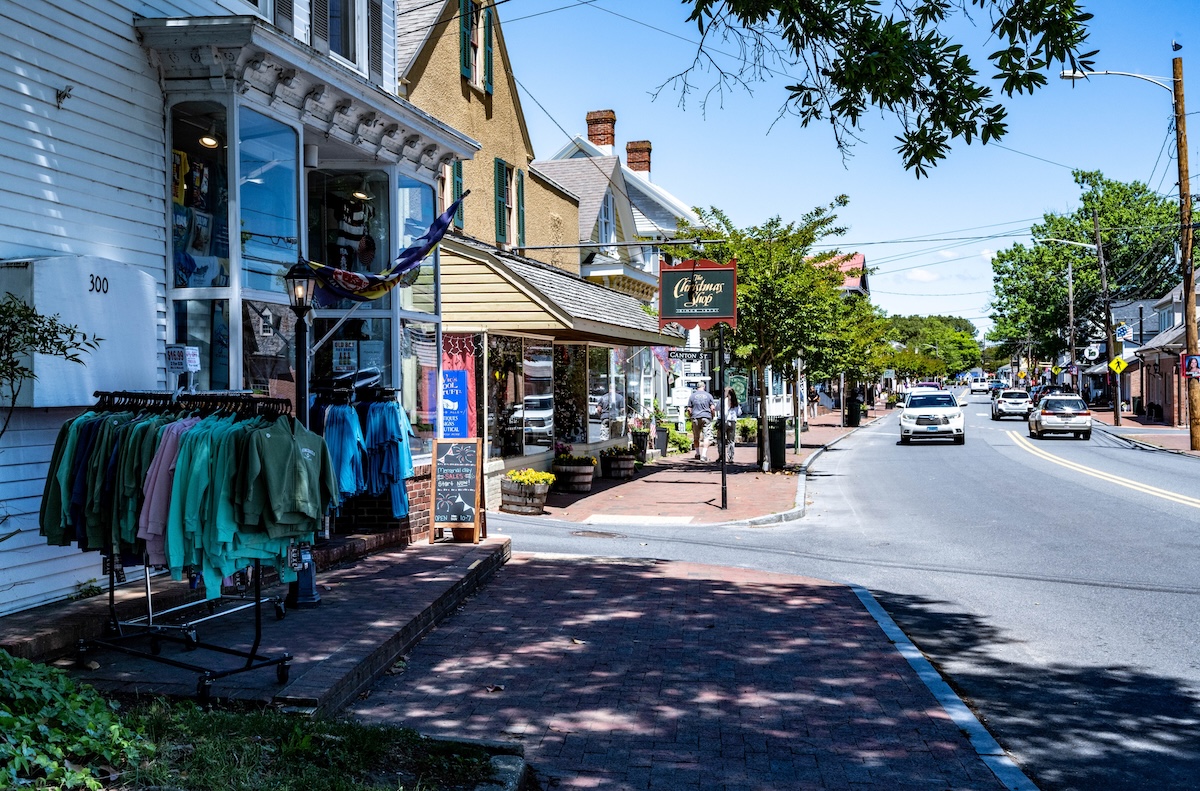
St. Michaels is a historic shipbuilding town on Maryland’s Eastern Shore, along the Miles River off the Chesapeake Bay. Colonial and Victorian buildings line Talbot Street, now home to shops and restaurants.
The Chesapeake Bay Maritime Museum stretches along the waterfront and includes the Hooper Strait Lighthouse and a working boatyard. Eat steamed crabs on the docks, take a sailing cruise, or rent bikes for the flat roads to Tilghman Island. Local legend says the town fooled British gunners in 1813 by hanging lanterns in the trees.
Massachusetts: Rockport
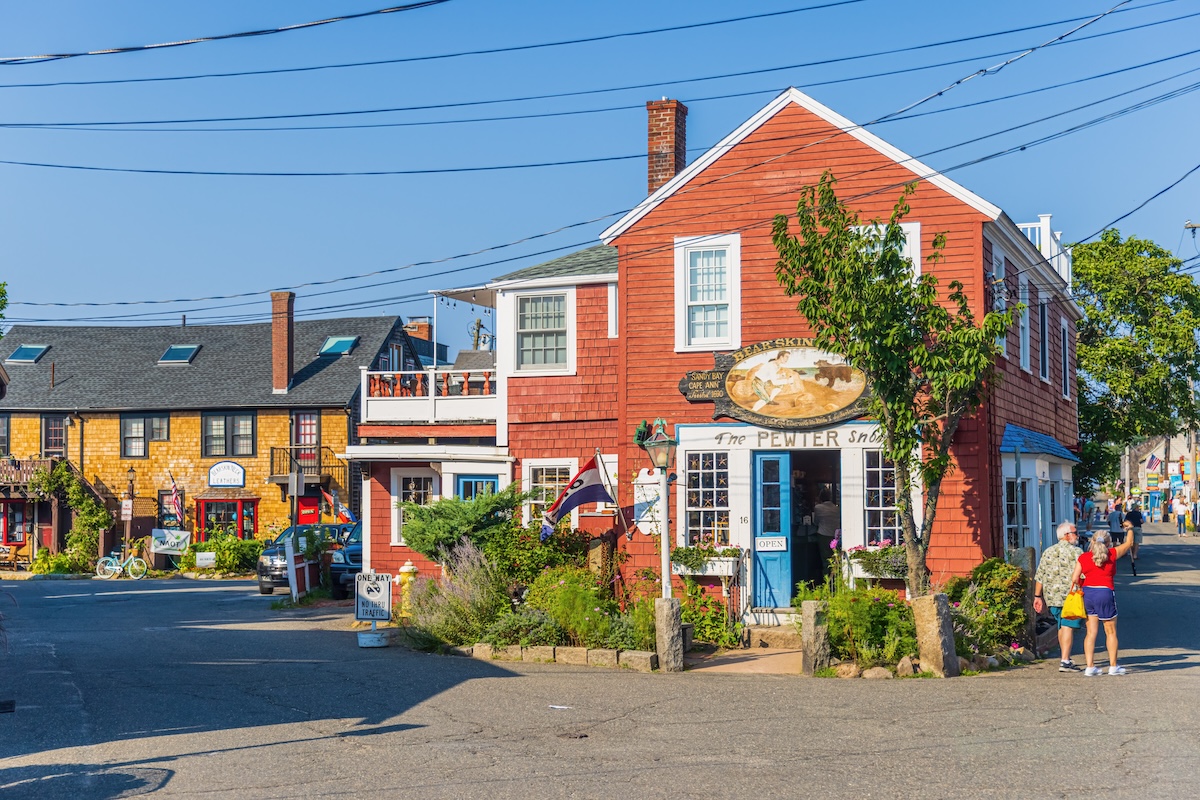
Rockport sits at the tip of Cape Ann, a fishing village turned art colony with granite shores and a harbor that painters have loved for over a century. The red fishing shack on the wharf, called Motif No. 1, may be the most painted building in America.
Walk Bearskin Neck, a narrow strip of land lined with galleries, shops, and seafood stands. Halibut Point State Park offers views of an old granite quarry and the rocky coastline. Rockport’s commuter rail connection to Boston makes it easy to visit without a car, a plus since summer parking fills up.
Michigan: Mackinac Island
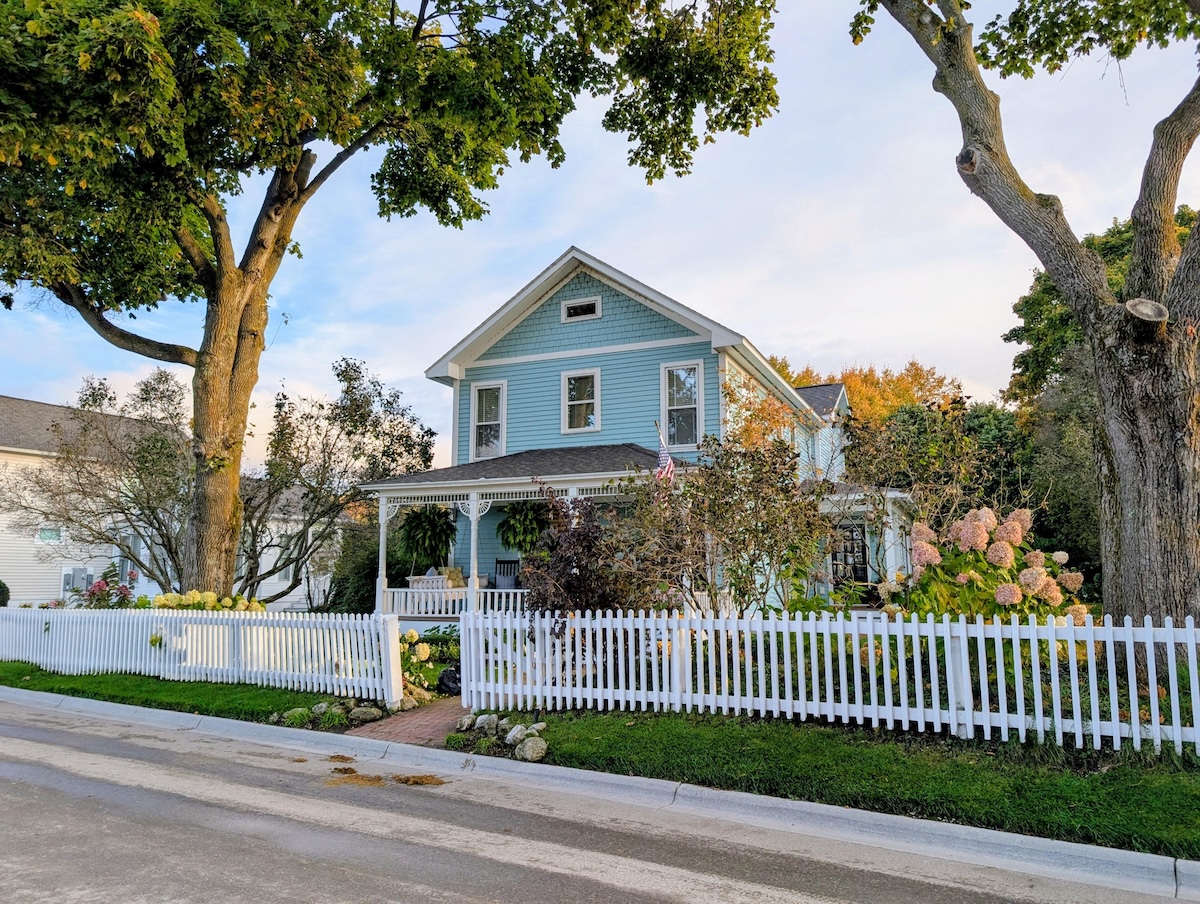
Cars have been banned on Mackinac Island since the late 1890s, so you’ll get around by bike, horse-drawn carriage, or on foot. The island sits in Lake Huron between Michigan’s peninsulas, and you can reach it by ferry.
Most of the island belongs to Mackinac Island State Park, with limestone formations like Arch Rock and an eight-mile road that circles the shore. Fort Mackinac dates to the Revolutionary era, and the Grand Hotel boasts a famously long front porch. Grab fudge downtown, where shops have made it for generations. The busiest season runs from late spring through fall.
Minnesota: Lanesboro
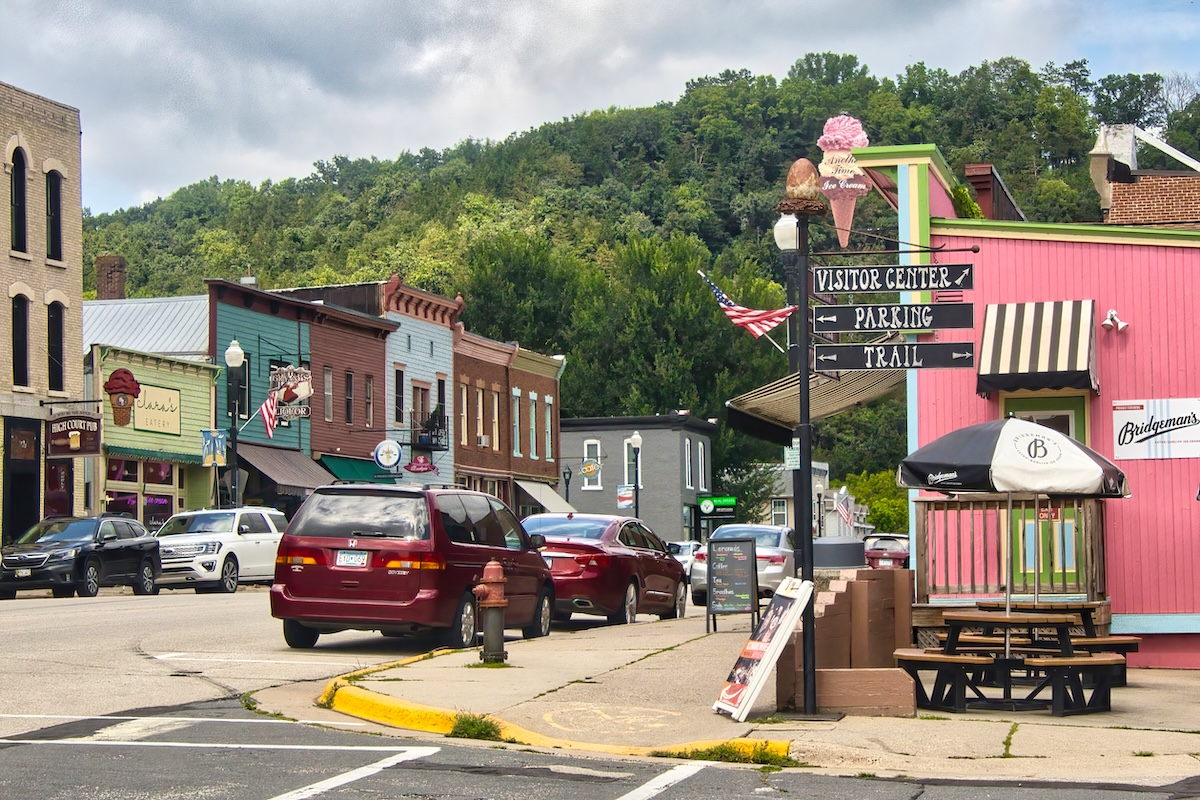
Lanesboro sits in a limestone river valley in southeast Minnesota, surrounded by bluffs and farms in the state’s Driftless Area. Its brick downtown along the Root River has the well-preserved look of the 1800s.
The Root River State Trail runs right through town along a paved former rail line that’s popular with cyclists. You can also canoe or tube the river, or fish for trout in nearby streams. The Commonweal Theatre stages plays year-round, and Amish farms in the surrounding countryside sell baked goods and crafts. Fall brings strong color to the bluffs.
Mississippi: Natchez
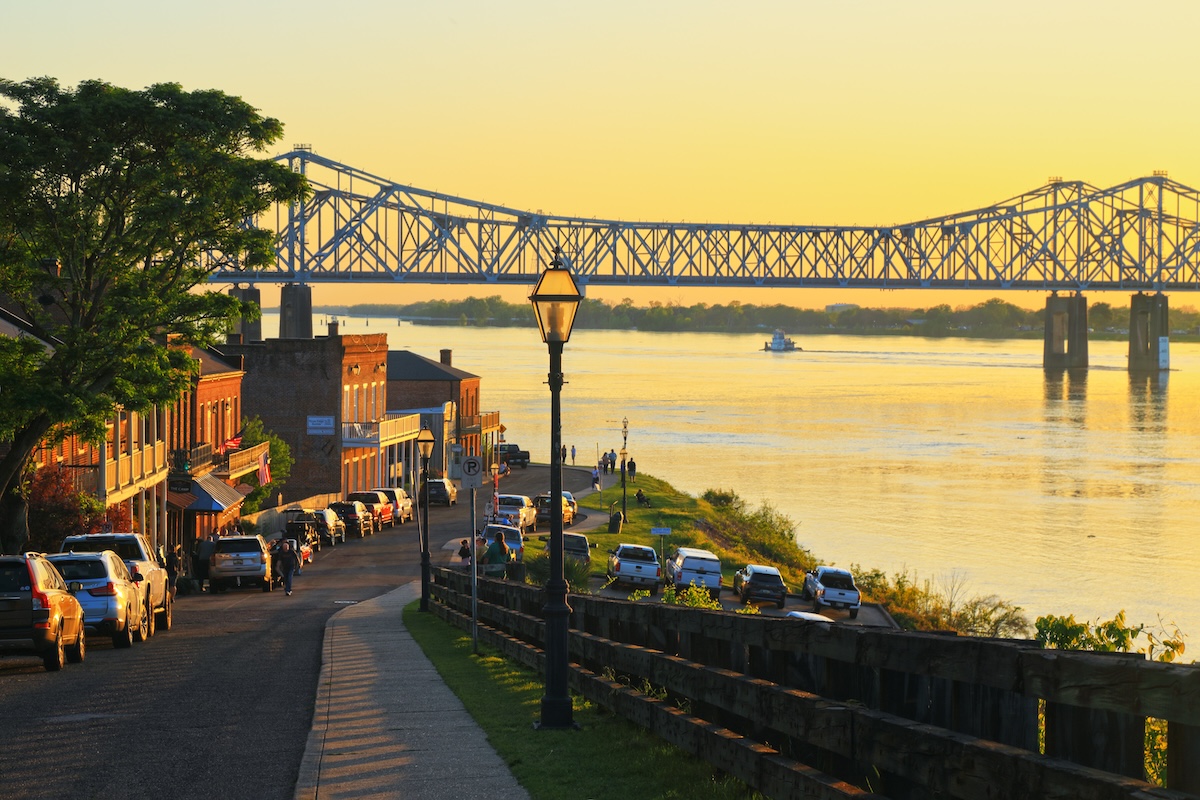
Natchez claims one of the country’s largest collections of antebellum homes, perched on bluffs above the Mississippi River. It’s also the oldest European settlement on the river, founded in 1716.
Tour homes like Longwood, an unfinished octagonal mansion, and Stanton Hall. The Natchez Pilgrimage opens private houses to visitors in spring and fall. Learn about the region’s Native and Black history at the Grand Village of the Natchez Indians and Natchez National Historical Park. The town also marks the southern end of the Natchez Trace Parkway.
Missouri: Hermann
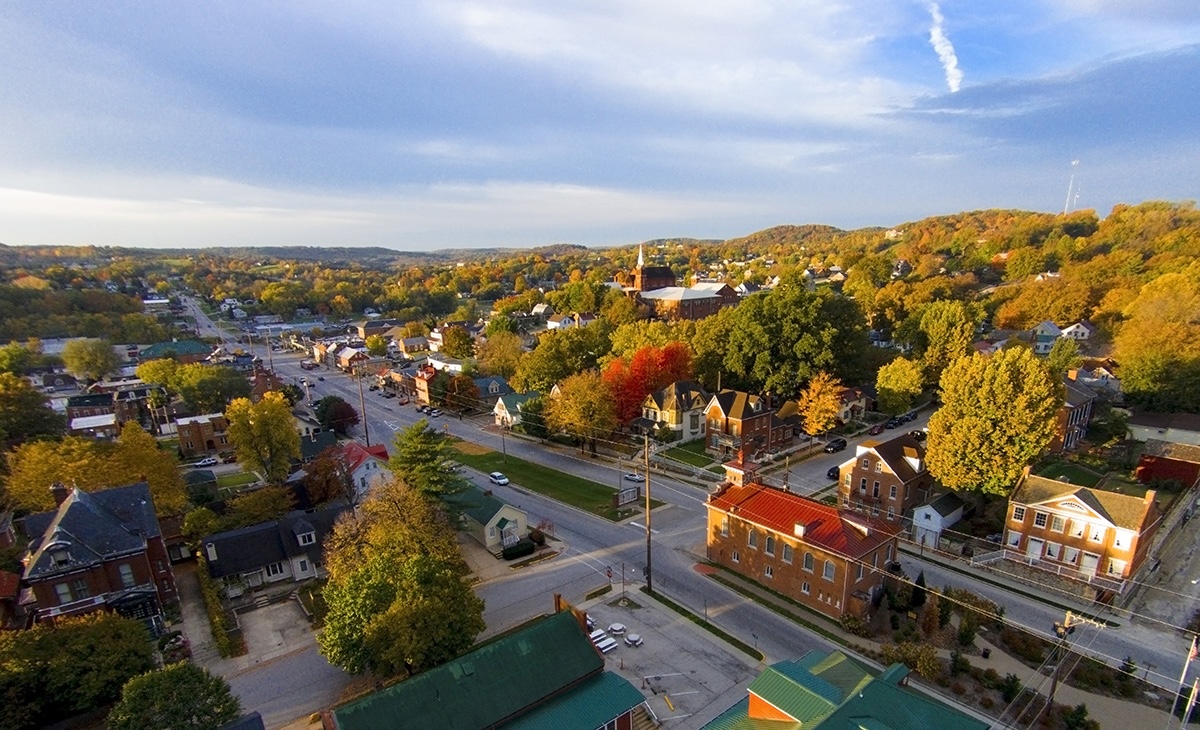
German immigrants founded Hermann in the 1830s along the Missouri River, bringing winemaking with them. Today, the town anchors a wine region, with brick buildings and vineyards climbing the hills above the river.
Stone Hill Winery, with its arched cellars, and Hermannhof are local favorites. The Deutschheim State Historic Site covers German immigrant life, and you’ll find that heritage alive at Maifest and Oktoberfest. Amtrak’s Missouri River Runner stops in town, so you can sample wine without driving. The Katy Trail also passes just across the river.
Montana: Philipsburg
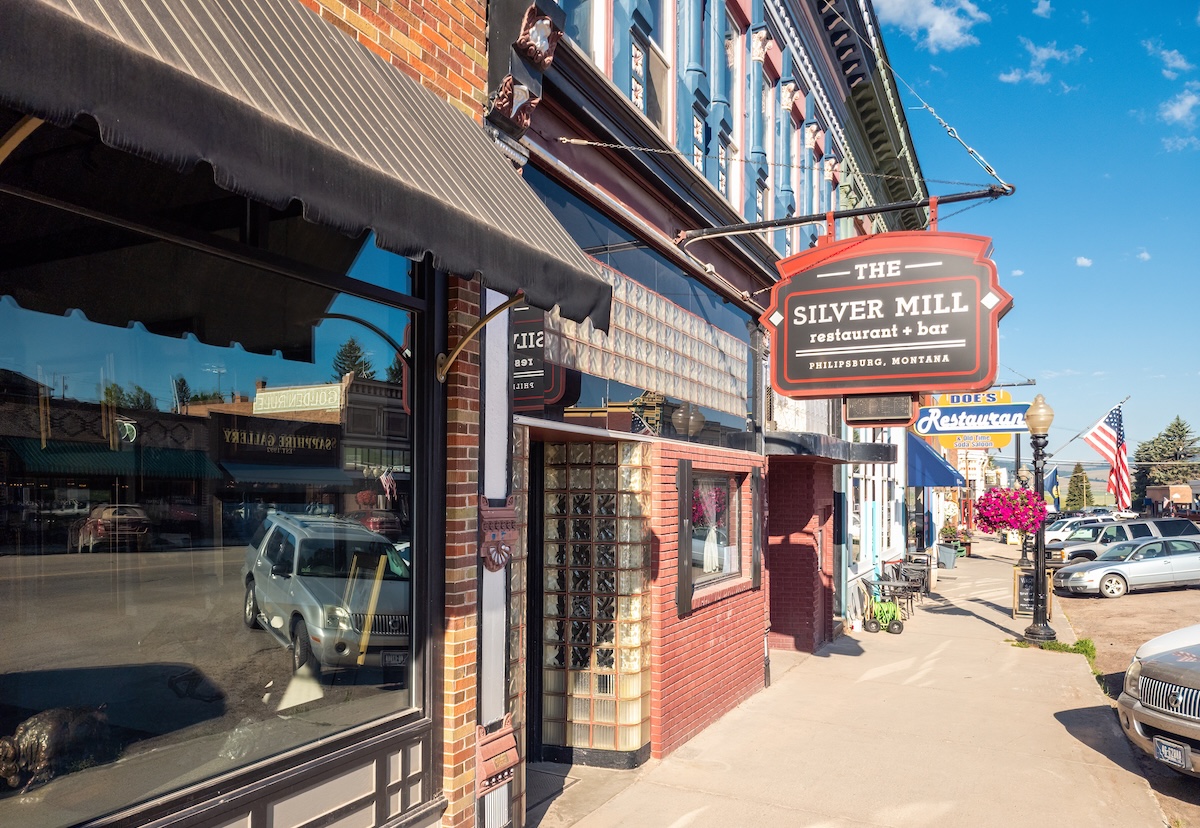
Philipsburg is a former silver-mining town in southwestern Montana, with colorful restored storefronts set against the mountains. Its main street, Broadway, climbs gently uphill, offering views of the Flint Creek Range.
Stop at The Sweet Palace, a candy shop known for huge selections and homemade treats. Nearby, you can dig for sapphires at mines that let you sift gravel yourself. Ghost towns like Granite sit a short drive away, and Georgetown Lake offers fishing and boating. In winter, Discovery Ski Area is about 20 minutes away.
Nebraska: Plattsmouth
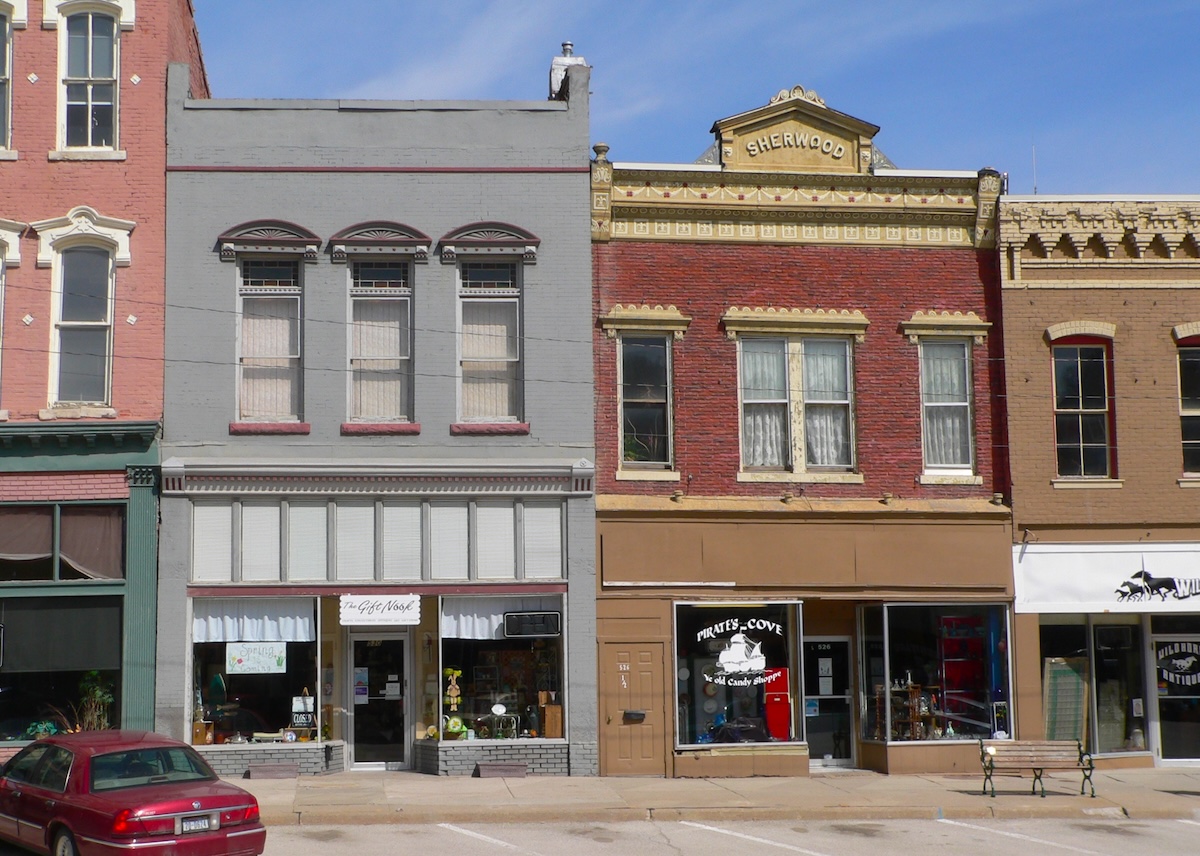
Plattsmouth sits where the Platte River meets the Missouri, with a historic downtown of 1800s brick buildings on a hillside. It’s one of Nebraska’s older towns, founded in the 1850s.
Main Street has antique shops, local restaurants, and the Cass County Historical Museum. Walk the bluffs for river views, and check out nearby Platte River State Park and Schramm Park for hiking and fishing. Its location between Omaha and Lincoln makes it an easy day trip, and the town hosts festivals like Kass Kounty King Korn Karnival each summer.
Nevada: Genoa
Genoa is Nevada’s first permanent non-Native settlement, established as a trading post in 1851. It sits at the base of the Carson Range in the Carson Valley, with green meadows and mountains rising sharply behind it.
Visit Mormon Station State Historic Park to see a replica of the original trading post. The Genoa Bar claims the title of Nevada’s oldest thirst parlor. Nearby, David Walley’s Hot Springs Resort offers soaking pools, and Lake Tahoe is a short drive over Kingsbury Grade. Fall brings the Candy Dance, a craft fair and tradition since 1919.
New Hampshire: Sugar Hill
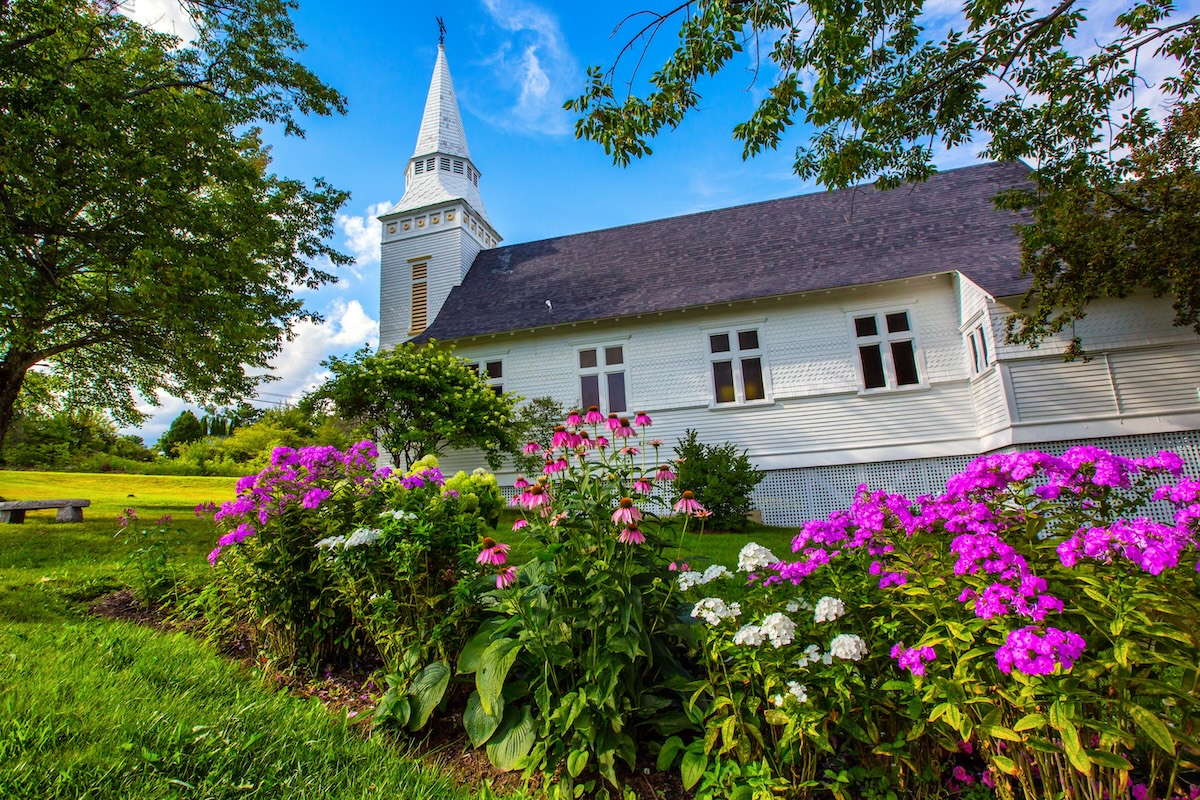
Sugar Hill sits on a ridge in the White Mountains, with views of the Franconia Range that are hard to beat. The town is tiny, with a few historic inns and farms scattered across the hills.
Visit in June, when fields of wild lupine bloom purple and pink during the Lupine Festival. Polly’s Pancake Parlor has served pancakes here since 1938. Franconia Notch State Park, with the Flume Gorge and Cannon Mountain aerial tramway, is just a few minutes away. Fall foliage is spectacular, and Harman’s Cheese & Country Store offers aged cheddar.
New Jersey: Cape May
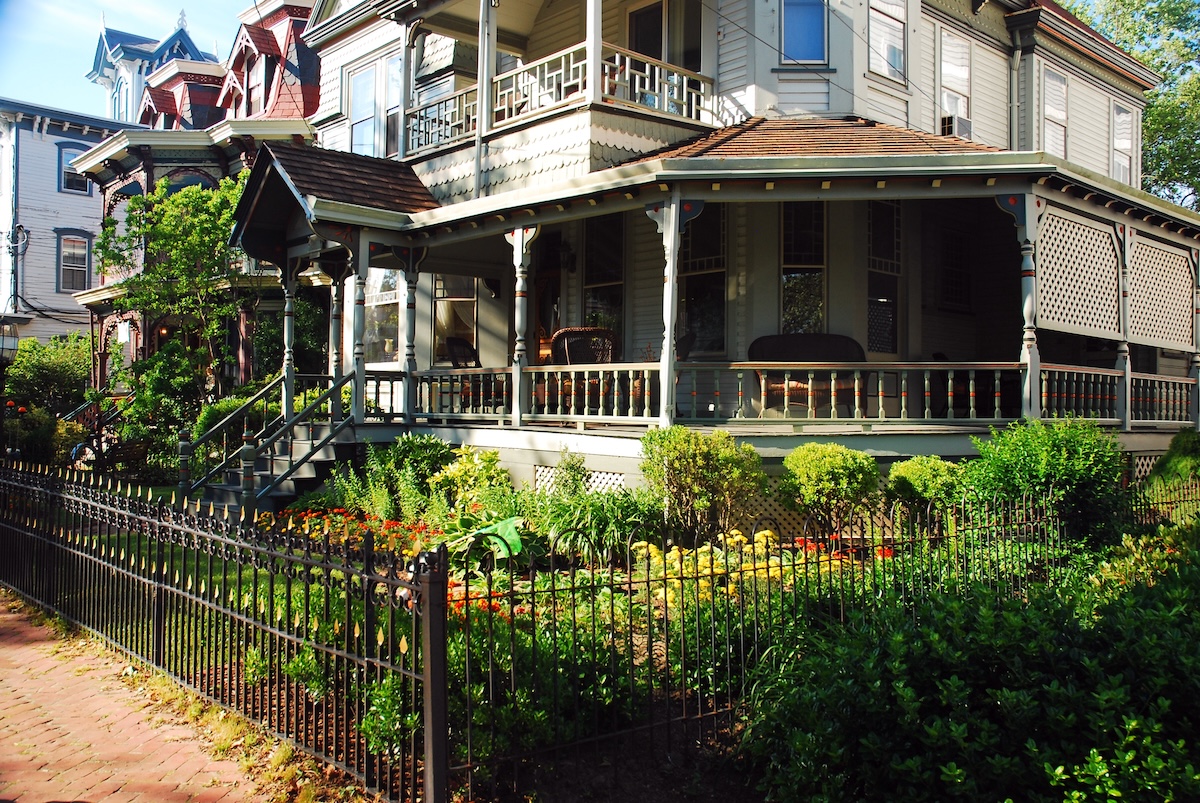
Cape May has one of the country’s largest collections of Victorian buildings, with gingerbread-trimmed homes painted in bright colors. The whole town is a National Historic Landmark, thanks largely to rebuilding after an 1878 fire.
Tour the Emlen Physick Estate, then climb the Cape May Lighthouse for views over the beach. Sunset Beach is known for Cape May diamonds, quartz pebbles that wash ashore. Birders visit during spring and fall migration, when Cape May becomes a major flyway. Off-season visits are quieter and often cheaper.
New Mexico: Taos
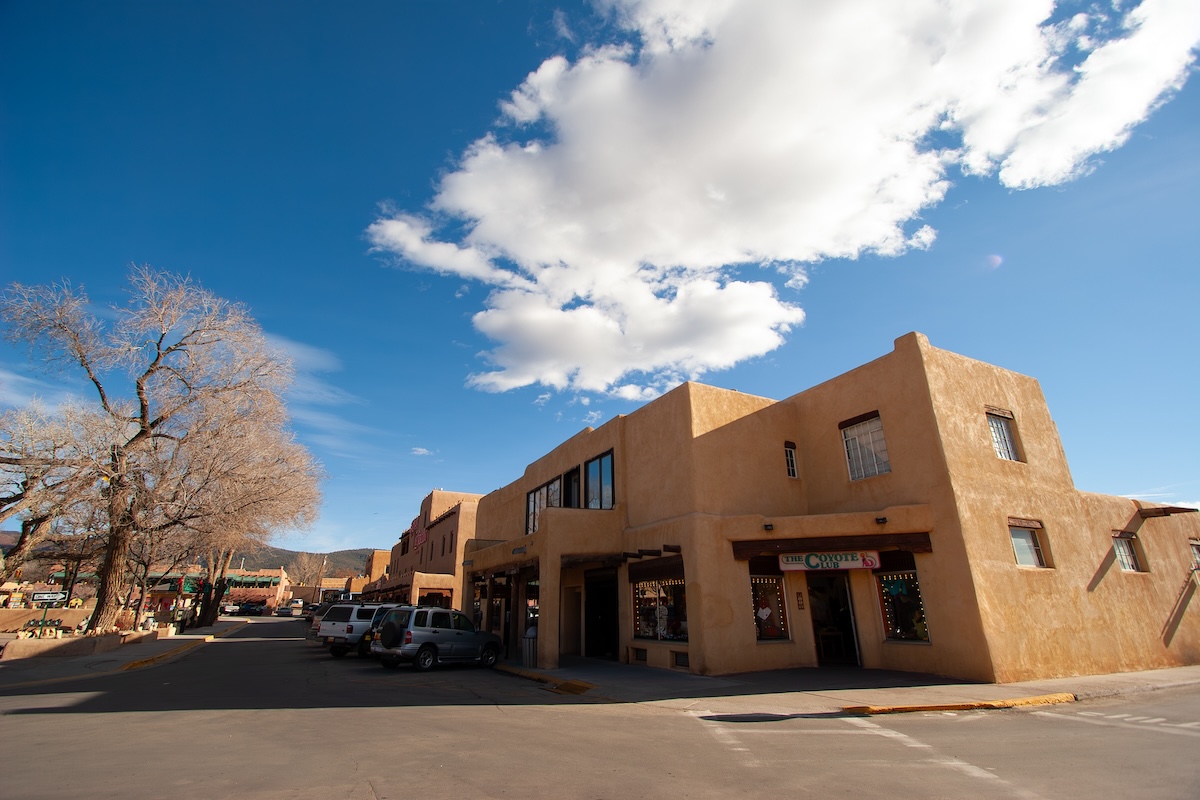
Taos sits in the high desert at the foot of the Sangre de Cristo Mountains, where adobe buildings glow beneath huge skies. The town has drawn artists for more than a century, and galleries fill its historic plaza and side streets.
Taos Pueblo, a UNESCO World Heritage Site, has been continuously lived in for roughly a thousand years. Cross the Rio Grande Gorge Bridge for a dizzying view of the river far below. Visit San Francisco de Asís Church in nearby Ranchos de Taos. In winter, Taos Ski Valley offers steep slopes.
New York: Skaneateles
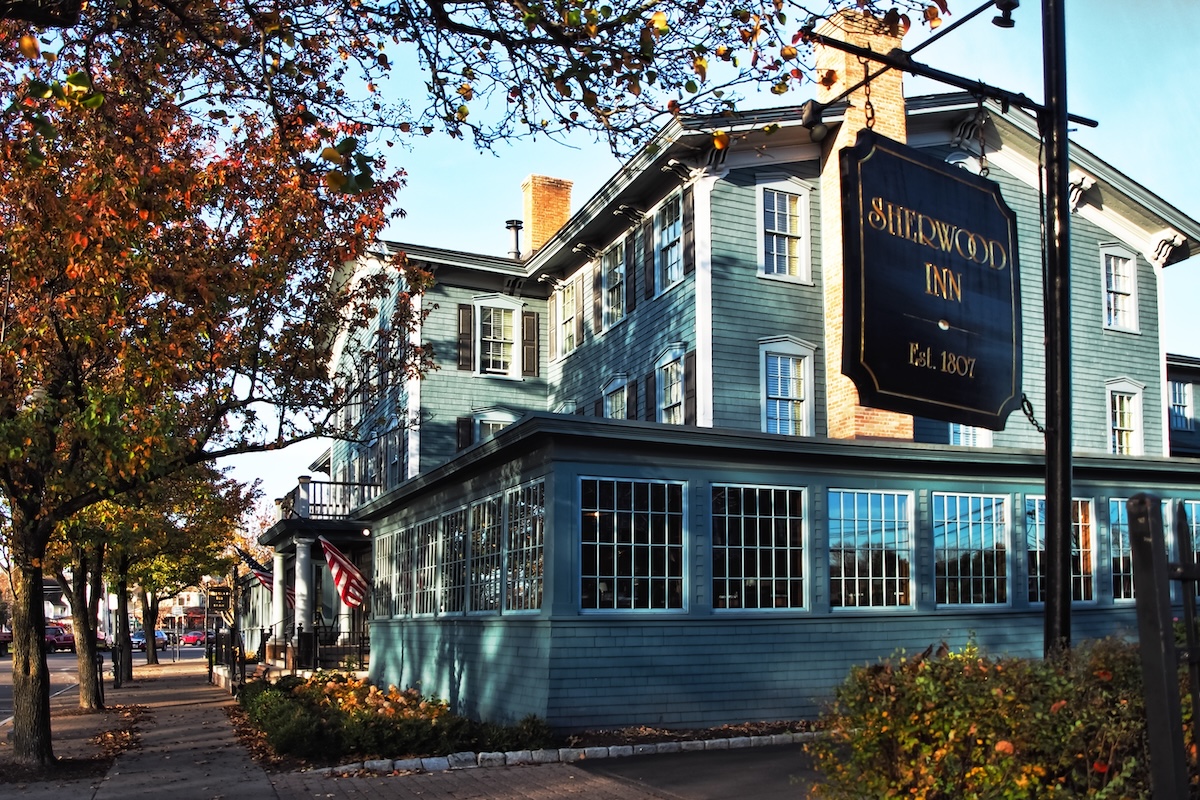
Skaneateles sits at the north end of a lake so clean that nearby Syracuse drinks its water unfiltered. The village’s historic downtown lines the shore with shops, restaurants, and Victorian homes.
Take a boat tour or a mail boat cruise with Mid-Lakes Navigation, which delivers mail by boat in summer. The village hosts summer concerts in its lakeside park, and the holidays bring Dickens Christmas, with costumed characters on the streets. Finger Lakes wineries and farms are a short drive away, as are hiking trails in the nearby hills.
North Carolina: Beaufort
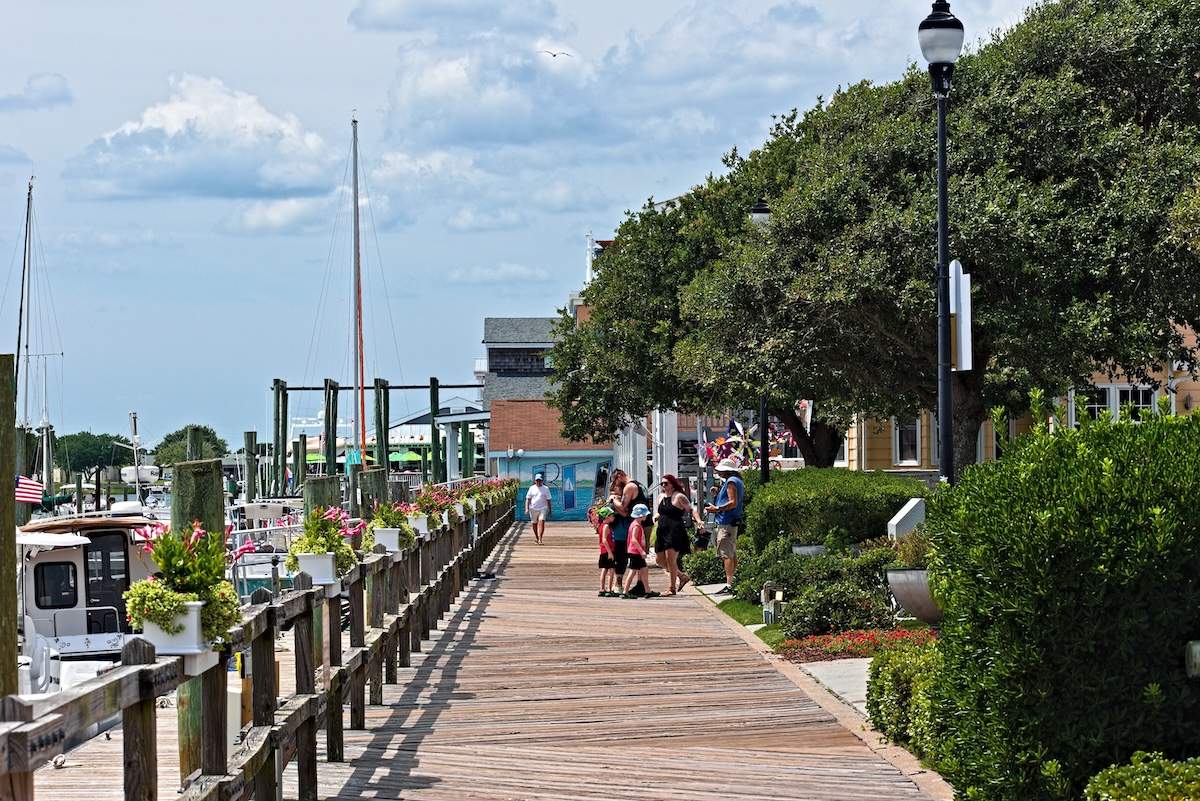
Beaufort on North Carolina’s coast has a historic waterfront, with wild horses grazing on the barrier island across the channel. Many of its homes date back to the 1700s and display plaques naming their original owners.
Visit the North Carolina Maritime Museum, which displays artifacts from Blackbeard’s ship, Queen Anne’s Revenge, which sank nearby. Take a ferry to the Rachel Carson Reserve to see the wild horses, or head out to Cape Lookout National Seashore and its diamond-patterned lighthouse. Front Street has seafood restaurants and shops facing the boats.
North Dakota: Medora
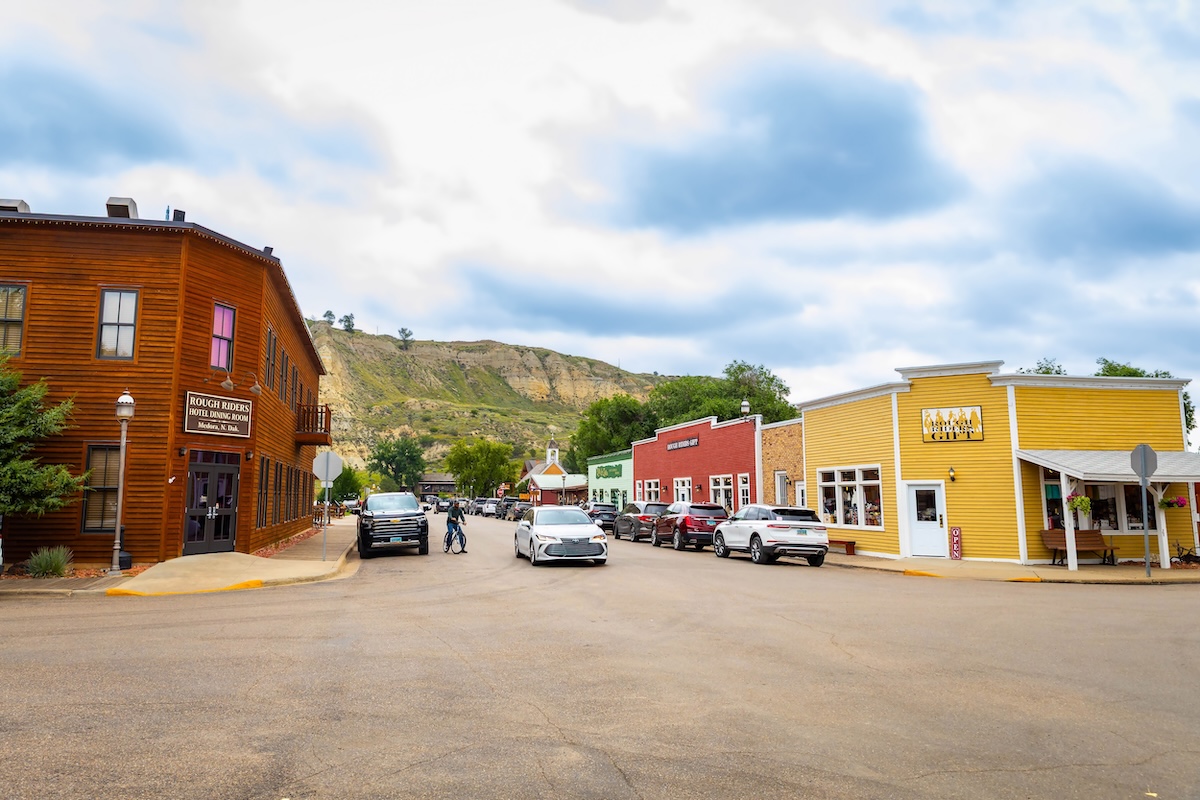
Medora sits at the edge of the North Dakota Badlands. This frontier-style town serves as the gateway to Theodore Roosevelt National Park, amid a landscape of painted buttes and grassland.
Drive the park’s scenic loop to spot bison, wild horses, and prairie dogs. In summer, the Medora Musical plays nightly at an outdoor amphitheater, and the Pitchfork Steak Fondue cooks steaks on pitchforks. The Maah Daah Hey Trail draws mountain bikers. Many attractions operate seasonally, roughly June through September, so plan your trip around that window.
Ohio: Chagrin Falls
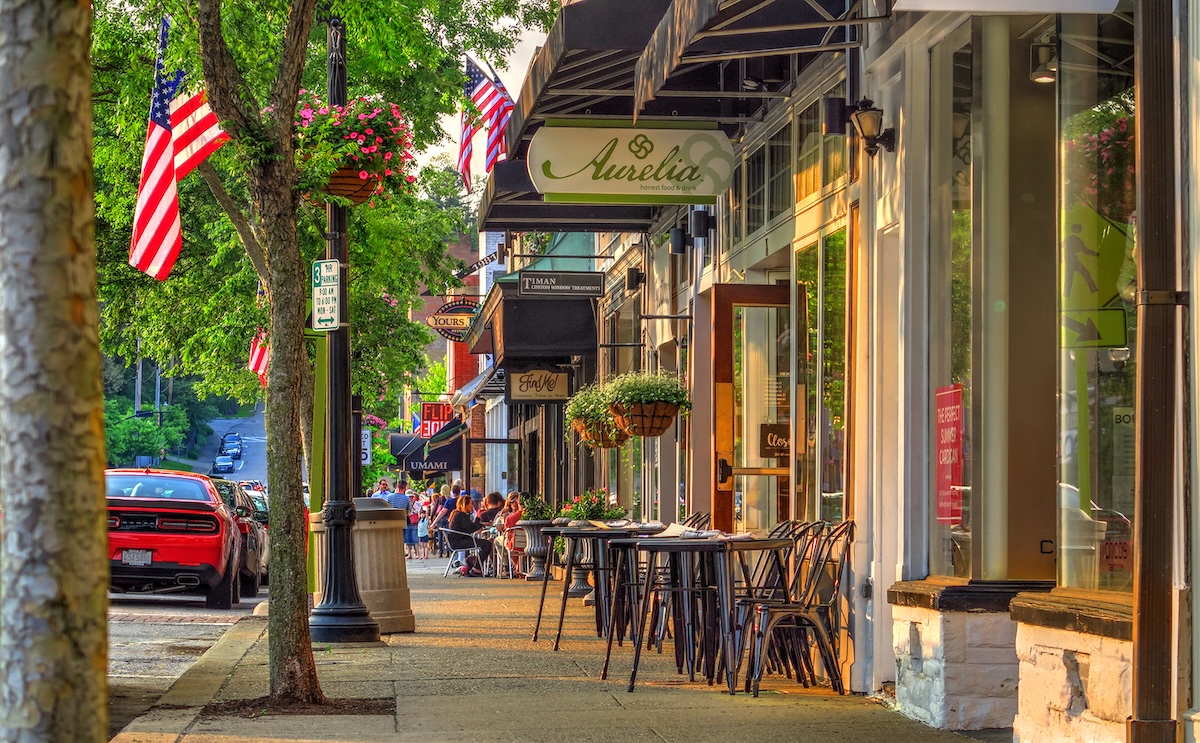
Chagrin Falls takes its name from the waterfall that tumbles right through downtown, just steps from the shops. The village sits about 20 miles east of Cleveland and has a classic Midwestern main street lined with Victorian buildings.
Watch the falls from the viewing platform, then grab ice cream at Jeni’s or the well-known Popcorn Shop nearby. The village hosts arts festivals, and the Chagrin Valley Little Theatre puts on shows year-round. Nearby parks along the Chagrin River offer hiking trails, while the fall colors around the falls draw a crowd.
Oklahoma: Medicine Park
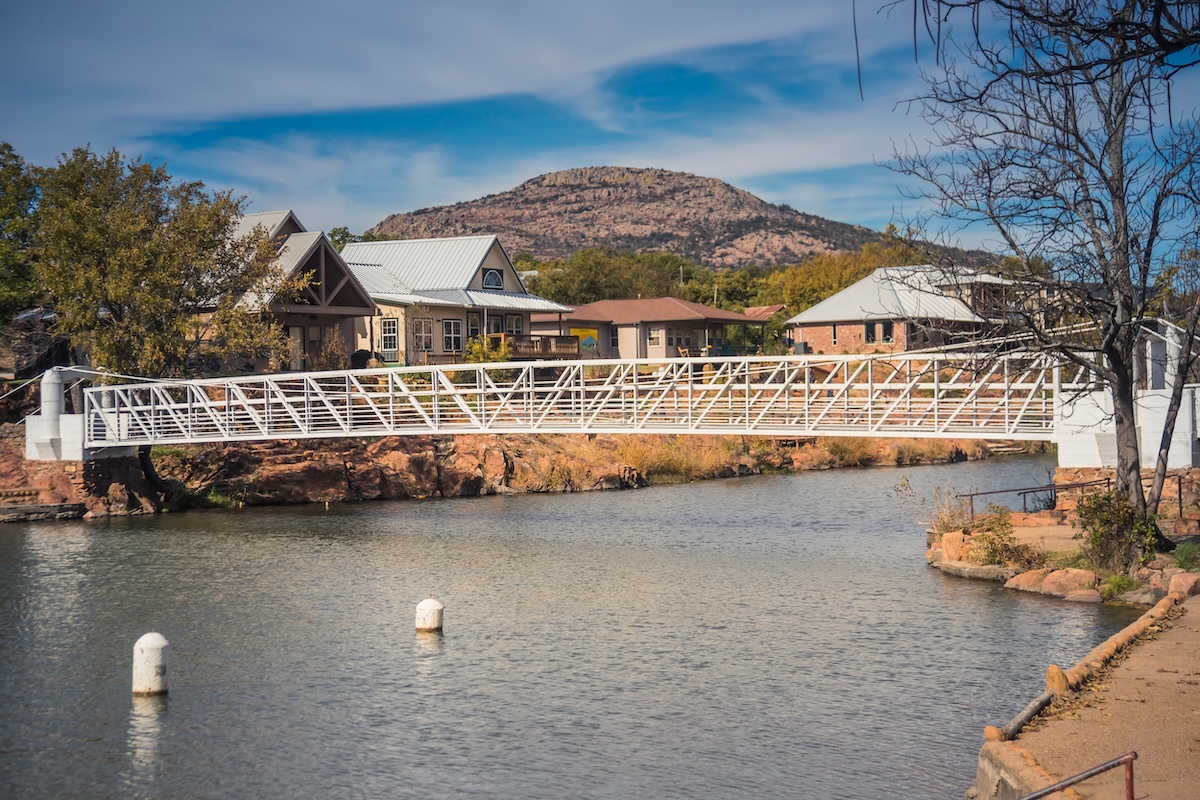
Medicine Park, Oklahoma’s oldest resort town, is built from red cobblestones gathered from the surrounding granite hills. The town dates to 1908 and sits along Medicine Creek at the edge of the Wichita Mountains.
Wander among the cobblestone buildings, then head into the Wichita Mountains Wildlife Refuge, where bison, elk, and longhorn cattle roam freely. Drive or hike up Mount Scott for big views. The Medicine Park Aquarium & Natural Sciences Center offers a look at native species. In summer, swim in Bath Lake, a dammed section of the creek.
Oregon: Astoria
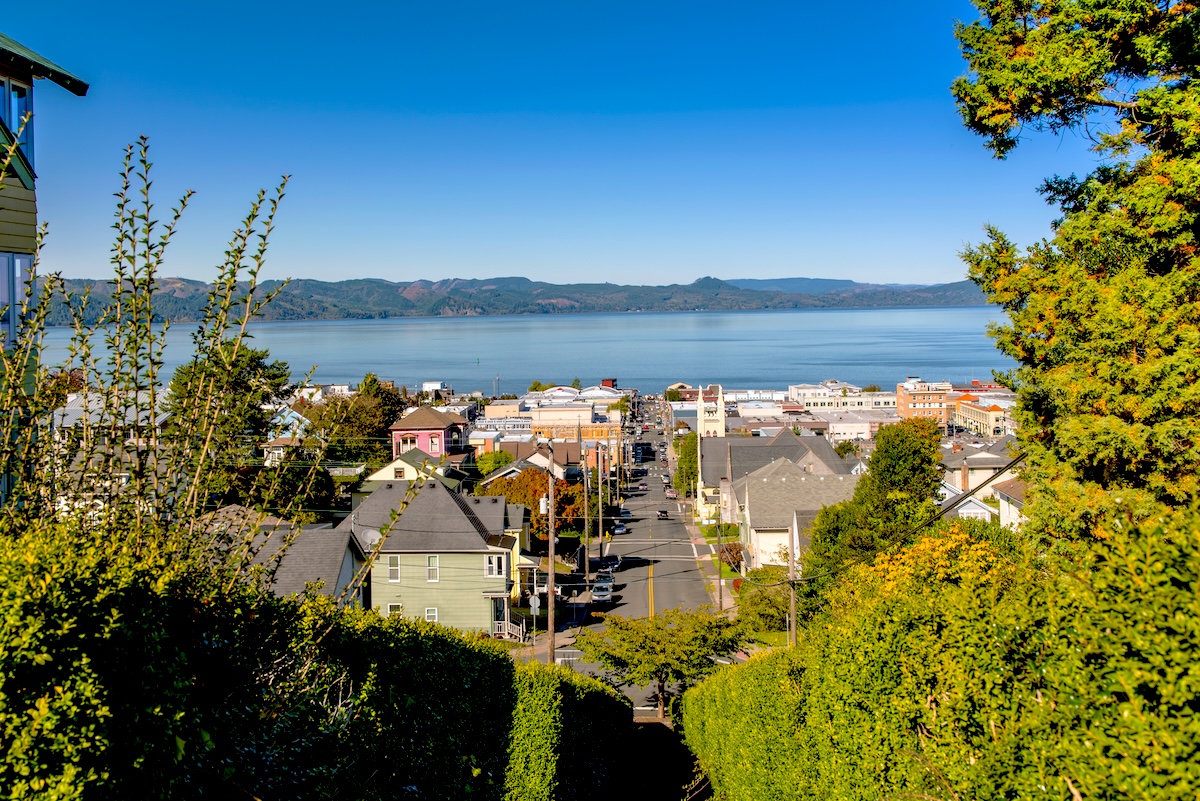
Astoria sits at the mouth of the Columbia River, with Victorian homes climbing steep hills above a working waterfront. It’s the oldest American settlement west of the Rockies, founded as a fur-trading post in 1811.
Climb the Astoria Column for views of the river and the bridge to Washington. The Columbia River Maritime Museum covers the river bar, one of the world’s most dangerous. Movie fans can visit locations from The Goonies, and nearby Fort Stevens State Park has a shipwreck on its beach. A riverfront trolley runs along the water.
Pennsylvania: Jim Thorpe
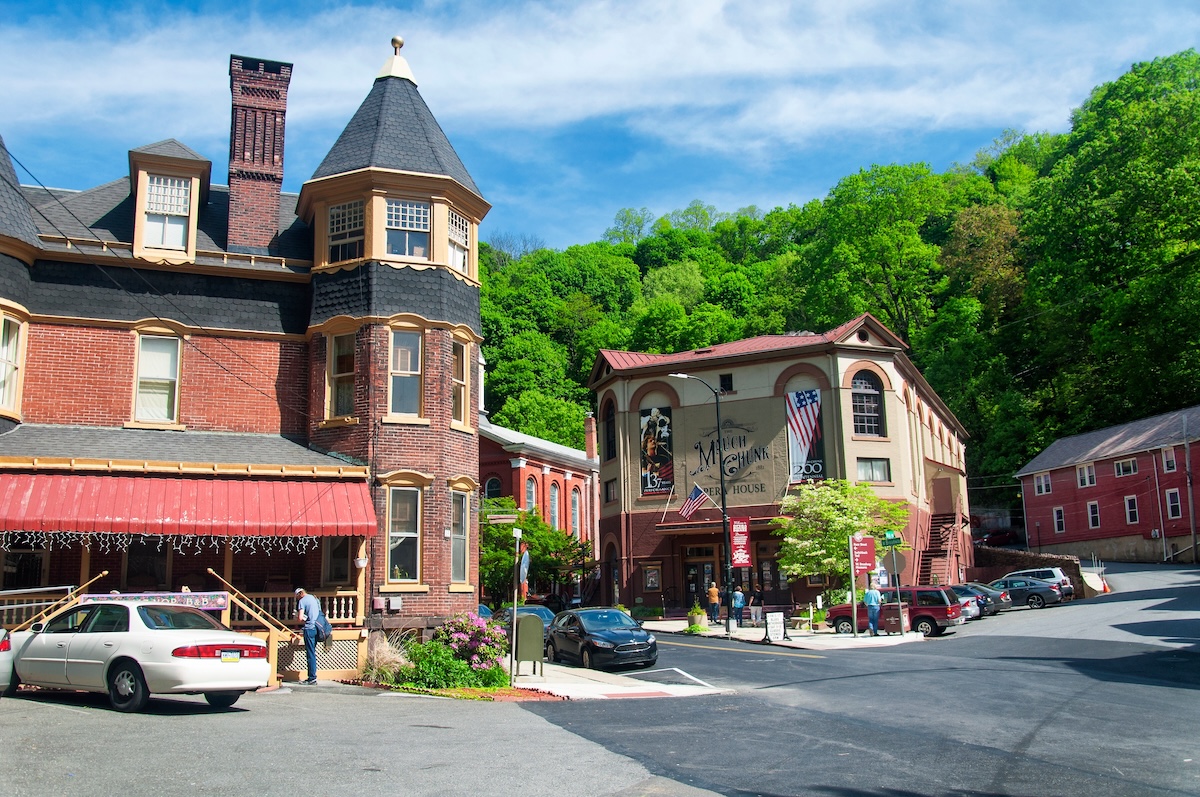
Jim Thorpe sits in a deep valley in the Pocono Mountains, with Victorian buildings packed along narrow streets. The town was once called Mauch Chunk and took its current name in 1954, after the Olympic athlete.
Tour the Asa Packer Mansion, home of the railroad tycoon, and the Old Jail Museum. Ride the Lehigh Gorge Scenic Railway along the river. Outdoor fans come for whitewater rafting and biking in Lehigh Gorge State Park. Fall foliage makes the surrounding hills especially popular, so expect weekend crowds in October.
Rhode Island: New Shoreham
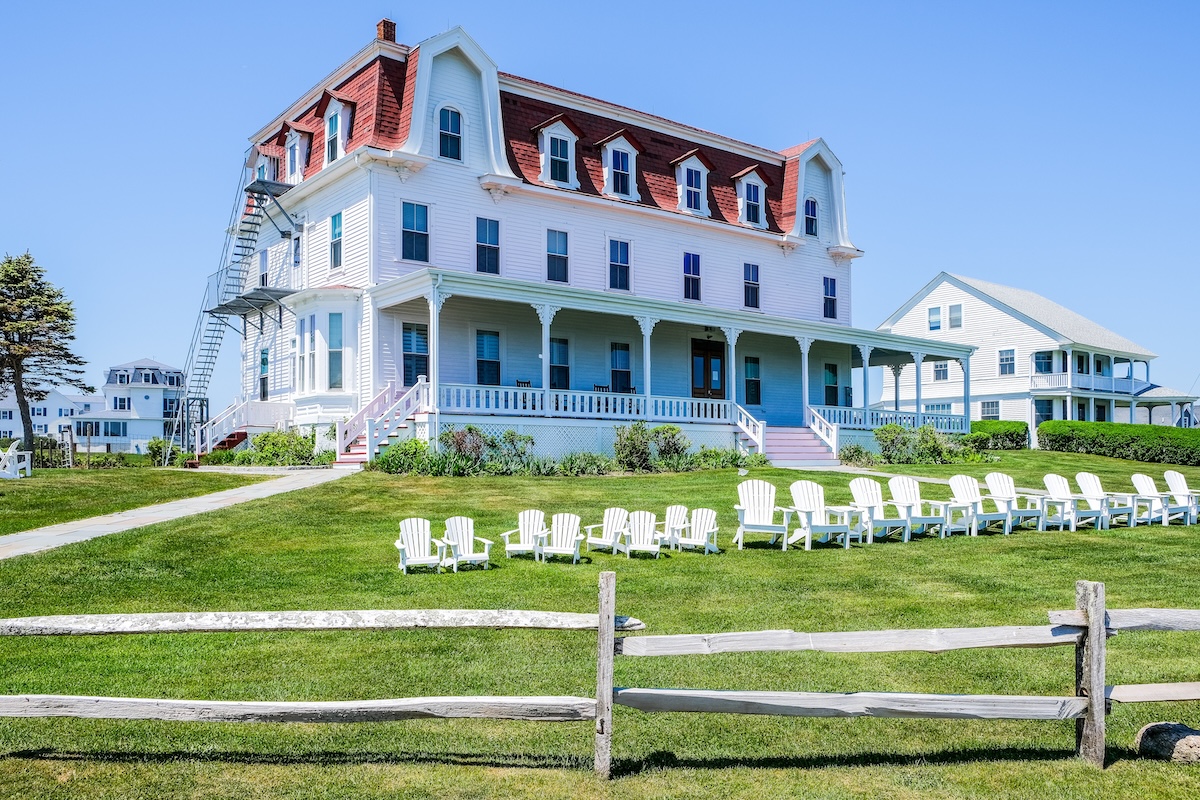
New Shoreham is the town that covers Block Island, a ferry ride off Rhode Island’s coast. The island has bluffs, beaches, and stone walls, and much of its land is protected from development.
Mohegan Bluffs rise about 150 feet above the ocean, with stairs leading down to the beach. Visit the Southeast Lighthouse and North Light, and bike the island’s quiet roads. The Nature Conservancy has named Block Island one of the “Last Great Places.” Ferries run from Point Judith, New London, and Montauk, and you’ll need reservations for summer weekends.
South Carolina: Beaufort
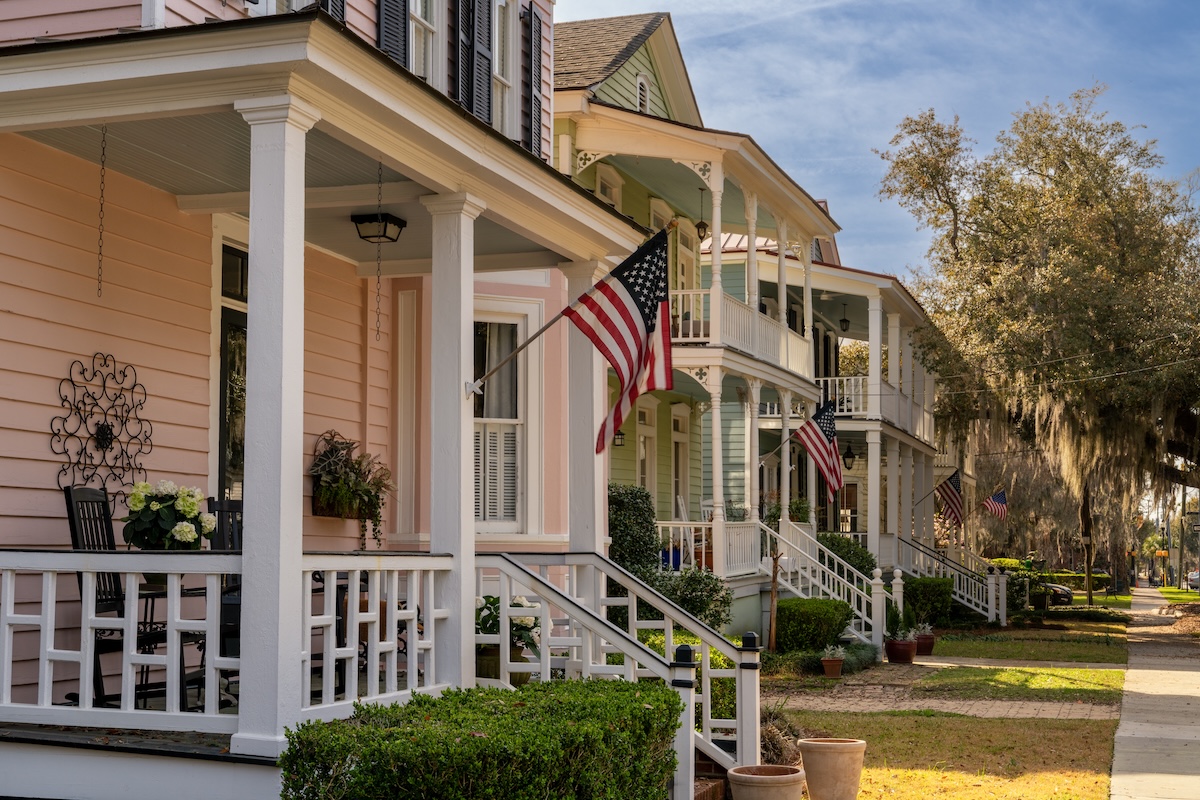
South Carolina’s Beaufort (pronounced BYOO-fert) sits in the Lowcountry, with antebellum homes, live oaks, and salt marshes. It’s one of the state’s oldest towns, founded in 1711.
Walk the historic district, then stroll Henry C. Chambers Waterfront Park along the river. Movies like Forrest Gump and The Big Chill filmed here. Take a carriage tour or kayak through the marshes. Nearby Hunting Island State Park has a lighthouse and wild beaches, and the Penn Center on St. Helena Island tells the Gullah Geechee story.
South Dakota: Deadwood
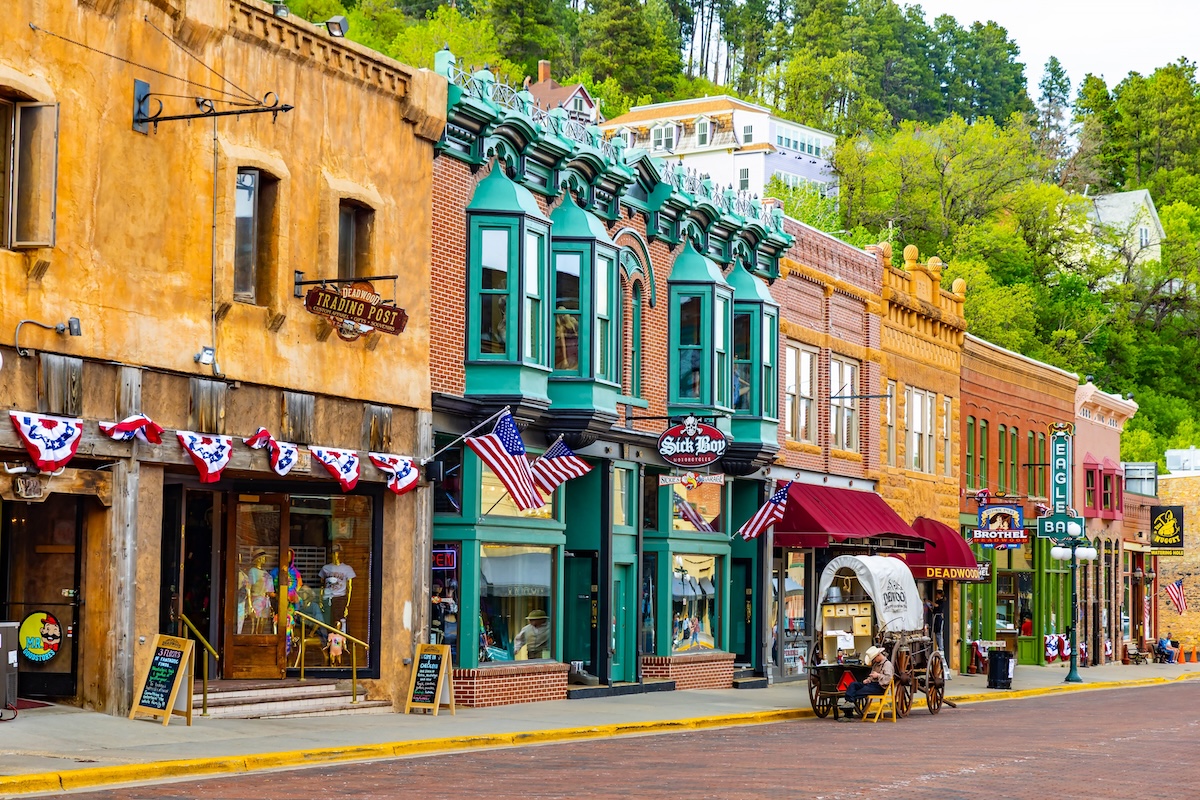
Deadwood sits in a steep gulch in the Black Hills, a gold-rush town where Wild Bill Hickok met his end in 1876. The whole town is a National Historic Landmark, with brick buildings restored after legal gambling returned in 1989.
Visit Mount Moriah Cemetery, where Wild Bill and Calamity Jane are buried, and watch historical reenactments on Main Street in summer. The Adams Museum covers local history. The Mickelson Trail passes nearby for biking, and Mount Rushmore is about an hour’s drive away, making Deadwood a good base for the Black Hills.
Tennessee: Jonesborough
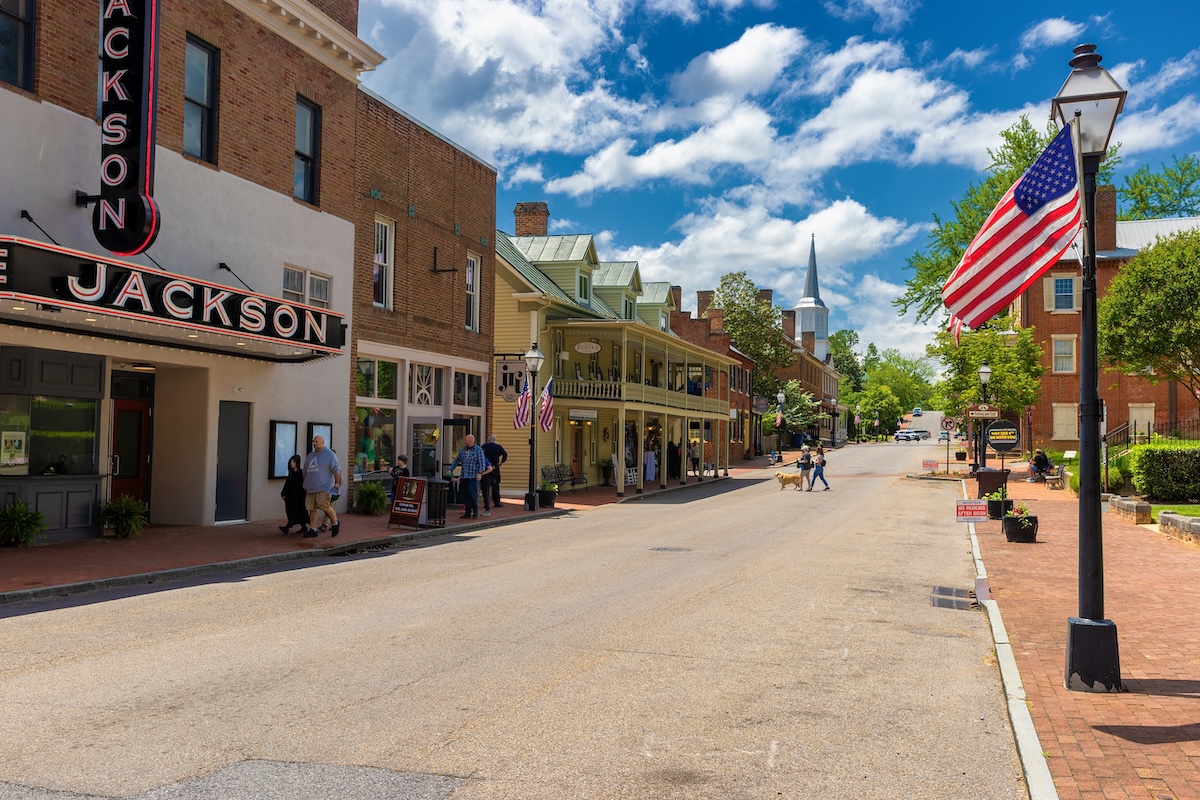
Jonesborough is Tennessee’s oldest town, founded in 1779 in the eastern mountains. Its main street has brick buildings and historic homes that look much as they did in the 1800s.
The town is known as the storytelling capital of the world and hosts the National Storytelling Festival each October. The International Storytelling Center runs events throughout the year. Walk the historic district, browse shops, and stop at the Chester Inn State Historic Site. The surrounding Appalachian foothills add color in fall, and Johnson City is nearby.
Texas: Jefferson
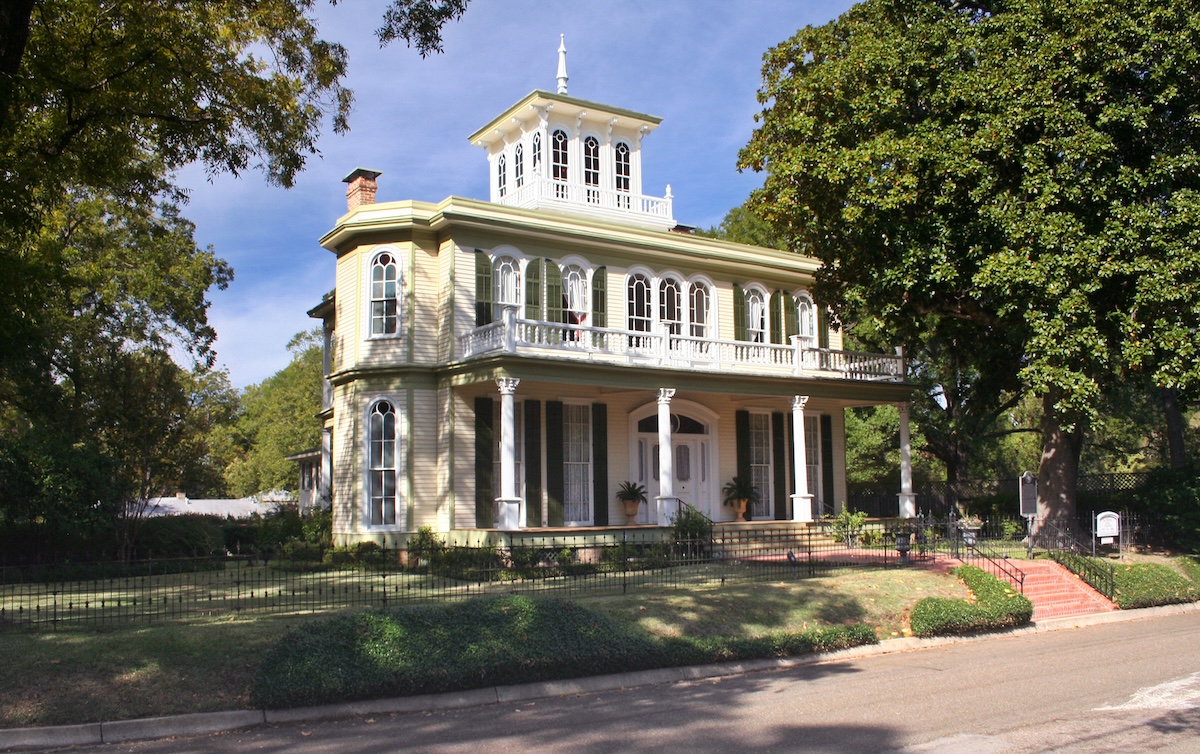
Jefferson sits in the piney woods of East Texas, a former riverport town with historic homes and brick streets. Before the river changed course, it rivaled Galveston as one of Texas’s busiest ports.
Tour the Excelsior House Hotel, which dates to the 1850s, and the Jay Gould railroad car. Take a riverboat tour on Big Cypress Bayou, and visit nearby Caddo Lake for its cypress swamp. Jefferson hosts a historical pilgrimage in spring and a Christmas candlelight tour. The town also claims many ghost stories.
Utah: Park City
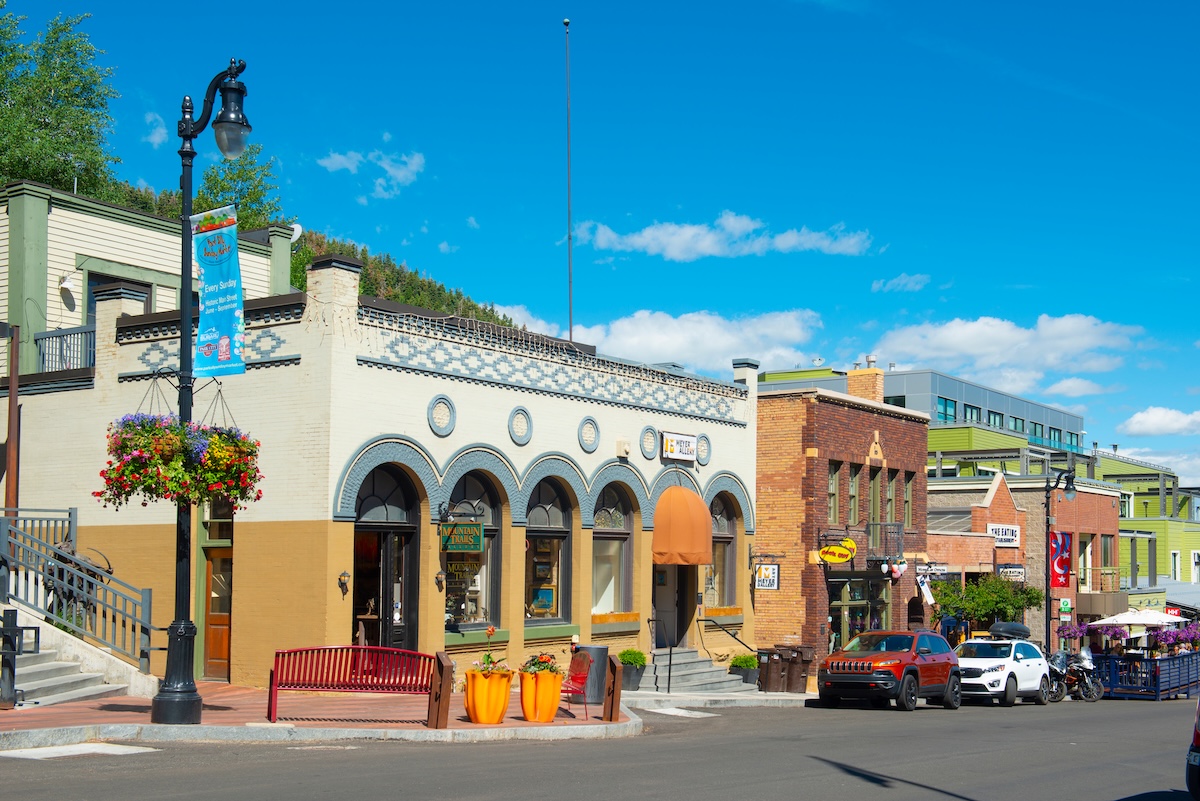
Park City sits in the Wasatch Mountains, a former silver-mining town now known for skiing and the Sundance Film Festival. Its historic Main Street climbs uphill, lined with restored storefronts.
Ski at Park City Mountain and Deer Valley, two big resorts close to town. Summer brings mountain biking, hiking, and the Utah Olympic Park, where you can tour the 2002 Olympic venues. Main Street has galleries, restaurants, and the High West distillery. Salt Lake City is about 40 minutes away, making it easy to fly in.
Vermont: Woodstock
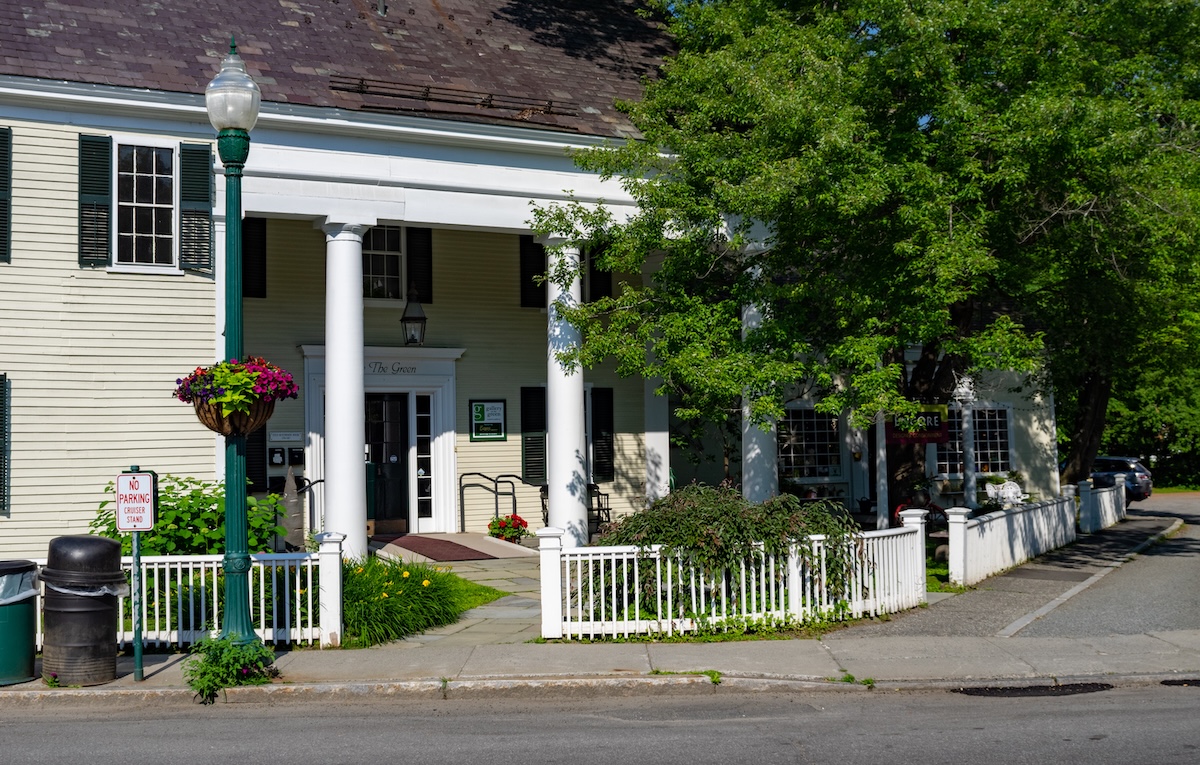
Woodstock has a village green, covered bridges, and historic homes that make it a classic New England town. It sits along the Ottauquechee River in central Vermont’s hills.
Visit Marsh-Billings-Rockefeller National Historical Park, which focuses on conservation history, and Billings Farm & Museum, a working dairy farm. Downtown, walk across the Middle Bridge, a covered bridge. Fall foliage season gets busy, while nearby Suicide Six offers winter skiing. Quechee Gorge is just a short drive away.
Virginia: Lexington
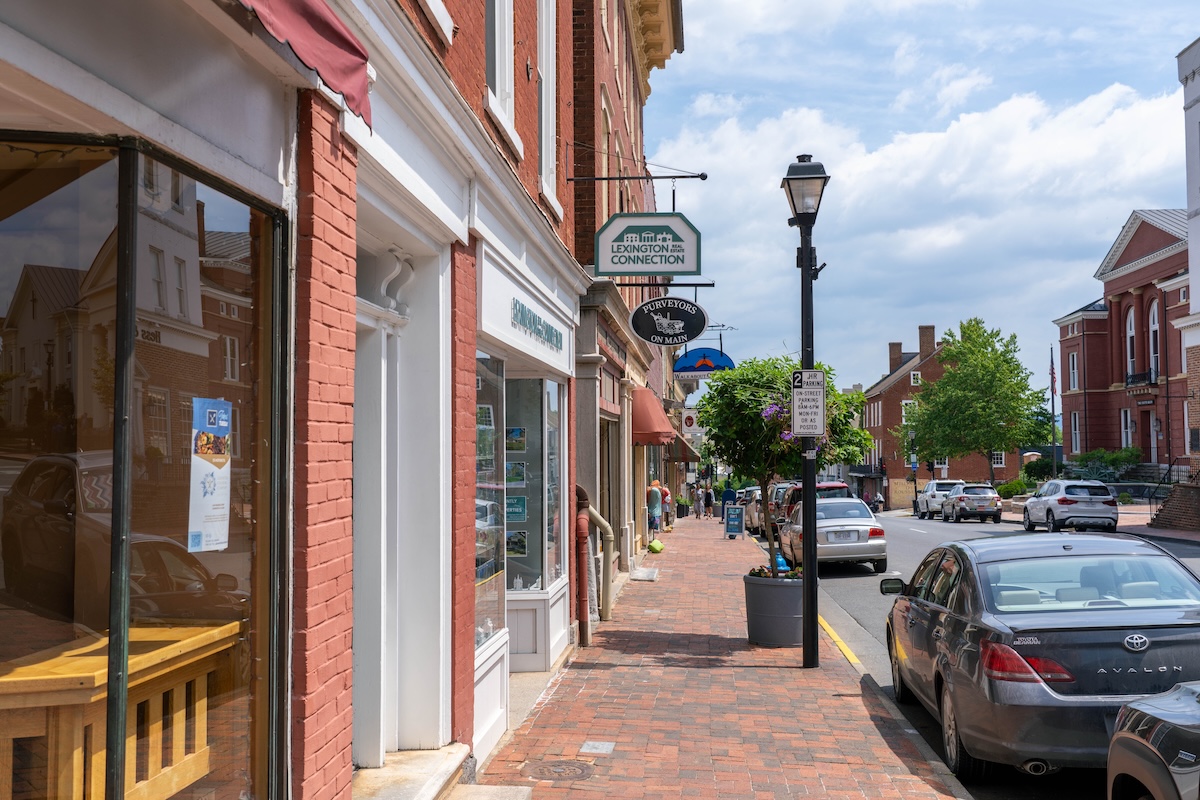
Lexington sits in the Shenandoah Valley, surrounded by brick buildings and the Blue Ridge Mountains. It’s home to Washington and Lee University and the Virginia Military Institute.
Tour the VMI museum and Stonewall Jackson House. The main streets have shops and restaurants in restored buildings. Just south of town, Natural Bridge State Park features a 215-foot stone arch. The Blue Ridge Parkway is nearby for scenic drives and hikes. Fall foliage in the valley is beautiful.
Washington: Port Townsend
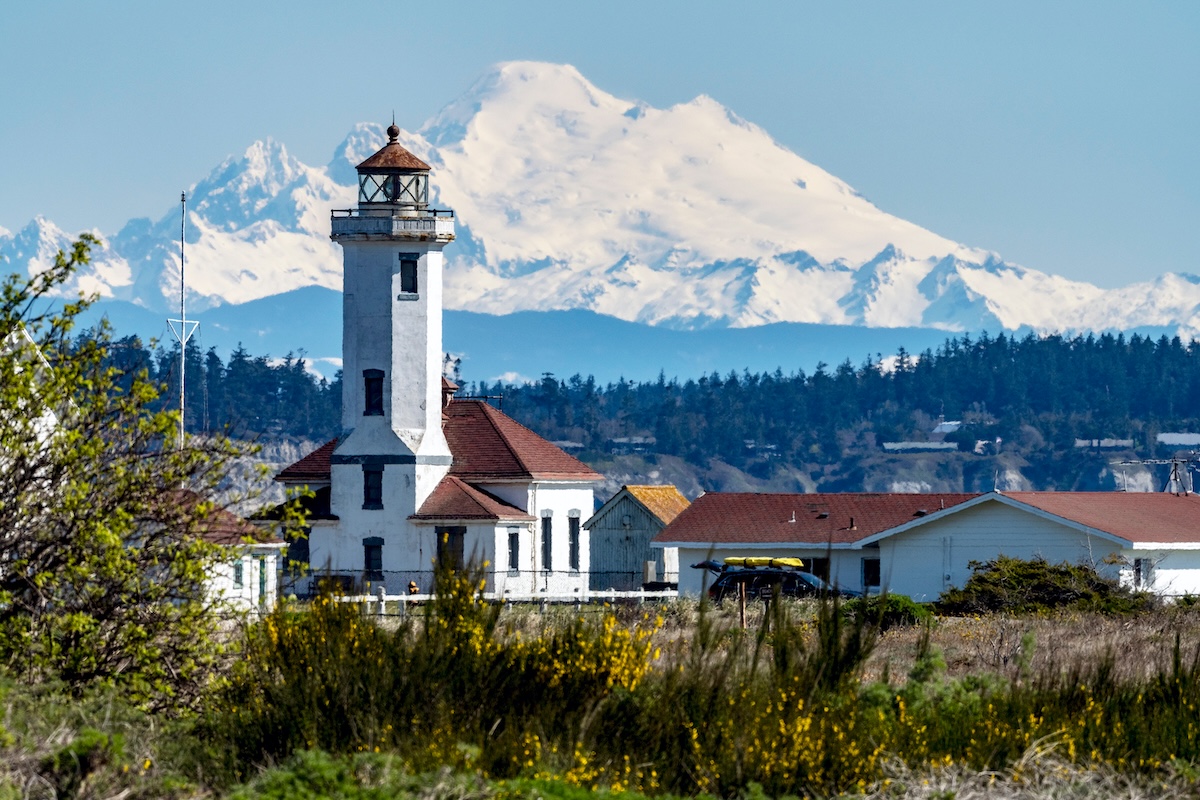
Port Townsend sits at the tip of the Quimper Peninsula on Puget Sound. This Victorian seaport has brick buildings and hilltop mansions. The town grew in the late 1800s on hopes of becoming a major port, and that history left it with well-preserved architecture.
Visit Fort Worden State Park, a former military base with beaches and old bunkers. In September, the Wooden Boat Festival draws sailors from around the region. Downtown, you’ll find shops, galleries, and restaurants, and ferries connect the town to Whidbey Island. The Olympic Mountains are visible across the water.
West Virginia: Harpers Ferry
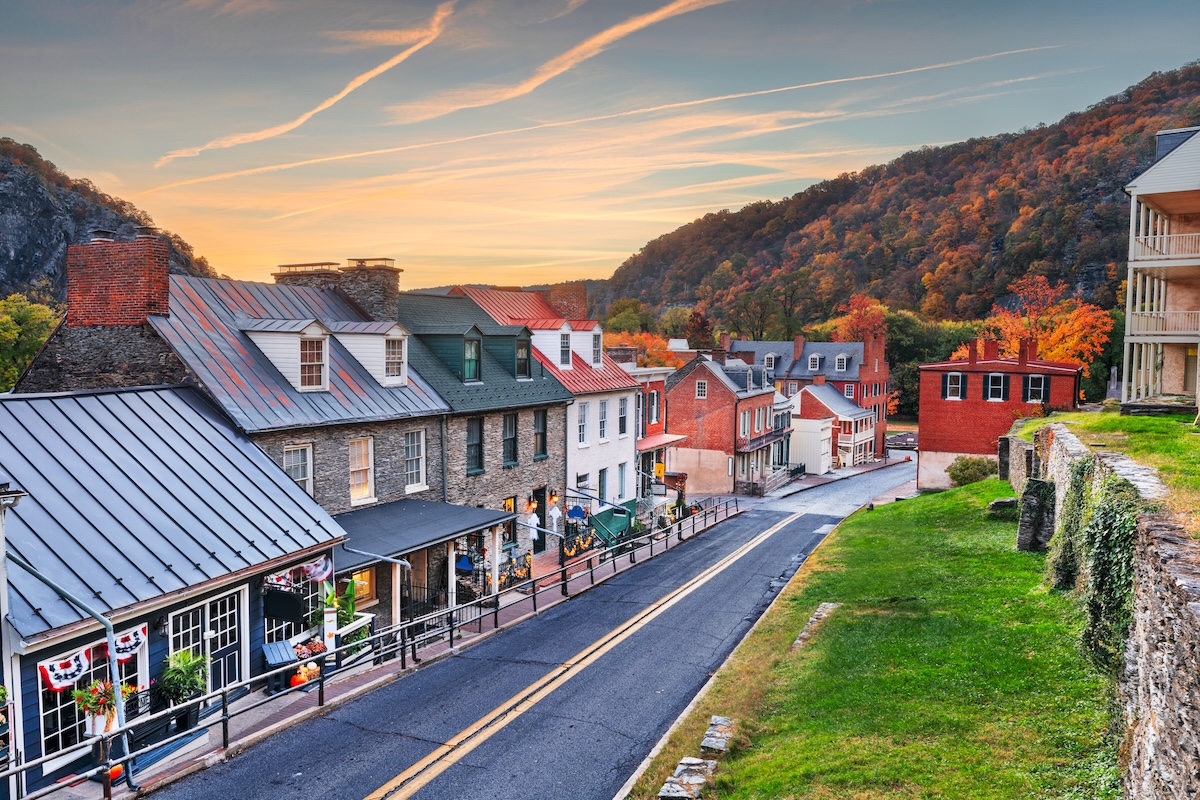
Harpers Ferry sits where the Potomac and Shenandoah rivers meet, at the edge of the Blue Ridge. The historic town is best known for John Brown’s 1859 raid on the federal armory.
Most of the town is part of Harpers Ferry National Historical Park, with restored buildings and museums. Hike to Jefferson Rock for river views, or walk the Appalachian Trail, which passes through town. In summer, rafting and tubing on the rivers are popular. Across the river, the C&O Canal towpath offers easy biking.
Wisconsin: Bayfield
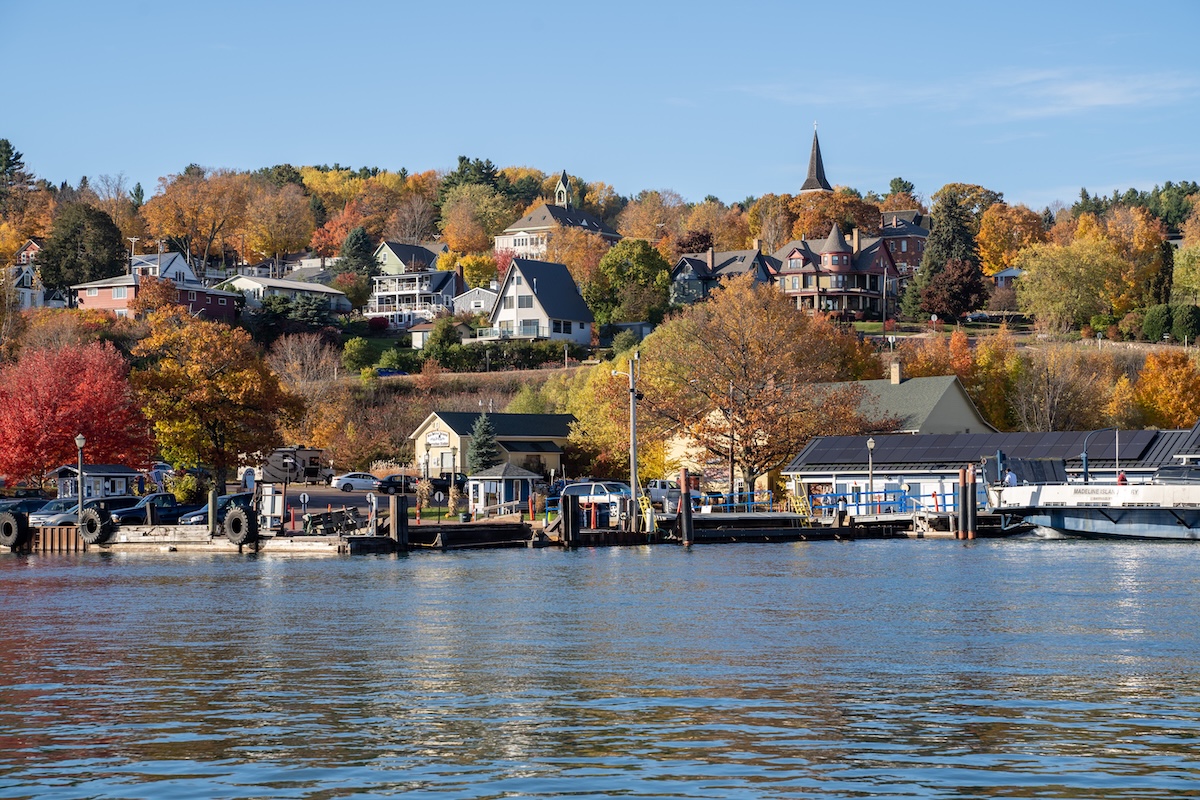
Bayfield sits on the shore of Lake Superior. This small town serves as the gateway to the Apostle Islands, with Victorian homes and orchards climbing the hills above the harbor.
Take a boat tour of the Apostle Islands National Lakeshore to see sea caves and lighthouses. Kayak to the caves in summer, and in some cold winters, you can walk across the ice to them. Ferries run to Madeline Island. Bayfield’s orchards offer fall apple picking, and the Apple Festival in October draws crowds.
Wyoming: Jackson
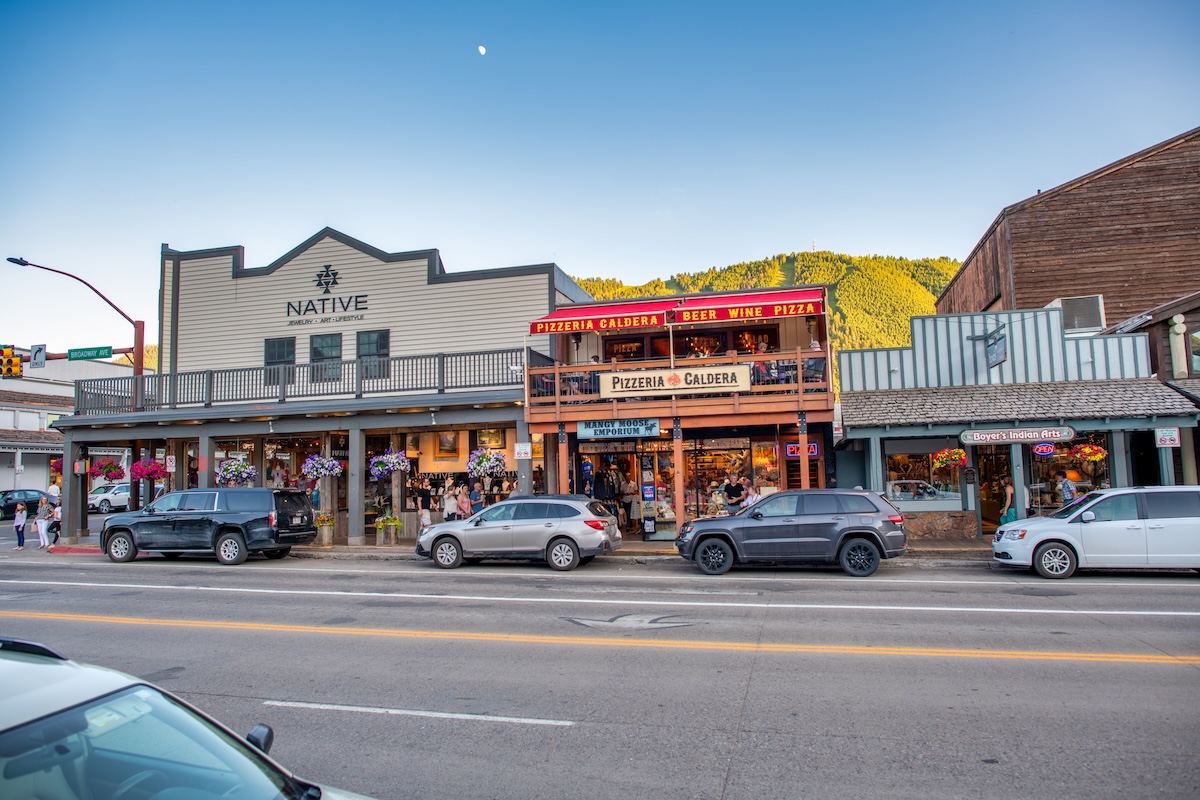
Jackson sits in a valley surrounded by the Teton Range, serving as a gateway to Grand Teton and Yellowstone national parks. Its town square features arches made from elk antlers.
Drive into Grand Teton National Park for mountain views and wildlife. In winter, visit the National Elk Refuge, where thousands of elk gather, or ski at Jackson Hole Mountain Resort. Summer brings hiking, rafting on the Snake River, and rodeos. The town also has galleries, restaurants, and the National Museum of Wildlife Art. Book lodging early during peak seasons.