
America routinely tears things down to make space for bigger and arguably better things, which makes the places that survived all the more remarkable. A historic district is what happens when a community decides that what it already has beats whatever a developer is proposing, a negotiation that ends the right way less often than it should.
The districts on this list span four centuries of American architecture and enough variety to make generalizations useless. Some are pristine and carefully maintained, others are thriving neighborhoods that happen to be very old, and all of them are best explored on foot with no schedule tying you down.
23. Jacksonville Historic District, Oregon
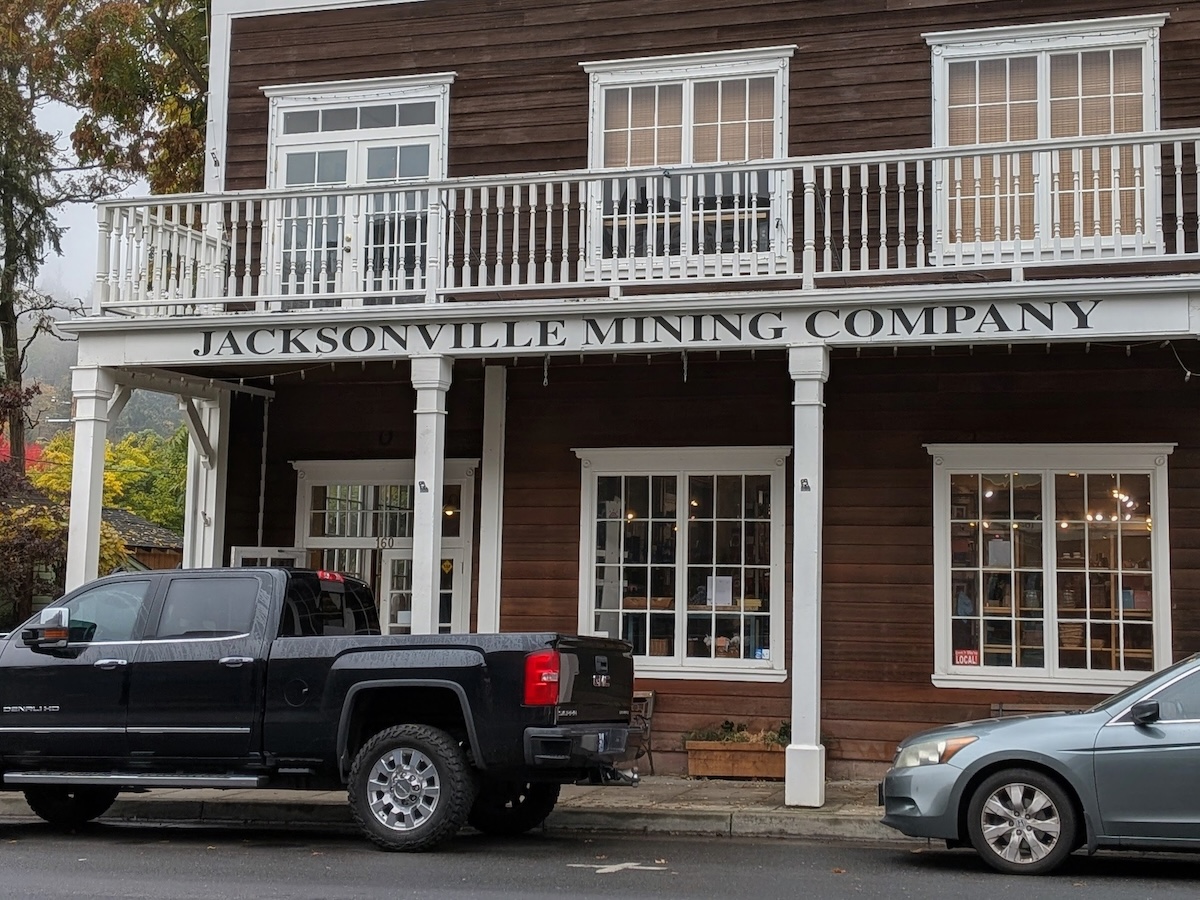
Jacksonville ranks among the best-preserved gold-rush towns in the West. In 1966, it became one of the first entire towns designated a National Historic Landmark. Gold turned up in Rich Gulch in 1851, and within a few years, the settlement had brick banks, saloons, and a courthouse to match its sudden wealth.
The railroad bypassed Jacksonville in the 1880s, stalling growth and helping the old buildings survive. You can wander past more than 100 structures listed on the National Register, including the Beekman Bank with its original fixtures. In summer, the Britt Music and Arts Festival takes over a hillside amphitheater above town. The Applegate Valley wineries are just a short drive away.
22. Eureka Springs Historic District, Arkansas
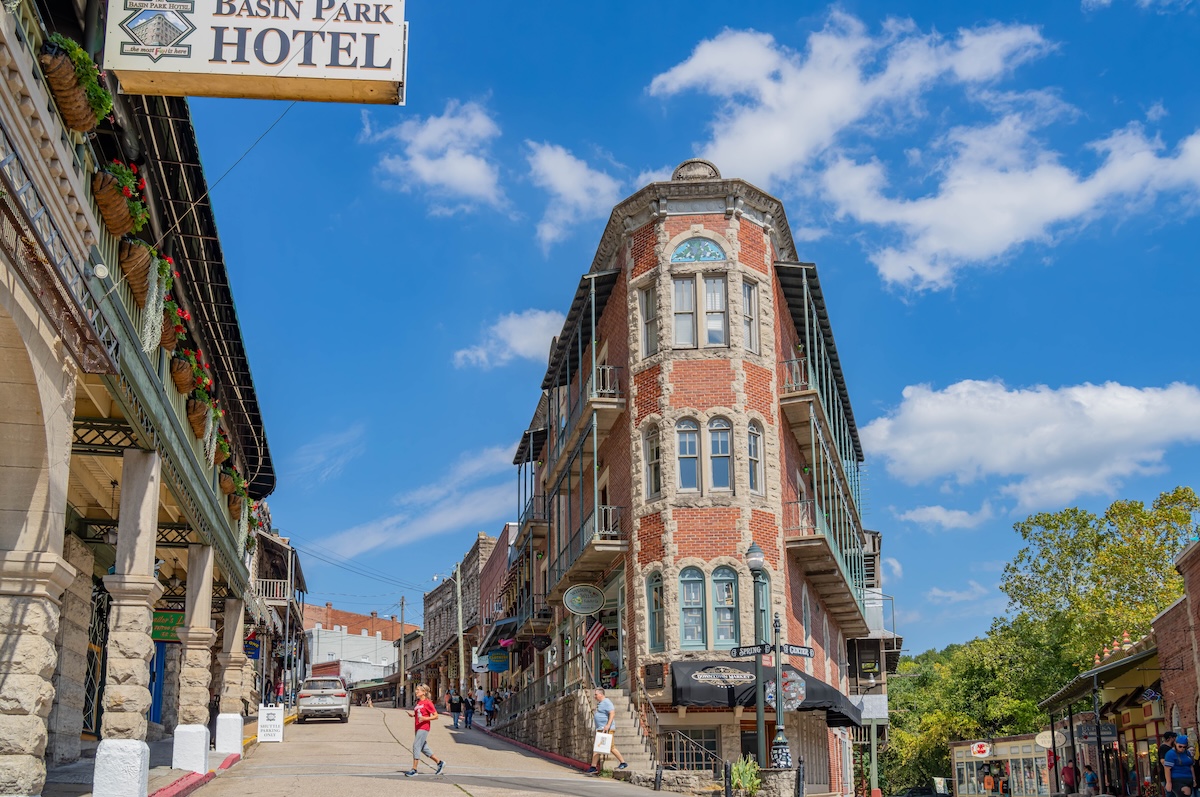
Built into the steep Ozark hillsides, Eureka Springs feels like a Victorian village stacked on terraces. The town boomed in the 1880s, when visitors came to soak in its springs, which people believed had healing powers. Many limestone and wood buildings from that era still line the curving streets.
You’ll climb stairways and switchbacks instead of walking a grid. The whole downtown sits on the National Register of Historic Places. Stop by Basin Spring Park, then head uphill to the 1886 Crescent Hotel, known for its popular ghost tours. St. Elizabeth Catholic Church is famous for its unusual entrance, which leads through the bell tower.
21. German Village, Columbus, Ohio
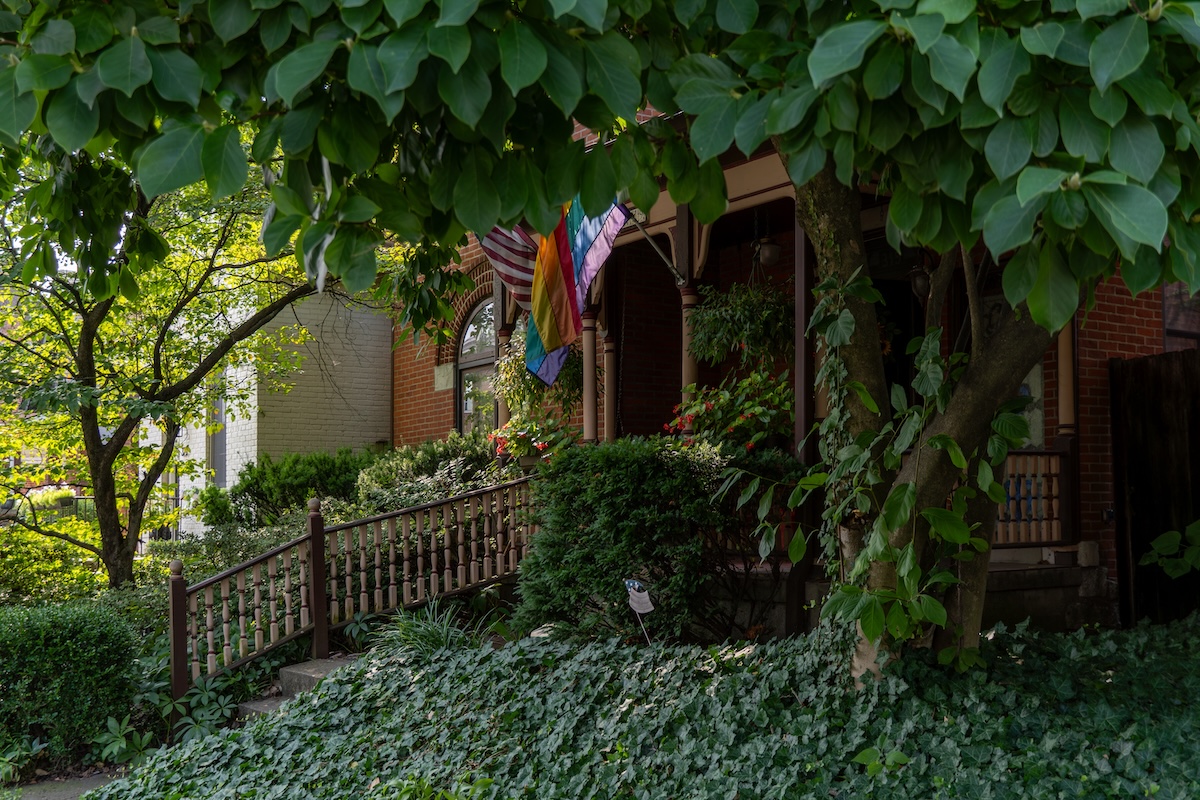
German Village shows how a neighborhood can come back from the brink with brick, stubbornness, and a few determined residents. German immigrants built its modest cottages in the 1800s. After decades of decline, locals formed the German Village Society in 1960 to stop demolition.
Today, you can stroll along brick sidewalks under mature trees, past tidy gardens and wrought-iron fences. Downtown Columbus is just minutes north. The Book Loft fills 32 rooms in an old building with new and discounted books. Schmidt’s Sausage Haus has served bratwurst and cream puffs since the 1960s, while Schiller Park hosts free summer theater from Actors’ Theatre of Columbus.
20. Beaufort Historic District, South Carolina
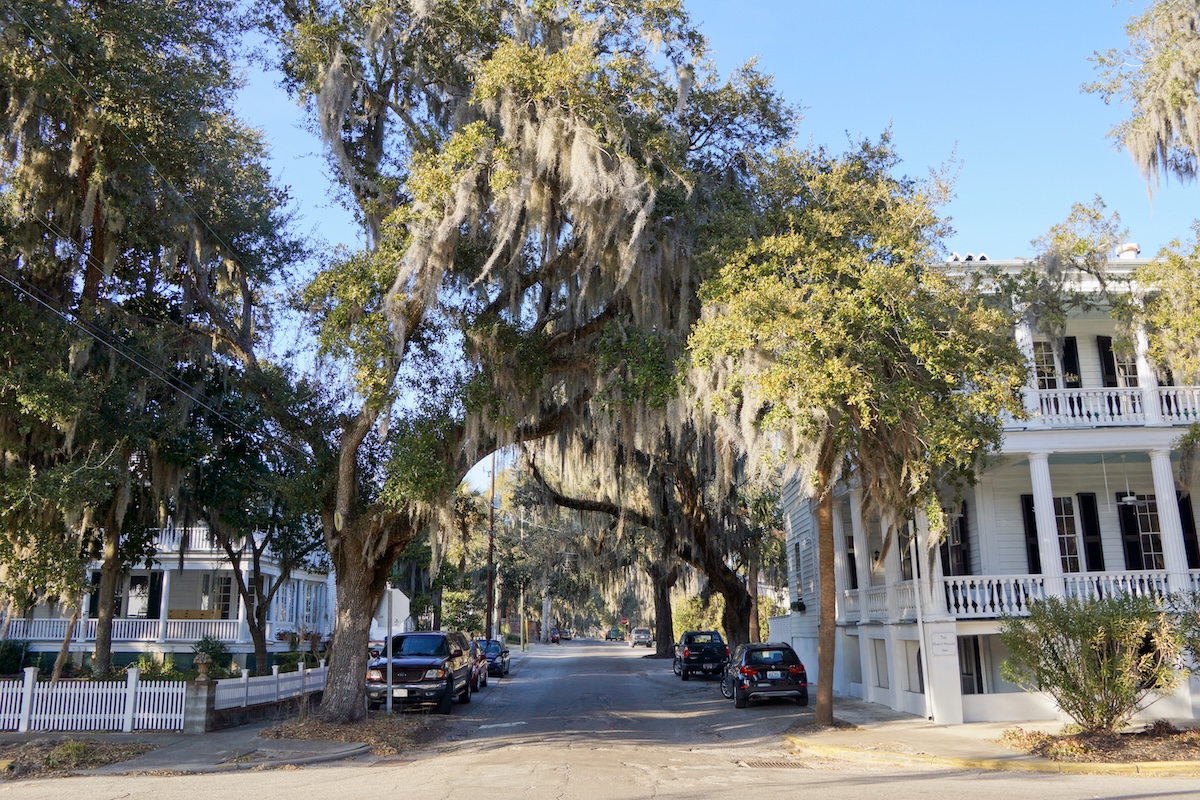
Founded in 1711, Beaufort is South Carolina’s second-oldest town. Its antebellum homes sit beneath live oaks heavy with Spanish moss. Many grand houses survived the Civil War because Union troops occupied the town early and used the buildings as hospitals and offices.
Walk through The Point neighborhood to see raised foundations, wide porches, and double-stacked piazzas designed to catch sea breezes. Hollywood has taken notice: scenes from The Big Chill and Forrest Gump were filmed here. End your afternoon at Henry C. Chambers Waterfront Park, where swings face the Beaufort River, or book a horse-drawn carriage tour to hear the stories behind the houses.
19. Old Port, Portland, Maine
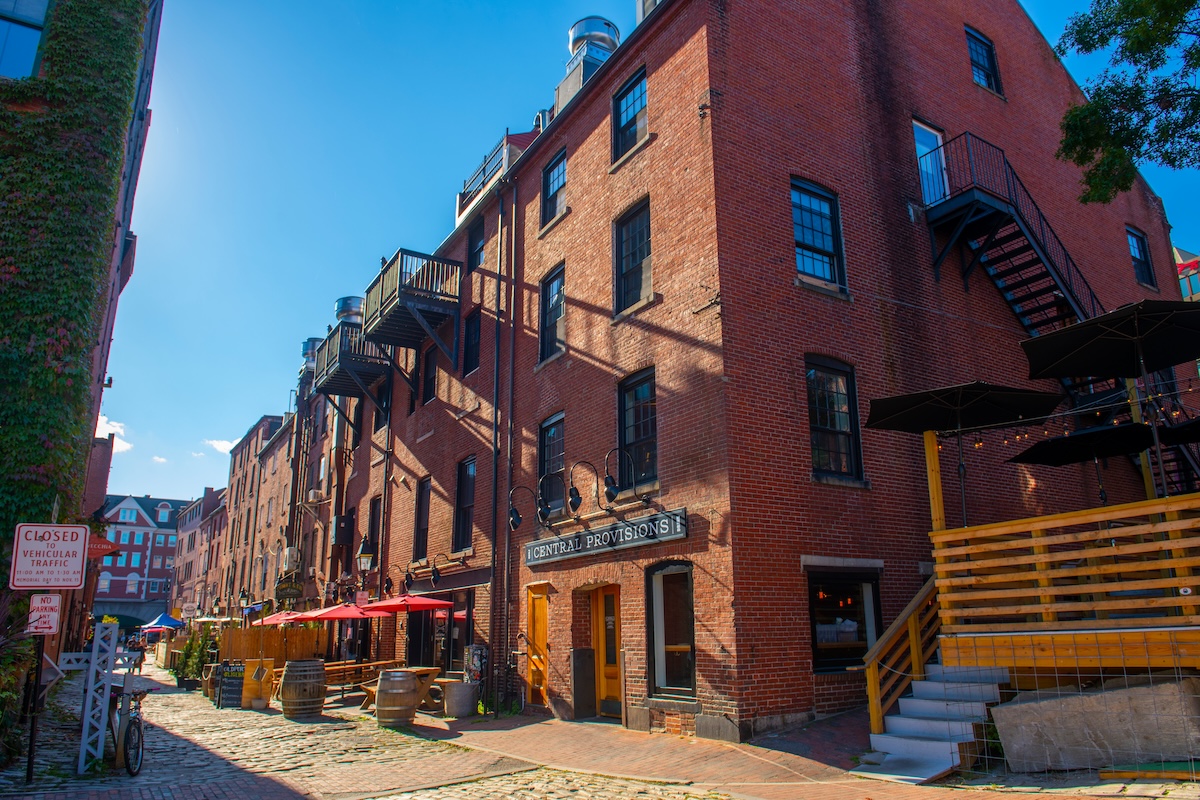
Disaster gave Portland’s Old Port its handsome brick streetscape. The Great Fire of 1866 destroyed much of the city, and merchants rebuilt with sturdy brick and granite Victorian commercial buildings. Those buildings still line Exchange, Fore, and Wharf streets.
You’ll walk cobblestone lanes past former warehouses that now hold restaurants, boutiques, and craft cocktail bars. Working fishing boats still unload at the nearby wharves. Grab a lobster roll, then catch a Casco Bay Lines ferry to the islands for views back toward the skyline. To get a sense of the city’s layers, visit the Custom House, a granite building completed in 1872.
18. Port Townsend Historic District, Washington
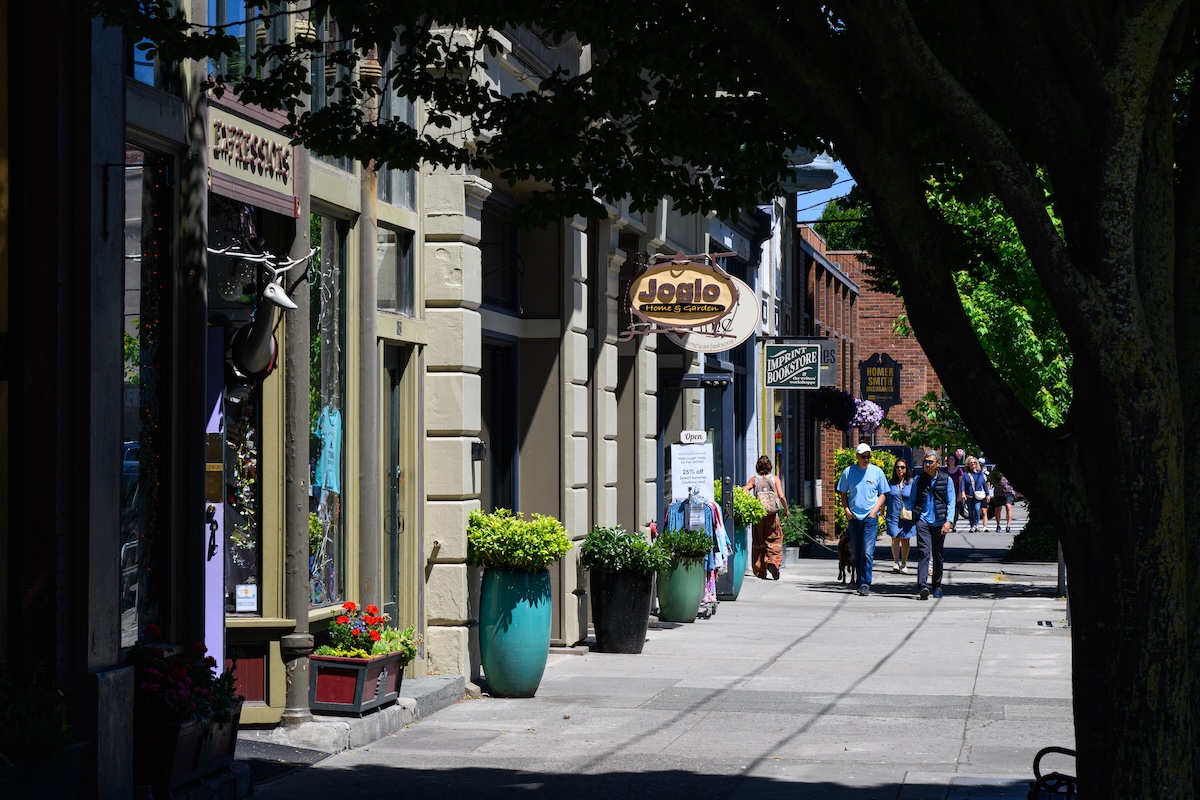
Port Townsend’s Victorian skyline owes its existence to a railroad that never arrived. In the 1880s, speculators expected the town to become a major terminus. They poured money into ornate commercial blocks downtown and elaborate mansions on the bluff above.
The rail line stalled, the boom collapsed, and the buildings stayed frozen in time. The district later earned National Historic Landmark status. Explore the brick waterfront district, then climb to Uptown for painted Victorian homes with views of Puget Sound. Each September, the Wooden Boat Festival fills the harbor with classic vessels. Fort Worden State Park sits just north of town.
17. Old Louisville, Kentucky
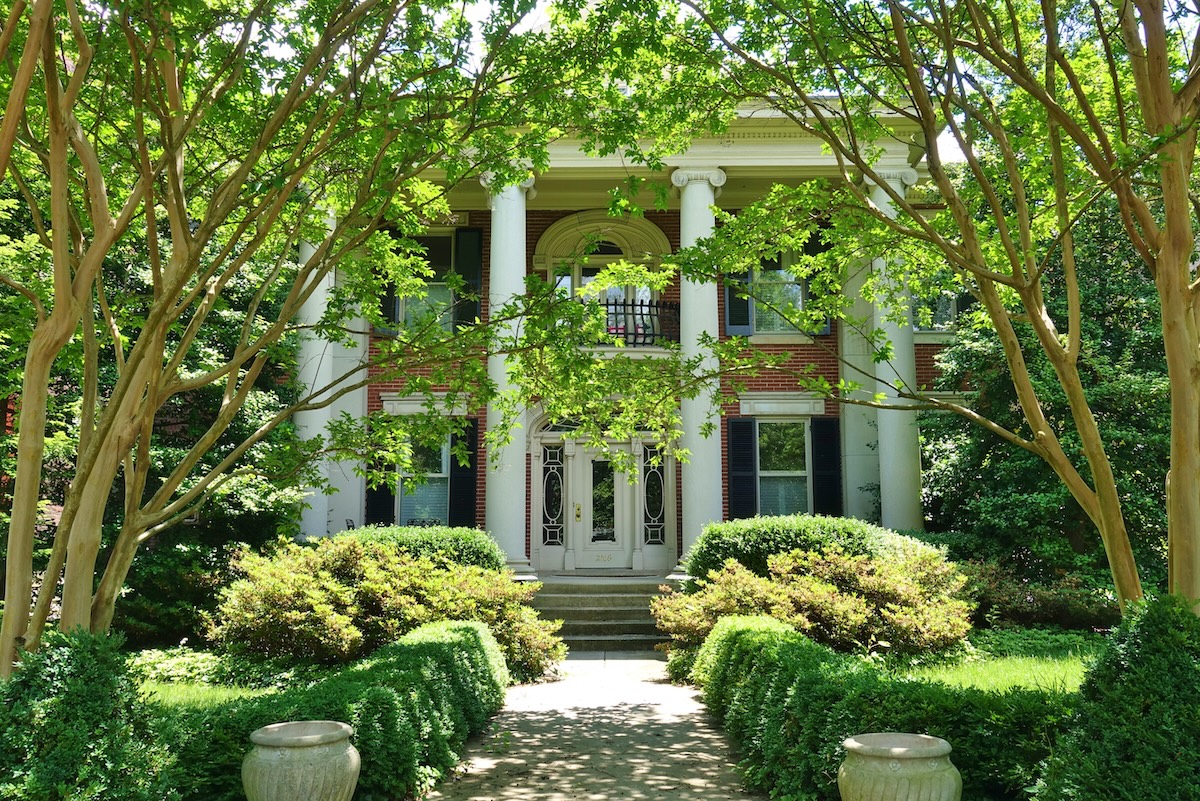
Old Louisville is often called the largest collection of Victorian residential architecture in the United States. Built largely between the 1870s and early 1900s, the neighborhood spans dozens of blocks of Romanesque, Queen Anne, and Italianate mansions, many with turrets and stained glass.
Start on St. James Court, a pedestrian-friendly green lined with grand homes and a central fountain. Every October, the St. James Court Art Show draws hundreds of artists and huge crowds. You can stay in one of the area’s bed-and-breakfasts, housed in restored mansions, or walk through Central Park, which the Olmsted firm designed.
16. Fredericksburg Historic District, Texas
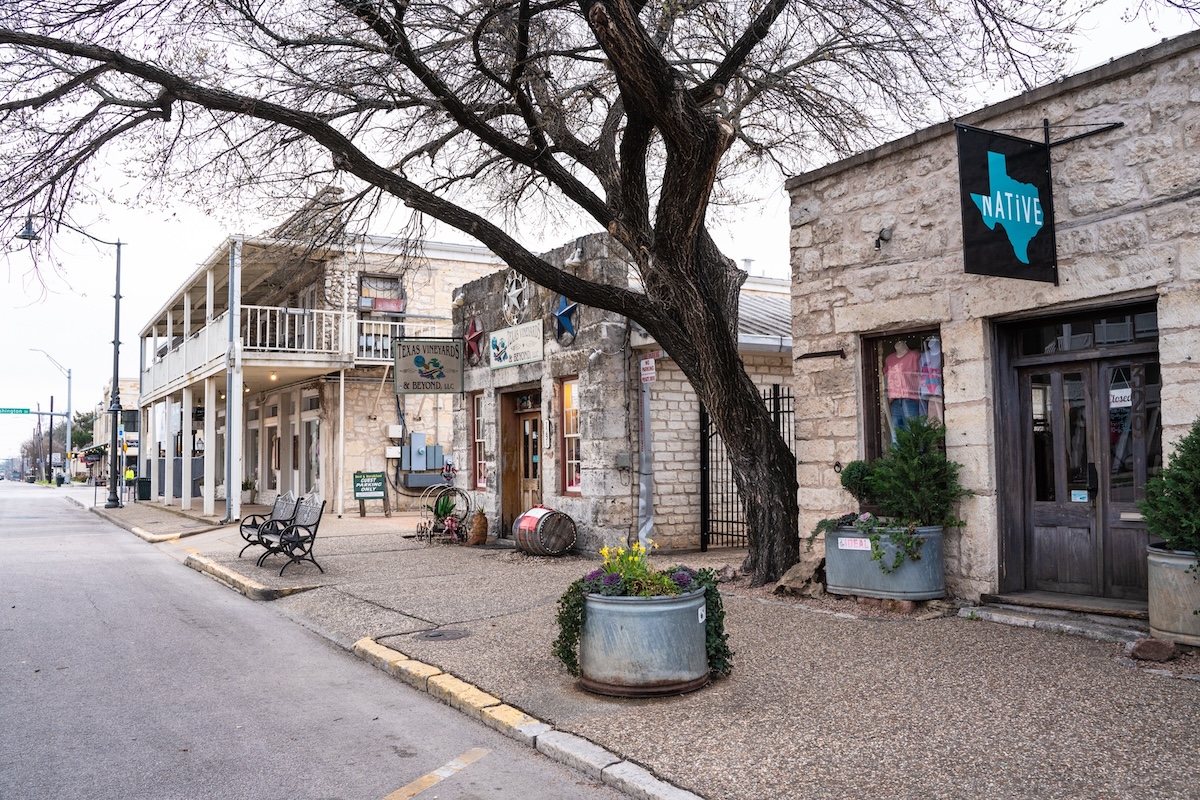
German settlers founded Fredericksburg in 1846. Their limestone buildings give this Texas Hill Country town a look you won’t find elsewhere in the state. Look for Sunday houses, small homes that farm families built in town for weekend church and market trips.
By local tradition, Main Street is wide enough for an ox cart to turn around. Shops, bakeries, and biergartens line the street. The National Museum of the Pacific War honors Admiral Chester Nimitz, who grew up here. Beyond downtown, dozens of wineries dot Highway 290. In spring, bluebonnets bloom and peach season begins in the surrounding countryside.
15. Newport Historic District, Rhode Island
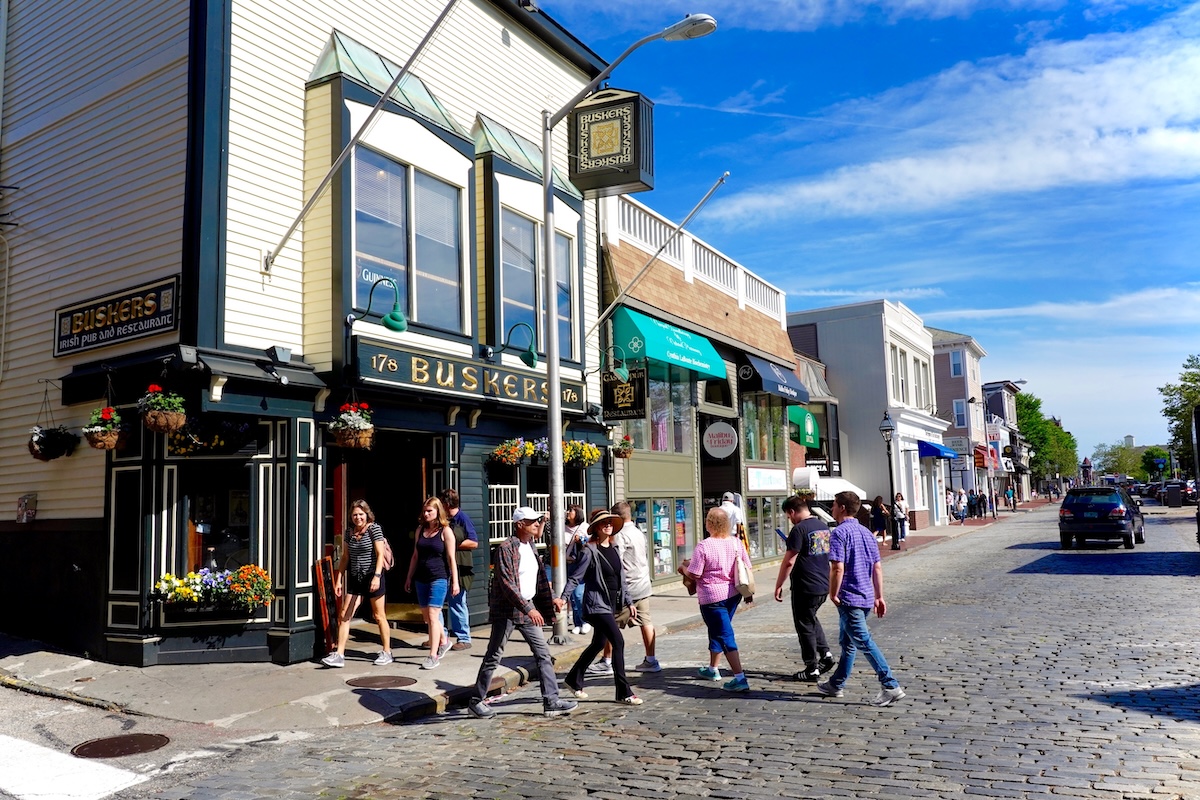
Newport holds one of the country’s largest concentrations of colonial buildings, though many visitors miss them on the way to the Gilded Age mansions. Hundreds of 18th-century houses survive on downtown streets and in The Point, where narrow lanes feel much as they did before the Revolution.
Visit Touro Synagogue, dedicated in 1763 and the oldest surviving synagogue building in the United States. Then head to Bellevue Avenue for The Breakers and other mansions managed by the Preservation Society of Newport County. The 3.5-mile Cliff Walk lets you see the estates from the ocean side, with rocky shoreline below.
14. Society Hill Historic District, Philadelphia, Pennsylvania
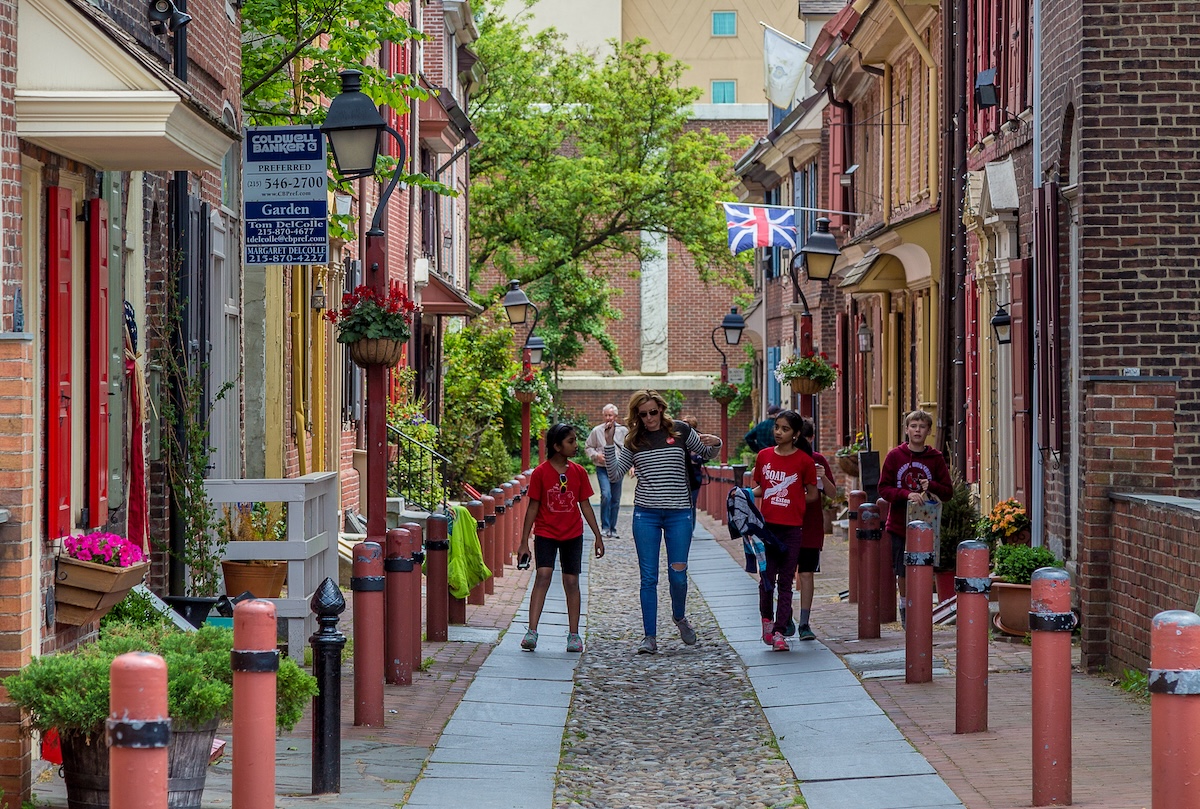
Society Hill has one of America’s largest concentrations of original 18th- and early 19th-century residential architecture. Its brick Georgian and Federal rowhouses fell into disrepair by the mid-1900s. Restoration efforts in the 1950s and 1960s brought families back to the neighborhood.
Walk quiet streets lit by gas-style lamps, past churches such as Old St. Joseph’s and St. Peter’s. The Physick House offers a glimpse inside an elegant Federal home. Head House Square hosts a farmers market on Sundays beneath a colonial-era market shed, and Independence Hall sits a short walk north.
13. Georgetown Historic District, Washington, D.C.
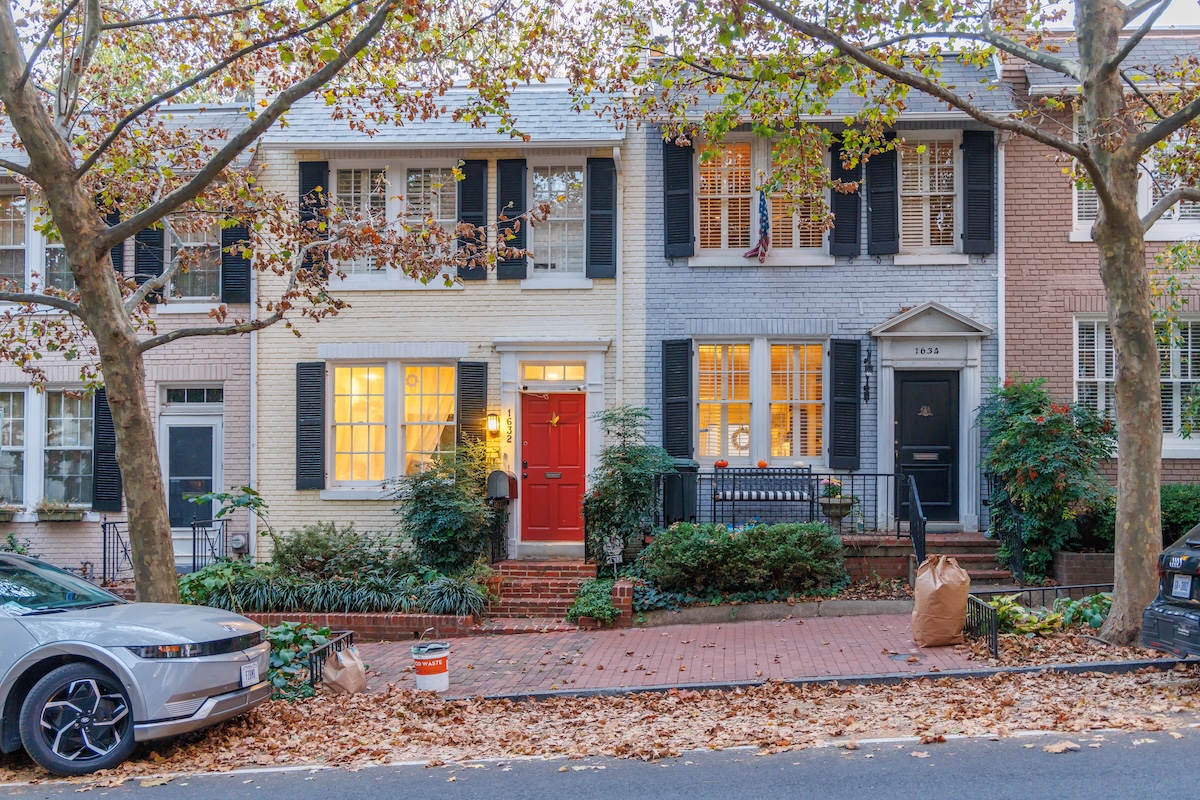
Georgetown predates the capital. Founded in 1751 as a Maryland tobacco port on the Potomac River, it’s known for Federal-style rowhouses, brick sidewalks, and cobblestone side streets. It’s one of the most walkable parts of old Washington.
Tour the Old Stone House, built in 1765 and among the oldest structures in the city. Walk or bike the towpath along the C&O Canal, or climb the steep steps made famous by The Exorcist. For shopping and dining, head to M Street and Wisconsin Avenue, then finish at Georgetown Waterfront Park for river views toward the Kennedy Center.
12. Nantucket Historic District, Massachusetts
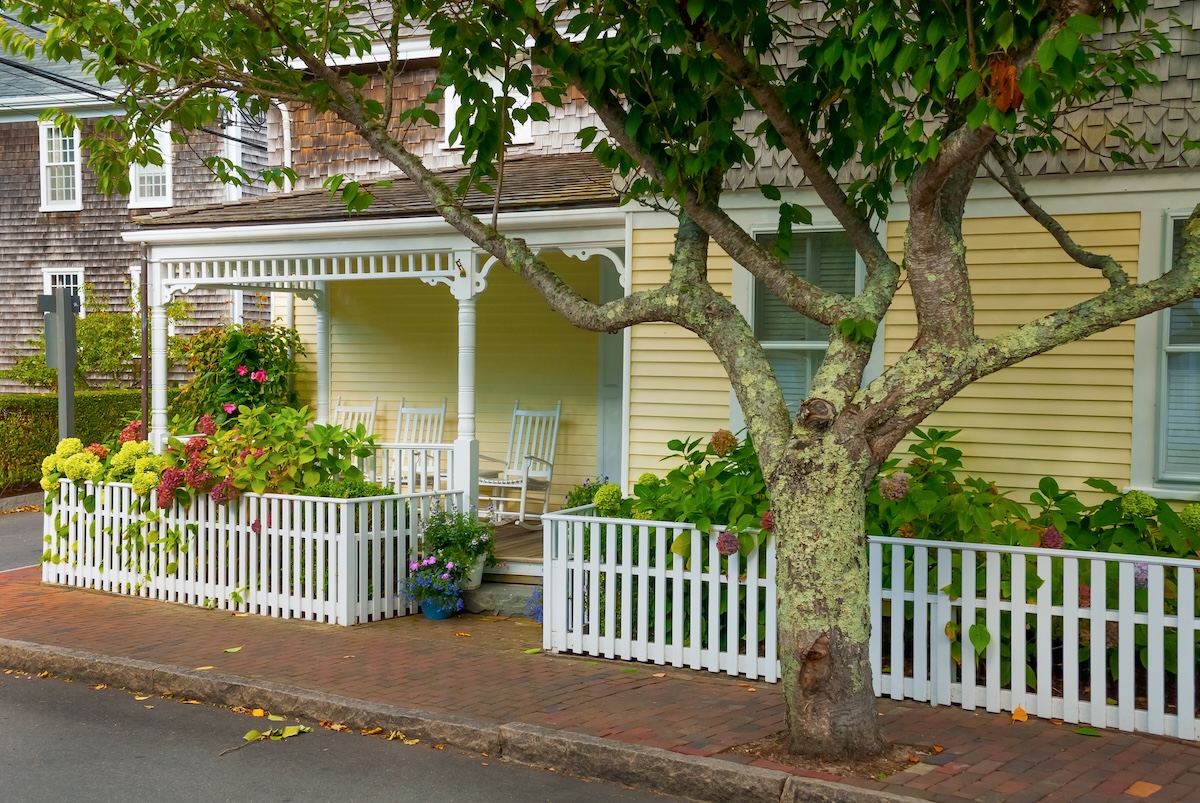
Thirty miles off the Massachusetts coast, Nantucket built its fortune on whaling in the 18th and 19th centuries, then spent the following decades going broke. That financial misfortune had the accidental effect of preserving most of its Federal and Greek Revival architecture intact, since what would have been demolished elsewhere simply couldn’t attract enough investment to tear down.
The cobblestoned Main Street and grey-shingled cottages spreading from the harbor are now protected by one of the most comprehensive historic preservation ordinances in the country. Everything from paint colors to window styles gets reviewed, which drives certain homeowners to the edge of reason and keeps the island looking exactly as it should.
11. St. Augustine Historic District, Florida
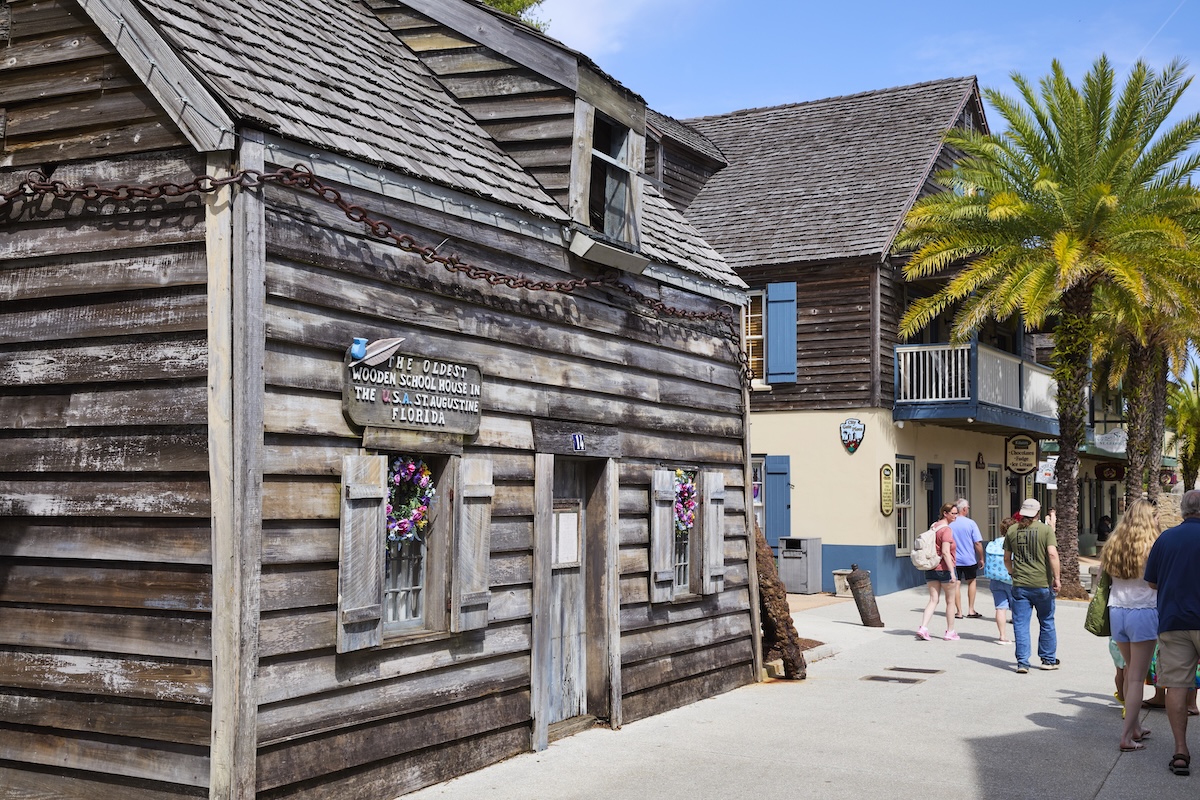
Founded by the Spanish in 1565, St. Augustine is the oldest continuously occupied European settlement in the United States, and the historic district wears that distinction without letting you forget it. The narrow streets around the Plaza de la Constitución are lined with coquina stone buildings that predate American independence by centuries, giving Florida’s usual beach resort personality some useful historical ballast.
Castillo de San Marcos at the edge of the district is a 17th-century Spanish fort that changed hands between colonial powers several times and is free to visit. Few cities in Florida have this much actual history to stand behind.
10. Galena Historic District, Illinois
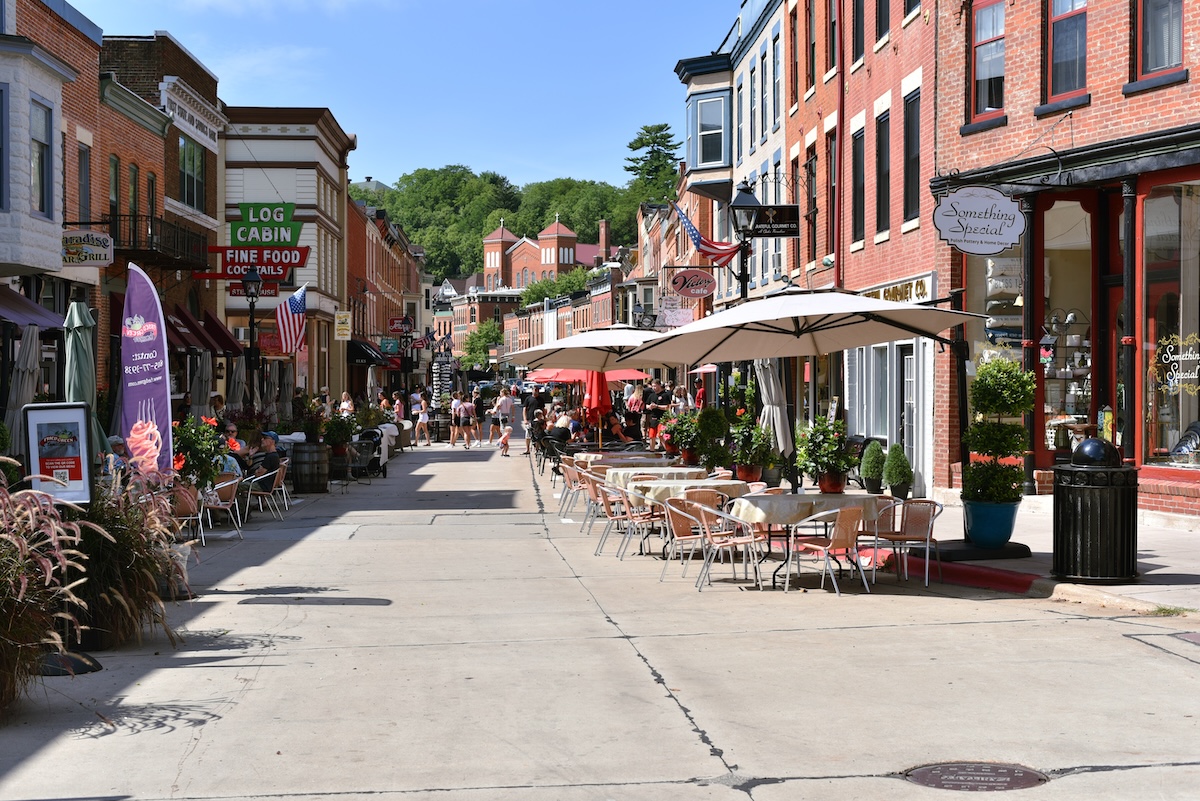
Tucked into bluffs along the Galena River in a corner of Illinois that looks nothing like the rest of the state, Galena’s Main Street runs along a slope of 19th-century brick commercial buildings that the town has maintained consistently. The surrounding residential streets climb the hills in Italianate and Greek Revival houses that make clear how wealthy lead mining made this place in its heyday.
Ulysses S. Grant called Galena home before the Civil War changed his trajectory, and his house is preserved and open for tours. On a quiet weekday, it remains one of the better places to understand what the Midwest looked like before the 20th century arrived with its own ideas.
9. Old Town Alexandria, Virginia
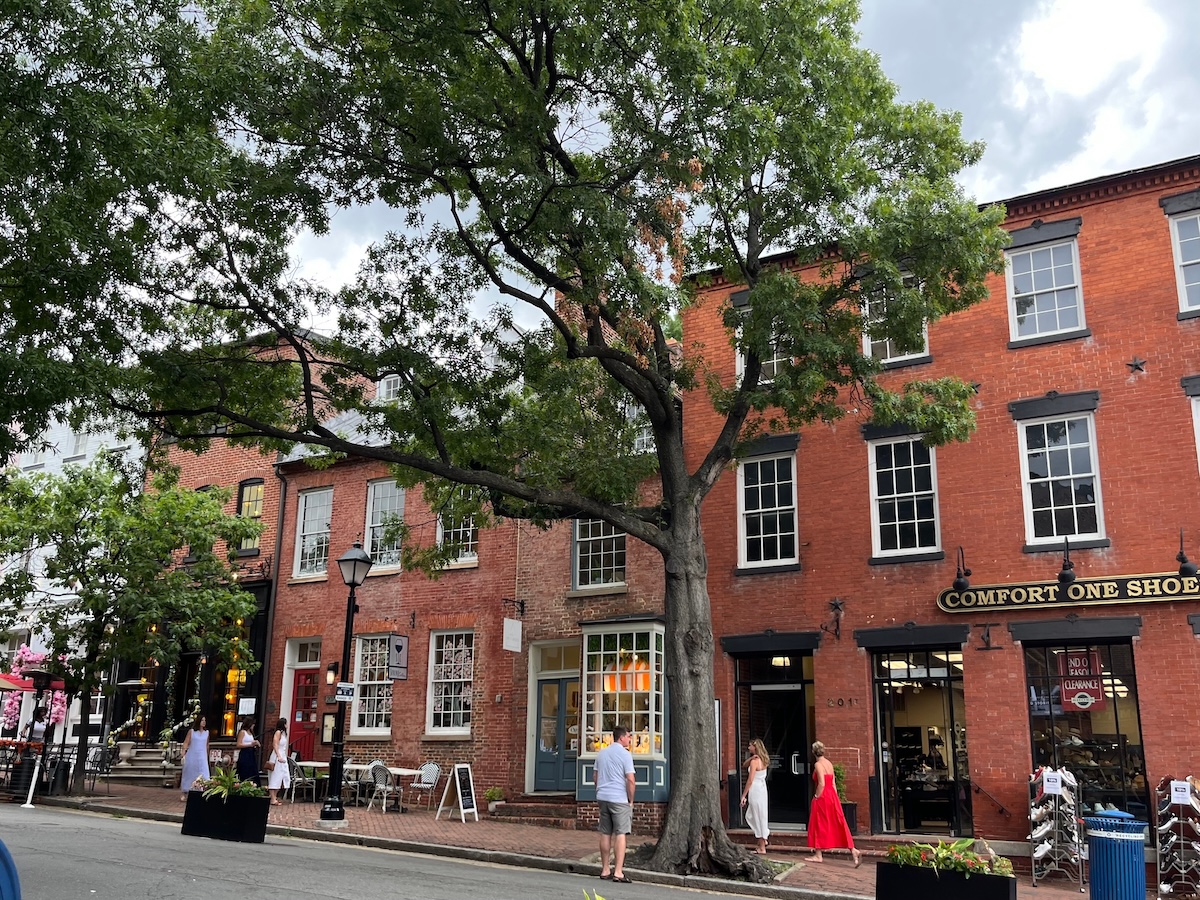
Eight miles down the Potomac from Washington D.C., Alexandria’s Old Town runs from the riverfront through a grid of 18th and 19th century rowhouses kept in a state of careful, well-funded preservation. George Washington drank at Gadsby’s Tavern. Robert E. Lee grew up on Oronoco Street. The history here is dense and walks up to you unprompted.
King Street is the commercial spine, running from the river to the Metro station with enough restaurants and independent shops to fill a full day. Old Town functions as a real neighborhood first and a tourist destination second, which the streets reflect at every hour of the day.
8. Annapolis Historic District, Maryland
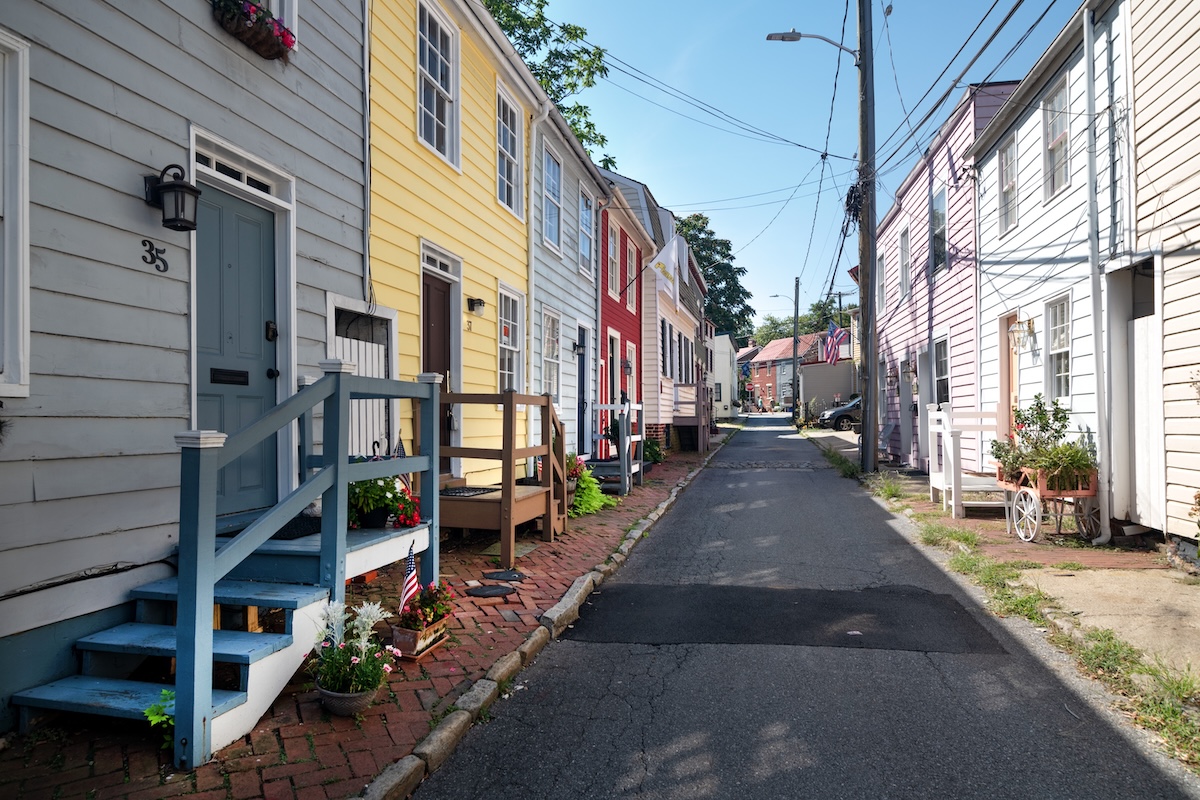
Maryland’s state capital has been sitting at the confluence of the Severn River and the Chesapeake Bay since the 1640s, and the historic district radiating out from the State House dome contains the largest concentration of 18th-century architecture in the United States. The dome itself is the oldest state capitol building in continuous legislative use in the country, a fact Maryland mentions as often as it can.
The Naval Academy occupies the waterfront end of the district and opens to visitors through the main gate. Beyond the Academy, the streets narrow and the brick Federal rowhouses crowd together densely, something you won’t find replicated in the rest of modern Maryland.
7. Telluride Historic District, Colorado
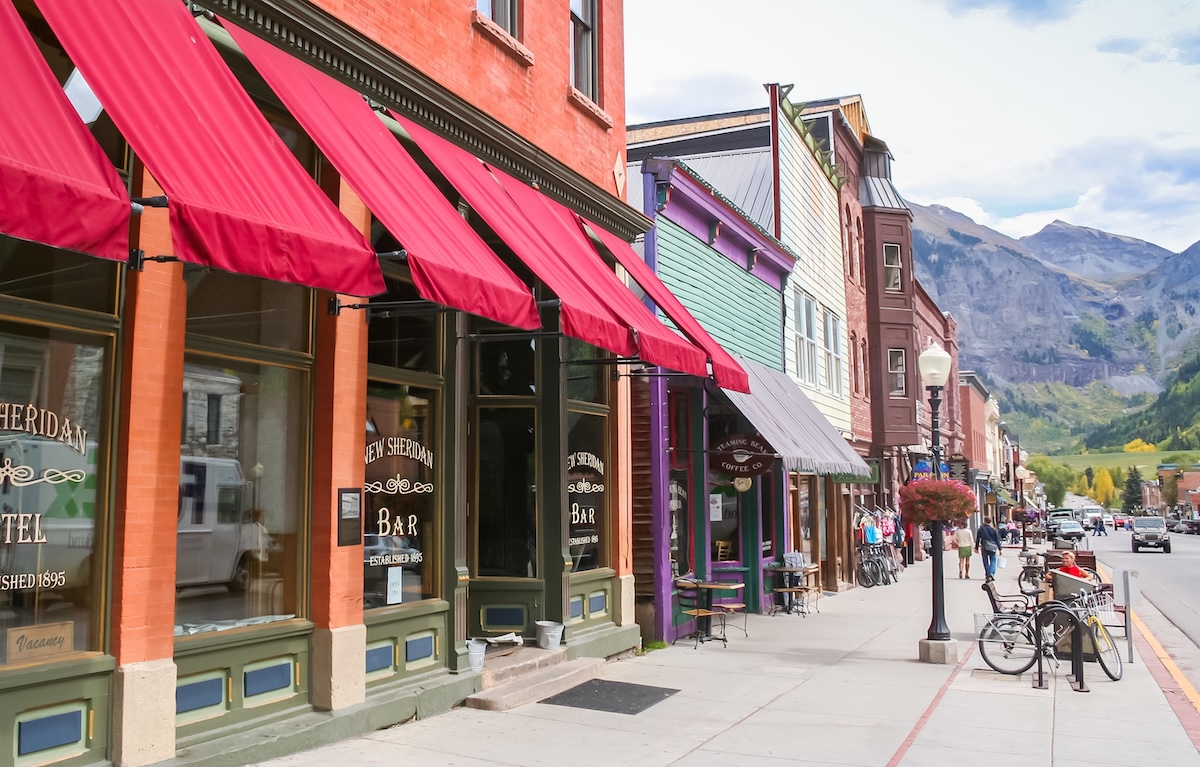
At the end of a box canyon in the San Juan Mountains, Telluride’s Victorian mining grid was declared a National Historic Landmark in 1964, well before ski resorts transformed the surrounding terrain. The original town plan survived intact: a straightforward grid of commercial buildings and workers’ cottages that silver mining built and a ski economy now maintains.
Colorado Avenue is wide enough to turn a wagon team, lined with buildings that have held their 19th-century facades through several complete transformations of the local economy. Canyon walls rise above on three sides, giving the whole district a natural enclosure that can’t be fabricated, no matter how hard you try.
6. Santa Fe Historic District, New Mexico
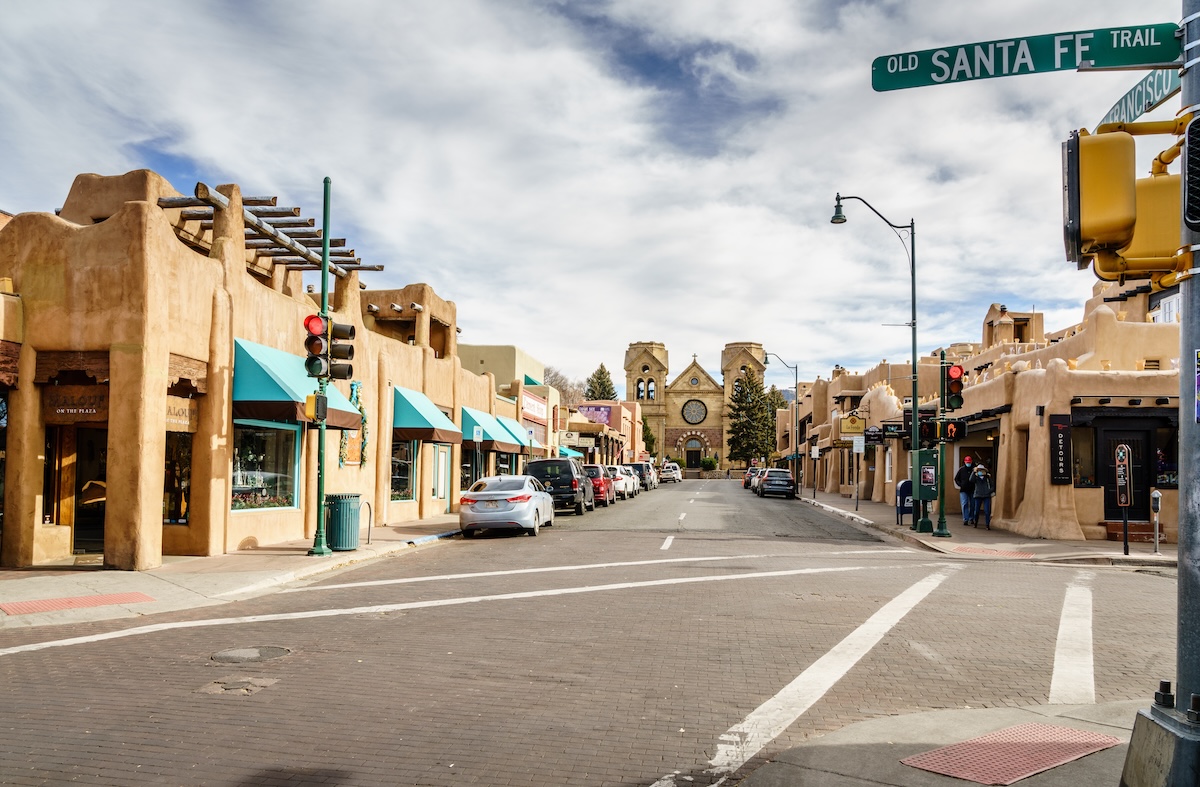
The Spanish established Santa Fe as the capital of this corner of the Southwest in 1610, and the historic district around the Plaza preserves an adobe construction tradition that predates European arrival entirely. Everything in the downtown core is built to the Pueblo Revival style by municipal code, which sounds restrictive until you walk around in it and understand why.
The Palace of the Governors on the north side of the Plaza is the oldest continuously occupied public building in the United States. Native American artisans sell jewelry and pottery under its portal every day, continuing a tradition that has been running on that same stretch of sidewalk for over a century.
5. Beacon Hill, Boston, Massachusetts

The slope between the Massachusetts State House and the Charles River holds one of the most intact Federal-style residential neighborhoods in the country. It is a collection of brick rowhouses and gas-lit streets that Beacon Hill’s neighborhood association has been defending against modernity since 1955. Acorn Street, one of the narrowest in Boston, is also one of the most photographed of its kind the country.
The neighborhood was home to Boston’s Brahmin elite through the 19th century, and it remains one of the most expensive in the city. Property here might be pricy, but the cobblestones and the gas lamps cost nothing to walk through, and most people find that entirely sufficient.
4. French Quarter, New Orleans, Louisiana
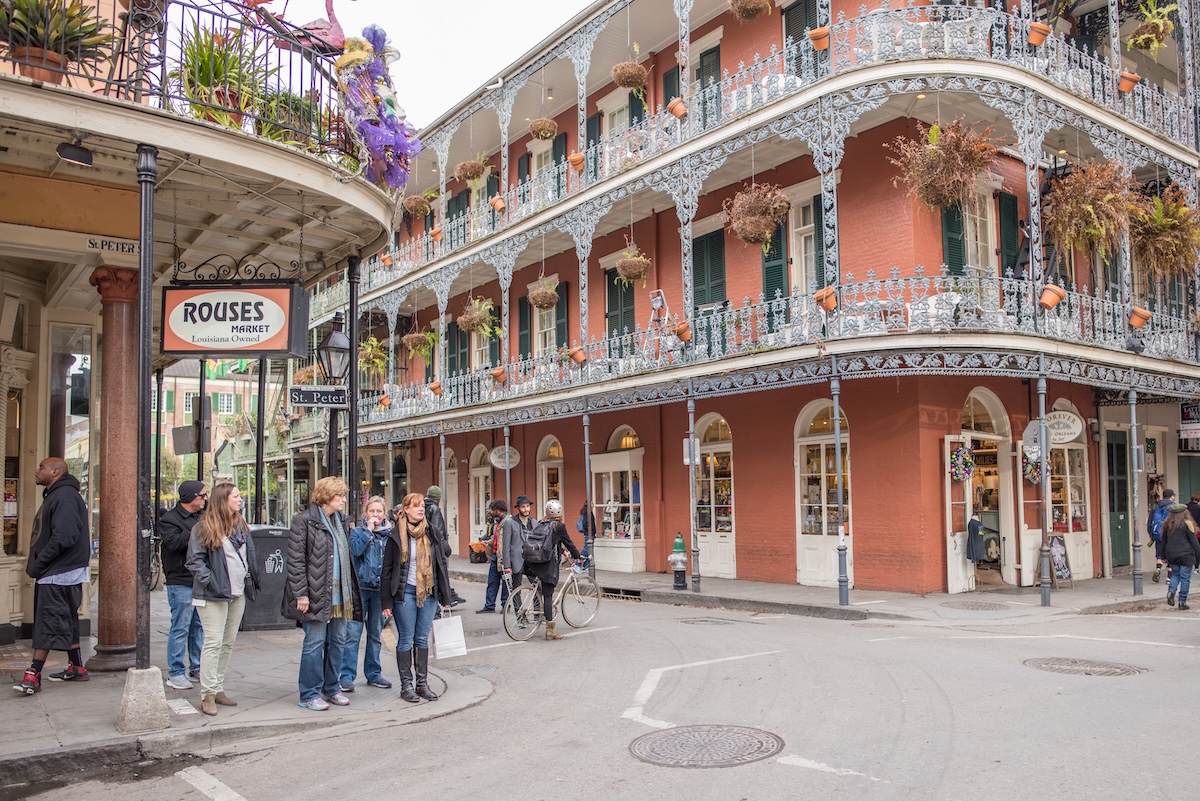
New Orleans’ oldest neighborhood is the one most visitors see first and occasionally exclusively, which is understandable but limiting. The ironwork balconies and stucco facades are largely a Spanish colonial legacy with a French name, but that is a historical footnote that New Orleans has decided to accept.
Bourbon Street has the loudest reputation and the least representative character in the Quarter. One street off it in any direction, the district reveals itself as a functioning residential neighborhood where restaurants and music venues share blocks with people who actually live there, and who have been doing so for three hundred years.
3. Cape May Historic District, New Jersey
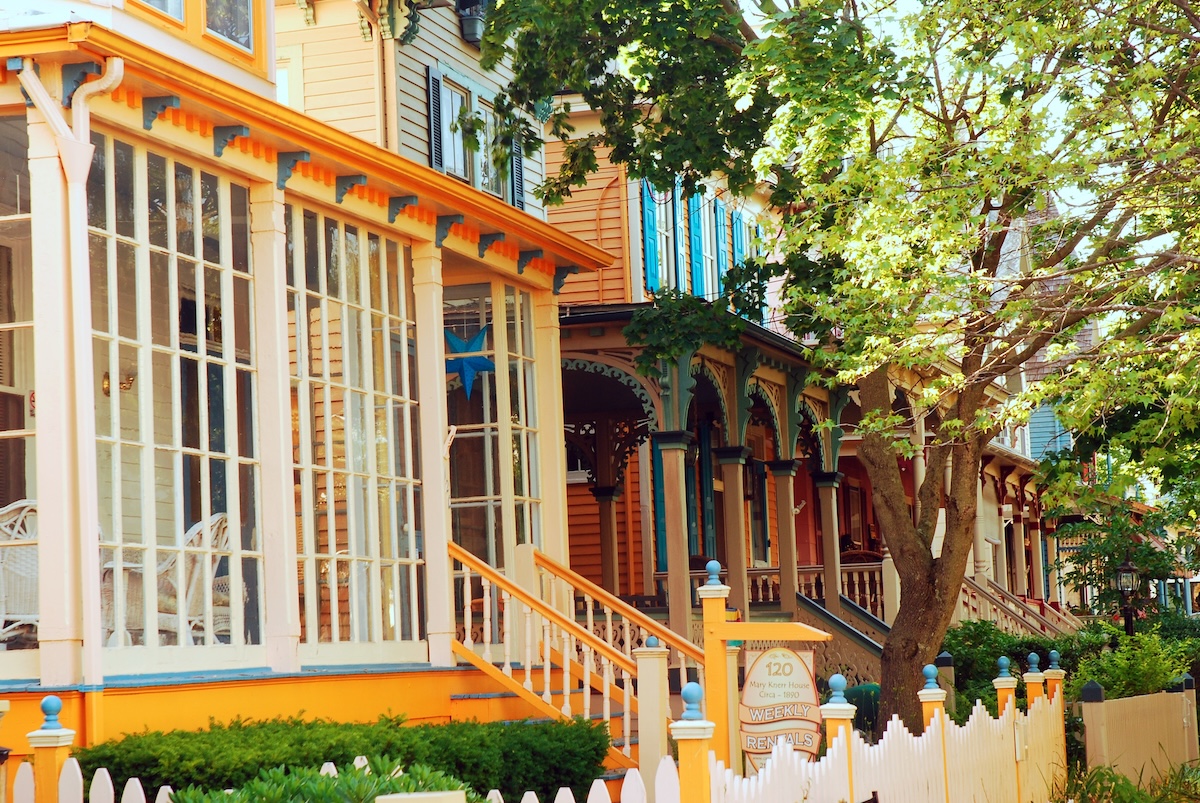
At the southern tip of New Jersey, where Delaware Bay meets the Atlantic, Cape May holds the largest concentration of Victorian architecture in the United States. The town had the good fortune of being fashionable in the 1870s and 1880s, and the useful misfortune of falling out of fashion before anyone could afford to tear anything down. Block after block of wooden gingerbread houses stand in colors the Victorians chose because nobody had told them not to.
In fall, Cape May becomes one of the East Coast’s premier birding destinations. Positioned directly in the Atlantic Flyway, the volume and variety of migrating species passing through make it a serious birding destination even for visitors who originally came for the architecture.
2. Charleston Historic District, South Carolina
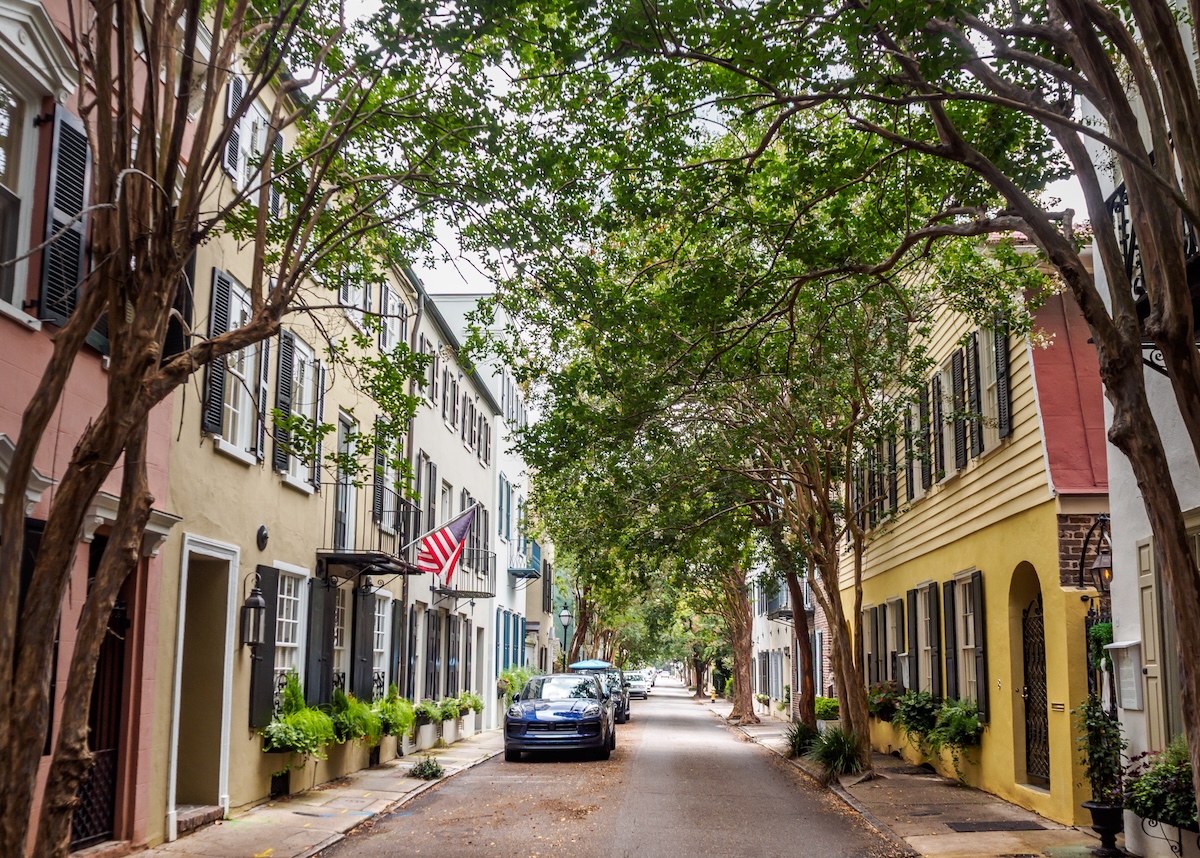
Where the Ashley and Cooper Rivers meet, Charleston’s historic district covers the lower peninsula in antebellum architecture whose full history the city has been working to reckon with more honestly in recent years. The Rainbow Row houses on East Bay Street are the most photographed block in the city, though the single houses on the residential streets are Charleston’s more distinctive architectural contribution, turned sideways to the street to face their gardens.
Few American cities have this much to look at on an afternoon walk, and few have needed to confront as honestly what built it all.
1. Savannah Historic District, Georgia
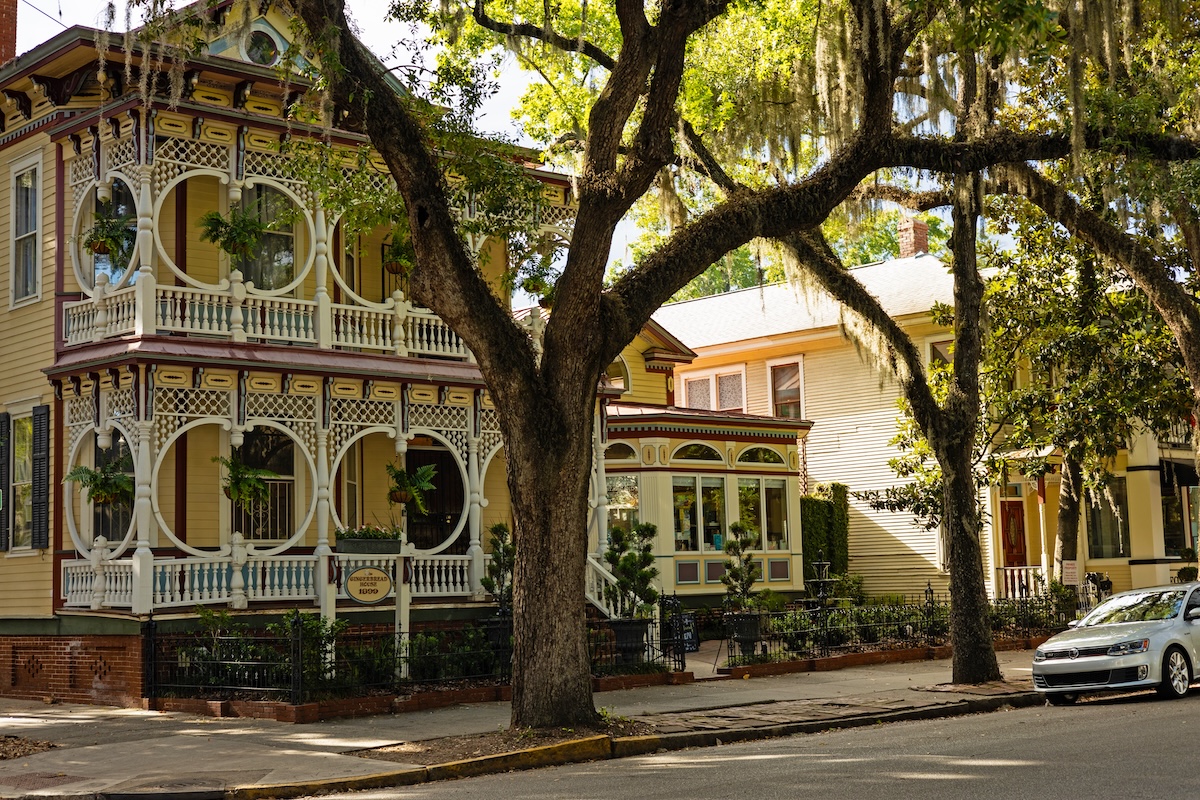
James Oglethorpe laid out Savannah in 1733 on a grid of squares that remains one of the most successful acts of urban planning in American history. The 22 surviving squares each anchor a neighborhood of antebellum townhouses beneath live oaks draped in Spanish moss, and walking from one to the next is how the city is meant to be experienced.
No other American city has replicated this combination of urban layout and atmosphere, despite several having tried. Midnight in the Garden of Good and Evil introduced Savannah to a generation of readers in 1994, and the city has been managing that particular tourism wave with steady, gracious efficiency.