
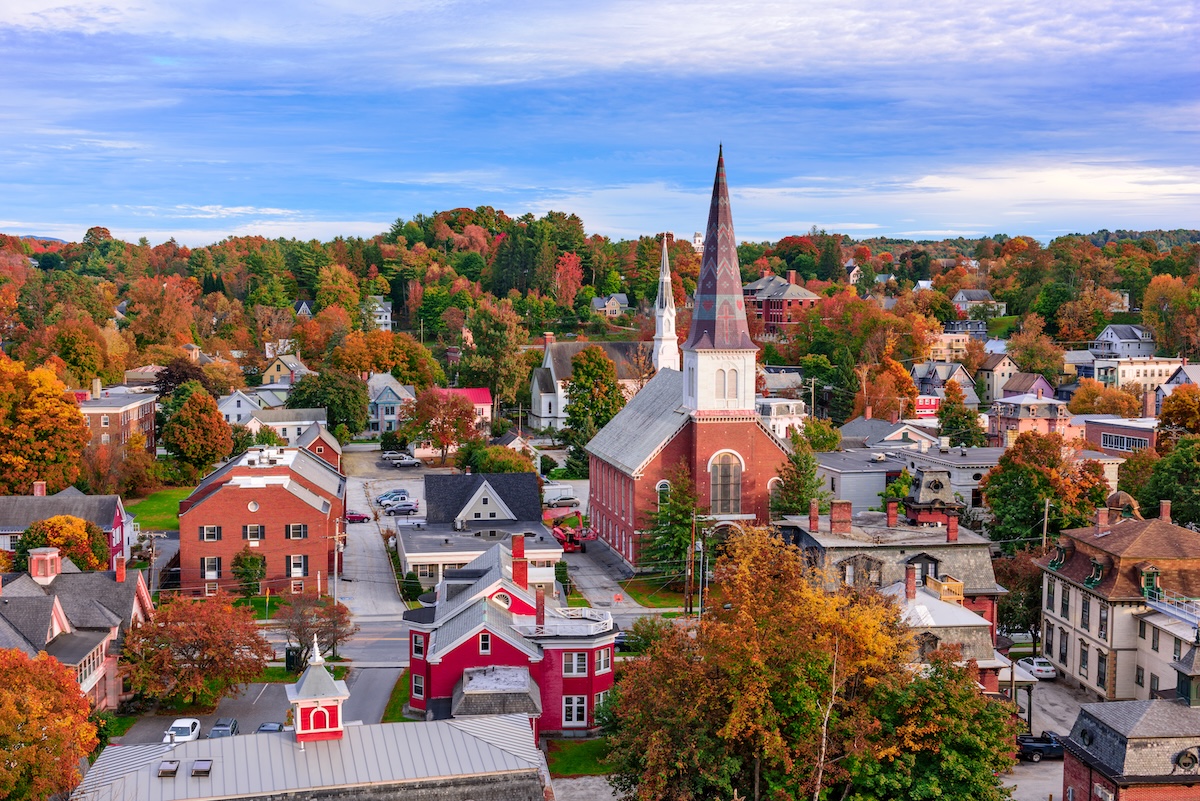
When you picture a state capital, you probably think of busy streets, imposing government buildings, and endless traffic. But what if the seat of state government looked more like a village than a city, where you could walk from one end to the other in under twenty minutes?
Montpelier, Vermont stands as the smallest state capital in America, home to fewer than 8,000 residents yet brimming with an independent spirit that defines the entire state. This compact city sits in a valley surrounded by green hills, with the gold-domed State House anchoring a downtown full of locally owned shops and restaurants.
Here, farm-to-table dining isn’t just a buzzword—it’s how folks eat. Historic architecture meets a surprisingly lively arts scene, and the scale of everything pretty much demands that you slow down and actually look around. Montpelier gives you a real taste of Vermont, minus the crowds and overdone tourist traps you find elsewhere.
America’s Smallest State Capital
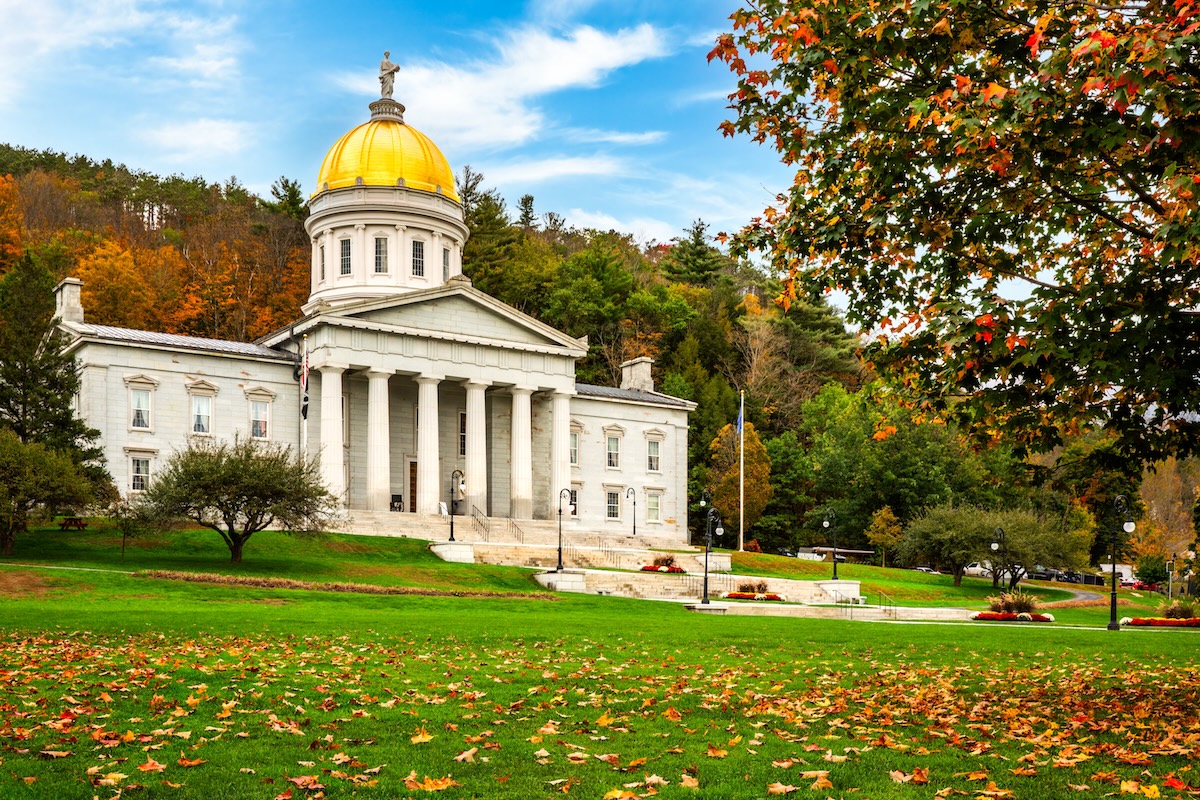
Walk through Montpelier and you’ll immediately sense something’s different. With fewer than 8,000 people, it’s the least populous capital city in the country. That small size? It changes everything. There aren’t traffic jams, no looming office towers—just a handful of walkable blocks where daily life feels personal.
The Vermont State House and its gold dome sit right downtown. You can stroll from the capitol steps to a coffee shop or bookstore in just a few minutes. This walkability means you might catch a glimpse of the state’s formal business and then, just steps away, see neighbors chatting over lunch.
It’s a bit odd, honestly, how political life and small-town routines blend here. Local legislators grab coffee at the same counter as everyone else. The same streets that host state ceremonies turn into spaces for farmers markets and quirky community events.
Historic Downtown
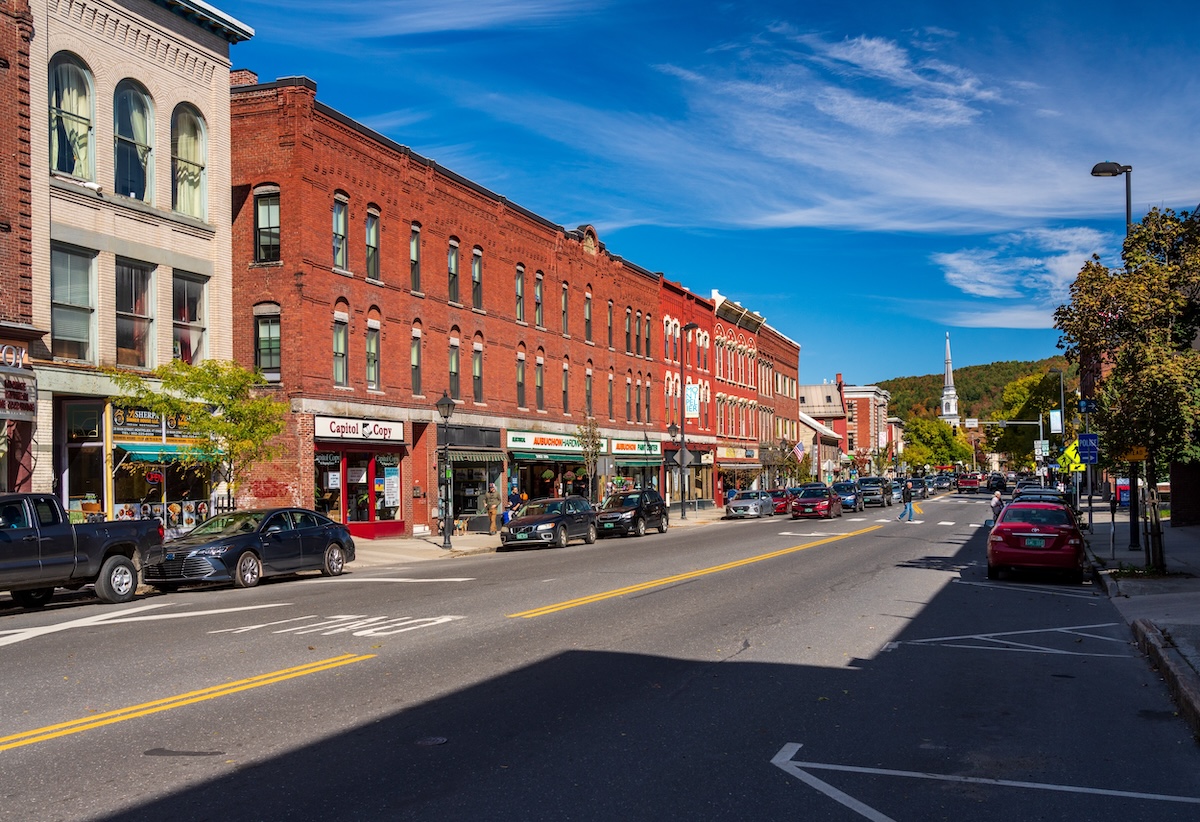
Montpelier’s downtown looks much like it did in the 1800s—brick buildings line State Street and the blocks around it. The architecture tells Vermont’s story, but nothing feels frozen in time. These old buildings now hold a jumble of local businesses that keep the city’s personality alive.
As you wander, you’ll stumble into bookstores where staff actually know what’s on the shelves, coffee shops roasting their own beans, and little stores selling Vermont-made goods. There aren’t chain stores here, and that’s by design. People in Montpelier have worked hard to support their neighbors and keep things unique.
Downtown isn’t just for tourists—it’s where the community gathers. State employees duck into family-run restaurants for lunch, folks catch up outside the co-op, and regulars browse shops they’ve visited for years. There’s a lived-in feeling on the streets that’s hard to fake. In a way, Montpelier’s independent streak shows up in every corner, giving it a sense of place that bigger cities just don’t have.