
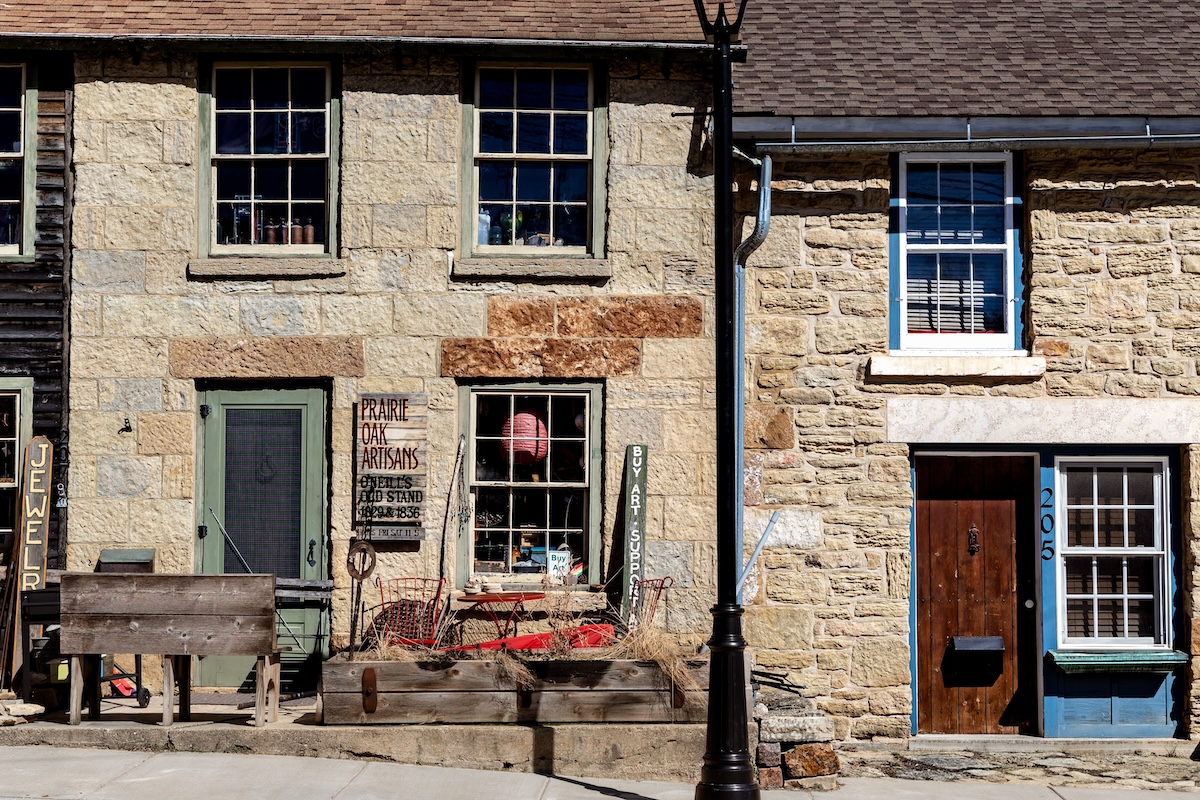
Tucked into the rolling hills of the Driftless Area, there’s a town where the buildings look like they belong in a 19th-century English mining village. Limestone cottages wedge themselves into the hillsides, and storefronts line a walkable downtown that’s never been bulldozed for strip malls. You won’t spot a single drive-through chain restaurant on the main drag—kind of refreshing, honestly.
Mineral Point stands as one of the oldest settlements in Wisconsin, founded back in 1827 when lead deposits lured waves of Cornish miners across the Atlantic. That origin story still shapes what you see, eat, and wander through today. The historic district covers more than 500 structures and was the first in Wisconsin to land a spot on the National Register of Historic Places. Here, history isn’t locked away behind velvet ropes. People live in it, work in it—pottery studios, art galleries, cafés, and independent shops fill those old stone buildings.
Looking for a weekend side trip that actually feels different from other small Midwest towns? Mineral Point delivers. The pace drifts along, the architecture holds up, and the Cornish pasties still come out of the oven warm.
Cornish Roots And Early Lead Mining
It’s tough to get Mineral Point without getting lead. In the 1820s, rich veins of galena ore pulled prospectors and miners to these hills long before Wisconsin became a state. The first arrivals dug shallow pits and even lived in the hillsides, burrowing into the earth for shelter. People started calling them “badgers,” and somehow, that nickname stuck to the whole state.
By the 1830s and 1840s, skilled Cornish miners from southwestern England started showing up in droves. They brought hard-rock mining know-how from the tin and copper mines of Cornwall, and they brought their culture, too. Cornish pasties—those dense, portable meat-and-vegetable pies built for a miner’s lunch—still show up on menus all over town. Local spots treat the recipe as a badge of honor, not just a gimmick.
Mineral Point turned into a real commercial hub during the territorial period. It had one of the earliest land offices in Michigan Territory and served as a county seat. If you wander over to the Pendarvis State Historic Site on Shake Rag Street, you’ll find a cluster of 1840s Cornish stone and log cottages. It’s a rare chance to step right into the lives of early mining families. You’ll also find hiking trails and restored prairie landscapes on the grounds.
The lead and zinc mining boom faded away, but the Cornish imprint didn’t. Street names, building styles, and food traditions still run through daily life here—less like a reenactment, more like a living inheritance.
Stone Cottages And Preserved Streetscapes
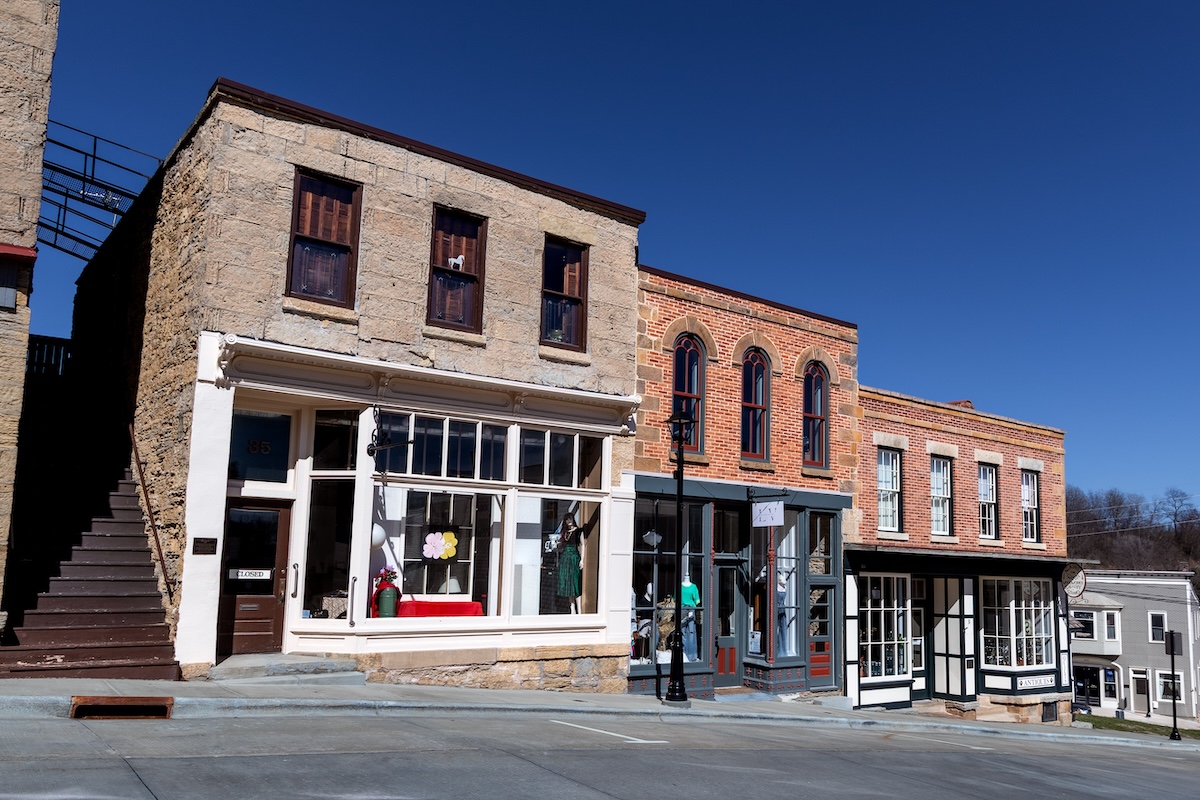
The first thing you notice walking through downtown Mineral Point is the stone. Limestone and sandstone walls line the streets, their surfaces weathered to soft gold and gray. These aren’t reproductions. Back in the 1840s and 1850s, Cornish masons built many of these structures using skills they brought from Cornwall, fitting local dolomite into thick walls meant to last for generations.
The historic district blends a handful of architectural styles—Federal, Italianate, Victorian, Arts and Crafts—but those Cornish stone cottages really give the town its character. Some of them almost disappear into the hillsides along Shake Rag Street, their roofs nearly even with the slope above. The Polperro and Trelawny houses at Pendarvis, both lovingly restored, are open for visitors and worth a peek.
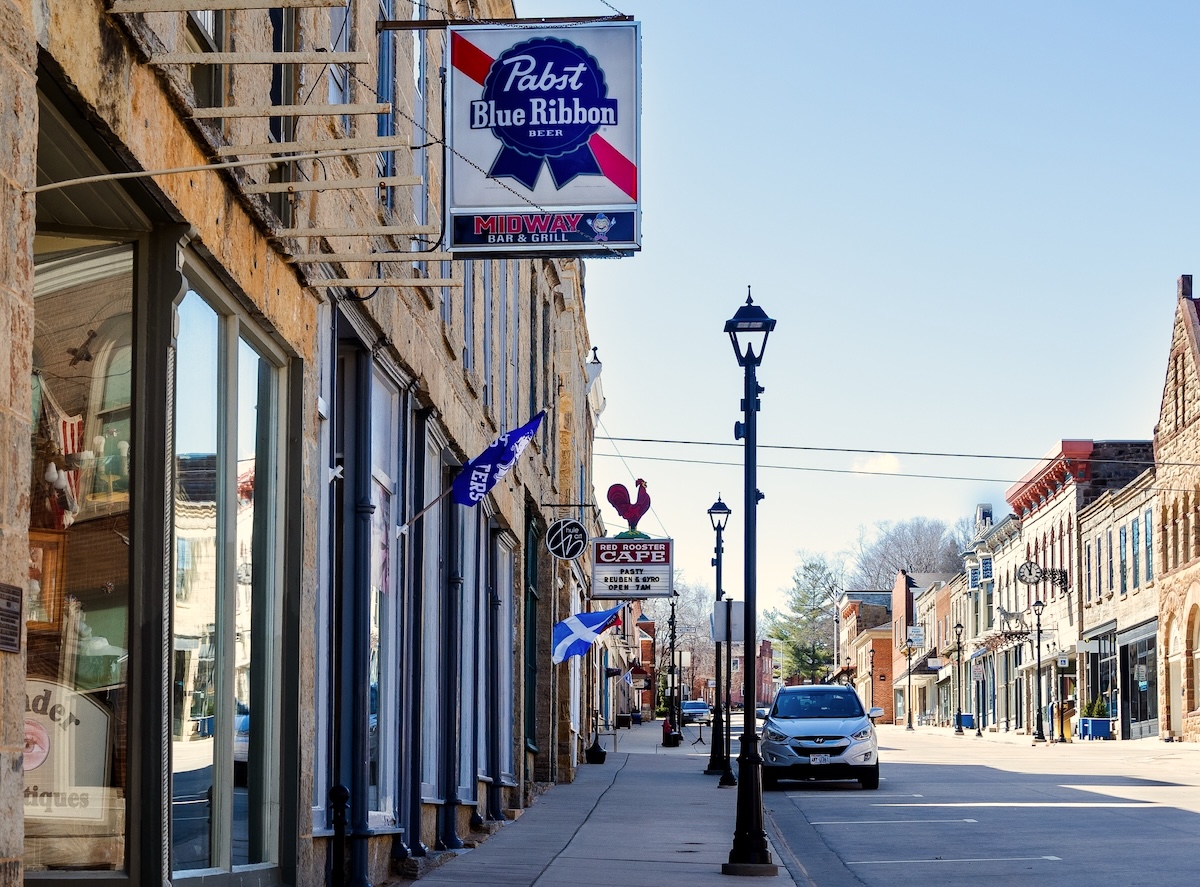
Honestly, what keeps the streetscape from feeling like a museum is how people actually use these buildings. Longbranch Gallery fills a handsome 1850s stone building on Commerce Street with paintings, sculpture, and vintage treasures. Brewery Pottery runs out of an old brewery tucked into a hillside at the far end of Shake Rag Street, showing work from over 250 artists. You can grab a coffee at Wild Blue Yonder Coffeehouse, have a meal at Commerce Street Brewery Hotel’s brewpub, or browse Driftless Studio and Gallery on High Street.
Franchise signs just don’t show up here. The storefronts are all independent, the dining is local, and nobody seems in a rush. You’re not wandering through some staged historic district; it’s more like you’ve dropped into a town that never stopped living in its original buildings.