
The Midwest gets dismissed as flyover country by people who never actually stopped, which works out well for everyone who has. The region runs from copper mining peninsulas on Lake Superior to Missouri River frontier towns, covering more geographic and cultural variety than the coasts give it credit for.
These destinations share one quality: the crowds that would otherwise show up haven’t figured out they should yet. That situation won’t last forever, though, so the time to act is now, before someone writes a glowing New York Times travel piece and ruins everything.
17. Keweenaw Peninsula, Michigan
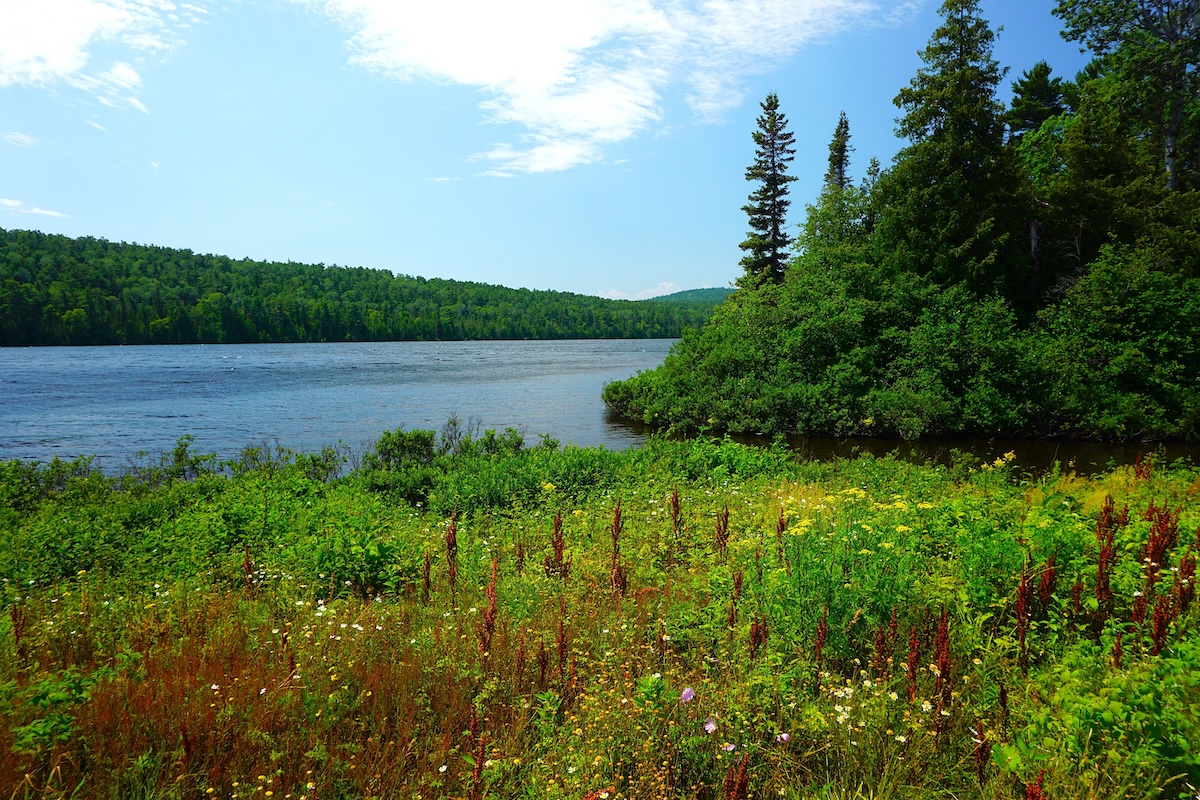
The Upper Peninsula’s northernmost finger juts into Lake Superior with copper mining history embedded so deeply into the landscape that old mine shafts and stamp sand beaches still shape the coastline. The Keweenaw National Historical Park covers the former mining district across multiple sites without fencing everything behind admission booths, so wandering through industrial ruins feels organic and not too curated.
Lake Superior’s cold, clear water preserves shipwrecks on the bottom in remarkable condition. Fall color arrives here earlier than anywhere else in Michigan, and the combination of lake scenery and copper-red forest in late September makes the long drive north absolutely worth it.
16. Sioux Falls, South Dakota
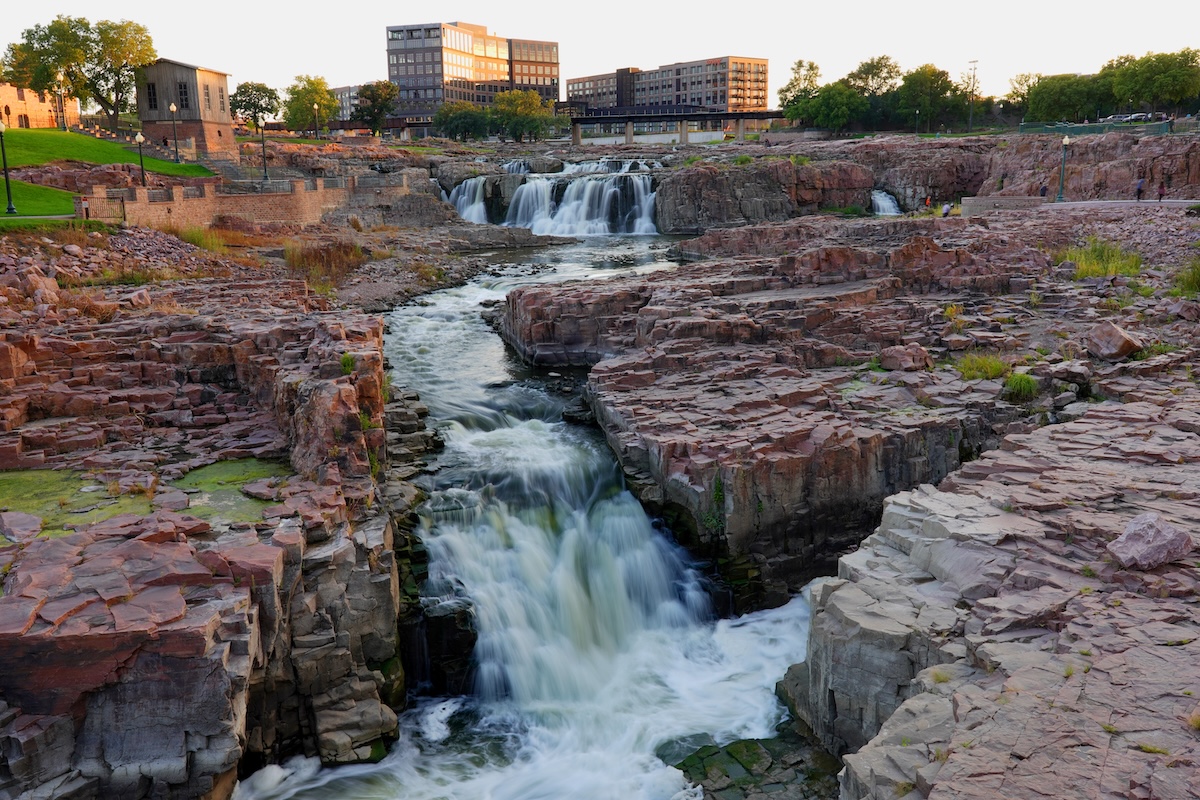
The quartzite formations at Falls Park give Sioux Falls its name and one of the Upper Midwest’s more dramatic urban natural features, with the Big Sioux River dropping 100 feet across pink stone outcroppings that glow in evening light. The park sits minutes from downtown, where an independent restaurant and arts scene outperforms what South Dakota’s culinary reputation would lead anyone to expect.
A sculpture walk along Phillips Avenue places permanent and rotating art pieces through the city center, much to the delight of culture viltures. The surrounding neighborhood also holds enough coffee shops, bookstores, and food options to keep your belly and your mind filled, all within walking distance. Sioux Falls consistently surprises visitors who arrive with low expectations, and you could be next.
15. Mineral Point, Wisconsin
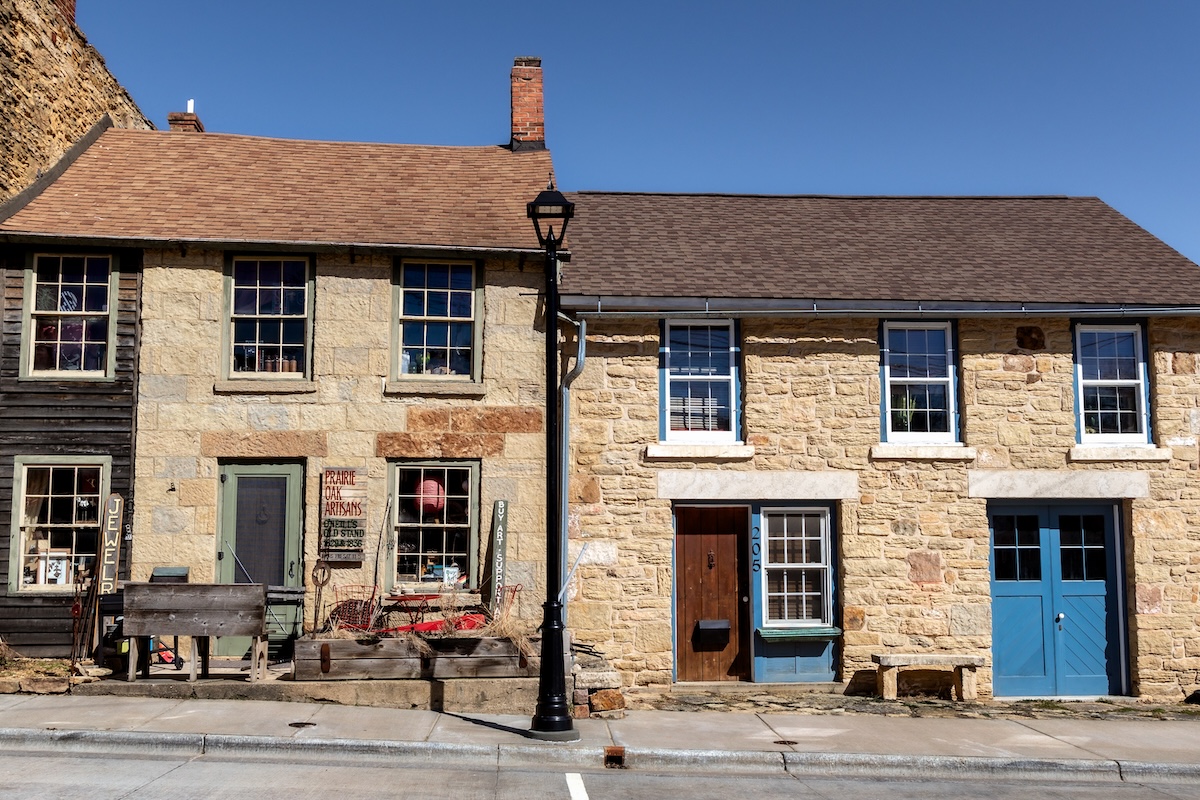
Welsh and Cornish miners settled this southwestern Wisconsin town in the 1820s and built stone cottages along Shake Rag Street. The local preservation community spent decades restoring them, and the result sits among the Midwest’s most architecturally coherent historic districts. You will find real historic substance, not just a cheap coat of paint slathered on top.
Artists followed the affordable limestone buildings into Mineral Point and built a gallery and craft culture that now anchors the local economy. The restaurants serve the tiny population of 2,500 very well, running on ingredients from surrounding Driftless Area farms that produce exceptional food in a landscape that glaciers missed entirely and left beautifully uneven.
14. Ottawa, Illinois
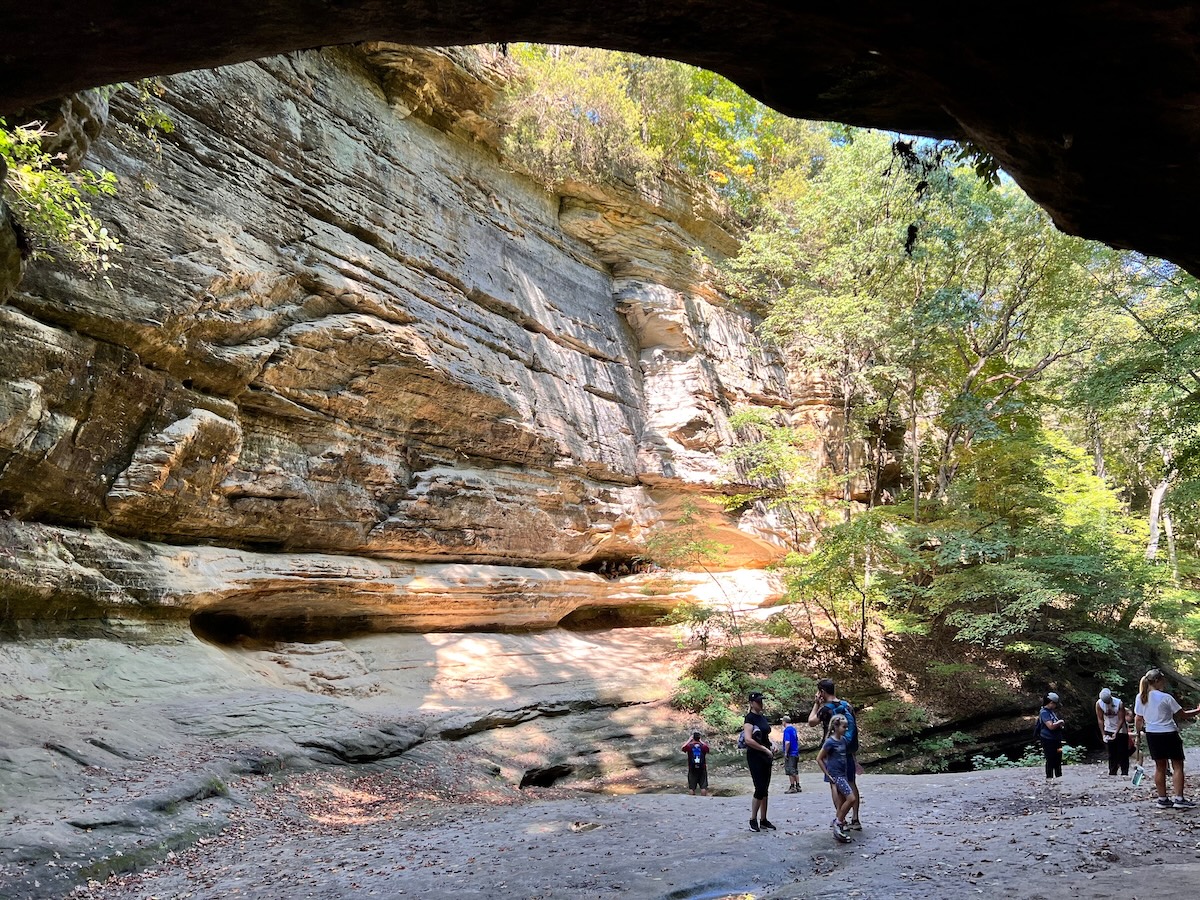
The Illinois and Fox Rivers converge at Ottawa, giving the town a waterfront geography that most communities an hour from Chicago would develop aggressively and expensively. Ottawa took a more measured approach, and the historic downtown retains a character that unhurried river towns cultivated before the interstate highway system rerouted everything through somewhere more convenient.
Washington Square was the site of a famous Lincoln-Douglas debate in 1858, though the square has some present-day merits too. The Illinois and Michigan Canal towpath runs nearby, offering flat cycling through river corridor scenery that Chicagoans who discover it tend to return to quietly and repeatedly without mentioning it to too many people.
13. Lawrence, Kansas
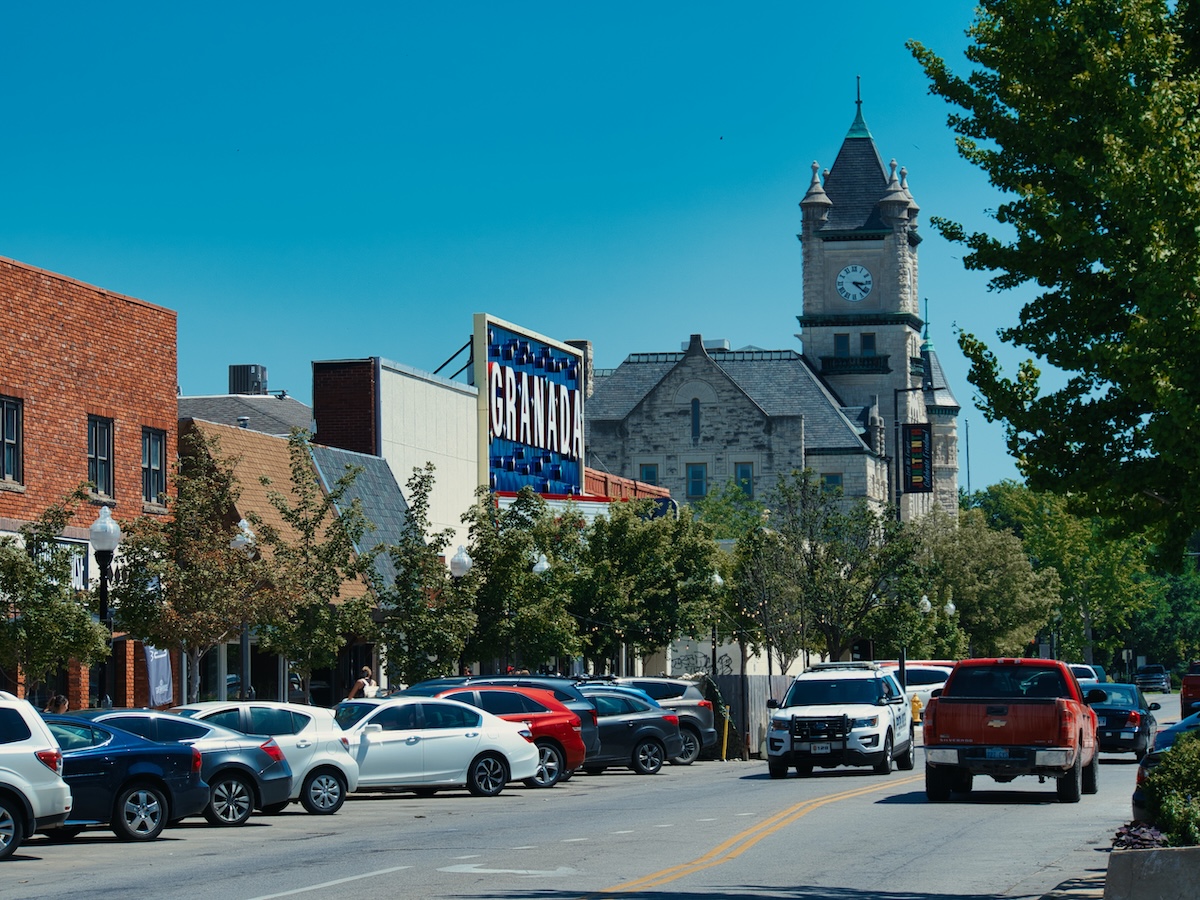
The University of Kansas concentrates cultural energy along Massachusetts Street in a downtown holding independent bookshops, live music venues, and farm-to-table restaurants, sustained by the student population year-round. The basketball tradition here borders on religious, so be prepared to be converted if you walk into the right bar.
Lawrence carries a complicated Civil War history as the site of one of the war’s most violent guerrilla raids, and the local museums handle it honestly. The Kansas Flint Hills begin just east of town, where tallgrass prairie stretching to the horizon serves as a reminder that the Midwest contains some real wildness that highway driving never reveals.
12. Madison, Indiana
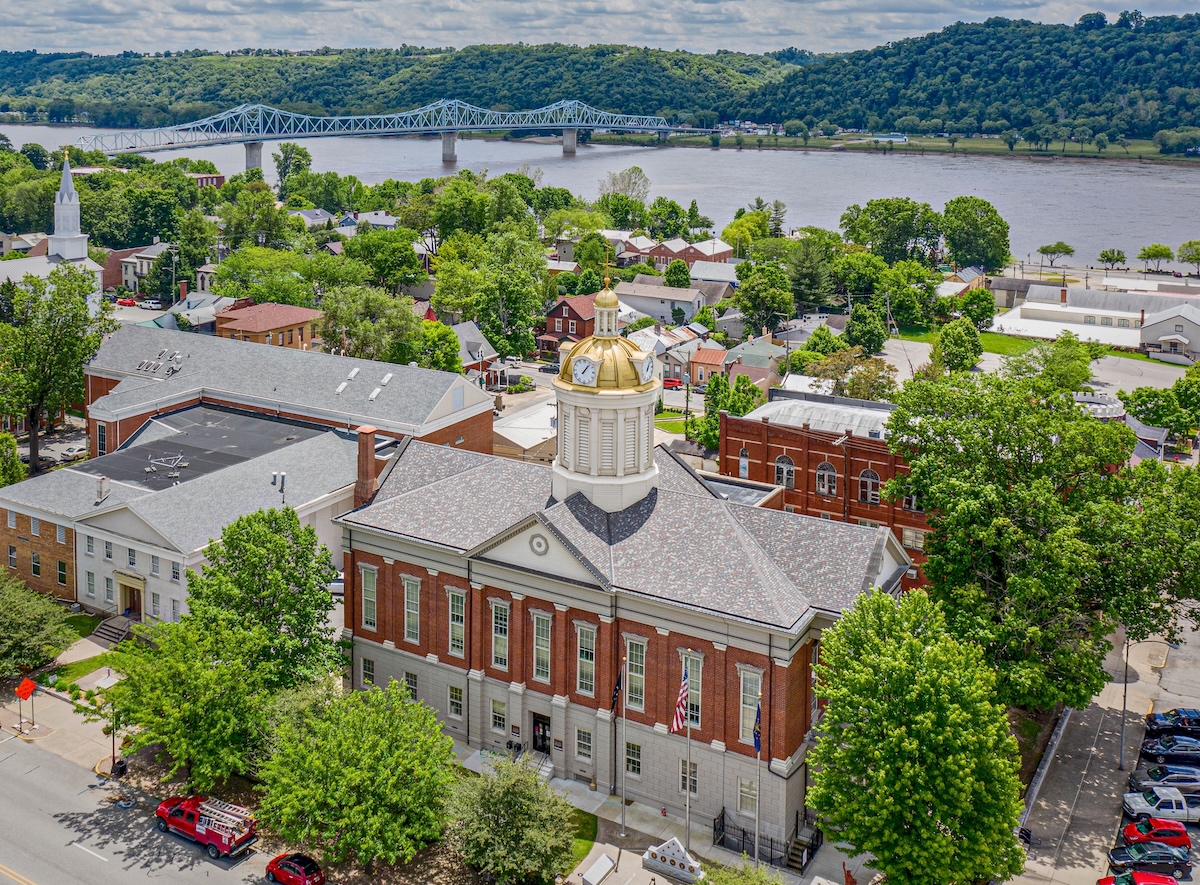
The Ohio River runs below one of Indiana’s most intact antebellum downtown districts, where 133 blocks of 19th-century architecture earned the town a National Historic Landmark designation. The hillside setting above the river gives Madison a vertical drama that Indiana’s flat geography makes completely unexpected.
The annual Madison Regatta hydroplane race draws crowds to the riverfront each July, and the town treats the event as its biggest social occasion of the year. The surrounding Ohio River corridor wine region developed a microclimate that Indiana’s wine producers built a respectable industry around, quietly and without much outside encouragement.
11. Fayette Historic State Park, Michigan
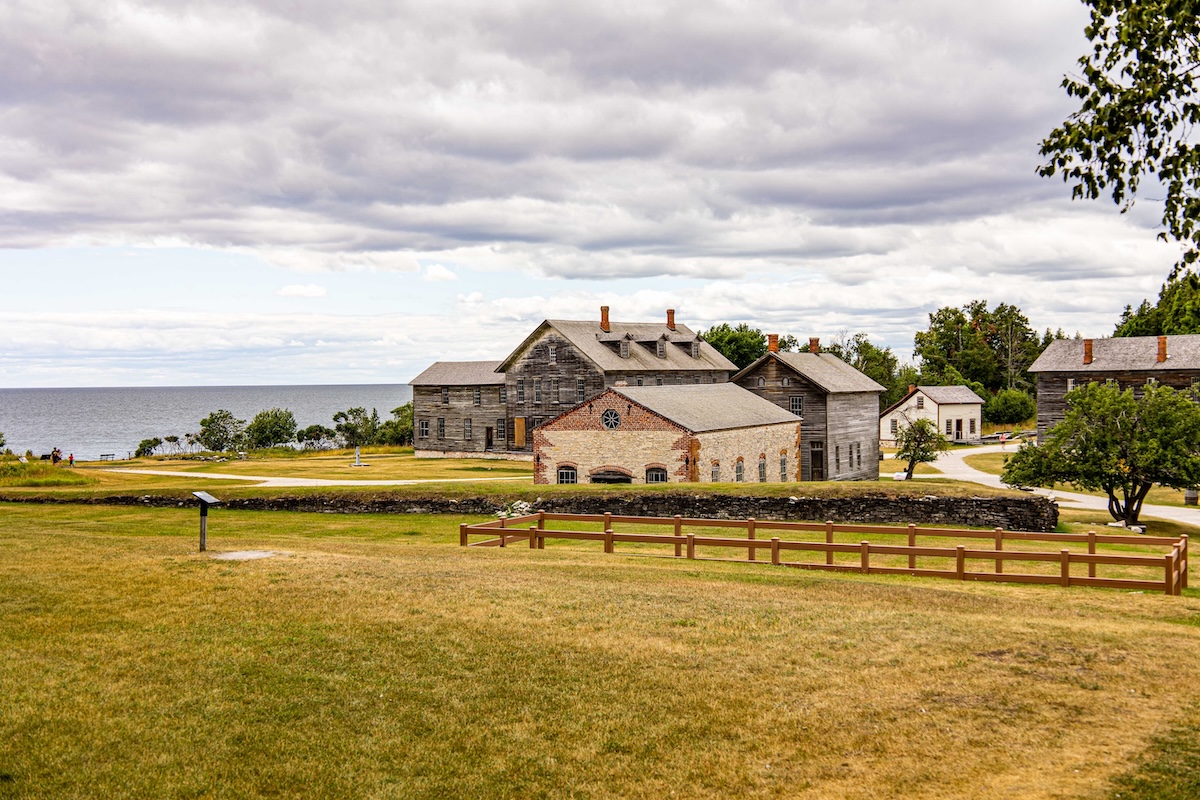
The Upper Peninsula holds plenty of ghost towns, but Fayette occupies the most spectacular setting of any of them. It is a Victorian iron-smelting village on the edge of a natural harbor on Big Bay de Noc, with limestone bluffs rising behind the furnaces and workers’ cottages. The whole complex shut down in 1891, and the state stepped in, preserving the buildings before they could disappear into the forest.
Walking the intact streets while the harbor reflects the bluffs above creates an atmosphere that few Midwest historical parks approach. The campground inside the park puts visitors overnight inside the ghost town, which sounds unsettling, but turns out to be one of the Upper Peninsula’s most memorable experiences.
10. Manistee, Michigan
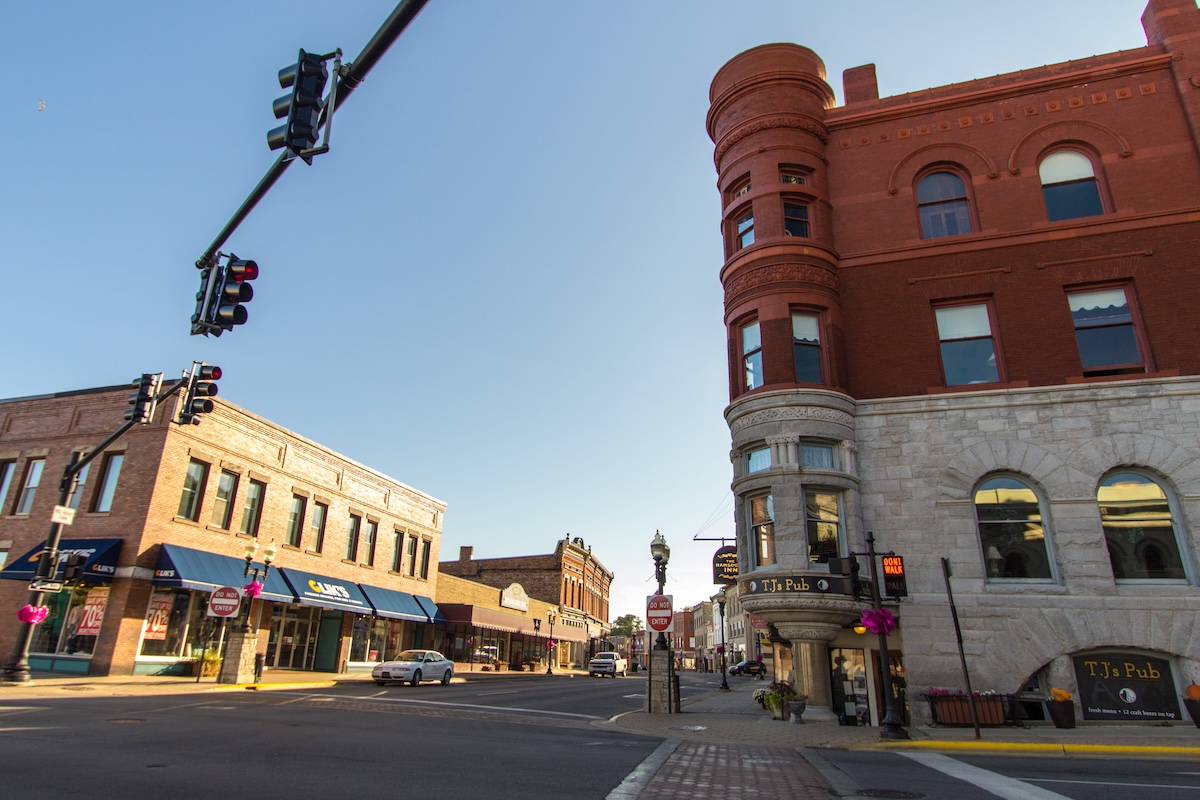
Victorian commercial architecture lines the Manistee River channel downtown, a charming concentration thanks to the town’s former salt and lumber wealth. The historic district has more 19th-century storefronts in continuous active use than most Lake Michigan towns twice its size, and the waterfront parks along the channel give the whole arrangement a setting worth its weight in gold.
The surrounding national forest and Lake Michigan shoreline extend the outdoor territory considerably, with the North Country Trail passing through and the Manistee River Trail offering backcountry hiking through river valley terrain. The fall color season brings photographers from across Michigan who know that Victorian architecture alongside autumn river forest pays off exceptionally well.
9. St. Joseph, Missouri
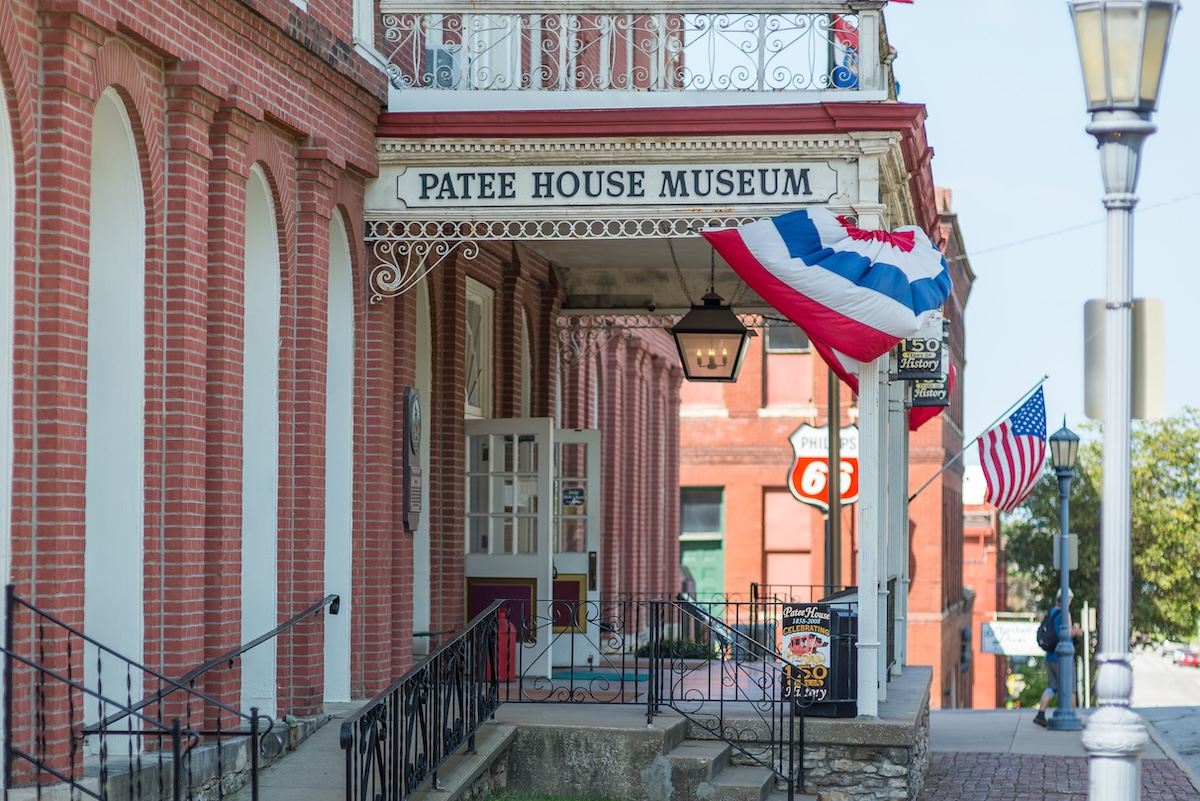
The Pony Express launched from St. Joseph in 1860, and Jesse James died here in 1882, handing the city a frontier history portfolio that local museums can’t get enough of. The Patee House Museum covers both events with primary source material that serious history travelers find worth the drive from Kansas City on its own.
Missouri River bluffs above downtown hold residential architecture from the railroad prosperity era, and the Albrecht-Kemper Museum of American Art’s collection will fully grab your attention. St. Joseph sits 55 miles north of Kansas City without attracting a fraction of the regional tourism you’d expect, which benefits everyone who bothers to show up.
8. Amana Colonies, Iowa
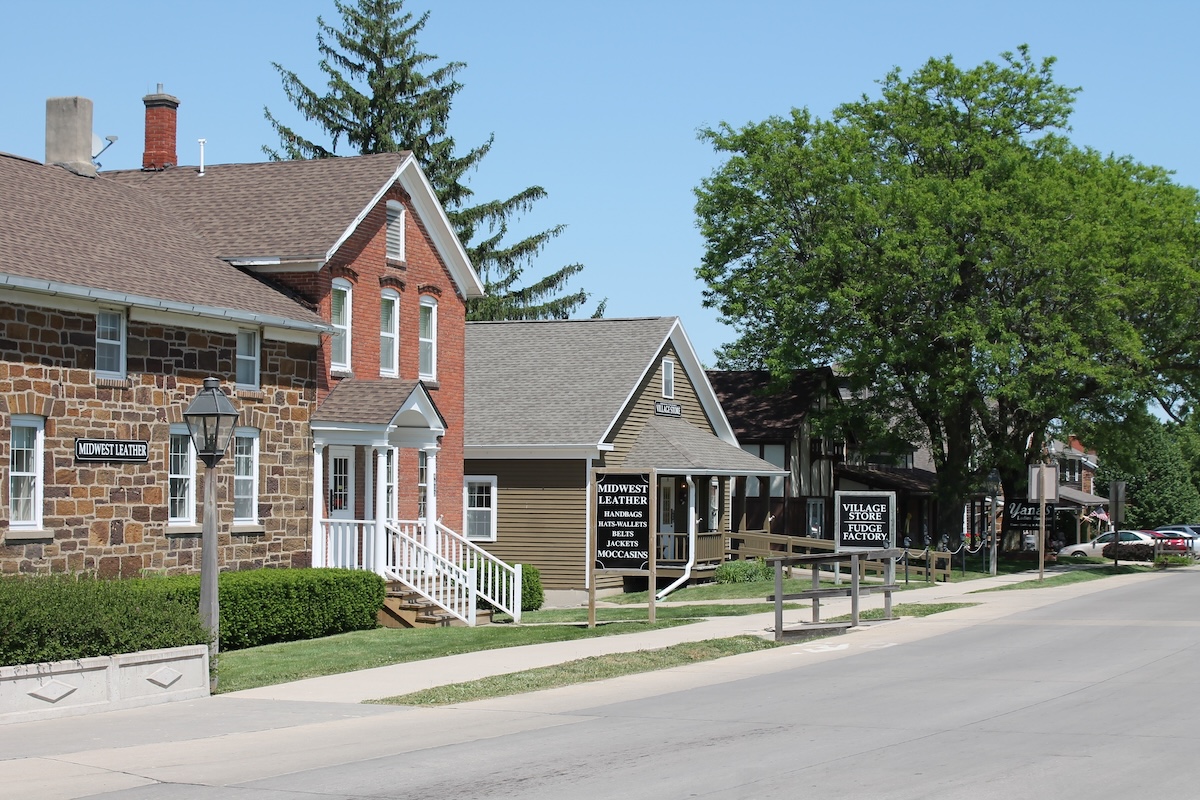
German Inspirationist immigrants founded seven communal villages in the Iowa River valley in the 1855s, and those villages still operate today with a craft and culinary tradition tracing directly back to the original settlement. The communal economy dissolved in 1932, but the brick and stone buildings connected by farm roads survived intact enough to earn National Historic Landmark status across the whole colony cluster.
Woolen mills, furniture workshops, and wineries producing fruit wines from estate orchards occupy the original communal buildings throughout the villages. The Amana restaurants serve German-influenced food in a family-style tradition that the surrounding Iowa landscape of corn and soybean fields makes feel completely out of place, but that’s how we like it!
7. Geneva, Illinois
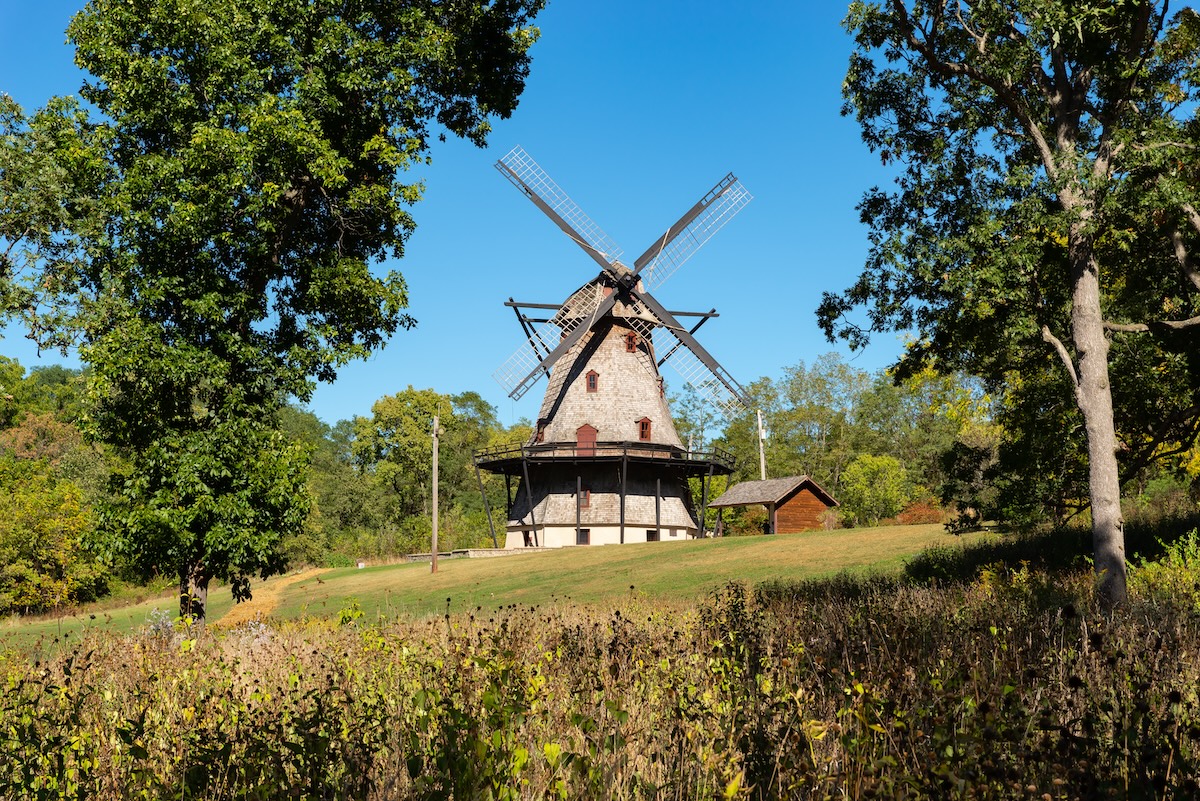
The Fox River runs through Geneva’s historic downtown, and the town’s Victorian commercial district is pulsating with antique shops, independent restaurants, and specialty retailers. Western suburban Chicago residents treat it as their primary destination for unhurried weekend shopping. The Third Street corridor concentrates most of the activity within easy walking distance of the river parks that the town maintains exceptionally well.
The Fox River Trail stretches north and south through riverside forest, giving cyclists a dedicated path through one of the Chicago region’s more attractive natural corridors. Geneva has the quality of a place that knows exactly what it is and never oversells it, which turns out to be considerably rarer than it should be.
6. Medora, North Dakota
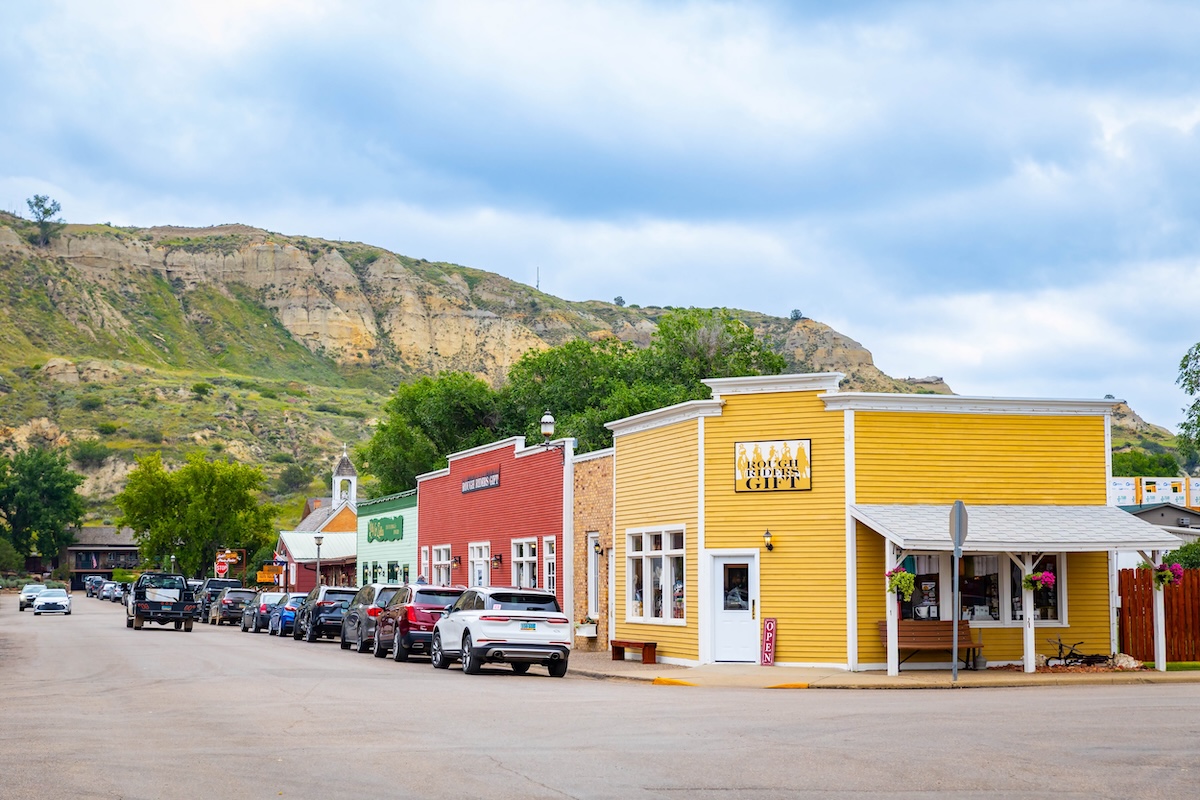
Theodore Roosevelt arrived in the North Dakota Badlands in 1883 to hunt bison, stayed to ranch, and later credited the landscape with shaping the conservation values that drove him to establish the national park system. Theodore Roosevelt National Park surrounds Medora with that same terrain in a state that barely registers on most travel itineraries, which keeps the experience remarkably uncrowded.
Bison herds numbering in the hundreds wander through park roads with the casual indifference of animals that understand the right of way belongs to them. The Badlands scenery at sunset creates light conditions that the more famous South Dakota formations an hour east don’t consistently match, making this a detour you won’t soon regret.
5. Harbor Country, Michigan
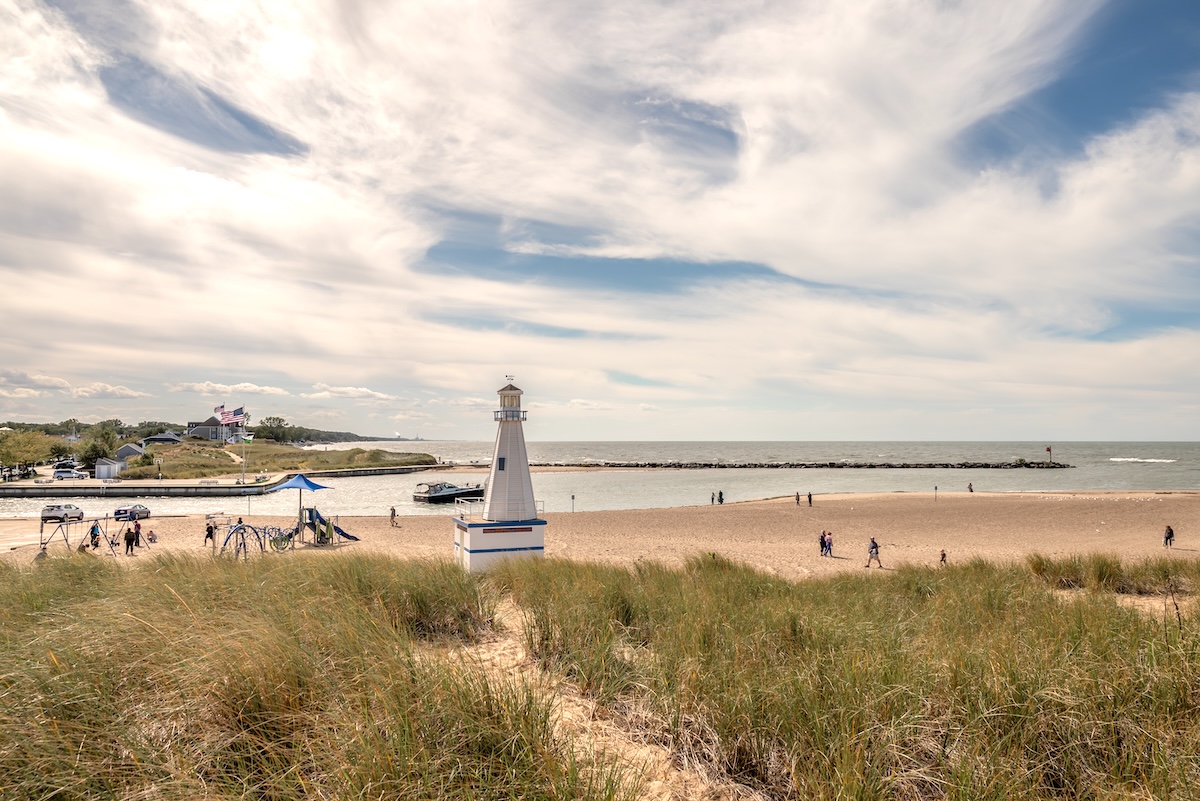
The cluster of small towns along Lake Michigan’s southwestern shore between New Buffalo and Sawyer delivers sandy beaches, local farmland produce, and an amicable food scene to top it all off. Union Pier, Lakeside, and Harbert each develop distinct characters without any of them pushing aggressively for outside recognition.
Chicago residents discovered Harbor Country decades ago and largely kept the information to themselves. Dunes reaching the water’s edge and the lake’s cold clarity give the area a natural backdrop that the more developed Michigan shorelines to the north traded away some time back. Good wine tasting, farm stands, and summer concerts fill the territory between beach visits comfortably.
4. Nashville, Indiana
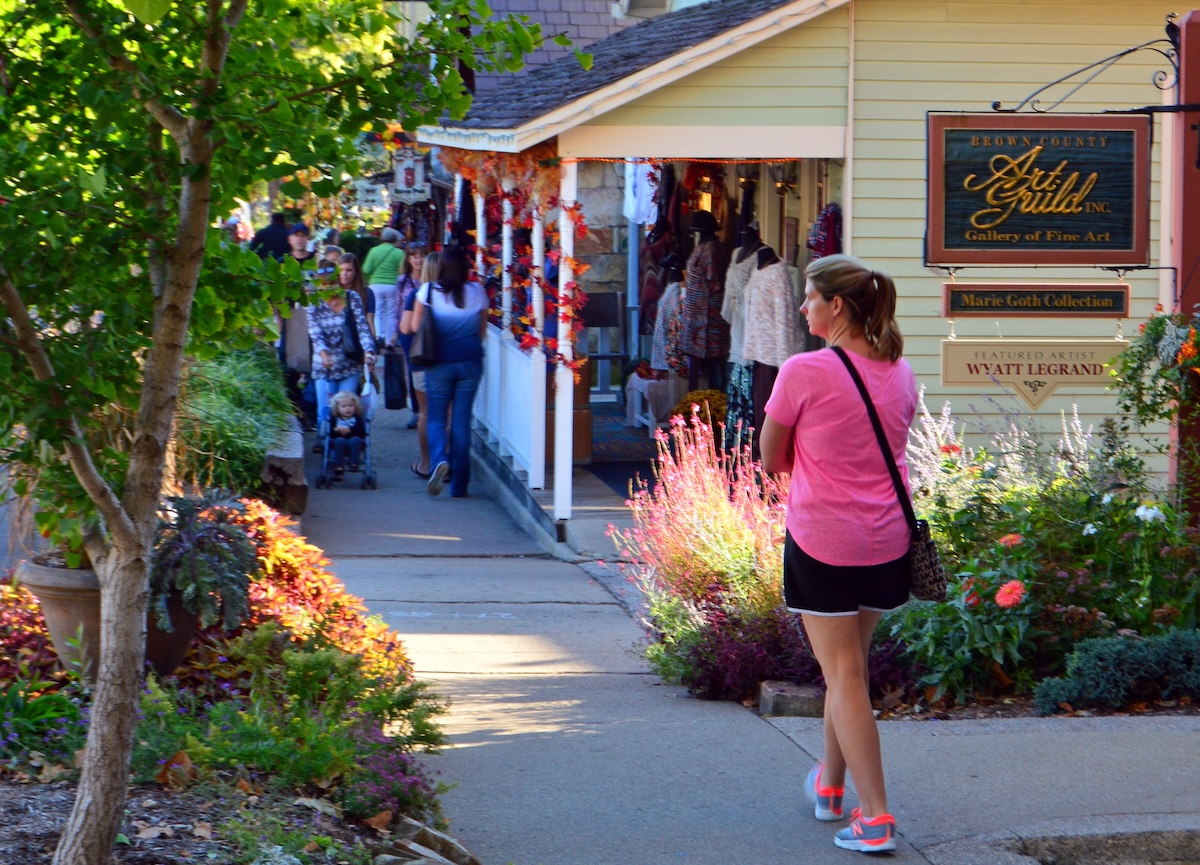
Painters and craftspeople discovered the hardwood forest scenery and rolling hills of Brown County in the early 20th century and built an artistic colony that the town grew an entire gallery culture around. The name confusion with Tennessee comes up constantly, and the locals handle it with practiced patience. Brown County State Park holds 16,000 acres of mixed hardwood forest, turning extraordinary colors in October.
The artists’ colony character holds through working studios, galleries, and craft shops in a walkable downtown compact enough to cover thoroughly in a morning. The fall foliage season fills every room for miles, so booking accommodation months ahead for October visits avoids the most predictable disappointment this destination produces.
3. Hocking Hills Region, Ohio
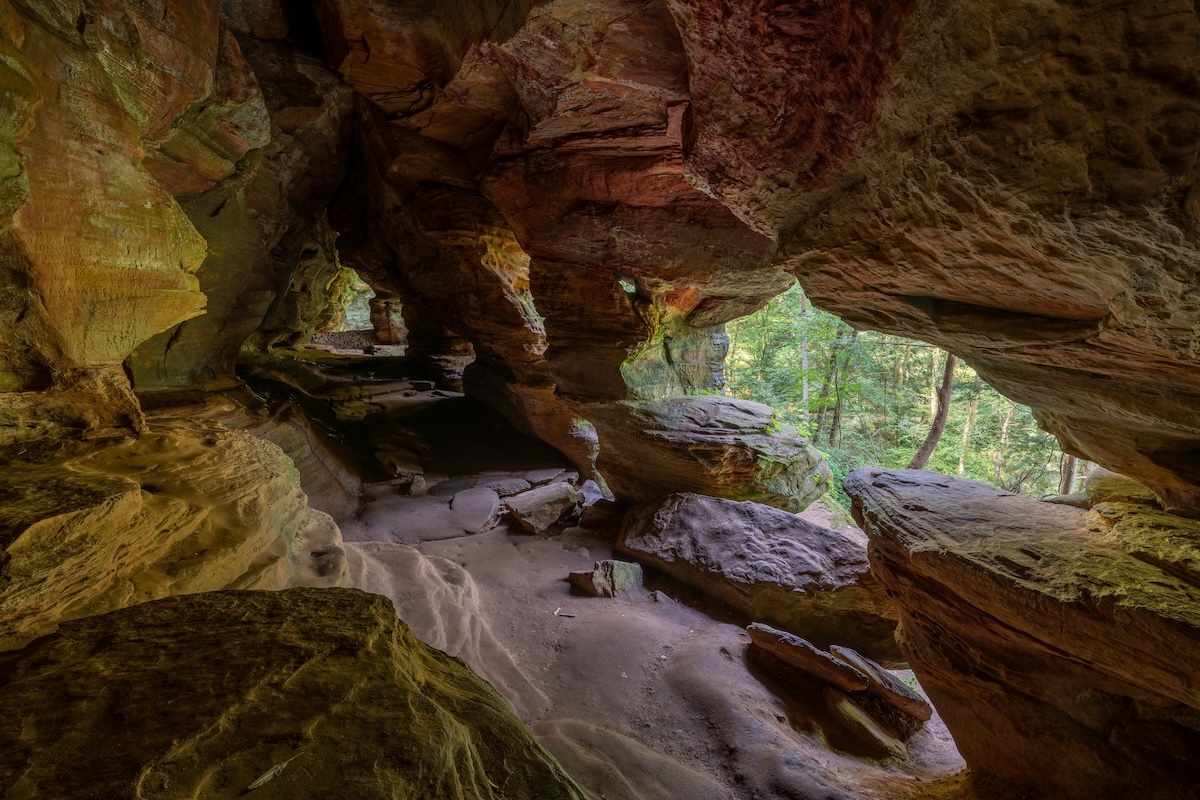
Recess caves, waterfalls, and hemlock-lined gorges cut through sandstone in a stretch of southeastern Ohio, all protected by the state park system across interconnected trails. Old Man’s Cave, Cedar Falls, and Ash Cave each present completely different sandstone formations, and the trail connecting them covers terrain that deeply surprises visitors who arrive with modest expectations for Ohio’s outdoor scenery.
The surrounding region developed a strong cabin rental economy, keeping the area busy year-round, and fall foliage through the gorges ranks among Ohio’s strongest seasonal attractions. The caves and overhangs hold cool air through summer heat, and the waterfalls run most powerfully in spring when snowmelt adds considerably to the flow.
2. Winona, Minnesota
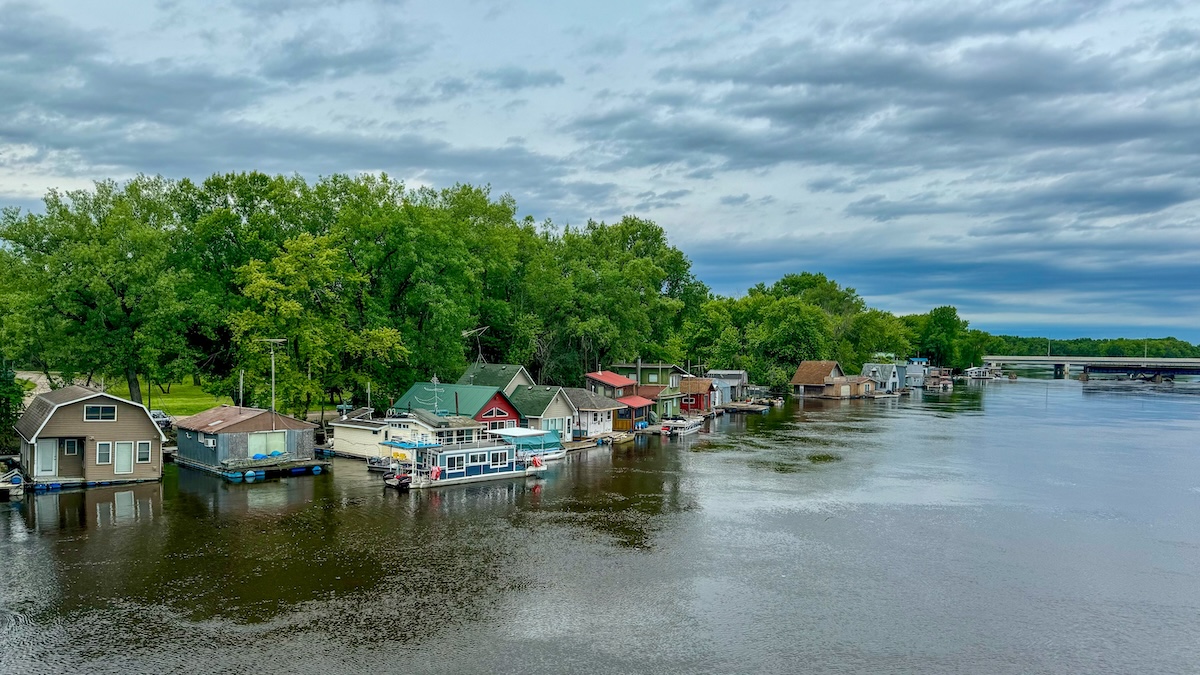
Limestone bluffs rise 500 feet above the Mississippi River on both sides of Winona, creating a dramatic setting for a Victorian commercial district and riverfront parks. Most travelers driving along the Great River Road stop briefly, enjoy it, and then immediately regret not planning more time here. Stained glass manufacturing became a significant local industry here, and the Polish-American Cultural Institute documents the immigrant history that shaped the city’s working character.
The blufftop parks reward the climb with river views covering multiple bends of the Mississippi. Garvin Heights Vineyards produces wines at 575 feet above the river with a tasting room view that frames the valley with more impact than anything at water level could ever dream of.
1. Beaver Island, Michigan
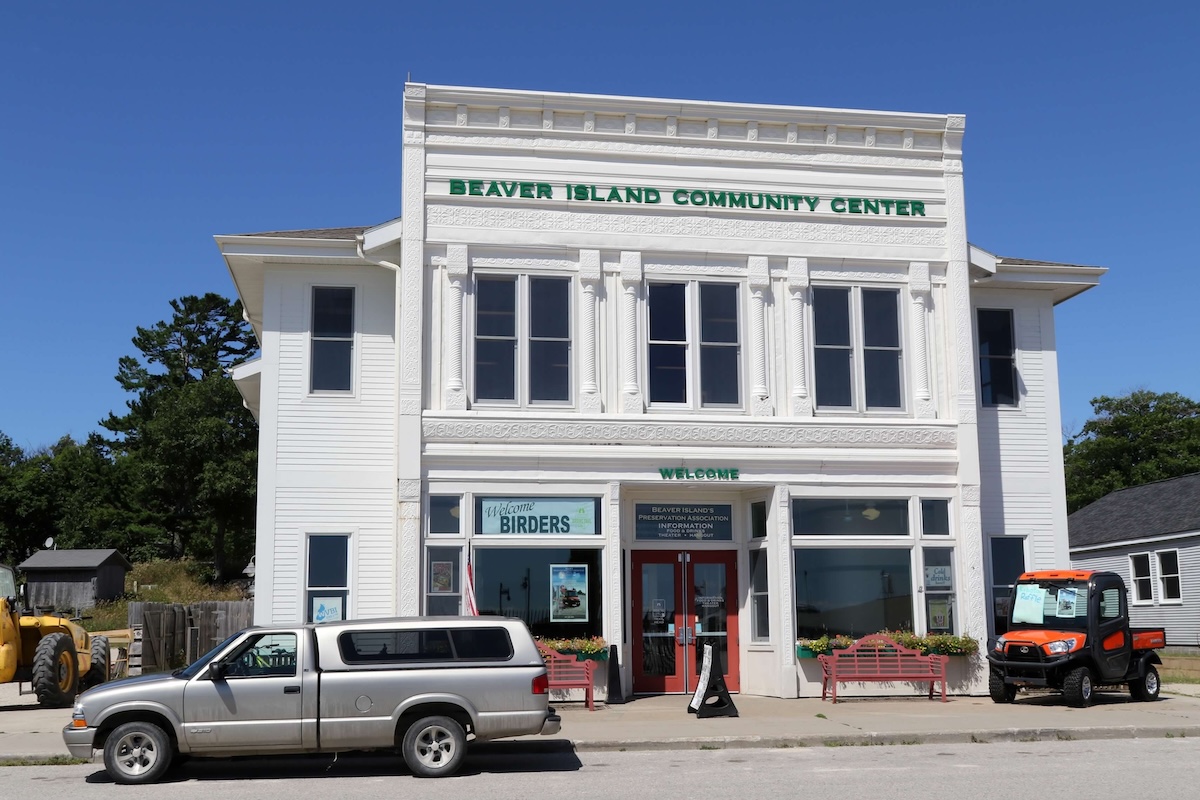
A two-hour ferry from Charlevoix reaches the largest island in Lake Michigan, and the travel time filters out casual day trippers. This preserves an unhurried pace that more accessible Michigan islands lost decades ago. Around 650 year-round residents share 56 square miles of inland lakes, forest, and Lake Michigan shoreline with summer visitors who return annually and tell very few people about it.
The island’s history includes a brief period under a self-declared Mormon king in the 1850s, covered with appropriate amusement by the local museums. Cycling, kayaking, and a complete absence of commercial development pressure give Beaver Island a quality worth protecting, which keeping quiet about it accomplishes very effectively.