
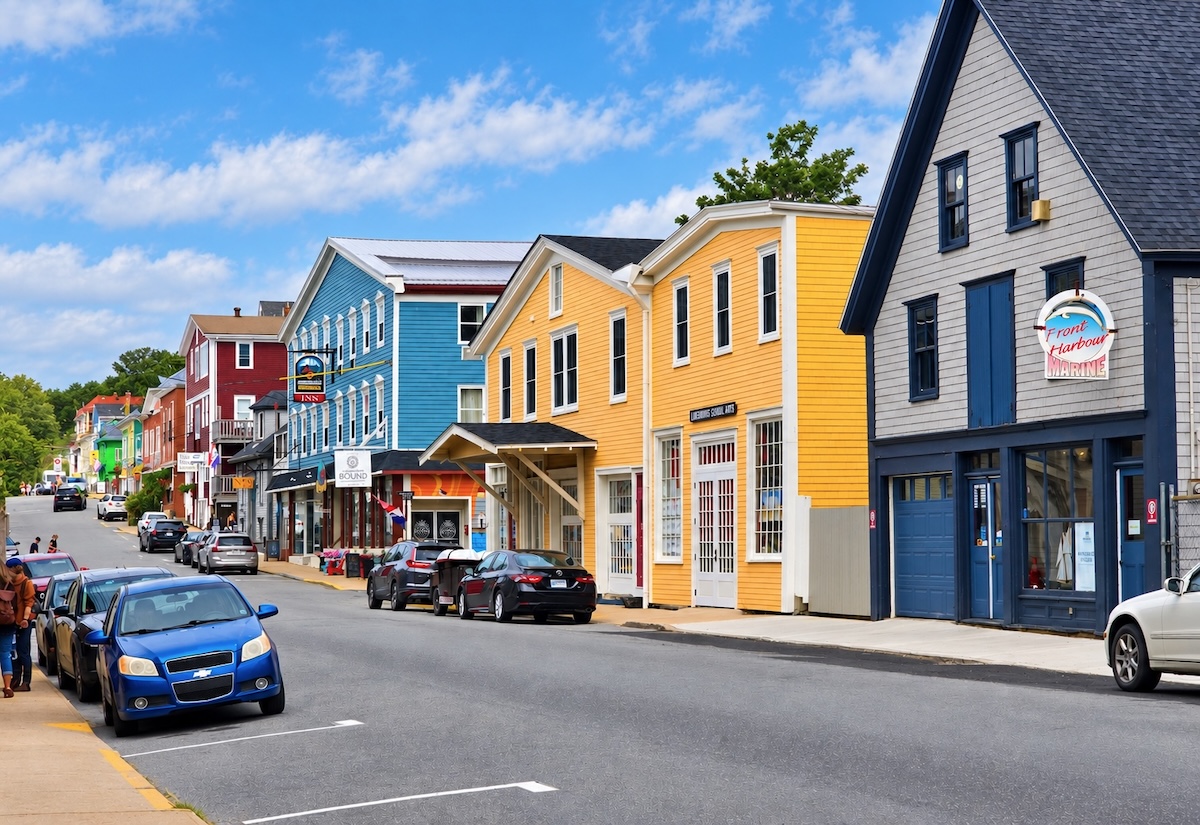
You know those coastal towns where the buildings lean a little closer to the water, fishing traditions run deeper than tourism, and every corner seems made for a postcard? There’s something magnetic about places that earned UNESCO status through centuries of shipbuilding, seafaring, and determined preservation of character.
Lunenburg, Nova Scotia sits on the province’s South Shore as one of Canada’s most visually striking and historically significant maritime towns. Painted wooden buildings cascade toward the harbor, telling stories of prosperity built on the Atlantic. Schooners bob at the docks, reminding you that the town’s connection to the sea never really ended.
You’ll find more here than architectural charm and harbor views. The town combines its sailing legacy with a lively community of artists, serves some of the freshest seafood on the eastern seaboard, and holds on to the kind of small-town authenticity that larger destinations often lose.
UNESCO Old Town and Painted Waterfront
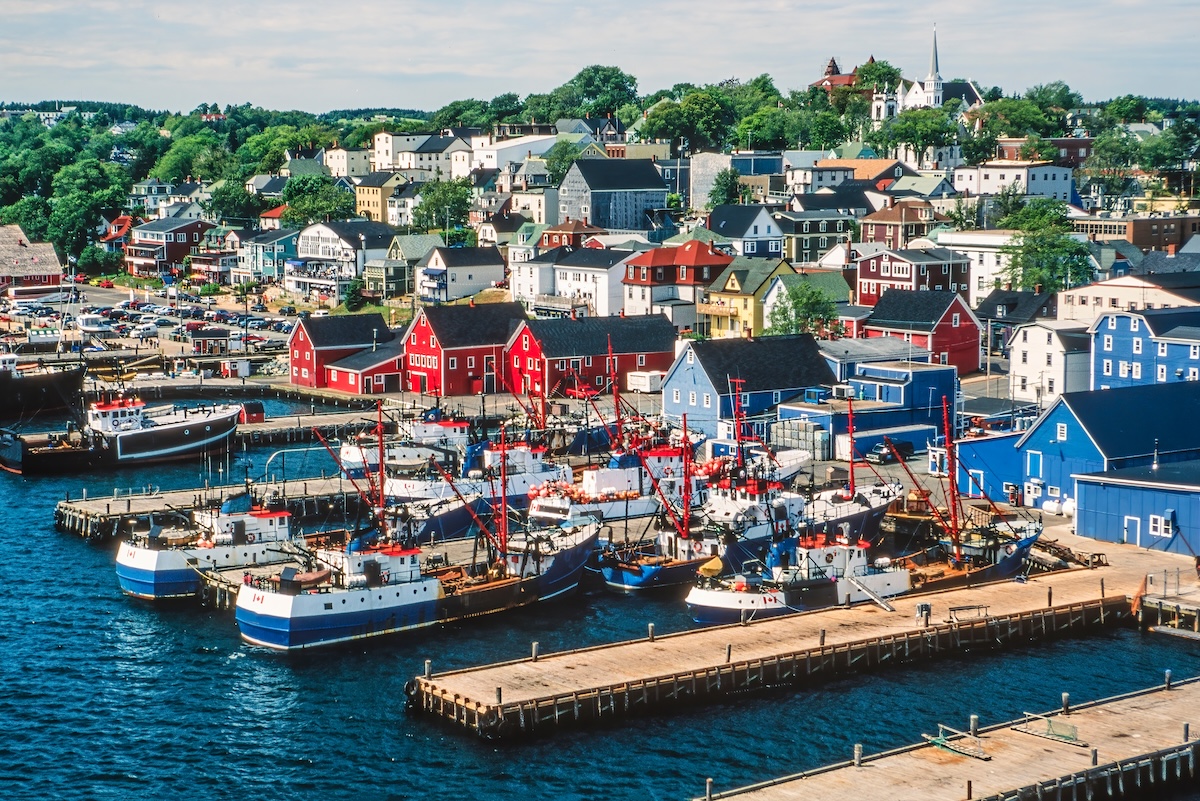
You’ll feel as if you’re walking through living history as you explore Lunenburg’s Old Town, which became a UNESCO World Heritage Site in 1995. The town remains one of the finest examples of British colonial settlement in North America, and its original 1753 street grid still survives. Steep hills rise from the harbor, lined with wooden buildings painted bold reds, yellows, blues, and greens. Together, they create Lunenburg’s unmistakable look.
The waterfront still works as more than a tourist attraction. You can watch fishing boats unload their catch, see shipwrights maintain traditional vessels, and observe the marine industries that have supported this community for centuries. Many buildings date from the 18th and 19th centuries, reflecting the prosperity Lunenburg built through maritime trade.
Over 70% of the original buildings remain in the Old Town core. The painted facades aren’t merely decorative, either. They reflect a longstanding local tradition and give the town its signature appearance against the Atlantic backdrop.
Seafaring Heritage and the Bluenose Legacy
When you walk through Lunenburg’s streets, you’re stepping into a town shaped by the sea. For centuries, shipbuilding and fishing defined daily life here. The harbor once bustled with craftsmen building vessels for the North Atlantic’s roughest waters.
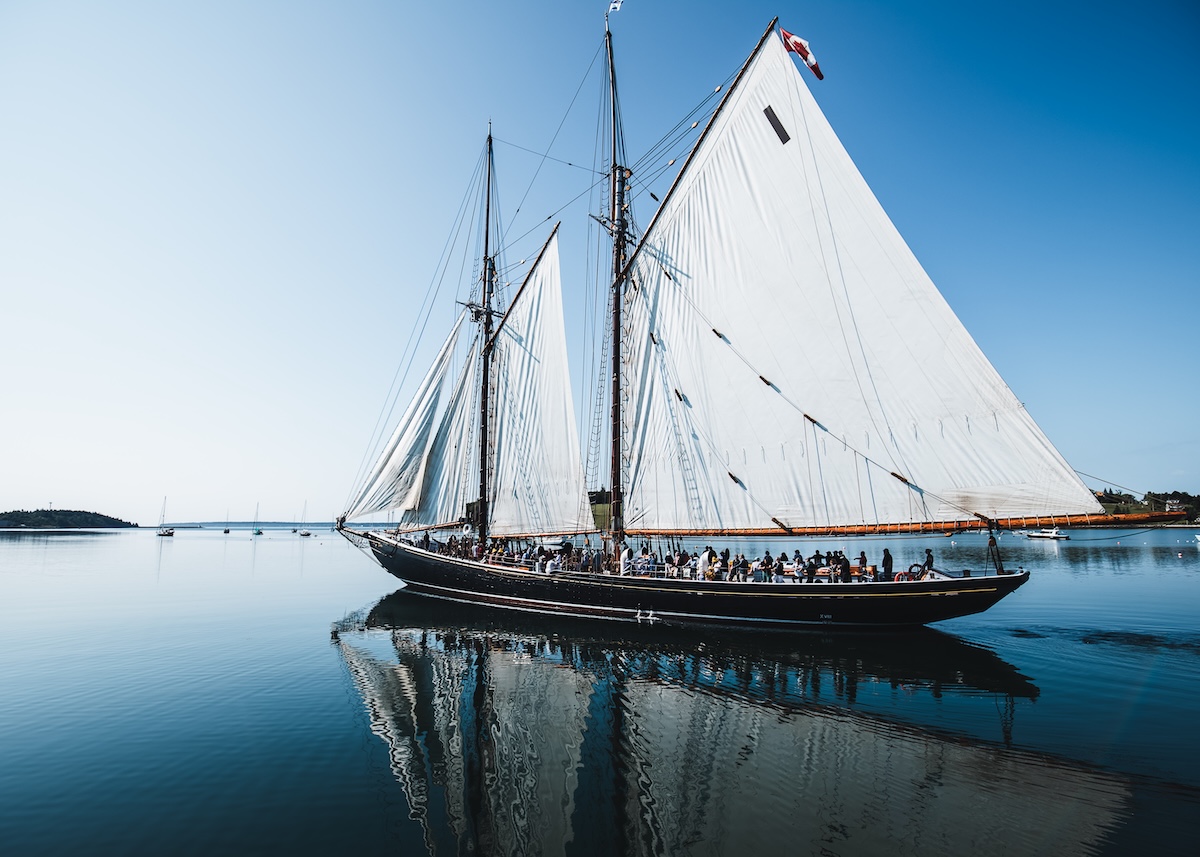
The town’s greatest point of pride is the Bluenose, a racing schooner built in Lunenburg in 1921. This legendary vessel went undefeated in international fishing schooner races and became a Canadian icon. You can spot its image on the Canadian dime, a small reminder of how deeply the ship resonates with the country’s identity.
The Bluenose II, a replica launched in 1963, still sails from Lunenburg. You can often see it docked at the waterfront or catch it during summer sailings. This working tribute keeps local shipbuilding traditions alive and connects you with the builders and sailors whose skills helped make Lunenburg a maritime powerhouse.
South Shore Seafood and Coastal Dining
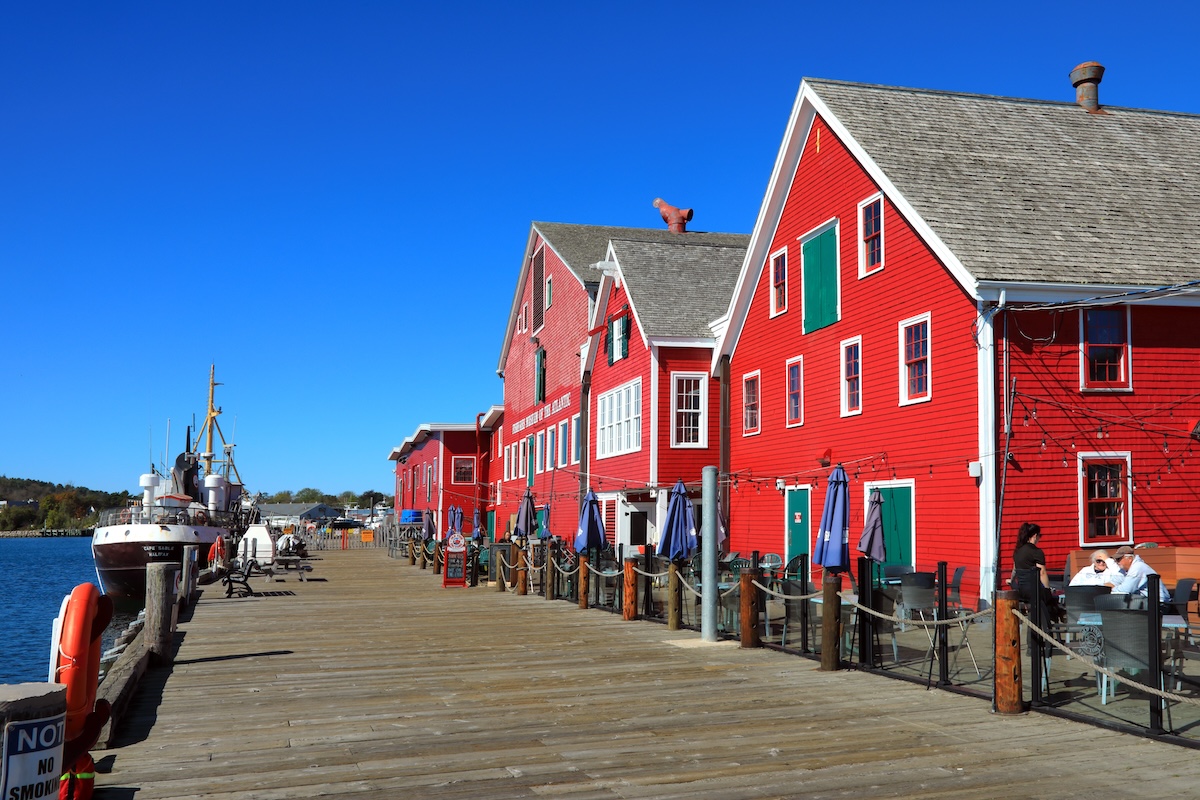
Seafood defines Lunenburg’s dining scene, with restaurants serving whatever fishing boats bring in each morning. Because the waterfront still operates, scallops, lobster, and haddock travel only a short distance from boat to plate. Many harbor restaurants have windows facing the docks, where commercial fishermen continue to unload their daily catches.
Meal options range from casual fish shacks to white-tablecloth establishments, but they share access to exceptionally fresh Atlantic seafood. You can order classics such as fish and chips or pan-seared scallops, often with locally grown vegetables and craft beverages from Nova Scotia producers.
At harbor-view restaurants, you can watch sailboats and fishing vessels while you eat. It’s a direct connection to the maritime heritage that shapes the town. Menus change with the seasons and with whatever local boats are harvesting, so the meal offers a genuine taste of the South Shore’s waters.
Artists, Craftspeople, and Small-Town Culture
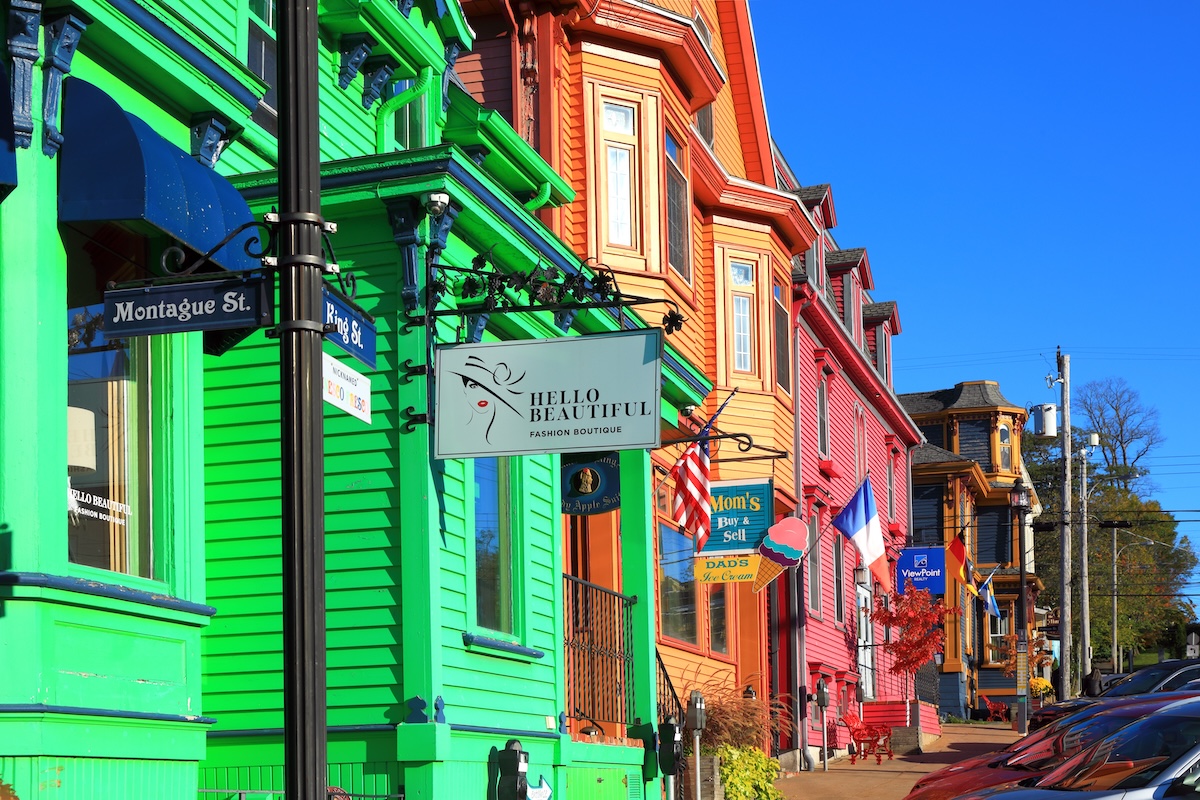
You’ll find that Lunenburg’s creative spirit reaches well beyond its UNESCO-listed streetscapes. Painters, potters, woodworkers, and textile artists have set up studios in the town’s colorful buildings. Many welcome visitors, giving you a chance to watch them work and browse pieces ranging from maritime paintings to handcrafted jewelry.
The galleries here aren’t stuffy or intimidating. You can wander into spaces that showcase local talent alongside rotating exhibitions, and you might stumble upon work that reflects the town’s seafaring heritage or coastal landscapes. Independent shops line the streets, offering everything from handmade soaps to custom leatherwork.
Music adds another layer to Lunenburg’s cultural life. Performances take place in intimate venues throughout the year, not just during summer. The town doesn’t simply shut down when tourist season ends. Its creative community keeps things lively through the quieter months, offering a glimpse of an arts scene that feels genuine rather than staged for visitors.