
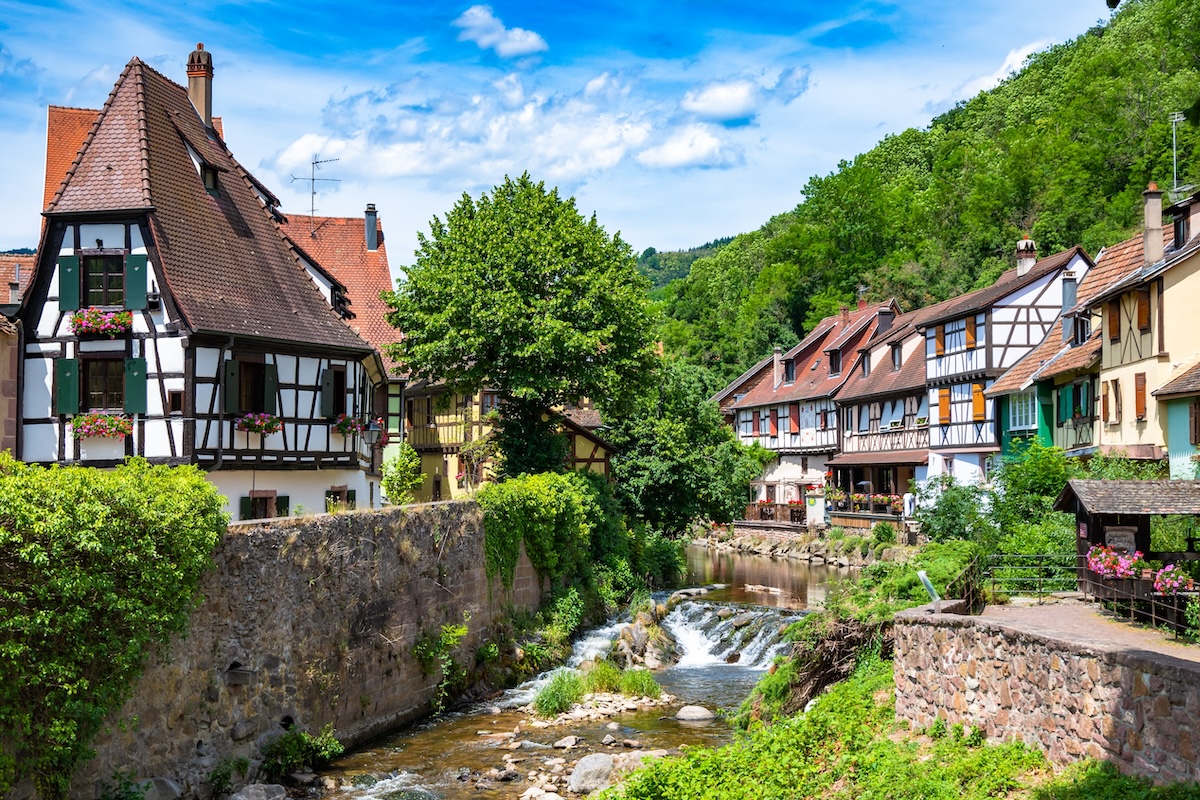
Imagine wandering through a village where half-timbered houses lean over cobblestone lanes, medieval ruins perch above terraced vineyards, and the scent of gingerbread drifts through chilly winter air. This place looks almost too charming to exist, yet it’s right there in one of France’s most storied wine regions. Here, history and tradition don’t just linger—they’re part of everyday life.
Kaysersberg sits in the heart of Alsace, offering you a real taste of French-German culture that’s captivated travelers for centuries. This small commune in northeastern France draws you in with its fairy-tale architecture and keeps you curious with layers of history and celebrated wine traditions.
You might find yourself exploring castle ruins one moment and following in the footsteps of a Nobel Prize winner the next. The town shifts with the seasons, but during Christmas, it turns into one of Alsace’s most magical winter destinations.
A Storybook Alsatian Old Town
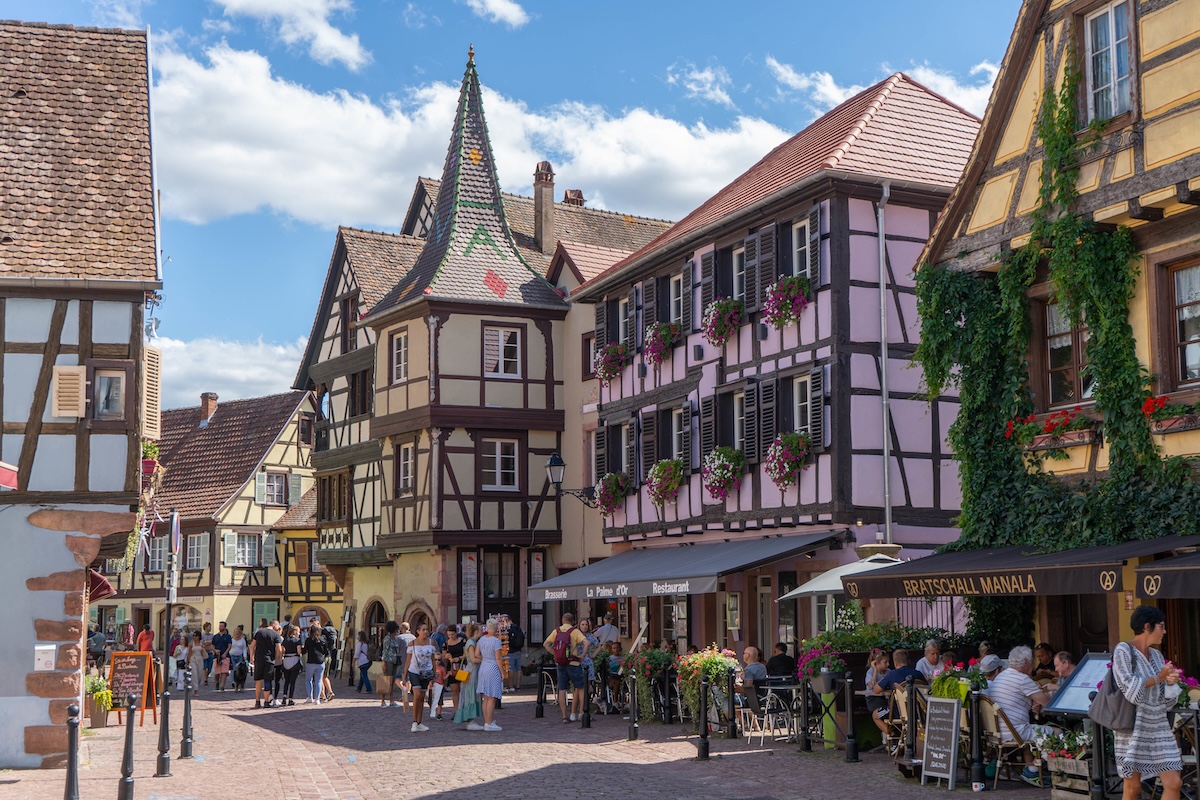
Step into Kaysersberg’s historic center and you’re in the middle of classic Alsace. Narrow streets paved with ancient cobblestones wind between rows of timber-framed buildings. Their wooden beams crisscross cream and ochre walls, giving the whole place a geometric, slightly whimsical feel.
In the warmer months, flowers are everywhere. Geraniums and petunias spill from window boxes and balconies, splashing red and pink against the pastel façades. The half-timbered houses tilt gently over the streets, some standing since the Renaissance.
Look closer and you’ll spot carved wooden shutters, ornate ironwork, and painted signs—marks of families who’ve lived and worked here for generations. The old town’s compact, so you can cover most of it on foot in an hour or two, though honestly, you’ll probably get sidetracked snapping photos or just soaking it all in.
The Ruined Imperial Castle
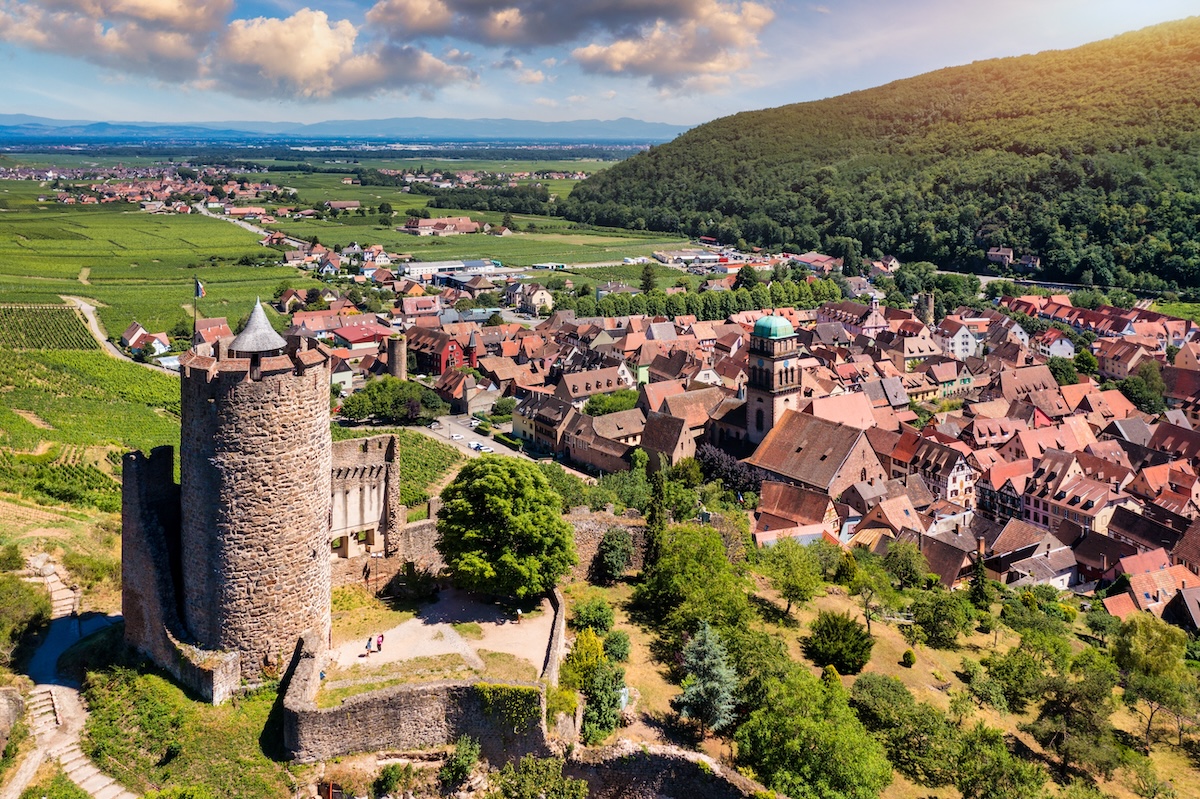
Climb the winding path to the top of the hill and you’ll reach the remains of Château de Kaysersberg, still watching over the village. Builders erected this fortress in the 13th century to guard the valley and the imperial trade route connecting Lorraine and Alsace. Kaysersberg became a medieval stronghold thanks to its strategic location.
Today, you can wander through what’s left of the cylindrical keep and defensive walls. The walk up pays off with sweeping views: terracotta rooftops, vineyards patchworked through the valley, and the forested Vosges mountains off in the distance. Standing there, it’s easy to see why they picked this spot for a castle.
The castle lost its military purpose and eventually slipped into ruin. Still, its weathered stones and the partially intact tower give you a real sense of the region’s medieval past. The site’s open to everyone, and the short hike up is well worth the effort while you’re in Kaysersberg.
Vineyards of the Alsace Wine Route
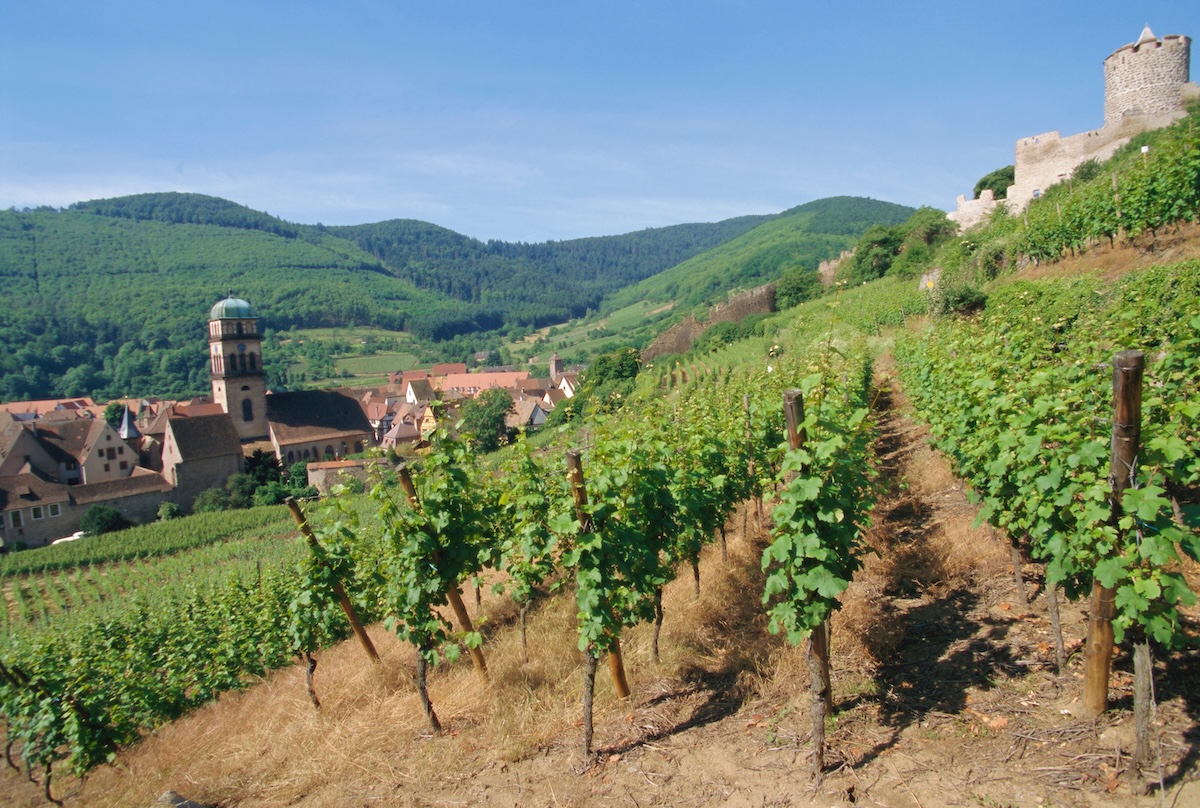
Kaysersberg lands you right in the heart of Alsace’s wine country. The village sits on the famous Alsace Wine Route, with terraced vineyards climbing the hillsides around town. These slopes produce some of the region’s best white wines, and you can wander or bike along marked trails through the vines.
The local vineyards focus on three main grape varieties. Riesling does especially well here, turning out crisp, aromatic wines with a mineral edge. Gewurztraminer brings a spicier, more floral character that goes great with local dishes. Pinot Gris rounds things out with a fuller body and a hint of sweetness.
You can pop into family-owned wineries and domaines all over the area—many are just a short walk from the village center. Winemakers often invite visitors for tastings in their old cellars. The landscape shifts with the seasons, from fresh green in spring to golden hues at harvest. Small wine cellars line Kaysersberg’s streets, so you don’t even have to leave town to sample the local vintages.
Albert Schweitzer’s Legacy
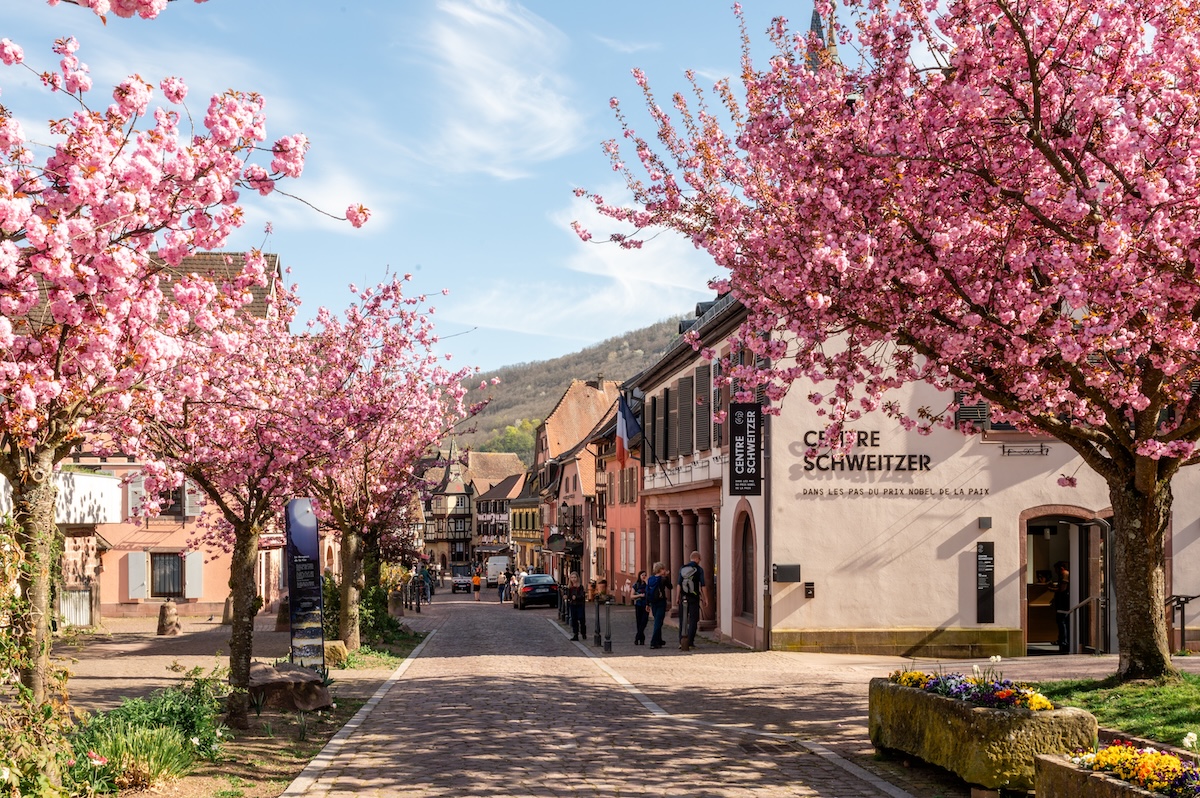
As you stroll Kaysersberg’s streets, you’re literally walking where Albert Schweitzer was born in 1875. This remarkable guy became one of the 20th century’s most respected humanitarians, winning the Nobel Peace Prize in 1952 for his “Reverence for Life” philosophy.
You can visit a museum dedicated to his life and work right in the village center. Schweitzer wasn’t just a doctor who spent decades treating patients in Gabon, Africa. He was also an organist, theologian, and philosopher whose ideas shaped ethical thinking worldwide. His mix of talents and deep commitment to helping others made him a true inspiration.
The village takes pride in this connection, weaving his legacy into Kaysersberg’s identity. His birthplace gives your visit a layer of meaning beyond the pretty houses and vineyard views. It’s a reminder that even a small Alsatian village can produce someone whose influence reaches far beyond its borders.
Christmas Markets and Seasonal Atmosphere
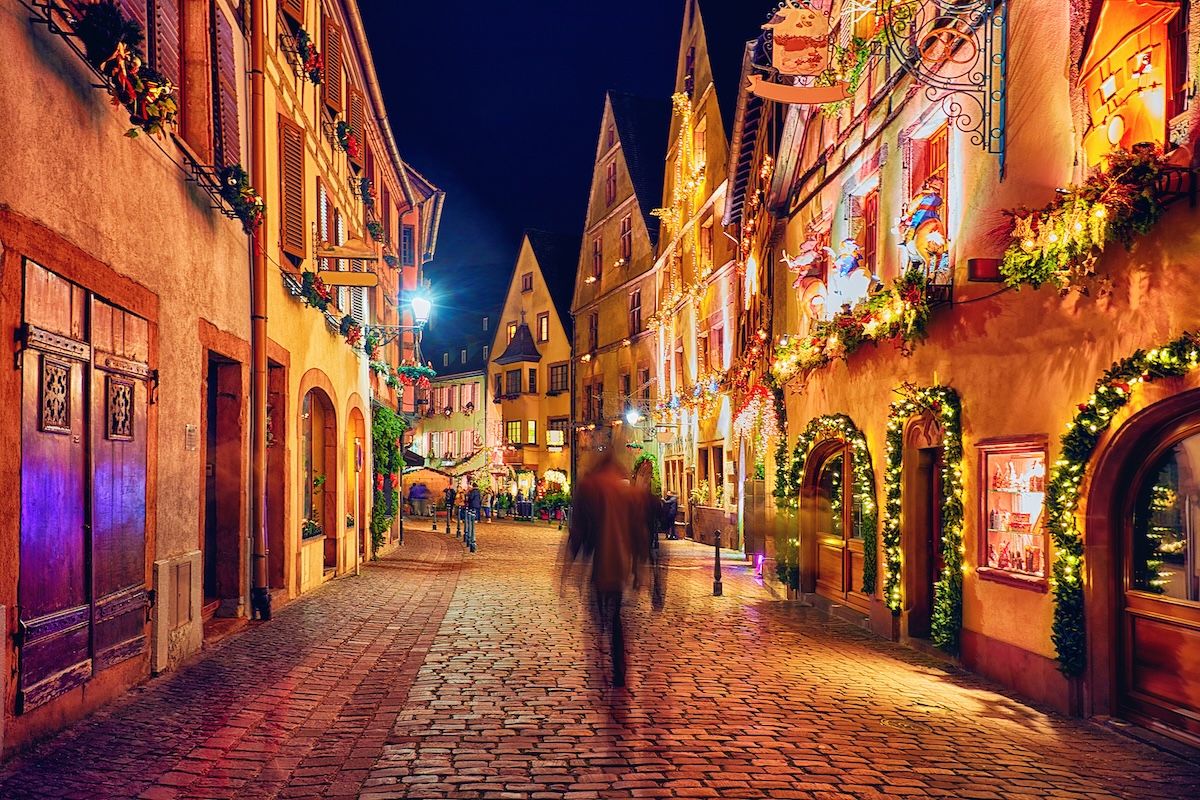
During Advent, Kaysersberg turns into one of Alsace’s most enchanting winter spots. The village’s Christmas market winds through historic half-timbered houses, where wooden chalets brim with handcrafted ornaments, local pottery, and traditional decorations. It’s cozy here; you can actually browse without elbowing through the crowds you’d find in bigger cities.
Festive lights dangle between medieval buildings, casting a warm glow on the cobblestone streets. The air? It’s thick with the scent of vin chaud (mulled wine) and freshly baked bredele (those irresistible Alsatian Christmas cookies). You might catch yourself lingering by stalls that offer pain d’épices (gingerbread) or hot roasted chestnuts—honestly, it’s hard to walk by without grabbing a bite.
Local artisans set up shop throughout the market, so you can snag genuine handmade gifts instead of mass-produced stuff. The village’s old-world architecture, mountain backdrop, and all those seasonal touches come together in a way that just feels… right for Christmas in Alsace. If you want the place to yourself, try coming on a weekday evening; it’s quieter, and honestly, that’s when the magic really settles in.