
The United States stretches across an entire continent, creating a landscape so varied that it contains deserts, glaciers, volcanic craters, and ancient forests within its borders. From the Atlantic to the Pacific, and from Alaska to Hawaii, the country showcases geological formations and ecosystems shaped over millions of years.
This collection highlights the most remarkable natural landmarks across America, from thundering waterfalls to painted deserts, offering you a guide to the nation’s most stunning outdoor destinations. You’ll find places shaped by volcanic activity, carved by ancient rivers, and sculpted by wind and time. Each location reveals a unique chapter in Earth’s natural history, waiting for you to explore.
25. Shoshone Falls, Idaho
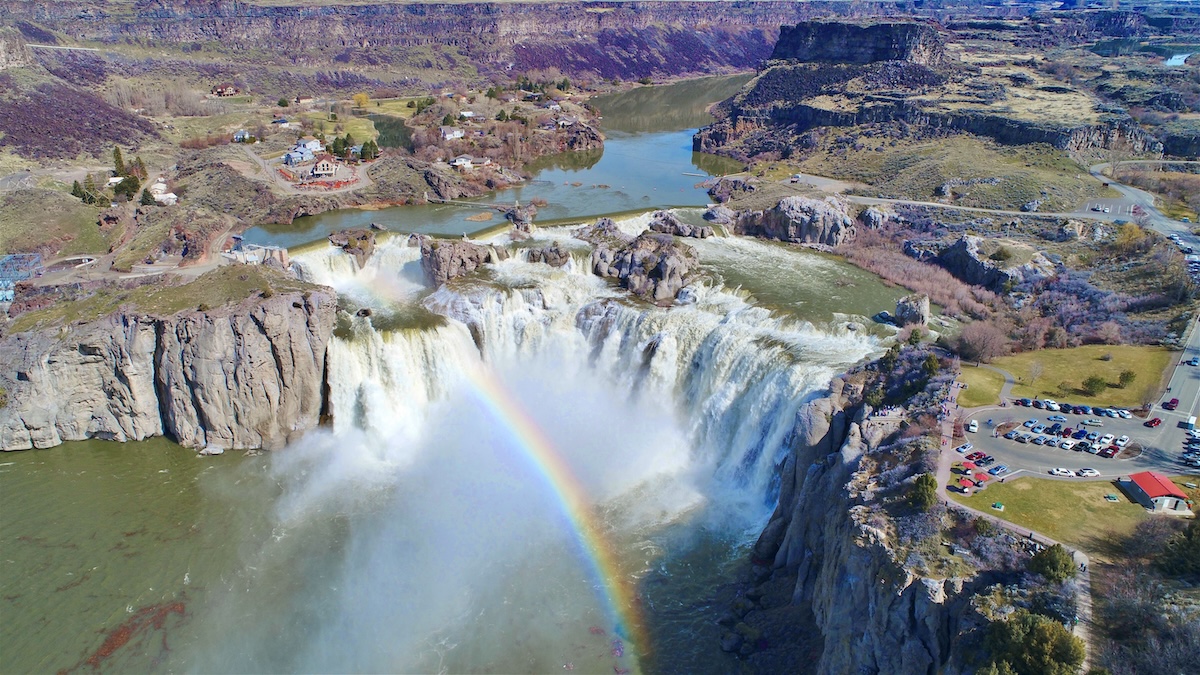
You’ll find one of the most impressive waterfalls in the American West along the Snake River, just outside Twin Falls. Shoshone Falls plunges 212 feet over a natural basalt cliff, making it taller than Niagara Falls. During peak spring runoff, snowmelt from the surrounding mountains feeds the river with tremendous force, and the cascade can stretch roughly 900 feet wide.
Plan your visit for late spring, typically from April through June, when water flows reach their highest levels and the falls show their full power. Several viewing platforms along the canyon rim offer dramatic views, and you’ll find picnic areas and hiking trails nearby. Water flow can drop significantly in late summer and fall because of upstream irrigation, so the falls may look less dramatic then. The site is easy to reach from Twin Falls and makes an excellent day trip while you’re exploring southern Idaho.
24. Bisti/De-Na-Zin Wilderness, New Mexico
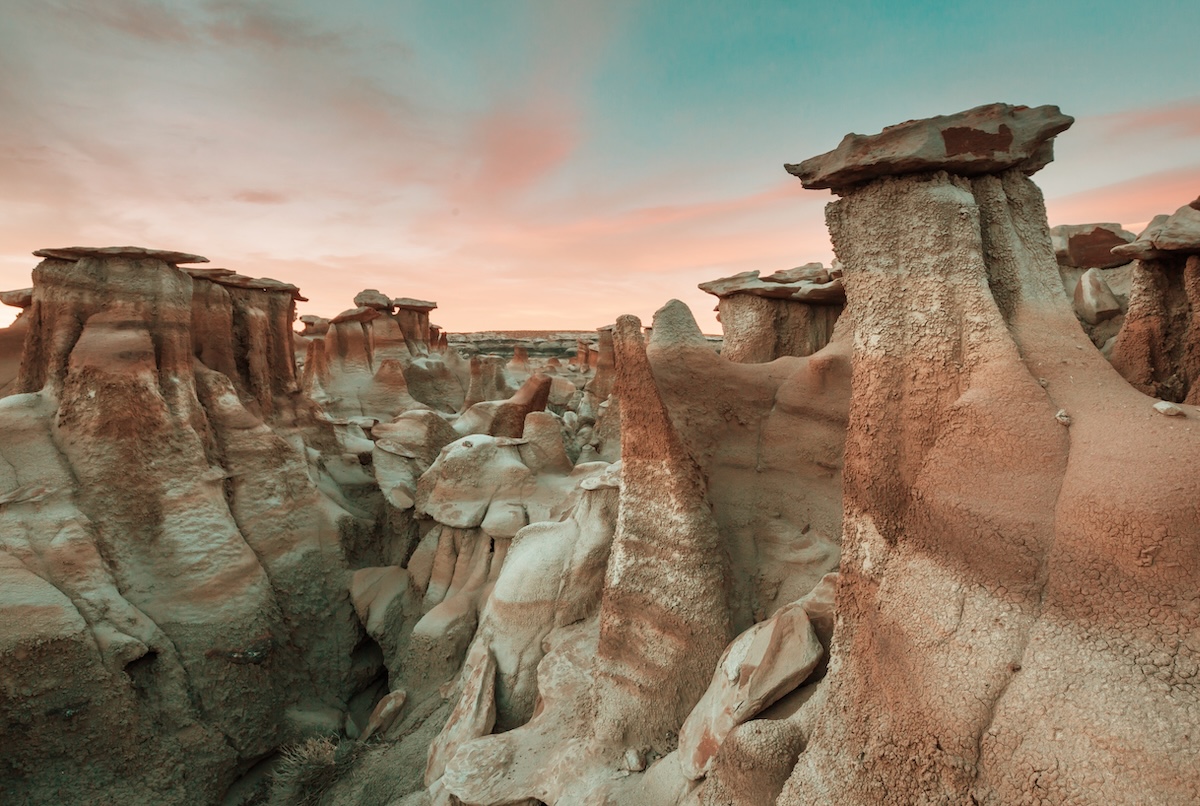
You’ll find yourself wandering through an otherworldly landscape in this 45,000-acre wilderness in northwestern New Mexico. Wind and water sculpted the terrain over millions of years, creating hoodoos, balanced rocks, and mushroom-shaped pillars that look as if they belong on another planet. The name “Bisti” comes from a Navajo word meaning “among the adobe formations,” a fitting description for the badlands’ alien beauty.
Your visit requires planning because this remote desert wilderness has no marked trails, facilities, or water sources. Golden hour at sunrise and sunset offers the best light for photography, bringing the colorful layers of mudstone, sandstone, and shale to life. Bring plenty of water, sun protection, and a GPS device. It’s easy to lose your bearings among the maze-like formations. The area remains largely uncrowded, giving you a rare chance to experience real solitude in one of America’s most unusual landscapes.
23. Outer Banks, North Carolina
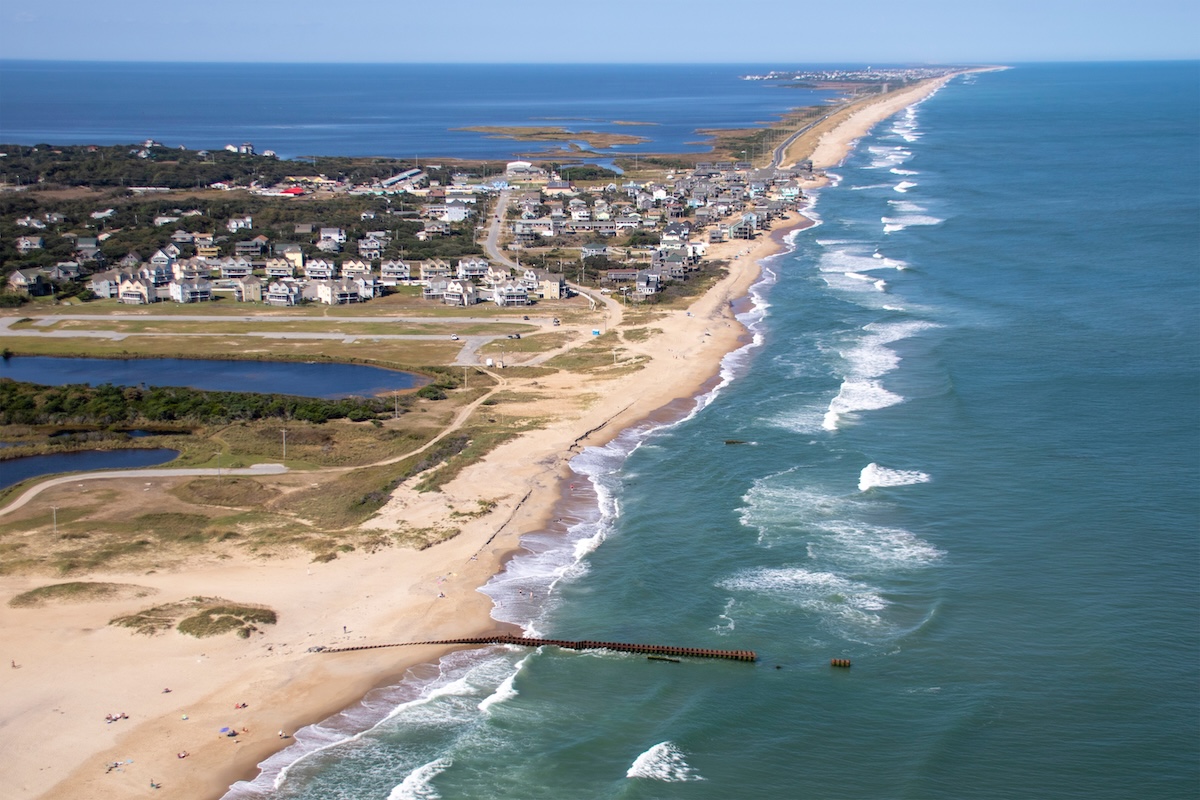
You’ll find this slender chain of barrier islands stretching over 100 miles along North Carolina’s coast, where the Atlantic Ocean meets the mainland. The Outer Banks offers a unique blend of wild beaches, towering sand dunes, and maritime forests that have stayed relatively untouched despite centuries of human presence. At Jockey’s Ridge in Nags Head, you can climb one of the tallest natural sand dunes on the East Coast.
The islands are famous for their place in aviation history. In 1903, the Wright Brothers completed the first powered flight here. You can explore Cape Hatteras National Seashore, which protects more than 70 miles of undeveloped shoreline and includes the iconic black-and-white striped lighthouse. Cold northern currents meet warm southern waters in this area, creating excellent conditions for fishing and surfing. In certain areas, you’ll also encounter wild horses, descendants of Spanish mustangs that have lived here for centuries.
22. Grand Teton, Wyoming
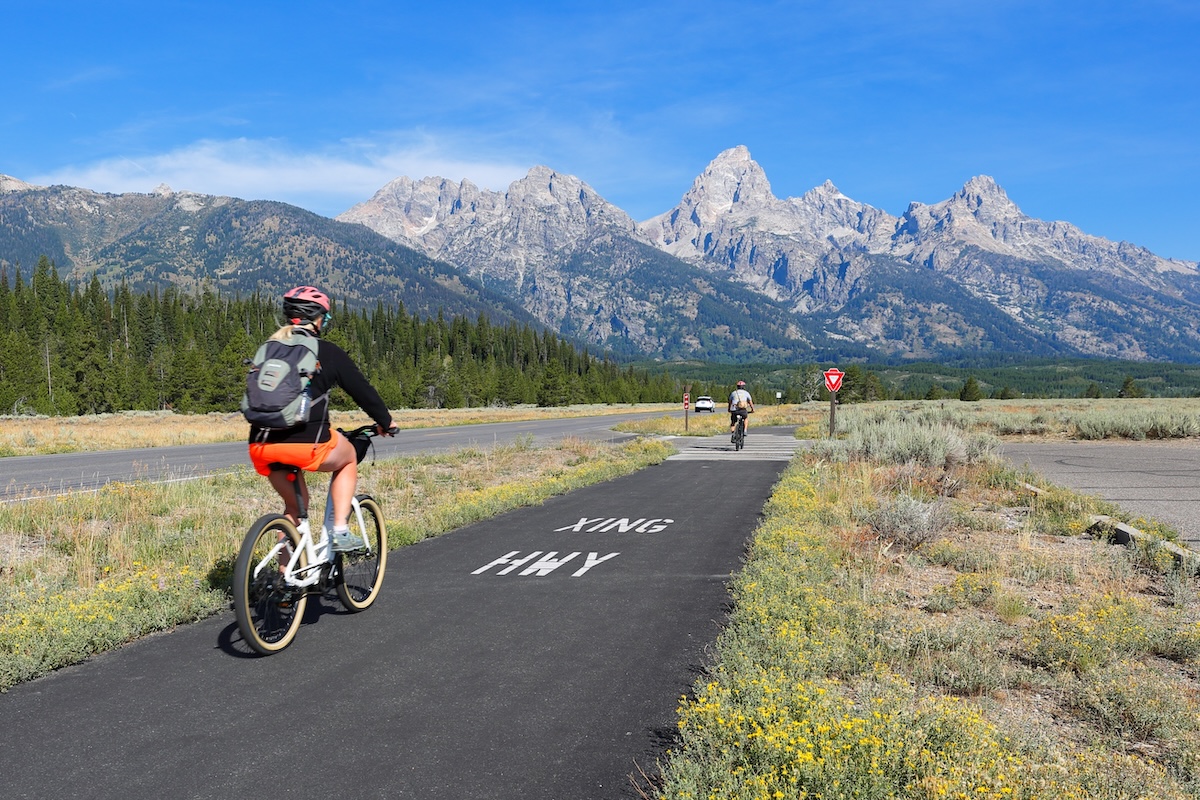
You’ll find one of America’s most dramatic mountain landscapes in Grand Teton National Park, where jagged peaks rise sharply from the valley floor without foothills to soften their impact. The Teton Range reaches skyward with stunning verticality, creating a backdrop that has captivated photographers, climbers, and nature lovers for generations. Unlike ranges that gradually build in elevation, these peaks rise nearly 7,000 feet above Jackson Hole in one breathtaking thrust of ancient rock.
When you visit, you can explore more than 200 miles of trails through alpine meadows, along pristine lakes, and into glacier-carved canyons. The park supports diverse wildlife, including moose, elk, black bears, and grizzly bears. The Snake River winds through the valley, offering excellent fishing and rafting. Whether you’re tackling technical routes on the Grand Teton or simply admiring the mountains reflected in Jenny Lake, you’ll experience one of the country’s most remarkable geological landscapes.
21. Redwood Forests, California
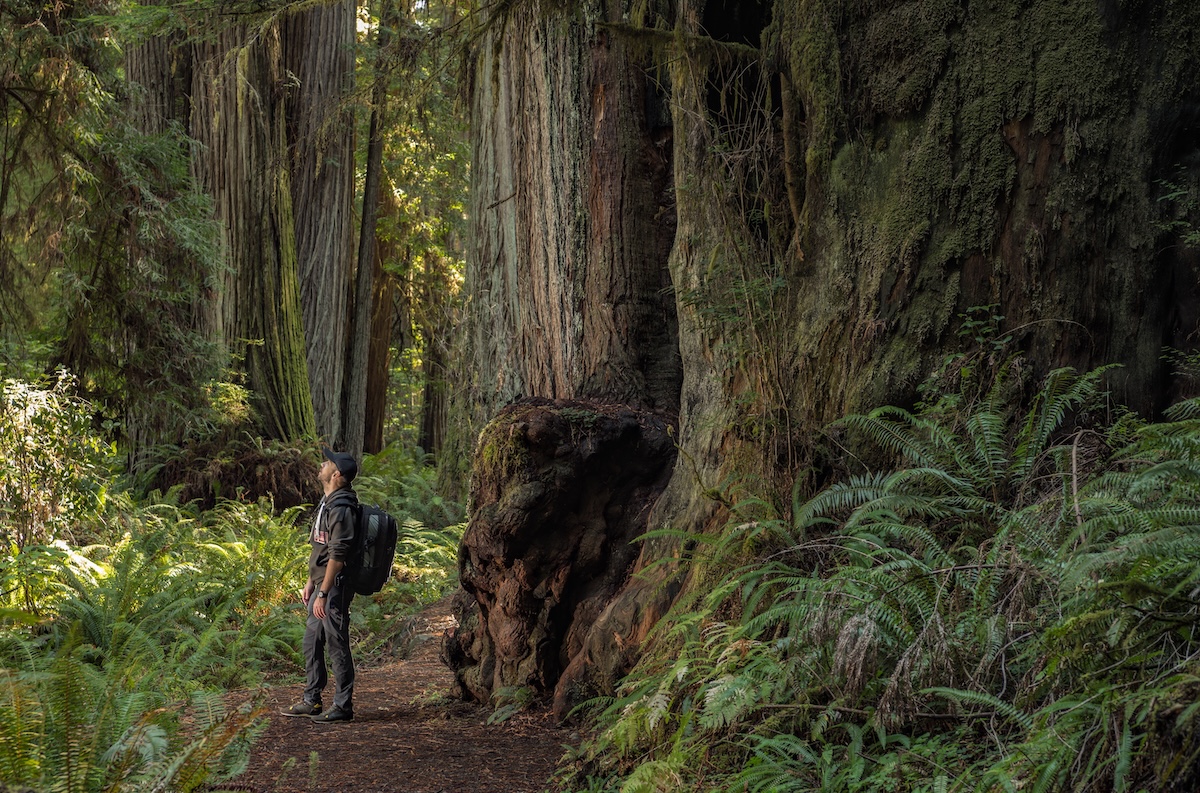
You’ll find yourself surrounded by the tallest trees on Earth in California’s redwood forests. These ancient coastal giants can reach more than 350 feet and live for over 2,000 years. The most impressive groves stretch along the northern California coast, where fog and moisture create ideal growing conditions.
Walking among these massive trees feels almost otherworldly. Even on sunny days, the forest floor stays dim and cool, while filtered light creates an atmosphere unlike anywhere else. You can explore these natural wonders in several protected areas, including Redwood National Park and various state parks. Late spring through early fall offers pleasant conditions, though the forests remain beautiful year-round. Some of the largest trees have their own names and draw visitors from around the world who want to stand beside these living monuments to nature’s patience and power.
20. Kīlauea, Hawaii
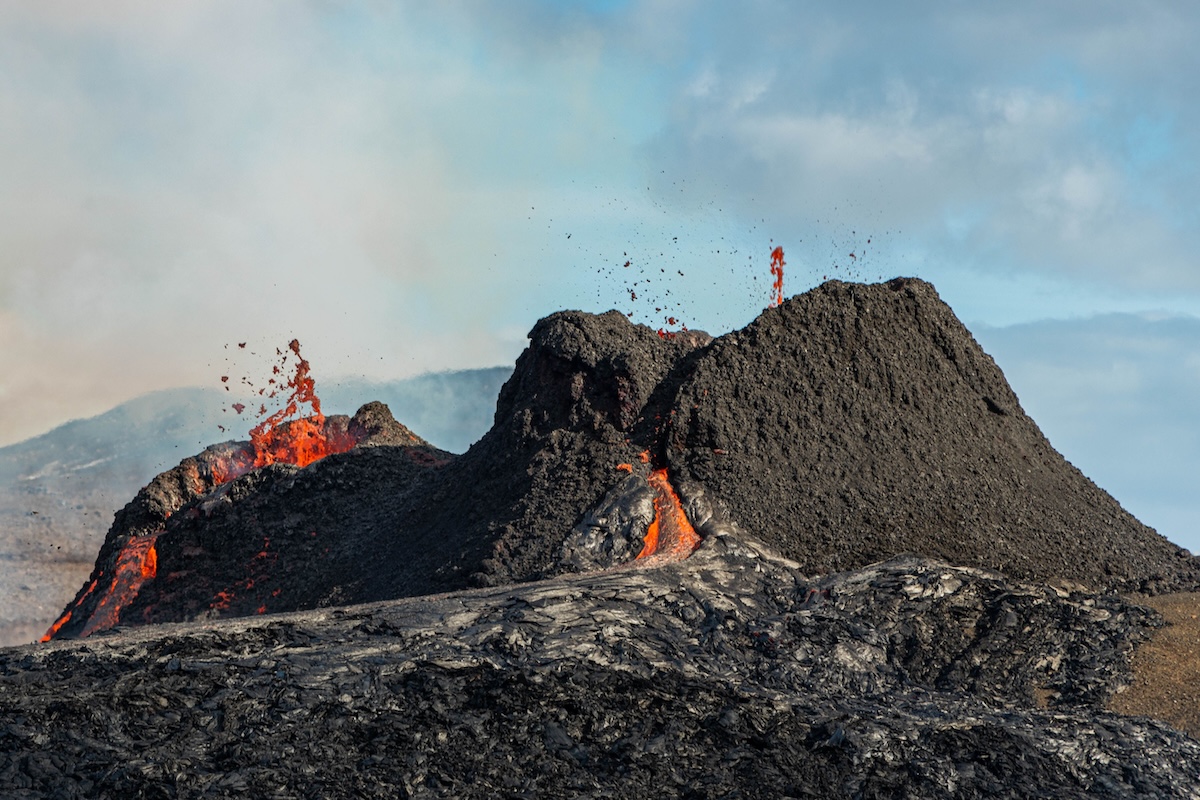
You’ll find one of the world’s most active volcanoes on Hawaii’s Big Island, where Kīlauea has shaped the landscape for thousands of years. This massive shield volcano sits within Hawaii Volcanoes National Park and has erupted almost continuously since 1983, creating new land as lava flows into the ocean. When conditions allow, you can witness Earth’s geological forces transforming the terrain right before your eyes.
You can experience Kīlauea in several ways, from hiking across hardened lava fields to viewing the Halema’uma’u Crater at the summit. Volcanic activity changes over time, so your experience will depend on current conditions. You might see dramatic lava fountains, or you may find steaming vents and volcanic gases rising from the caldera. The surrounding park also protects rare native forests and cultural sites sacred to Native Hawaiians, who consider Kīlauea the home of Pele, the volcano goddess.
19. New River Gorge, West Virginia
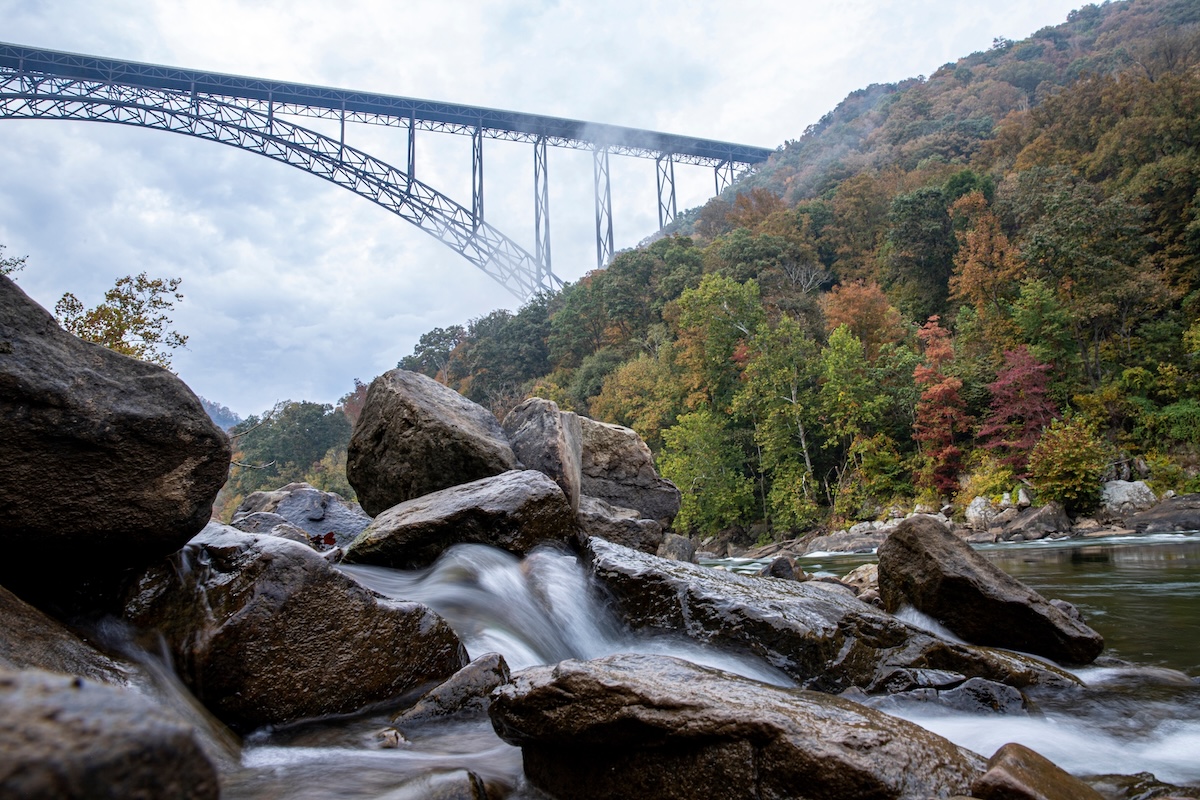
You’ll find one of the continent’s oldest rivers carving through the Appalachian Mountains at New River Gorge. The river has created a dramatic canyon about 1,000 feet deep that stretches for 53 miles. Despite its name, the New River ranks among North America’s oldest waterways. It flows northward through ancient rock formations that date back millions of years. You can cross the iconic New River Gorge Bridge, which rises 876 feet above the river and ranks among the longest single-arch steel spans in the Western Hemisphere.
This national park, established in 2020, offers plenty of opportunities for adventure. You can tackle world-class whitewater rapids, climb the gorge’s renowned sandstone cliffs, or hike more than 100 miles of trails through dense hardwood forests. Alongside its natural beauty, the park preserves remnants of the region’s coal-mining heritage. Abandoned towns and historic sites offer glimpses into the area’s industrial past.
18. Badlands, South Dakota
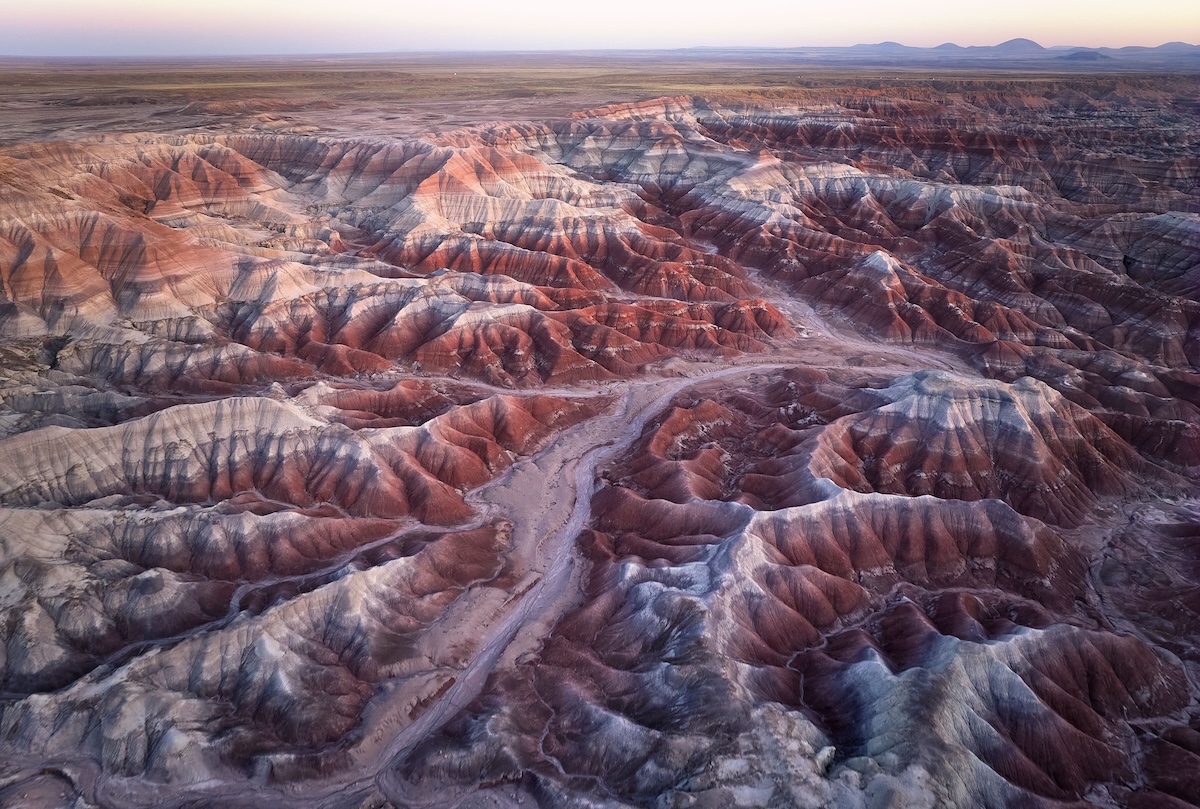
You’ll find one of North America’s most striking landscapes in Badlands National Park in southwestern South Dakota. The park’s 244,000 acres showcase dramatic rock formations carved by wind and water over millions of years. Layered spires, pinnacles, and buttes rise in shades of red, pink, and tan. Nearly 65 miles of trails lead through this otherworldly terrain and offer close-up views of the eroded landscape.
The park protects one of the world’s richest fossil beds, with remains of ancient horses, rhinos, and saber-toothed cats dating from 23 to 35 million years ago. During your visit, you may encounter bighorn sheep, bison, prairie dogs, and black-footed ferrets. The Badlands Loop Road offers accessible scenic overlooks, especially beautiful at sunrise and sunset when warm light hits the rocks. Summer temperatures often exceed 100°F, so plan hikes for early morning or evening.
17. Devils Tower, Wyoming
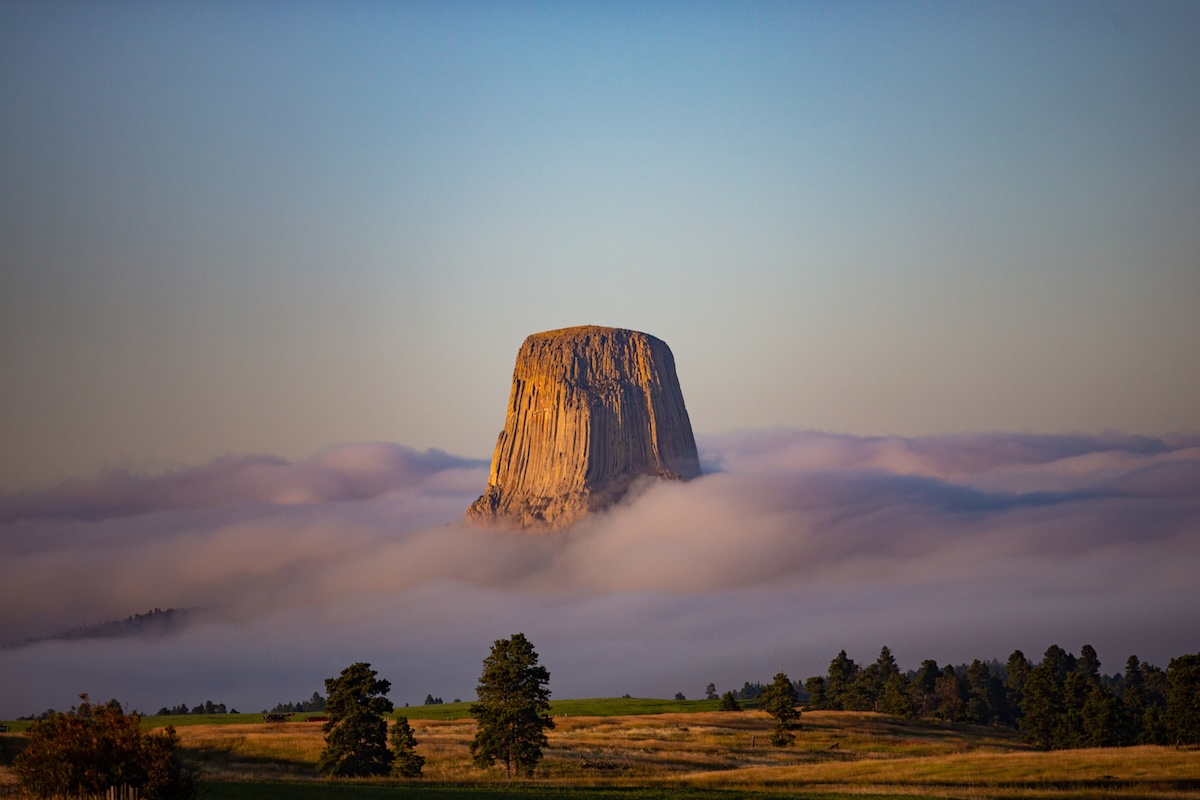
Rising 1,267 feet above the Belle Fourche River in northeastern Wyoming, Devils Tower became America’s first national monument. This massive igneous formation stands out through its distinctive vertical columns, which formed as magma cooled millions of years ago. Its sheer faces and flat top look striking against the surrounding rolling hills and ponderosa pine forests.
Several trails circle the base and offer different views of the tower’s unusual geology. The 1.3-mile Tower Trail takes you around the formation, where you may spot climbers scaling the cracks between its columns. More than 5,000 climbers attempt the ascent each year, though you can appreciate the tower’s grandeur from the ground. The site holds deep spiritual significance for several Native American tribes. Plan your visit respectfully, especially in June, when voluntary climbing closures honor sacred ceremonies.
16. Antelope Canyon, Arizona
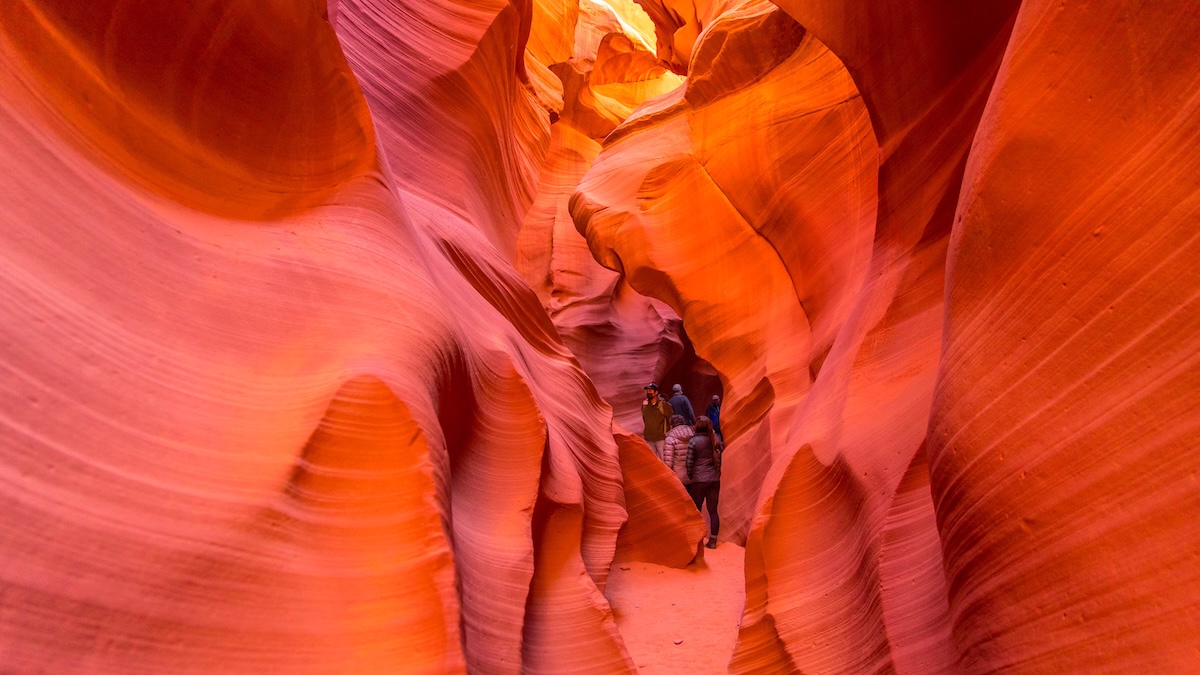
You’ll find one of the Southwest’s most photographed locations in the Navajo Nation near Page, Arizona. Antelope Canyon includes two separate slot canyon sections, Upper Antelope Canyon and Lower Antelope Canyon. Flash floods and wind carved both sections through Navajo sandstone over thousands of years. Smooth, flowing walls display warm shades of orange, red, and purple, while sunlight filtering from above continually changes the canyon’s atmosphere.
You can visit Antelope Canyon only with an authorized Navajo guide because the site sits entirely on tribal land. Upper Antelope Canyon is easier to access and famous for light beams that appear during summer, when the sun sits directly overhead. Lower Antelope Canyon requires climbing metal stairs and navigating narrower passages, but it usually draws fewer visitors. Flash floods remain a danger, so tours may be cancelled with little notice during the July-to-September monsoon season.
15. Garden of the Gods, Colorado
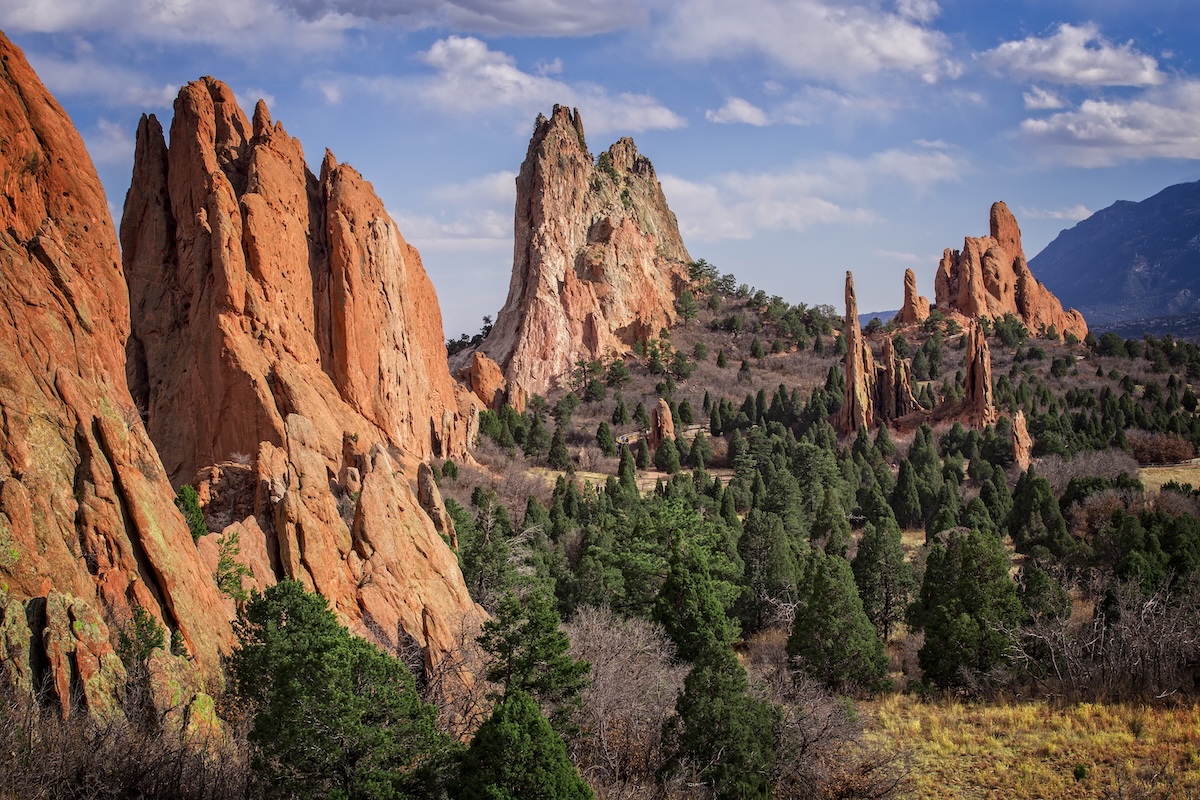
You’ll find this stunning public park on the edge of Colorado Springs, where towering red rock formations rise against Pikes Peak. The park covers 1,367 acres and features ancient sandstone sculpted by millions of years of geological forces. Some formations reach 300 feet high and glow in brilliant shades of orange and red, making this one of Colorado’s most photographed landscapes.
You can explore 15 miles of trails, from easy paved paths to challenging rock scrambles. The formations have colorful names, including Balanced Rock, Steamboat Rock, and the Three Graces. Rock climbing is popular on designated formations, though you’ll need a free permit. The visitor center offers exhibits about the area’s geology and wildlife, and admission to the park is free. You might spot mule deer, bighorn sheep, and various bird species, especially in the early morning.
14. White Sands, New Mexico
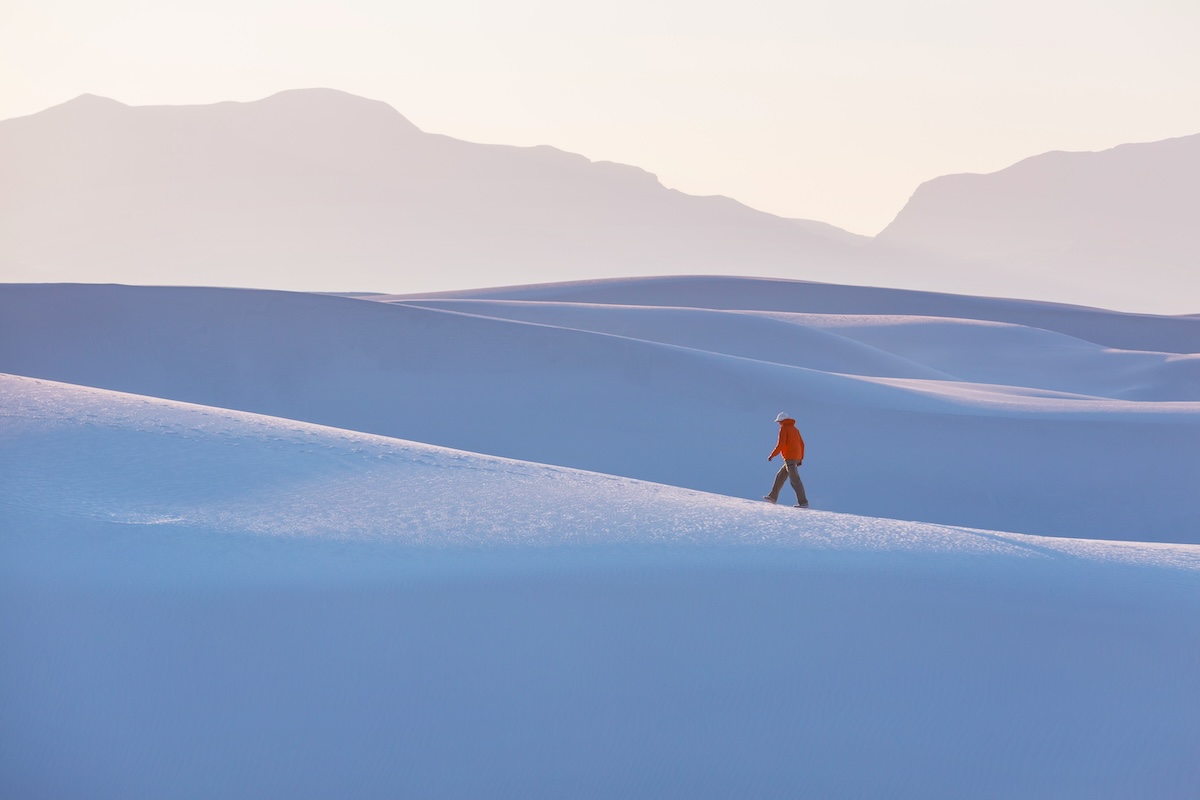
You’ll find yourself walking across 275 square miles of brilliant white gypsum dunes in the Tularosa Basin. The dunes rise as high as 60 feet and shift constantly with the wind, creating a landscape that feels more like another planet than southern New Mexico. This is the world’s largest gypsum dune field. Its pristine white crystals reflect sunlight so intensely that you’ll need sunglasses even on overcast days.
Your visit can include sledding down the dunes on special sand discs, hiking marked trails, or watching the sunset turn the white sands pink and orange. The area became America’s newest national park in 2019. It protects wildlife adapted to the harsh conditions, including bleached lizards and white mice whose lighter coloring helps them blend into the sand. You can also explore interdune areas where hardy plants somehow thrive in this challenging environment.
13. Pictured Rocks, Michigan
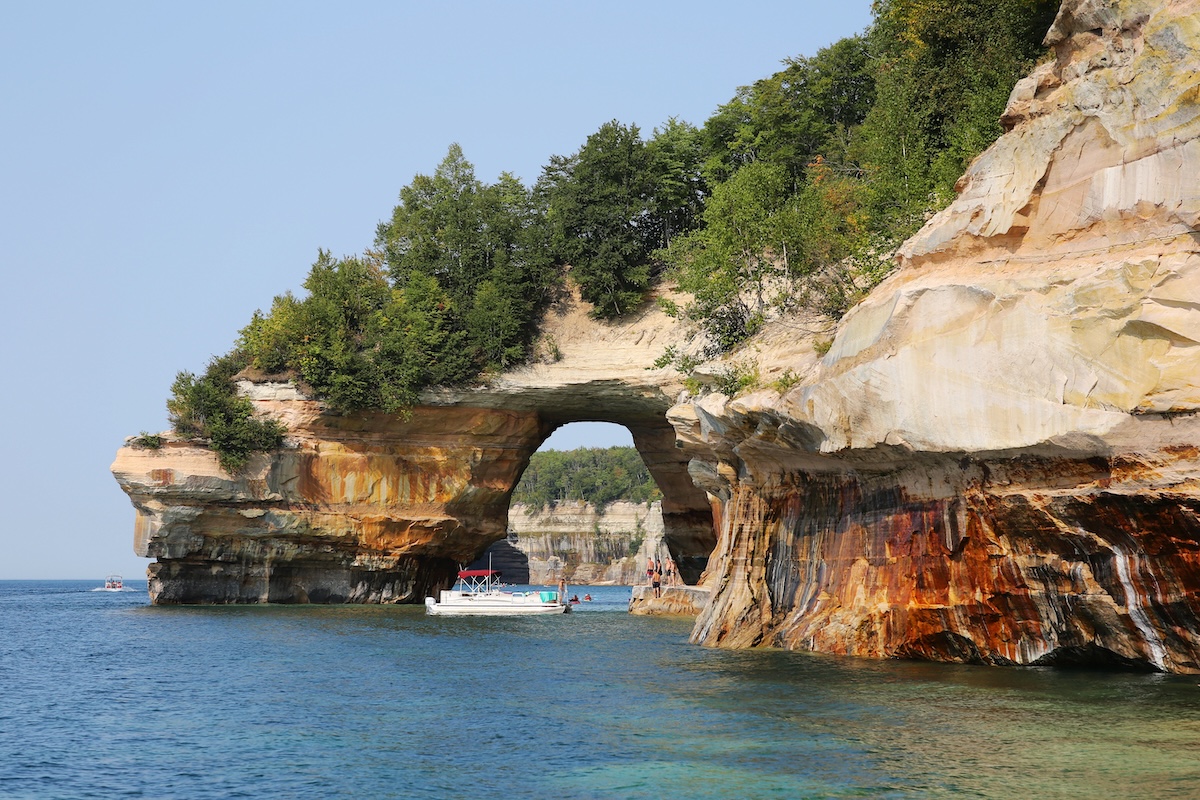
You’ll find one of America’s most striking shorelines along Lake Superior’s southern edge, where Pictured Rocks National Lakeshore stretches for 15 miles beside multicolored sandstone cliffs. The rock faces rise as high as 200 feet above crystal-clear water. Bands of minerals create natural artwork in red, orange, white, and blue. Wind, waves, and ice shaped the ancient cliffs into arches, caves, and columns that you can explore by kayak or tour boat.
Your visit offers several ways to experience this geological marvel throughout the year. In summer, you can paddle beneath the cliffs, study the rock layers up close, and venture into sea caves glowing with reflected light. The shoreline trail provides stunning overlooks of formations such as Miners Castle and Chapel Rock. Winter transforms the cliffs into a frozen wonderland, with massive ice curtains and formations that attract photographers from across the country.
12. Havasu Falls, Arizona
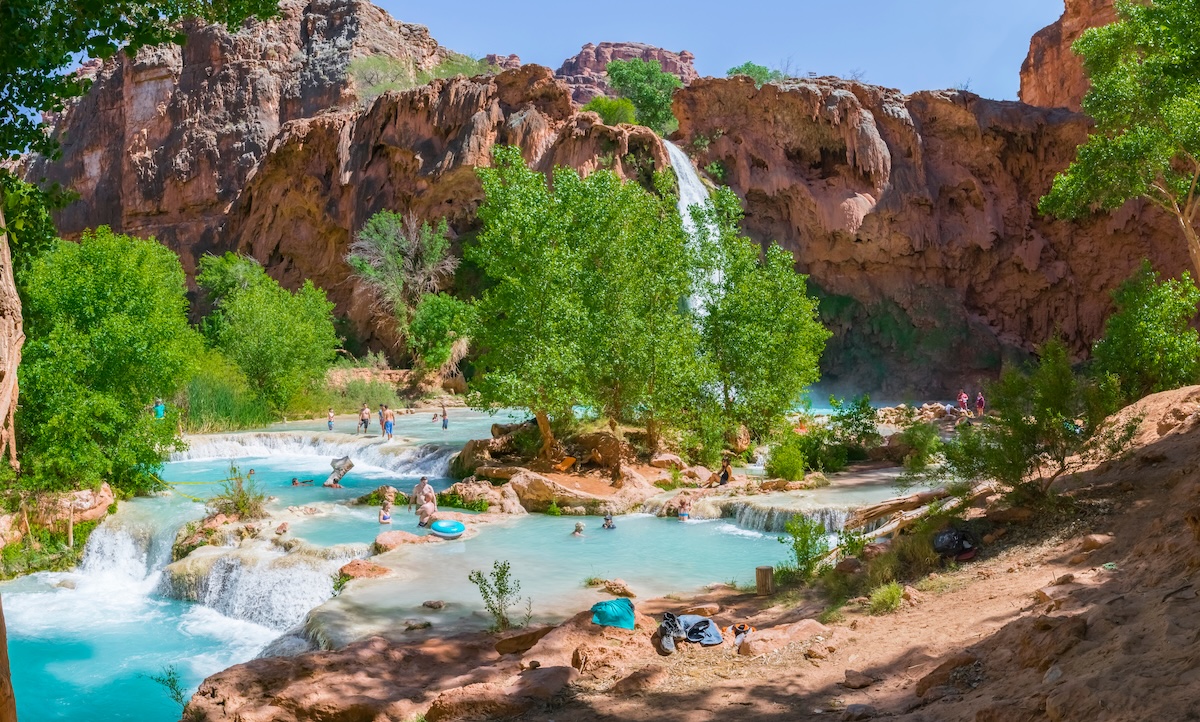
You’ll find Havasu Falls tucked away in a remote section of the Grand Canyon, accessible only by a 10-mile hike through Havasupai tribal lands. The waterfall plunges 100 feet into a stunning turquoise pool fed by Havasu Creek. High concentrations of calcium carbonate and magnesium give the creek its distinctive blue-green color.
Your visit requires advance planning because the Havasupai Tribe limits access through a reservation system. You’ll need to secure permits months ahead, and the trail to the falls involves a challenging trek with major elevation changes. The best time to visit is between March and October, when temperatures stay moderate and the campground near the falls operates at full capacity. The area offers several waterfalls beyond Havasu Falls, including Mooney Falls and Beaver Falls, making a multi-day camping trip worth the effort of reaching this isolated desert oasis.
11. Mount Rainier, Washington
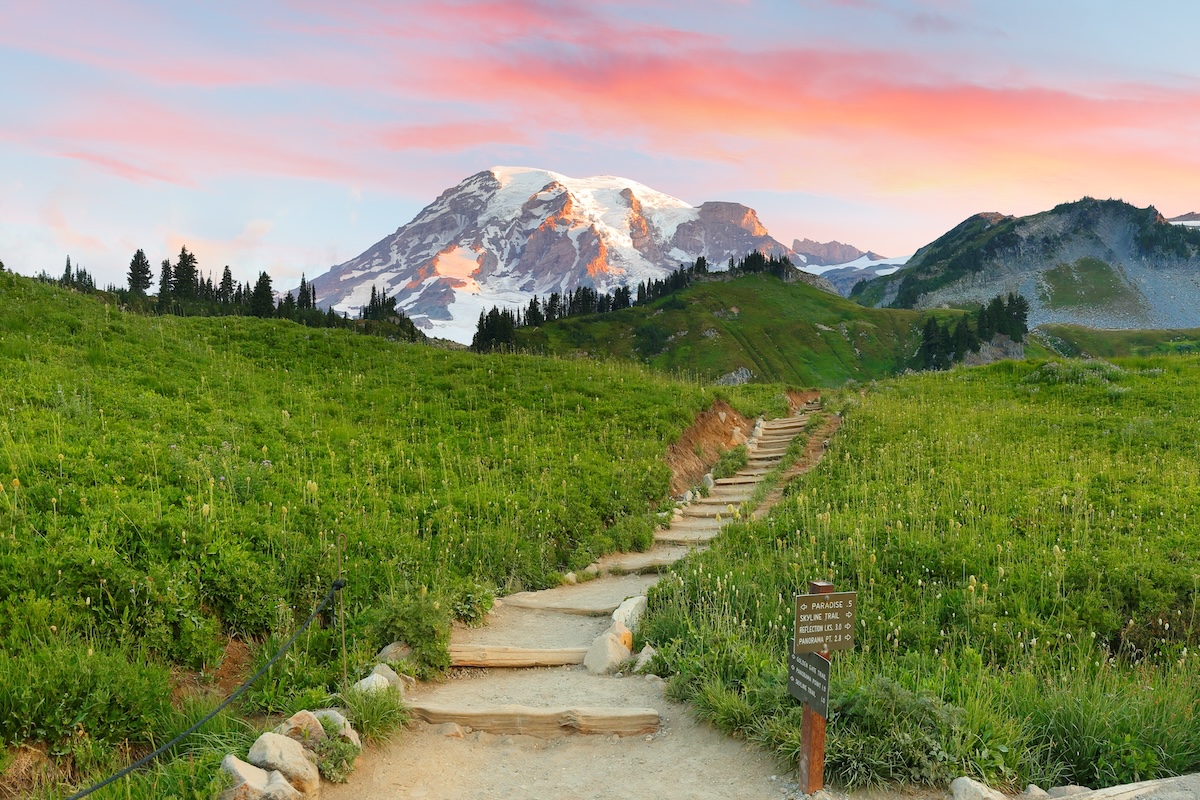
You’ll find Mount Rainier dominating the Pacific Northwest skyline at 14,410 feet, making it the most glaciated peak in the lower 48 states. This active stratovolcano holds more than 25 named glaciers on its slopes, creating a striking landscape of ice fields, alpine meadows, and ancient forests. When you visit Mount Rainier National Park, you can explore more than 260 miles of maintained trails that wind through subalpine zones filled with wildflowers during summer.
The mountain’s massive presence influences weather patterns across the region and often creates its own cloud formations. You can experience ecosystems ranging from old-growth temperate rainforests at lower elevations to stark volcanic rock near the summit. Popular activities include hiking the Wonderland Trail, which circles the entire mountain for 93 miles, or taking in views from Paradise, an area that receives an average of 640 inches of snow each year. The park remains accessible year-round, although many roads close during winter, turning the landscape into a snowy playground for snowshoeing and cross-country skiing.
10. Everglades, Florida
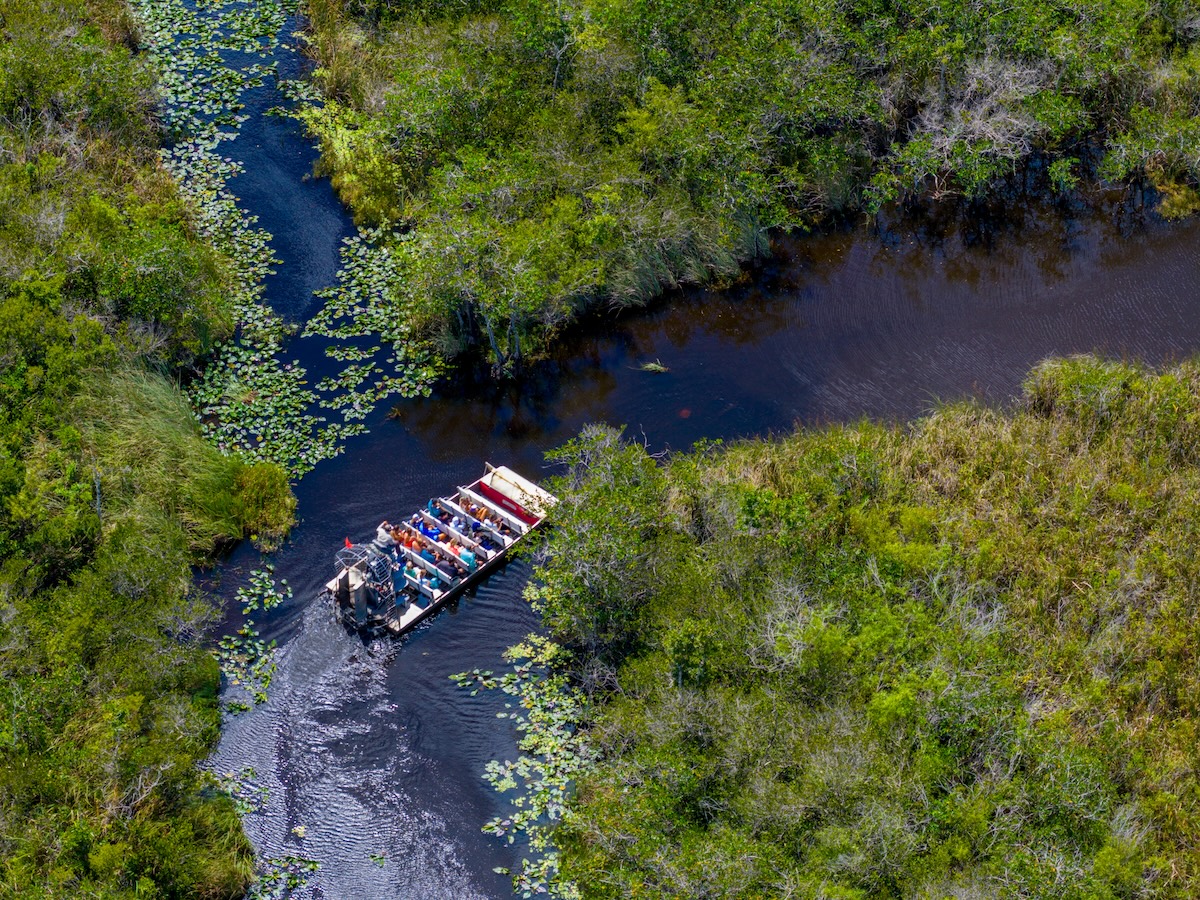
You’ll find one of North America’s most distinctive ecosystems in southern Florida, where the Everglades cover 1.5 million acres of subtropical wilderness. This slow-moving river of grass creates a habitat unlike anywhere else on Earth and supports an incredible range of wildlife. You can spot American alligators basking along waterways, wading birds hunting in shallow marshes, and, if you’re lucky, the elusive Florida panther moving through sawgrass prairies.
The park offers several ways to experience this unique landscape, from kayaking through mangrove tunnels to hiking elevated boardwalks that keep your feet dry while providing close-up views of the terrain. As you explore different sections of the park, you’ll encounter cypress domes, hardwood hammocks, and coastal prairies. The Everglades is the only place in the world where alligators and crocodiles coexist naturally, making wildlife viewing here especially memorable.
9. Bryce Amphitheater, Utah
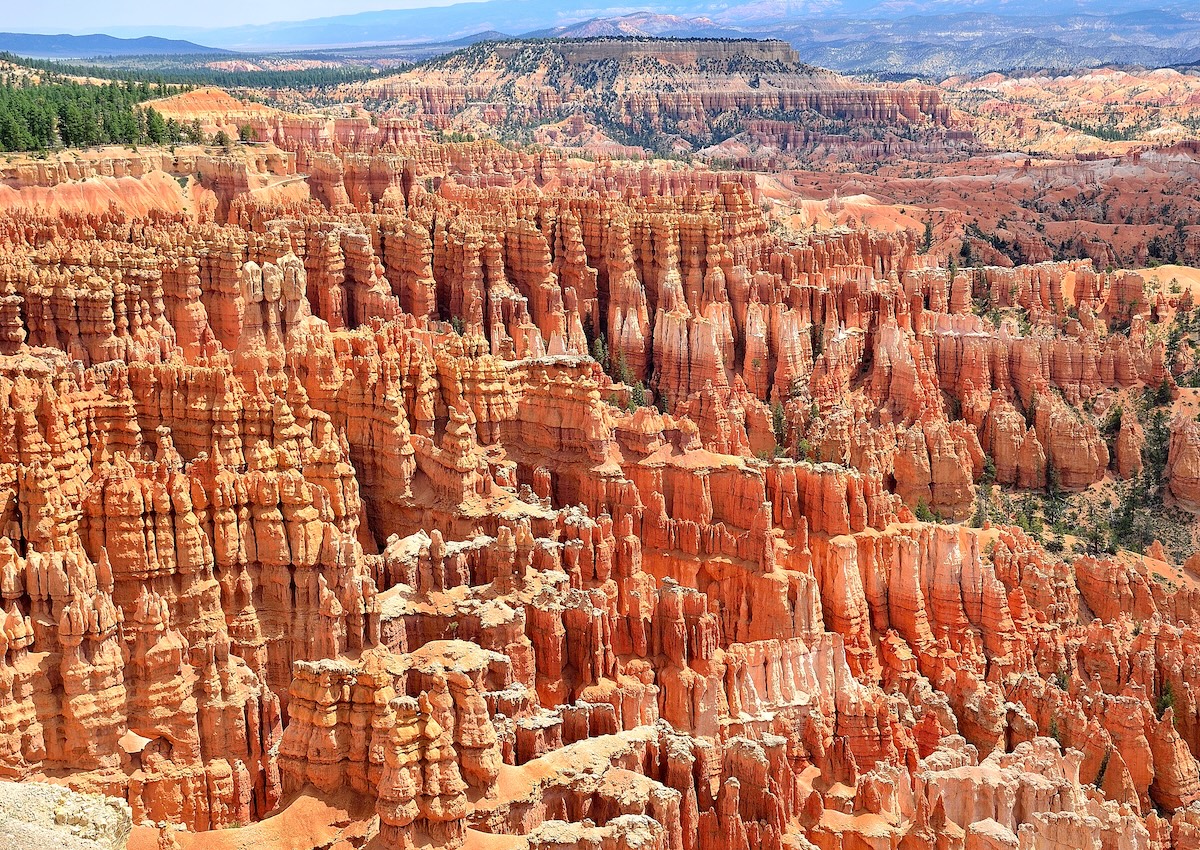
You’ll find one of nature’s most intricate sculptures at Bryce Canyon National Park, where the Bryce Amphitheater stretches across 12 miles of otherworldly terrain. This natural depression, carved into the eastern edge of the Paunsaugunt Plateau, showcases thousands of hoodoos, slender rock spires that rise like ancient pillars in shades of orange, pink, and cream. The amphitheater reaches nearly 1,000 feet below the rim at its deepest point.
Your best views come from iconic overlooks like Sunrise Point, Sunset Point, Inspiration Point, and Bryce Point. Each offers a different perspective on this geological masterpiece. When you descend into the amphitheater on trails like Navajo Loop or Queen’s Garden, you’ll walk among the hoodoos and experience their towering presence up close. Millions of years of frost weathering and erosion created these formations, which can seem almost deliberately crafted. Winter covers the spires with snow, while summer sunrises and sunsets set the rocks glowing with brilliant color.
8. Crater Lake, Oregon
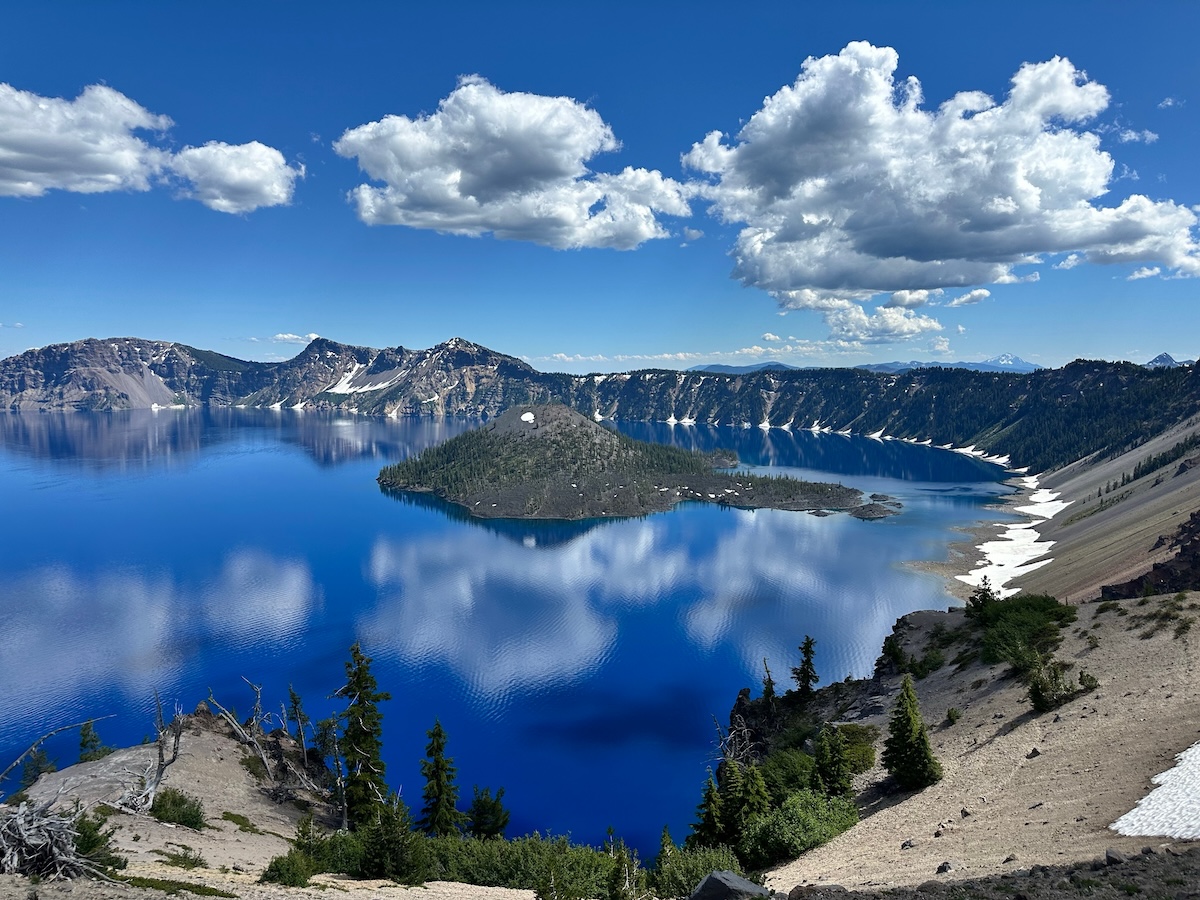
You’ll find the deepest lake in the United States nestled inside the collapsed caldera of Mount Mazama, a volcano that erupted nearly 8,000 years ago. The lake reaches 1,943 feet at its deepest point, and its water is among the clearest and purest anywhere on Earth. Its vivid blue color comes from the lake’s exceptional depth and clarity, which absorb every color in the spectrum except blue.
When you visit, you can drive the 33-mile Rim Drive around the caldera from late June through October, with spectacular viewpoints at nearly every turn. You’ll spot Wizard Island, a volcanic cinder cone rising from the water, and you can reach it by boat tour during summer. The park receives an average of 43 feet of snow each year, creating a winter wonderland where you can cross-country ski or snowshoe along the rim. Rangers lead boat tours and explain the lake’s unusual ecosystem, which has no inlet or outlet streams. Rain and snowmelt provide all of its water.
7. Monument Valley, Arizona/Utah
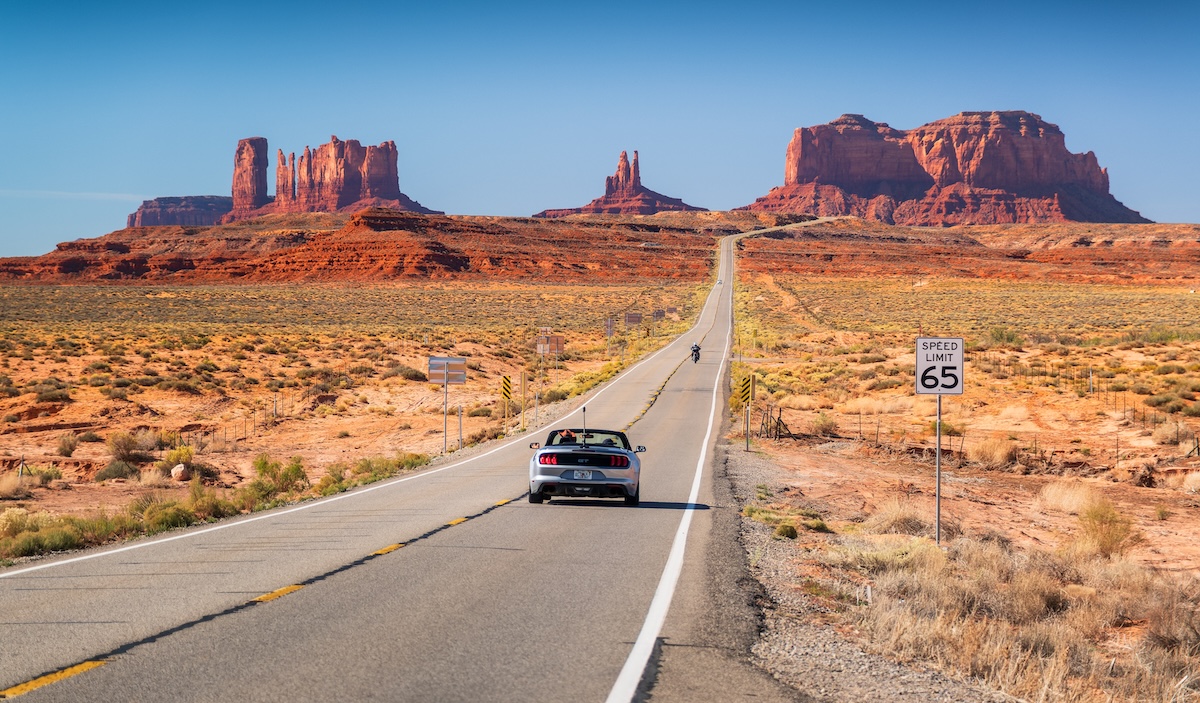
You’ll find one of the American West’s most recognizable landscapes along the Arizona-Utah border, where massive sandstone buttes rise as high as 1,000 feet from the desert floor. Monument Valley’s towering formations have appeared in countless Western films and commercials, making these red rock spires instantly familiar even if you’ve never visited. The Navajo Nation owns and manages this sacred land, and you can explore it along a 17-mile dirt road that winds through the valley floor.
Your visit offers several perspectives of iconic formations like the Mittens and Merrick Butte. You can drive the loop road yourself or book a guided tour with Navajo operators, who share cultural insights and provide access to restricted areas. The valley changes throughout the day as sunlight moves across the sandstone, shifting the colors from deep crimson at sunrise to burnt orange at sunset. Plan your trip between April and October for the most comfortable weather, though winter visits can reward you with occasional snow dusting the red rocks.
6. Denali, Alaska
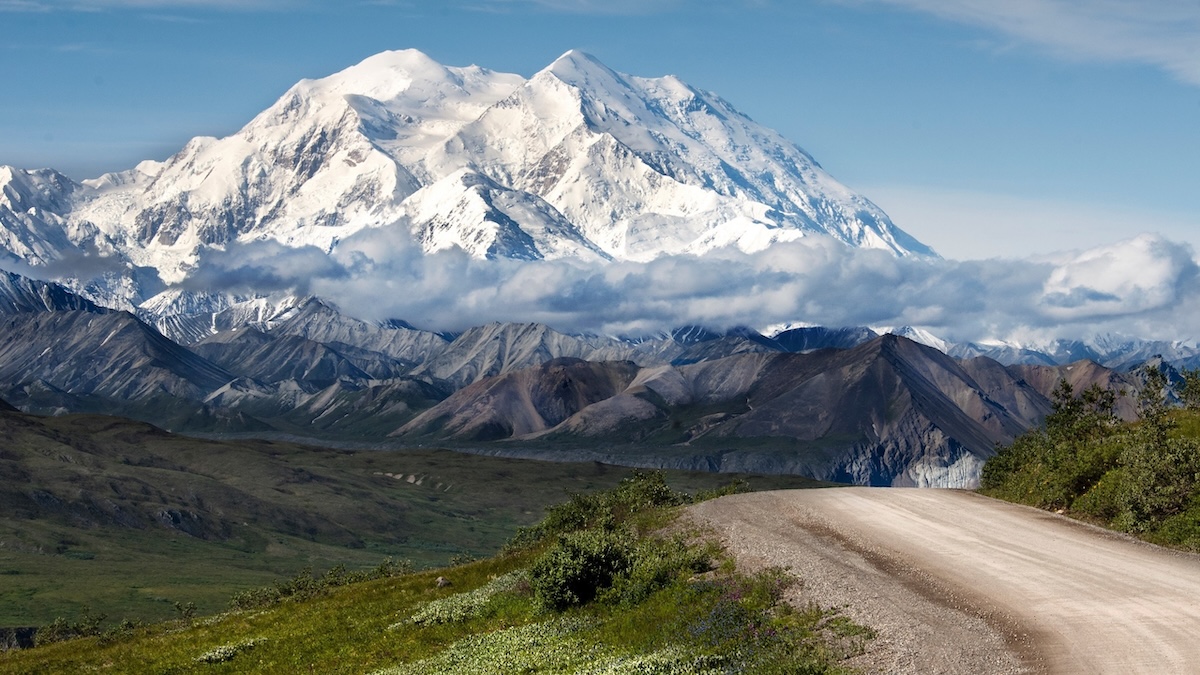
You’ll find North America’s tallest peak rising 20,310 feet above sea level in the heart of Alaska’s interior. Denali, which means “the high one” in the native Koyukon language, dominates the landscape of its namesake national park with a presence that’s hard to grasp until you see it yourself. The mountain creates its own weather systems and stays shrouded in clouds roughly two-thirds of the time, so clear viewing days feel special.
Your visit to Denali National Park gives you access to six million acres of pristine wilderness where grizzly bears, wolves, caribou, and Dall sheep roam freely. The park’s single road stretches 92 miles into the backcountry, but private vehicles can travel only the first 15 miles. Beyond that, you’ll need to take a bus or hike through the vast tundra and taiga. Summer brings nearly 24 hours of daylight, giving you plenty of time to explore the terrain beneath the massive peak that towers over everything around it.
5. The Narrows, Zion, Utah
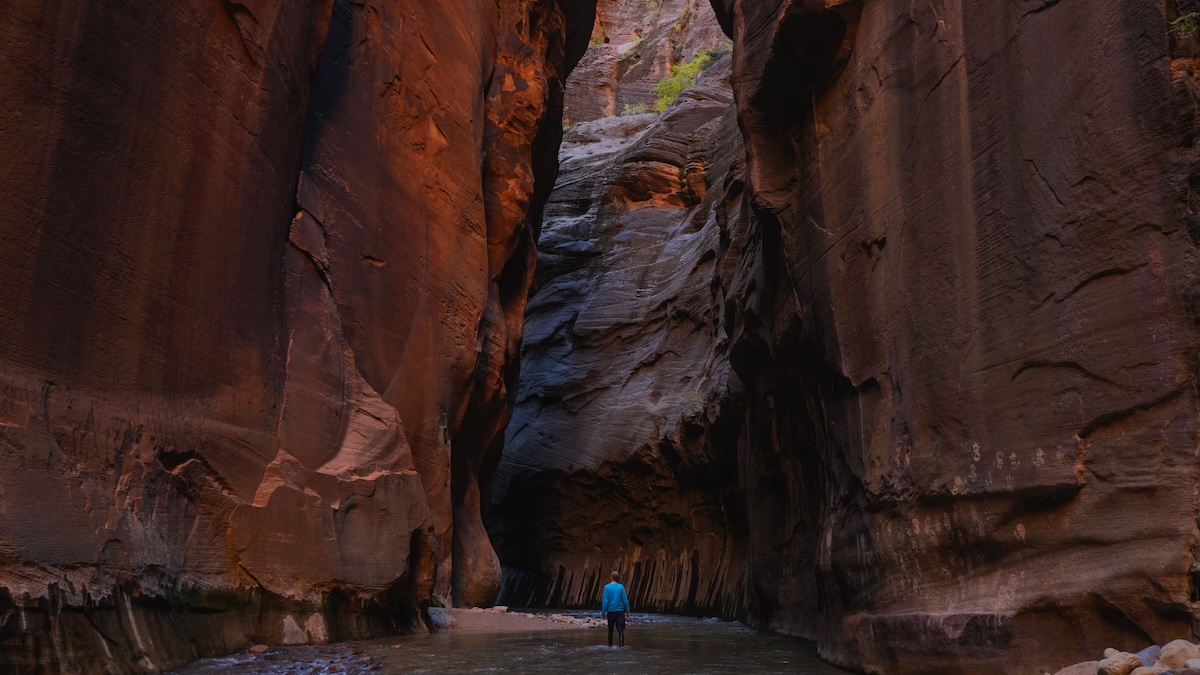
You’ll find yourself wading through the Virgin River as towering sandstone walls rise 1,000 feet above you on this slot canyon hike. The Narrows offers one of America’s most unusual hiking experiences, with the river serving as your trail for much of the 16-mile route through Zion National Park. In places, the canyon walls narrow to just 20-30 feet while soaring overhead, creating a cathedral-like atmosphere unlike anywhere else.
You can hike the Narrows as a bottom-up day hike starting from the Temple of Sinawava, which means walking directly in the river for miles. Water levels range from ankle-deep to chest-deep, depending on the season and recent rainfall. Most visitors explore the lower section as a day hike, turning back whenever they choose. You’ll want to visit between late spring and early fall, when water levels are usually safest, and always check current conditions before entering because flash floods can occur.
4. Niagara Falls, New York
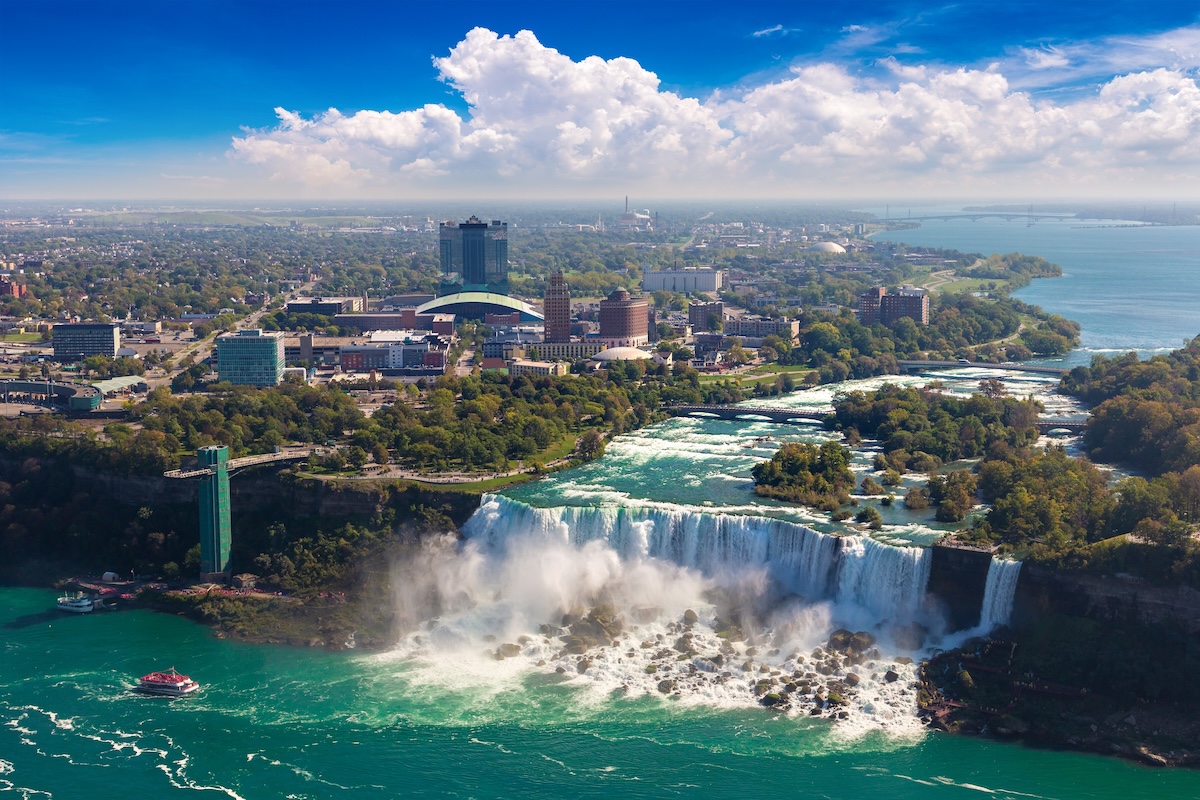
You’ll find one of North America’s most powerful natural spectacles along the border between the United States and Canada. The American side of Niagara Falls offers an up-close view of three distinct waterfalls: American Falls, Bridal Veil Falls, and the massive Horseshoe Falls. During peak flow, approximately 750,000 gallons of water rush over the edge every second, creating a thunderous roar and constant mist that you can feel from hundreds of feet away.
Your visit lets you experience the falls from several vantage points, including Cave of the Winds, where wooden pathways bring you within feet of the churning water. Established in 1885, Niagara Falls State Park is America’s oldest state park and provides observation decks and trails along the Niagara Gorge. On sunny days, you’ll see rainbows forming in the mist. If you visit during winter, you can also see the falls partly frozen into stunning ice formations.
3. Yosemite Valley, California
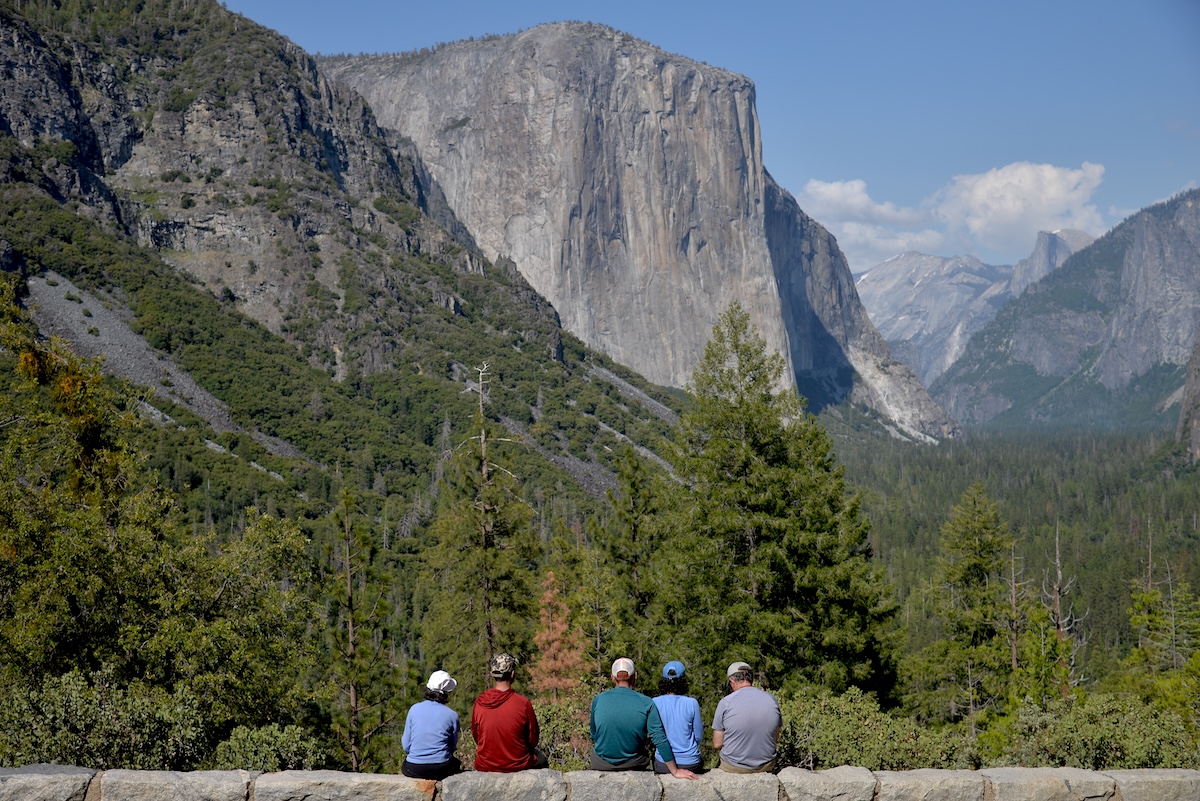
You’ll find one of America’s most iconic landscapes carved into California’s Sierra Nevada mountains. Yosemite Valley stretches about seven miles long and reaches depths of 3,000 feet, with sheer granite cliffs rising above the forested floor. Glaciers and erosion shaped the valley’s dramatic geology over millions of years.
When you visit, you can witness El Capitan’s massive granite face rising 3,000 feet vertically, making it a legendary destination for rock climbers worldwide. Half Dome dominates the eastern end with its distinctive shape, while waterfalls like Yosemite Falls, Bridalveil Fall, and Vernal Fall cascade from the rim. Spring brings the most spectacular waterfall displays as snowmelt reaches its peak. The Merced River winds through the valley floor, where you’ll encounter meadows, ancient groves of giant sequoias, and wildlife including black bears and mule deer. You can explore the valley through hiking trails, scenic drives, and viewpoints that show why this place has inspired artists, photographers, and nature lovers for generations.
2. Grand Prismatic Spring, Wyoming
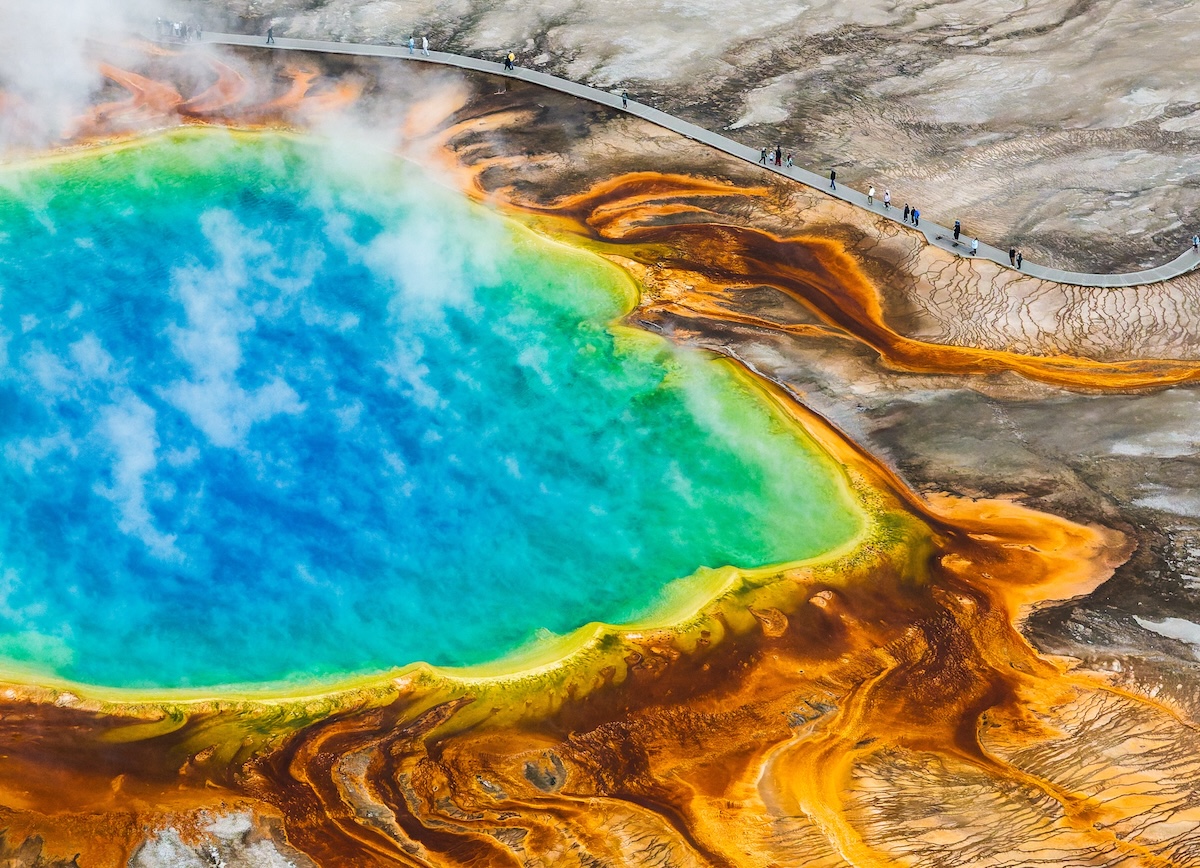
You’ll find America’s largest hot spring in Yellowstone National Park’s Midway Geyser Basin. Grand Prismatic Spring stretches 370 feet across and plunges more than 120 feet deep, making it the world’s third-largest hot spring. The water stays at a steaming 160°F year-round, creating ideal conditions for the rainbow of colors that gives this wonder its name.
Heat-loving bacteria called thermophiles create the spring’s vivid rings of orange, yellow, and green as they thrive in the mineral-rich water. The center glows deep azure blue because of the water’s clarity and depth. You can view this natural masterpiece from the boardwalk around the spring, but the nearby hillside overlook offers the most spectacular perspective. The colors appear most vibrant during summer, when bacterial mats flourish in the runoff channels.
1. Grand Canyon, Arizona
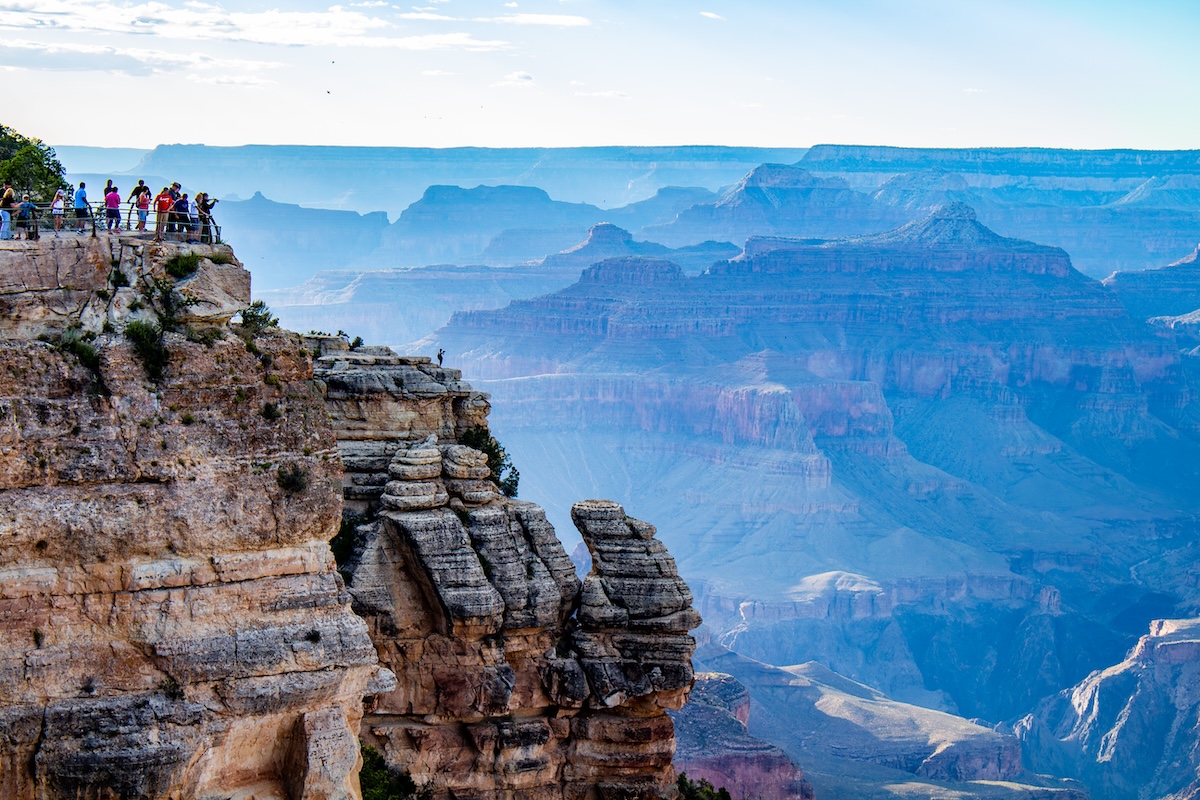
When you visit the Grand Canyon, you’ll stand at the edge of one of Earth’s most impressive geological formations. The Colorado River carved this massive chasm over millions of years. It stretches 277 miles, reaches depths of more than a mile, and spans up to 18 miles in some places. Its layered red rocks reveal nearly two billion years of geological history, creating a natural timeline you can see with your own eyes.
Your experience depends on which rim you explore. The South Rim stays open year-round and offers the easiest access to viewpoints and visitor facilities. If you’re looking for solitude, the North Rim feels more remote and draws fewer crowds, though it closes during the winter. You can hike below the rim on trails such as Bright Angel or South Kaibab, raft down the Colorado River, or simply watch changing light shift the canyon’s colors throughout the day. Over 5 million people visit each year, but the canyon’s vastness means you can still find quiet moments.