
Most ancient cities didn’t survive purely because someone decided to protect them. They survived because they were too useful to abandon, too sacred to demolish, or simply too remote for the modern world to bother replacing.
The ones on this list have been continuously inhabited across centuries of invasion, plague, earthquake, and the destruction that comes with being discovered by tourism. Some wear their age on every wall. Others have buried it beneath a functioning modern city that sits atop it without apology. All are still very much alive, which is reason enough to celebrate.
25. Évora, Portugal
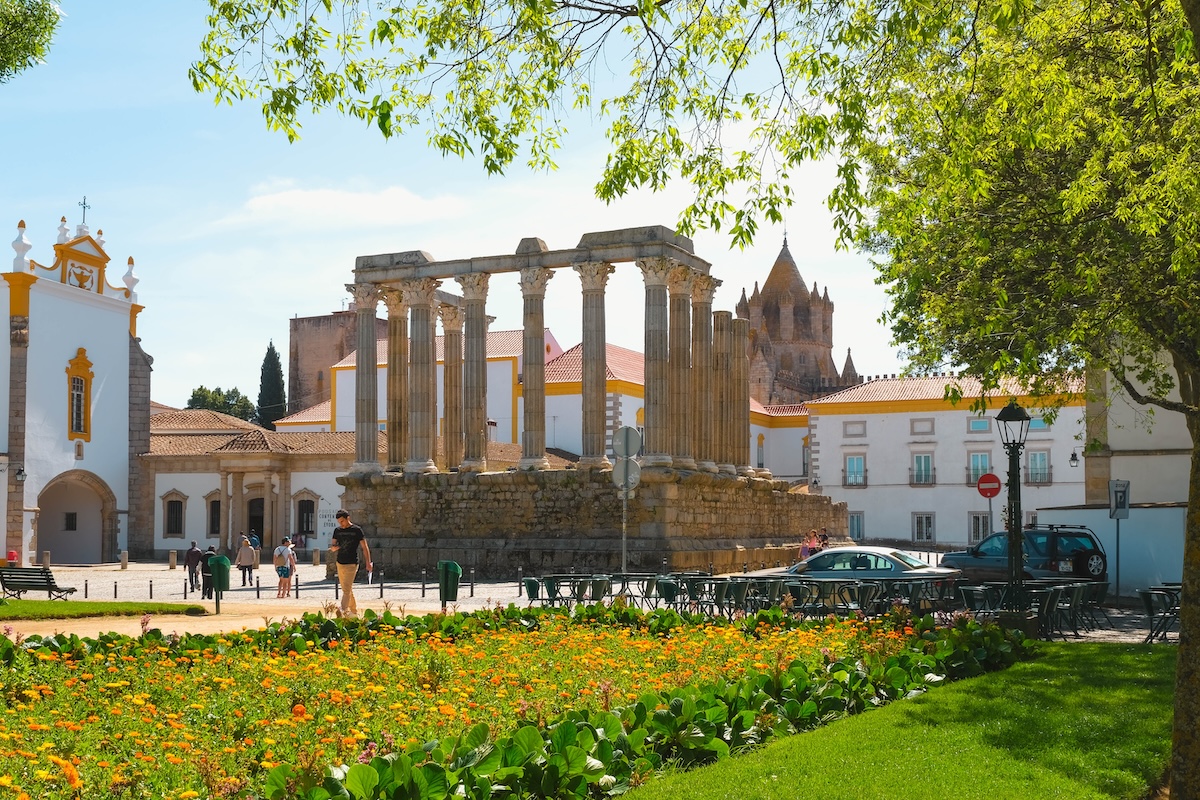
Tucked into the Alentejo plains about 130 kilometers east of Lisbon, Évora has been inhabited since Celtic times and accumulated enough Roman, Moorish, and medieval Portuguese history to earn UNESCO World Heritage status in 1986. The Roman Temple of Évora stands in the center of the old city, in a state of preservation that seems almost unlikely given everything the intervening two thousand years have thrown at it.
The Capela dos Ossos, a chapel whose interior walls are lined with the bones of around 5,000 monks, sits off the main square and can quickly make your afternoon take a dark turn. Évora is small enough to cover on foot in a day and old enough to make that day feel very full, so wear good shoes and plan to get lost.
24. Bhaktapur, Nepal
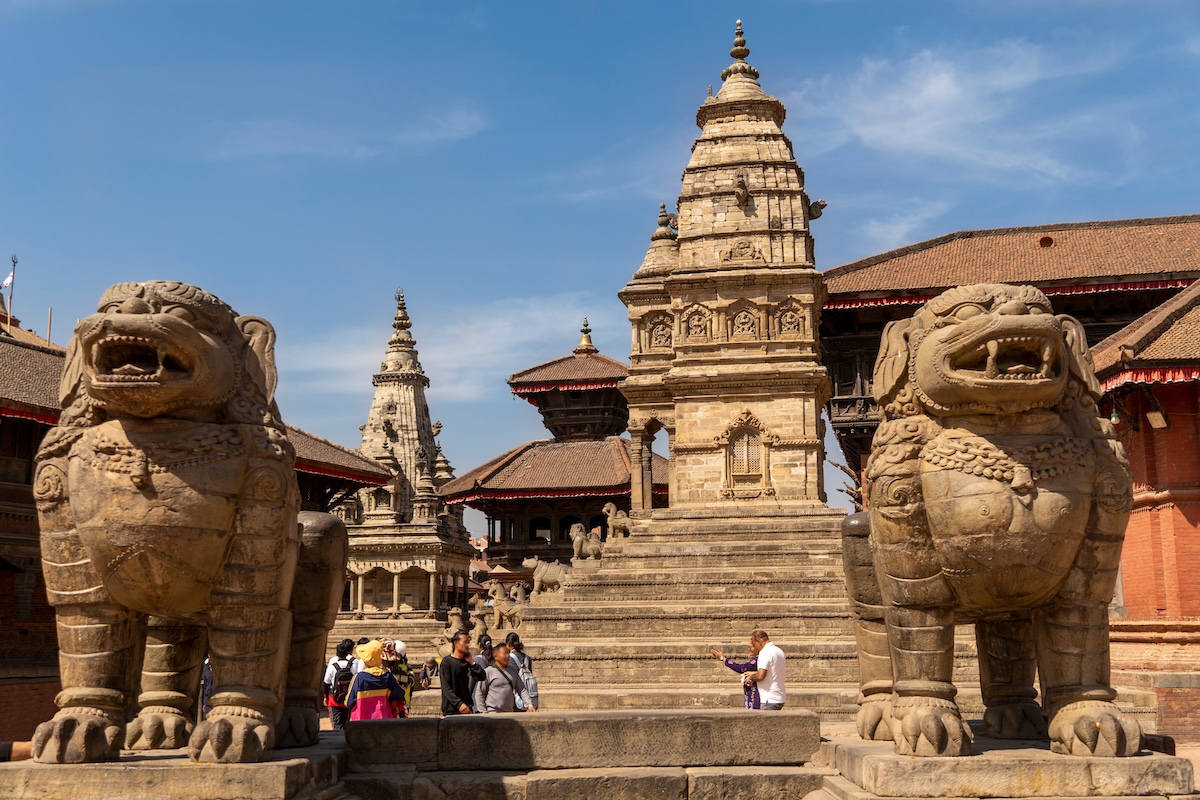
About 13 kilometers east of Kathmandu, Bhaktapur is a medieval city built by the Newari people and maintained by them. It has remarkable cultural continuity that the capital city lost long ago to modernization, sadly, the case with many old cities. The 55-Window Palace and the pottery square, where locals still work the wheel in public, are not reconstructions for tourists. They are a functioning city carrying on as it has for centuries.
The 2015 earthquake damaged huge parts of Bhaktapur, and the rebuilding effort has been painstaking and careful, which tells you what the community thinks of what it inherited. Entry fees for foreigners go directly into the restoration fund, something most people are happy to pay for.
23. Rome, Italy
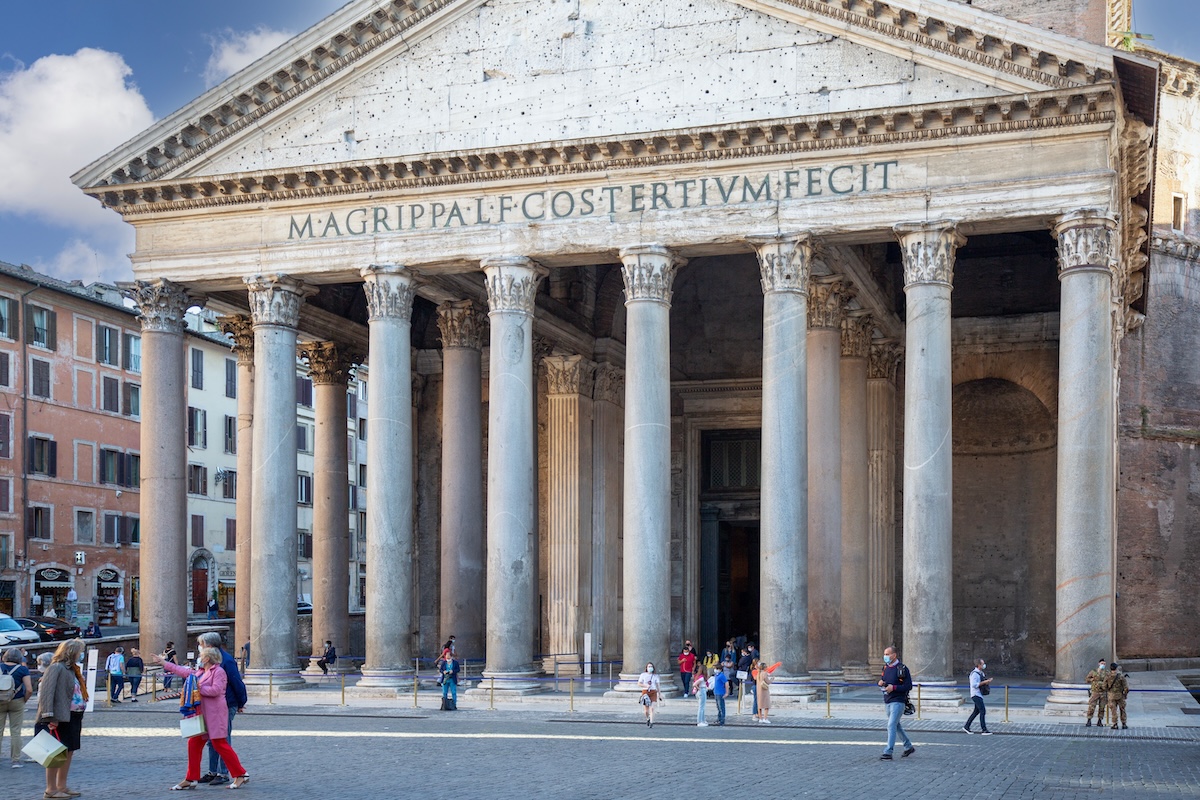
Every layer of Rome sits atop another, and expanding the city must be one of the most painstaking jobs for engineers trying to avoid archeological finds. Walk into a restaurant basement, and you might find a section of ancient Roman road. Builders starting a new underground line hit a temple. The Pantheon has been in continuous use since 125 AD, which makes it the oldest functioning building most visitors will ever stand inside.
Romans navigate all of this casually, and people from comparatively younger countries stand in awe of locals who don’t even notice the Colosseum anymore. The Forum is just where they cut through on the way to somewhere else. Two thousand years of Western civilization is basically the commute backdrop.
22. Pingyao, China
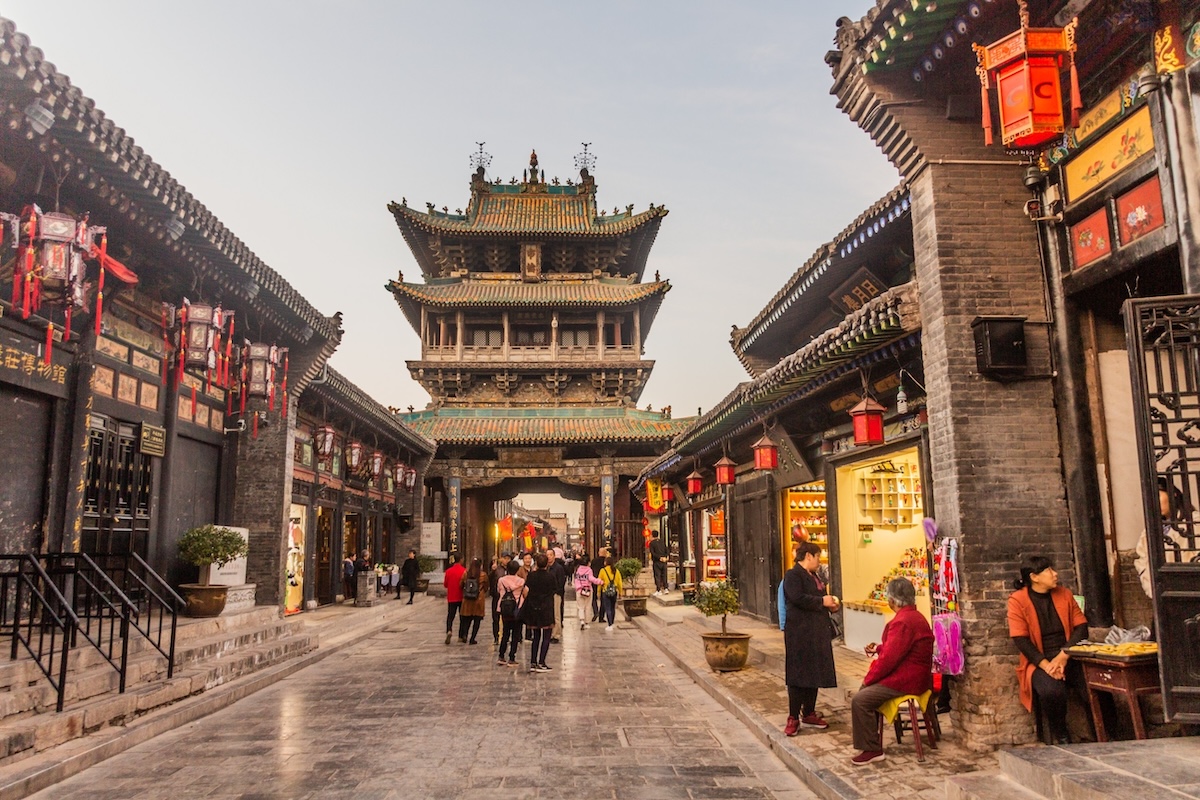
While most of China was demolishing its old city centers in the 20th century to make way for modern development, Pingyao in Shanxi province survived largely intact behind its Ming Dynasty walls. The wall itself, built in 1370, is still complete and walkable, enclosing a grid of courtyard houses, ancient banks, and temple complexes barely touched by the 21st century.
Pingyao was the financial capital of China during the Qing Dynasty, and the old bank buildings along the main street are the most architecturally confident structures in town. It was declared a UNESCO World Heritage Site in 1997, which was well-timed given the pace of development surrounding it.
21. Sana’a, Yemen
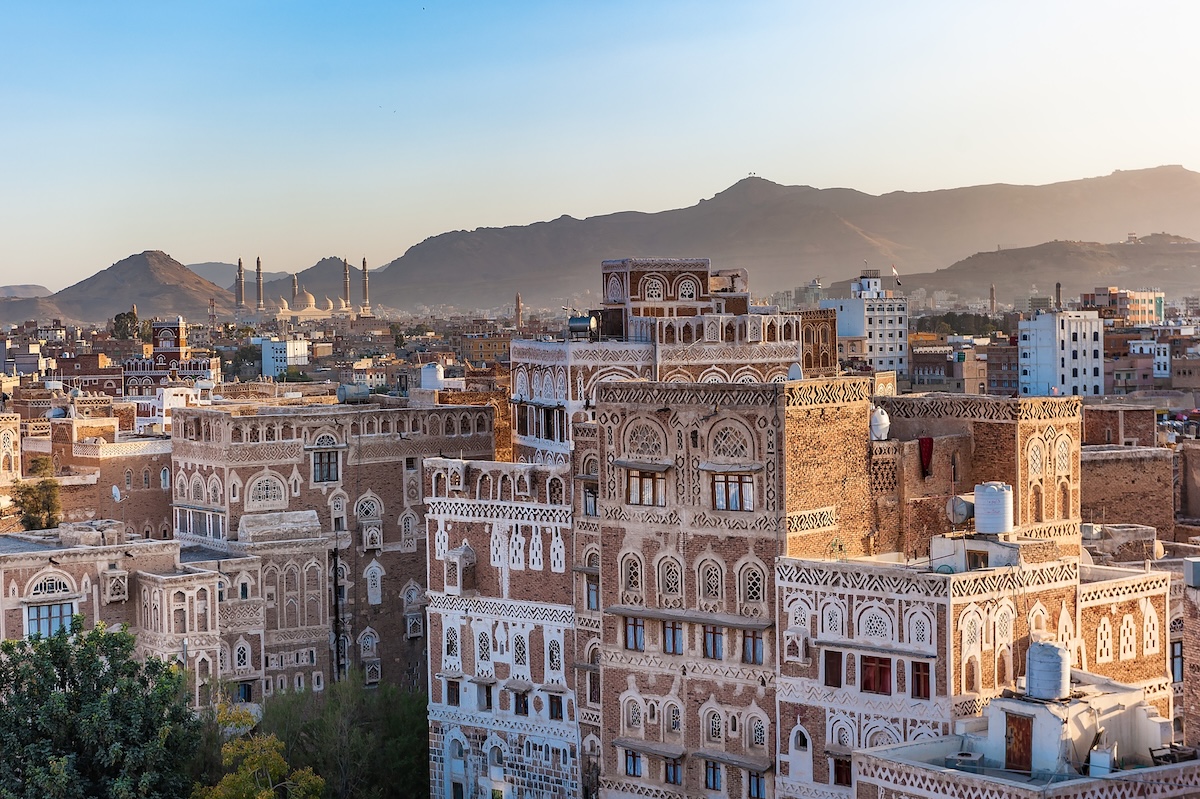
One of the oldest continuously inhabited cities on earth, Sana’a has been a living city for over 2,500 years, and its old city remains one of the most visually extraordinary urban environments in the world. The tower houses built from rammed earth and decorated with geometric white gypsum patterns rise six and seven stories above the narrow lanes, creating a skyline that looks like nothing else on the planet.
The ongoing conflict in Yemen has made Sana’a inaccessible to most international visitors and has damaged parts of the old city that survived everything history previously attempted. It remains on this list because what is there is irreplaceable, and because the situation, however slowly, may eventually change.
20. Bukhara, Uzbekistan
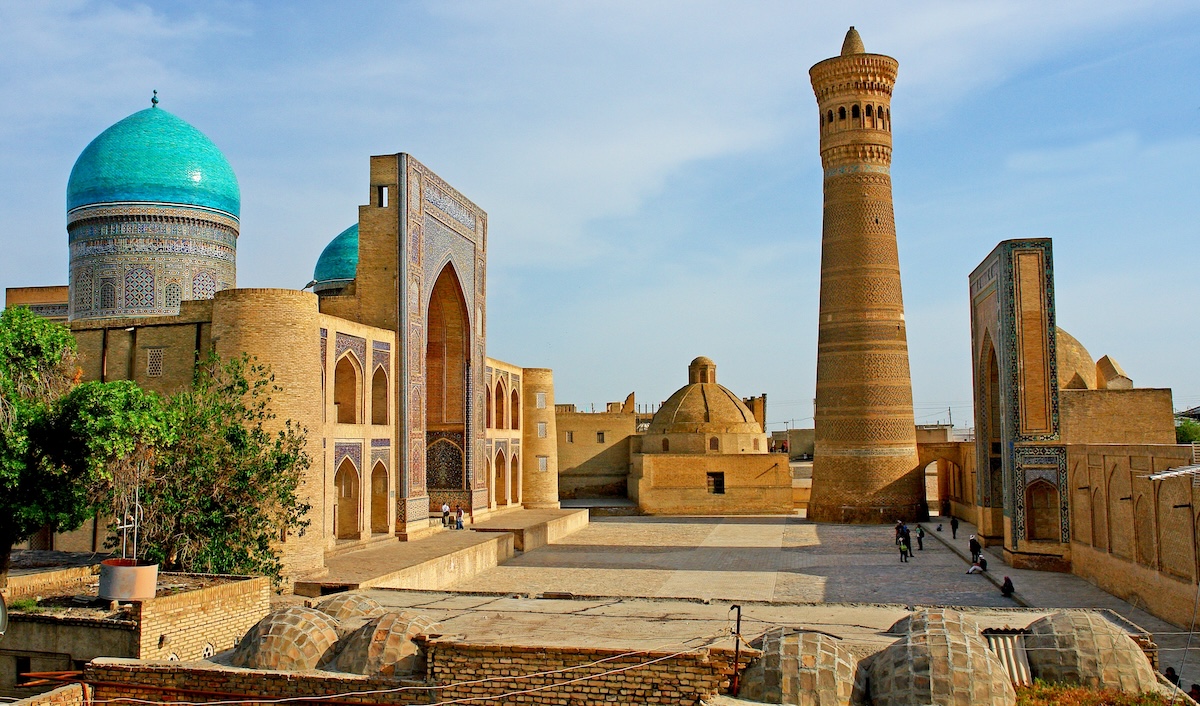
Few cities on the old Silk Road have held their shape as well as Bukhara. At its peak in the 9th and 10th centuries, it was one of the most important cities in the Islamic world, producing scholars, poets, and architects whose work spread from Persia to Spain. The Kalon Minaret, built in 1127, was apparently so impressive that Genghis Khan ordered it left standing while he demolished everything around it, which is about the highest possible endorsement a piece of architecture can receive.
The old city’s trading domes still stand over the bazaar streets, and the mud-brick madrassas still frame the central square. Bukhara keeps grinding away confidently, as if it wants to remind you that it has outlasted every empire that passed through it.
19. Istanbul, Turkey
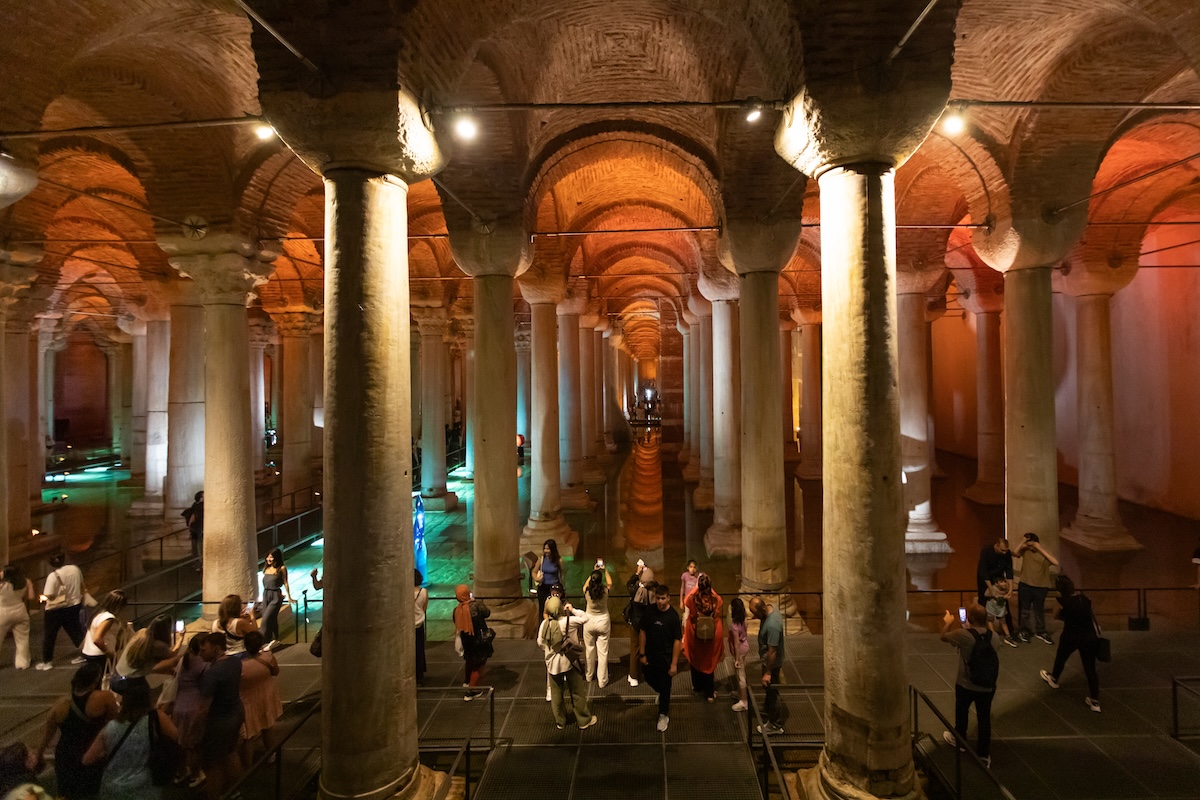
Few cities have changed hands as dramatically or as often as Istanbul, and the architecture unapologetically shows every transition. Founded as Byzantium around 660 BC, reborn as Constantinople in 330 AD, and reinvented again as Istanbul in 1453, the city has been the capital of the Roman, Byzantine, and Ottoman empires in succession, each one leaving behind monuments the next chose to reinterpret rather than demolish.
The Hagia Sophia alone covers a thousand years of that story under one roof. Add the Topkapi Palace, the Blue Mosque, and the Grand Bazaar, and you have a city where history isn’t something you visit, it’s something you navigate around on the way to lunch.
18. Córdoba, Spain
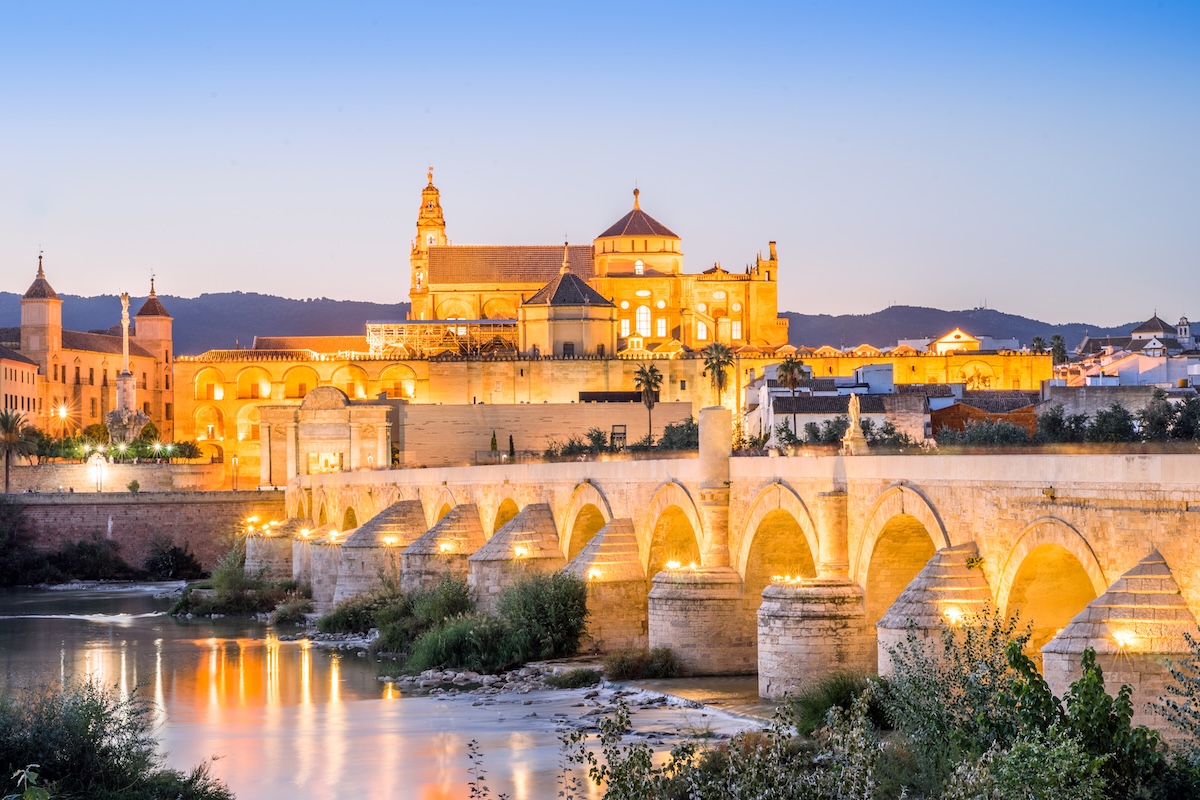
At its peak in the 10th century, Córdoba was the largest city in Western Europe, a centre of Islamic scholarship and architecture that the rest of the continent was still catching up with two centuries later. The Mezquita, a mosque begun in 784 AD that the Spanish later built a cathedral directly inside, is one of the most architecturally audacious buildings on earth and worth the trip to Andalusia on its own terms.
The medieval Jewish quarter surrounding it is one of the best-preserved in Europe, the whitewashed lanes narrow enough to provide real shade in the Andalusian heat. Córdoba is quieter than Seville and Granada, which the people who know about it consider a significant advantage.
17. Cusco, Peru
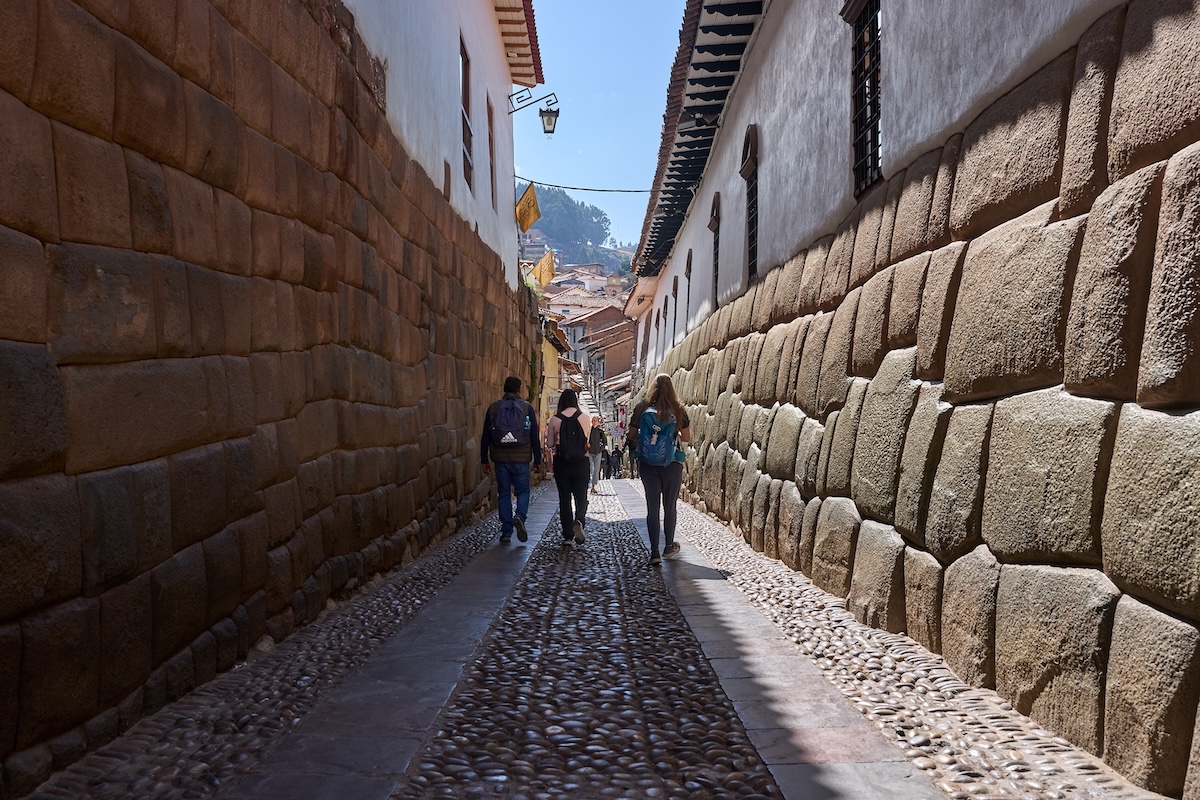
The Inca built Cusco at 3,400 meters above sea level and made it the capital of the largest empire in pre-Columbian America, a logistical achievement that still impresses engineers who study it. The Spanish arrived in 1533, dismantled what they could, and built their colonial city directly on top of the Inca foundations, which turned out to be so precisely fitted that earthquakes destroyed the Spanish construction repeatedly while the Inca stonework underneath survived intact.
Most visitors use Cusco as the base for Machu Picchu, which is a reasonable plan that somewhat undersells the city itself. The Plaza de Armas, the Qorikancha temple complex, and the markets in San Pedro deserve more time than the average Machu Picchu itinerary allows, so build in an extra day, and your legs will thank you once the altitude stops arguing with them.
16. Jerusalem, Israel
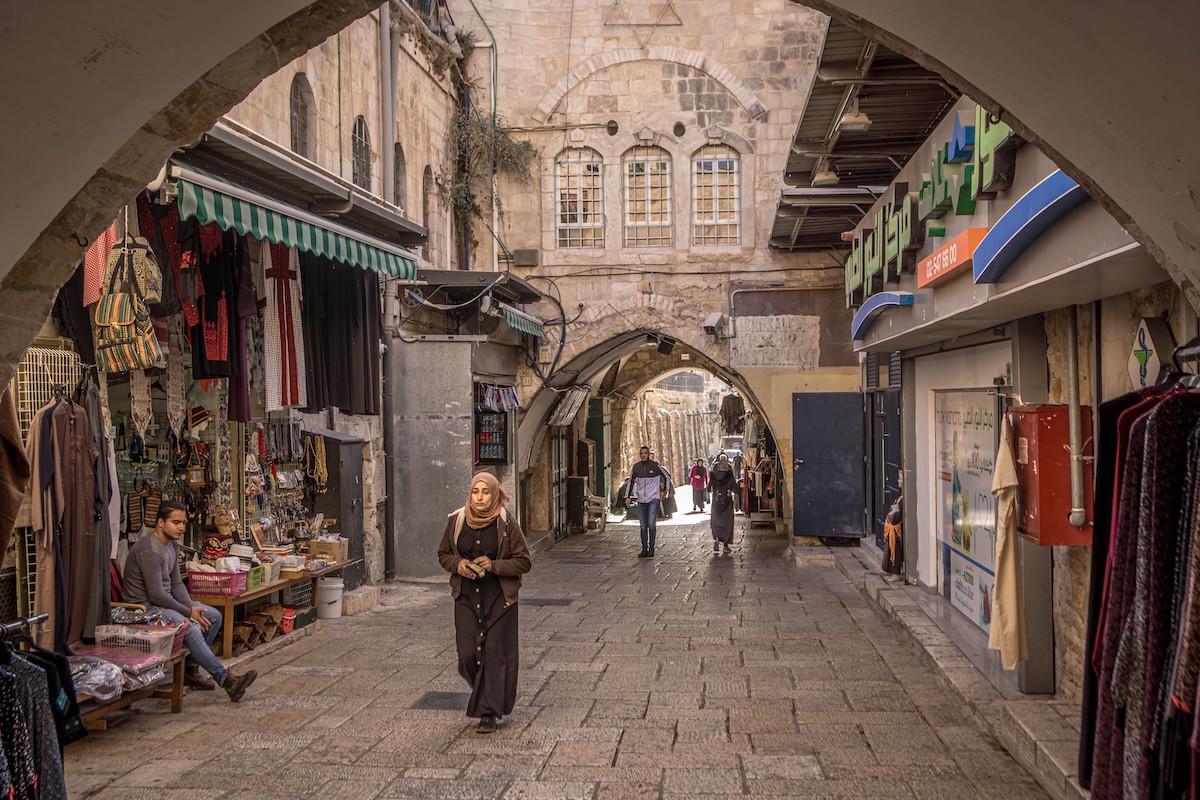
No city on this list carries as much concentrated religious and political weight as Jerusalem, and there is no neutral way to describe it. Three of the world’s major religions claim the old city as sacred ground, and the boundaries between their respective quarters, each one dense with sites that billions of people consider the most important places on earth, are sometimes a single street wide.
The Church of the Holy Sepulcher, the Western Wall, and the Dome of the Rock sit within a few hundred meters of each other, a geographical fact that has driven the city’s entire history and continues to define its present every single day. Whatever your reasons for coming, Jerusalem delivers an experience that no amount of prior reading fully prepares you for.
15. Cairo, Egypt
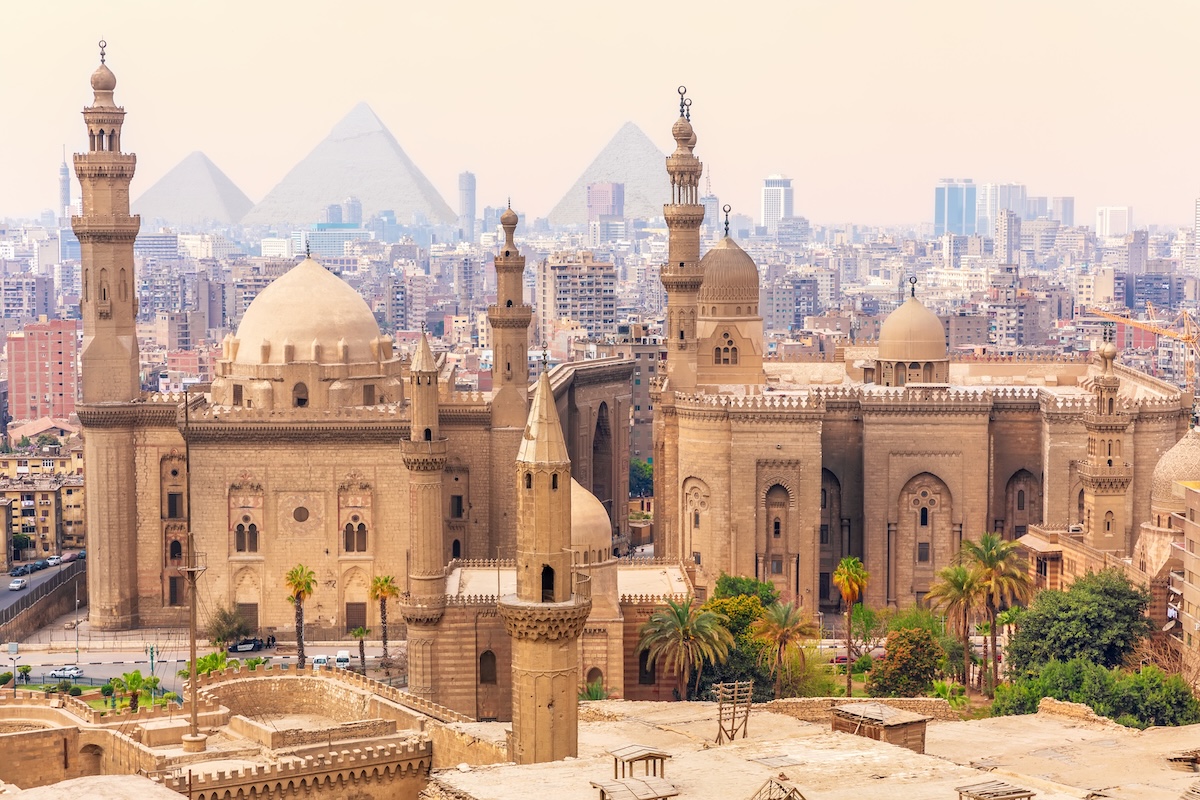
Cairo is the largest city in Africa and the Arab world, and organized chaos is the only way to describe it. The Egyptian Museum on Tahrir Square holds the most important collection of ancient Egyptian artefacts in the world, including Tutankhamun’s burial mask, and it has been doing so in a building that was already old when most of its current visitors were born. The new Grand Egyptian Museum near the pyramids has taken over some of that collection with rather more space and technology to show it properly.
The Pyramids of Giza sit on the city’s western edge, and standing in their shadow with Cairo spread out behind you takes a moment to process. They are larger than photographs lead on and have been receiving visitors since the ancient Greeks, who were themselves visiting something already ancient.
14. Cholula, Mexico
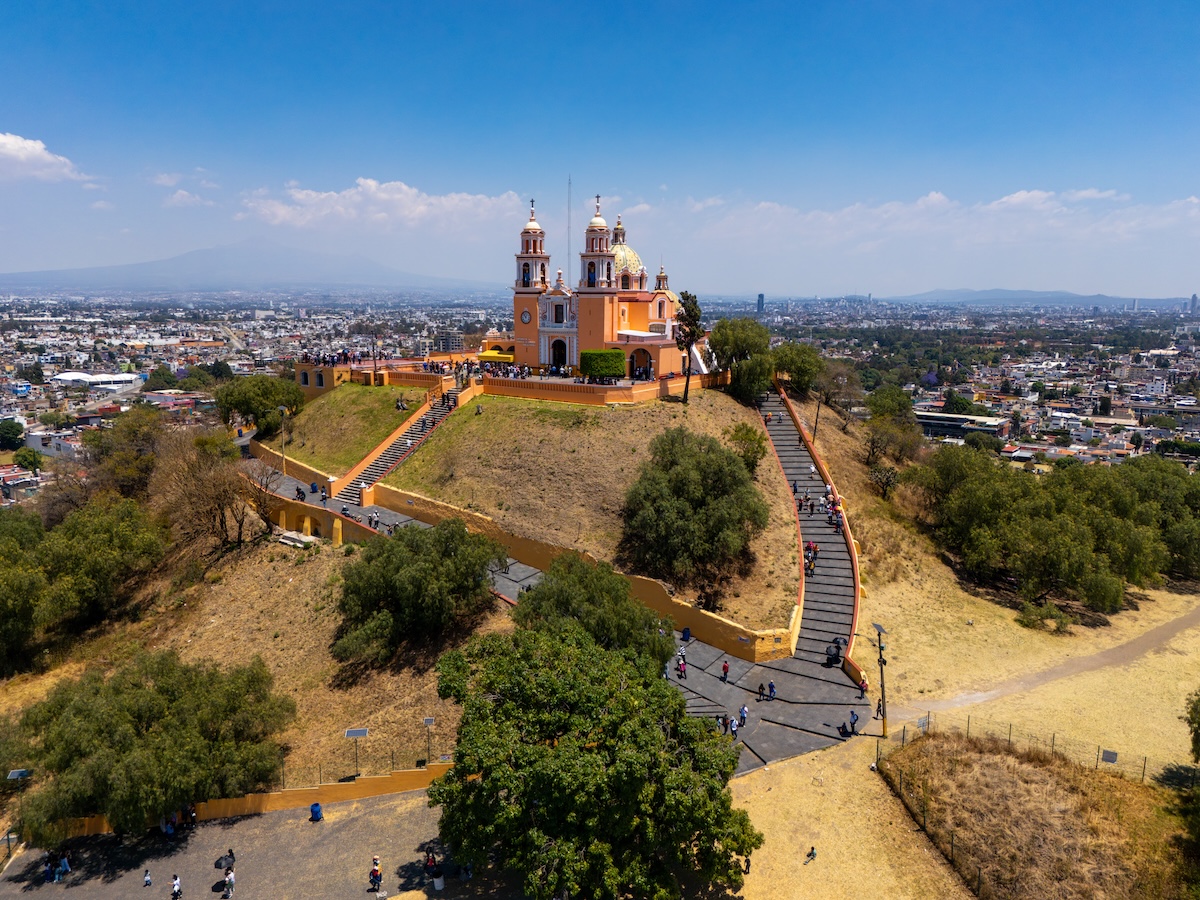
Beneath the Spanish colonial church that sits on the hill at Cholula’s center is the largest pyramid by volume in the world, a fact the conquistadors either didn’t know or chose to ignore when they built their church on top of it in 1594. The Great Pyramid of Cholula is so large and so completely buried under centuries of vegetation that it passed as a natural hill for years, and tunnels dug through it reveal a structure built in stages across a thousand years of continuous construction.
Cholula sits just outside Puebla, close enough to visit as a day trip but interesting enough to make you want to stay the night. On clear days, Popocatépetl volcano looms over both the church and pyramid, an almost implausibly dramatic scene.
13. Madurai, India
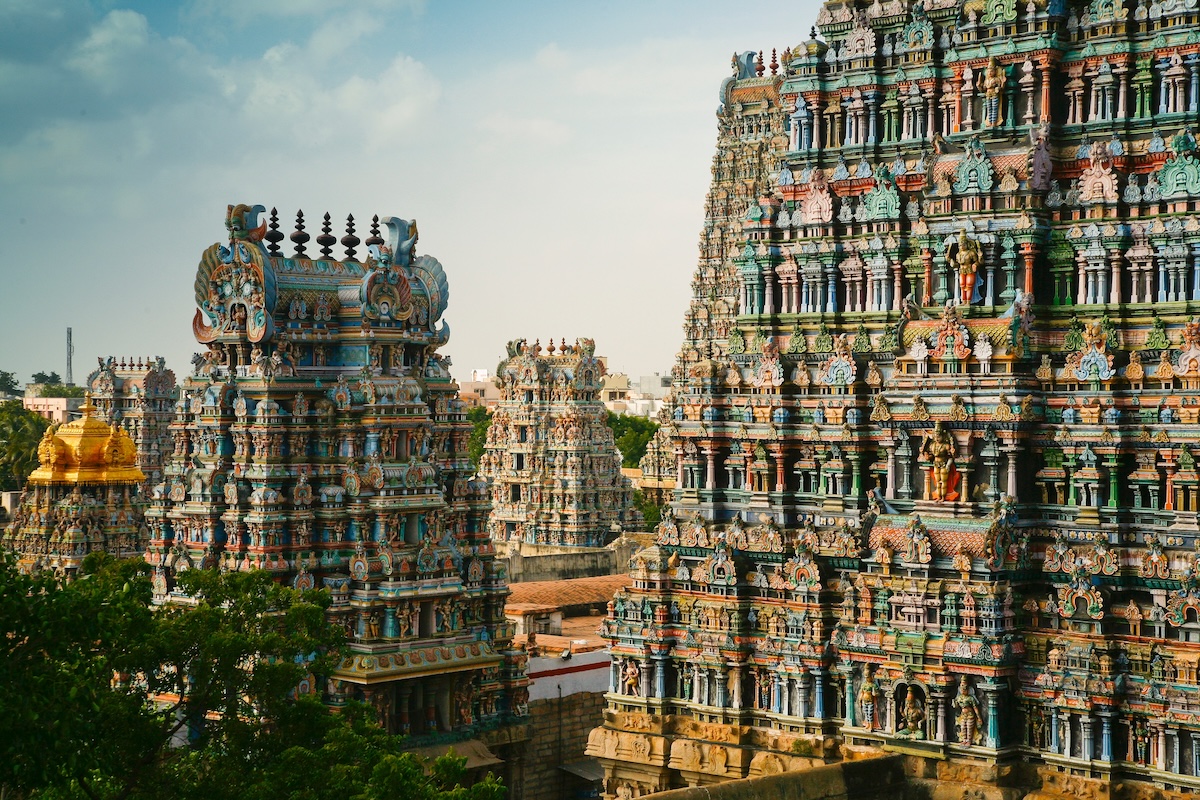
One of the oldest continuously inhabited cities in India, Madurai has been a center of Tamil culture, literature, and religion for over 2,500 years. The Meenakshi Amman Temple at the city’s heart is one of the most extraordinary pieces of religious architecture on earth, its fourteen gopurams covered in thousands of painted sculptures that climb skyward in a grand density of color and form.
The temple is a functioning place of worship visited by thousands of pilgrims daily, not a monument in the museum sense. The activity around it at any hour of day or night gives Madurai an energy that older, quieter heritage cities simply don’t match, and the street food in the lanes surrounding the temple is the best argument for staying an extra day.
12. Kairouan, Tunisia
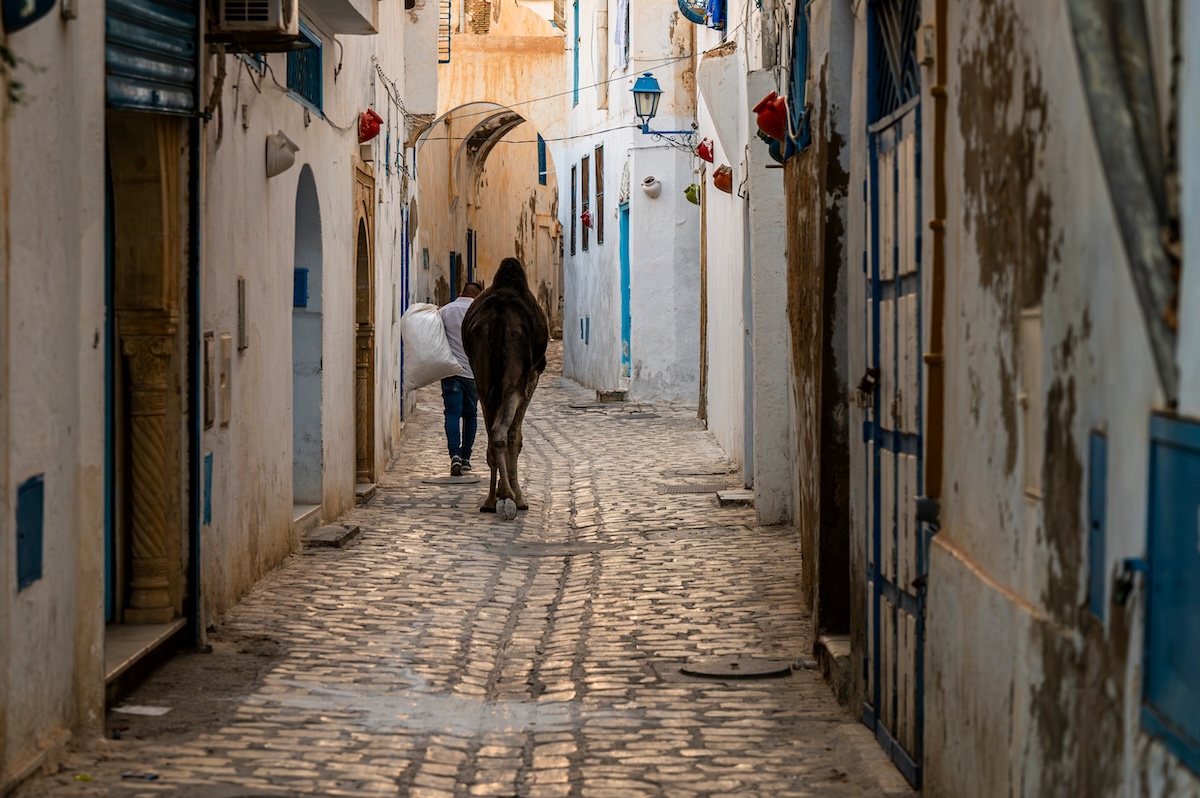
Founded in 670 AD as one of the first Islamic cities in North Africa, Kairouan became the base from which Islam spread across the Maghreb and into Spain. The Great Mosque of Kairouan is the oldest mosque in North Africa and one of the most important in the Islamic world. Its courtyard columns were salvaged from Roman and Byzantine buildings, making it even more historic than once believed.
Tunisia’s more famous Roman ruins at Carthage and Dougga pull most international visitors north, leaving Kairouan to the pilgrims and the people who did their research. The old medina is remarkably intact and nowhere near as overrun as comparable UNESCO-listed medinas in Morocco, but it is simply a matter of time.
11. Aleppo, Syria
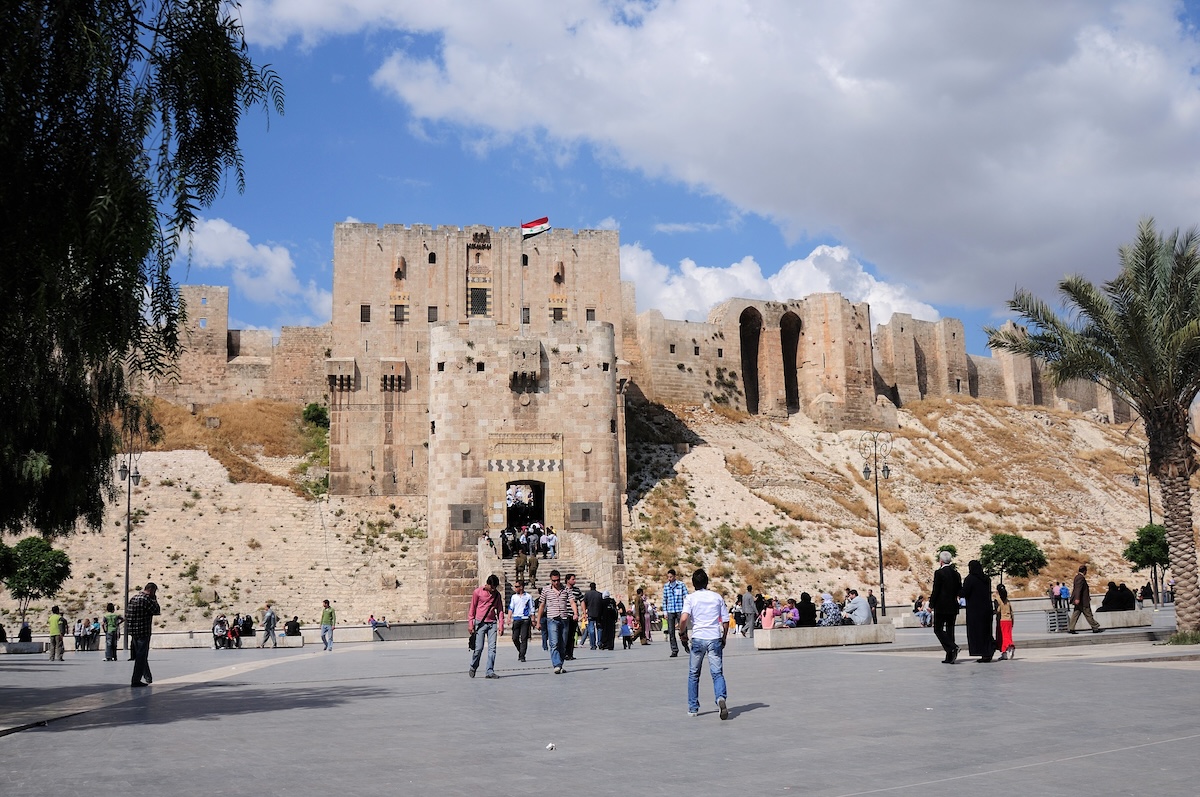
Before the Syrian civil war began in 2011, Aleppo’s old city was one of the most complete and least tourist-visited medieval urban environments in the world. The ancient souk, stretching for kilometers under stone vaulting, was the longest covered market on earth. The Citadel rising above the city had been continuously fortified since the 3rd millennium BC. Aleppo appeared on this list as a destination for the adventurous traveler who wanted something almost entirely undiscovered by Western tourism.
Sadly, much of that old city was severely damaged or destroyed between 2012 and 2016. Aleppo remains here because what survived is still extraordinary, because the city’s people have been rebuilding with determination, and because a city inhabited for eight thousand years has shown a resilience that outlasts most catastrophes thrown at it.
10. Athens, Greece
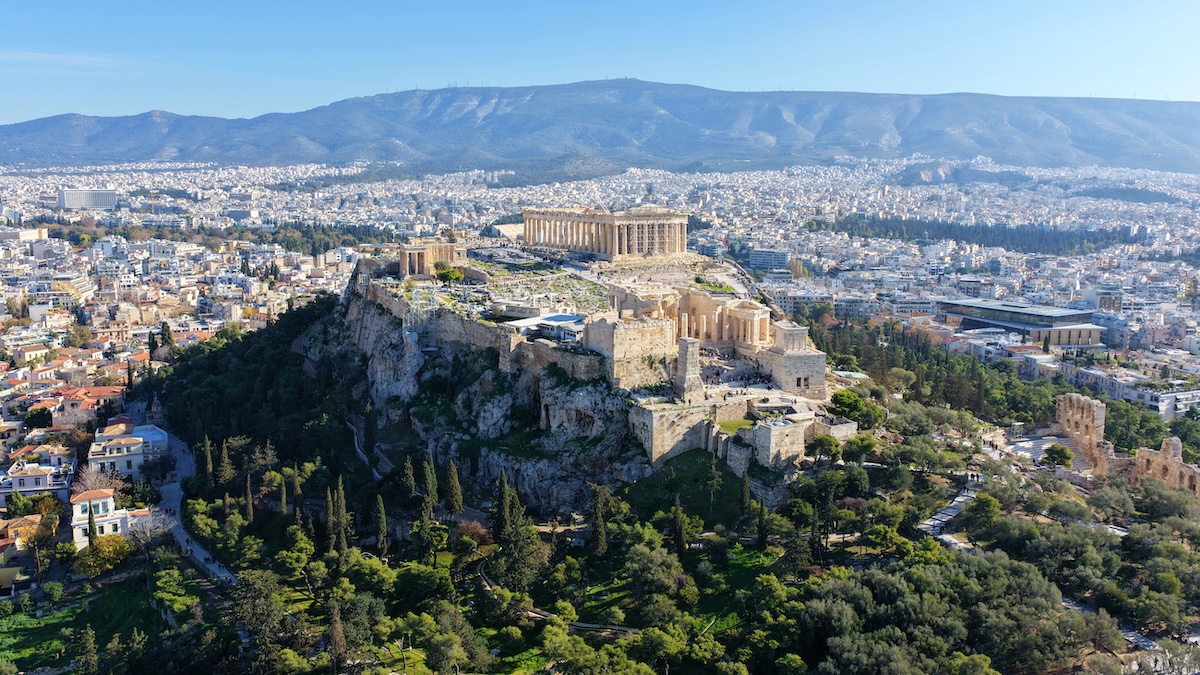
The cradle of Western democracy, philosophy, and drama sits on a limestone plateau above a city of five million people who mostly get on with their lives beneath it. The Acropolis is so familiar from photographs that first-time visitors sometimes arrive expecting to feel nothing, and then stand at the Parthenon in the early morning light and immediately revise that expectation. It was built between 447 and 432 BC and has been the most recognizable skyline in the world ever since.
The Acropolis Museum at the base of the hill is one of the best archaeological museums in Europe, and the Plaka neighborhood below the rock has enough tavernas and marble lanes to fill your agenda. Stay longer than your Acropolis tick-box suggests you will be richly rewarded by the Greek gods.
9. Yazd, Iran
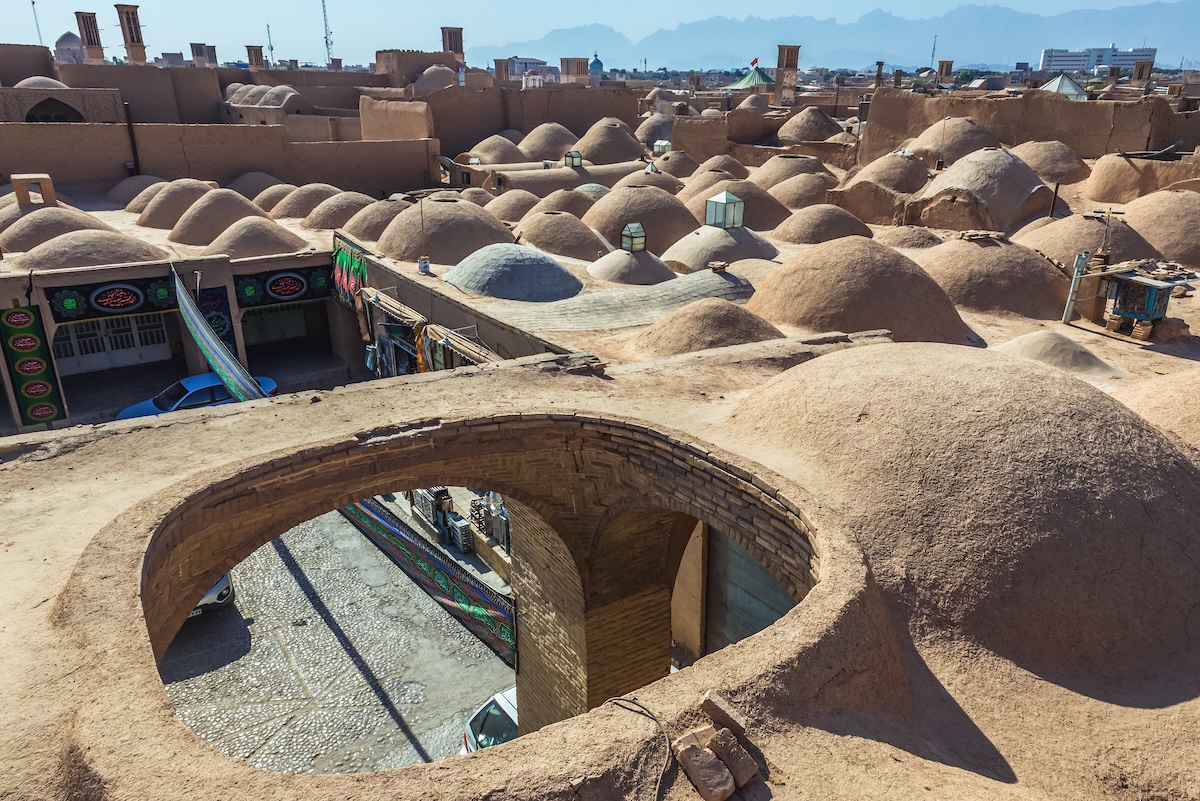
Rising from the central Iranian desert, Yazd is one of the oldest continuously inhabited cities on earth, built from the same mud brick as the landscape surrounding it and cooled for centuries by a forest of wind towers that still function today. The old city is a UNESCO World Heritage Site, and walking its narrow lanes between high earthen walls feels like trespassing into something that predates the concept of tourism.
Yazd is also one of the last strongholds of Zoroastrianism, and the Towers of Silence on the city’s edge, where the dead were once left for vultures as a sacred practice, sit in the desert with a stark beauty that moves you. Iran’s complex relationship with international tourism makes getting here more logistically involved than most destinations, but you won’t be sorry for making the effort.
8. Varanasi, India
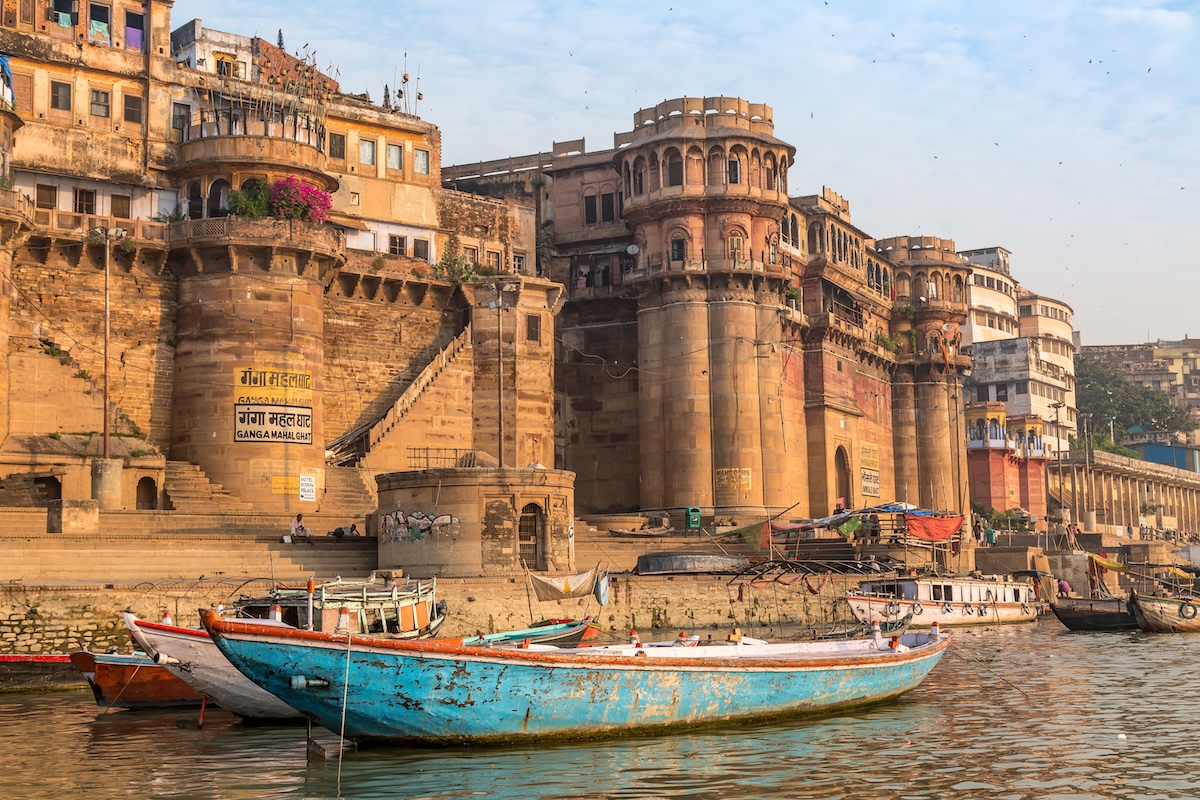
Hindus believe that dying in Varanasi brings moksha, liberation from the cycle of rebirth, which is why the city’s burning ghats on the Ganges have been receiving the dead for over three thousand years. And this isn’t Varanasi from the past; it is the present tense, visible every morning from the river as funeral pyres burn on the steps and pilgrims bathe in water the city has considered sacred since before most civilizations began.
Mark Twain called it older than history, older than tradition, older even than legend. That is not much of an exaggeration. Varanasi is not an easy city to visit, and it is not meant to be. What it offers instead is an encounter with human mortality conducted entirely in public, at a scale that recalibrates most things you thought you understood about both life and travel.
7. Matera, Italy
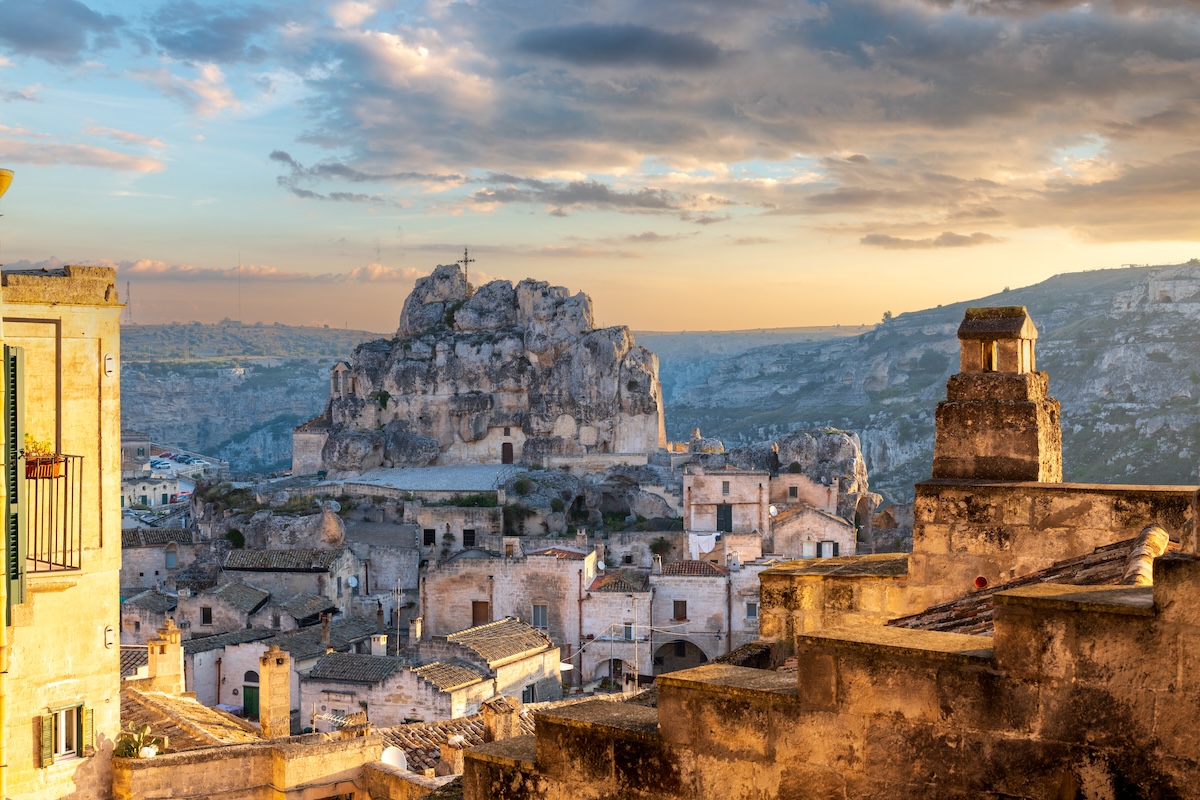
The sassi of Matera, a complex of cave dwellings carved into two ravines in Italy’s Basilicata region, were inhabited continuously from the Palaeolithic era until the Italian government forcibly evacuated the residents in the 1950s, declaring the caves a national disgrace. The same caves were declared a UNESCO World Heritage Site in 1993, which says something about how quickly official opinions can travel in the opposite direction.
Residents have returned, the cave hotels are now expensive, and Matera was a European Capital of Culture in 2019, completing one of the more dramatic reputation reversals in Italian history. The ancient street plan carved into the rock has not changed, and at night, lit from within, the sassi look like a fever dream, not something 9,000 years of human habitation produced.
6. Split, Croatia
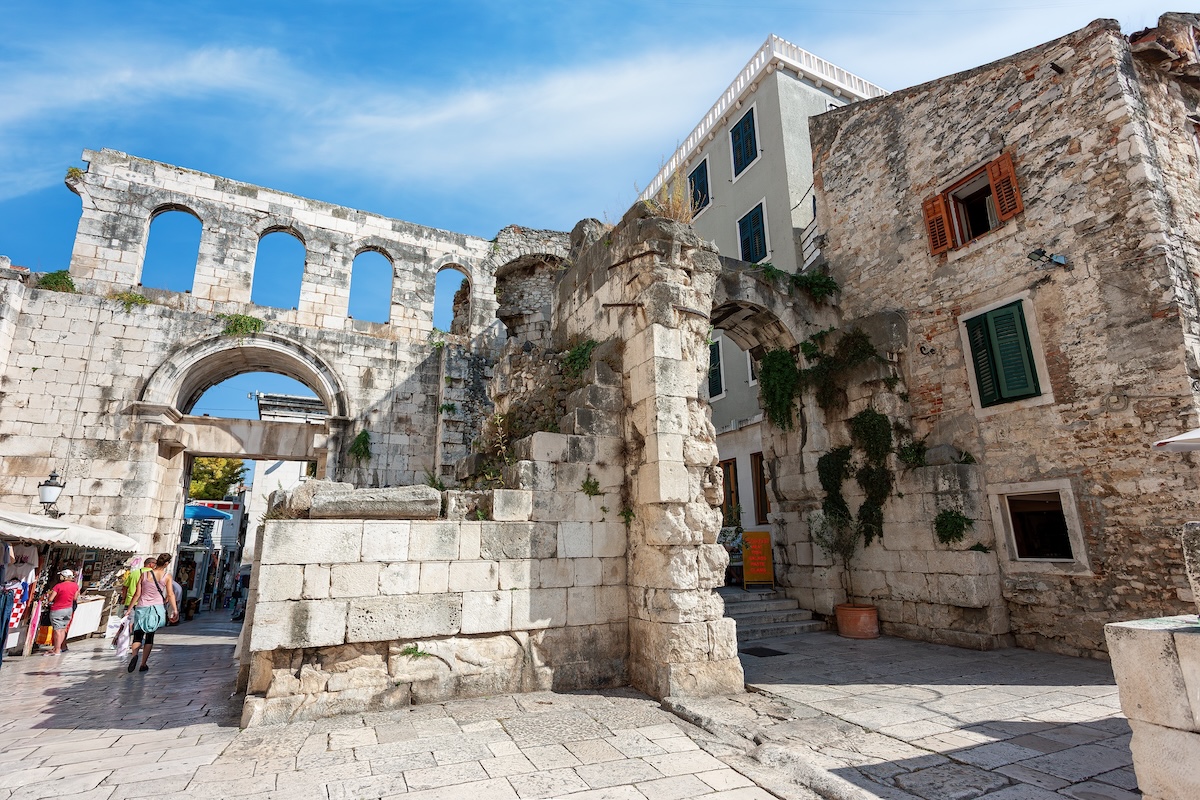
The Roman Emperor Diocletian built his retirement palace on the Dalmatian coast in 305 AD, and a city of 180,000 people grew up inside it over the following seventeen centuries. The palace walls are still standing. The streets between them are lined with cafes, apartments, and churches that occupy spaces originally designed as imperial quarters, and residents hang their laundry from windows that Roman architects put there for entirely different purposes.
Split is not a museum. It is a city that happens to be living inside one of the best-preserved Roman structures in existence, and the locals treat that distinction with the same mild indifference Romans bring to the Colosseum. The seafront promenade outside the palace walls is where the city actually lives on summer evenings, and the ferries to the islands leave from the same harbour Diocletian chose for exactly the same reason: the position is simply unbeatable.
5. Nara, Japan
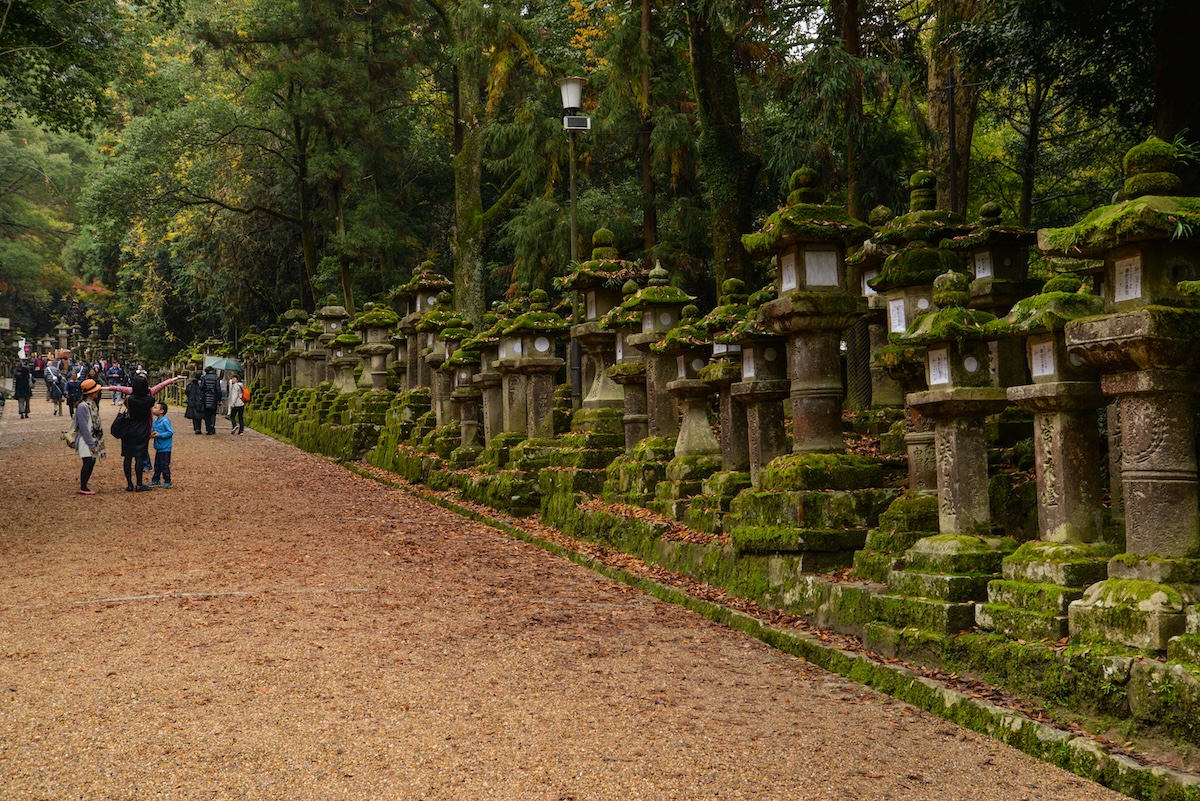
Japan’s first permanent capital sits about 45 minutes from Osaka and holds eight UNESCO World Heritage Sites within walking distance of each other. The Tōdai-ji temple houses a bronze Buddha so large that the building around it is the largest wooden structure in the world, and it was built specifically to contain him.
The deer that wander freely through Nara Park have been considered sacred messengers since the 8th century and have developed a deeply unimpressed attitude toward the tourists who feed them rice crackers. They will bow to request one, and they will headbutt you if you are slow about producing it.
4. Fez, Morocco
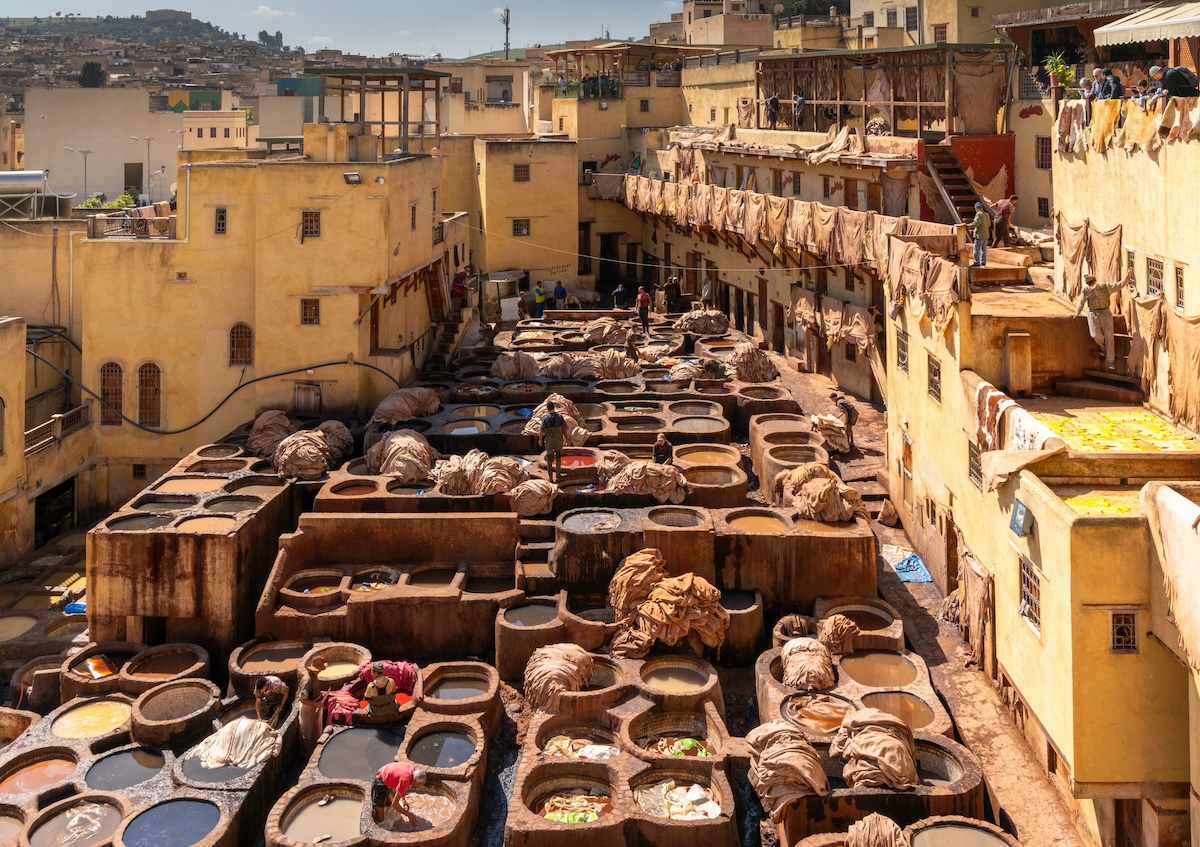
The medina of Fez el-Bali is the largest car-free urban area in the world, a medieval city of 9,000 lanes that has been operating continuously since the 9th century. Getting lost here is not a risk; it is a guarantee and, eventually, the point. The tanneries, where leather has been dyed in the same stone vats using the same methods since the 11th century, are best viewed from the terraces of the surrounding shops, where you can look and buy at the same time.
Fez was the intellectual capital of the Islamic world at its peak, home to the University of al-Qarawiyyin, founded in 859 AD and considered the oldest continuously operating university on earth. That heritage runs through the city at every level, and the medina is its most vivid expression.
3. Damascus, Syria
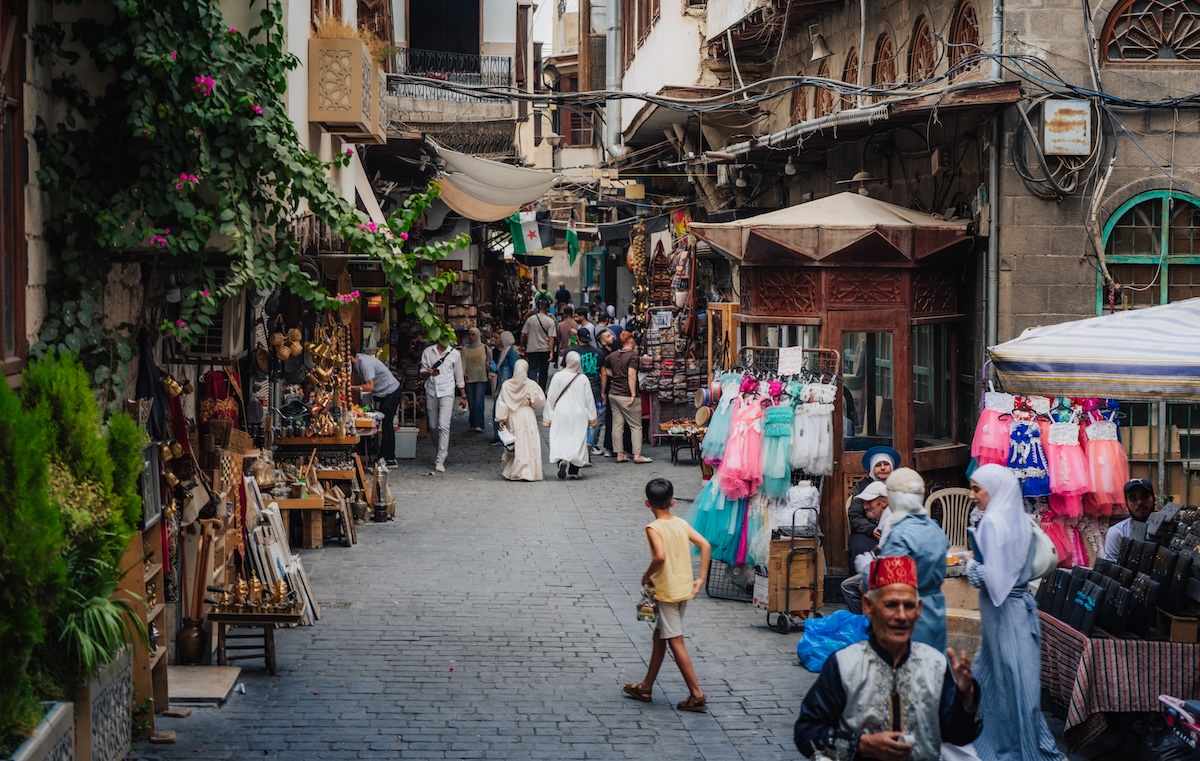
Damascus has a credible claim to being the oldest continuously inhabited city in the world, with evidence of settlement stretching back to the 3rd millennium BC. The Umayyad Mosque, built in 705 AD on the site of a Byzantine cathedral that was itself built on a Roman temple to Jupiter, is one of the great buildings of the Islamic world and a physical record of four religions occupying the same ground in sequence.
Like Aleppo, Damascus has been affected by the Syrian civil war, and access remains complicated and in some areas dangerous. The city’s gems like the souk of al-Hamidiyya, the old Christian quarter, and the tomb of Saladin are all irreplaceable, and Damascus has been absorbing catastrophe for five thousand years and keeps going regardless.
2. Lijiang, China
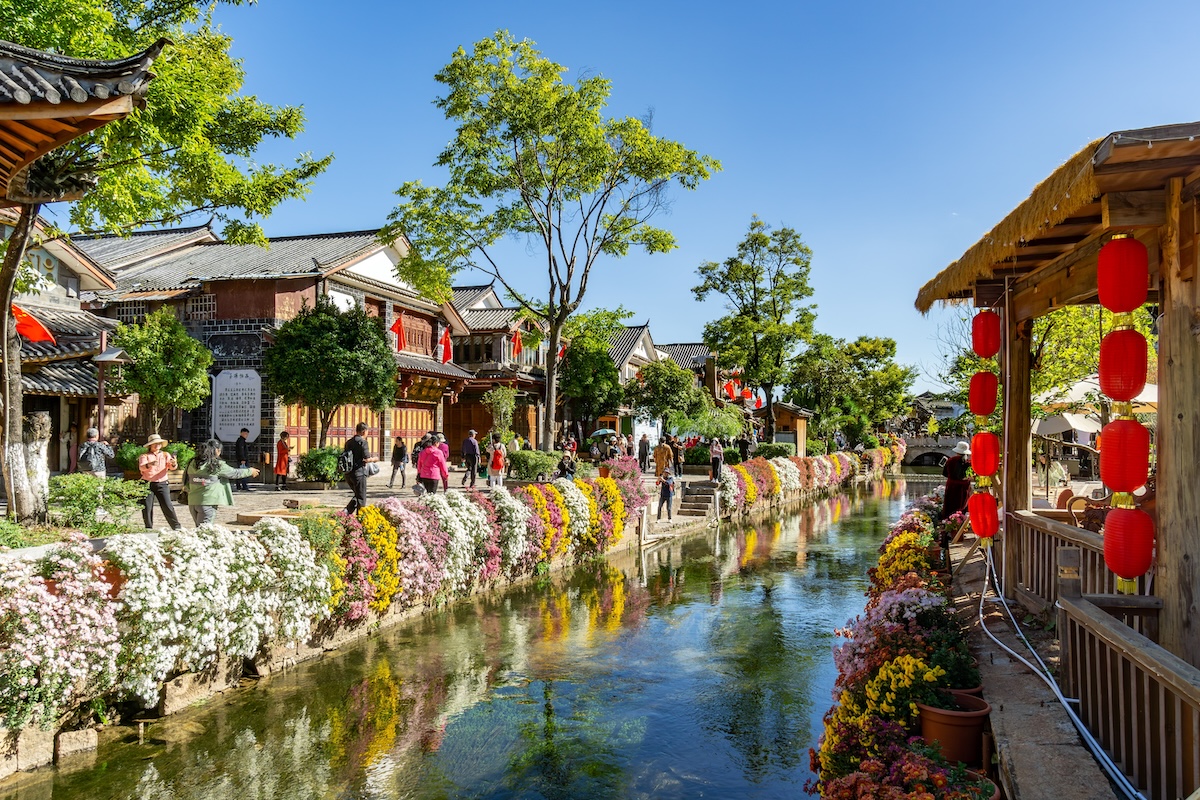
Lijiang’s mountainous old town was built by the Naxi people over seven centuries and is threaded through by a network of canals fed from Jade Spring at the town’s edge. The cobbled lanes and timber-framed architecture survived the 1996 earthquake that damaged much of the surrounding area, earning UNESCO status the following year. The Naxi culture, with its own pictographic script and musical tradition, gives Lijiang a unique identity.
The town has become very popular with domestic Chinese tourists, and managing that popularity while preserving what made it worth visiting in the first place is a balancing act Lijiang handles better than most. The surrounding landscape, with Jade Dragon Snow Mountain visible from the old town rooftops, does a lot of the heavy lifting.
1. Luxor, Egypt
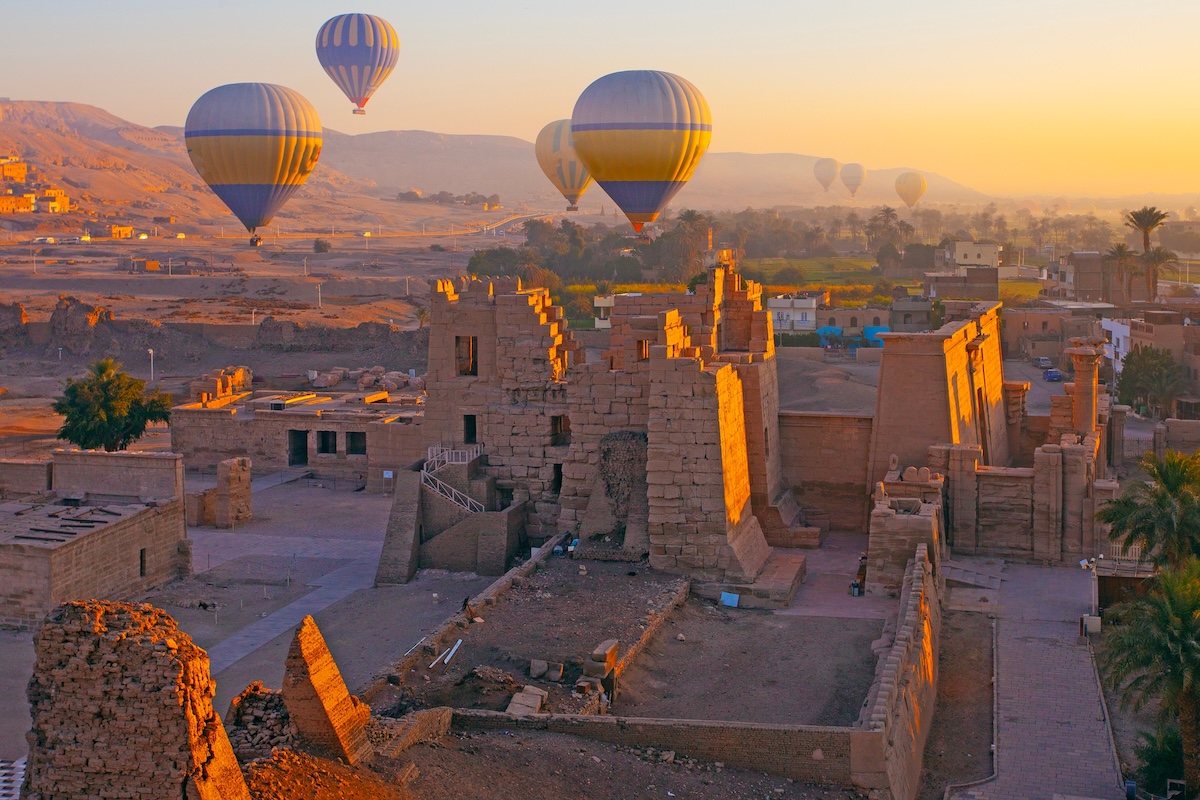
Luxor sits on the site of ancient Thebes, the capital of Egypt at the height of its power, and the concentration of ancient monuments here has no equal anywhere on earth. The Karnak Temple complex alone, built and expanded over 2,000 years by successive pharaohs each trying to outdo the last, covers an area so vast that it takes a full day to cover properly and still leaves you feeling like you rushed it.
Across the Nile, the Valley of the Kings holds the tombs of 63 pharaohs cut into the limestone cliffs, including Tutankhamun’s, discovered intact in 1922 in what remains the most significant archaeological find in history. Luxor is a modern city of 500,000 people living alongside monuments that were ancient when Rome was young, and the proximity of the everyday and the eternal here is unlike anything else on Earth.