
Some places hold more history per square foot than seems possible. You can walk across the whole thing in about fifteen minutes, yet its lanes twist so sharply that you may lose your bearings within five. Some streets are barely wider than your outstretched arms.
That place is Gamla Stan, Stockholm’s old town. It sits on a small island where the city was founded in the 13th century. Royals still have their official palace here, and cafés fill vaulted cellars that once stored merchants’ goods.
You can plan a half-day or spend a slow weekend here. Either way, you’ll get a sense of where Swedish history began.
Medieval Streets and Hanseatic Heritage
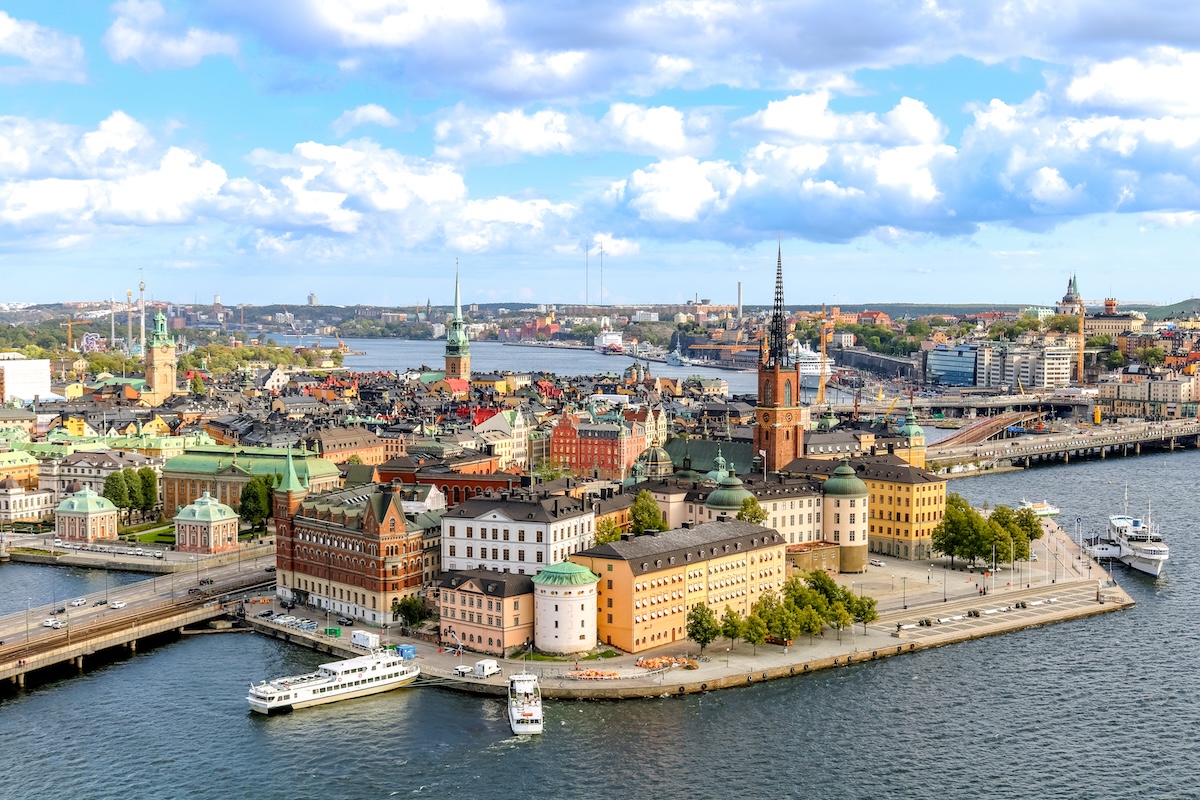
Gamla Stan has the best-preserved medieval street plan in Stockholm. Its crooked lanes follow paths laid down centuries ago, when the island was a busy port linked to Baltic trade with German merchant towns like Lübeck.
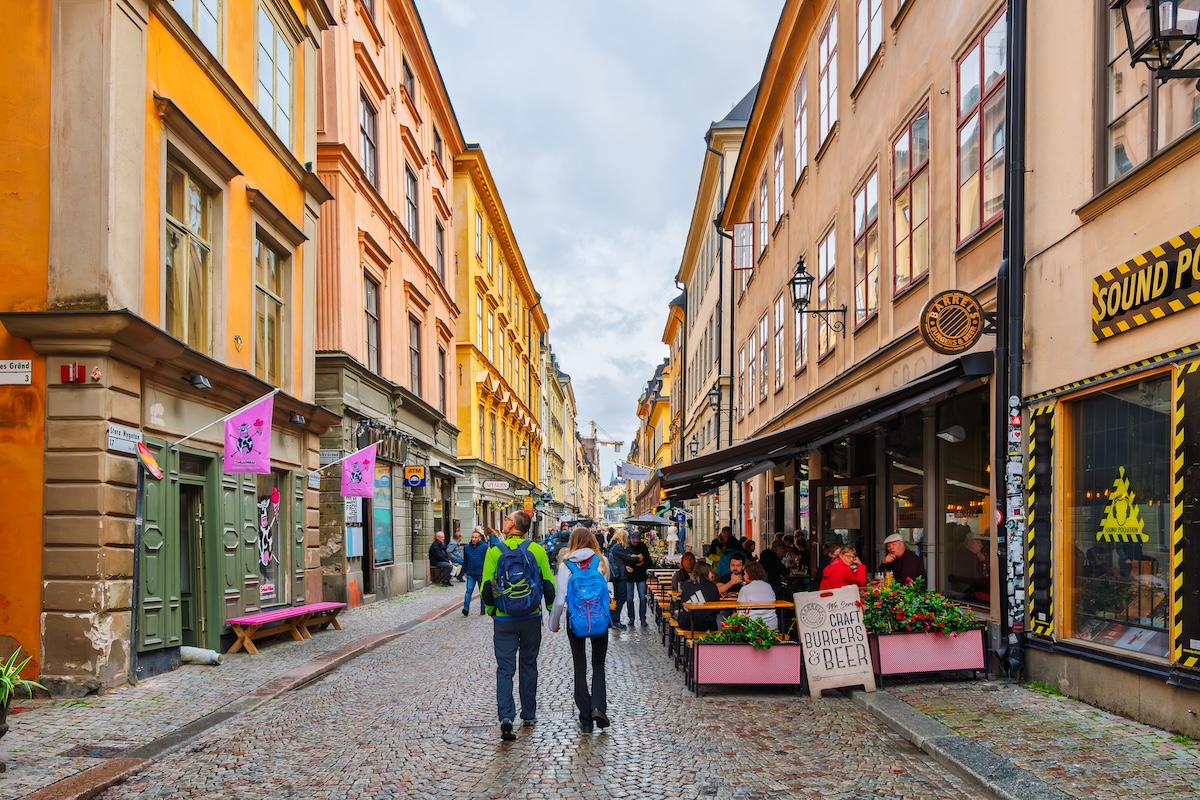
You can still see that German influence in place names. Tyska Kyrkan, the German Church, rises above the rooftops. It was built for the merchant community that once shaped local commerce. Look up along Västerlånggatan and Österlånggatan, and you’ll spot facades in ochre, rust, and mustard. Many have iron wall anchors and carved portals dating back to the 1600s and 1700s.
For the most famous squeeze, find Mårten Trotzigs Gränd, an alley that narrows to about 90 centimeters (roughly three feet) at its tightest point. The cobblestones are uneven and slick when wet, so wear shoes with decent grip, especially from November through March.
Royal and Political Landmarks
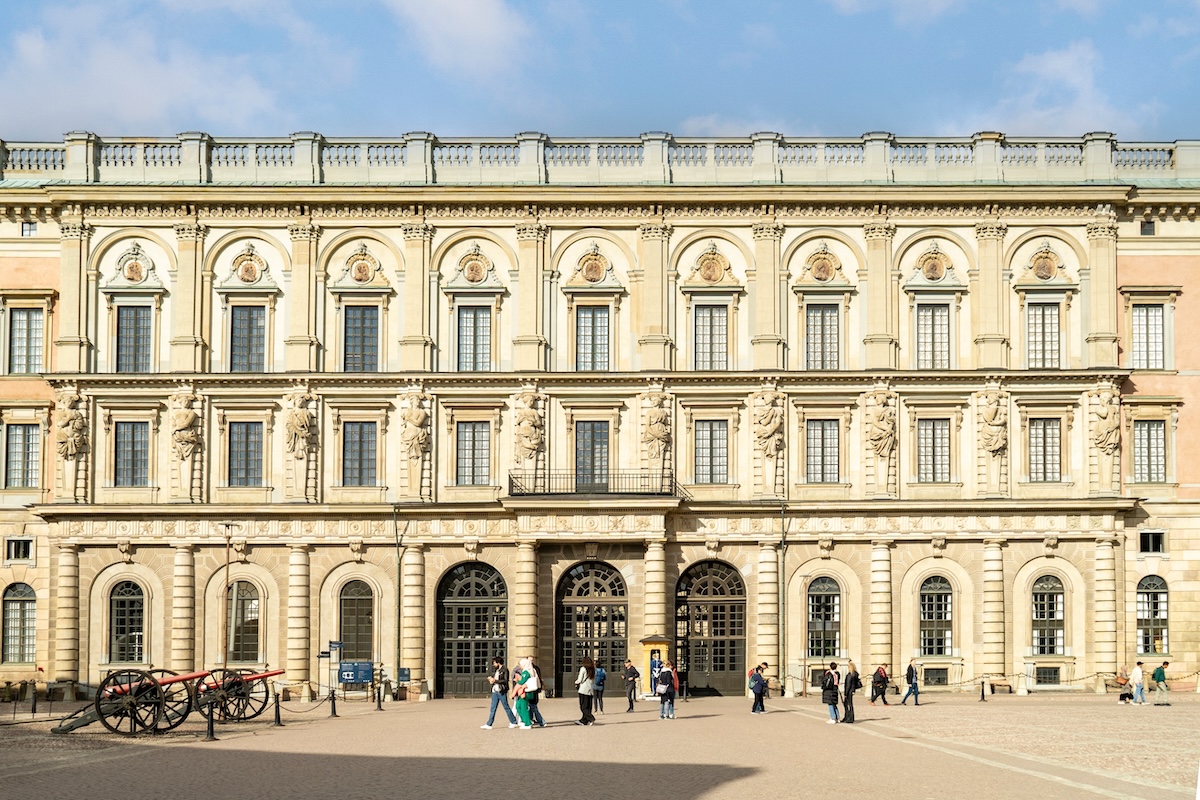
Within a few minutes’ walk, you can see where Sweden’s monarchy, church, and parliament have their seats. The Royal Palace, with more than 600 rooms, anchors the island’s northern edge. It serves as the King’s official residence and workplace. You can tour the Royal Apartments, the Treasury with its crown regalia, and the Tre Kronor Museum, built on the remains of the earlier castle.
The changing of the guard in the outer courtyard draws crowds most days around midday. Check the palace’s schedule before you go, since the timings shift by season.
Right beside the palace stands Storkyrkan, Stockholm Cathedral. It’s the city’s oldest church and the site of royal weddings and coronations. Inside, seek out the wooden sculpture of Saint George and the Dragon, made in the late 1400s. Cross a short bridge north to reach Riksdagshuset, the Parliament House on Helgeandsholmen. It offers guided tours when the chamber’s calendar allows.
Historic Squares, Cafés, and Everyday Atmosphere
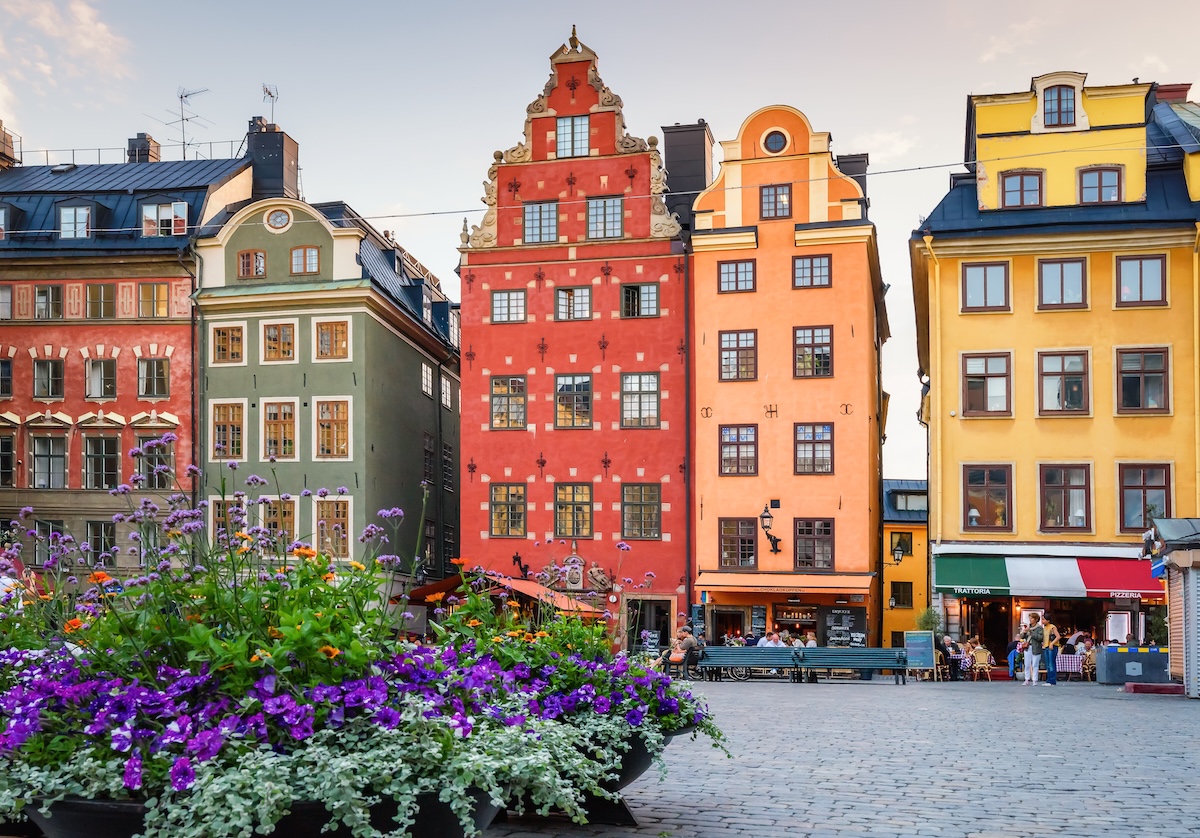
Stortorget is Gamla Stan’s oldest square, and it’s where the neighborhood comes alive. Its tall, red and yellow gabled houses rank among Sweden’s most photographed buildings. The square also has a dark history: in 1520, dozens of nobles and clergy died here in the Stockholm Bloodbath.
Today, the mood is much gentler. The Nobel Prize Museum occupies the old Stock Exchange building on the square’s north side. In December, stalls selling glögg (spiced mulled wine), gingerbread, and handmade crafts fill Stortorget for the Christmas market. It’s a lovely reason to visit in winter.
For fika, Sweden’s coffee-and-pastry break, duck into a cellar café near the square and order a cinnamon or cardamom bun. On nearby side streets like Köpmangatan, you’ll find antique dealers and small galleries. Wander after 6 p.m., when the tour groups thin out and you can hear your own footsteps on the cobbles.