
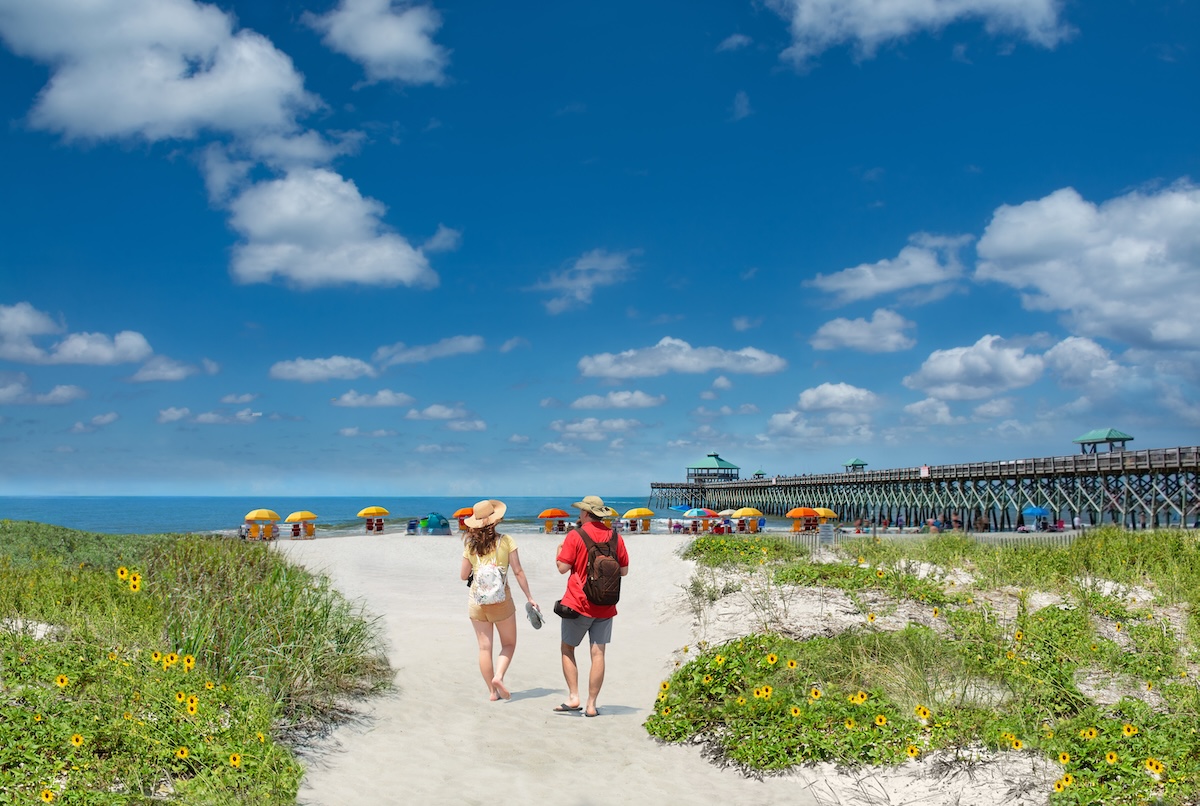
Some places greet you with a sign or a skyline. This place starts with a feeling. The road narrows, marsh grass stretches out on both sides, and the air changes before you even cross the bridge. Something in your chest eases up. You’re not quite there, but you already sense you’re somewhere different.
Folly Beach sits on a barrier island just south of Charleston, South Carolina. Locals call it the Edge of America. That’s not just a catchy phrase—it’s both geography and attitude. Six miles of shoreline, a handful of blocks deep, and somehow the place has dodged polish for more than a century. When you stumble into Folly Beach, you’re not just checking into some resort town. You’re stepping into land that still belongs to the salt and the sand, and maybe always will.
This beach town feels broken-in, like your favorite pair of shorts. Surfers paddle out at dawn. Pelicans claim the pier for themselves. The light here does something odd at dusk, turning everything soft and gold, then violet. You remember Folly in fragments: the creak of a porch swing, fried shrimp drifting on the air from a screen door, the low hush of waves folding over themselves all night.
The First Impression Of The Island
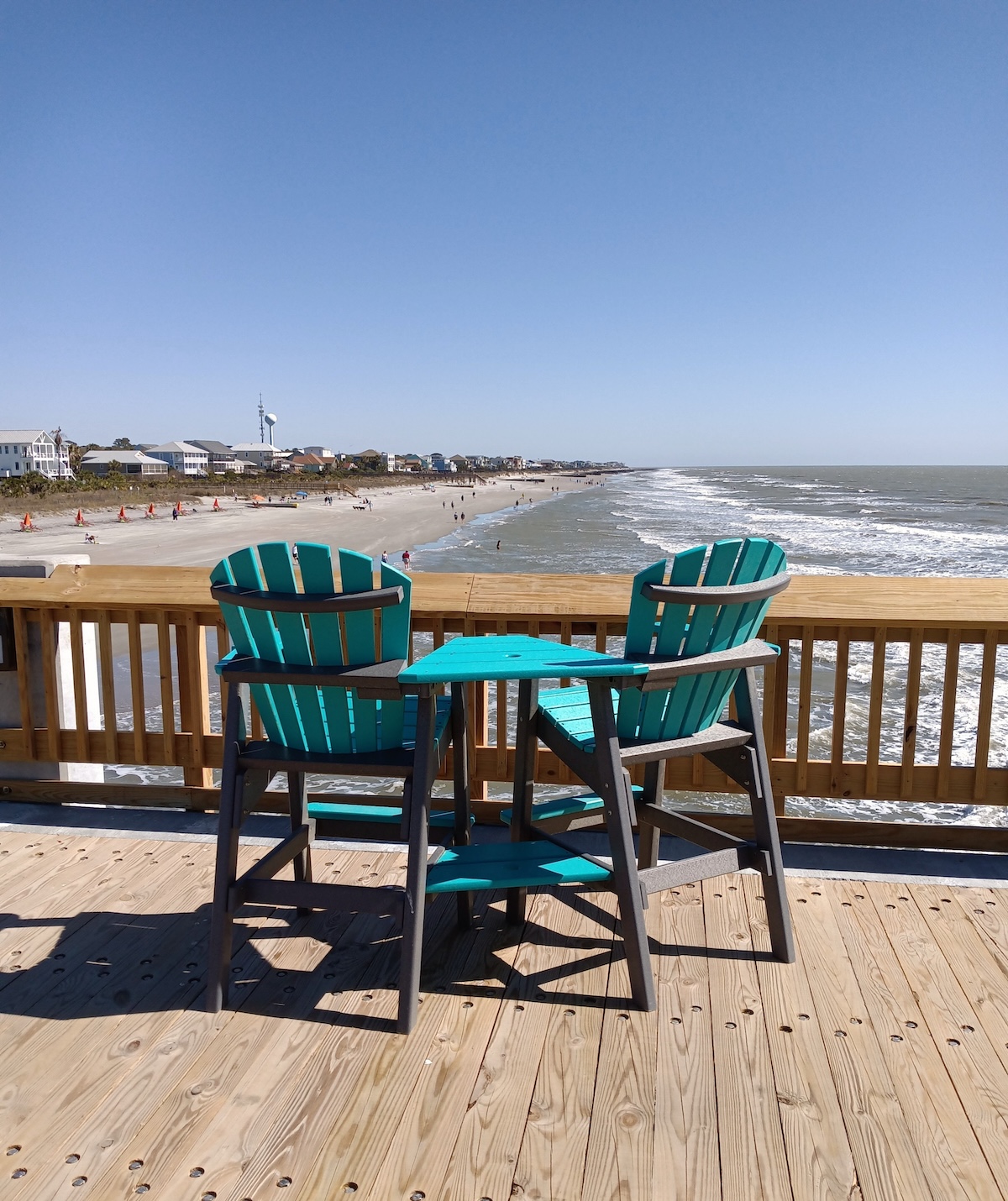
The salt hits you first. Not just a hint—an honest, full presence that settles on your skin the second you step out of the car. The Atlantic breeze sweeps it across every block, every porch rail, every faded wooden sign along Center Street. It clings to your sunglasses. Finds the corners of your lips. After a while, you stop noticing because you’ve blended in with it.
Then the tempo sinks in. Folly moves at its own pace, and it’s never in a hurry. Morning coffee stretches on and on. Conversations spill out in doorways. Surf shops open when they feel like it. No one rushes toward a reservation or a scheduled tour. The island’s only a few blocks wide in most spots, so everything feels walkable, and honestly, walking just fits the mood here.
No grand entrance. No resort gate. No valet stand. The road just drops you into a town that looks like it’s always been here and doesn’t plan on leaving. You pass a taco shack with a mess of chairs, a yoga studio with windows flung open, a dog trotting down the sidewalk like it’s got somewhere easy to be. The island opens up with zero fanfare, just small, honest details, one at a time.
That first impression lingers. It’s why so many people come back—not for a particular restaurant or must-see, but for the way Folly makes you breathe deeper before you even know what you want to do with your day.
Beach Houses And Quiet Streets
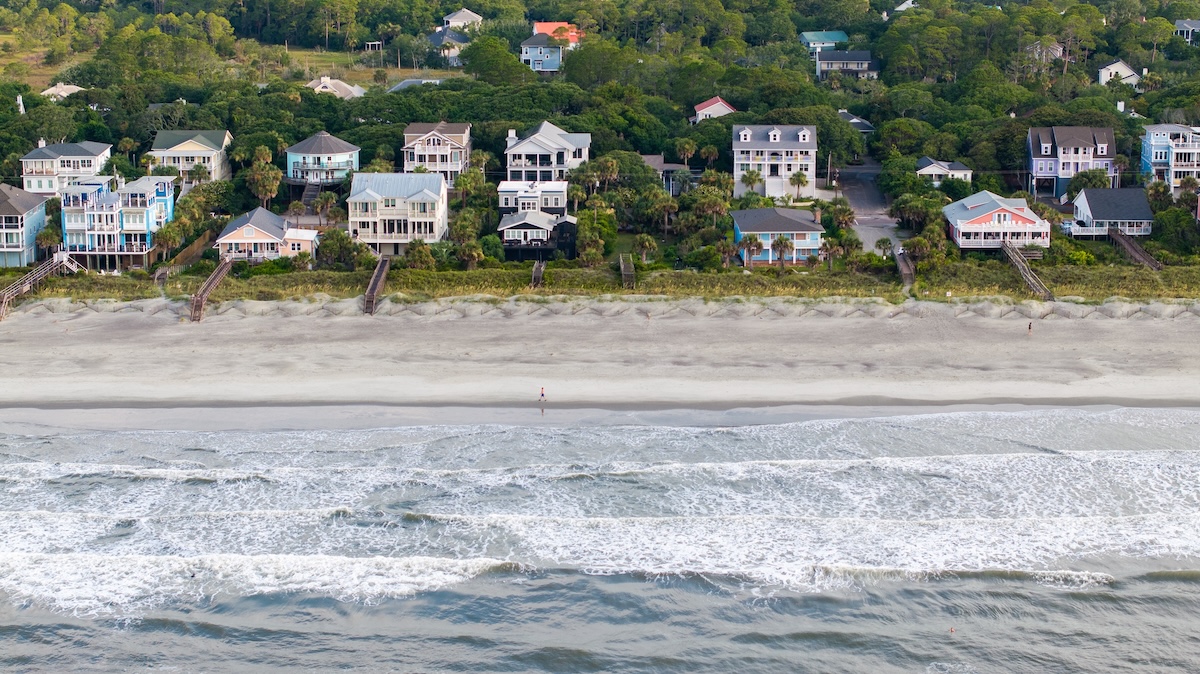
Walk these residential blocks and you’ll see exactly why this island feels lived in, not staged. The beach houses don’t match. Some lean a little, some look freshly built, but all have their quirks. Raised cottages with painted shutters sit next to boxy new places on stilts. Glimpses of the ocean or the marsh pop up, depending on which way you’re looking. Porches are wide and actually get used—rocking chairs face the street, maybe a towel tossed over the rail. Palmettos toss long shadows across sandy yards, and someone’s flip-flops are drying in the sun.
The colors here don’t shout. They drift: seafoam green, faded coral, that mellow yellow you only get after a hundred storms. The clapboard siding wears the salt air, softened and scuffed by years of weather. Nothing here tries too hard to look perfect for a photo. It just works out that way.
The shoreline keeps the same vibe. Folly’s beach isn’t fussed over. Driftwood piles up near the dunes, and shells scatter wherever they like. At the north end, the Morris Island Lighthouse stands offshore, a quiet leftover from another time. Every tide shifts the sand, reshaping the edge—impermanence baked right in. This isn’t some postcard spot. It’s a coastline that breathes and changes with the moon or the season.
Come by on a Tuesday evening, after the day visitors have driven back to Charleston and the streets go still, and Folly finally feels like itself. Just the wind in the palms, a screen door slapping somewhere, and the Atlantic doing its thing as usual.