
Florida’s Caribbean comparison usually gets dismissed as tourist brochure exaggeration until you’re standing in water so clear you can see the shadow your feet cast on the sand twelve feet below. The state’s shallow limestone shelf geology, Gulf Stream influence, and consistent water temperatures make the distinction between Florida and the actual islands increasingly academic.
These beaches earn the comparison honestly. Some require real effort to reach and others sit in plain sight while most visitors drive past toward more obvious shores. All of them deliver water that makes you want to move your flights, or better yet, never go home at all.
Bahia Honda
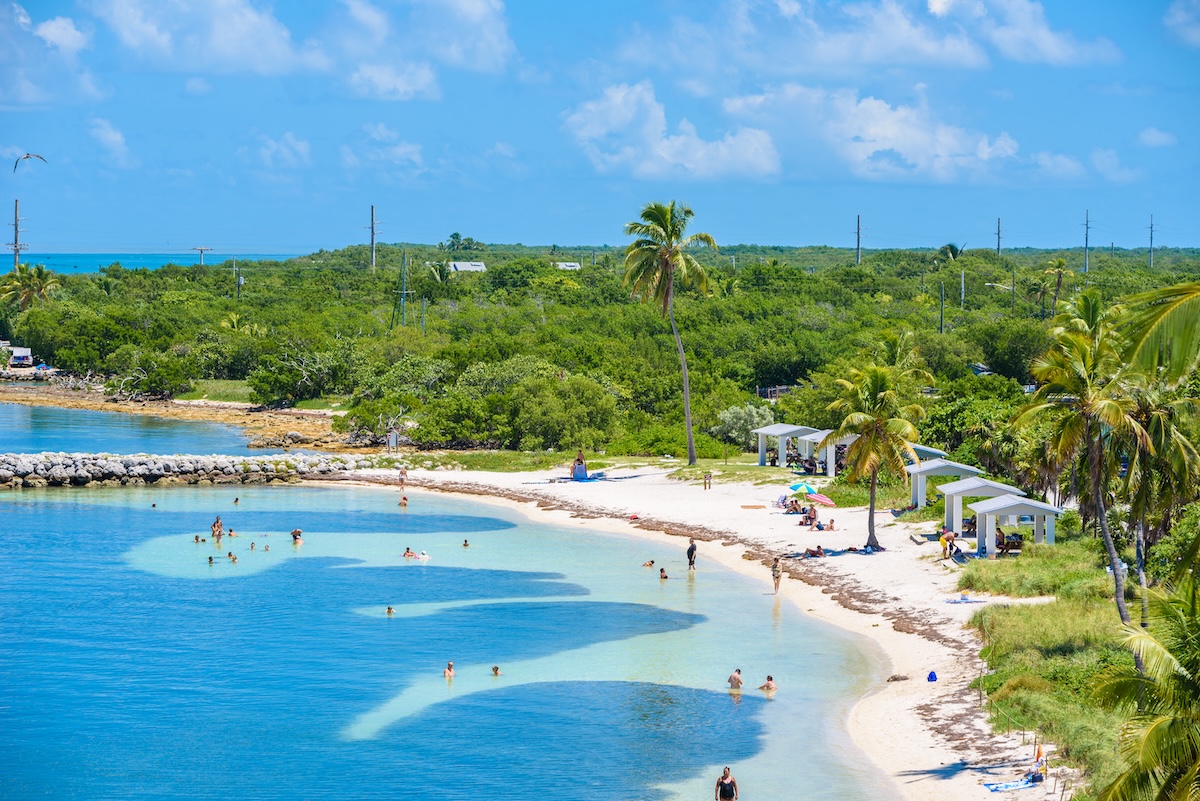
The old Flagler railroad bridge ruins rising from the water give Bahia Honda an archaeological drama that might put it a little ahead of some Caribbean islands. The state park occupies a natural deep-water channel between the Gulf and Atlantic sides of the Keys, producing two completely different swimming experiences within a short walk of each other.
The Atlantic side is where you will find the Caribbean comparison most directly, with turquoise shallows giving way to deeper blue in a gradient that snorkelers follow south into living reef territory. Campsites book out months ahead, and the people holding those reservations tend to come back every year without mentioning it to too many people.
Caladesi Island
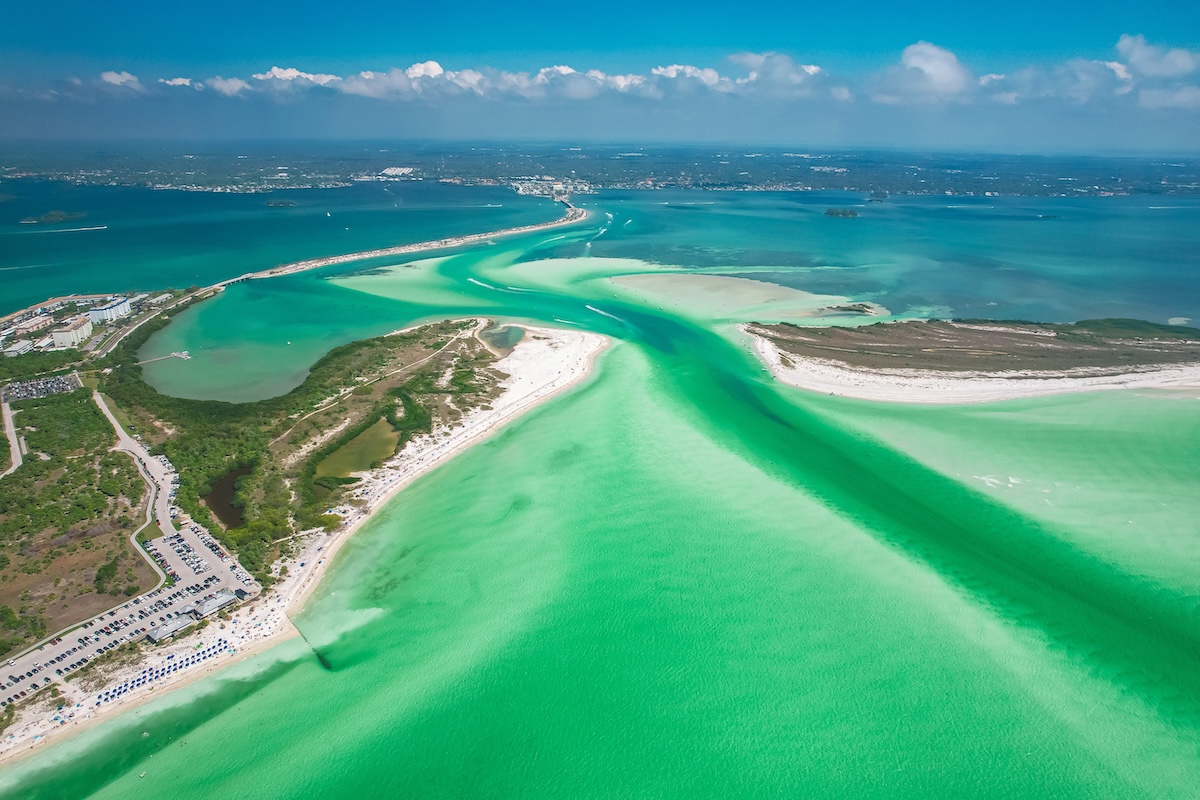
No bridge connects Caladesi Island to the mainland, and that single fact preserves conditions that most Gulf Coast beaches traded away decades ago. A ferry from Honeymoon Island State Park handles the crossing, though sea kayakers who paddle the 3-mile channel arrive at a beach that feels considerably more earned.
The powdery white sand and clear Gulf water are consistently stunning across the whole shore, where other beaches only give you a glimpse of the Caribbean at its main access points. Dolphin sightings along the kayak route add another dimension to a beach that national rankings consistently place near the top of any Florida list.
Siesta Key
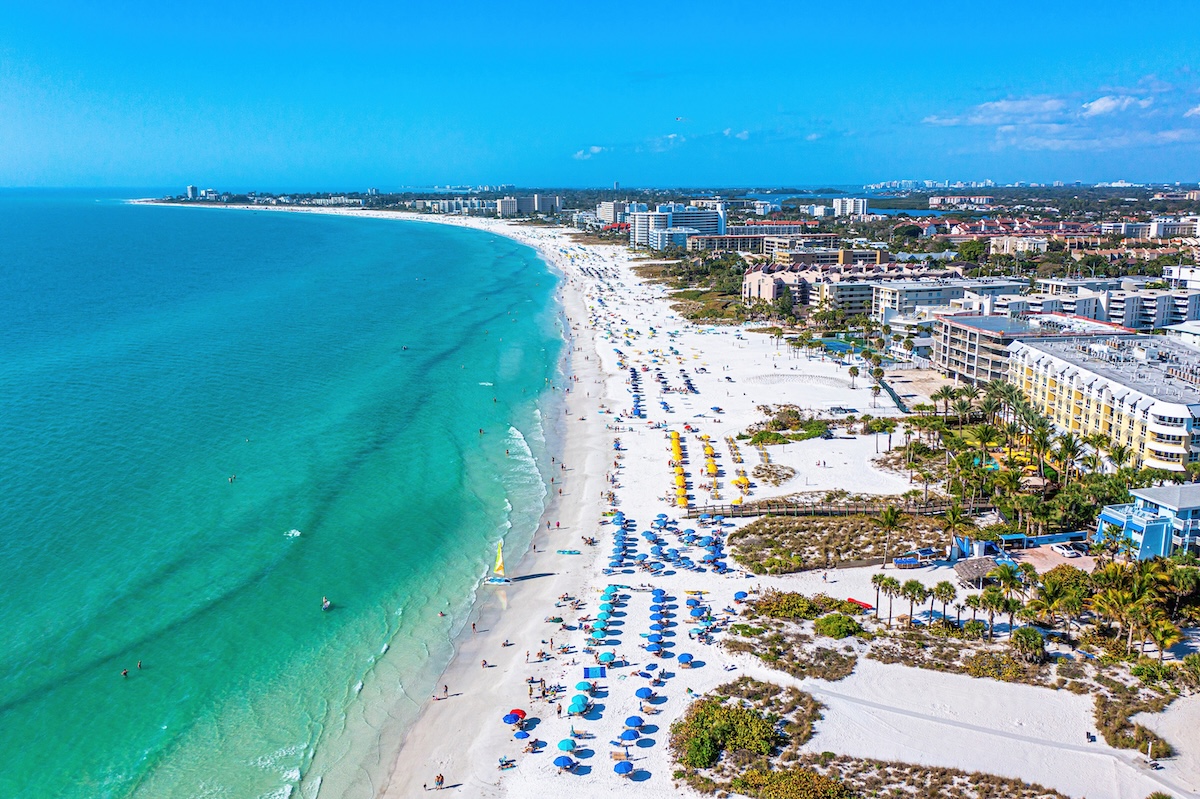
University of Illinois geologists tested Siesta Key’s sand in the 1980s and found it 99% pure quartz crystal, which explains why it stays cool underfoot even in July heat that makes surrounding asphalt actually dangerous to bare feet. The particle size reflects light differently from typical beach sand, giving the shoreline a white brightness you can’t begin to capture on film.
The Gulf water stays shallow for a considerable distance, warming through summer to temperatures that eliminate any thermal shock between air and water. Sarasota’s arts and restaurant culture also sit minutes away, giving Siesta Key a backdrop that other barrier island beaches would kill for.
Key Biscayne
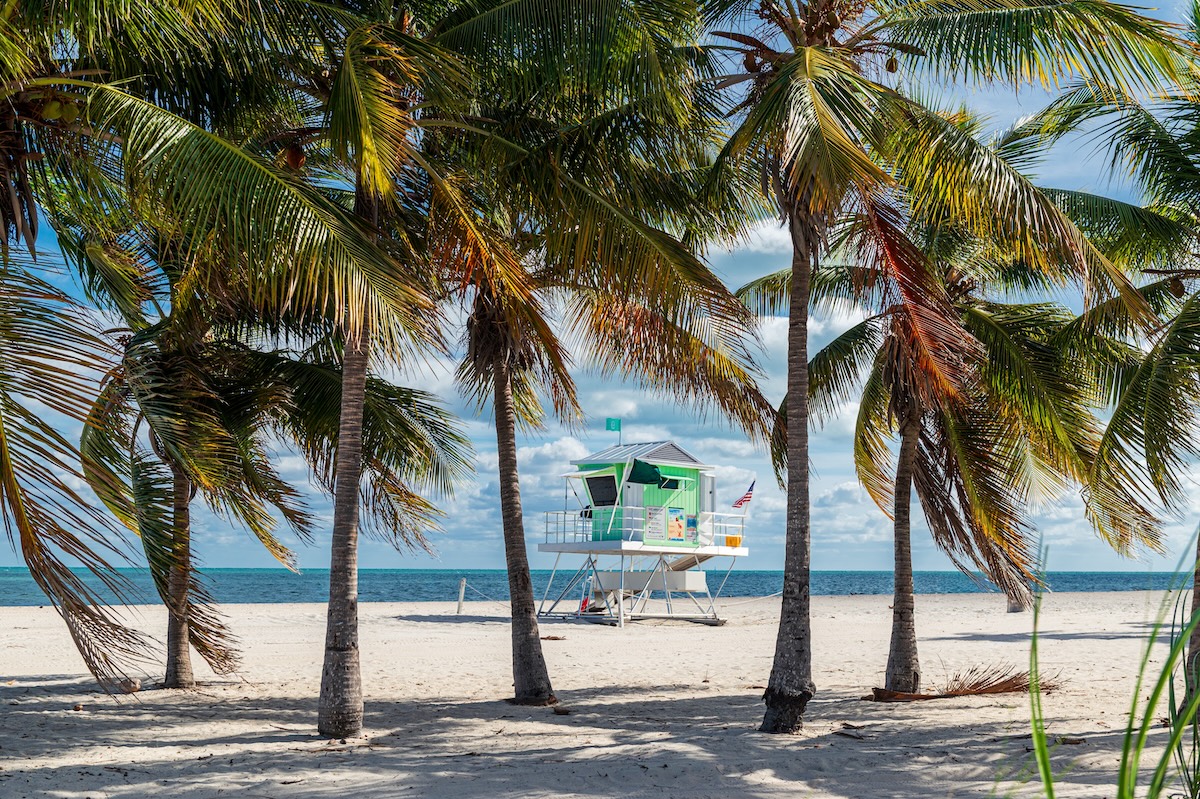
Seven miles south of downtown Miami, Bill Baggs Cape Florida State Park occupies the southern tip of Key Biscayne with a lighthouse and a beach. The urban proximity makes the water clarity even more surprising to beach aficionados. Biscayne Bay on the western shore turns shallow and turquoise in a way that satellite images confirm looks identical to the Bahamas from above.
The 1825 lighthouse, Florida’s oldest standing structure, gives this already worthwhile visit even more historical weight if that is what floats your boat. Weekday mornings belong to local cyclists and kayakers before the weekend crowds discover that the Miami metropolitan area contains a beach this good this close to the city.
Islamorada
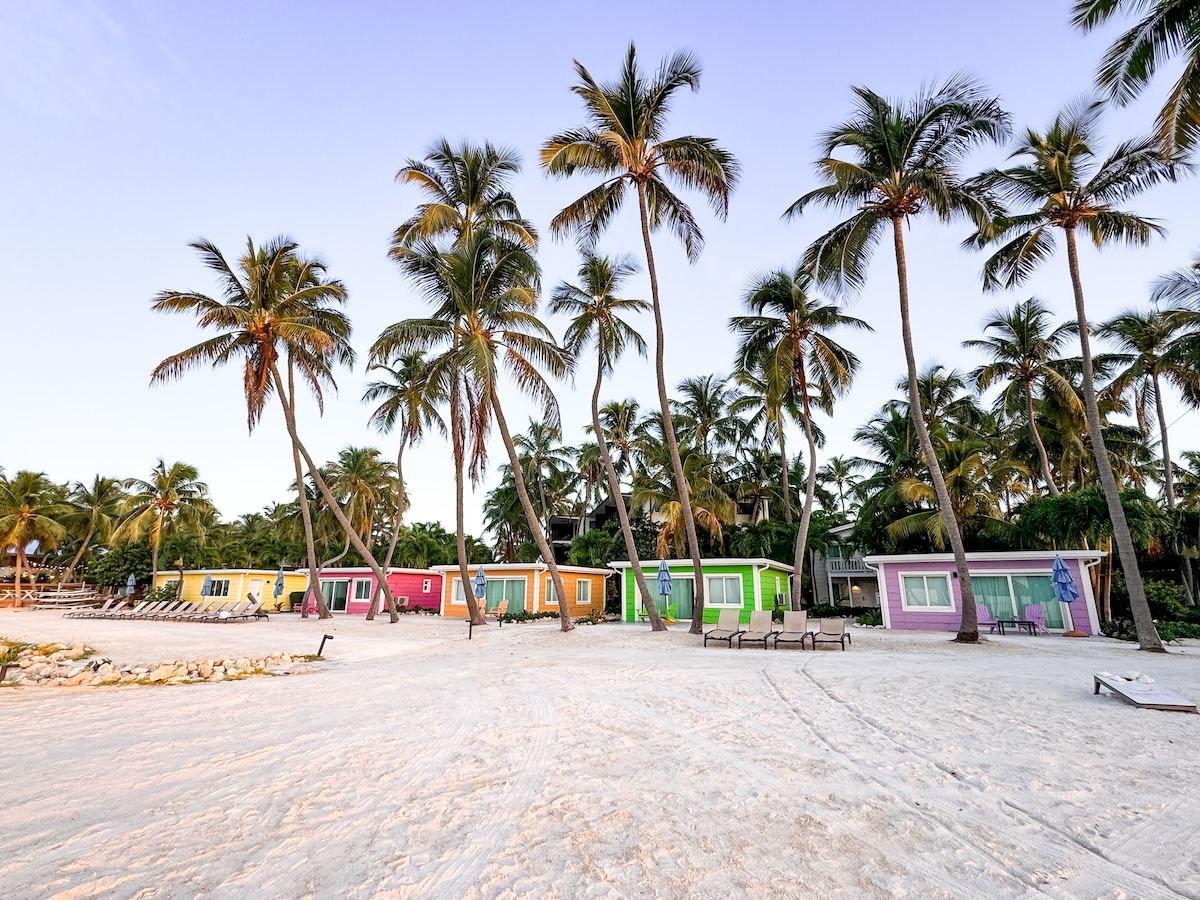
The self-proclaimed Sport Fishing Capital of the World takes that identity seriously, but the backcountry water deserves equal attention from visitors who didn’t bring a rod. The shallow flats between the Atlantic and Gulf sides glow in shades of jade and turquoise that backcountry kayakers cover at water level, spotting bonefish and tarpon through the clarity below them.
Anne’s Beach on the ocean side has a natural shoreline in a state park setting without the crowds that more famous Keys beaches absorb on weekends. The coral reef running offshore ranks among the most accessible in North America and stays within comfortable snorkeling distance of shore.
Anna Maria Island
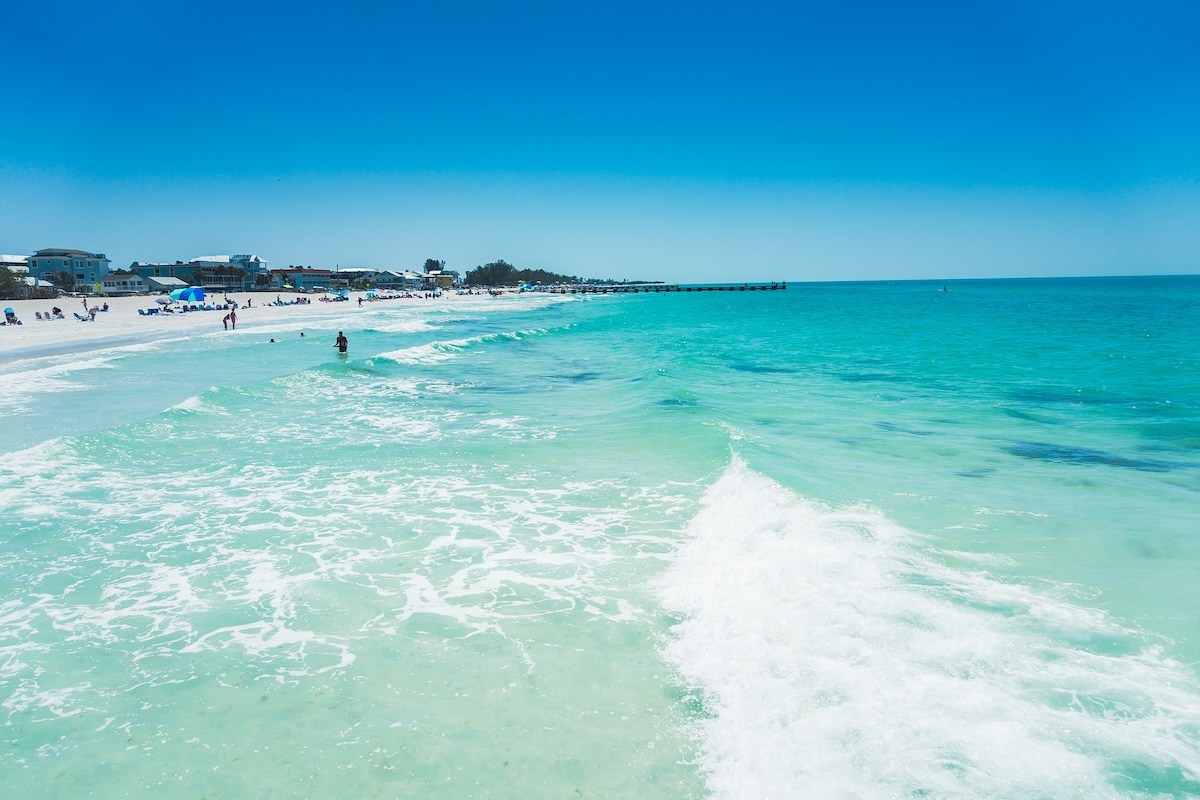
Development pressure transformed most of Florida’s Gulf barrier islands thoroughly enough that their original character exists mainly in old photographs. Anna Maria held enough ground that the island still reads as old Florida rather than resort Florida, with beach cottages, a fishing pier, and a walkable village atmosphere that the complete absence of high-rise buildings explains directly.
The Gulf water along the 7-mile island hits the turquoise clarity at Caribbean levels in the morning before afternoon clouds build offshore, but don’t let that scare you off. Pine Avenue’s independent restaurants and shops give visitors somewhere worth going between beach sessions and you won’t need much of a plan or even a car.
Sanibel Island
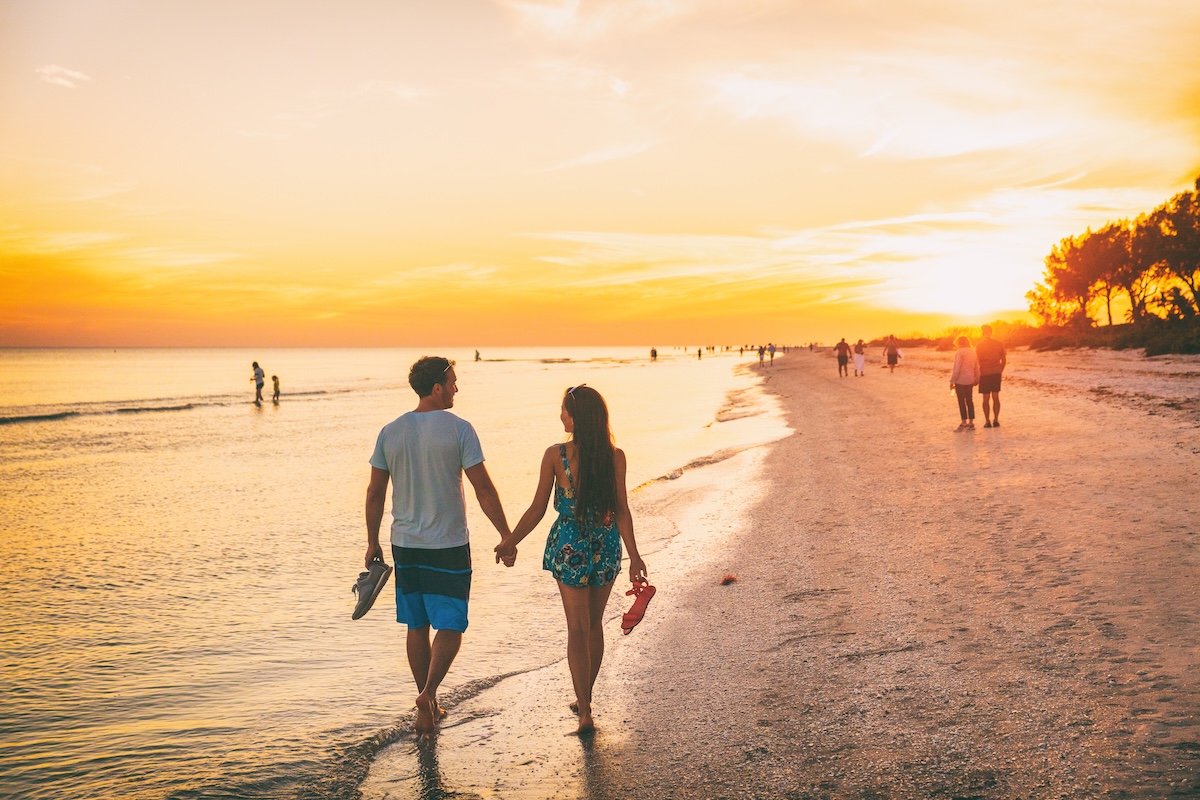
The island’s east-west orientation, instead of the typical north-south alignment of Florida barrier islands, turns it into the most efficient shell-collecting geography on the Gulf Coast. Currents deposit mollusks from throughout the Caribbean in quantities that has created the “Sanibel stoop,” the bent-over posture of tideline hunters that visitors develop within the first hour.
The J.N. “Ding” Darling National Wildlife Refuge covers roughly a third of the island in mangrove and wetland habitat that birders treat as one of the Southeast’s premier wildlife sites. The water clarity off Bowman’s Beach on the northwest end delivers Caribbean-quality light that gives the island a reputation to be proud of, above and beyond the shelling.
Okaloosa Island
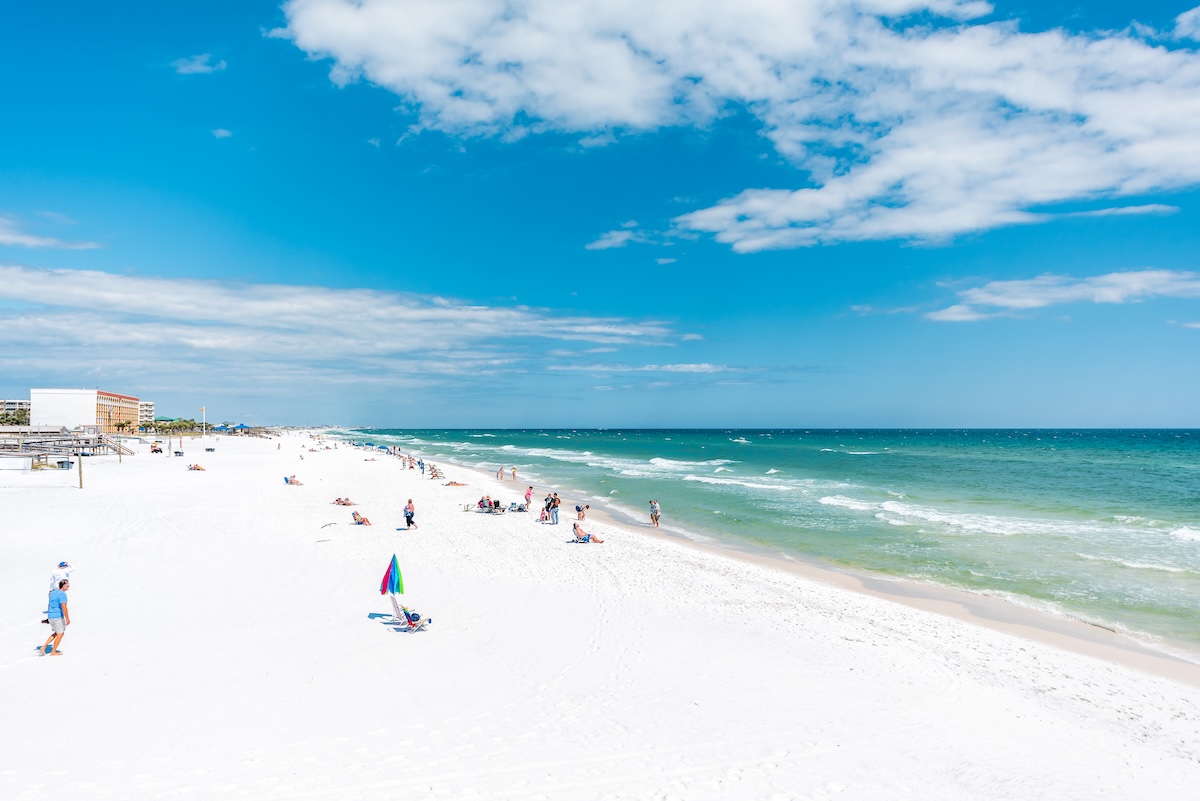
The narrow barrier island between Choctawhatchee Bay and the Gulf delivers Emerald Coast water quality. It is also at a scale that Destin’s crowds make increasingly difficult to experience comfortably anywhere nearby. The water cycles through the same green-to-turquoise spectrum that defines the wider Emerald Coast, with the white sand bottom visible at amazing depths.
The island’s compact geography keeps everything within walking distance of the beach, and the surrounding area holds enough food options to make a full beach day logistically straightforward. The lack of major resort development along this specific stretch preserves a beach character that commercial density consumed years ago in Destin.
Dry Tortugas
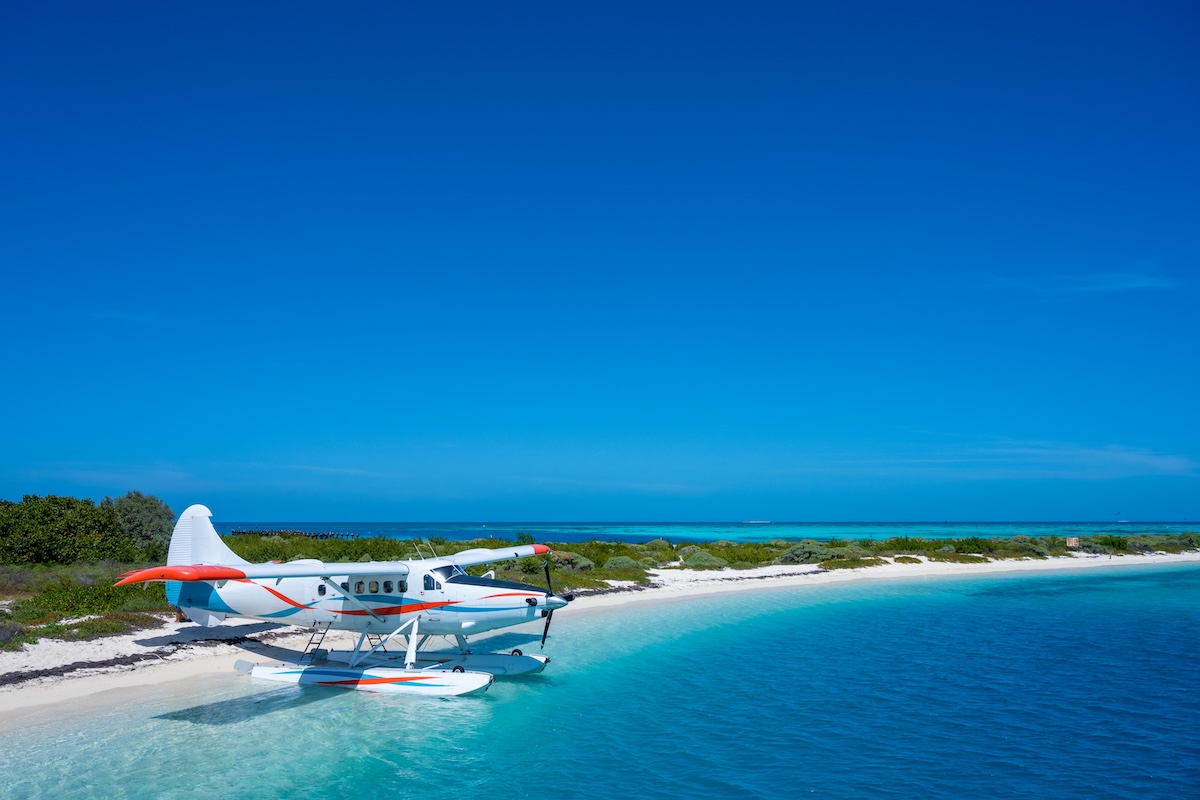
Seventy miles west of Key West, Fort Jefferson rises from a coral atoll where the water clarity lets snorkelers spot loggerhead sea turtles from the ferry deck before the boat reaches the dock. The 19th-century brick fort covers most of Garden Key, and the surrounding moat produces snorkeling conditions where tropical fish density rivals anything the Florida reef system offers closer to shore.
The primitive campground on Garden Key puts overnight visitors in position to watch stars from a Civil War fort surrounded by open Gulf water and bioluminescent plankton lighting up the shallows after dark. The remoteness is entirely the point, and the water makes every logistical complication feel completely irrelevant.
Sombrero Beach
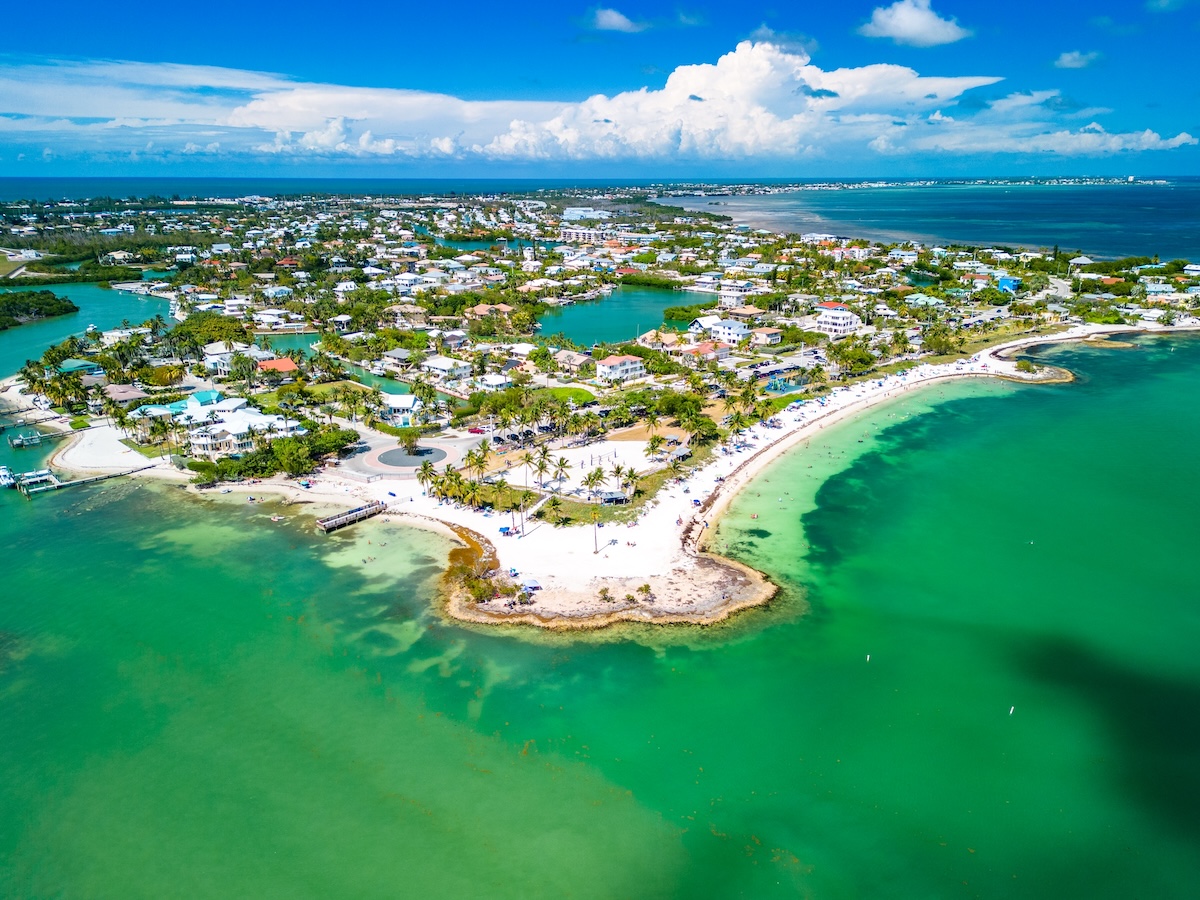
Marathon sits in the middle Florida Keys, past the tourist concentration of Key Largo and short of the Key West crowds. This gives Sombrero Beach a local character that free public beaches in more famous Keys locations lost a long time ago. The Atlantic-facing shoreline delivers insane water clarity with a reef running directly offshore.
The visibility extends far enough that snorkeling the nearby patch reef brings you up close and personal to marine life that you will pay a pretty penny for at Caribbean resorts. The beach stays uncrowded by Florida Keys standards, and the surrounding Marathon area holds some of the Keys’ best casual seafood in a town that the tourist economy never fully took over.
Peanut Island
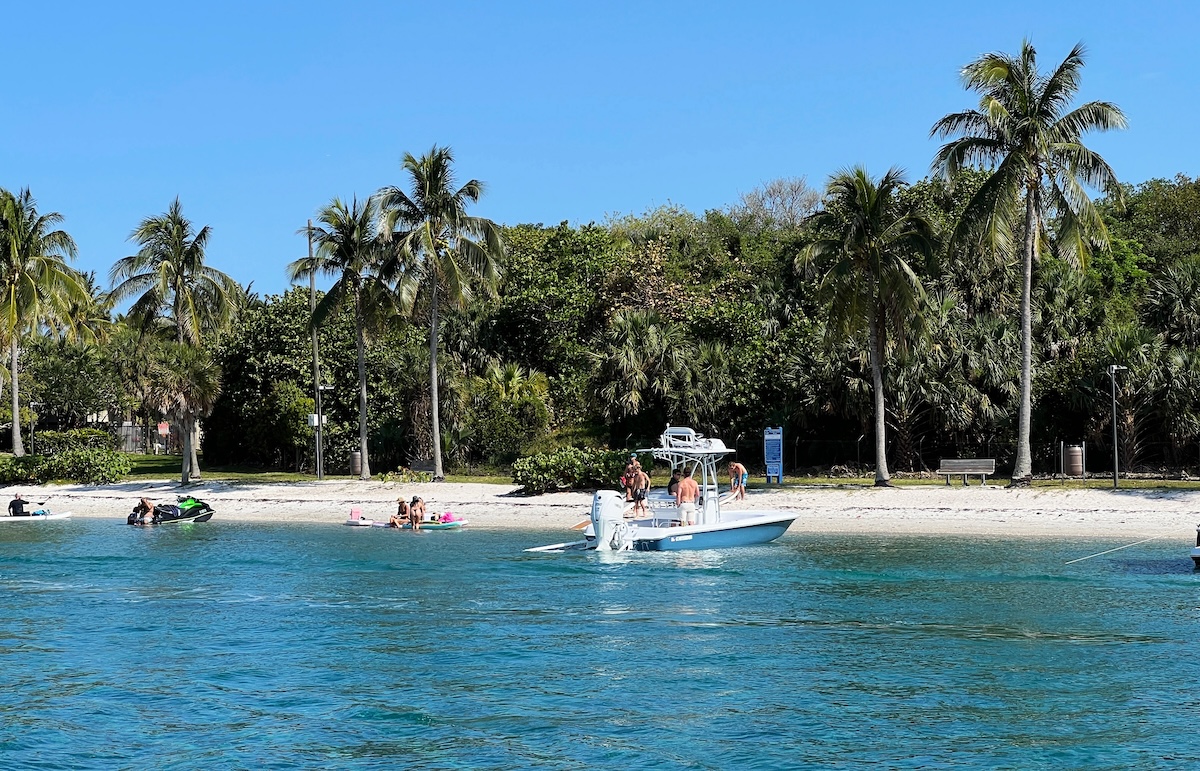
Peanut Island sits a short crossing from Riviera Beach with a snorkeling lagoon, a campground, and a Cold War nuclear bunker built for President Kennedy during the Cuban Missile Crisis. Ait is a spoil island in the Lake Worth Lagoon and is only accessible by water taxi or private boat.
The surrounding water clarity owes partly to the lagoon’s sheltered position, and the artificial reef system built around the island’s perimeter supports tropical fish populations that most Atlantic Florida beaches never develop. The logistics of getting there filter out casual visitors effectively enough, making it worth every ounce of effort. Just remember, no Caribbean island can claim a Kennedy bunker.
Grayton Beach
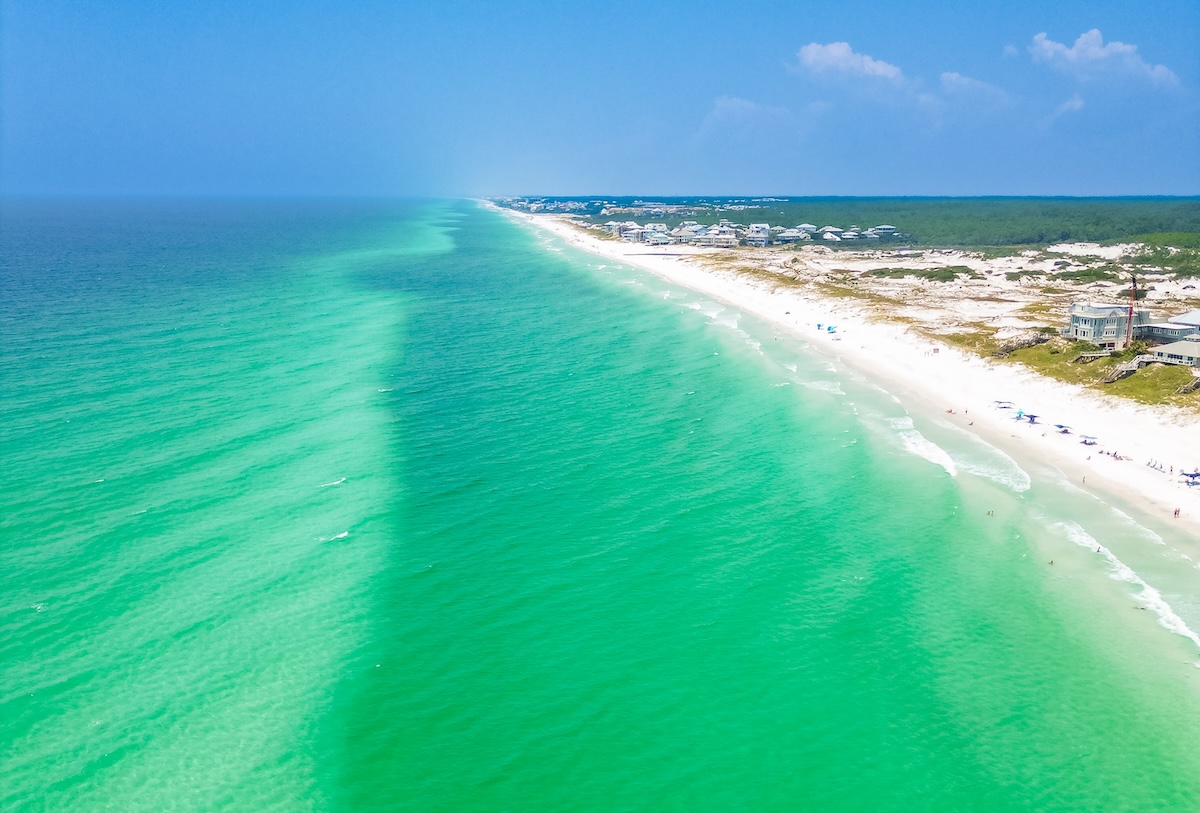
The Emerald Coast earns its name most convincingly here, where the water shifts between shades of green and turquoise. The Florida Panhandle creates this through a combination of white quartz sand and Gulf light that photographers chase eagerly. Grayton Beach State Park protects the western portion, while the small town behind the dunes has developed a food and arts scene that beach towns this size rarely manage.
Western Lake, a coastal dune lake unique to this stretch of Florida coastline, sits directly behind the dunes and connects to the Gulf during high-water events, creating a wetland ecosystem that makes the surrounding park considerably more interesting than the beach alone suggests.