
Europe’s most famous day trips sound perfect on paper. You choose a comfortable base city, then spend a day visiting a castle, a cliff, or a postcard village before heading back for dinner. Tour operators make it look effortless, and online photos make the trip feel essential.
But the math tells a different story. Several well-known excursions involve six to eight hours of round-trip travel for a sight you can explore properly in two. Others are close by but revolve around one square, one building, or one viewpoint, leaving the rest of your day oddly empty.
The destinations below are worth seeing. The challenge is weighing the time it takes to get there against the time you’ll spend enjoying each place. That ratio can help you decide which trips deserve a full day, which call for an overnight stay, and which fit better into a longer route.
Stonehenge from London
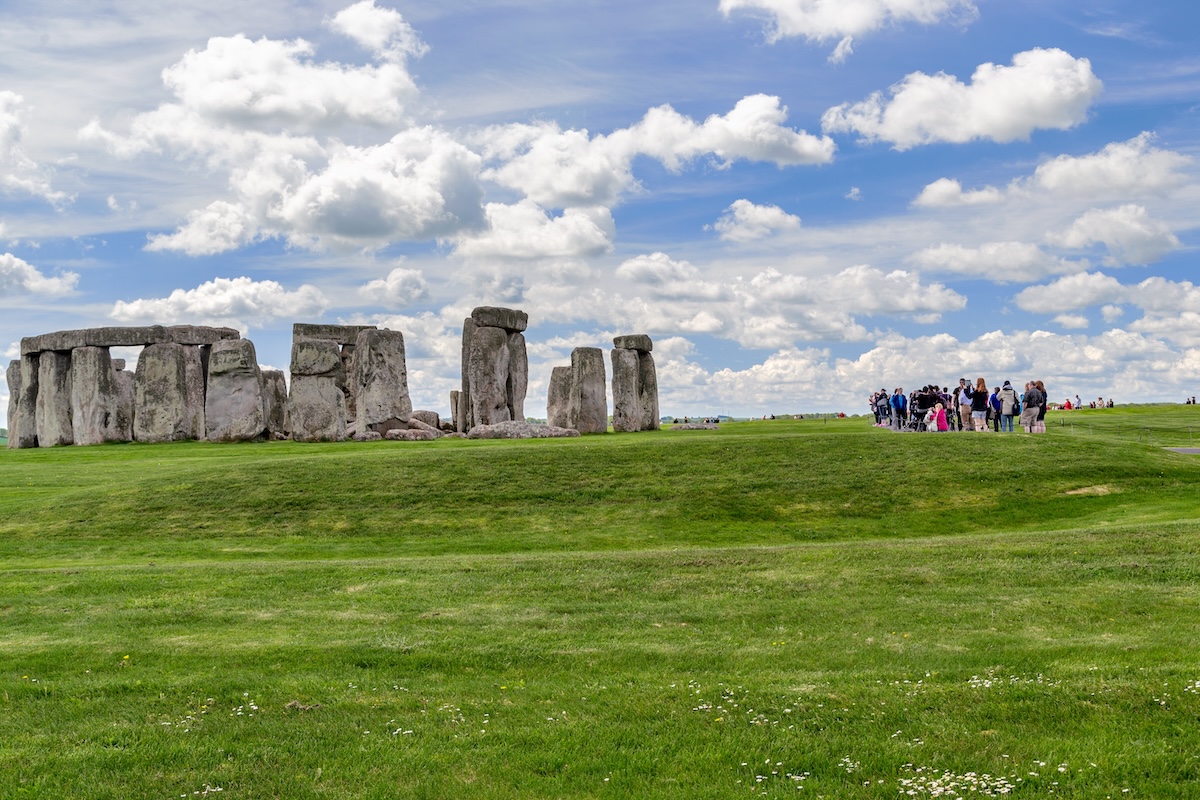
Stonehenge deserves about 90 minutes of your attention, but the trip from London takes roughly four hours by car or coach. The site sits on Salisbury Plain, about 90 miles southwest of the capital. You can walk the path around the stones, browse the visitor center, and peek inside the reconstructed Neolithic houses.
Little else lies within walking distance, so a standalone visit means a long ride and a short stop. The day works better when you add another destination. Salisbury Cathedral holds one of the four surviving copies of the 1215 Magna Carta, while Avebury’s larger stone circle lets you wander among the stones. Bath makes a nice evening finale, too.
Pisa from Florence
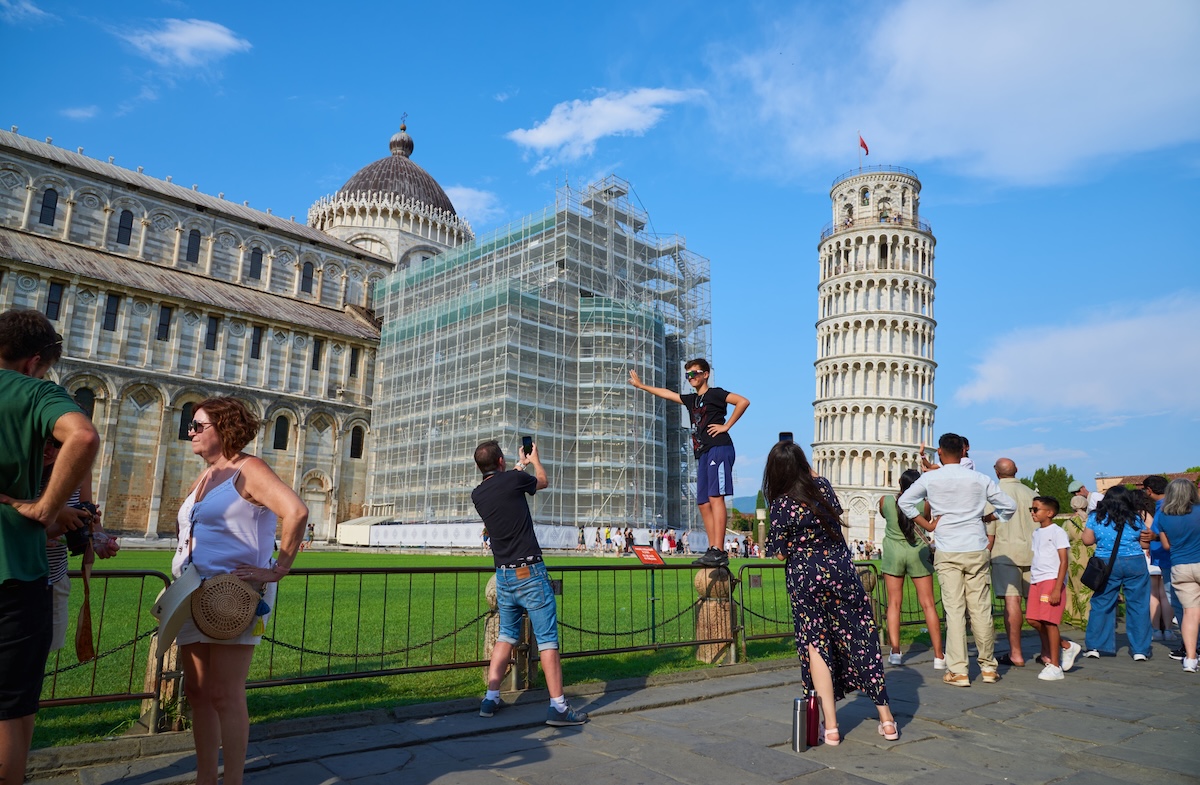
Pisa is an easy trip from Florence, about an hour by regional train, and most visitors see what they came for in a morning. The Piazza dei Miracoli brings the Leaning Tower, cathedral, baptistery, and monumental cemetery together on one lawn. With a timed ticket, you can climb the tower’s 251 steps in about 30 minutes.
Beyond the square, Pisa is a pleasant university town with riverside walks along the Arno, though few travelers stick around. Pairing it with Lucca, about 30 minutes away by train, makes for a much fuller day. Lucca’s Renaissance walls are wide enough for cycling, and its oval Piazza dell’Anfiteatro follows the shape of a Roman arena.
Hallstatt from Salzburg
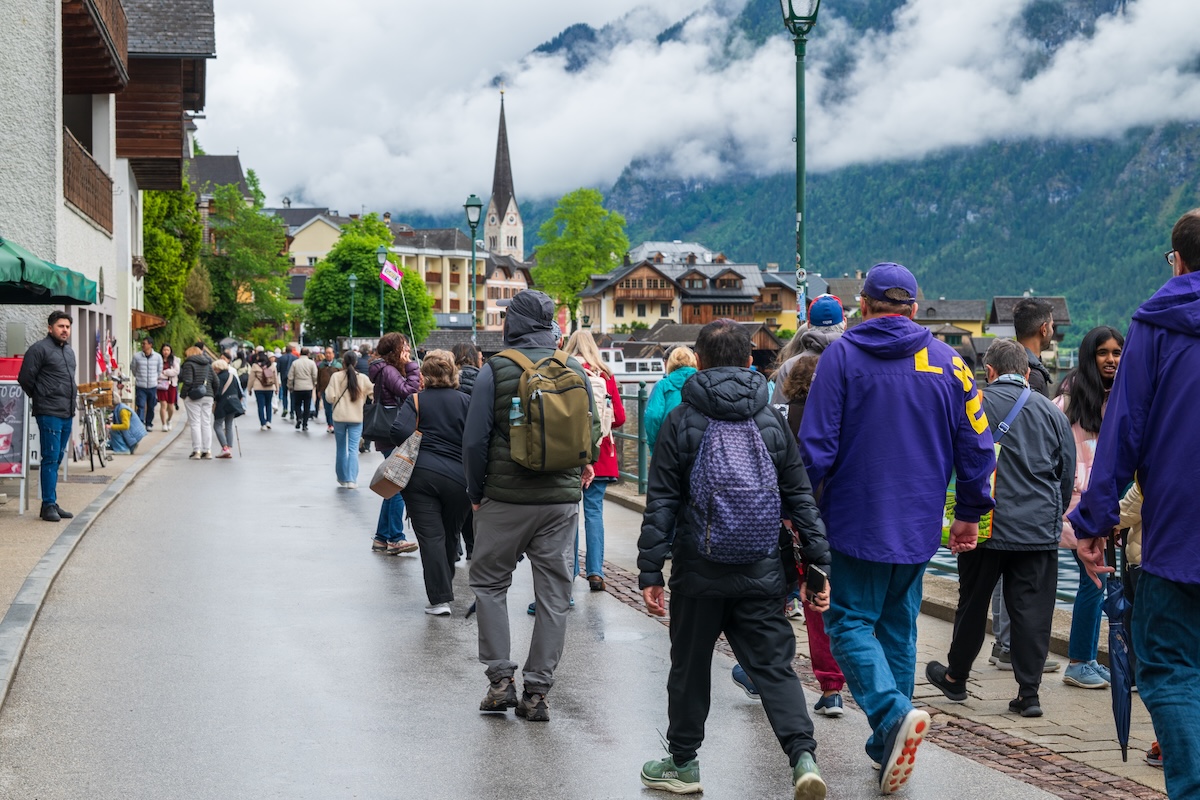
Hallstatt offers one of Austria’s most famous lake views, though only about 750 people live in the village, which occupies a sliver of shoreline. The trip from Salzburg takes around two hours each way by bus and train, including a short ferry ride across the Hallstättersee from the station.
Once there, you can see the main lanes, market square, and bone house at St. Michael’s Chapel in an hour or two. Crowds pack the waterfront around midday. To make the trip last longer, ride the funicular to the Salzwelten salt mine, which claims to be the world’s oldest, or continue to the Dachstein ice caves above Obertraun. Stay overnight and you can see the village after the tour buses leave.
San Marino from Bologna
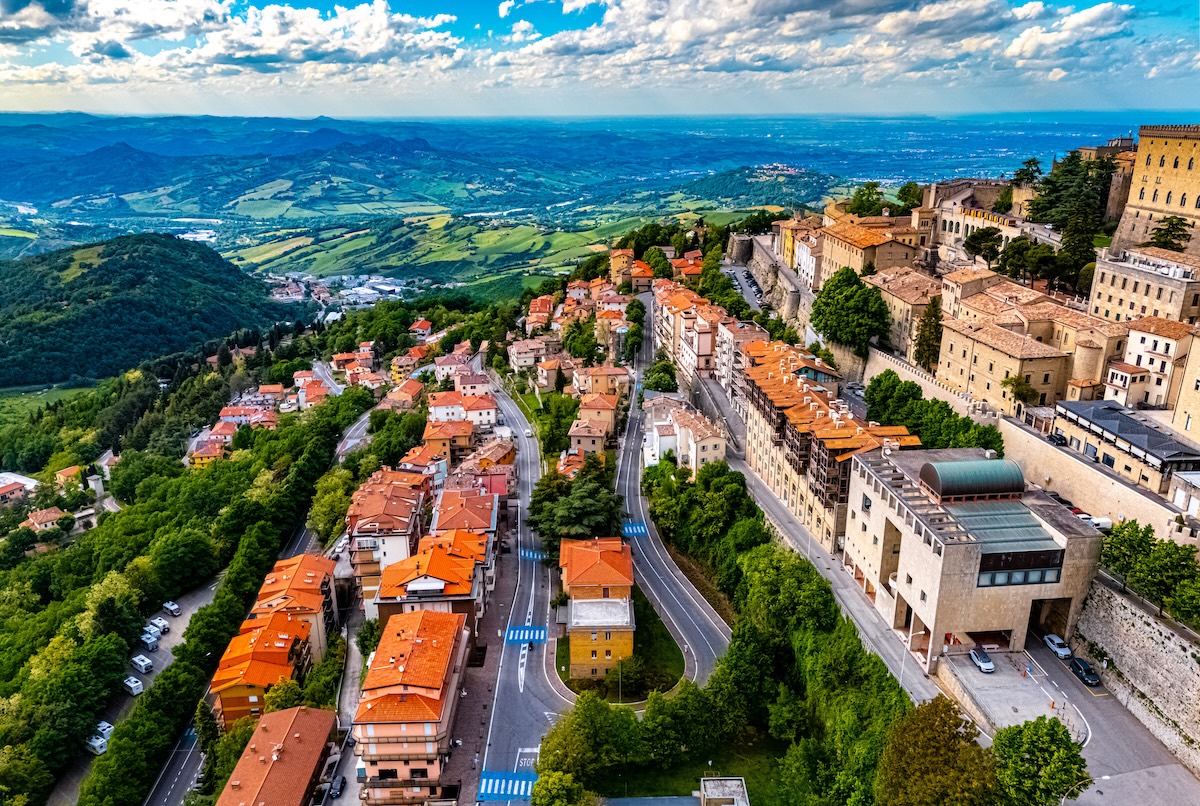
San Marino’s appeal comes down to novelty and views, and you can take in both in a few hours. From Bologna, take a train to Rimini, about an hour, then a bus up Mount Titano, about 50 minutes. The round trip takes close to four hours.
The historic center is compact, with medieval streets winding between the three towers, Guaita, Cesta, and Montale, which crown the ridge. The Adriatic coast panorama is the highlight, and you can pick up a souvenir passport stamp at the tourist office. Many of the remaining storefronts sell duty-free goods. Pair the visit with an evening in Rimini, or, if you’re driving, explore nearby San Leo’s clifftop fortress.
Giverny from Paris
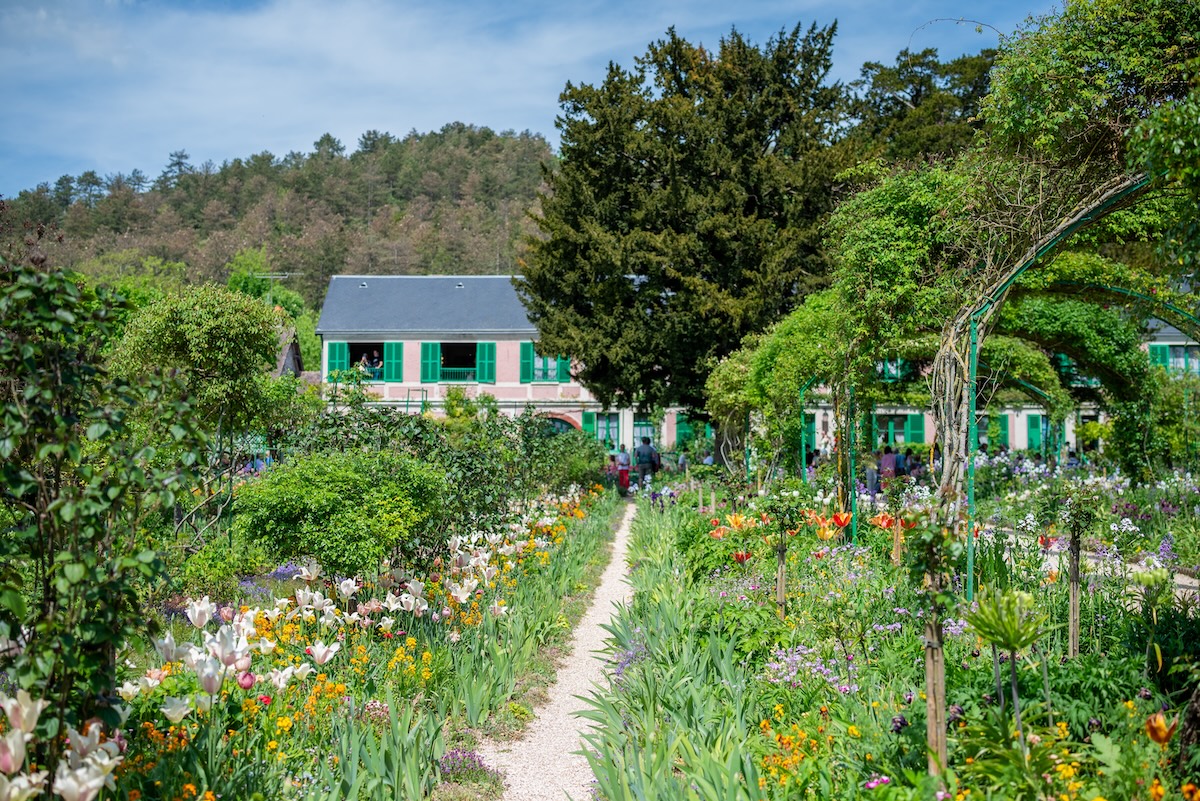
Giverny’s gardens are lovely, but the village revolves almost entirely around Claude Monet’s house and grounds. Take the train from Gare Saint-Lazare to Vernon, about 50 minutes, then catch a shuttle, rent a bike, or walk across the Seine to the village. The property opens only from spring through autumn.
Inside, you’ll find the flower-packed Clos Normand, the Japanese bridge, and the water lily pond that inspired Monet’s famous series, along with his colorful house and yellow dining room. Most visitors finish in two to three hours, and crowds can take away from the experience on peak summer days. The nearby Musée des Impressionnismes adds an hour. Arrive at opening time and you can be back in Paris by mid-afternoon.
Civita di Bagnoregio from Rome
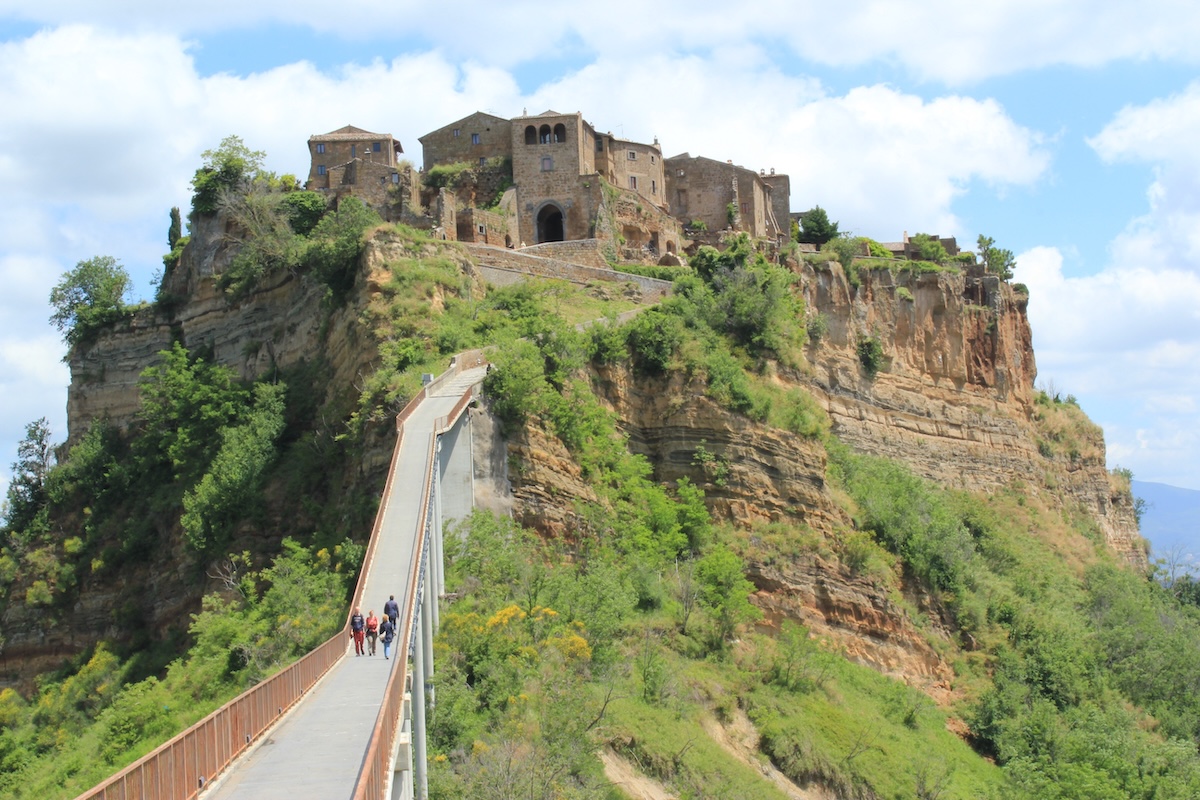
Civita di Bagnoregio is unforgettable: a medieval village perched on an eroding clay pinnacle, reached only by a steep pedestrian bridge. It’s also tiny, with roughly a dozen residents and just a few lanes to wander.
Getting there from Rome means taking a train to Orvieto, about an hour or more, then a local bus to Bagnoregio and walking to the bridge, where visitors pay a small entry fee. Bus schedules are sparse, so missed connections can quickly stretch the day. A better plan combines Civita with Orvieto, whose striped Gothic cathedral and underground caves easily fill an afternoon, or includes an overnight stay in the Lazio countryside.
Neuschwanstein from Munich
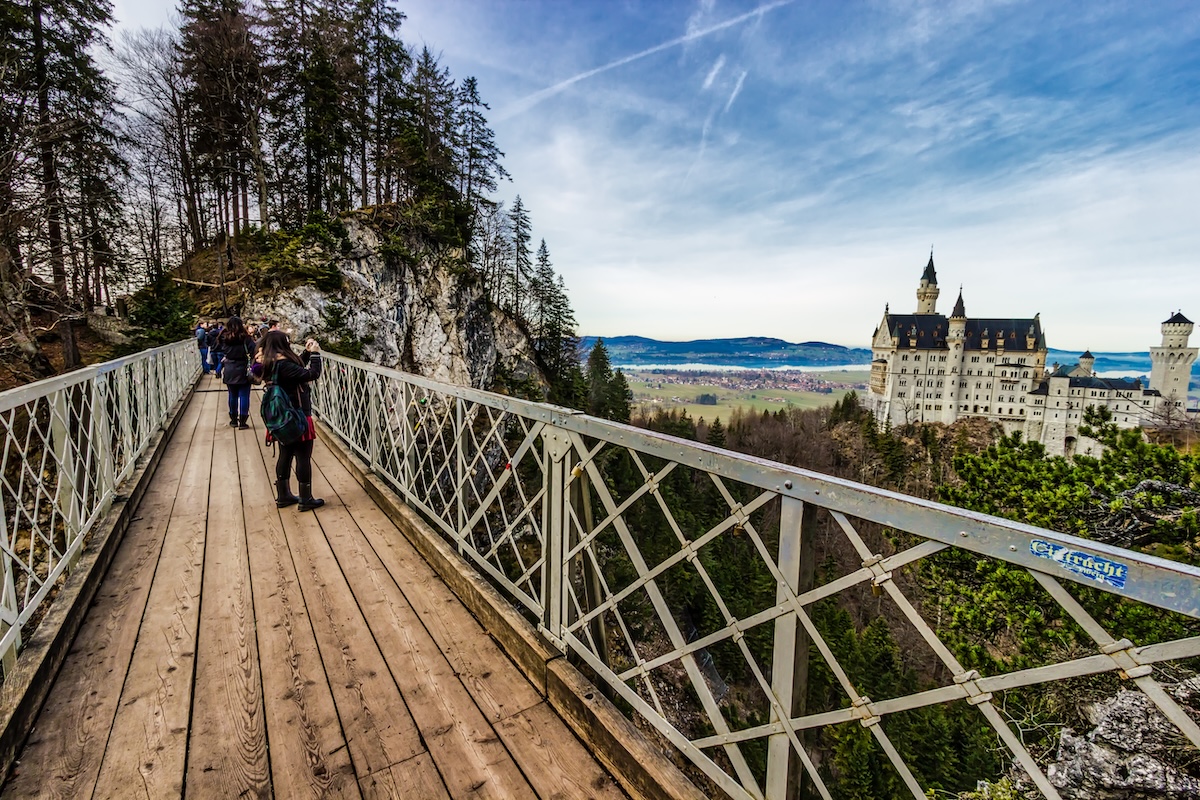
Neuschwanstein is Bavaria’s most heavily promoted excursion, but getting there takes effort for a castle tour that lasts about 30 minutes. The train from Munich to Füssen takes roughly two hours. From there, take a bus to Hohenschwangau, then walk steeply uphill or ride a horse cart to the entrance.
Timed tickets sell out in summer, so book ahead online. Inside, swan motifs and a Wagner-inspired singers’ hall dazzle, though builders never completed much of the castle. Marienbrücke offers the classic view. Add Hohenschwangau Castle, where King Ludwig II grew up, or the Alpsee lakeshore, and the day feels more complete. Otherwise, you’ll spend over four hours traveling for a brief visit.
Gibraltar from Málaga
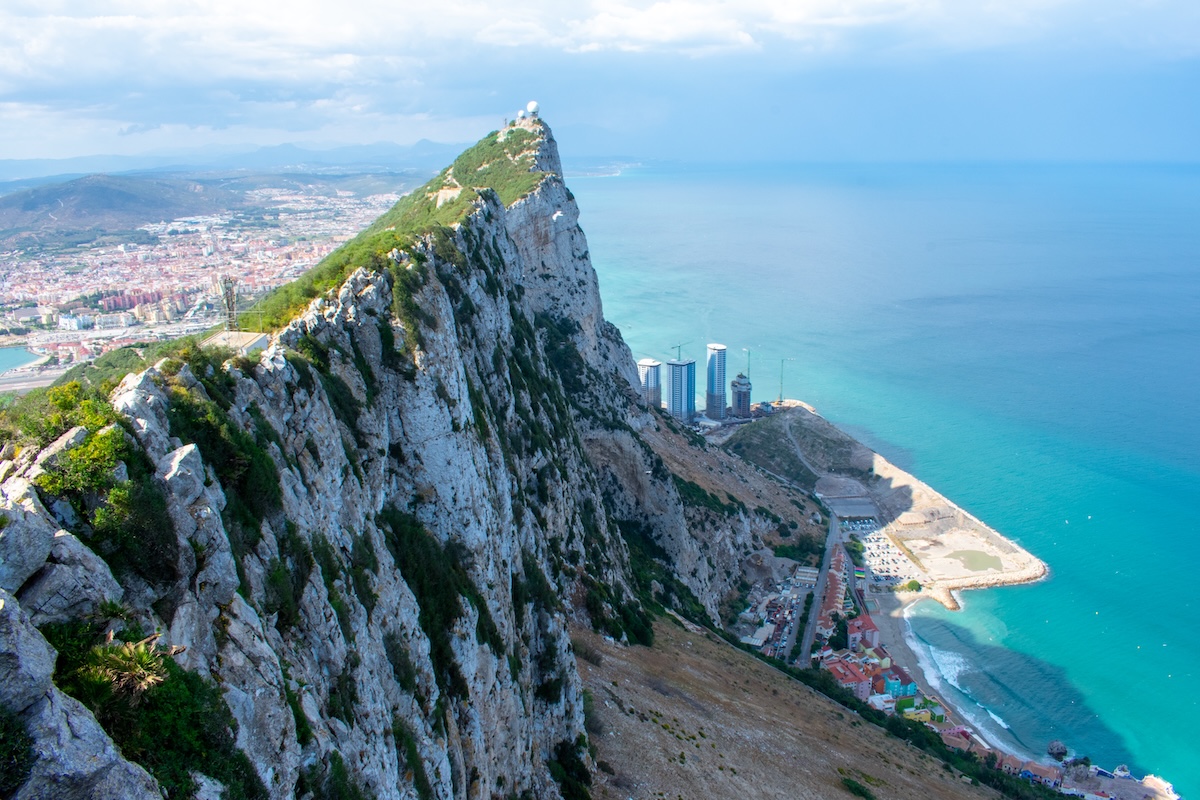
Gibraltar makes sense as a day trip if you treat it as a small territory to explore, with the Rock as just one part of the visit. From Málaga, it takes about two hours by bus or car to reach La Línea. Then walk across the border, crossing the airport runway on the way into town.
The cable car to the Upper Rock offers sweeping views across the Strait toward Morocco, plus close encounters with the Barbary macaques. Stop there and the trip feels lopsided. Continue to the Great Siege Tunnels, St. Michael’s Cave, and Europa Point lighthouse, then stroll down Main Street, where British pubs and red phone boxes give the town its distinct character.
Luxembourg City from Brussels
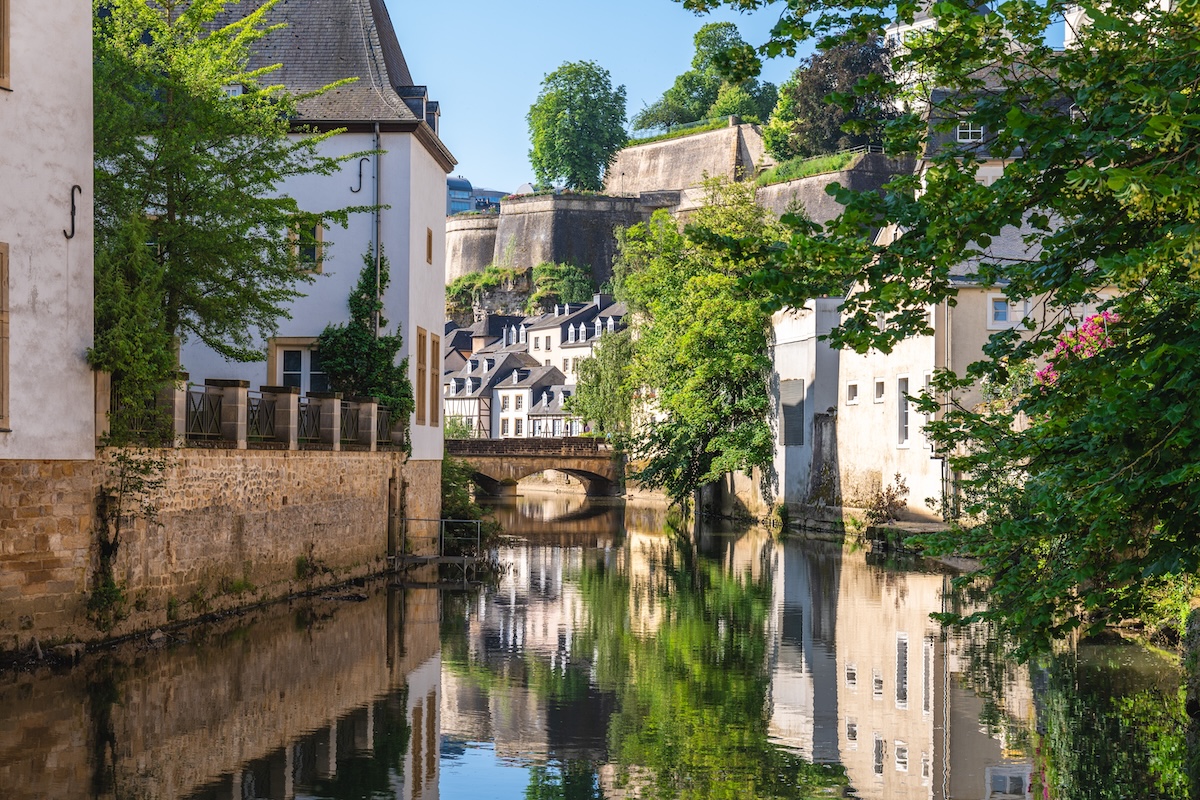
Luxembourg City makes more sense as an overnight destination, since the train from Brussels takes around three hours each way. That leaves about four or five hours to explore a capital whose main sights cluster in a walkable core.
The sights are rewarding. The Chemin de la Corniche, often called Europe’s most beautiful balcony, overlooks the Grund district and the Alzette River far below. The Bock Casemates tunnel deep into the rock, and the Grand Ducal Palace anchors the old town. Public transport across the country is free, making a second day easy. Spend it at Vianden Castle or tasting crémant in the Moselle Valley vineyards.
Roskilde from Copenhagen
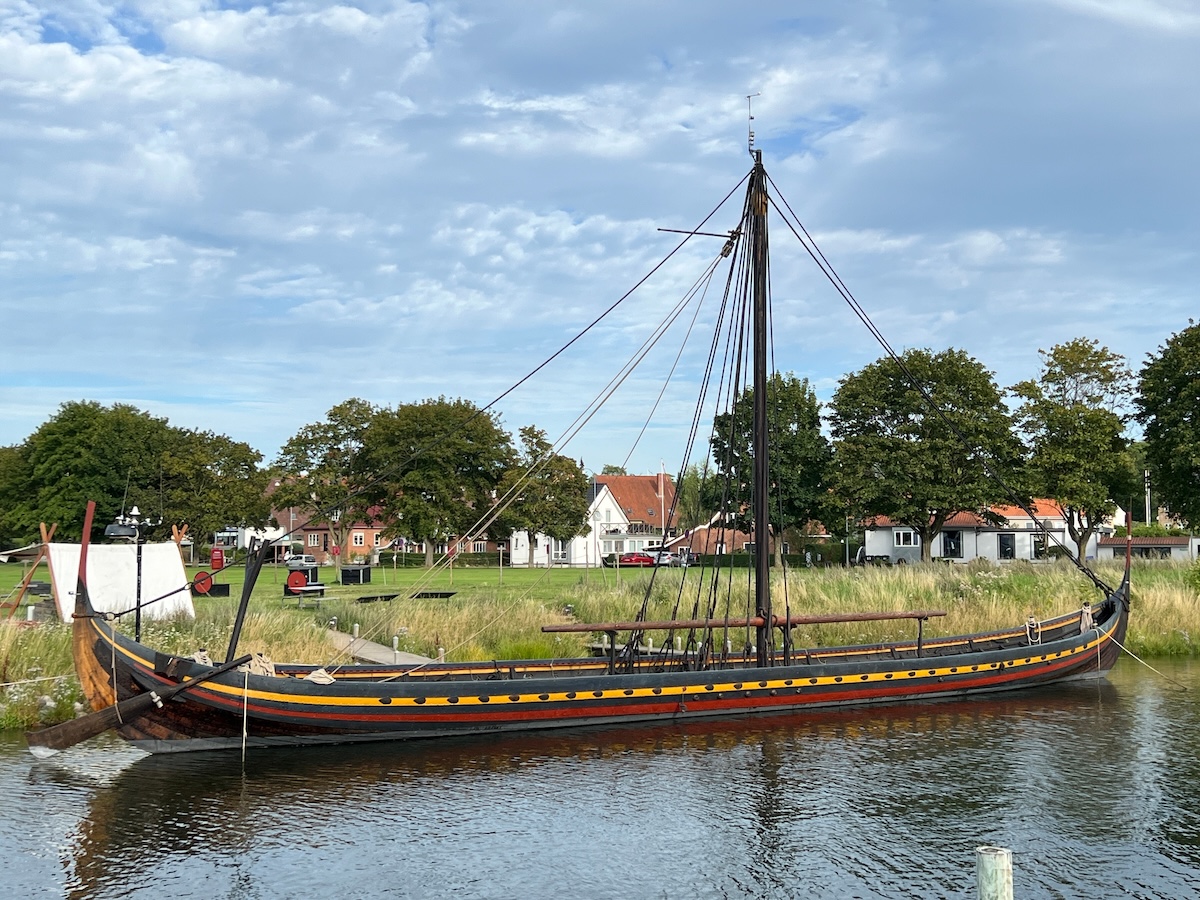
Roskilde belongs on your itinerary if Viking history or royal architecture excites you. The train from Copenhagen takes just 25 minutes, so getting there is easy. But do two main sights justify a full day?
The Viking Ship Museum displays five original vessels deliberately sunk around 1070 to block the fjord, and summer visitors can sail replica boats on the water. Roskilde Cathedral, a UNESCO World Heritage Site, holds the tombs of around 40 Danish monarchs. You can see both in three to four hours. Outside the festival week in late June, the town is quiet. Combine your visit with Frederiksborg Castle or Kronborg in Helsingør for a richer day of Danish history.
Melk Abbey from Vienna
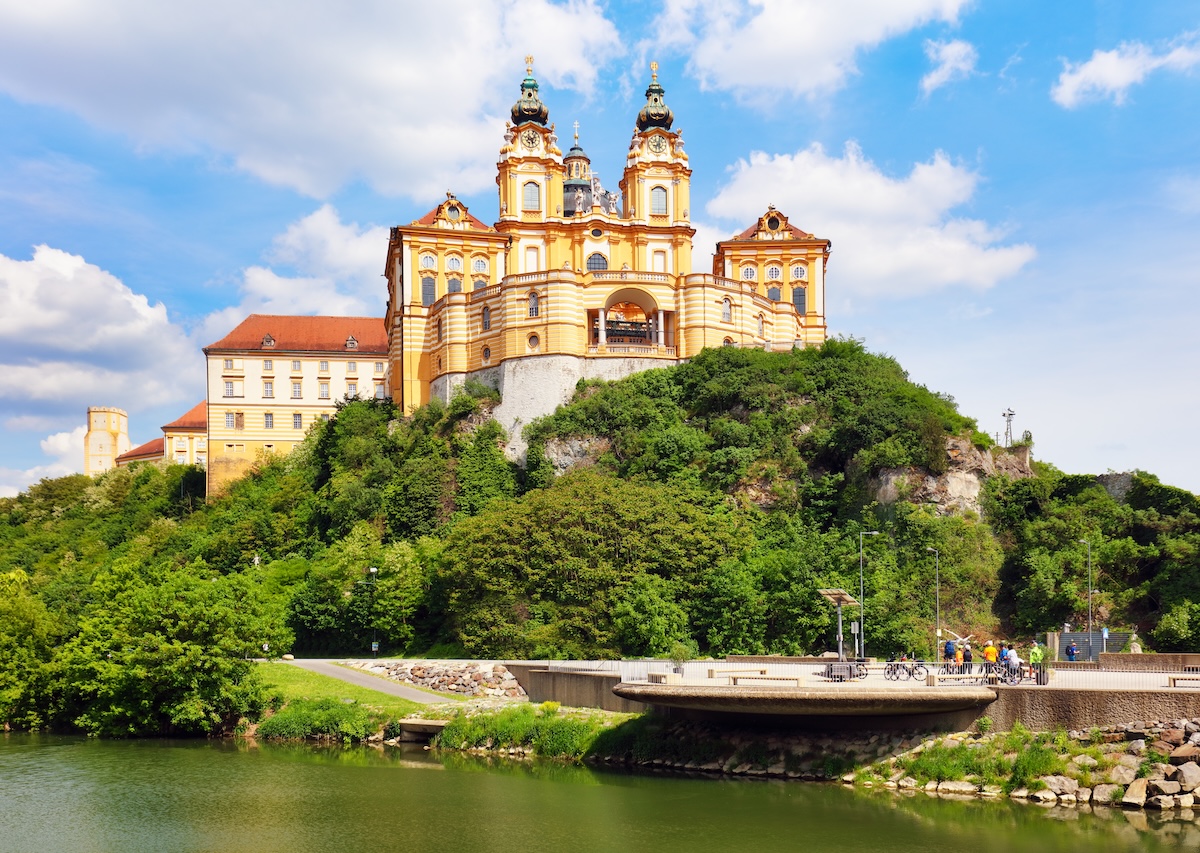
Melk Abbey is spectacular, a baroque Benedictine monastery glowing yellow above the Danube. Almost all of its appeal lies within its walls. Trains from Vienna reach Melk in about an hour and a quarter, and you can see the abbey’s museum rooms, marble hall, and church in around two hours.
The library holds about 100,000 volumes beneath painted ceilings, and the terrace offers a superb river view. A trip focused only on the abbey can feel thin for the effort. The Wachau Valley makes the outing more rewarding. Take a river cruise downstream to Dürnstein, where Richard the Lionheart was imprisoned, sample Grüner Veltliner at a heuriger, and return to Vienna from Krems.
Cliffs of Moher from Dublin
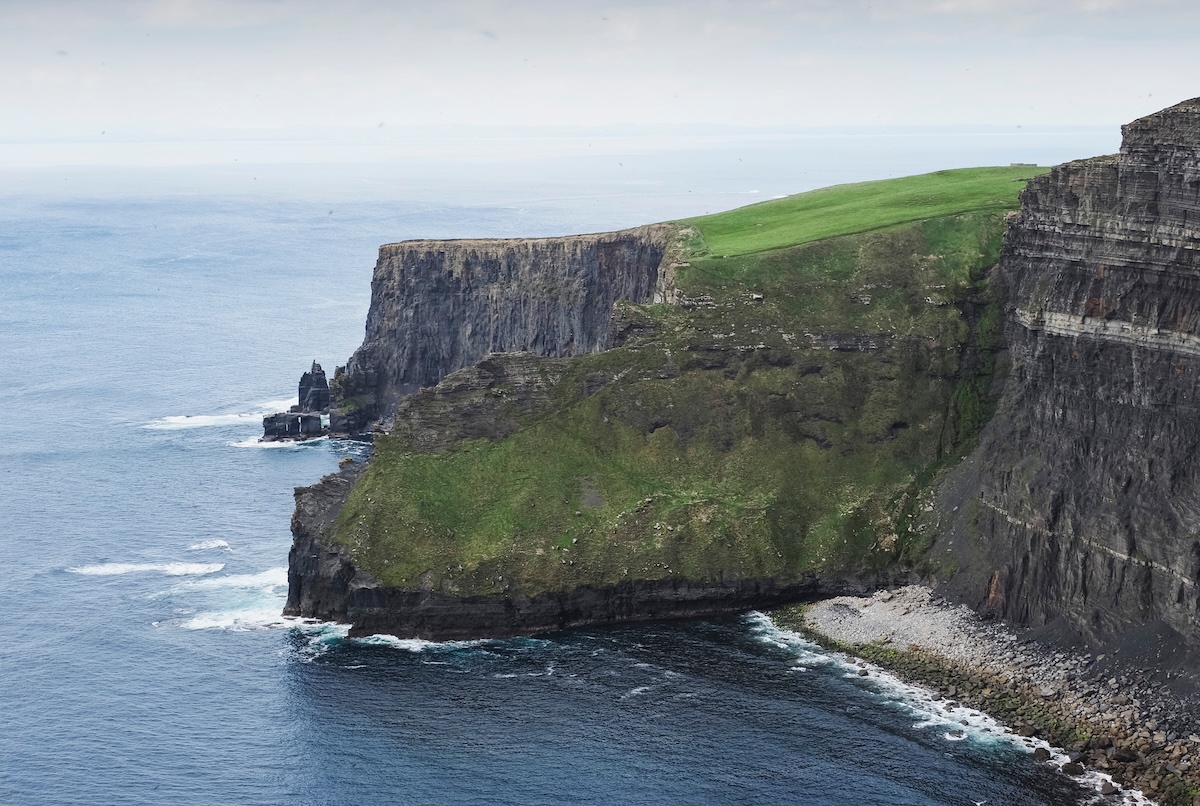
The Cliffs of Moher are breathtaking, rising more than 700 feet above the Atlantic, but the drive from Dublin takes about three hours each way. Coach tours often last 12 hours, while the cliffs themselves take just an hour or two to explore from the visitor center and trails.
The excursion feels more worthwhile when you visit more of the west. Galway’s Latin Quarter has lively pubs and street musicians. The Burren’s limestone landscape, dotted with ancient tombs like Poulnabrone dolmen, offers an eerie contrast. Doolin, with its traditional music sessions, sits nearby. Stay in Galway for a night or two and you can see the cliffs at a much easier pace.
Mont-Saint-Michel from Paris
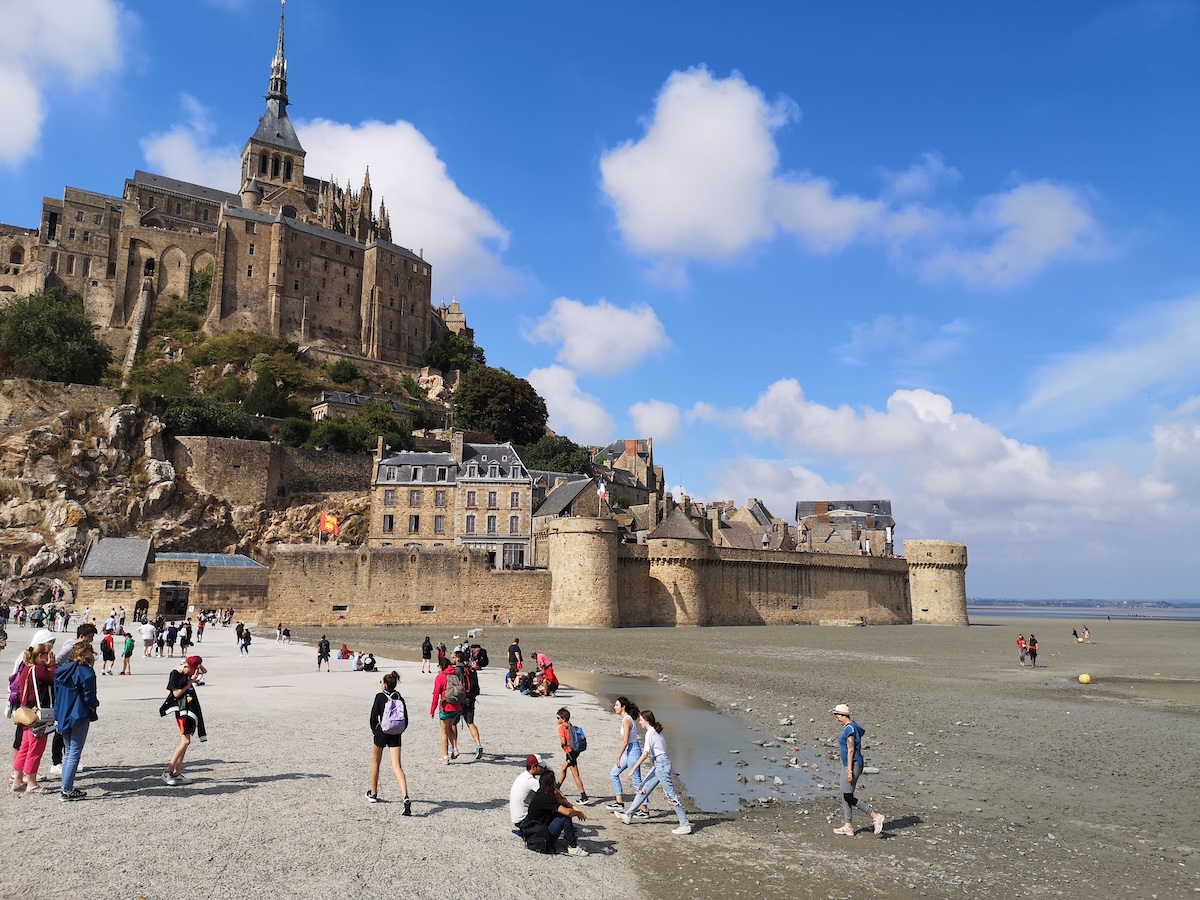
Mont-Saint-Michel is extraordinary, an abbey-crowned island rising from tidal flats, but the trip from Paris takes up a startling share of your day. Trains via Rennes followed by a shuttle bus take around four hours each way, and organized tours stretch to 13 or 14 hours.
On the island, the climb along the Grande Rue to the abbey, its cloister, and the ramparts takes about three hours. At midday, the single main street gets crushingly crowded. Stay overnight to watch the tides and walk through the illuminated village after day-trippers leave. A Normandy road trip also pairs beautifully with Saint-Malo’s walled city, about 45 minutes away in Brittany.
Keukenhof from Amsterdam
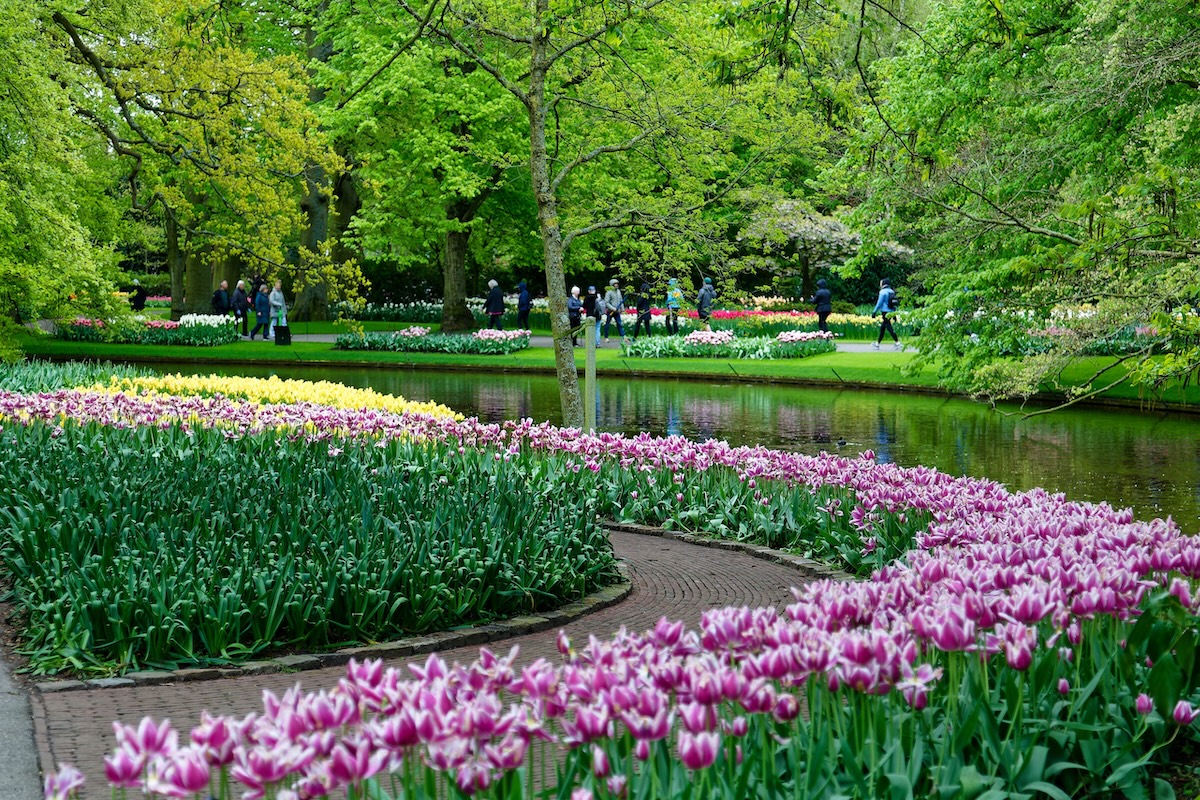
Keukenhof is a half-day outing, spectacular during tulip season and best explored in about three or four hours. The gardens open for only about eight weeks each spring, from mid-March to mid-May, and display around seven million bulbs across 79 acres.
Buses from Schiphol Airport or Leiden reach the park in about 30 minutes, so the journey is short. Visitors fill the gardens by late morning, so arriving early keeps the paths calmer. A full day makes sense only if you love flowers. Otherwise, cycle through the bulb fields around Lisse after your visit, or continue to Haarlem for the Frans Hals Museum and an evening on the Grote Markt.
Cape Sounion from Athens
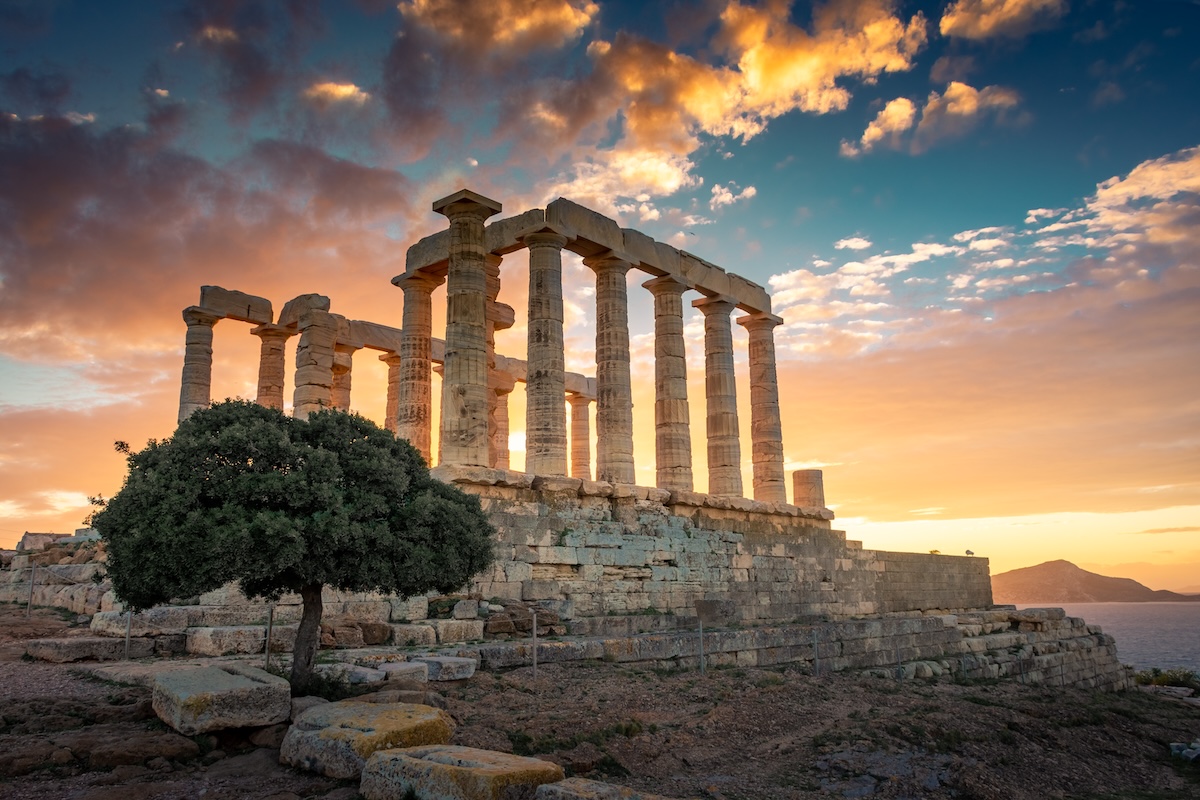
Cape Sounion works best as an afternoon-and-sunset outing. The drive covers about 70 kilometers along the Athens Riviera and takes around 90 minutes each way, with sea views for much of the journey.
The Temple of Poseidon, built around 440 BC, stands on a cliff above the Aegean, and its marble columns turn gold as the sun drops. Lord Byron carved his name into one of them. Beyond the temple, a café, and a small beach below, there isn’t much to fill a morning. Leave Athens around 3 p.m., stop for a swim at Vouliagmeni Lake or a meal at a seaside taverna, and arrive in time for sunset.
Cinque Terre from Milan
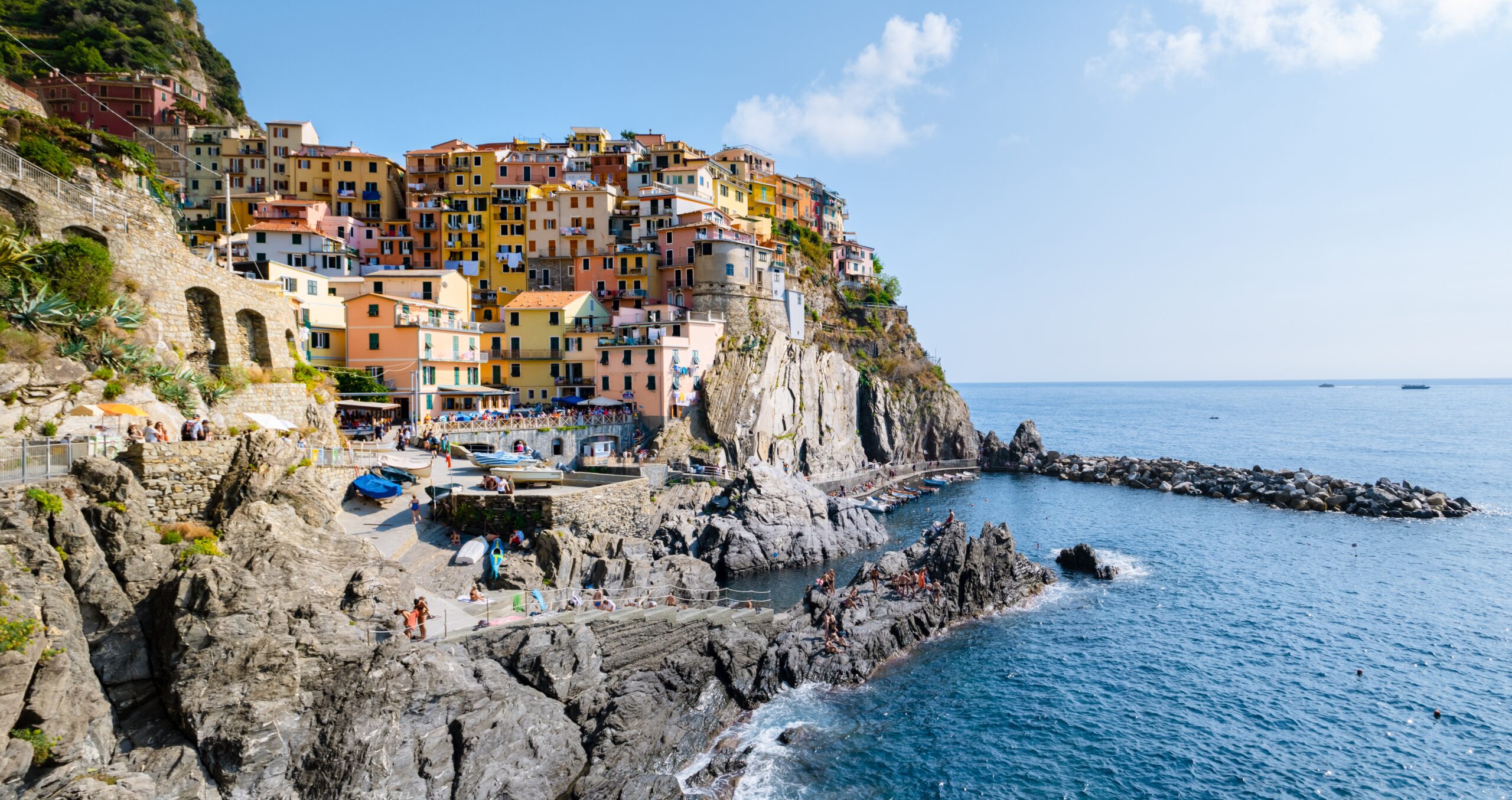
Cinque Terre deserves an overnight stay. Trains from Milan to La Spezia take around three hours each way, leaving you only a handful of hours for five villages and the cliffside coastline connecting them.
Riomaggiore, Manarola, Corniglia, Vernazza, and Monterosso each have their own character, and regional trains link them in minutes. Popular hiking paths, such as the Sentiero Azzurro, take several hours, and storms close some sections. Rushed visitors end up hopping between crowded stations. Base yourself in a village or La Spezia for two nights, and add Portovenere or the Gulf of Poets to round out a longer Ligurian trip.
El Escorial from Madrid
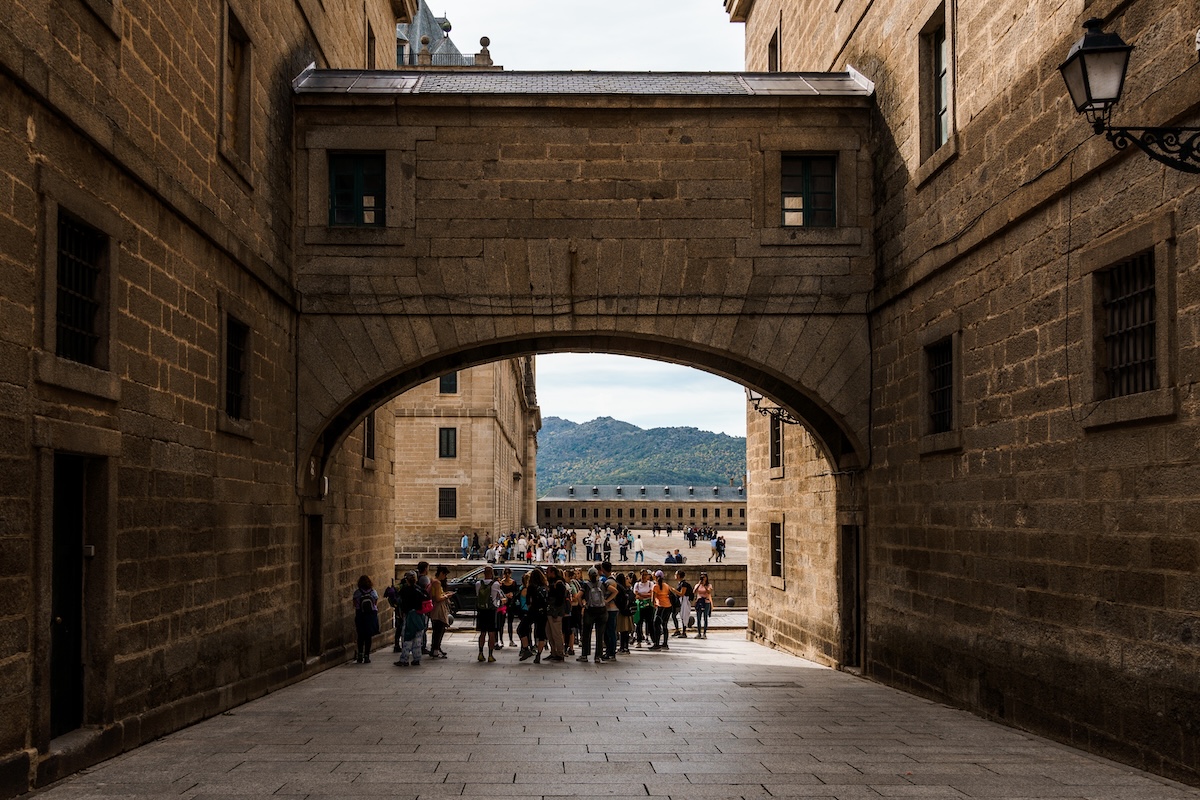
El Escorial impresses with its scale, but a single site anchors the entire visit. Commuter trains and buses reach San Lorenzo de El Escorial from Madrid in about an hour, making the journey simple.
Philip II built the monastery and palace in the 16th century. Inside, you’ll find the Royal Pantheon, where most Spanish kings since Charles V rest, a library with frescoed vaults, and works by Titian and El Greco. A thorough visit takes around three hours. The hillside town has pleasant cafés but few major sights. From a Madrid base, Segovia’s Roman aqueduct or Toledo’s medieval streets offer more variety for a full day, while El Escorial fits neatly into a half-day outing.
Loch Ness from Edinburgh
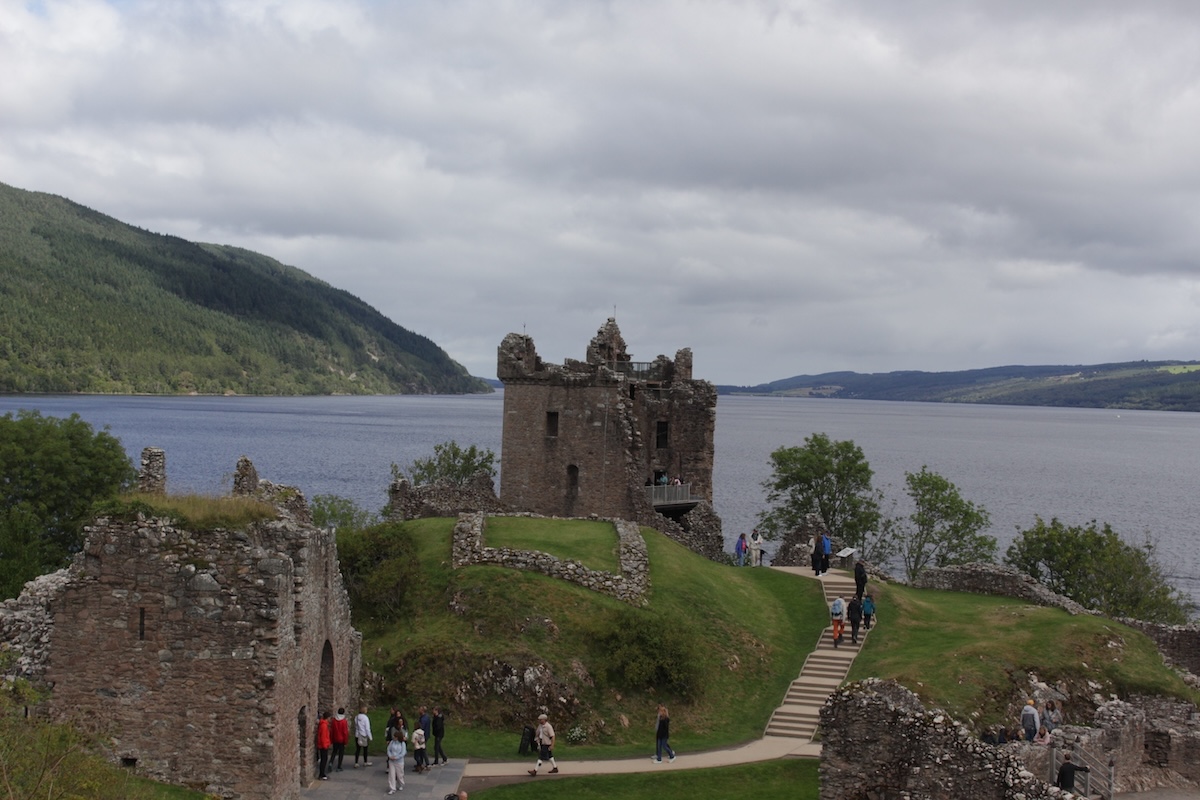
The drive from Edinburgh to Loch Ness takes around three or four hours, and tours often last 12 hours. You’ll get a glimpse of the long, dark loch and a few nearby sights, but only for a fraction of that time.
Urquhart Castle’s ruins sit on the shore, and tours often include an optional boat cruise and a stop in Fort Augustus. There, locks on the Caledonian Canal step down into the water. Tours also stop at Glencoe along the way, which helps, though you’ll mostly see it through a coach window. Spend a few nights in the Highlands instead. Base yourself in Inverness, explore the Black Isle, and take your time driving through Glencoe, with a chance to hike.
Chamonix from Geneva
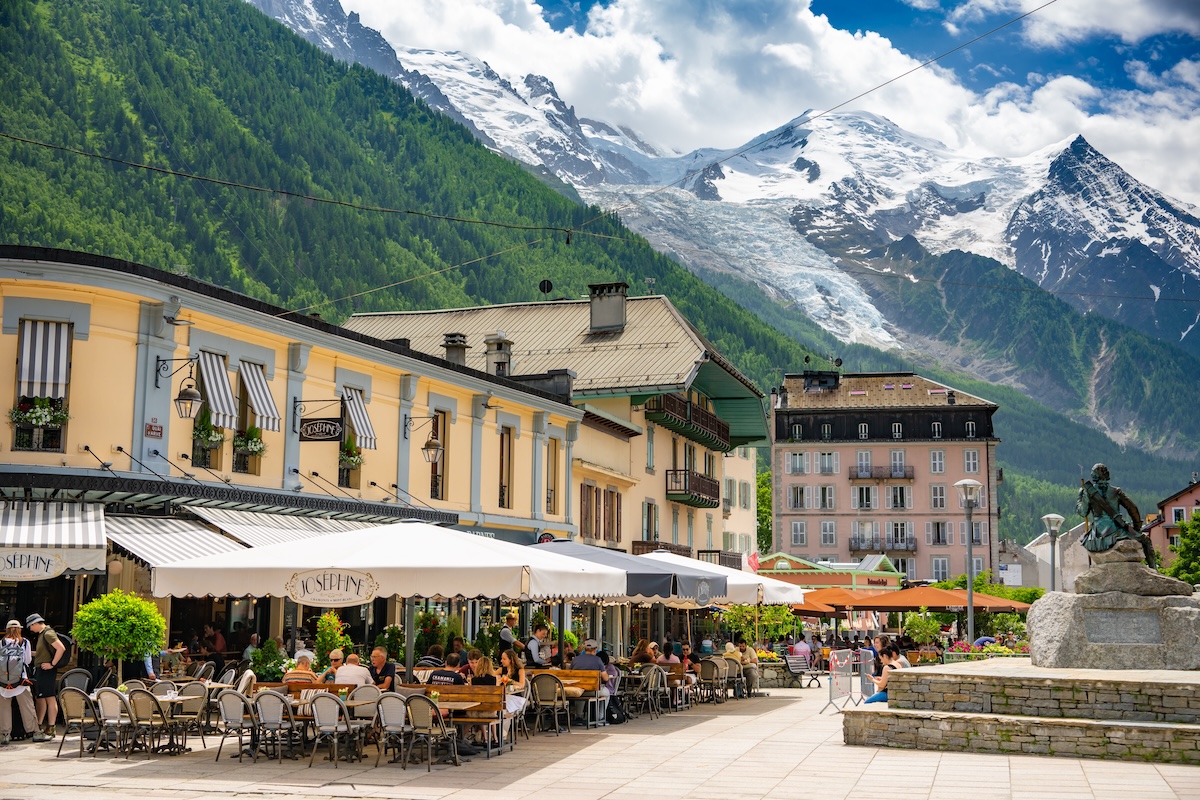
Chamonix deserves more than a rushed day, even though it’s only about 90 minutes from Geneva by bus. Between the transfer and lift queues, you can lose much of your time before you even reach the mountains.
The Aiguille du Midi cable car climbs to 3,842 meters and offers close-up views of Mont Blanc. The Montenvers railway takes you to the Mer de Glace glacier. Each trip takes half a day, and clouds often block the views. Book lift tickets ahead. A two- or three-night stay gives you more flexibility if the weather turns, plus time for hikes like the Lac Blanc trail, where early starters can catch reflections of the Mont Blanc massif.