
Europe’s tourist attractions spent decades building reputations that social media then inflated to levels that reality cannot consistently match. Crowds, queues, and commercial pressure damaged a lot of places that once deserved their fame, and some never quite earned it in the first place.
This list isn’t a reason to skip Europe. It’s a reason to manage expectations, skip the obvious queue, and spend the saved time somewhere that actually delivers. Most of these places work fine for the first five minutes. The disappointment arrives somewhere around minute six.
17. Blarney Stone, Ireland
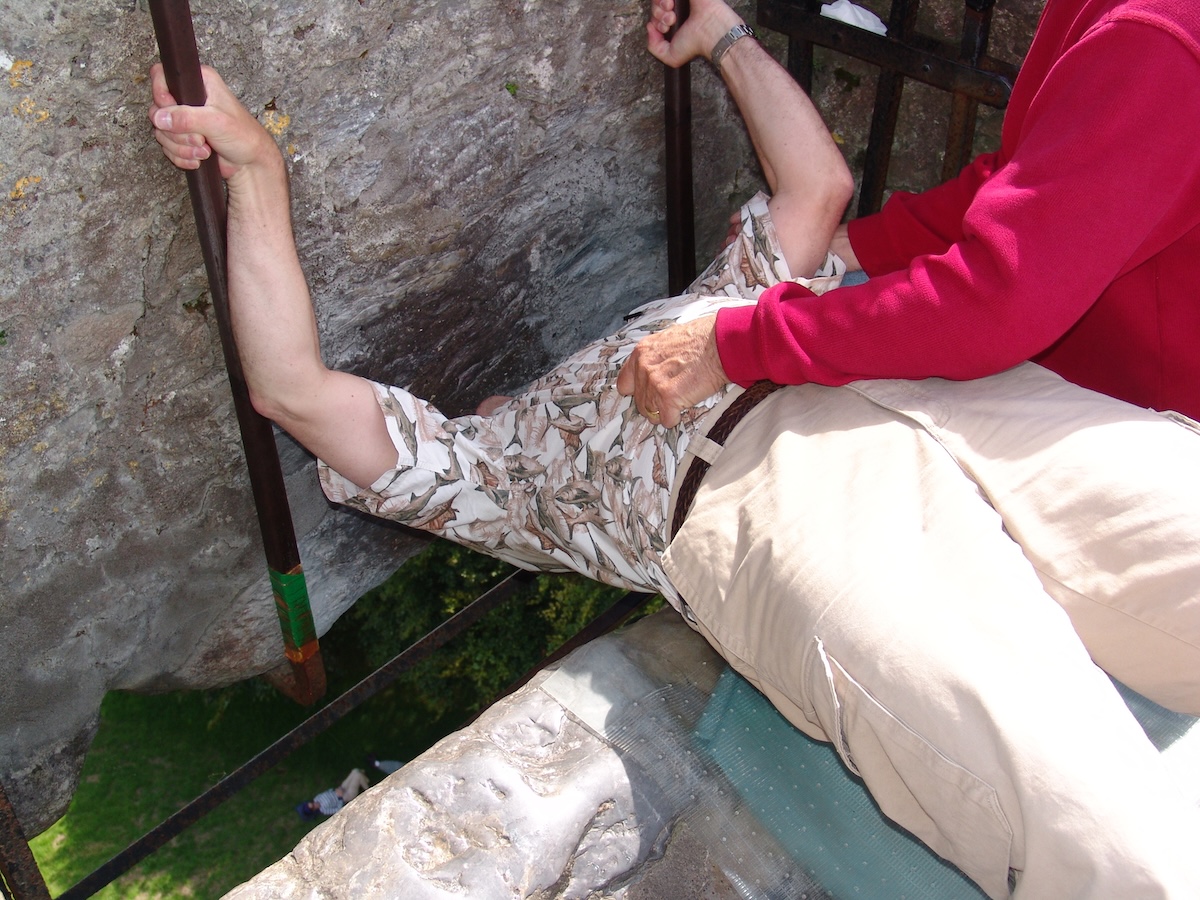
The Blarney Stone sits at the top of Blarney Castle in County Cork, and kissing it supposedly grants the gift of the gab, which sounds appealing until the logistics become clear. The process involves lying on your back, leaning over a gap in the battlements, and pressing your lips to a stone that hundreds of thousands of tourists kiss every year.
Sanitary concerns aside, the castle grounds hold gardens and woodland walks worth the admission fee that are much more impressive than the stone situation. People who line up specifically for the kiss tend to emerge quietly reconsidering their decision-making process, which is completely valid.
16. Manneken Pis, Brussels
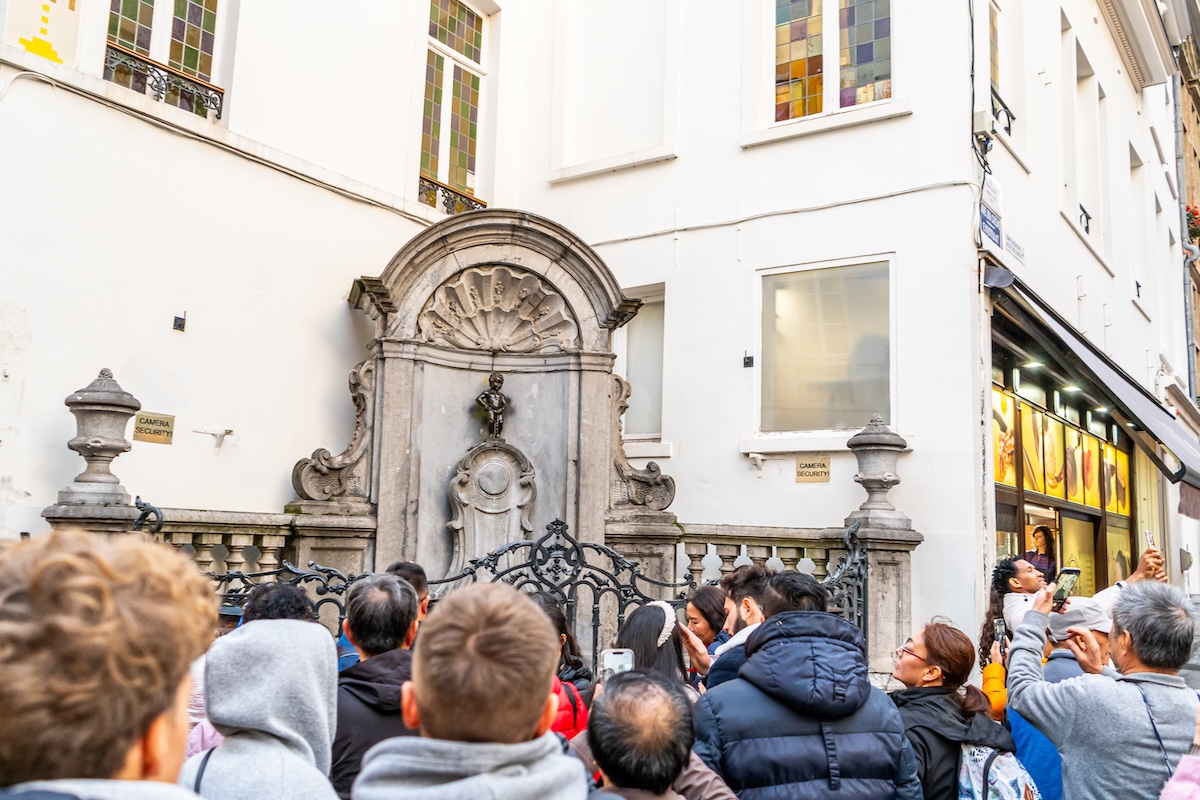
Brussels’ most famous landmark is a 61-centimeter bronze statue of a small boy urinating into a fountain, and the city built an entire tourism infrastructure around it. Finding the statue for the first time happens in this sequence: spotting the crowd, pushing through to the front, staring at something considerably smaller than expected, and walking away slightly confused.
The statue does get dressed in miniature costumes for various occasions, and the nearby GardeRobe MannekenPis museum documents hundreds of outfits accumulated over centuries. That detail makes the whole thing a little more interesting than the statue itself, which is less a criticism and more an observation about Brussels’ particular sense of civic identity.
15. Sunny Beach, Bulgaria
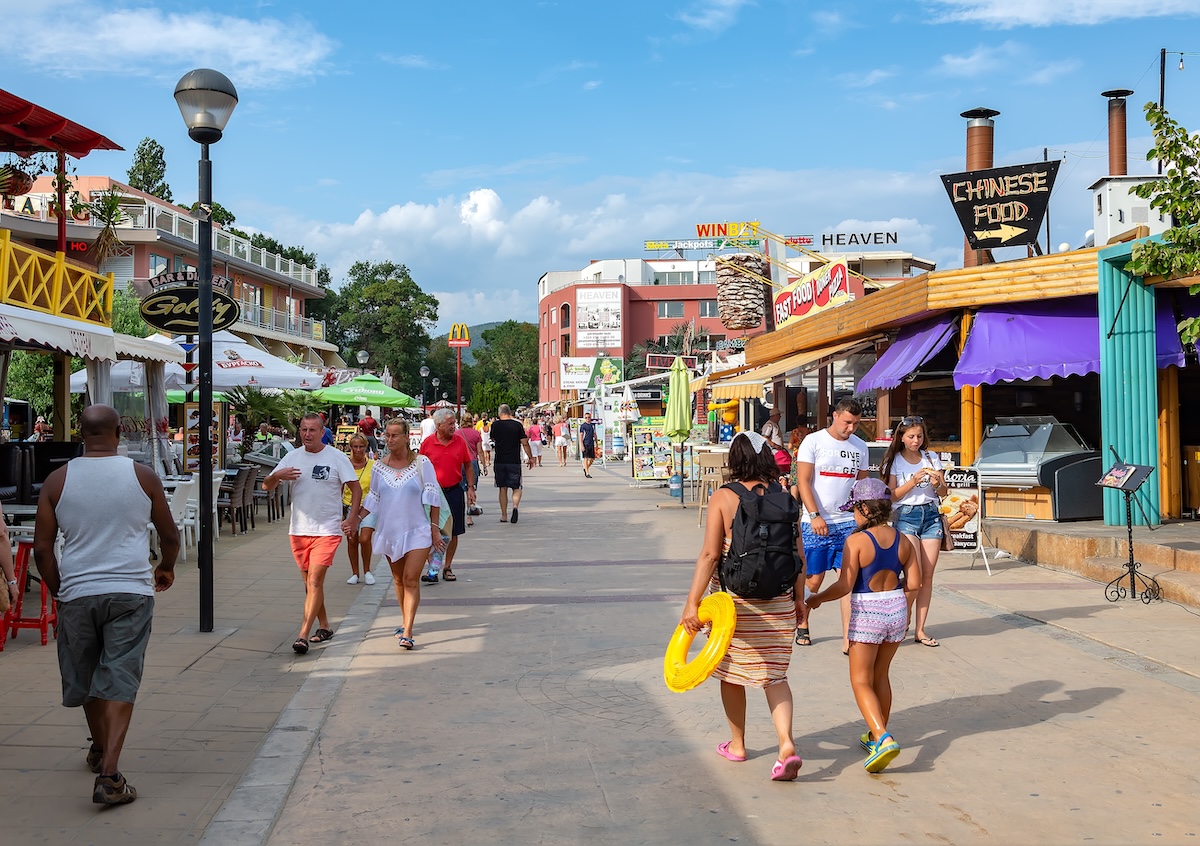
Bulgaria’s Black Sea coast has an abundance of beauty, and Sunny Beach is where none of it lives. The resort absorbed the full package-holiday playbook and committed deeply: all-inclusive hotels, beach bars pumping conversation-dimming music, and a crowd primarily focused on drinking as much as possible as cheaply as possible.
That description works perfectly for a specific vacation type, and Sunny Beach provides exactly that without apology. The disappointment belongs to visitors who arrived expecting the real Bulgaria and found a party resort. Plovdiv, Veliko Tarnovo, and the Rhodope mountains cover that territory much better, though the affordable beer situation there is notably less aggressive.
14. Bran Castle, Romania
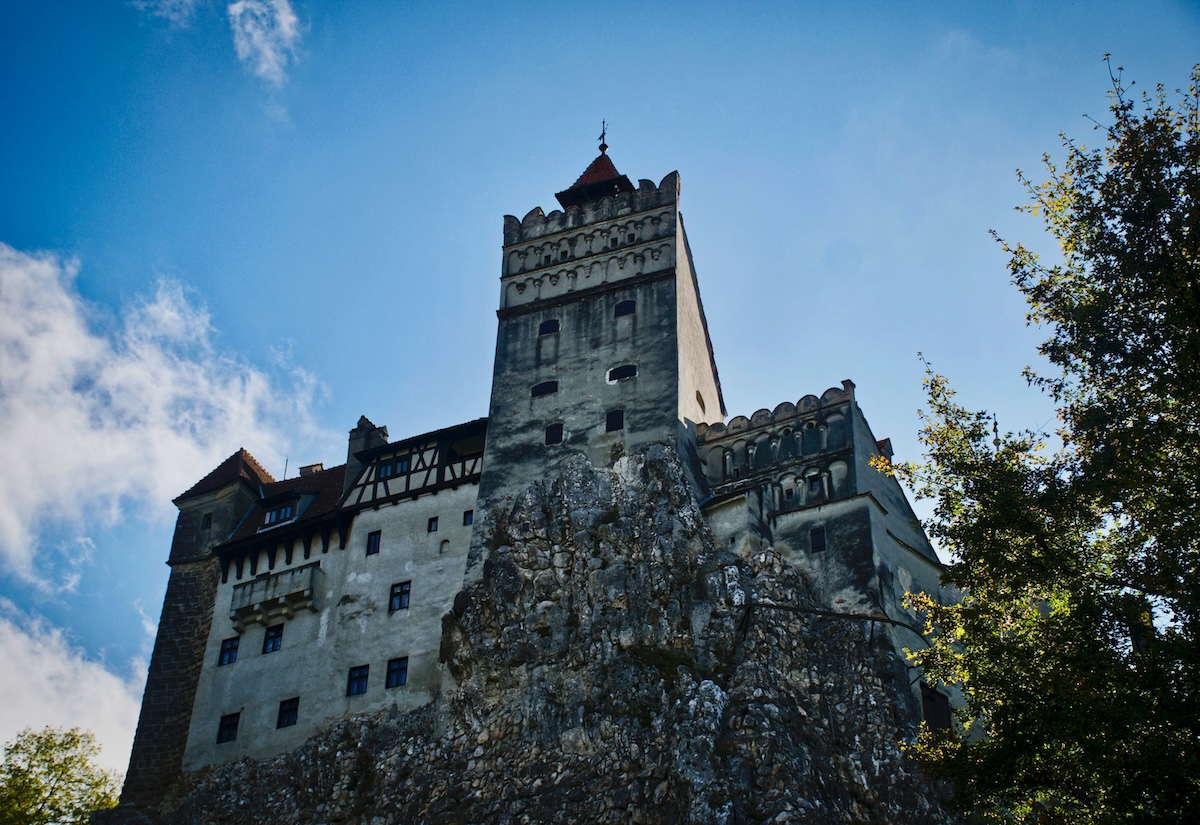
Bram Stoker constructed his Transylvanian setting from London library research and a Victorian fascination with Gothic atmosphere, never visiting Romania once. Bran Castle near Brașov filled the marketing gap as “Dracula’s Castle” despite no meaningful connection to either the fictional vampire or Vlad the Impaler, the medieval ruler the character loosely references.
The castle looks exactly right for the role: turreted, hillside, dramatic. The interior tour covers medieval furniture and royal history from when Queen Marie of Romania used it as a summer residence. Visitors who arrive for Dracula tend to leave discussing Romanian royal history, which is a win for the history nerds but not quite for people who were looking for the creepy side of Transylvania.
13. Pisa
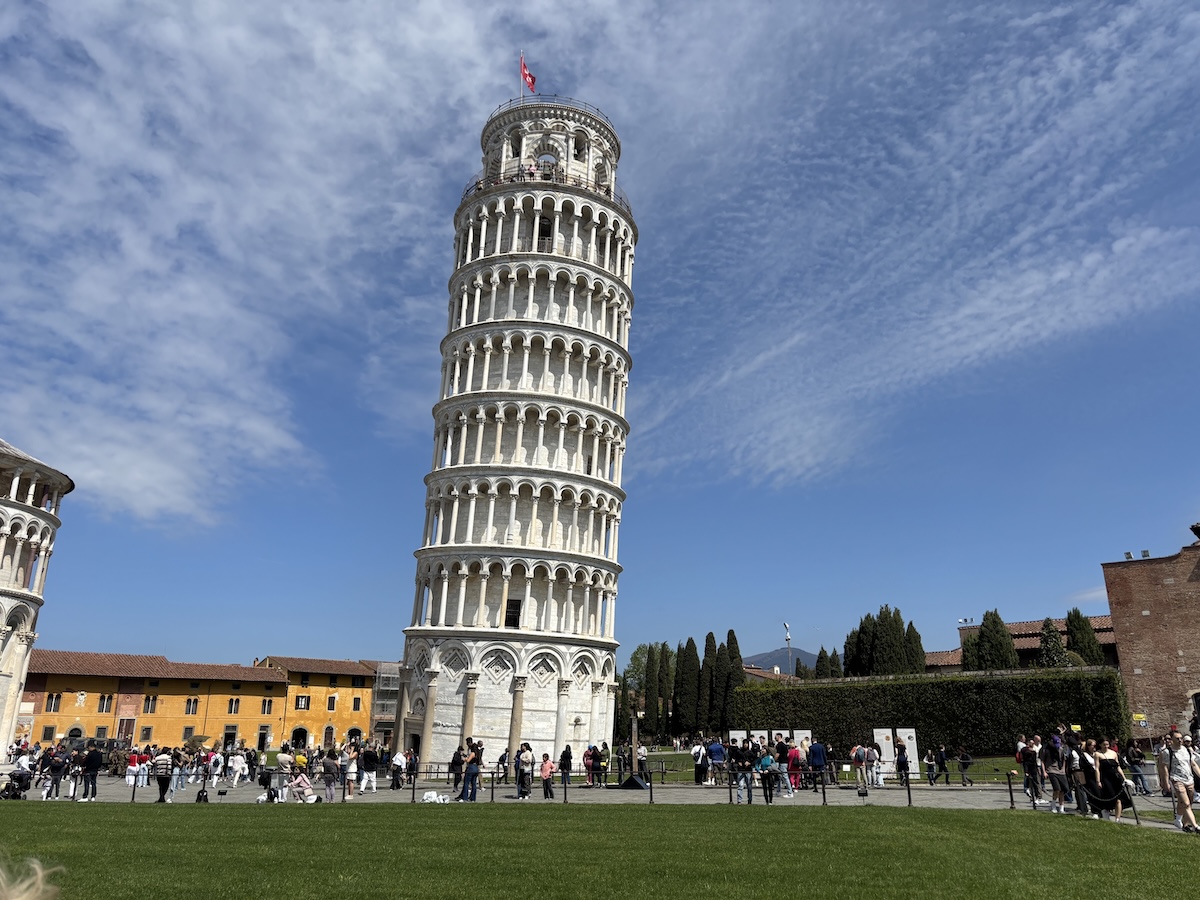
The tower leans. That remains true and continues to impress. The problem is everything surrounding it: a very large lawn, three religious buildings, and a perimeter of souvenir stalls selling the same photo opportunity in ceramic, magnet, and snow globe form. Most visitors wrap up the experience in under two hours and discover there’s nothing obvious to do next.
The Piazza dei Miracoli does get the architecture right, and the Baptistery acoustics are pretty impressive if you stay long enough to hear it. Florence sits only an hour away by train, and Lucca is even closer, so building a day around Pisa works much better with one of those added to the itinerary.
12. Oktoberfest
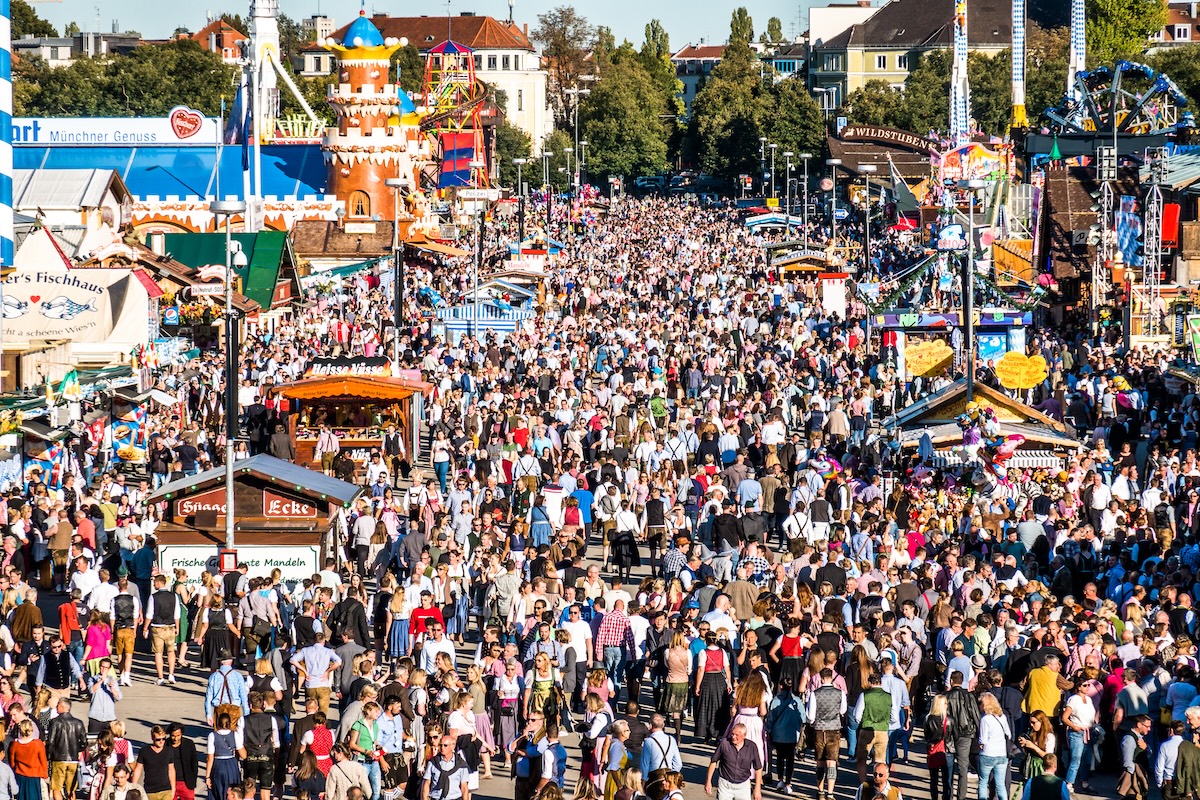
The famous Munich beer festival involves reserving seats in enormous tents months in advance, paying a lot more for beer than anywhere else in Germany, and sharing those tents with millions of visitors across the two-week duration. The atmosphere works exactly as advertised for the first several steins.
Walking in without a reservation leaves visitors standing outside very full tents, watching other people have the experience they came for. The smaller regional beer festivals Bavaria holds throughout the year cover similar ground at a fraction of the cost and crowd density, and Munich’s locals tend to mention this fact to visitors after Oktoberfest disappoints them. Often smugly.
11. Gamla Stan, Stockholm
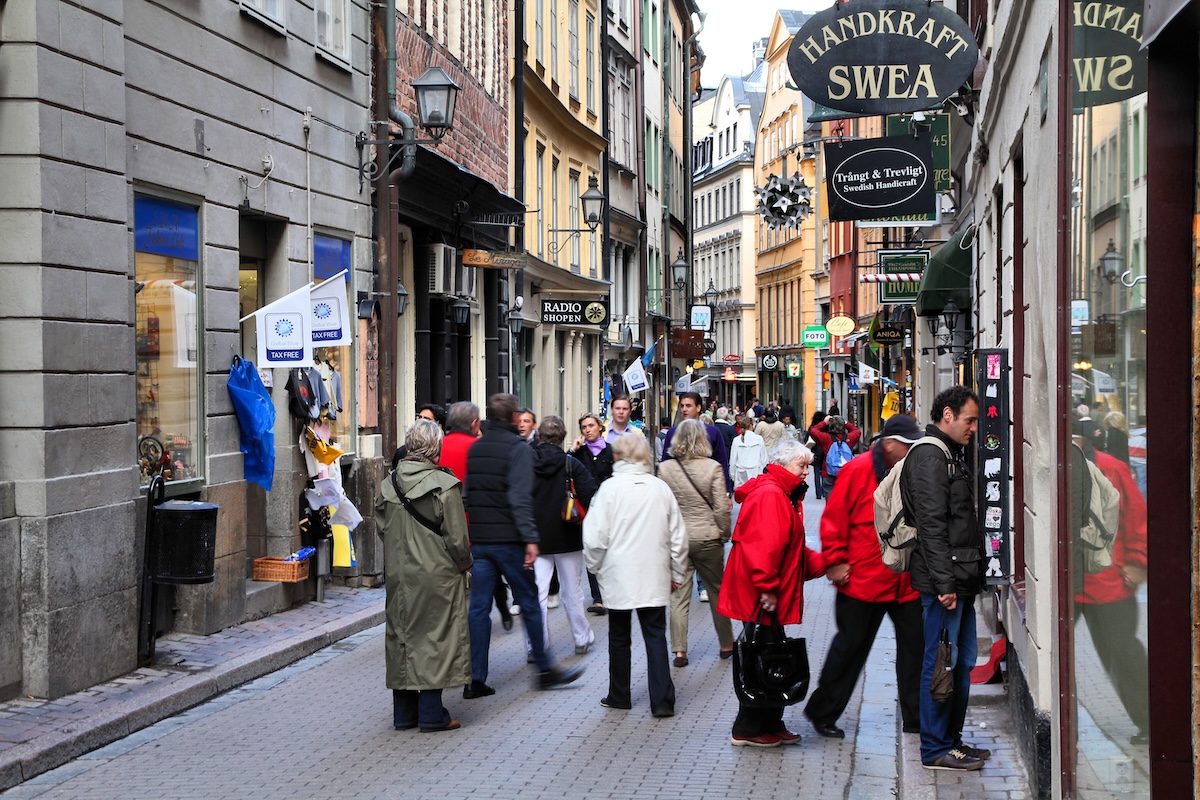
Stockholm’s old town gets the architecture right: colored buildings, cobblestone lanes, and a medieval street plan that photographers fawn over. The tourist infrastructure wrapped around those streets does the opposite of enhancing them, pushing souvenir shops and expensive restaurants into every available ground-floor space until the historic character becomes background noise.
The Royal Palace and Nobel Museum justify time in the area, and the streets photograph beautifully. Staying for a full day and paying Gamla Stan restaurant prices is a different calculation altogether, and most visitors who attempt it leave with complicated feelings about the math.
10. Bratislava
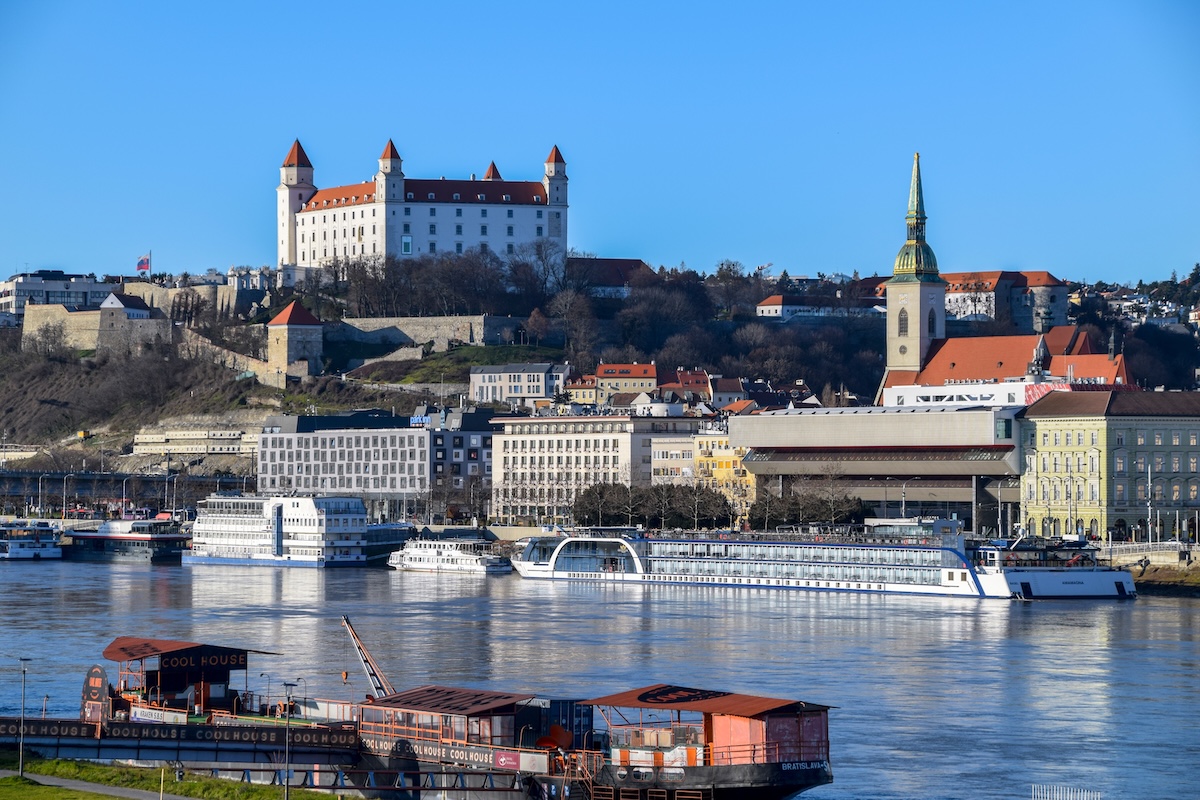
Slovakia’s capital can be a cool half-day addition to a Vienna or Budapest itinerary, but travel content consistently oversells it as a full destination. The old town is charming and compact, the castle offers views across the Danube, and food prices produce welcome relief after Western European spending. The issue arises three hours in, when the central area is fully covered, and the obvious next move becomes unclear.
Visitors who arrive expecting Prague’s depth leave before dinner, wondering what to do with the rest of their trip. Visitors who know it’s a compact old town with good-value food and a pleasant riverside atmosphere leave satisfied. Adjusting expectations beforehand solves most of Bratislava’s reputation problem.
9. Mozart’s Birthplace, Salzburg
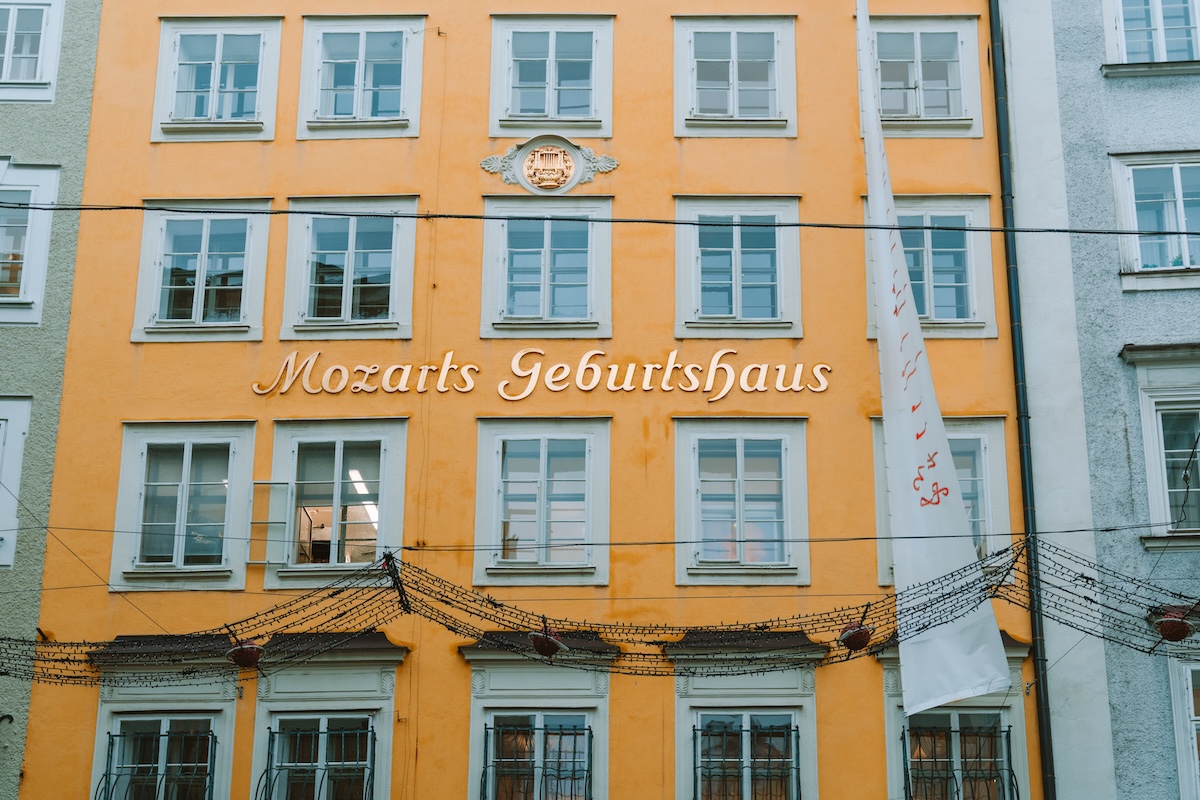
Wolfgang Amadeus Mozart was born at Getreidegasse 9 in 1756, and the apartment now contains period furniture, family portraits, and original instruments behind glass in rooms the family vacated when the composer was still a child. The only pilgrimage makes complete sense for serious classical music enthusiasts.
Everyone else tends to emerge after 45 minutes feeling that the experience sits at a significant remove from the music itself. Salzburg surrounds the birthplace with far more compelling Mozart content like the Salzburg Festival, Mozarteum concerts, and a city that the composer’s legacy saturates at every level. The birthplace works best as one stop among several, or with more focus on Sound of Music filming locations.
8. Hallstatt
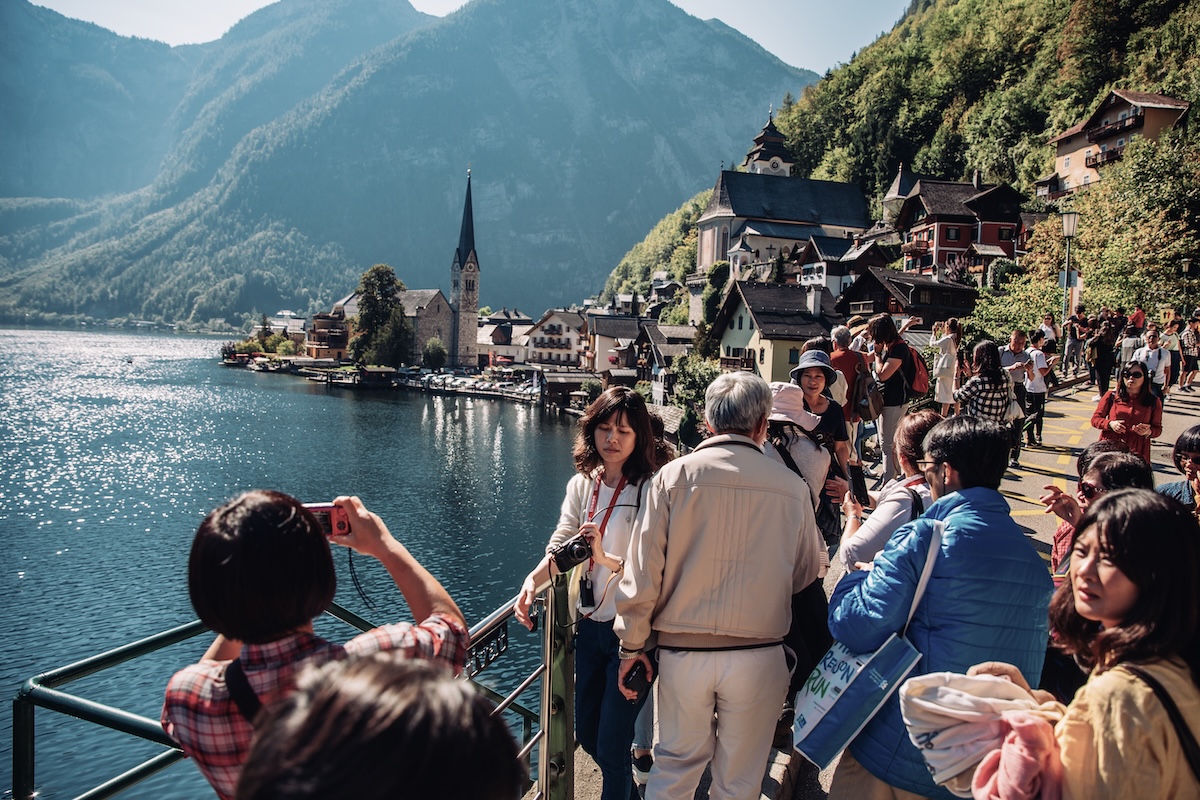
The Austrian lake village became one of the world’s most photographed places through a combination of extraordinary scenery and social media timing. The result involves narrow lakeside paths thick with visitors pointing cameras at identical views and accommodation booked out months ahead. China built a full-scale replica of the village in Guangdong province, which the Hallstatt tourism board has yet to fully address.
The photographs don’t lie about the scenery. Hallstatt looks exactly like that. The experience of standing in those views while navigating tourist traffic tests how much visual beauty compensates for everything surrounding it. Arriving very early or visiting in shoulder season makes a significant difference to how the place actually feels.
7. Schloss Neuschwanstein
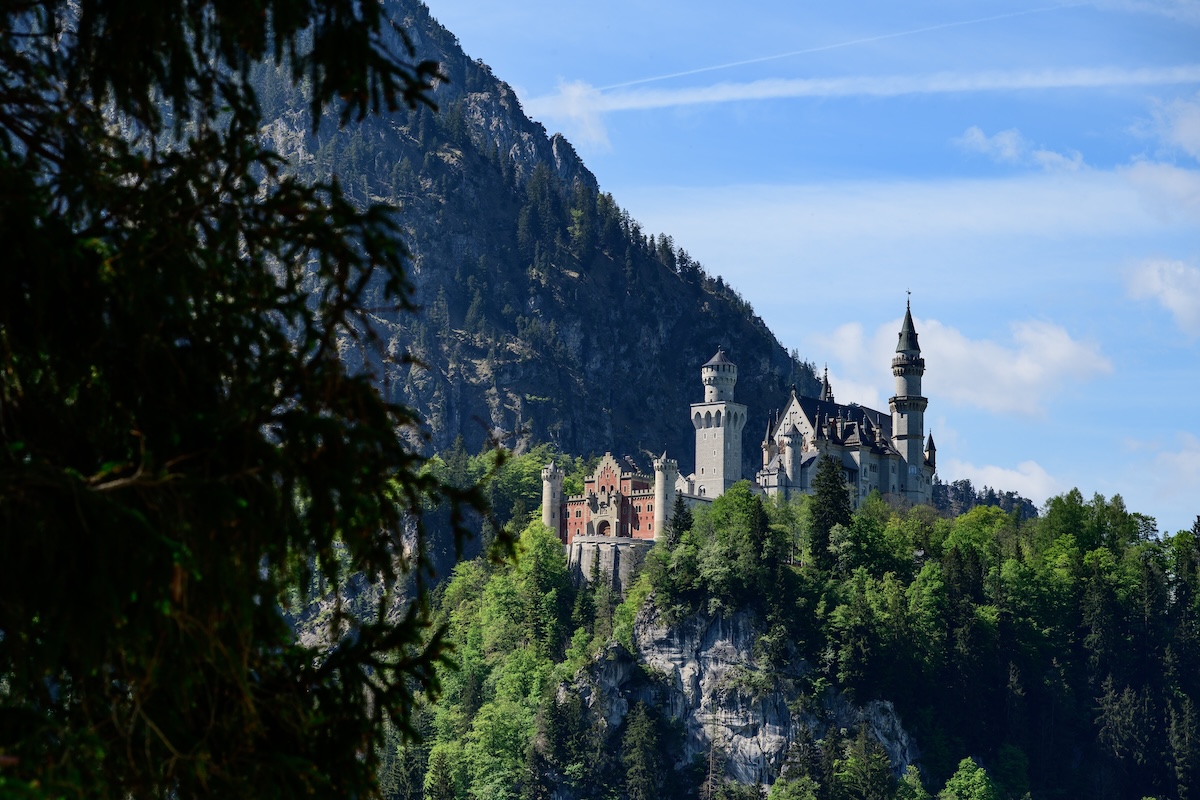
Ludwig II of Bavaria started building his fantasy castle in 1869, and the exterior fulfilled every fairy tale expectation that Disney later borrowed from it. The interior tour covers 14 rooms in about 30 minutes, moving through unfinished spaces and completed chambers that the king occupied for less than six months before his mysterious death.
The view from the Marienbrücke bridge above the castle is the photograph most people came for, and reaching it involves either a walk or a horse-drawn carriage through considerable crowds. The exterior looks spectacular, and the interior tour covers the inside adequately. The gap between expectation and execution sits mainly in the tour’s brevity, given the queuing time involved.
6. Scott Monument, Edinburgh
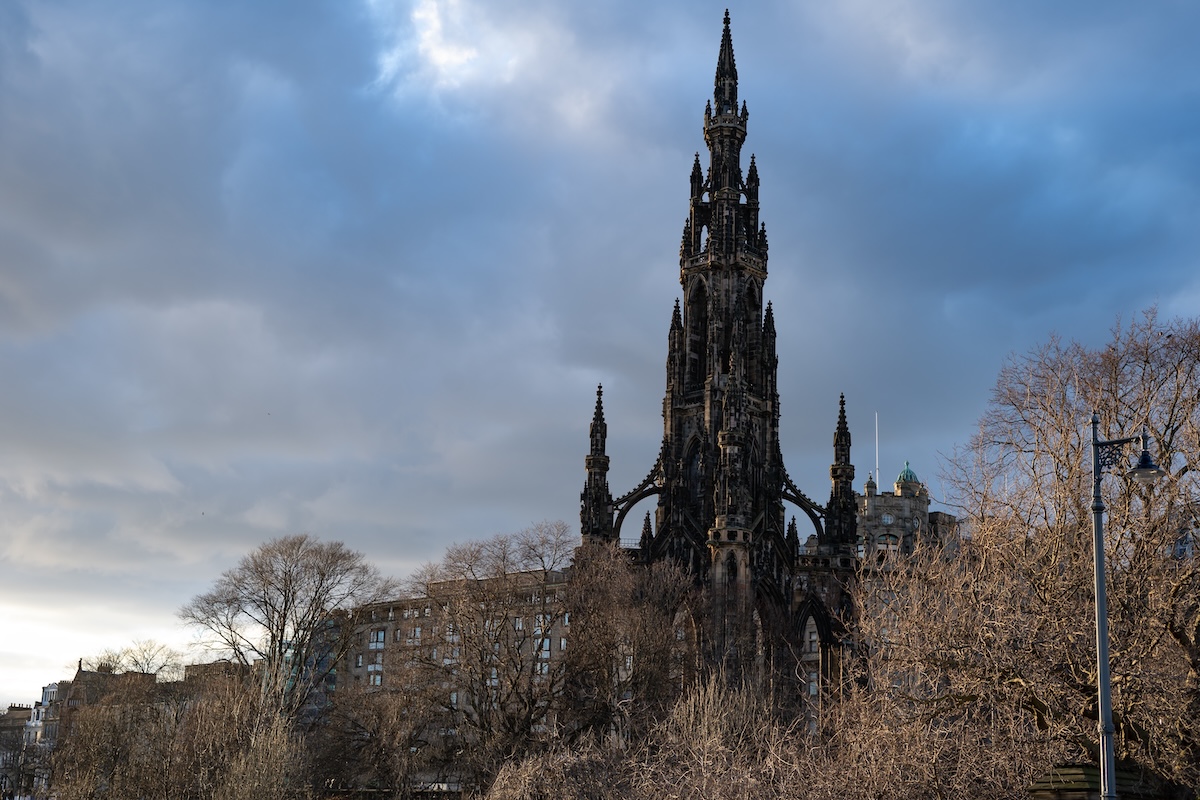
The Victorian Gothic spire commemorating Sir Walter Scott towers 61 meters above Princes Street and you will be climbing 287 narrow steps to reach a platform that claustrophobic visitors remember for entirely the wrong reasons. Edinburgh’s skyline views from the top compete directly with Arthur’s Seat and the castle esplanade, both of which offer far more space upon arrival and cost nothing.
The monument’s exterior impresses considerably more than the interior experience justifies, and the admission fee for what amounts to a very narrow staircase climb leaves visitors with mixed feelings. Scott’s contribution to Scottish literature was real and lasting. The monument’s status as a must-do Edinburgh activity is harder to defend.
5. Temple Bar, Dublin
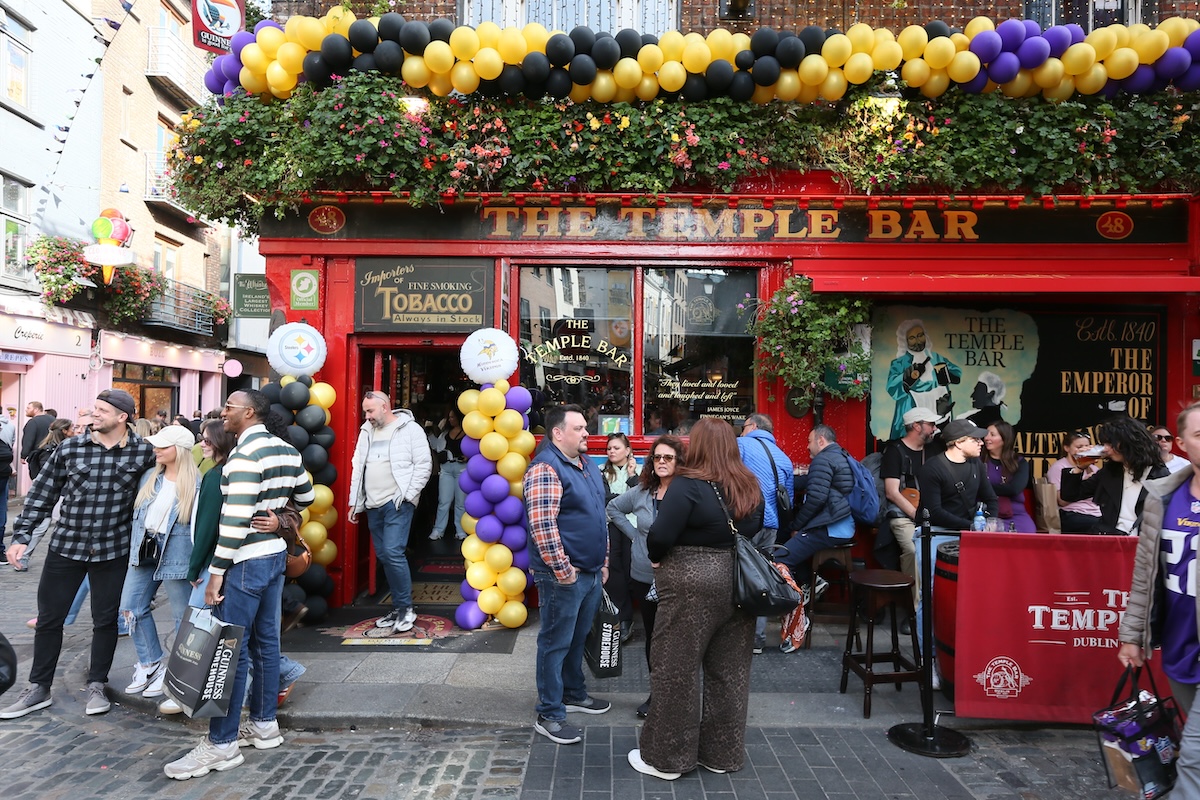
Dublin’s former medieval gateway now exists as a transplanted stone arch in a churchyard outside the city center, which visitors searching for the vibrant Temple Bar cultural quarter discover when they find entirely the wrong thing. The actual Temple Bar area, the cultural district along the south bank of the Liffey, holds the tourist pub strip that most international visitors cite as their Dublin experience.
The pubs work on atmosphere and live music, and the tourist-facing venues do those things adequately. Prices sit significantly above the rest of Dublin, crowds compound on weekend nights, and the experience bears little resemblance to how Dublin’s locals actually spend their evenings. Stoneybatter, Portobello, and Ranelagh cover that territory more honestly.
4. Red Light District, Amsterdam
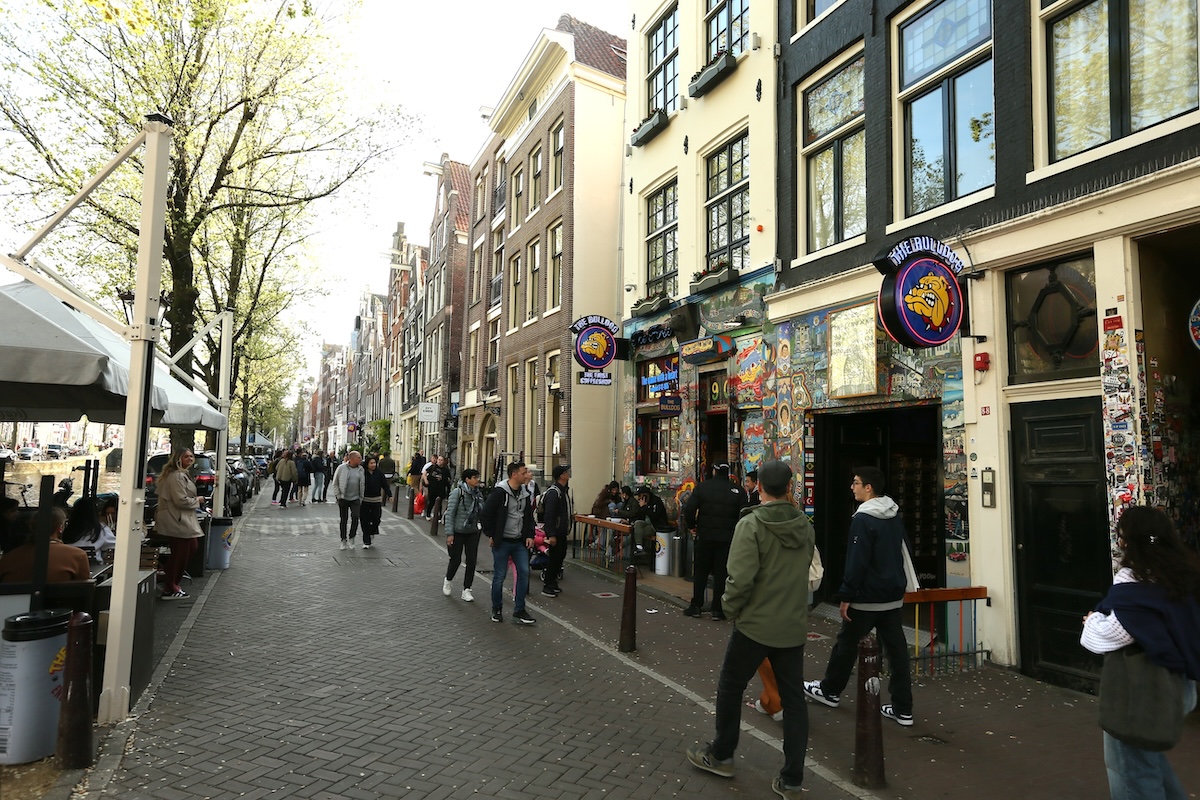
The expectation involves a certain louche European glamour. The reality is narrow canal streets in De Wallen packed tightly enough that moving through them on a Friday night becomes a real risk. The neon-lit windows exist as advertised, surrounded by tourist shops selling cannabis merchandise, sex-themed novelties, and overpriced fast food.
Amsterdam announced plans to relocate the sex work district away from the tourist center to improve working conditions and reduce the voyeuristic tourism that made the neighborhood uncomfortable for residents, workers, and thoughtful visitors alike. The canal city surrounding De Wallen is actually pretty beautiful in every direction, and the district’s reputation pulls visitors away from most of it.
3. Eiffel Tower, Paris
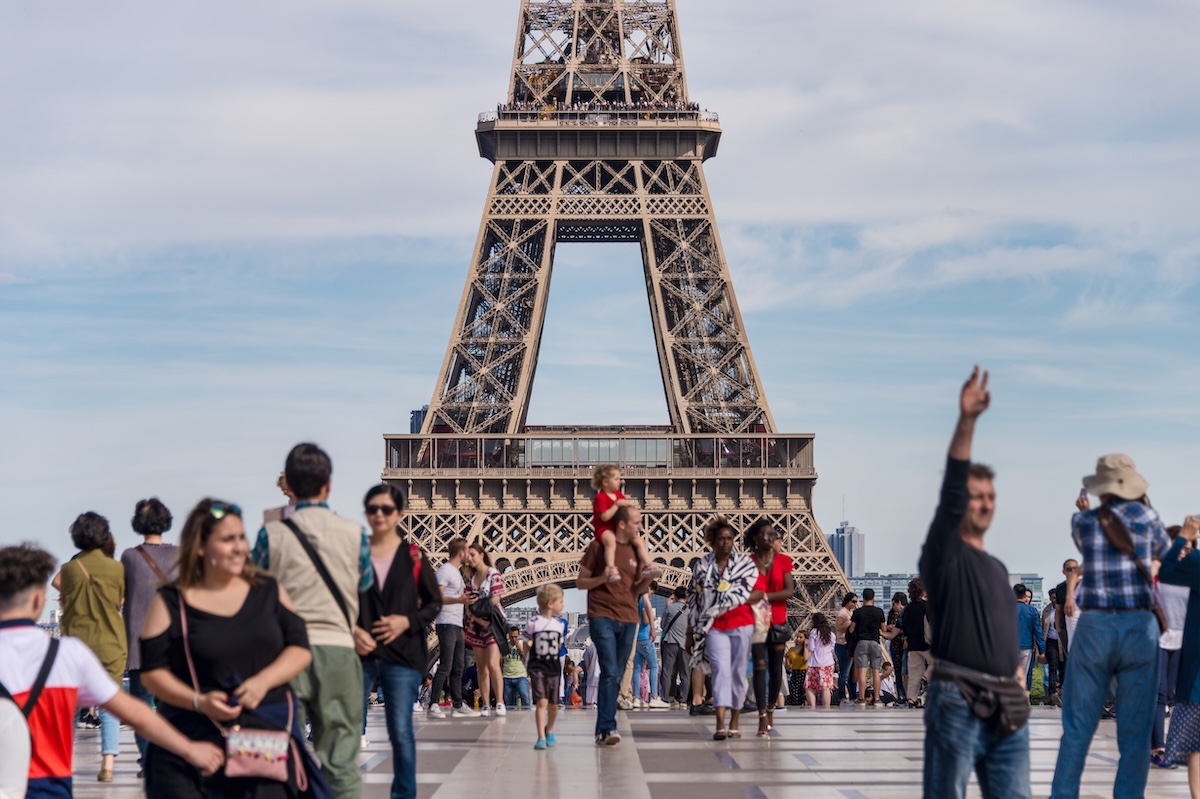
The tower looks best from the Trocadéro esplanade, from the Champ de Mars lawn, or from essentially anywhere at ground level in the 7th arrondissement. All of those perspectives cost nothing. The actual visit to the summit requires booking months ahead, paying expensive admission fees, and spending time in lifts and on crowded platforms that the structure was never designed to accommodate at these crazy volumes.
None of this makes the Eiffel Tower bad. It makes it a specific type of experience worth thinking through before committing to the queue. The view from the top looks down on a city that looks considerably better from street level, which is either a paradox worth sitting with or a good reason to buy a glass of wine and watch the tower light up at night for free instead.
2. Barcelona
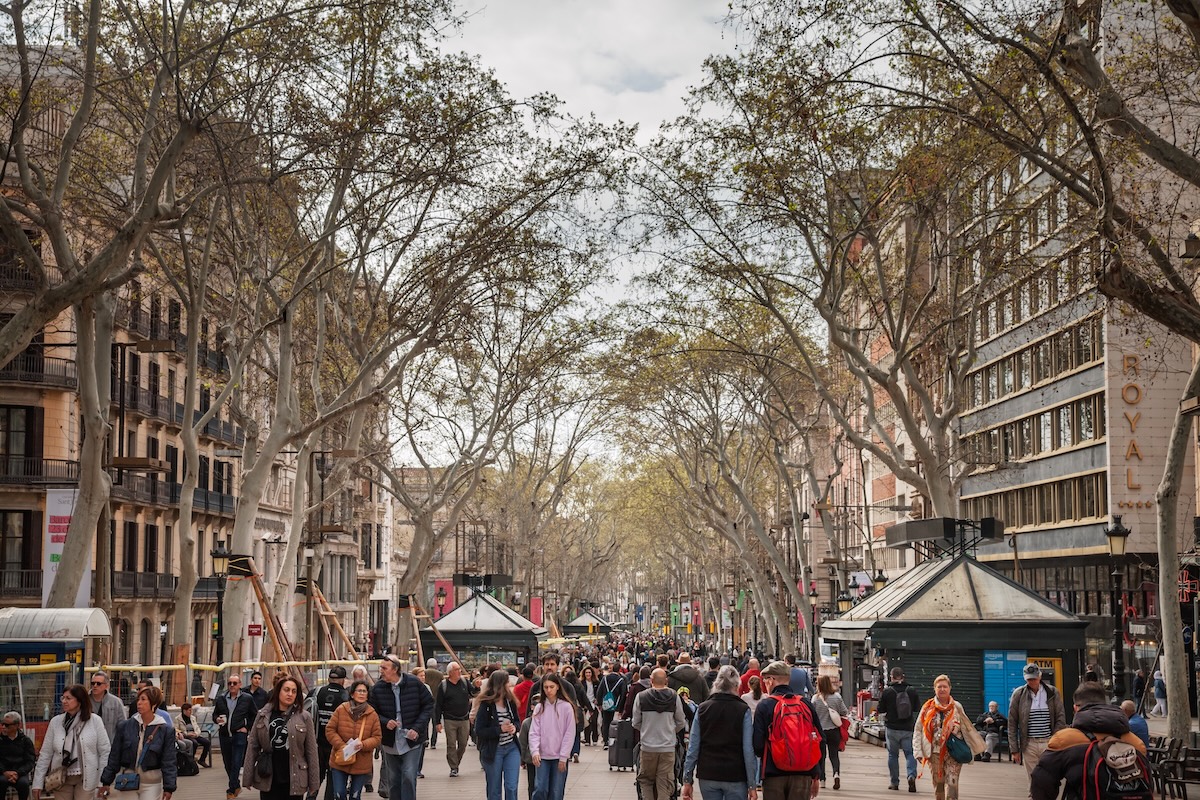
The city is extraordinary. The overtourism situation is equally extraordinary. Barcelona navigates a position where millions of annual visitors and around 1.6 million residents share a city center that the math doesn’t comfortably support, making way for conditions where major attractions require advance booking weeks out, the Gothic Quarter moves at tourist pace around the clock, and locals express increasingly complicated feelings about the whole arrangement.
Visiting Barcelona still makes complete sense. The architecture, food, beaches, and neighborhoods hold up consistently for visitors who plan ahead and push beyond the obvious circuit. The problem mainly belongs to visitors who arrive without a plan and spend their days navigating crowds toward attractions that advance booking would have solved.
1. Little Mermaid, Copenhagen
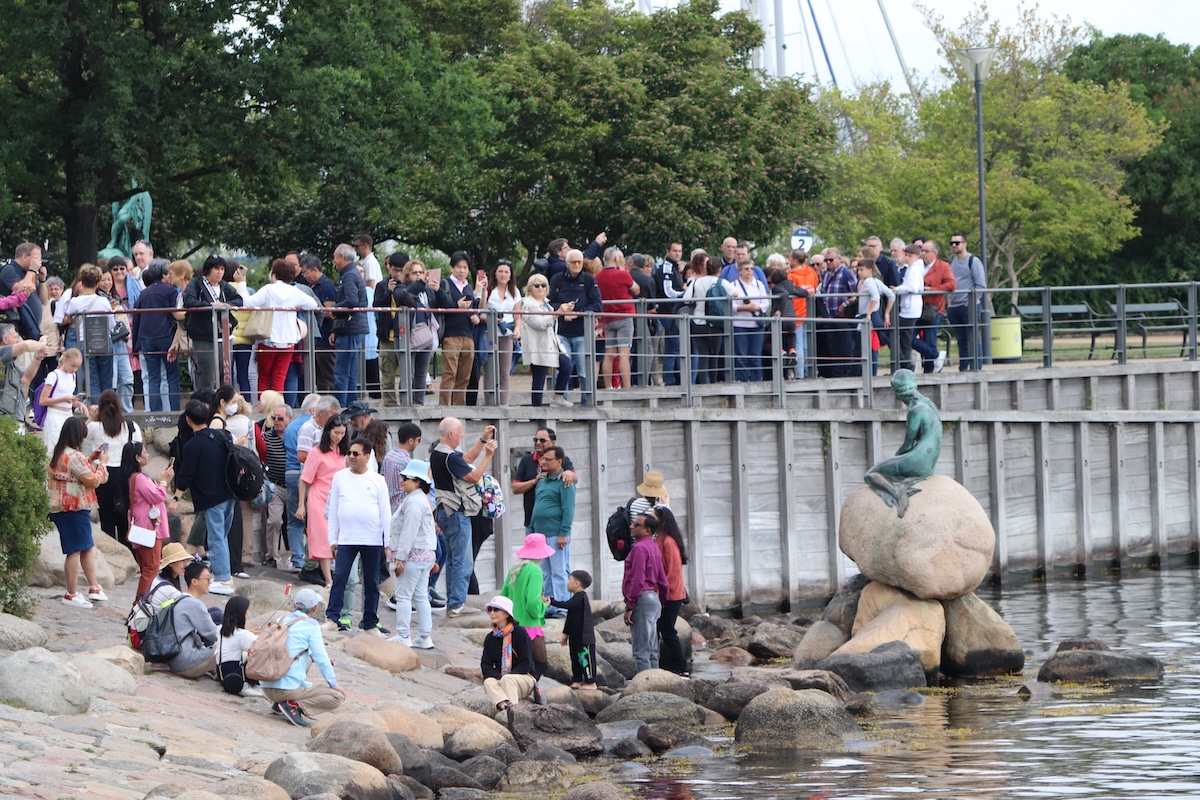
Hans Christian Andersen wrote the story in 1837, Copenhagen commissioned a bronze statue in 1913, and visitors have been traveling across the city to see a 1.25-meter figure sitting on a harbor rock ever since. The statue is small, the harbor setting is pleasant, and the walk from the city center covers about 20 minutes each way.
Most visitors photograph the statue quickly and walk back without much to say about the experience. Copenhagen’s actual offerings sit within comfortable walking distance of the center: Nyhavn’s colored waterfront, the Tivoli Gardens, a food scene worth your attention, and a design culture worth even more. The Little Mermaid makes a fine addition to a waterfront walk, but building a trip around it is a different matter entirely.