
Every famous attraction comes with a crowd and a gift shop selling its own face on a fridge magnet. Most of them deserve the fame, at least on paper. Then you spend an hour in line to take the same photo as ten thousand other people that morning, and you start to suspect the real city is happening somewhere else.
It usually is. The twenty-three cities below all have a headline act, and every one of them has something better tucked a few streets away. See the landmark if you must, and you probably will, but save your best afternoon for what the locals do with the rest of their city.
Pisa Beyond the Leaning Tower
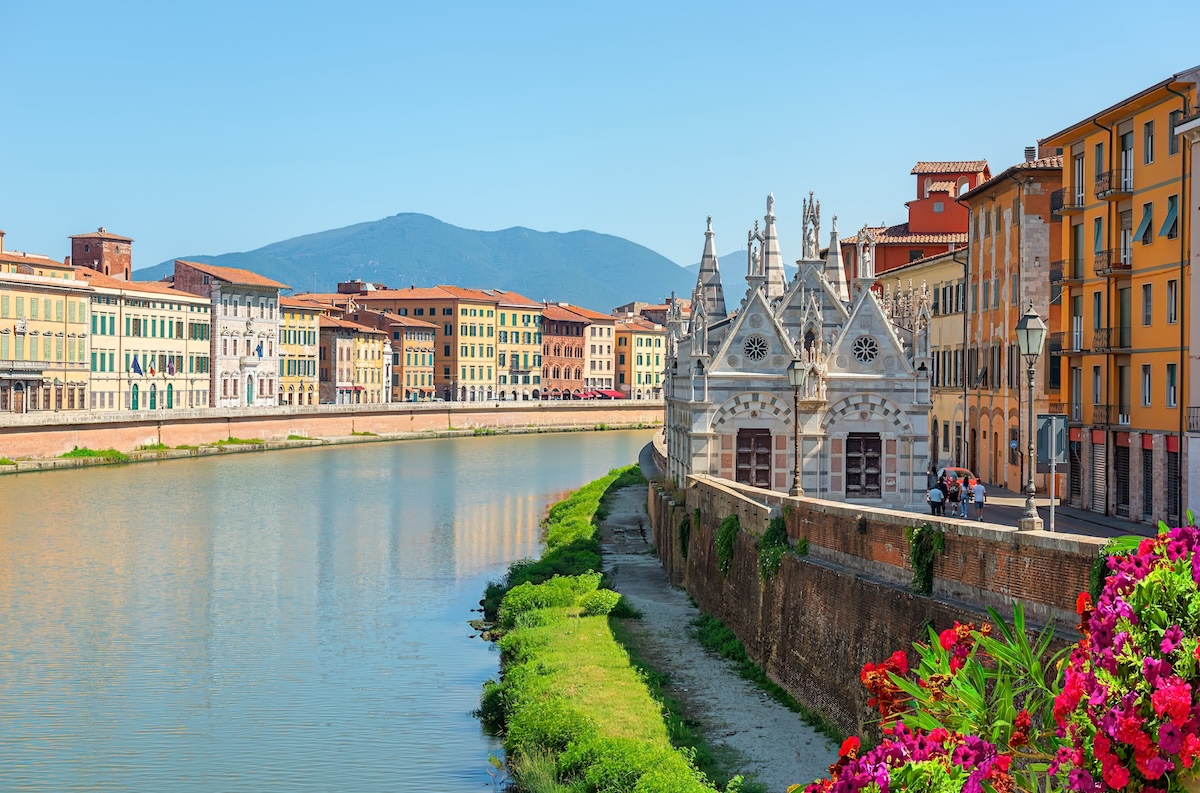
Everyone heads straight for the Piazza dei Miracoli, poses for the obligatory photo pretending to prop up the tower, and leaves within the hour. Fair enough, since the tilt is real and the sweep of white marble around it is stunning. Pisa has far more to offer than a lopsided bell tower, though.
Walk into the city proper, where the university keeps the streets young and loud. The arcades of Borgo Stretto are packed with cafés and students arguing over espresso, and pastel palaces line both banks of the Arno. Down at the water, the tiny Gothic church of Santa Maria della Spina sits like a jewelry box someone left on the embankment. If you stay for dinner, you can watch Pisa fill up with locals as the tour buses pull away.
Bilbao Beyond the Guggenheim Museum
Frank Gehry’s titanium-clad museum turned a rusting industrial port into a destination in 1997, so the building has earned its swagger. Walk around it twice, because the curves change with the light. The art inside is often good and often upstaged by the shell it hangs in.
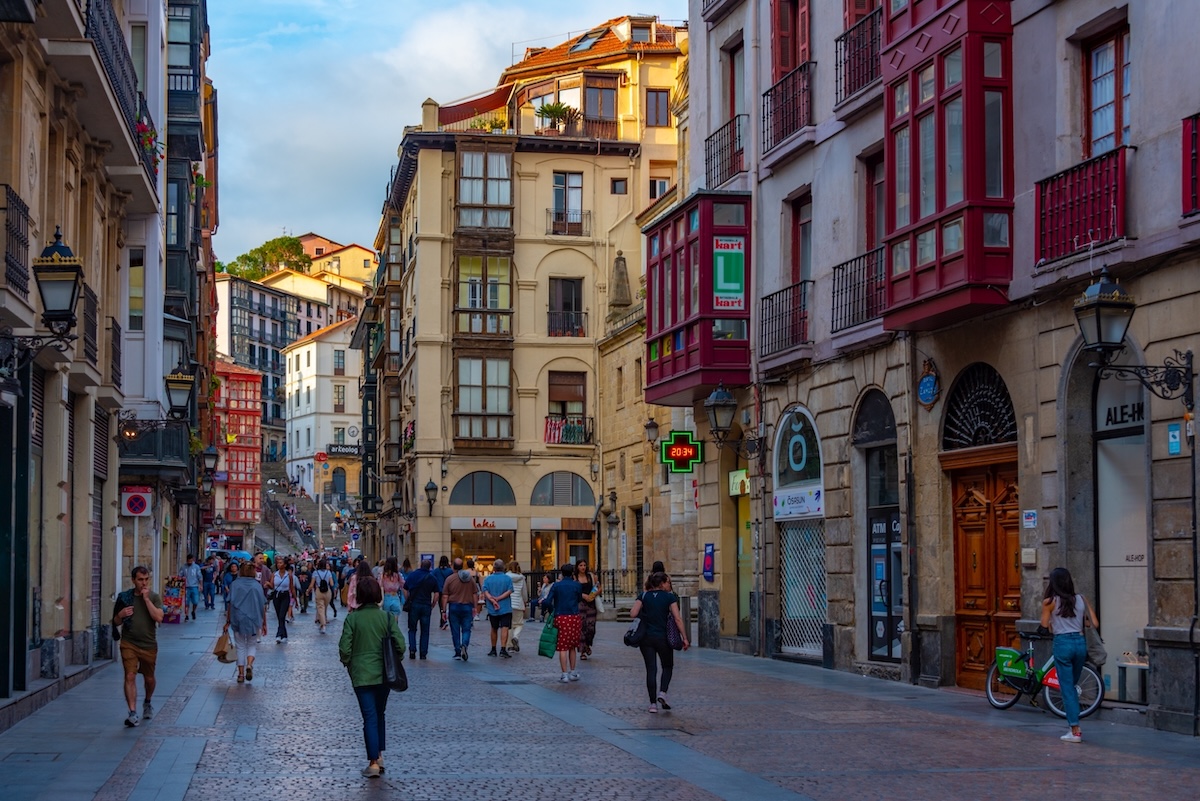
Then cross the river to the Casco Viejo, where the pintxos bars live. Counters are lined with bite-sized snacks skewered on toothpicks, and the local custom is to eat one, drink a small glass of wine, and move on to the next bar. A loop of four or five bars will teach you more about Basque culture than any gallery wall, and you can keep your own tally with the toothpicks.
Seville Beyond the Plaza de España
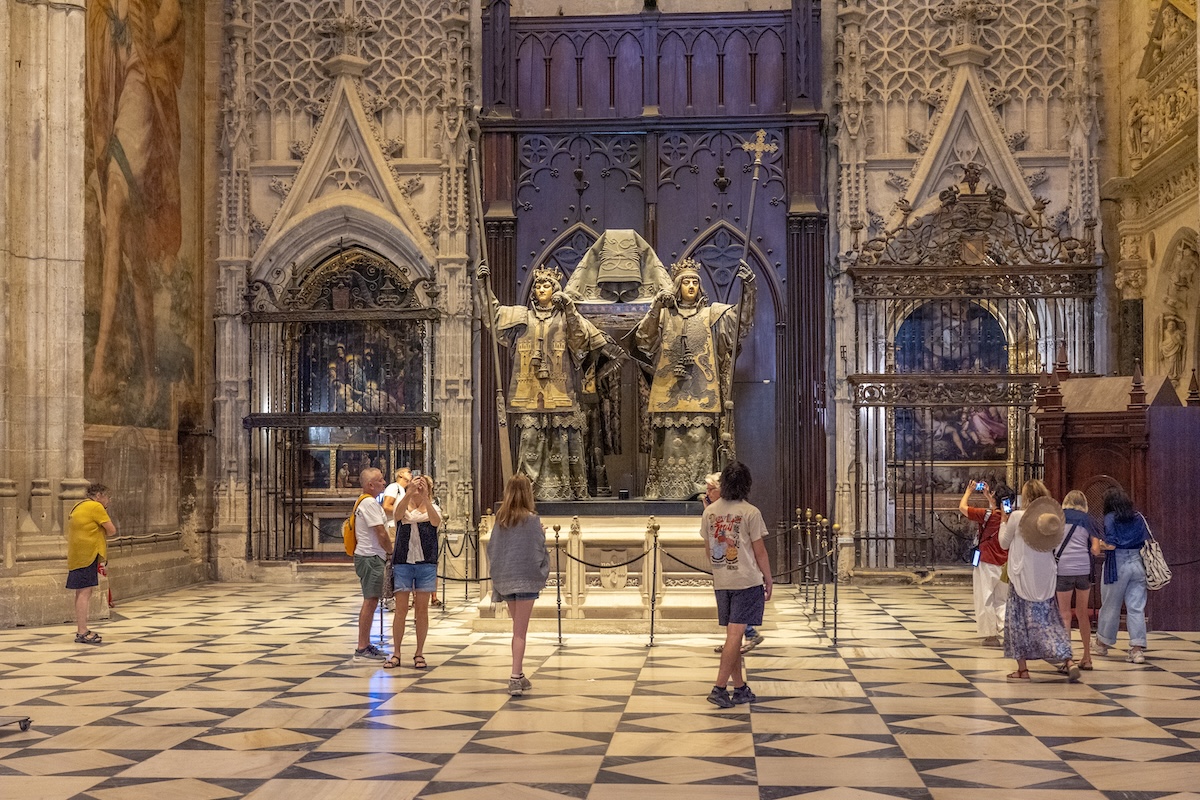
Built for the 1929 Ibero-American Exposition, this vast semicircle of brick and painted tile is Seville’s showpiece. There are rowboats on a little moat and a ceramic alcove for every province of Spain, and film crews love it as much as the wedding photographers do. It is also a stage set, and the real Seville plays out somewhere else.
Cross the Guadalquivir to Triana, the old quarter of potters and sailors, where ceramics workshops, flamenco bars, and tapas counters fill with locals every evening. Back on the east bank, the lanes of Barrio Santa Cruz smell of orange blossom in spring. Pick any bar with napkins on the floor and order whatever the person next to you is eating.
Bath Beyond the Roman Baths
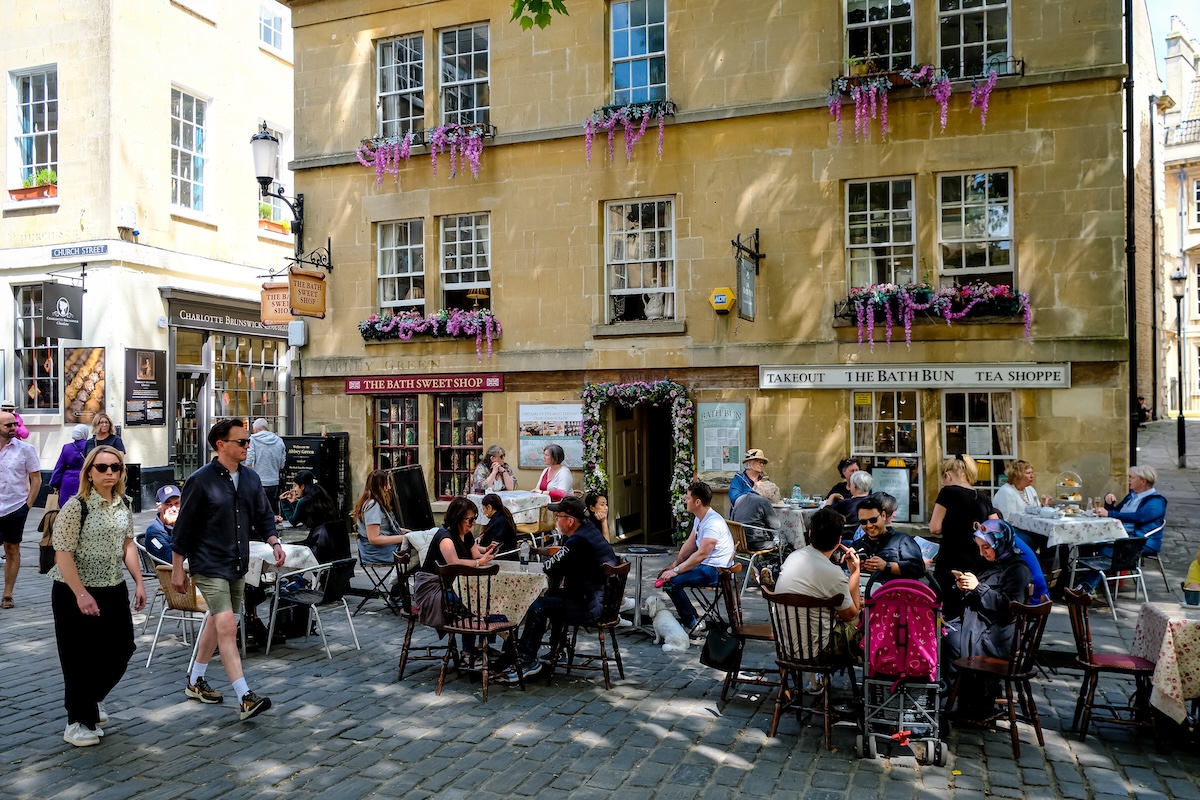
The Roman Baths are impressive, with steaming green water and a carved temple pediment you can inspect up close. There is one catch: you can’t get in. You walk the edge of a pool that has been steaming at visitors for two thousand years, and nobody lets you dip a toe. Bath solved this problem by building a modern spa a few minutes away.
The Thermae Bath Spa has a rooftop pool filled with natural hot spring water and a view across the Georgian skyline, which makes it one of the best soaks in Britain. Afterward, walk the curve of the Royal Crescent in honey-colored stone, then stroll across Pulteney Bridge, one of the few bridges in the world lined with shops.
Berlin Beyond the Brandenburg Gate
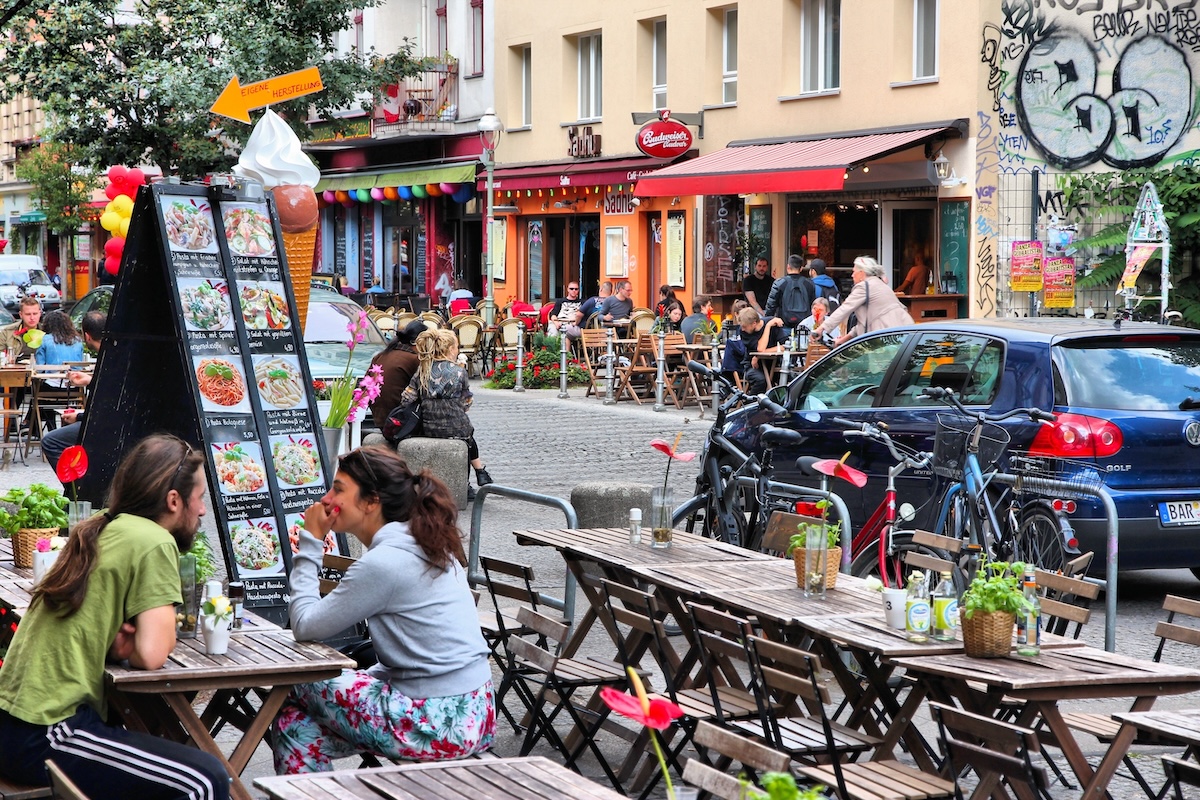
The Brandenburg Gate is a handsome neoclassical archway that has stood at the center of most of modern German history. You will see it in five minutes, and you will spend the next ten dodging selfie sticks and people dressed as bears.
Real Berlin sits farther out. Head to the East Side Gallery, where artists from around the world have painted the longest surviving stretch of the Wall, then take the U-Bahn to Tempelhof. This former airport is now an enormous park where locals picnic, skate, and fly kites on the old runways, and no other European capital has anything quite like it. Stay out late, because Berlin’s evenings start when other cities are winding down.
Strasbourg Beyond the Cathedral
When its single spire was finished in 1439, the cathedral became the tallest building in the world, and it held that title for centuries. The pink sandstone glows in the evening light, and the astronomical clock inside is a marvel of medieval engineering. It earns every bit of its reputation.
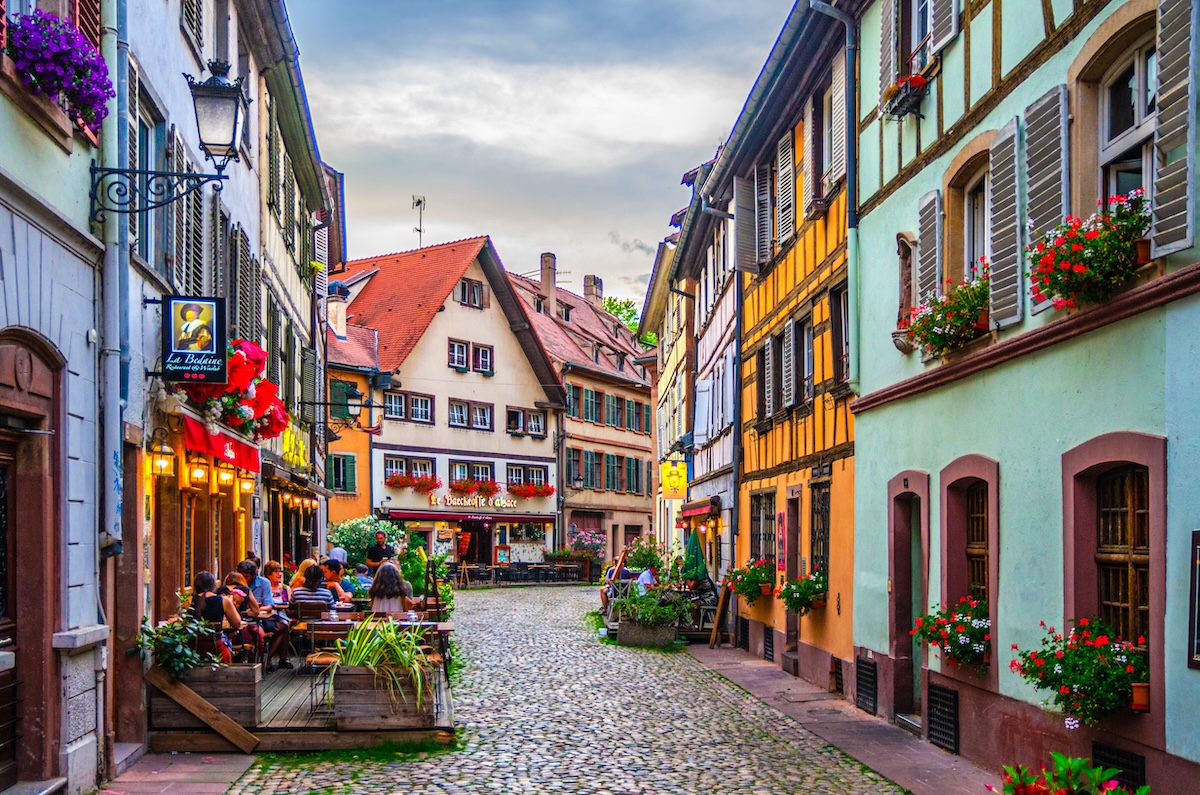
Still, the best of Strasbourg is a short walk away in Petite France, where half-timbered houses lean over canals and cats nap on geranium-filled window ledges. Find a winstub, one of the city’s traditional taverns, and order a tarte flambée, a thin, crispy flatbread topped with cream and bacon. Wash it down with a glass of Alsace Riesling, and you will understand why people move here and never leave.
Mostar Beyond the Old Bridge
A single stone arch over the emerald Neretva River, the Old Bridge was rebuilt in 2004 after being destroyed in the war of 1993, and it is as photogenic as everyone says. Local divers collect donations from the crowd and make a show of hesitating on the edge before they jump.
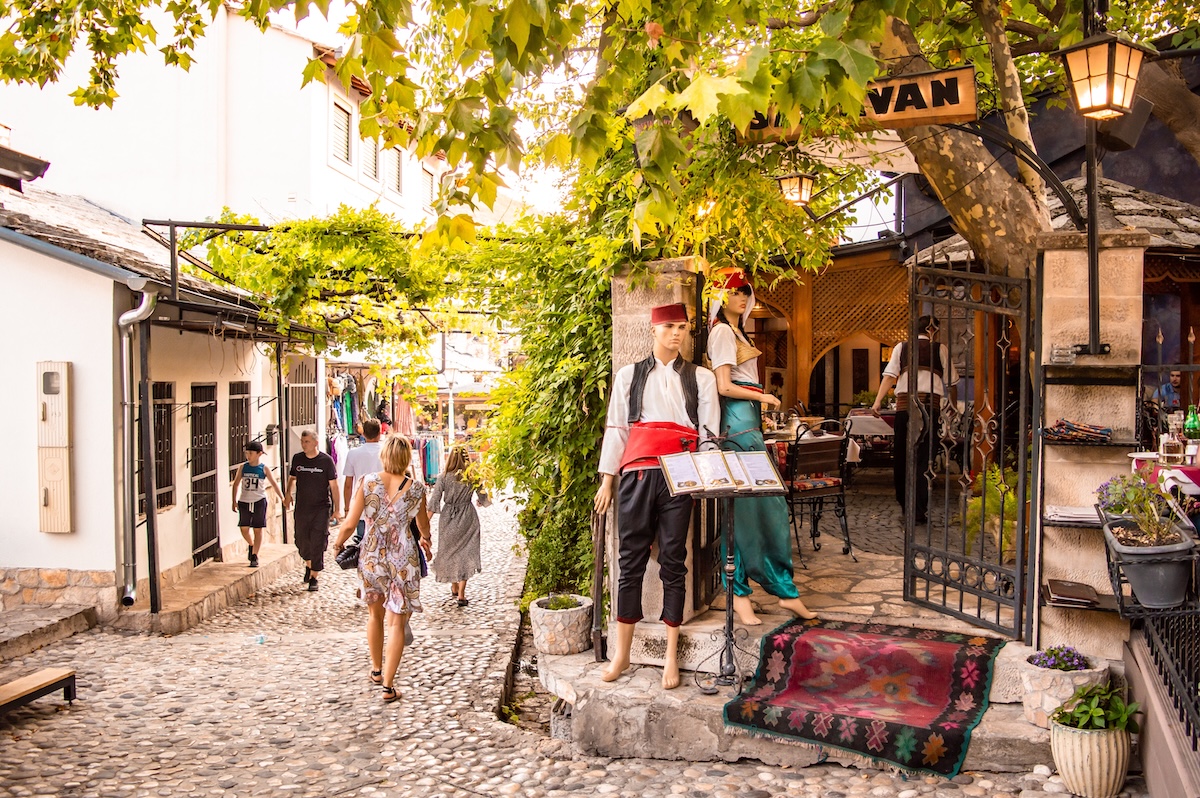
The day-trippers from the coast arrive around noon and leave before sunset, and that is when Mostar gets good. Climb the minaret of the Koski Mehmed Pasha Mosque for a view down on the bridge, then settle into a courtyard with a small cup of thick Bosnian coffee as the lamps come on. Outside town, the Blagaj Tekke, a dervish monastery tucked into a cliff above a riverhead, is a calmer and much older Bosnia.
Copenhagen Beyond the Little Mermaid
The Little Mermaid is 1.25 meters tall and sits on a rock at the edge of the harbor, and plenty of Danes will tell you with a straight face that she is the most underwhelming sight in the country. Tourists gather around her, snap a photo, and then look at each other as if to ask whether that was really it.
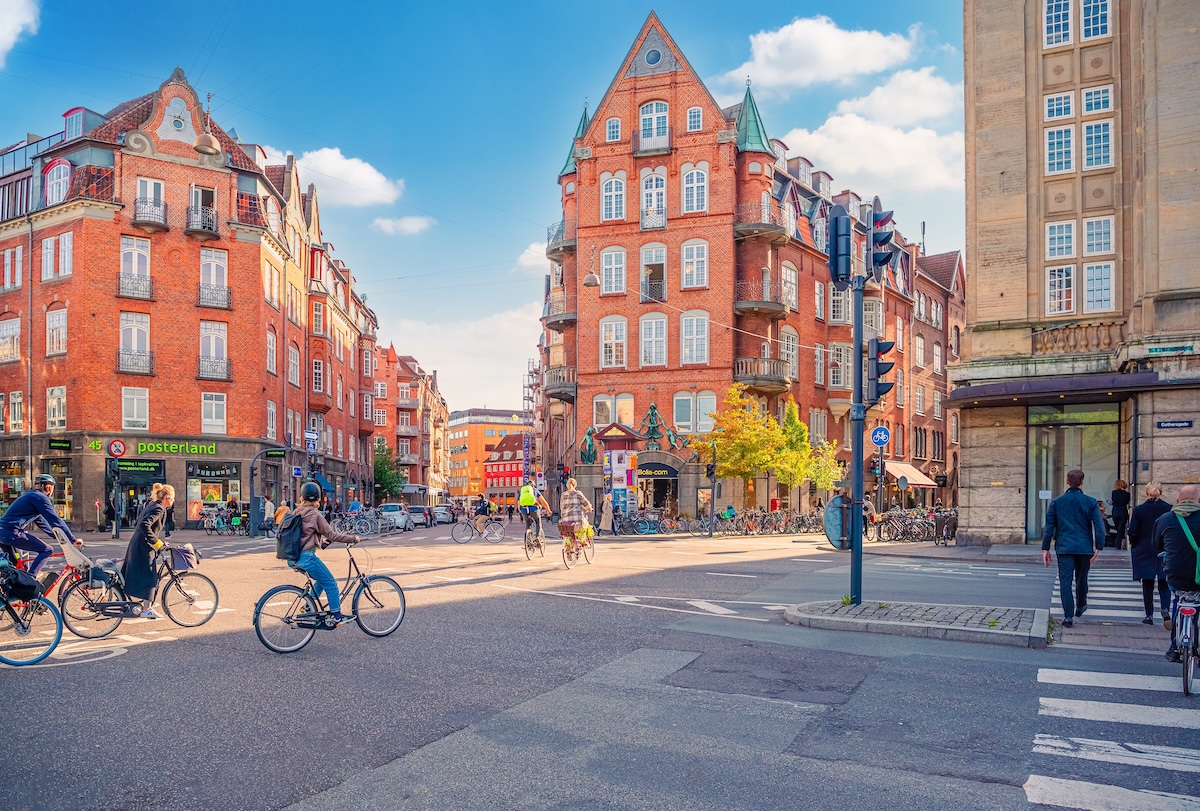
Spend your time in the water instead. Copenhagen cleaned up its harbor so thoroughly that locals swim in it, and the free public harbor baths are the best argument for visiting in summer. Afterward, rent a bike and join the commuter traffic over to Nørrebro, where the cafés, vintage shops, and bakeries serve cardamom buns that put the mermaid to shame.
Bergen Beyond Bryggen
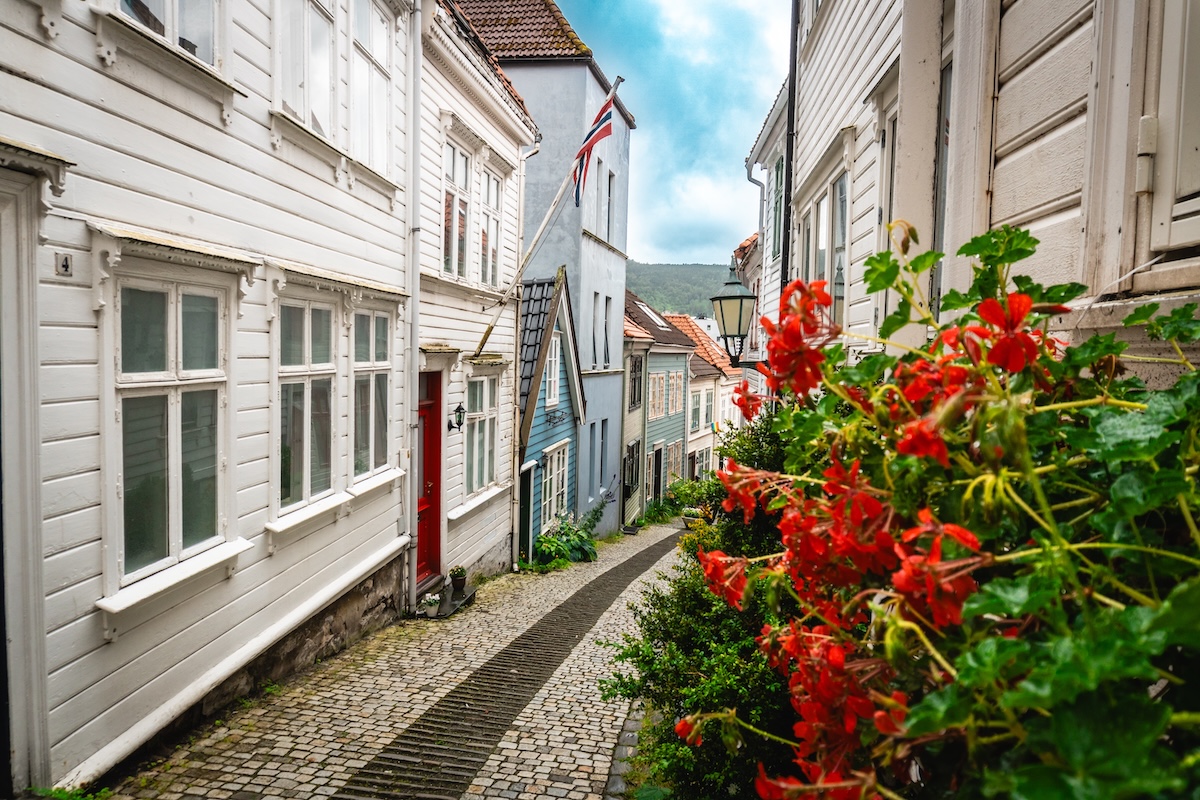
The row of tall, colorful wooden buildings along the harbor is Bergen’s postcard picture, and it is easy to love. Hanseatic merchants once traded dried cod from these wharves, and the buildings have burned down and been rebuilt more than once. Walk the narrow passages behind the facade to see the crooked floors and old workshops.
Then take the funicular up Mount Fløyen, where the harbor and the fjords stretch out below you. Back down at sea level, wander through Nordnes, a neighborhood of white wooden houses on tilted lanes, and stop at the fish market for something fresh. Carry an umbrella everywhere, because Bergen rains on most days and the locals treat this as a point of pride.
Avignon Beyond the Palais des Papes
Seven popes lived in this enormous Gothic fortress in the 14th century, and its stone walls still loom over the old town. Step inside, though, and most of the halls are bare, since the furnishings vanished long ago and the building later served as a barracks and a prison. The exterior does most of the talking.
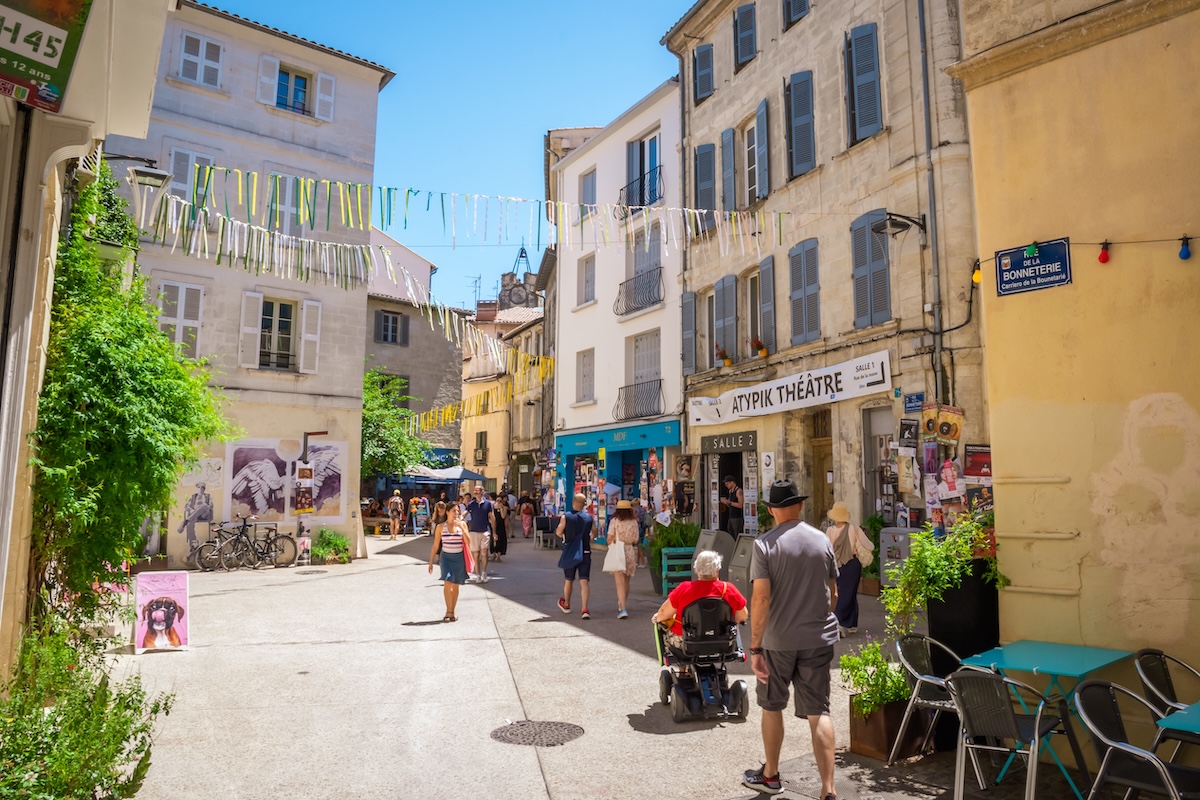
The better afternoon is outdoors. Les Halles, the covered market with its famous wall of living plants, sells everything you need for a picnic. Carry it up to the Rocher des Doms gardens, where you can look over the Rhône at the famous broken bridge. A short drive north, the cellars of Châteauneuf-du-Pape, named for the popes’ summer vineyards, are ready to pour.
Edinburgh Beyond the Castle
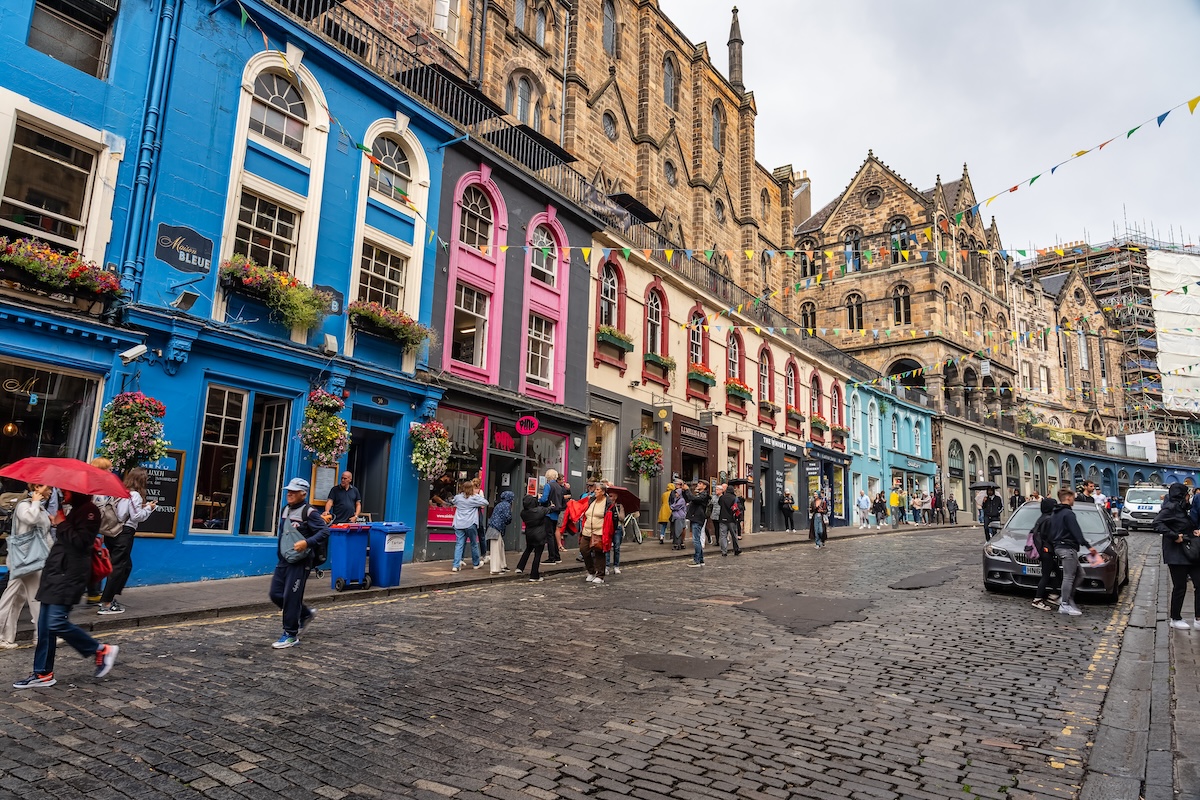
The castle perches on a volcanic rock and has watched over the city for centuries. It is dramatic and historic and busy, so busy that the line to enter can swallow a morning. There is also a basic flaw in the plan: from the castle, you can’t see the castle.
For the best view of Edinburgh, climb Arthur’s Seat, the extinct volcano in the middle of Holyrood Park. The walk is steep and windy and takes less than an hour, and the city spreads out below you with the castle sitting proudly on its rock. Afterward, duck into a pub in the Old Town and order a dram. Or ride down to Leith, where the harbor restaurants are quieter, and the seafood is better.
Sintra Beyond Pena Palace
Pena Palace is a riot of yellow and red towers on a misty hilltop, and the line to get inside is a riot of its own. It is a gloriously over-the-top 19th-century fantasy, and the terraces outside are the best part of the visit.
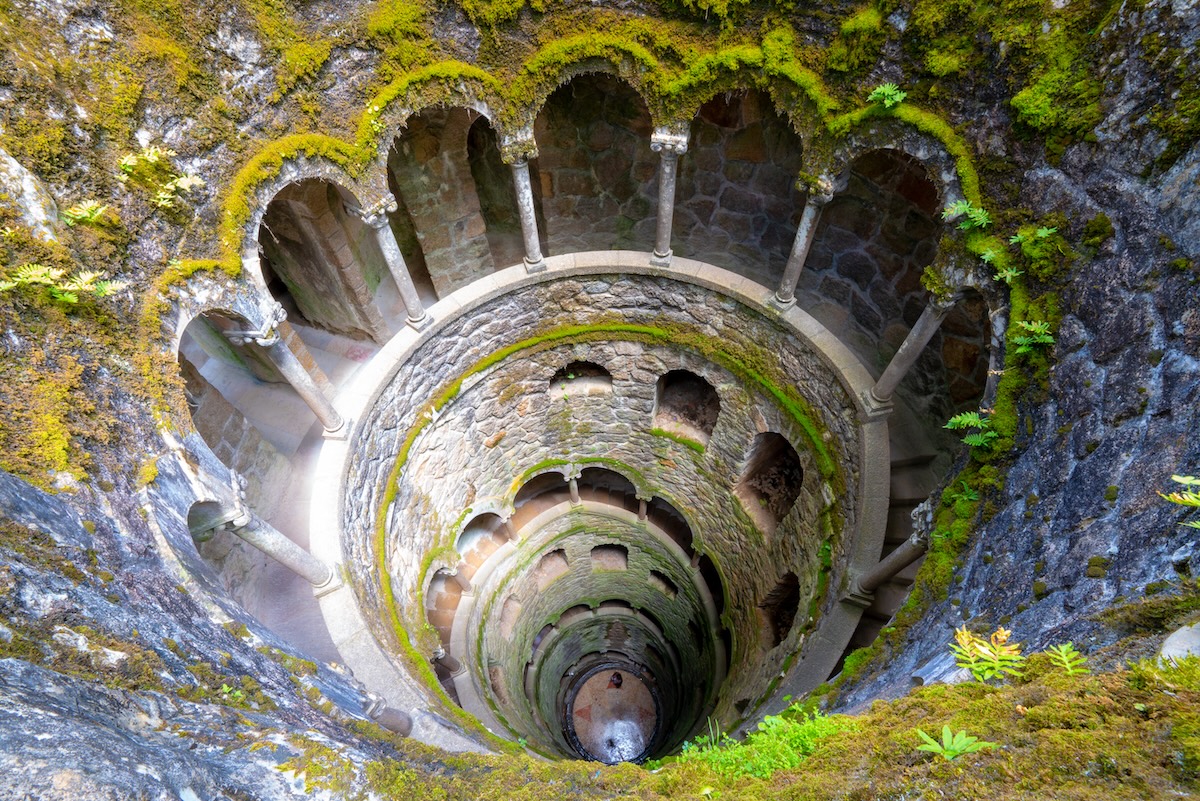
Quinta da Regaleira, a nearby estate, is the more rewarding wander. A spiral well plunges into the ground with stone steps leading you down, and tunnels at the bottom lead you out into mossy gardens through a hidden cave. Back in town, stop at Piriquita for a travesseiro, a pillow-shaped almond pastry that has been fueling Sintra’s visitors for generations. Tackle the Moorish Castle’s windy walls after that, and you will have earned a nap.
Paris Beyond the Eiffel Tower
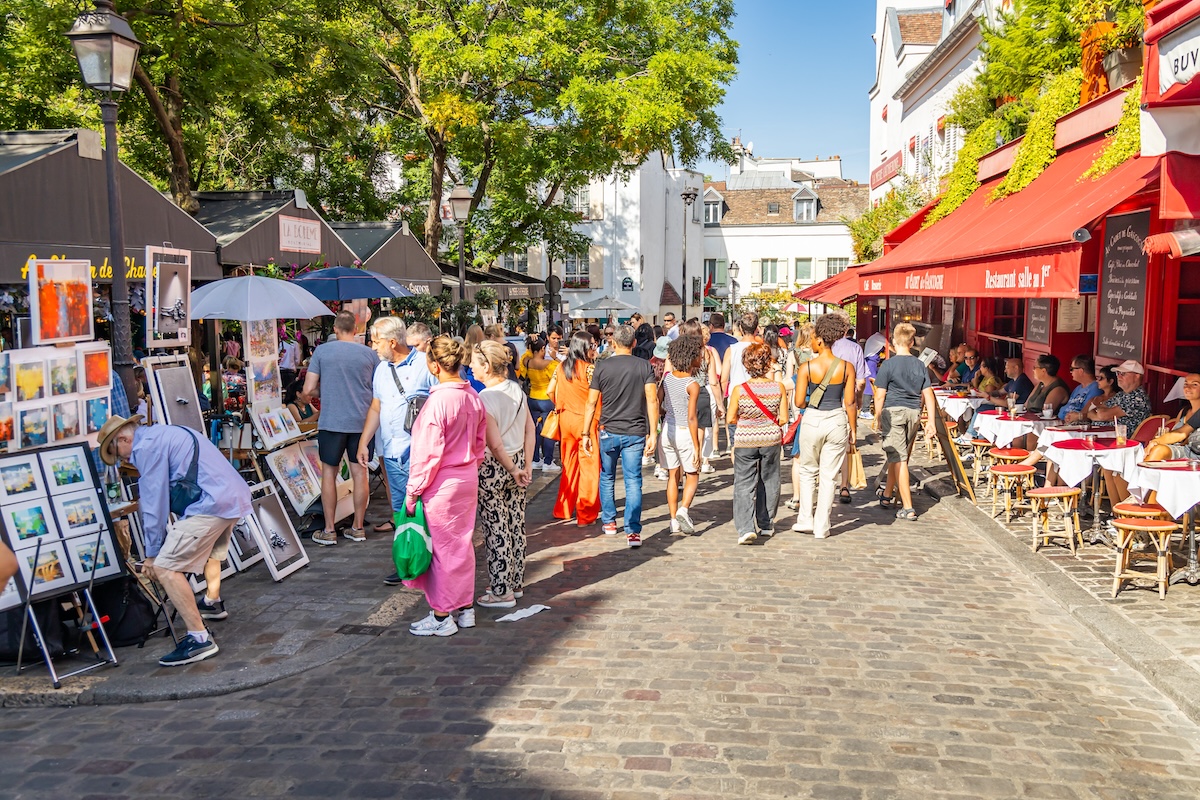
The Eiffel Tower is magnificent and unavoidable, yet it is the worst place in Paris to look at Paris, because it is the one thing you can’t see from the top. The writer Guy de Maupassant reportedly ate lunch in its restaurant because it was the only spot in the city where he didn’t have to look at it.
Take the elevator up the Montparnasse Tower instead, or climb the steps to Sacré-Cœur, and let the tower sit in the skyline where it belongs. Then spend the afternoon in the Marais or along the Canal Saint-Martin, where locals perch on the banks with baguettes and cheap wine. The best of Paris happens at street level.
Füssen Beyond Neuschwanstein Castle
Mad King Ludwig’s fairy-tale castle rises from a Bavarian cliff, and it reportedly inspired Disney’s Sleeping Beauty castle. It was never finished, and the interior tour moves visitors through at speed. The famous view comes from the Marienbrücke bridge, which is also where the crowds gather.
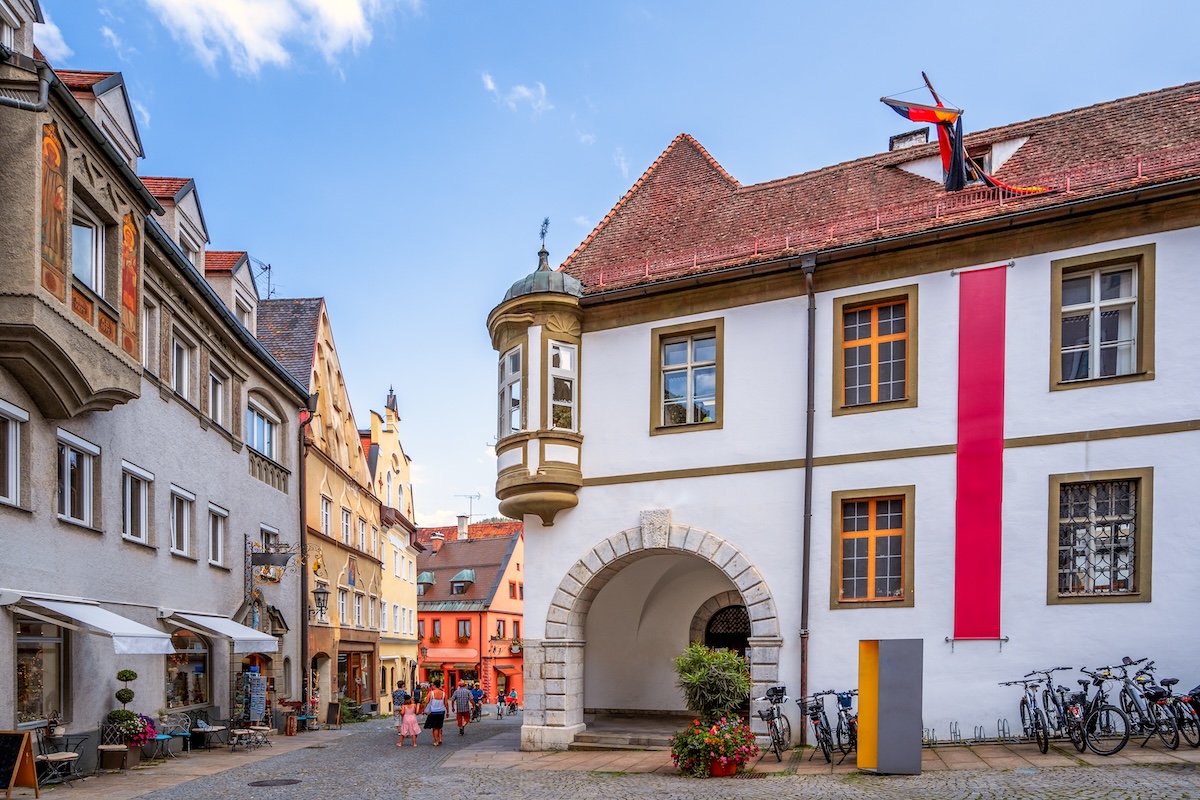
The town of Füssen, a few kilometers down the road, makes a better base. Its baroque old town sits above the Lech River as it tumbles through town, and the medieval Hohes Schloss has trompe l’oeil windows painted on its walls to fool you into thinking it has more than it does. Nearby, the Alpsee lake sits beneath the mountains, and a stroll around it does the job that a castle queue never could.
Liverpool Beyond the Beatles
Liverpool has the Beatles on every wall, from the Cavern Club to the statues on the waterfront, and fans will find every last one. The city knows what its visitors want, and it delivers.
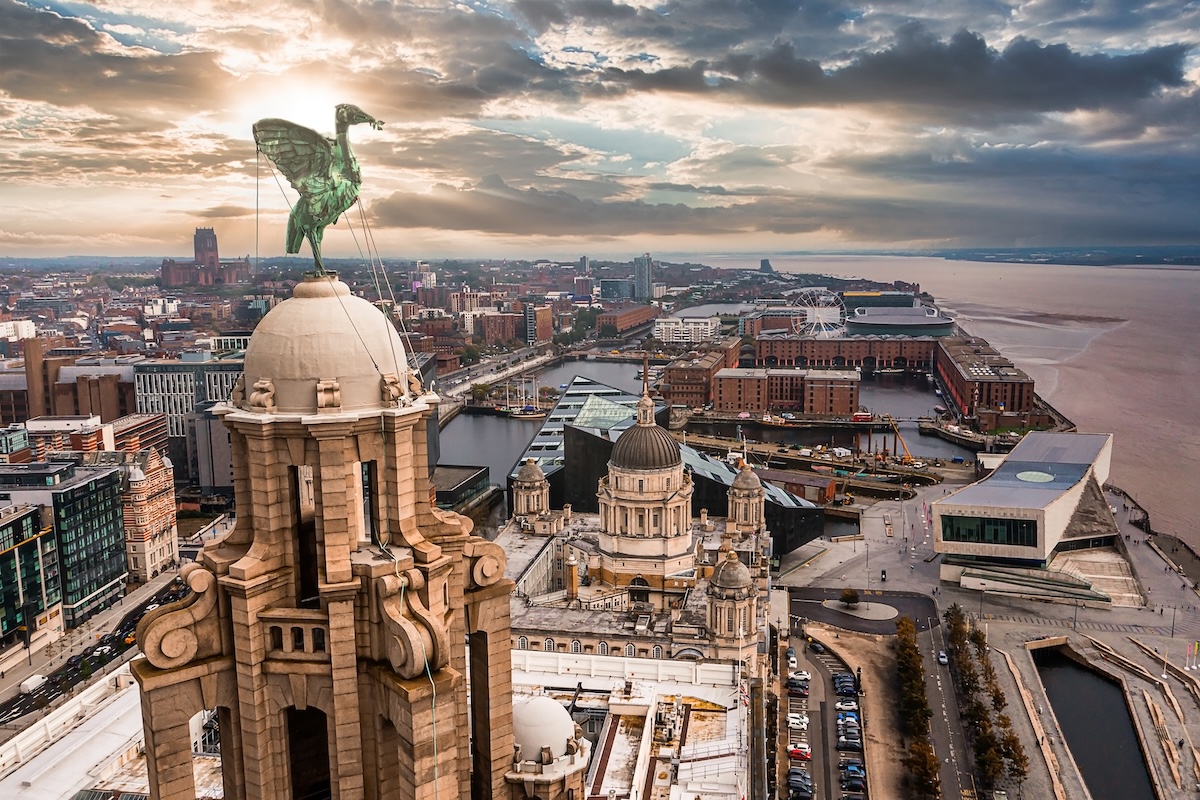
Take a ferry across the Mersey, and you will see how much more the place has to offer. The Royal Albert Dock is lined with museums and galleries, and the two cathedrals at opposite ends of Hope Street are a Gothic giant and a modernist cone. The Philharmonic Dining Rooms is a pub dressed in Victorian marble and stained glass, and its gents’ room has become a tourist stop of its own. Liverpool’s music scene is still alive and loud, so take full advantage.
Granada Beyond the Alhambra
The Alhambra is one of the greatest palaces in Europe, with carved plaster ceilings and courtyards that make Moorish Spain real. It is also hard to book and tightly regulated, with tours that move on a strict schedule. You will see it. You may not get to linger.
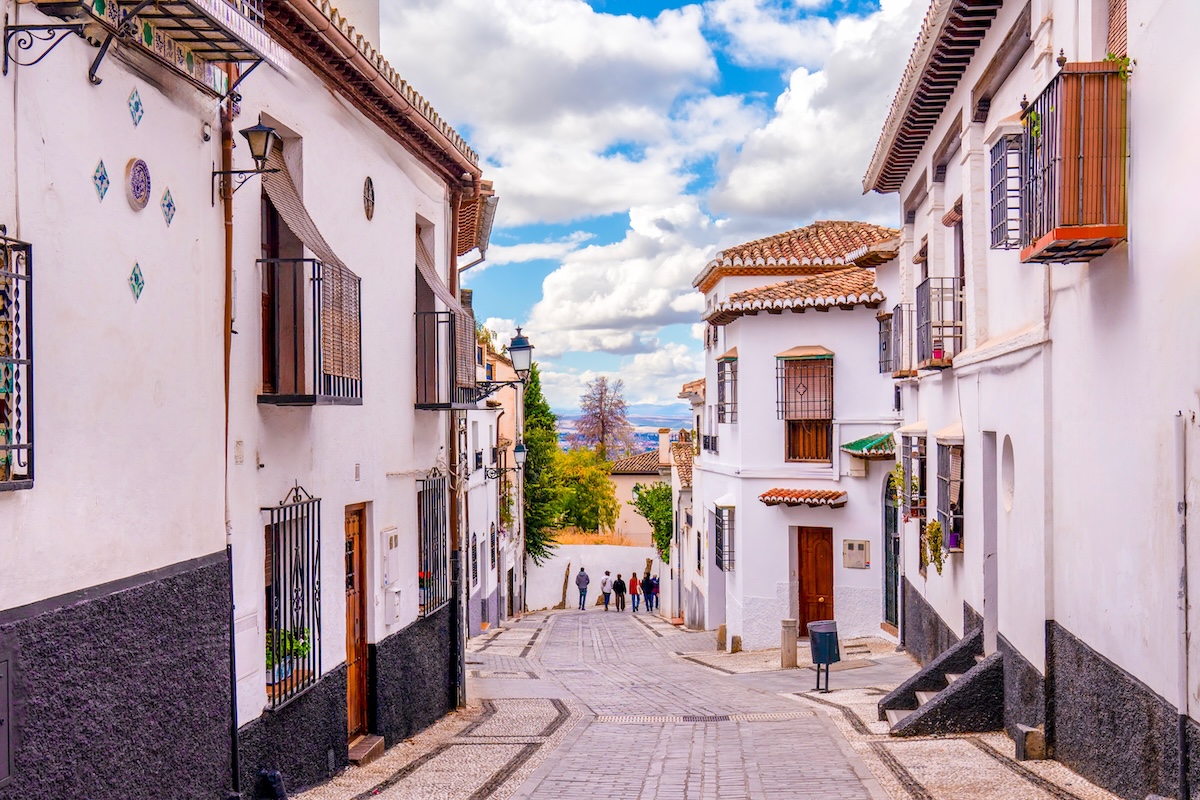
The best view of the Alhambra, in fact, is from outside it. Climb into the Albaicín, the old Moorish quarter with its whitewashed lanes, and head to the Mirador de San Nicolás as the sun sets behind the palace walls. Granada also has a wonderful tradition of free tapas with every drink, so an evening of bar-hopping costs little more than the drinks themselves. Finish the night in a Sacromonte cave for flamenco.
Barcelona Beyond the Sagrada Família
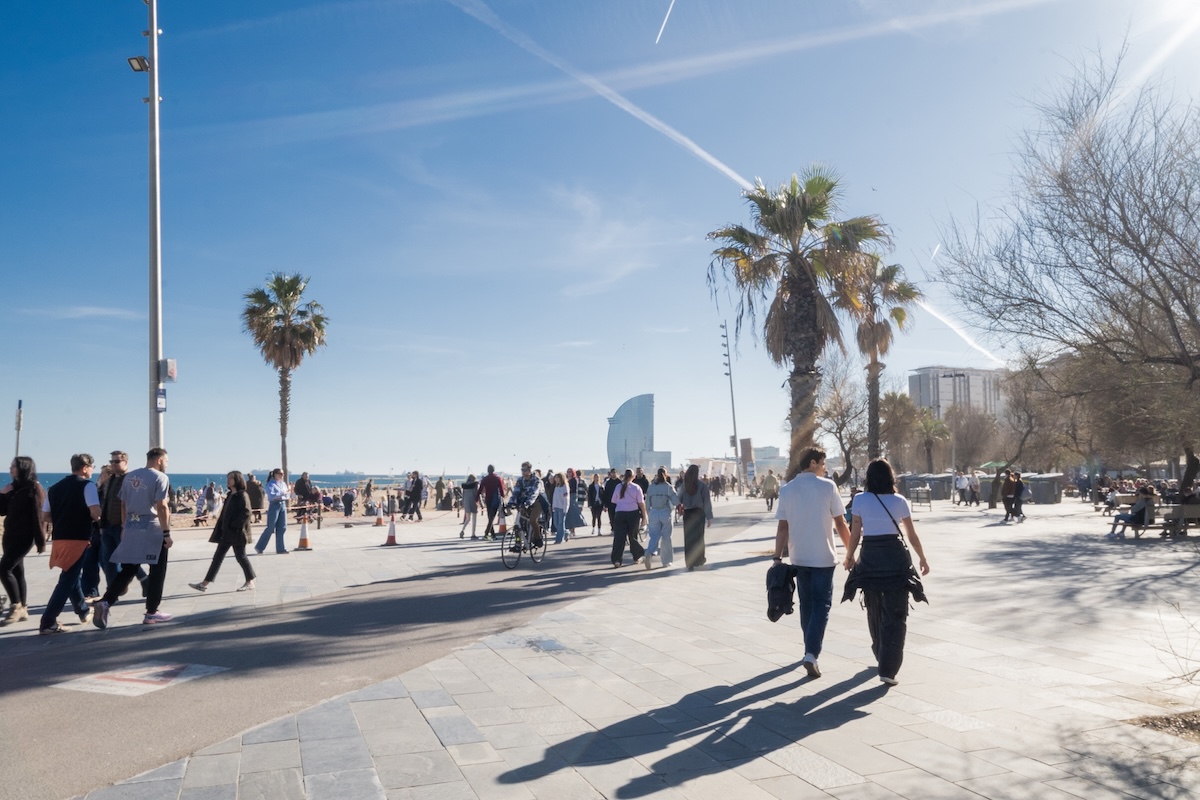
Gaudí began his basilica in 1882, and it is still under construction, so the cranes are as much a part of the skyline as the spires. Inside, the columns branch like a stone forest and the colored light is hard to describe. Be ready for a very dense crowd.
Escape to Gràcia, a neighborhood of small plazas where locals spill from café tables into the street, and the shops are run by the people who make the products. For a different perspective, climb the Bunkers del Carmel, a Civil War anti-aircraft post that now offers the best sunset view of the city. Then wander down to Poble-sec for a glass of vermouth and a plate of anchovies.
Athens Beyond the Acropolis
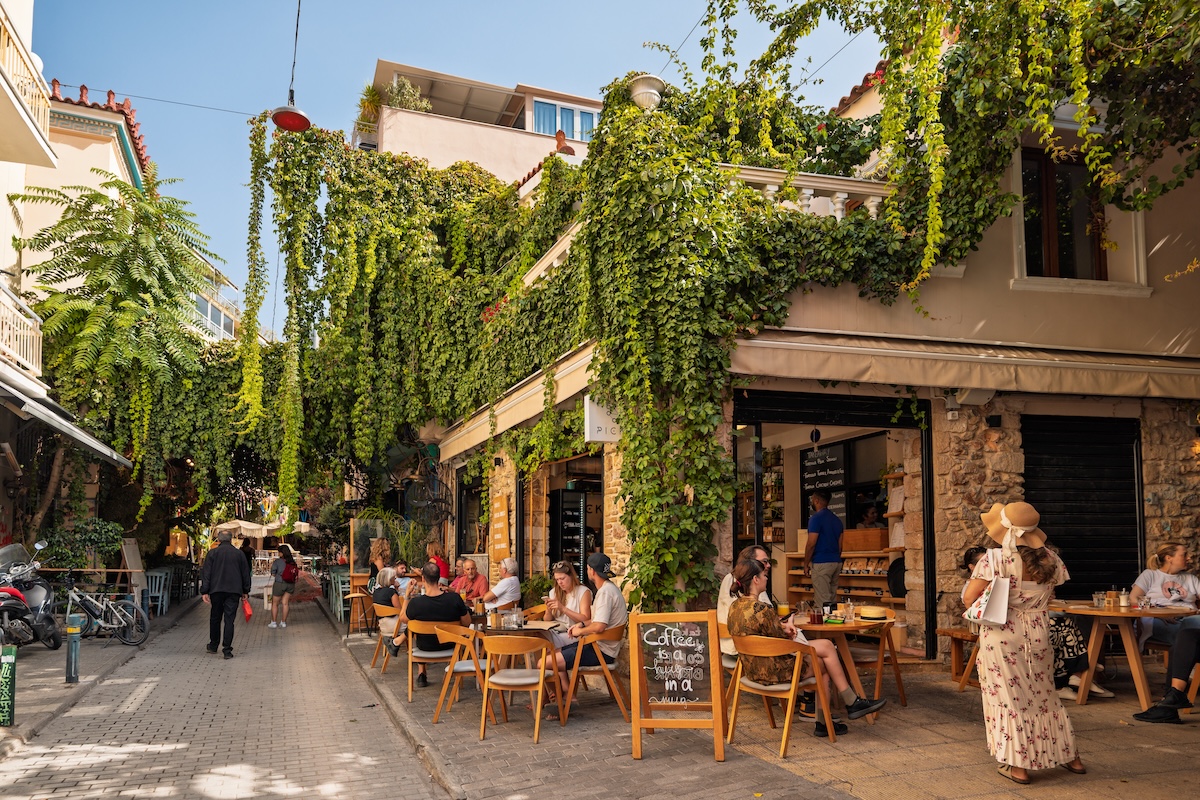
The Parthenon wears scaffolding as a permanent accessory, since the restoration has been going on for decades, and the summit can feel like a very old shopping mall at midday. Still, standing at the top of Western civilization is a rare experience, and you will get over the crowds.
The more rewarding part of Athens is the neighborhood tucked below. Anafiotika is a tiny whitewashed village of island-style houses on the Acropolis slope, built in the 19th century by workers from the Cycladic island of Anafi, and it feels like a different country. Climb Lycabettus Hill at dusk for a view of the floodlit Parthenon, then eat a souvlaki in Monastiraki with a beer in your hand and the whole city humming around you.
Valencia Beyond the City of Arts and Sciences
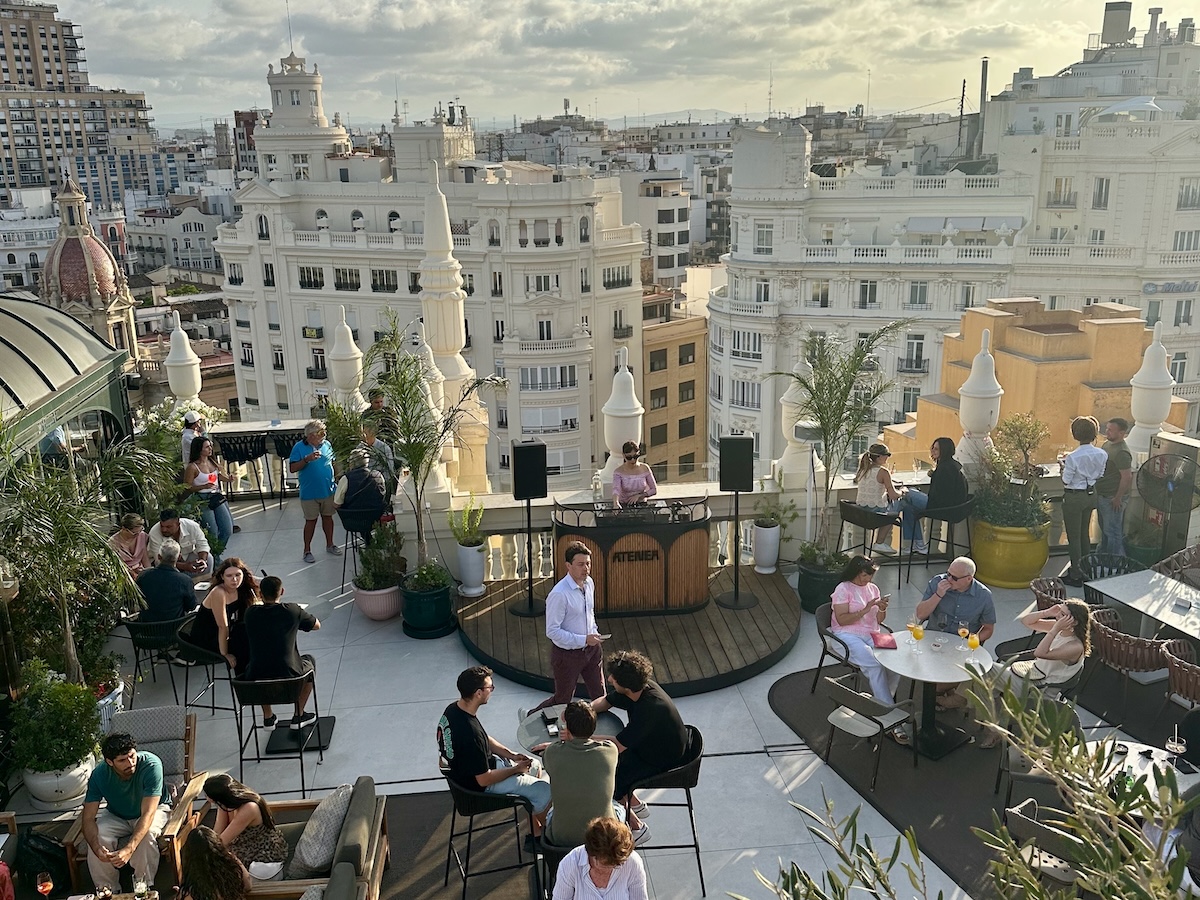
Santiago Calatrava’s white, futuristic complex looks like a sci-fi film set, and it makes for dramatic photographs against its turquoise pools. Interesting for an hour, and then you start wondering what Valencia actually does for fun.
The answer is the Turia Gardens, a former riverbed that the city turned into a green park after a devastating flood. It runs for nine kilometers through town, so you can cycle or jog right through the heart of Valencia. The Mercado Central is an iron-and-glass food hall that makes a market feel like a cathedral. A short ride south, the Albufera lagoon is where paella was born, and a plate eaten beside the rice fields is hard to top.
Dublin Beyond Temple Bar
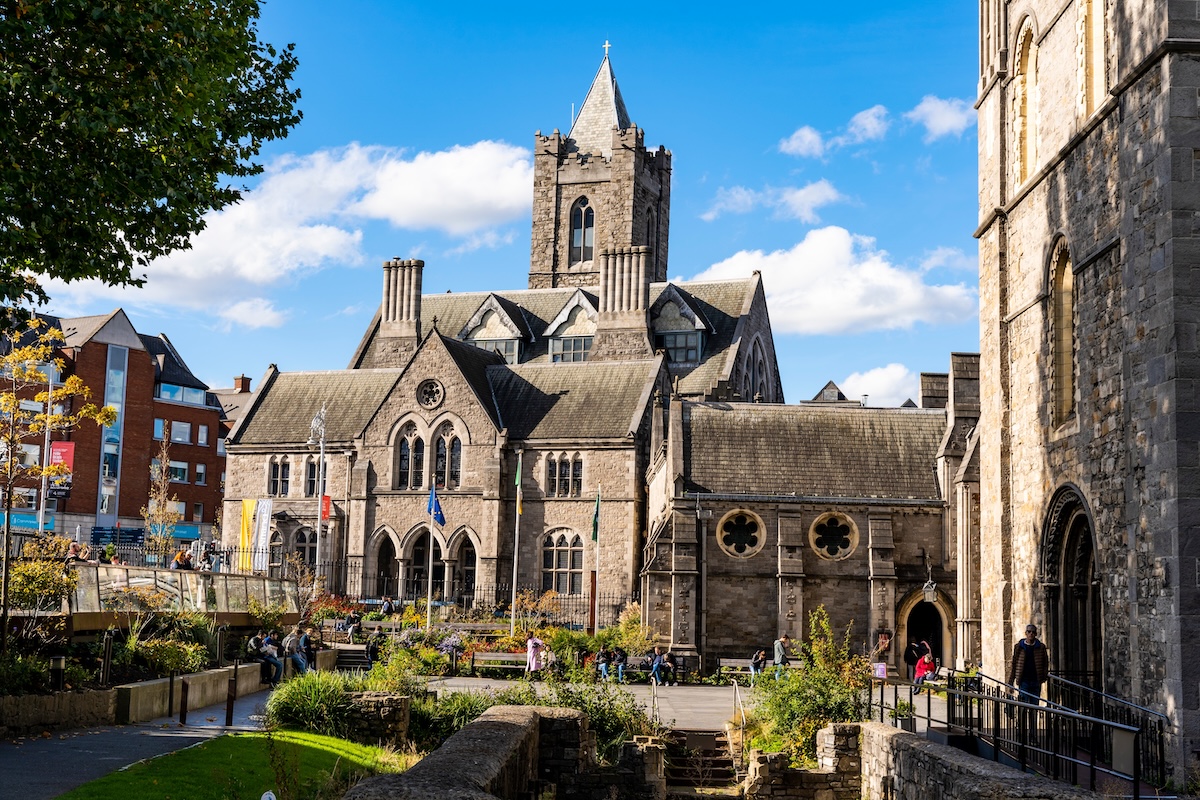
Temple Bar’s cobblestoned lanes are lined with bright pubs and live music, and the whole district looks exactly as you imagined Dublin. The drinks are expensive, the crowds are thick, and the locals consider it a place to take visiting cousins.
For the real Dublin pub experience, head to the Long Hall or the Stag’s Head, where the wood paneling is original, and the barman knows the regulars by name. Spend a morning at Trinity College, where the Long Room library looks like a Hogwarts set built a few hundred years early. Then take the train to Howth, a fishing village at the end of the line with a cliff path that gives you the Irish Sea in all its drama.
Rome Beyond the Colosseum
The Colosseum has stood for nearly two thousand years, and it is as imposing as you hope. It is also surrounded by costumed gladiators who will charge you to pose and crowds who will not give you an inch of room. See it, take your photo, and go.
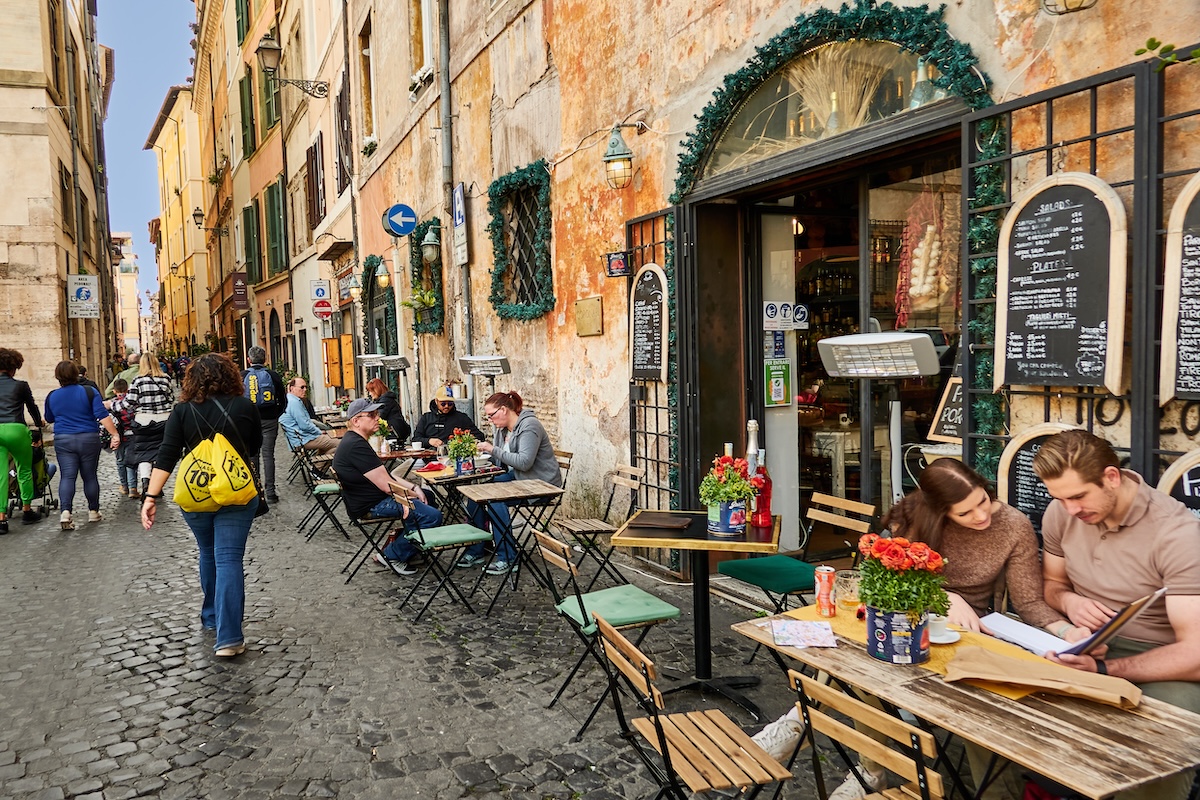
Cross the Tiber to Trastevere, where ivy-covered lanes lead to trattorias that serve proper cacio e pepe to people who live nearby. On the Aventine Hill, look through the keyhole of the Knights of Malta’s gate and you will find St. Peter’s dome perfectly framed at the end of a garden path. That small, secret view tells you more about Rome than any ancient ruin could.
Brussels Beyond Manneken Pis
The Manneken Pis is a bronze statue of a small boy relieving himself in a street corner, and he measures just 61 centimeters. Visitors regularly arrive expecting something bigger and leave puzzled. The little fellow has a wardrobe of hundreds of costumes, which is the funniest part of the story.
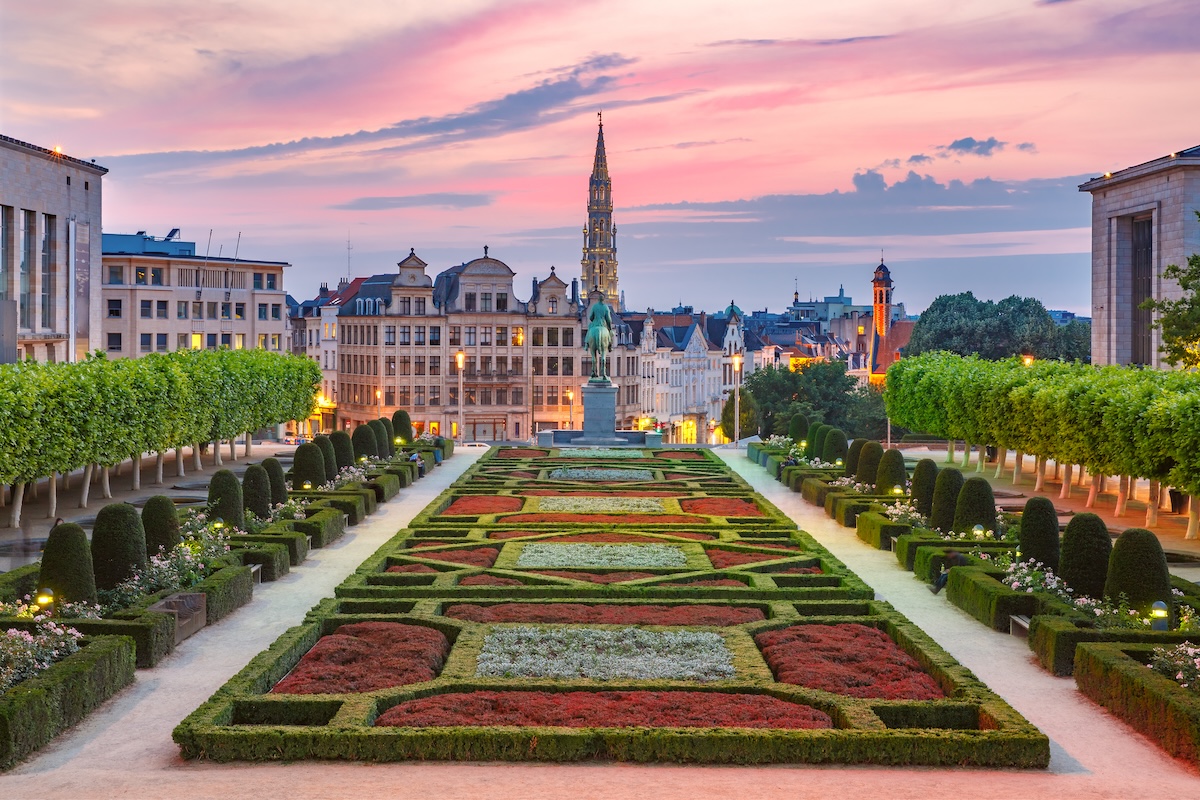
Walk a few streets to the Grand-Place, where gilded guild houses surround one of the most beautiful squares in Europe. Then hunt for the comic strip murals painted on building walls around the city, a reminder that Belgium gave the world Tintin. Pull up a chair at a beer café and order a glass of something strong and Belgian, with a paper cone of frites on the side.
Segovia Beyond the Roman Aqueduct
Standing about 28 meters tall at its highest point, the aqueduct is made of granite blocks stacked without mortar, and it has carried water for nearly two thousand years. It towers over the Plaza del Azoguejo, and you will probably spend longer staring at it than you planned.
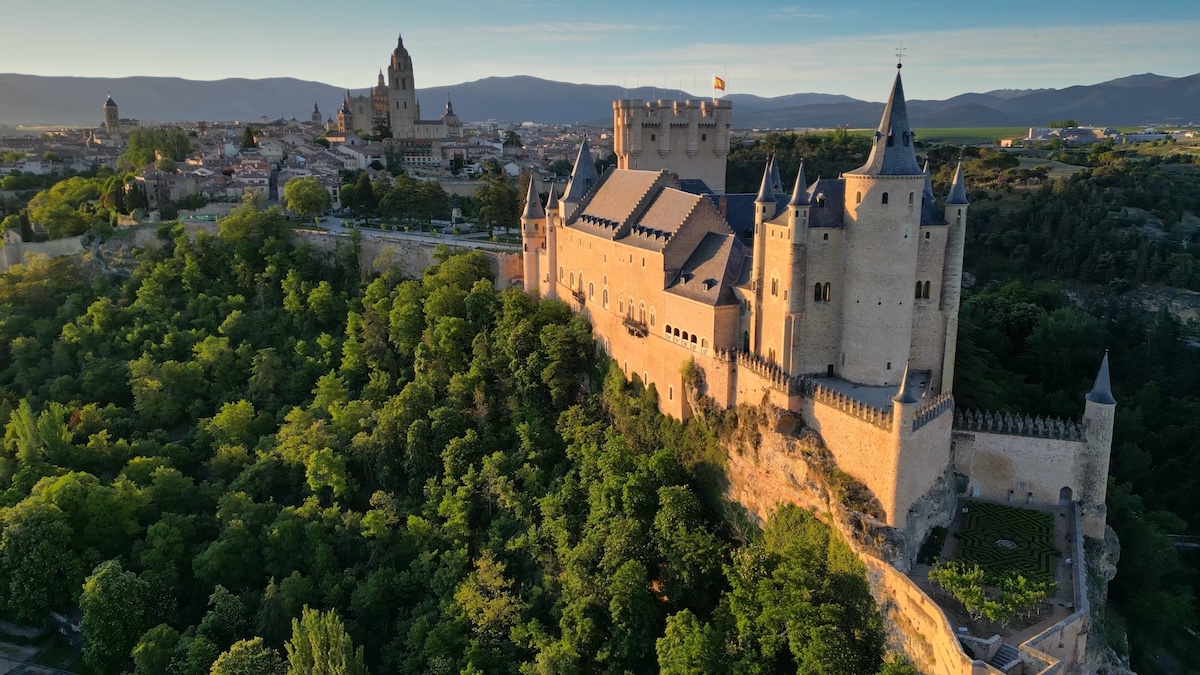
Then follow your nose to the restaurants serving cochinillo asado, roast suckling pig so tender that the waiter traditionally cuts it with the edge of a plate. Walk up to the Alcázar, a turreted fortress said to have inspired Disney’s Cinderella Castle, and stop by the cathedral, nicknamed the Lady of Cathedrals. Segovia is small enough to cover on foot, and the aqueduct will be waiting when you finish.