
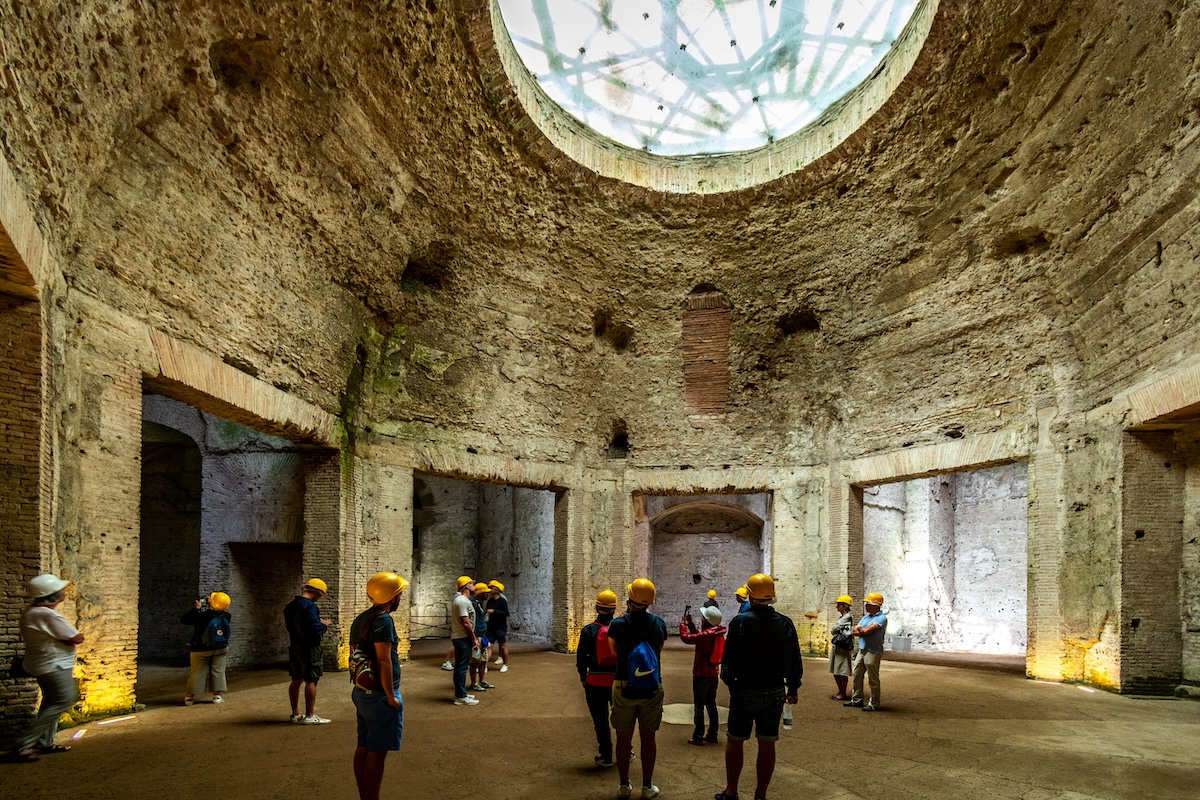
Picture wandering through corridors that once shimmered with gold, where one of history’s most infamous emperors threw wild parties under towering vaulted ceilings. Imagine stumbling across frescoes so vivid that Renaissance artists literally dangled from ropes just to catch a glimpse, squinting by candlelight. What kind of palace leaves people talking—sometimes scandalized, sometimes awestruck—centuries after everyone’s gone?
The Domus Aurea is easily one of Rome’s most astonishing archaeological finds, offering a rare peek into the sheer extravagance and bold design of Emperor Nero’s time. For nearly 2,000 years, this sprawling labyrinth hid beneath the city, holding onto secrets of both immense beauty and the more unsettling sides of Roman imperial power.
If you ever get the chance to step inside, you’ll move from Nero’s original, almost absurdly grand vision to the moment when Renaissance artists rediscovered these shadowy halls. It’s a place that shaped architectural history, and honestly, it’s hard not to get a little obsessed with its mysteries.
Nero’s Ambitious Golden Palace
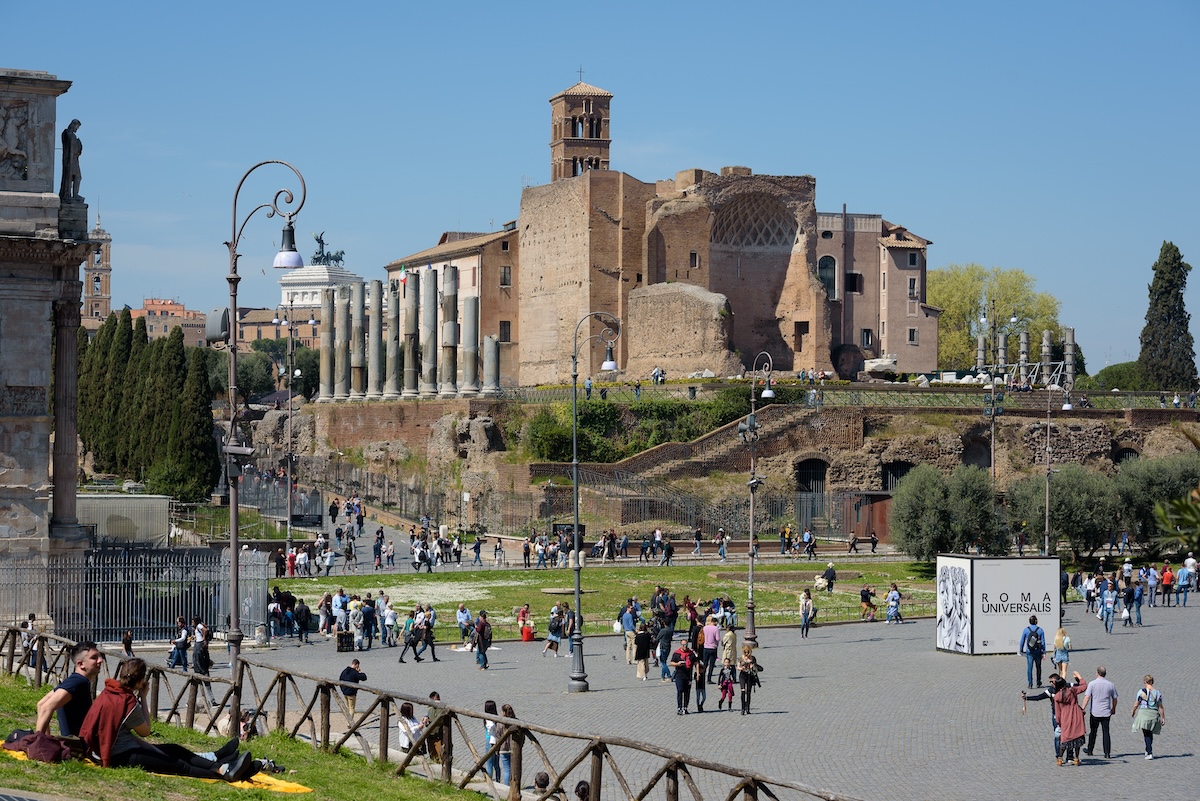
After the Great Fire of 64 CE tore through Rome, Nero didn’t waste a second. He grabbed the opportunity to build something the city had never seen before. The Domus Aurea swallowed up huge chunks of downtown, sprawling across about 300 acres packed with gardens, vineyards, and even artificial lakes.
The sheer size of Nero’s plan is mind-boggling. No wonder people at the time were shocked—and probably a bit furious. Near the entrance, a gigantic bronze statue of Nero towered over everything, more than 100 feet tall. Inside, rooms flashed with gold leaf, precious gems, and intricate frescoes. Some dining rooms rotated, and ceilings dropped showers of petals and perfume on guests. It’s a little over the top, but that was the point.
Nero’s architects, Severus and Celer, didn’t hold back. They built an octagonal hall with a domed ceiling that ended up influencing Roman architecture for centuries. You can still spot fragments of those wild wall paintings today, offering a tiny window into the almost mythic luxury Nero demanded—a palace meant to compete with the gods’ own homes.
Underground Frescoes and Renaissance Rediscovery
After Nero died, later emperors buried the palace under layers of new buildings, turning its once-lavish rooms into odd, forgotten hollows below the city. By the time the Renaissance rolled around, nobody remembered these spaces. They just sat there, hidden in the dark for ages.
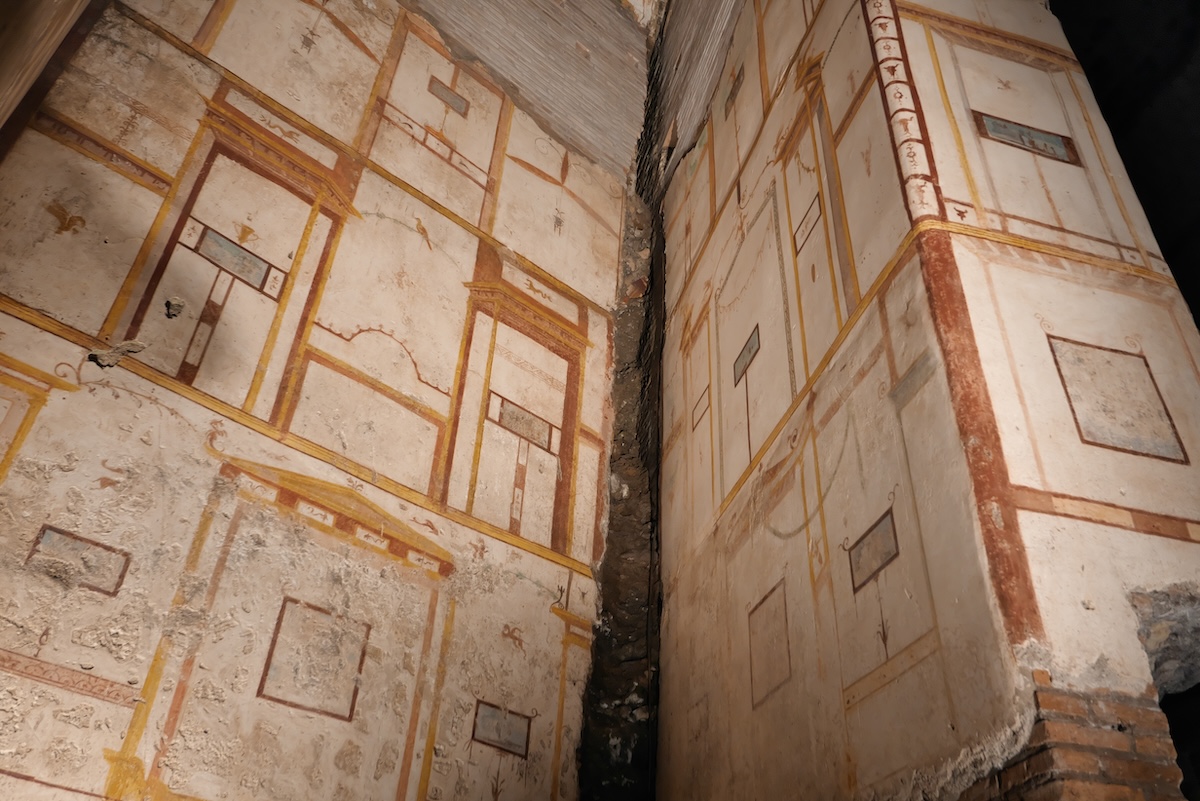
Then, in the late 1400s, some Romans happened to break through the ground and found themselves peering into these mysterious chambers. Curious folks squeezed through the holes, probably not sure what they’d find. Inside, they saw something wild: vivid frescoes and detailed stucco decorations, somehow still clinging to the walls after centuries without light. The paintings were full of twisting plant shapes, strange mythological beasts, and bits of architecture all tangled together in playful, balanced patterns.
Artists like Raphael climbed down into these grotto-like rooms to check out the old designs up close. They started calling the style “grottesche” (or grotesques) because, well, they found it in these grottoes. Some even left their names and doodles scrawled on the walls—a sort of Renaissance “I was here.” It’s wild to think about, but those rediscovered patterns ended up changing European decorative arts. You can spot their influence in the ornate corridors of the Vatican and all sorts of palaces across Europe. The Domus Aurea’s underground world turned out to be a hidden spring of inspiration for Renaissance and Baroque designers.