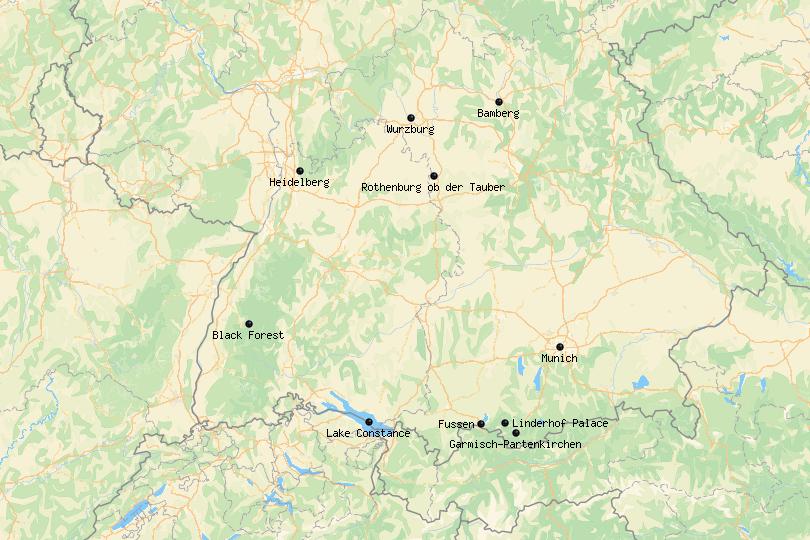
Southern Germany is not only the country’s most economically strong region; it is also the home of some of its most picturesque attractions. It is a location where you can see the black forest, the Alps, and the many rivers like the Danube, Rhine and Rhone.
Throughout the region, fairy tale castles adorn riverbanks, wineries grow grapes for some of the world’s finest vintages, and sheer mountains shimmer on the horizon. Here is a look at some of the top sites that Southern Germany has to offer:
10. Garmisch-Partenkirchen
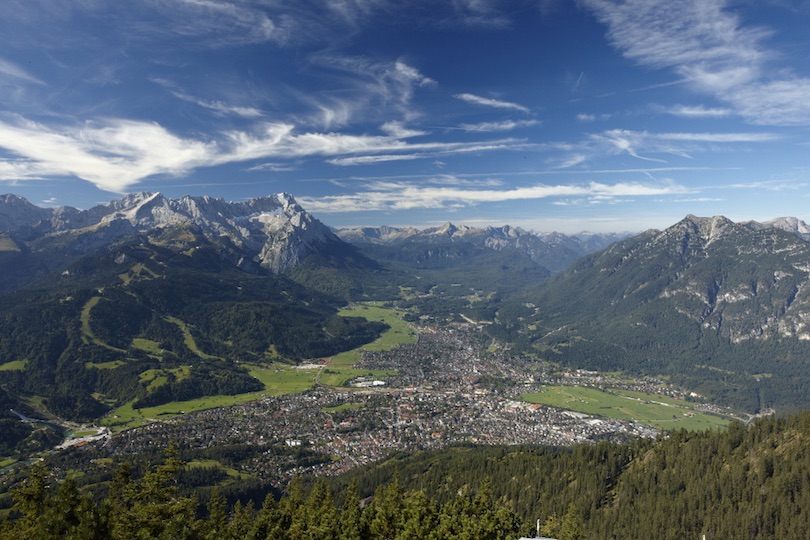
This hybrid town was united by decree in 1936 by Adolf Hitler so Germany could host the Winter Olympics. Today, the town is one of the nation’s most famous ski resorts. Winter sports like skiing and snow boarding are popular here, while in the summer the trails are full of hikers and mountain bikers.
Garmisch-Partenkirchen sits along the Austrian border about an hour from Munich and can be reached by car or by train. The Romantic Road travels between here and Fussen and is perfect for a day trip in either direction.
9. Linderhof Palace
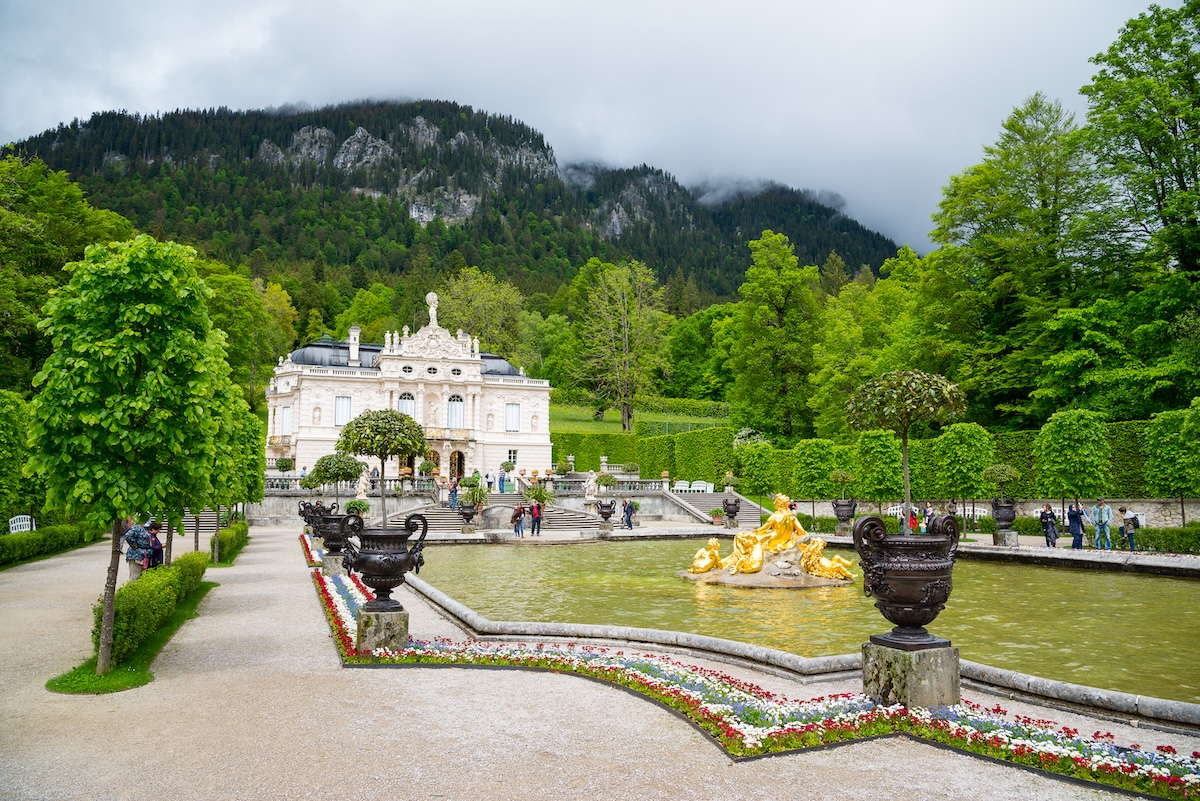
Linderhof is the only Schloss out of three that King Ludwig II of Bavaria completed in his lifetime. His intended to spruce up the already existing lodge but ended with a scaled down version of Versailles Palace. Of special interest are the Hall of Mirrors and the Peacock Bedroom.
He lived in seclusion in this palace hideaway for much of his life. In honor of Wagner, Ludwig built a fantasy grotto partway up the mountain behind the palace based upon Wagner’s opera, Tannhäuser.
8. Lake Constance
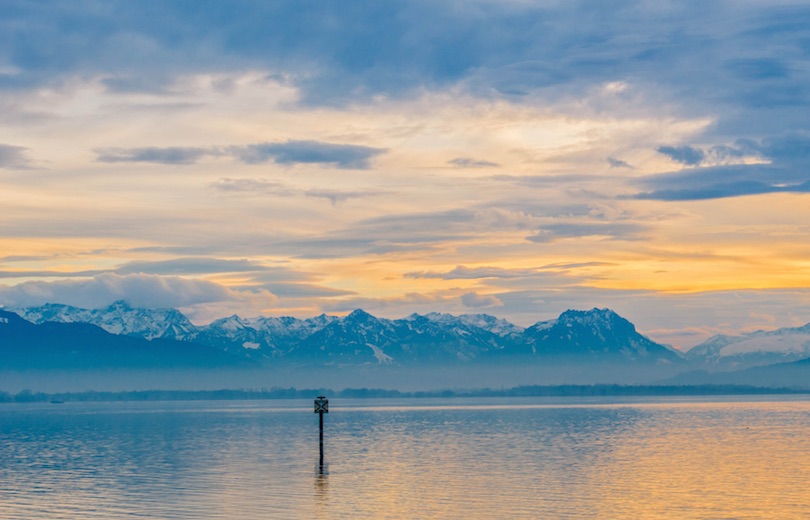
This glacial lake is one of Europe’s largest and sits along the border of the three nations of Germany, Austria and Switzerland. The lake is a great opportunity to see both historic and natural wonders. Beautiful mountain vistas, orchards, vineyards and wetlands are all easy to find along the Lake Constance (Bodensee in Germany), in addition to a number of castles and monasteries.
Three different ferry routes are also available between the major cities on the lake, from Germany between Freidrichschafen and Konstanz or Romansburg in Switzerland, and between Konstanz and Meersburg. There is also a train route around the lake with stops at all of the points of interest.
7. Wurzburg
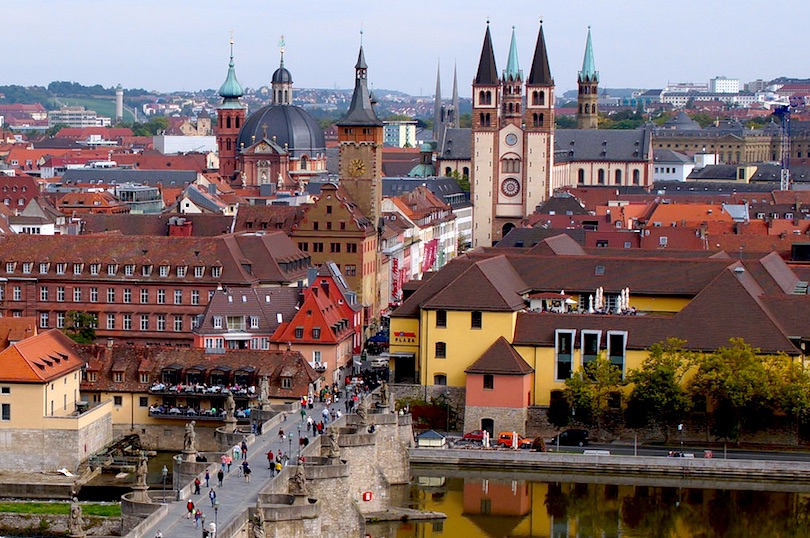
This Bavarian city was an important royal home for many centuries of prince-bishops. The Baroque palace, Wurzburger Residence, is one of Europe’s most ornate examples of this style of architecture, and has been considered one of the continent’s finest royal homes. Of special note are the fresco paintings and elaborate staircase inside the palace.
Also of note in town is the church, which is one of Germany’s oldest, and built directly atop an eighth century pagan temple. Finally, some of the wineries here have been in business since Roman times. It is worth spending time on the property, or at least buying a bottle.
6. Black Forest
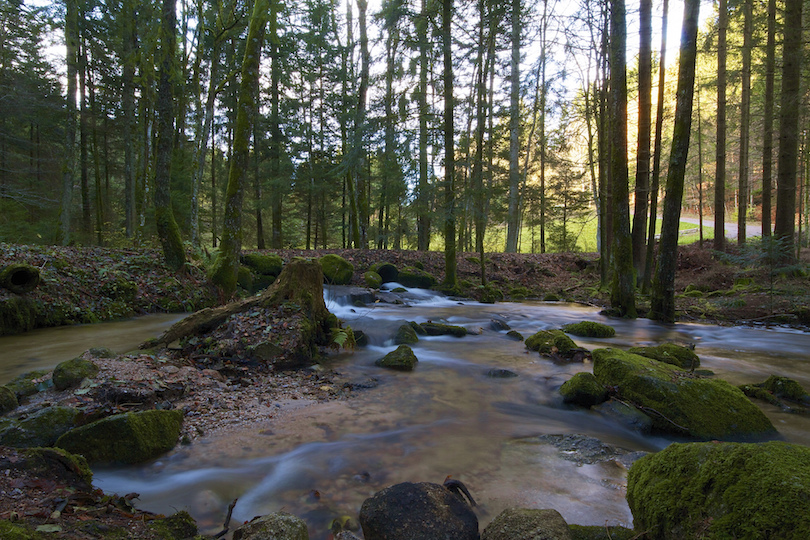
Grimm’s fairy tales come to life in this region known for its legends. This small mountain range is known for its timepieces, both watches and cuckoo clocks, and has a number of craftsmen who have built them for generations. The hilly terrain, lovely lakes and wooded trails of the Black Forest are great for hiking and mountain biking in the summer, and for excellent ski slopes during the wintertime.
5. Bamberg
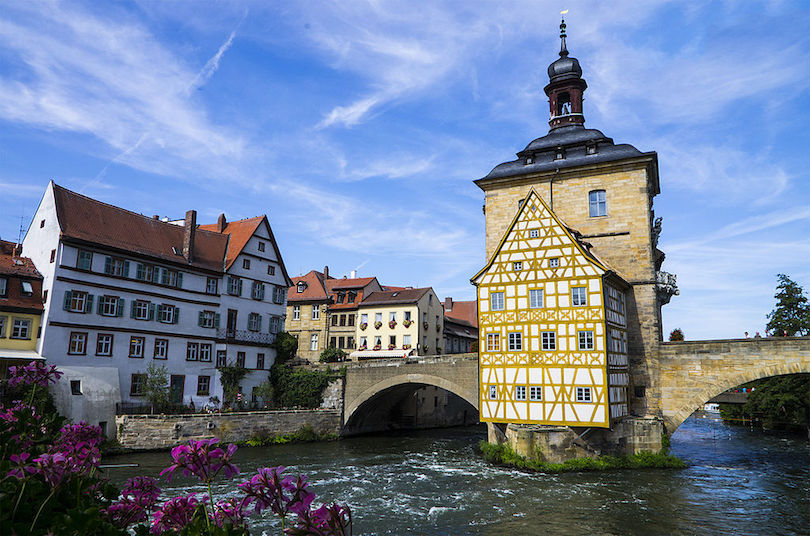
Bamberg is known for its lovely architecture, especially in the old center of town. Two attractions of note are the old sculpture known as Dom, which depicts a young unknown rider. The second is the Altes Rathaus, which is a building that sits in the middle of the river with rooms hanging above the water.
Of special note is the six day folk festival known as Sandkerwa. Several hundred thousand visitors descend upon Bamberg each August for the food, wine, beer, and local sports like fish jousting.
4. Munich
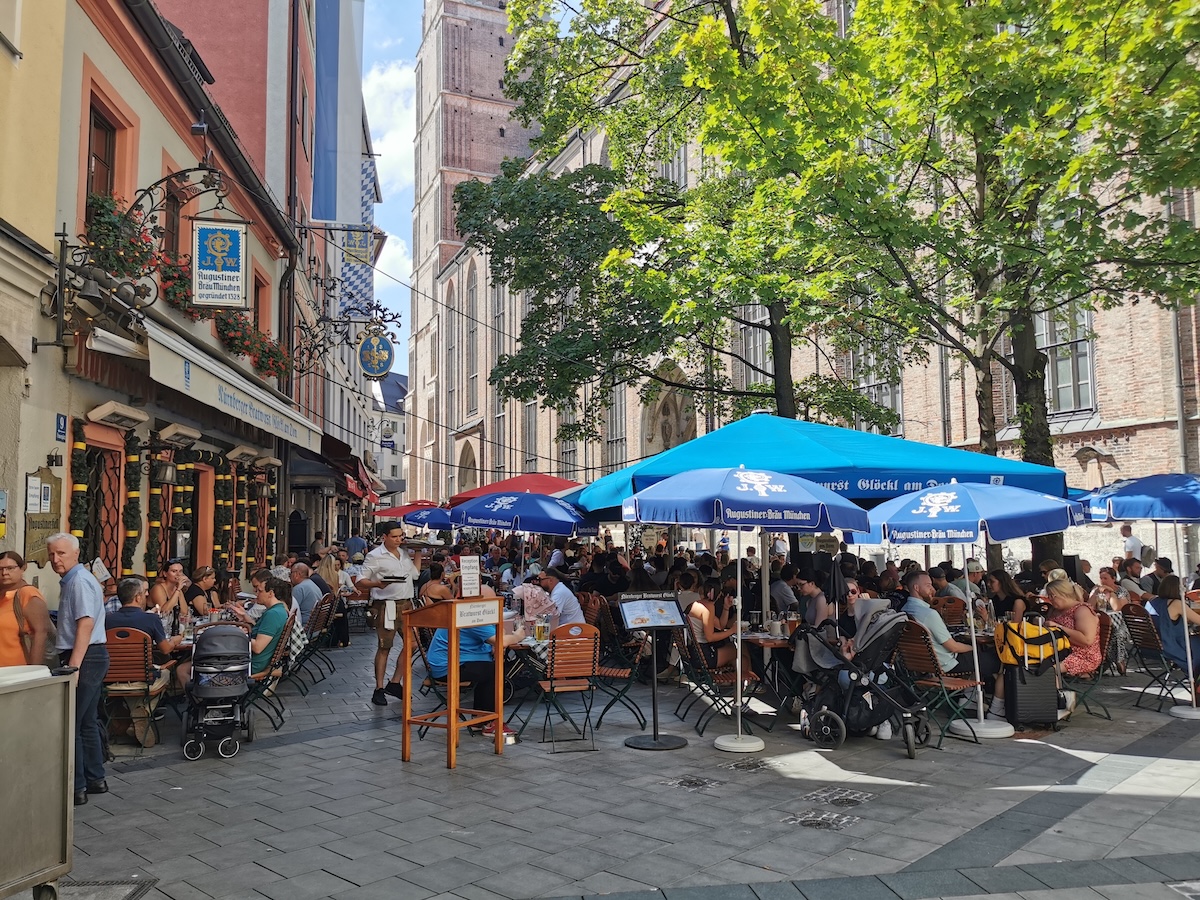
This Bavarian capital is the most populous city in Southern Germany. Located at the river Isar in Southern Bavaria, Munich is best known for its beautiful architecture, fine culture, and the annual Oktoberfest beer festival.
Though the modern city has grown quite large, the original walled city, or Alstrading can be seen in the center, with remaining pieces of the walls and is worth a walking tour. Of special note are the 1972 Olympic village, the opera house, English Garden, and the nightlife in Ludwigsvorstadt-Isarvorstadt.
3. Rothenburg ob der Tauber
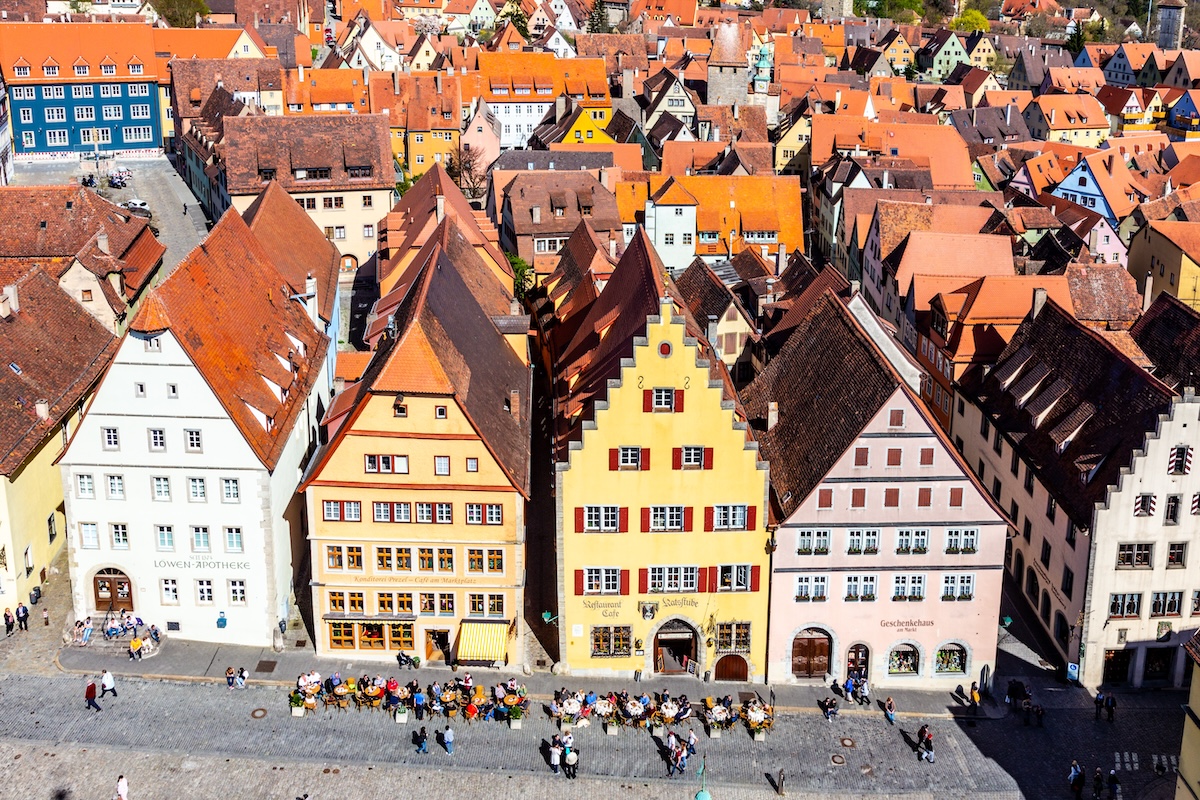
This town along the romantic road is best known for its medieval center dating from the 14th centuries. A history of European wars and world wars have left the number of undisturbed cities of ancient architecture very decimated, and this is one of the best remaining examples of the old Medieval style in Germany.
The small town is only around 6,000 but it gets many tourists stopping through on bus trips along the Romantic road. Whether the visit is short or long, don’t miss market square with the Town Hall tower, the Medieval crime and punishment museum, or the triangular plaza of Plonlein. If there is time, a walk around the restored city wall is a great way to get some spectacular views and photos.
2. Heidelberg
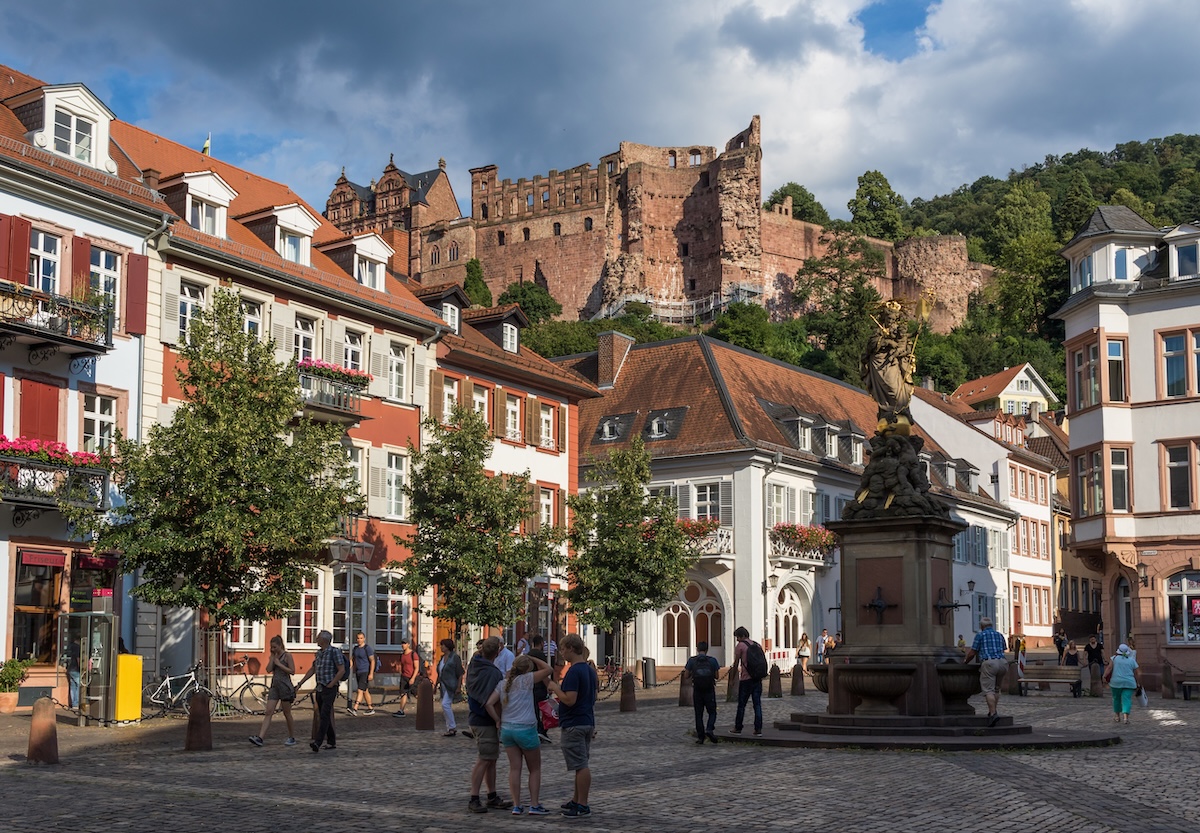
With historic treasures like the medieval Old Bridge, the Heidelberg Castle, the Church of the Holy Spirit and the Knight St. George House, it is no wonder that Heidelberg is one of the top tourist destinations in Germany.
The picturesque city suffered little damage during World War II, with its baroque town center remaining intact. Home to Germany’s oldest university, Heidelberg’s long academic history can be retraced along the Philosopher’s Walk, a scenic footpath often walked by many earlier philosophers and professors.
1. Füssen
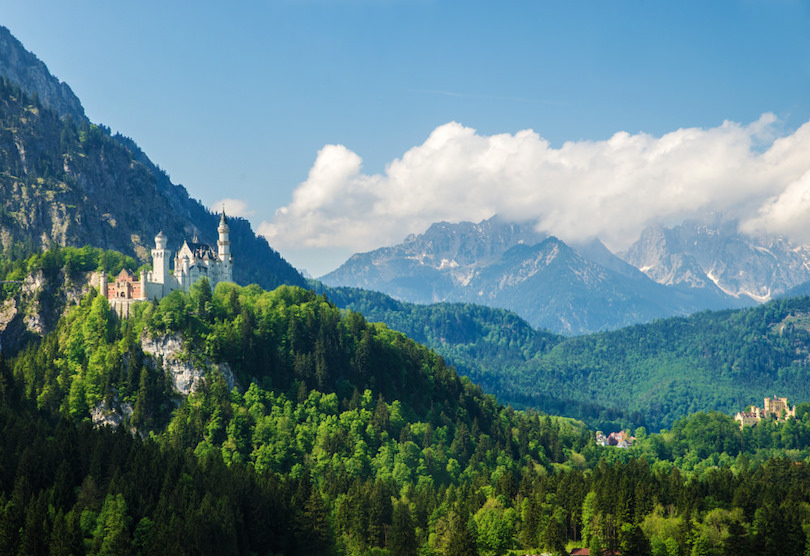
Nestled at the foot of the Alps, the small village of Füssen is the southern climax of the Romantic Road, with the nearby castles of Neuschwanstein and Hohenschwangau the highlight of many a southern Germany trip. The town itself is home to the enchanting Hohes Schloss, or “high castle.” This medieval building has a lovely Trompe l’oeil (optical illusion) facade on the outside and a stunning clock tower among its most famed features.
The village also has a former Benedictine monastery called St Mang. Many lakes and beautiful trails are nearby if you would like to venture out of the village. Though most of the highlights can be seen in a day or two, the charming ambiance here is worth taking time to soak in and explore.