
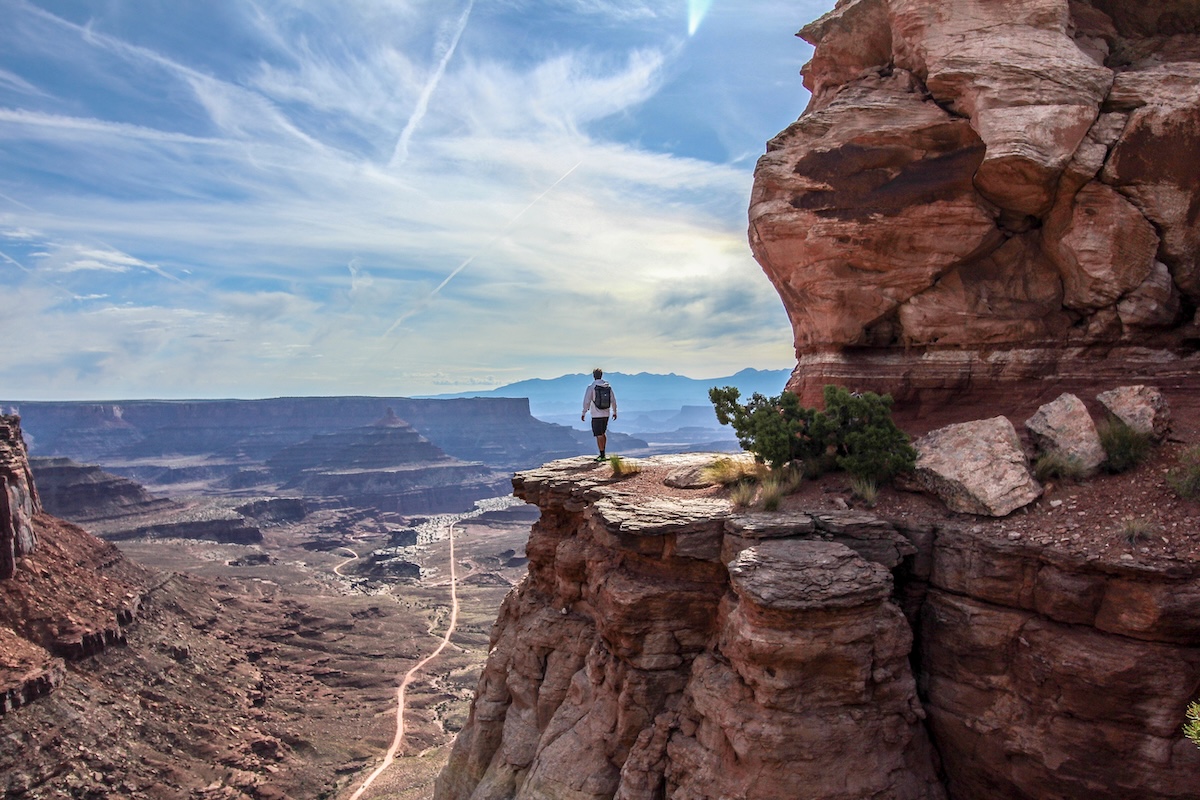
Most people just cruise right past this spectacular viewpoint on their way to Canyonlands National Park. That’s a mistake. About 32 miles outside Moab, a mesa juts out over the Colorado River canyon, dropping a wild 2,000 feet straight down. This is Dead Horse Point State Park, and it offers up some of Utah’s most jaw-dropping views—no exaggeration.
The name? Yeah, it’s a little dark. Back in the late 1800s, cowboys used the narrow neck of land as a natural corral to trap wild mustangs. Legend has it, a bunch of horses got left behind on the point and died of thirst while the river shimmered just out of reach below. It’s a rough history for a place that’s honestly stunning.
Dead Horse Point State Park sprawls across high desert, with layered red rock, pinyon and juniper woodlands, and canyons carved over millions of years. You can see the highlights in a couple of hours, or stretch your visit with hikes and lingering for sunset. At about 5,900 feet, the park stays a bit cooler than Moab. Entry is $20 per vehicle, and that covers two days. It fits neatly into any Moab road trip with Arches and Canyonlands. Somehow, it often ends up being the trip’s surprise favorite.
Why The Views Are The Main Draw
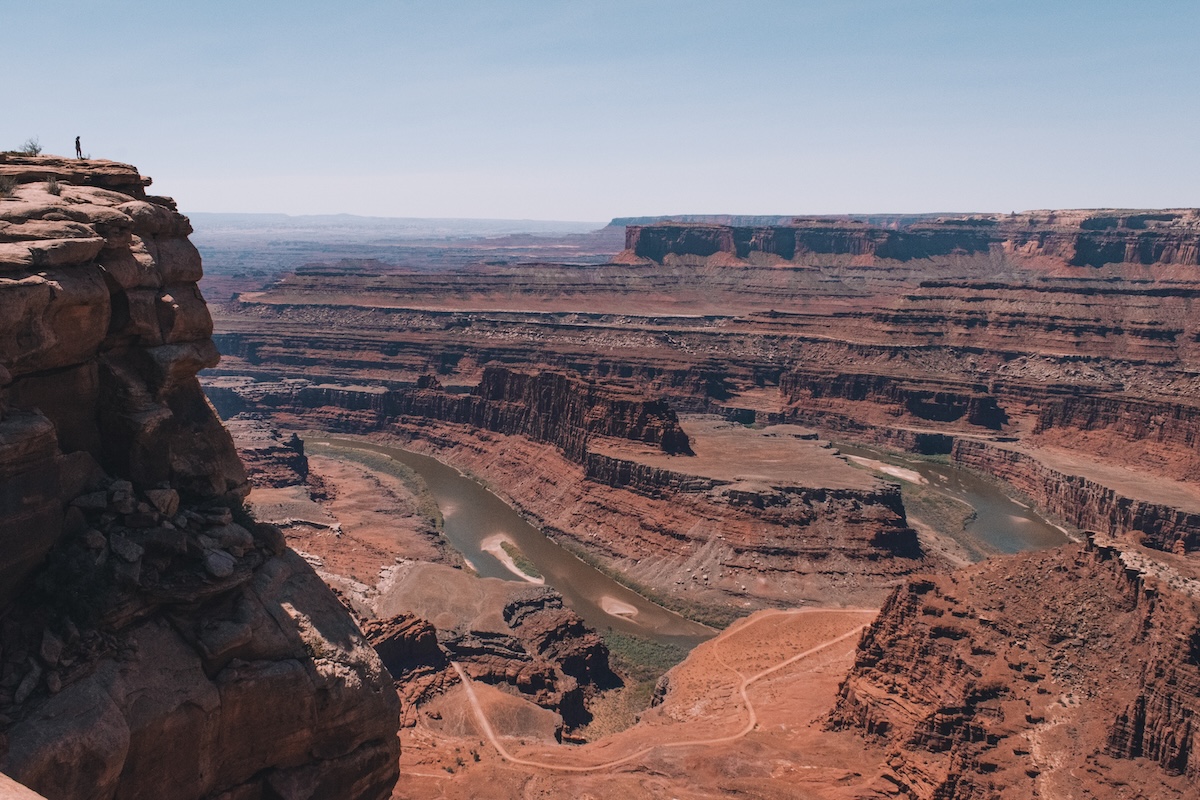
Let’s be real: the Dead Horse Point Overlook is the star here. It sits right at the tip of the mesa, and from there you stare straight down at the Colorado River looping through a tight gooseneck bend, all framed by layered canyon walls in rust, cream, and brown. That drop? It’s about 2,000 feet. On a clear day, you can spot deep into Canyonlands National Park and maybe even farther.
The trail from the parking lot to the main viewpoint is short and paved, so just about anyone can make it. But don’t skip the other overlooks—each one has its own vibe. Meander Overlook gives you a new angle on those wild river curves. Shafer Canyon Overlook lets you peer down into the canyon where a gnarly 4×4 road snakes along the cliff. Rim Overlook and Desert View Overlook each show off different slices of the same huge landscape.
You can drive between these viewpoints in about half an hour, hopping out at each one. No long hikes required. Each spot frames the canyon in its own way, and the light changes everything—sometimes dramatically—depending on the hour.
If you’re into photography, sunrise is magic. Try to get there about 20 minutes early and watch the canyon walls shift from pinks to violets before the sun really hits. Sunset is gorgeous too, with the red rock glowing gold and shadows stretching out across the cliffs. Both beat the harsh midday glare by a mile. And if you like a bit of history, the natural corral at the neck of the point is worth a quick look.
Best Trails For A Short Visit Or Half Day
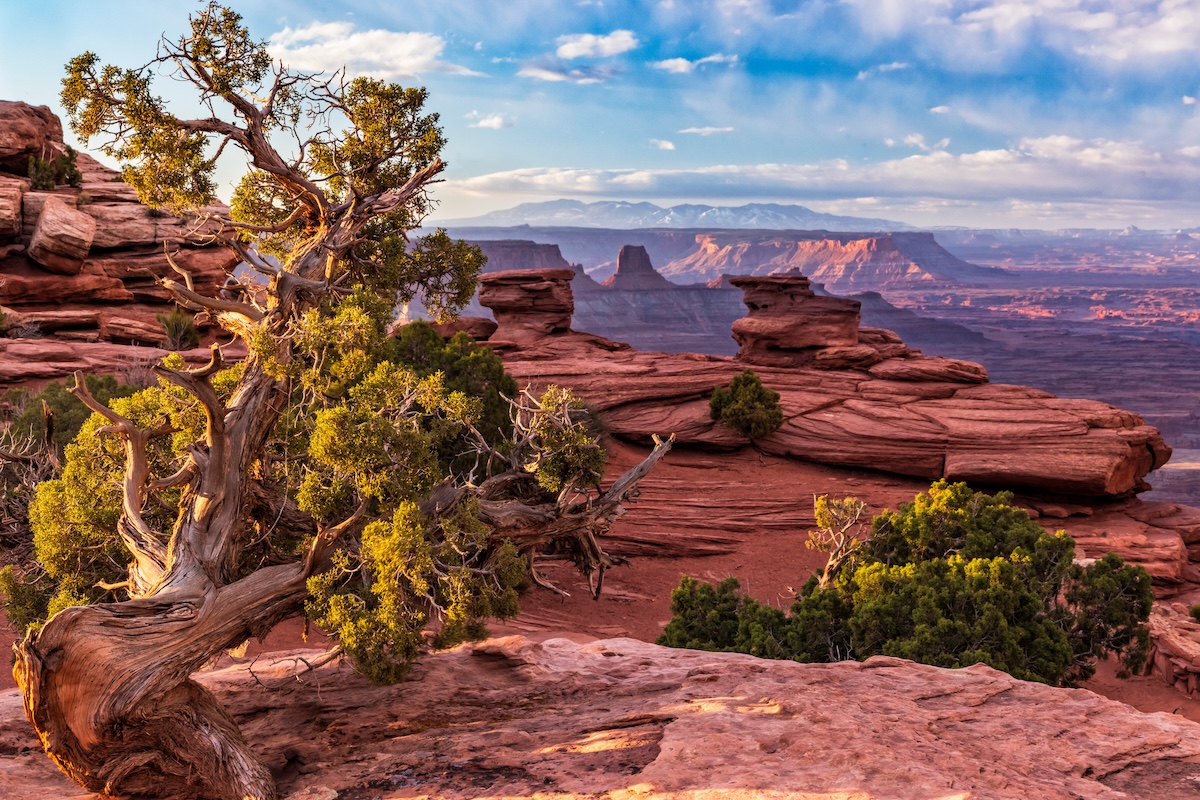
If you’ve only got a couple of hours, the trails at Dead Horse Point State Park are pretty doable—and you get rewarded fast. Head to the visitor center first, grab a map, maybe chat with the staff, and check the latest trail updates. The Visitor Center Nature Trail loops right from the building and takes about 15 minutes. It’s short, but you get a quick feel for the high desert plants and geology. Not a bad way to start.
Want bigger views? The East Rim Trail and West Rim Trail run along opposite sides of the mesa, both with nonstop canyon vistas. You can link them into a 5-mile loop for the whole package, or just wander a section if that’s more your speed. The paths are mostly flat, though you’ll hit some rocky bits, and there’s not much shade—definitely bring water and a hat.
The Bighorn Overlook Trail splits off the East Rim Trail and leads to a viewpoint where you can look across the canyon toward the river. It’s a solid spot to turn around if you want a focused 2-mile round trip with impressive views and not much effort.
There are about 9 miles of trails here, and most hug the rim. You won’t need any technical gear or crazy fitness—just sturdy shoes with decent grip. For a half-day, walk one rim trail out to Bighorn Overlook, then drive over to the main overlook for a different angle. That way, you hit the highlights without feeling rushed.