
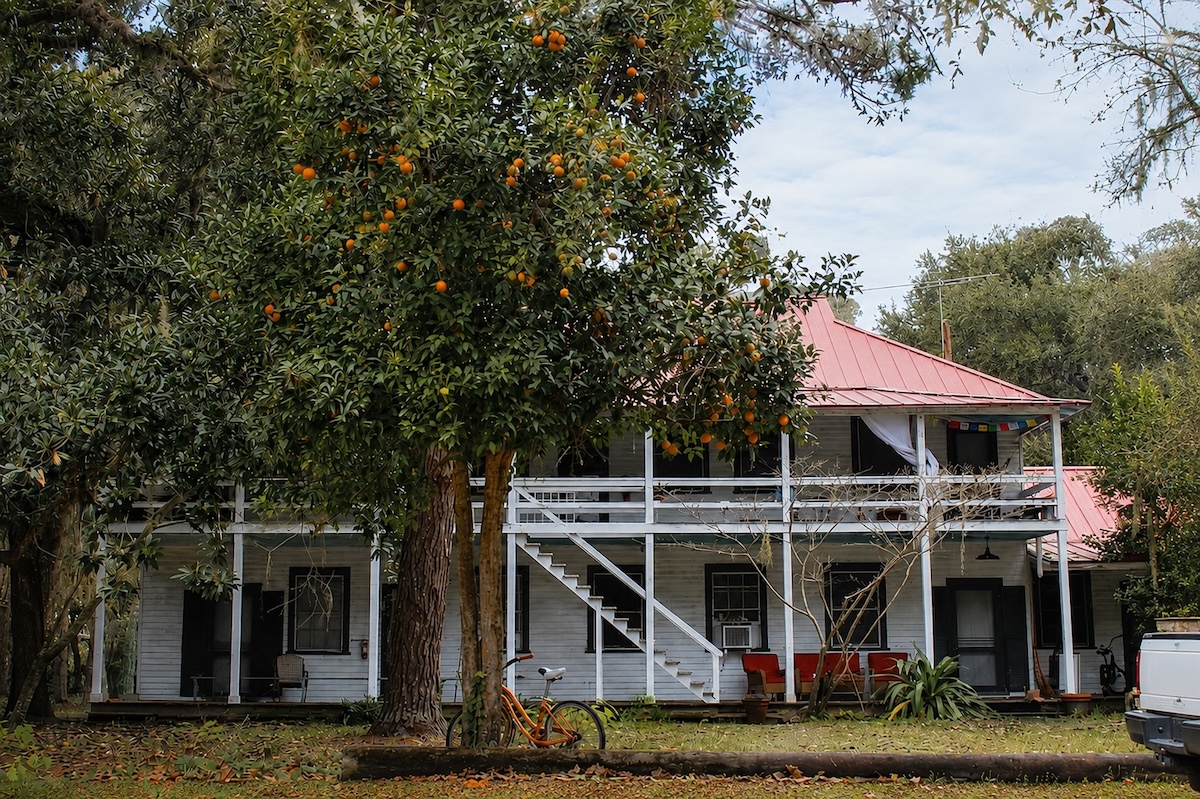
Along Georgia’s southern coast, there’s a 17.5-mile island you can only reach by taking a 45-minute ferry from the little town of St. Marys. It is the state’s largest barrier island, but honestly, it feels worlds away from the busy beach towns you see elsewhere along the South Atlantic. Fewer than 50 people actually live on Cumberland Island year-round. No cars, no beach bars, no boardwalks—none of that usual coastal clutter.
Instead, you’ll find 17 miles of wild Atlantic shoreline, more than 9,800 acres of federally protected wilderness, and a kind of hush that sneaks up on you after ten minutes or so. Wild horses wander near the old tabby ruins of a Carnegie mansion. Spanish moss drapes from live oaks over sandy trails. If you’re after a Georgia coast trip that ditches convenience in favor of something truly rare, this is the place you want.
Why This Barrier Island Feels So Remote
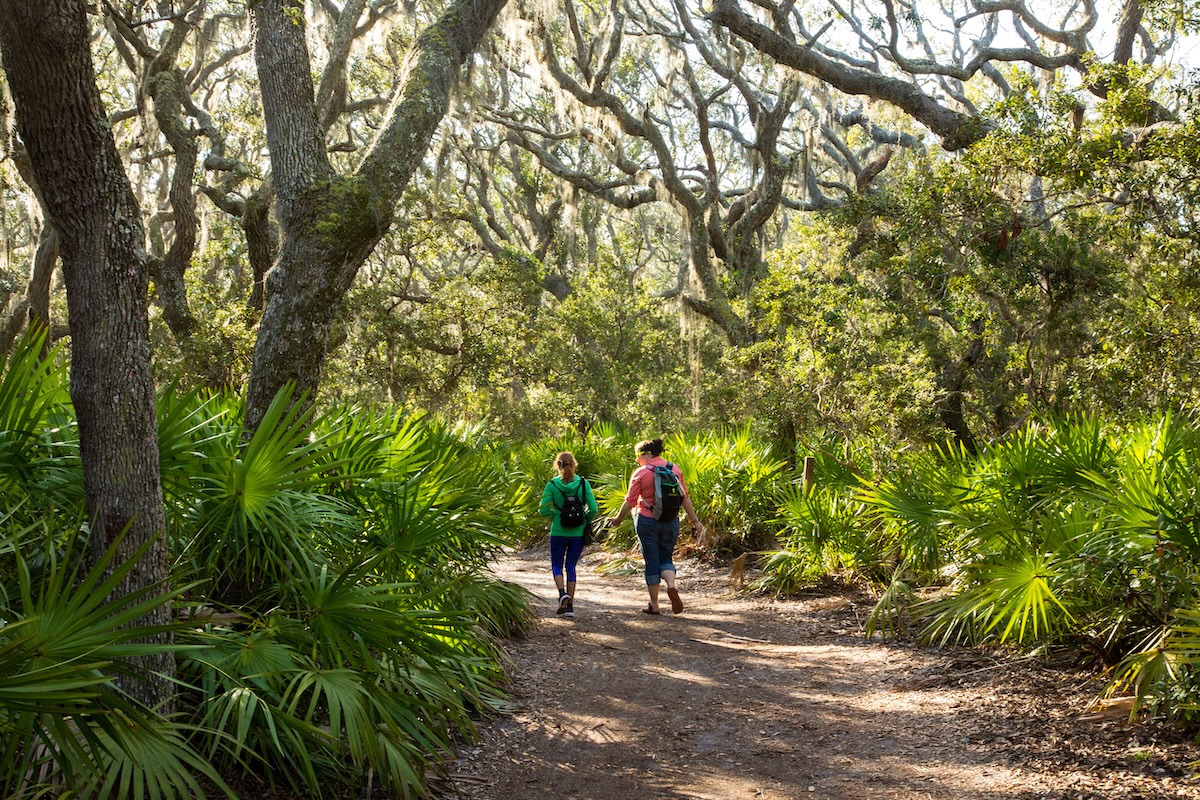
The National Park Service keeps Cumberland Island under its wing as a National Seashore, locking in a landscape that most barrier islands lost years ago. Over 36,000 acres of habitat stay untouched, from salt marshes and freshwater wetlands to maritime forests and dunes. The United Nations even tagged the island as an International Biosphere Reserve, thanks to its role in protecting rare wildlife. You won’t find paved resort roads slicing through the trees or commercial strips crowding the beach.
Getting here isn’t exactly a breeze, and that’s a big part of why the place feels so cut off. The ferry from St. Marys, run by a concessionaire, only carries 150 passengers at a time. That’s the max for day visitors. Forget about driving a car onto the island. Bikes are allowed, but only 15 per crossing, and you’ll have to stick to the Main Road and marked trails. So, most of the time, you’re exploring on foot, and honestly, that slower pace makes a single day stretch out in a good way.
You do need to book the ferry ahead—especially in busy months—because tickets disappear fast. That little bit of hassle is intentional. It keeps the crowds down and protects the quiet, which is exactly what makes Cumberland Island worth the extra effort.
Wild Horses, Ruins And Coastal Scenery
You step off the ferry at the south end of the island, and after a short walk, you’re suddenly on a beach that just keeps going—no umbrellas, no buildings, not even a lifeguard stand in sight. The whole Atlantic side of Cumberland Island is open shoreline, about 17 miles of white sand and rolling dunes. On a weekday in spring, it’s easy to walk a mile and not bump into a soul. The sand near the water feels firm underfoot, but closer to the dune grass, it turns soft and deep, almost like walking on flour.
Behind the beach, the dunes rise up enough to block the wind and salt spray, making a sheltered zone where freshwater wetlands pop up during rainy months. These dunes aren’t just for looks—they’re the island’s natural shield, protecting what’s behind them and giving tough little plants a place to hang on. They ask you to use only the marked paths, which, honestly, seems fair if it keeps the dunes from washing away.
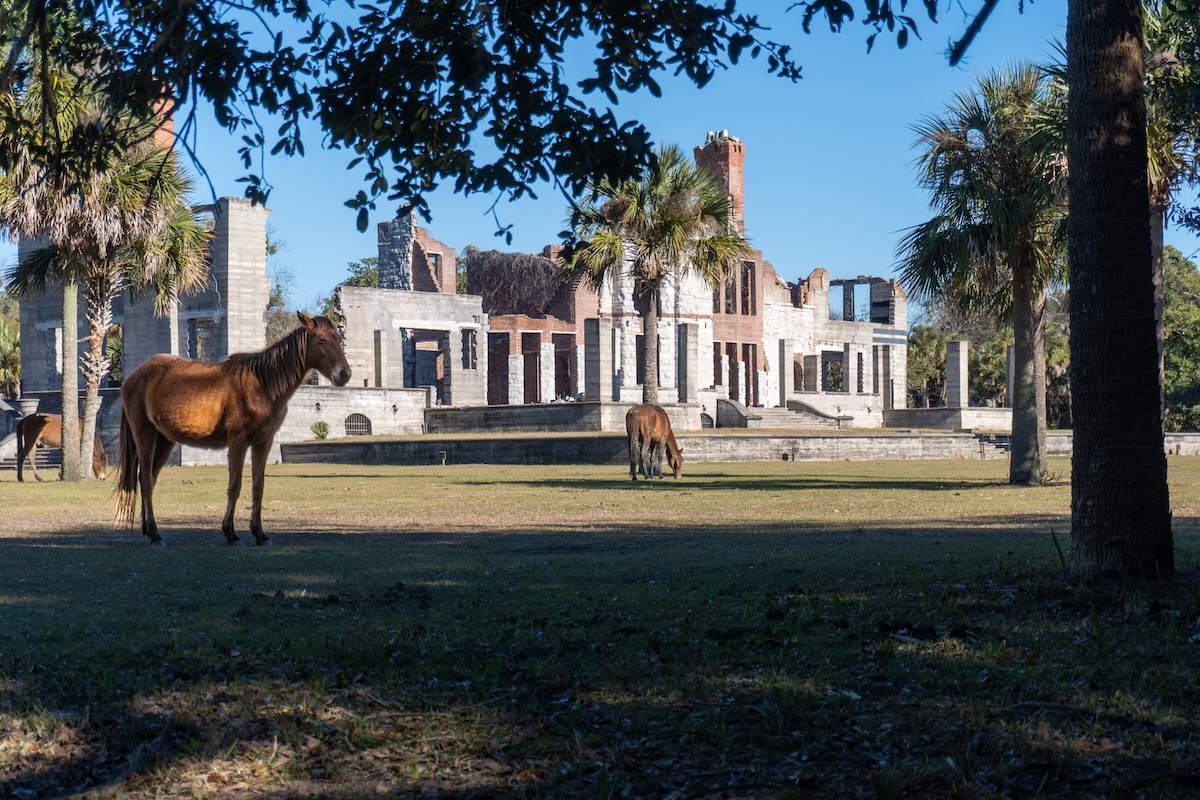
If you wander inland, things change quickly. Trails disappear into maritime forest, shaded by live oaks tangled with Spanish moss, cabbage palms, and the occasional magnolia. Wild horses—descendants of animals dumped here centuries ago—graze in clearings and sometimes just stroll through the Dungeness ruins like they own the place. Those ruins, all that’s left of Thomas and Lucy Carnegie’s 1884 mansion that burned in the 1950s, sit surrounded by palmetto and crumbling brick, with old carriage roads vanishing under the trees. The mix of broken-down architecture, horses wandering wherever they please, and thick coastal forest gives the south end of the island a strange, unforgettable atmosphere. You won’t find anything quite like it on any other Georgia beach, that’s for sure.