

This tiny town sits about seven miles off the Eastern Shore, connected to the mainland by a single causeway. The whole town covers the island, which stretches roughly seven miles long and just over a mile wide. Around 3,300 people call it home year-round. Most folks show up for the wild ponies, the untouched beach on neighboring Assateague Island, and a pace that honestly feels unhurried—refreshingly so, if you ask me.
If you’re debating Chincoteague versus louder Mid-Atlantic spots, you’ll notice the difference almost instantly. There’s no boardwalk arcade blaring music, no high-rise condos looming over the water. You get small marinas, local seafood joints, and a 14,000-acre national wildlife refuge just across a short bridge. Days here seem to revolve around the tides, sunlight, and whatever the marshes decide to offer up that morning.
Why Travelers Choose This Island Town
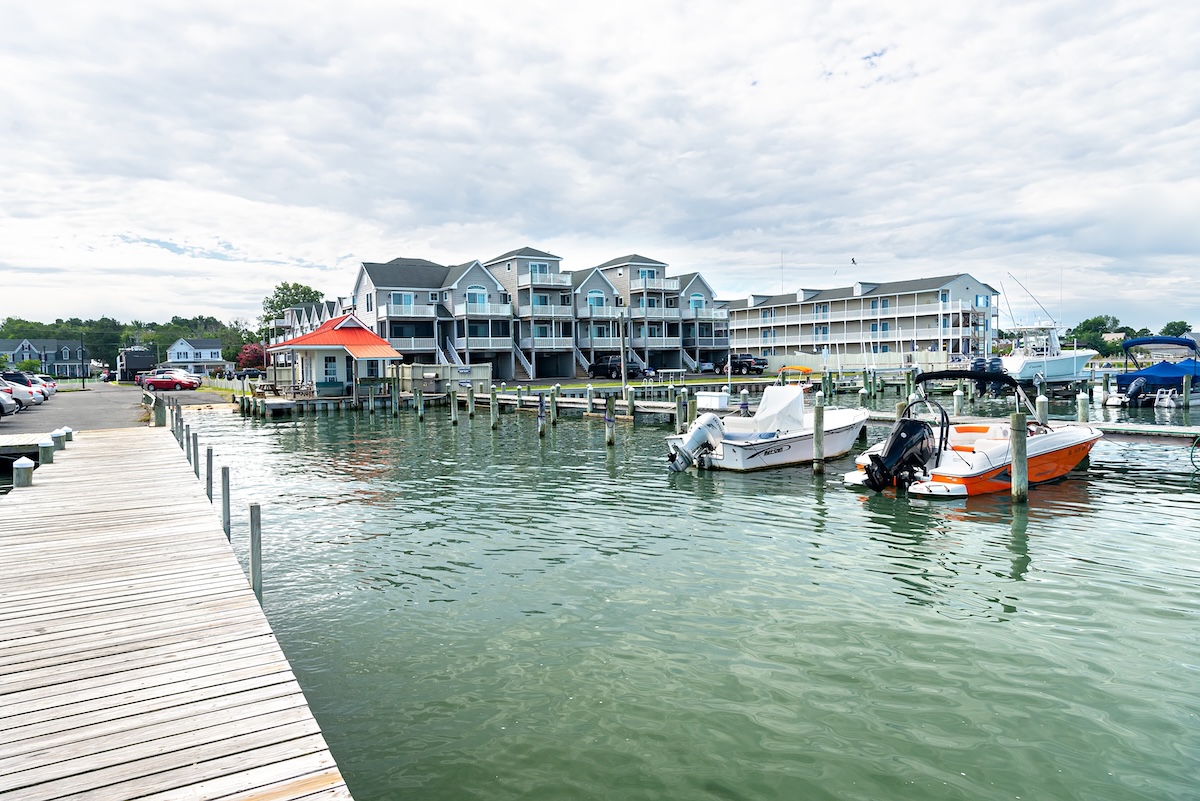
You won’t stumble on a strip of chain restaurants or a convention center in Chincoteague. It’s Virginia’s only resort island, but it feels way more like a working fishing village than a tourist hotspot. Maddox Boulevard—the main drag out to Assateague—is dotted with ice cream shops, motels, and outfitters renting kayaks or bikes. The commercial area’s walkable. Most places to stay are independent inns, little cottages, or simple waterfront rentals; branded hotels aren’t really a thing here.
What keeps people coming back? There’s just none of the sensory overload you get in places like Virginia Beach or Ocean City. You can drive the whole island in under 15 minutes. Evenings usually mean a plate of local oysters, a sunset over the bay, and not a whole lot else. For couples or weekenders craving a coastal reset without the hassle of packed parking lots, that’s exactly the appeal.
Chincoteague’s atmosphere sets it apart from just about every other beach town on the East Coast. You’ll still see the working waterfront—crab boats, charter vessels, and all. Locals eat at the same restaurants as visitors, and it’s not weird to end up chatting with someone at the counter. The island does have its share of events, like the famous annual Pony Swim run by the Chincoteague Volunteer Fire Company since 1925, but honestly, it doesn’t need a packed calendar to feel worth visiting.
The real draw is the environment: salt marsh, open water, maritime forest, and a barrier island beach with zero development on it. It’s a setting that feels genuine, not manufactured. If you’re wondering when to go, late spring and early fall usually hit the sweet spot for mild weather and fewer crowds.
Wildlife, Ponies, And Nature Reserves
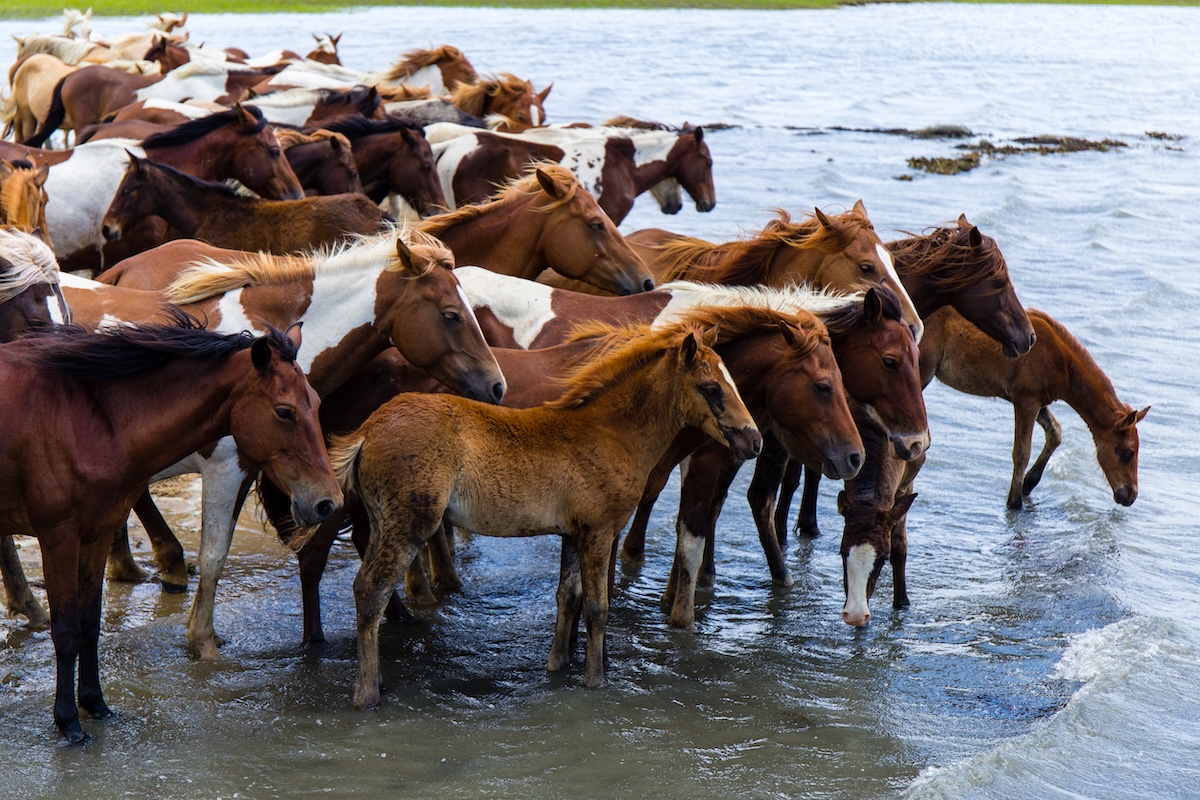
The Chincoteague National Wildlife Refuge sprawls across about 14,000 acres on the Virginia side of Assateague Island. Most nature lovers have this spot on their radar for good reason. You can drive or bike to the refuge from downtown Chincoteague in around ten minutes. There’s an entry fee per vehicle, and while the place stays open year-round, you’ll want to double-check the hours since they change with the seasons.
The wild ponies live in two herds, one up north and one to the south. The refuge keeps them fenced away from the roads and main trails, but you can still catch sight of them from marked observation spots along the Wildlife Loop or from a few marsh pull-offs. Early mornings or late afternoons usually give you the best shot at seeing them grazing by the trees or cooling off in the shallows. If you’ve got binoculars, bring them. Photos might make the ponies look close, but you’ll need to keep your distance—refuge staff are pretty strict about that, and honestly, it’s for the best.
Birding here is a big deal. The refuge has logged over 320 species, and fall migration (September through November) turns the place into a hotspot for shorebirds, raptors, and waterfowl. The Wildlife Loop—a paved, 3.2-mile stretch—winds through marsh and forest, dotted with several observation platforms. Cars can use it during certain hours, but walkers and cyclists have free rein all day. If you want a quieter stroll, the Woodland Trail and Lighthouse Trail both offer shady, less-traveled paths. Down at Tom’s Cove on the southern tip, you’ll find open beach and tidal flats where oystercatchers and terns work the shoreline—sometimes without another soul around.