
Most people who see an animal in the wild come back fundamentally changed. They bore their friends with it for months and post the same photograph a dozen times. Who can blame them? Some even find themselves rethinking everything they assumed about being the most significant species on the planet.
The encounters on this list are the ones that do this most effectively, spread across six continents and requiring varying degrees of effort, expense, and waterproofing. A few are logistically demanding, testing your commitment before you even arrive. But that’s half the fun!
25. Giant Tortoise Encounters, Seychelles
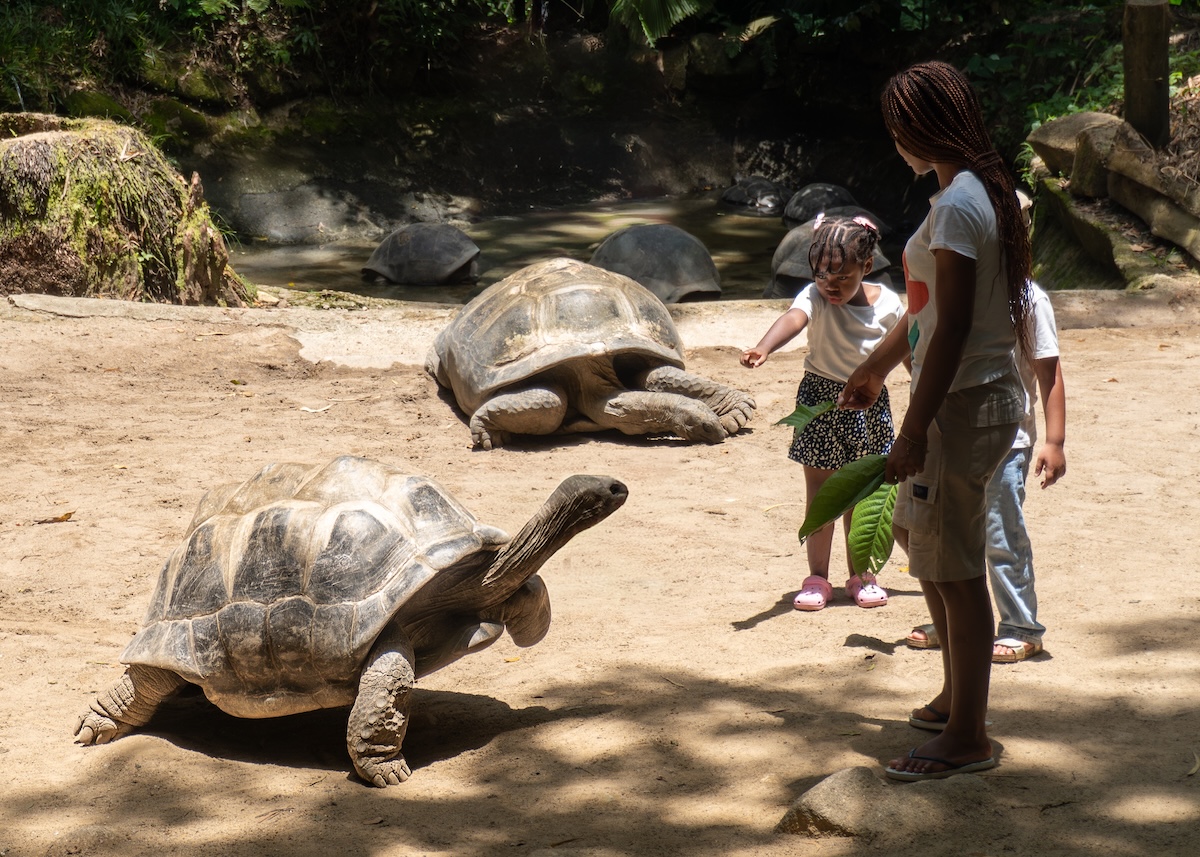
On the Seychelles islands, you can wander among Aldabra giant tortoises, some of the oldest living creatures on the planet. These gentle giants, often topping 500 pounds and living more than a century, lumber through the lush greenery with a kind of slow-motion dignity. You’ll spot them on islands like Curieuse and at Moyenne Island Nature Reserve, where they seem unfazed by visitors.
The best approach is to sit quietly and let the tortoises come to you. Watch them munch leaves, soak in shallow pools, or nap in the shade. Their wrinkled faces and slow movements feel almost prehistoric. Park rangers know many of these tortoises by name and can share stories that stretch back decades. The whole experience is unhurried—there’s no rushing a tortoise, after all.
24. Orca Watching, Tromsø, Norway
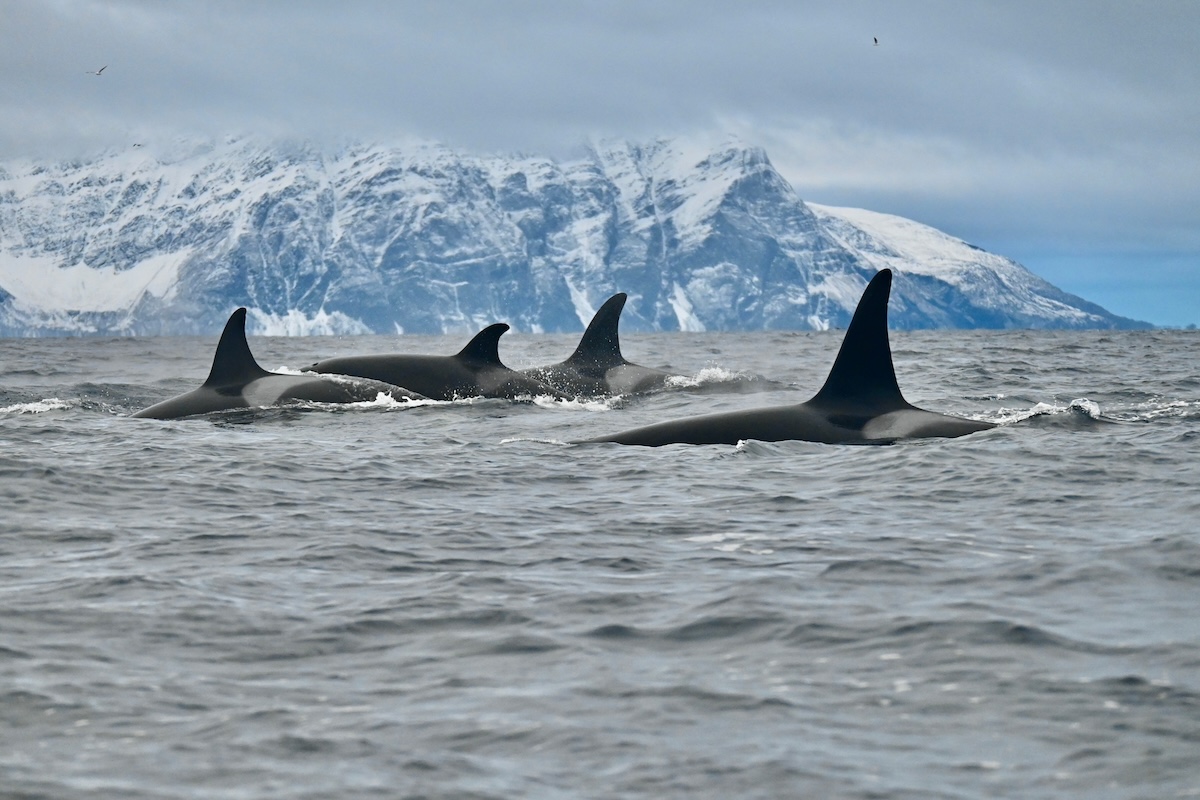
Tromsø’s fjords turn into prime orca territory between November and January, as huge herring migrations lure hundreds of these whales close to shore. The orcas chase their prey right into sheltered waters, sometimes coming so near you can see them from the docks.
Hop on a guided boat tour from Tromsø’s harbor early in the morning if you want the best shot. The Arctic’s short winter days cast a dramatic twilight over the water, making those black-and-white fins even more striking. You might also spot humpbacks and fin whales joining the feast. Tours usually last most of the day and provide warm suits. Operators stick to strict rules to avoid disturbing the whales, keeping a respectful distance but still offering incredible views as orcas hunt together under the northern sky.
23. Leopard safari, Yala National Park, Sri Lanka
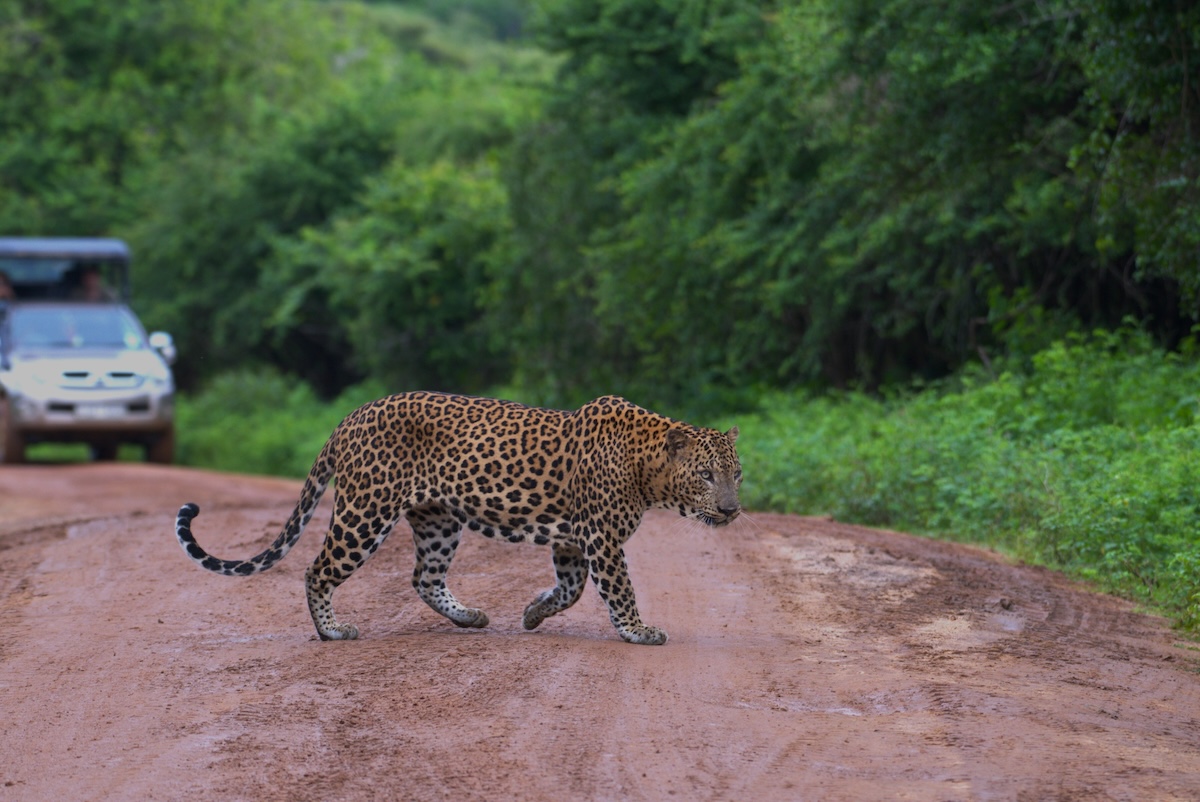
Yala National Park is legendary for its leopards—nowhere else in the world are they so concentrated. When you head out in an open-top jeep at dawn or dusk, you’ve got a real shot at spotting these elusive cats lounging in trees or stalking prey across the park’s open terrain.
You’ll cruise through scrubland and rocky outcrops, scanning branches and grass for a flash of spotted fur. The park’s also home to elephants, sloth bears, and crocodiles, but leopards steal the show. Block II is especially famous for close encounters. It’s a place where you might actually see a leopard behaving naturally, not just a flicker disappearing into the bush.
22. Wolf Watching, Yellowstone National Park, Wyoming
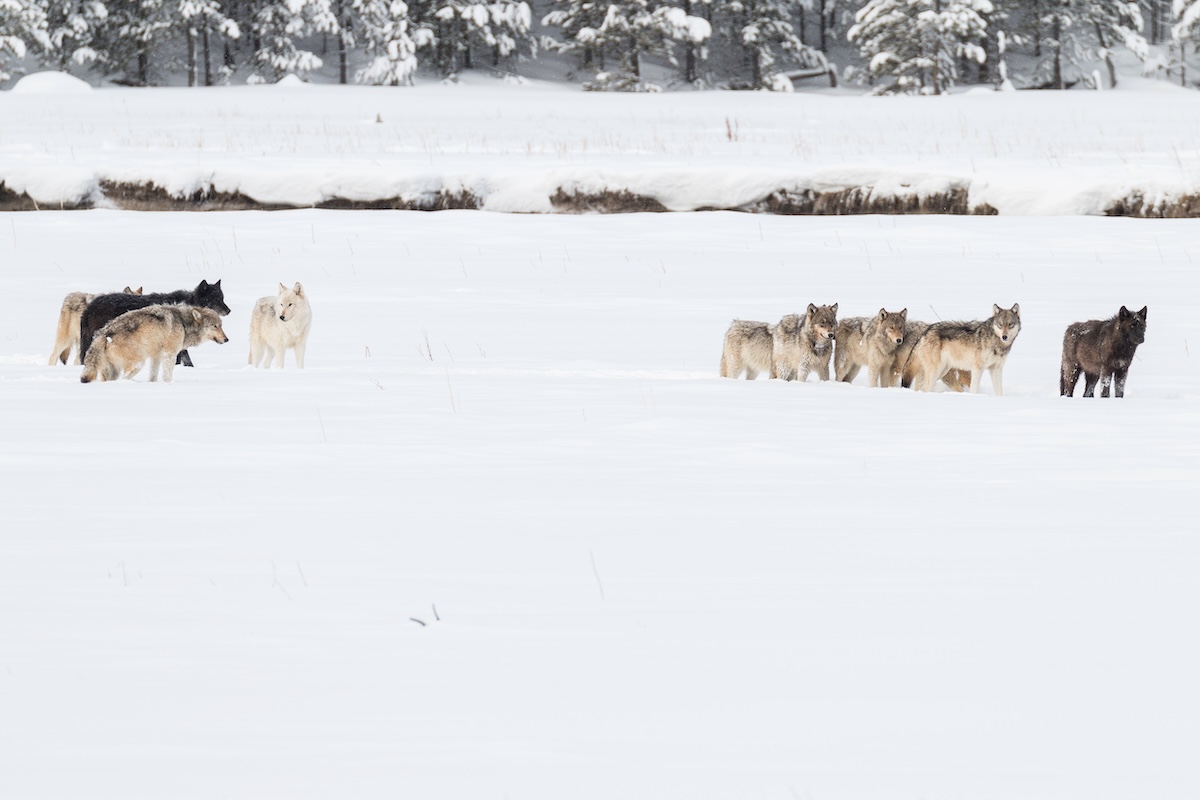
Yellowstone’s Lamar Valley, often called “America’s Serengeti,” is the spot for wild wolf sightings in North America. Bring binoculars or a spotting scope—wolves keep their distance, and you’ll usually see them at dawn or dusk.
Since the wolf reintroduction in 1995, several packs roam Yellowstone’s northern range. Winter, from December through March, offers the best visibility as the wolves stand out against the snow. You can join ranger-led outings or hire a local guide who knows where the packs like to roam. It’s a rare privilege to watch wolves hunt elk or move through the valleys, and it’s never quite the same twice.
21. Flamingo Flocks, Lake Bogoria, Kenya
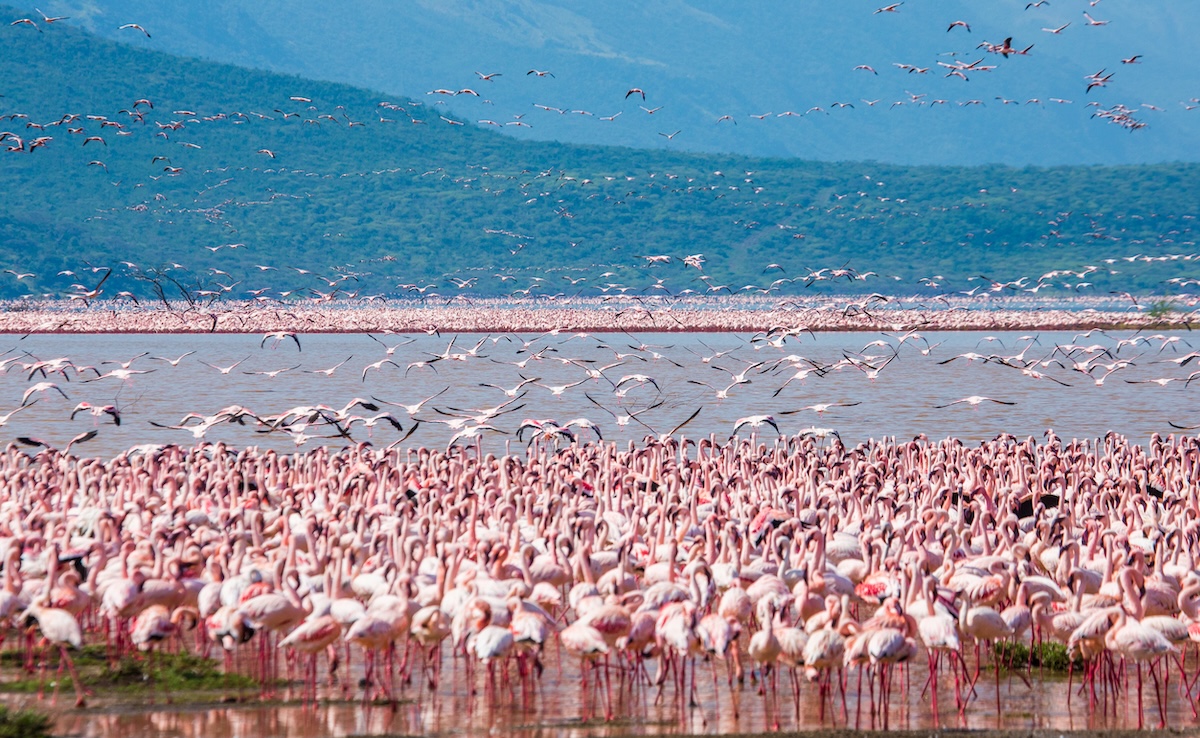
Lake Bogoria is famous for its jaw-dropping flamingo gatherings—millions of lesser flamingos turn the lake’s alkaline shores pink, moving in swirling flocks that look almost unreal. The abundance of blue-green algae draws them here in staggering numbers.
Early morning or late afternoon are the best times to visit, when the birds are most active and the light makes their colors pop. The lake also boasts hot springs and geysers along its shores. Numbers shift as flamingos move between East Africa’s lakes, but when they’re in, the spectacle is unforgettable. The combination of birds, Rift Valley scenery, and bubbling geothermal features makes Bogoria stand apart from Kenya’s classic safari spots.
20. Lemur Encounters, Andasibe-Mantadia National Park, Madagascar
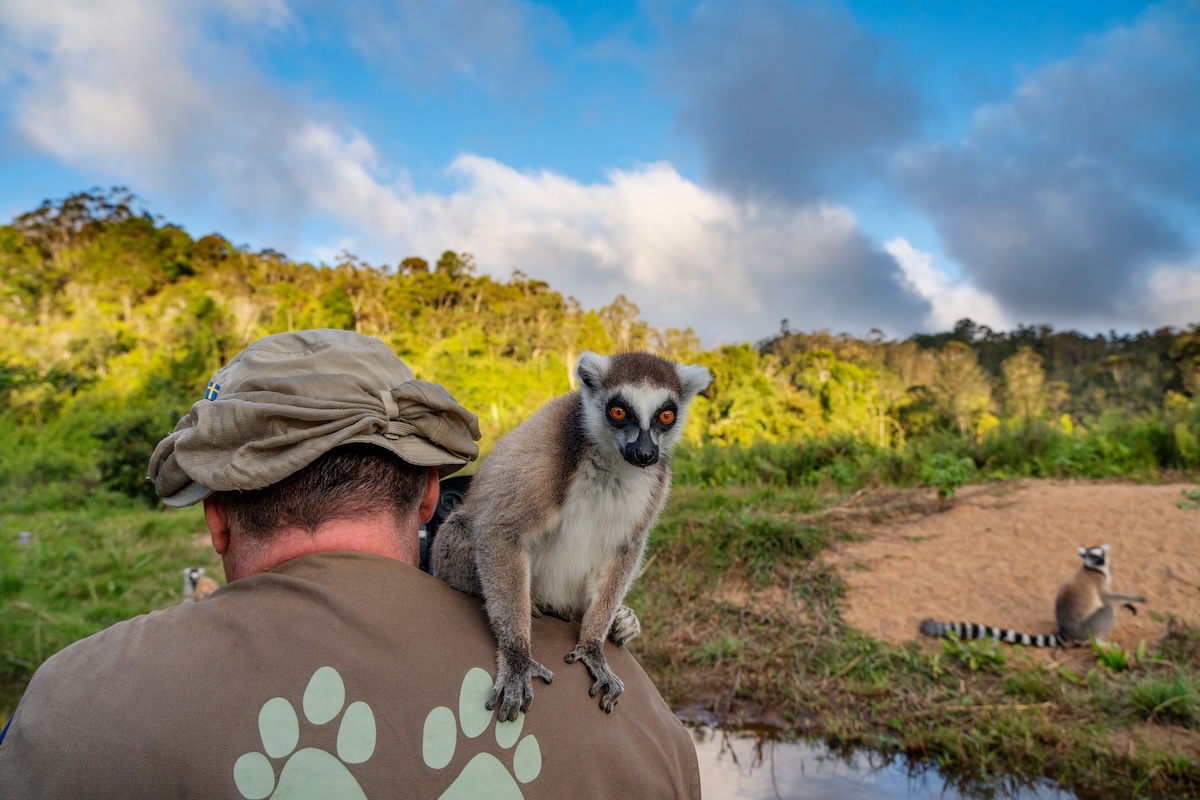
If you want to see lemurs in Madagascar, Andasibe-Mantadia National Park is the most accessible place to do it. Just three hours from the capital, the park shelters 11 lemur species, including the indri—the largest of them all. Their eerie calls echo through the rainforest at dawn, creating a soundtrack you won’t hear anywhere else.
Guided walks take you through both primary and secondary forest. You’ll spot diademed sifakas and brown lemurs by day, while evening hikes might reveal tiny mouse lemurs. Most people spend a couple of days exploring, with trails ranging from easy strolls to muddy treks. The rainforest climate means rain and humidity are pretty much a given, so come prepared.
19. Whale Shark Watching, Oslob, Cebu, The Philippines
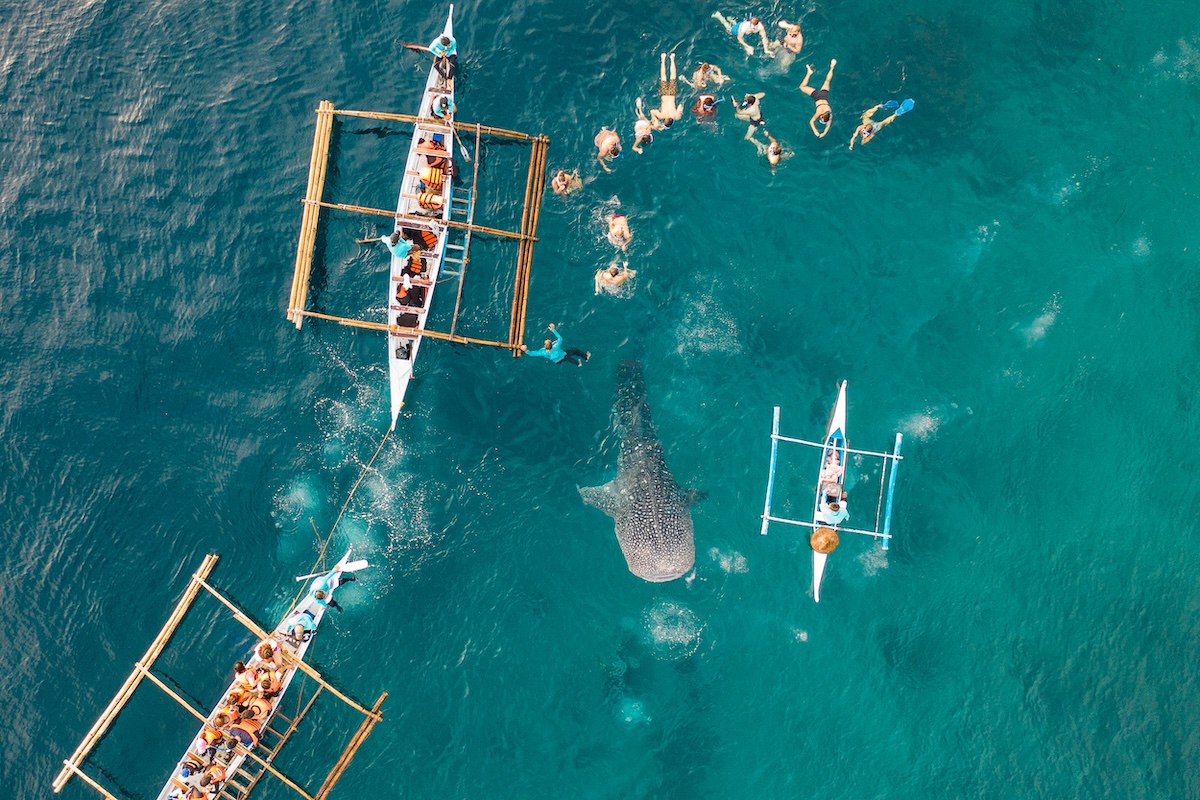
In Oslob, on Cebu’s southern tip, you can swim next to whale sharks—the world’s biggest fish. Local fishermen feed them each morning, attracting these gentle giants to shallow waters where you can snorkel just feet away as they glide past, mouths wide open, filtering plankton.
There’s controversy around the feeding, with some marine biologists worried it changes the whale sharks’ behavior and migration. Still, Oslob has become a top wildlife attraction in the Philippines. Arrive before 7 AM to beat the crowds and catch the best visibility. You’ll get about 30 minutes in the water, or you can watch from a boat if you’d rather stay dry.
18. Black Rhino Spotting, Etosha National Park, Namibia
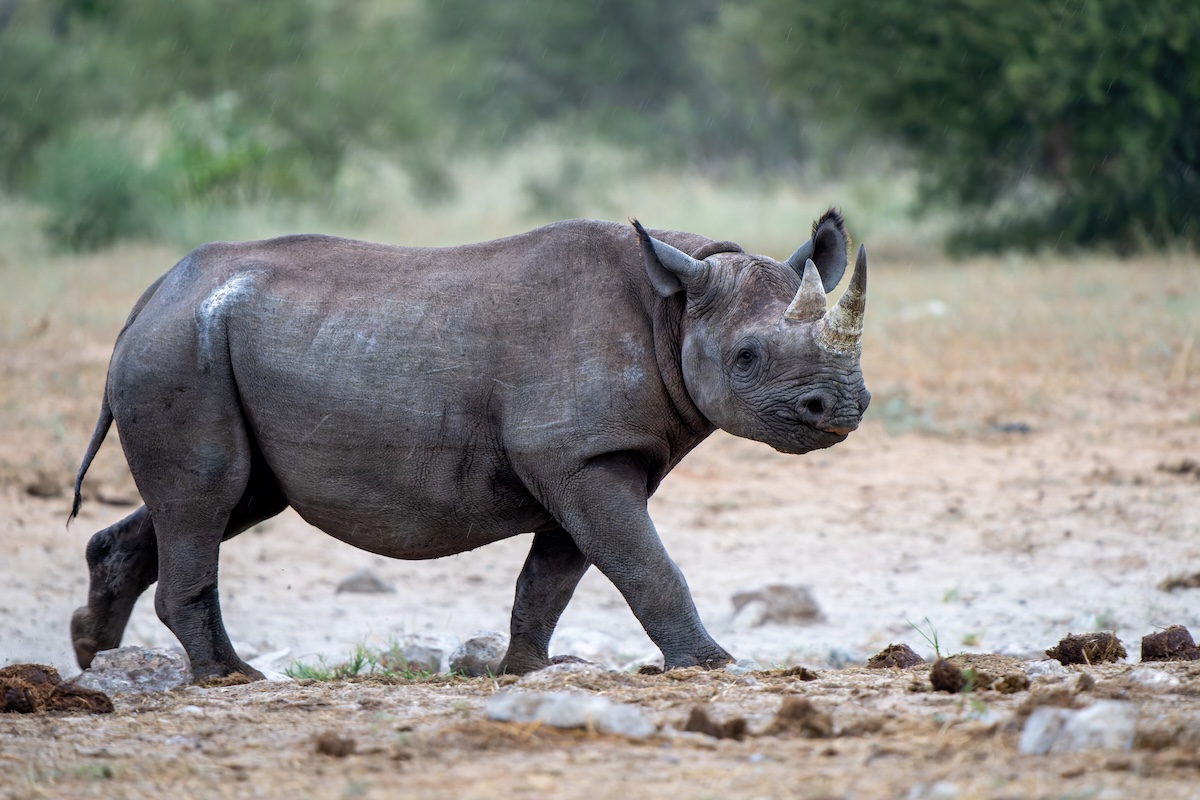
Etosha National Park is one of the last strongholds for black rhinos. The park’s salt pans and scattered waterholes make spotting these critically endangered animals possible, especially during the dry season (May to October) when wildlife clusters around water.
If you’re serious about seeing a black rhino, try waiting near floodlit waterholes like Okaukuejo or Halali after dark—rhinos often come to drink at night. Black rhinos are smaller and more aggressive than their white cousins, with a hooked lip for browsing shrubs. Thanks to conservation, their numbers are holding steady here. Game drives with a seasoned guide boost your odds, but patient, persistent visitors sometimes get lucky on their own.
17. Macaw Clay Licks, Tambopata National Reserve, Peru
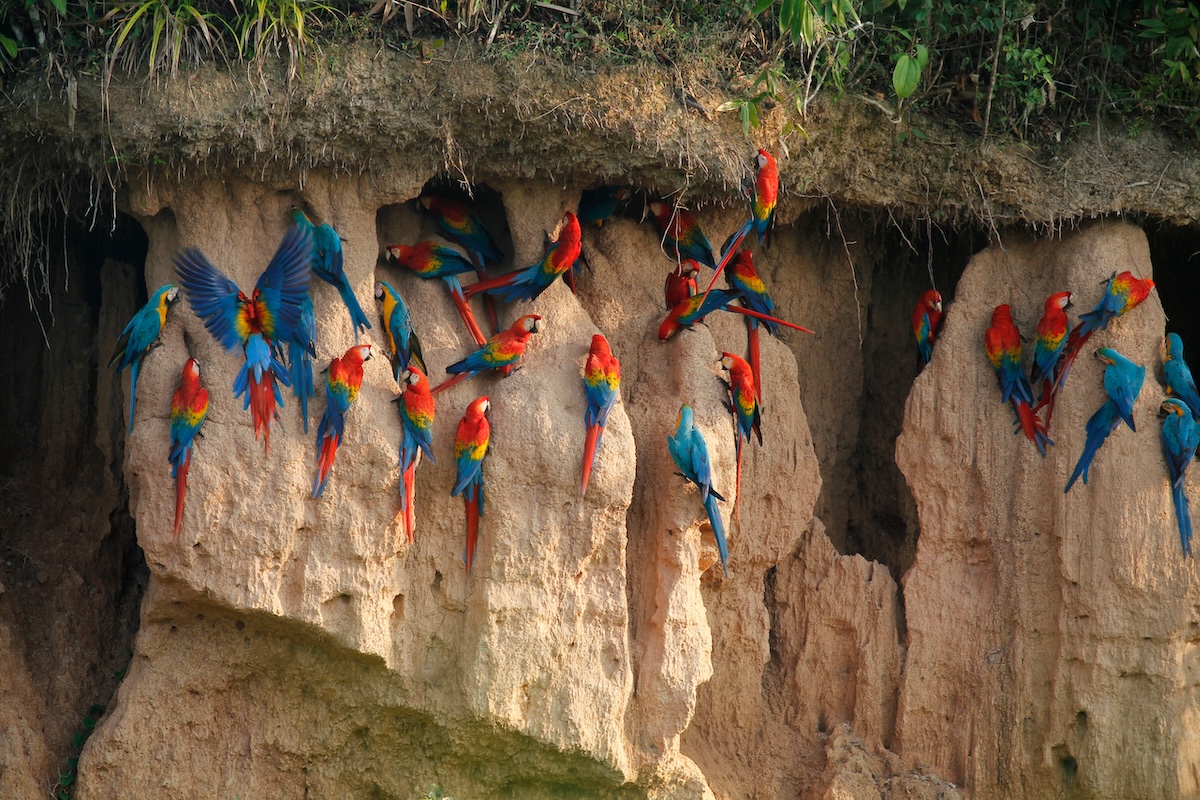
The clay licks of Tambopata National Reserve offer one of the Amazon’s most dazzling bird spectacles. Each morning, hundreds of macaws and parrots descend on riverside clay banks to eat mineral-rich soil, which helps neutralize toxins from their rainforest diet.
Between July and December, flocks of scarlet, blue-and-yellow, and red-and-green macaws paint the clay walls with color. You’ll need to arrive at dawn and wait quietly, either in a boat or a hide, as the birds gather in a noisy, swirling mass. The riot of color and sound is a photographer’s dream—and honestly, it’s just wild to witness firsthand.
16. Tiger Spotting, Sundarbans, India & Bangladesh
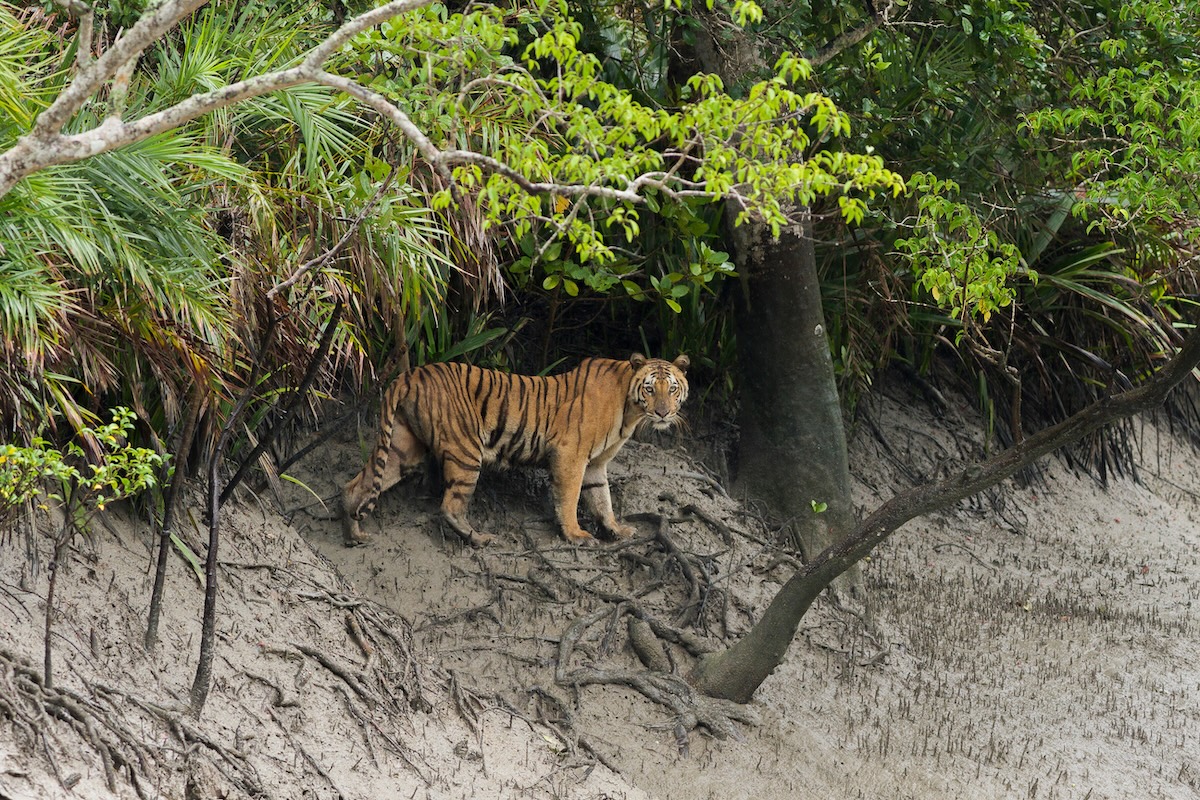
The Sundarbans mangrove forest is one of the toughest places to spot a tiger—and maybe the most rewarding. You’ll travel by boat through tangled waterways in the world’s largest tidal mangrove, where Bengal tigers swim between islands and hunt in brackish creeks.
Sightings are rare and unpredictable. Most happen at dawn or dusk, when tigers sometimes emerge onto mudflats or riverbanks. You’ll need patience and realistic expectations; many folks spend days searching without ever seeing a tiger. Still, just knowing they’re out there—and sharing the waterways with crocodiles, deer, and countless birds—makes the experience electric.
15. Komodo Dragons, Komodo National Park, Indonesia
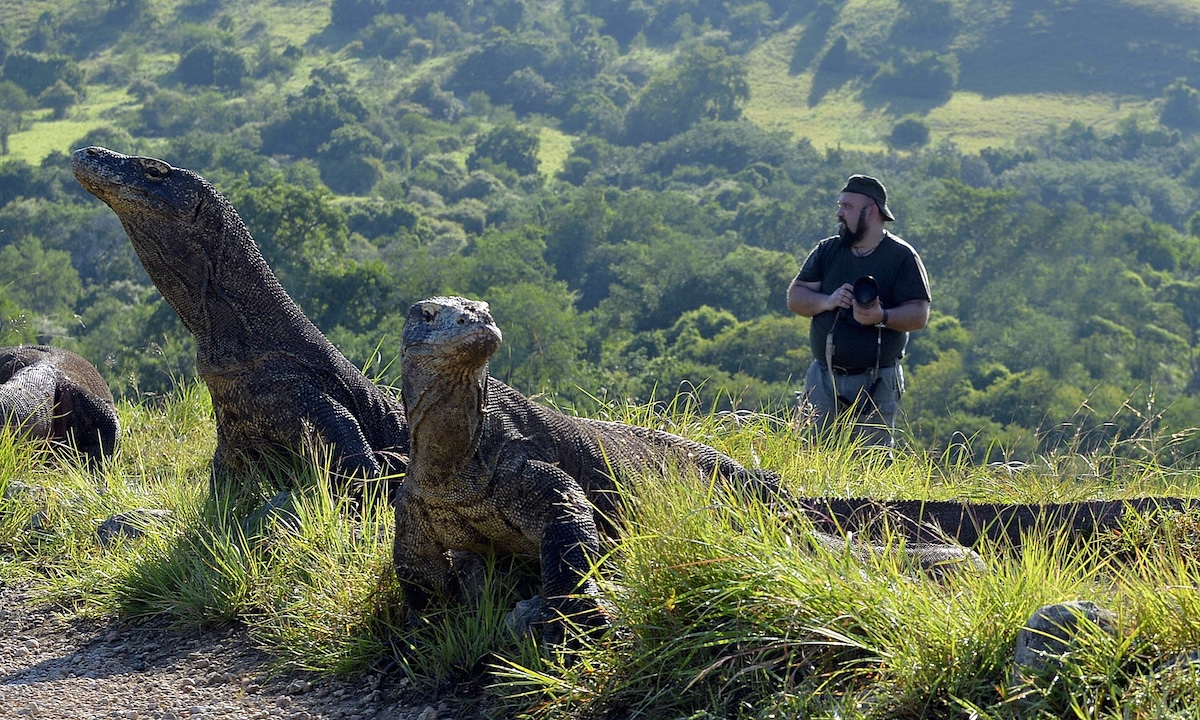
On the islands of Komodo National Park, you’ll come face-to-face with the world’s biggest lizards. These Komodo dragons can stretch 10 feet long and weigh over 150 pounds—honestly, they look like something out of a lost world. The park covers several islands, including Komodo and Rinca, where rangers lead you along trails to known dragon hangouts.
You’ll usually spot them basking in the sun or lumbering through dry savanna. The dry season (April to December) is best for sightings. You have to keep a safe distance—at least 6 feet—because these carnivorous lizards can move fast and have a venomous bite. The adventure doesn’t stop with dragons; the park’s coral reefs and manta rays make for top-notch snorkeling and diving, rounding out the trip.
14. Grizzly Bear Fishing, Katmai National Park and Preserve, Alaska
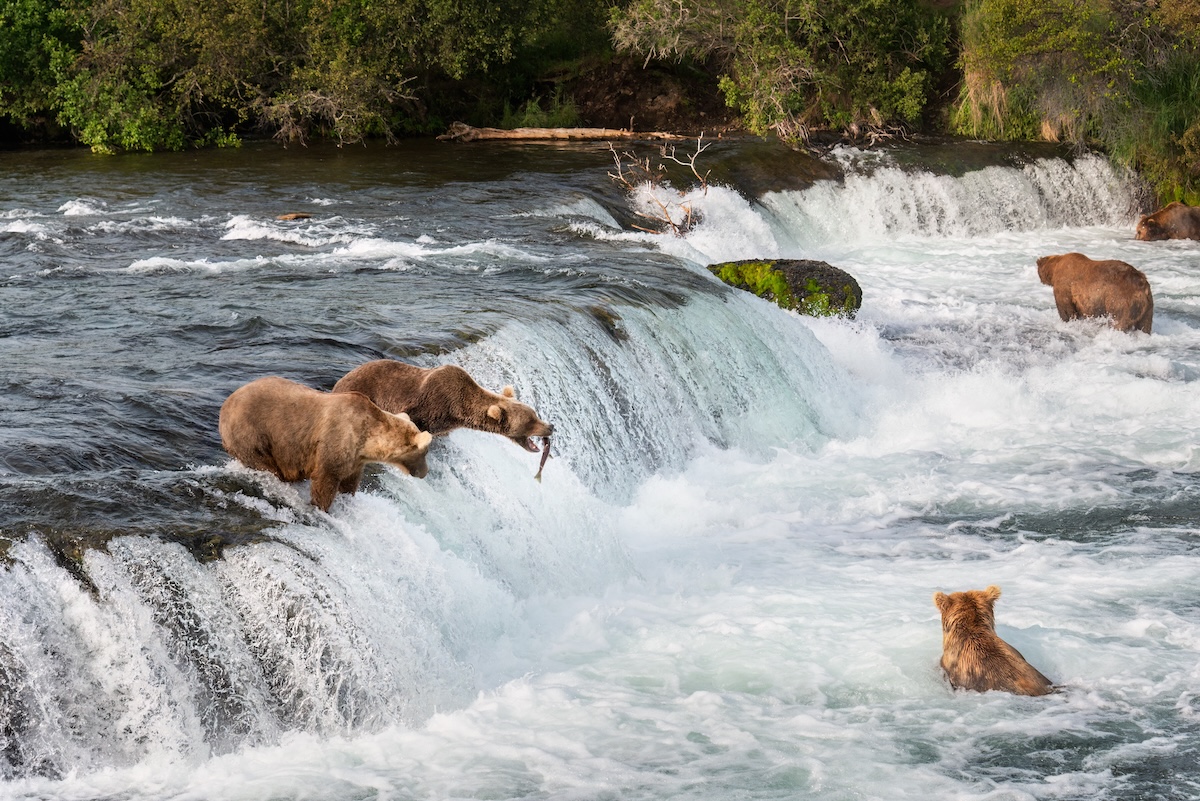
At Brooks Falls in Katmai National Park, you can watch grizzly bears fishing for salmon—one of the wildest scenes in North America. Each summer, bears line up at the falls, jaws open, waiting for salmon to leap straight toward them. Peak action runs from July to September, when the salmon runs are thickest.
Elevated viewing platforms put you right above the action, close but safe. You’ll see bears up to 900 pounds showing off different fishing styles, from patient waiting to full-on dives. Because the park limits visitors, you’ll need to book well in advance. Most people fly in on a floatplane from Anchorage or King Salmon, making the whole thing feel like a true wilderness expedition. Watching these massive bears in action—there’s just nothing else like it.
13. Red Crab Migration, Christmas Island, Australia
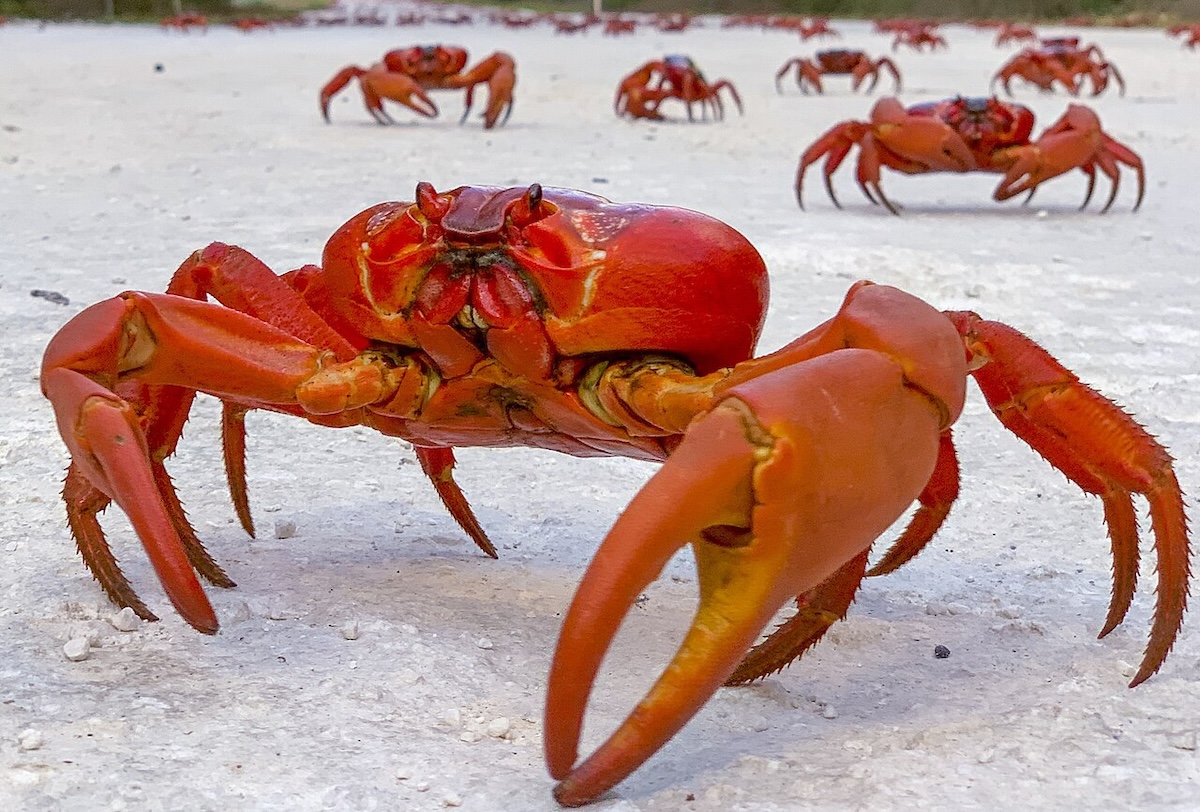
Every year, millions of bright red crabs burst out of Christmas Island’s rainforests in one of nature’s wildest mass movements. The migration usually kicks off with the wet season—think November or December—when adult crabs march in sync toward the ocean to breed. Locals close roads, and the island sets up special bridges so the crabs can cross safely, turning the whole place into a surreal, crimson spectacle.
If you’re hoping to catch this, timing really matters. The crabs release their eggs into the sea during high tide, so the lunar cycle decides the schedule. The main event only lasts about a week, but you’ll spot crabs heading back into the forest for weeks after. Want the best views? Head to the coastal spots and forest trails—rangers and locals usually know exactly where the action is. Honestly, there’s nothing quite like seeing up to 50 million crabs carpet the beaches, wander through towns, and scramble over anything in their path to the sea.
12. Birds of Paradise Viewing, Papua New Guinea
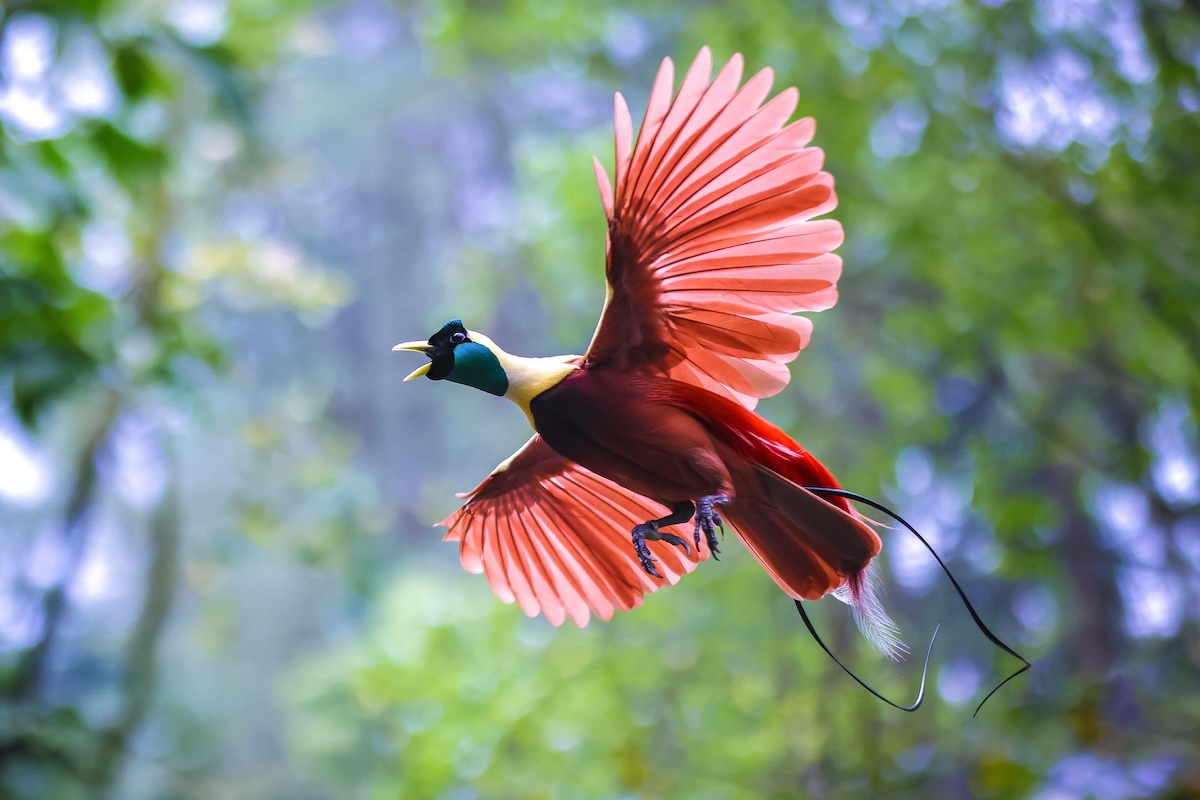
Deep in the rainforests of Papua New Guinea, the birds of paradise have been evolving their plumage and courtship displays for millions of years. Encountering them feels like a privilege, not a performance you deserve. The males are so extravagantly feathered that early European naturalists assumed the skins they received had been damaged in transit.
Reaching them will cost you. Money for guides, stamina for early mornings, and grit for hiking through forest that is actively alive in every direction. Papua New Guinea is not a straightforward destination, but what happens in those trees before dawn is so far outside ordinary experience that the logistics quickly become irrelevant.
11. Sea Turtle Nesting, Tortuguero National Park, Costa Rica
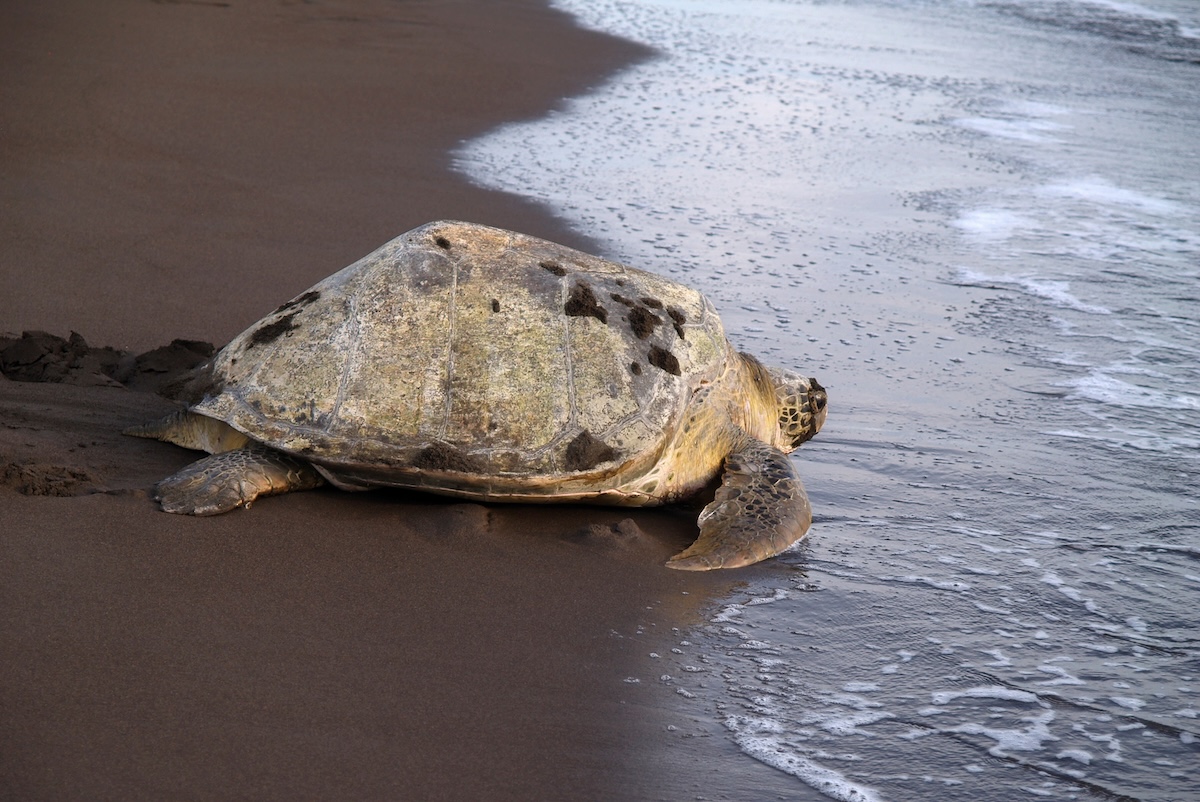
Every year, the Caribbean coastline of Tortuguero receives thousands of sea turtles arriving to nest on the same beaches their ancestors have been using for centuries. Green turtles are the main event, though leatherbacks and hawksbills make appearances depending on the season.
Access to the nesting beaches is strictly managed and requires licensed guides, one of the more sensible conservation decisions Costa Rica has made. Watching a two-hundred-kilogram green turtle haul herself up the sand in total darkness is an experience that stays with you long after the sand has left your shoes.
10. Emperor Penguin Colonies, Snow Hill Island, Antarctica
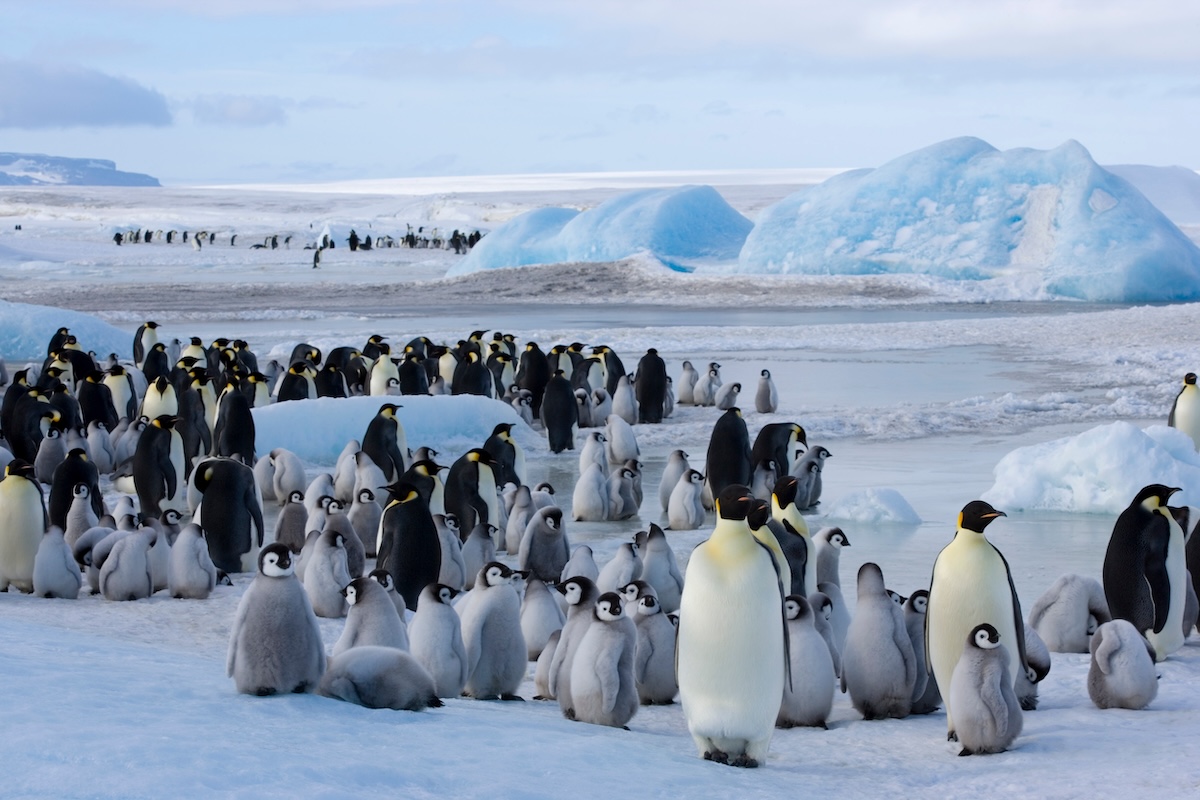
Antarctica is the hardest destination on this list to reach, and Snow Hill Island is not even the easy part of Antarctica. Getting there typically involves an ice-strengthened expedition ship, a helicopter transfer, and weather conditions that just don’t care about your schedule.
What waits at the end of this is a colony of emperor penguins, the world’s largest penguin species. They stand regally on the sea ice and they might walk up to you of their own accord. Standing at nearly a metre and a quarter tall, they tend to do this with more authority than you are prepared for.
9. Hippo Encounters, Okavango Delta, Botswana
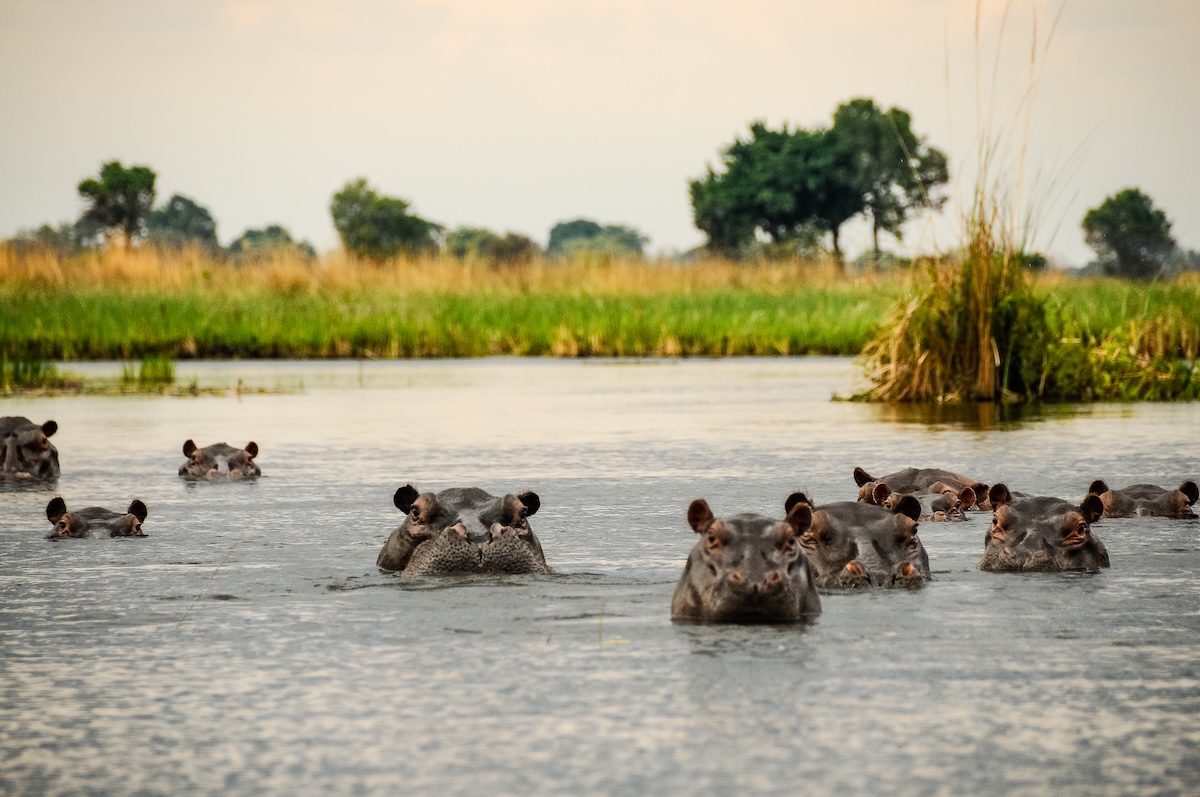
Hippos are considered Africa’s most dangerous large animal, a fact the tourist brochures tend to bury somewhere near the back. The Okavango Delta, where channels and lagoons create the dense waterway habitat they prefer, puts you on the water with them in mokoro canoes that sit extremely close to the surface.
The Okavango is a UNESCO World Heritage Site and one of Africa’s last intact ecosystems, making it worth a visit regardless if you want to see these tusky treasures. Experiencing it from a traditional dugout with a hippo surfacing twenty meters away will put the fear of God in you, but its nothing the soothing sounds of the African bush at dawn can’t fix.
8. Orangutan Encounters, Tanjung Puting National Park, Indonesia
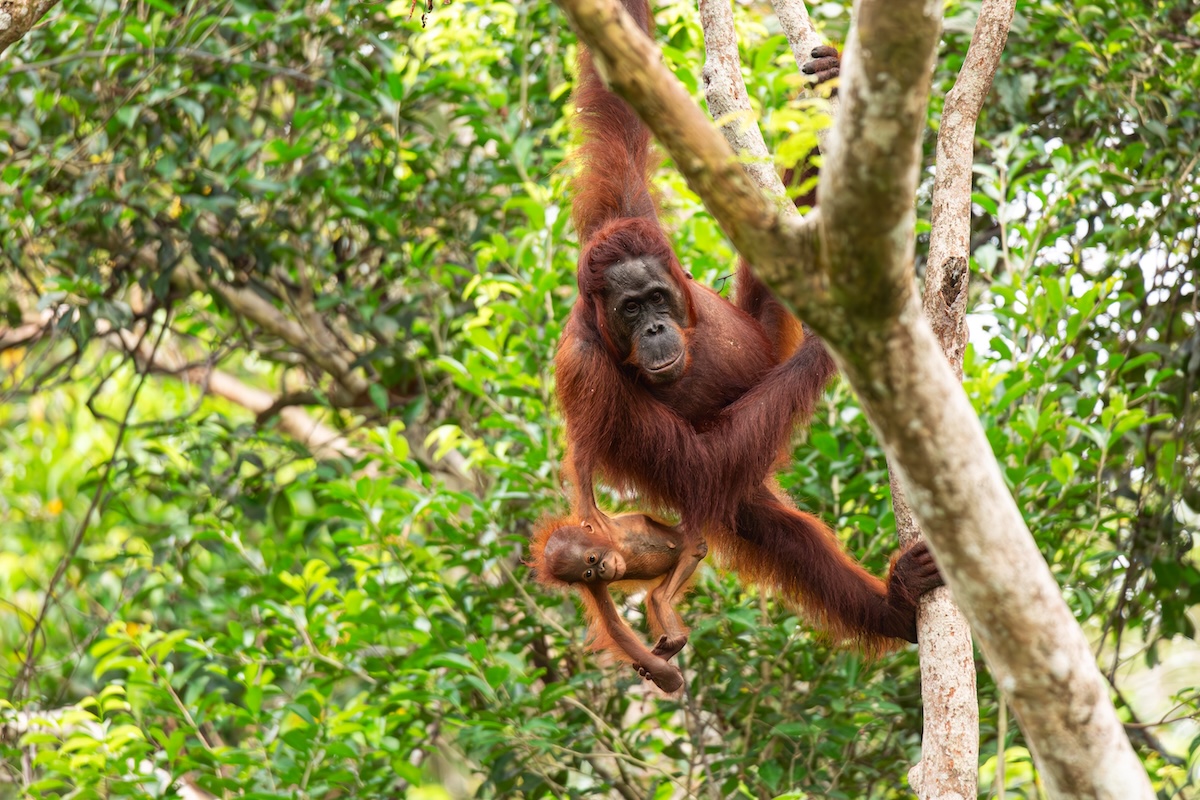
Tanjung Puting, on the island of Borneo, holds one of the last large wild populations of Bornean orangutans, and the preferred way to encounter them is by slow boat along the black-water rivers that thread through the park’s lowland forest. Camp Leakey, a research station established by primatologist Biruté Galdikas in 1971, receives semi-wild orangutans at feeding platforms where the proximity can be startling.
An orangutan watching you from five meters has a quality of attention that is uncomfortable and awe inspiring in equal measure. Borneo’s forests are disappearing rapidly to palm oil plantations, which gives this encounter a weight beyond the extraordinary.
7. Humpback Whale Snorkeling, Tonga
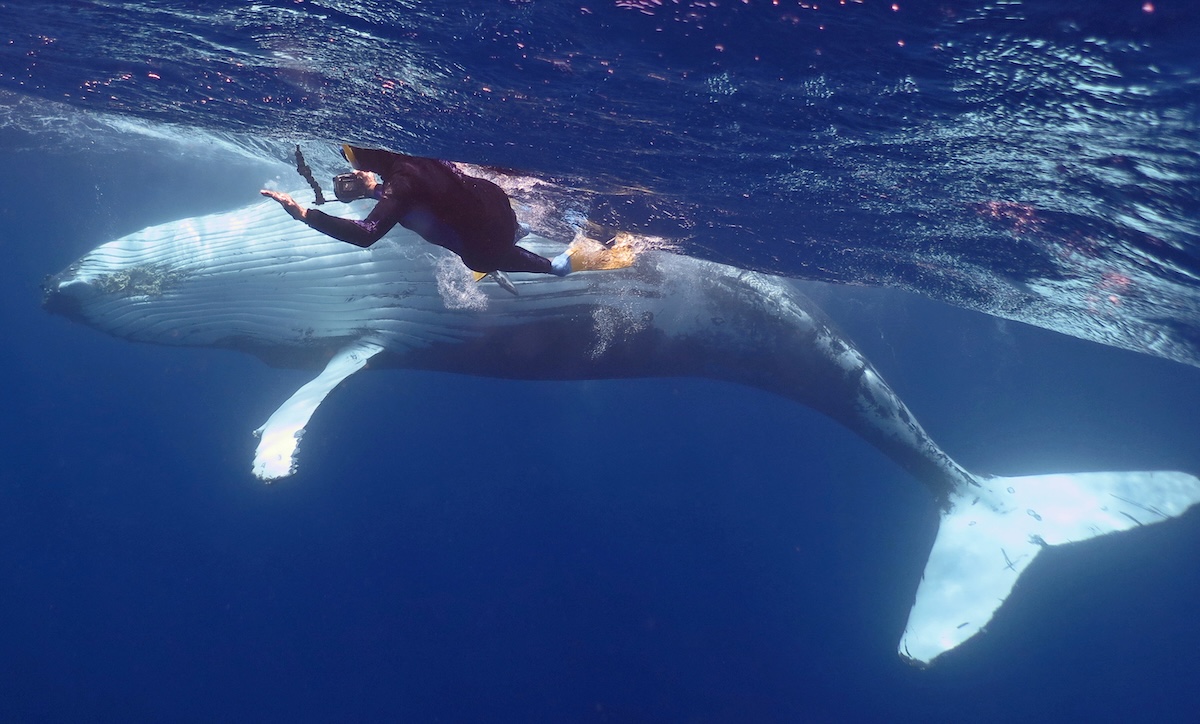
Tonga is one of the only places on earth where entering the water with humpback whales is legal, a window that opens between July and October when the whales arrive to breed and nurse their calves. The rules are strict, though. You are limited to small groups, and there is no chasing and no sudden movements. The whales will do whatever they want.
A thirty-tonne humpback hovering below you, close enough that you can hear the its hypnotising call. Few things come close. For many people who make this trip, everything else on this list becomes supporting cast.
6. Jaguar Spotting, Pantanal, Brazil
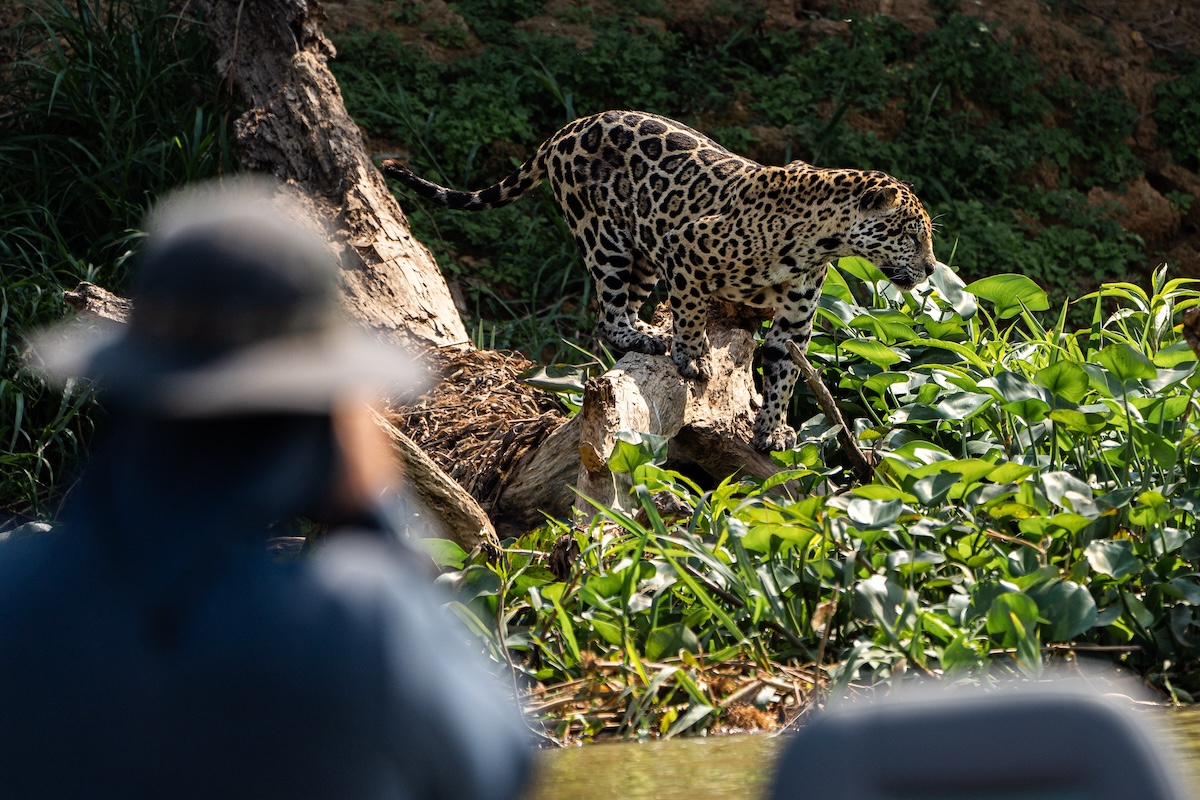
Brazil’s Pantanal holds the highest density of jaguars on the planet, which elevates it well above the Amazon for wildlife watching. The Amazon’s dense canopy makes spotting anything surprisingly difficult. The Cuiabá River, particularly around Porto Jofre, is where sightings concentrate, with boats moving slowly along the riverbanks while guides read the vegetation for movement.
Jaguar spotting requires patience and long hours on the water. Here, though, sightings happen surprisingly frequint, and when one appears on the bank, fully unhurried and aware of your presence, the hours of waiting become an irrelevant detail almost immediately.
5. Big Five Safari, Kruger National Park, South Africa
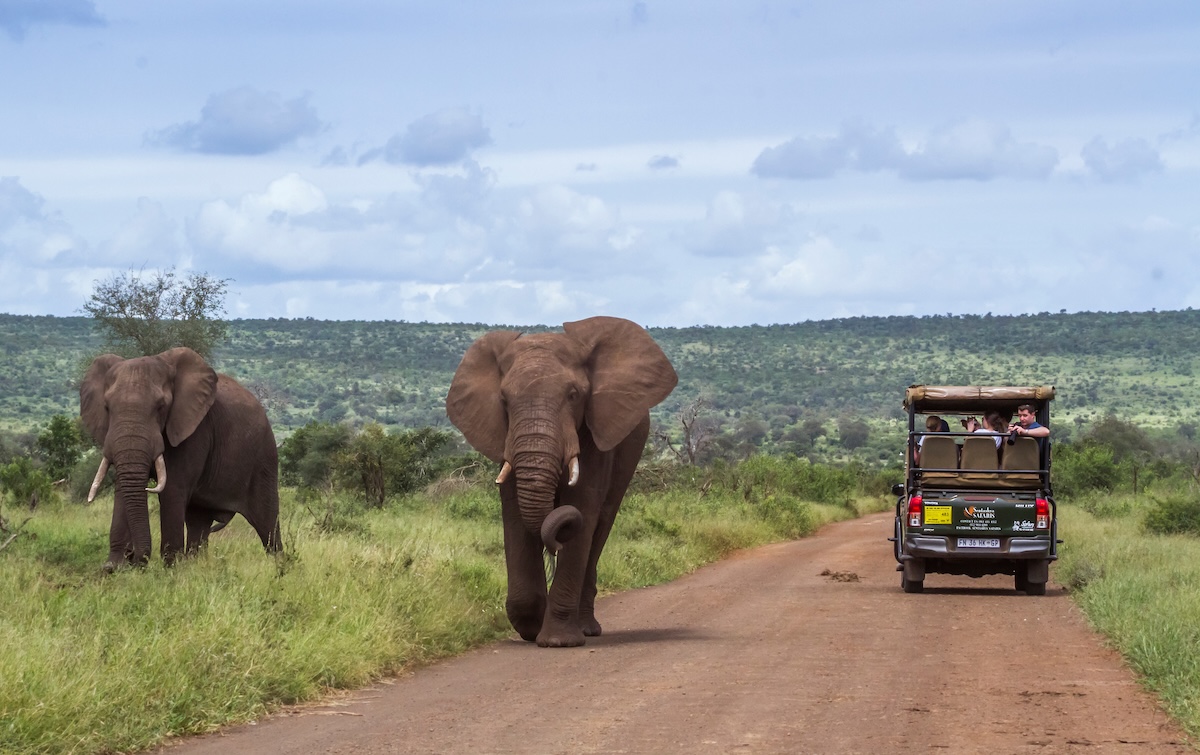
Kruger runs along South Africa’s eastern border with Mozambique, covering an area roughly the size of Wales, and it is Africa’s most visited national park for straightforward reasons. The Big Five are all present, and the infrastructure makes them more accessible than almost anywhere else on the continent. You can pick from self-drive options to private concessions running exclusive vehicles into areas the main roads don’t reach.
The private lodges bordering the park are exceptional if you are looking for luxury and the in-park facilities give more authentic options. Africa’s greatest accessible wildlife experience earns that description every time, especially if you soak in the passion and knowledge the guides offer.
4. Sea Lion Snorkeling, Galápagos Islands, Ecuador
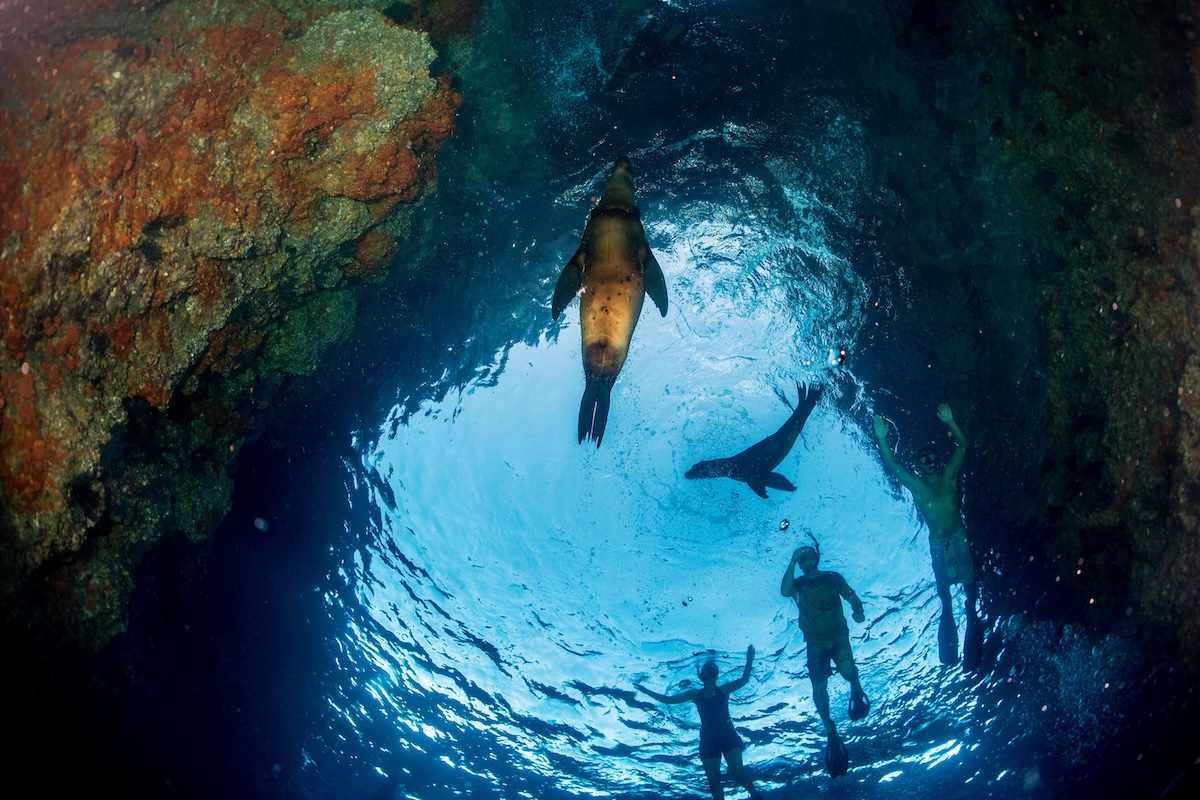
Charles Darwin arrived in the Galápagos in 1835 and found animals that had never learned to fear humans. Two centuries later, with strict conservation management, that remains astonishingly true. Galápagos sea lions treat snorkelers as entertainment, spiraling around you, blowing bubbles in your face, and running the excursion on their own terms.
The islands are expensive to visit and tightly controlled for good reason. Those restrictions have preserved wildlife interaction that simply doesn’t exist anywhere else on the planet. Visitor numbers are capped and itineraries are fixed, but the level of unbotheredness the sealions exhert make you forget about all the extra steps needed to get there.
3. Polar Bear Watching, Churchill, Canada
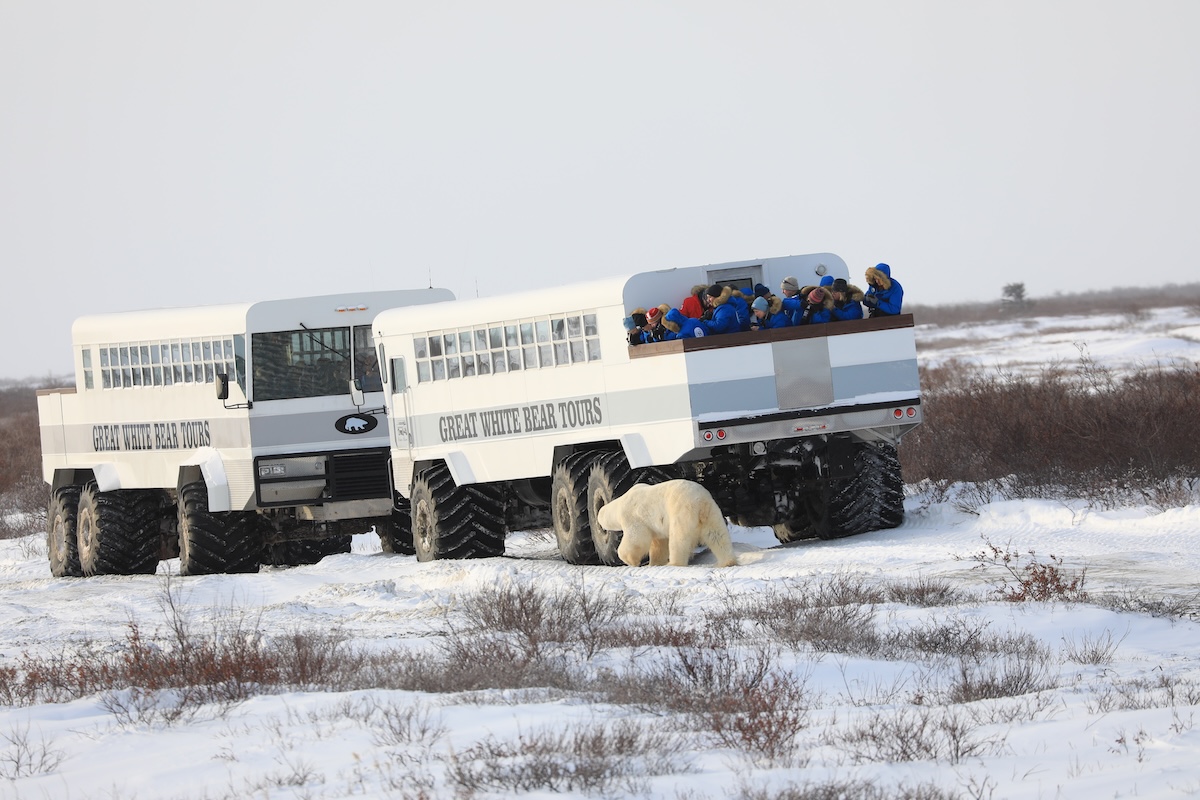
Each October and November, polar bears congregate around Churchill, Manitoba, waiting for Hudson Bay to freeze so they can return to hunting seals on the ice. Tundra vehicle tours take visitors out to observe them and the access is closer than most people expect.
There is something affecting about watching an apex predator wait for a bay to do what it has always done. Churchill is not about dramatic hunts. It is about proximity to an animal that is running out of planet, and also an animal that actively tries to hunt humans while looking cute as can be.
2. Great Migration, Serengeti National Park, Tanzania
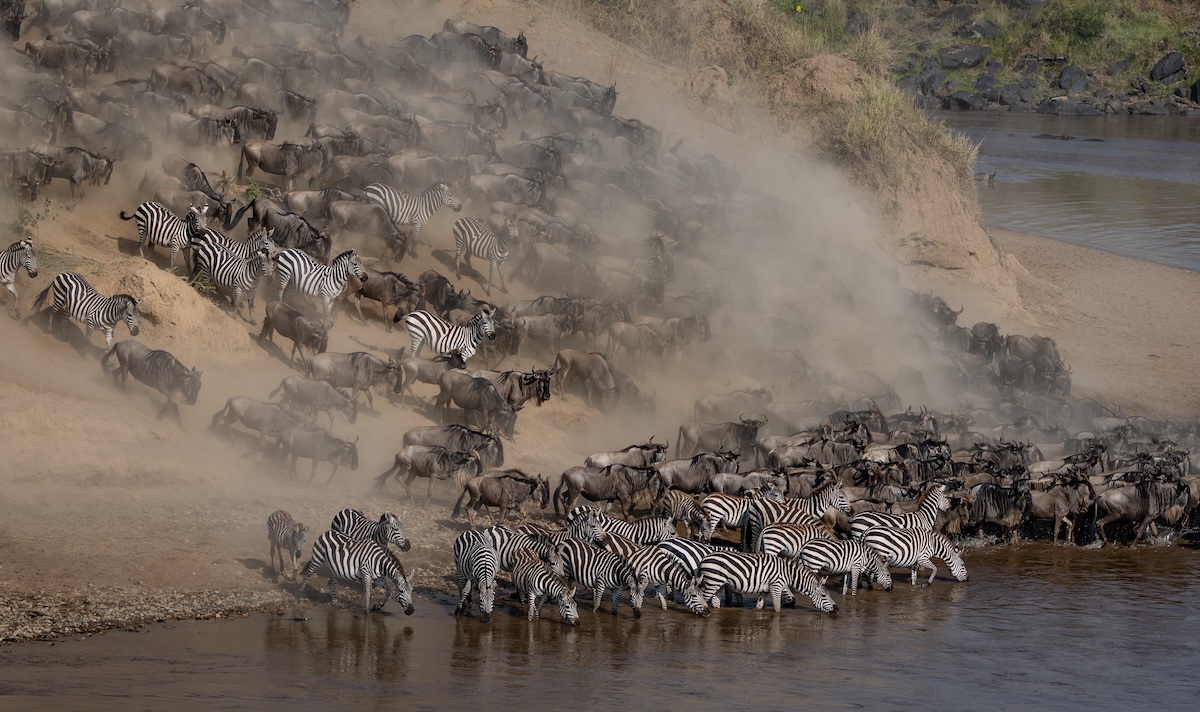
Around two million wildebeest, alongside hundreds of thousands of zebra and gazelle, move in a continuous loop through the Serengeti and Kenya’s Masai Mara following the rains and the grass they produce. This is the largest overland migration of animals on Earth, something that is difficult to fully absorb until you are standing in the middle of it.
The Mara River crossings, where the wildebeest plunge through crocodile-filled water in panicked, unstoppable waves, are what make the highlight reels. But the migration rewards at every stage, and the sheer collective logic of millions of animals moving as one is something no individual encounter quite replicates.
1. Mountain Gorilla Trekking, Volcanoes National Park, Rwanda
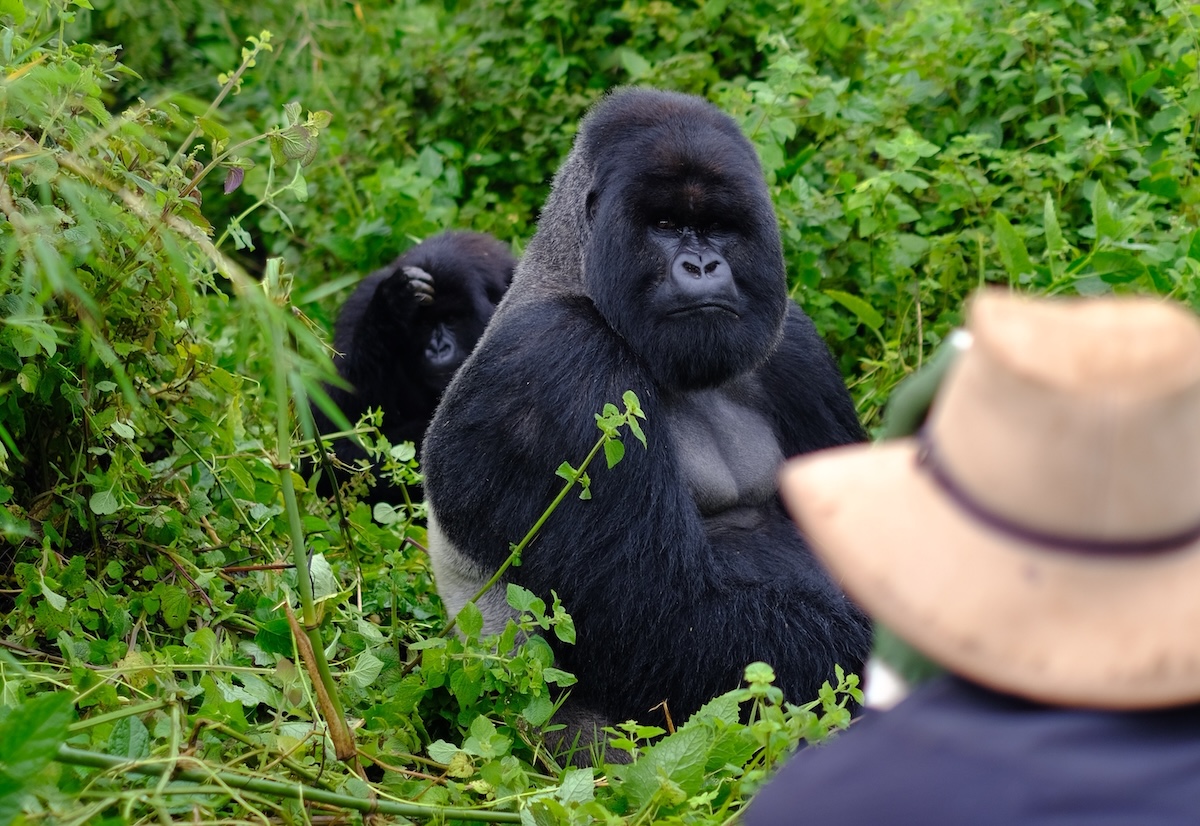
Rwanda’s Volcanoes National Park sits in the Virunga Mountains, and reaching the gorillas requires a hike through thick forest and volcanic terrain that can take anywhere from thirty minutes to most of the day depending on where the family has decided to be. When you find them, they will be going about their morning in the undergrowth and you get one strictly enforced hour in their presence.
The hour is enough. A silverback at close range, and the way his family structures itself around him, is an intense experience. The trekking permits are not cheap either, but that money goes directly into a conservation program that has pulled the mountain gorilla population back from the edge of extinction. It is the best money this list will cost you.