
Known just as much for its thriving art and nightlife scenes as its magnificent museums and moving WWII sights, Berlin is one of Europe’s most visited cities. Each year, millions flock to Germany’s cool capital to see its iconic landmarks and experience its vibrant cultural life.
While Berlin is a very cosmopolitan place that always has something exciting and new going on, the winter months are certainly a bit cold, bleak and grey. As such, most people prefer to visit between May and September when the weather is warmest, and you can spend more time outdoors exploring the city.
To help you plan your trip, let’s take a look month-by-month at what life is like in Berlin. You can then decide when to go based on your budget, the weather and what events are on.
What’s the Weather Like in Berlin?
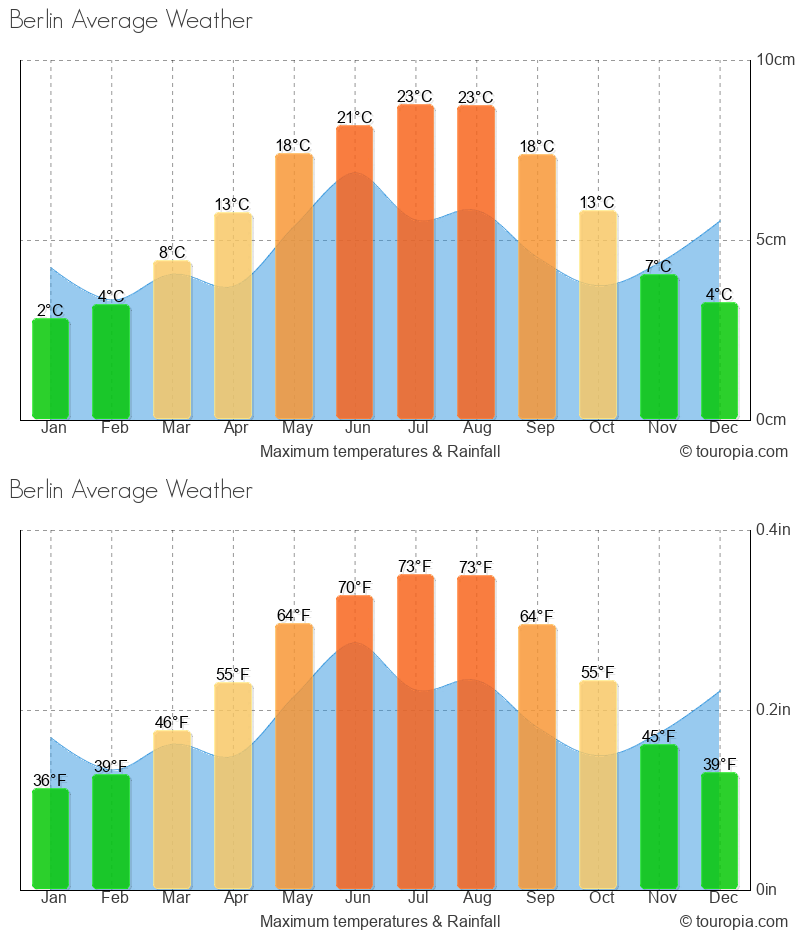
As Berlin has an oceanic climate, its summers are warm and sunny with winters being quite cold and dark. From December through February, temperatures often fall below freezing at night with flurries of snow sometimes falling but rarely sticking around for long.
From spring onwards, the weather warms up and the days lengthen. In June, there are up to 17 hours of daylight to walk about – the most of the year. Once summer arrives, averages of 23 or 24°C (73–75°F) are perfect for cycling about the city and relaxing in its parks. Heat waves are now also increasingly common in July and August.
While there is less sunshine and daylight in autumn, the mild weather is still comfortable for being outside. You’ll want to have a jacket with you, however, as Berlin is quite a windy city. Although each month sees between 12 and 16 days with at least some rainfall, the amount of precipitation is usually not too bad.
Best Months to Visit Berlin
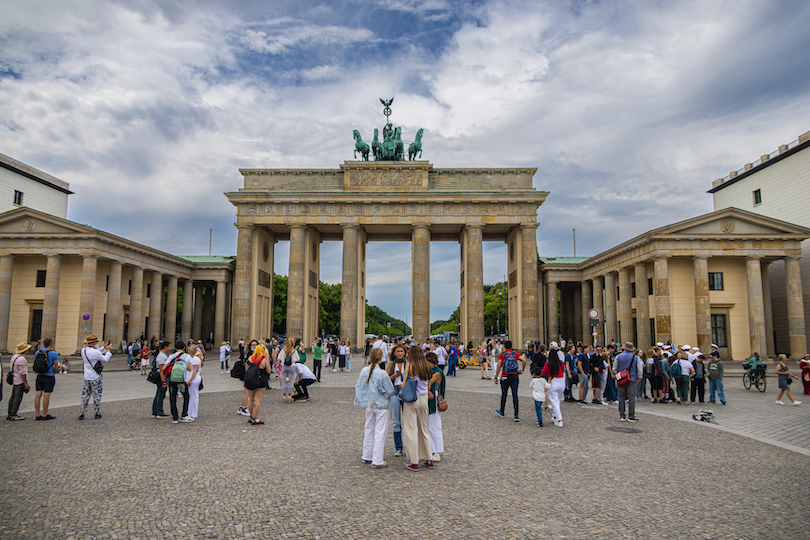
May through September is normally considered the best time to visit Berlin. While prices are higher and there are way more people around, the longer, sunnier days are lovely for sitting in biergartens or strolling about its many monuments. The capital has a very lively feel with all kinds of open-air festivals and events taking place.
Both October and December are also very popular months to go despite the colder weather. While autumn is way more affordable, has amazing fall foliage and, of course, Oktoberfest, winter has enchanting Christmas markets for you to wander about.
April and November also see their fair share of visitors though their unpredictable weather risks putting a bit of a damper on any deals you find.
Berlin in January
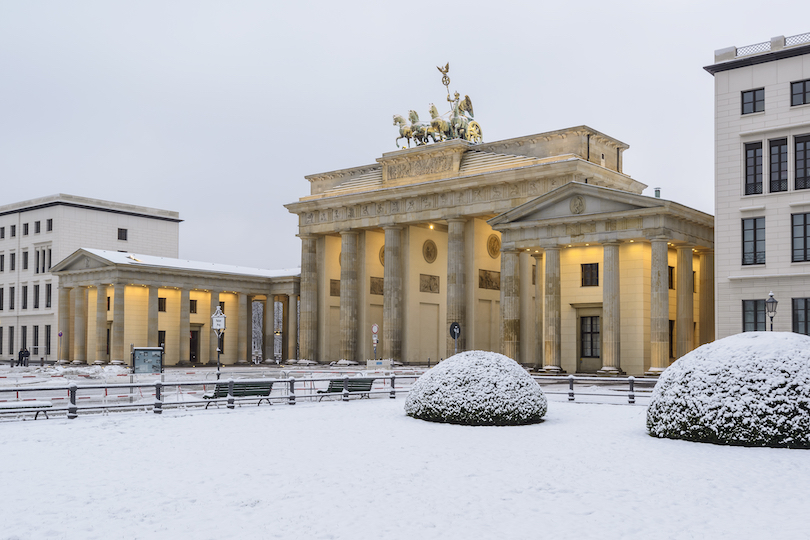
As it is the coldest, greyest time of year in Berlin, it is no surprise that January is one of the least popular months to visit. Thankfully, some holiday lights and Christmas markets do stay up the first week, bringing some much-needed cheer to its dark, drab days. As temperatures average 2°C (35°F), it’s a good time to sit in a sauna or ice skate and sip gluhwein.
If you don’t mind wrapping up warm, both hotels and flights are much more affordable. The drizzle, wind and overcast skies do mean though that you’ll want to spend more time inside, exploring some of its excellent museums. You can also catch some great performances at its Days of Dance festival.
Berlin in February
February is just as bleak though the days are a bit longer and drier. Prices remain cheap and there are no queues or crowds at any of its monuments and museums. In addition, exciting events like the Berlinale – one of the world’s most prestigious film festivals – take place. Lots of outstanding classical music concerts are also held at the Berliner Philharmoniker.
While the sun does start to peak out from behind the clouds a bit more frequently, the cold weather still isn’t the best for visiting the Berlin Wall and Brandenburg Gate. Museum Island has a lot to see and do though with Charlottenburg Palace also being worth a visit. If it does snow, it can be magical, ambling about its picturesque parks.
Berlin in March
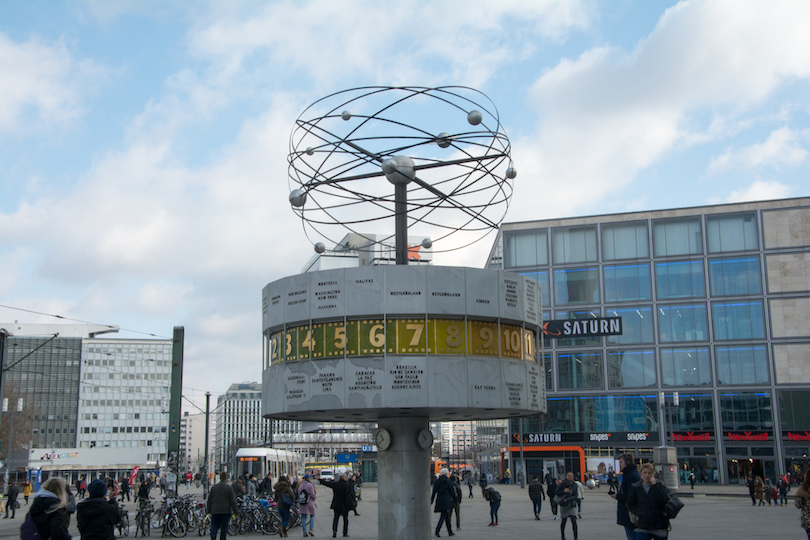
As spring is in the air and the weather is warming up (only a bit mind you!), March sees way more locals venturing outside to enjoy Berlin’s parks and green spaces. Things still look a bit bare, however, as all the plants, flowers, trees and shrubs are only just beginning to bud. Tourist numbers are still very low so it’s not a bad month to look for deals.
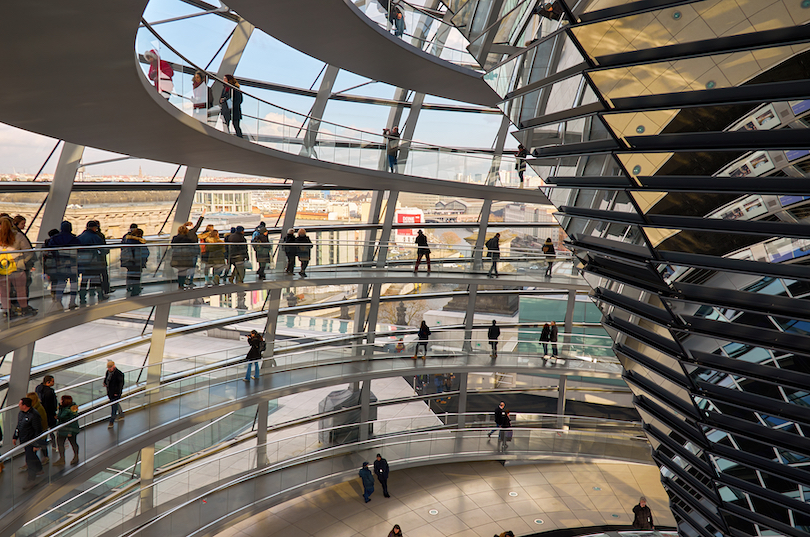
With 12 hours of light each day, there is ample time to see main sites such as the Reichstag and Holocaust Memorial. While you’ll still need to layer up, not that much rain falls in March. There are also countless shows to attend for the MaerzMusik Festival and at the Berlin State Opera. ITB – the world’s largest travel convention – takes place too.
Berlin in April
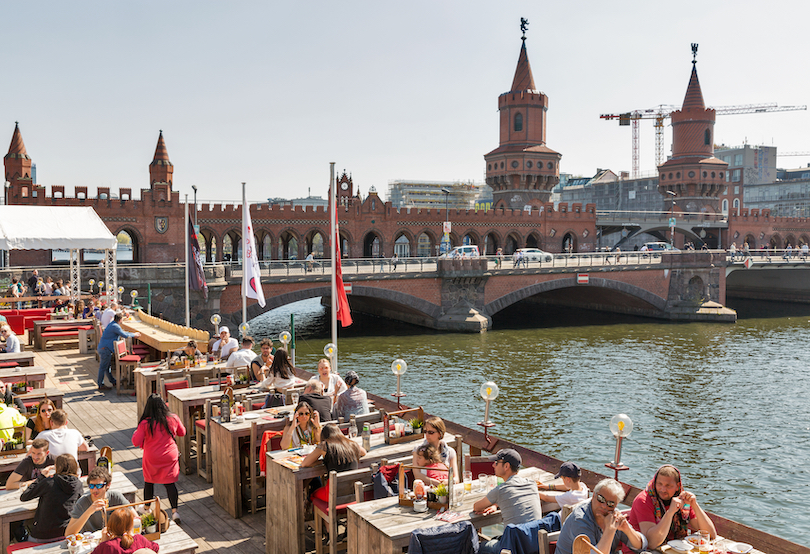
While the weather in Berlin is very unpredictable in April, more people visit again, especially during the Easter holidays. Temperatures rise to 13°C (55°F) though hail, snow or hot spells are all possible! As it is usually sunnier and spring has arrived, make sure to stroll about the Gardens of the World for their gorgeous Cherry Blossom Festival.
Easter markets are also held at Alexanderplatz while the Spring Festival’s exhilarating rides, rollercoasters and carnival games can be enjoyed at Kurt-Schumacher-Damm. As there is an uptick in tourists, airfares and accommodation are a bit more expensive, though it is still the low season. This is a nice month to cycle about and take boat trips along the river before it gets too busy.
Berlin in May
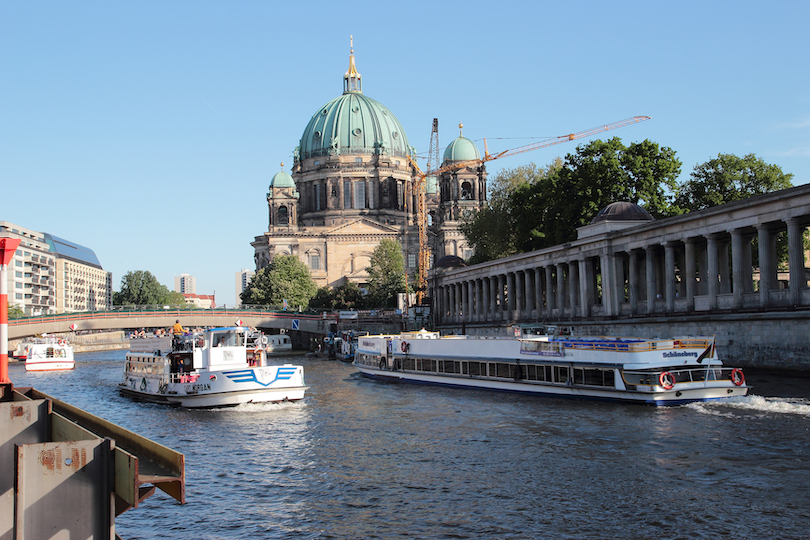
May is when things really start to get good in Berlin. With averages of 19°C (66°F), 7 hours of sunshine a day and 16 of daylight, conditions couldn’t be better for sightseeing or sitting at biergartens. Slightly quieter and cheaper than the summer months, the city has a lovely, vibrant feel with everyone outside enjoying the good weather.
Asides from cycling around Tempelhofer Feld and exploring its terrific zoo, you can saunter along the river Spree and East Side Gallery. MyFest and the Kreuzberg Carnival of Cultures also have colourful street parades, live music and dance performances to enjoy. Before they too are overrun with tourists, it’s worth taking day trips to places like Potsdam and Leipzig.
Berlin in June
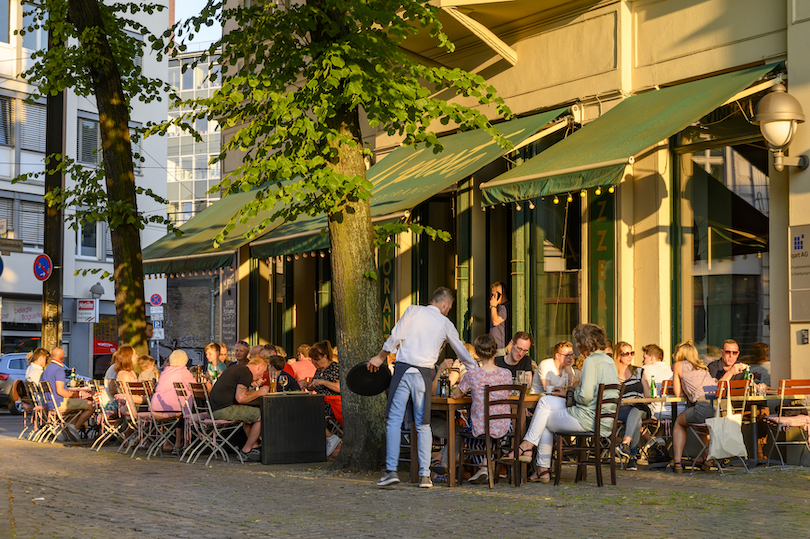
Although June has the longest, sunniest days of the year, it is also the wettest month. That shouldn’t stop you though from enjoying its attractions and outdoor activities. Many people swim at its lakes, beaches or Wannsee on its western outskirts. While prices are higher and huge crowds can be found in the centre, there is a very summery vibe about Berlin.
Besides Fete de la Musique’s free concerts, the popular Mauerpark hosts flea markets, food trucks and fun street performers each Sunday. Its Volksfestsommer also have over 50 rides and attractions to try at the Kurt-Schumacher-Damm fairgrounds. Averages of 22°C (71°F) and the 8 hours of sunshine each day make it a great month to visit.
Berlin in July
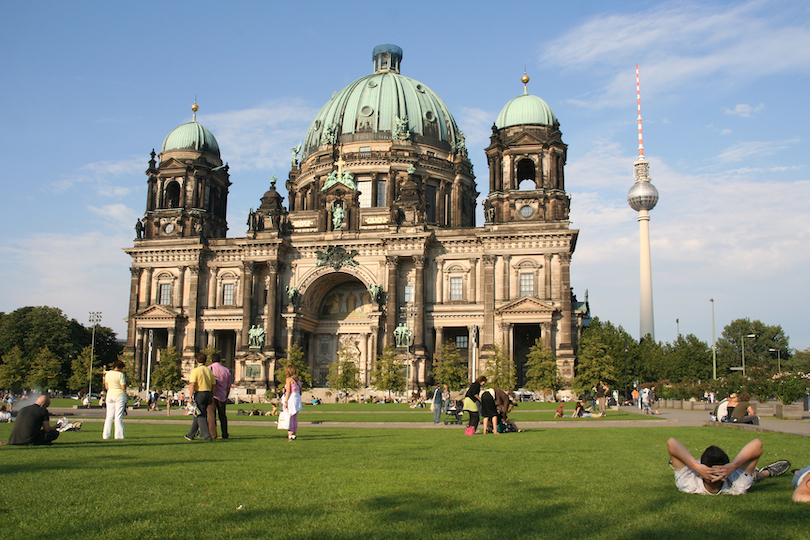
A couple of degrees warmer, July is the hottest month of the year in Berlin with recent heat waves having seen temperatures even reach the high 30s (95-100°F) at times. Most hotels, restaurants and tourist attractions are packed with airfares and hotel prices also being more expensive. Bathing in its lakes and barbecuing in its parks is particularly pleasant in the sun.
Berlin hums with energy as all kinds of exciting events take place around the capital. As well as Fashion Week, open-air concerts are held for Wassermusik and at Gendarmenmarkt. With countless street parades and parties also celebrating Christopher Street Day and Pride, it is no wonder July is one of the busiest months in Berlin.
Berlin in August
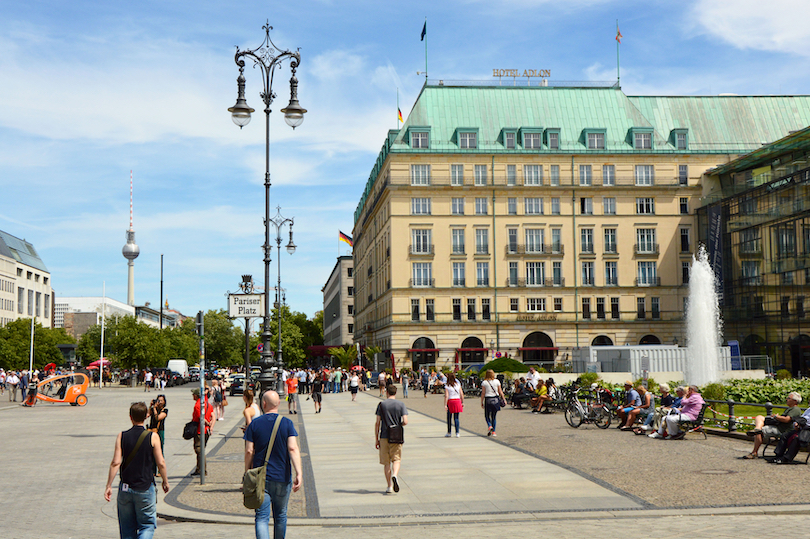
Although August is even more popular than July, accommodation prices are actually cheaper though airfares remain high. While it rains at least a bit for 14 days on average, the weather is mostly good, if a bit hot and humid. Other than relaxing in biergartens or taking peaceful river cruises, you can hike and swim at some of the forests and lakes surrounding Berlin.
While concert goers will want to check out Musikfest’s packed schedule, culture vultures can visit the Pergamon or Charlottenburg Palace on its Long Night of Museums. Over a hundred shows and DJ sets are also put on for the Pop-Kultur Festival. Most of the city’s main historic sights and museums will be quite crowded though as so many people visit in summer.
Berlin in September
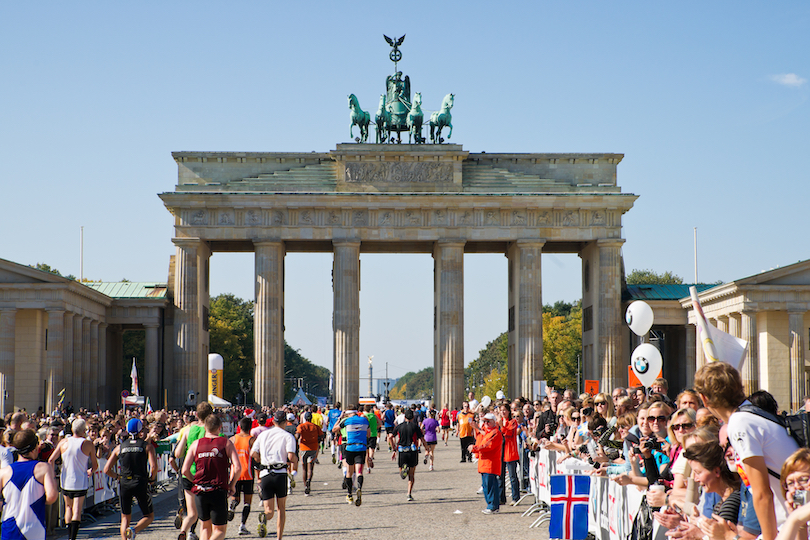
All the queues and crowds continue into September, despite the summer holidays being over and the kids heading back to school. While the days are slightly shorter, averages of around 19°C (66°F) are arguably even more pleasant for exploring the capital. In addition, there is less humidity and rain which is ideal for ambling about the Tiergarten and Tempelhofer Feld.
While flights are much cheaper, hotel prices shoot up again as so many events take place in September. Besides Berlin Art Week and all its intriguing exhibitions, there are both its Beer Week and marathon to attend. Traditional games, music, food and carnival rides can also be enjoyed at Alexanderplatz for its two week-long Oktoberfest. As the city is renowned for its pounding nightlife, you can always go clubbing at Berghain and Tresor whenever you visit.
Berlin in October
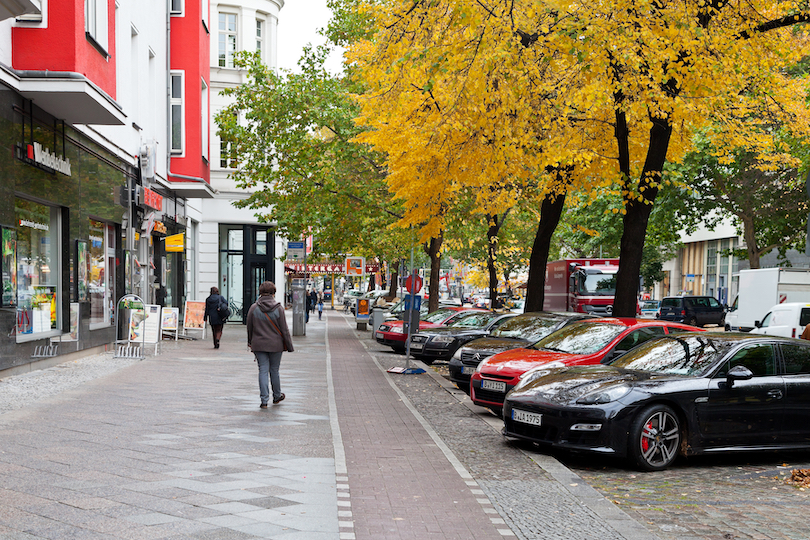
October is a bit quieter and calmer, though plenty of people still visit. Although the days are mostly dry, average temperatures of just 13°C (55°F) make walking around all its parks and historic sights a bit less pleasant. While its autumnal foliage looks incredible, the city’s skies are often cloudy with there being roughly four hours of sunshine a day.
Once Oktoberfest is over, both hotel and flight prices fall considerably. Aside from benefiting the smaller crowds, you can try tons of tasty things at Food Week. It’s also worth taking day trips to Potsdam and Leipzig while the weather is still decent. To top it all off, its Festival of Lights also beautifully illuminates many of Berlin’s most iconic landmarks.
Berlin in November
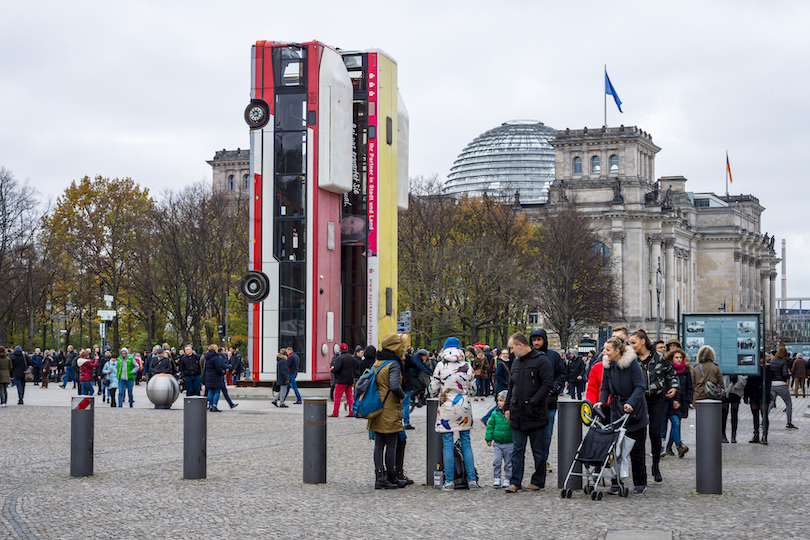
As the days darken and temperatures drop, both the prices and tourist numbers continue to fall. While there are just nine hours of daylight in which to explore the city, its historic sites and museums are much less crowded. You’ll probably want to spend more time indoors though as averages of 7°C (44°F) coupled with the wind and rain make wandering about less fun.
Brightening up the cold, grey month, however, are great events like JazzFest and the Berlin State Opera’s series of Barocktage performances. Halfway through November, thousands of twinkling lights are also strung about its Tierpark and Botanical Garden. Later on, dozens of Christmas markets start popping up around the city’s squares. Family Wonderland’s carnival rides, stalls and seasonal treats only add to the festive spirit.
Berlin in December
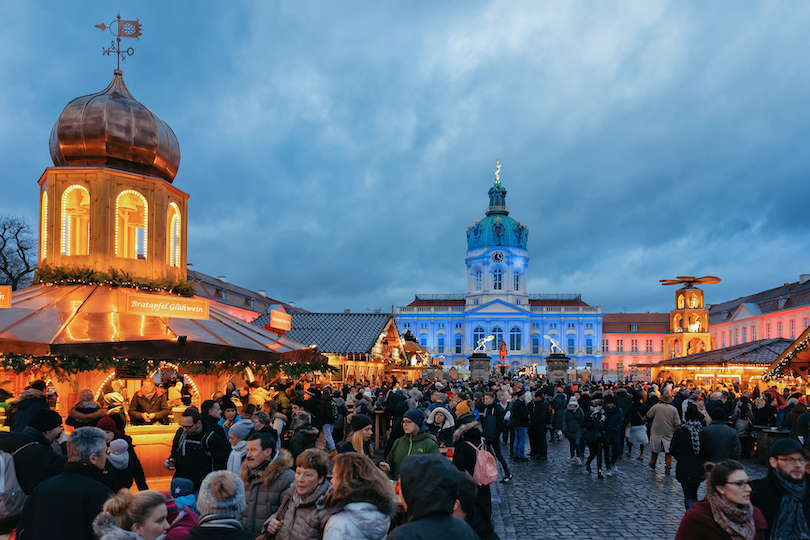
While December is worse weatherwise, the cheery lights, decorations and markets all make up for the cold temperatures that often dip below freezing at night. If you layer up and sip a gluhwein or two, you’ll have lots of fun, walking about its enchanting winter markets. These can be found at Alexanderplatz, Gendarmenmarkt and Potsdamer Platz, among others.
As so many people visit for the Christmas markets and New Year’s, both the hotel prices and crowds increase again. Besides perusing their stands and trying traditional food, you can ice skate or enjoy fantastic views from its Ferris wheel. Silvester Berlin – the world’s largest New Year’s Eve event – then sees up to a million people celebrate together between Brandenburg Gate and the Victory Column.