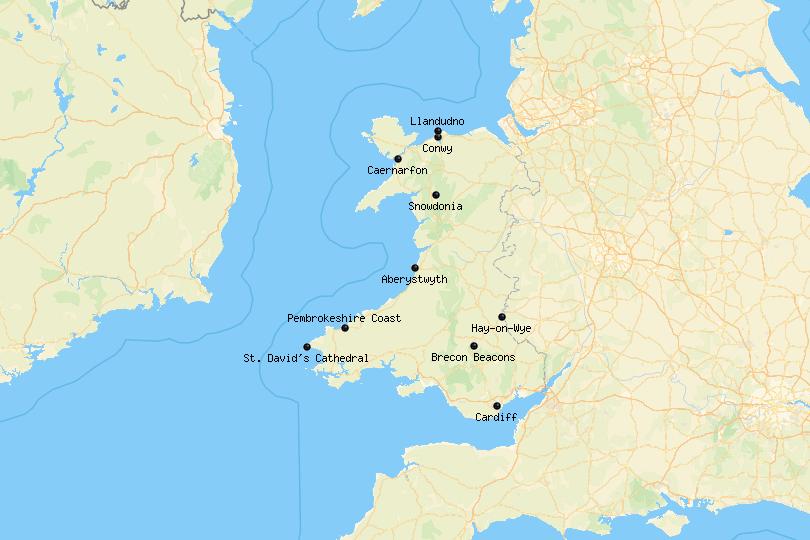
Wales shares a great deal of history with the rest of Great Britain, but the rugged beauty of its landscapes and the open nature of its inhabitants make it a distinctly unique travel destination. For first-time visitors, the most obvious difference between Wales and the other lands in the United Kingdom is the tongue-twisting Welsh language.
While everyone speaks English, part of the fun of visiting Wales is learning a few phrases of one of the oldest languages in Europe. Besides its Celtic culture, the country is also famous for the large number of imposing castles. Wales’s scenic mountains, valleys and coastlines are just as enchanting, and no visit to Wales is complete without a long tramp through one of its stunning national parks. An overview of the best places to visit in Wales:
10. Aberystwyth
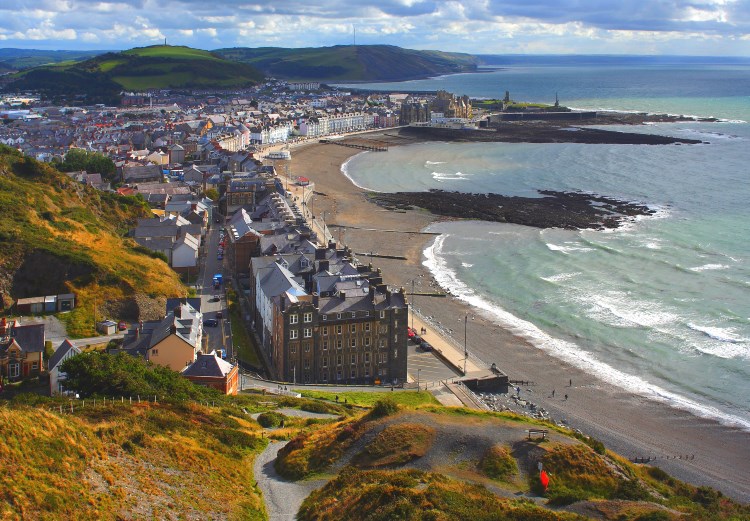
Known by the locals as “Aber,” Aberystwyth is an historic university town situated on the west coast of Wales. With 7,000 students attending school in Aberystwyth each year, it’s no surprise that the town is also a popular holiday destination for young people as evidenced by the city’s more than 50 pubs.
The seafront features charming Victorian architecture with a wide promenade where visitors can sit and soak up the sun. Perched atop one of the surrounding hills are the remnants of a massive Iron Age fortress. The remains of the first Norman castle built in Wales can be found in Aberystwyth too.
9. Caernarfon
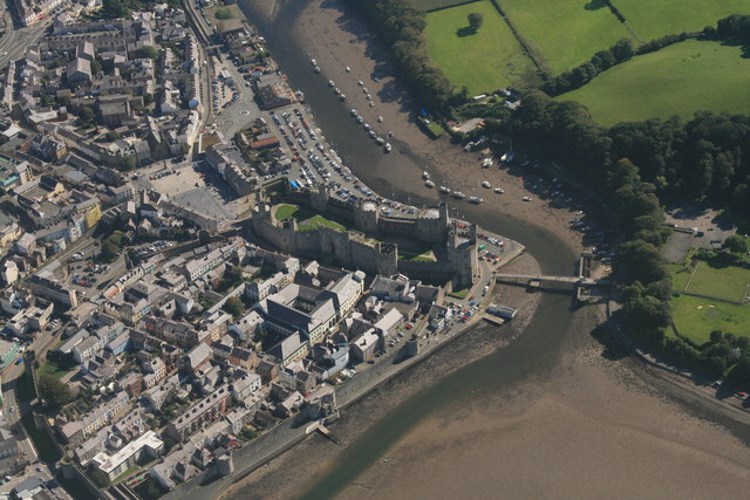
Located in northern Wales, the city of Caernarfon is best known for its 13th-century castle, which is considered one of the best preserved fortresses in all of Wales. Although the castle was built as a royal palace as well as a military stronghold for Edward I, the inner buildings and apartments have all but disappeared.
The defensive murder holes, gates, portcullises, towers and walls survive, however, offering visitors a clear understanding of what lengths the English had to take to hold off the Welsh. King Edward’s son was born in Caernarfon and named the Prince of Wales, and the northeast tower now showcases the Prince of Wales Exhibition.
8. Hay-on-Wye
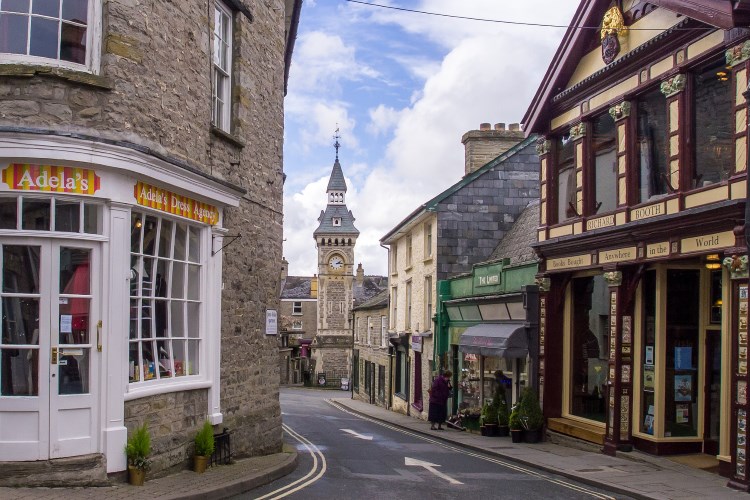
Hay-on-Wye is a small town on the River Wye, very close to the English border and within the borders of Brecon Beacons National Park. The National Book Town, with at least two dozen bookshops, Hay-on-Wye is probably best known as the location of a prestigious annual Hay Festival, sponsored by the Guardian newspaper. The festival stated in 1988 and today draws 80,000 people annually to discuss to discuss the arts with well-known writers, philosophers and other artists.
7. St. David’s Cathedral
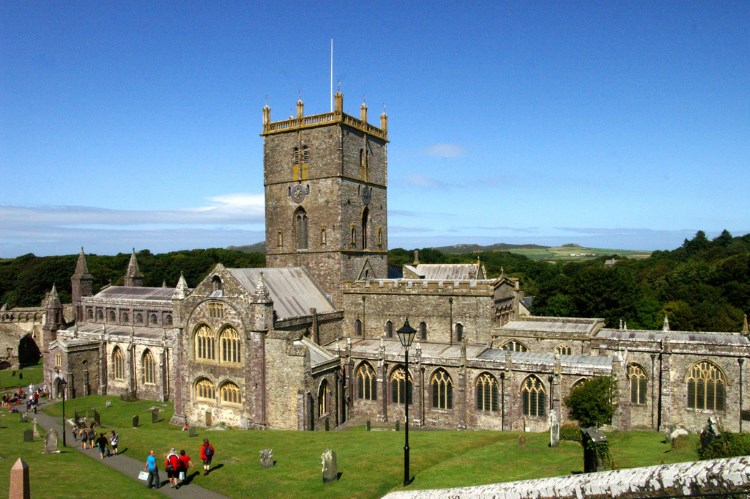
Located in the City of St. David’s in Pembrokeshire county, St. David’s Cathedral is a beautiful example of religious architecture in the Middle Ages. The patron saint of Wales, St. David was a Welsh bishop of the Catholic Church during the 6th century and was buried in the site’s original structure.
Construction for the existing cathedral was begun in the 1180s using purple-colored sandstone. Now part of the Church of Wales, the Norman cathedral houses numerous treasures, including 800-year-old bishop staffs gilded with gold, 13th-century silver chalices and a 1620 edition of the Welsh Bible.
6. Brecon Beacons National Park

Named after the pair of nearly 900-meter (3,000-foot) hills situated in the heart of the park, Brecon Beacons features a landscape of rolling hills, rocky river valleys, grasslands and water meadows. The park is dotted with archeological remnants of Wales’ long history too, including Neolithic cairns, Bronze Age standing stones, Iron Age forts and crumbling Norman castles.
The park also contains numerous underground caves and beautiful waterfalls, including the Sgwd yr Eira Waterfall where visitors can walk behind a curtain of water. The National Park Centre located near the city of Brecon is a good place to begin explorations of the park.
5. Cardiff
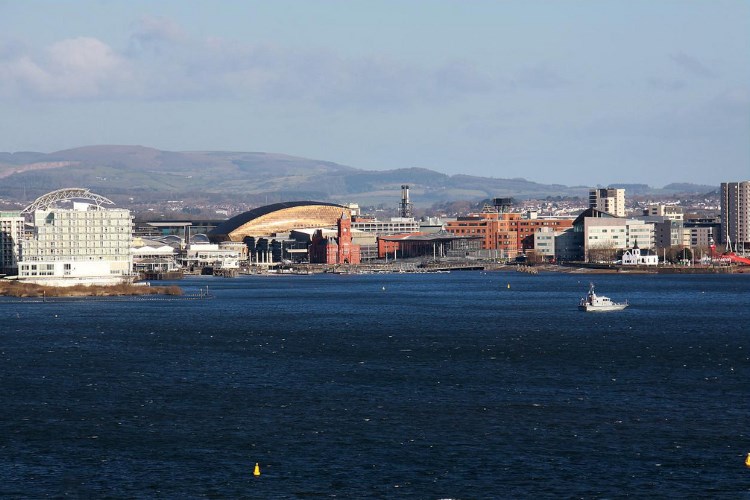
Located in the southeast corner of Wales, Cardiff became the country’s capital in 1955 and launched a number of projects to improve the ancient port city shortly thereafter. The 74,200-seat Millennium sports stadium and the futuristic Wales Millennium Centre for the performing arts have now joined Cardiff Castle as the city’s star attractions.
The 11th-century castle gives visitors a great introduction to Welsh history, and a climb to the top of the keep offers stunning views of the city and surrounding countryside. With its exhibits of Roman pottery and gold jewelry dating back to the Bronze Age, the National Museum Cardiff is also a must-see attraction.
4. Conwy
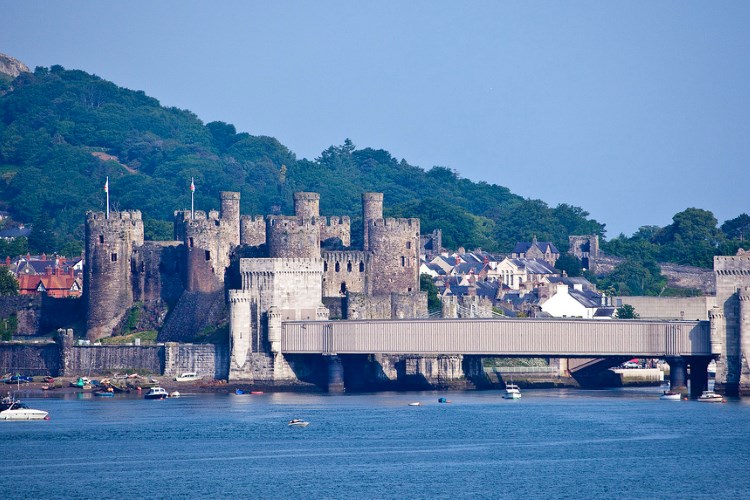
An ancient town with a rich history, Conwy is located in North Wales on the Conwy Estuary near the forests of Snowdonia. The dark-stoned fortress of Conwy Castle dominates the cityscape. Built in the 1280s by Edward I, the castle’s mammoth curtain walls and eight round towers remain intact and imposing.
Views from the battlements offer visitors a bird’s eye view of the castle’s Great Hall and of the walls and towers that surround the medieval town. With its Byzantine processional cross and 15th-century screens, the church of St. Mary’s is worth a visit as well.
3. Pembrokeshire Coast
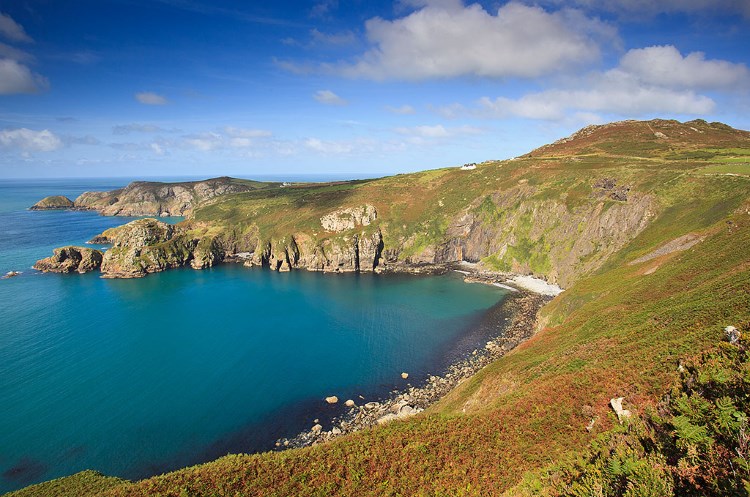
Home to the only coastal national park in Wales, Pembrokeshire county encompasses the country’s southwestern peninsula and offshore islands. Visited by more than four million people each year, the national park is best known for the Pembrokeshire Coast Path, which winds for 300 km (186 miles) along cliff tops overlooking the craggy shoreline.
The area is famed for its wildlife too. Seals bask on the rocks below and hundreds of species of birds soar overhead. For adrenaline junkies, opportunities for wind, kite and conventional surfing abound along the region’s numerous beaches, and there are quaint fishing villages and ancient castles to explore as well.
2. Llandudno
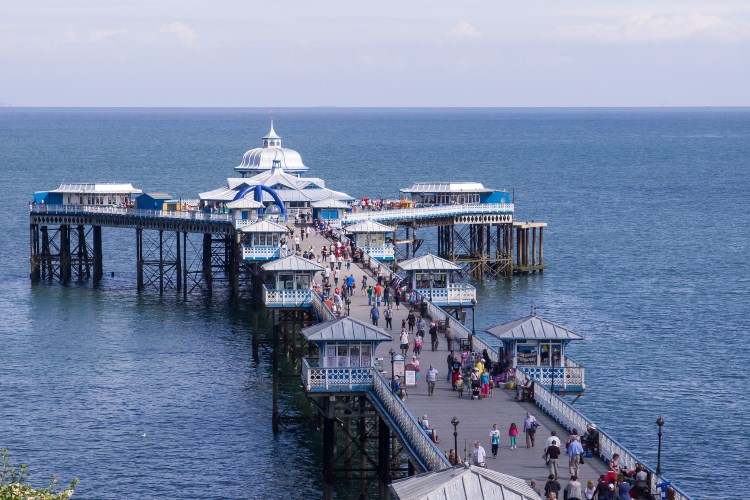
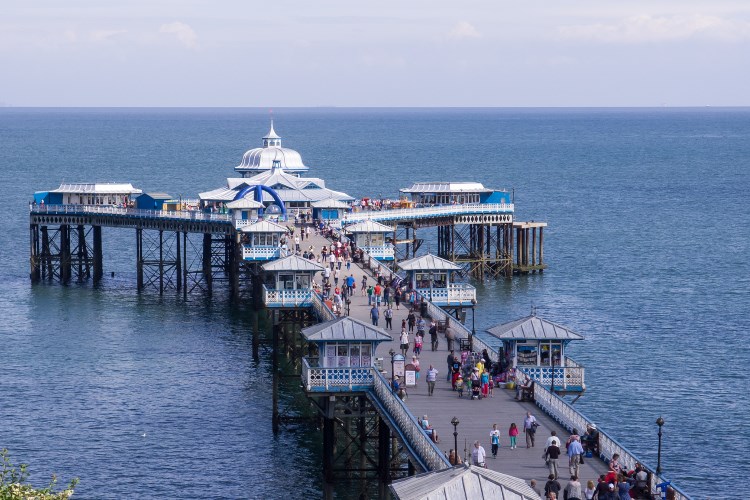
Nestled between the limestone headlands of Great Orme and Little Orme in North Wales, Llandudno is the country’s largest seaside resort and arguably its most charming. Built during the 1950s by the wealthy Mostyn family, Llandudno has all the attributes that wealthy Victorians looked for in a summer resort, including a promenade stretched along the town’s northern beach with a 700-meter (2,300-foot) pier jutting into the bay at the end.
Built in 1902, the Great Orme Tramway climbs to the 200 meter (680-foot) summit of the headlands where visitors can put on their hard hats for a self-guided tour of an old copper mine.
1. Snowdonia
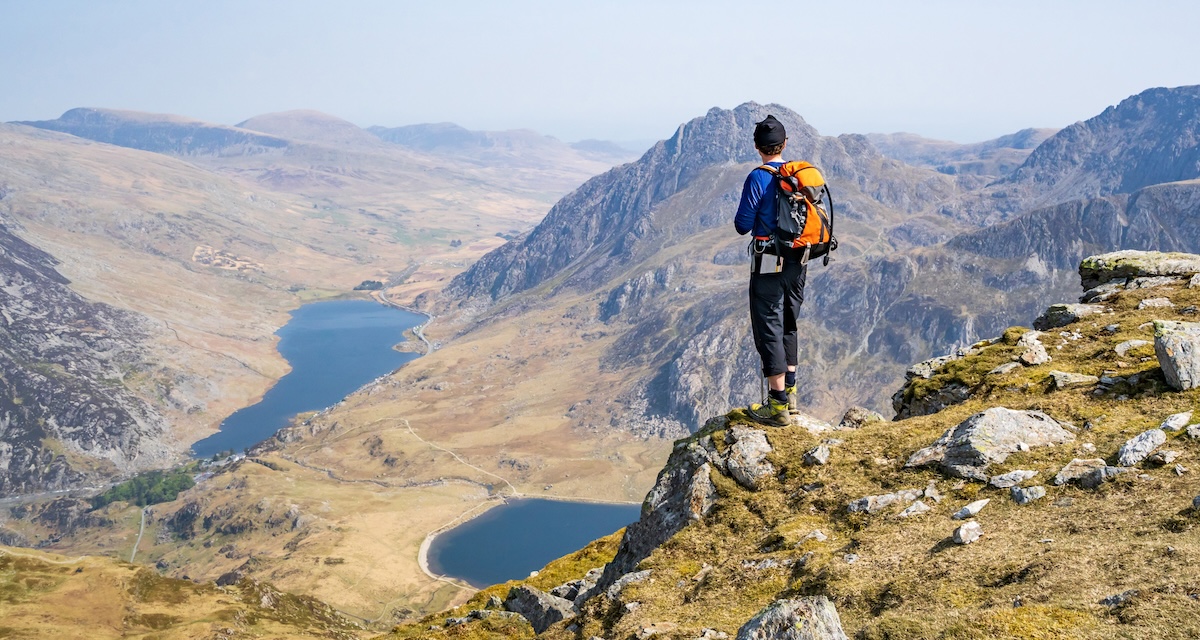
The mountains of the Snowdonia National Park in North Wales are one of the most popular places to visit in Wales. Few of Snowdonia’s peaks top 900 meters (3,000 feet), but their steeply wooded slopes lend them a heightened sense of drama. They also provide a stunning backdrop to the park’s estuaries, lakes, rivers, slate mines and villages.
Hiking is a popular activity in Snowdonia, and there are Neolithic burial cairns and Roman ruins to explore in the park too. A cog railway takes visitors to the top of Snowdon, the park’s namesake and highest peak.