
The Caribbean built its reputation on beach photography and rum cocktails, which somewhat undersell what sits below the surface. The reef systems, fish populations, and water clarity across this region represent some of the best snorkeling on the planet, and most of it requires nothing more than a mask, a pair of fins, and the ability to fall backwards off a small boat without panicking.
These Caribbean spots cover everything from protected marine parks with visibility stretching 30 metres down to shallow reef gardens you can wade into directly from the beach. Pick your entry point accordingly.
12. Maria la Gorda, Cuba
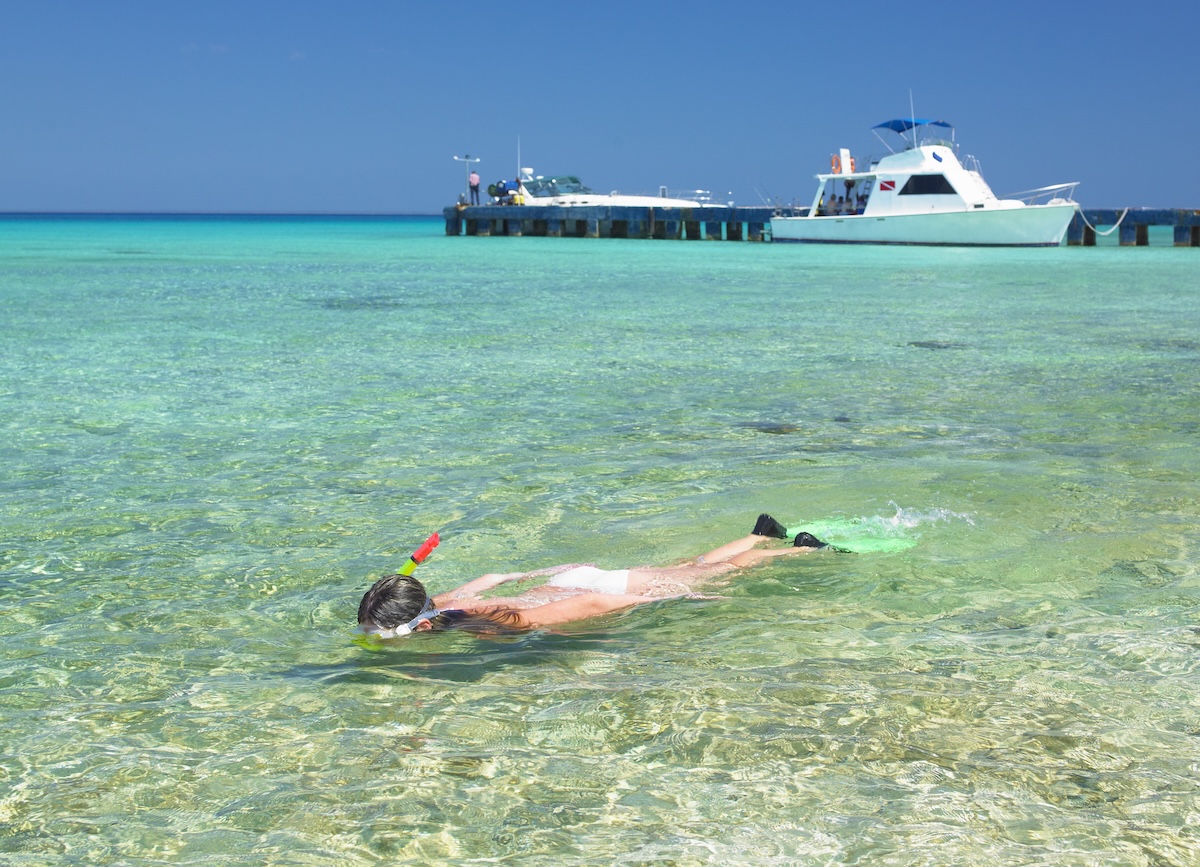
Cuba’s western tip is home to a remote dive station where the reef stayed healthy while the rest of the Caribbean developed heavily around its marine parks. Black coral, enormous sponges, and fish that show no fear of humans describe an underwater world that political geography accidentally kept intact.
The site sits at the end of a long road through tobacco country, keeping casual visitors away and the water exclusive to snorkelers who made the effort. The wall drops steeply close to shore, so even shallow snorkeling puts serious coral architecture within easy viewing distance.
11. Cozumel, Mexico
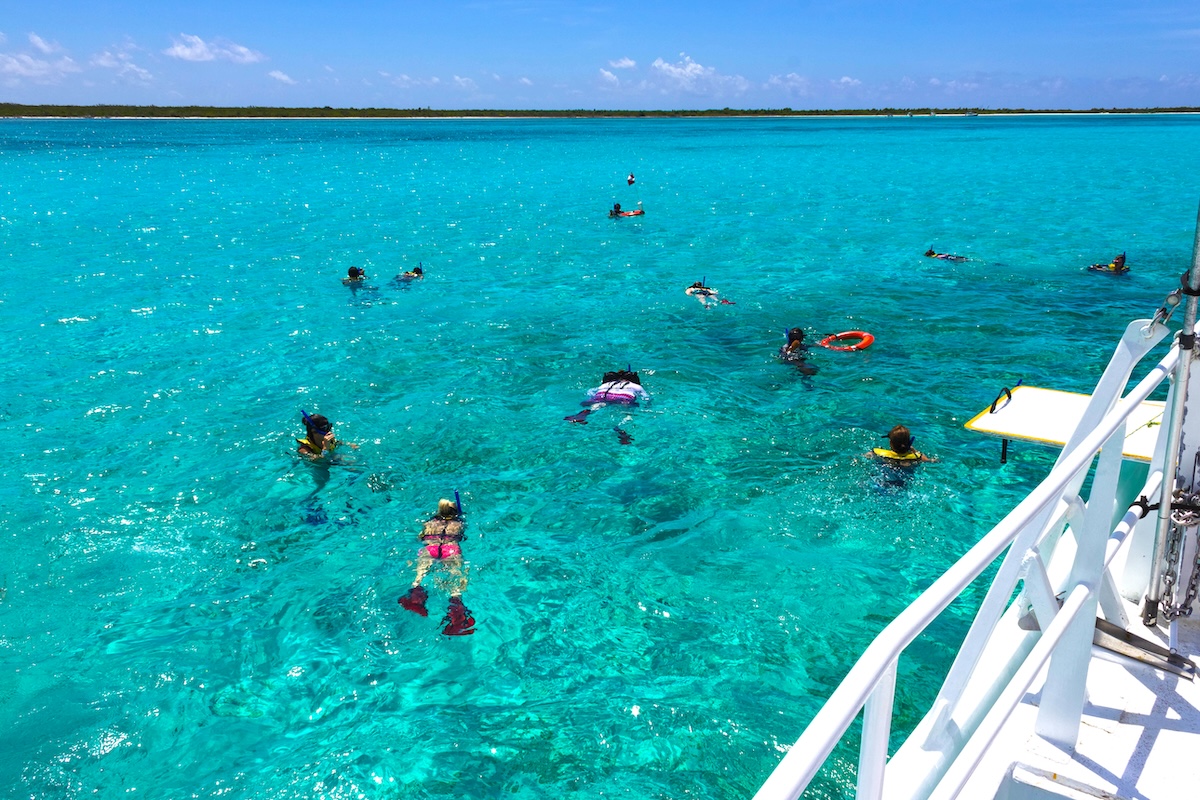
The Mesoamerican Barrier Reef runs along Cozumel’s western shore and helps coral diversity thrive enough that marine biologists use it as reference material. The current moving through the Cozumel Channel carries nutrients that keep the reef exceptionally healthy, and you can enjoy hours of drift snorkeling along the Palancar Gardens section.
Visibility regularly exceeds 30 metres, and the fish life covers everything from eagle rays cruising the wall to green turtles grazing the shallower sections. Renting gear and jumping off the hotel dock at the right tide works just as well as any organized tour.
10. Los Roques, Venezuela
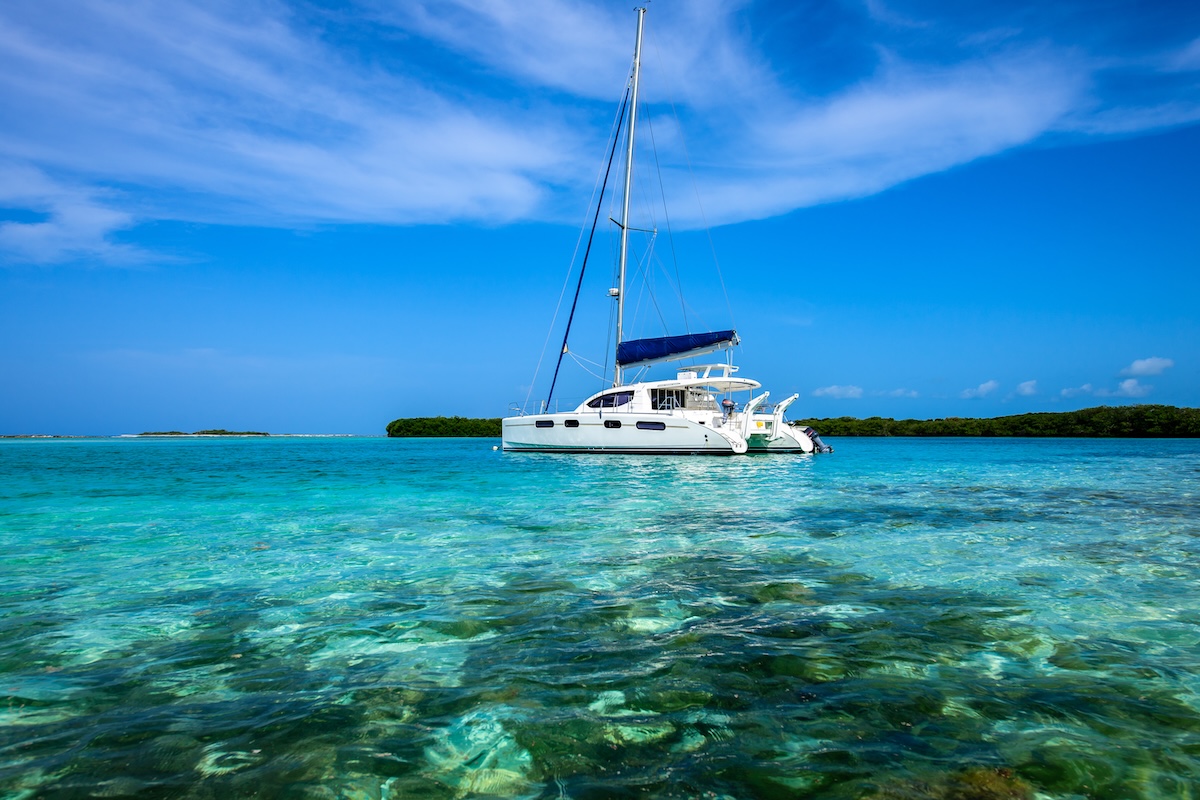
A national park covering 225,000 hectares of Caribbean atoll keeps the water clear and the reef healthy throughout this Venezuelan archipelago. The shallow lagoons between the outer keys turn every shade between pale turquoise and deep blue, and the seagrass beds keep a massive sea turtle population well fed.
Getting here requires a short flight from Caracas, and the fishing village on Gran Roque handles accommodation in small posadas, ensuring the atmosphere is closer to a remote fishing community than a resort. The snorkeling directly off the smaller cays needs no boat trip, no guide, and no planning beyond showing up at low tide.
9. Buck Island Reef, U.S. Virgin Islands
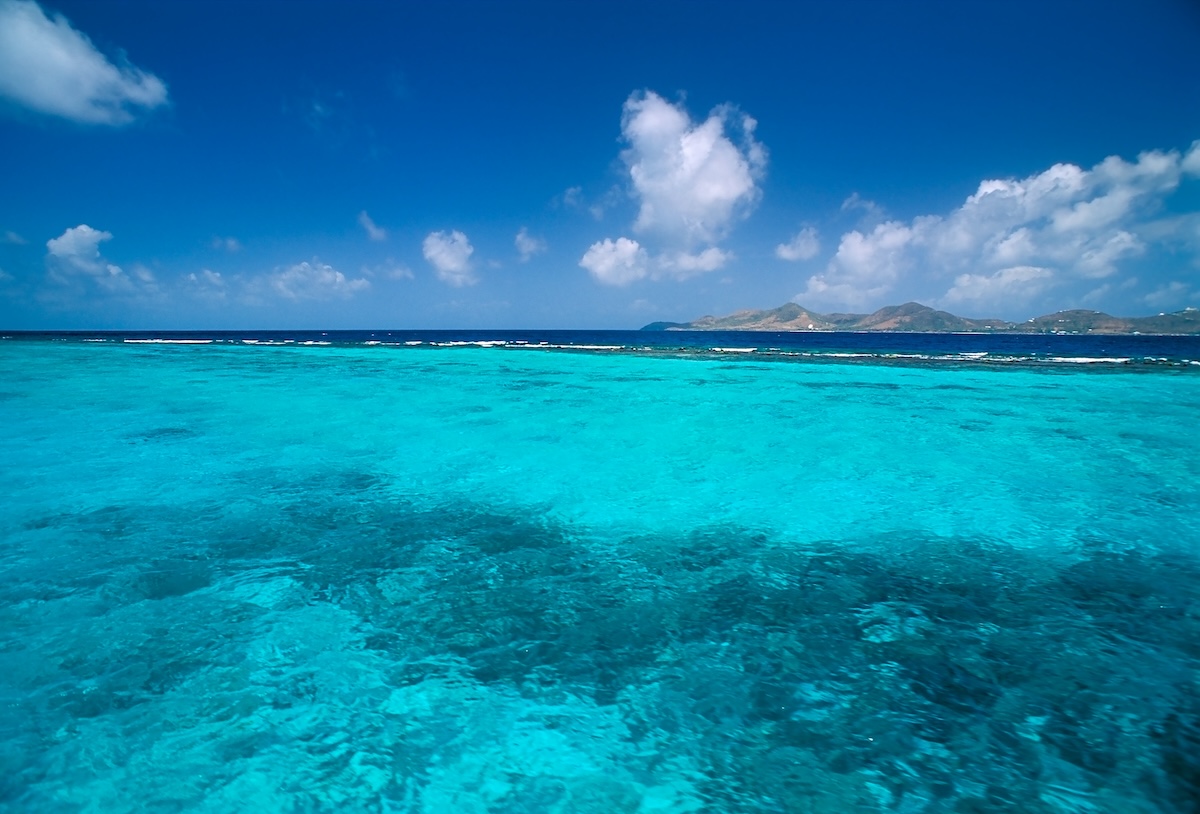
The National Monument designation protecting Buck Island gave the underwater trail here consistent, long-term care that shows clearly in the elkhorn coral formations standing through the snorkel trail markers. The trail runs through a natural coral amphitheater shallow enough that beginners feel comfortable while experienced snorkelers find plenty to hold their attention.
Day trips from Christiansted on St. Croix cover the 2-mile crossing in under 30 minutes, making it as low-effort as you can get. The reef wraps around the eastern tip where the coral density increases considerably, and the current carries you along the wall without much paddling effort required.
8. Little Corn Island, Nicaragua
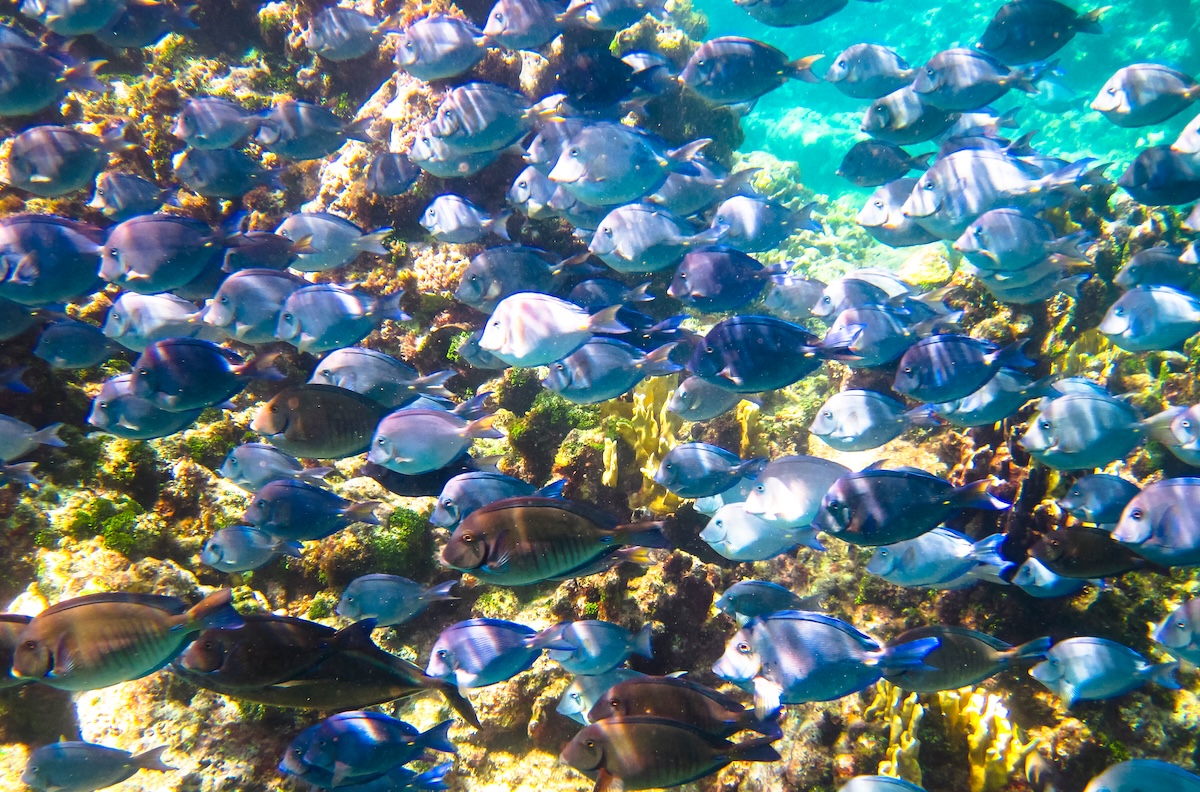
The boat crossing from Big Corn Island takes 45 uncomfortable minutes in a panga that makes no concessions to passenger comfort, which keeps Little Corn’s reef pristine and the crowd manageable. No cars exist on the island, the electricity runs on its own schedule, all adding to the true spirit of ‘island vibe.’
The coral garden off the eastern shore has an immense tropical fish diversity, all thanks to the protection of the surrounding national park. Nurse sharks rest under coral heads in the shallows on the northern end, and a resident turtle population appears on the reef so regularly that guides treat it as a scheduled event, not just luck.
7. Tobago Cays, Saint Vincent and the Grenadines
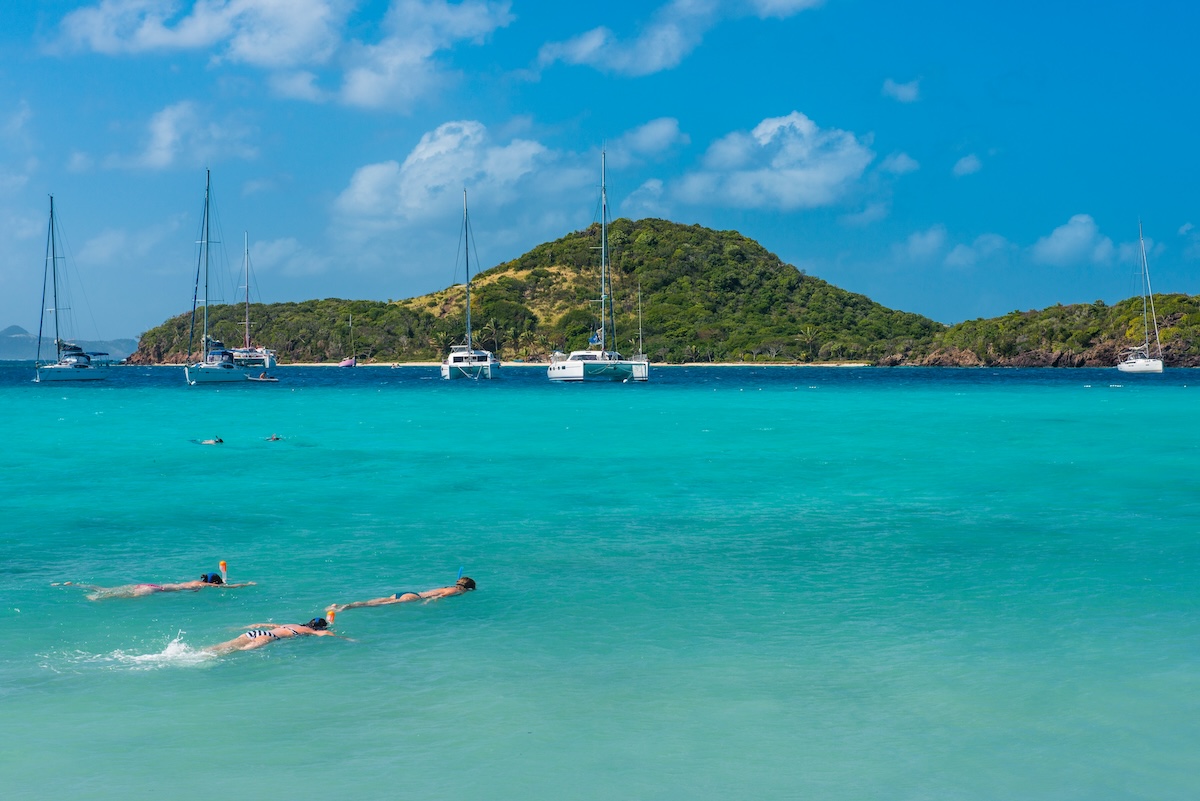
Five uninhabited islands inside a horseshoe reef form a protected lagoon where hawksbill turtles graze seagrass beds all day long. The Horseshoe Reef barrier keeps the swell out and the visibility high, and the turtle density inside the protected zone reflects decades of serious marine park management.
Most visitors arrive by sailing yacht, which gives Tobago Cays a particular atmosphere of people who choose the slow route and feel good about it. Day charter boats from Union Island make the trip accessible without a private yacht, and the snorkeling directly off Baradal Cay starts immediately in crystal clear water.
6. Caye Caulker, Belize
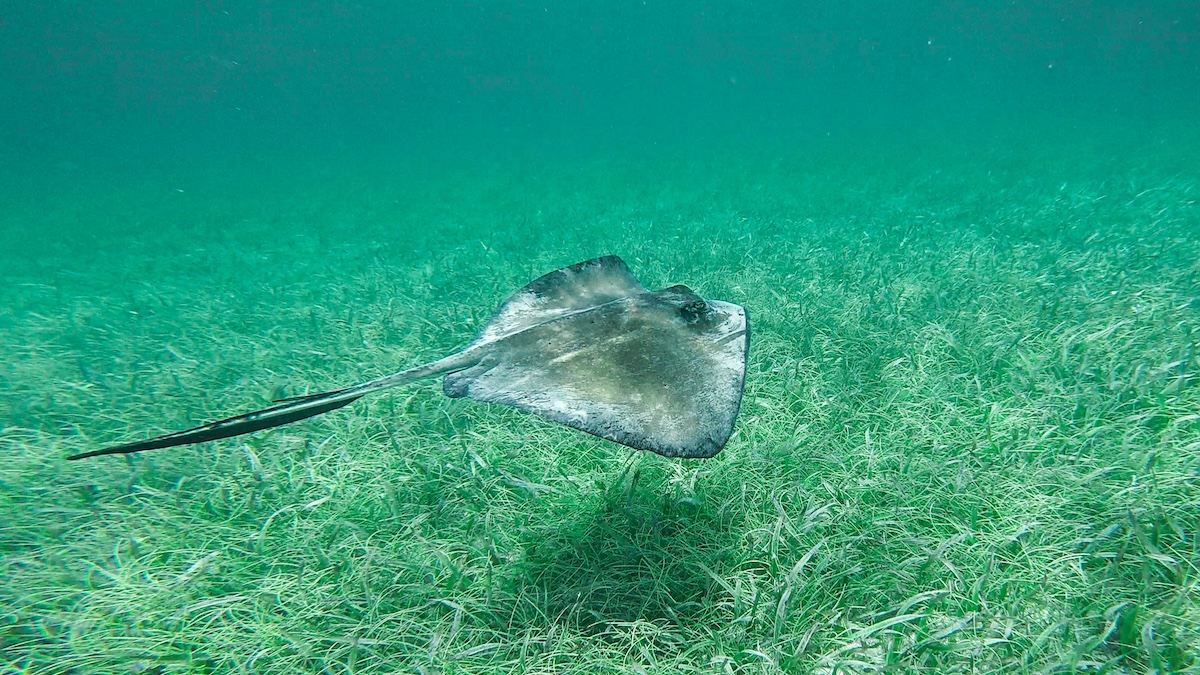
The Belize Barrier Reef sits close enough to Caye Caulker that snorkel boats reach the first sites in under 20 minutes, covering nurse sharks, southern stingrays, and sea turtles before most people finish their morning coffee.
Shark Ray Alley concentrates those species in shallow water originally created by fishermen cleaning their catch, and the marine life enthusiastically took to the association. The Blue Hole day trip adds one of the Caribbean’s most dramatic underwater landmarks to the itinerary, though the snorkeling around the surrounding Lighthouse Reef atoll actually outperforms the hole itself for fish life and coral variety.
5. Xcalak, Mexico
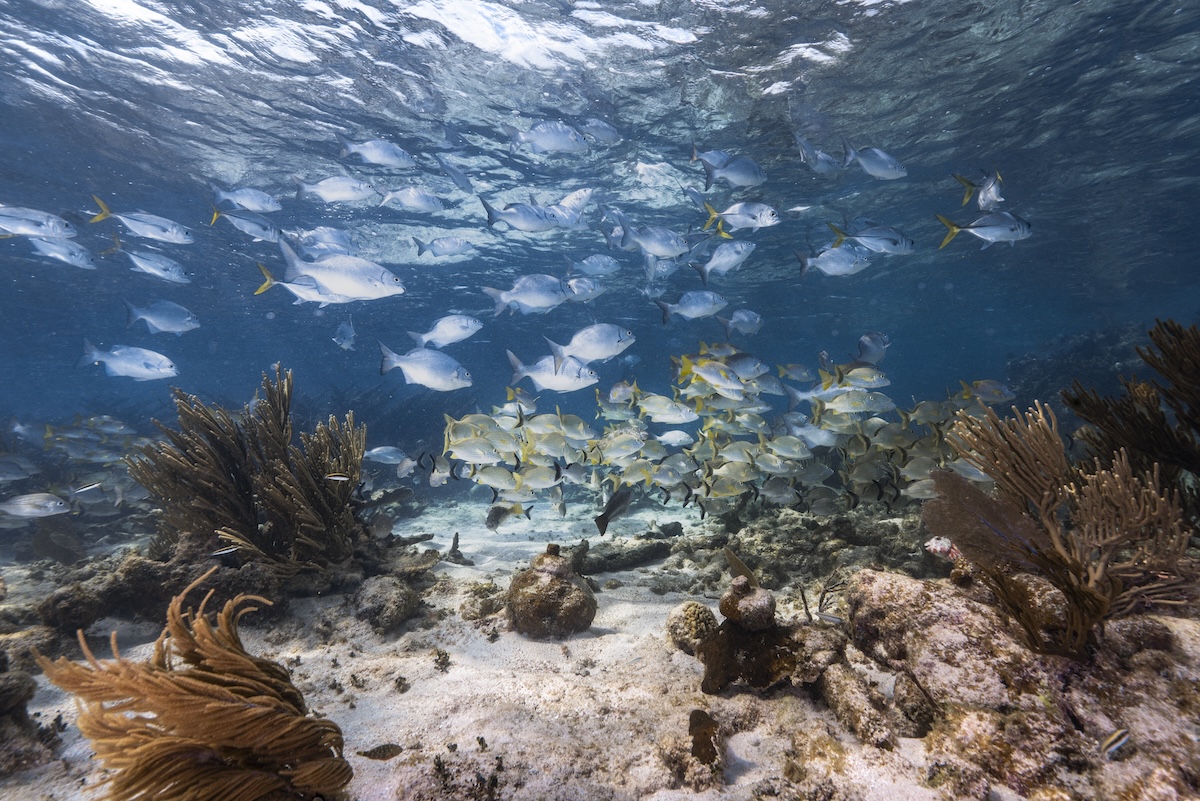
The small fishing village at the southern tip of Quintana Roo sits beside the Chinchorro Bank, the largest coral atoll in the Northern Hemisphere, and a marine reserve surrounds it completely.
Manatees move through the lagoon behind the village, the reef holds healthy Nassau grouper and Caribbean lobster, and the fish behave with a calm indifference to snorkelers that only comes from places where boat traffic never builds into something disruptive. The road ends here, resort infrastructure never arrived, and snorkelers who make the drive from Tulum find a reef that the Cancún development corridor simply never reached.
4. Curaçao
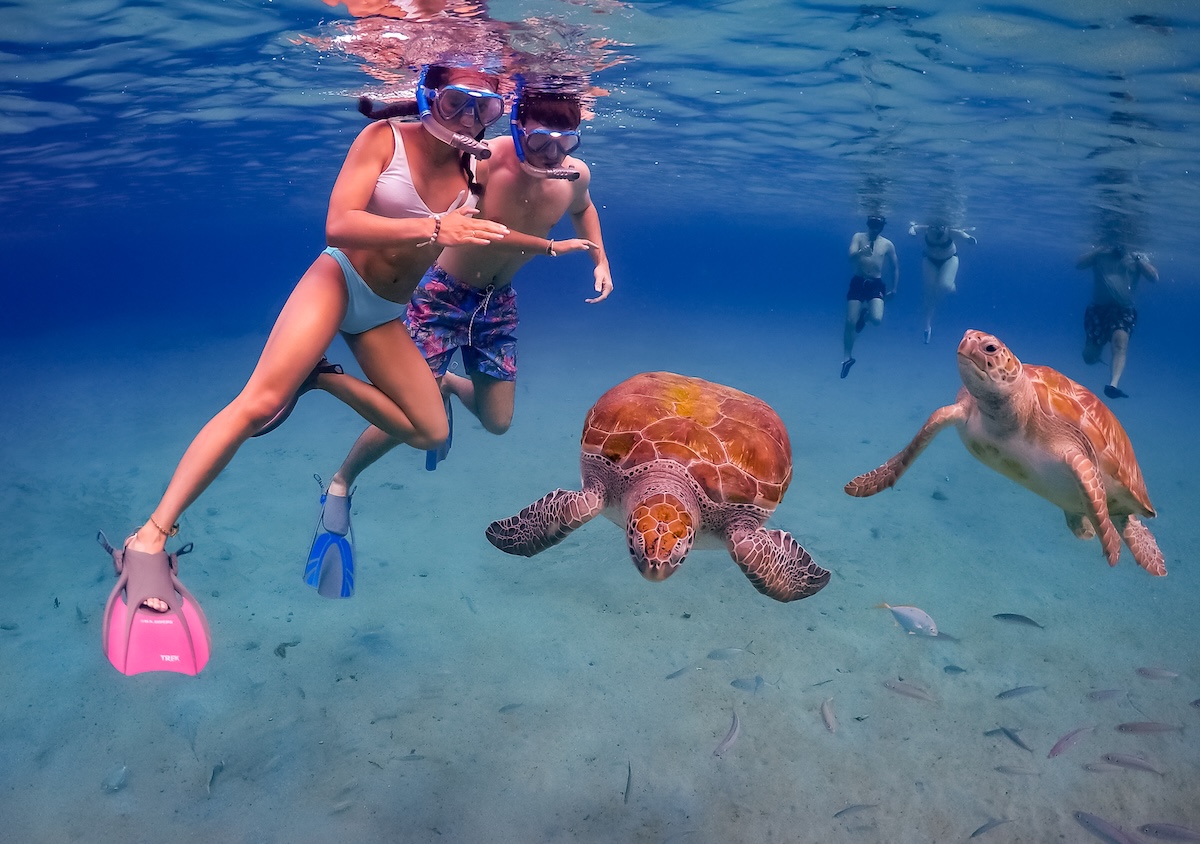
Narrow swim entries cut through the ironshore limestone fringing the island’s southern coast and put snorkelers directly onto the reef wall within metres of shore, no boat required. Mushroom Forest holds giant pillar coral formations rising from a sandy bottom that are simply begging to be explored.
The island sits outside the hurricane belt, so the reef escaped the repeated storm damage that periodically sets Caribbean coral recovery back by years. Klein Curaçao, a tiny uninhabited island 20 kilometres offshore, adds a full-day trip option with turtle populations and undisturbed coral that is basically impossible to find these days.
3. Culebra, Puerto Rico
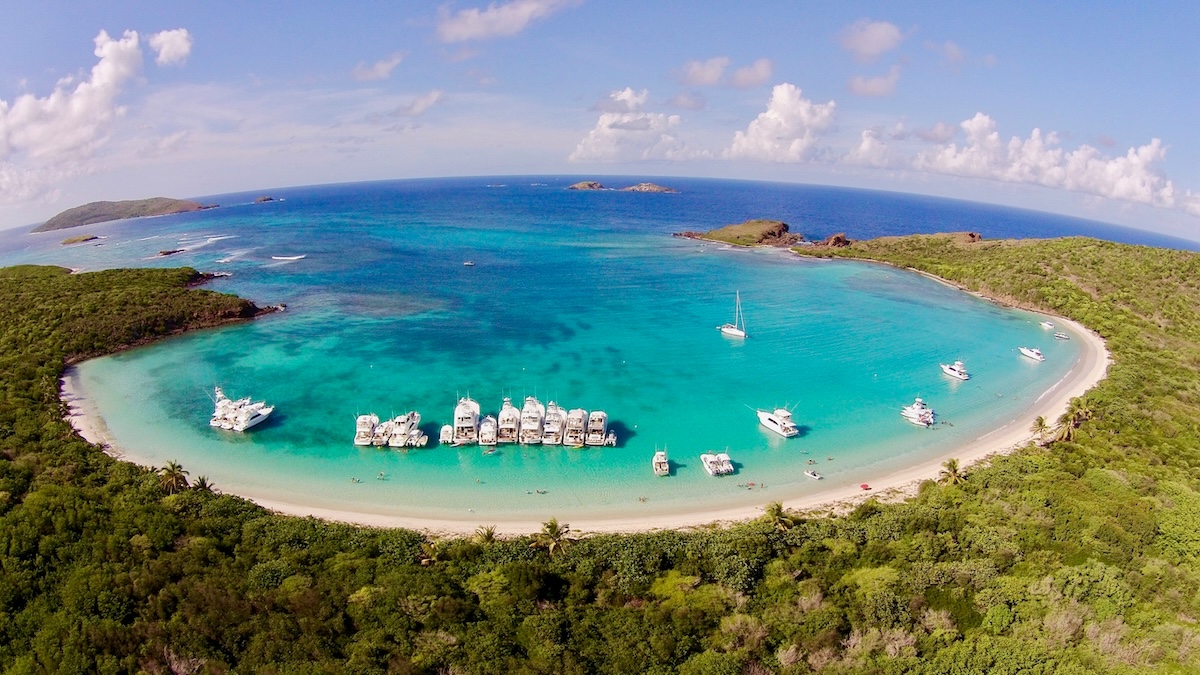
Flamenco Beach handles the crowds that Culebra’s ferry connection delivers daily, while the snorkeling sites at Tamarindo and Carlos Rosario sit around the corner where the numbers thin considerably.
The coral cover at Carlos Rosario is home to nurse sharks sleeping under ledges, parrotfish dismantling coral with audible crunching, and the occasional sea turtle heading somewhere with clear purpose. US territory status removes every documentation and currency concern, and Culebra has snorkeling quality that the main Puerto Rico islands can’t even dream of. The ferry schedule and limited accommodation keep visitor numbers at a level the reef can actually sustain.
2. West Bay Beach, Roatán, Honduras
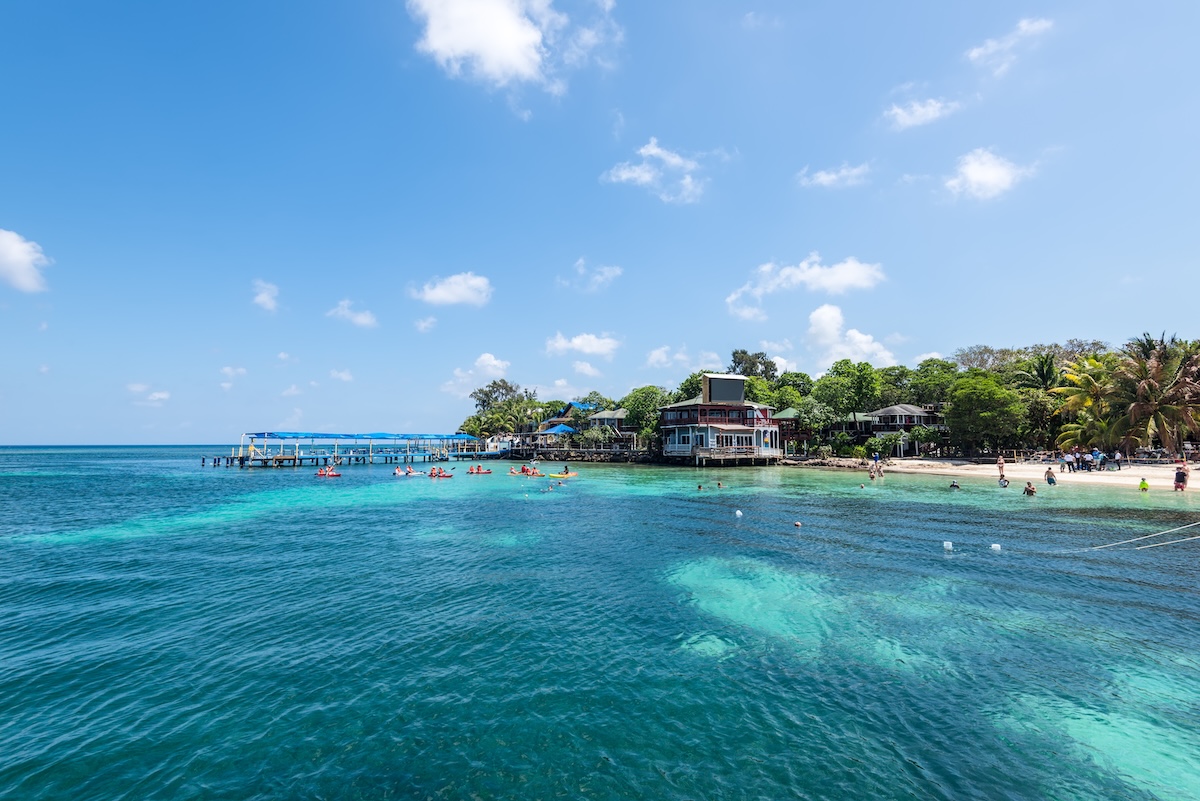
The Mesoamerican Barrier Reef reaches Roatán’s western tip and puts healthy coral within 50 meters of the shoreline. Walking into the water from West Bay Beach puts snorkelers above the reef immediately, and the wall dropping beyond the reef flat adds depth for anyone comfortable free-diving a few meters below the surface.
Roatán’s dive infrastructure handles the serious underwater crowd while the beach entry snorkeling serves everyone else without guided tours, boat fees, or advance planning. The reef extends east along the island’s south shore, covering more territory than a week of daily snorkeling could cover, which is a perfectly acceptable reason to stay longer than originally planned.
1. Bonaire
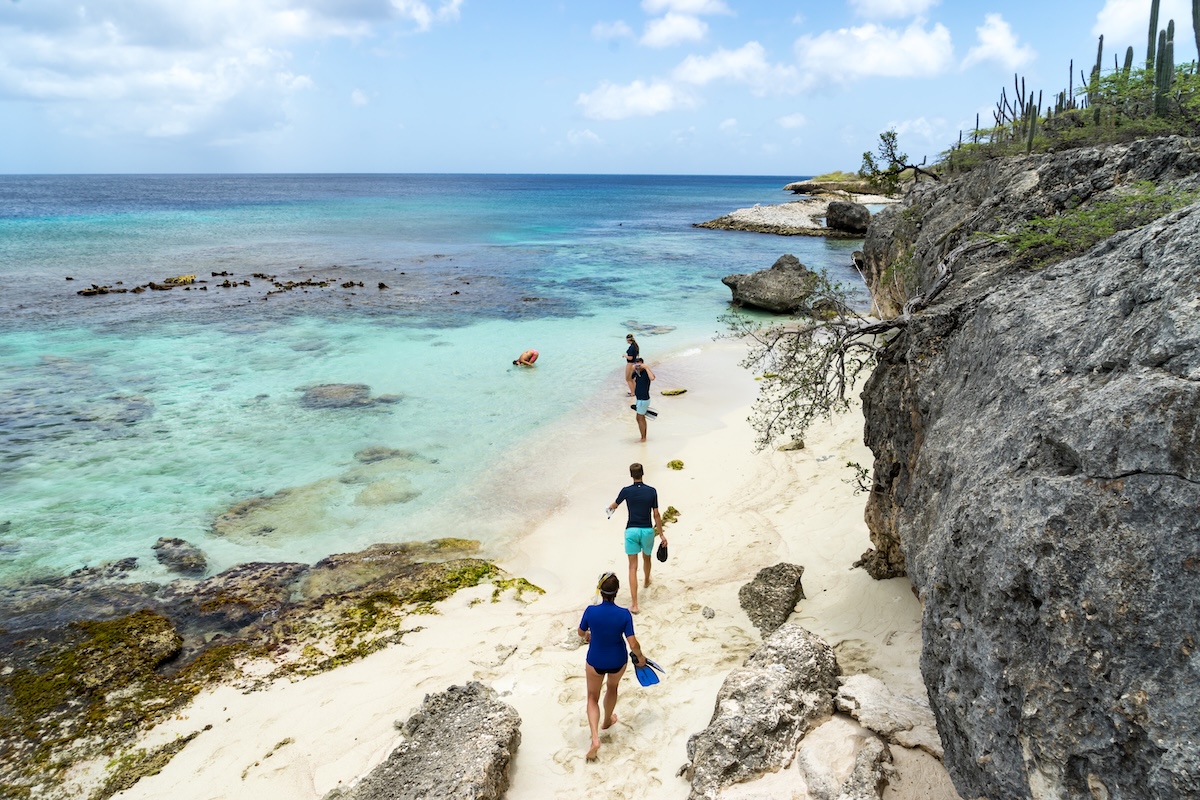
Yellow painted stones mark 86 protected snorkel sites around Bonaire’s coastline, all accessible directly from shore, and a complete ban on anchoring in the marine park has kept the reef floor undamaged through decades of heavy underwater traffic. Donkey Beach, Thousand Steps, and the Town Pier each cover completely different coral communities, and you simply can’t swim enough to see them all.
The water stays calm on the protected western shore through most of the year, visibility averages 30 meters, and the fish go about their business at arm’s length with a familiarity that feels less like wildlife observation and more like sharing the same neighborhood.