

Morocco’s coastline runs along both the Atlantic and the Mediterranean, meaning it has a huge array of beaches that are just begging to be visited. With some fantastic spots for keen surfers and water sports enthusiasts, there’s no shortage of waves along much of the country’s sprawling, sand-dune sea sides.
If spending your holiday sleepily lazing in the sun on golden sand sounds like your thing, the beautiful bays and picturesque lagoons in Morocco will be ideal for you. During the summer months, Morocco’s best beaches get busy with locals enjoying vacations by the sea – but out of season, many of the beaches are deserted, so you’ll have these slices of paradise all to yourself.
10. Las Cuevas Beach, Asilah
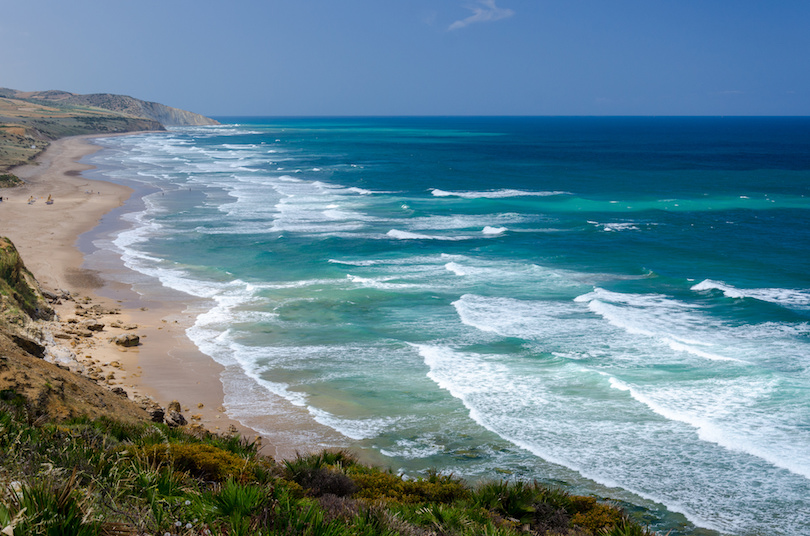
Just six-kilometers south of the old fortified town of Asilah, Las Cuevas Beach lies at the bottom of the rounded, dusty cliffs that give it protection. It’s not the easiest route along the steep and dusty track from the road down to the sand, but there are some alternative modes of transport on offer from the road above – you can even travel down on a horse and cart if you wish!
A selection of beach restaurants have been set up on the shore, serving freshly caught fish with sides of salads and potatoes. Beachgoers who decided to grab a leisurely bite to eat at one of the cafes can use their sunbeds and umbrellas free of charge.
The waves here crash in crescendos on the golden sand, making it a great spot for surfing. In the summer months, things can get busy with local families, lines of vendors and camel rides.
9. Martil Beach
 © Starvarz / Dreamstime
Set in a small but attractive town, Maril beach is a favorite with Moroccan holidaymakers, who arrive here in the summer months to spend time cooling off in the waters of the Mediterranean sea.
Bright green mountains hug the headlands and a pleasant beachside promenade makes for a relaxing walk along the coast. Stop off and grab an iced coffee and watch as the pale blue warm waters crash into the milky-white of the sand.
If you’re into golf, Maril is close to some excellent golf courses at Cabo Negro. Not just a beach for the heat of the summer, Martil is a sweetly charming town that hums with activity in high season, but otherwise has a slow and pleasant place. Many of the visitors travel from nearby Tangier and spend the night in the numerous hotels around town.
8. Dragon Beach, Dakhla Peninsula
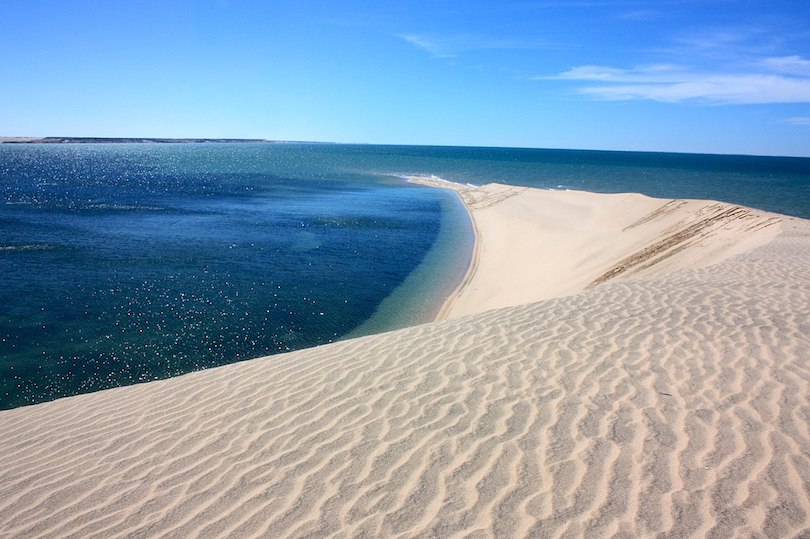
Located in the disputed Western Sahara in the Dakhla Peninsula, Dragon Beach protrudes out into the Atlantic Ocean alongside the African coast and boasts crystal-clear waters and white sand dunes. Great for water sports enthusiasts and nature-lovers alike, Dragon Beach is a small island in the middle of a blue lagoon.
A little slice of desert-like paradise, the sand here is so white it’s dazzling. Small birds flit and dive along the coast while you kick back and relax in a beachside hammock at the beach bar.
Let the hours slip by as you catch a breeze on the rustic beach swings have set up here, and wait until sunset, when the mesmerizing beauty of this beach really reveals itself. The acclaimed Kitesurfing World Championships is held here annually, so if you’re in the area at the right time of year, you could really be in for a treat.
7. Sidi Kaouki
 © Elena Gurdina / Dreamstime
If you are looking for somewhere under the radar and unaffected by development, you should head to Sidi Kaouki beach, where tranquility and traditional ways of life combine. This natural beach remains mainly wild, with sand-dunes and plants creating a sort of desert oasis by the sea – without the high winds of neighboring Essaouira beach.
This may be one of those beaches that is best kept secret, because it’s Sidi Kaouki’s idyllic seclusion that adds to its allure.
Located close to Berber village, life in the surrounding area is simple and uncomplicated. Surfers enjoy the big waves here and chill out in the no-frills cafes and restaurants. There are a scattering of sunbeds for beachgoers who like to soak up the sun, or, if you like to try something a little different, you can even take a camel ride around the dunes.
6. Ain Diab, Casablanca
 © Igor Dymov / Dreamstime
Casablanca’s city beach, Ain Diab is a playground for wealthy city-dwellers who want to enjoy time out of their busy lives. The sandy stretch of beach lies between two rocky cliffs and is a trendy hangout for holidaymakers, local teenagers and families. During the summer, the swimming pools and surf schools along the beach fill up with people trying to cool down in the sweltering heat.
Things can get expensive here, however, with chic restaurants and nightclubs sprawling out onto the sand. The best time to visit this fun and frenetic city’s seaside is during the week, when things are a little quieter, or early in the morning at the weekend.
Sit in one of the beachside cafes, sip on a cold drink, and spend some hours watching the people of the city as they jog, walk, meet friends and play in the surf and sand.
5. Agadir Beach
 © P. Pawinski / Dreamstime
Positioned between the wilds of the Atlantic Ocean and the foothills of the magnificent Atlas mountains, Agadir Beach is a vibrant part of the bustling Berber city. Drenched in sunshine, the beach’s undulating sand dunes roll out of the barrenness of the Sahara desert into the calm of the sea.
Agadir beach is particularly pretty, the mild climate means you can swim all year round – kayaking, surfing and windsurfing are popular here. Once a little fishing town, busy and buzzing Agadir is a popular resort city and a fun place to spend some days strolling along the seafront boulevard, past the cafe and children’s playgrounds, to lounge on the soft sands of Agadir beach.
4. Essaouira Beach
 © Dinozzaver / Dreamstime
The ancient and historic city of Essaouira was once a trendy destination on the hippie trail of the 1960’s, with many famous creatives stopping off to spend some time indulging in the surrounding nature and lapping up the culture. Nowadays, Essaouira has developed into an influential port city, attracting tourists with its stylish beachfront, but still has its roots firmly in tradition.
Known for its relaxed atmosphere and glimmering sands, Essaouira beach remains a magnet for hippies to hang out – now featuring some fantastically indulgent dining options. Enjoy delicious dinner along the beach in one of the many restaurants that serve world-class dishes in the beautiful beachfront setting.
This beach isn’t really one for sunbathing – due to high winds that are strong for much of the year, Essaouira has been labeler the ‘Wind City of Africa.’ As such, it is extremely popular with windsurfers.
3. Taghazout
 © Simon Hack / Dreamstime
Small and traditional, Taghazout is a little fishing village just north of Agadir. Tourism is on the rise in the area, with the Moroccan government focusing on the development of Taghazout as a resort town, but for now, most of the tourists here are backpackers and surfers. This chilled-out town is truly a surfers’ paradise and a magnet for those who want to spend summers riding the waves.
Taghazout has a distinctly laid-back vibe. Surfers hang out in the town’s bars and guesthouses and there are plenty of surf shops and schools for those who are keen to try out the waves.
The beach’s rugged rocks and gloriously golden sand have some places to hire a sun lounger and umbrella and chill out to the sound of the crashing waves. Evenings on the beach are gorgeously warm and it’s the perfect place for a spot of yoga as the sun sets and turns the waves into splashes of pinks and orange.
2. Oualidia Lagoon
 © Masar1920 / Dreamstime
Popular with Moroccan holidaymakers but not so well known to international tourists, Oualidia Lagoon is a charming village with a colorful beach. A few hours’ drive away from Marrakech, Oualidia’s wild and natural coastline is softened by the deep blue of its languid lagoon – sheltered from the ruggedness of the Atlantic by chunks of red cliffs.
The shores of the lagoon are scattered with the brightly colored boats of local fishermen, and tour guides who take visitors out onto the lagoon to experience the stillness of the surrounding landscape.
When you get back, you can also enjoy the fisherman’s catch of the day in the quaint restaurants around the town. This is a shoreline to spend time relaxing in – unwind from the troubles of everyday life and be seduced by the serenity of the lagoon.
1. Legzira Beach

An iconic sight – and one that has garnered much attention around the world – is the natural rock formations at Legzira Beach. What used to set it aside from other beaches in terms of remarkable natural beauty were two sandstone arches jutting out from the cliffs.
Unfortunately, the larger of the two collapsed in 2016 after thousands of years of erosion. The smaller one, however, is still an impressive sight – and very well known as a backdrop to countless sunset selfies.
The beach still remains a remarkable place to take in the strange rock formations, and is famous for sunsets that span the sky and highlight the array of reds in the rocks. Legzira, with its windy weather, is an extremely popular spot for paragliders and surfers, as well as sunset chasers.