
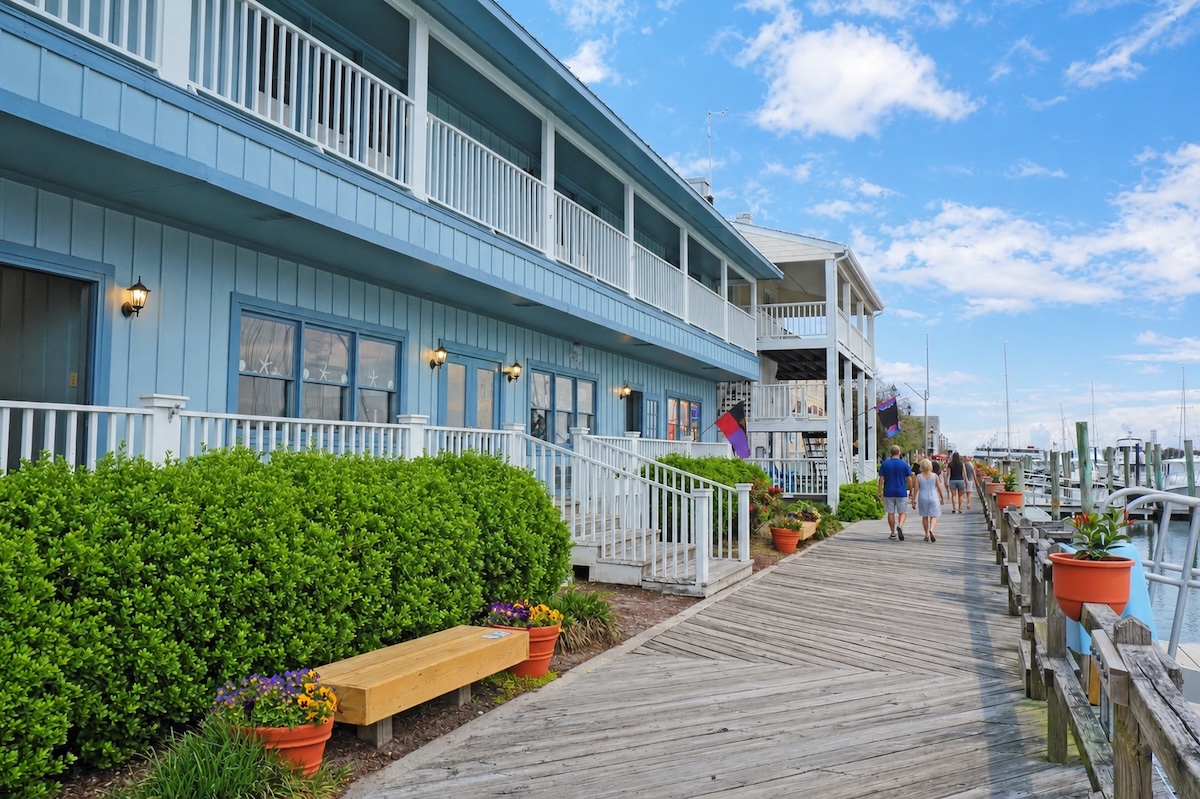
Some coastal towns just hold onto their fishing village roots, even as everything else speeds up around them. They don’t clamor for attention with flashy resorts or packed boardwalks. Instead, there’s a quieter pull: wooden docks where working boats still tie up, streets lined with homes that have seen centuries come and go, and marshlands where wild horses wander at their own pace.
Beaufort, North Carolina, is one of those rare coastal gems where authentic maritime heritage and natural beauty converge along the state’s southern Outer Banks. North Carolina’s third-oldest town has been welcoming sailors, fishermen, and explorers since 1709. Its historic waterfront district still looks much like it did generations ago.
Beaufort feels like a launchpad to the Crystal Coast’s barrier islands and clear waters. The town balances a working waterfront with protected natural areas, so you get both local culture and untouched coastal wildness within minutes of each other.
Historic Waterfront and Maritime Heritage
Walk along Beaufort’s historic waterfront and you’ll see just how much the sea shapes daily life here. This is one of North Carolina’s oldest towns, and generations have fished, built boats, and traded along these docks. You can watch commercial fishermen haul in their catch, working the same waters their families have for ages.
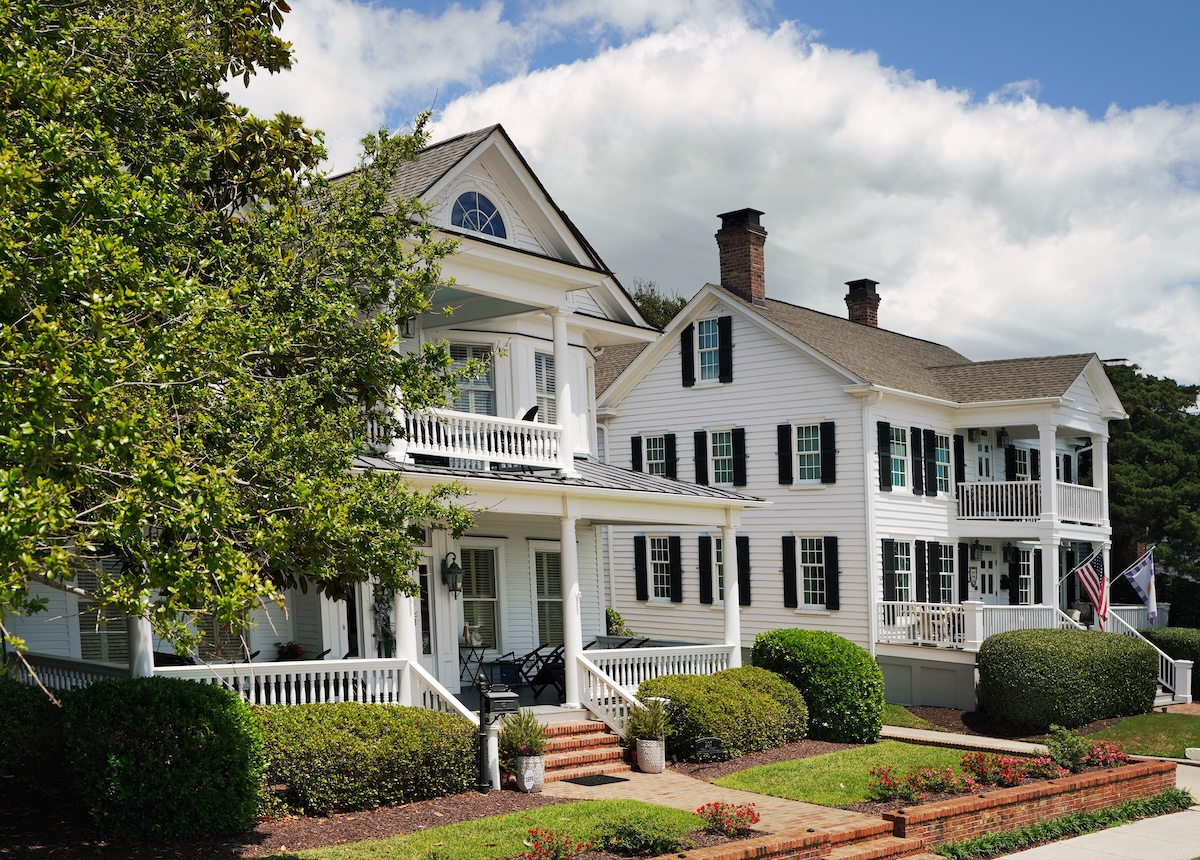
The waterfront district gives you a real taste of coastal life—centuries-old homes stand just steps from the water, many of them battered by hurricanes and nor’easters but still standing strong. The downtown is compact, and as you wander, you’ll notice how the historic architecture fits right in with the buzz of maritime work.
Beaufort’s seafaring heritage isn’t just a museum piece—it’s alive and obvious. Boatyards, charter boats, and fishing vessels operate right alongside restaurants and shops. The town’s maritime past is woven into its present, and you can feel it everywhere.
Wild Horses and Barrier Island Nature
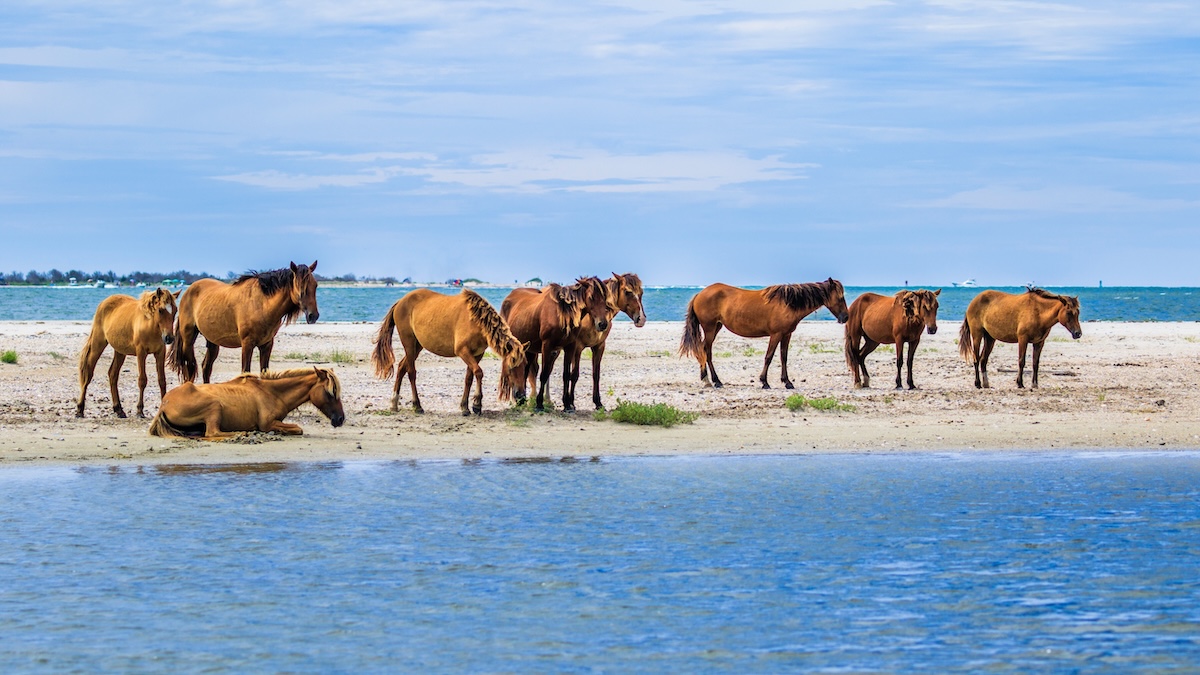
Visiting Beaufort gives you a front-row seat to some of North Carolina’s most unspoiled coastal habitats. Just across Taylor’s Creek, the Rachel Carson Reserve waits—untouched tidal marshes, salt flats, and maritime forests all in one place. You might kayak through shallow channels, watching herons and egrets hunt, or wander sandy shores when the tide’s low.
Wild horses, descendants of colonial-era livestock, still roam these barrier islands. Sometimes you’ll catch them grazing near the dunes or cooling off in tidal pools. Over the centuries, they’ve figured out how to survive on sea oats and marsh grasses, somehow thriving in the tough island environment. Further south, Cape Lookout stretches the wilderness even more, with miles of undeveloped beaches and shifting sand islands.
These fragile habitats attract hundreds of bird species throughout the year, making them vital for migratory waterfowl. You can explore by boat, join a guided walk, or just watch from the Beaufort waterfront. The barrier islands shield the mainland and give you a direct connection to the wild forces that shaped the Outer Banks.