
Touropia Logo

Touropia Travel

Discover the World

  • Destinations
  • Videos

A Full-Scale Noah’s Ark Sounds Impossible Until You Stand Next to It

By Mike Kaplan · Last updated on June 17, 2026

Ark Encounter

Somewhere in the rolling farmland between Cincinnati and Lexington, a wooden structure rises above the Kentucky hills that stops most first-time visitors mid-sentence. It’s, honestly, huge. Ark Encounter in Williamstown, Kentucky, is a full-scale replica of Noah’s Ark, and whether you’re here for faith or just chasing a quirky road trip detour, the sheer size of it grabs your attention right away.

Since 2016, this attraction has drawn visitors from across the U.S., especially families hunting for something outside the usual theme park loop. It sits just off I-75 in Grant County, so getting here from most of the Midwest or Southeast is pretty straightforward. You can squeeze the whole thing into one day, but if you’ve got younger kids, stretching your visit over two days isn’t a bad idea. A little planning? It’ll save you some headaches.

Full-Scale Noah’s Ark Replica
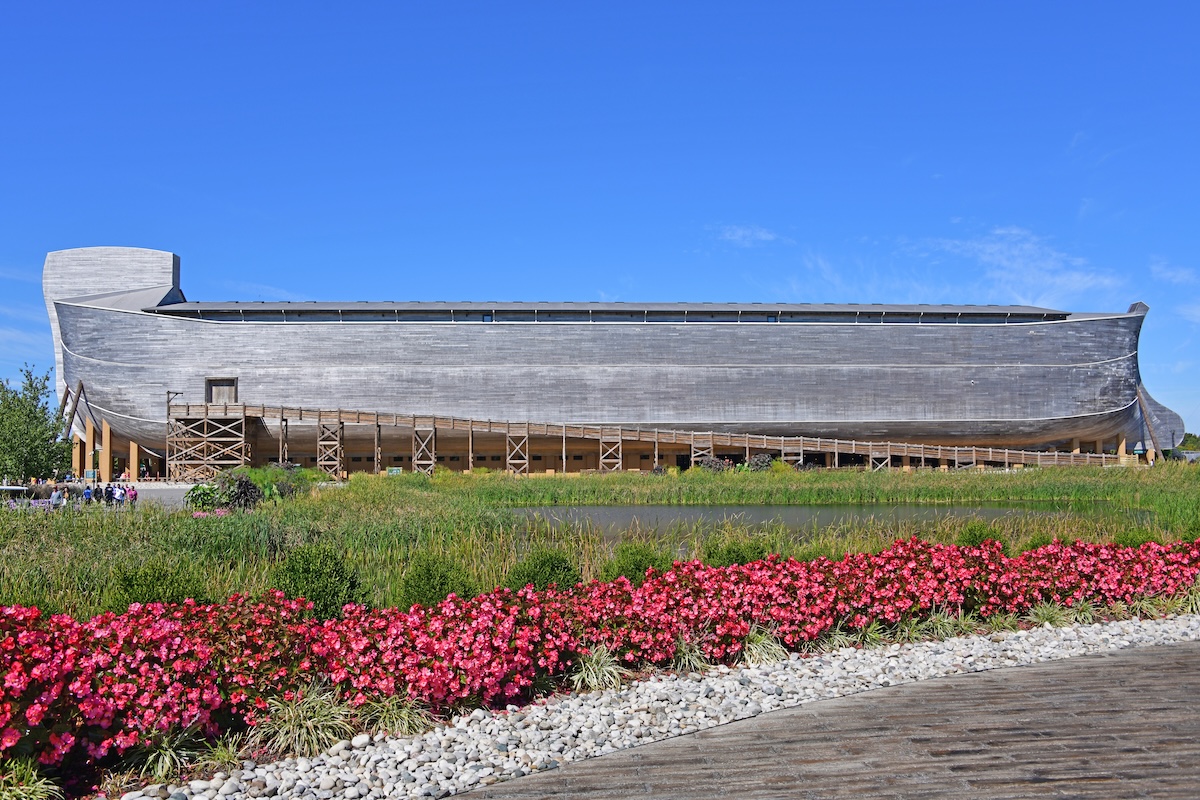
Ark Encounter Williamstown

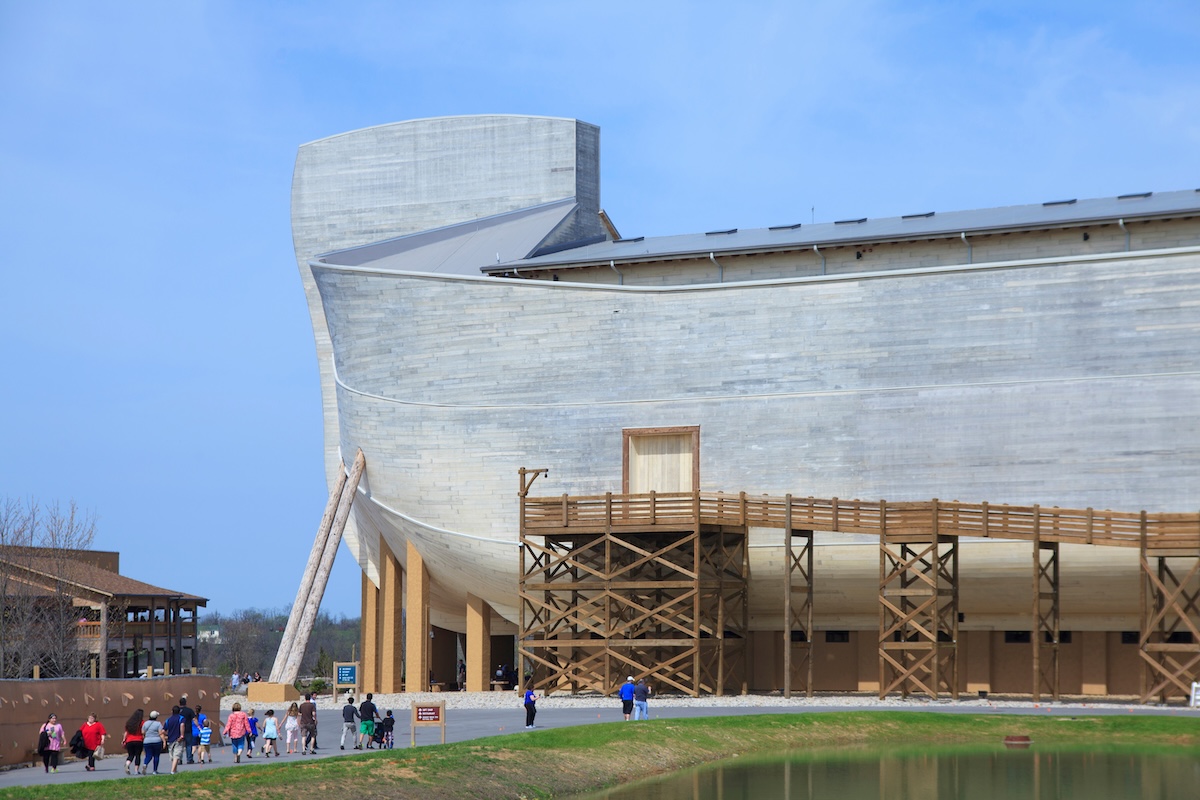
The numbers really hit you when you’re actually standing in front of it. Ark Encounter measures 510 feet long, 85 feet wide, and 51 feet tall. That makes it the world’s largest freestanding timber-frame structure—longer than one and a half football fields, and about seven stories high. They built it using the dimensions from the book of Genesis, and honestly, the engineering story here is kind of wild.

From the parking lot, you’ll hop on a shuttle that drops you at the base of the Ark. Even from a distance, that dark wood hull looks almost like it belongs on water, set against the green Kentucky landscape. Get closer and you start noticing the craftsmanship—the heavy timbers, the way the bow tapers. It feels solid, intentional, and honestly, more modern than you’d expect from something inspired by ancient texts.

You don’t have to be a Bible scholar to appreciate the effort behind this place. The Ark sits on a gentle hillside in Williamstown, a small town with just a handful of restaurants and gas stations nearby. If you’re driving from Cincinnati, expect about 45 minutes on the road. Coming from Lexington? It’s closer to an hour. The site’s fully wheelchair accessible, with elevators, ramps, and free wheelchair rentals right at the entrance.

Inside The Experience
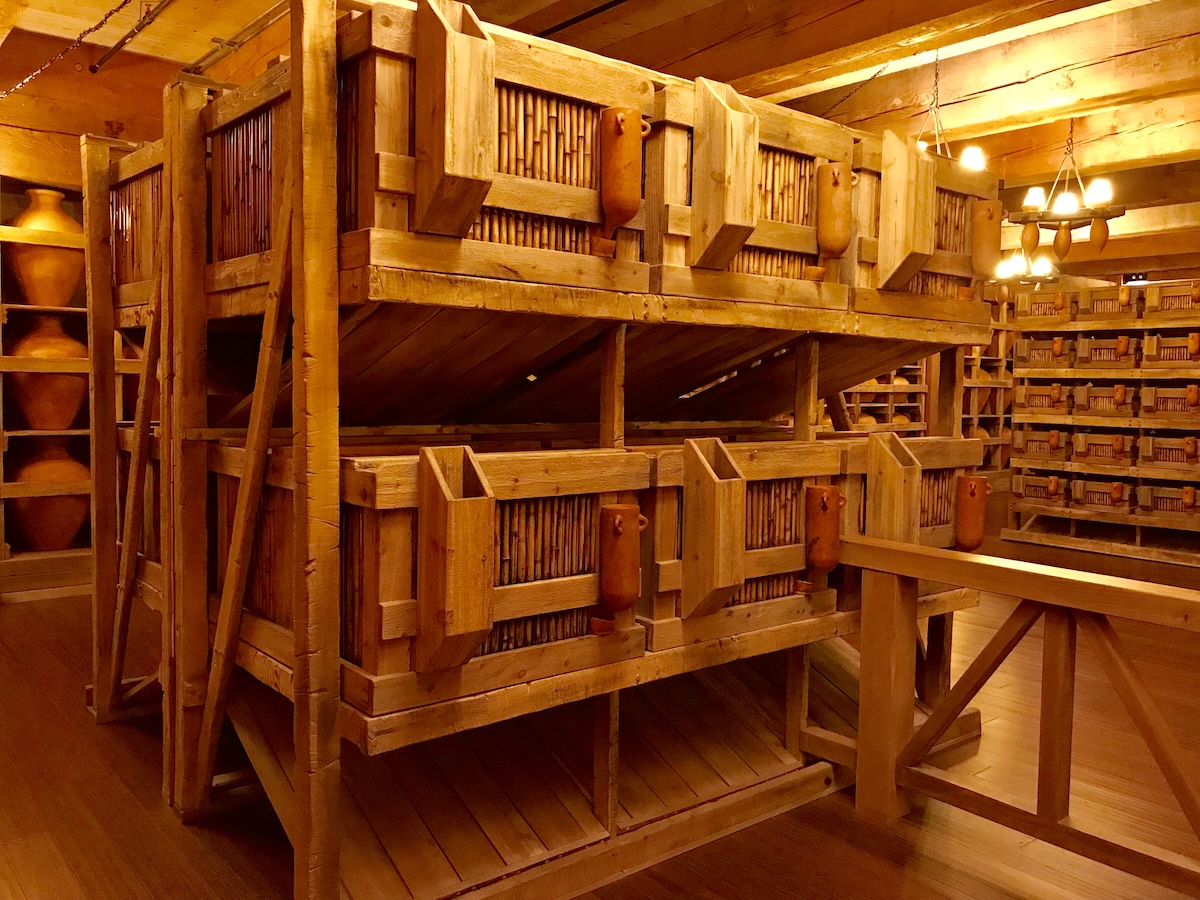
Ark Encounter Deck

Three decks of exhibits fill the interior, and most folks end up spending two to three hours wandering through. On the lower levels, you’ll spot rows of wooden animal enclosures packed with sculpted, surprisingly lifelike animal figures—honestly, it’s easy to imagine how Noah might’ve packed the Ark. Upstairs, you’ll find displays on ancient shipbuilding, glimpses of what Noah’s family quarters might have looked like, and a few interactive stations that dig into flood stories from all sorts of cultures.

The exhibits mix educational panels, giant dioramas, and hands-on stuff that keeps most kids interested without turning the place into a total circus. Little ones usually make a beeline for the animal figures, while older visitors linger at the more detailed signs. Nobody rushes you along, and it’s pretty easy to set your own pace—especially handy if you’re wrangling a group with different ages or attention spans.

Step outside and you’ll find the Ararat Ridge Zoo—a more low-key, petting-zoo vibe with camels, kangaroos, and a few other critters. There are zip lines, a timber-frame restaurant, and a playground too. If you can swing a 9 AM weekday visit, you’ll dodge the worst of the crowds. Summer weekends? Yeah, those get packed. Kids five and under get in free, and if you’re thinking about checking out the Creation Museum (it’s about 45 minutes north), the combo tickets are honestly a pretty good deal.

Primary Sidebar

Latest

Bardstown, Kentucky

Bourbon Made This Town Famous, but That’s Not What Makes It Special

George Peabody Library Baltimore Visitor Guide Most visitors don't expect to find one of the most striking interiors in America tucked behind a row of white columns in a quiet Baltimore neighborhood. You walk through the doors of the Peabody Institute in Mount Vernon, turn a corner, and suddenly you're standing beneath a skylit atrium that climbs six stories above a polished marble floor. It stops you cold. The George Peabody Library Baltimore is that kind of place. It doesn't announce itself from the street. There's no flashy signage, no grand plaza. But step inside the stack room and you'll see why people call it a "cathedral of books." Over 300,000 volumes line the walls, and the space itself feels like something pulled from a 19th-century novel you half-remember reading. Johns Hopkins University runs the place as part of its Sheridan Libraries system. This isn’t a museum replica—it’s a working research collection. You can visit for free during public hours, which makes it one of the easiest cultural stops in Baltimore. Whether you’re chasing that perfect symmetrical shot up through the iron balconies or just want a quiet ten minutes surrounded by something genuinely beautiful, the library delivers without asking much of your time or your wallet. Cast-Iron Balconies And The Soaring Atrium The first thing that hits you is the scale. Five tiers of ornamental cast-iron balconies rise from the ground floor and climb 61 feet to a massive skylight that floods the room with natural light. The effect is vertical and dramatic, like standing inside a very elegant cage made of books and ironwork. Each balcony tier is lined with gold-and-black volumes shelved behind low railings, and the repeating geometric patterns of the iron railings create a visual rhythm that photographers obsess over. Point your camera straight up from the center of the floor and you'll get that iconic symmetrical shot that's all over travel feeds. The image almost looks digitally generated, but it's real, and it's been here since 1878. The marble floor adds to the atmosphere. Sound carries differently in here. Footsteps echo softly, and conversations drop to whispers without anyone being told. The reading room on the ground level sits just off the main atrium, offering a quieter space with wooden tables and the kind of warm, worn-in feeling that modern libraries rarely manage. The light keeps the space from feeling like a museum. On a clear afternoon, sunlight pours through the skylight and shifts across the iron railings and book spines, changing the room's character every hour. You could visit twice in the same day and walk away with completely different impressions. A Quick History Of The Landmark George Peabody, a financier who got his start in Baltimore before heading off to London, founded the Peabody Institute in 1857. He wanted to give something meaningful back to the city that launched his career—a free public library, a lecture series, a music conservatory, and an art gallery. The library building itself took its sweet time, finally opening up in 1878. Baltimore architect Edmund G. Lind teamed up with Nathaniel H. Morison, the institute's first provost, to design the interior. Lind focused on that dramatic stack room—he wanted it to feel grand enough to match Peabody's vision but still practical for researchers. Local craftsmen made the decorative cast-iron balconies, and people immediately noticed the design. It stood out as one of the most distinctive library interiors on the East Coast. The collection changed hands a few times. In 1966, the City of Baltimore took over and ran things through the Enoch Pratt Free Library. Then, in 1982, Johns Hopkins University stepped in, and the library became part of the Sheridan Libraries system. These days, the focus is on 18th- and 19th-century works—architecture, religion, science, geography, literature—with gems from folks like Edgar Allan Poe and Walt Whitman. George Peabody Library Baltimore

One of America’s Most Beautiful Interiors Is Hidden in Baltimore

Mount Vernon

It’s Hard to Believe an American President Once Called This Beautiful Estate Home

Travel Inspiration

52 Most Impressive Roman Buildings Still Standing

Great Bear Rainforest

12 Places Perfect for People Who Hate Crowds

San Diego

12 Best US Cities to Visit in November

Copyright © 2026· Touropia.com · Contact · About · Privacy Policy · Disclaimer