
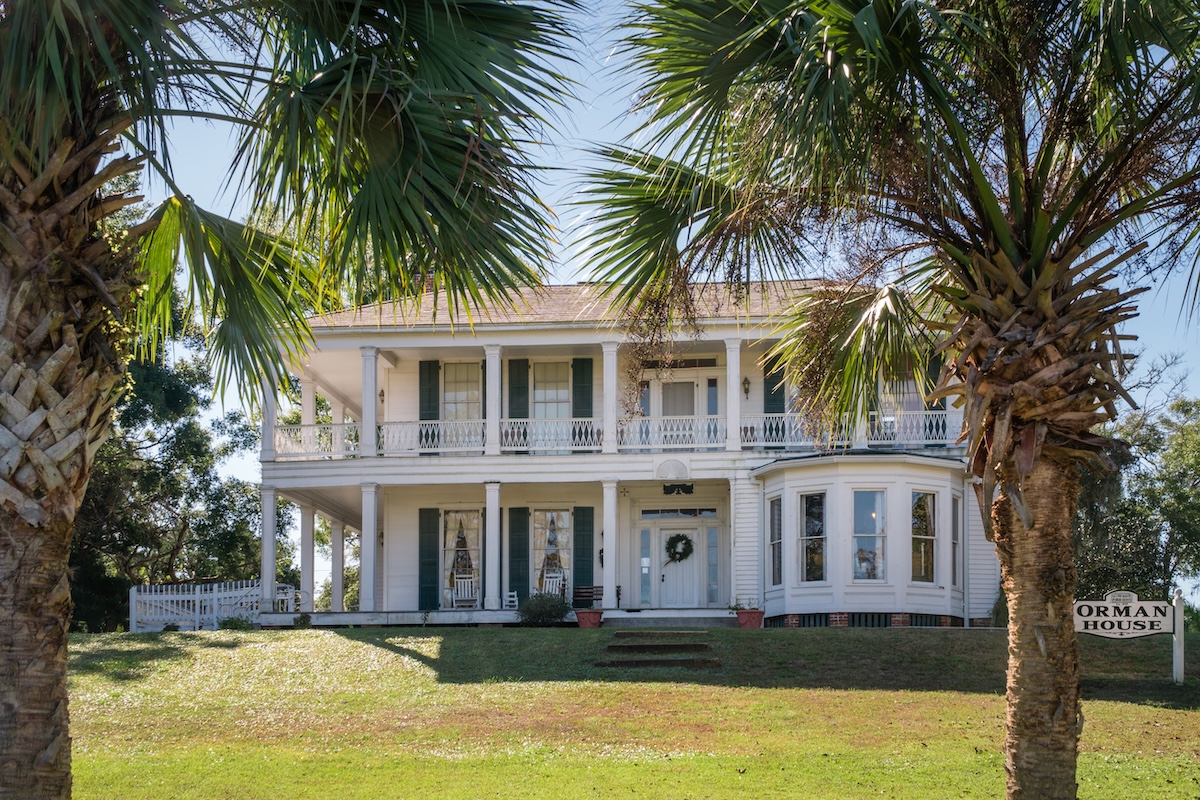
With just over 2,300 people here, this town runs on oysters, shrimp boats, and a downtown that hasn’t changed much in a hundred years. You won’t run into high-rises or chain hotels, and nobody bothered with a fake boardwalk. Instead, you’ll see weathered brick storefronts from the 1800s, a handful of small oyster bars, quiet marinas, and a waterfront where commercial fishermen still head out before sunrise.
Apalachicola sits on the southern edge of Florida’s Panhandle, right where the Apalachicola River spills into the Gulf of Mexico—about 80 miles southwest of Tallahassee. Locals call it “Apalach.” Most visitors end up calling it one of the last real fishing towns left along the Gulf Coast, and honestly, it feels like that’s true.
Historic Streets And Waterfront Setting
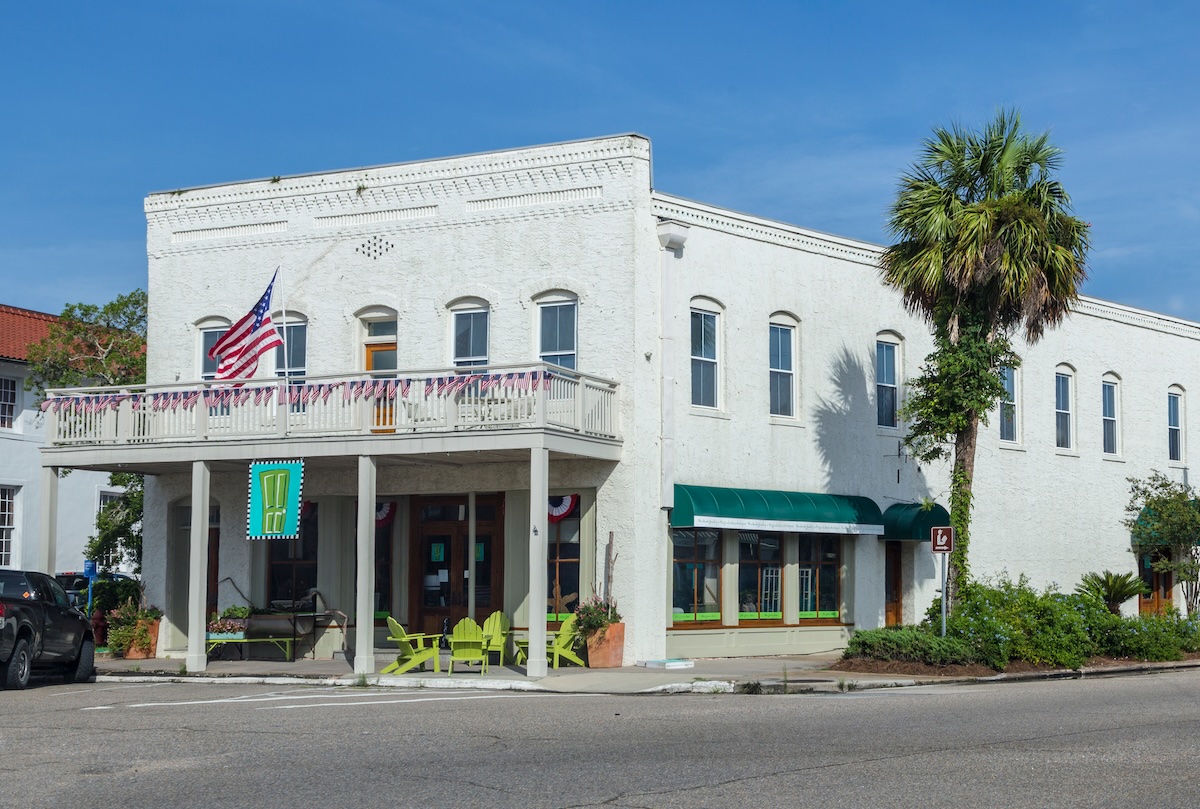
Back in the 1830s, folks laid out Apalachicola’s downtown grid after Philadelphia’s city plan. That old framework still shapes the place. You can wander the original squares, pass Victorian homes with wide porches and iron railings, and duck into shops inside brick buildings from the cotton-shipping days. The historic district is small enough to walk in an hour or so, and with barely any traffic, it feels even cozier.
The waterfront isn’t just for show. Along Water Street, shrimp boats tie up at the docks, oyster skiffs pull in during the afternoon, and the breeze carries a mix of salt and diesel. A couple marinas cater to recreational boaters, but most of the docks and gear belong to working fishermen. Side streets run right into the river, so you get wide-open views as the Apalachicola River spreads toward the bay. Live oaks stretch over the residential blocks, and the whole town keeps a laid-back, low-profile vibe. No neon signs. No crowds. Just a riverfront town that never really bought into the rush to build up like the rest of coastal Florida.
Seafood Culture And Oyster Bars
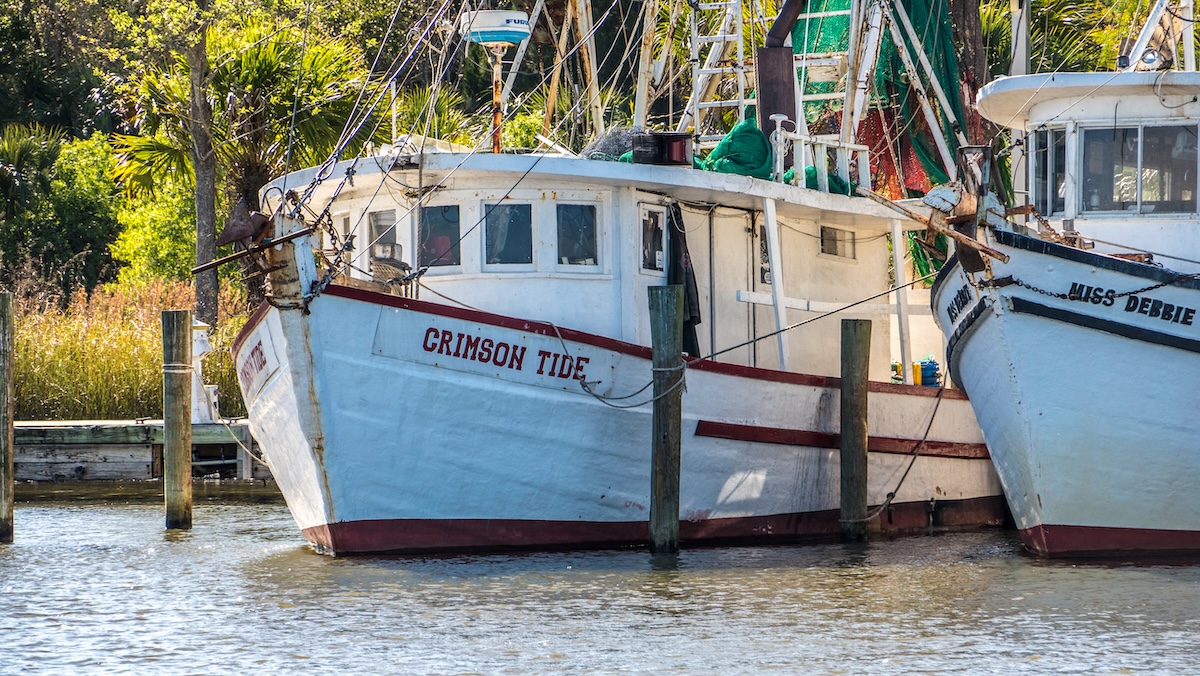
Apalachicola Bay once produced most of Florida’s oysters, and that still shapes daily life here. You’ll spot oyster tongs leaning against pickups, hear folks talking about the latest harvest, and walk past seafood houses buying straight from boats a block away. The path from water to plate is about as short as it gets.
For oysters, start with The Station Raw Bar on Water Street, Up The Creek Raw Bar by the river, or Hole In The Wall Seafood on Avenue E. All three keep things relaxed—paper towels on the tables, platters of raw, steamed, or char-grilled oysters coming out fast. The oysters here taste buttery and mildly briny, thanks to the mix of river and Gulf water.
If you want more than oysters, you’ll find shrimp, grouper, crab claws, and fried seafood at most spots in town. If you’d rather cook your own, 13 Mile Seafood Market on Water Street sells straight to the public. Eating seafood isn’t really a big event here; it’s just how people live, and the quality holds up because everything’s local—nothing’s been shipped across the country.
Nearby Beaches And Nature Escapes
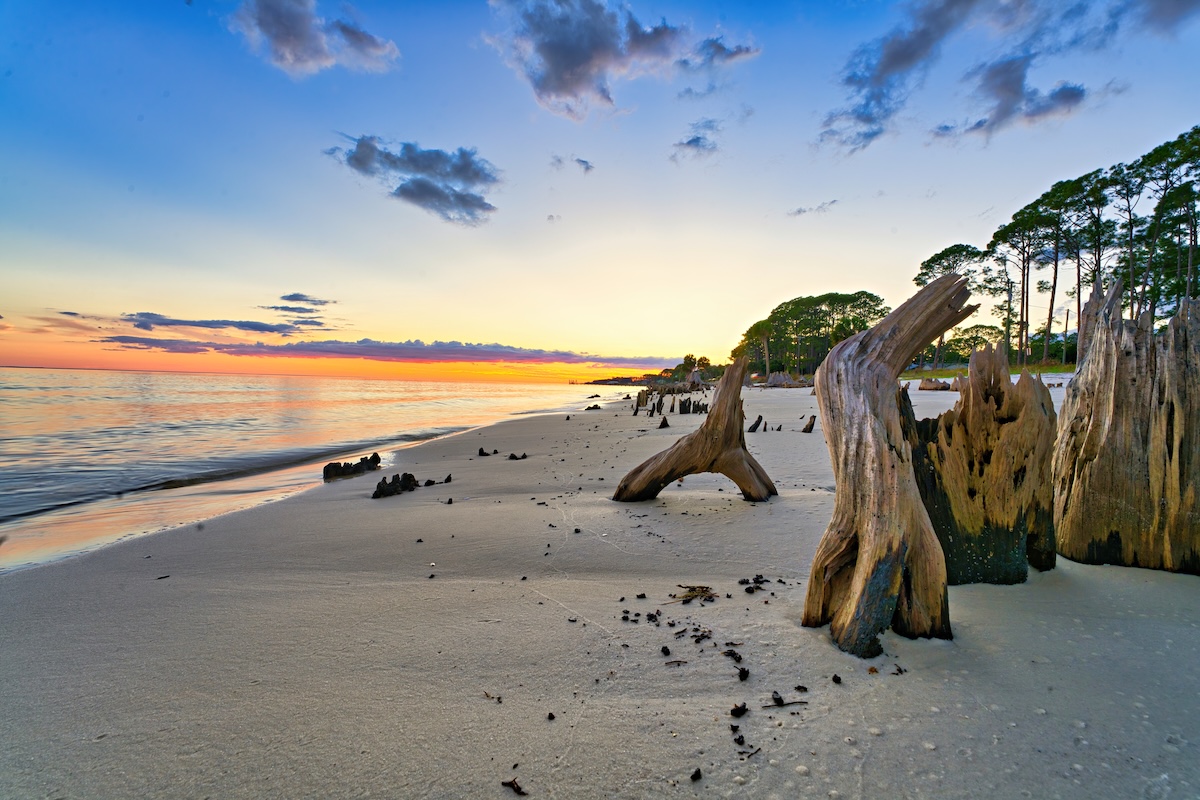
St. George Island sits just about 20 minutes from downtown Apalachicola, across the Bryant Patton Memorial Bridge. The island runs for miles along the Gulf, with white sand, low dunes, and, unless it’s a summer weekend, not too many people. St. George Island State Park anchors the eastern tip and has swimming, shelling, and hiking trails that wind through coastal scrub. Birders will find some of the best shorebird habitat on the Panhandle here. It’s easy to spend a whole morning exploring and still make it back to Apalachicola for a late lunch—if you don’t get distracted by the view.
If you’re into paddling, the Apalachicola River Blueway is genuinely worth checking out. The river corridor bursts with biodiversity—cypress-lined channels, tidal creeks, and marshes that are home to hundreds of bird species. Several kayak launches sit just a short drive from town. Birding can be good any time of year, but spring and fall migrations bring the biggest variety, especially along the bay flats and the edges of the barrier islands. St. Vincent National Wildlife Refuge, which you can only reach by boat, draws serious wildlife watchers with bald eagles, nesting sea turtles, and even sambar deer.