
Mountain towns anywhere have a way of making poverty look like a lifestyle choice. In America, they used to house miners, loggers, and ranchers who were there because the land required them. Then the ski lifts went in, and the second-home market discovered altitude. Instantly, the original residents got priced into the valley below. What followed is a very American story about what happens when somewhere becomes too beautiful and too limited in buildable land at exactly the same time.
The towns on this list share elevation, scenery, and property values that can each induce vertigo in their own way. We will be listing average home prices throughout, just in case the mountain air has you feeling dangerously optimistic.
33. Whitefish, Montana ($873,359)
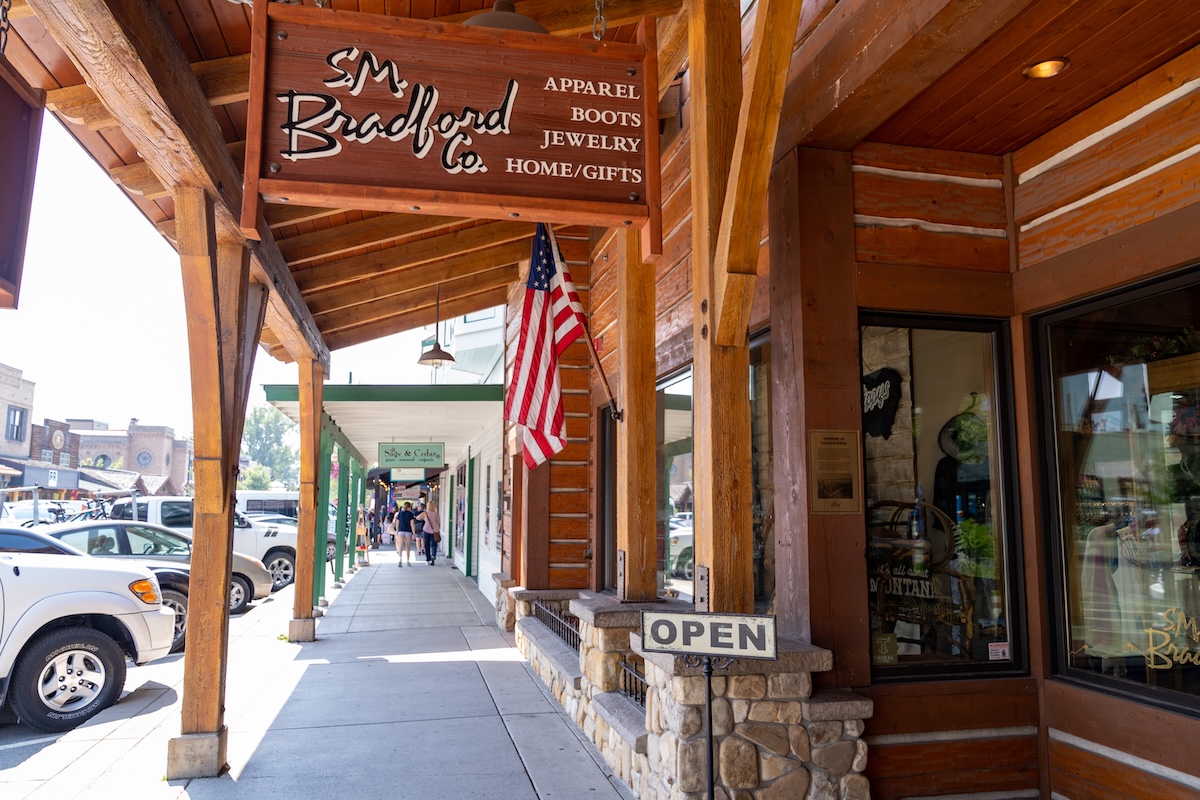
Whitefish sits up in the northern Rockies, and with a median home price of $873,359, it’s one of Montana’s priciest resort towns. It’s minutes from Whitefish Mountain Resort, so if you love to ski or hit the trails on a mountain bike, you’re set. Glacier National Park is practically next door, making this a year-round playground for anyone who wants both adventure and some serious scenery.
But Whitefish isn’t just about the outdoors. The downtown’s packed with local restaurants, art galleries, and little shops that give the place its personality. In summer, Whitefish Lake is the spot for boating and swimming. The town hosts regular festivals and events that keep things lively. All of this has drawn in wealthy buyers looking for a Montana getaway, which has pushed property values up and made Whitefish one of the hottest (and most expensive) spots in the region.
32. Evergreen, Colorado ($899,335)
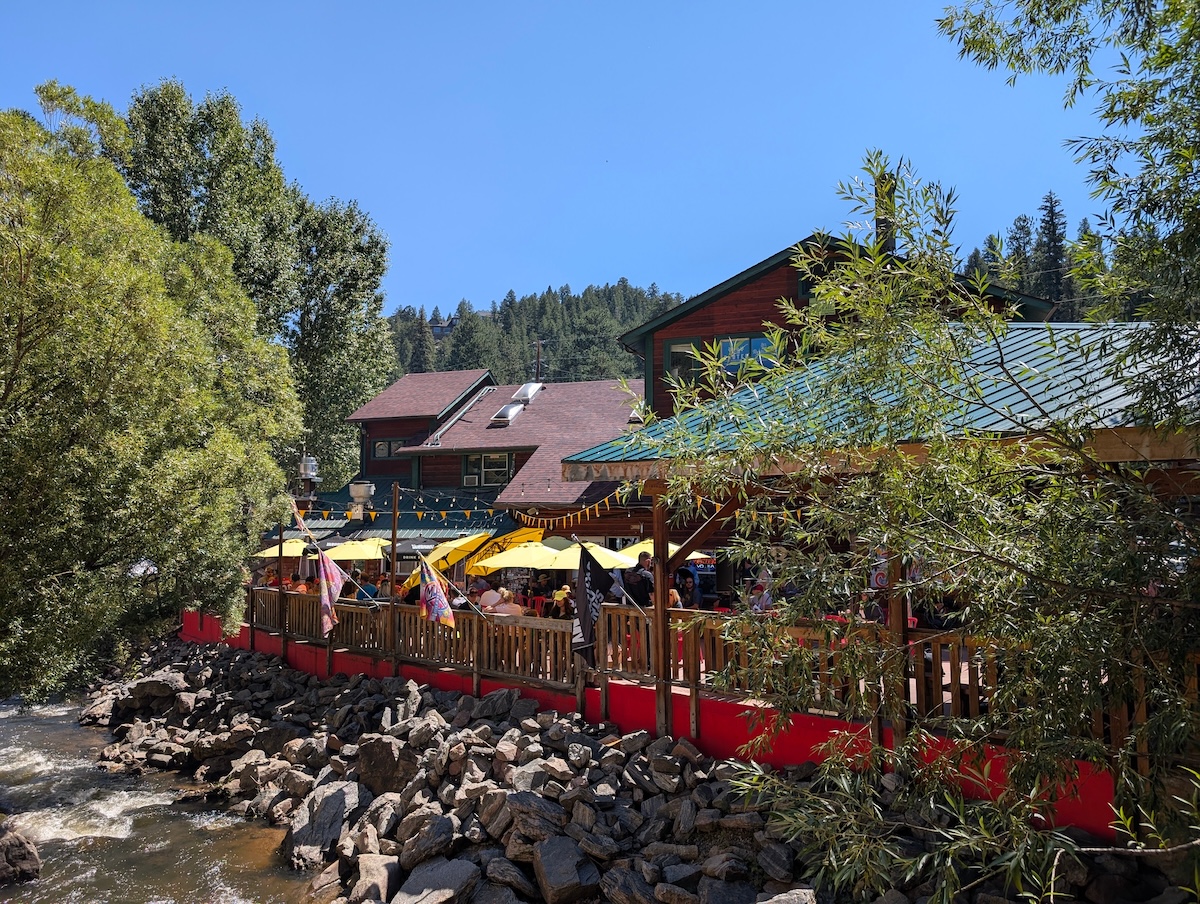
Evergreen is tucked in the foothills about 30 miles west of Denver. With a median home price of $899,335, it’s a favorite for folks who want that mountain feel without being cut off from city life. You get a mix of outdoor fun and cultural perks, which appeals to both professionals and retirees.
At 7,220 feet, Evergreen is surrounded by pine forests and anchored by its namesake lake. Mornings can mean hiking in the Arapaho National Forest; afternoons might be spent checking out local art or grabbing a bite along Main Street. Interstate 70 is right there, so you’re close to ski resorts like Vail and Breckenridge, and Denver’s less than an hour away. That easy access makes Evergreen a top pick for remote workers or execs who want the best of both worlds.
31. Hailey, Idaho ($914,290)
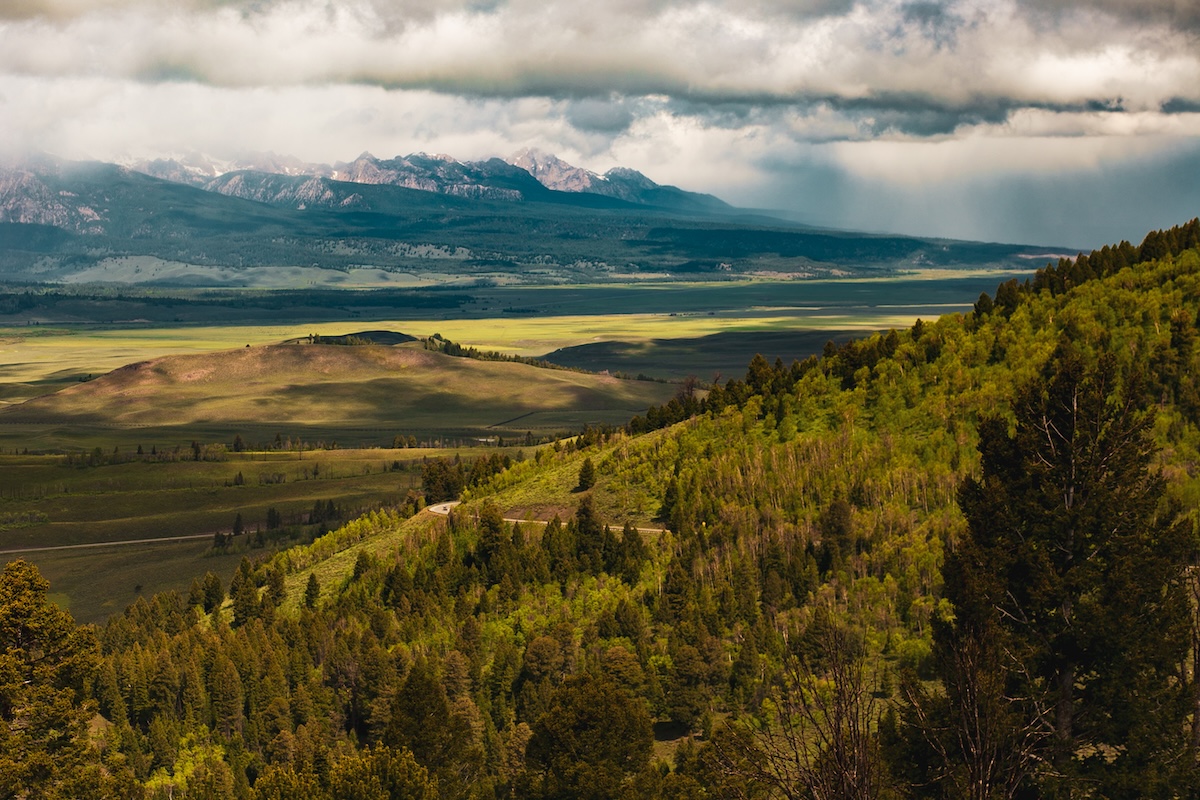
Hailey sits in the Wood River Valley, just south of Sun Valley, Idaho’s more famous (and expensive) neighbor. With a median home price of $914,290, it’s a touch more accessible but still delivers that Idaho mountain lifestyle. Hailey’s the county seat of Blaine County and manages to hold onto its local flavor—even as more wealthy newcomers move in.
You can ski at nearby resorts, go fly fishing, or ride endless mountain bike trails. The town keeps things down-to-earth with a historic Main Street, local breweries, and a community that values authenticity. Sun Valley’s not far if you want fine dining or big events, but Hailey feels less touristy and offers more affordable homes. The Sawtooth National Forest is basically your backyard, so adventure is always close.
30. Victor, Idaho ($915,238)
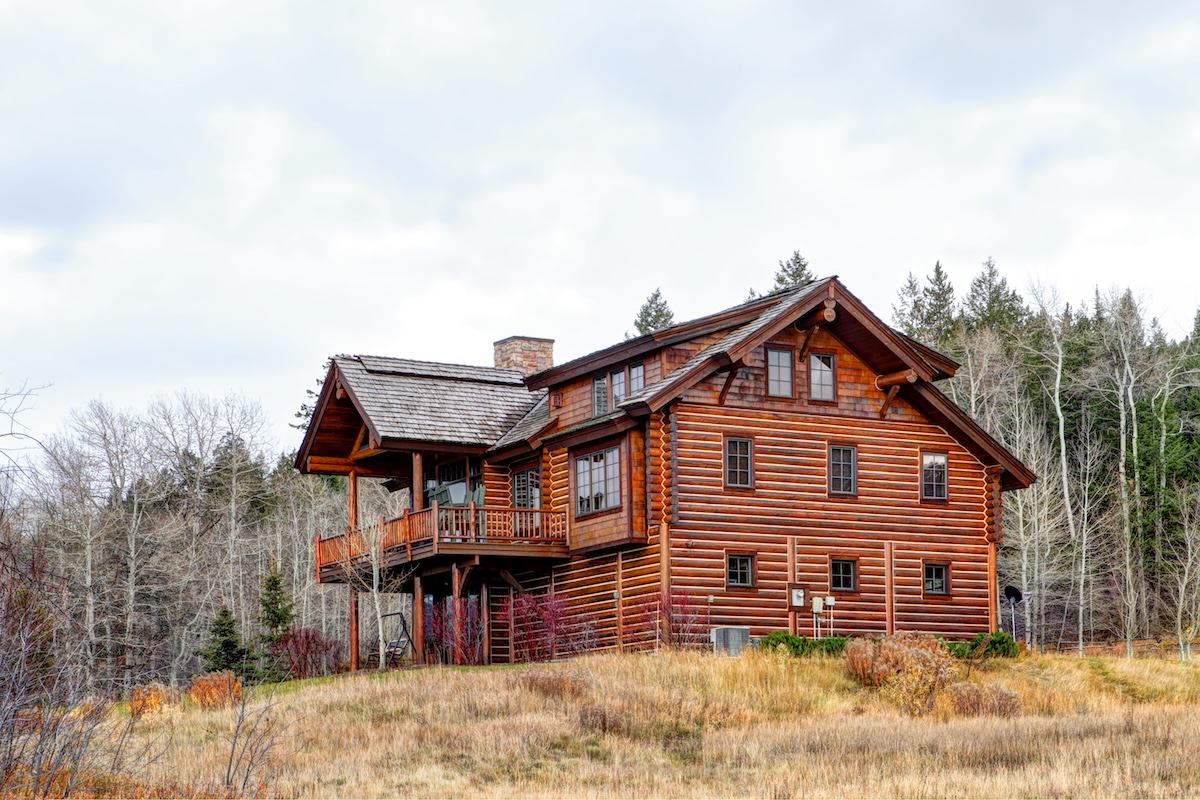
Victor sits in Teton Valley, right over the Wyoming border from Jackson Hole. Here, the median home price is $915,238, and you get easy access to Grand Targhee Resort and Teton Pass. The vibe is way more relaxed than Jackson Hole, but you’re still close to some of the best skiing around.
Your dollar stretches further than it would in Wyoming, but you’re still paying a premium for this location. Victor keeps its agricultural roots, with ranches circling the town. You can wander the Jedediah Smith Wilderness, fish the Teton River, or hop on a mountain bike and hit the trails. The crowd is a mix—ski pros, remote workers, and retirees who care more about nature than nightlife.
29. Midway, Utah ($934,526)
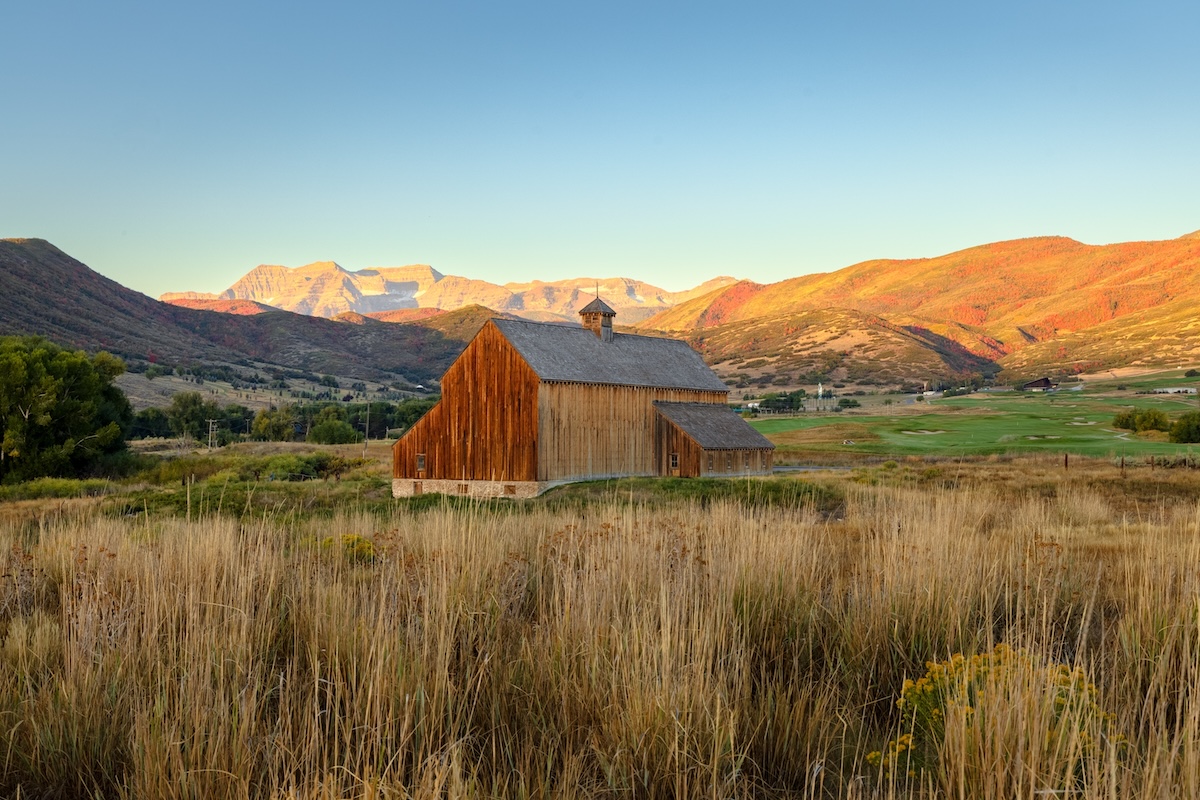
Midway is tucked in the Heber Valley between the Wasatch and Uinta mountains. It’s got a Swiss-inspired vibe and, with a median home price of $934,526, has become one of Utah’s most sought-after mountain towns. It’s small—about 6,000 people—but it’s growing fast as more buyers discover its blend of beauty and Salt Lake City proximity.
Tourism and recreation drive the local economy, with the Homestead Resort and its geothermal crater being big draws (yes, you can scuba dive there). Two major ski resorts are just 20 minutes away, and there’s no shortage of hiking or biking trails. The annual Swiss Days festival brings the community together, and Main Street has a collection of unique restaurants and shops. Despite the growth, Midway hangs onto its quiet, pastoral feel.
28. Frisco, Colorado ($990,386)
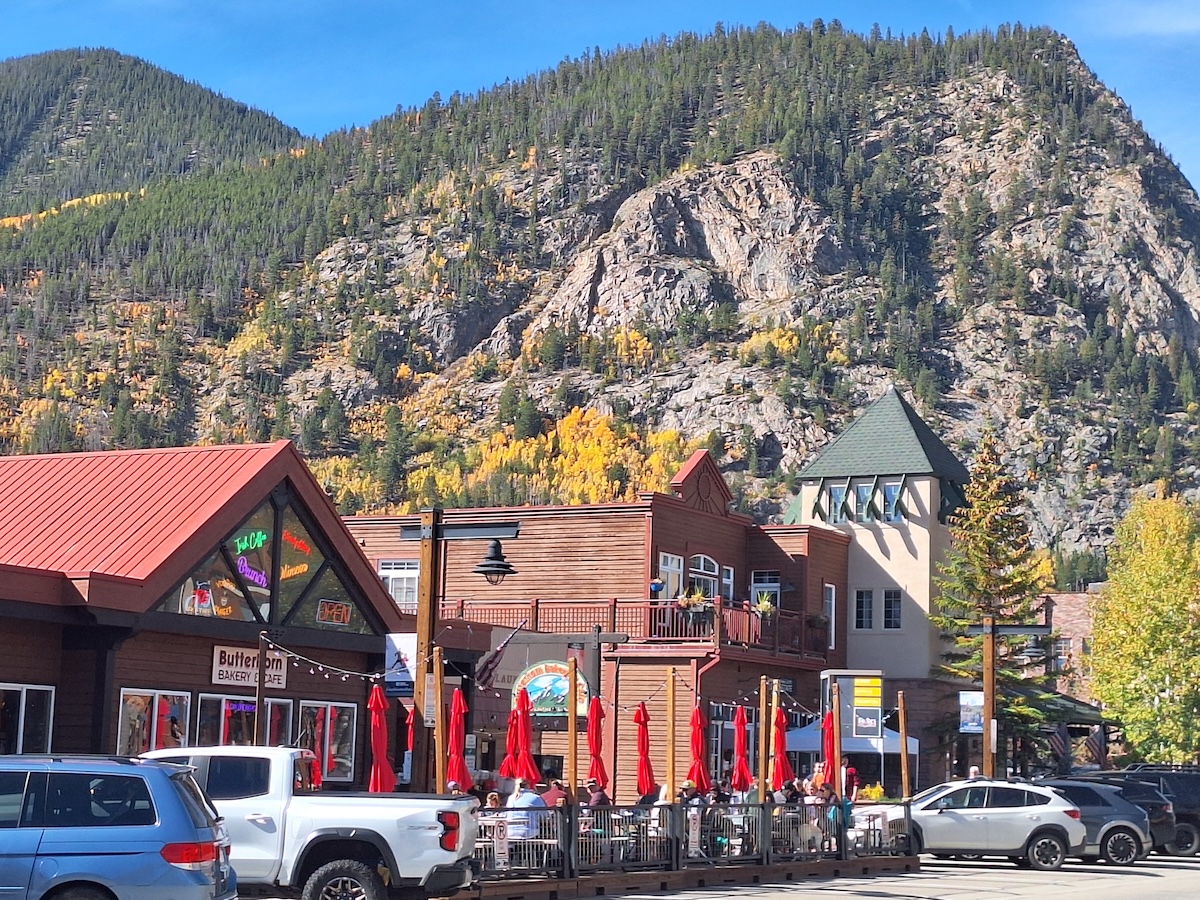
Frisco sits at 9,075 feet in Summit County and offers a more laid-back scene than places like Breckenridge or Vail. Homes here run about $990,386 on average. It’s a tight-knit community of around 3,000 full-time residents, and you’re within a short drive of four major ski resorts.
The town is perched on the edge of Dillon Reservoir, so you can sail or paddleboard in summer, then ice fish in winter. Main Street has kept its historic charm, with local shops and restaurants that cater to residents. Frisco’s connected to the county’s bike path system, with over 55 miles of trails. The slightly lower price point (compared to Aspen or Telluride) brings in young families and outdoor pros who want mountain living without Aspen prices.
27. Truckee, California ($1,024,669)
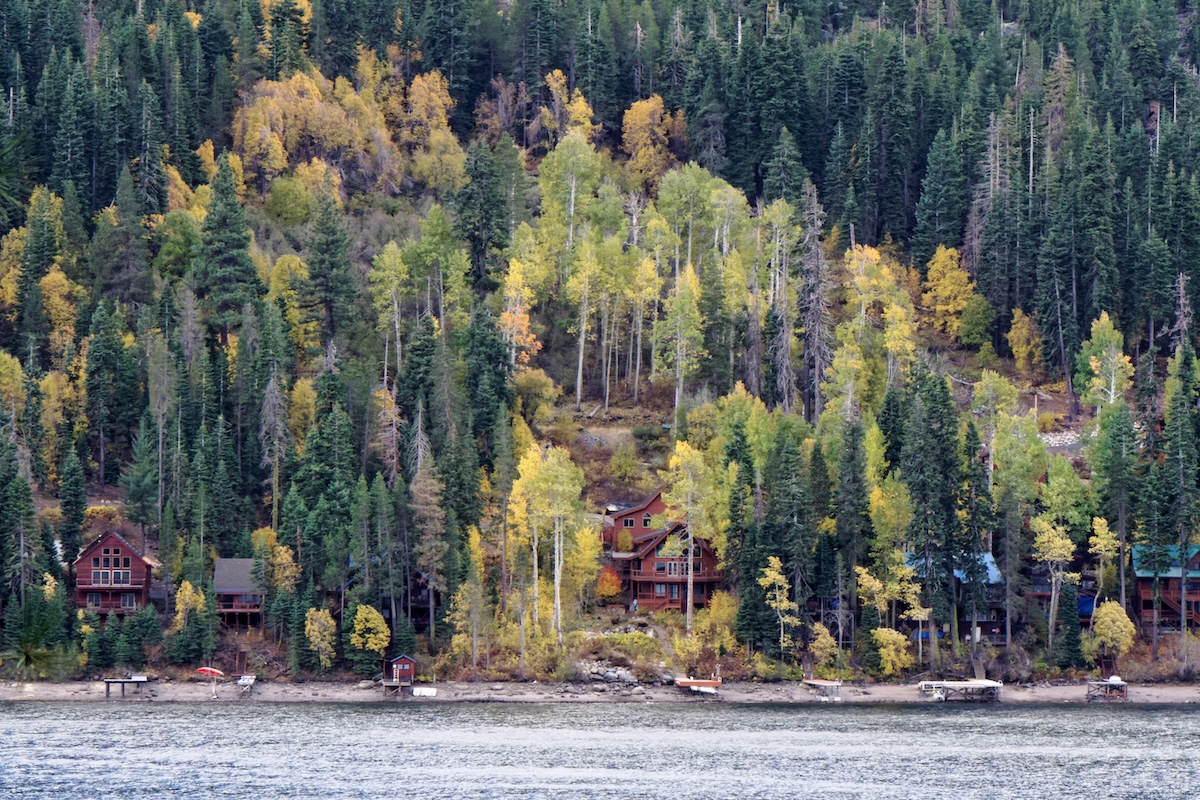
Truckee, just north of Lake Tahoe in the Sierra Nevada, has gone from railroad town to one of California’s priciest mountain communities. The median home price has topped $1 million, thanks to its mix of top-notch skiing, endless outdoor activities, and a genuine small-town feel. Second-home buyers love Truckee for its proximity to resorts like Northstar and Palisades Tahoe.
Downtown Truckee is walkable and full of character, with boutique shops, breweries, and restaurants in old Gold Rush buildings. There’s plenty to do all year: mountain biking, hiking, water sports on Donner Lake—you name it. Being right off Interstate 80 makes Truckee more accessible than lots of other mountain towns, which draws in Bay Area folks and retirees who can afford the price tag.
26. Highlands, North Carolina ($1,049,842)
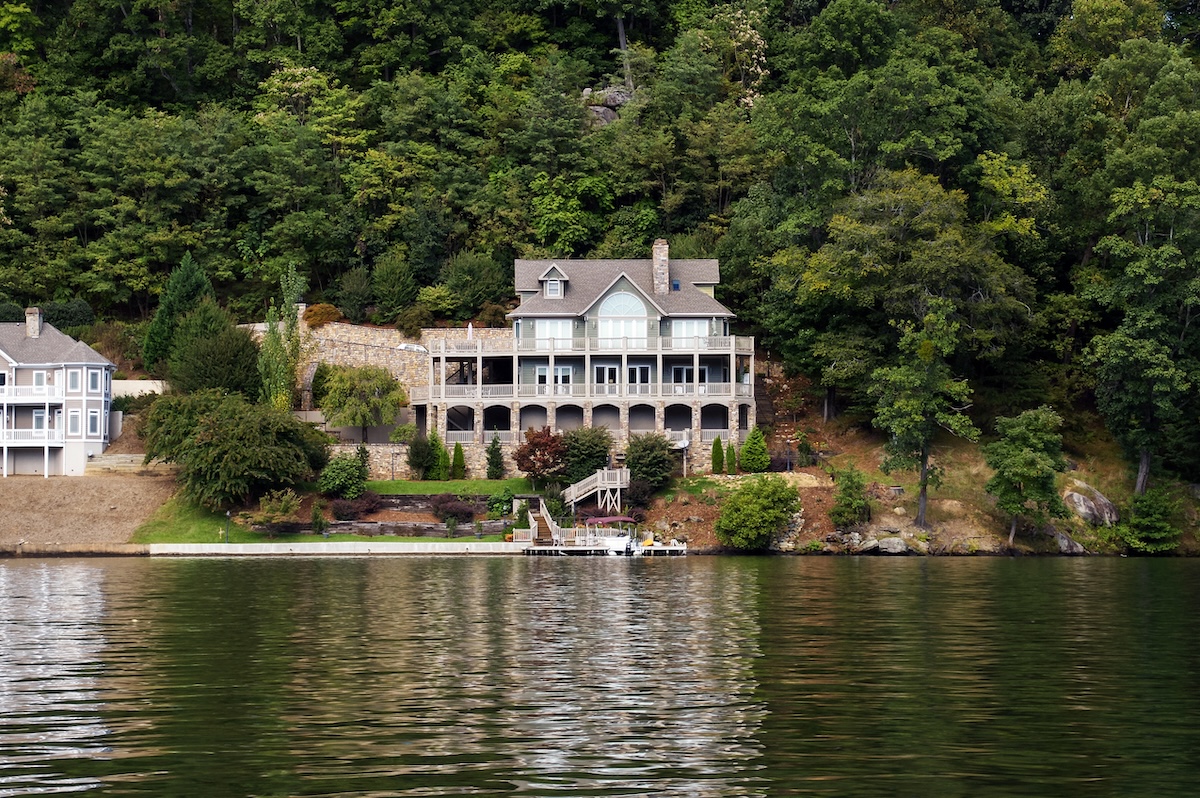
Highlands sits at 4,118 feet in the southern Appalachians and is all about refined mountain living. The median home price is $1,049,842, and you’ll find stunning views, cool summers, and easy access to waterfalls like Bridal Veil and Dry Falls. Main Street is walkable and lined with boutiques, art galleries, and restaurants that cater to a pretty upscale crowd.
It’s not just about pricey homes here. You get access to untouched wilderness and private golf courses. Days can mean hiking protected forests, exploring the Highlands-Cashiers Plateau, or catching a show at the Performing Arts Center. The population jumps from about 1,000 to over 20,000 in summer, creating a lively seasonal scene. Even with all the buzz, Highlands manages to keep things exclusive and preserve its natural beauty.
25. Stowe, Vermont ($1,049,976)
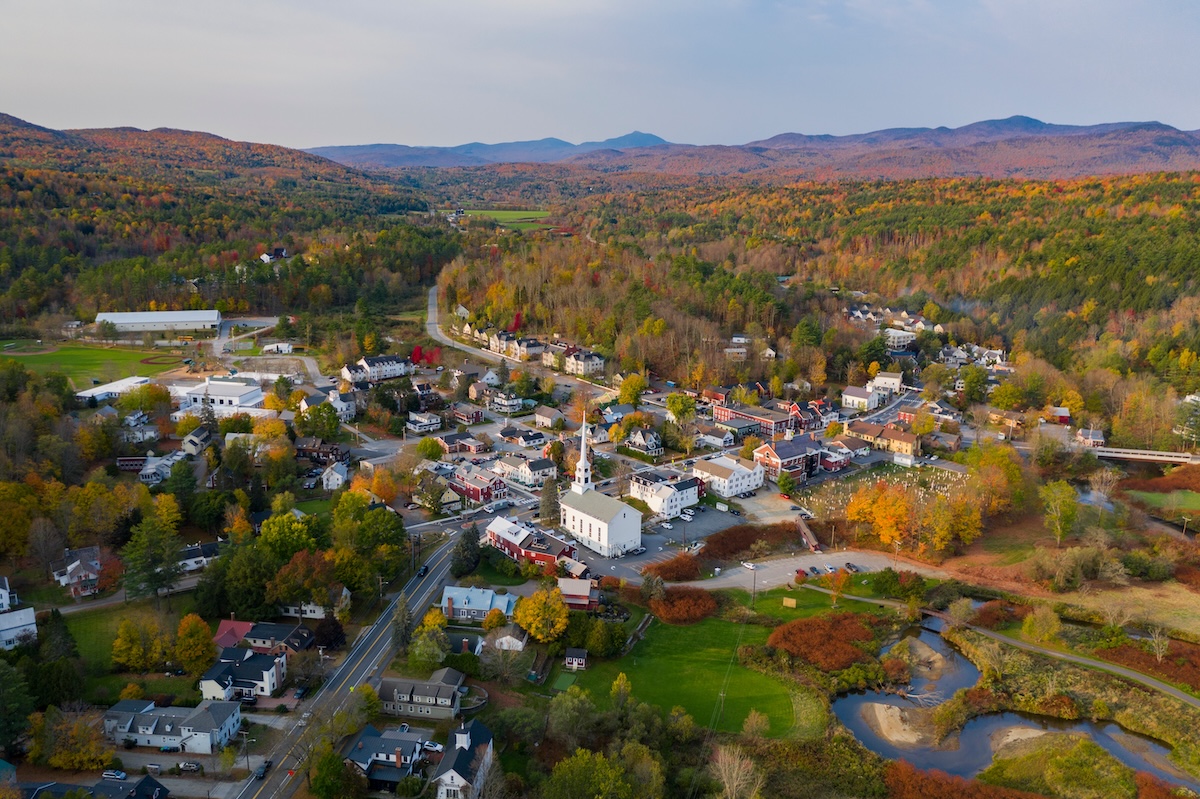
Stowe is tucked in Vermont’s Green Mountains and oozes New England charm—with a side of serious wealth. The median home price? $1,049,976. It’s not just a ski town; it’s a year-round spot where second-home owners and well-off locals have built a thriving community.
Real estate here is expensive for good reason. You get world-class skiing at Stowe Mountain Resort, a historic village with upscale shops and restaurants, and the kind of natural beauty Vermont is known for. Executives, entrepreneurs, and retirees all gravitate here for mountain living with a touch of class. The estates along Mountain Road and the luxury condos near the slopes make it clear: Stowe is both posh and proud of its small-town roots.
24. Genesee, Colorado ($1,109,037)
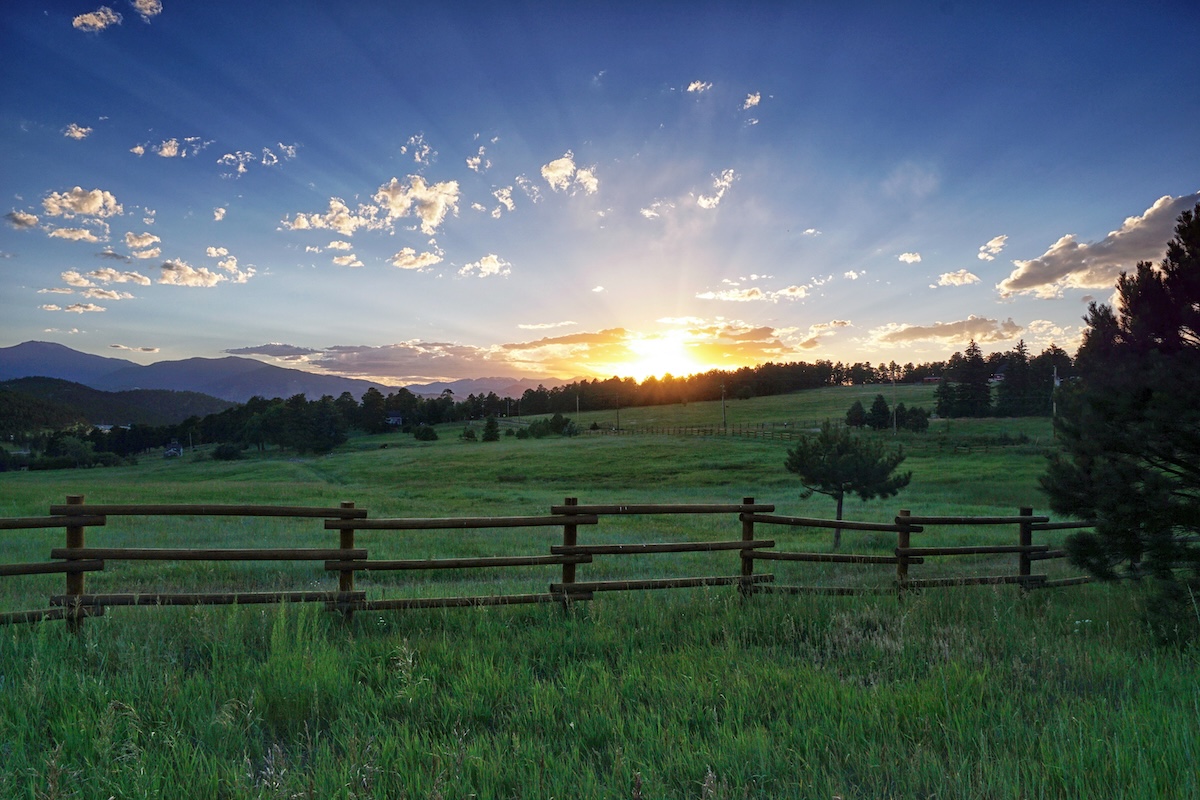
Genesee sits in the foothills just west of Denver, about 8,000 feet up. With a median home price of $1,109,037, it’s a spot for those who want mountain peace but easy city access. The community is tucked among ponderosa pines and dramatic rocks, but you’re just 30 minutes from downtown Denver.
Genesee Park is right nearby, part of the Denver Mountain Parks system, and you might spot bison roaming around. Development here is limited, so the area feels quiet and secluded. Most homes have bigger lots and classic mountain architecture. Many residents are Denver professionals who want a slower pace without giving up their careers. You get four real seasons, cooler summers, and snowy winters, with world-class skiing not far away.
23. Sun Valley, Idaho ($1,162,529)
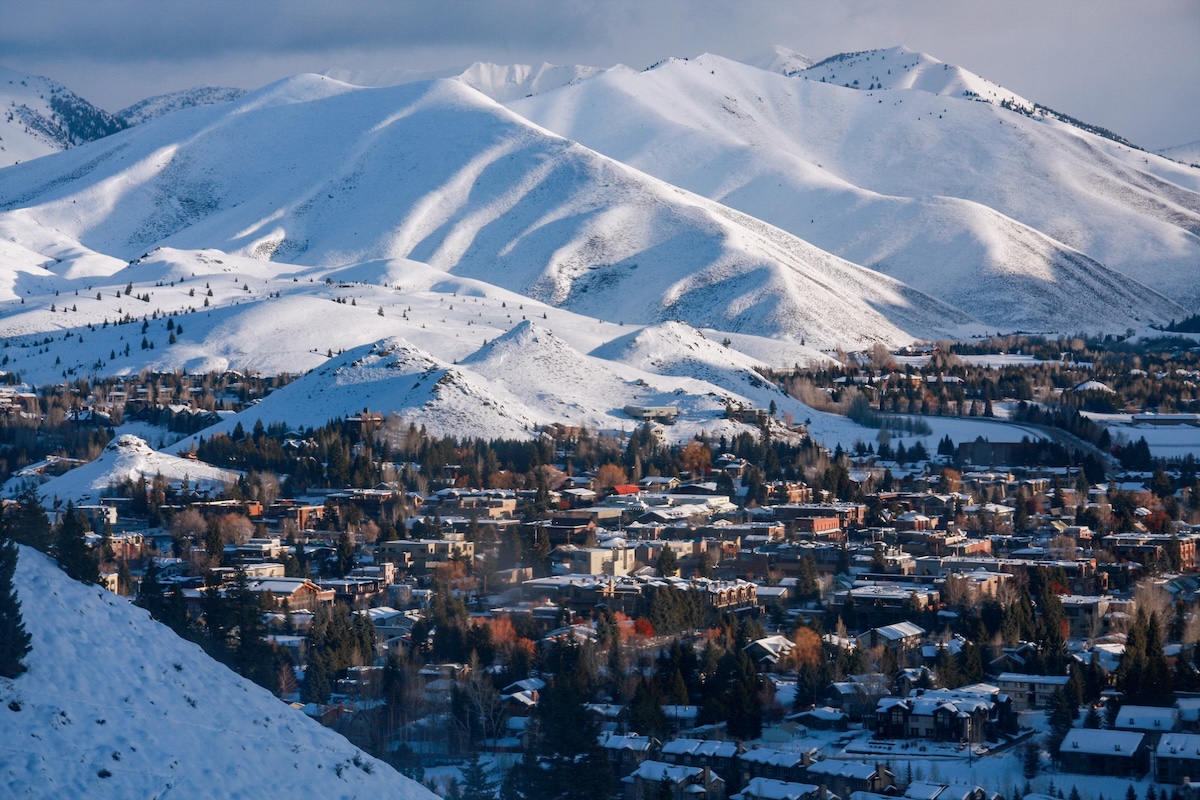
Sun Valley is one of the most exclusive mountain retreats in the country. Median home price? $1,162,529. This Idaho resort town has been drawing wealthy buyers since the 1930s, when it became one of the first purpose-built ski resorts in the U.S.
Skiing at Sun Valley Resort and Bald Mountain is a huge draw, offering over 2,000 acres of terrain. But it’s not just about winter—there’s stellar fly fishing, mountain biking, and hiking in the Sawtooth National Forest. Downtown is compact but packed with upscale dining, galleries, and boutiques for the well-heeled crowd. Even with all the affluence, Sun Valley keeps a pretty low-key vibe. Many second-home owners come from tech and finance, lured by the scenery and the outdoor lifestyle.
22. Breckenridge, Colorado ($1,205,969)
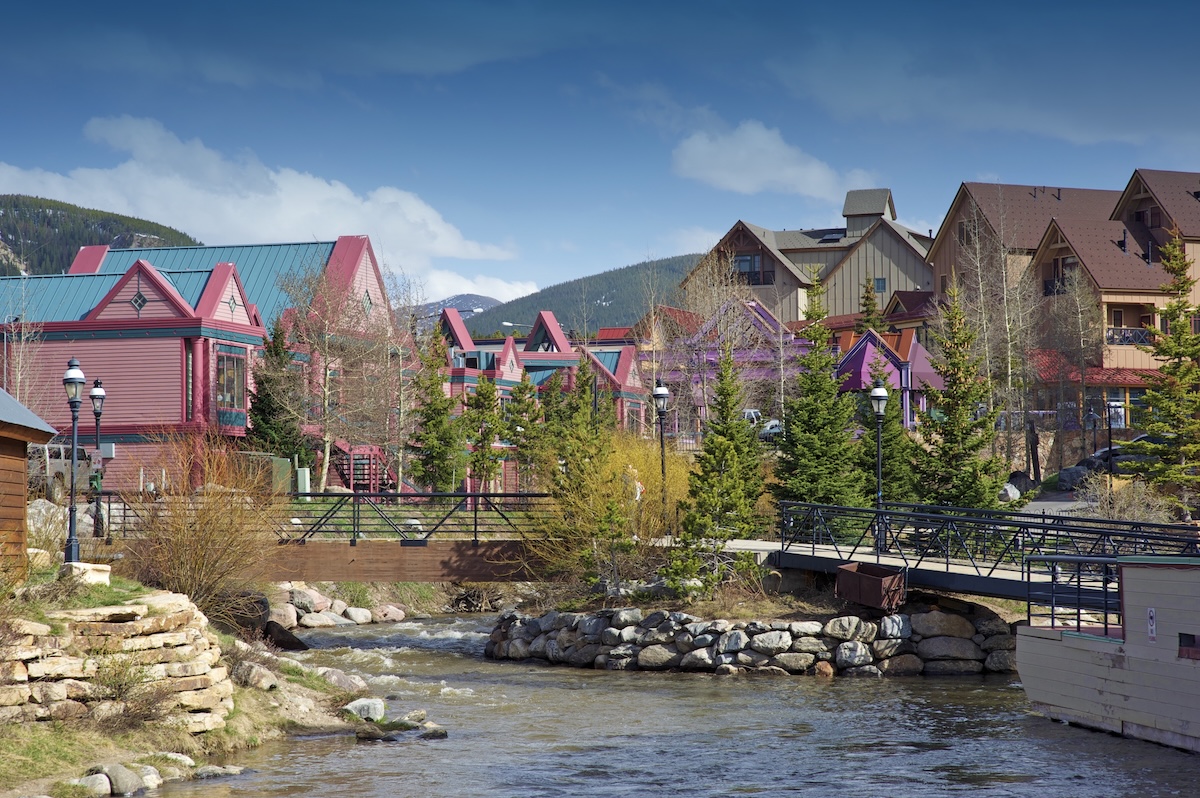
Breckenridge is one of Colorado’s top-tier mountain towns, with a median home price of $1,205,969. It started as a Victorian mining town but now blends Old West charm with high-end amenities. Main Street still looks like the 19th century but is now lined with boutiques, galleries, and restaurants for those with a taste for the finer things.
The ski resort here is legendary—over 2,900 acres across five peaks. At 9,600 feet, you get crisp air and killer views of the Tenmile Range. Summer brings hiking, biking, and festivals that keep the town buzzing. Breckenridge’s mix of recreation, culture, and easy access to Denver International Airport makes it a prime spot for second-home buyers and remote workers who want a little luxury.
21. Avon, Colorado ($1,224,877)
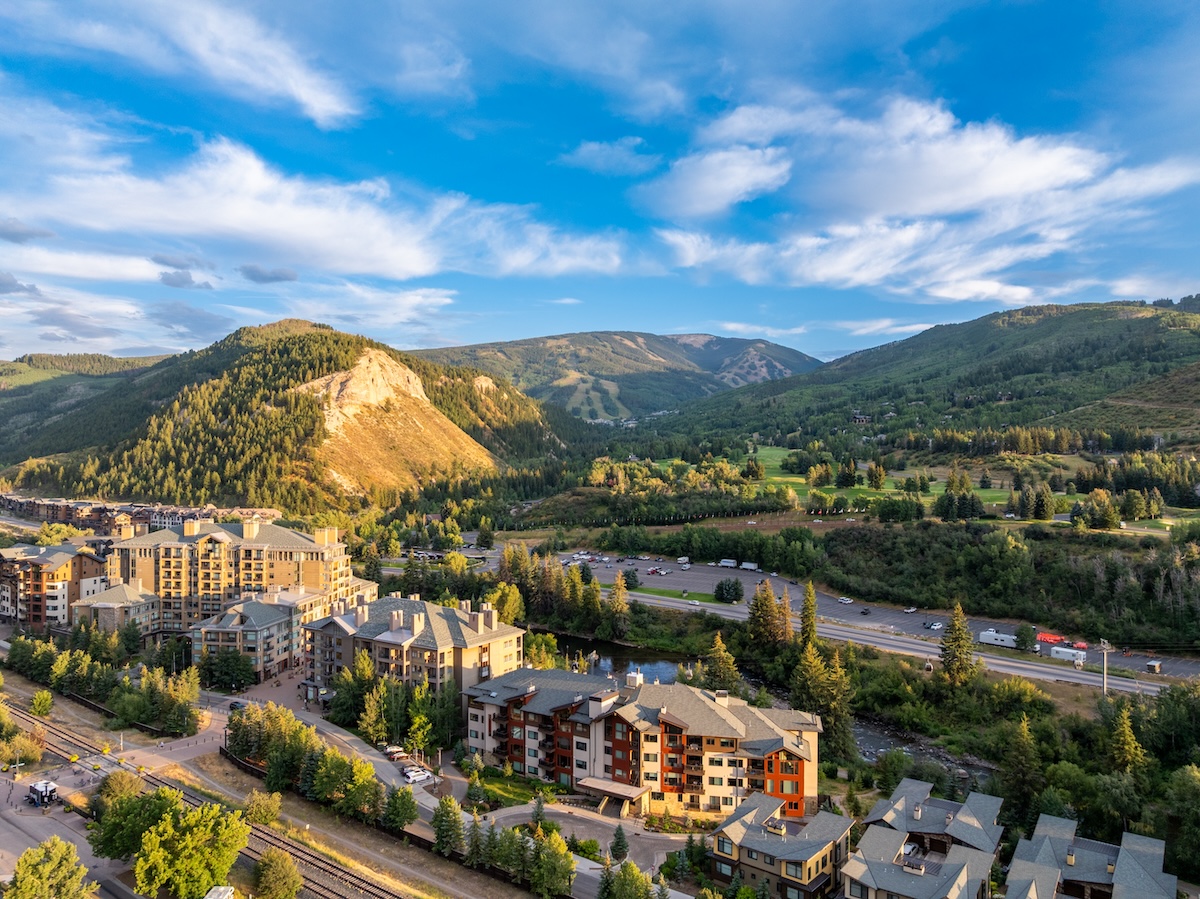
Avon sits right in the heart of Eagle County, with a median home price of $1,224,877. It’s minutes from Beaver Creek and Vail, so you’ve got world-class skiing practically at your doorstep. Compared to its ultra-luxe neighbors, Avon is a bit more approachable, making it a solid choice if you want mountain living without breaking the bank (well, relatively speaking).
Life here is all about the outdoors—hiking, biking, and, of course, skiing. The town’s grown into a family-friendly community with good schools, local restaurants, and shops that serve both residents and tourists. Avon balances convenience with natural beauty, offering modern perks while keeping you close to wilderness. Its spot along I-70 means you’re connected to Denver and the Front Range, but the mountain setting feels miles away from city chaos.
20. Tahoe City, California ($1,276,110)
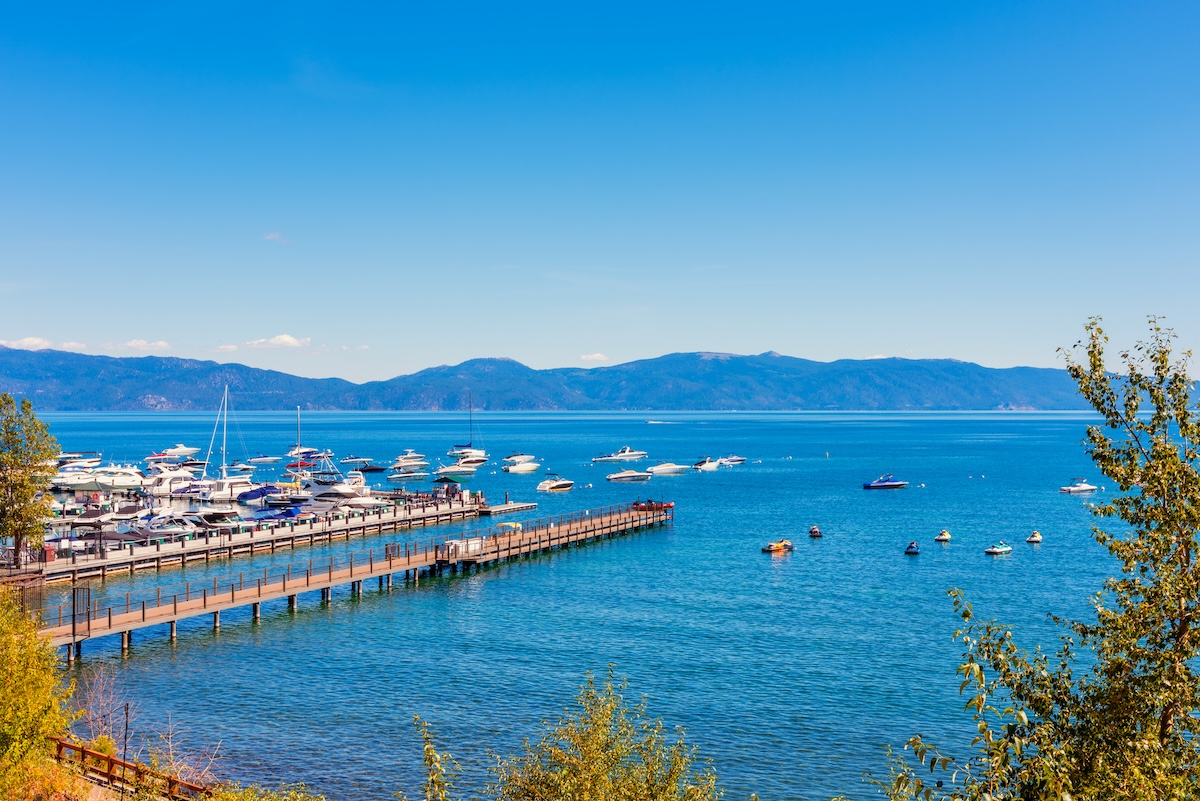
Tahoe City sits on the northwest shore of Lake Tahoe, where alpine water sparkles against thick pine forests. This mountain town feels like a gateway to year-round adventure—think skiing at Palisades Tahoe in winter, then swapping your boots for a kayak or paddleboard come summer. The median home price of $1,276,110 says a lot about the town’s appeal and the slim pickings along this jaw-dropping lakeshore.
When you visit Tahoe City, you’ll notice a mix of California chill and upscale mountain living. Downtown’s compact, dotted with local shops, breweries, and restaurants that welcome both tourists and locals. Multiple ski resorts sit within a 20-minute drive. The Truckee River cuts right through town, making it a favorite for fly fishers. Even with steep real estate prices, the vibe stays casual—wealthy buyers come for the lake access, but the town doesn’t put on airs like some other resort spots.
19. Steamboat Springs, Colorado ($1,322,059)
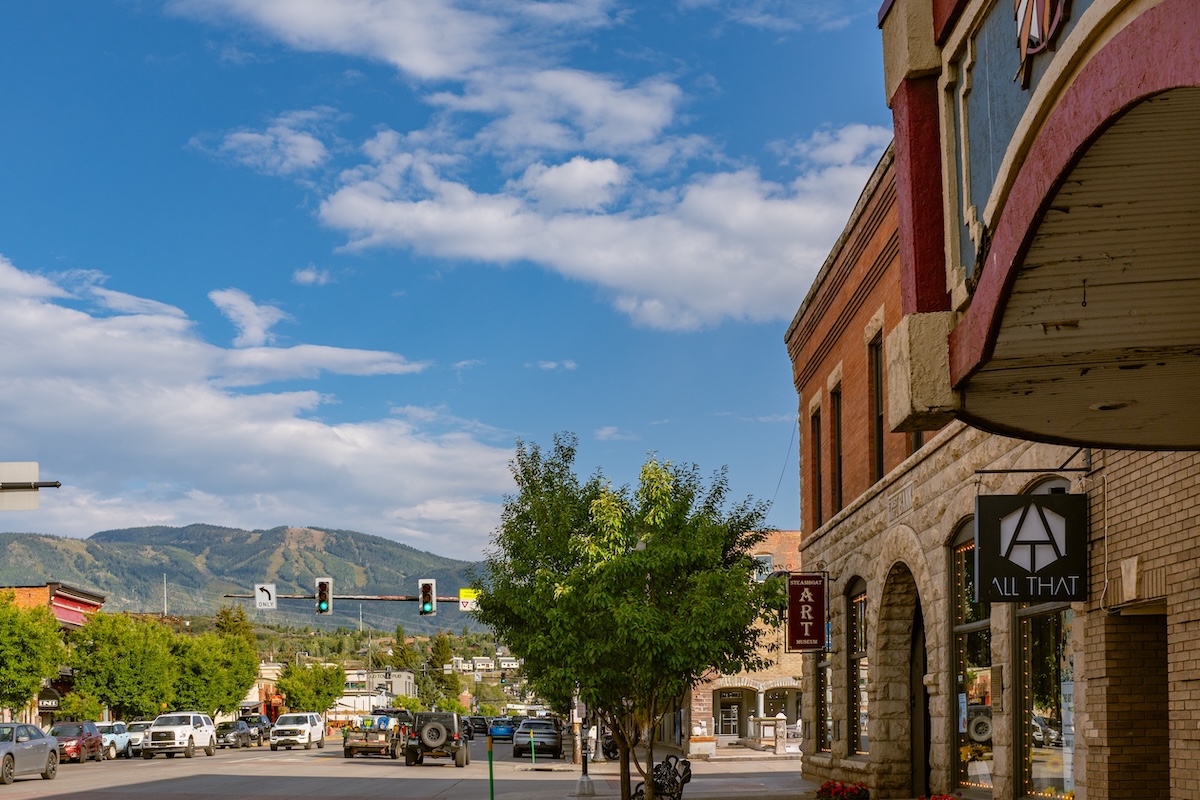
Steamboat Springs sprawls across the Yampa Valley, where Western heritage feels just as real as the world-class skiing. Early settlers named the town after a natural spring that once made a chugging sound—though that’s long gone, the name stuck. With a median home price of $1,322,059, you’re buying more than just a mountain view or a ticket to that famous champagne powder.
Real estate here mirrors the town’s rare blend of ski destination and working ranch community. Cowboys still ride through downtown, a reminder that Steamboat’s not just another resort. This place churns out more Olympic athletes per capita than anywhere else in North America—credit the snow and top-notch training facilities. Off the slopes, you can soak in hot springs or hit the 50-plus miles of hiking and biking trails that wind through the high country. It’s Colorado at its best, really.
18. Cashiers, North Carolina ($1,432,926)
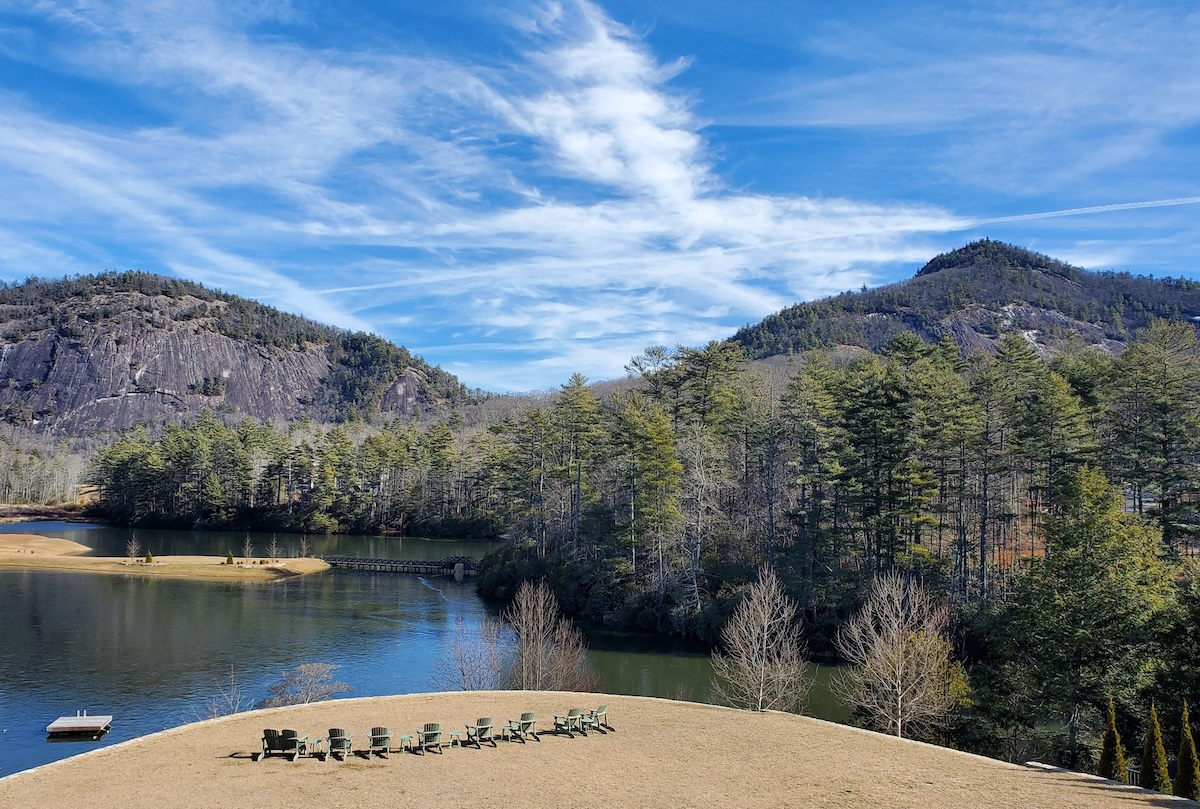
Cashiers hides out in the Blue Ridge Mountains, perched at about 3,500 feet where summer air stays cool and crisp. This small plateau town has quietly become a magnet for wealthy retirees and second-home seekers who want mountain elegance without giving up sophistication. The median home price—$1,432,926—shows just how much the area has changed, morphing from a sleepy hamlet into one of the South’s most exclusive seasonal escapes.
A day here might mean a round of golf at a private club, hiking to waterfalls like Whitewater Falls, or poking around upscale boutiques in the village center. Cashiers draws people with its mix of natural beauty and polished amenities—think mountain views, manicured lawns, and homes that look straight out of a magazine. Summer folks come to dodge the southern heat but stay for the fine dining, art galleries, and the sense of community among professionals and entrepreneurs who want privacy and a taste of mountain life.
17. Basalt, Colorado ($1,443,995)
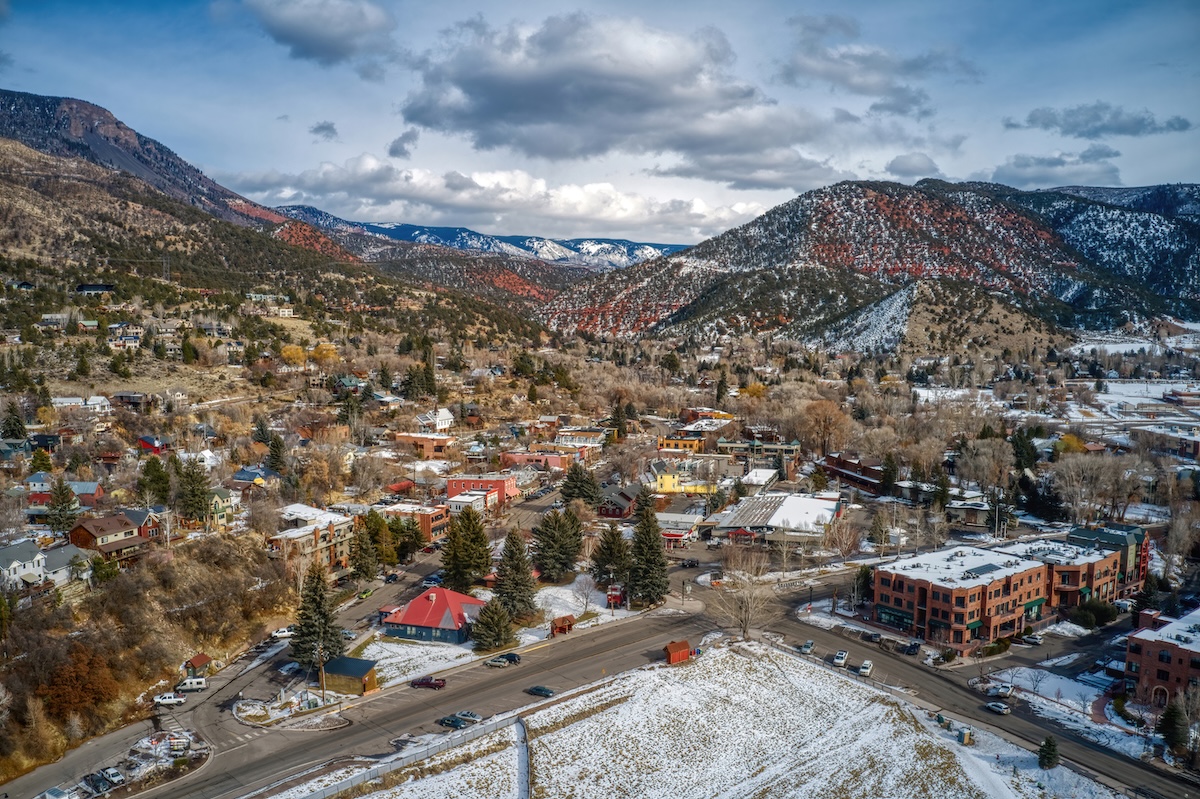
Basalt sits in the Roaring Fork Valley, about 20 miles northwest of Aspen along the Fiske River. Once a sleepy ranching spot, Basalt has grown into one of Colorado’s most sought-after towns, with a median home price that tells you just how much people want in.
You get immediate access to outdoor adventure—fly fishing in the Roaring Fork, mountain biking on endless trails, and the cultural pull of Aspen just down the road. Basalt’s downtown keeps things real with local restaurants, breweries, and galleries that set it apart from its flashier neighbor. Even with high housing prices, Basalt draws folks who crave a true mountain lifestyle, not just a vacation. Young families and remote workers come for the community vibe and the promise of adventure right outside their doors.
16. Crested Butte, Colorado ($1,481,036)
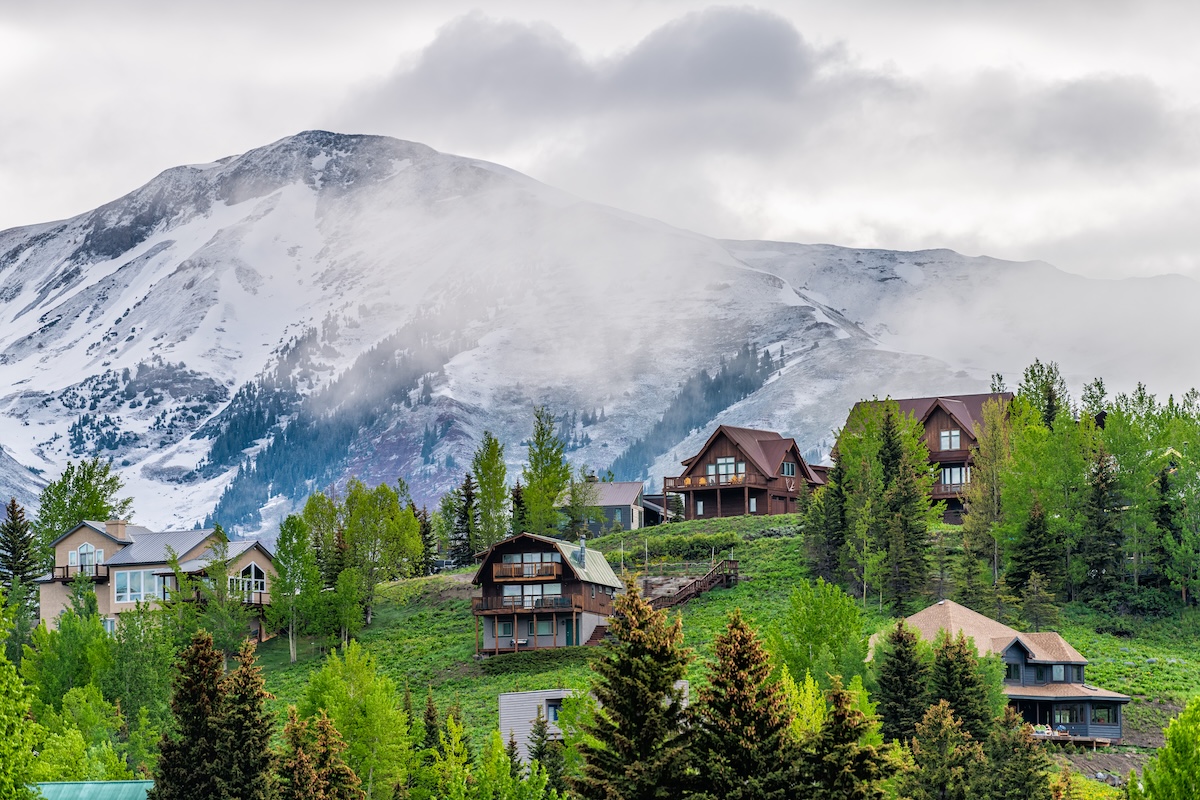
Crested Butte stands out as one of Colorado’s most exclusive mountain escapes, with the median home price now at $1,481,036. This place started as a mining town but has evolved into a haven for buyers who want both top-tier skiing and that small-town feel. The real estate here commands premium prices for its access to wilderness and recreation.
Crested Butte keeps its Victorian-era charm alive even as it becomes a luxury destination. Limited development space and strict building codes protect the town’s historic look, and there’s no shortage of year-round outdoor activities. Buying here isn’t just about the property—it’s about joining a tight-knit community famous for wildflower meadows in summer and deep powder in winter.
15. Incline Village, Nevada ($1,500,079)
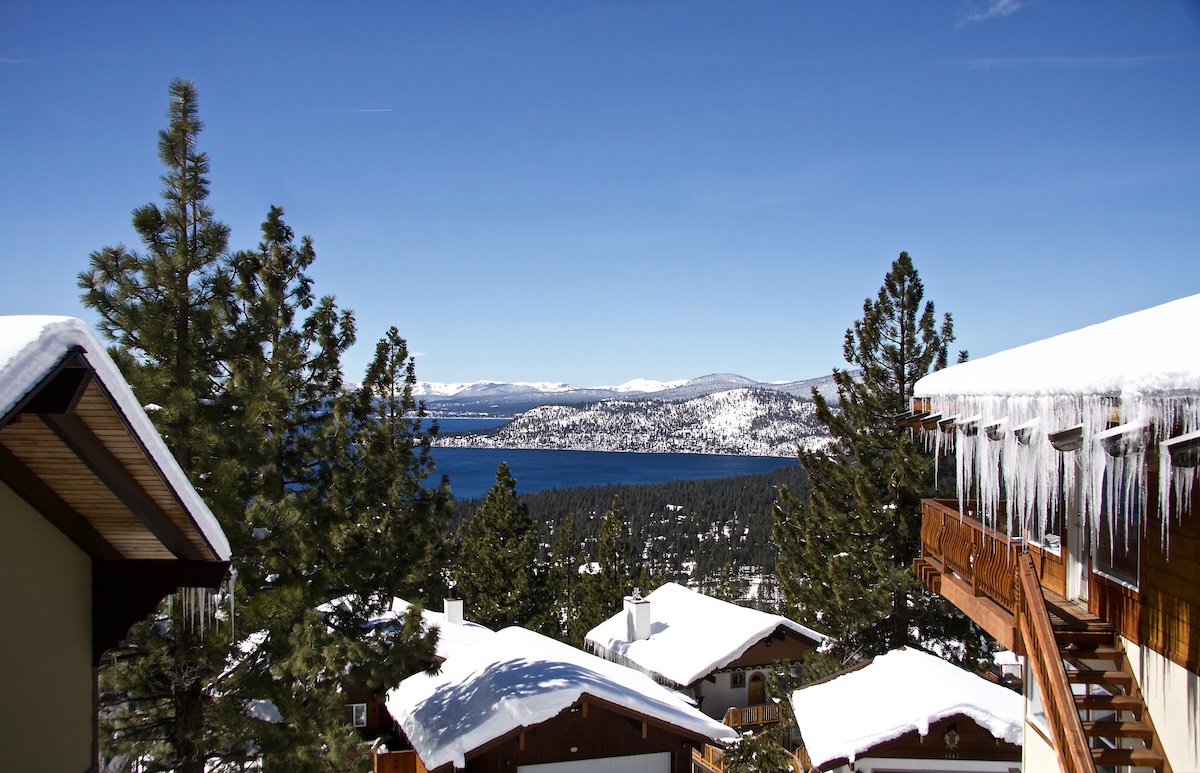
Incline Village perches on the north shore of Lake Tahoe, right where Nevada’s line meets the water. This spot offers direct access to some of the West’s best skiing, boating, and everything outdoors. The median home price of $1,500,079 isn’t just for the lake views—it’s the price of a lifestyle that mixes luxury with mountain adventure.
Wealthy professionals and retirees come for the year-round resort vibe and modern perks. You can ski Diamond Peak in winter or spend summer paddling, kayaking, or just lounging on private beaches. The village features two championship golf courses, several beach clubs, and a recreation center for residents only. Nevada’s no state income tax? That’s a big draw, especially for folks moving from California or other high-tax places. Reno’s airport sits just a short drive away, but you get all the quiet and privacy of a gated mountain community.
14. Zephyr Cove, Nevada ($1,504,412)
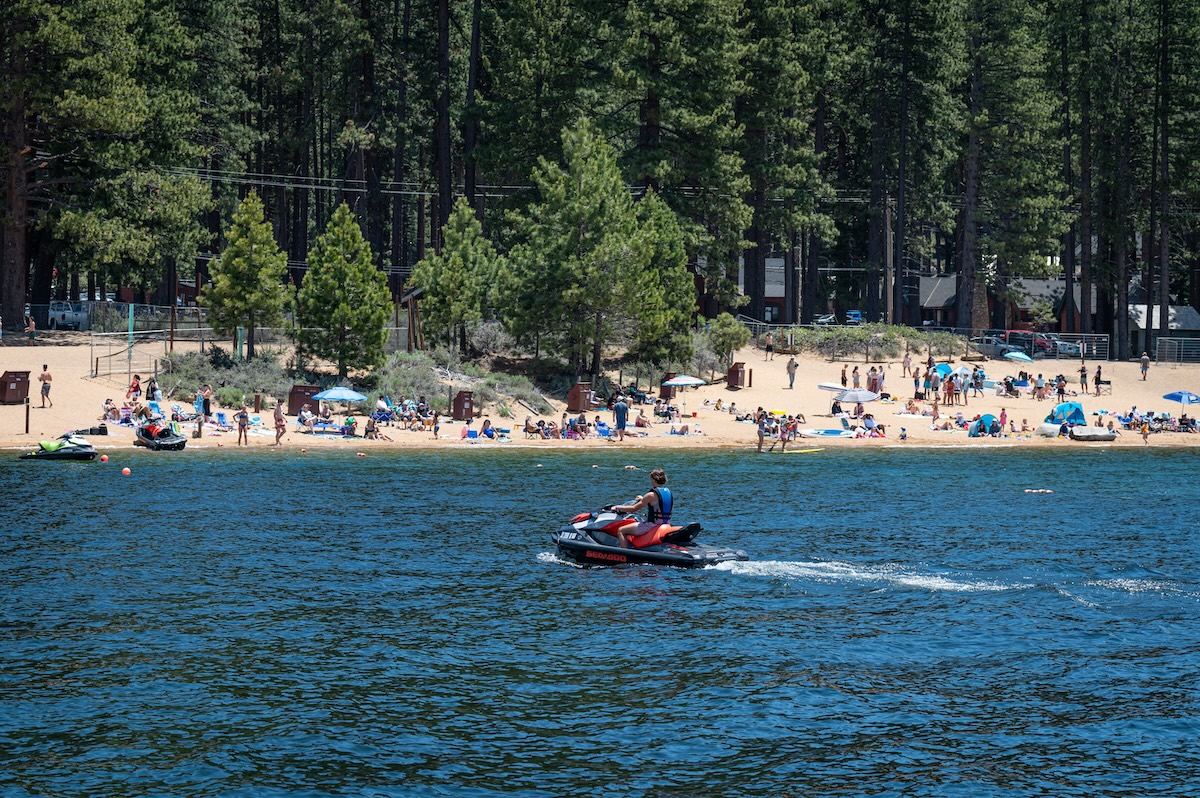
Zephyr Cove hugs the eastern shore of Lake Tahoe, where Nevada’s tax perks meet some of the most breathtaking alpine scenery around. The median home price—$1,504,412—shows what people are willing to pay for direct lake access and year-round recreation. This small community offers a quieter vibe than the busier towns on Tahoe’s western shore, but you’re still close to world-class skiing, hiking, and water sports.
Life here centers on the outdoors. The beach and marina turn into gathering spots every summer. Nevada’s no state income tax makes Zephyr Cove even more attractive if you’re after financial benefits along with mountain living. Casinos and entertainment in Stateline sit just minutes away, but you’re far enough out to enjoy peaceful evenings as the sun drops behind the Sierra peaks. Natural beauty, recreation, and that tax-friendly climate keep demand high in this lakeside hideaway.
13. Park City, Utah ($1,584,397)
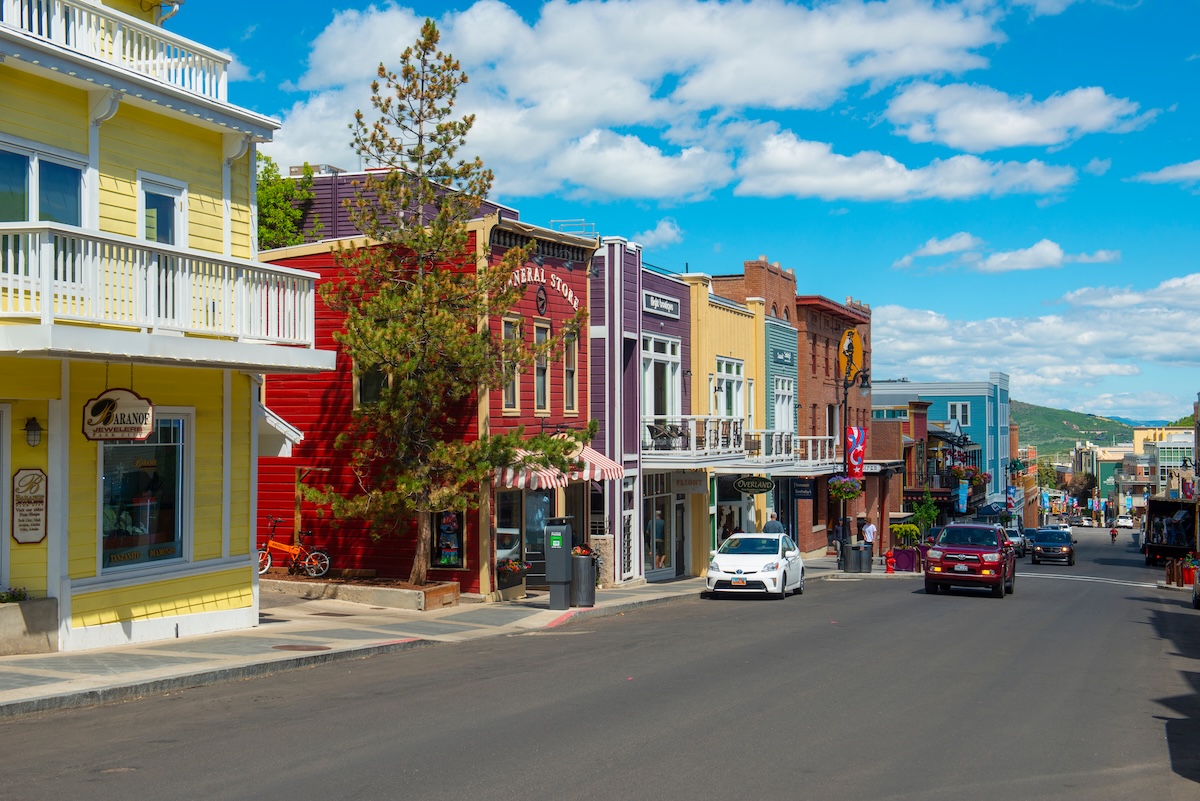
Park City’s got a certain magic—world-class skiing, sure, but also a vibe that’s both laid-back and undeniably upscale. This former silver mining town has reinvented itself as an exclusive spot, and the median home price of $1,584,397? Well, that pretty much says it all about the company you’ll keep here. And with Salt Lake City International Airport just a quick 35-minute drive away, it’s no wonder so many second-home buyers set their sights on these mountains.
Here, you’re not just buying a house—you’re getting a ticket to some of the best ski terrain in the country at Park City Mountain Resort and Deer Valley. The town pulses with energy, especially when the Sundance Film Festival rolls through every January. Main Street mixes Old West nostalgia with the kind of galleries, restaurants, and boutiques that feel curated for people who know what they like. Outdoor adventure shapes daily life, whether you’re carving fresh powder in winter or hitting the trails for biking and hiking once the snow’s gone.
12. Ketchum, Idaho ($1,597,943)
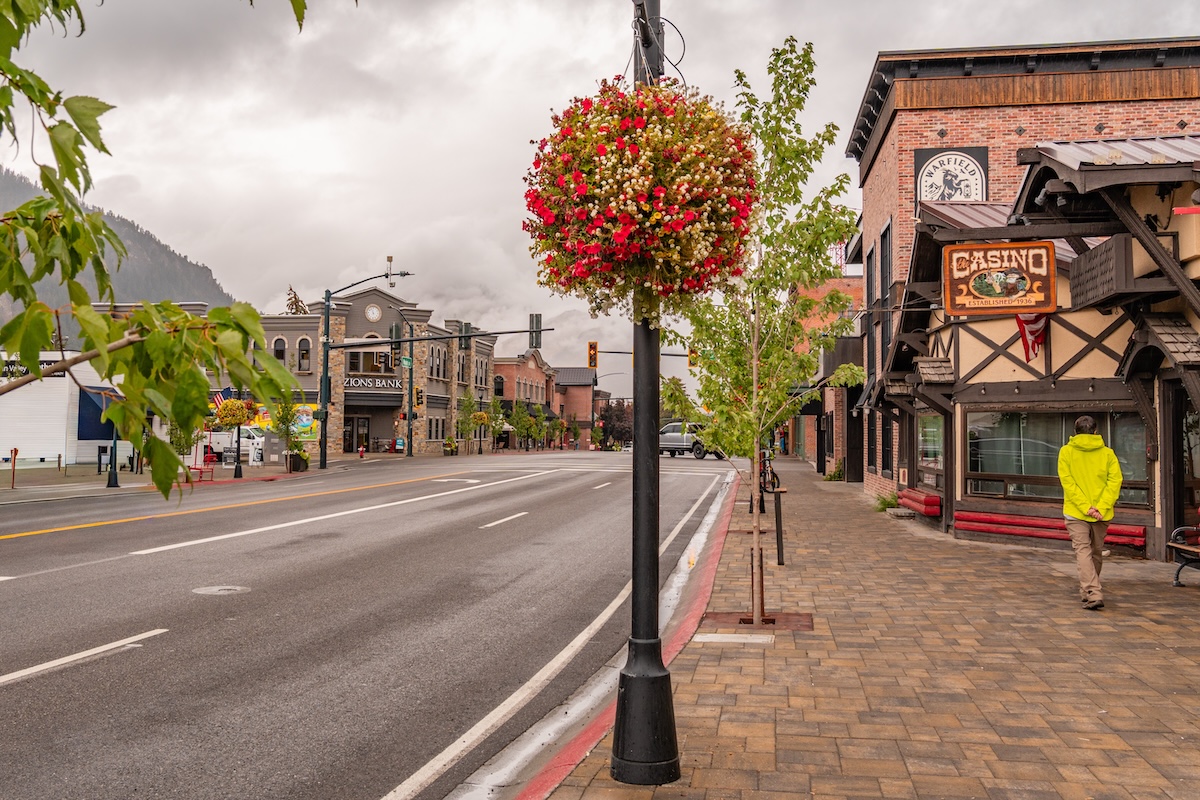
Ketchum sits in south-central Idaho at the base of Sun Valley, a place that Union Pacific built as a destination ski resort in 1936 to give wealthy easterners somewhere to spend their winters. Ernest Hemingway spent his final years here and is buried in the town cemetery, giving Ketchum a literary mythology you won’t find in many places on this list.
The Sawtooth Mountains surround it on every side, and you don’t hear anyone complaining about it. The town is small enough that everyone eventually runs into everyone, and that includes plenty of Sun Valley regulars that come from old money. At the bottom of this list in price, Ketchum is still deeply out of reach for most of America.
11. Edwards, Colorado ($1,716,988)
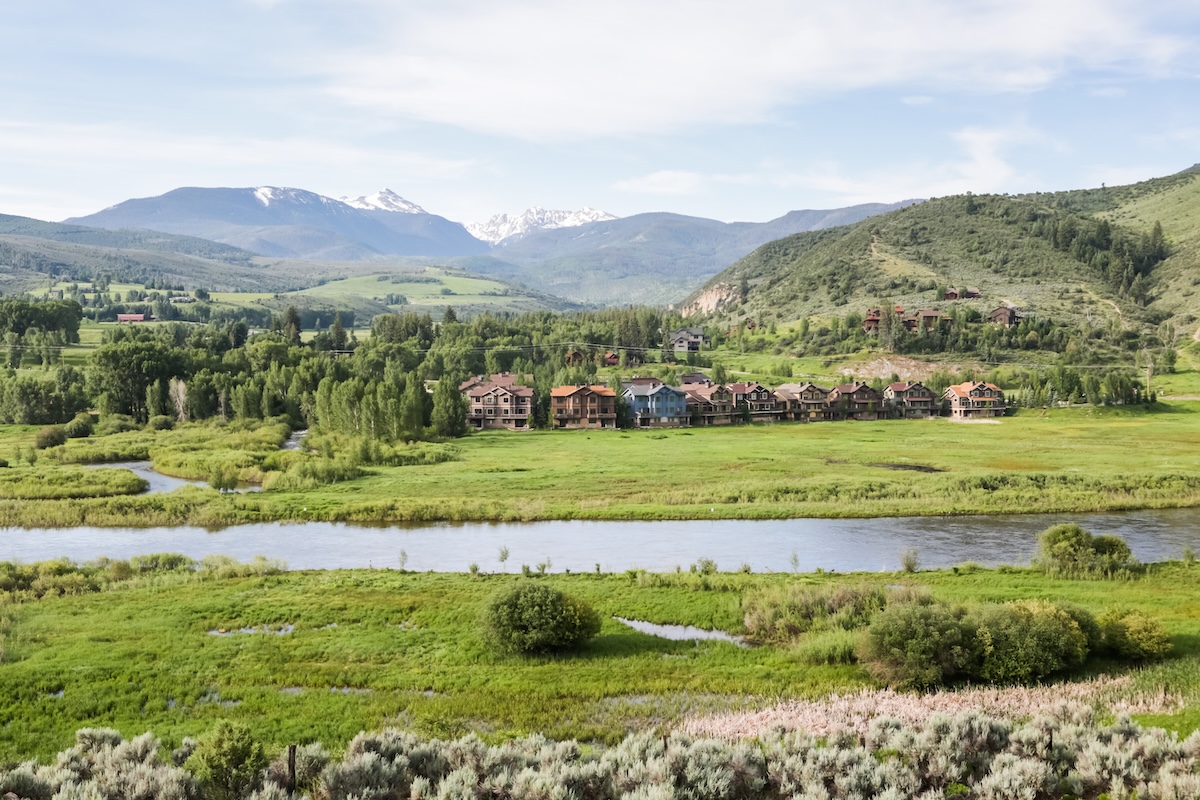
Edwards sits about twelve miles west of Vail in the Eagle River Valley, so these are the entry-level address in one of Colorado’s wealthiest corridors. This is where Vail’s restaurant owners and ski instructors aspire to live, and where some of Vail’s wealthier residents keep properties for nothing more than a leisurely weekend once a year.
The town has grown considerably, picking up the restaurants and retail that Vail’s real estate market made impossible to keep up with. Edwards is the humbler address in this particular valley, though ‘humbler’ here is doing some very heavy lifting.
10. Vail, Colorado ($1,762,792)
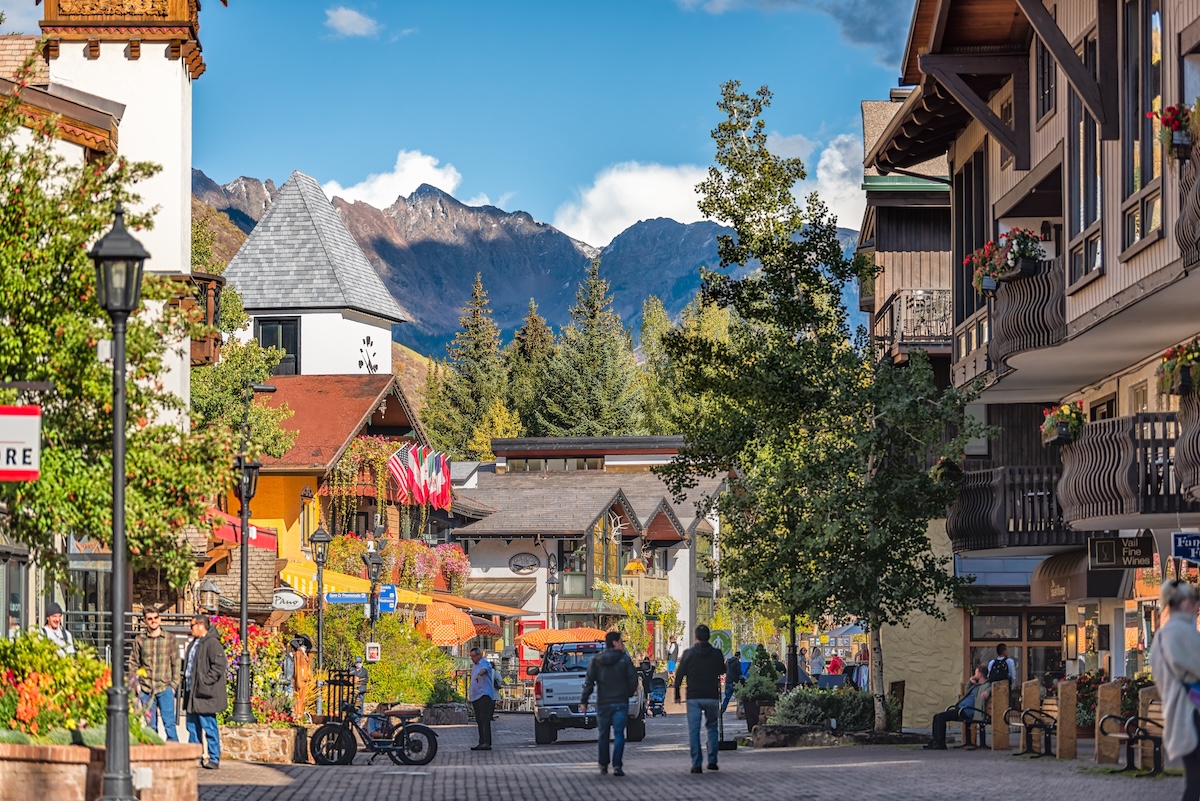
You are probably already guessing we will be making many stops in Colorado. Pete Seibert built Vail from scratch in 1962, looking at a remote valley in the White River National Forest and seeing a ski resort rather than wilderness. A true visionary. The result is one of the most visited ski resorts in North America, with a pedestrian village designed to feel Tyrolean, which it manages convincingly enough.
The skiing spreads across two mountain faces, the terrain suits everyone from cautious intermediates to people with something to prove, and the après-ski is the cherry on top that keeps people coming back year after year.
9. Big Sky, Montana ($1,865,571)
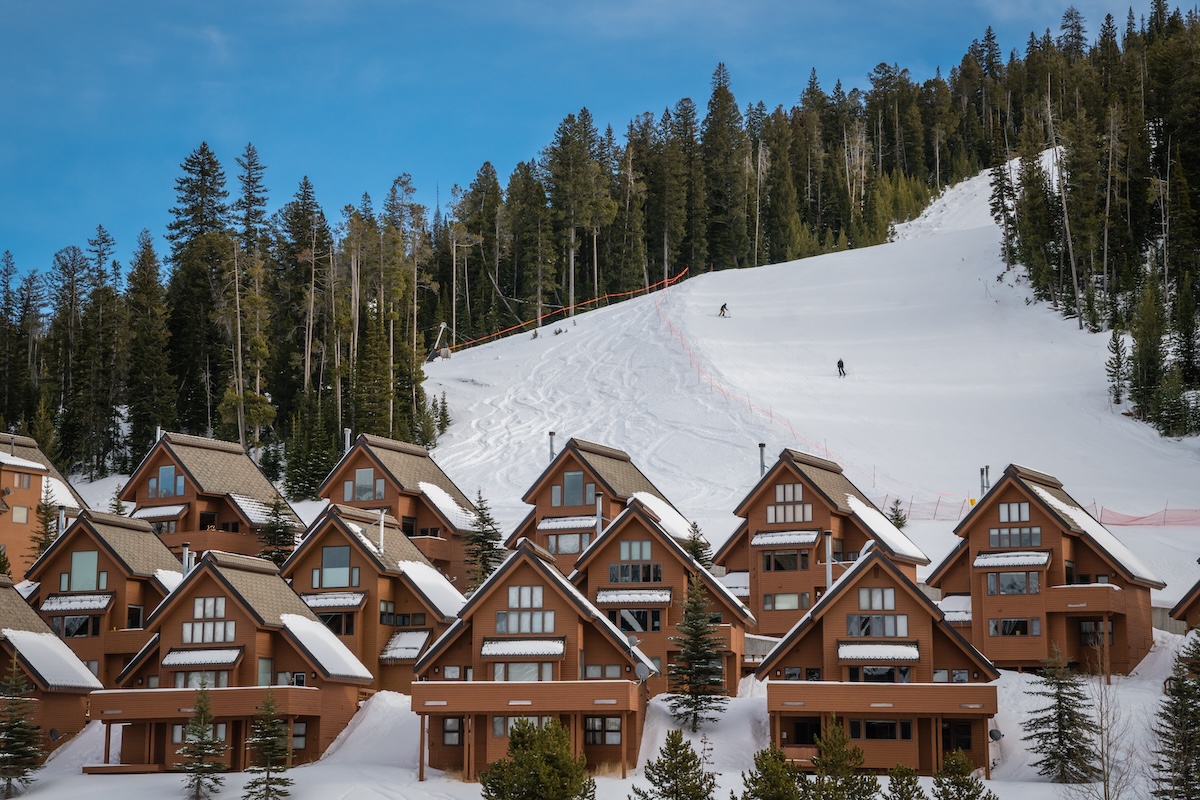
NBC anchor Chet Huntley developed Big Sky in the early 1970s, correctly identifying that Montana’s combination of vast terrain and remoteness was exactly what a certain kind of buyer was looking for. An hour from Yellowstone and several hours from the nearest major city, inaccessibility is built into the appeal, and they are not apologized for it.
The ski mountain has more vertical drop than any other resort in the American West. The town has grown around it with the careful, expensive pace, and the wildlife that wanders through occasionally reminds everyone that this is still, technically, Montana.
8. Alta, Utah ($1,937,654)
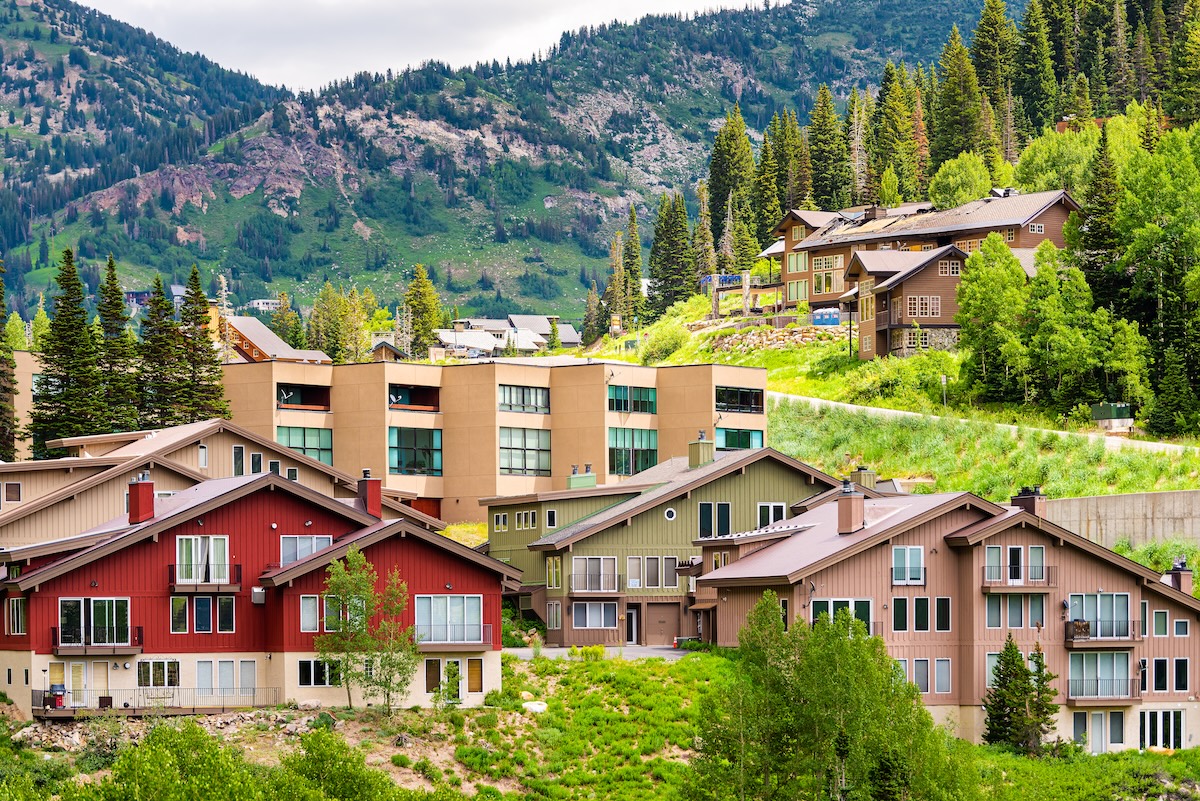
Alta occupies the upper end of Little Cottonwood Canyon, about twenty-five miles from Salt Lake City, making it one of the most accessible serious ski resorts in the country. Utah markets itself as “the Greatest Snow on Earth,” and Little Cottonwood Canyon gets more of it than almost anywhere else in the Wasatch Range. Skiers will drive a long way to verify this bold claim.
What makes Alta remarkable is that it has remained skiers-only in an era when every other resort added snowboarding decades ago. That firm, slightly cantankerous stance has earned fierce loyalty from skiers who appreciate a resort that stands by its principles.
7. Jackson, Wyoming ($1,970,894)
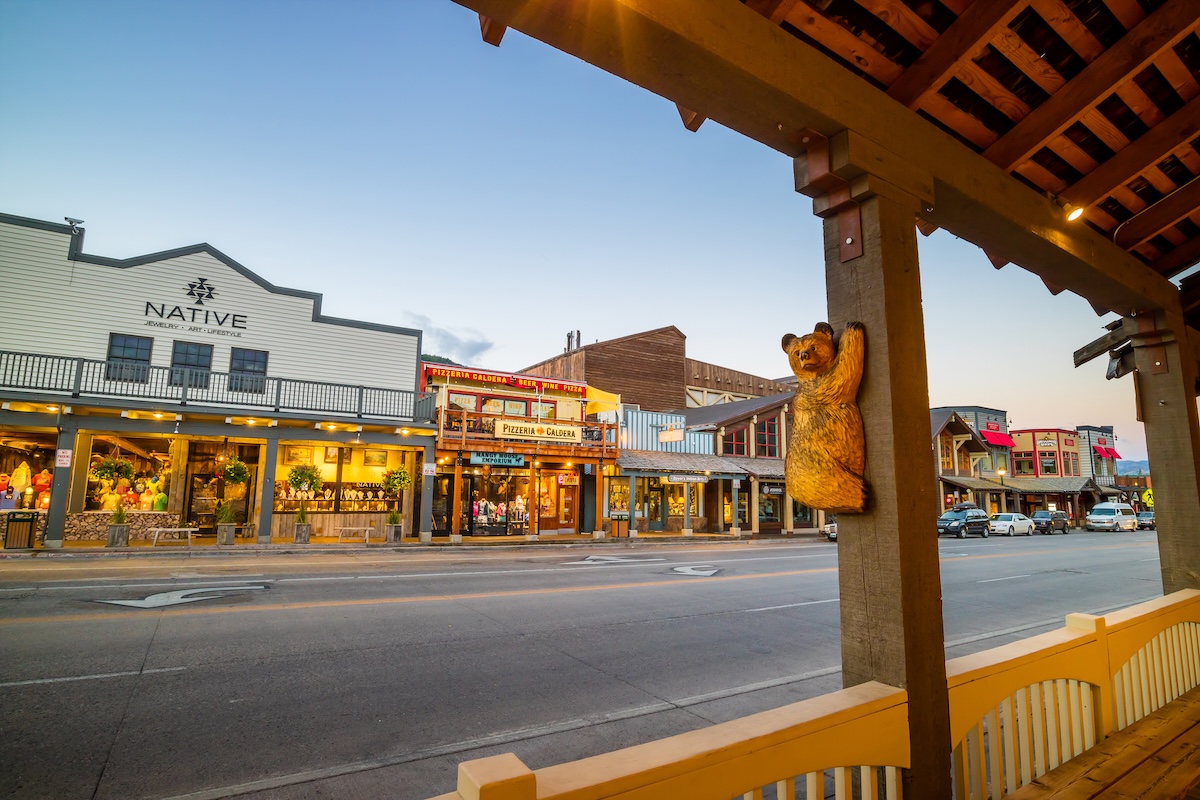
Jackson sits in a valley flanked by the Teton Range on one side and the Gros Ventre Mountains on the other, with Grand Teton National Park beginning more or less at the edge of town. Few American communities have this much scenery pressing in from every direction, and the real estate market keeps you fully aware of this with its prices.
The town square with its elk antler arches is an icon, and the ski terrain at Jackson Hole Mountain Resort is among the most challenging on the continent. It turns out we have been underestimating Wyoming all along!
6. Mountain Village, Colorado ($2,031,402)
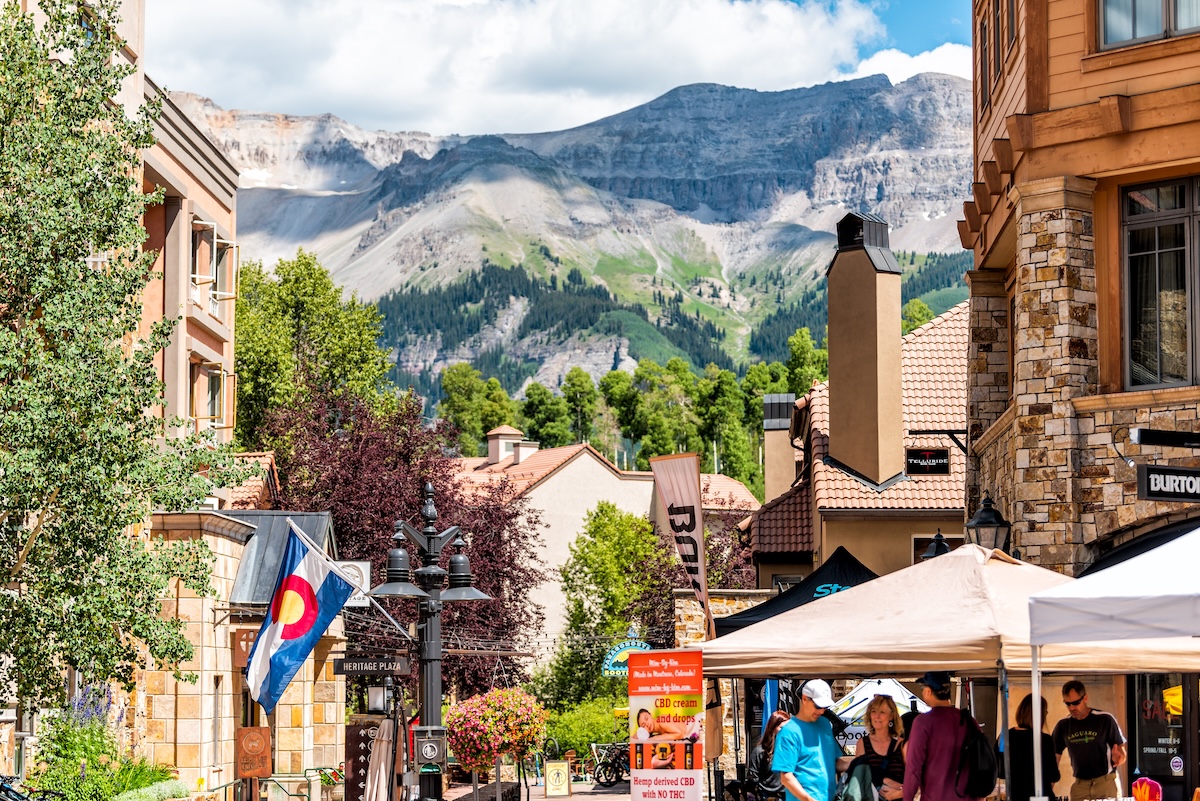
Colorado again. Mountain Village is the purpose-built residential companion to Telluride, connected to the historic mining town by a free gondola that doubles as one of the more scenic commutes in American real estate. The village sits above Telluride at nearly ten thousand feet and was developed in the 1990s as the place to build ski-in, ski-out without the preservation constraints of downtown.
The result is a planned community of considerable architectural ambition and an HOA that takes its responsibilities very seriously. The gondola deposits you in Telluride’s restaurants in three minutes, an extraordinary convenience that the asking prices reflect at considerable length.
5. Telluride, Colorado ($2,245,437)
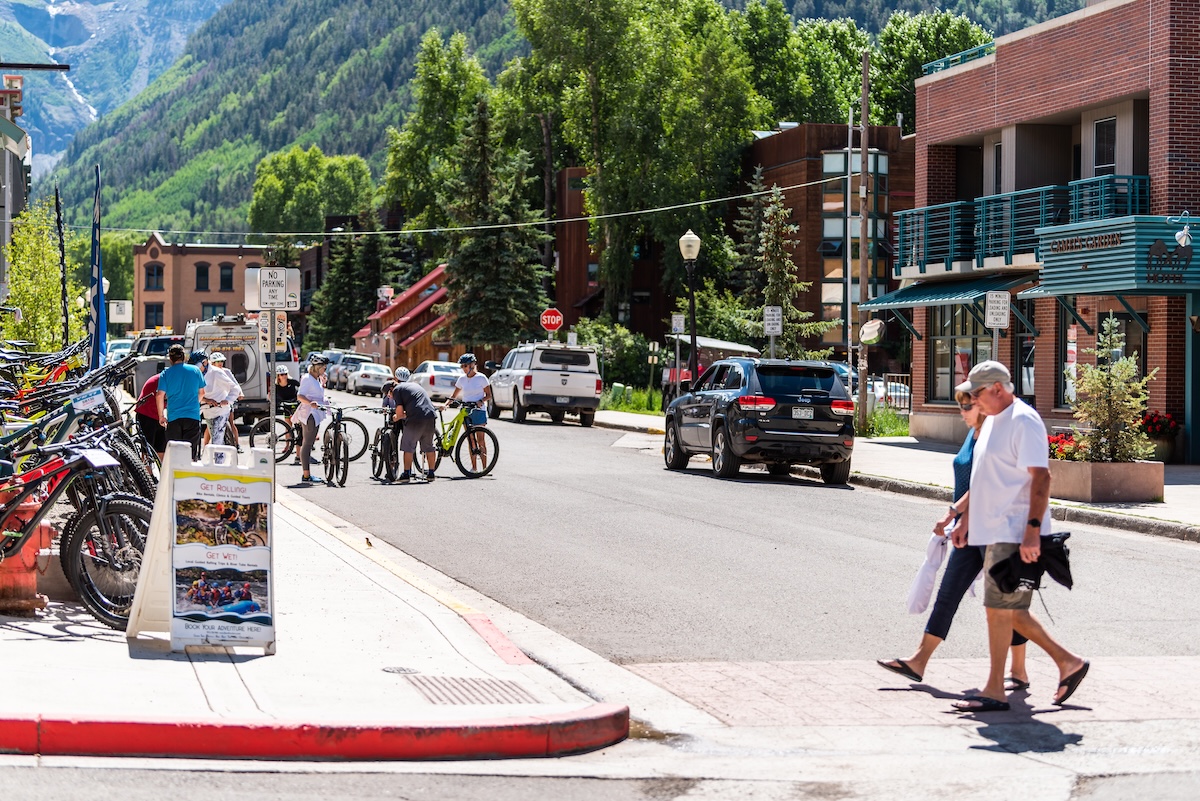
At the end of a box canyon in the San Juan Mountains, you will find this Victorian mining town that is so delightfully well preserved, and the whole thing was declared a National Historic Landmark in 1964. Mountains wall it in on three sides, which limits what can be built and makes the real estate arithmetic very straightforward.
The ski resort has a vertical drop that rivals anything in Colorado, the summer festival season pulls the town in a completely different direction for months at a time. It is exactly this seasonal duality that keeps Telluride in the hearts of all its regular visitors.
4. Snowmass Village, Colorado ($2,514,960)
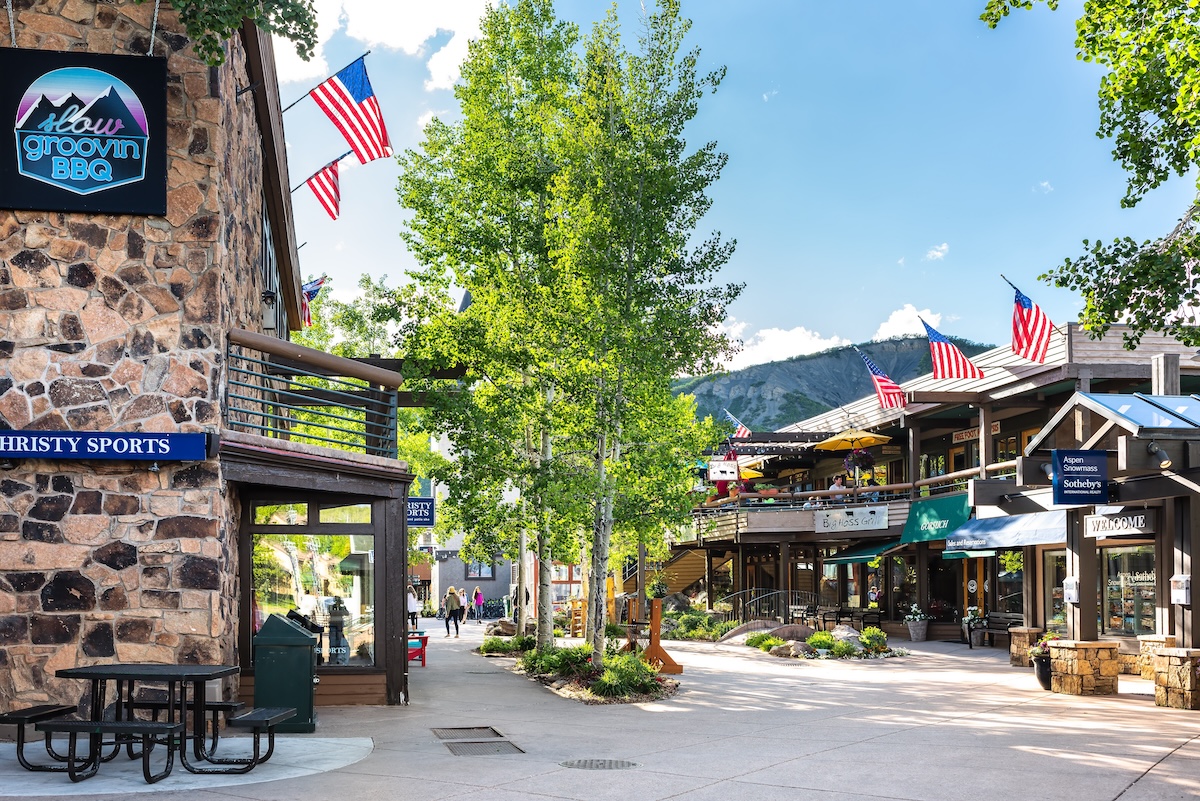
Colorado’s fifth entry, but who’s counting? Snowmass Village sits twelve miles from Aspen and was developed in the 1960s as its slightly more approachable, family-friendly neighbor, a positioning that has evolved considerably since. Snowmass now has more skiable terrain than Aspen’s own mountain, and a village that has been substantially rebuilt in recent years, silencing most of the skeptics.
Buyers who can’t quite stretch to Aspen’s prices treat Snowmass as the next best argument, and with an average home price at this level, it is a consolation prize of extraordinary proportions.
3. Glenbrook, Nevada ($2,967,288)
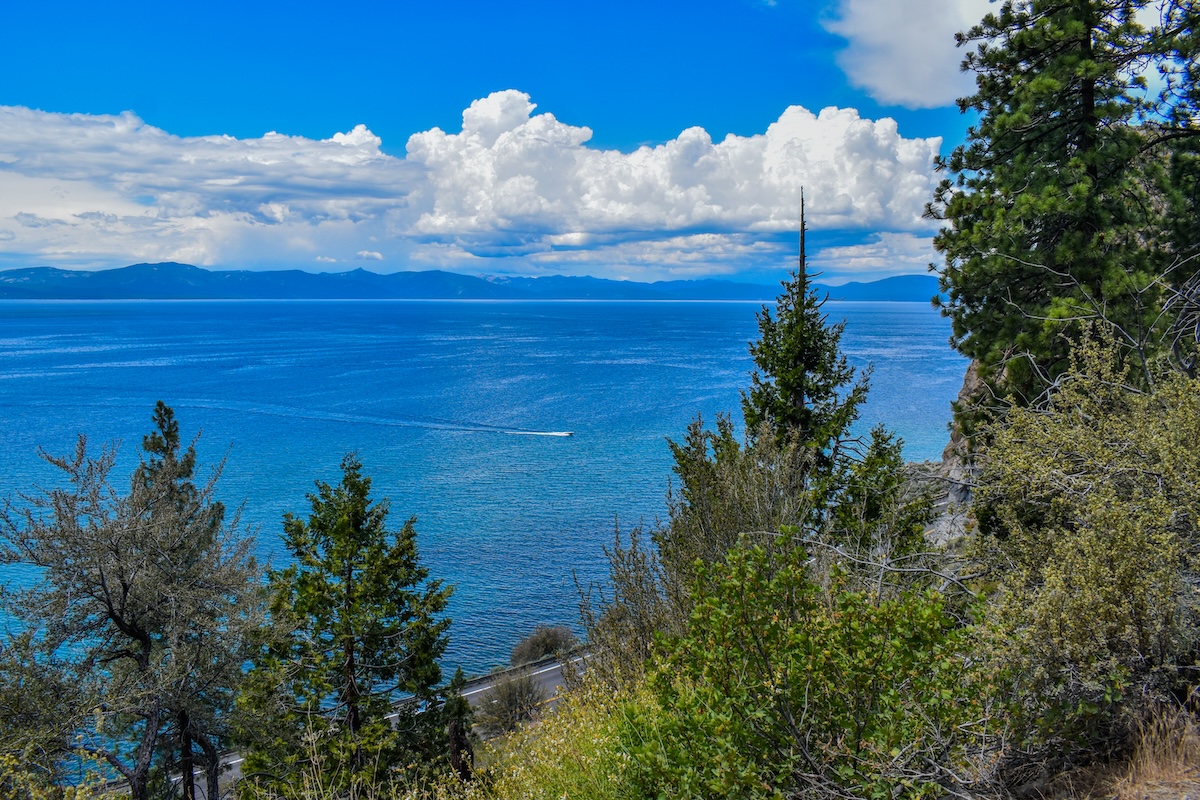
Nevada’s third entry on this list, and by some distance its least expected. Glenbrook is a small private community on Lake Tahoe’s eastern shore, established in the 1860s as one of the lake’s first resort communities, and it has maintained an old-money atmosphere that the flashier west shore couldn’t keep up with.
Access to Glenbrook’s beach and facilities is restricted to residents and their guests, as the community has resisted the development pressure that transformed other parts of Tahoe. And in a state better known for what happens in Las Vegas, Glenbrook is a very striking anomaly.
2. Wilson, Wyoming ($3,190,713)
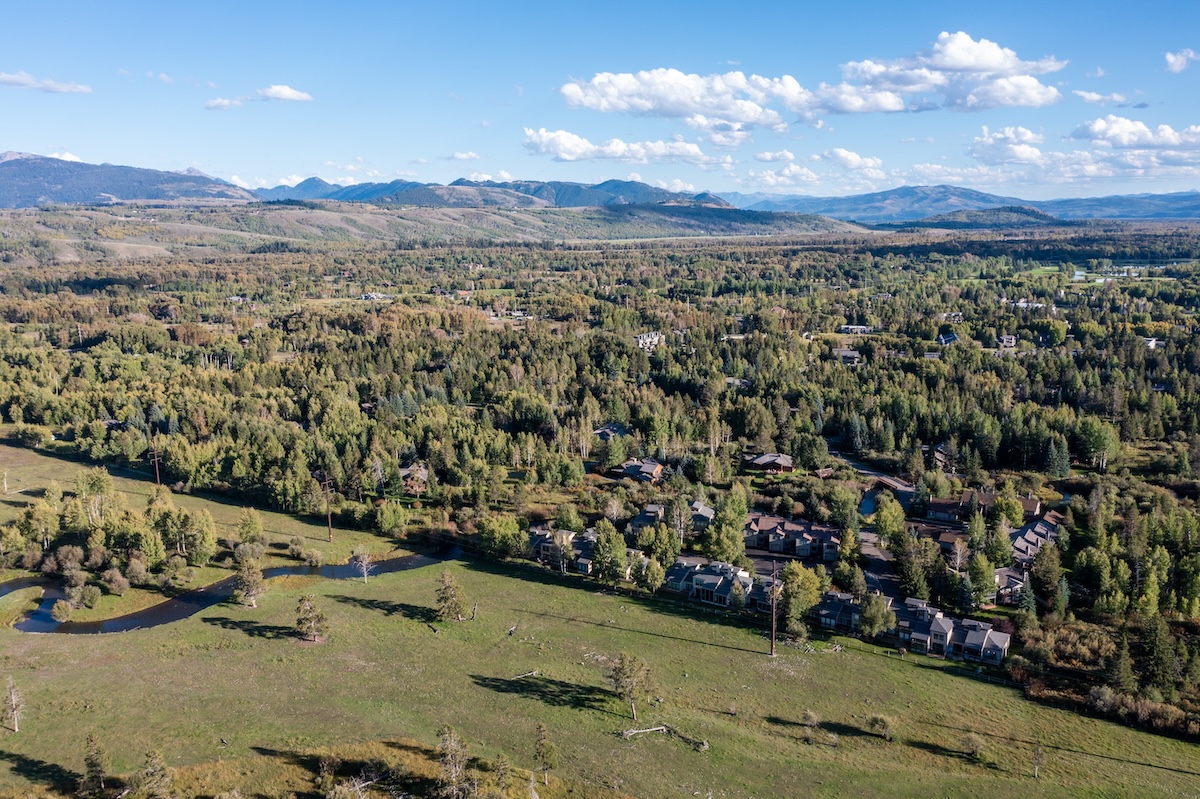
Wyoming turns out to be a sleeper agent! This is a small community at the base of Teton Pass, about six miles from Jackson. Wilson is where people connected to Jackson’s economy settled when Jackson proper became financially impossible, and it has since become financially impossible in its own right, which is a trajectory the original settlers would find deeply ironic.
Teton Pass provides direct backcountry access, the mountain views are unobstructed, and Wilson carries a slightly grittier character than Jackson that residents defend with considerable conviction. The average home price suggests the grittiness is largely a personality trait at this point, but we respect the commitment.
1. Aspen, Colorado ($3,431,712)
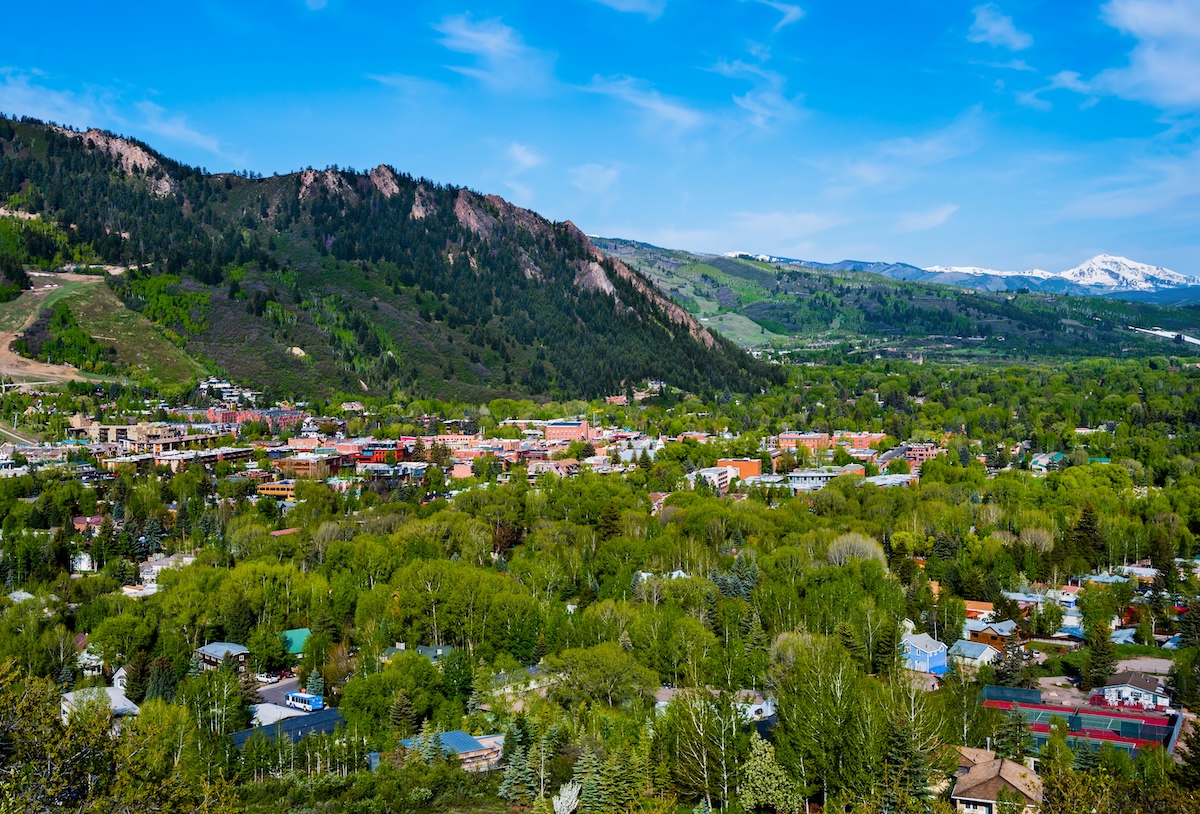
Colorado saves the top spot for itself, because of course it does. Aspen was a silver mining town that nearly died when silver prices collapsed in the 1890s. It spent decades deteriorating but was eventually rescued by the ski industry in the late 1940s. This was a transformation that eventually made it one of the most expensive zip codes in the United States, which is a remarkable trajectory for a town that was essentially abandoned within living memory.
The skiing is exceptional, the cultural calendar runs year-round, and the concentration of wealth in this valley is difficult to process at street level. Private jets crowd the small airport through the winter months so as soon as you land you know that Aspen has long since stopped pretending to be anything other than exactly what it is.