
A city can look perfect in a travel brochure. You see a gleaming skyline, a famous stadium, a celebrated food scene and a museum or two with national reputations. You book a flight, land, then spend half your trip in a rental car on an eight-lane highway, wondering where the city went.
That gap between reputation and experience is common across the US, especially in fast-growing Sun Belt metros and older Midwestern cities that spread out after the 1950s. Many of the places below are great places to live, with strong economies and loyal residents. They just struggle to deliver the walkable, concentrated feeling that vacations often depend on, with something around every corner.
Nearly all of them assume you’ll drive, so budget for a car and parking. Keep that in mind as you decide which trips deserve a long weekend and which work better as a stopover.
Dallas, Texas
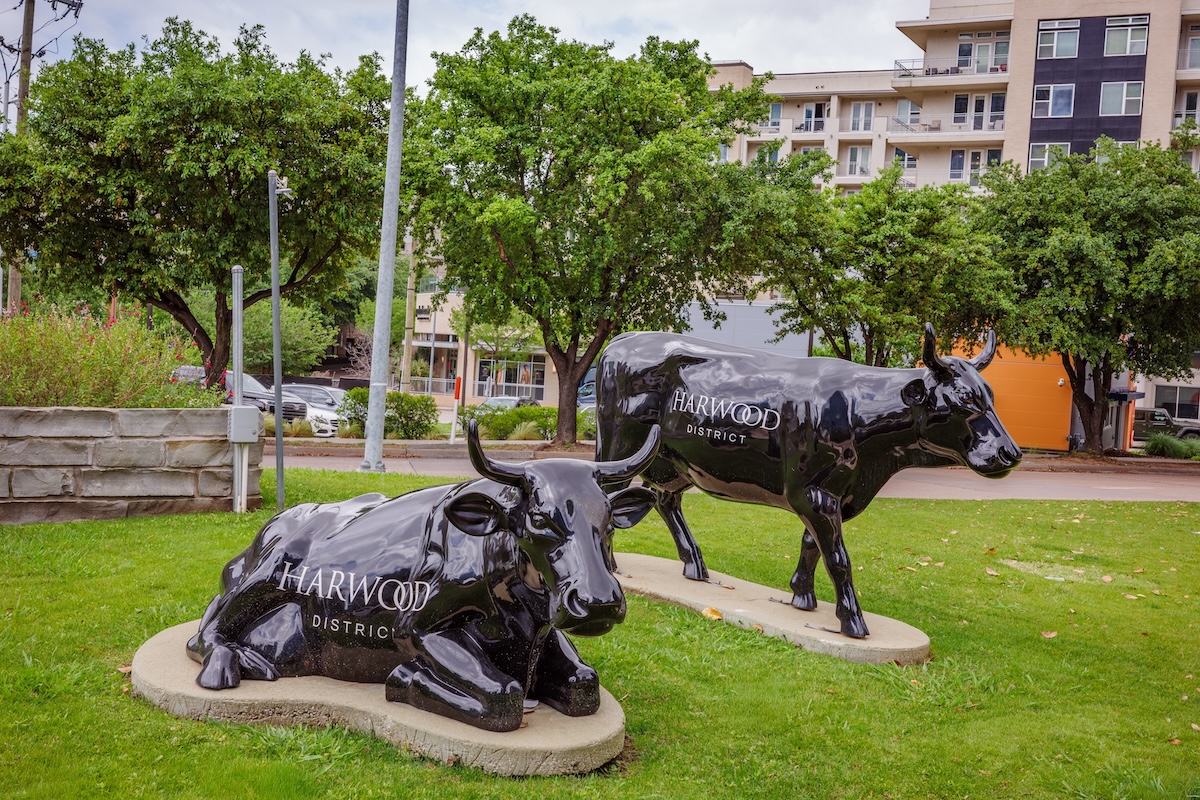
Dallas has every big-city credential you could ask for, yet its attractions scatter across a metro area larger than some states. The Arts District, Deep Ellum, Bishop Arts and the Sixth Floor Museum all reward a visit. But each sits in its own pocket, separated by freeways and parking lots.
You’ll eat extremely well, from Tex-Mex and brisket to upscale steakhouses, and NorthPark Center ranks among the country’s better malls. The DART light rail system covers a lot of ground, though commuters were its main audience when planners built it. Most visitors still end up driving between neighborhoods. Pair Dallas with Fort Worth’s Stockyards and Sundance Square for a stronger sense of place.
Phoenix, Arizona
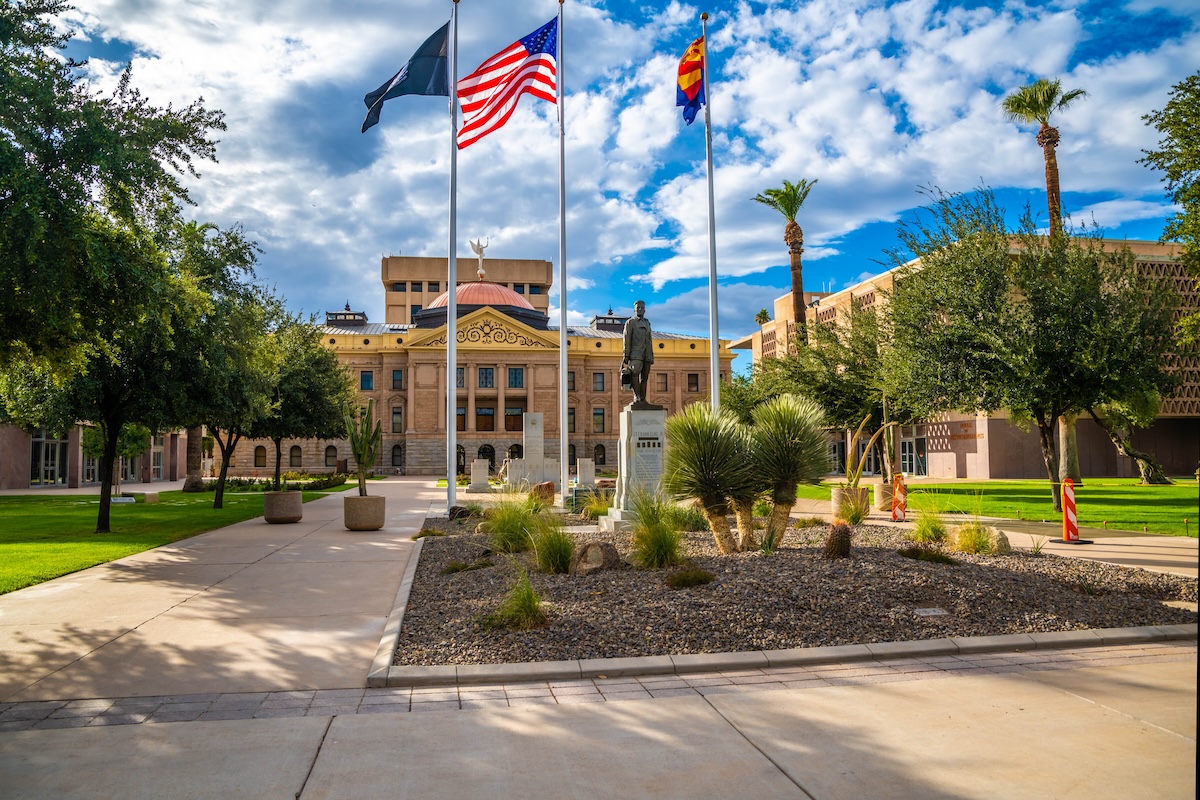
Phoenix sells sunshine and desert drama, and the best of both lies beyond the city limits. Scottsdale has the resorts and nightlife, Sedona’s red rocks sit about two hours north, and the trailheads at Camelback Mountain and South Mountain draw crowds before sunrise for good reason.
Summer is the hard part. Highs regularly top 110°F from June through August, turning a stroll through downtown Phoenix into an endurance test. The city center has Roosevelt Row’s galleries and the excellent Heard Museum, but not enough density to fill several days. Plan your trip for November through March, stay near the hiking and treat Phoenix proper as a half-day stop.
Indianapolis, Indiana
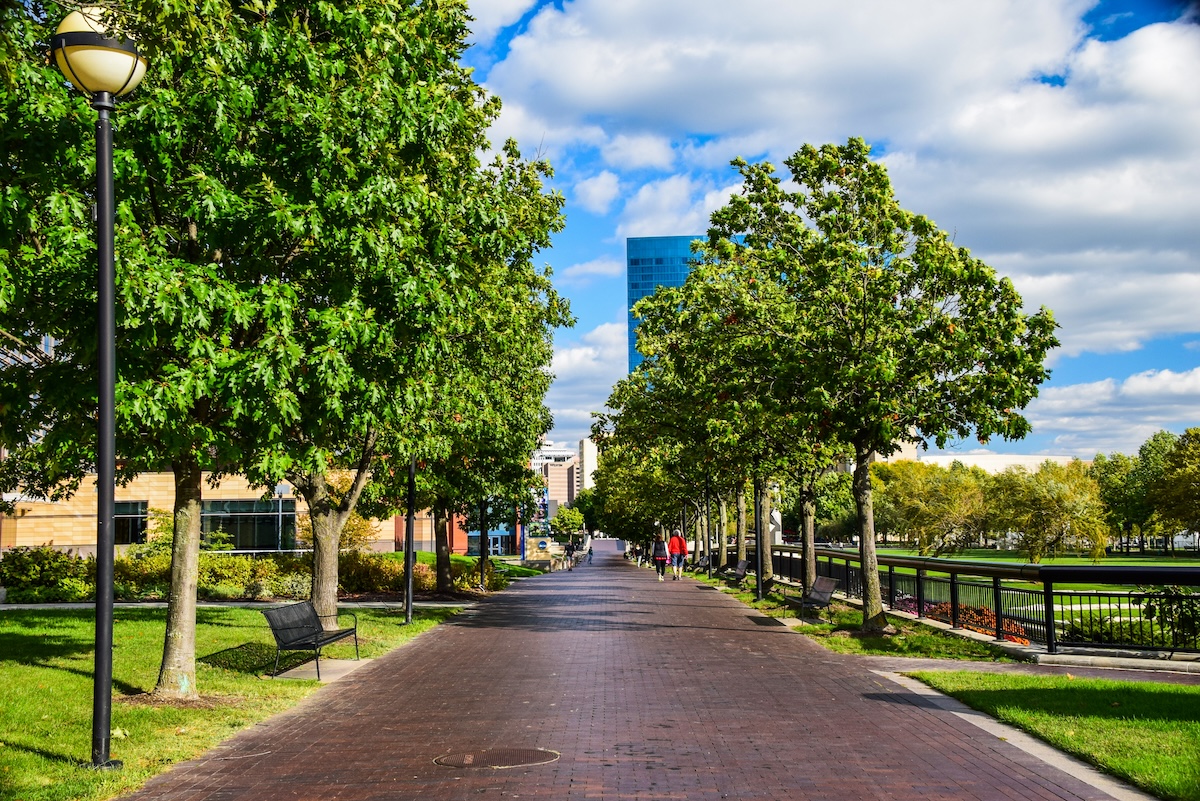
Indianapolis handles big events brilliantly, then goes quiet once they leave town. During the Indy 500 or a Final Four, downtown buzzes. The compact core around Monument Circle is clean, walkable and easy to navigate.
On an ordinary weekend, you’ll cover the highlights fast. The Indianapolis Motor Speedway Museum, the Children’s Museum (the world’s largest), Newfields and a ride along the Cultural Trail make for a satisfying two days. Mass Avenue and Fountain Square add bars and restaurants with real local character. After that, the itinerary thins out. A short city break timed around a race or game gives you the version of Indianapolis that matches the hype.
San Jose, California
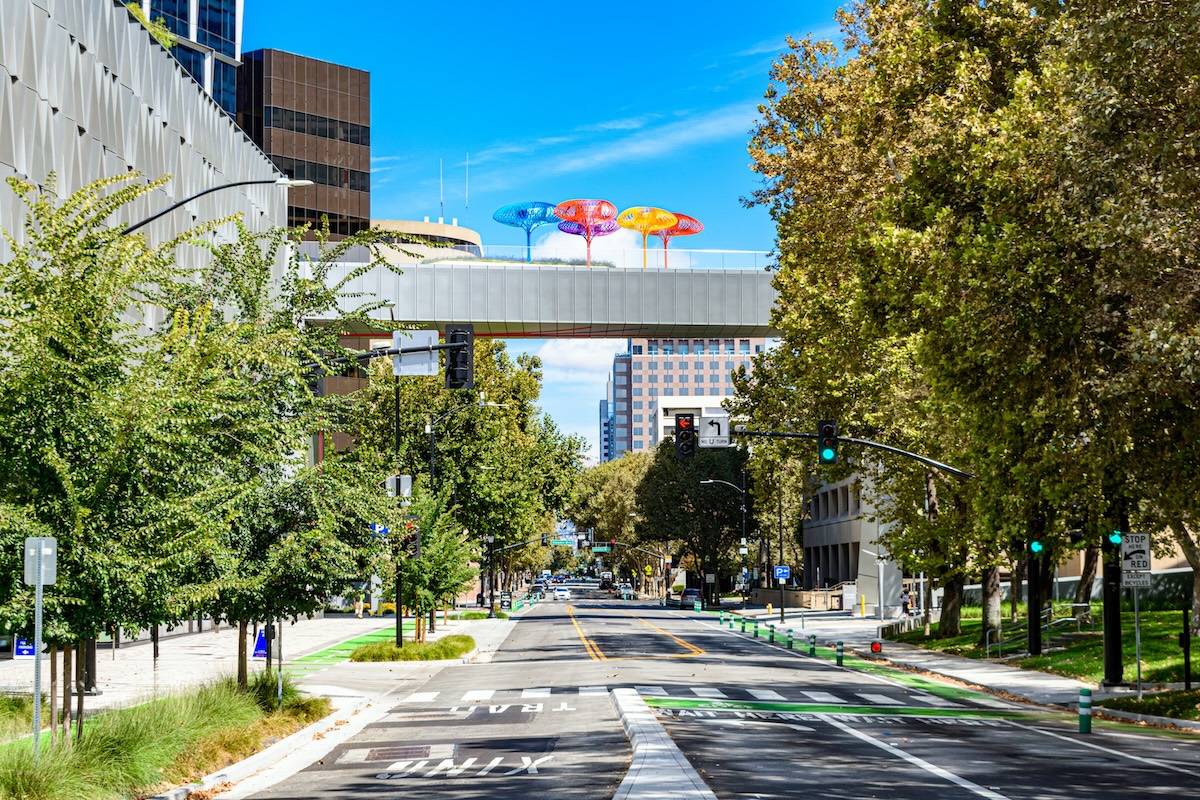
San Jose carries Silicon Valley’s glamour in its name, but the city itself feels like a pleasant, mid-sized suburban hub. Downtown has the Tech Interactive, while the quirky Winchester Mystery House sits on the outskirts. The city also has a solid Vietnamese and Mexican food scene, though nightlife and street life stay modest.
The trouble is the neighbors. San Francisco sits an hour north, Santa Cruz’s beaches and redwoods are about 45 minutes over the mountains, and Monterey and Carmel lie a little farther south. Tech-industry business travel pushes hotel prices up, so you pay premium rates for a fairly ordinary base. Use San Jose for its convenient airport, then point the car toward the coast.
Jacksonville, Florida
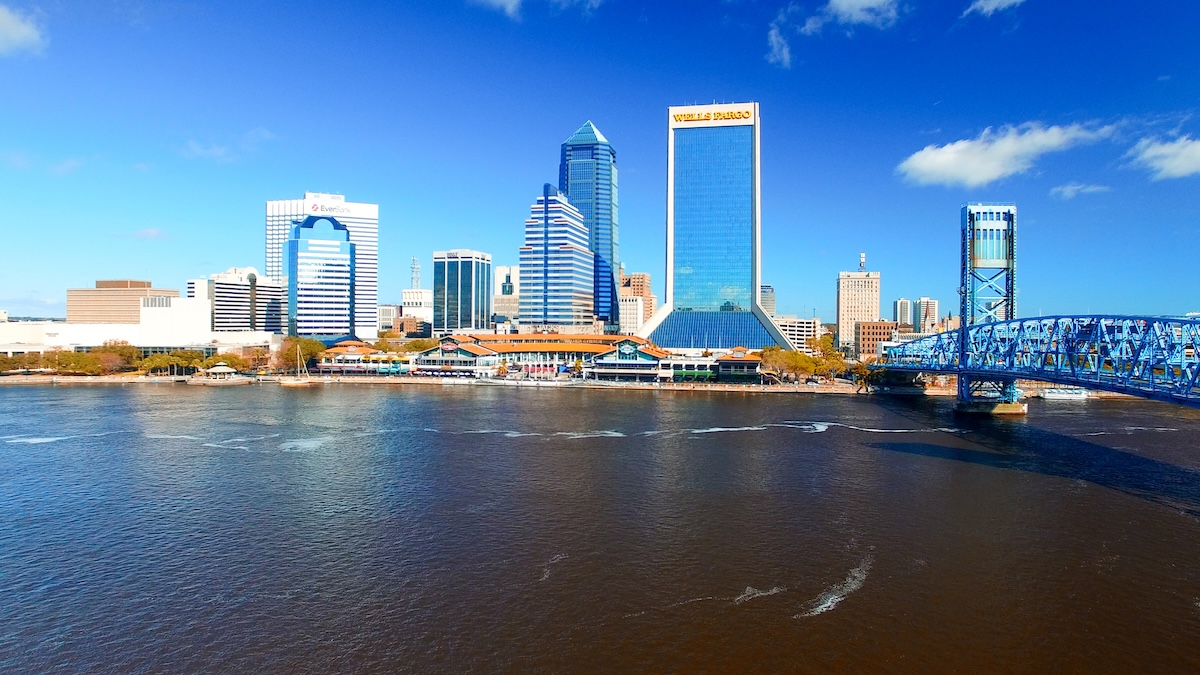
Jacksonville covers roughly 875 square miles, the largest land area of any city in the lower 48, and that size works against you as a visitor. The beaches, downtown and best neighborhoods sit far enough apart that each feels like a separate trip.
Riverside and Avondale offer historic homes and good restaurants, while San Marco has its own charm across the St. Johns River. Jacksonville Beach, Neptune Beach and Atlantic Beach offer relaxed sand and surf, about 30 minutes east of downtown. Pick one zone and stay there. A beachfront hotel with day trips to St. Augustine, about 40 minutes south, makes a stronger vacation than trying to string the whole city together.
Charlotte, North Carolina
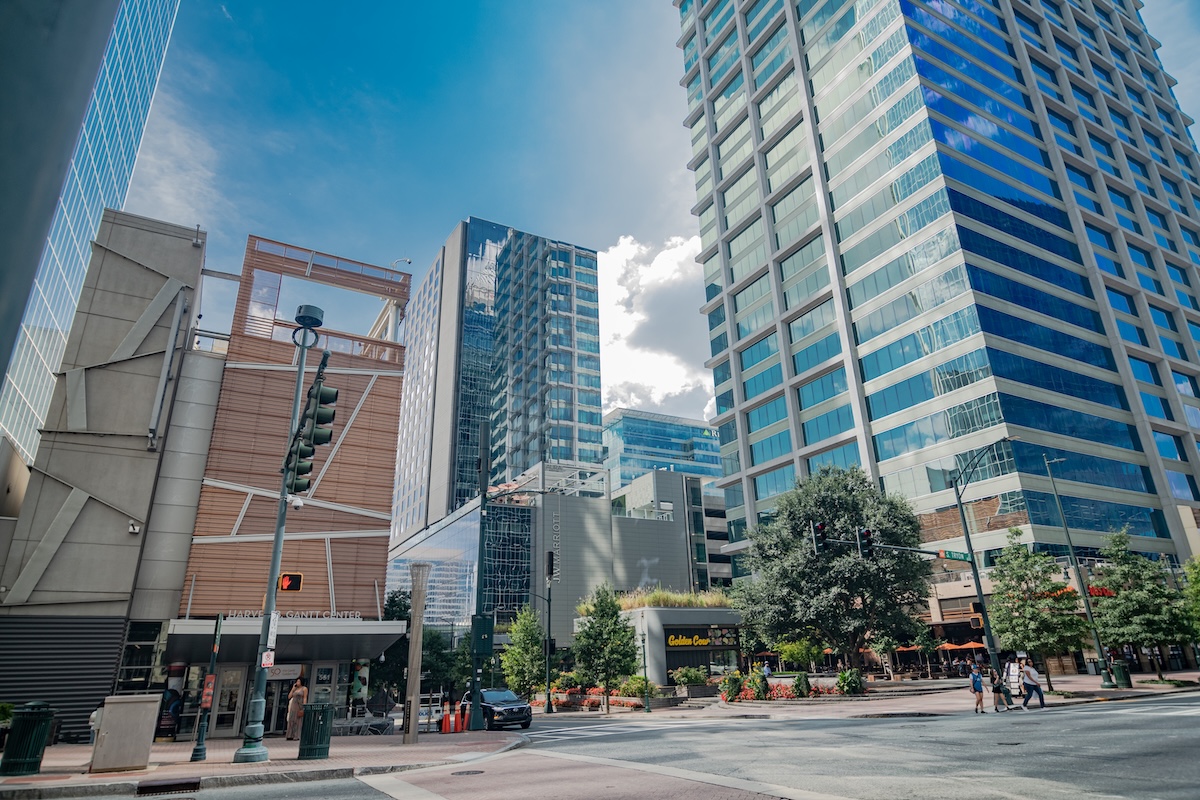
Charlotte’s growth story is impressive, and most of that growth serves the people who live and work there. Uptown fills with bank employees on weekdays, and the skyline signals a city built around finance and corporate headquarters.
You’ll still find plenty to like. The NASCAR Hall of Fame, the U.S. National Whitewater Center, and the breweries and murals of NoDa and South End give a weekend some texture. The LYNX Blue Line connects South End to Uptown, which helps. Beyond those districts, the city opens into leafy suburbs and shopping centers. A Panthers or Hornets game, a day on the whitewater course and dinner in Plaza Midwood cover the best of it.
Columbus, Ohio
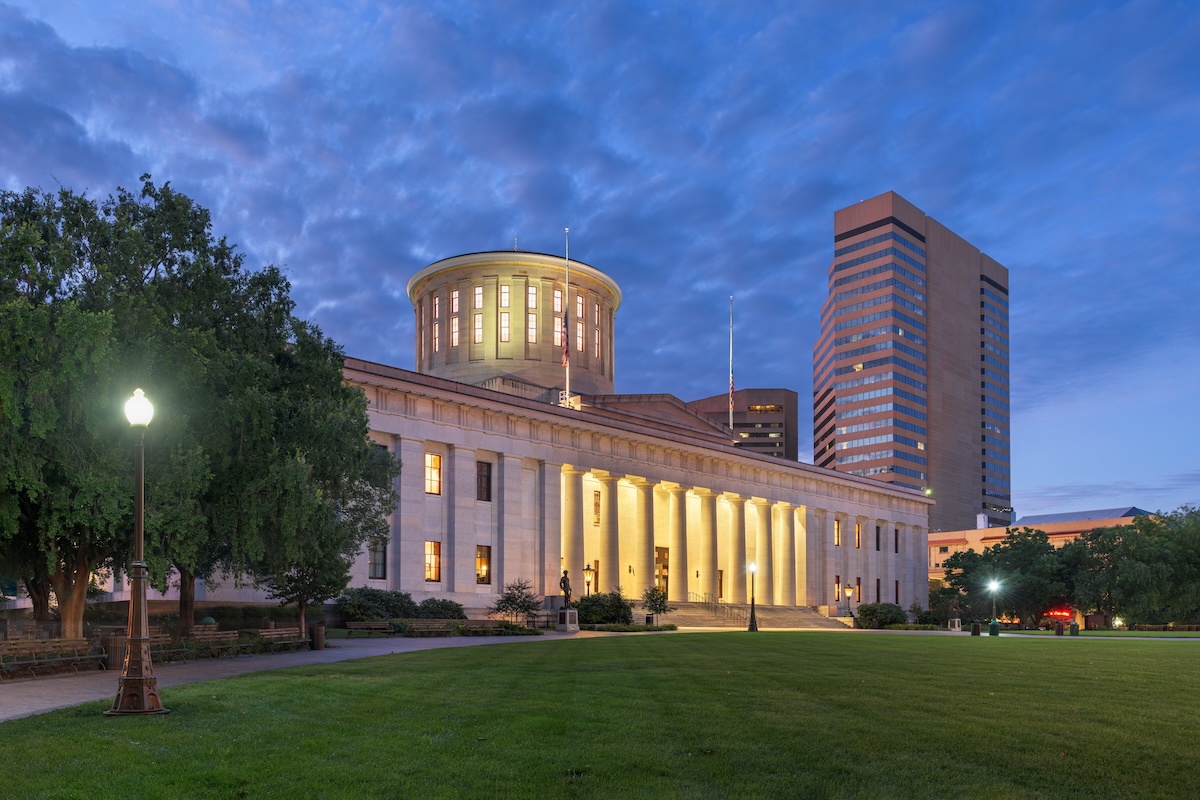
Columbus is a likable city without a single blockbuster attraction to anchor a trip. Ohio State’s huge campus shapes much of its energy, and the food scene in the Short North and German Village has grown into one of the Midwest’s more interesting.
The Columbus Zoo and Aquarium is excellent, though it sits north of the city in Powell. COSI, the Columbus Museum of Art and the Franklin Park Conservatory are worthwhile, and North Market makes an easy lunch. Each stop satisfies, but none would justify a flight on its own. Columbus suits a food-focused weekend or a football Saturday, ideally with a drive out to Hocking Hills for waterfalls and caves.
Atlanta, Georgia
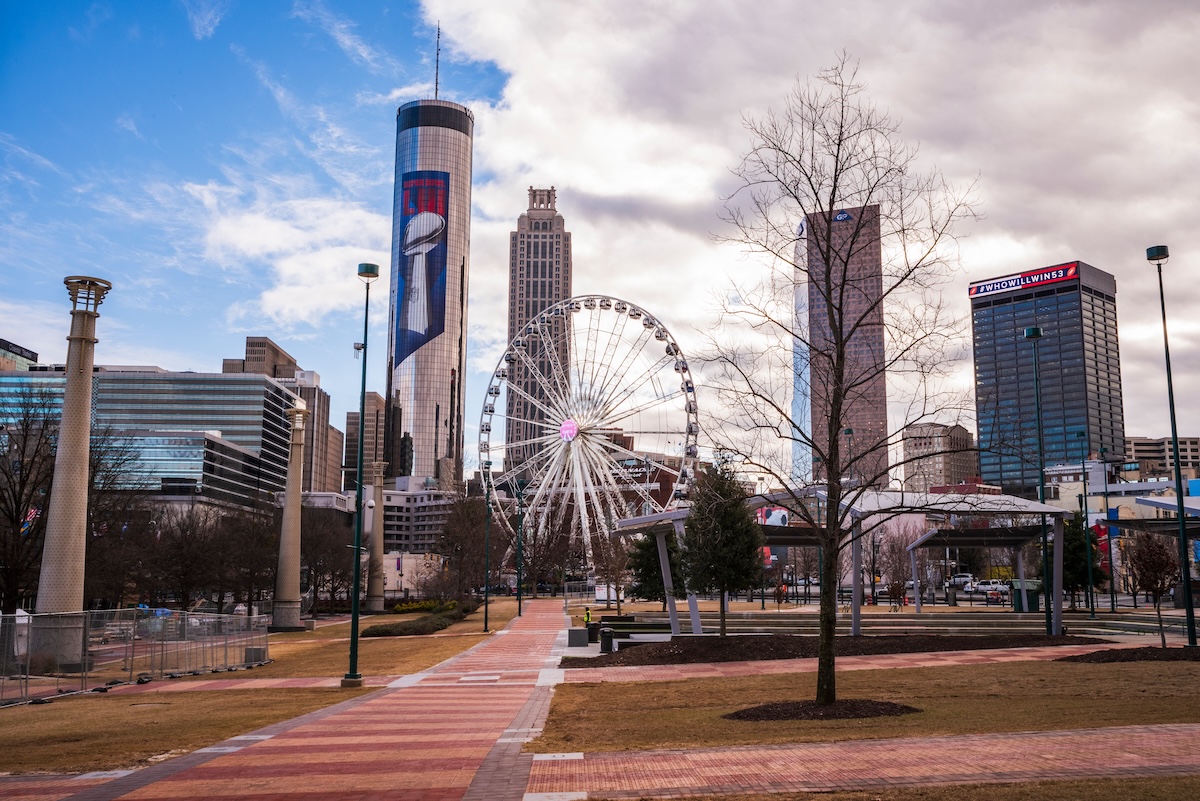
Atlanta packs world-class attractions into a city where getting between them eats up your day. The Georgia Aquarium, the World of Coca-Cola and the Center for Civil and Human Rights cluster around Centennial Olympic Park, which helps. But the neighborhoods worth exploring lie miles apart.
Midtown, Inman Park, Little Five Points, Buckhead and the Martin Luther King Jr. National Historical Park each have distinct personalities. Rush-hour traffic on the Downtown Connector is notorious, and MARTA serves only part of the city. The BeltLine’s Eastside Trail is your best tool, linking Ponce City Market, Krog Street Market and several neighborhoods on foot or by bike.
Salt Lake City, Utah
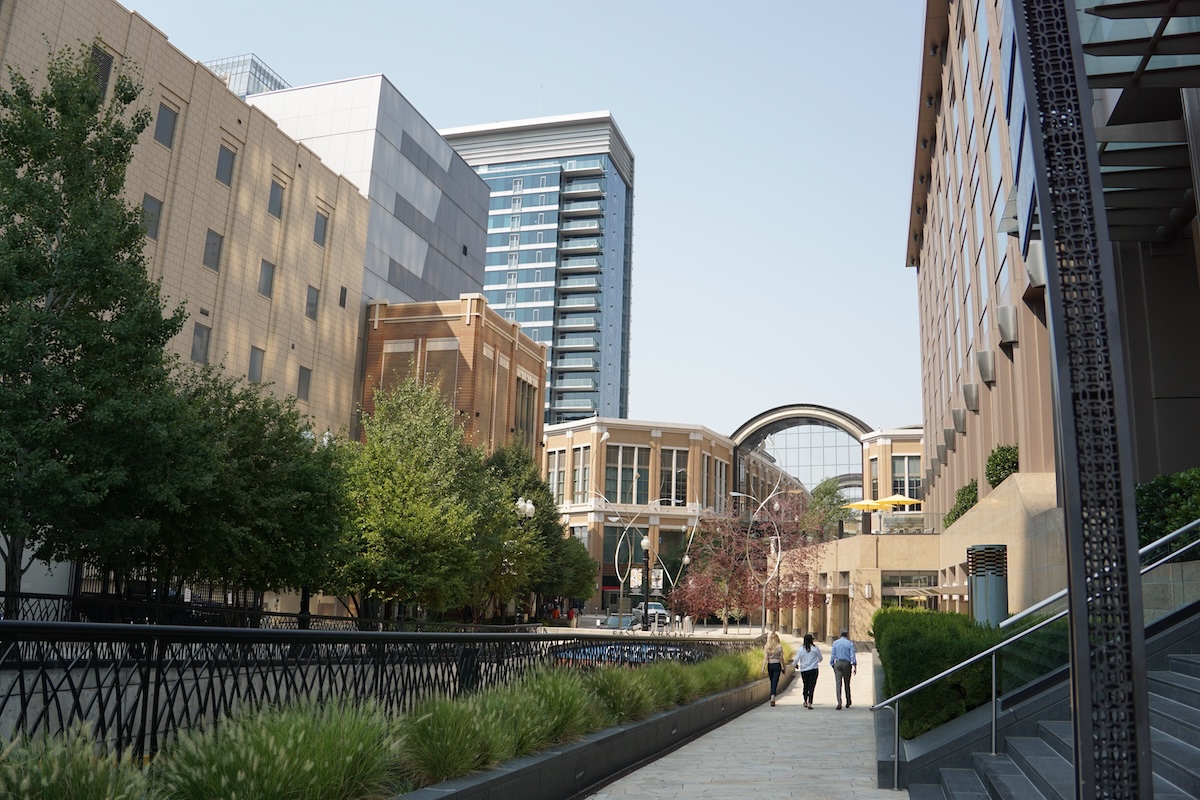
Salt Lake City’s mountain backdrop is spectacular, and the outdoors does most of the heavy lifting for visitors. Ski resorts like Alta, Snowbird and Brighton sit within about 45 minutes, and summer brings hiking and mountain biking in the Wasatch canyons.
Downtown feels clean and orderly, anchored by Temple Square and its historic Latter-day Saint landmarks. The 9th and 9th and Sugar House neighborhoods have coffee shops and independent stores, and the restaurant scene has improved. If you’re expecting Denver-level nightlife or a dense historic core, the city will feel small. Build your trip around skiing or hiking, with simple evenings of dinner and a brewery stop.
Oklahoma City, Oklahoma
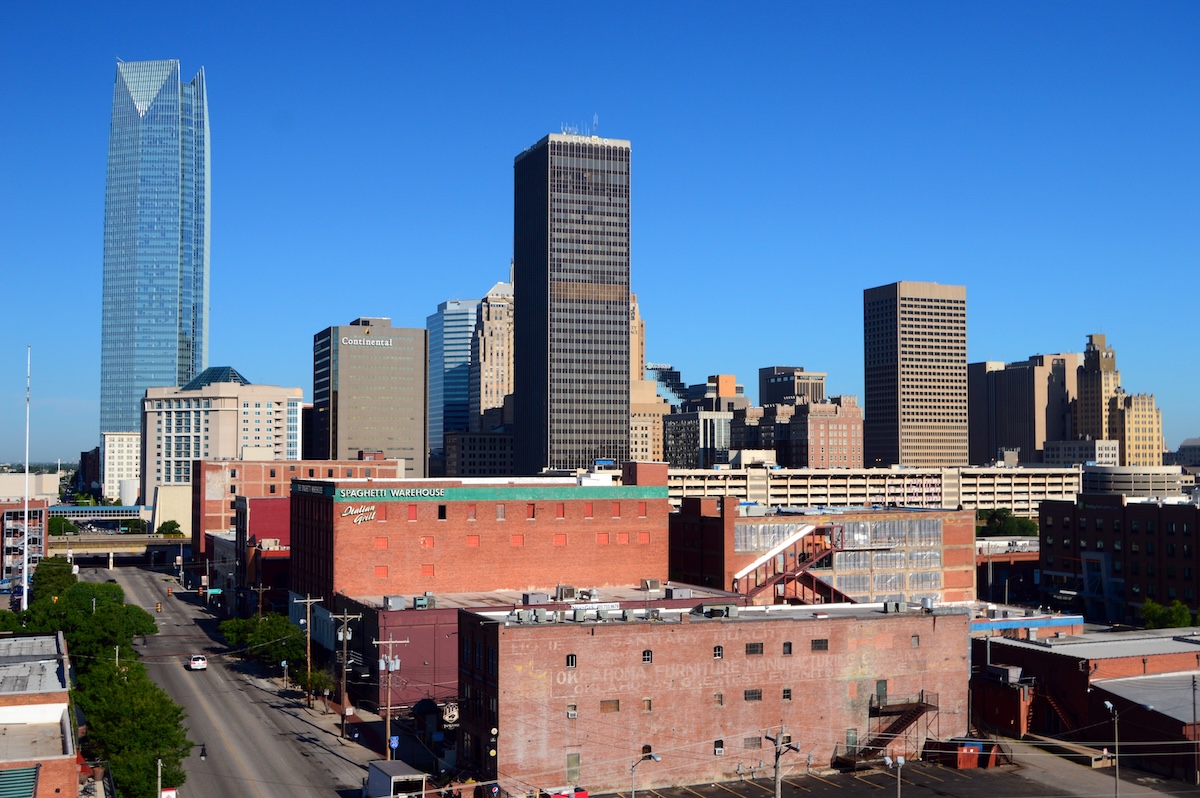
Oklahoma City has reinvented its downtown, and one packed weekend shows you the results. Bricktown’s canal, Scissortail Park’s greenspace and the streetcar make the core far more inviting than it was 20 years ago.
The Oklahoma City National Memorial & Museum is a powerful, essential stop, and the National Cowboy & Western Heritage Museum surprises most visitors with its quality. Thunder games bring a loud, proud crowd, while the Plaza District and Midtown have the better restaurants. Stockyards City adds real cattle-town flavor. Two days covers it comfortably, and a longer stay works best combined with a road trip along Route 66 or toward the Wichita Mountains.
Albuquerque, New Mexico
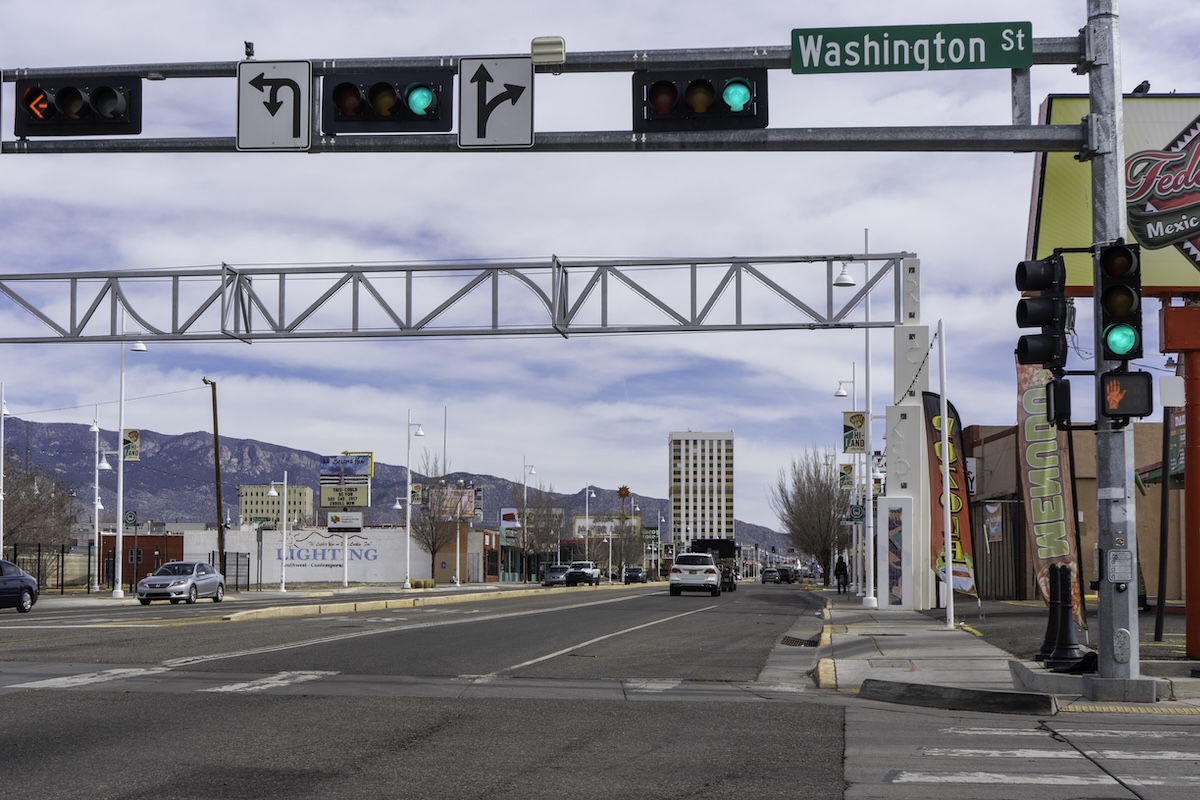
Albuquerque’s imagery is stunning, and you’ll find most of it at the city’s edges. The Sandia Peak Tramway lifts you to over 10,000 feet, Petroglyph National Monument sits on the west side, and the International Balloon Fiesta fills the sky with hundreds of balloons each October.
The city in between feels low-slung and spread out. Old Town’s plaza is charming but compact, and the Central Avenue stretch of Route 66 mixes classic neon with long, worn blocks. Green chile is everywhere, so eat well. Use Albuquerque as a launch point, with Santa Fe an hour north and the Turquoise Trail scenic byway connecting the two.
Kansas City, Missouri
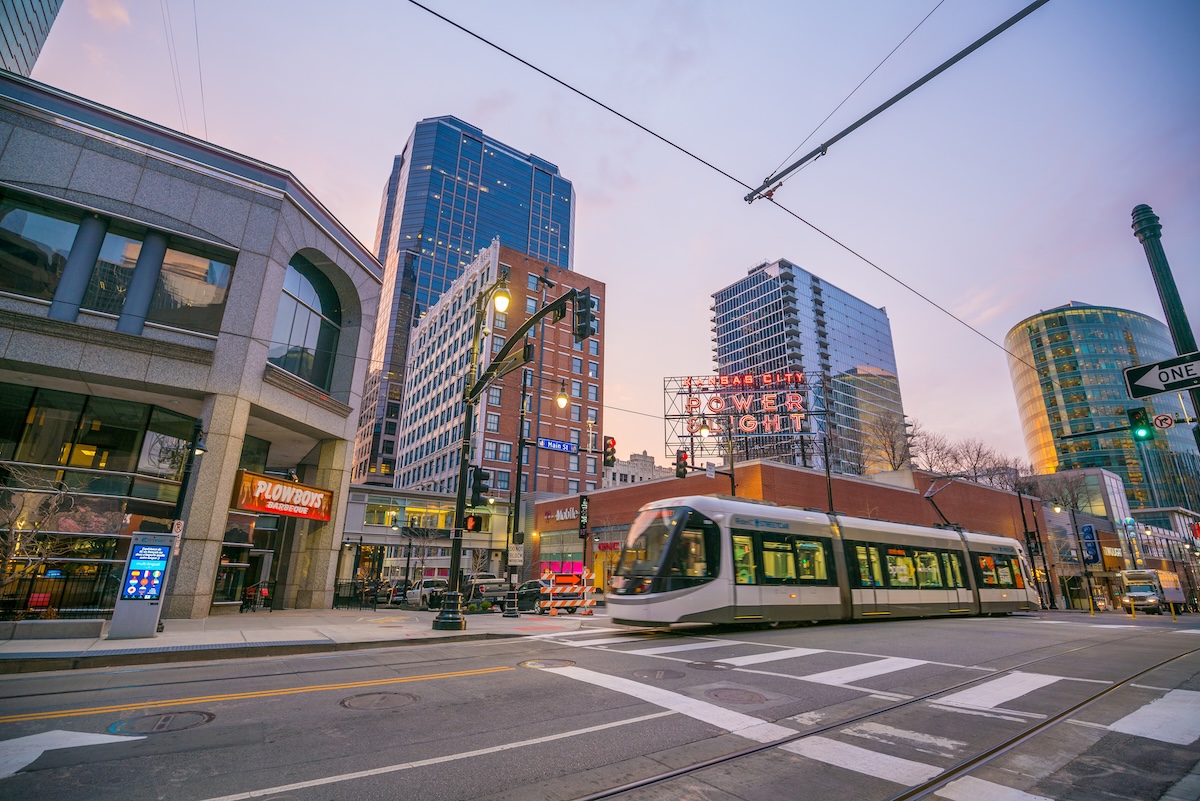
Kansas City delivers barbecue and jazz in full, provided you’re willing to drive between them. Joe’s Kansas City, Arthur Bryant’s and Q39 are scattered around town, while the 18th & Vine Jazz District sits apart from the Country Club Plaza and the Crossroads arts area.
The cultural lineup is stronger than many visitors expect. The Nelson-Atkins Museum of Art is free, and the National WWI Museum and Memorial ranks among the best history museums in the country. The free KC Streetcar runs from River Market through downtown to Union Station, with an extension to UMKC opening recently. Stay near the Crossroads, ride the streetcar and drive for barbecue.
St. Louis, Missouri
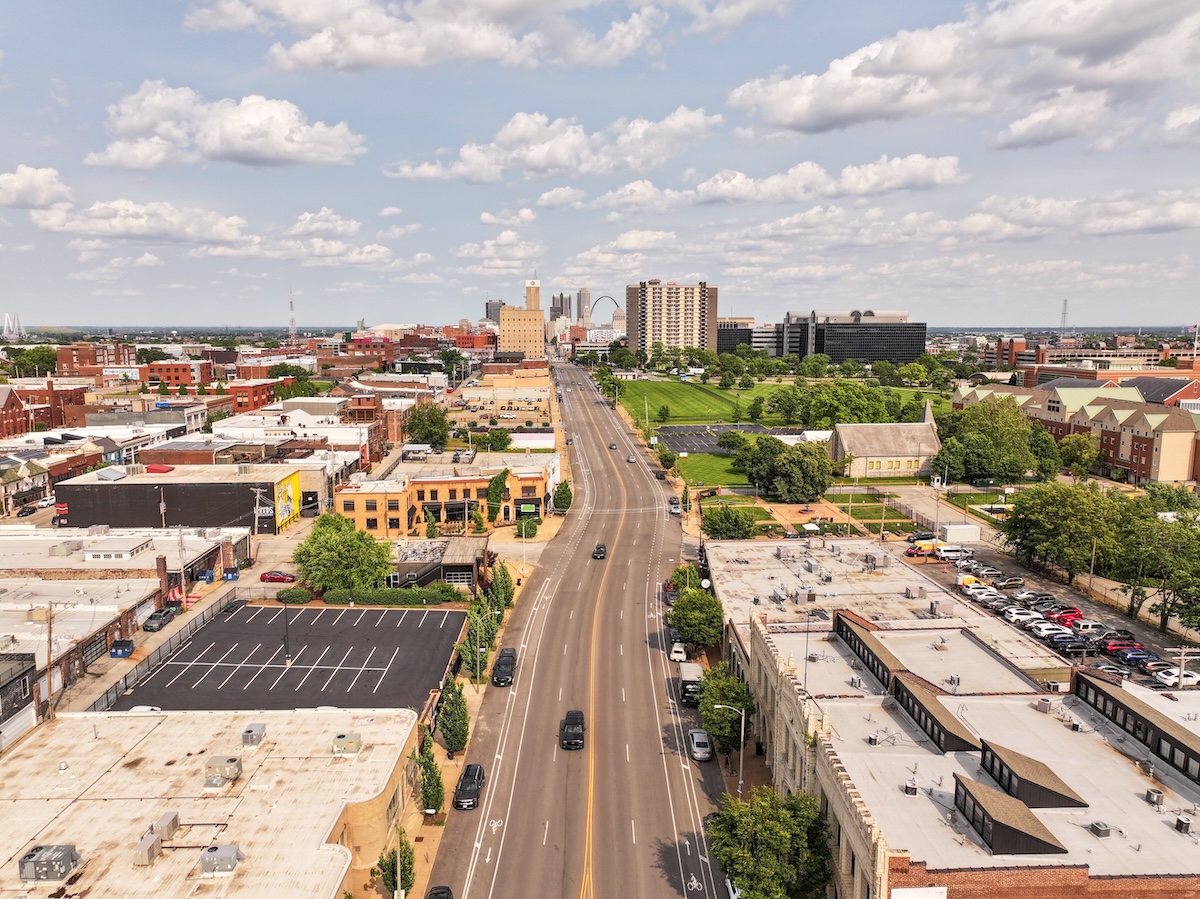
St. Louis has a stacked attraction list, but the city feels quiet once you leave the big names. The Gateway Arch, the free Saint Louis Zoo, the Saint Louis Art Museum and the Missouri History Museum give you plenty to do, most of them in Forest Park.
Getting between areas takes planning. The Central West End, Soulard, the Delmar Loop and The Hill each offer something, whether that’s toasted ravioli on The Hill or blues bars in Soulard. Downtown streets empty out after business hours outside game days. City Museum, a giant playground built from salvaged materials, is the one stop everyone remembers. Base yourself in the Central West End for walkability.
Raleigh, North Carolina
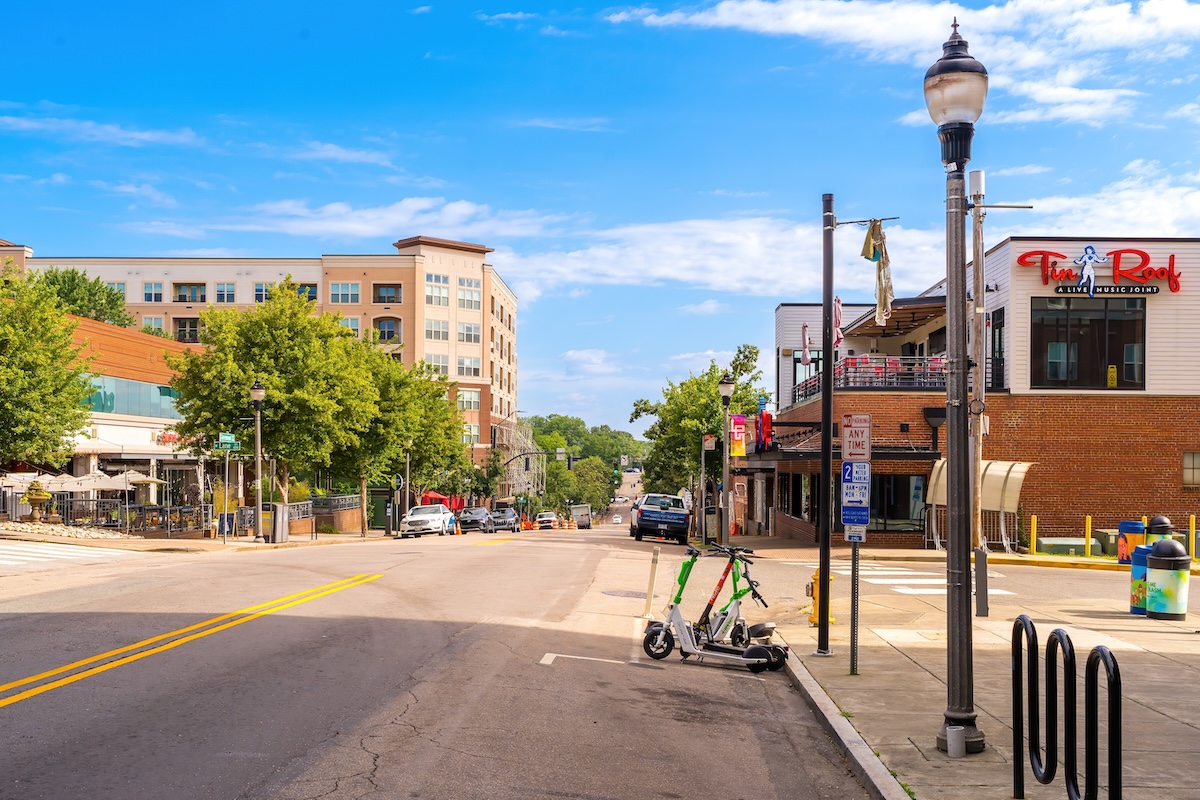
Raleigh is attractive and comfortable, and it works best as part of a wider Research Triangle trip. Its free state museums, including the North Carolina Museum of Natural Sciences and the North Carolina Museum of Art with its sculpture park, offer excellent value.
Downtown’s Fayetteville Street and the Warehouse District have good restaurants and bars, and Ashley Christensen’s spots draw food lovers. Still, the pace feels residential. You’ll get more from the trip by adding Durham’s American Tobacco Campus and Duke Gardens, plus Chapel Hill’s Franklin Street. The Outer Banks and Asheville each sit about three to four hours away, making Raleigh a reasonable start for a longer drive.
Cleveland, Ohio
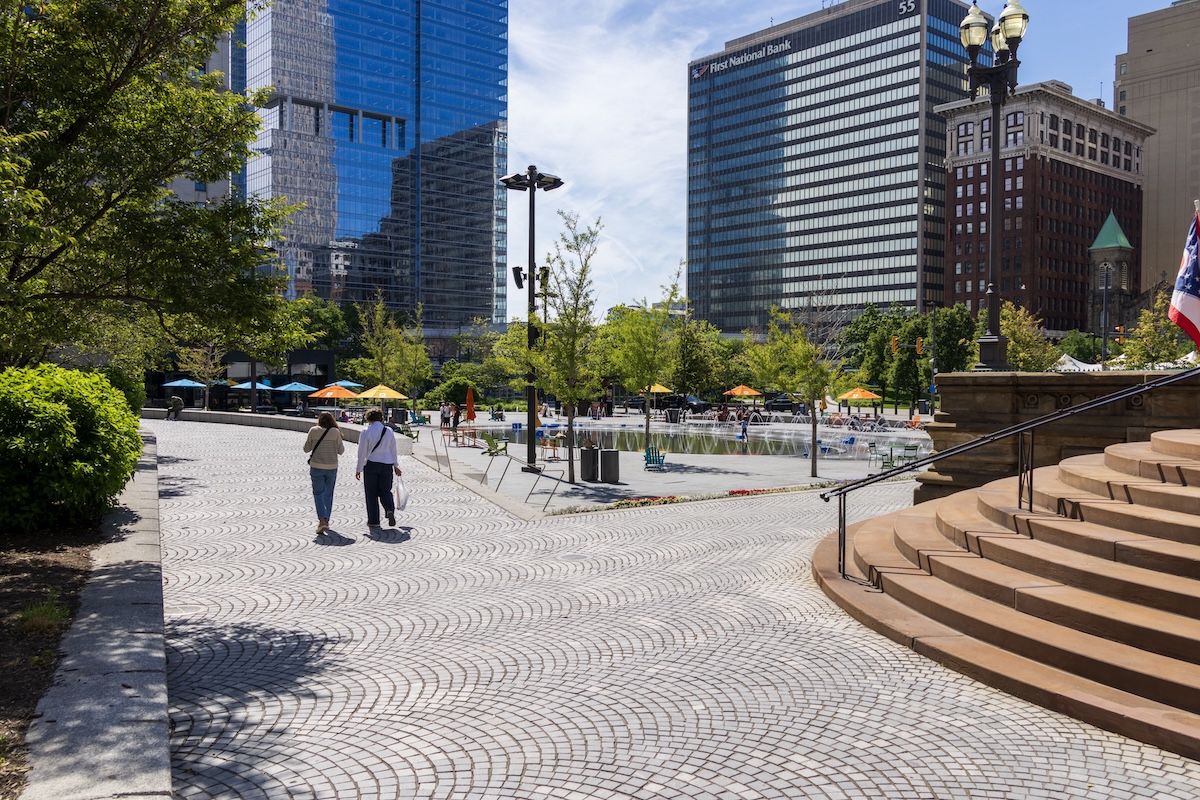
Cleveland’s headline attractions are strong, and you’ll get through them quickly. The Rock & Roll Hall of Fame sits on the lakefront, while University Circle holds the free Cleveland Museum of Art, the Cleveland Orchestra’s Severance Music Center and the Cleveland Botanical Garden.
After two days, the itinerary runs thinner. Ohio City’s West Side Market and Great Lakes Brewing make a great afternoon, and Tremont has good restaurants with skyline views. Lake Erie looks inviting in summer but doesn’t deliver much beach-vacation energy. Add Cuyahoga Valley National Park, about 30 minutes south, for waterfalls and a scenic railroad. Visit from June to September, when the city feels most alive.
Detroit, Michigan
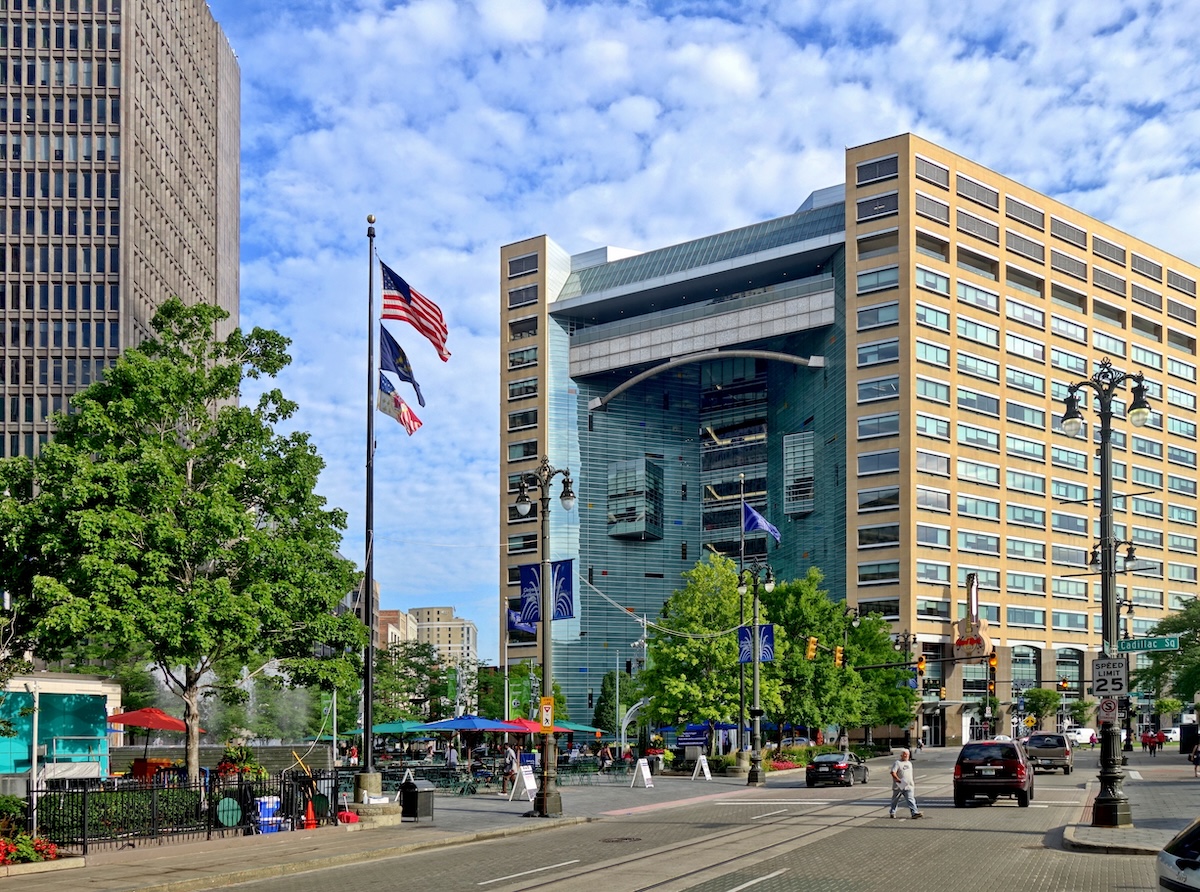
Detroit fascinates, and it asks more of you than most tourist cities do. Its 139 square miles hold dense pockets of revival, separated by long stretches of vacant land. Getting around takes a car and some planning.
The highlights are worth the effort. The Motown Museum, the Detroit Institute of Arts with its Diego Rivera murals and the Henry Ford Museum in nearby Dearborn tell the city’s story in depth. The Guardian Building, the Riverwalk and the restored Michigan Central Station show off the architecture and the comeback. Stay downtown or in Corktown, use the QLine along Woodward Avenue and book guided architecture tours for context.
Houston, Texas
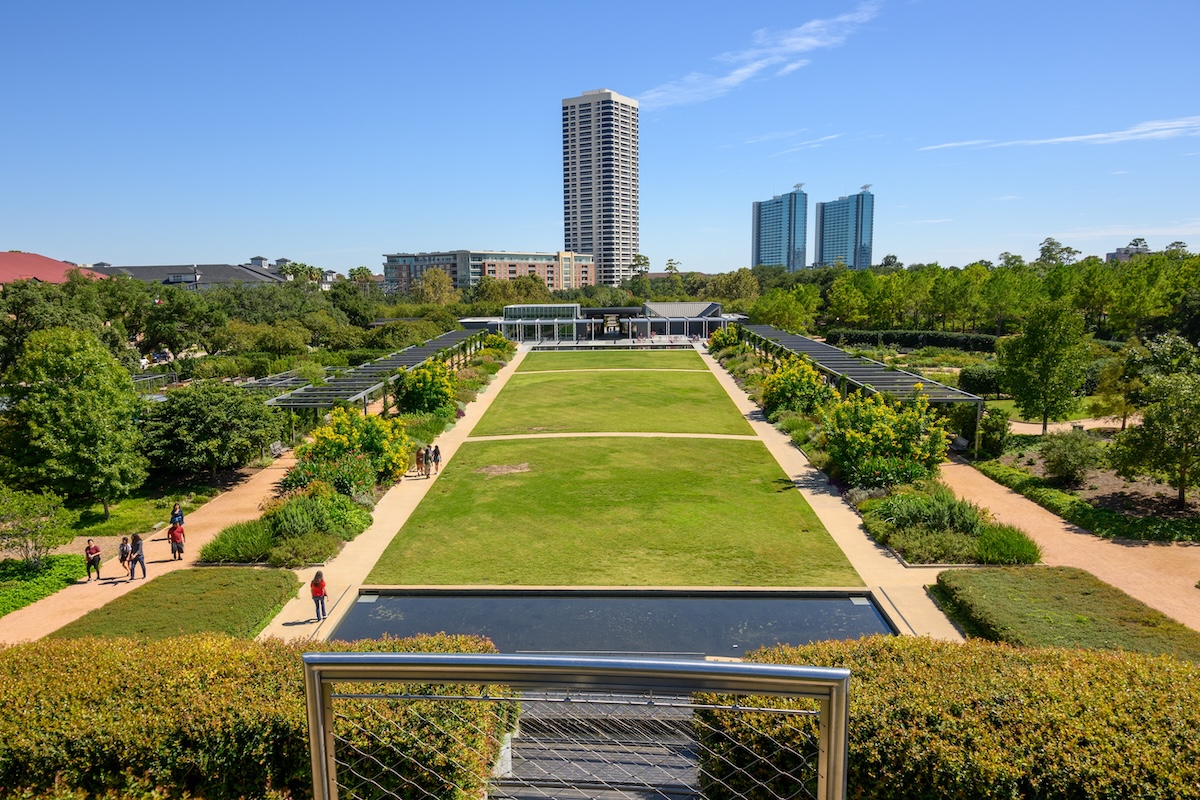
Houston might be the best food city on this list, and its sprawl makes you work hard for every meal. Vietnamese crawfish, Gulf seafood, Tex-Mex, Nigerian and Indian restaurants spread across a metro area threaded by some of the country’s busiest freeways.
The Museum District makes your strongest base, with the Museum of Fine Arts, the Menil Collection and the Houston Museum of Natural Science near Hermann Park. Space Center Houston sits about 30 miles south. Montrose and the Heights have walkable stretches, but most outings mean driving, and summer humidity discourages walking anyway. Visit in spring or fall, and plan each day around one neighborhood.
Sacramento, California
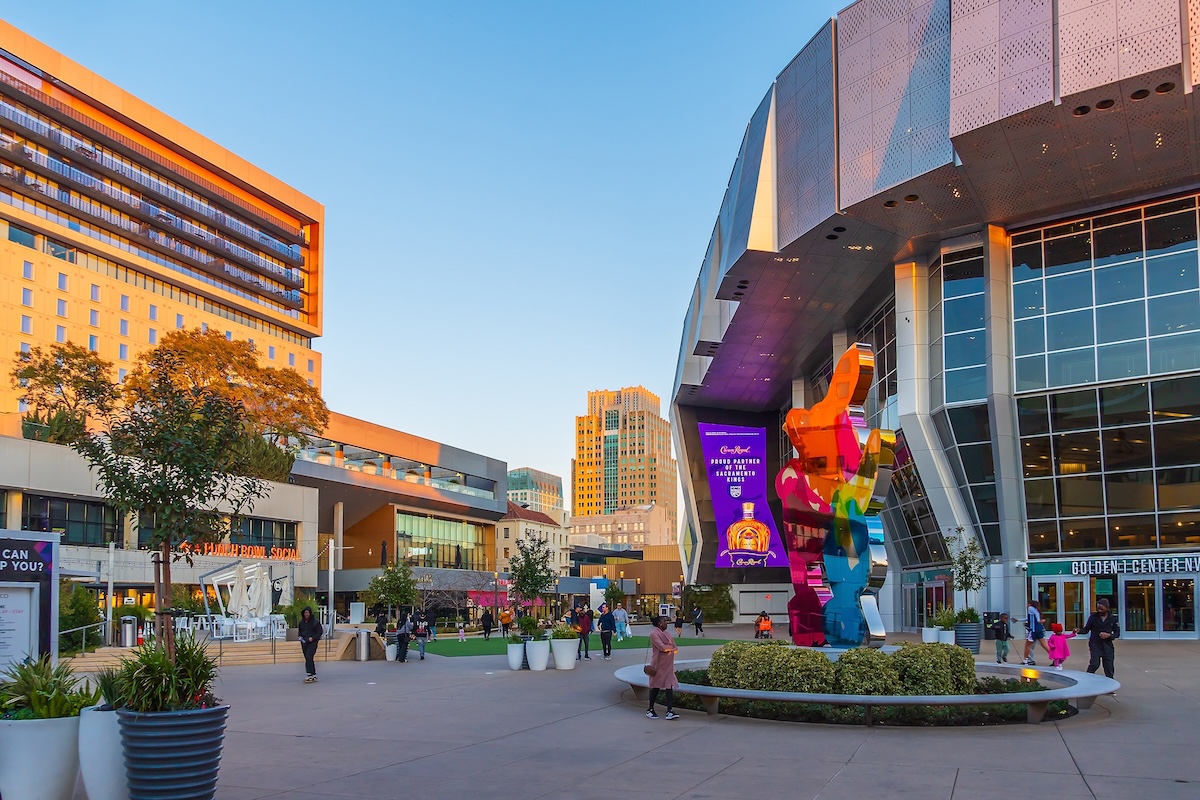
Sacramento makes a fine base and a thin destination. The State Capitol, Old Sacramento’s Gold Rush-era waterfront and the California State Railroad Museum fill a single day nicely.
The food scene has earned its farm-to-fork branding thanks to the surrounding Central Valley agriculture, and Midtown has good restaurants and bars. Beyond that, the headline attractions run short. The region is the selling point: Napa and Sonoma lie about an hour west, Lake Tahoe roughly two hours east, and Amador County’s quieter wineries sit in the Sierra foothills. Use Sacramento’s lower hotel rates as a jumping-off point for those trips.
Tampa, Florida
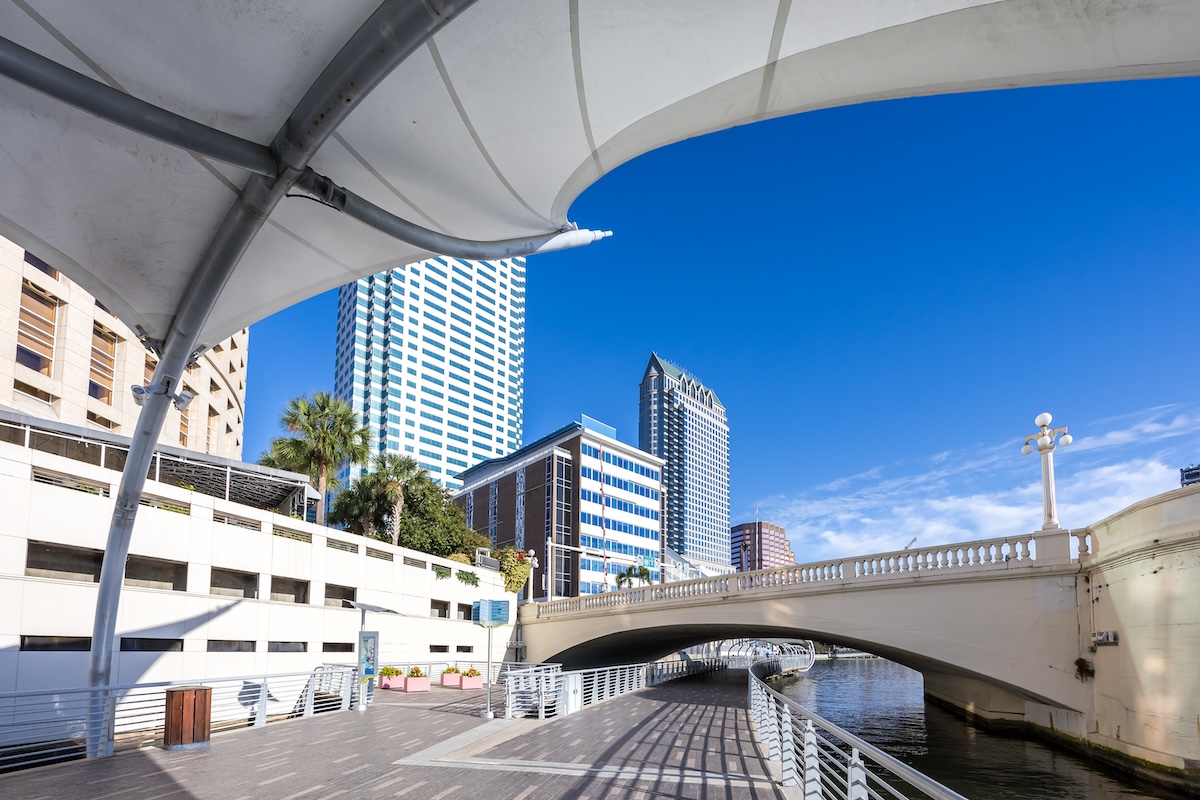
Tampa offers a pleasant Florida city, with the famous beaches about 30 to 45 minutes away. The Tampa Riverwalk ties together downtown, the Florida Aquarium and the Tampa Museum of Art. It’s one of the city’s best improvements.
Ybor City adds Cuban sandwiches, cigar history and nightlife, while Busch Gardens brings coasters and animal exhibits. Lightning and Buccaneers games draw big crowds. If sand is your goal, Clearwater Beach and St. Pete Beach deliver, though bridge traffic slows the drive. You’ll have a smoother trip if you stay in St. Petersburg, where a walkable downtown and the Dalí Museum give you city and coast in one place.
Virginia Beach, Virginia
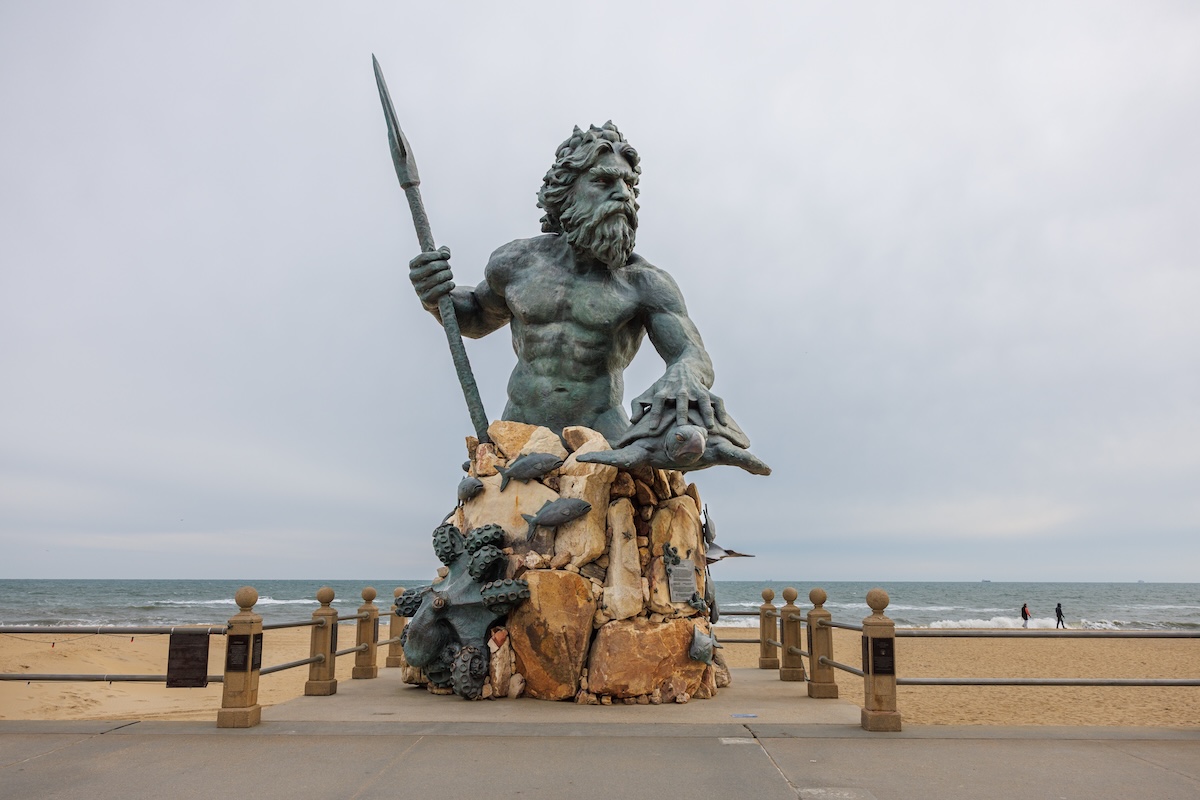
Virginia Beach has miles of sand and a boardwalk lined with high-rise hotels that could belong to almost any East Coast resort. The three-mile oceanfront boardwalk gets busy and stays family-friendly, with chain restaurants and souvenir shops filling the blocks behind it.
You’ll find more character around the edges. Sandbridge has quieter beaches and rental homes, First Landing State Park offers trails through cypress swamp, and the Virginia Aquarium makes a solid rainy-day stop. Back Bay National Wildlife Refuge protects undeveloped dunes. Historic Norfolk and Colonial Williamsburg are both within an hour, so stay near Sandbridge or the North End for a calmer stretch of coast.