
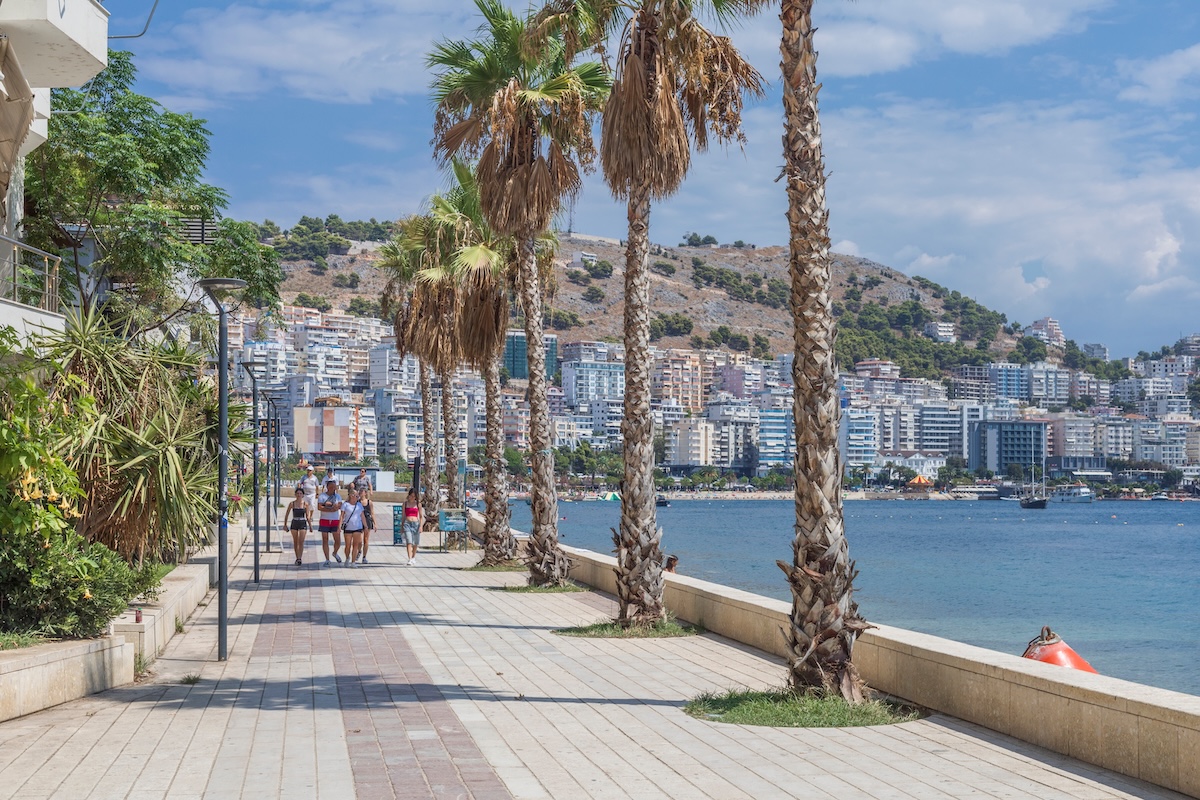
Tucked between rugged mountains and a stretch of turquoise coastline, this country sits quietly, mostly ignored by travelers. While crowds pour into neighboring Greece and Italy, this place offers similar beauty—just with far fewer crowds. Here, you’ll stumble upon pristine beaches, ancient ruins, and locals who genuinely seem happy to share their culture with anyone curious enough to visit.
Albania delivers an authentic European experience that’s getting harder to find these days. Years of isolation kept its coast and historic sites mostly untouched. You can roam archaeological sites, swim in clear blue water, and get lost in Ottoman-era towns—without battling through lines of selfie sticks.
This Balkan country brings together low prices, real hospitality, and scenery that honestly holds its own against any picture-perfect destination. The Albanian Riviera basks in sunlight, while centuries of history stack up in its fortresses and cities. It’s no wonder more travelers are starting to catch on—Albania’s been hiding in plain sight all along.
Riviera Beaches Without the Crowds
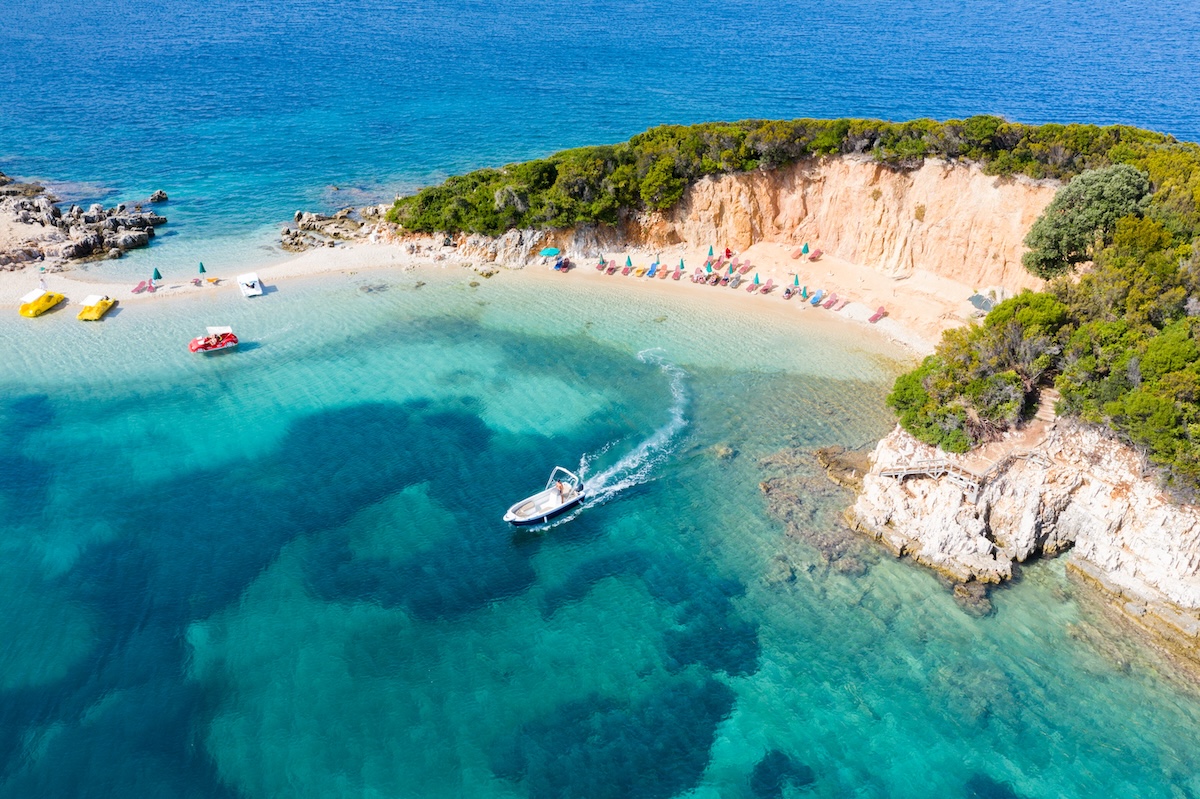
Along Albania’s Ionian coast, you’ll find some of the Mediterranean’s most unspoiled beaches. Crystal waters meet white pebbles, and mountains loom just behind. The best part? There’s actually room to breathe. You can toss your towel down and not worry about elbowing a stranger.
In towns like Dhërmi and Jale, the vibe stays relaxed and refreshingly simple. Forget endless beach clubs or high-rise hotels blocking out the sky. Instead, you’ll run into family-run guesthouses, little seafood joints, and stretches of sand where locals still outnumber the tourists—at least for now.
The sea here glows with that unreal turquoise you see in postcards, practically begging you to dive in. Maybe you’ll find a hidden cove by boat, or just lounge on Ksamil’s main beaches, but either way, there’s still a sense of discovery that’s mostly vanished from Europe’s southern shores. And honestly, the prices? Still surprisingly fair, especially compared to the usual Mediterranean hotspots.
Layered History from Illyrians to Ottomans
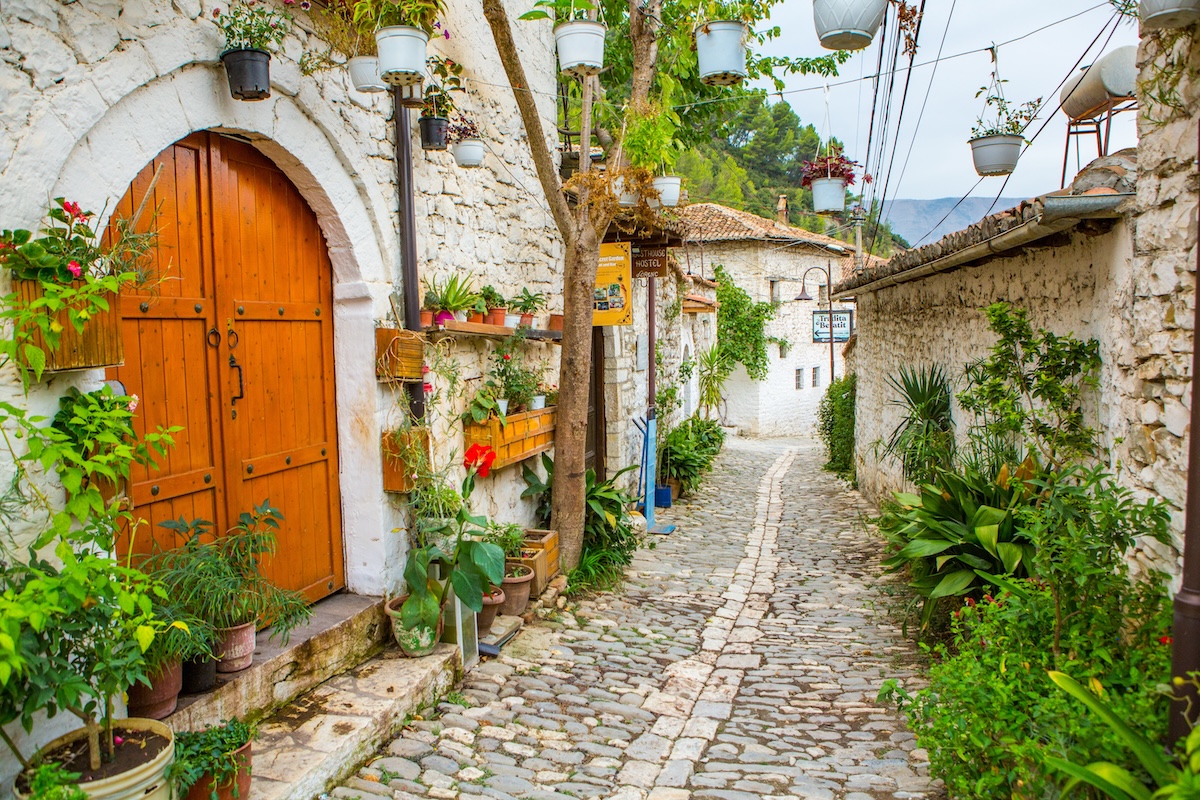
Albania’s landscape wears its history right on the surface. If you look closely, you’ll spot traces of nearly every major civilization that’s ever swept through the Balkans. The Illyrians kicked things off more than three thousand years ago, setting up fortified hilltop sites—some of which still peek out from the countryside. Romans came stomping through next, leaving behind amphitheaters and aqueducts. Then the Byzantines moved in, building monasteries and defensive towers on those strategic mountain passes nobody ever seems to forget.
But the Ottoman Empire probably left the boldest imprint. Spend an afternoon wandering the bazaars in Gjirokastër or Berat—both now UNESCO World Heritage sites—and you’ll see what I mean. Stone houses tumble down the hillsides, and minarets break up the skyline in a way that feels both ancient and alive. Mosques, tekkes, hammams—they all show off the era’s architectural flair, somehow fitting right in with the older Byzantine bones beneath them.
Fast-forward to the 20th century, and you can’t miss the communist-era bunkers and those hulking brutalist apartment blocks. Between the 1960s and 1980s, they built over 170,000 concrete bunkers, turning Albania into one of the most militarized societies in Europe. These odd little structures now dot the landscape as quirky, stubborn reminders of the country’s isolated past. It’s kind of wild—ancient theaters, medieval castles, and all those bunkers, side by side. Through it all, Albania’s fiercely independent spirit never really faded.