
The Caribbean and Central America contain dozens of destinations that deliver turquoise water, cheap seafood, and warm weather. This is all without the resort pricing that the famous islands charge for the exact same experience. Most Americans book the same shortlist of destinations and never look past it, which works out well for everyone who actually did.
These spots sit within a few hours of American airports, accept US dollars without complaint, and offer beach experiences that rival anything the premium destinations sell at three times the cost. Pack light, bring cash, and lower your expectations for infrastructure while raising them for everything that actually matters.
Puerto Escondido, Mexico
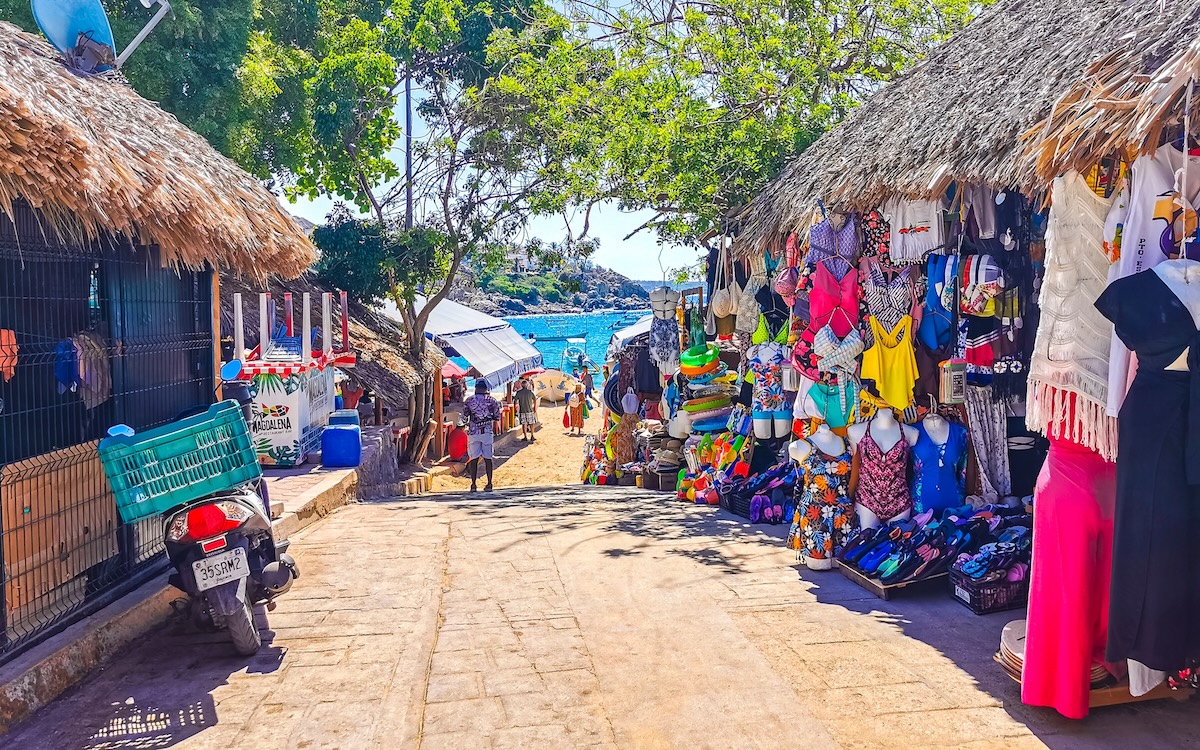
The Oaxacan coast has waves that professional surfers travel specifically to challenge, and the Zicatela Pipeline earns that reputation time and time again. Non-surfers can watch from beach bars at a safe distance, which turns out to be much more entertaining given the scale of what breaks on that stretch.
The surrounding beaches at La Punta and Playa Carrizalillo deliver calmer water for everyone who prefers swimming to being destroyed by the Pacific. The food situation reflects the wider Oaxacan state reputation, with fresh seafood and mezcal covering most visitor needs. And the prices are all at a level that make ordering an extra round feel like a financially responsible decision.
Placencia, Belize
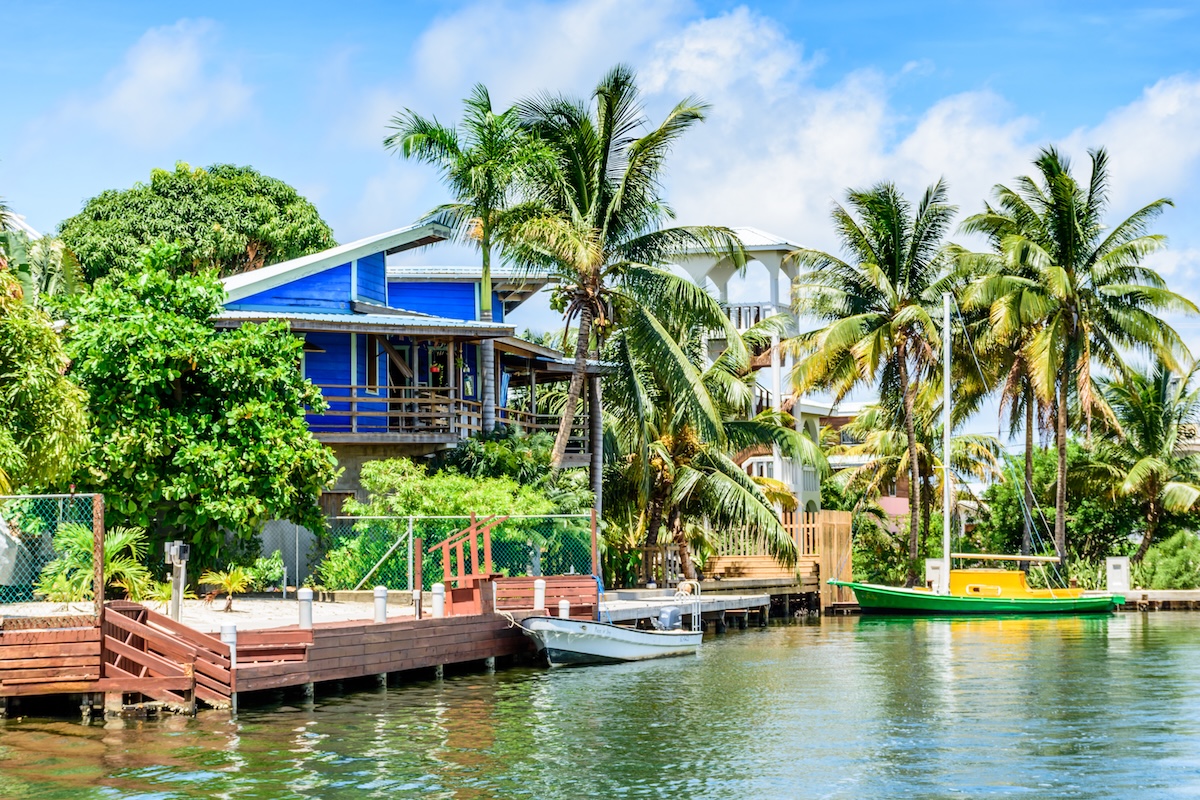
A narrow peninsula in southern Belize points south into the Caribbean with a main street so narrow it holds the Guinness record for the world’s narrowest. The village end of the peninsula keeps things slow and walkable, while the Belize Barrier Reef, running just offshore, gives snorkelers and divers access to the second-largest reef system in the world without significant boat travel time or expense.
Placencia sits far enough south to stay off the main Belizean tourist circuit that San Pedro and Caye Caulker thrive on, which keeps accommodation affordable and the beach uncrowded on all but the busiest holiday weekends.
Las Terrenas, Dominican Republic
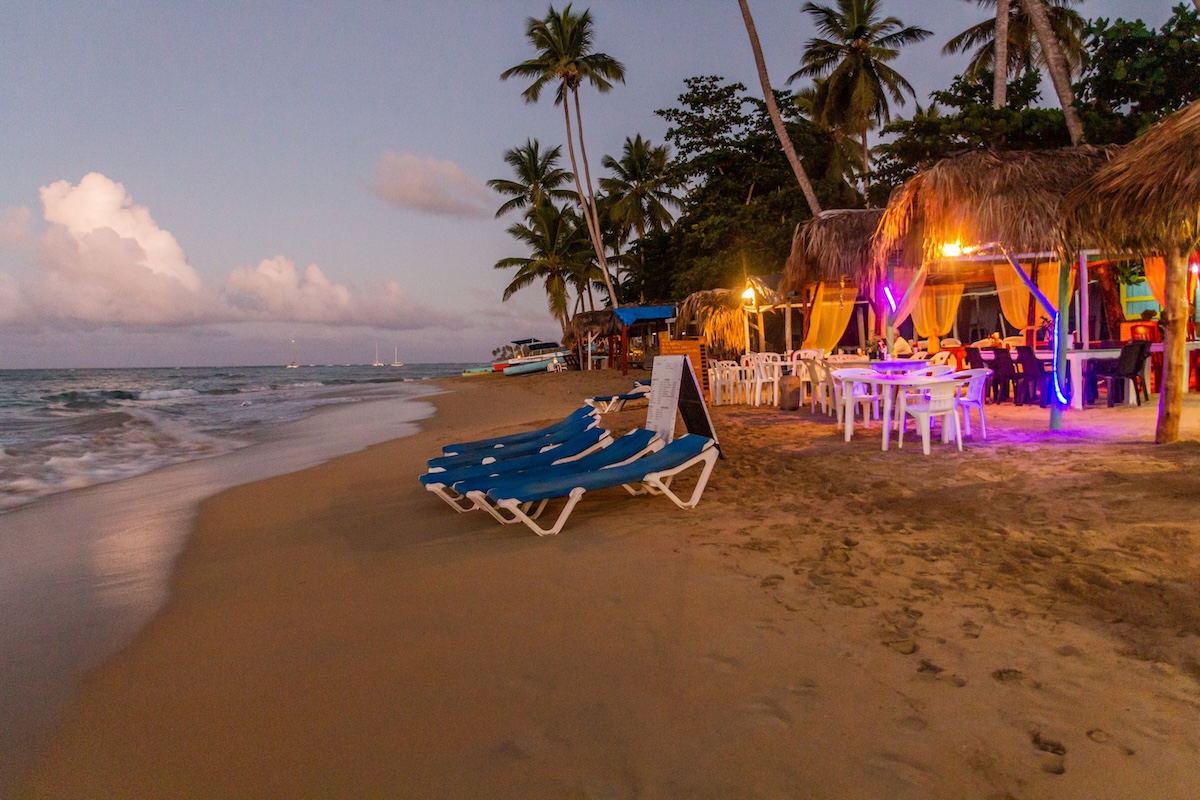
French and Italian expats discovered this Samaná Peninsula town decades ago and built a food and café scene that makes no geographical sense. This is until you understand that Europeans follow good beaches the way Americans follow highways. The result is a Caribbean beach town where fresh fish tacos and decent wine share the same menu, and the beaches stretch for kilometres without the wall-to-wall resort development that the DR’s south coast absorbed long ago.
Playa Bonita and Playa Las Ballenas both sit within cycling distance of the town center, and the whale watching season from January through March adds a natural spectacle that the beach alone doesn’t really need but benefits from considerably.
Bocas del Toro, Panama
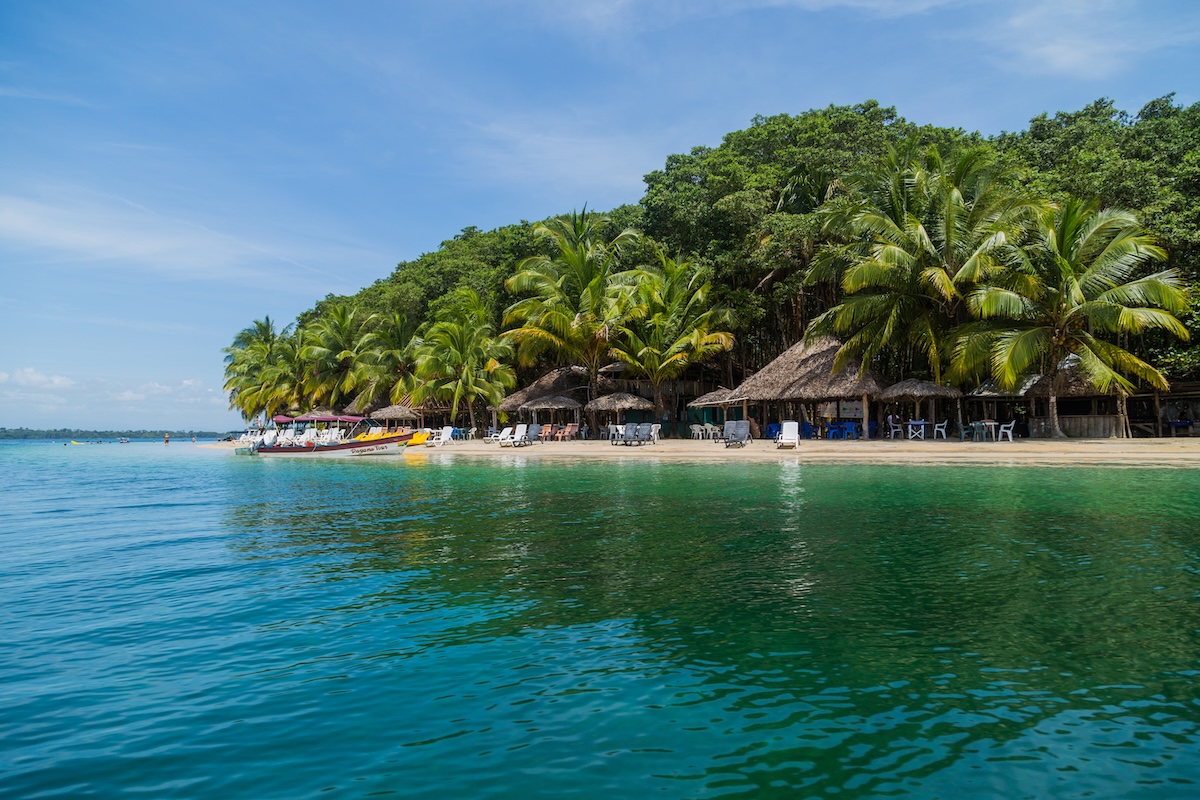
The archipelago off Panama’s Caribbean coast runs on a backpacker economy that keeps costs low and social energy high. It comes with colorful wooden buildings on stilts above the water and water taxis connecting islands that each develop slightly different personalities.
Isla Colón holds the main town hub, Isla Bastimentos protects a national marine park with red frog beaches and reef snorkeling, and the outer islands reward anyone willing to rent a kayak and find their own patch of Caribbean. The rainy season here runs long, and the infrastructure stays basic, both of which are the island’s strongest assets if you are looking for a quiet escape.
Roatán, Honduras
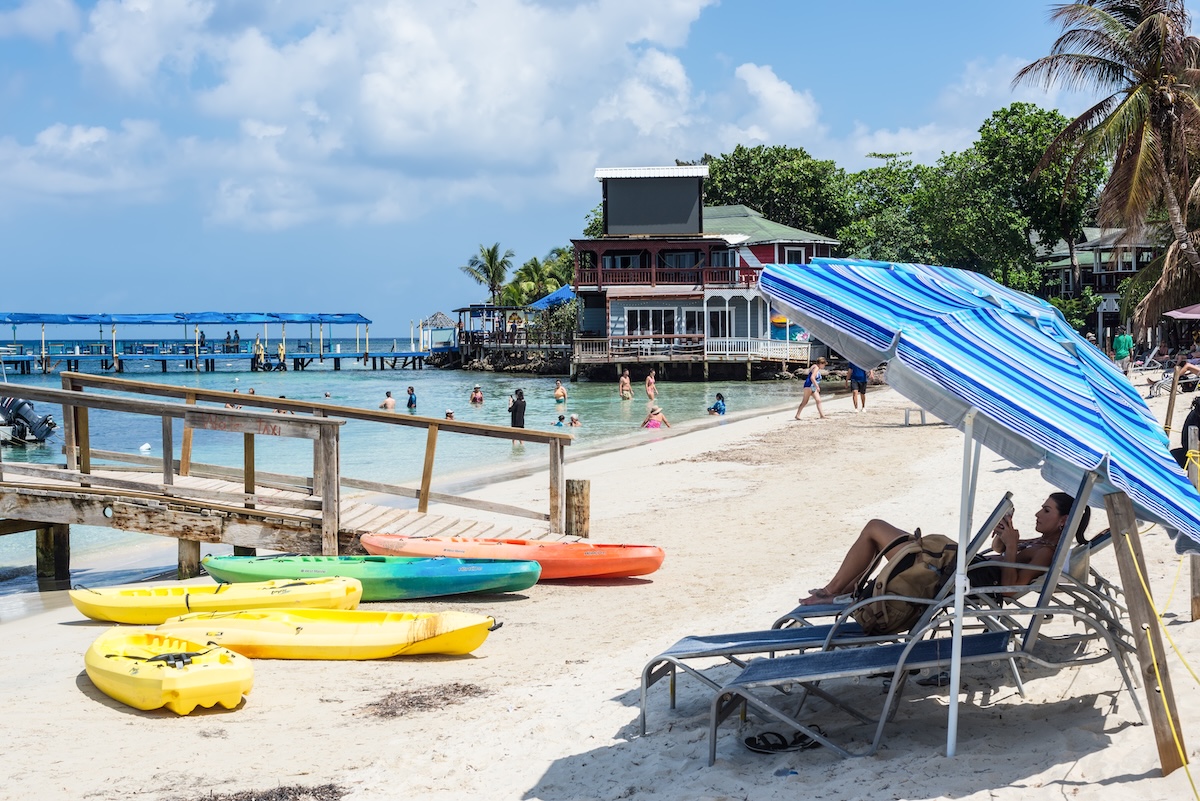
Honduras doesn’t make most Caribbean shortlists despite Roatán sitting on the Mesoamerican Barrier Reef. It has dive conditions that serious underwater travelers rank among the Caribbean’s best at a fraction of what comparable diving costs in the Cayman Islands.
West End village covers the budget end of the market with dive shops, fish restaurants, and beach bars sharing a walkable strip that the backpacker crowd and serious divers use in harmony. The island stretches 48 kilometres east to west, and the further east you go, the less the tourist infrastructure intrudes on what the island actually looks like when left to its own devices.
Puerto Viejo de Talamanca, Costa Rica
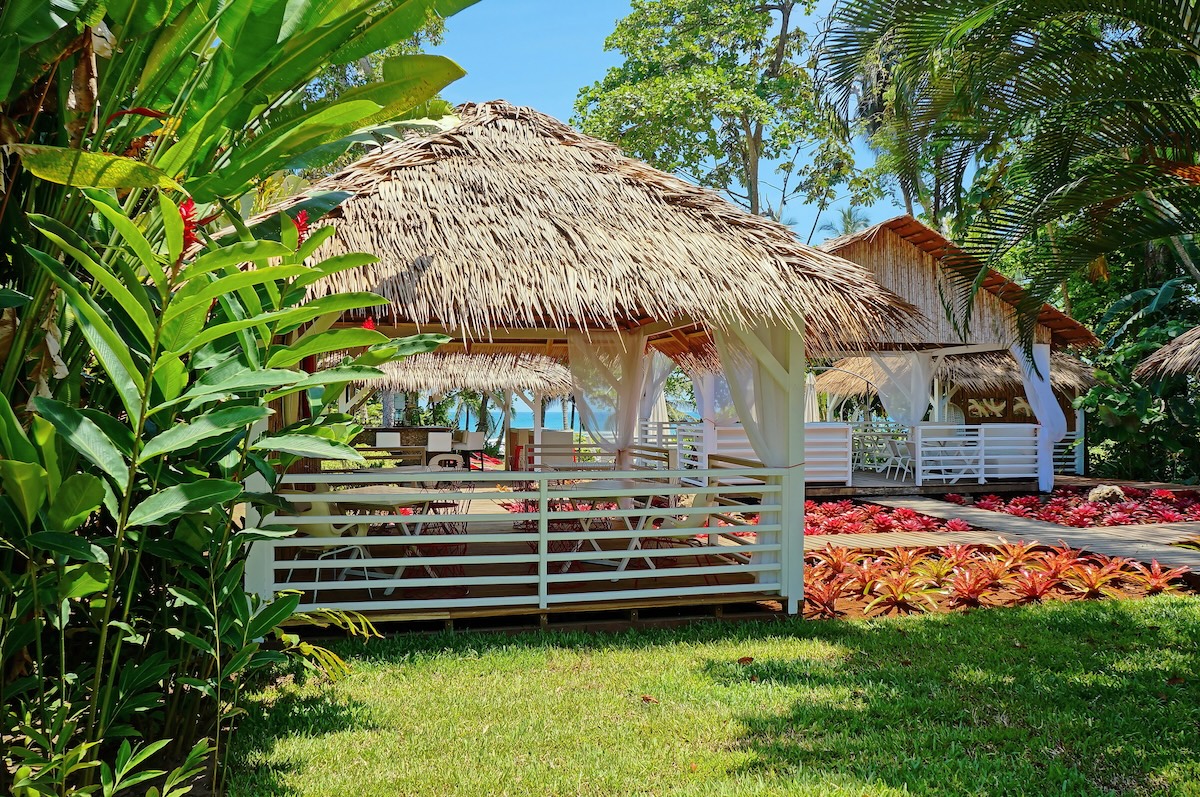
The Caribbean coast version of Costa Rica operates on a completely different frequency from the Pacific side that most visitors book. Afro-Caribbean and indigenous Bribri culture shaped the food, music, and general pace of Puerto Viejo in ways the Pacific resort towns never developed.
Cocoa farms, jungle sloths, and the Jaguar Rescue Center sit within cycling distance of beaches that the Lonely Planet crowd discovered and the package holiday crowd luckily missed. Punta Uva and Manzanillo, a few kilometres south, deliver the clearest water and the calmest swimming on this stretch of coast, and the bike ride between them covers Caribbean jungle that makes the rental fee seem insignifficant.
Rincón, Puerto Rico
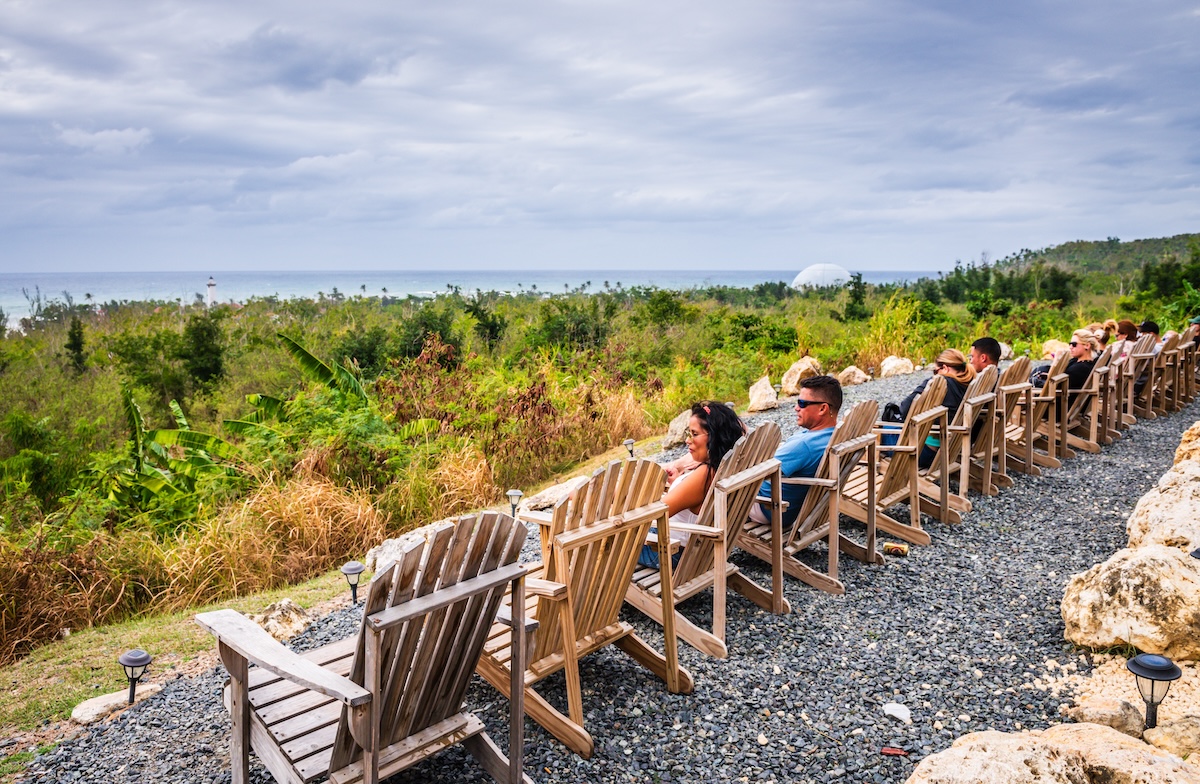
Puerto Rico’s west coast surf town draws the wave-riding crowd every winter when North Atlantic swells wrap around the island’s northwestern corner and produce some of the best surfing in the Caribbean. Outside those months, Rincón settles into a beach town rhythm that suits visitors who want good food, clear water, and whale watching from December through March without paying resort prices.
As a US territory, Puerto Rico removes every logistical concern about currency, language, and travel documentation that makes some travelers hesitate with other Caribbean destinations. The sunsets here face directly west toward the open Atlantic, and the town built an entire bar culture around watching them.
Caye Caulker, Belize
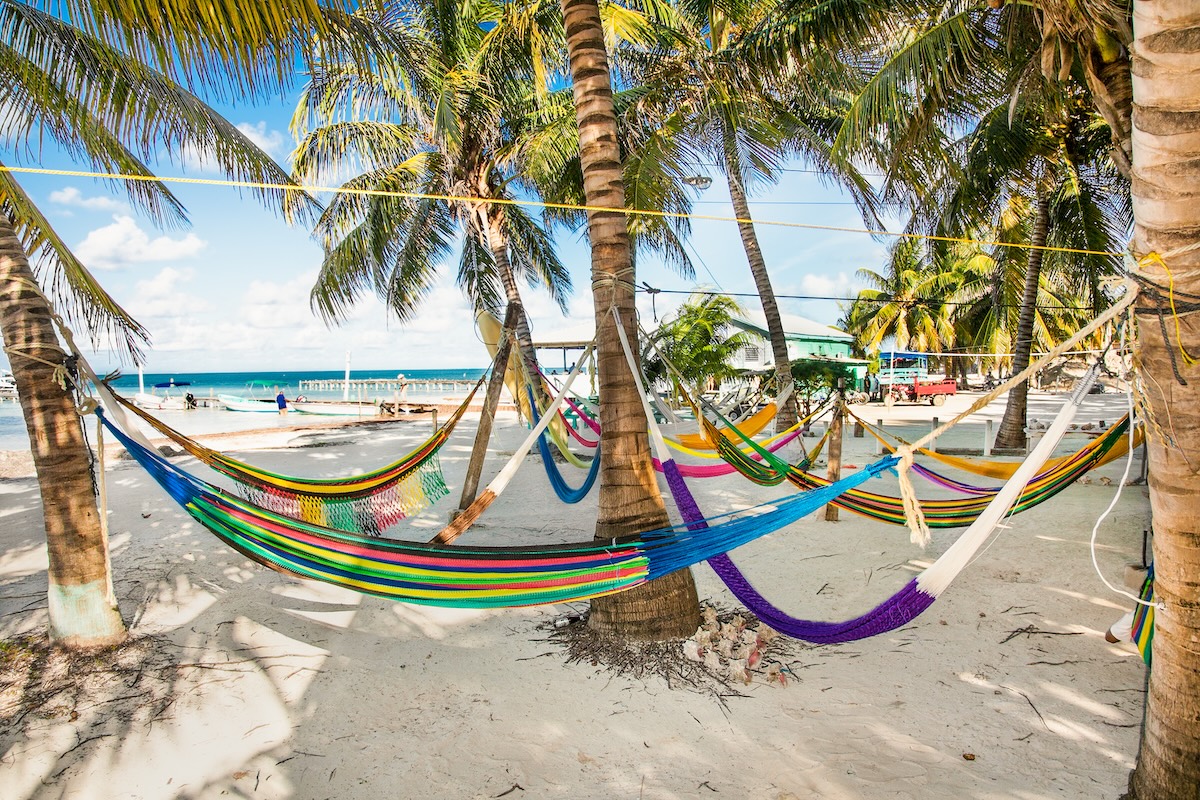
The island motto is “go slow,” painted on signs throughout a car-free village where golf carts and bicycles handle all transport. The Split, a channel carved through the island by a 1961 hurricane, creates a natural swimming hole where the current keeps the water clear and cold, and the surrounding beach bars stay busy from mid-morning onward without anyone checking the time.
The snorkeling right off the island reaches nurse sharks and rays at the Shark Ray Alley shallows, and day trips to the Blue Hole depart from the main dock for visitors who want something more dramatic than the already impressive house reef provides. But the main attraction remains the unworried pace, something that has become a rare commodity.
Pipa, Brazil
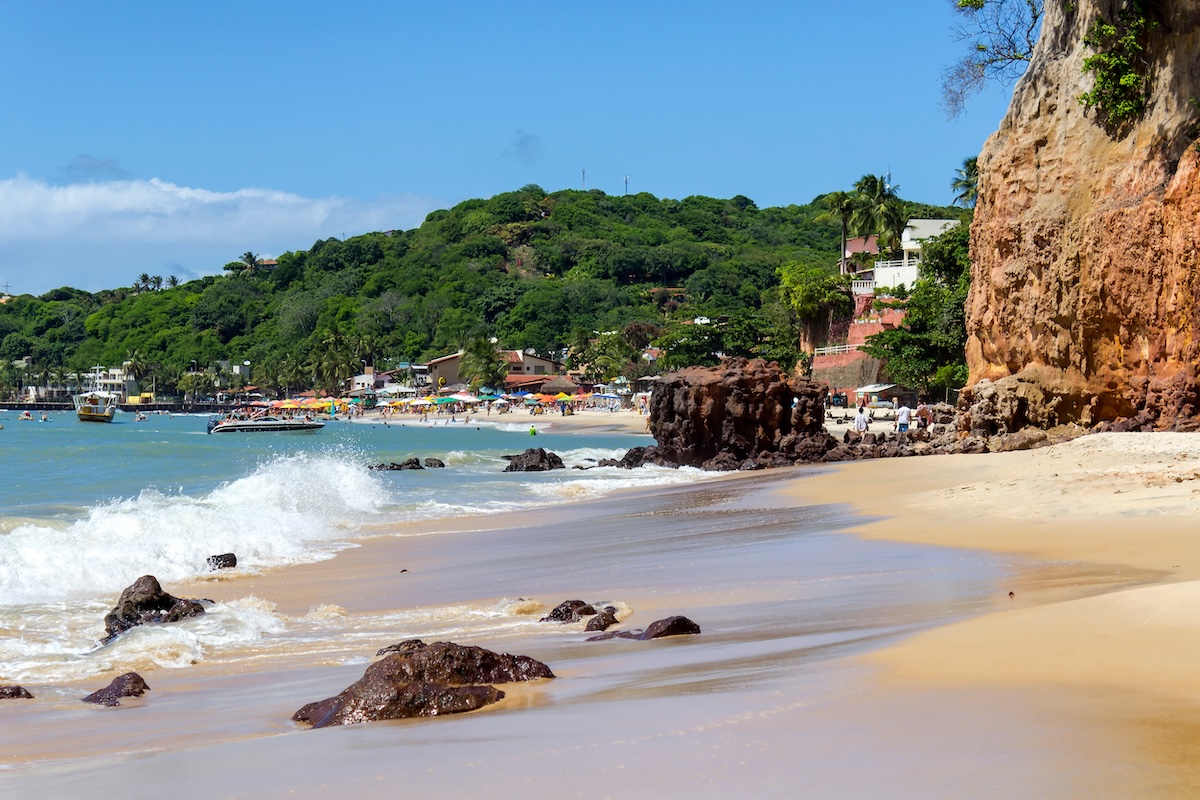
Rio Grande do Norte’s most beautiful beach town sits at the end of a road through sugarcane fields that filters out visitors who didn’t look hard enough at the map beforehand. Cliffs drop to beaches isolated by the tide into separate coves at low water, and natural pools form in the reef shelf. Spinner dolphins also appear offshore consistently, a huge draw for every girl who was Lisa Frank obsessed for most of the 90s.
The town above the cliffs overflows with restaurants and bars that Brazilian domestic tourism keeps busy. This means that the food and nightlife operate at a standard that can’t be maintained by beach towns that rely solely on foreign visitors. If the local experience is your priority, this is the place to be.
La Paz, Mexico
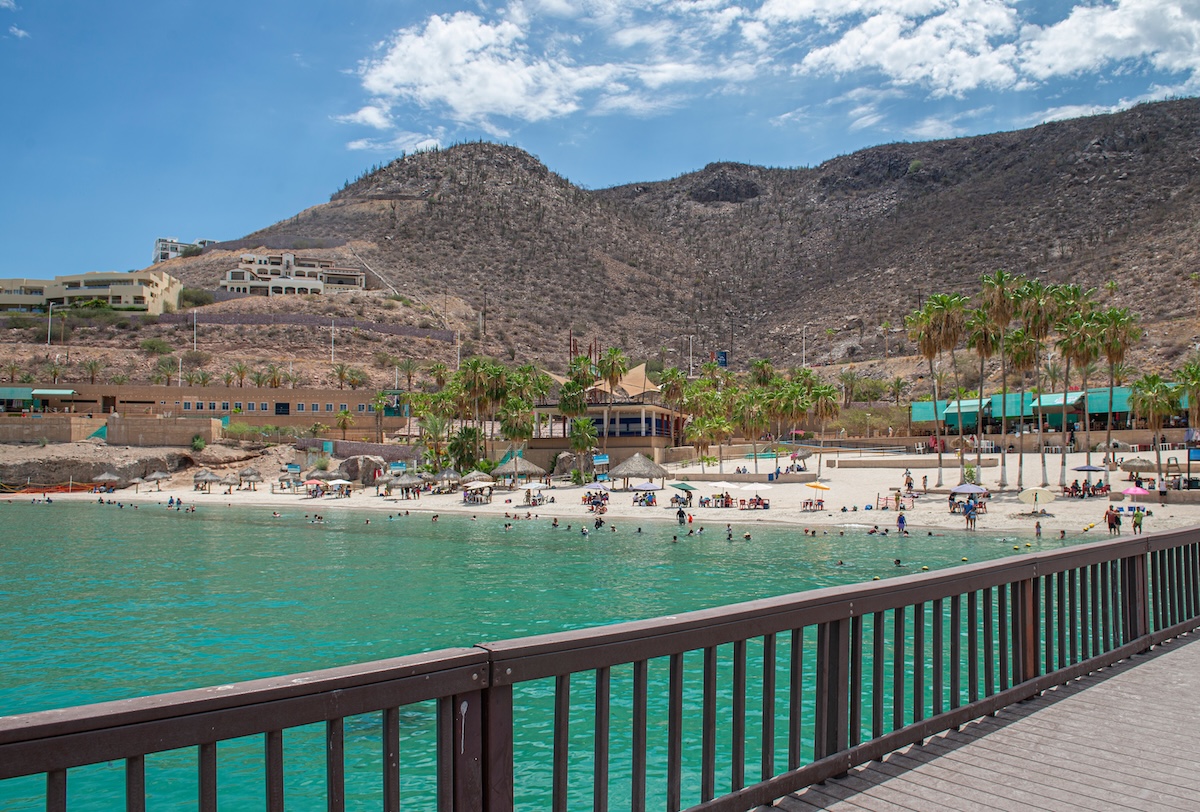
The Sea of Cortez that Jacques Cousteau called the world’s aquarium surrounds this Baja California Sur city. It is booming with whale sharks from October through April, sea lion colonies year-round, and a manta ray population that snorkelers can encounter on morning boat trips departing before breakfast.
La Paz functions as a real Mexican city rather than a resort corridor, with a malecón waterfront promenade, local markets, and restaurants serving Baja seafood to residents who live here, not just to visitors passing through. The beach clubs south of the city at Balandra and El Tecolote have water in a unique shade of pale turquoise thanks to the Sea of Cortez’s shallow bay geography, and both beaches stay free to access.
Santa Marta, Colombia
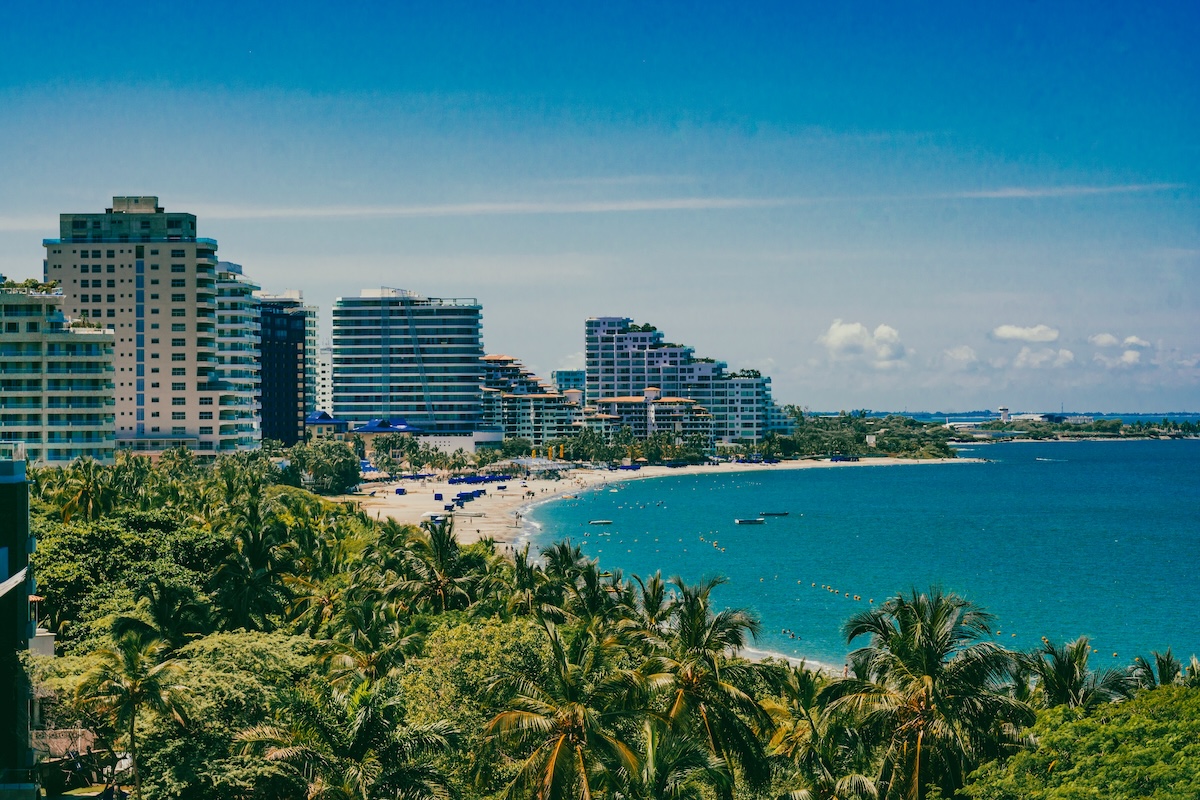
The Sierra Nevada mountains dropping directly to the Caribbean coast give Santa Marta a geographic drama that Cartagena’s colonial beauty, just down the coast, doesn’t compete with on natural grounds. Tayrona National Park sits 34 kilometres east with jungle trails connecting beaches that require hiking in to reach, which keeps the sand and water at a quality that road-accessible Colombian beaches struggle to maintain.
The city itself holds a historic center, a local food market, and a waterfront that Colombians actually use rather than perform for tourists. The surrounding coffee farms and indigenous Kogi communities make the wider region worth considerably more than a beach week alone suggests.
Bayahibe, Dominican Republic
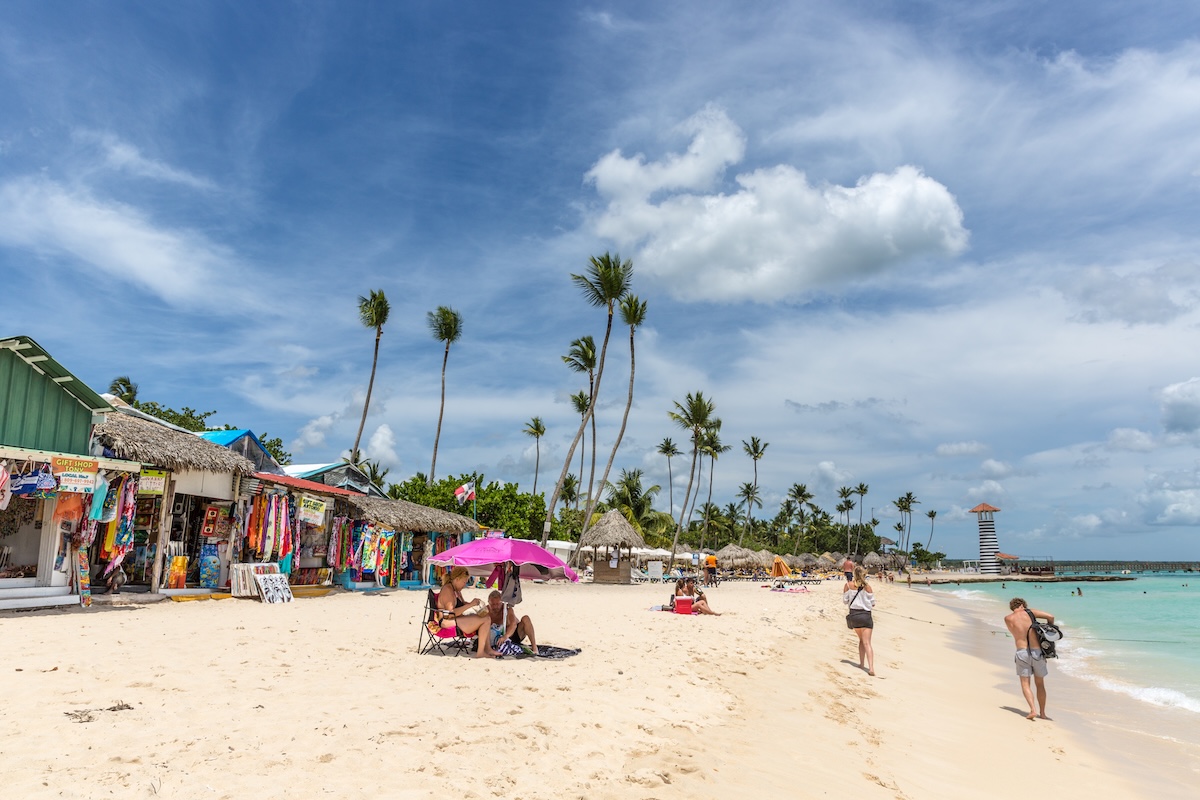
This small fishing village on the DR’s southeast coast serves as the jumping-off point for Saona Island day trips that every tourist operator in La Romana sells. But Bayahibe itself stays quiet enough that the departing boats take most of the crowd with them by 9 am, and the village returns to something close to its own pace.
The beach in front of the village stays calm and clear behind a natural reef break, and the diving off the nearby La Caleta underwater park covers Spanish galleon wreck diving that history-minded underwater explorers travel specifically for. Accommodation here costs a fraction of what the all-inclusive resorts a few kilometres west charge, and the local seafood restaurants along the waterfront make this village even more of a no-brainer.