
The retirement beach town dream is very much alive and more attainable than real estate headlines would have you think. While the places that make news for their property markets demand a high net worth, a parallel universe of coastal communities exists for people who would like the ocean view without the accompanying financial panic.
Most of the towns on this list are not well known, and all of them make the beach town dream available to people who earned a living the ordinary way. They offer respite and relaxation in abundance, which is all you can ask for after a lifetime of labor.
17. St. Augustine Beach, Florida
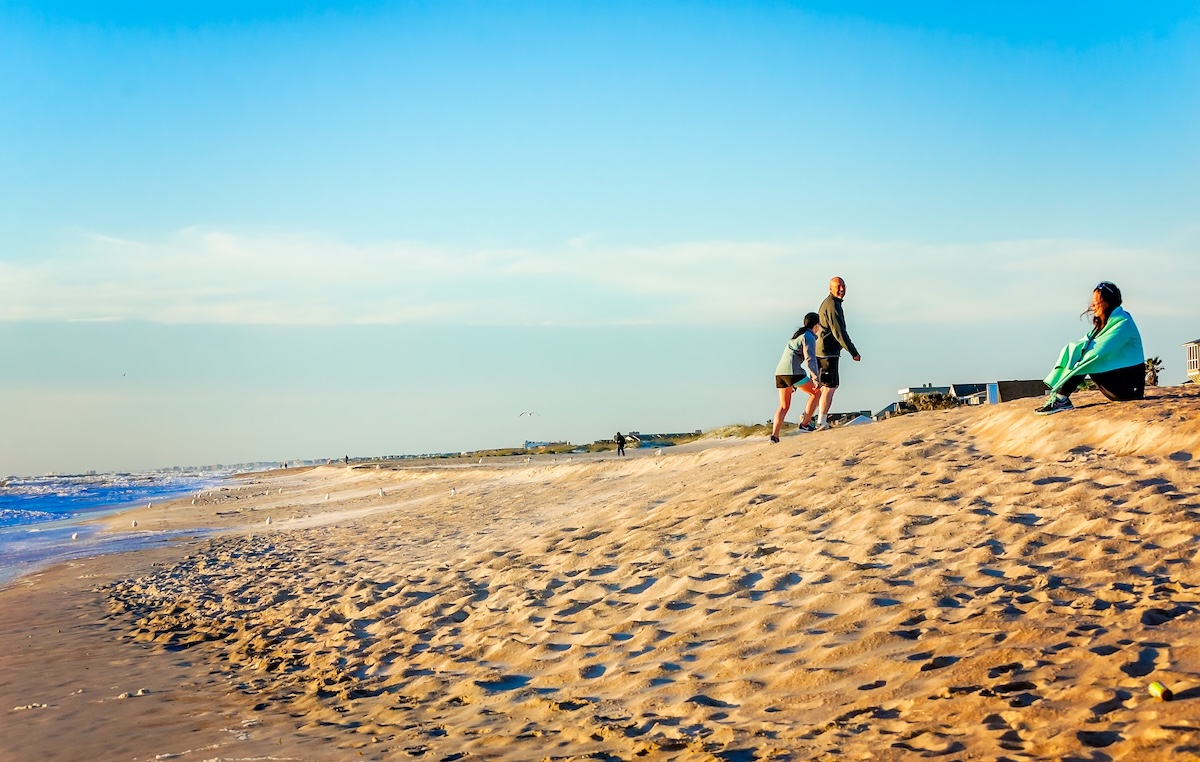
St. Augustine Beach sits just south of the oldest city in America, giving retirees access to one of Florida’s most historically rich communities without paying the premium of the city itself. The Atlantic-facing beach is wide, and St. Augustine proper is a short drive up the coast for everything from restaurants to medical facilities.
Florida’s lack of state income tax adds meaningfully to the retirement case, and St. Augustine’s healthcare infrastructure is impressive despite the city’s small-ish population.
16. Dauphin Island, Alabama
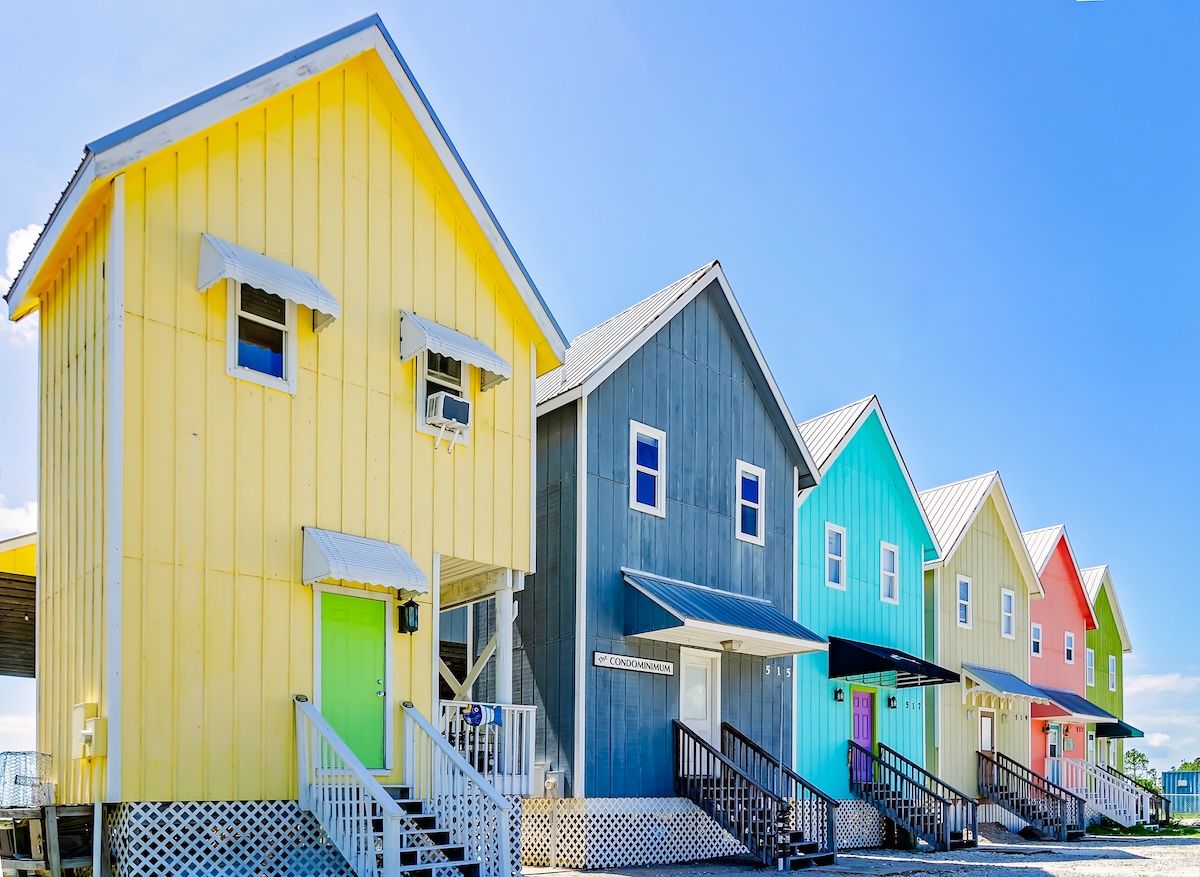
At the mouth of Mobile Bay on Alabama’s Gulf Coast, Dauphin Island is a barrier island community that the wider world rarely thinks to visit, which keeps property values at a level that surprises anyone comparing notes with Florida. The beaches face the Gulf, and the bay side draws serious birders during migration. The year-round population is delightfully small, so your grocery run will never involve a spot of traffic.
The Dauphin Island Sea Lab runs a public aquarium, and the ferry to Fort Morgan across the bay mouth is one of the Gulf Coast’s more useful shortcuts. Mobile sits 40 miles northeast with the full range of city services.
15. Brookings, Oregon
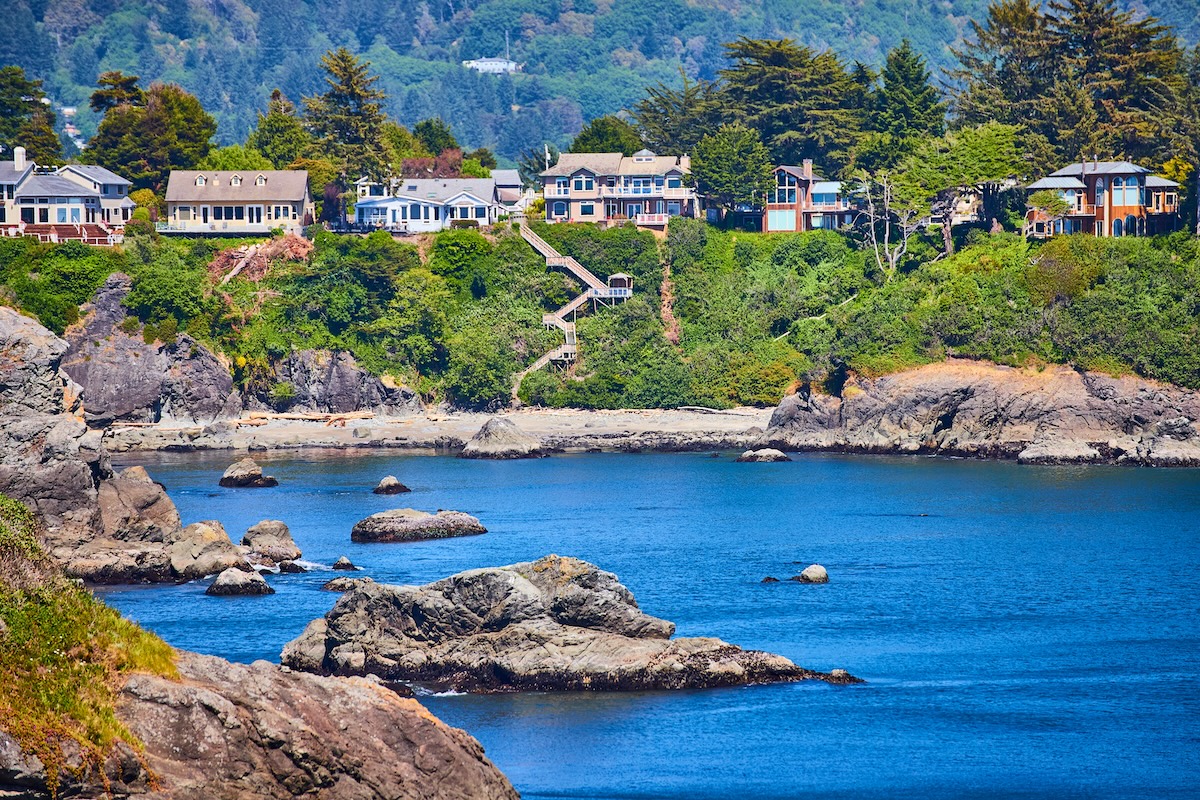
Oregon’s southernmost coastal city sits just north of the California border in what locals call the Banana Belt, a microclimate that keeps temperatures warmer than the rest of the Oregon coast. January averages in the low 50s while inland Oregon freezes, and for retirement purposes that difference is everything.
The harbor draws sport fishermen from all over, and the Samuel H. Boardman State Scenic Corridor stretching north is one of the most spectacular stretches of coastline in the Pacific Northwest. Oregon has no sales tax, which adds further to the financial benefit of moving here.
14. Long Beach, Washington
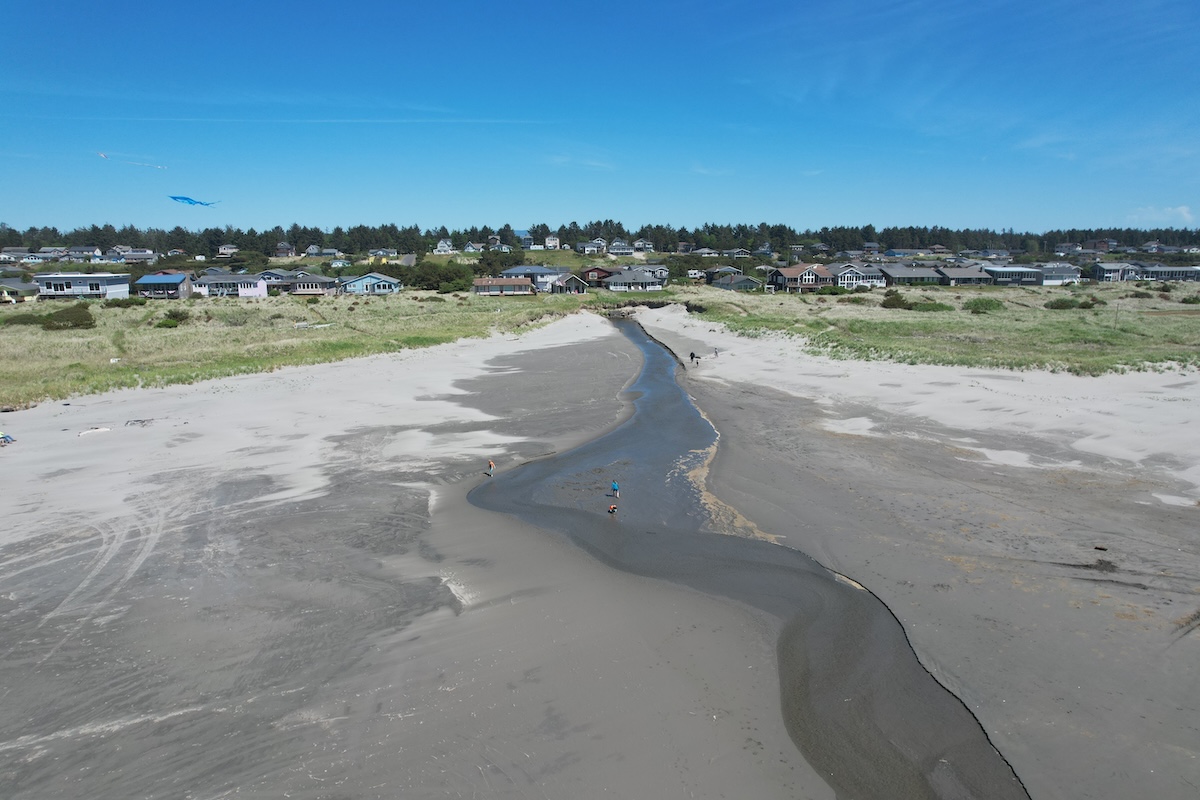
Washington’s Long Beach Peninsula stretches 28 miles along the Pacific and claims to be the longest continuous beach in the United States. The town at the peninsula’s south end is small and year-round, far enough from Portland and Seattle to have avoided the real estate pressure those cities generate in their surrounding areas.
The permanent population is large enough to sustain actual year-round infrastructure, and the fishing industry keeps the restaurants well supplied. Cranberry farming has anchored the local economy for over a century, giving the peninsula a stability that resort-only towns simply don’t have. If anything, you know you will be having the freshest sauce at the Turkey Day dinner!
13. Surfside Beach, Texas
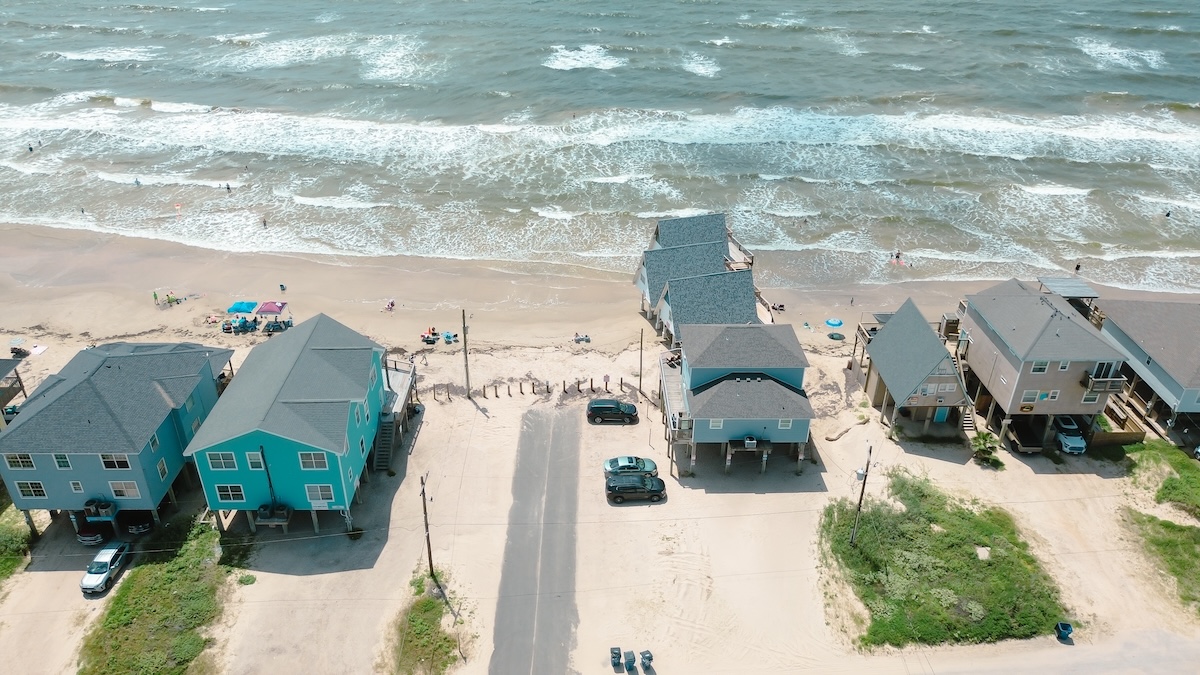
About 50 miles south of Houston on the Brazosport Coast, Surfside Beach operates on its own schedule and doesn’t particularly monitor what the rest of the Gulf Coast is doing. The beach is wide and the fishing is excellent, while easy highway access to Houston puts major medical facilities and airport connections close enough to use without having to put yourself through the trauma of city living.
Property values here reflect the town’s low profile more than its access, creating the unusual situation of a beach community with easy connections to a major metro area that remains well within most retirement budgets.
12. Atlantic Beach, North Carolina
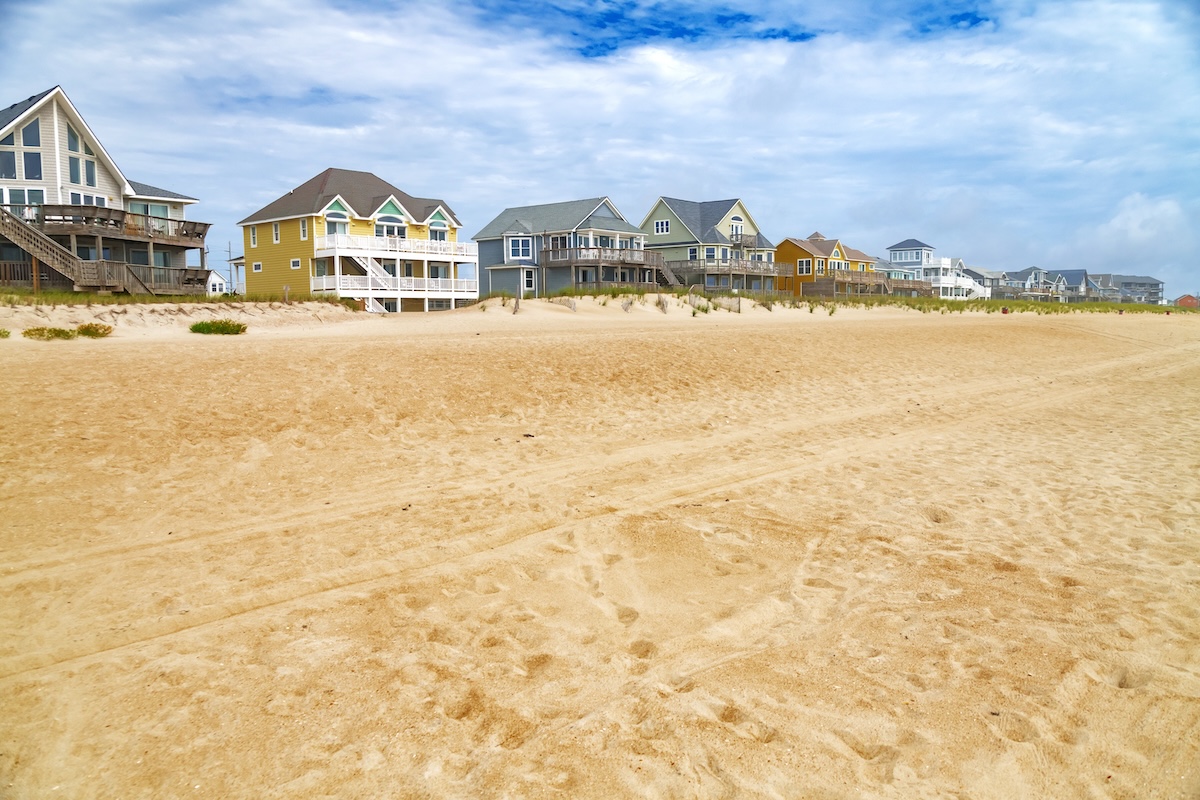
Sitting on the Crystal Coast of North Carolina, Atlantic Beach is a year-round community on Bogue Banks with Cape Lookout National Seashore a short ferry ride away. The beach is south-facing, which gives it calmer surf than the Outer Banks to the north, and Morehead City just across the bridge covers the medical and practical side of the retirement equation.
The Crystal Coast sits far enough from the Research Triangle to have maintained its prices, and close enough for retirees with family ties to the Raleigh-Durham area to keep those connections manageable, so you will be enjoying the best of both worlds.
11. Long Beach, Mississippi
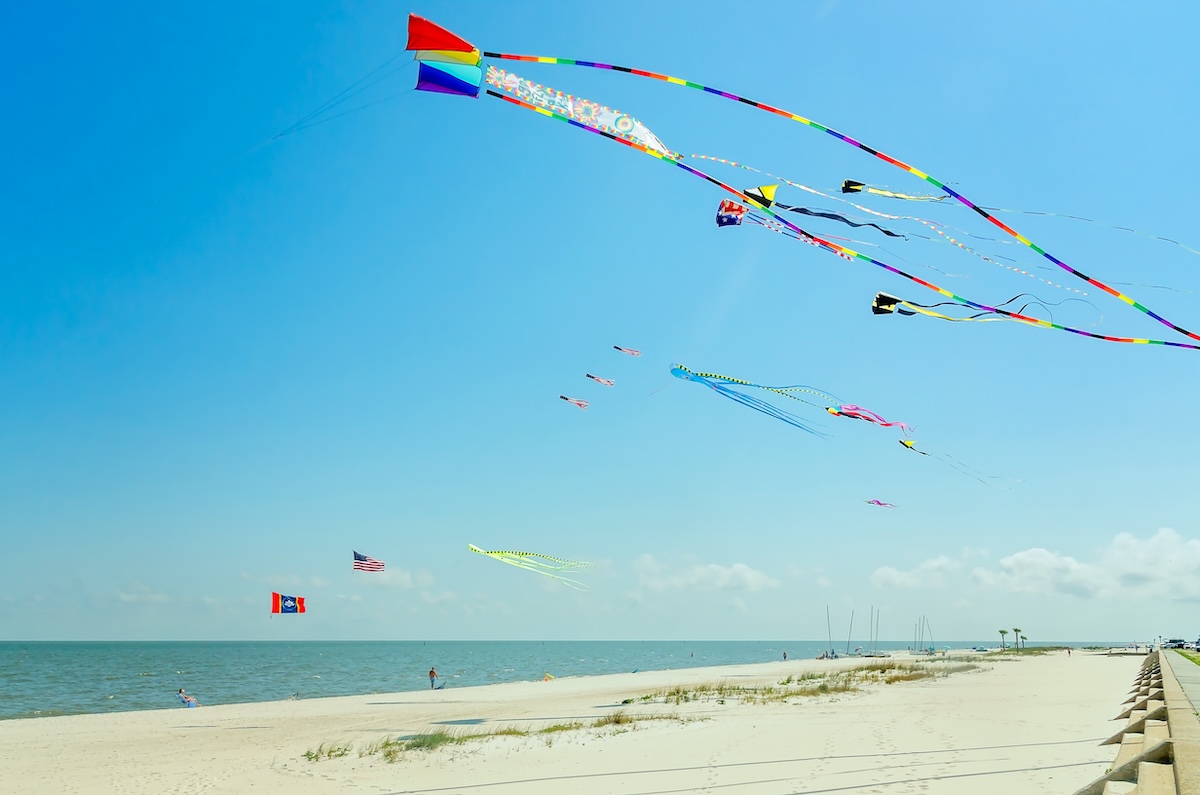
Mississippi’s Gulf Coast rarely makes national travel lists, but Long Beach has property values that stop the conversation for anyone coming out of Florida or the Carolinas. The climate is mild year-round, and the public beach is free and wide with no admission gate attached.
The town rebuilt extensively after Hurricane Katrina in 2005, and the residential streets carry the character of a community that knows how to recover from something serious. Gulfport sits just to the east with airport access and the medical infrastructure that fills in what Long Beach doesn’t cover on its own.
10. Ocean Shores, Washington
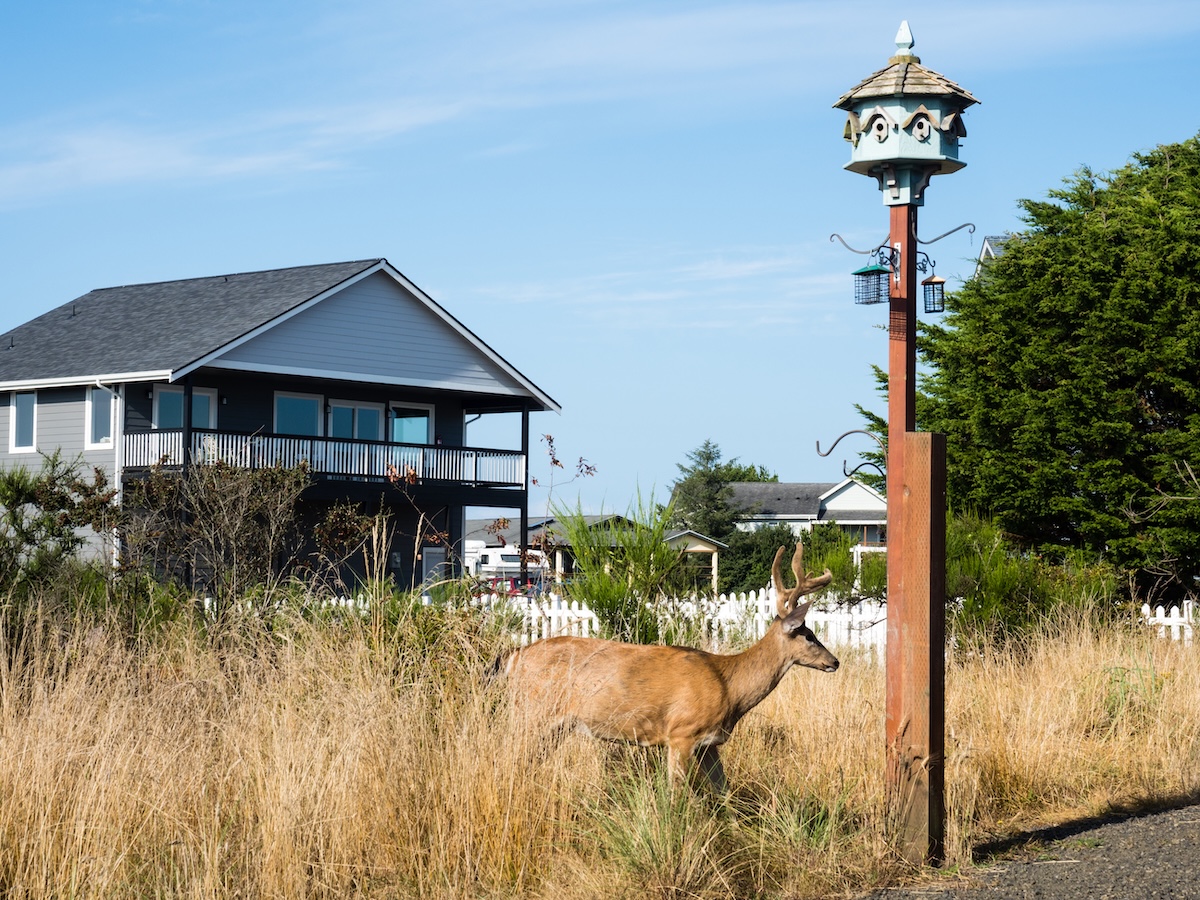
Developed in the 1960s as a planned beach resort community complete with canals, Ocean Shores has since settled into being a comfortable year-round coastal town that Washingtonians know well and out-of-staters rarely discover. The Pacific beach is wild and wide, accessible by car at low tide in the Pacific Northwest tradition.
The permanent population supports real services without the resort price premium. Aberdeen and Hoquiam are 20 miles east for whatever Ocean Shores doesn’t cover, and Seattle is two and a half hours north is you really long for the big city.
9. South Padre Island, Texas
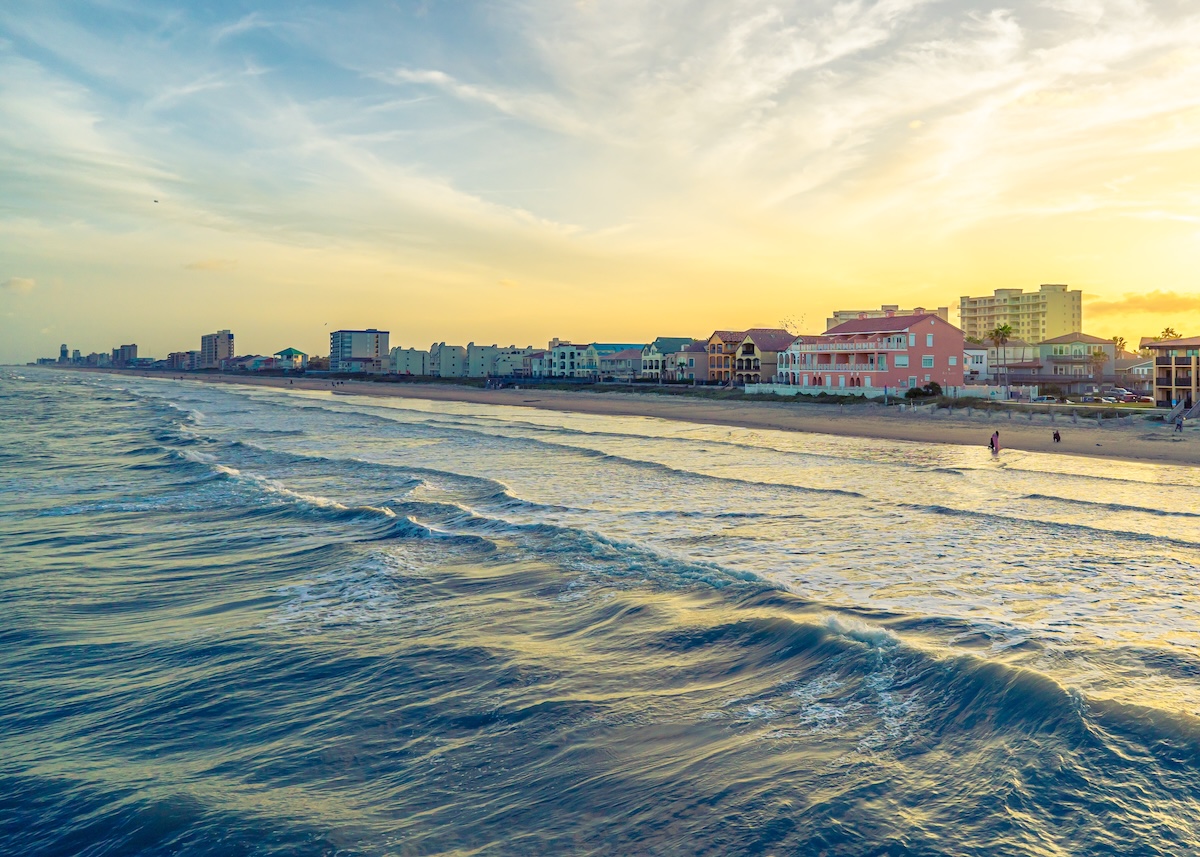
Texas makes another appearance with South Padre Island, which has a spring break reputation that obscures its charms for a completely different demographic. Water temperatures in the Gulf stay warm well into fall, and the Laguna Madre behind the island is one of the most productive fishing environments on the coast.
Property on the island runs well below comparable Florida Gulf Coast addresses, and the Brownsville-Harlingen area just across the causeway has the medical infrastructure and airport connections that retirement needs.
8. Cocoa Beach, Florida
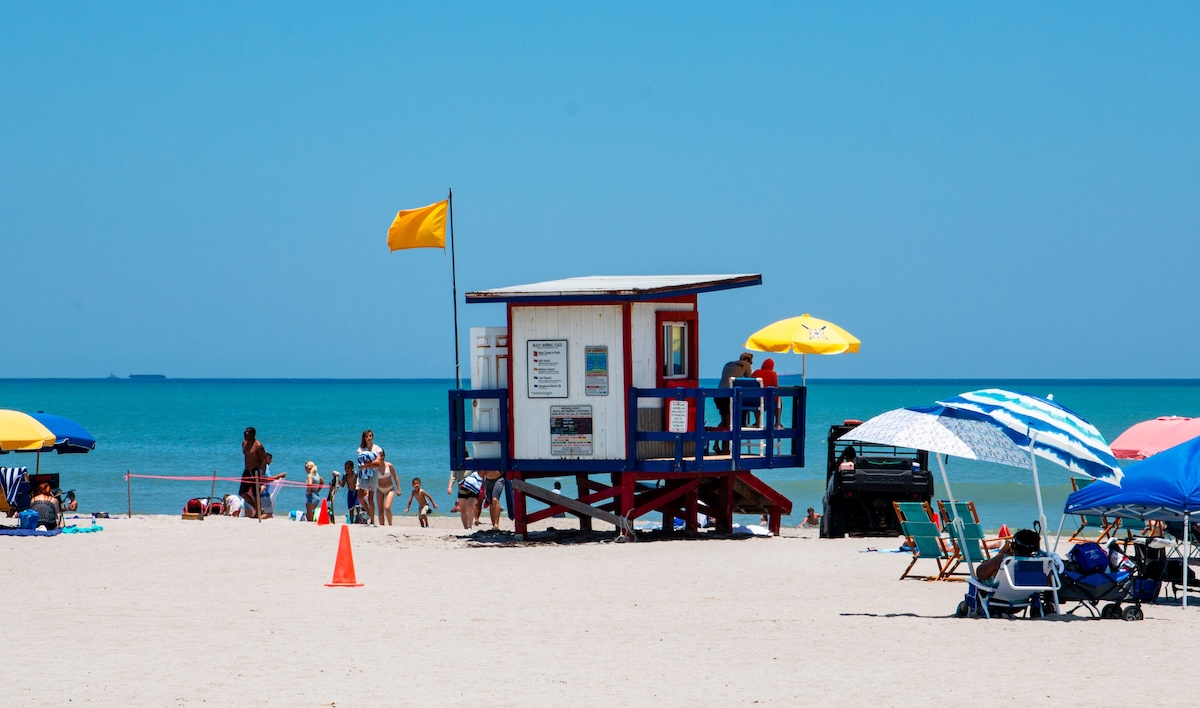
Cape Canaveral’s beach town sits on a barrier island between the Banana River and the Atlantic, and the Space Coast has built a real community around the launch industry. It gives Cocoa Beach a character distinct from Florida’s more purely resort-oriented beaches, which is a pleasant change of pace. The Kennedy Space Center is ten miles up the coast, and launch days still stop the town in its tracks.
Ron Jon Surf Shop has been a fixture since 1959, and the property market sits at a level that Florida’s more fashionable addresses crossed a long time ago, especially considering that the pristine beach runs for miles.
7. Pass Christian, Mississippi
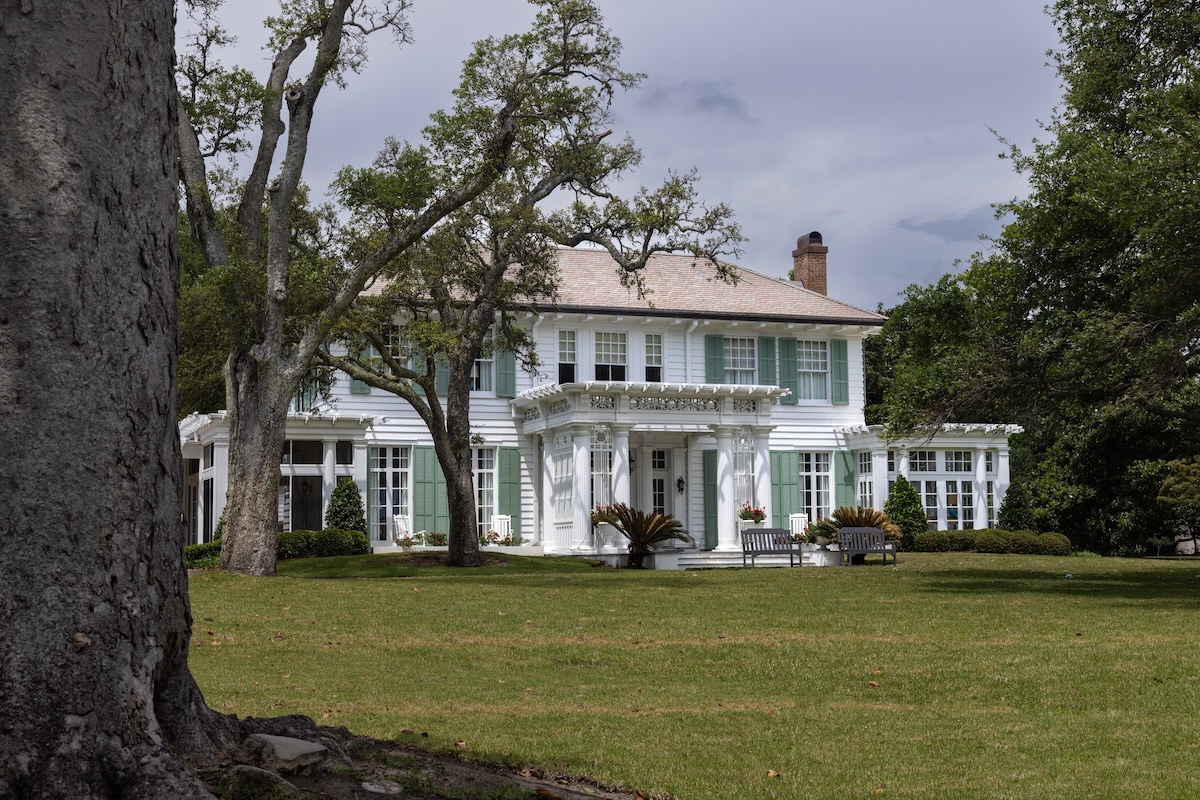
Mississippi is back, this time at Pass Christian, which faces the Mississippi Sound across a wide beach boulevard lined with live oaks. Hurricane Katrina largely destroyed the town in 2005, and the rebuilt Pass Christian is better than what came before, a testament to community investment that the historic district now makes very clear.
Property here costs a fraction of comparable Gulf Coast addresses in Florida, and New Orleans is just over an hour west for anyone who needs a city at regular intervals or wants to collect a few more Mardi Gras beads.
6. Daytona Beach Shores, Florida
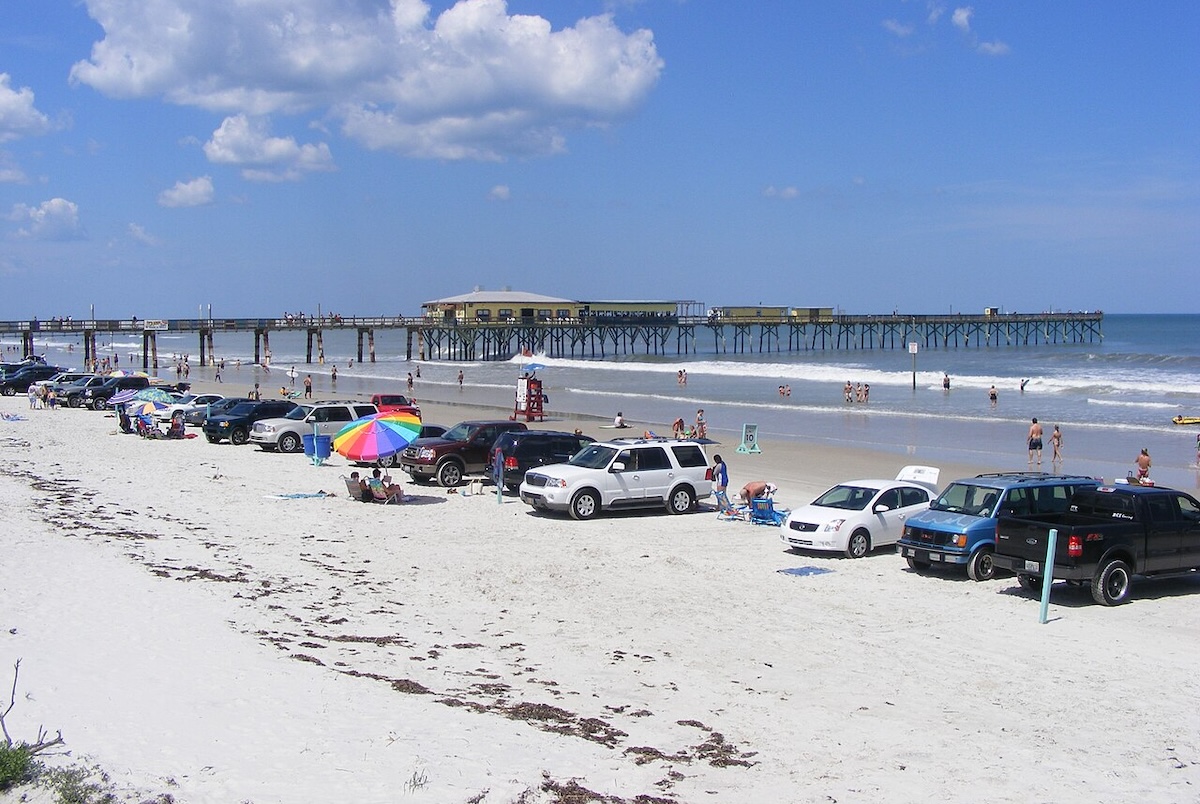
Technically a separate municipality from Daytona Beach, Daytona Beach Shores runs south of the famous speedway town along a beach wide enough to drive on, a Florida tradition that defines the local character more than anything else. The Daytona 500 makes itself known this far south every February, and bike weeks fill the roads twice a year. Outside those events, the community is calmer than its neighbor’s reputation suggests.
There is an abundance of condo inventory which keeps entry prices accessible, and Halifax Health Medical Center in Daytona Beach covers the healthcare side of the retirement equation without a long drive.
5. Bay St. Louis, Mississippi
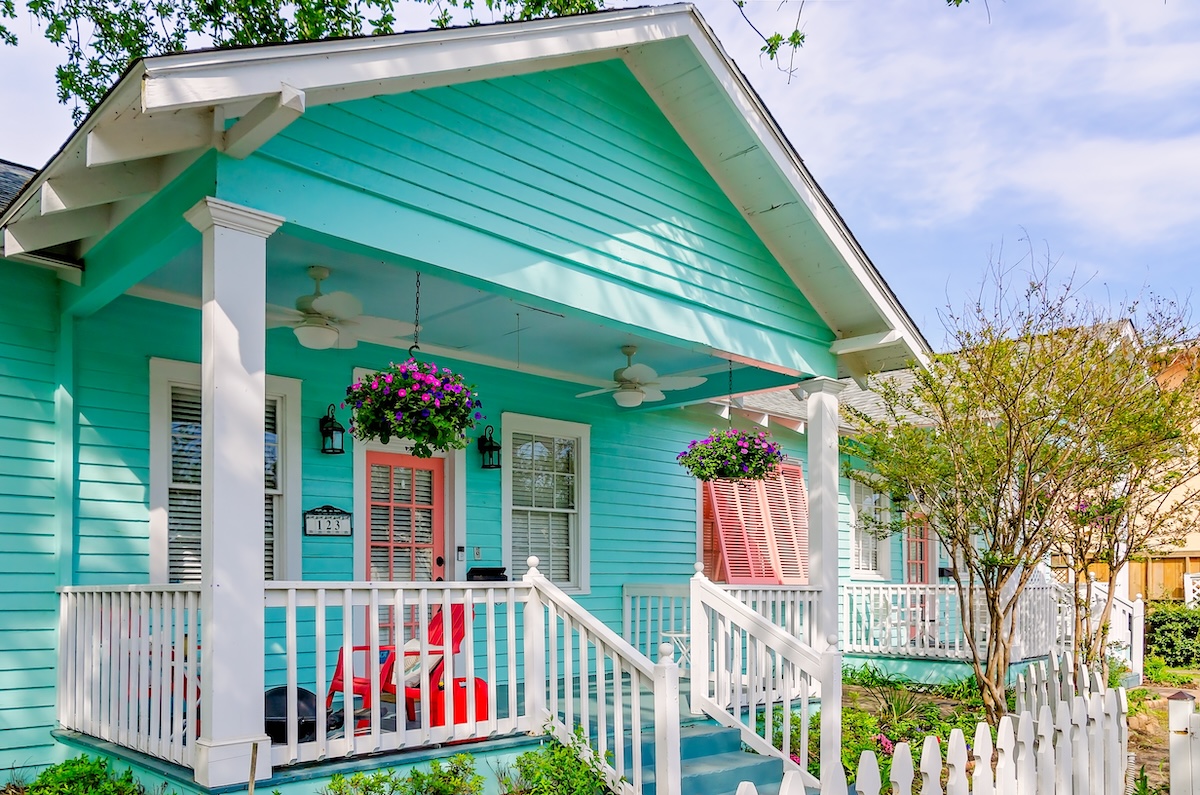
Mississippi puts three towns on this list, which confirms both the Gulf Coast’s value and the state’s deeply underrated retirement appeal. Bay St. Louis has built an arts community and a restaurant scene that give the town an identity well beyond its price point, and the community rebuilt after Katrina with evident determination to improve on what came before.
The Bay of St. Louis keeps through-traffic low and the community cohesive. New Orleans is under an hour west, the beach is free, and the property values are among the most accessible on the entire Gulf Coast.
4. Gulf Shores, Alabama
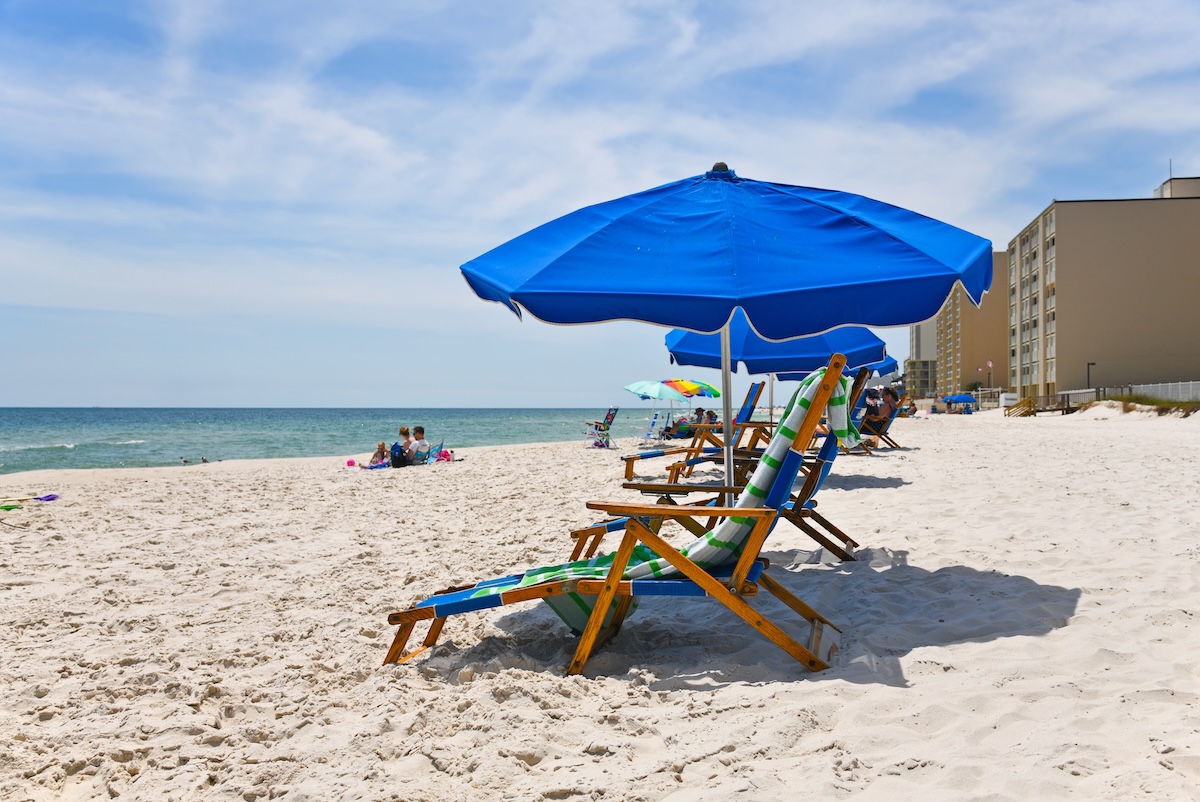
Alabama’s most visited beach town sits at the western end of a Gulf Coast stretch that consistently outperforms its marketing. The white quartz sand belongs in the same conversation as anything on Florida’s Emerald Coast, and the Gulf stays warm into October. The overall price point of the real estate market is well below those Emerald Coast addresses just over the state line to the east.
Gulf State Park adjacent to town adds hiking, a fishing pier, and miles of protected beach to the local amenities. The park’s lodge also provides an affordable base for anyone wanting to spend a long weekend testing the retirement hypothesis before committing.
3. Sunset Beach, North Carolina
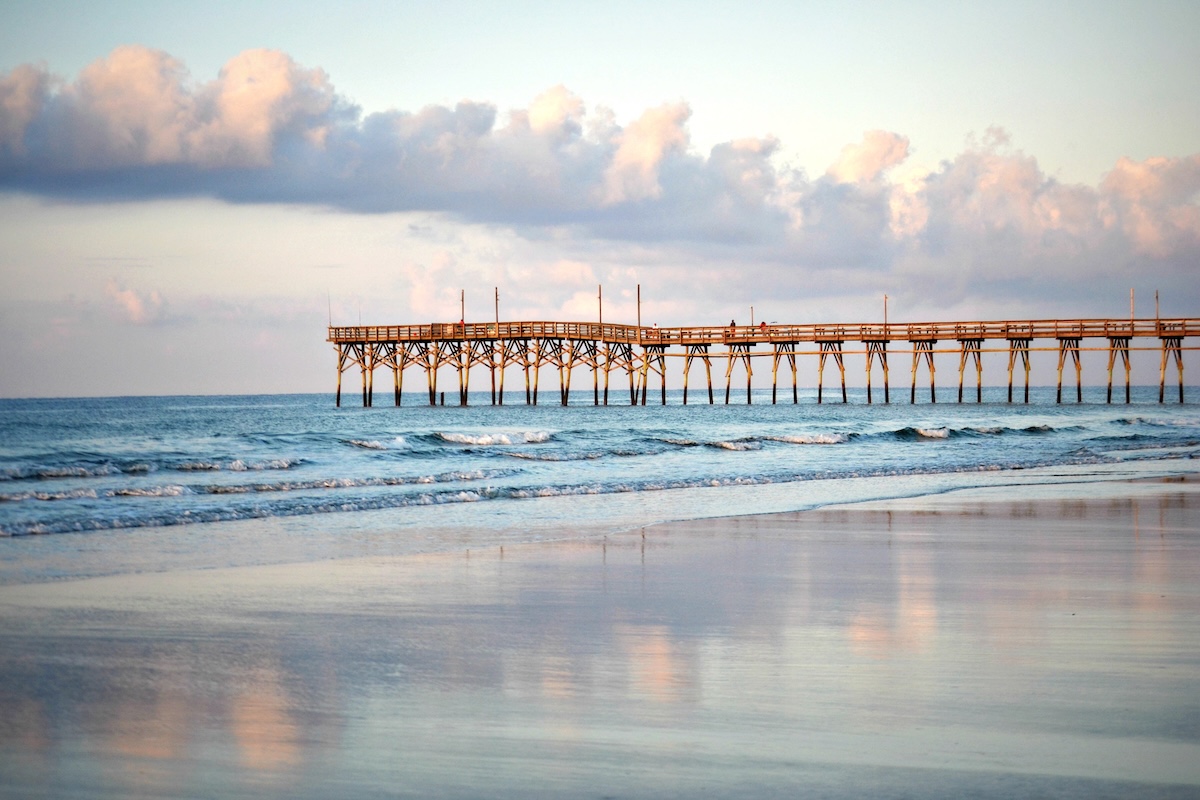
The southernmost of North Carolina’s beach towns, Sunset Beach sits near the South Carolina border with a low-rise charm and a permanent population that values its year-round community. The beach is wide and south-facing, and Calabash just inland has earned a regional reputation for seafood. Myrtle Beach’s airport is 25 miles south for flight access and you can watch Myrtle Beach’s prices from a distance as you take off.
The Brunswick Beaches have been drawing retirees from the Carolinas’ inland cities for decades, and Sunset Beach is the most residential and least seasonal of the group.
2. Ocean Springs, Mississippi
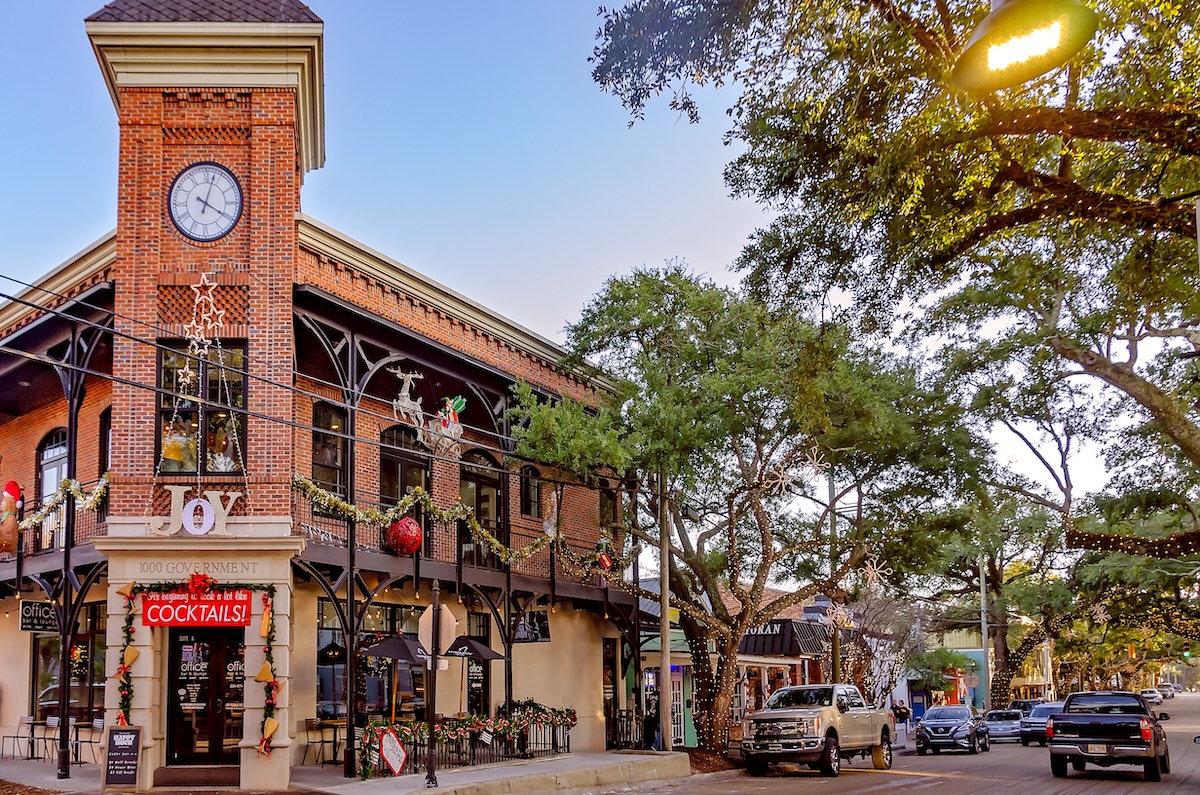
Across the Back Bay from Biloxi, Ocean Springs has built an arts community and a food scene that catch many people off guard. The Walter Anderson Museum of Art is one of the great small museums in the South, dedicated to the eccentric artist who lived and worked here until 1965.
The beach along the bay is calm, the residential neighborhoods have retained their live oak canopy, and the property values remain accessible despite the town’s cultural offerings constantly booming. For retirees who want more from a small coastal town than a beach and a fishing pier, Ocean Springs is the answer.
1. Surfside Beach, South Carolina
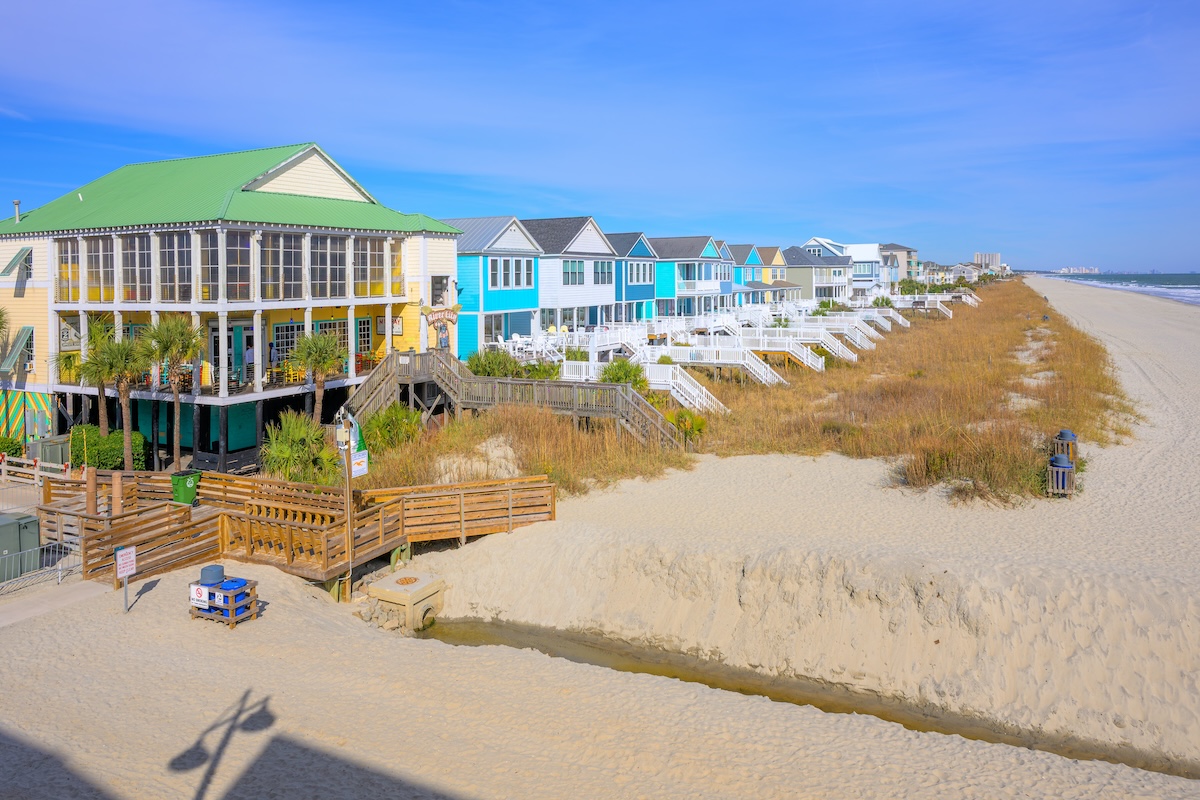
South Carolina closes the list with a different Surfside Beach from the Texas entry. This one sits on the northern edge of the Grand Strand, just two miles from Myrtle Beach’s infrastructure without the burdensome noise level or price point. The town bills itself as the “Family Beach,” enforcing that designation with alcohol restrictions on the strand and an atmosphere that runs significantly calmer than the resort city next door.
Everything a retirement checklist covers sits within fifteen minutes of Surfside Beach. The community is invested in staying exactly as it is, and the price-to-coastline ratio is among the best on the entire East Coast.