
Step off a train at Amsterdam Centraal and the country starts introducing itself through things. Bikes stack three deep along the railings, a herring cart sits near the canal, and a blue-and-white tile winks at you from a souvenir window. Within an hour, you’ll notice the same objects showing up again and again, in kitchens, on streets, and on people.
That repetition is the point. The Netherlands is a small, crowded, flat country that has spent centuries shaping daily life around water, trade, cycling, and a deep love of bread toppings. Dutch people’s everyday objects grew straight out of those conditions.
Learn to recognize them and you’ll read the country faster. You’ll know what to eat at a bar, what to bring home, which colors to wear in April, and why a drawbridge just stopped your bike ride.
Klompen (Wooden Clogs)
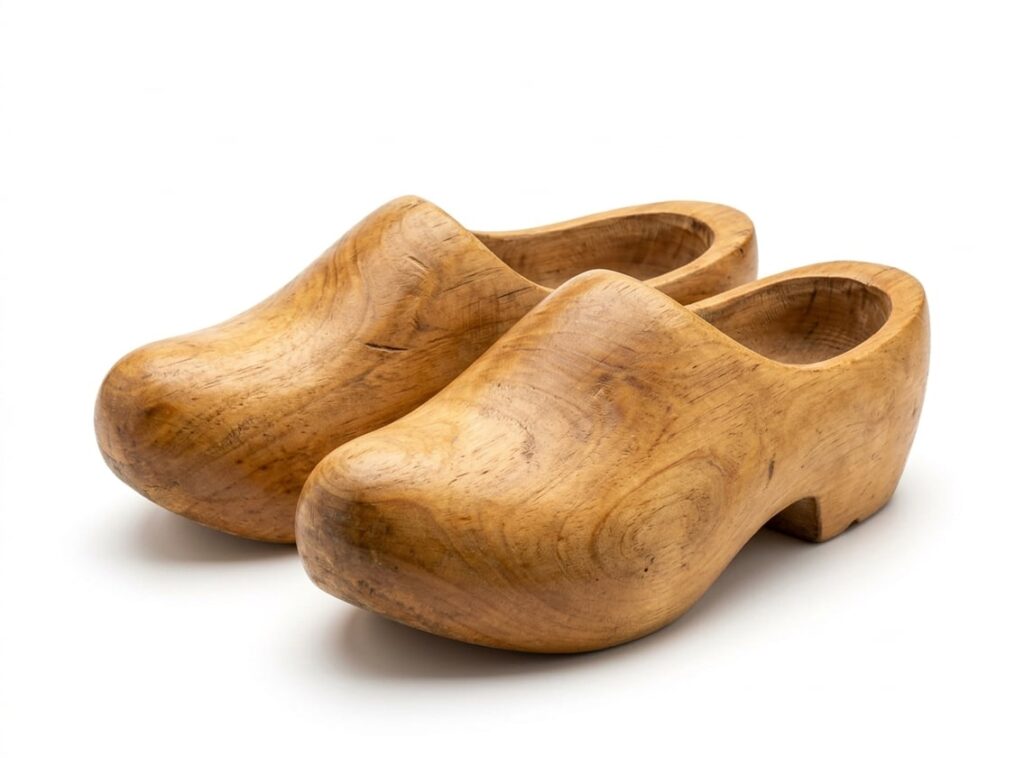
Klompen are carved wooden shoes that Dutch farmers and laborers wore for centuries to keep their feet dry and protect them in wet fields. Craftspeople make most pairs from poplar or willow, light woods they hollow out by machine or by hand, then dry and paint.
You’ll still spot farmers, gardeners, and fishermen wearing plain, unpainted pairs. Wood shrugs off mud and heavy objects. For a closer look, visit the clog workshops in Zaanse Schans and Marken, where demonstrations run several times a day. Souvenir pairs start around €20 to €40, while miniature keychain versions cost a few euros.
Stroopwafels
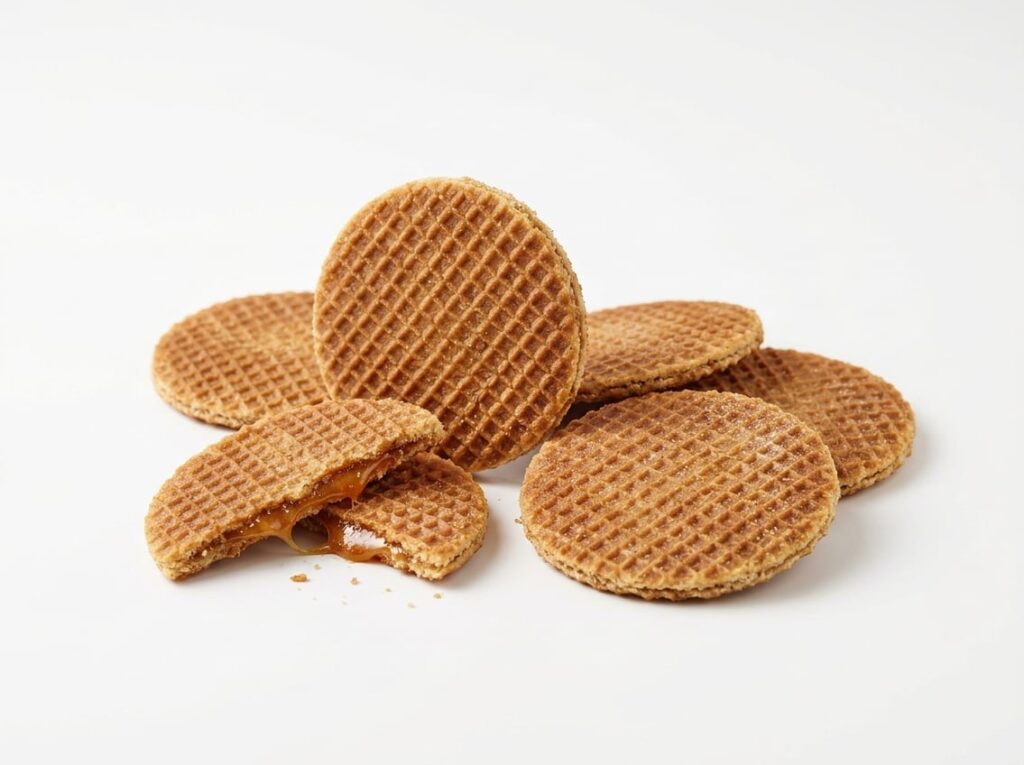
Two thin, crisp waffle wafers joined with caramel syrup make a stroopwafel, a cookie that traces back to Gouda in the late 1700s or early 1800s. Bakers made the original version from leftovers and spiced syrup, which made it a cheap treat.
Locals swear by this trick: rest one on top of a hot cup of coffee or tea for a minute, so the syrup softens. At open-air markets, you can buy them freshly pressed and warm, often for about €2 to €3 each. Supermarket packs from brands like Daelmans travel well and make easy gifts.
Delft Blue Vase
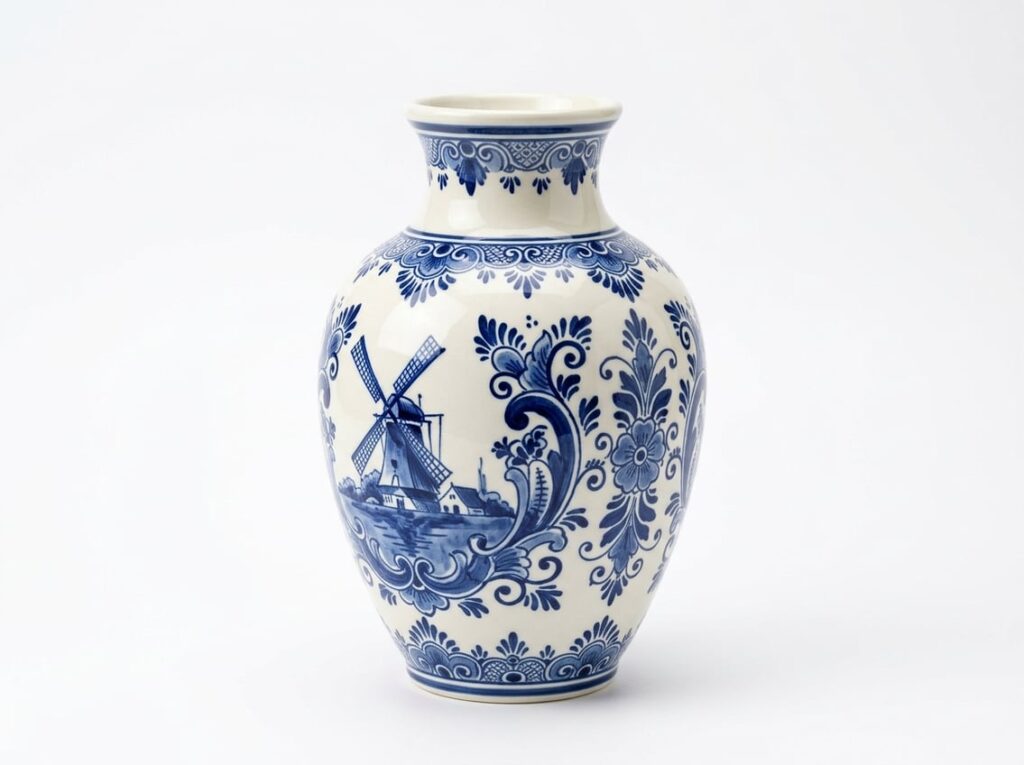
Delft Blue pottery began in the 1600s, when potters in Delft tried to copy the expensive Chinese porcelain Dutch traders shipped home. They painted tin-glazed earthenware with cobalt blue, and the look became a national signature.
Only Royal Delft (De Porceleyne Fles), founded in 1653, still hand-paints pottery in the city using the traditional process. Tour its factory and watch the painters at work. Authentic hand-painted vases carry a maker’s mark and cost from roughly €100 into the thousands. The cheap tourist-shop pieces, by contrast, feature printed decorations.
Rookworst (Smoked Sausage)
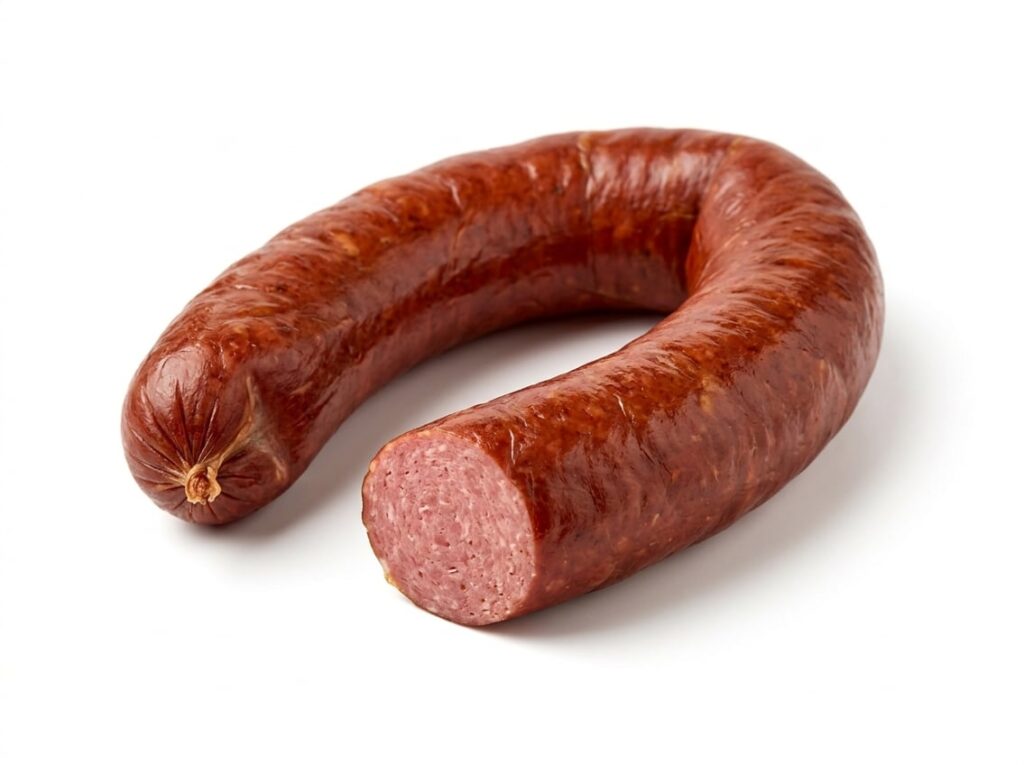
Rookworst is a horseshoe-shaped smoked sausage that belongs on a winter plate of stamppot, mashed potatoes mixed with vegetables like kale or sauerkraut. Dutch families serve this pairing at home from late autumn through February.
The best-known version comes from HEMA, the Dutch department store, where you can buy a hot one at the counter for a few euros. Supermarkets sell vacuum-packed rookworst; warm it in barely simmering water for about 20 minutes. Slice it thick and serve it with mustard.
Traditional Dutch Windmill
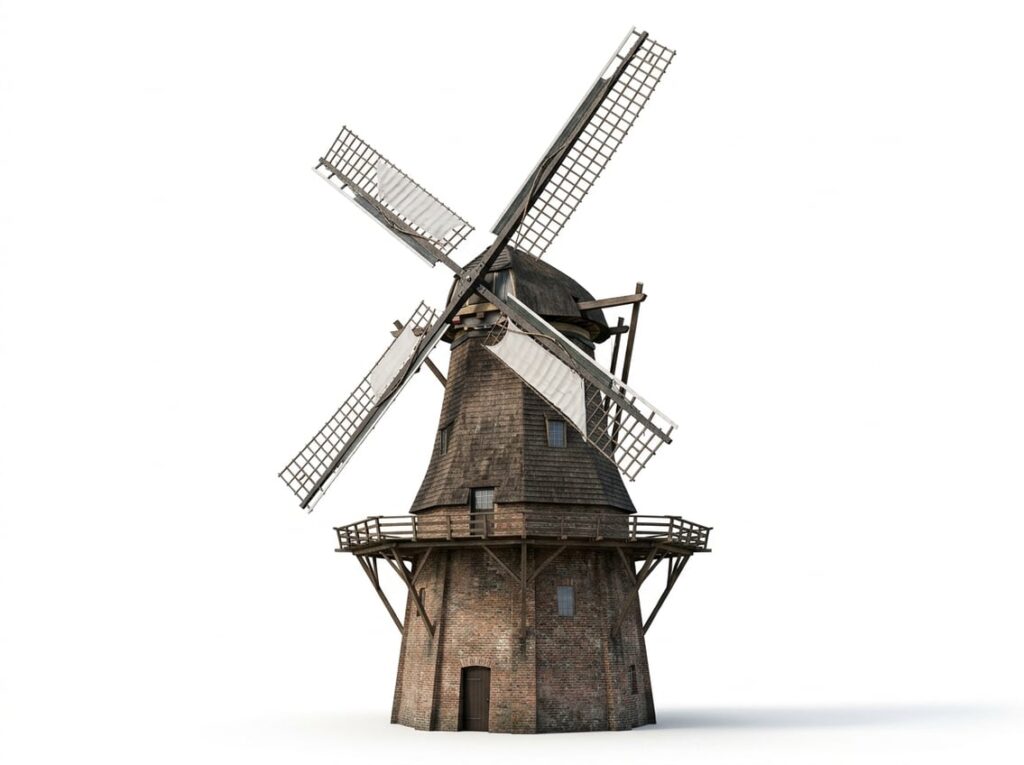
For centuries, windmills pumped water out of low-lying land and ground grain, sawed timber, and pressed oil. Around 1,200 historic mills still stand across the country, and many still turn.
Kinderdijk, near Rotterdam, has 19 mills built in the 1700s and holds UNESCO World Heritage status. It’s the classic place to see them lined up. Zaanse Schans offers working industrial mills closer to Amsterdam. On National Mill Day each May, many mills open to visitors for free. You can climb inside and watch a miller work.
Nijntje (Miffy)
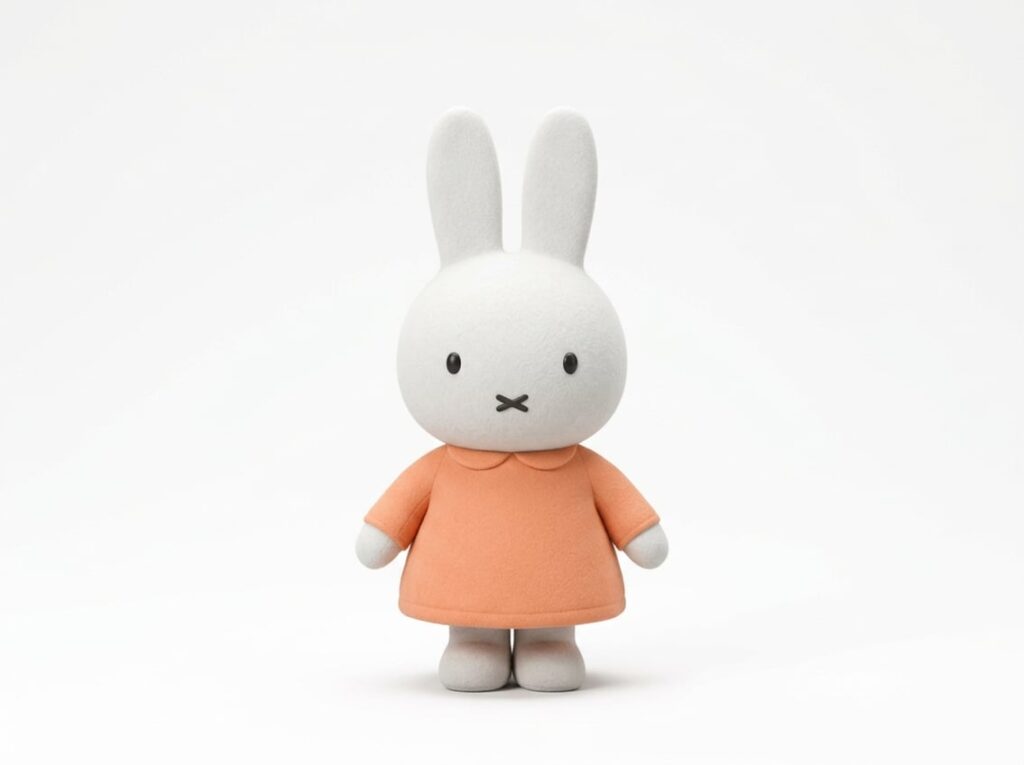
Miffy, called Nijntje at home, is the small white rabbit Utrecht artist Dick Bruna created in 1955. His drawings use thick lines, flat colors, and a face with a cross for a mouth. The books have sold tens of millions of copies worldwide.
Utrecht is Miffy’s city. The Nijntje Museum there is designed for children up to six, and you’ll find Miffy-shaped pedestrian lights near the center. Bookshops sell the original picture books in Dutch. They make a sweet souvenir even if you can’t read them, since the stories are short and visual.
Gouda Cheese Wheel
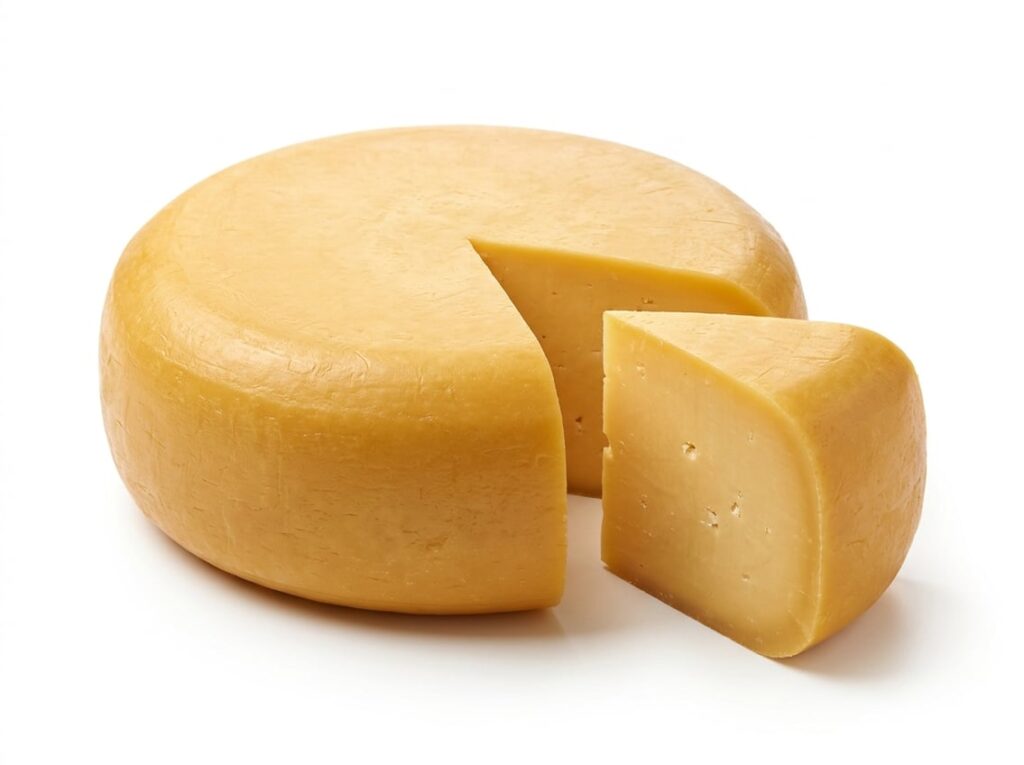
A waxed Gouda wheel can weigh anywhere from a few kilos to more than 15. The cheese takes its name from the city where farmers traded it for centuries. Its flavor changes with age, from mild young Gouda to crumbly, caramel-like oude kaas aged a year or more.
From April through August, Gouda holds a Thursday morning cheese market. Porters carry wheels on wooden barrows, and traders seal deals with a hand-clap. Alkmaar runs a similar Friday market. To buy some, visit Reypenaer or a local cheese shop, where you can taste aged versions before you commit.
Heineken Green Beer Bottle
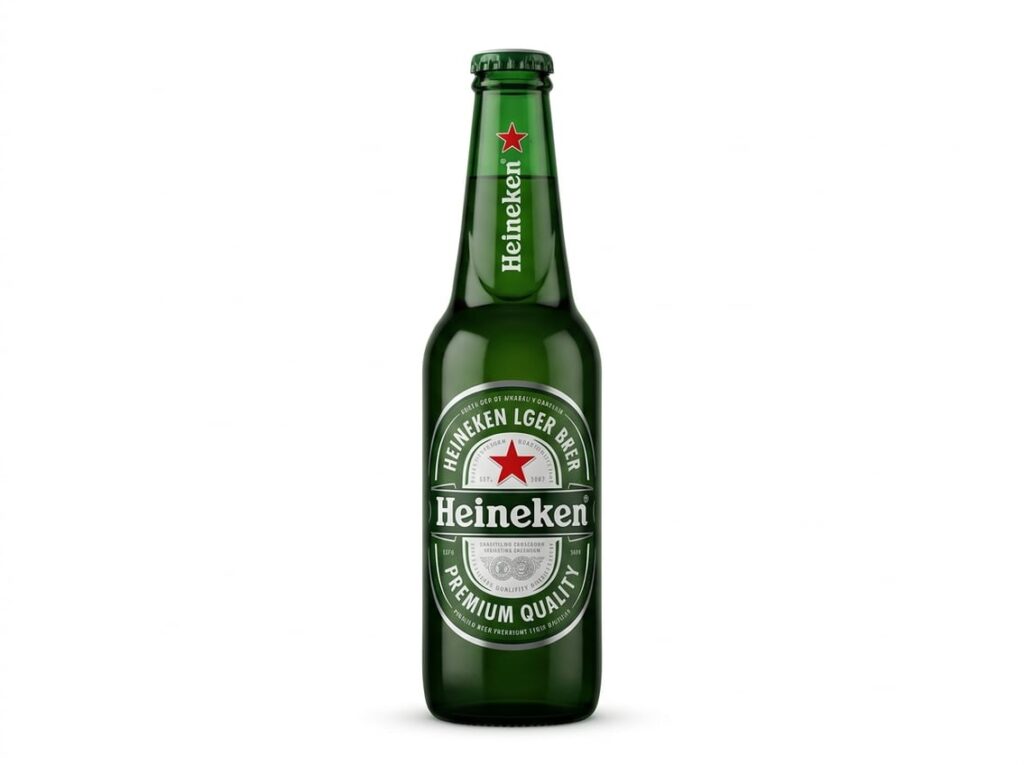
Heineken’s green bottle with the red star is one of the world’s most recognized beer packages. Gerard Adriaan Heineken founded the company in Amsterdam in 1864, and the brand now sells in more than 190 countries.
In Amsterdam, the Heineken Experience occupies the old brewery building on Stadhouderskade. Tickets include tastings and a look at brewing history. At Dutch bars, though, locals often order a small fluitje or vaasje of tap beer. Expect the staff to scrape a two-finger foam head flat with a spatula. That’s the house style.
Omafiets (Dutch City Bicycle)
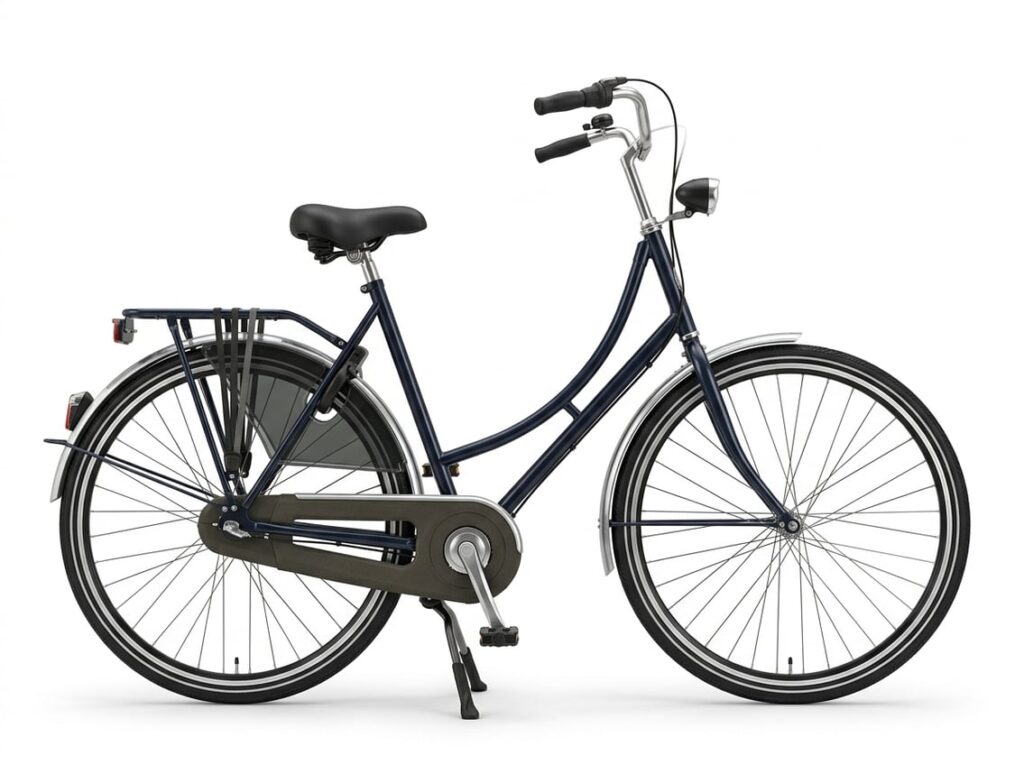
The omafiets, or “grandma bike,” is the upright black city bike you see chained to every Dutch bridge. Its step-through frame, fenders, chain guard, and coaster brakes make it ideal for riding in a coat or skirt on flat ground.
You sit tall, pedal slowly, and stop by pedaling backward. It takes a few minutes to learn. Rental shops in Amsterdam charge about €10 to €20 a day. Bring a sturdy lock, or two, as locals do, because bike theft is common. The Netherlands has more bikes than people, roughly 23 million.
Hagelslag (Chocolate Sprinkles)
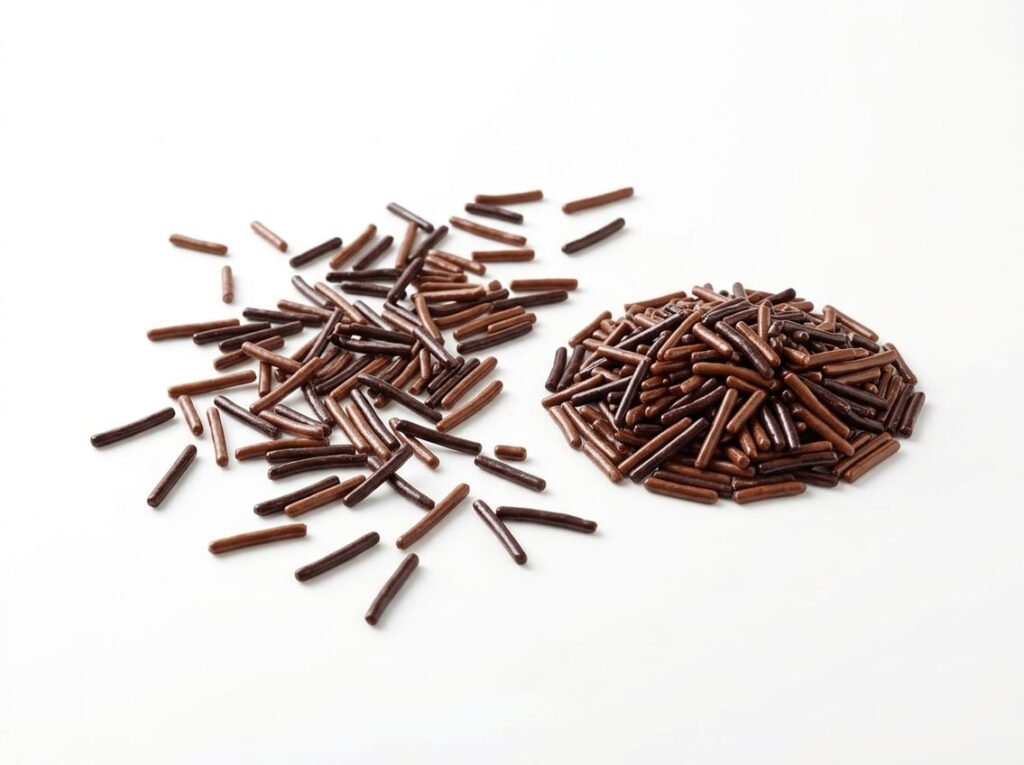
Dutch people put chocolate sprinkles on buttered bread for breakfast and lunch, and adults do it as freely as kids. Hagelslag means “hailstorm,” which describes the way the sprinkles rain onto the slice.
Butter is essential because it keeps the sprinkles stuck in place. Venz and De Ruijter are the classic brands, with varieties like puur (dark), melk (milk), and fruit-flavored vruchtenhagel. A box costs a few euros at Albert Heijn or Jumbo, and it packs flat in a suitcase for the trip home.
Tulips
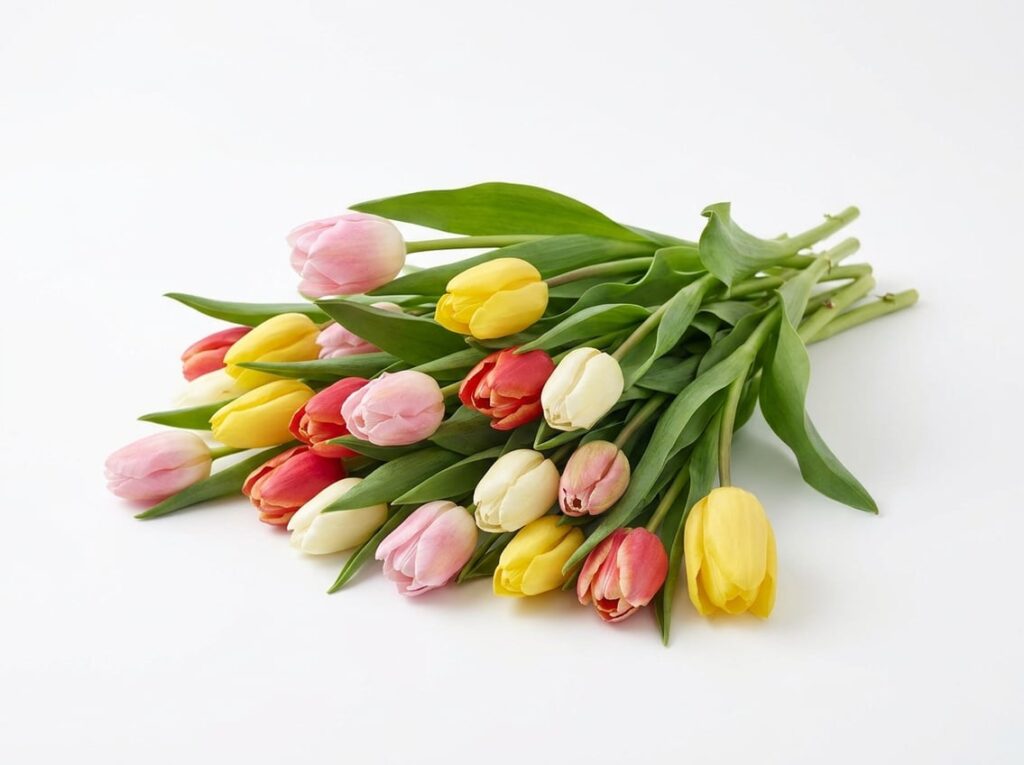
Tulips arrived from the Ottoman Empire in the late 1500s. By 1637, a speculative frenzy called tulip mania had pushed single bulbs to absurd prices. Today, the Netherlands produces billions of bulbs a year and dominates global exports.
Keukenhof, near Lisse, opens for about eight weeks each spring, from late March to mid-May, with around seven million bulbs in bloom. The surrounding fields peak in mid to late April. If you buy bulbs to take home to the US, choose packages labeled with a phytosanitary certificate so they’ll clear customs.
FEBO Snack Wall
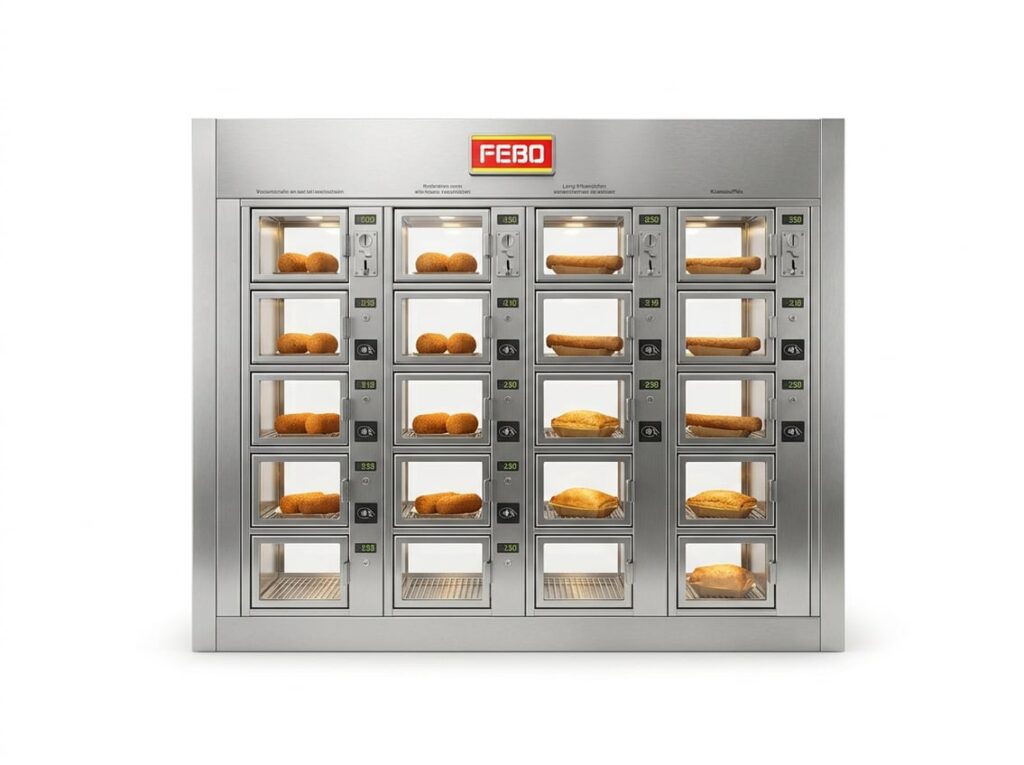
FEBO’s walls of little coin-operated windows let you grab a hot croquette or burger at any hour. The chain has offered them since it opened in Amsterdam in 1941. The setup is called an automatiek, and staff refill the compartments from the kitchen behind.
Pick a window, pay by card or coin, and lift the hatch. The beef kroket is the signature item and usually costs around €2 to €3. Late-night crowds after the bars keep the busiest locations humming. A kroket squeezed onto a soft roll with mustard makes the classic order.
Dutch Houseboat
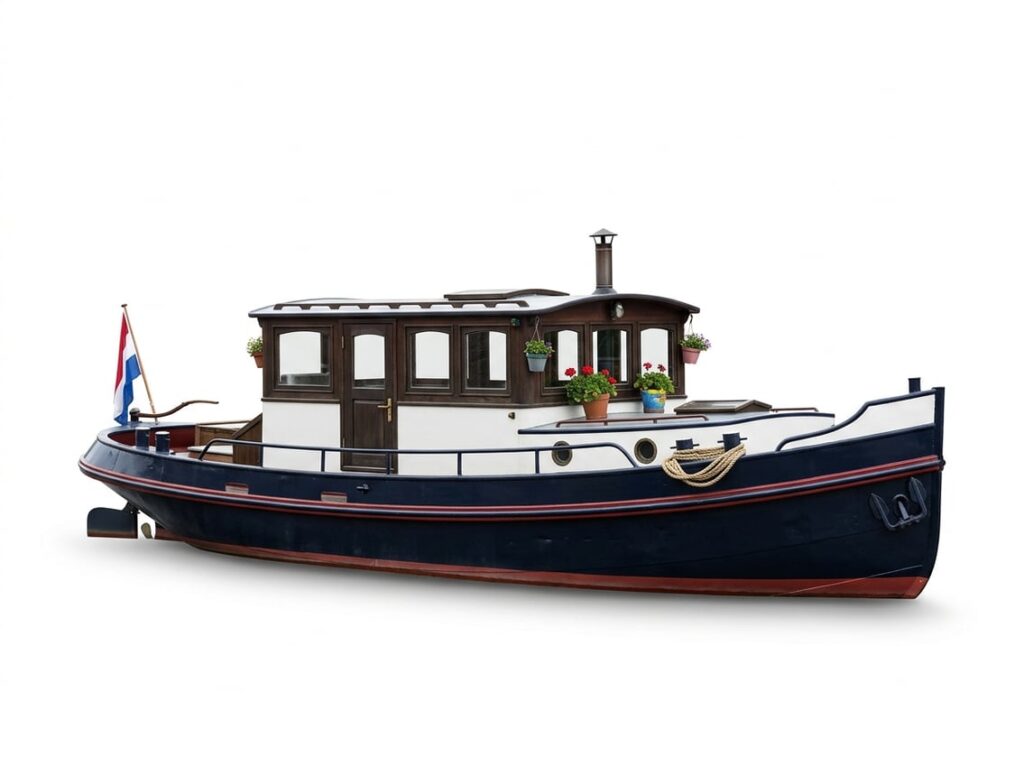
Amsterdam has roughly 2,500 houseboats along its canals. Many are converted cargo vessels, while others are floating concrete homes. Housing shortages after World War II pushed people onto the water, and the boats became part of the cityscape.
Mooring permits are strictly limited, so floating homes sell at high prices. You can step aboard at the Houseboat Museum on the Prinsengracht, a 1914 freighter turned home. Several houseboats also offer rentals, letting you spend a night with the canal right outside your window.
Bitterballen
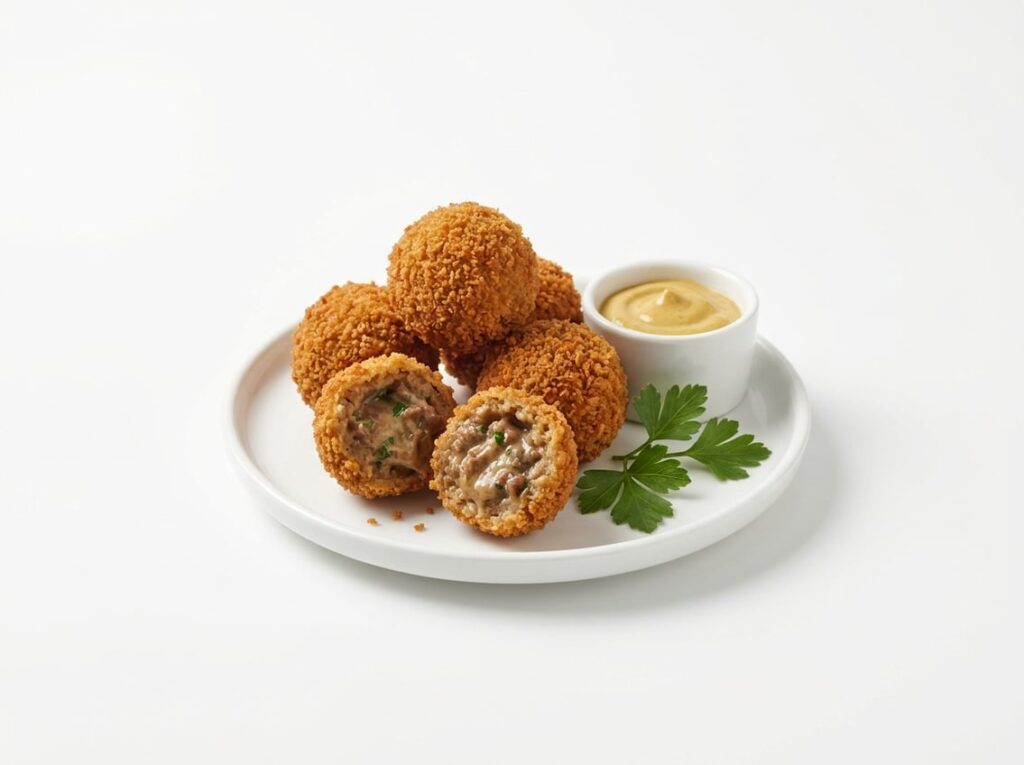
Bitterballen are deep-fried balls of thick beef ragout coated in breadcrumbs. They’re the default bar snack across the Netherlands. The name comes from bitters, the herbal liquor people once served them with.
Order a portion at a brown café and you’ll get about six to twelve, with a dish of mustard for dipping. Wait a moment before biting, because the filling stays scorching hot. Prices run around €6 to €9. Van Dobben, a Dutch brand, is famous enough that some bars name it on the menu.
NS Yellow Train
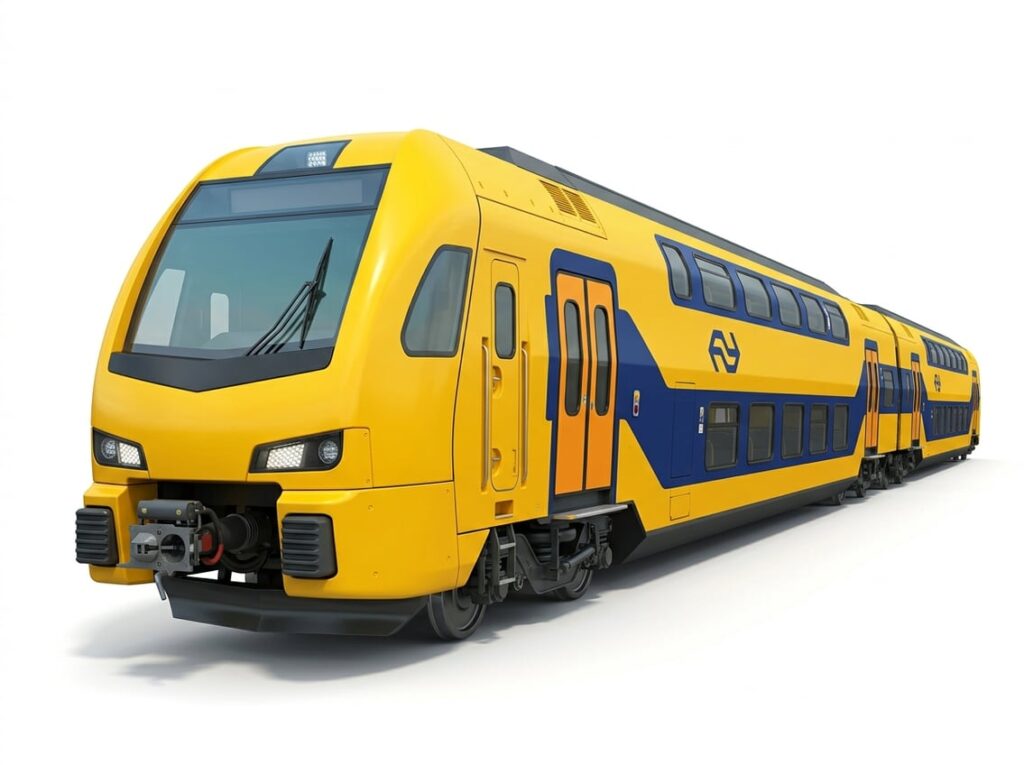
Bright yellow carriages from Nederlandse Spoorwegen (NS) connect almost every Dutch city. The color is so tied to the railway that locals barely notice it. The network is dense, so trains between major cities run several times an hour.
Tap in and out with a contactless bank card or phone at the gates. It makes the system easy for visitors. Amsterdam to Utrecht takes under 30 minutes, and Amsterdam to Rotterdam takes about 40 on the intercity. Double-decker trains give you better views of flat pastures, canals, and the occasional windmill.
Amsterdam Canal House
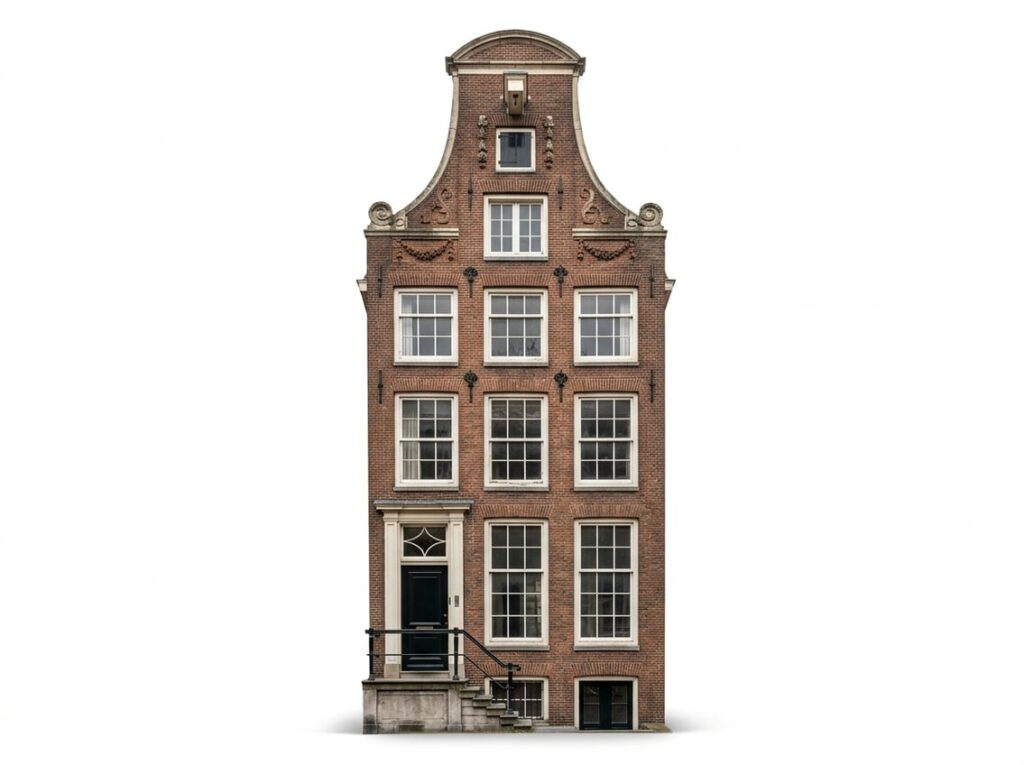
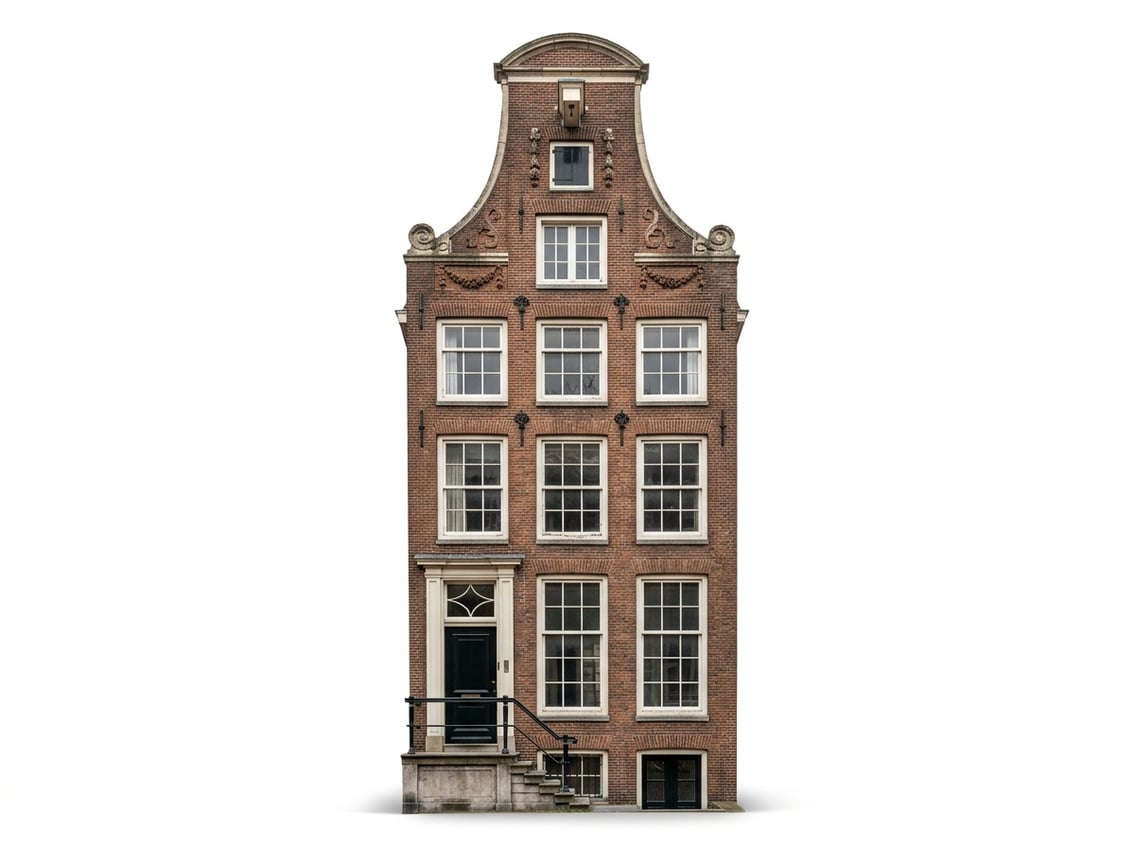
Tall, narrow, and leaning slightly forward, the canal houses along Amsterdam’s Herengracht, Keizersgracht, and Prinsengracht went up during the 1600s Golden Age. Property taxes partly depended on frontage width, so merchants built upward.
Look up at the gables. You’ll see step, bell, and neck shapes, plus a hook beam at the top that people used to hoist furniture through windows, since the staircases are too steep. The canal ring is a UNESCO site, and the Museum Van Loon and Museum Willet-Holthuysen let you walk through furnished interiors.
Sjoelbak (Dutch Shuffleboard)
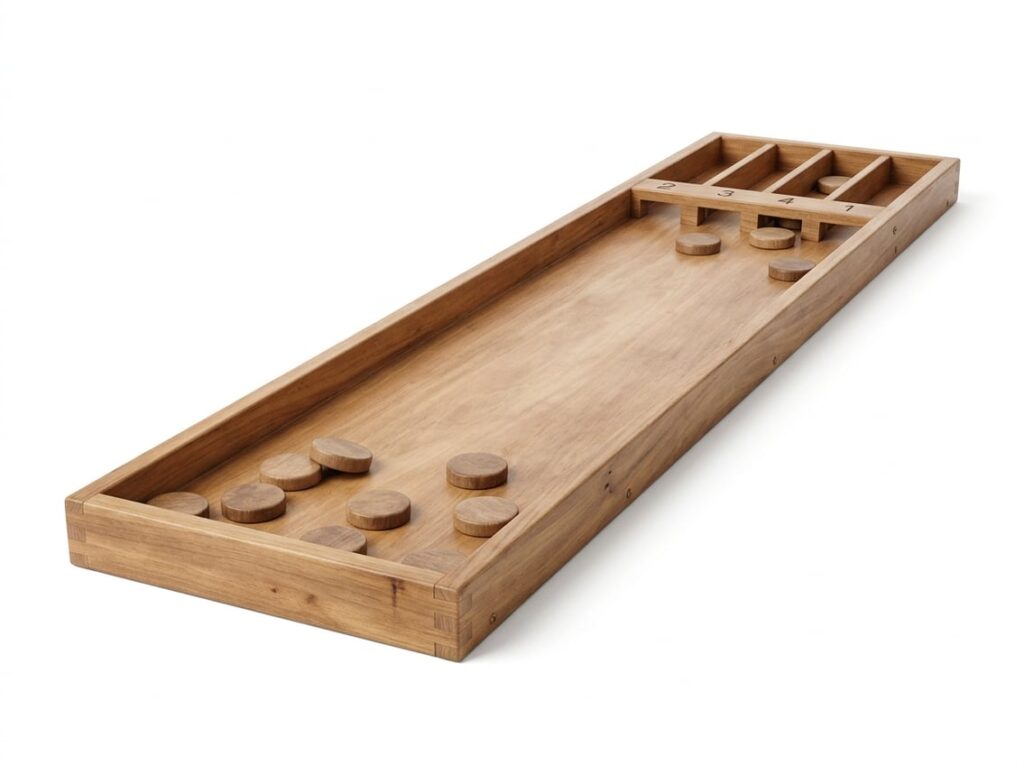
Sjoelen is a tabletop game where you slide wooden discs along a long board toward four numbered gates. Families bring out the sjoelbak at birthdays and holidays, while serious players compete in clubs and national championships.
You get 30 discs over three rounds, and you score points when discs land in each gate. Fill all four gates evenly to earn a bonus, so strategy goes beyond just aiming for the highest number. Dutch toy shops sell boards for about €50 to €100, and many cafés and community centers keep one around.
Tompouce
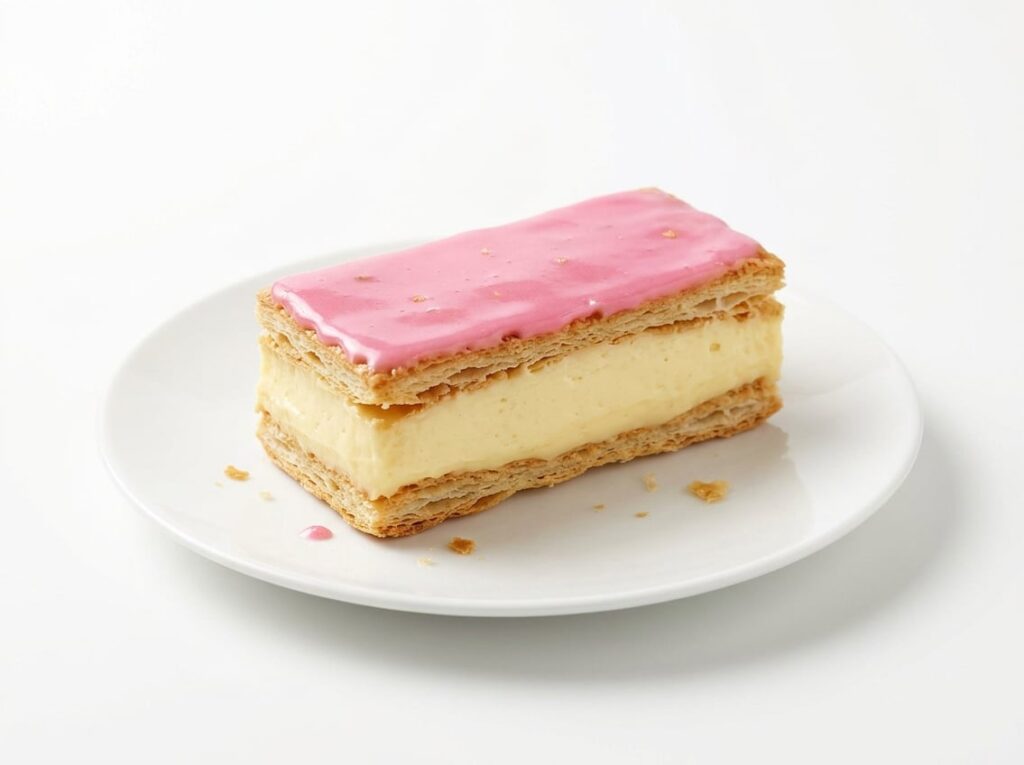
A tompouce is a rectangular pastry made of two puff pastry layers with thick pastry cream in between, topped with smooth pink icing. Every Dutch bakery sells them, and eating one neatly is famously impossible.
Around King’s Day and during big football matches, the icing turns orange. HEMA sells some of the best-known versions for a couple of euros. Locals have their own ways of eating one, from removing the top layer first to tipping it on its side and cutting down. Pick up a fork and accept the mess.
Orange King’s Day Hat
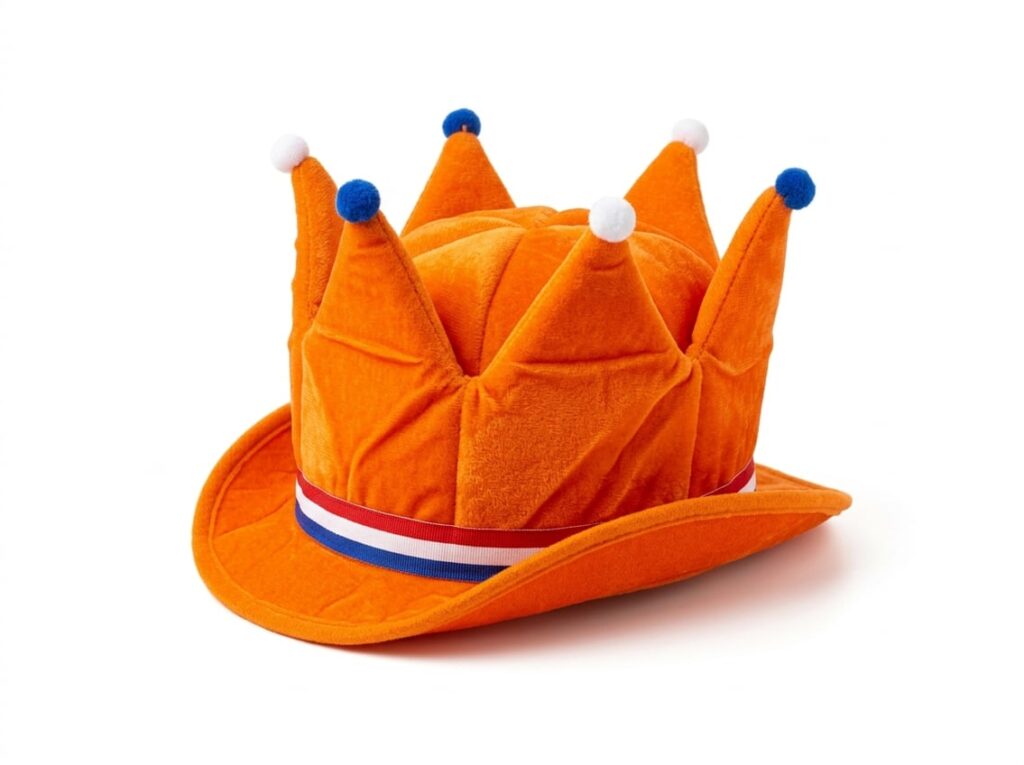
On April 27, King’s Day, the whole country dresses in orange, and silly orange hats are part of the uniform. The color honors the royal House of Orange-Nassau, and the date marks King Willem-Alexander’s birthday.
You’ll see crowns, top hats, cowboy hats, and inflatable headgear, all sold everywhere for a few euros in the days beforehand. Amsterdam’s canals fill with party boats, and towns run a nationwide flea market called the vrijmarkt, where anyone can sell secondhand goods on the street. When the 27th falls on a Sunday, celebrations move to the 26th.
Hollandse Nieuwe (Dutch Herring)
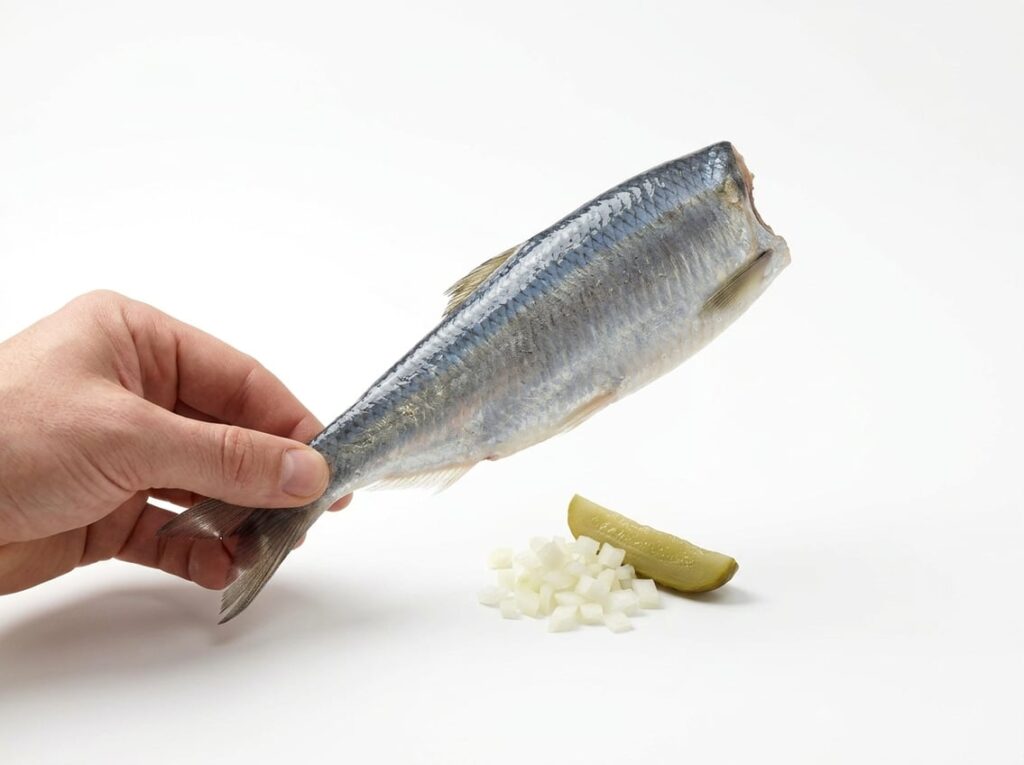
Hollandse Nieuwe is the first herring of the season, caught when the fish carry enough fat to taste rich and soft. It arrives each June, and people traditionally auction the first barrel for charity.
Street carts called haringhuis sell it raw and lightly brined. Locals hold the fish by the tail and lower it into their mouths. In Amsterdam, you’ll more often get it sliced on a paper tray with chopped onions and pickles. A broodje haring puts it in a soft roll. Expect to pay about €3 to €5.
Drop (Dutch Licorice)
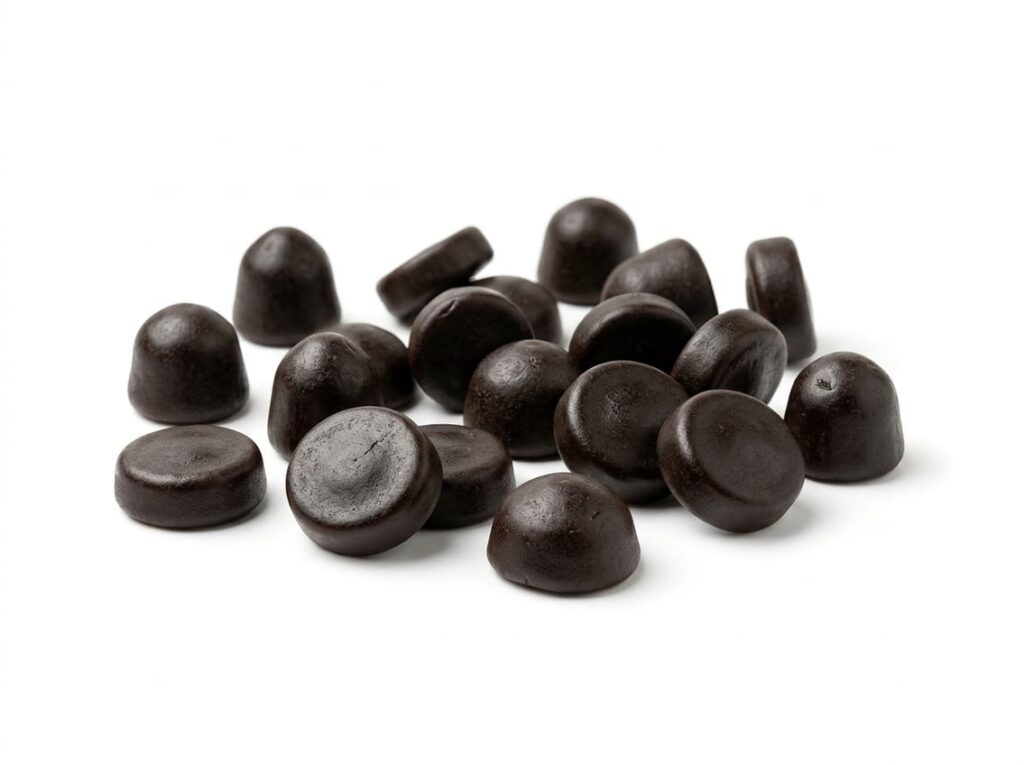
The Dutch eat more licorice per person than almost anyone, around two kilograms a year. Drop ranges from sweet and soft to sharply salty, with ammonium chloride that surprises most American palates.
Start with zoete drop (sweet) before trying zoute (salty) or dubbelzout (double salt). Supermarkets sell bags in shapes like coins, cats, and diamonds, and specialty shops offer scoop-your-own bins. Venco and Klene are household names. Pick up a mixed bag and find your tolerance level.
Beschuit met Muisjes
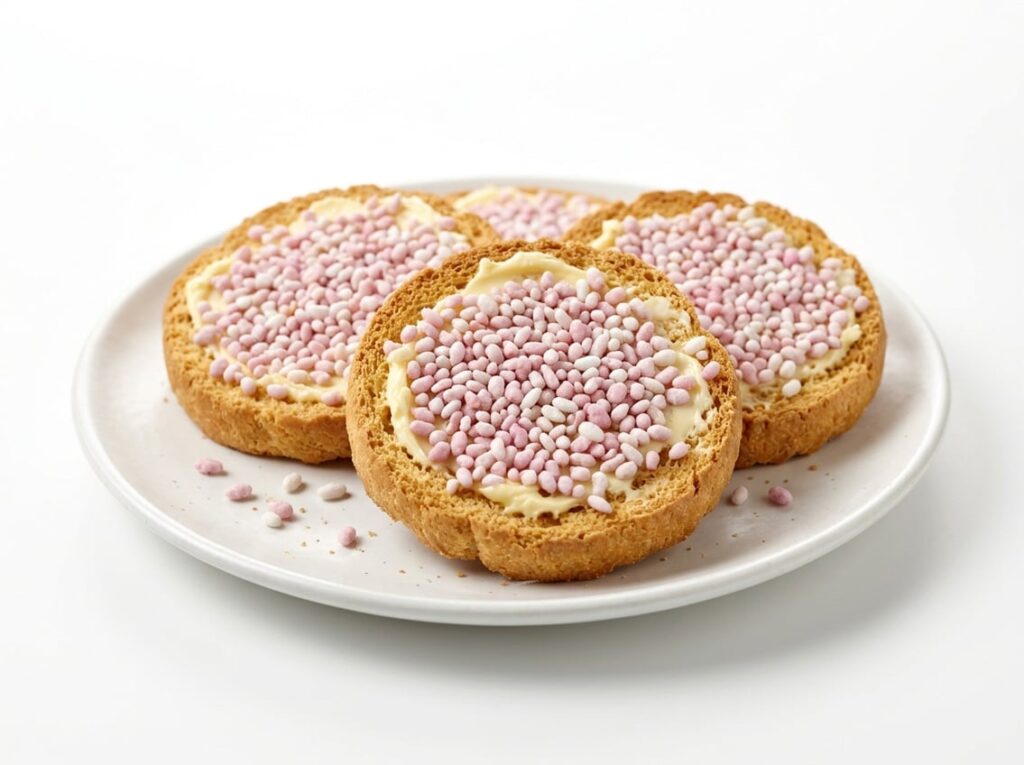
When a Dutch baby is born, visitors get round, crisp rusks spread with butter and topped with sugar-coated aniseeds called muisjes, meaning “little mice.” Pink and white means a girl; blue and white means a boy.
The tradition dates back to the 1600s, when people believed anise supported new mothers. De Ruijter has made muisjes since 1860 and released orange versions for royal births. You can find beschuit and muisjes in any supermarket. Butter the rusk well to keep the seeds in place, and eat it over a plate.
Kaasschaaf (Cheese Slicer)
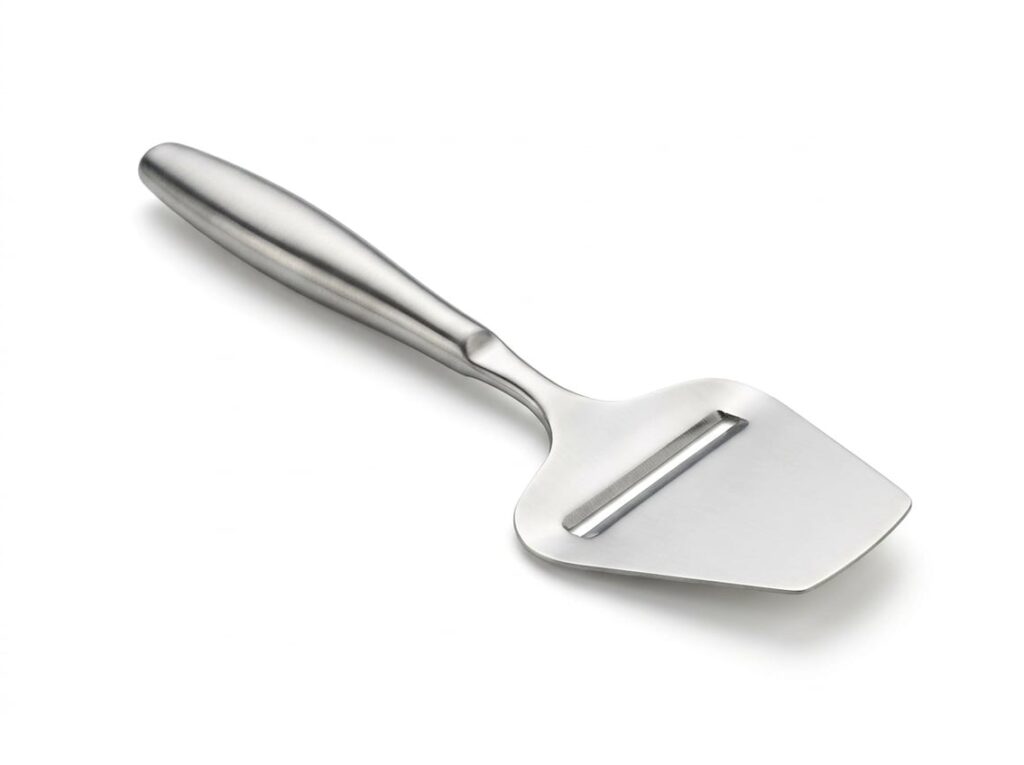
The kaasschaaf is a flat cheese slicer with a slot that shaves thin, even slices from a block of cheese. Norwegian Thor Bjørklund patented the design in 1925, but Dutch kitchens adopted it so completely that it feels homegrown.
Thin slices suit the way Dutch people eat cheese, layered on buttered bread at lunch. A slicer from Boska, a Dutch cheese tool maker founded in 1896, costs about €10 to €20 and makes a practical souvenir. Hold the block steady and draw the blade toward you with light pressure.
ANWB Paddenstoel (Cycling Direction Sign)
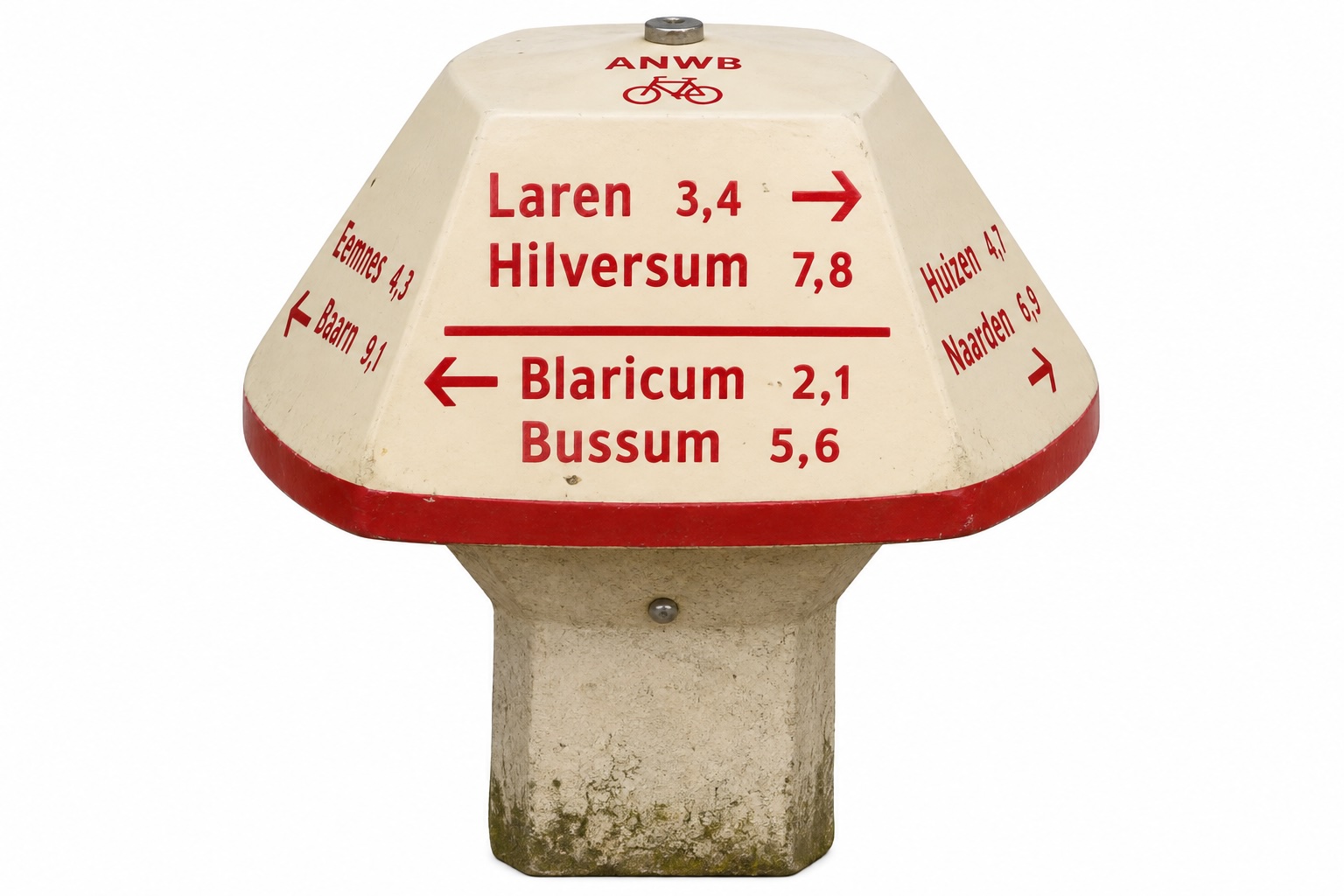
These knee-high, mushroom-shaped signs guide cyclists and walkers along rural paths. The Dutch call them paddenstoelen, meaning toadstools. The ANWB, the national travelers’ association, began placing them in 1919.
Each sign has a numbered cap and arms that point toward nearby towns, with distances in kilometers. Their low height makes them easy to read from a bike. Thousands still stand across the countryside, and they work well alongside the separate knooppunt network of numbered junctions. Note the junction numbers before you ride, and you can navigate without a phone.
Orange Dutch National Football Jersey
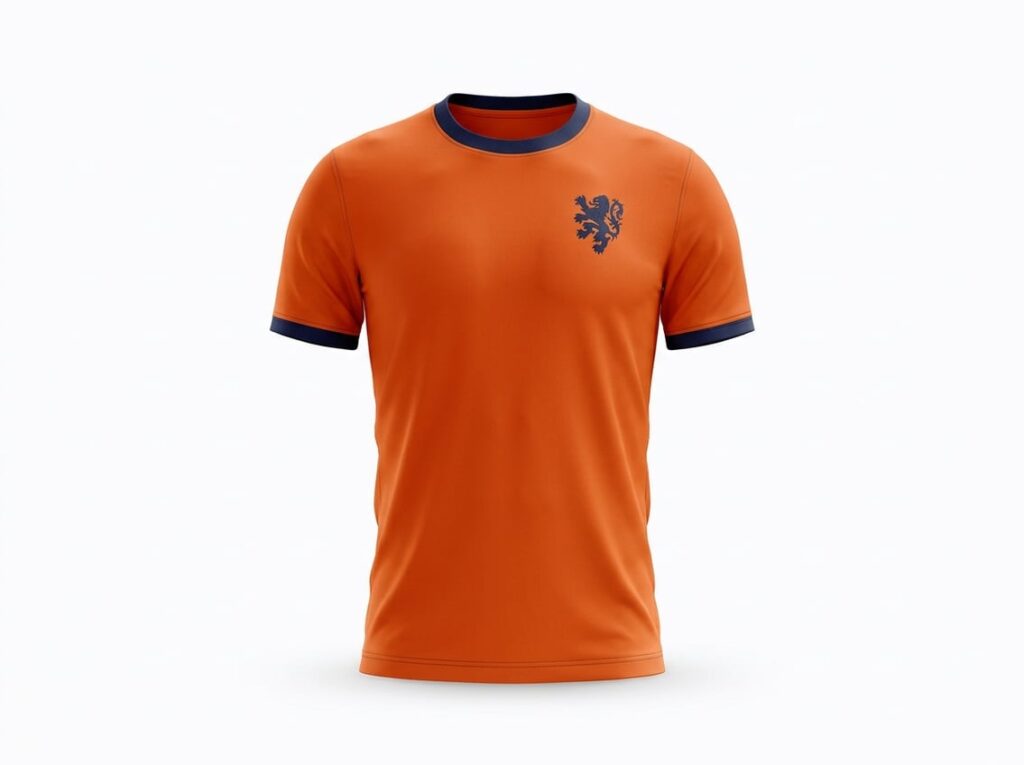
Bright orange shirts make the Dutch national team instantly recognizable, and fans call themselves Oranje, too. The team has reached three World Cup finals (1974, 1978, 2010) and won the 1988 European Championship.
During tournaments, Dutch cities drape streets in orange bunting, and pubs fill with fans. Official jerseys from Nike sell for around €90 to €100, while sporting goods stores carry cheaper fan shirts. If there’s a big match on while you’re visiting, wear anything orange and find a café with a screen.
Bakfiets (Cargo Bicycle)
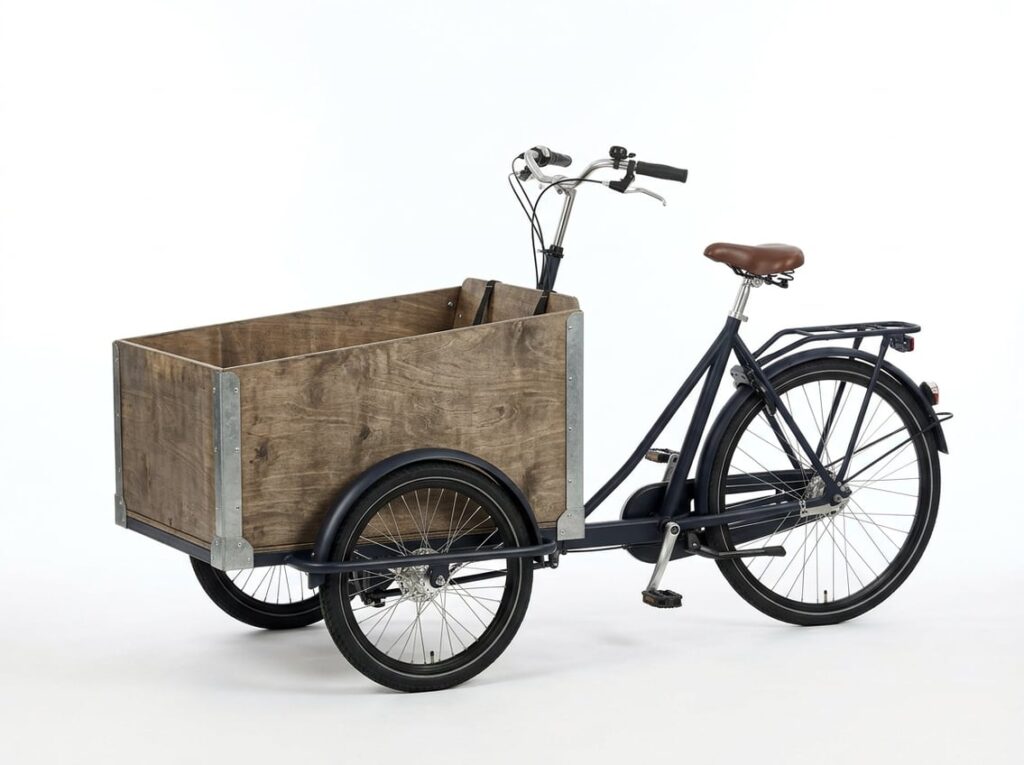
A bakfiets carries a wooden or plastic box in front of the rider, big enough for groceries, a dog, or two to four children. Parents use them for school runs, much as Americans use minivans.
Electric-assist models from Dutch brands like Urban Arrow and Babboe make riding over bridges and into the wind easier. New ones cost roughly €3,000 to €6,000. You’ll see them everywhere in Amsterdam and Utrecht, often with a rain canopy over the box. Some rental shops offer them by the day, which can be handy if you’re traveling with small kids.
Rotterdam Cube House
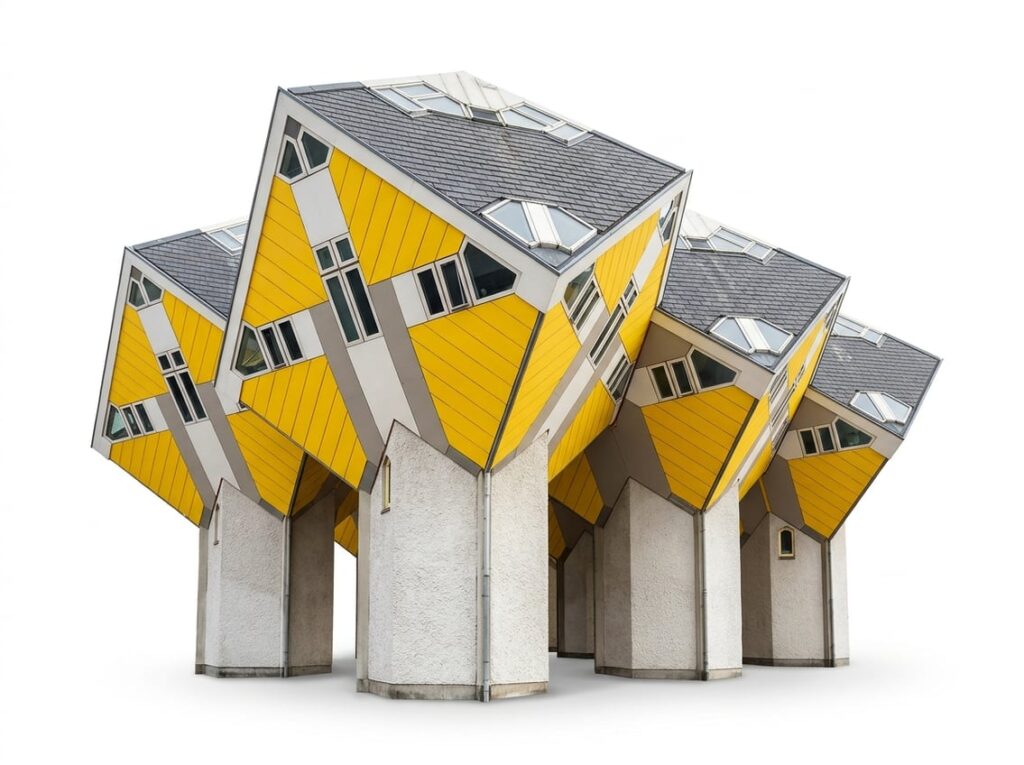
Architect Piet Blom designed the Cube Houses (Kubuswoningen) as homes tilted 45 degrees and perched on hexagonal pillars. They were completed in 1984 and together suggest a forest of abstract trees above the street.
Most are private homes, but you can step inside the Kijk-Kubus show cube for a few euros and see how residents manage the slanted walls. The complex sits next to the Markthal and Rotterdam Blaak station, so you can see three standout pieces of modern architecture within a short walk, including the pencil-shaped Blaaktoren.
Van Gogh’s Sunflowers
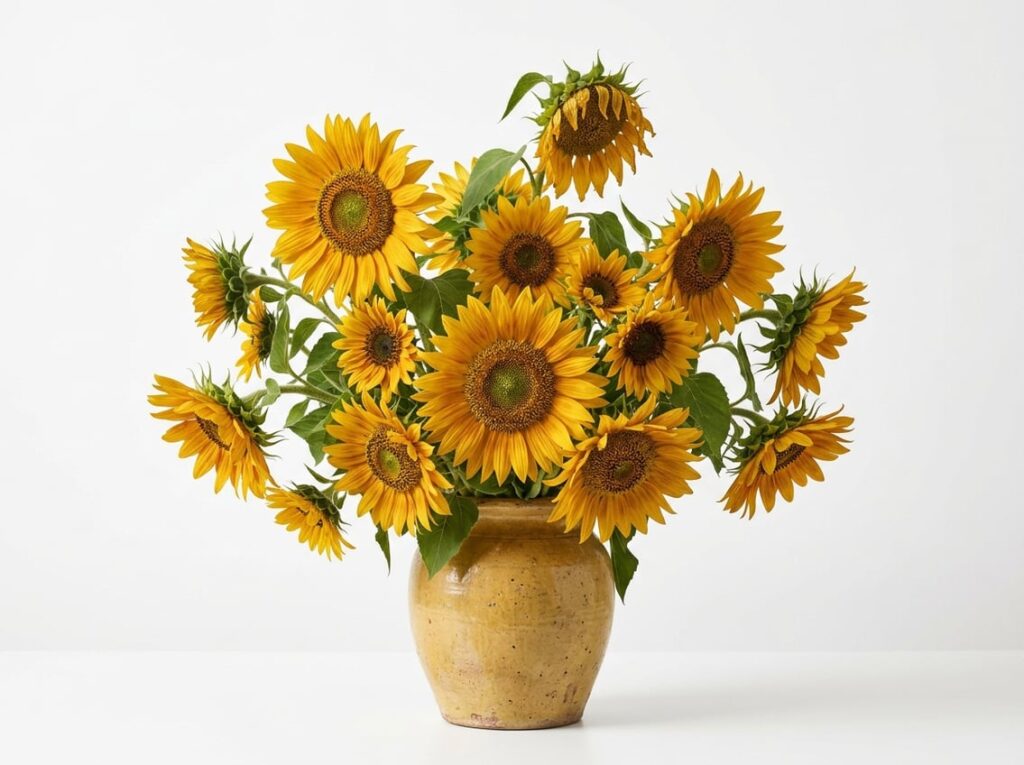
Vincent van Gogh painted his Sunflowers series in Arles, France, in 1888 and 1889. The yellow blooms became his signature image. He made several versions, which museums in Amsterdam, London, Munich, Philadelphia, and Tokyo now hold.
The Van Gogh Museum in Amsterdam holds one version and the world’s largest collection of his work. Book tickets online ahead of time, since timed slots sell out. The museum shop sells Sunflowers on everything from mugs to umbrellas, and the Kröller-Müller Museum near Otterlo has another strong Van Gogh collection.
Dutch Drawbridge
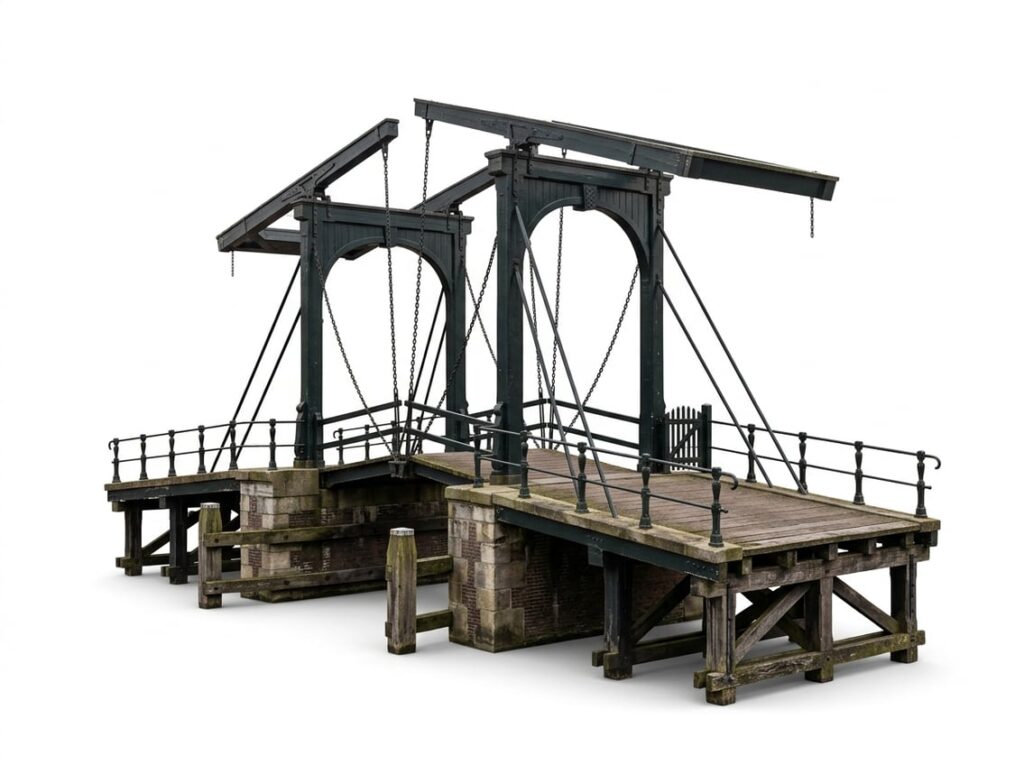
Drawbridges lift to let boats pass through the country’s many canals and rivers, and their bells and barriers are a normal part of Dutch traffic. Amsterdam’s white wooden Magere Brug over the Amstel is the most photographed example.
When the lights flash, cyclists and cars wait a few minutes while sailboats glide through. The Magere Brug looks especially good at night, when its lights come on. Smaller towns like Leiden and Haarlem have picturesque drawbridges of their own. Build some slack into bike routes, since bridge openings can hold up traffic.
Dutch Tricolor Flag
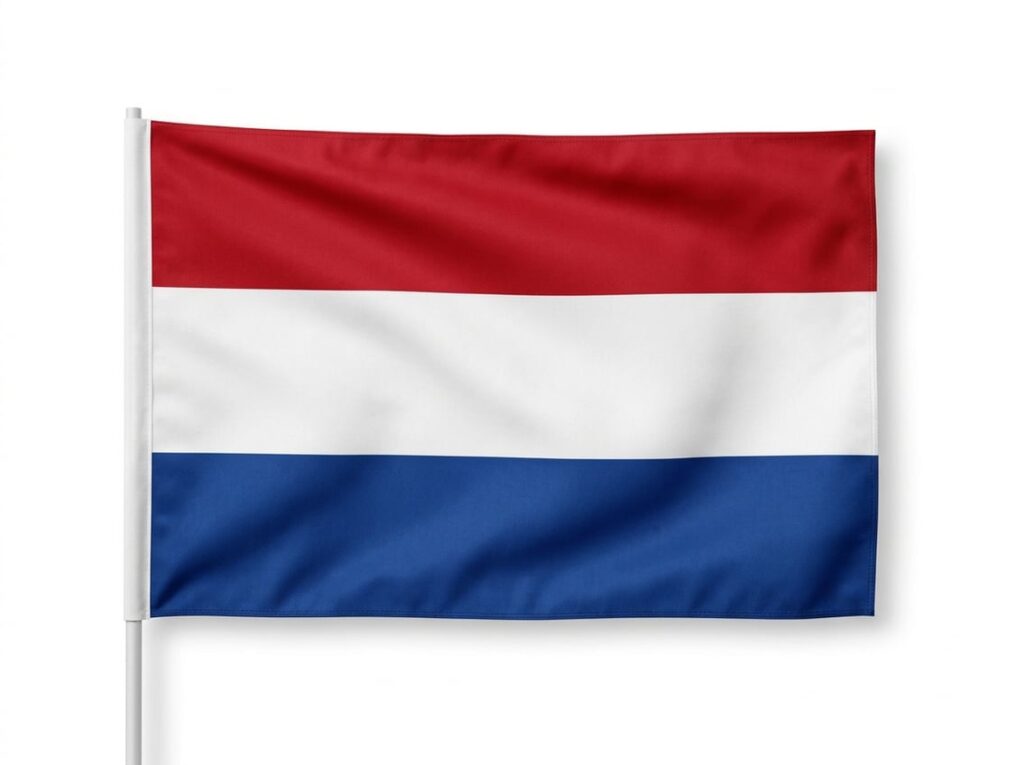
The Dutch flag has horizontal red, white, and blue stripes and is one of the oldest tricolors still in use. It grew out of the orange, white, and blue Prince’s Flag of the 1500s; red replaced orange during the 1600s.
On King’s Day and royal birthdays, you’ll see an orange pennant flying above the flag. Another custom puzzles visitors: a flag with a schoolbag hanging from the pole means a student in the house passed final exams. On May 4, people fly flags at half-mast for Remembrance Day.
Chocoladeletter (Chocolate Letter)
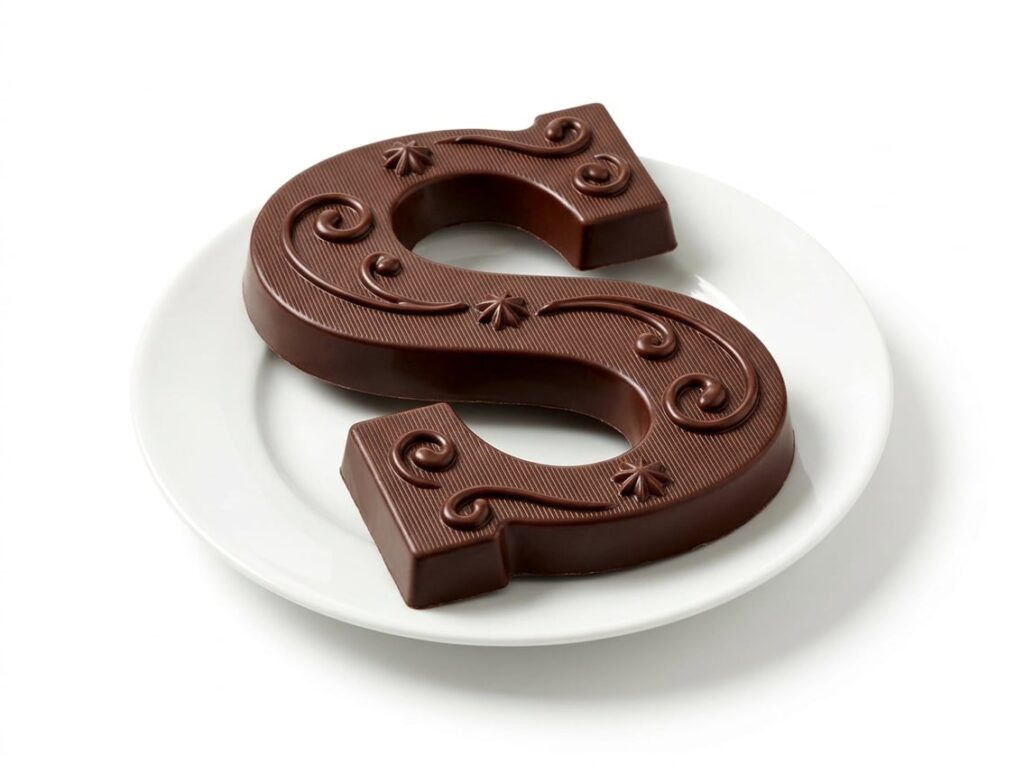
During Sinterklaas season, every Dutch kid gets a chocolate letter, usually their first initial. The tradition began with bread dough letters given in earlier centuries, then shifted to chocolate in the 1800s.
Letters appear in shops in October and peak around December 5, Sinterklaas eve. Each weighs about 100 to 200 grams, and stores sell the full alphabet in milk, dark, and white chocolate. Droste and Verkade are favorite brands. Visit in late November, and you can still buy one for everyone on your gift list.
Bicycle Child Seat
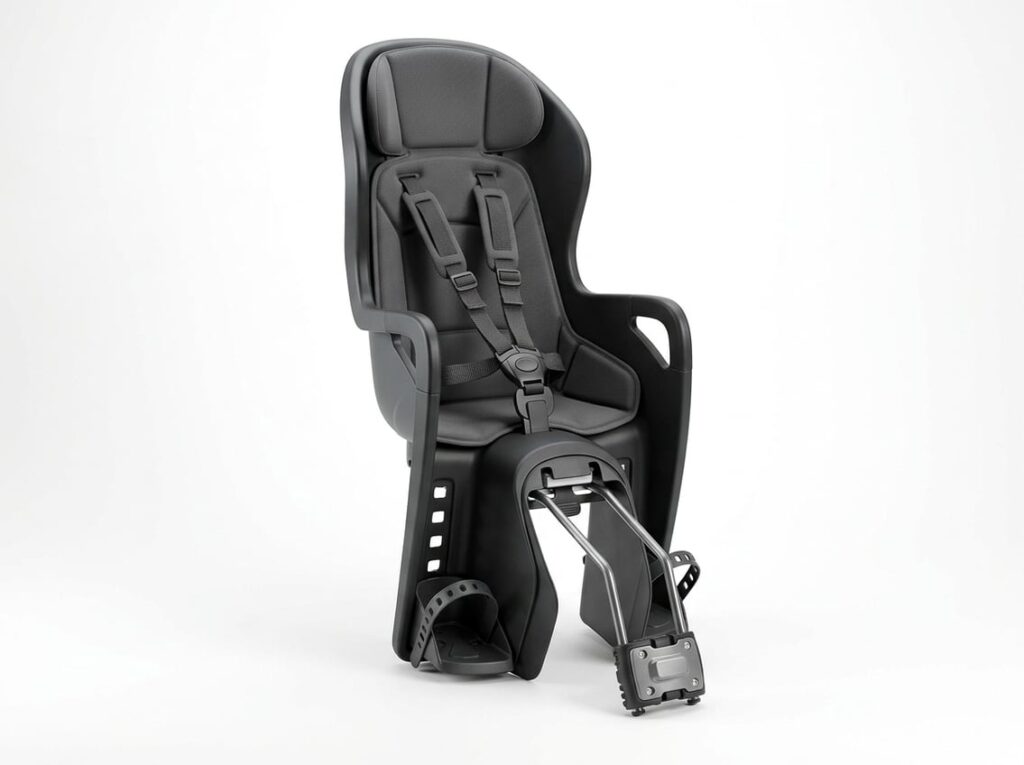
Dutch parents carry toddlers on bikes from a young age, using a front seat mounted on the handlebars or a rear seat over the back wheel. Families with two little ones often attach both seats.
Bobike and Qibbel are common brands, and seats cost around €70 to €150. Kids usually ride up front until about age three, then move behind. You’ll notice that most Dutch parents and children ride without helmets, reflecting the country’s safe, separated bike lanes. Visitors renting family bikes can ask shops for models with seats.
Orange PostNL Mailbox
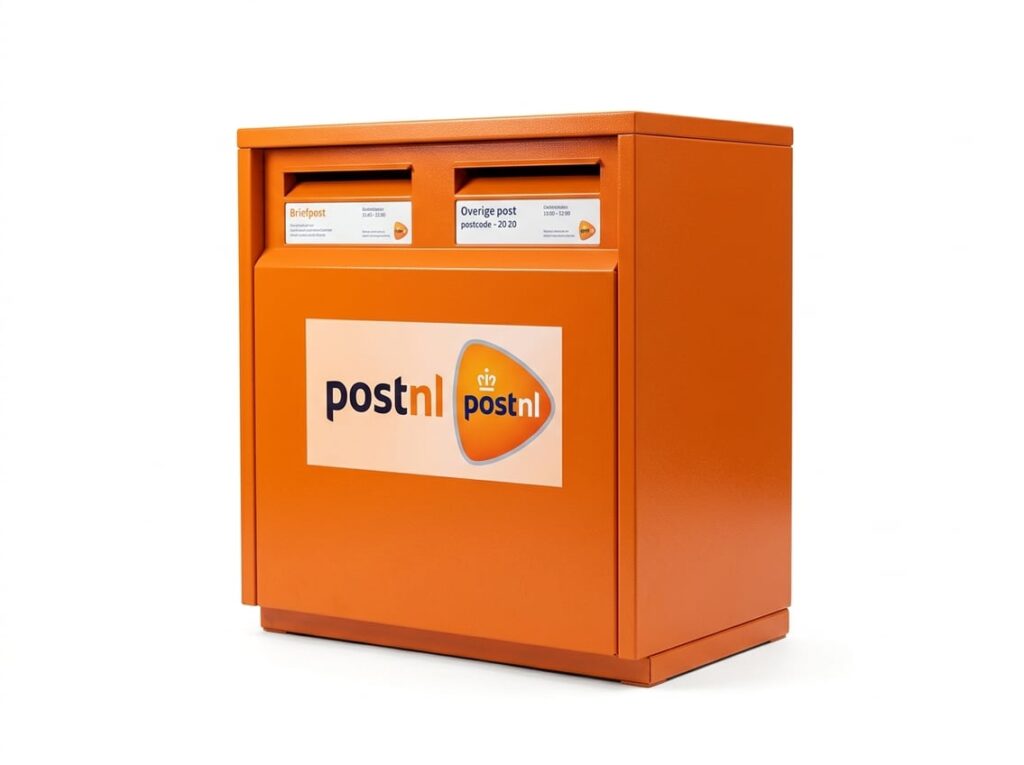
Bright orange PostNL mailboxes stand on Dutch street corners, each with two slots. The left slot handles local mail in the region, while the right takes everything else, including international letters.
As mail volumes fell, PostNL, the national postal service, cut back on daily collections. So check the pickup schedule printed on the box. To send postcards to the US, buy international stamps (internationaal) at supermarkets, bookstores, or post desks inside shops like Bruna. Drop your cards in the right-hand slot.