
You can spot Italy from across a room. A flash of red paint, a scooter weaving through traffic, or a wedge of cheese with a dotted rind tells you where something comes from before anyone says a word. Few countries have made everyday things such recognizable symbols. Italy has done it with food, vehicles, fashion, and stone alike.
That shared visual language grew from very local traditions. A pizza from Naples, a vase from a lagoon island, a hat from a small Piedmont city: each began in one place and became famous worldwide.
When you travel there or shop for something to bring home, knowing these icons helps you tell the authentic article from the souvenir-stand copy. You’ll also know where to see, taste, or buy the real thing.
Vespa Scooter
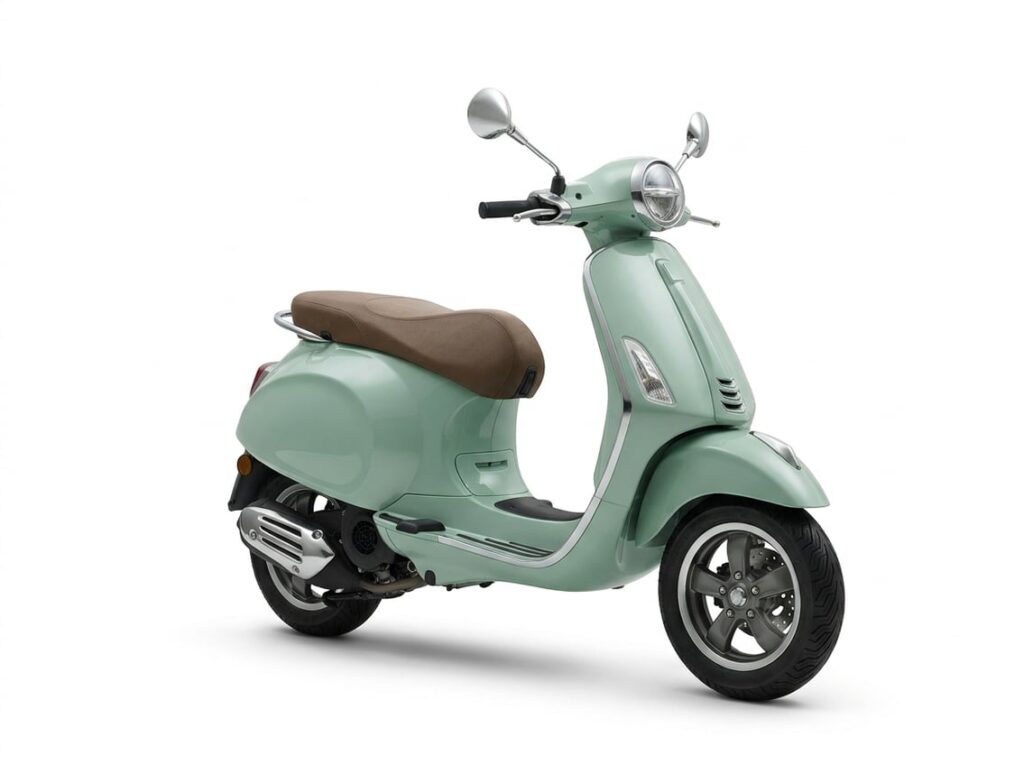
Piaggio launched the Vespa in 1946 from its factory in Pontedera, Tuscany, and it quickly put postwar Italy back on wheels. Aeronautical engineer Corradino D’Ascanio designed its step-through frame. Its buzzing engine and narrow waist earned it the name “wasp.”
You’ll see Vespas parked in tight rows on nearly every Roman street, a look Audrey Hepburn and Gregory Peck made famous in Roman Holiday in 1953. Want to ride one yourself? Rental shops in Rome, Florence, and along the Amalfi Coast rent scooters by the day. If you’d rather look than ride, the Museo Piaggio in Pontedera displays decades of models.
Pizza Margherita
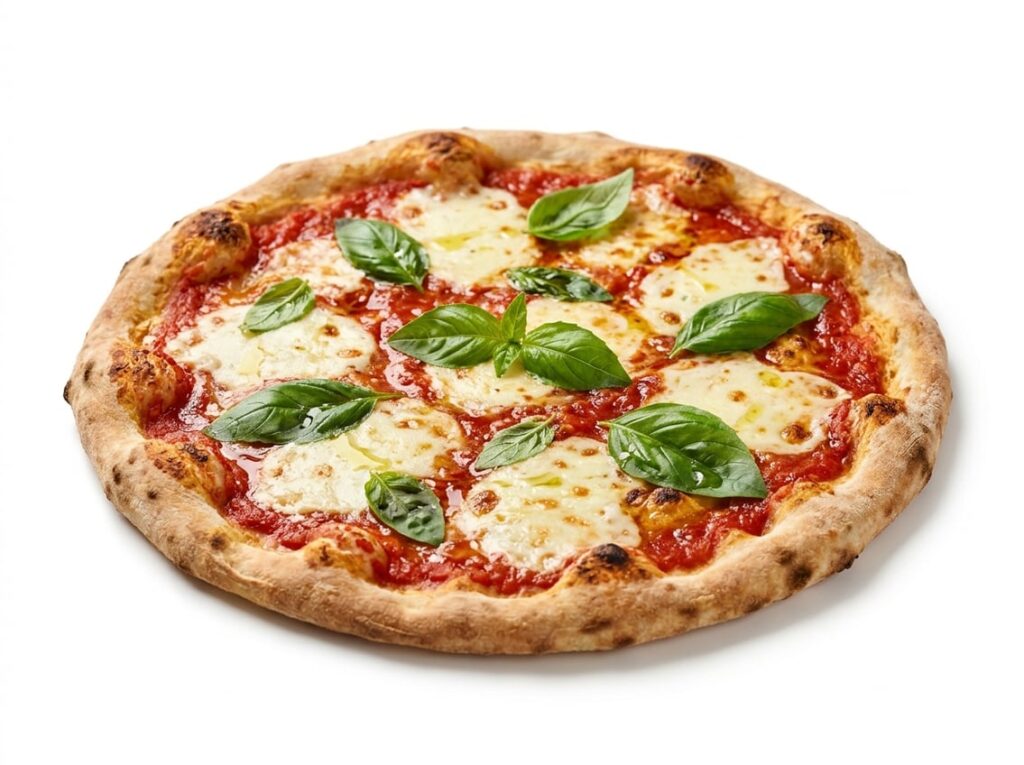
Naples gave the world this pizza. Local lore dates it to 1889, when pizzaiolo Raffaele Esposito honored Queen Margherita with tomato, mozzarella, and basil in the colors of the Italian flag. The recipe stays strictly simple, and that’s the point.
A true Neapolitan Margherita has a soft, blistered crust. Bakers cook it in a wood-fired oven at around 900°F for roughly 60 to 90 seconds. UNESCO recognized the art of the Neapolitan pizzaiuolo in 2017. In Naples, you can order one at historic spots like L’Antica Pizzeria da Michele for well under 10 euros, then eat it folded “a libretto” if you’re on the move.
Venetian Gondola
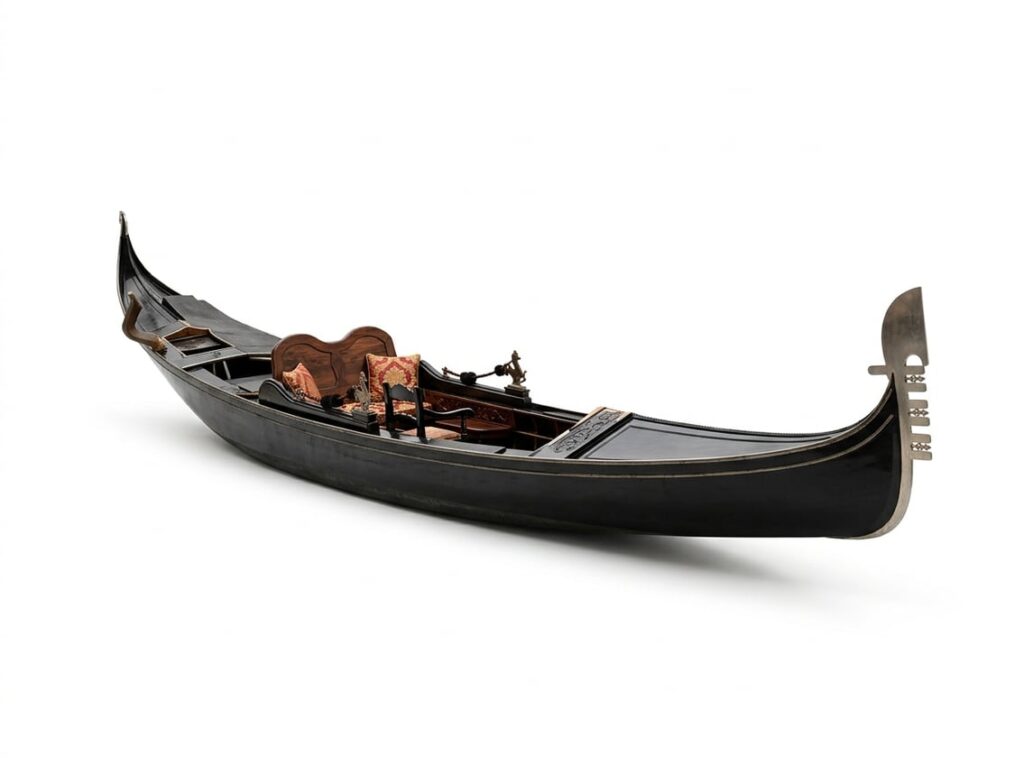
Venice’s gondola measures about 11 meters long. Its asymmetrical build, with one side longer than the other, lets a single oarsman steer it straight. The glossy black finish dates back to old laws that curbed showy displays of wealth on the canals.
A traditional boatyard called a squero builds each boat by hand from several types of wood. The metal prow ornament, the ferro, is said to represent the city’s districts. For a private ride, the official daytime rate runs around 90 euros for about 30 minutes. For a cheaper taste, hop on a traghetto, a shared gondola ferry that crosses the Grand Canal for a few euros.
Espresso Cup
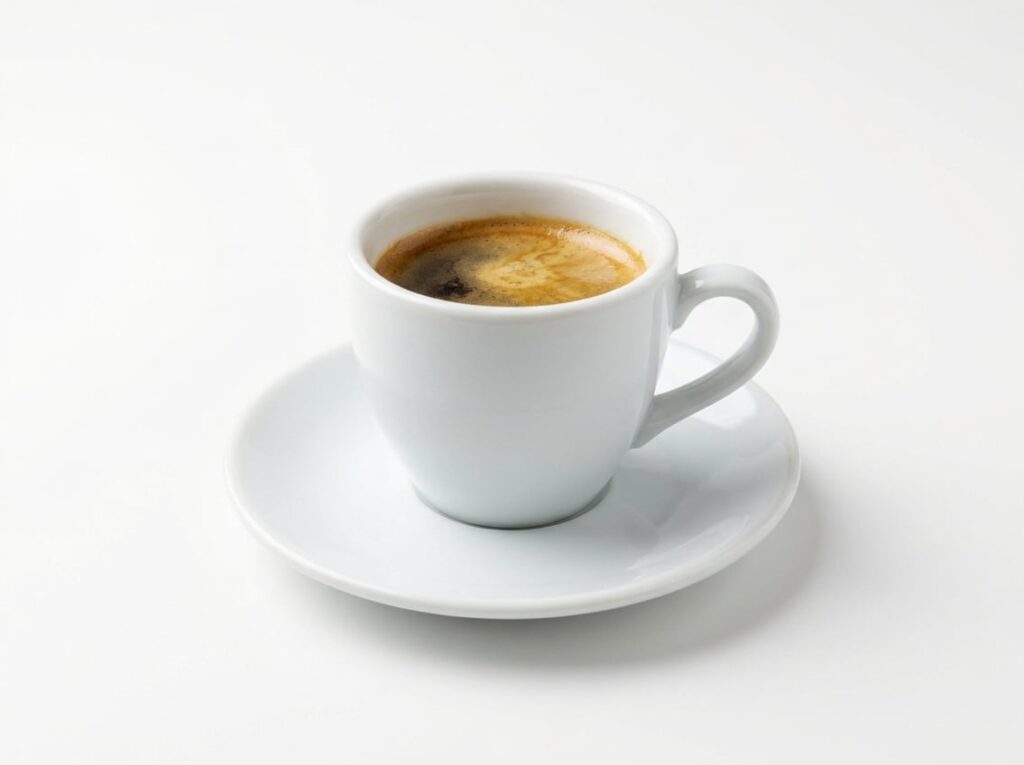
The small, thick-walled espresso cup holds only about 2 to 3 ounces. Its heavy porcelain keeps your coffee hot for the few sips it takes to finish. Baristas warm the cups on top of the machine before pulling a shot.
Italy’s espresso culture took shape in the 1940s, after Achille Gaggia’s lever machines produced the creamy layer known as crema. In any Italian bar, you can order “un caffè” and drink it standing at the counter for roughly 1 to 1.50 euros. Sitting at a table costs more. Brands like illy and Ancap sell the classic cups, which make an easy, practical souvenir.
Ferrari Red Sports Car
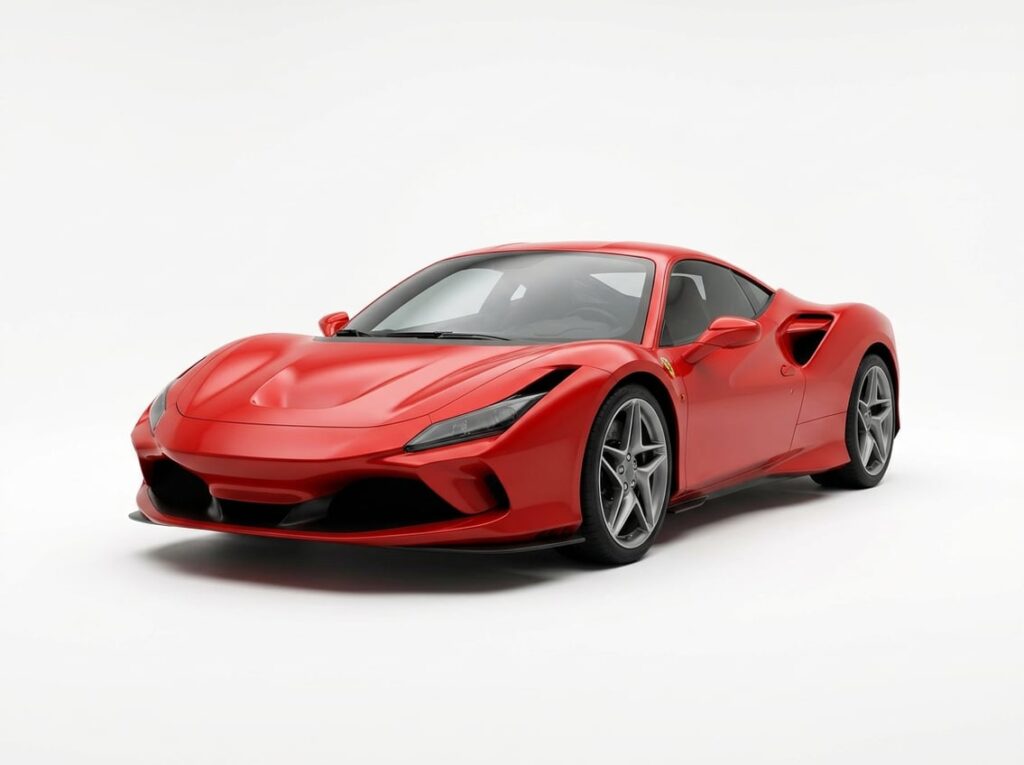
Rosso corsa, or “racing red,” became Italy’s national racing color in the early days of motorsport. Ferrari made it famous worldwide. Enzo Ferrari founded his company in Maranello, near Modena, and the prancing horse badge followed.
You don’t need to own one to get close. The Museo Ferrari in Maranello and the Museo Enzo Ferrari in Modena showcase road cars, Formula 1 machines, and engines. Several outfitters near Maranello offer short test drives along local roads, priced by the minute or kilometer. Emilia-Romagna’s “Motor Valley” also includes Lamborghini, Maserati, and Ducati, so you can easily plan a full day of factory and museum visits.
Sicilian Heads
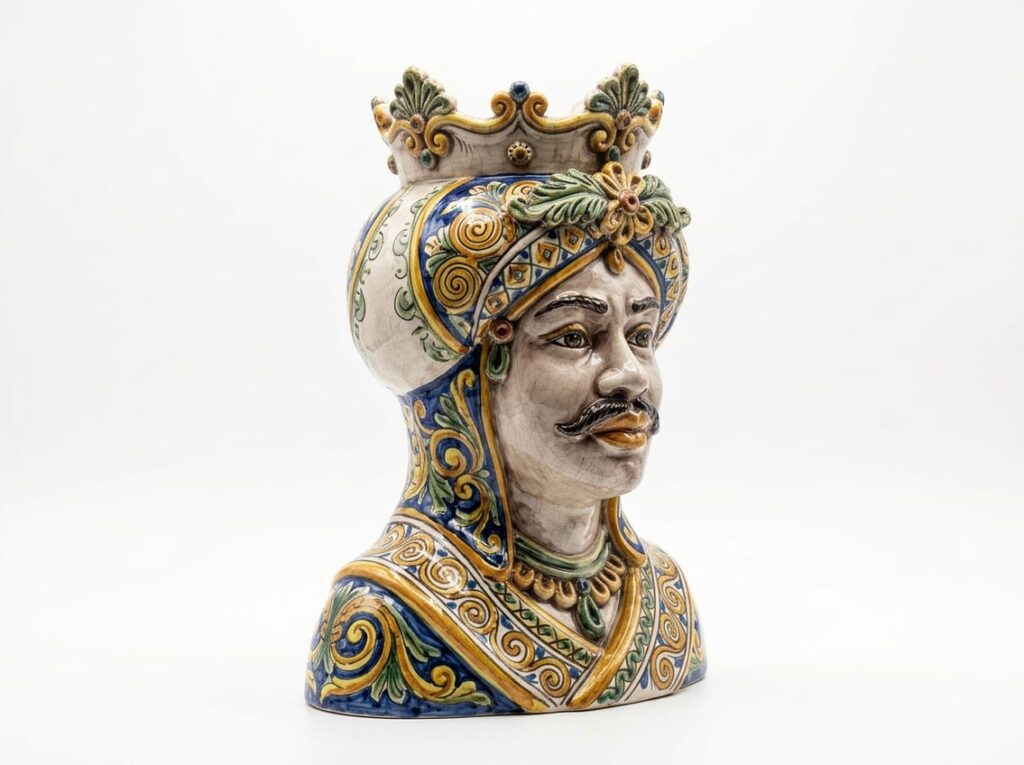
Teste di Moro, the painted ceramic heads you’ll find on balconies all over Sicily, come with a dark legend from Palermo. A young woman discovered that her Moorish lover planned to return to a family abroad. She beheaded him and grew basil in his head; the plant thrived so well that neighbors copied the pot.
Today the heads come in pairs, a crowned man and a woman, painted in bright glazes. Caltagirone, the island’s ceramics capital, has dozens of workshops selling hand-painted versions. Expect to pay more for larger, signed pieces, and ask the shop to pack and ship them home.
Colosseum
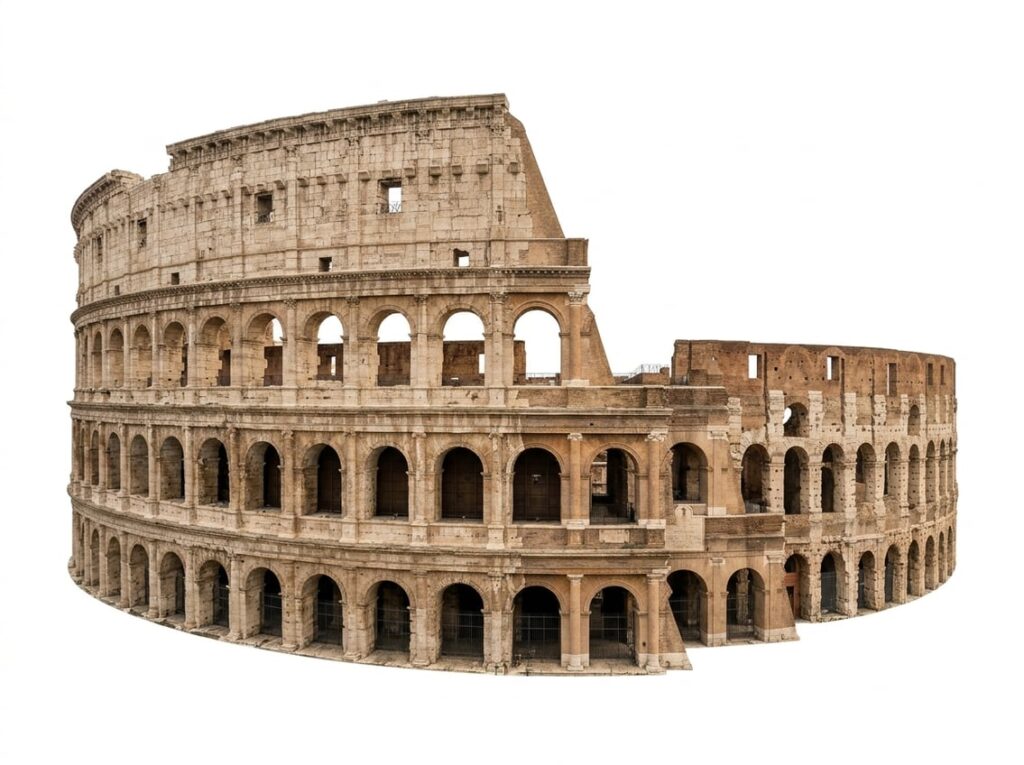
Emperor Vespasian began the Flavian Amphitheatre around 70 AD, and his son Titus opened it in 80 AD with 100 days of games. An estimated 50,000 spectators watched gladiator fights, animal hunts, and public spectacles there.
Book a timed ticket online in advance, since entry is capped and slots sell out in busy months. Combined tickets usually cover the nearby Roman Forum and Palatine Hill. For a fuller visit, reserve a tour that includes the arena floor or the underground hypogeum, where animals and fighters waited before lifts raised them into the arena.
Pinocchio Wooden Puppet
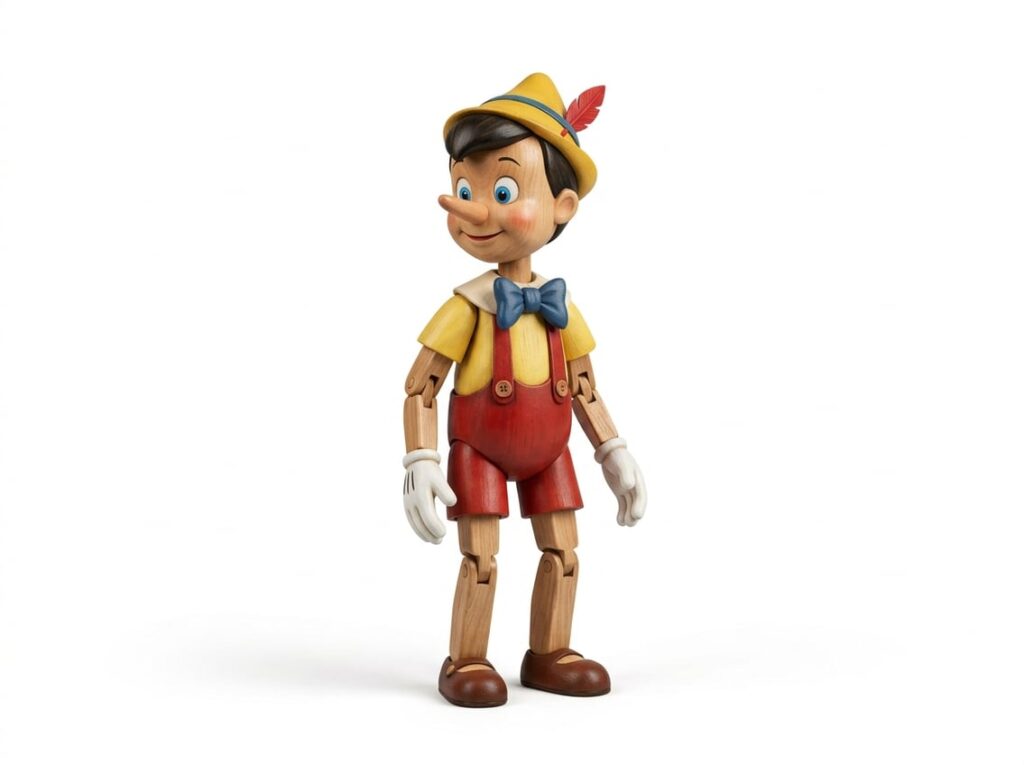
Florentine writer Carlo Collodi began publishing The Adventures of Pinocchio as a serial in 1881. The puppet whose nose grows with every lie became one of Italy’s best-known characters. Collodi took his pen name from his mother’s village in Tuscany.
In Florence, craft shops sell hand-carved, painted Pinocchio puppets in every size, from keychains to full marionettes with jointed limbs. Look for workshops where you can watch the carver at work; that’s a good sign of handmade quality. You can also visit the Parco di Pinocchio in Collodi, a park with sculptures and paths themed around the story.
Parmigiano Reggiano Cheese Wheel
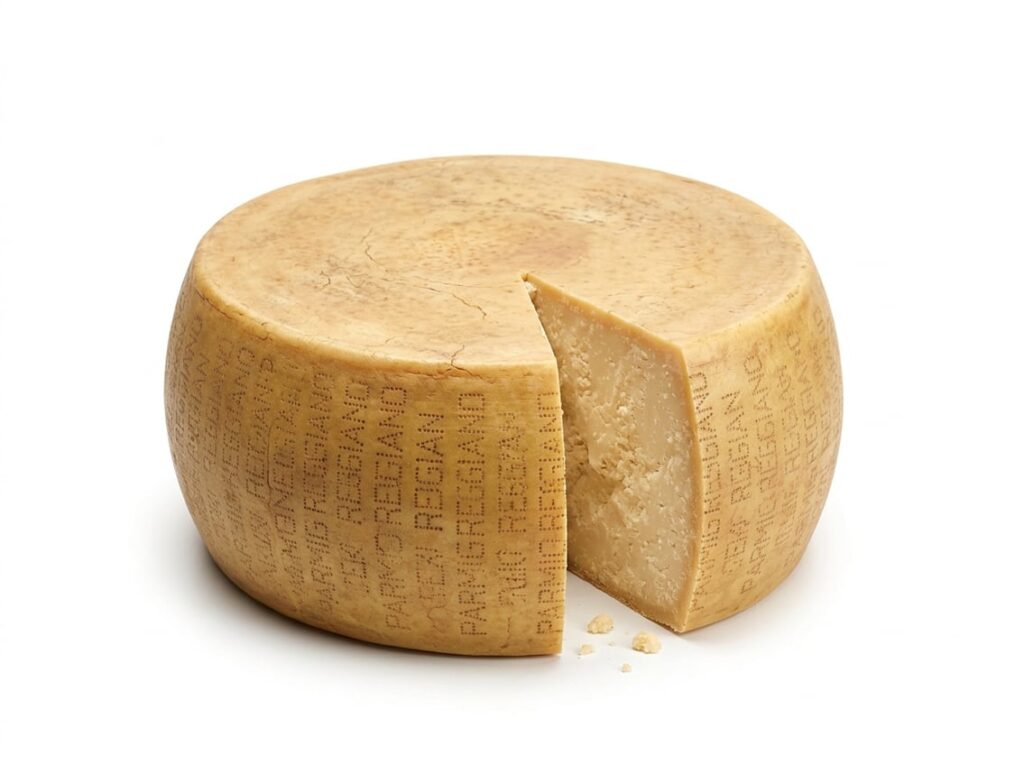
A genuine Parmigiano Reggiano wheel weighs around 40 kilograms and must come from a defined zone covering Parma, Reggio Emilia, Modena, and parts of Bologna and Mantua. Producers use only raw cow’s milk, salt, and rennet. Every wheel ages for at least 12 months.
You’ll recognize the real thing by the dotted lettering stamped into the rind. Many dairies around Parma and Reggio Emilia offer early-morning tours where you can watch cheesemakers lift curd from copper vats. Buy vacuum-packed wedges at the dairy; 24- and 36-month cheeses are drier, crumblier, and more intense.
Gucci Bamboo Handbag
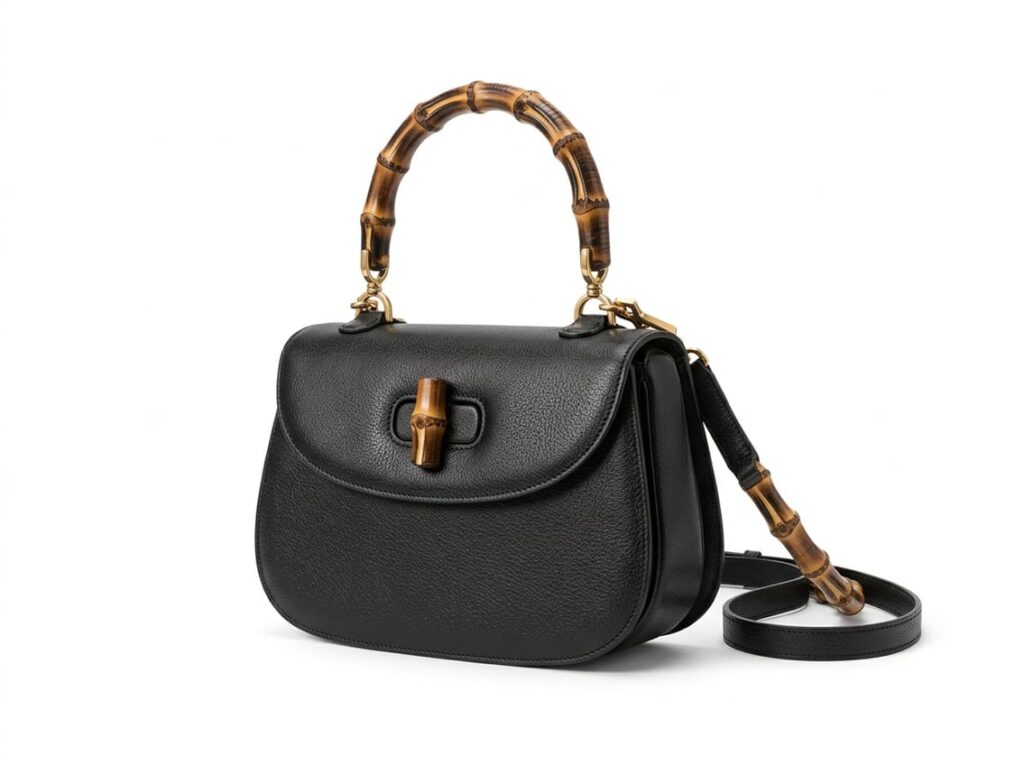
Gucci introduced the Bamboo bag in Florence in 1947, when postwar shortages pushed the house to use cane for handles. Artisans heat the bamboo over a flame and bend it into its signature curve. They still make the bag largely by hand.
The bag became a status symbol worn by figures like Grace Kelly and Ingrid Bergman. In Florence, you can visit Gucci Garden in Piazza della Signoria to see archival pieces and learn about the brand’s history. Current models carry luxury price tags, so if you’re shopping vintage, check the stitching and hardware closely, and buy from reputable resellers.
Leaning Tower of Pisa
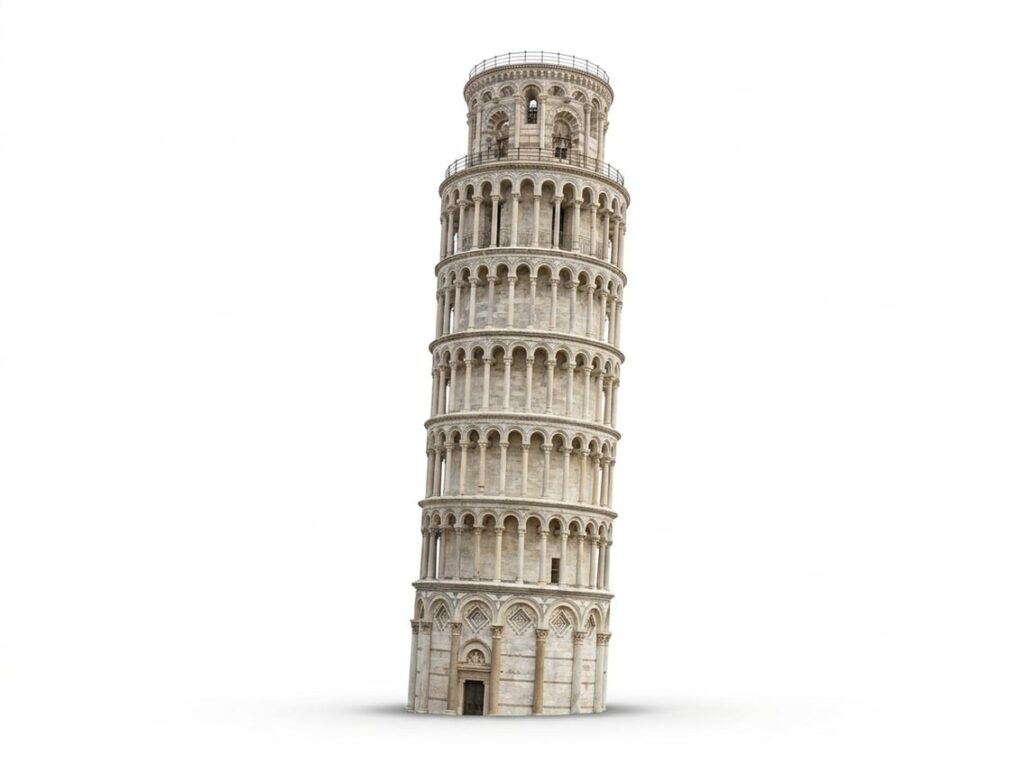
Builders began Pisa’s bell tower in 1173, and it started tilting before they even reached the third floor, thanks to the soft ground underneath. Work stopped and restarted over nearly two centuries.
Engineers stabilized the tower between 1990 and 2001, reducing the lean to about 4 degrees. You can climb the roughly 294 steps to the top on a timed ticket, and booking ahead online saves time. The tower sits in the Piazza dei Miracoli alongside the cathedral and baptistery, so plan a couple of hours to see the whole square, plus the obligatory “holding up the tower” photo.
Murano Glass Vase
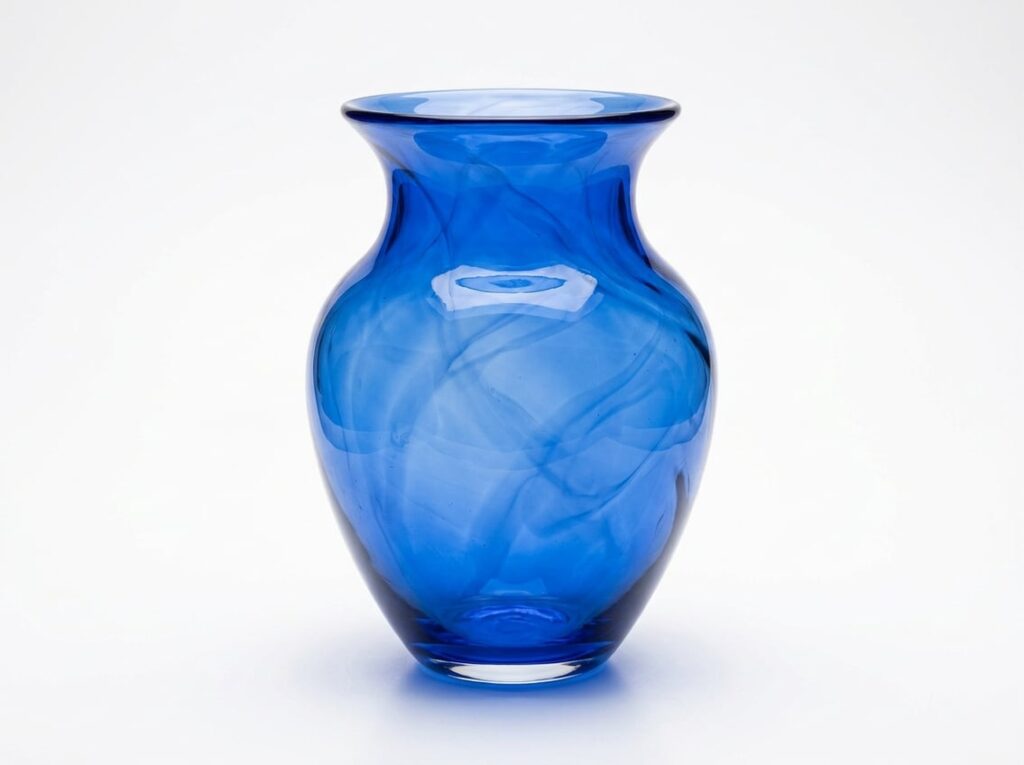
Venice moved its glassmakers to the island of Murano in 1291, partly to protect the city from furnace fires. The craft flourished there, and the island still produces vases, chandeliers, and jewelry in vivid colors.
Take a vaporetto from Fondamente Nove for the short ride over, then watch a glassblower shape molten glass at one of the furnaces. Visit the Museo del Vetro to trace centuries of technique, including millefiori patterns. Copies flood souvenir shops, so look for the Vetro Artistico Murano trademark and buy directly from established studios.
Azzurri Football Shirt

Italy’s national team plays in blue, a color drawn from the House of Savoy, the royal family that ruled when the team began. People call the players the Azzurri, “the blues.”
The shirt carries four stars for World Cup wins in 1934, 1938, 1982, and 2006. Italy also won the European Championship in 1968 and 2021. You can buy official jerseys at sports stores in any major Italian city. For the full experience, catch a national team match in a packed bar, where the whole room sings along to the anthem.
Spaghetti
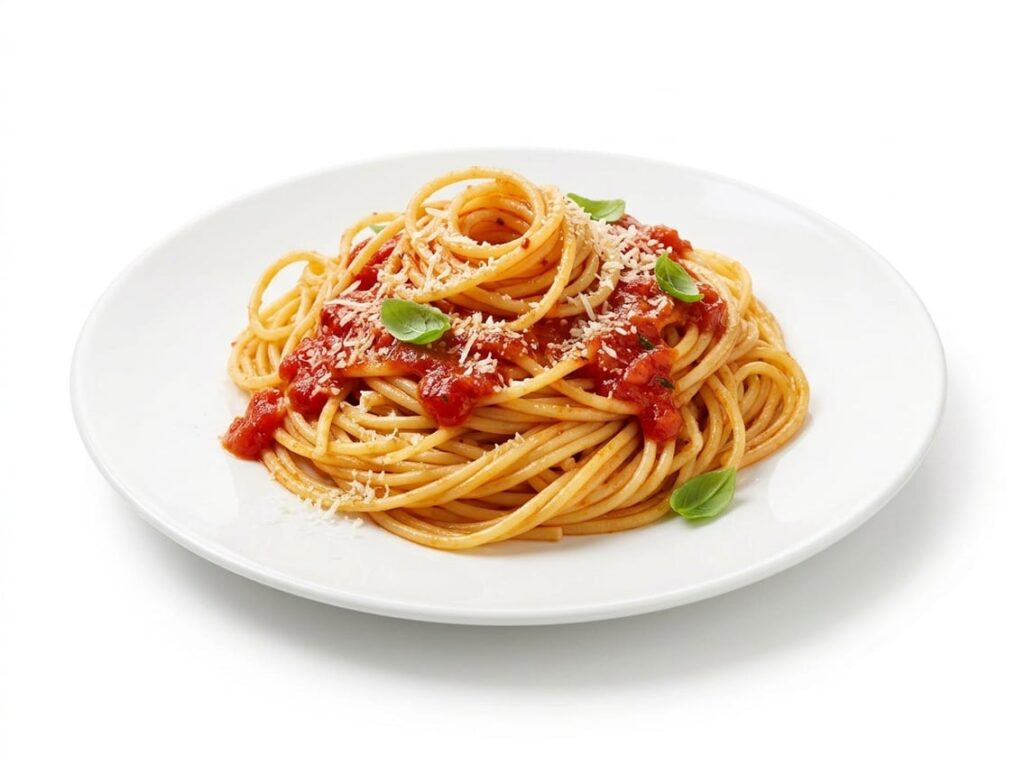
Spaghetti takes its name from “spago,” Italian for twine, and ranks among the country’s most beloved pasta shapes. The best versions use durum wheat semolina and pass through bronze dies, which give the surface a rough texture that grips sauce.
Gragnano, near Naples, has produced pasta for centuries. You can tour its pastifici and buy bags to bring home. In Rome, try spaghetti alla carbonara or cacio e pepe. Italians don’t break spaghetti before boiling it, and they twirl it with a fork alone, no spoon needed.
Olive Oil Tin
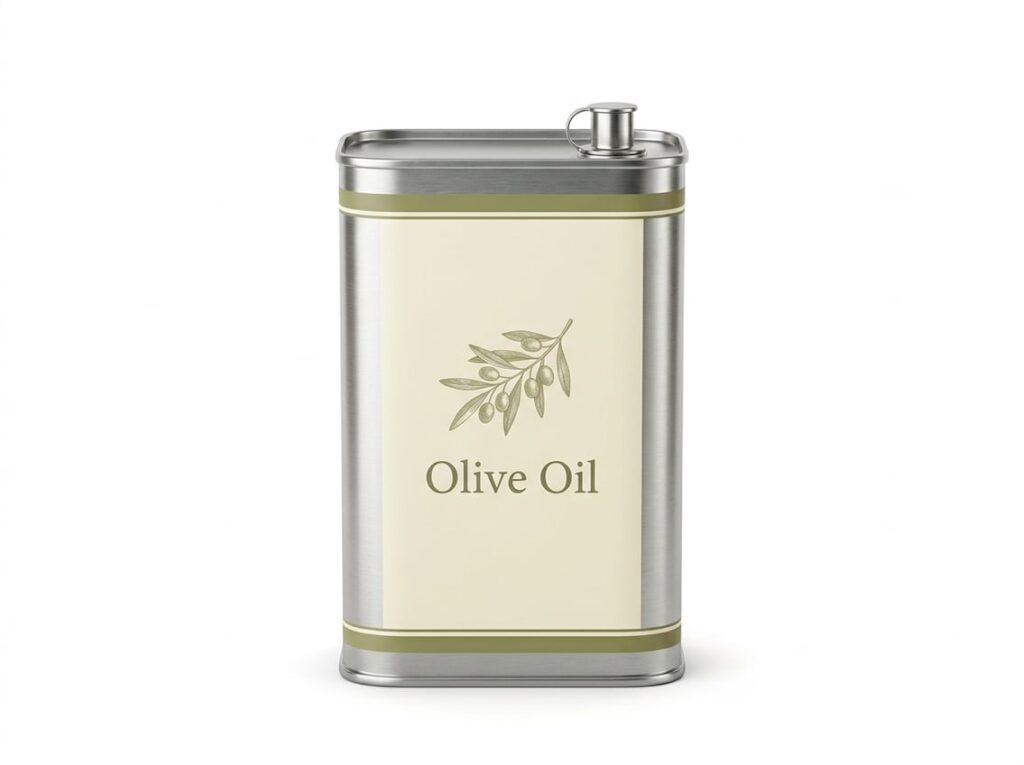
Italian olive oil often comes in colorful metal tins because they block light and help the oil keep its flavor longer. Many older family brands decorate them with bold, vintage-style labels that double as kitchen décor.
Puglia produces a large share of Italy’s olive oil, while Tuscany and Sicily are known for peppery, grassy varieties. Look for “extra vergine,” a harvest date, and a DOP label for regional authenticity. You can taste oils at farms and frantoi (olive mills) in autumn during the harvest. Sealed tins travel safely in checked luggage.
Venetian Carnival Mask
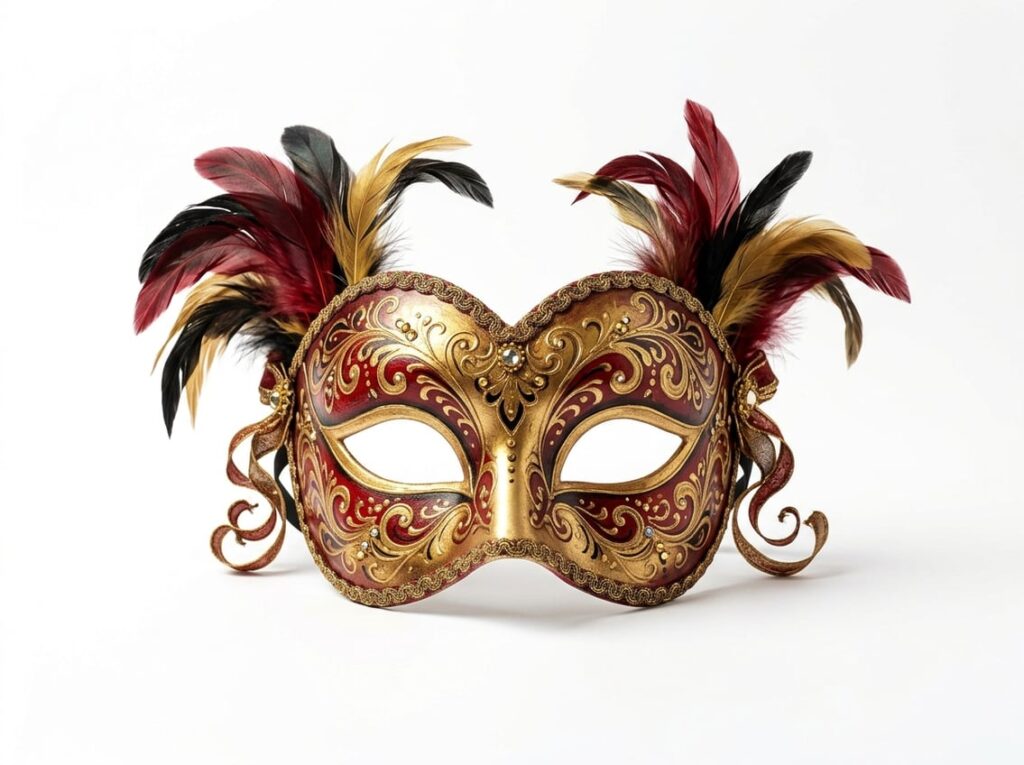
Venetian masks date back centuries. They let people of every class mingle anonymously. Classic styles include the bauta, which covers the whole face, the half-face Colombina, and the long-beaked medico della peste, or plague doctor.
Carnival fills Venice in the weeks before Lent, with costumed crowds gathering in Piazza San Marco. Artisans make authentic masks from papier-mâché (cartapesta) and paint them by hand. Seek out workshops like Ca’ Macana, where you can buy a mask or join a class to decorate your own. Cheap plastic versions sold on the street are mostly imported.
Gelato Cone
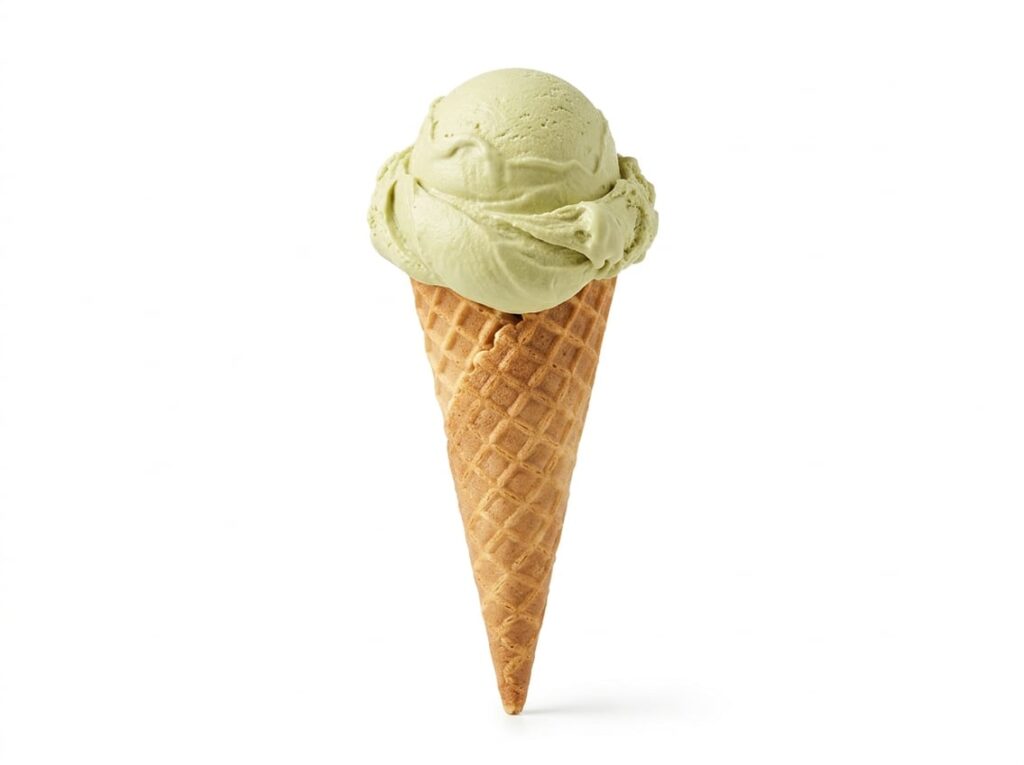
Gelato has less fat and less air than American ice cream, and people serve it slightly warmer, so its flavor comes through dense and smooth. A cone from a good gelateria makes the perfect companion for an afternoon walk in any Italian city.
To find quality gelato, look for muted, natural colors and flavors stored in covered metal tins. Towering, neon-bright mounds signal artificial ingredients. Italians usually pick two or even three flavors per cone, such as pistachio and stracciatella. Expect to pay about 3 to 4 euros for a small one.
Fiat 500
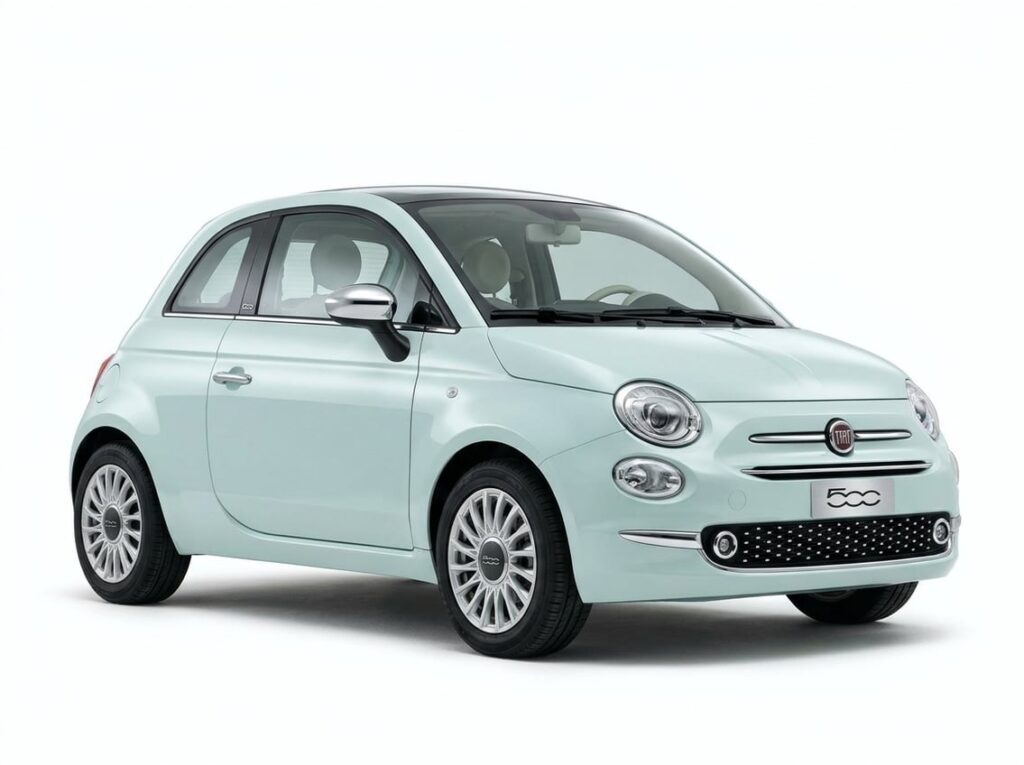
The Nuova Fiat 500 debuted in 1957. Dante Giacosa designed it in Turin as an affordable car for Italian families. Its tiny size made it perfect for narrow medieval streets, and the company sold millions.
The original “Cinquecento” still turns heads in Rome and Florence, and Fiat revived the name with a modern version in 2007. Several companies in Tuscany and Rome run guided tours in vintage 500s, letting you drive through vineyards or around landmarks. In Turin, the Museo Nazionale dell’Automobile tells the story of Italian car design, including the 500.
Olivetti Typewriter
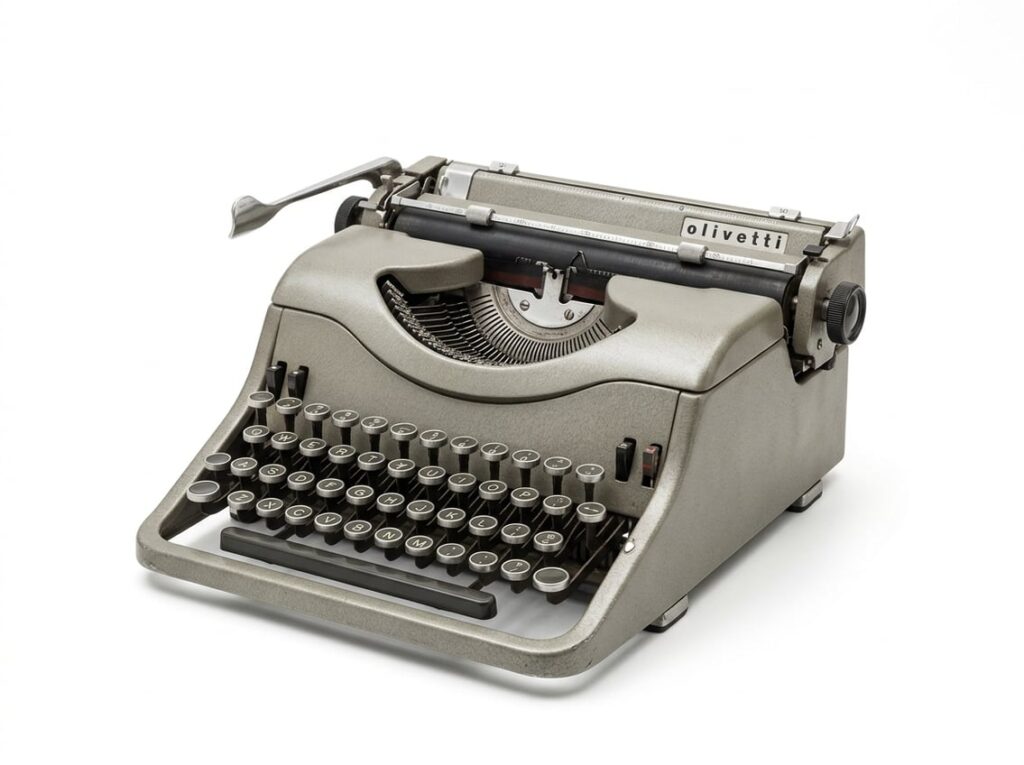
Camillo Olivetti founded his typewriter company in Ivrea, Piedmont, in 1908, and the brand became a model of Italian industrial design. The Museum of Modern Art in New York holds Marcello Nizzoli’s 1950 Lettera 22 in its collection.
Ettore Sottsass’s bright red Valentine portable typewriter, launched in 1969, became a pop design icon. Ivrea’s modernist factory buildings and workers’ housing earned UNESCO World Heritage status in 2018, and you can tour them. Vintage Olivettis turn up at Italian flea markets and online, and working models remain popular with writers.
Roman Centurion Helmet
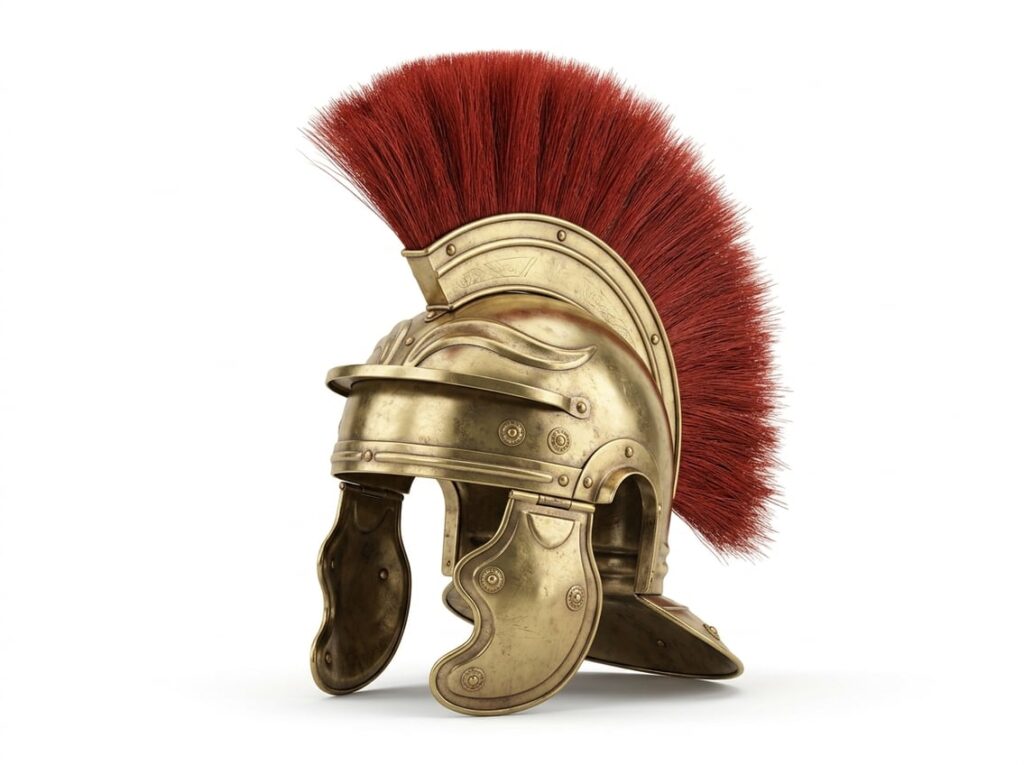
A centurion’s helmet, with its distinctive crest running side to side across the top, marked his rank on the battlefield. Ordinary legionaries wore crests running front to back, if they wore one at all.
Shops around Rome sell replica helmets, from cheap plastic versions to detailed metal reproductions. Near the Colosseum, costumed “centurions” offer photos; agree on a price up front, since they charge for pictures. For the real history, visit the Museo Nazionale Romano or the Capitoline Museums to see ancient military gear and sculptures.
Chianti Straw-Covered Wine Bottle
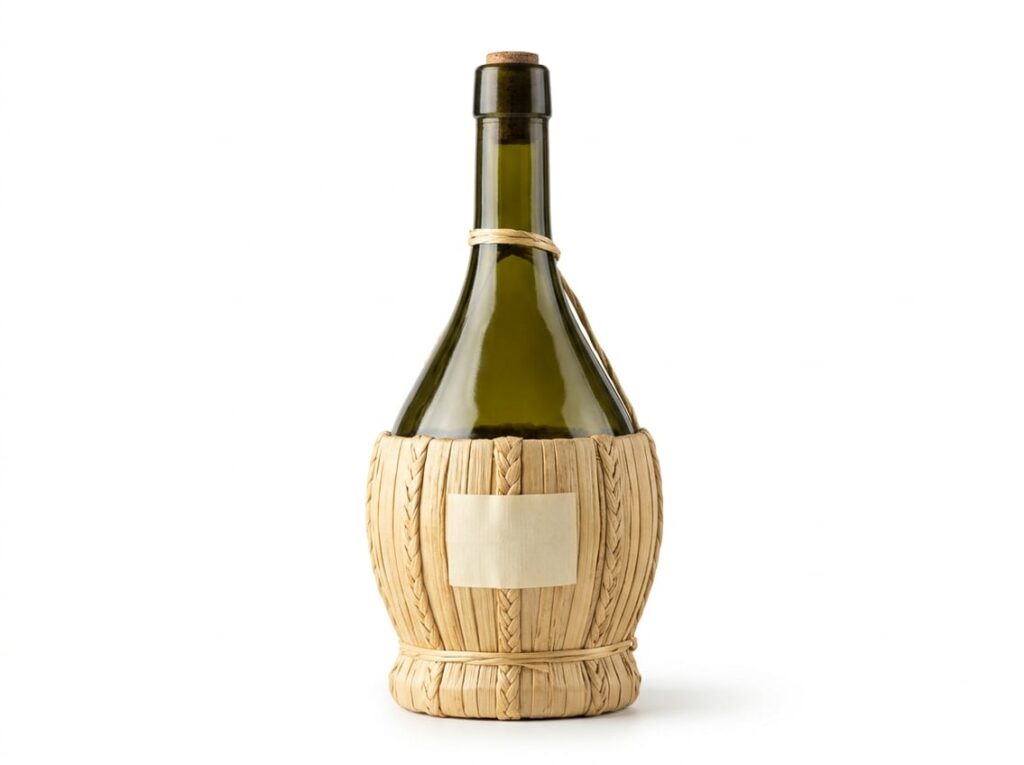
The round, straw-wrapped bottle called a fiasco became a symbol of Chianti wine and Italian restaurants worldwide. Its woven straw protected the thin glass and helped the round-bottomed bottle stand upright on a table.
Most quality Chianti Classico now comes in standard bottles marked with the black rooster seal, but you’ll still find fiaschi in Tuscan shops and trattorias. Drive the Chiantigiana road (SR222) between Florence and Siena to visit wineries in towns like Greve and Castellina. Many estates offer tastings, so book ahead.
David by Michelangelo
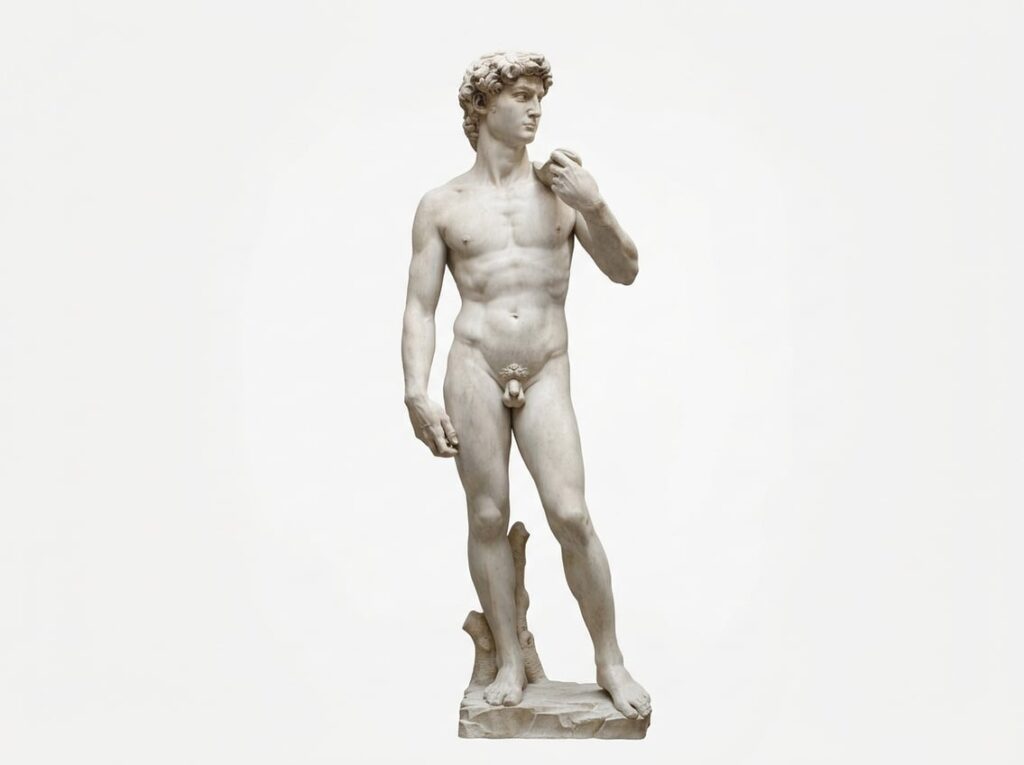
Michelangelo carved his David from a single block of Carrara marble between 1501 and 1504. The finished statue stands about 17 feet tall, and Florence saw it as a symbol of the city’s independence from larger powers.
The original moved indoors to the Galleria dell’Accademia in 1873 for protection from the weather. A full-size replica now stands in Piazza della Signoria, where the statue first stood. Book Accademia tickets online in advance to skip long lines, and visit early in the morning for a quieter view.
Venetian Striped Gondolier Shirt
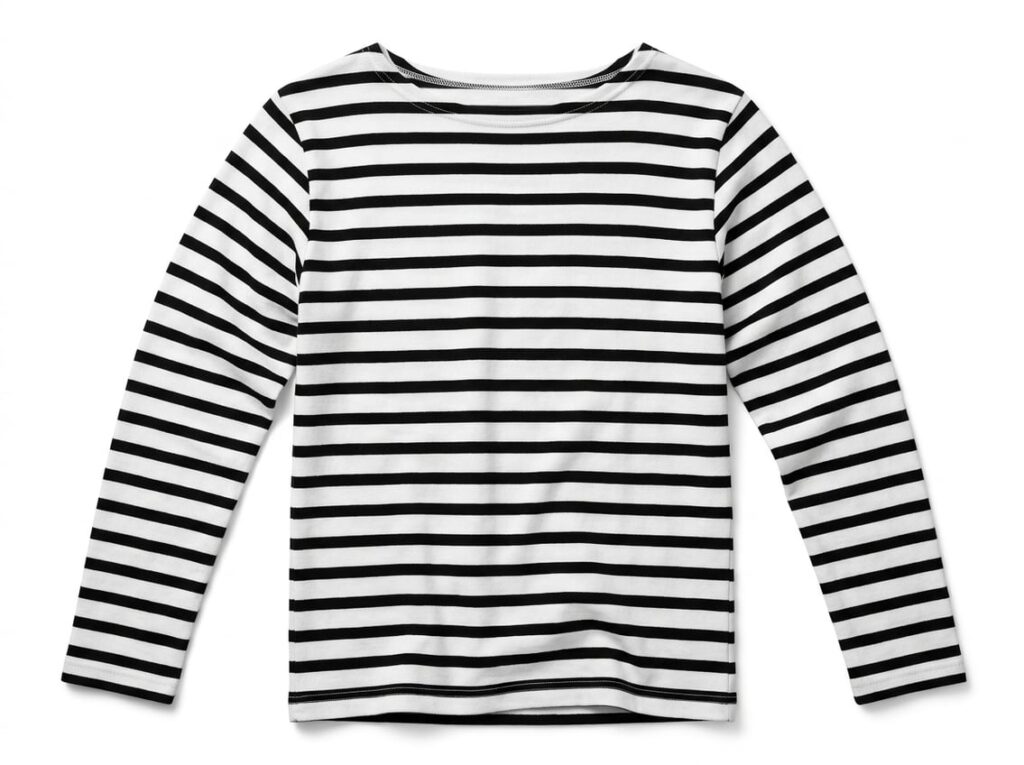
The striped shirt worn by Venice’s gondoliers, in navy or red with white, stands out on the canals. Paired with a straw boater hat and ribbon, it completes the classic gondolier uniform.
Venice issues only a limited number of gondolier licenses, and becoming a gondolier takes training and exams. You can buy striped shirts and boaters throughout the city, from tourist stalls to proper clothing shops near Rialto. For better quality, choose cotton shirts from local retailers. They hold up after many washes and make a fun reminder of your trip.
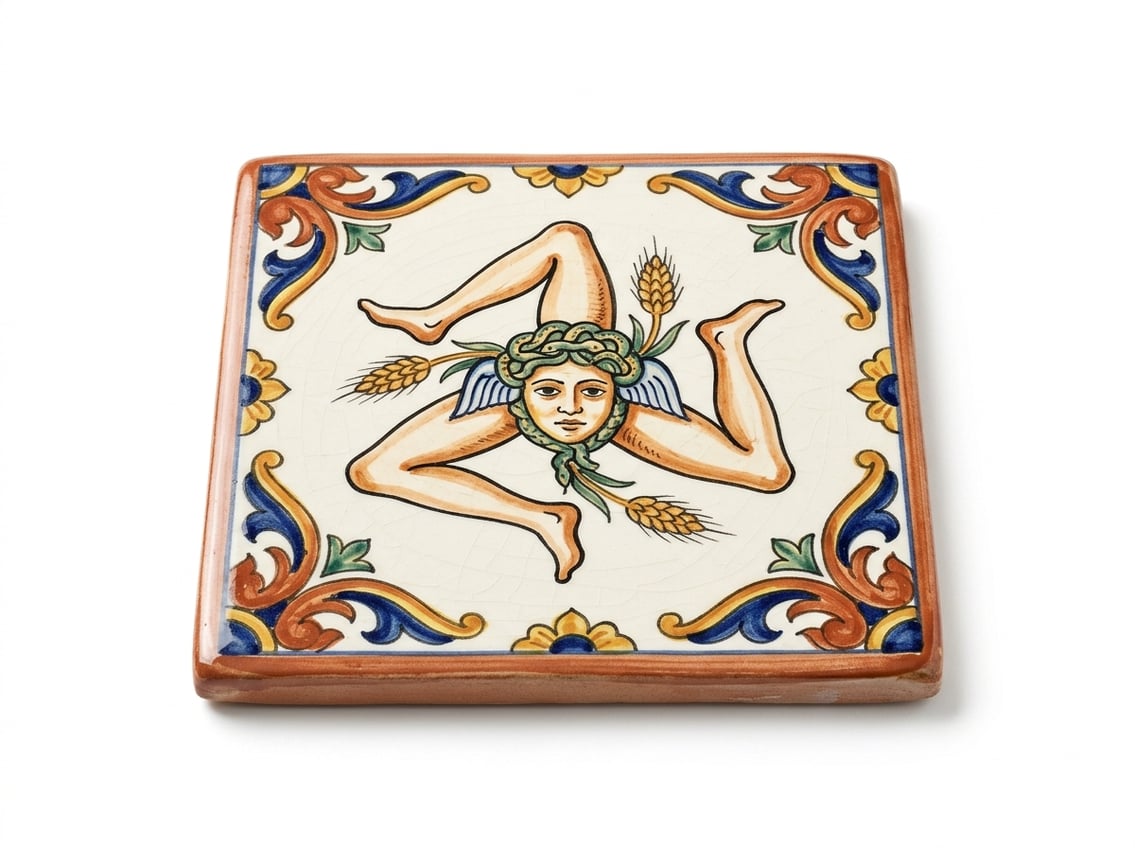
Sicilian Trinacria Tile
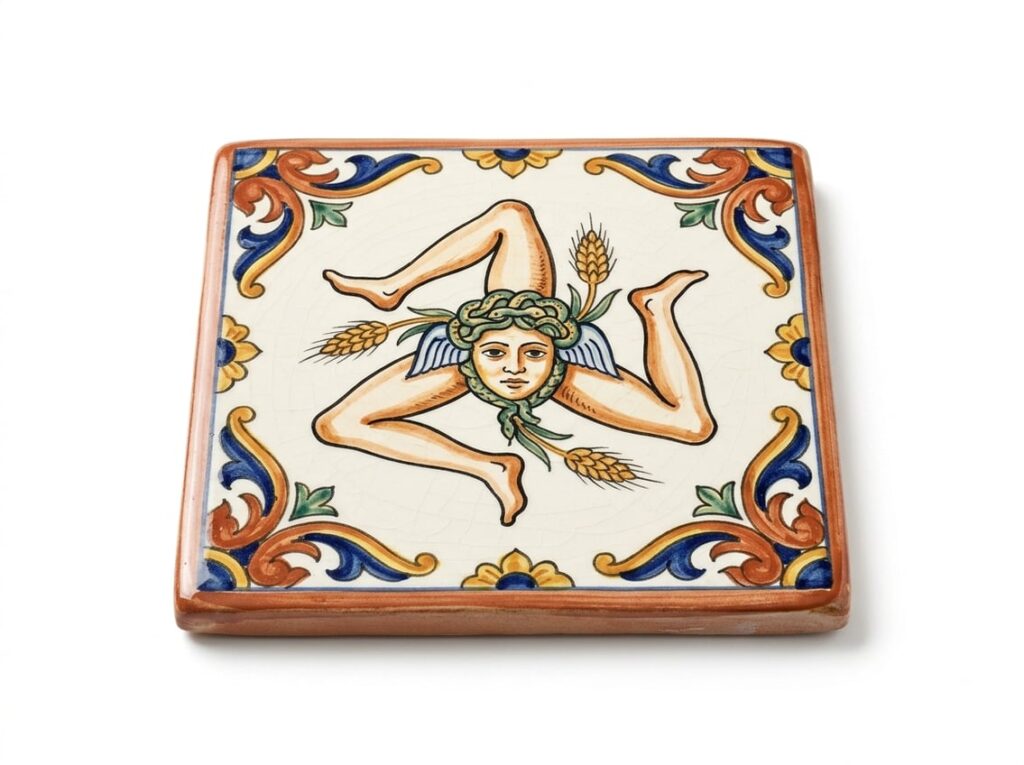
The trinacria shows a head of Medusa surrounded by three bent legs, representing Sicily’s three capes. Wheat ears often appear around the head as a nod to the island’s fertile land, and the symbol sits at the center of Sicily’s flag.
Across the island, you’ll see trinacria motifs painted on ceramic tiles, plates, and wall decorations. Santo Stefano di Camastra, on the northern coast, and Caltagirone are both known for ceramics. A hand-painted trinacria tile makes a light, packable souvenir, and many shops wrap them carefully for travel.
Pasta Machine
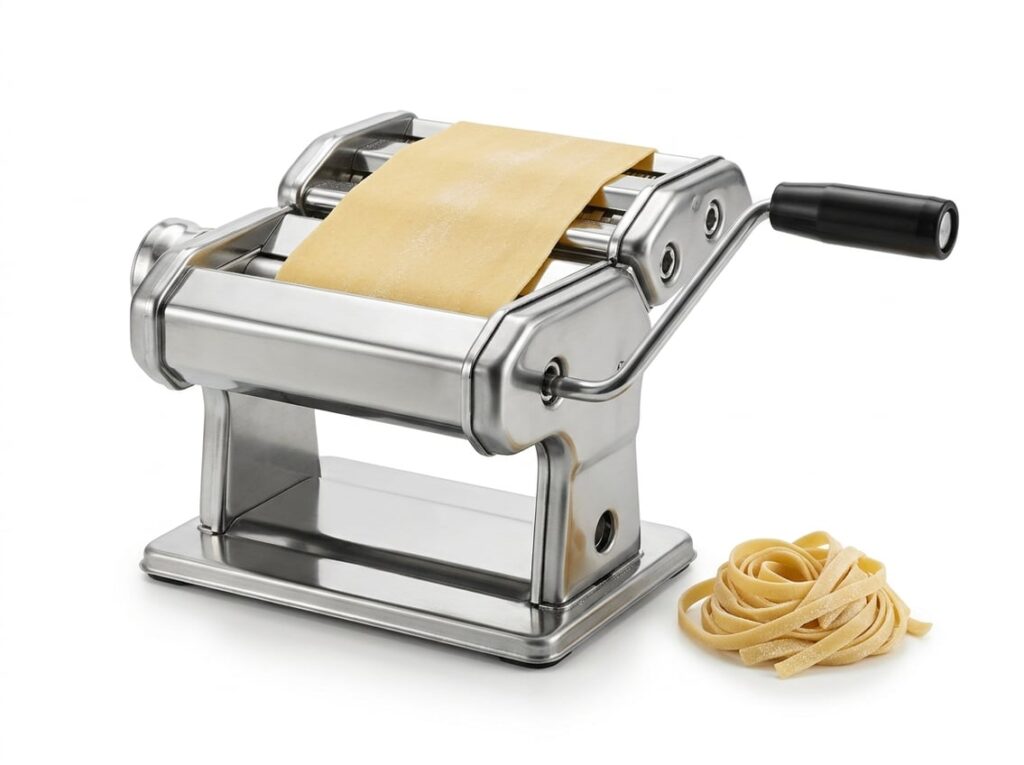
The hand-cranked pasta machine is a staple in Italian homes. People use it to roll dough into thin sheets for lasagna, tagliatelle, and ravioli. Turin-based Imperia has made pasta machines since 1932, and Marcato, from near Padua, makes the popular Atlas 150.
Pass the dough through steel rollers, narrowing the setting step by step until the sheet reaches the thickness you want. Cutter attachments then slice it into noodles. Cooking classes in Bologna and Florence teach you to make fresh pasta by hand, and many sell machines you can bring home.
Cornicello (Red Horn Amulet)
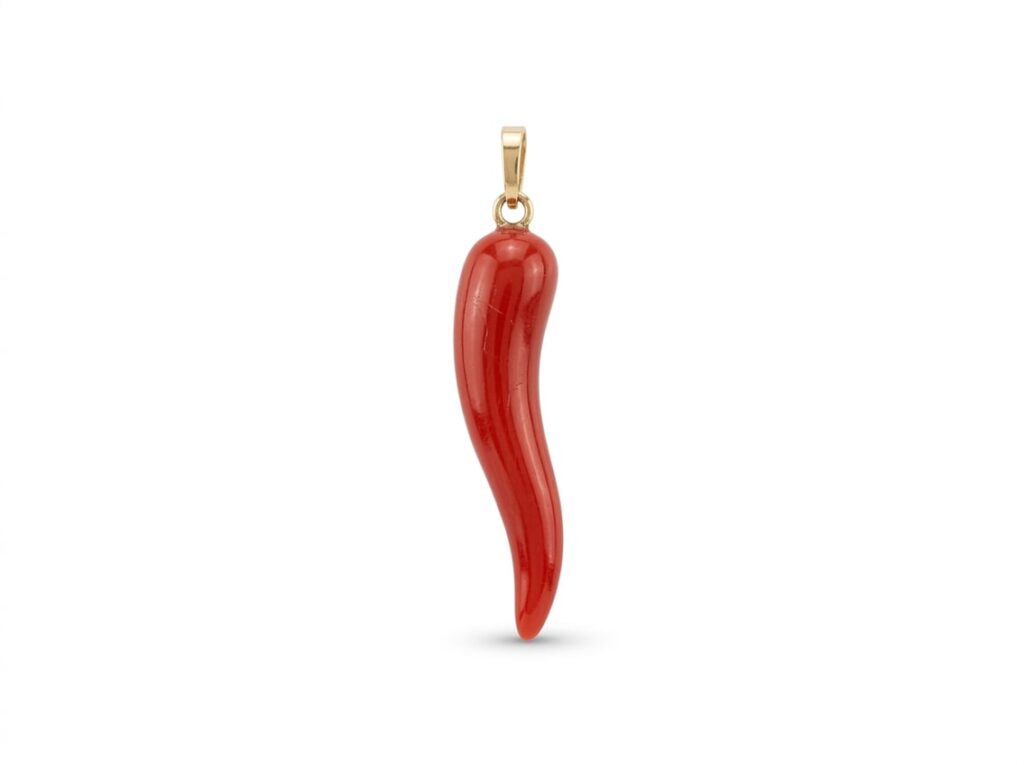
The cornicello, a small, twisted red horn, is a Neapolitan good-luck charm meant to ward off the evil eye, or malocchio. Tradition says it works best when someone gives it to you as a gift.
People wear these charms on necklaces or hang them in cars and shops. They come in red coral, gold, silver, or inexpensive plastic. In Naples, Via San Gregorio Armeno has shops selling cornicelli alongside nativity figurines. If you buy coral, choose an established jeweler, since genuine coral costs considerably more than dyed imitations.
Trullo
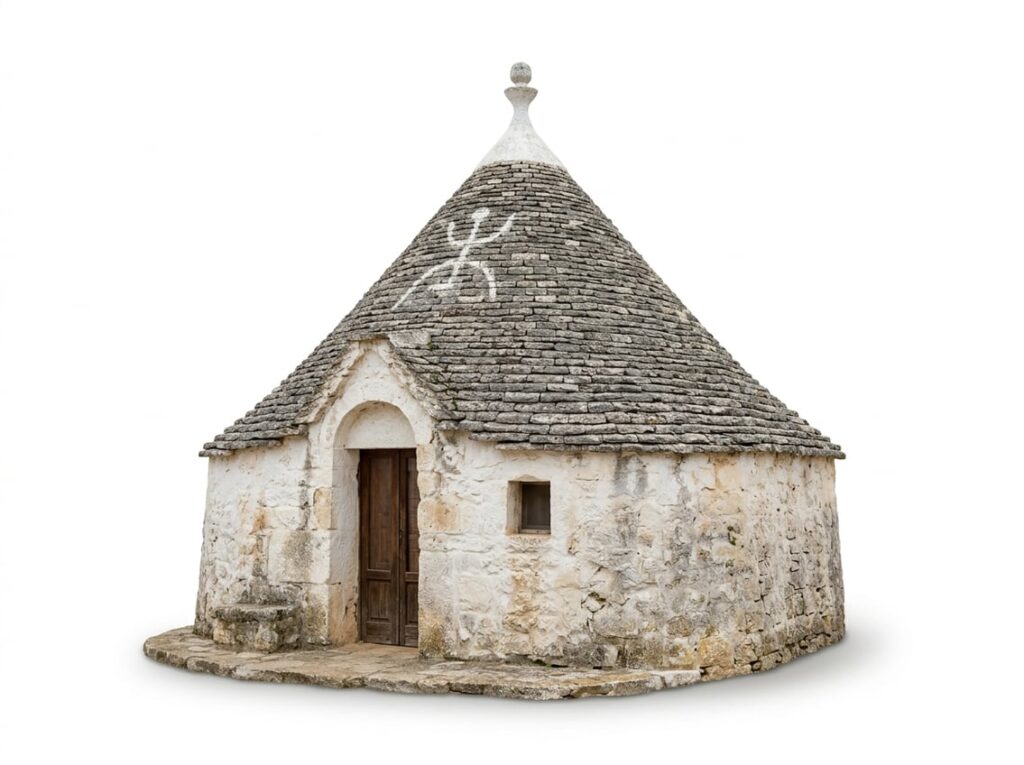
Trulli are whitewashed stone houses with cone-shaped roofs, built without mortar in Puglia’s Itria Valley. Many roofs feature symbols painted in white lime, with meanings tied to religion and folklore.
Alberobello has the largest cluster, with more than 1,000 trulli, and became a UNESCO World Heritage Site in 1996. Walk through the Rione Monti district for classic views, then explore the quieter Aia Piccola. You can also stay overnight in a restored trullo. Many now operate as vacation rentals near Alberobello, Locorotondo, and Martina Franca.
Borsalino Fedora Hat
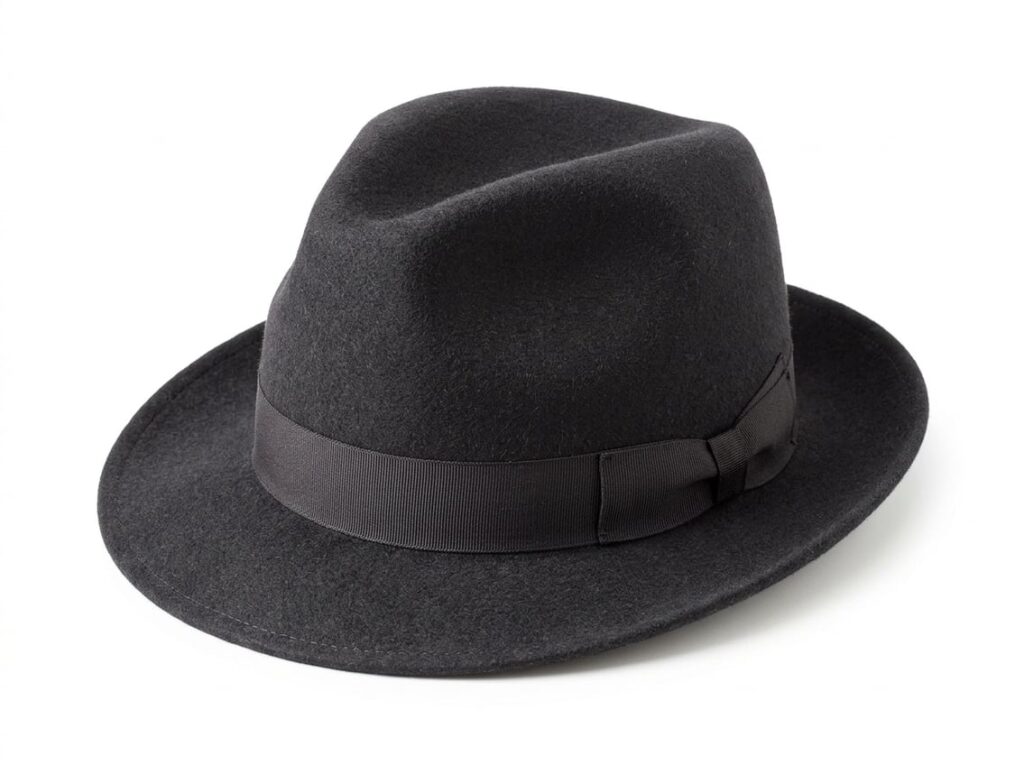
Giuseppe Borsalino founded his hat company in Alessandria, Piedmont, in 1857. It became one of the world’s best-known hatmakers, and its fur-felt fedoras gained Hollywood fame on actors like Humphrey Bogart in Casablanca.
The company still makes hats using traditional techniques, including steaming and shaping the felt by hand. You can browse Borsalino stores in Milan, Rome, and Florence, and Alessandria has a hat museum dedicated to the brand’s history. Try on several brim widths and crown heights; staff can steam and fit the hat to your head.
Limoncello Bottle
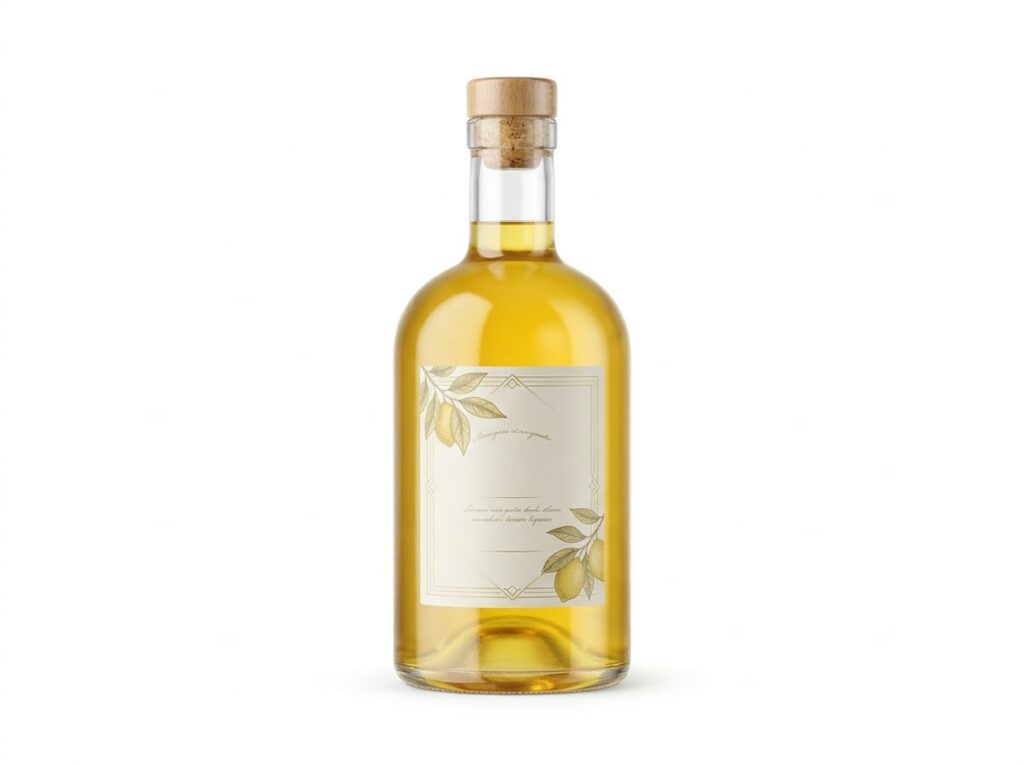
Limoncello, the bright yellow lemon liqueur, comes from the Sorrento Peninsula and the Amalfi Coast. Producers steep lemon zest in pure alcohol, then add sugar syrup to make a sweet, intense digestif. Italians serve it ice cold after dinner.
The best versions use local Sfusato Amalfitano or Sorrento lemons, which are large and fragrant, with thick peels. Many shops in Sorrento, Positano, and Amalfi offer free tastings and sell bottles in decorative ceramic flasks. Keep your bottle in the freezer at home, then pour it into small chilled glasses, just as Italians do.