
If you’ve ever stepped off a plane in Orlando or Miami, you know the feeling: the air is thick, the sky is impossibly bright, and somewhere nearby a souvenir shop is selling a plastic alligator. Florida announces itself before you’ve even found your rental car.
The Sunshine State’s identity lives in its objects. Some are wild animals, some are things you eat with your hands at a beach shack, and some are buildings, rides, or bits of roadside kitsch that only make sense here. Together, they tell a story shaped by swamps, citrus groves, Cuban immigrants, rocket launches, and a cartoon mouse.
Once you recognize these icons, you’ll start spotting them everywhere and know which ones are worth seeking out on your next trip south.
American Alligator
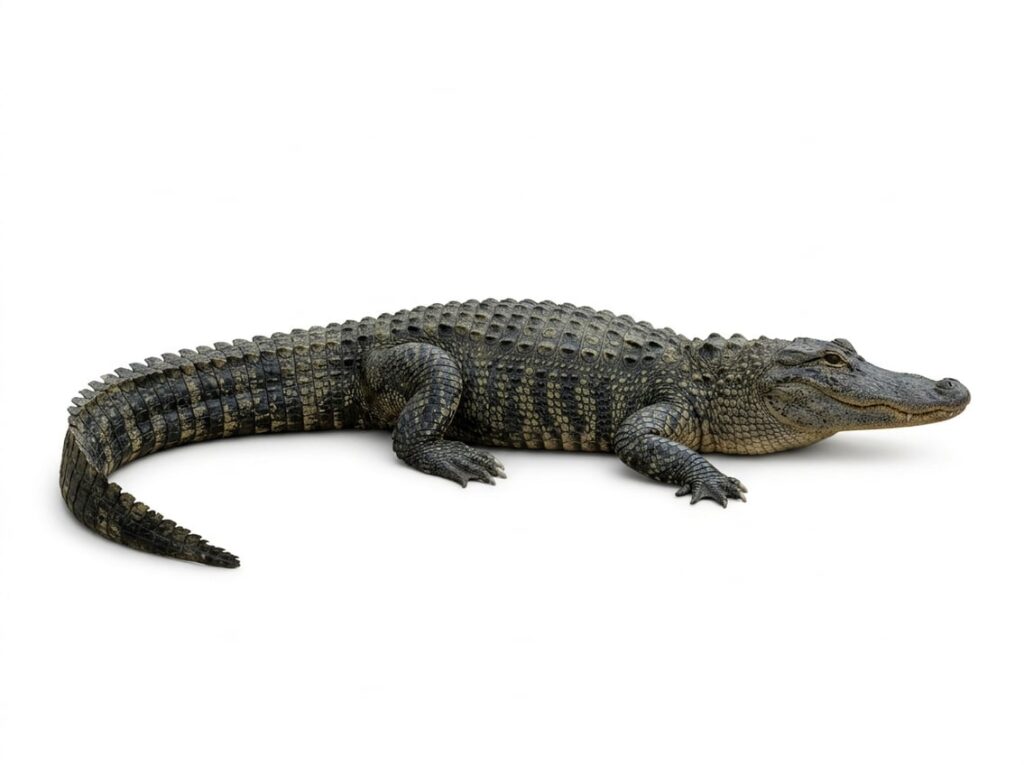
Nothing says Florida faster than a gator sunning itself on a canal bank. The state is home to roughly 1.3 million American alligators, and they live in all 67 counties, from golf course ponds to the deep sawgrass of the Everglades.
The alligator has been Florida’s official state reptile since 1987 and serves as the University of Florida Gators’ mascot. You can tell one from a crocodile by its broad, rounded snout and darker coloring. For a safe look, head to Shark Valley in Everglades National Park or Gatorland in Orlando. Keep at least 30 feet between you and any gator you meet in the wild.
Florida Orange
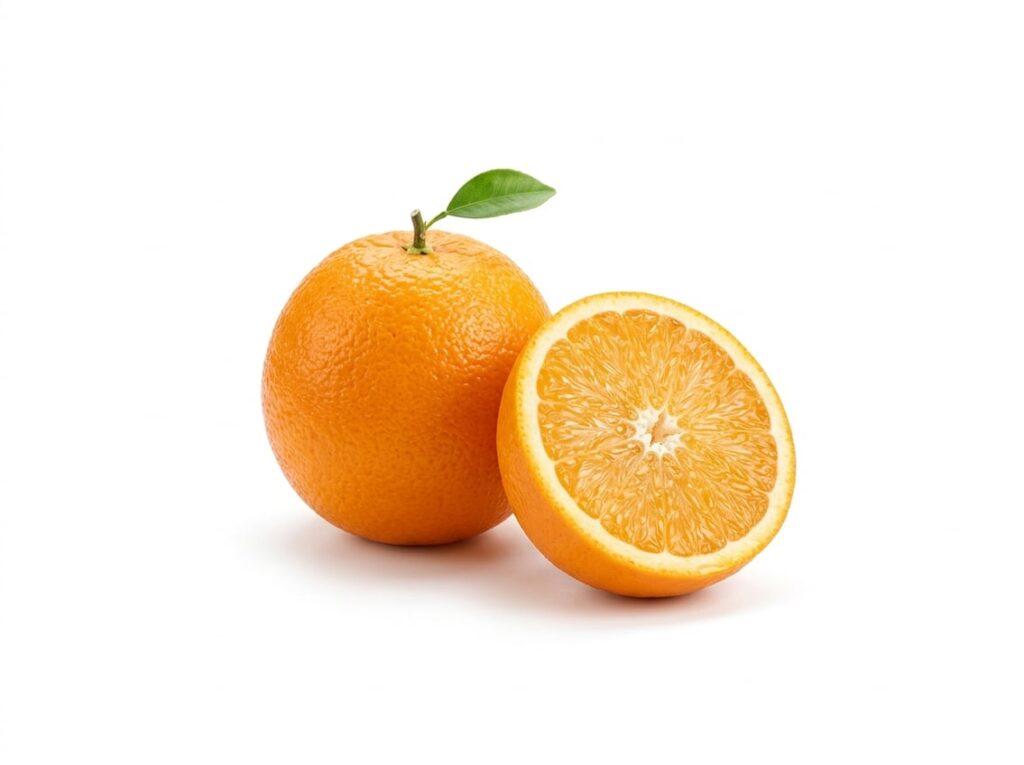
Florida built much of its early economy on oranges, and the fruit still appears on everything from postcards to highway welcome centers. Spanish explorers brought citrus to the peninsula in the 1500s, and by the 20th century, groves stretched across the state’s central region.
The orange became the official state fruit in 2005, and the orange blossom is the state flower. Citrus greening disease has sharply reduced production in recent years, so a glass of fresh-squeezed juice feels more special now. Stop at a roadside stand along the Indian River region on the east coast, where growers sell bags of navels and Honeybells in winter.
Mickey Mouse Ears
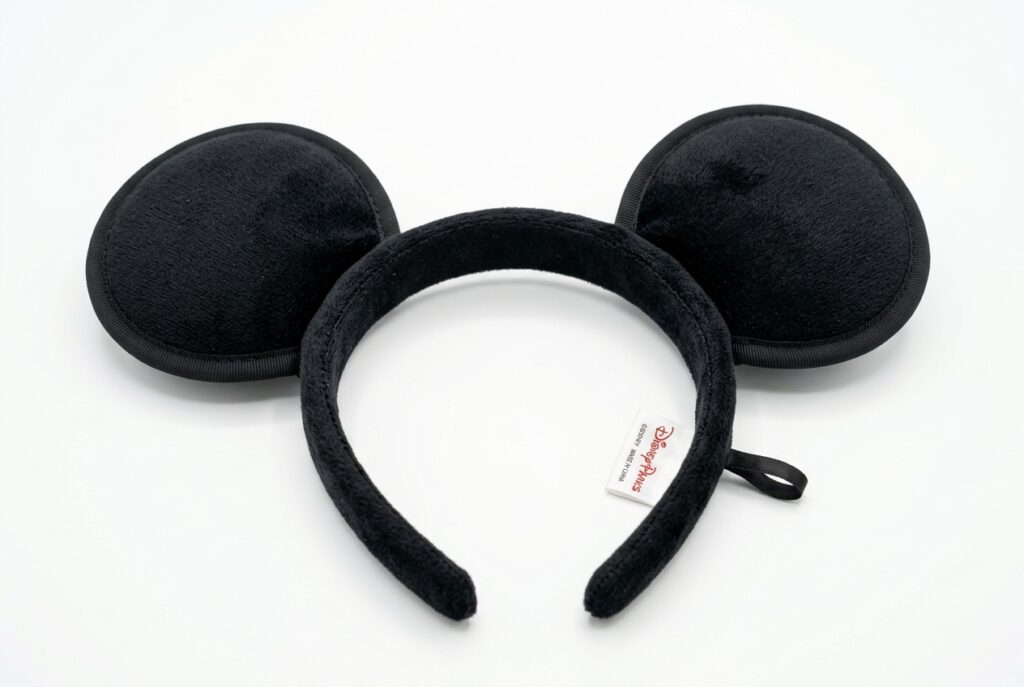
You’ll see black mouse ears bobbing through crowds as soon as you enter Walt Disney World. The original felt beanie with round ears was designed for the Mouseketeers on “The Mickey Mouse Club” in 1955. It became a theme park staple soon after.
When the Magic Kingdom opened near Orlando in 1971, the ears became Central Florida’s unofficial souvenir. Today, you’ll find versions covered in sequins, holiday themes, and character designs, along with classic hats that shops can personalize with your name stitched on the back. Expect to pay roughly $25 to $40 for a pair. Shops on Main Street, U.S.A. will embroider your name while you wait.
Everglades Airboat
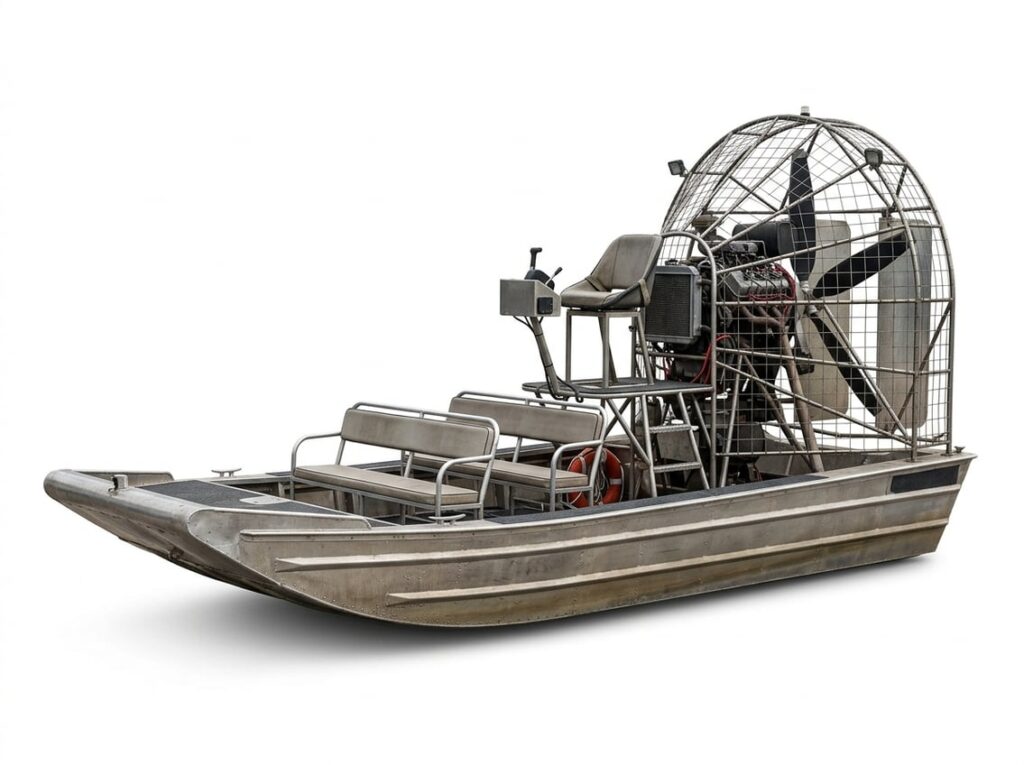
An airboat ride is the fastest way to feel the scale of the Everglades. These flat-bottomed boats skim over just inches of water. A huge rear propeller, powered by an aircraft or automotive engine, pushes them across sawgrass where regular boats would stall.
People often call the Everglades the “River of Grass,” a slow-moving sheet of water that flows south toward Florida Bay. Operators along the Tamiami Trail (U.S. 41) west of Miami run tours that last 30 to 60 minutes, with frequent sightings of gators, herons, and egrets. Bring sunglasses and wear the ear protection your captain hands out. Those engines are loud.
Key Lime Pie
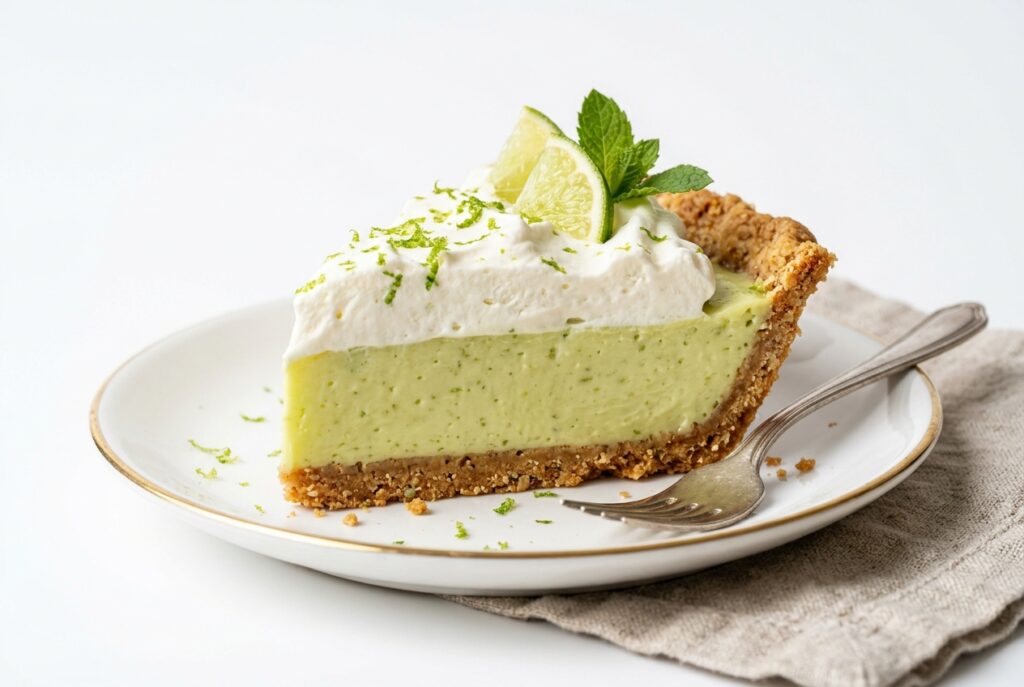
Key lime pie is Florida’s official state pie, a title lawmakers gave it in 2006. The classic version combines juice from small, tart Key limes with sweetened condensed milk and egg yolks. Bakers pour the filling into a graham cracker crust and top it with whipped cream or meringue.
A proper slice is pale yellow. If yours is bright green, someone added food coloring. Key limes are smaller and more aromatic than the Persian limes in most grocery stores, which gives the pie its floral tang. In Key West, you’ll find shops devoted entirely to the dessert, including chocolate-dipped frozen slices on a stick, perfect for a hot afternoon on Duval Street.
6. Miami Beach Art Deco Lifeguard Tower
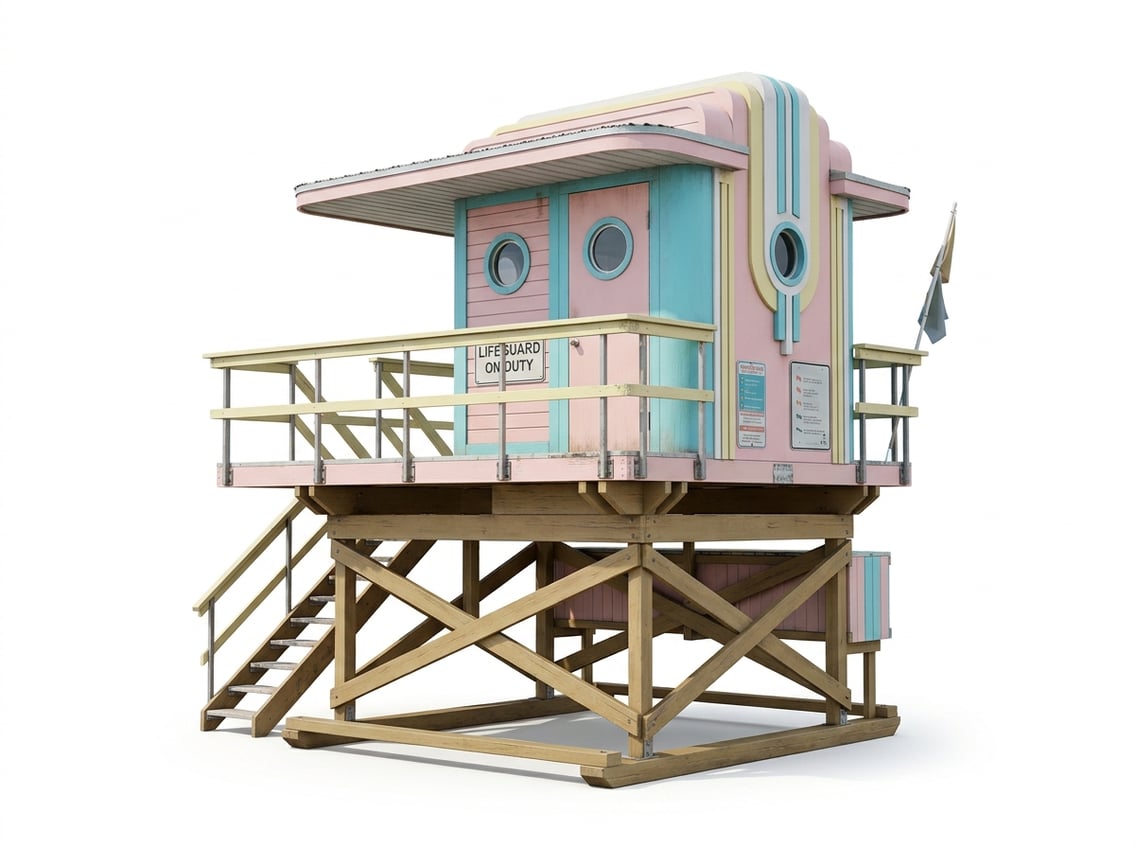
Miami Beach’s candy-colored lifeguard towers have turned ordinary safety structures into photo destinations. After Hurricane Andrew wrecked many of the old stands in 1992, architect William Lane designed playful replacements. The city kept adding bold colors and quirky shapes in the years that followed.
You’ll find the towers lining the sand from South Pointe up through Lummus Park, each with its own personality. Some are striped like rainbows; others look like retro spaceships. They echo the Art Deco buildings across Ocean Drive. Go early in the morning for soft light and an empty beach, and remember that the towers are working posts, so give the lifeguards room.
Pink Flamingo Lawn Ornament
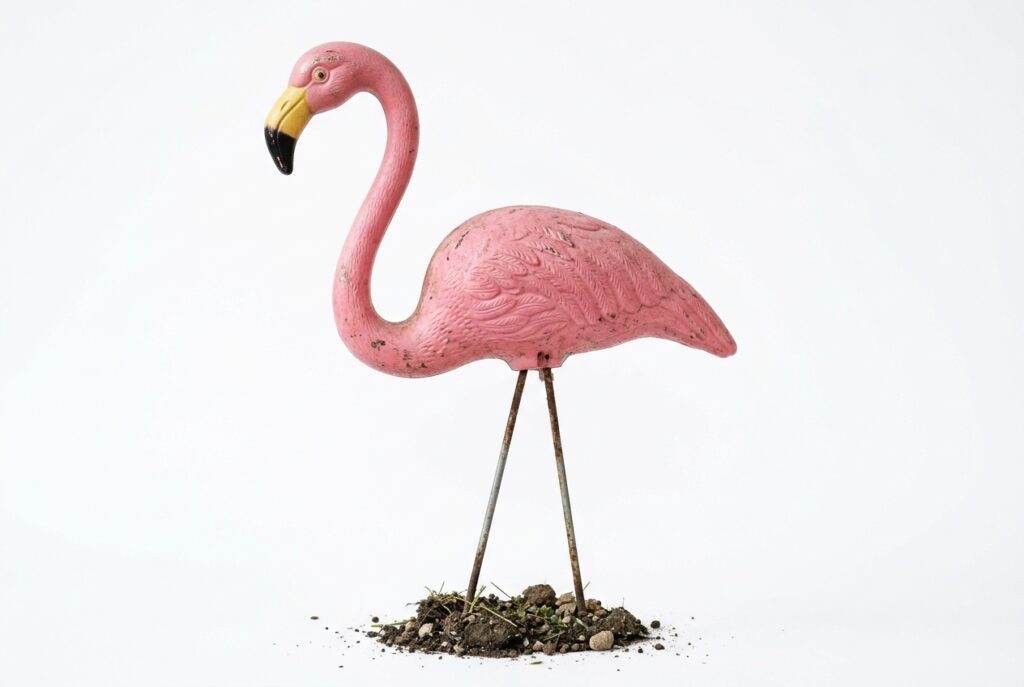
That plastic pink flamingo in a front yard came from Massachusetts, yet Florida claimed it as its own. Designer Don Featherstone created the ornament in 1957 for Union Products, and it quickly became shorthand for sunny, slightly tacky Florida style.
Real flamingos have their own Florida history. Hialeah Park became famous for its flock, and wild birds drew attention again when storms blew flocks across the Gulf in 2023. You’ll spot the plastic version on porches in Key West, in gift shops along A1A, and on retro motel signs. A pair costs about $15 to $25 and makes an easy, packable souvenir.
Florida License Plate
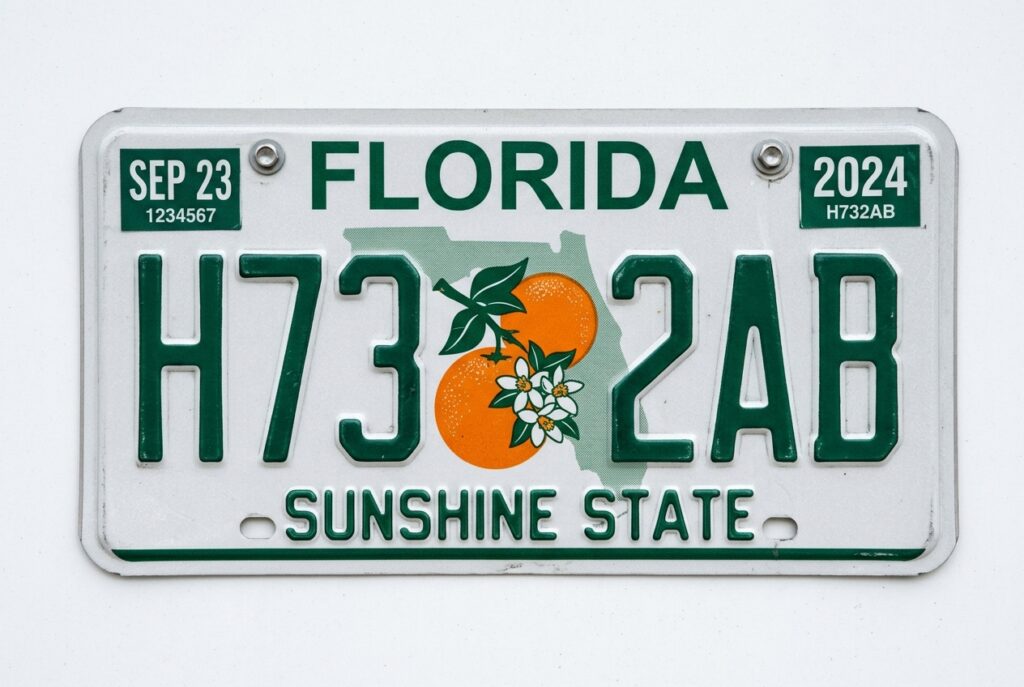
The standard Florida plate, with orange and green blossoms in the center and “Sunshine State” along the bottom, stands out on any interstate. Citrus has appeared on Florida plates for decades, tying the state’s road identity to its most famous crop.
Florida also offers well over 100 specialty plates that support causes such as manatee protection, state universities, and sports teams, so you’ll see plenty of variety in parking lots. If you collect plates, antique shops in towns like Mount Dora sell vintage versions for $10 to $30. Spotting an out-of-state car among all that orange is a quick reminder of how many visitors arrive each winter.
Manatee
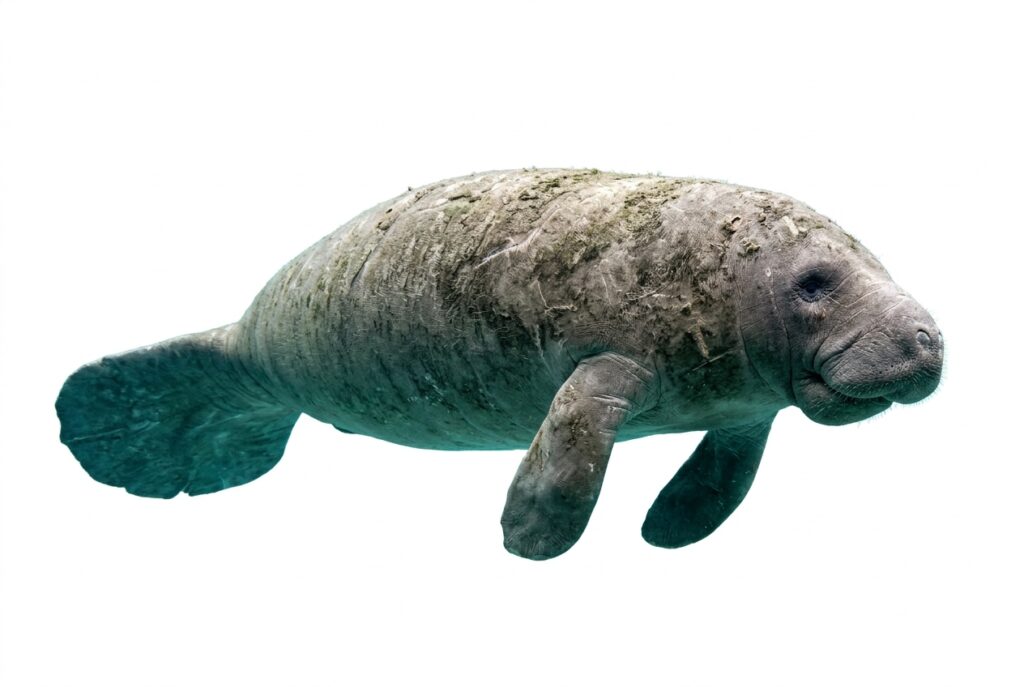
Gentle and slow, manatees are among Florida’s most beloved residents. The West Indian manatee became the state marine mammal in 1975. Adults grow to around 10 feet long and weigh 1,000 pounds or more.
In winter, manatees crowd into warm springs and power plant outflows to escape cold water. Blue Spring State Park near Orange City and Crystal River on the Gulf Coast are top viewing spots from November through March. Crystal River is one of the few places where you can legally swim near manatees with a licensed guide. Follow the “look, don’t touch” rule. Disturbing manatees is illegal under state and federal law.
Seven Mile Bridge
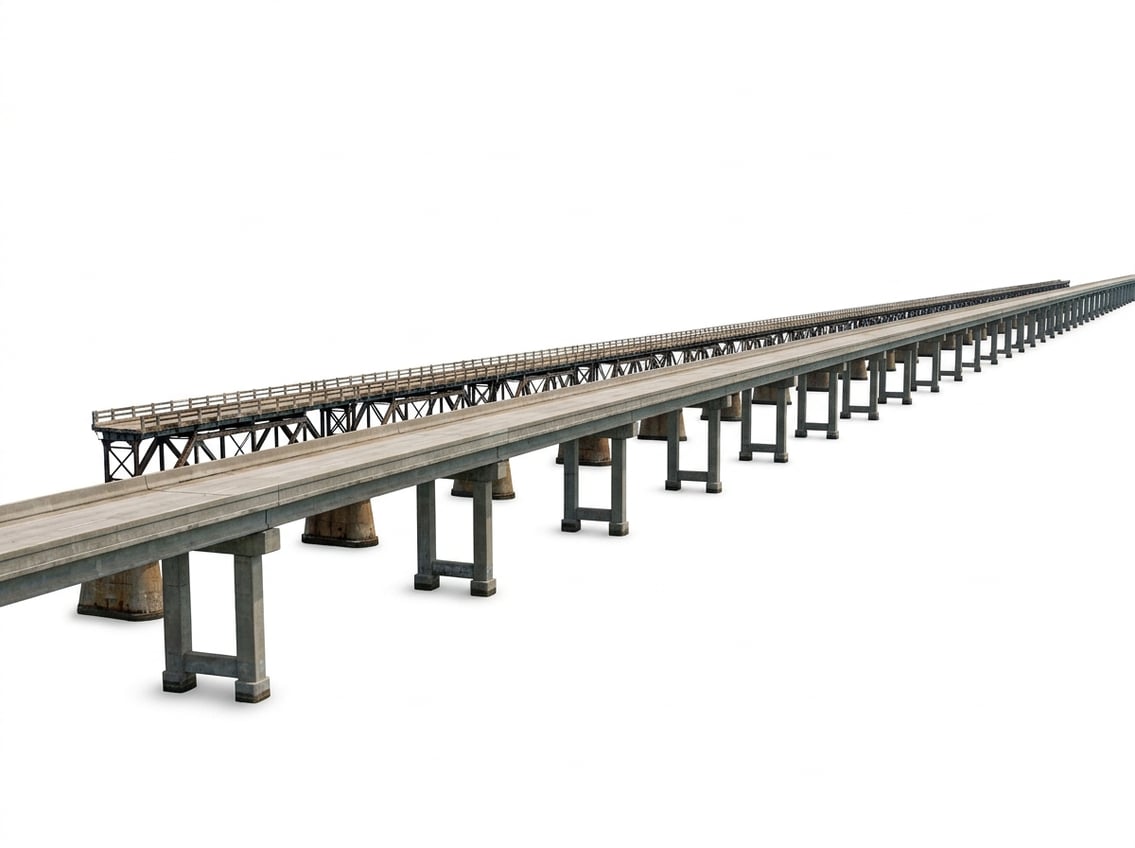
Driving the Seven Mile Bridge feels like floating between turquoise sea and open sky. The modern span opened in 1982 and carries the Overseas Highway from Knight’s Key in Marathon to Little Duck Key, covering about 6.8 miles.
The old bridge runs beside it. Built for Henry Flagler’s Overseas Railroad, it was completed in 1912. A restored 2.2-mile stretch reopened to walkers and cyclists in 2022, leading to tiny Pigeon Key, where a historic camp once housed railroad workers. Walk it at sunrise for cooler temperatures, and watch for rays and sea turtles in the clear water below.
Miami Metromover
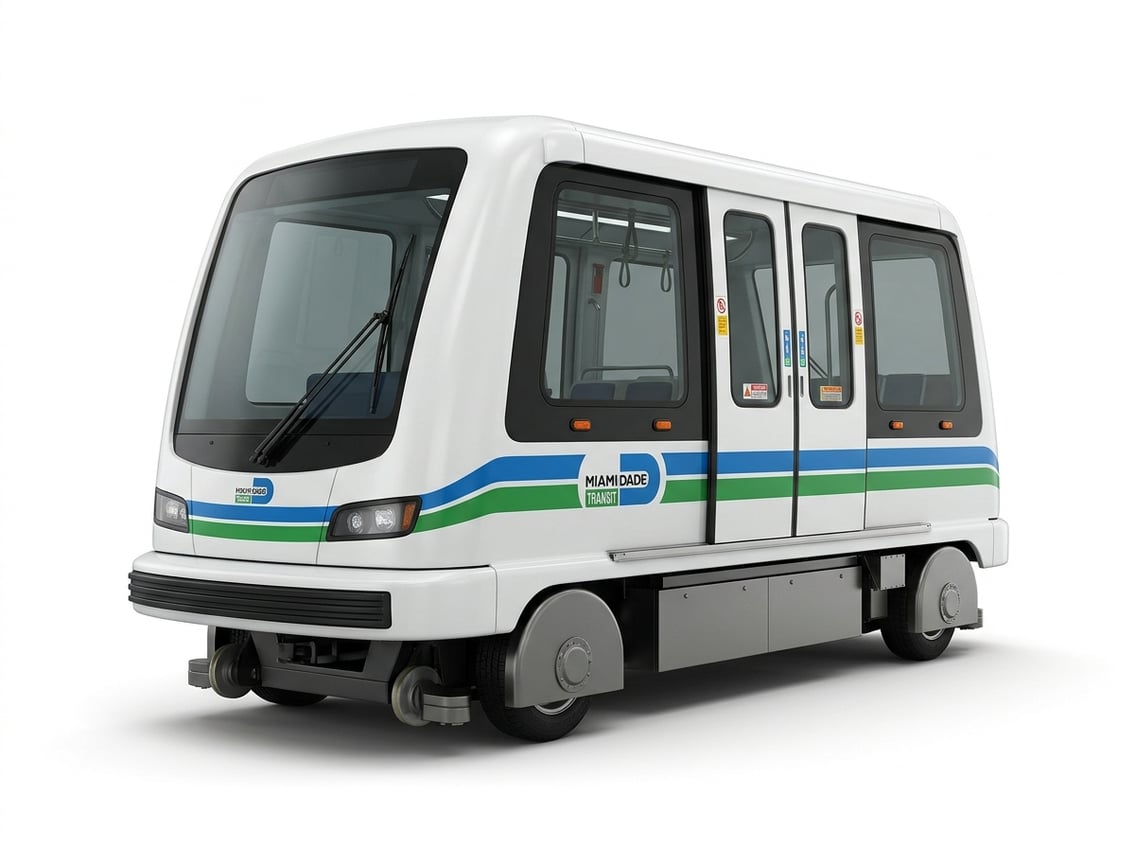
Miami’s Metromover is a free, driverless people mover that loops above downtown and Brickell. It opened in 1986 and runs on elevated tracks with dozens of stations, letting you hop between neighborhoods without paying a cent.
The small, rubber-tired cars give you a skyline tour from about two stories up, passing Bayfront Park, the Kaseya Center, and Brickell’s glass towers. You can ride to the Pérez Art Museum Miami and the Frost Museum of Science at Museum Park station. Trains arrive every few minutes during the day, so it’s an easy way to rest your feet between stops.
Cuban Sandwich
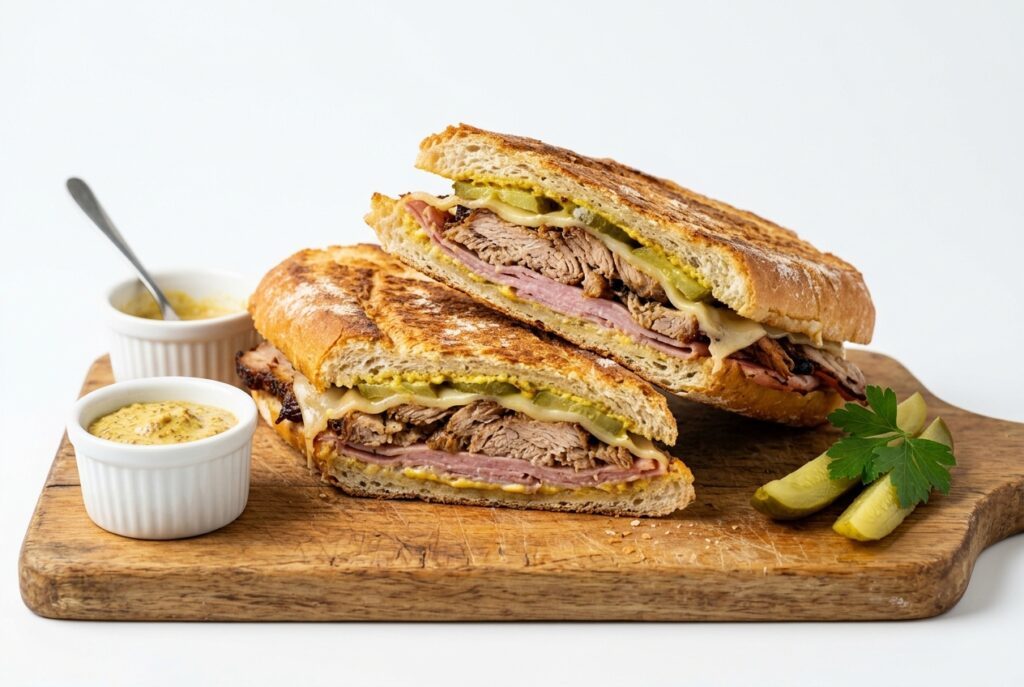
The Cuban sandwich is one of Florida’s most debated foods, with Miami and Tampa both claiming the best version. The core ingredients stay the same: roast pork, ham, Swiss cheese, pickles, and yellow mustard on Cuban bread, pressed flat until the crust crackles.
Tampa’s version, rooted in the cigar-making community of Ybor City, adds Genoa salami. It nods to the Italian immigrants who worked alongside Cubans and Spaniards. The Tampa City Council even named it the “historic Tampa Cuban sandwich” in 2012. In Miami, try one in Little Havana along Calle Ocho, where a sandwich and coffee often cost under $15.
Seminole Patchwork Clothing
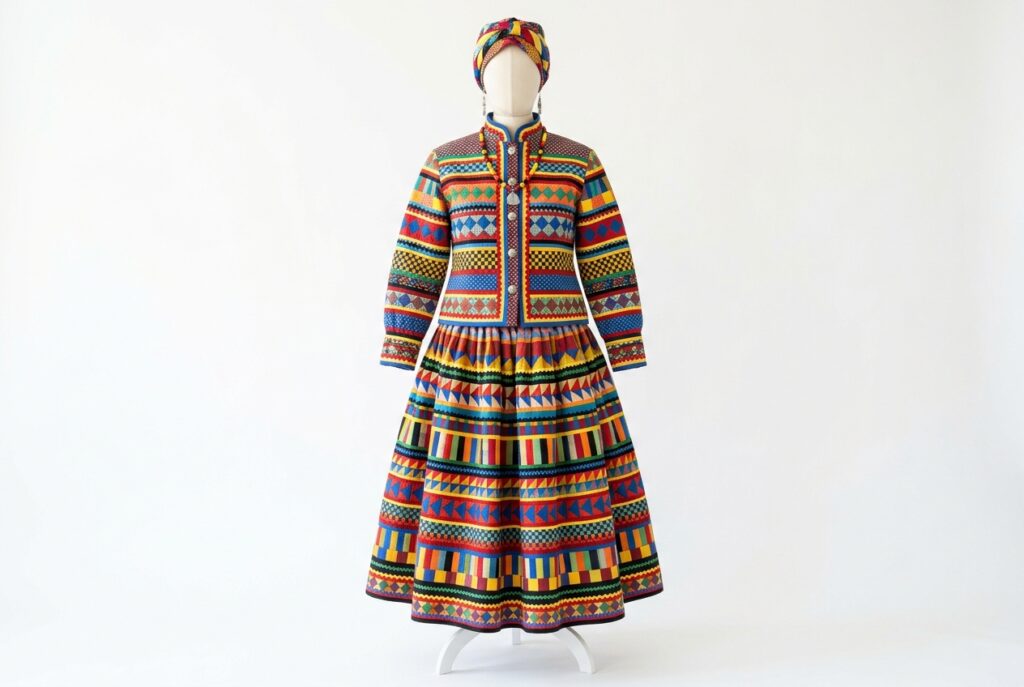
Seminole patchwork is a vivid textile tradition born in Florida’s swamps. Seminole and Miccosukee women developed it in the early 1900s, after hand-cranked sewing machines reached their camps. They stitched narrow strips of brightly colored cloth into intricate geometric bands.
Each pattern has a name and meaning, with designs representing things like fire, lightning, or rain. You’ll see patchwork on skirts, jackets, and shirts worn at festivals and ceremonies. Visit the Ah-Tah-Thi-Ki Museum on the Big Cypress Seminole Indian Reservation to learn more. You can also buy pieces directly from tribal artisans at events like the Big Cypress Shootout or the Miccosukee Indian Village gift shop.
Daytona 500 Race Car
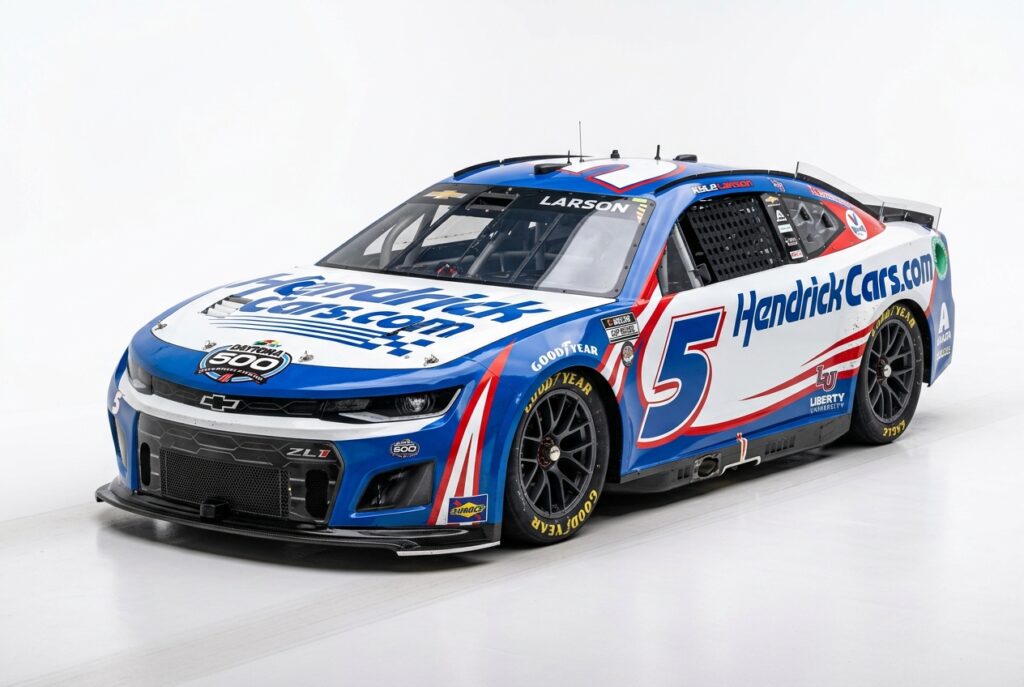
Every February, stock cars thunder around Daytona International Speedway for the Daytona 500, NASCAR’s biggest race. The “Great American Race” began in 1959, and it opens the season, drawing well over 100,000 fans.
Racing in Daytona started on the beach’s hard-packed sand, where drivers set speed records in the early 1900s. Today, a 2.5-mile tri-oval with steep banking hosts the main event, and the winner takes home the Harley J. Earl Trophy. If you visit outside race week, speedway tours take you onto the track, through the garage area, and up to victory lane for photos.
Conch Shell
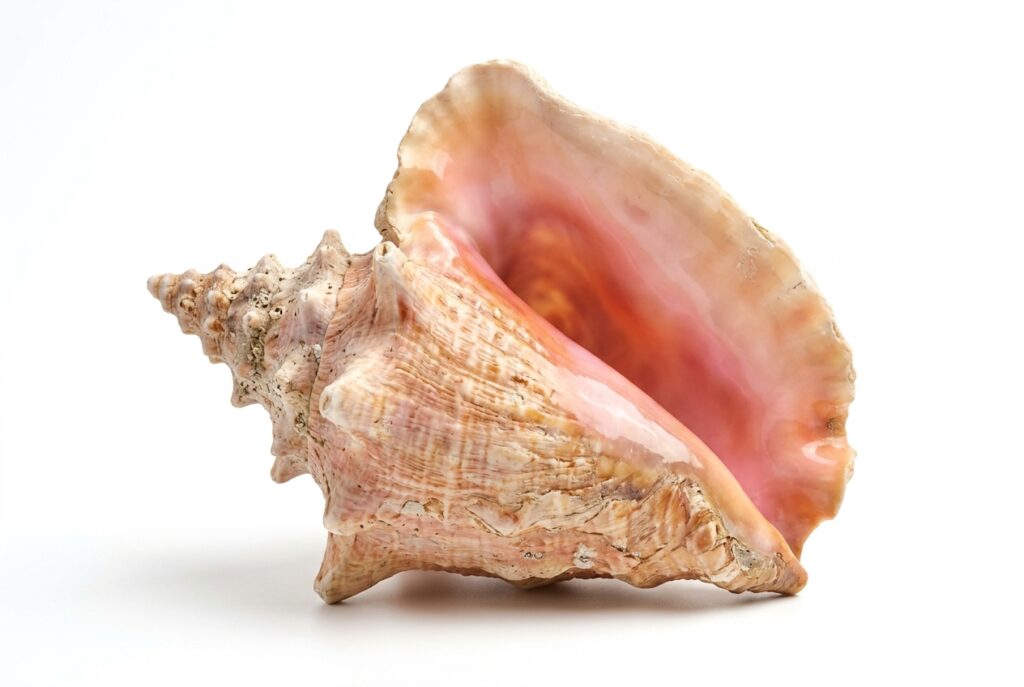
The pink-lipped queen conch shell is a symbol of the Florida Keys, so much so that longtime Key West locals call themselves “Conchs.” The nickname became part of local lore in 1982, when Key West jokingly seceded as the Conch Republic to protest a federal roadblock.
Florida has banned harvesting queen conch since 1985 to protect the species, so the conch fritters and chowder you order in the Keys use imported meat, usually from the Bahamas. Picking up a live conch is illegal, and you should leave empty shells where you find them in protected waters. Buy legally sourced shells at reputable shops in Key West or Islamorada instead.
Miami Art Deco Hotel
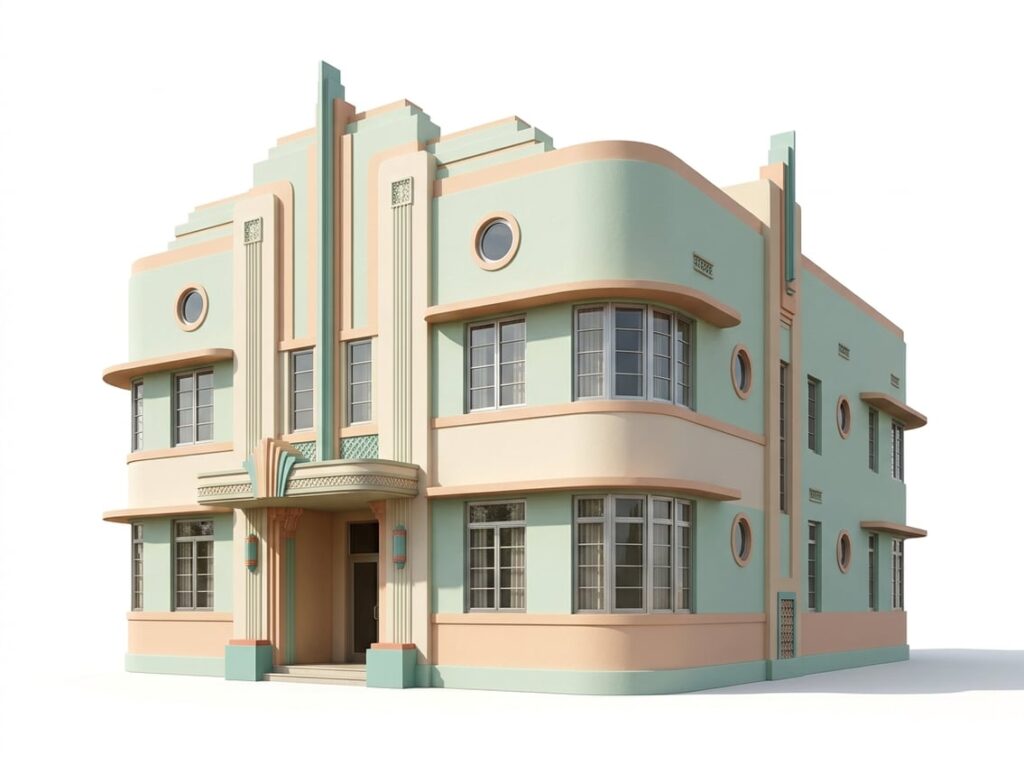
Miami Beach’s pastel Art Deco hotels make up one of the world’s largest collections of the style. The Miami Beach Architectural District, listed on the National Register of Historic Places in 1979, includes around 800 buildings, most dating from the 1920s through the early 1940s.
Look for neon signs, porthole windows, racing stripes, and “eyebrow” ledges that shade windows from the sun. Preservationist Barbara Capitman led the fight to save the district when developers wanted to demolish it. Start at the Art Deco Welcome Center on Ocean Drive, which runs guided walking tours. Come back after dark to see the neon glow.
Florida Panther
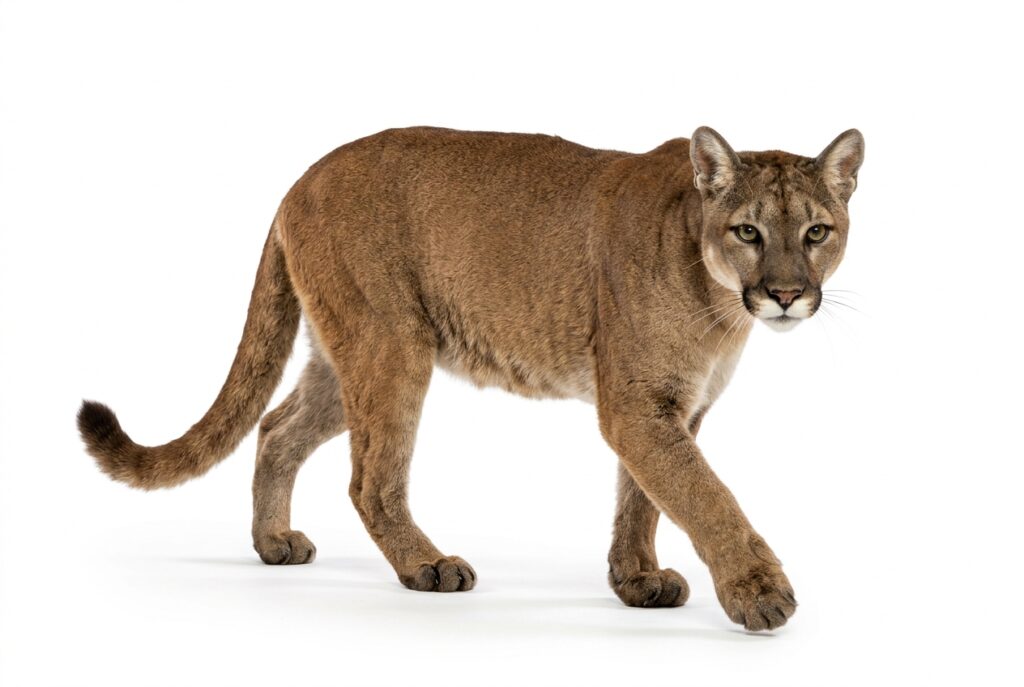
Florida’s state animal is also one of its rarest. Fewer than 250 adult Florida panthers survive, almost all in Southwest Florida’s forests and swamps around Big Cypress National Preserve and the Florida Panther National Wildlife Refuge.
The panther, a tawny-brown, long-tailed subspecies of puma, has been listed as endangered since 1967. Collisions with cars are a leading cause of death, which is why you’ll see “panther crossing” signs and wildlife underpasses on roads near Naples. Sightings are rare and mostly happen at night. Your best chance to see one is at ZooTampa at Lowry Park, which helps care for injured panthers.
Kennedy Space Center Rocket
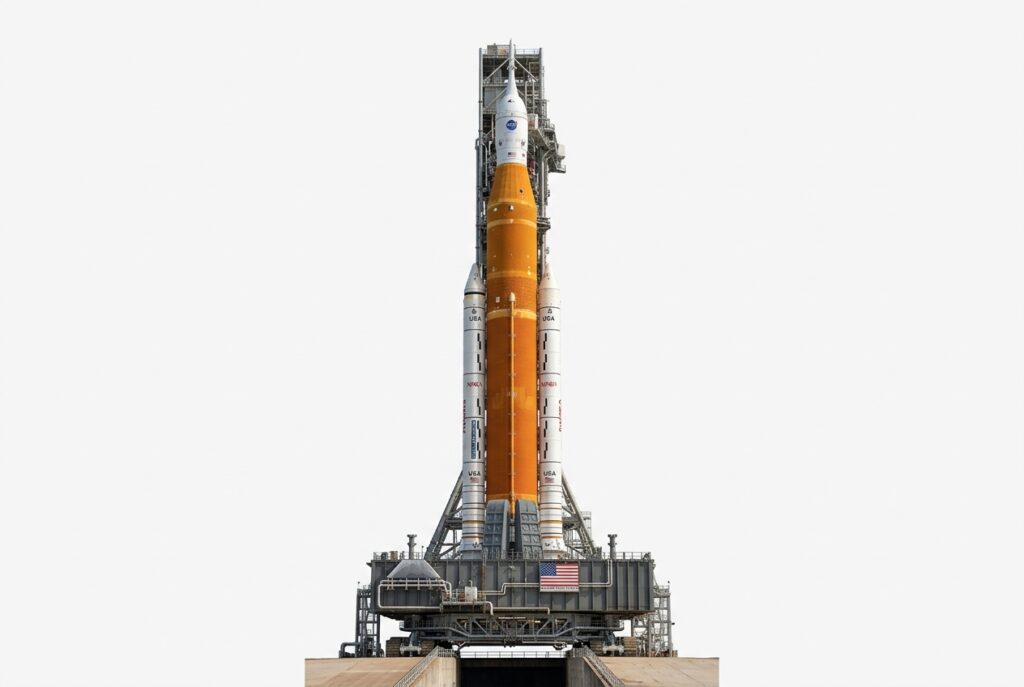
Rockets towering over the Space Coast remind you that Florida is America’s launchpad. Kennedy Space Center on Merritt Island has hosted human spaceflight since the Apollo era. Launches from Cape Canaveral now happen at a busy pace, with SpaceX missions lifting off frequently.
At the Kennedy Space Center Visitor Complex, the Rocket Garden displays historic boosters, and the Apollo/Saturn V Center houses a full 363-foot Saturn V lying on its side. You can also see Space Shuttle Atlantis. Check the launch schedule before you go. Watching a liftoff from Playalinda Beach or Space View Park in Titusville is unforgettable.
Stone Crab Claws
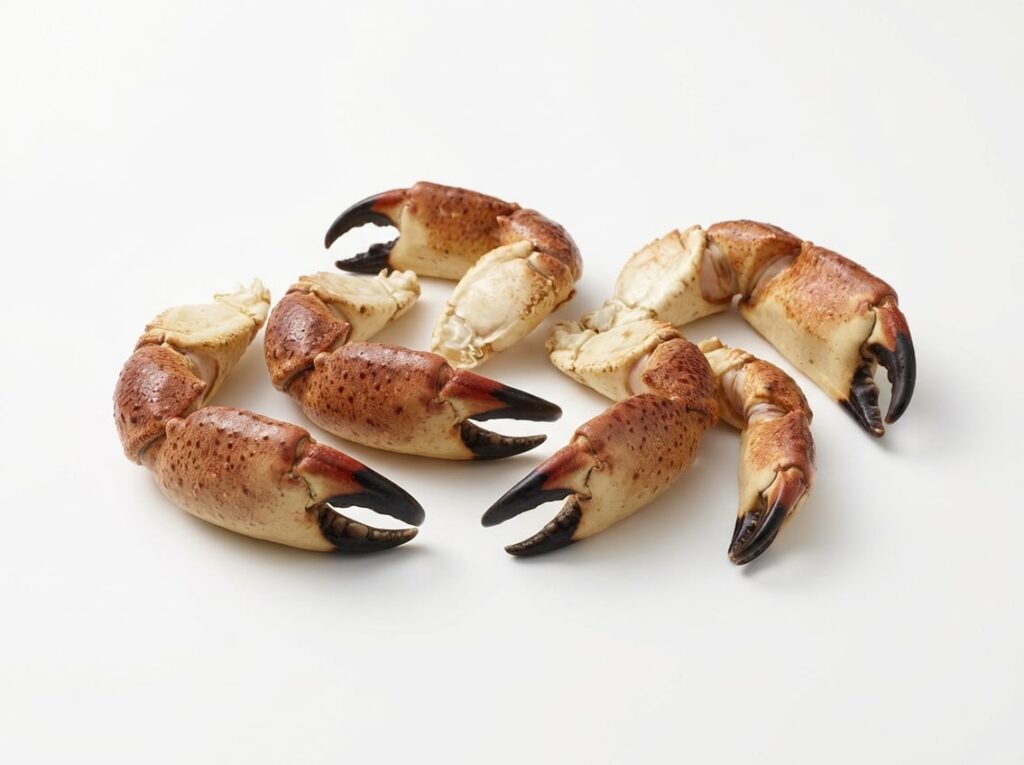
Stone crab season runs from October 15 to May 1, so you’re right in the middle of it now. Florida’s stone crab fishery works a little differently: harvesters remove one claw, return the crab to the water, and let the claw regrow over the following year or so.
The claws are cooked right after harvest and served chilled and cracked, usually with a tangy mustard sauce. Prices depend on size, from medium up to colossal, and jumbos at a restaurant can run $60 or more per pound. Joe’s Stone Crab in Miami Beach has served them since 1913, though casual fish markets in the Keys offer more affordable claws.
St. Augustine Spanish Fort
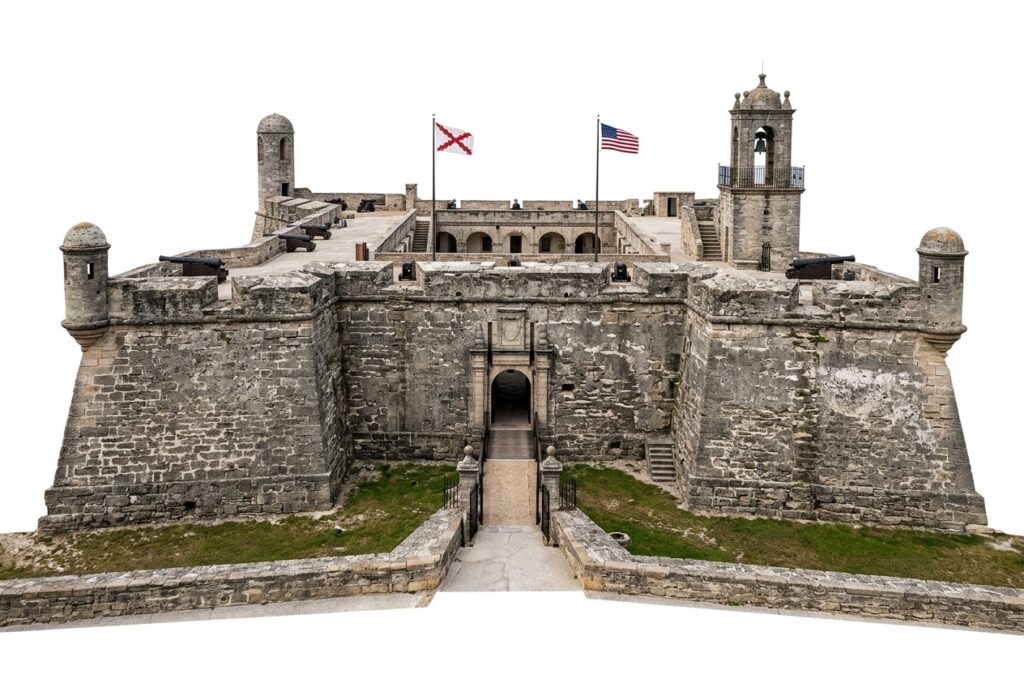
Castillo de San Marcos is the oldest masonry fort in the continental United States. Spanish builders constructed it between 1672 and 1695 to protect St. Augustine, the country’s oldest continuously inhabited European-founded city, established in 1565.
The walls are made of coquina, a soft stone formed from compressed shells. It absorbed cannonballs instead of shattering. The fort never fell to an attack. The National Park Service runs the site and offers costumed weapons demonstrations, including cannon firings on many weekends. Admission costs $15 for adults and is valid for seven days. From the waterfront walls, you’ll get great views of Matanzas Bay.
Key West Rooster
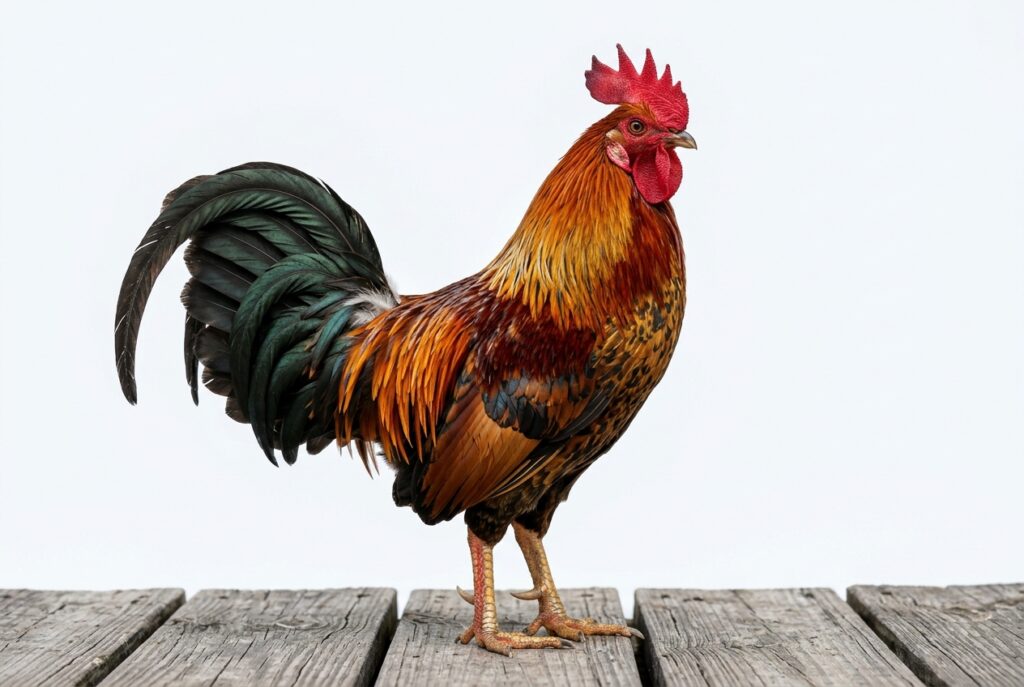
Free-roaming roosters strut through Key West like they own the place. Descended from backyard flocks and birds once used for cockfighting, the chickens now wander through cafés and side streets, crowing at all hours.
Locals have a soft spot for them, and the birds enjoy protection within city limits. You’ll see them in Bahama Village, around Blue Heaven restaurant, and pecking near the bars on Duval Street. The Key West Wildlife Center helps relocate birds when needed. Rooster-themed T-shirts, magnets, and art fill souvenir shops. If your guesthouse sits on a quiet residential lane, earplugs are a smart choice.
Miami Vice Pastel Suit
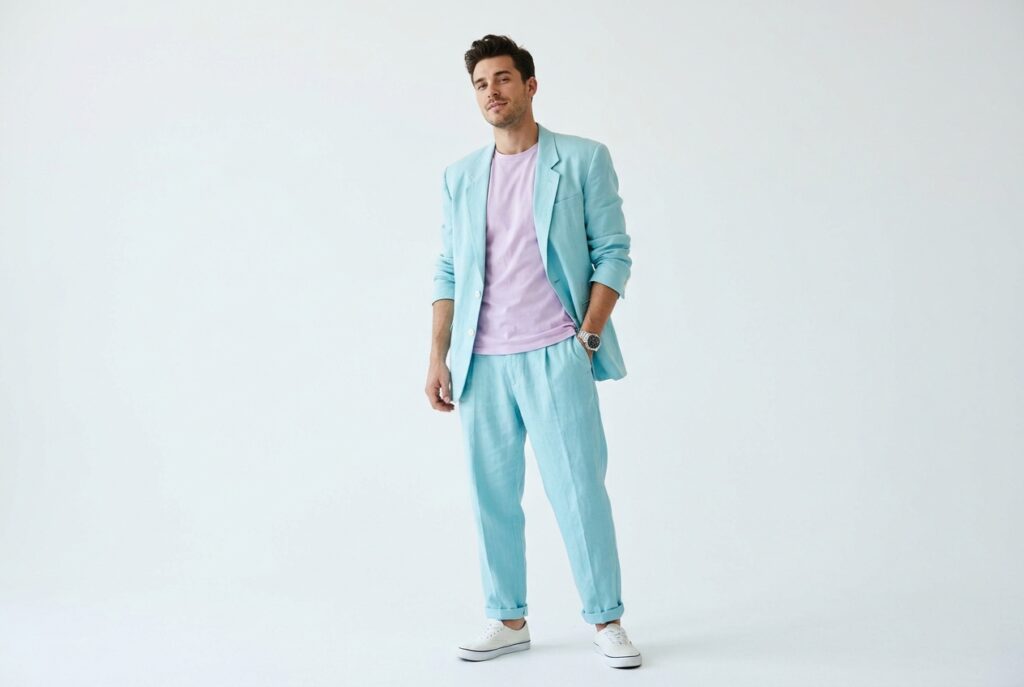
The pastel linen suit worn over a T-shirt defined 1980s Miami cool. “Miami Vice,” which aired from 1984 to 1989, dressed Don Johnson’s Sonny Crockett in loose jackets, rolled sleeves, and sockless loafers, all set against South Beach’s neon glow.
The show helped revive Miami Beach’s Art Deco district by showing it to millions of viewers. Its seafoam, salmon, and lavender palette matched the buildings perfectly. You’ll still see the look at themed parties and in vintage shops around Wynwood. The Colony Hotel on Ocean Drive, featured in the series, also makes a fitting photo backdrop.
Southernmost Point Buoy
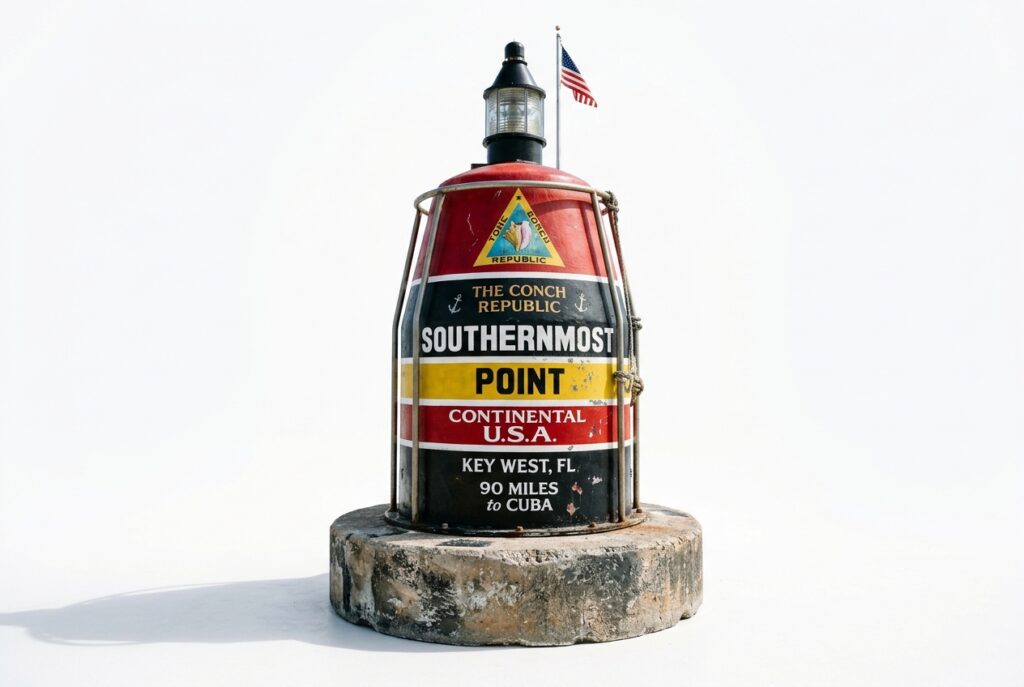
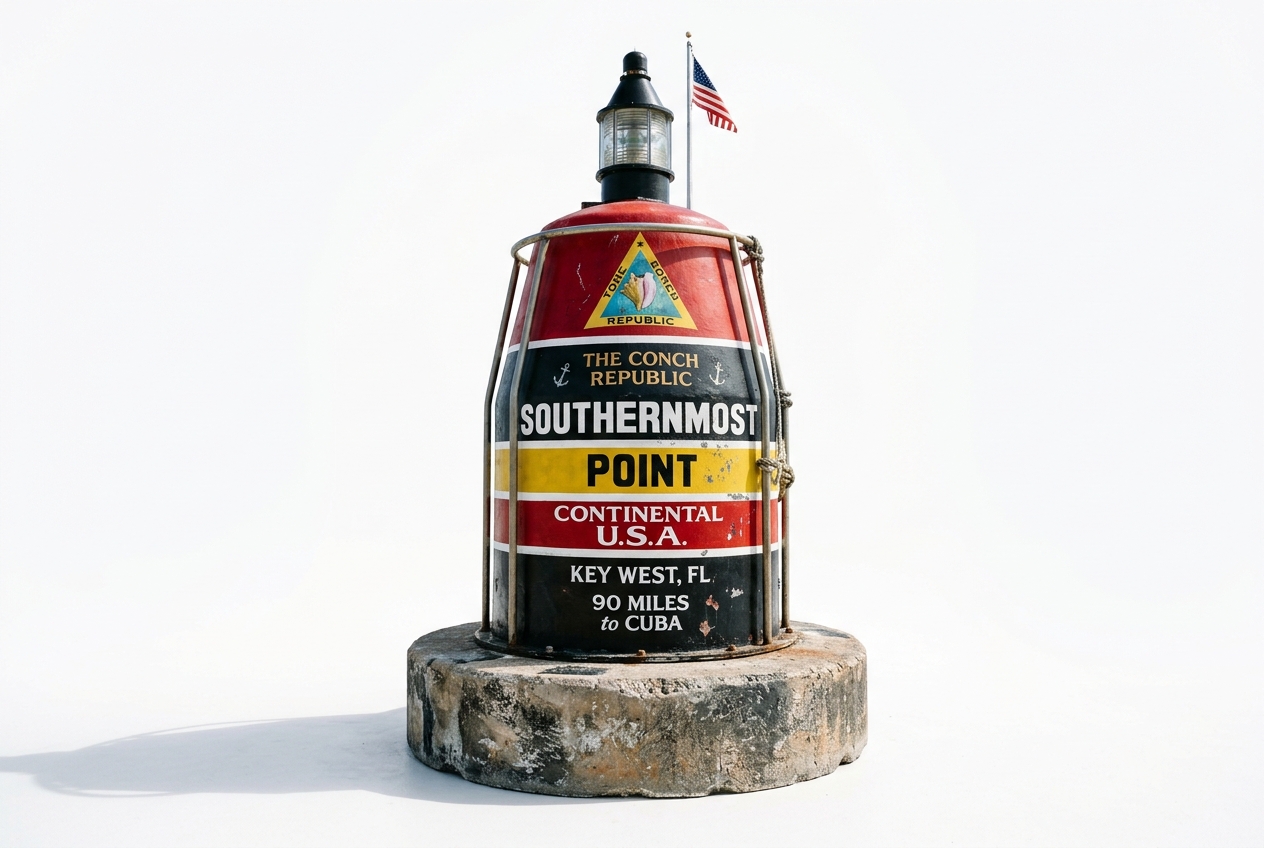
The striped concrete buoy at the corner of Whitehead and South streets in Key West marks the southernmost point in the continental U.S. that’s open to the public. Installed in 1983, it famously reads “90 miles to Cuba.”
The red, black, and yellow marker has been repainted several times, including after Hurricane Irma in 2017. Photo lines can stretch long by midday, sometimes 30 minutes or more. Arrive at sunrise for a shorter wait and better light. Visiting the buoy is free, and it’s a short walk from the Ernest Hemingway Home and Museum.
Palm Beach Lilly Pulitzer Dress
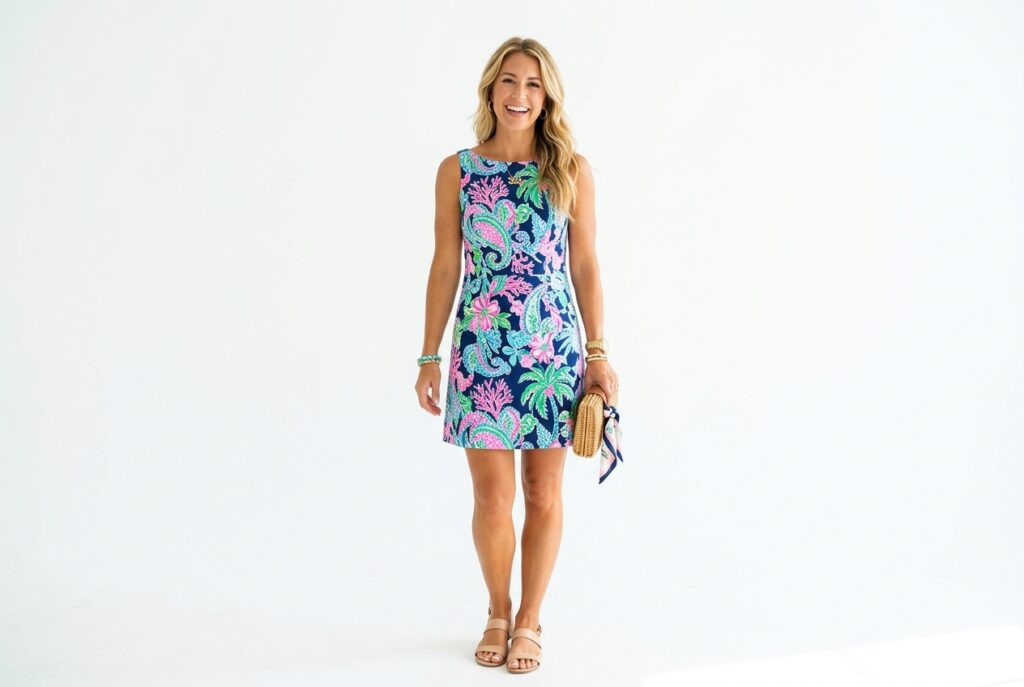
The Lilly Pulitzer shift dress began at a Palm Beach juice stand in 1959. Lilly Pulitzer needed something to hide citrus stains from her work, so she had cheerful, colorful dresses made. Customers soon started asking to buy them.
The look took off after her school friend Jacqueline Kennedy wore one, and bright prints became the uniform of Palm Beach society. Flamingos, palms, and seashells still fill the brand’s racks. Shop the line near Worth Avenue in Palm Beach, then stroll the street’s Spanish-style vias for a taste of the island’s polished resort style.
Christ of the Abyss
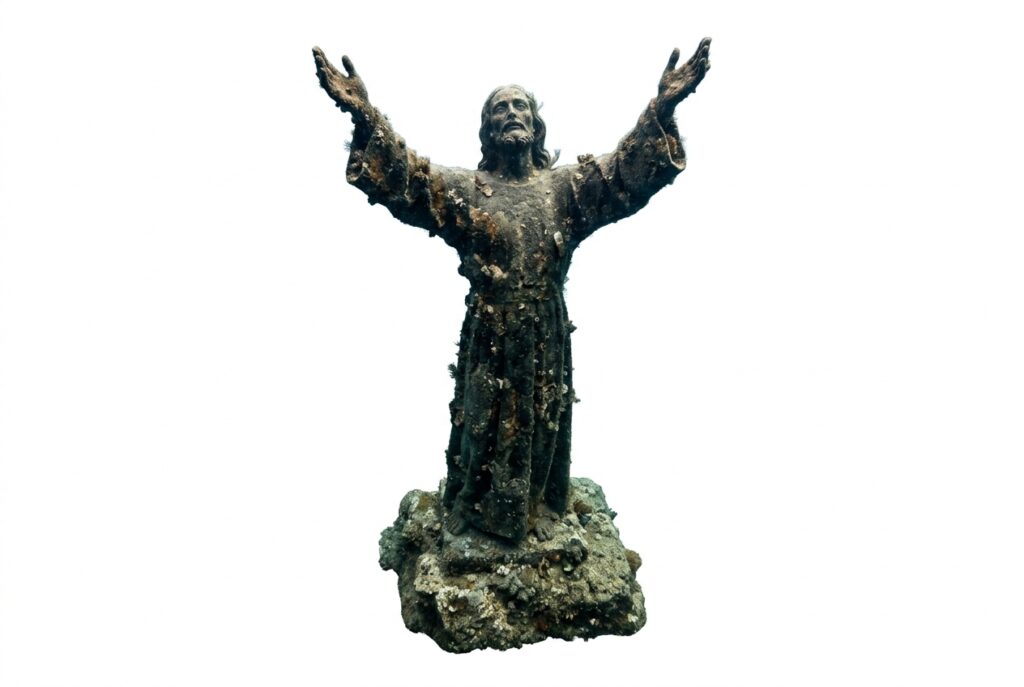
A bronze statue of Christ stands on the seafloor off Key Largo, arms raised toward the surface. Divers placed it in 1965 at Key Largo Dry Rocks within John Pennekamp Coral Reef State Park. It’s a casting of the original statue submerged near Genoa, Italy.
The figure rests in about 25 feet of water, so you can see it while snorkeling on calm days or swim right up to it on a dive. Tour boats leave from the park and from marinas along U.S. 1. Choose a morning trip, when winds are lighter, and wear reef-safe sunscreen to protect the surrounding coral.
Weeki Wachee Mermaid
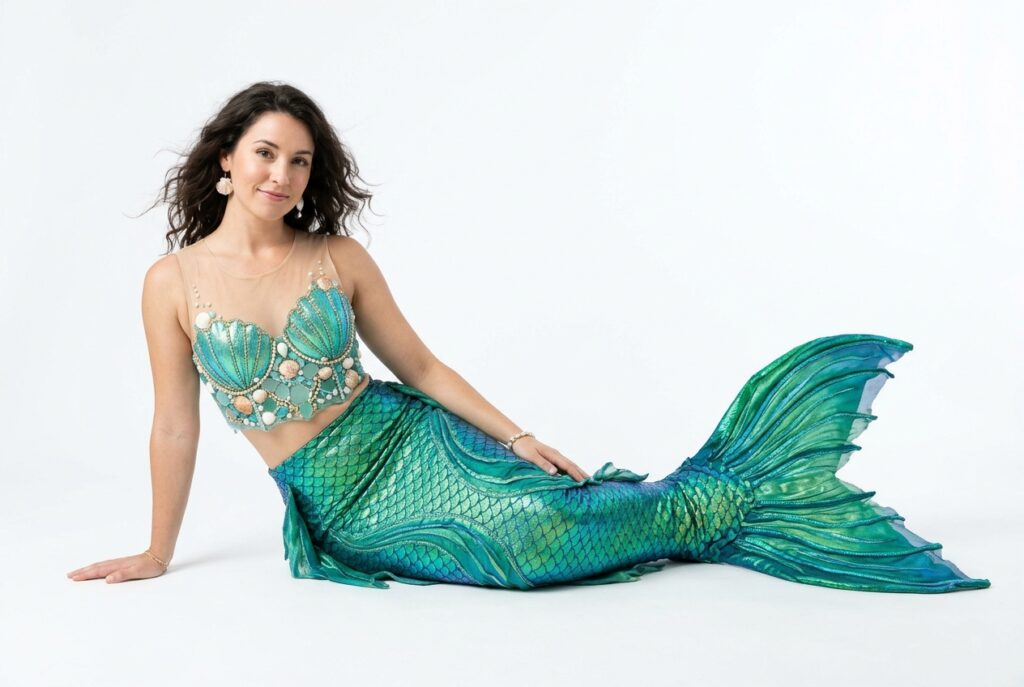
Live mermaids have performed at Weeki Wachee Springs since 1947. Former Navy frogman Newton Perry created the show and used air hoses to help performers breathe underwater.
The attraction became a state park in 2008, and mermaids still perform in an underwater theater about an hour north of Tampa, near Spring Hill. Shows run several times a day and come with park admission. Bring a swimsuit: Buccaneer Bay water park opens seasonally, and kayaking the spring-fed Weeki Wachee River offers a chance to spot manatees and turtles.
Royal Palm Tree
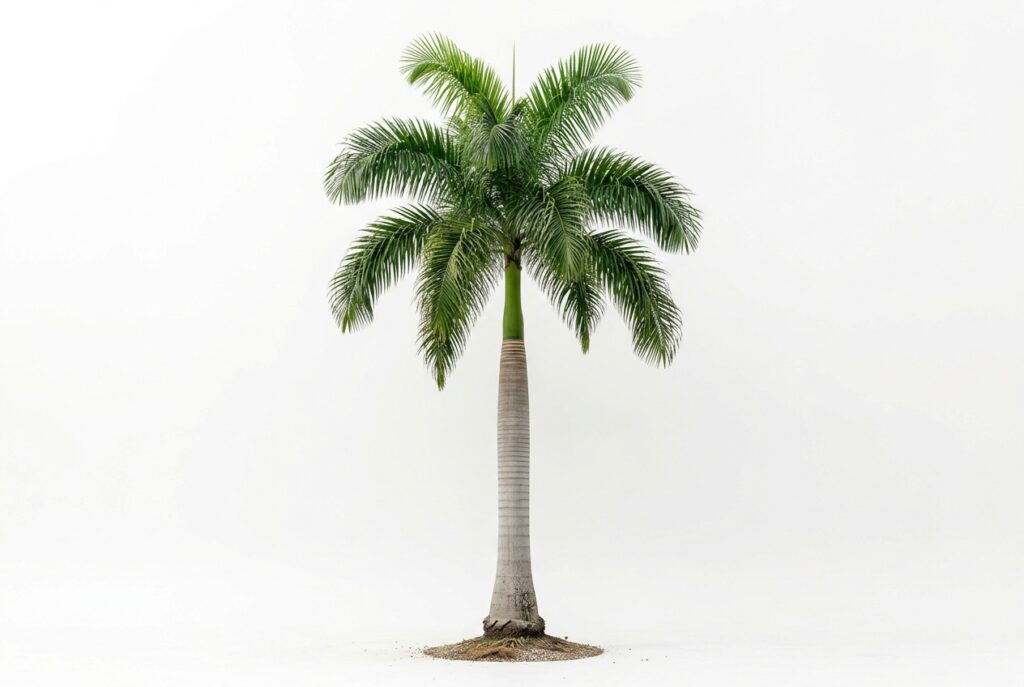
Tall and smooth, the royal palm looks like a gray concrete column topped with a crown of feathery fronds. Native to South Florida and the Caribbean, it can reach 80 feet or more, giving boulevards and estates a stately look.
You’ll find famous rows along McGregor Boulevard in Fort Myers, where Thomas Edison planted royal palms near his winter home. Everglades National Park’s Royal Palm area also takes its name from the trees, and the Anhinga Trail there is great for spotting wildlife. Royal palms prefer frost-free climates, so they thrive mostly south of Palm Beach.
EPCOT Spaceship Earth
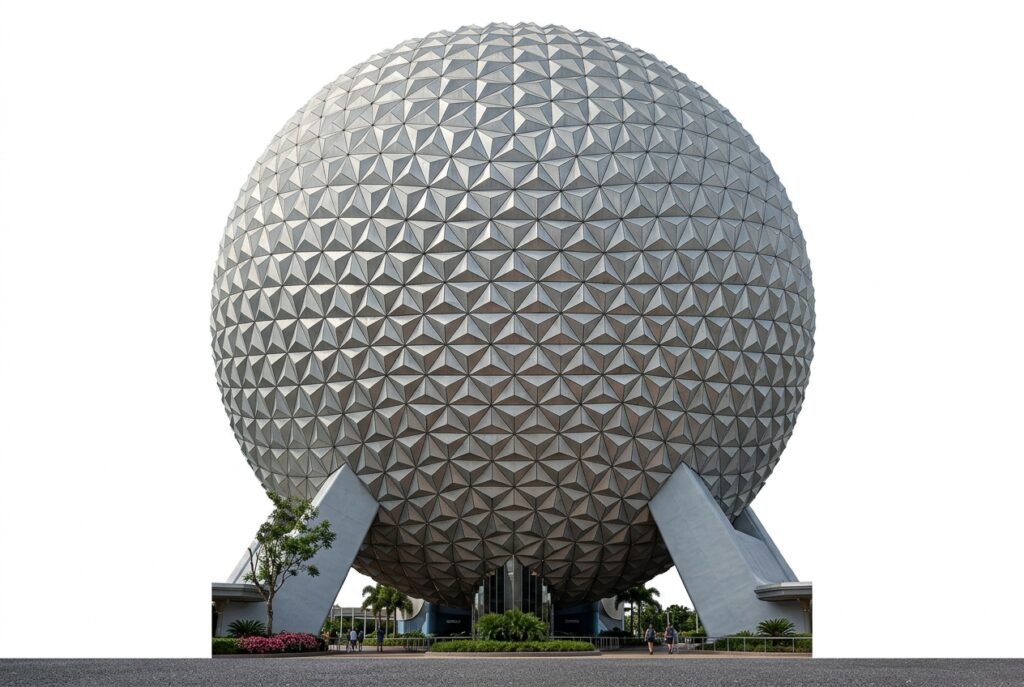
Spaceship Earth is the giant silver sphere that has welcomed EPCOT visitors since the park opened in 1982. The geodesic structure stands about 180 feet tall and features 11,324 triangular panels.
Inside, a slow-moving ride takes you through the history of human communication, from cave paintings to the digital age, with scenes and animatronics along the way. It’s one of Walt Disney World’s most photographed landmarks. For the best shot, step back near the World Showcase entrance. Then return after dark, when the sphere glows with colored lights during evening shows.
Miami Cafecito
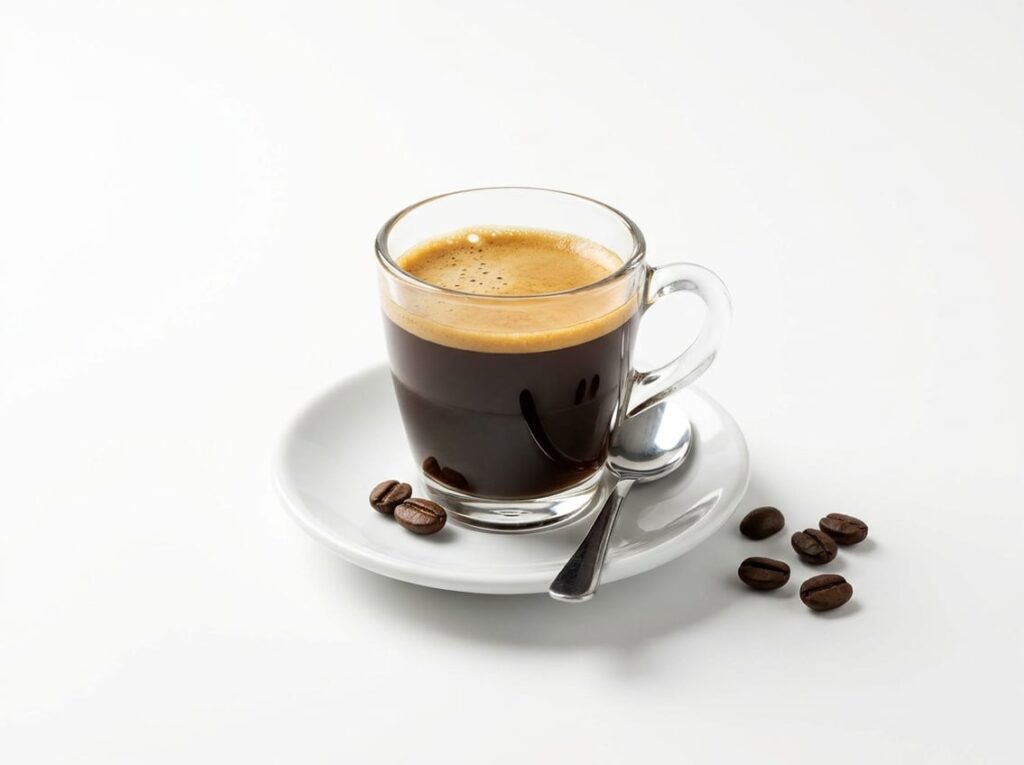
Cafecito keeps Miami running. This Cuban-style espresso is brewed strong, then sweetened with sugar whipped into a creamy foam called espumita. Each sip has a rich, syrupy kick.
Order it at a ventanita, the walk-up window at Cuban cafés and bakeries. Ask for a colada if you’d like a larger serving to share with friends in tiny, thimble-sized cups. Many Miamians observe “Cafecito Time” at 3:05 p.m., a nod to the city’s 305 area code. Head to Versailles on Calle Ocho, where a cafecito costs a couple of dollars, and pair it with a guava pastelito.