
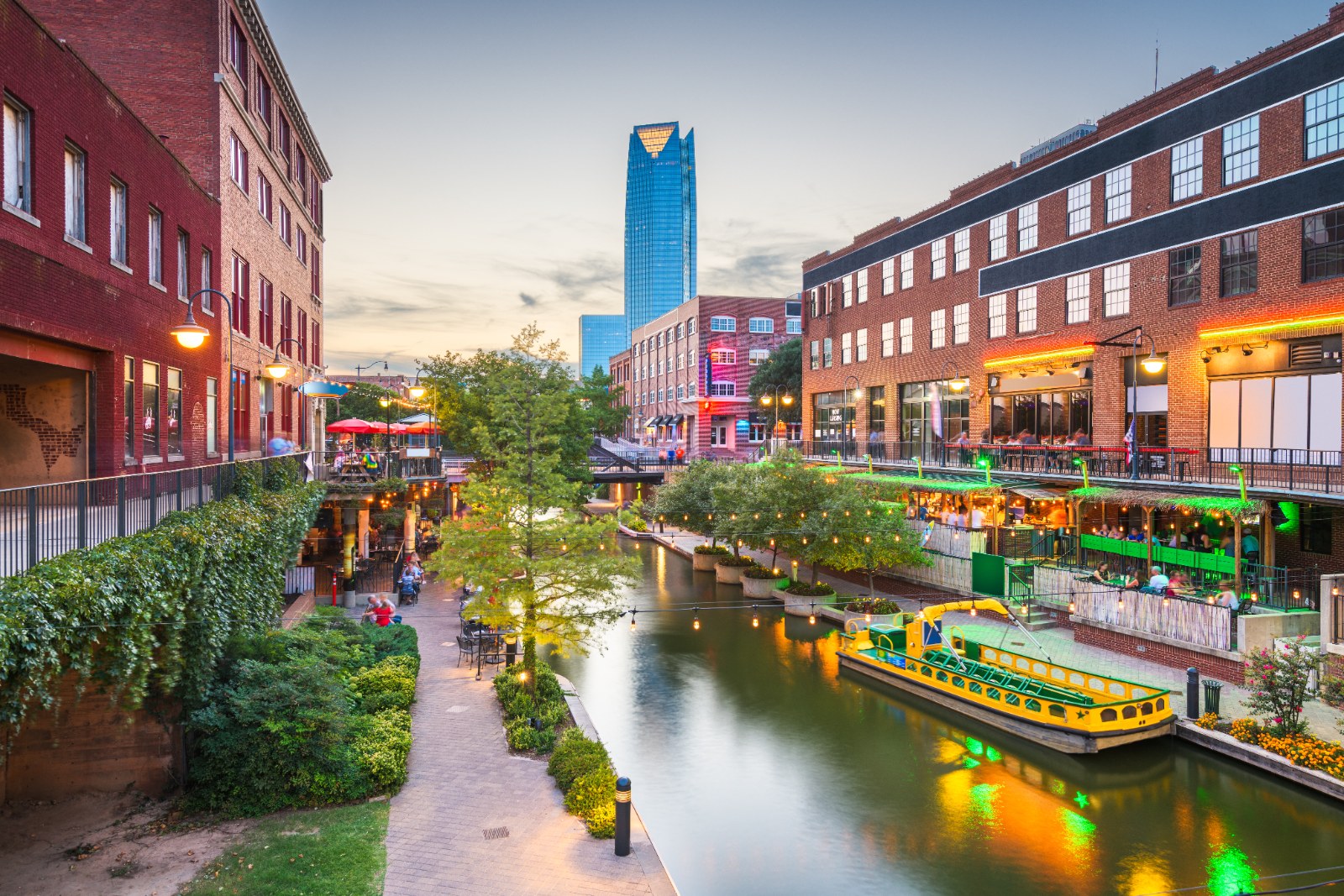
Walk into the same chain hotel in two different states and you will find the same carpet and the same tiny coffee maker. The bill at checkout can still differ by a hundred dollars a night. The restaurants, museum tickets, and parking work the same way, and most of that gap has nothing to do with how good the trip turns out.
The places that stretch a budget furthest are mid-sized cities and smaller towns across the Midwest, South, and Southwest. Many have free flagship museums, public lands next door, and dinner prices that haven’t caught up with the coasts. You give up very little except the bragging rights of a famous zip code.
One caveat covers every stop here: prices jump during big local events and peak season. Check a city’s calendar before you book, and shoulder-season dates will save you the most.
Dayton, Ohio
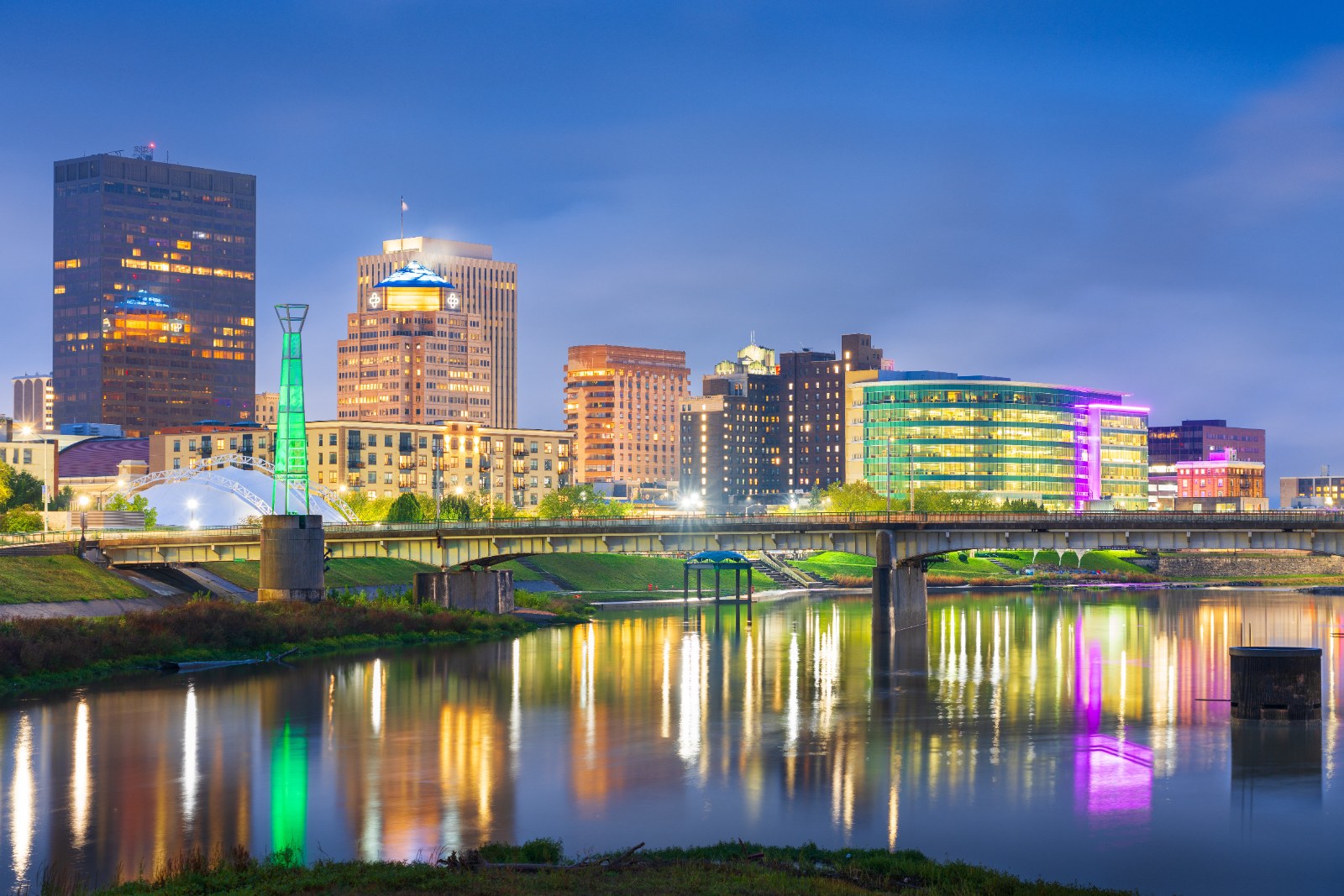
Dayton is where the airplane was born, and the city still acts like it. Wilbur and Orville Wright ran a bicycle shop here before they ever flew at Kitty Hawk. Several sites tied to them now form Dayton Aviation Heritage National Historical Park, where you can see where the brothers worked out flight with bike parts and stubbornness.
The headline attraction is the National Museum of the U.S. Air Force, the largest military aviation museum in the world, and admission is free. Plan a full day for its hangars of bombers, presidential aircraft, and early experimental planes. After that, the Oregon District gives you brick streets, local bars, and dinner prices that make a second round an easy call.
Chattanooga, Tennessee
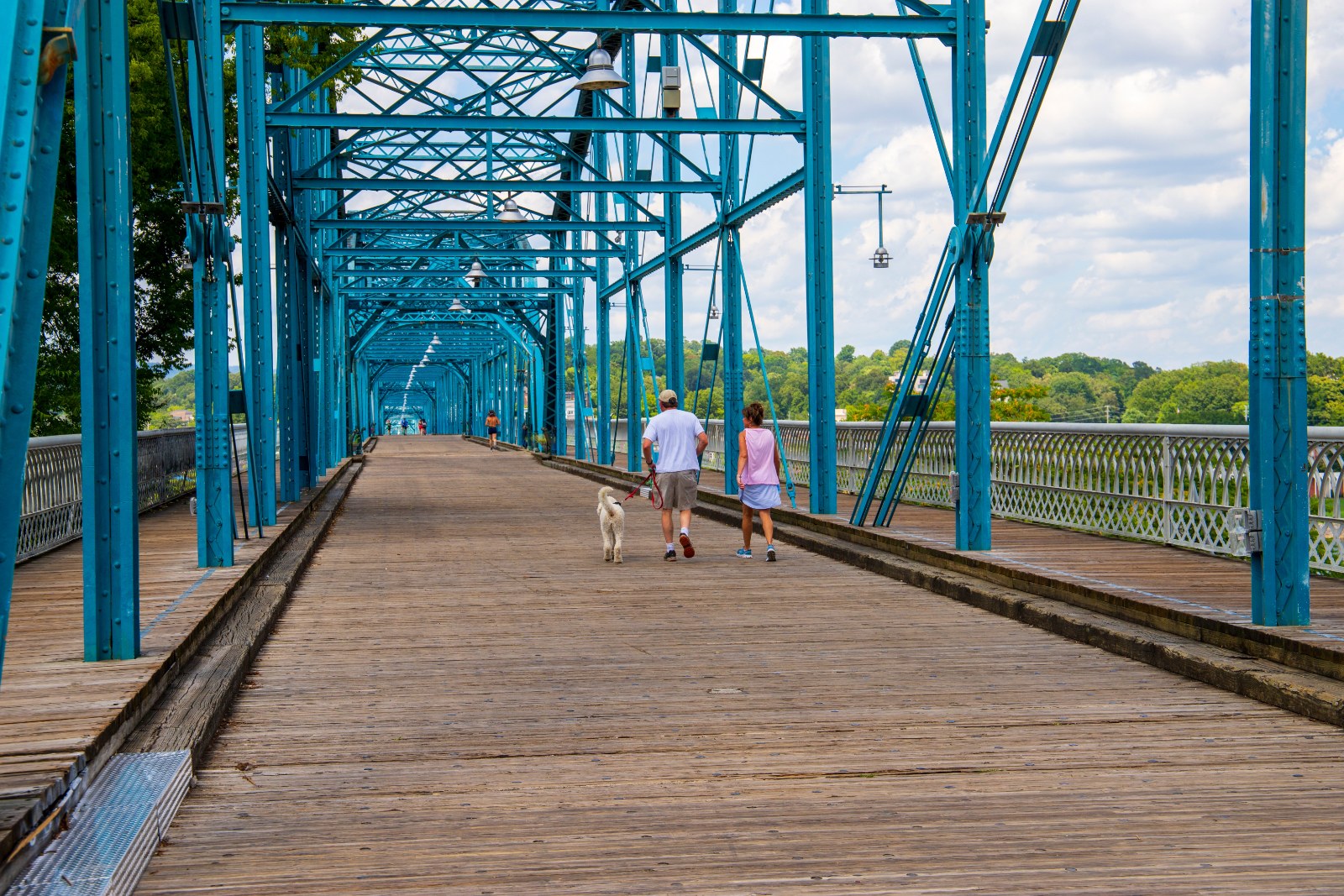
Chattanooga reinvented itself so well that people forget it was once called one of the dirtiest cities in America. Today the riverfront is the main event. The Walnut Street Bridge is a long pedestrian crossing over the Tennessee River that costs nothing and leads straight to the lawns and splash fountains of Coolidge Park.
Lookout Mountain rises right above town with views, caves, and Civil War history. Its paid attractions add up, so pick one and spend the rest of your time on the many trails around the city. Downtown, a free electric shuttle loops between the aquarium area and the Southside, where breweries and barbecue keep evenings cheap.
Pensacola, Florida
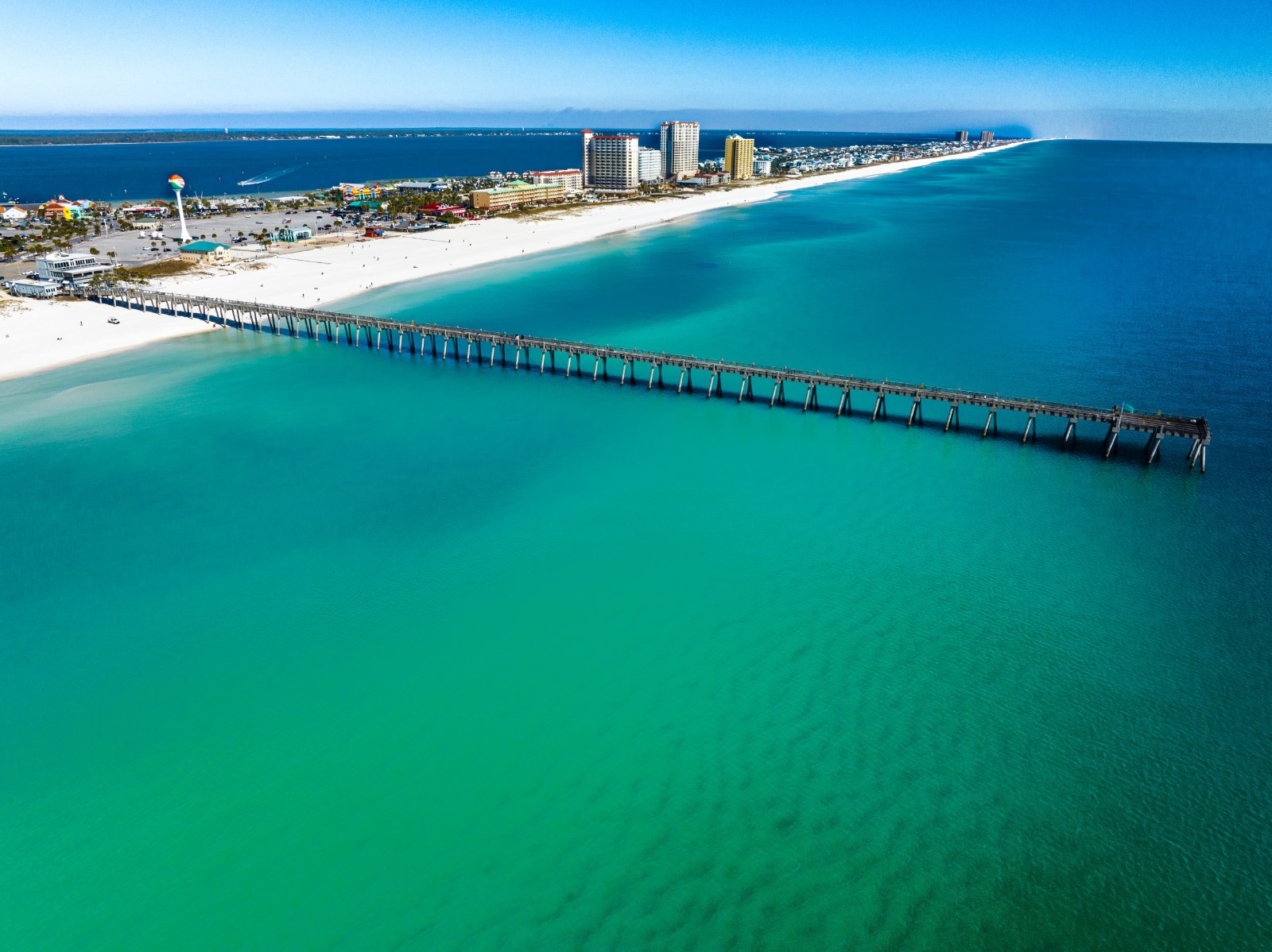
Spanish settlers landed in Pensacola in 1559, before St. Augustine, and the city has flown five different national flags since. That history sits a short drive from Pensacola Beach, where the sand is white quartz and the hotel rates run well below Florida’s more famous coastlines.
The National Naval Aviation Museum, home base of the Blue Angels, has free admission. It sits on an active base, so check the current visitor access rules before you go. Downtown has a relaxed food scene built around Gulf seafood, and the federally protected Gulf Islands National Seashore gives you miles of undeveloped shoreline for the price of a park pass.
El Paso, Texas
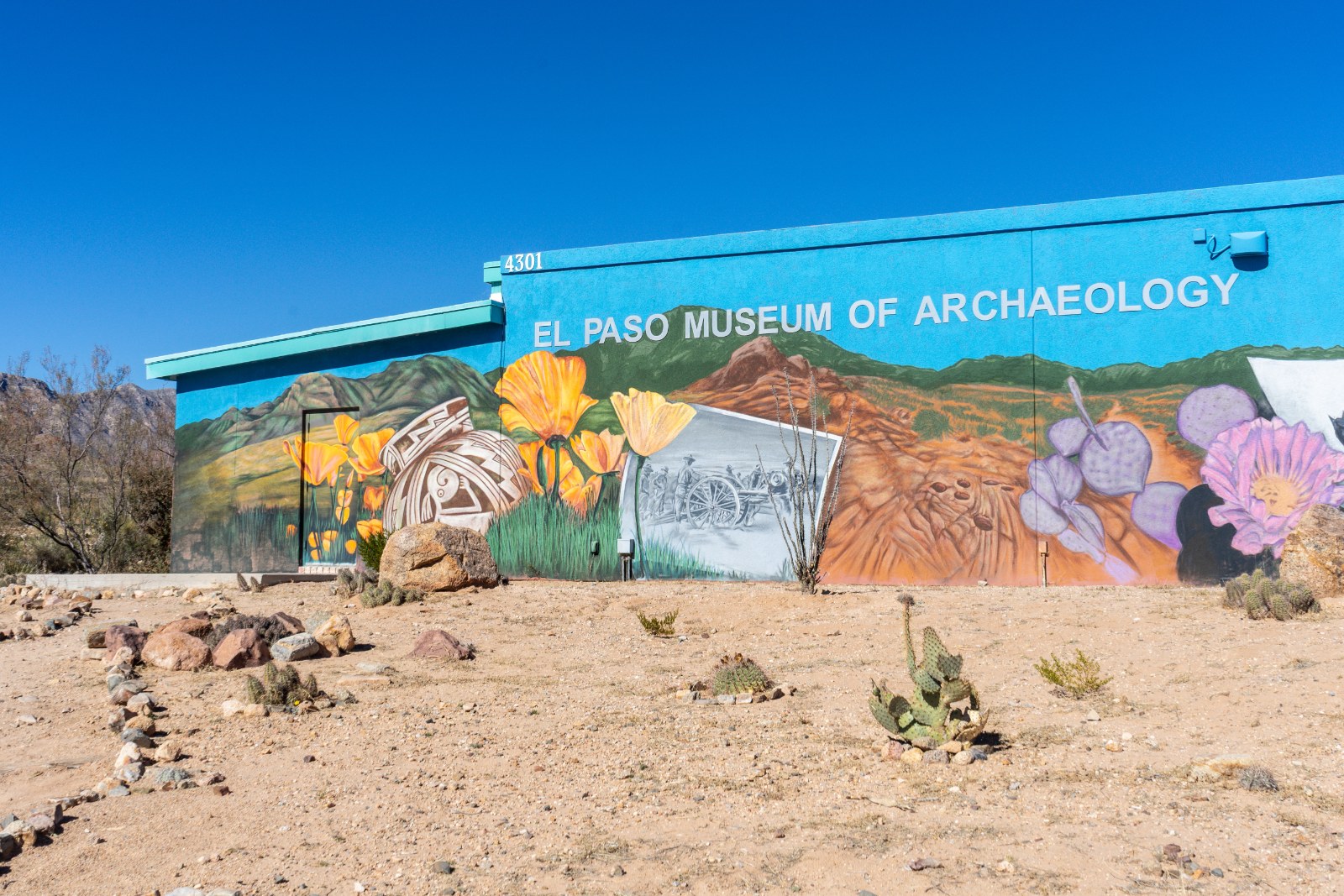
Franklin Mountains State Park cuts right through El Paso, and it ranks among the largest urban parks in the country. You can hike desert ridgelines in the morning and be back in a city neighborhood for lunch. Scenic Drive, on the mountain’s southern side, gives you a free overlook across two countries at once.
That border view explains the food. El Paso’s Mexican cooking is tied to Ciudad Juárez just across the river, and plates of enchiladas and chile rellenos come with portions and prices that would draw a line anywhere else. Hotels stay affordable most of the year, and the desert sunsets turn the Franklins pink at no charge.
Roanoke, Virginia
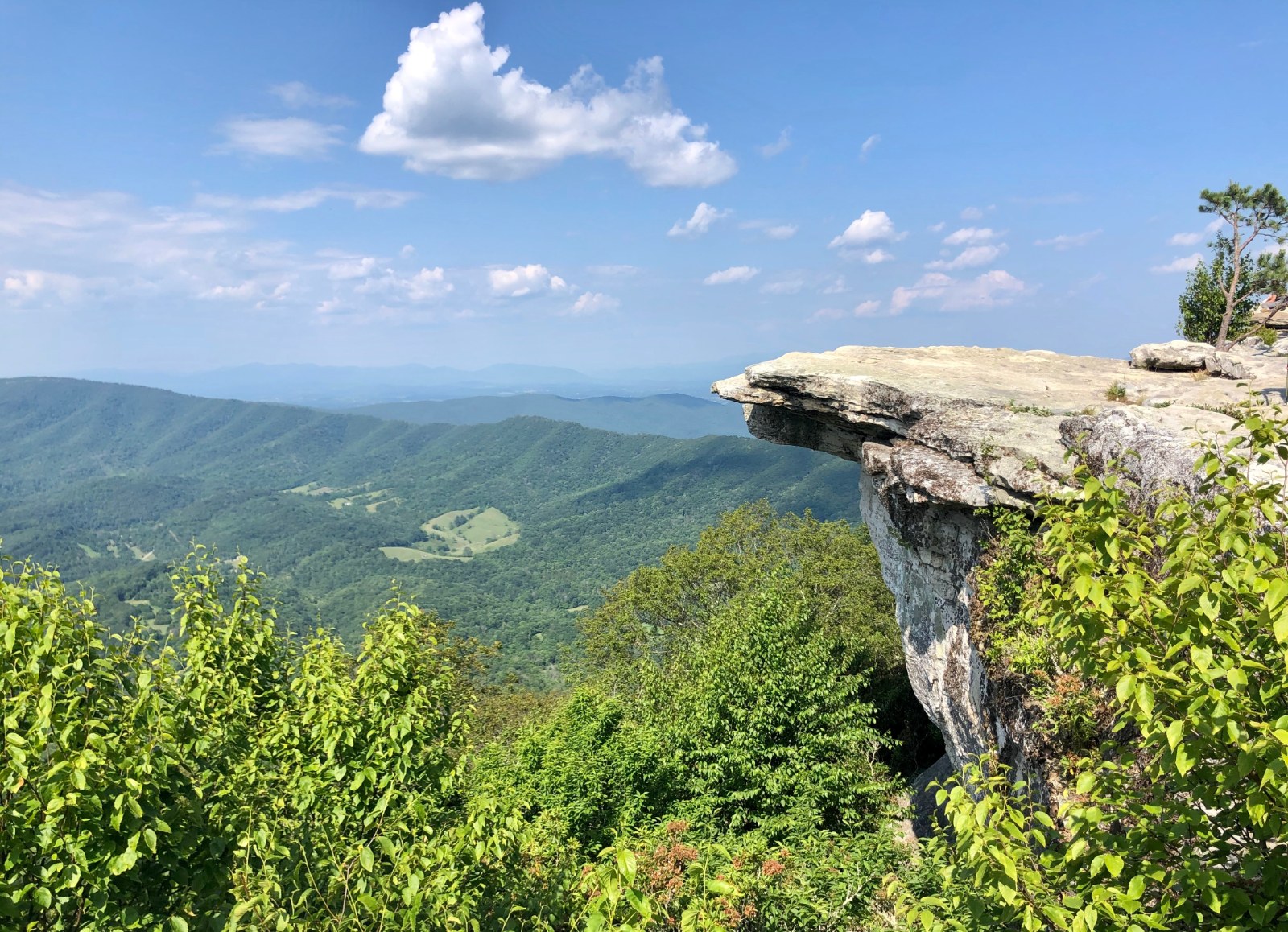
A giant neon star sits on top of Mill Mountain, and Roanoke has proudly called itself the Star City since the 1940s. Drive up for the free overlook at night, when the 88-foot sign glows over a valley ringed by the Blue Ridge.
The mountains do most of the work here. The Blue Ridge Parkway runs right past town, and McAfee Knob is a short drive away. It’s one of the most photographed spots on the entire Appalachian Trail. Back in the city, the Taubman Museum of Art keeps general admission free, and the downtown market area has been selling produce since the 1880s.
Tulsa, Oklahoma
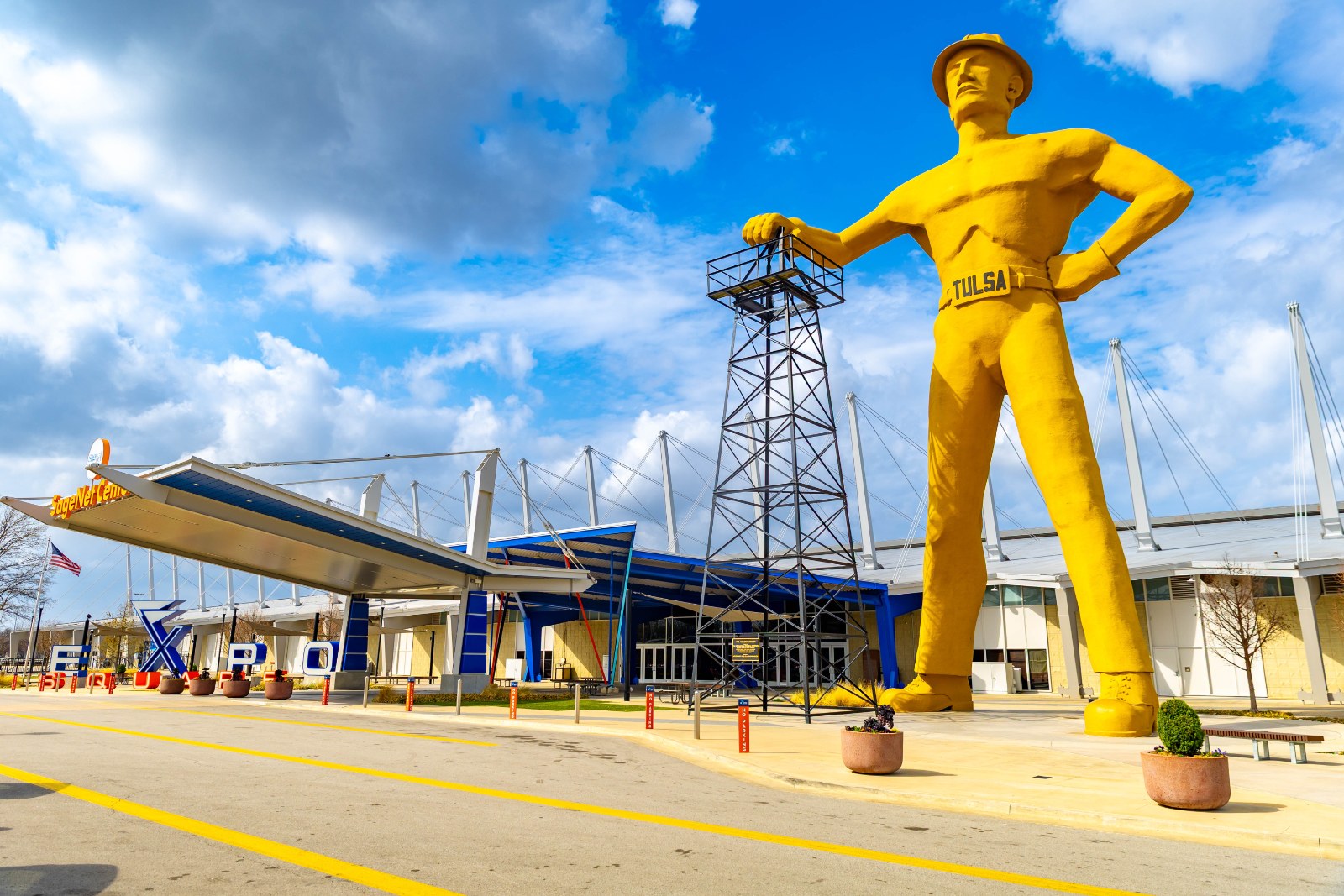
Oil money turned Tulsa into an Art Deco showpiece in the 1920s, and much of that downtown architecture still stands. You can walk past terra-cotta towers and zigzag facades on a free self-guided tour, then cruise a stretch of Route 66 running through town.
Philanthropy shaped the newer Tulsa. The Gathering Place, a riverside park with huge playgrounds, gardens, and trails, opened in 2018 and costs nothing to enter. The Greenwood District tells the story of Black Wall Street and the 1921 Race Massacre at Greenwood Rising. For a night out, the Bob Dylan Center and the Woody Guthrie Center sit close together in the Arts District.
Somerset, Kentucky
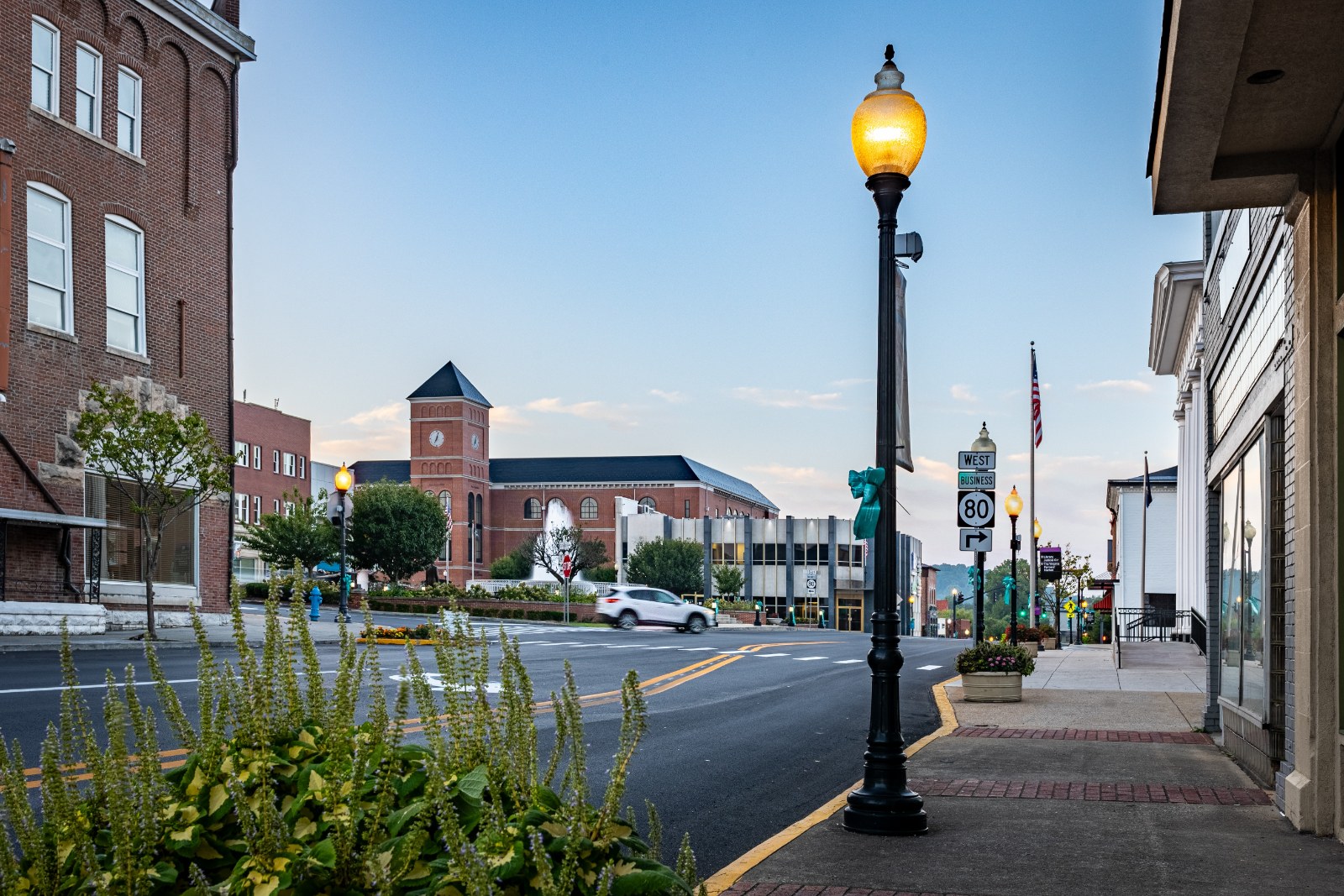
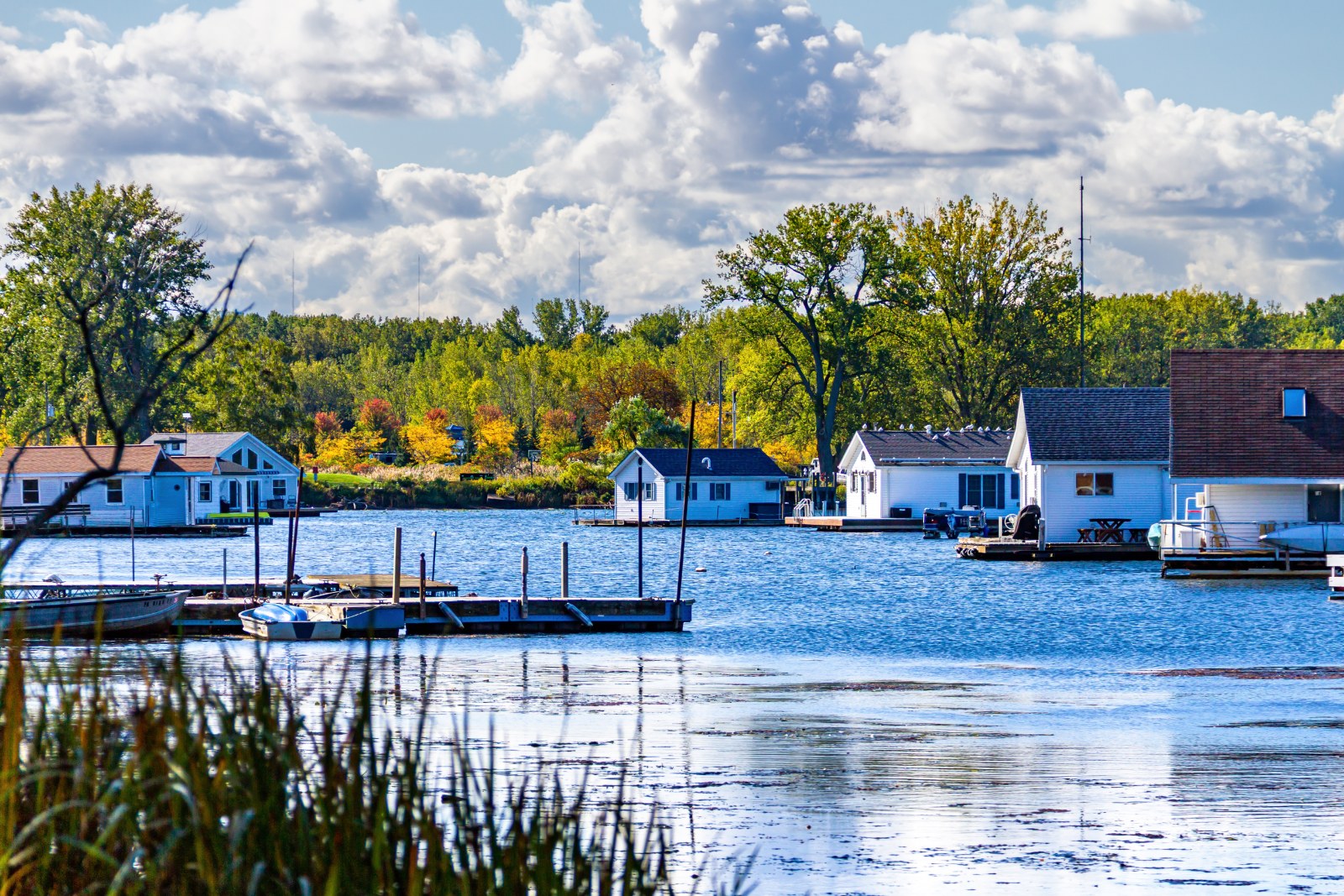
Somerset sits on Lake Cumberland, which bills itself as the houseboat capital of the world. Renting a houseboat sounds like a splurge until you split it among a group. A big boat for a week, divided among several families, works out cheaper per person than a string of beach-town hotel rooms.
The lake has more than a thousand miles of shoreline, so finding a quiet cove for swimming takes little effort. Cumberland Falls State Resort Park is under an hour away. On clear nights near a full moon, mist from the falls produces a moonbow, a rainbow made by moonlight, and it’s one of the few places in the Western Hemisphere where that happens with any regularity.
Beckley, West Virginia
Beckley lets you ride into an actual coal mine. At the Beckley Exhibition Coal Mine, former miners guide you underground in a mantrip car, and the stories they tell about the job hit harder than any museum placard.
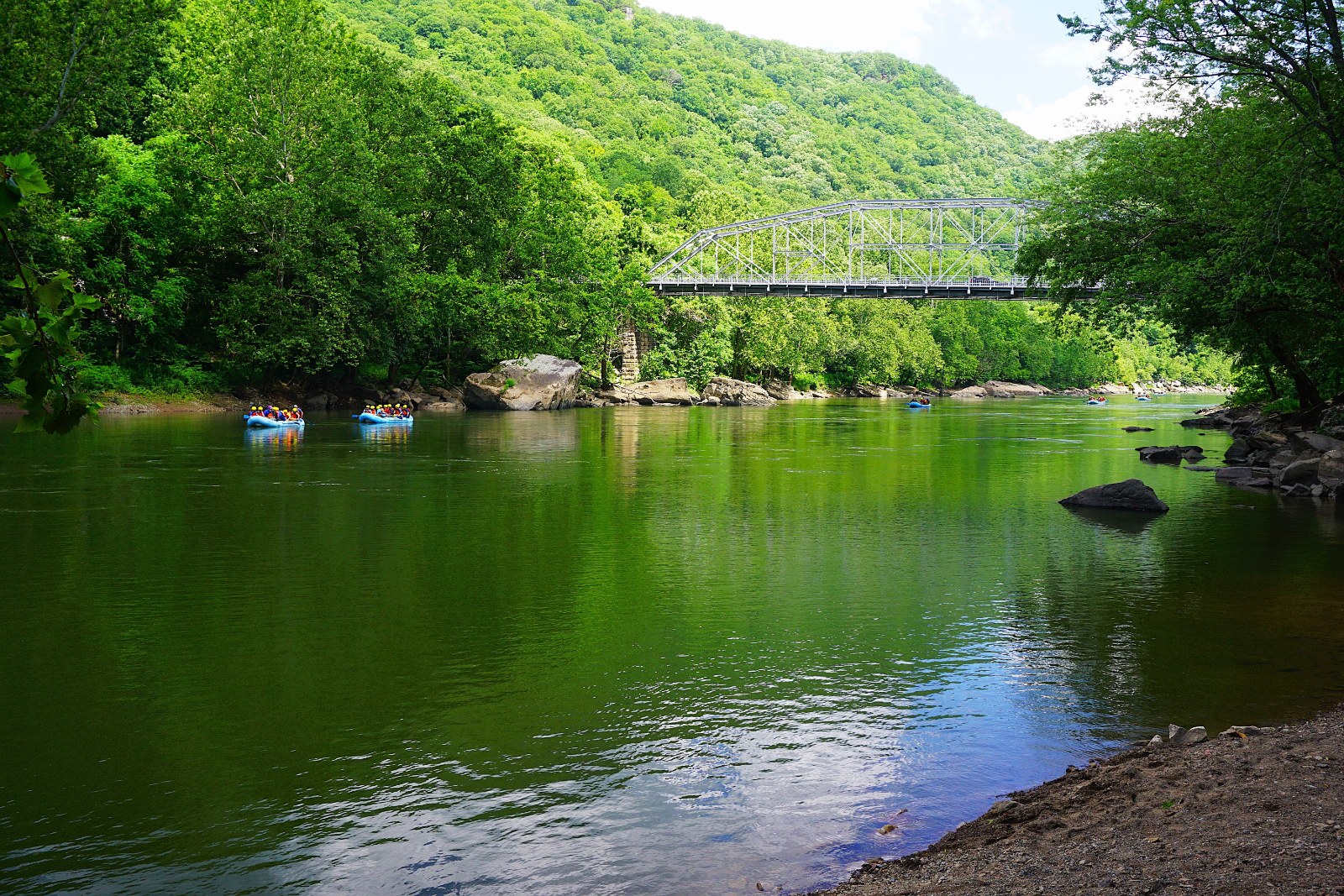
The bigger draw is New River Gorge National Park, which became a national park in 2020 and charges no entrance fee. You can hike to overlooks of the New River Gorge Bridge, watch climbers on sandstone cliffs, or book a whitewater rafting trip on the river below. Beckley’s chain hotels and diners cost a fraction of what gateway towns at older national parks charge, which is reason enough to base yourself here.
Gulf Shores, Alabama
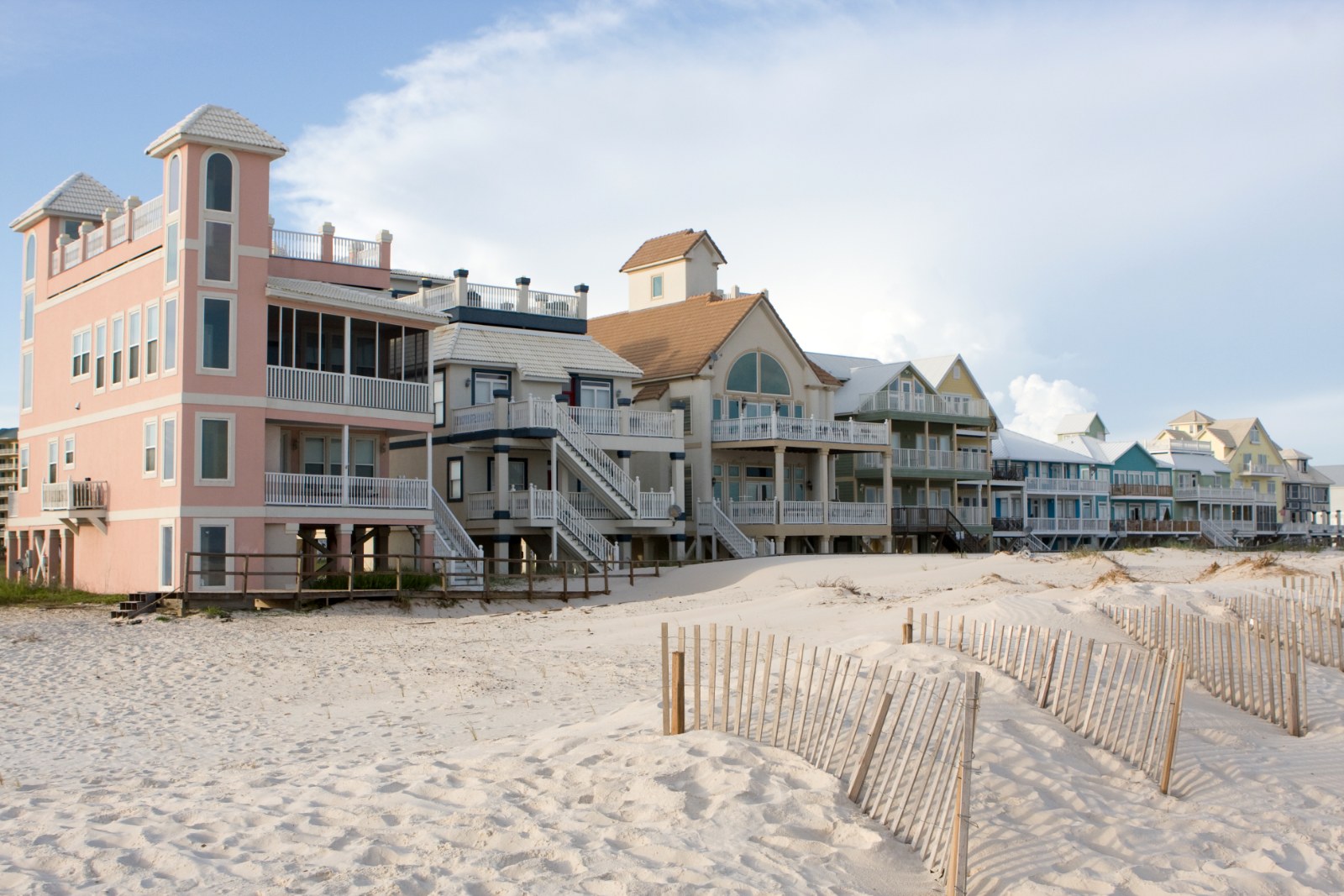
Gulf Shores has the same sugar-white quartz sand as the Florida Panhandle, usually at lower condo prices. Families have figured this out, so book a rental with a kitchen and split it. Cooking a few dinners at home will free up money for one big seafood blowout.
Gulf State Park covers more than 6,000 acres of beaches, dunes, and freshwater lakes, with miles of paved trails for bikes. Oysters and Royal Red shrimp show up on nearly every menu in town. If you visit in fall or early spring, rental rates drop sharply while the water and weather stay pleasant enough for long beach days.
Erie, Pennsylvania
Presque Isle State Park curls out into Lake Erie like a hook, and entry is free. The sandy peninsula has miles of swimming beaches, bike paths, and lagoons for kayaking. Because it faces west, it also catches some of the best sunsets in Pennsylvania.
Erie has more surprises than its gray reputation suggests. Waldameer, one of the oldest amusement parks in the country, has long kept general admission free and lets you pay by the ride. East of town, the Lake Erie wine country stretches along a narrow belt of grape farms, and the tasting rooms charge small-town prices for Concord-heavy pours.
Hot Springs, Arkansas
Hot Springs is the only place on this list where the water comes out of the ground at about 143 degrees. Fill a jug at one of the public thermal fountains downtown for free, a local habit that has gone on for generations.
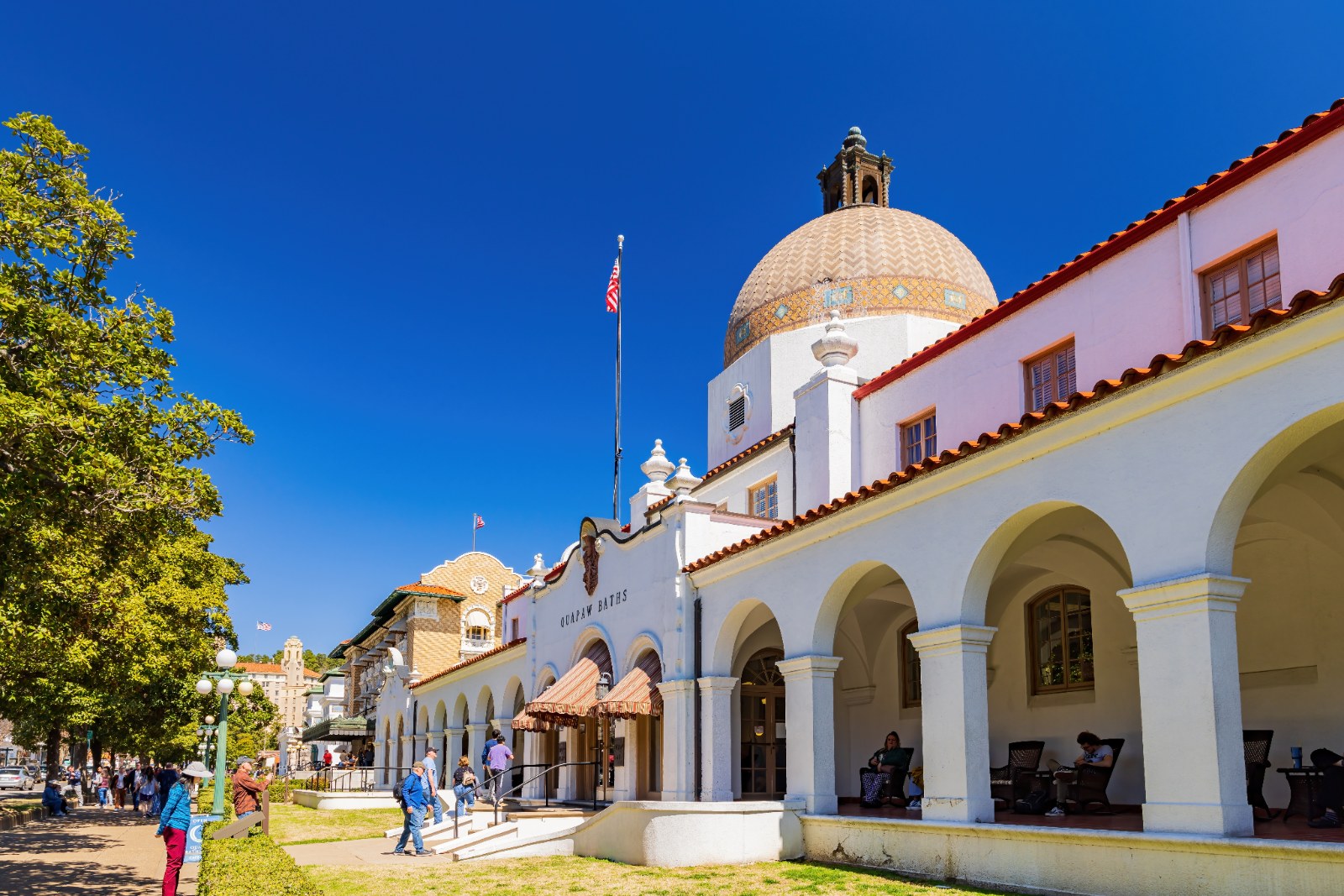
The city’s golden age shows in Bathhouse Row, a line of ornate early-1900s bathhouses within Hot Springs National Park. Walking the row and the Grand Promenade costs nothing. Two bathhouses still operate, so you can soak in the same mineral water that drew gangsters like Al Capone. Oaklawn’s horse racing season runs through spring if you want to bet a few dollars on the outcome.
St. Louis, Missouri
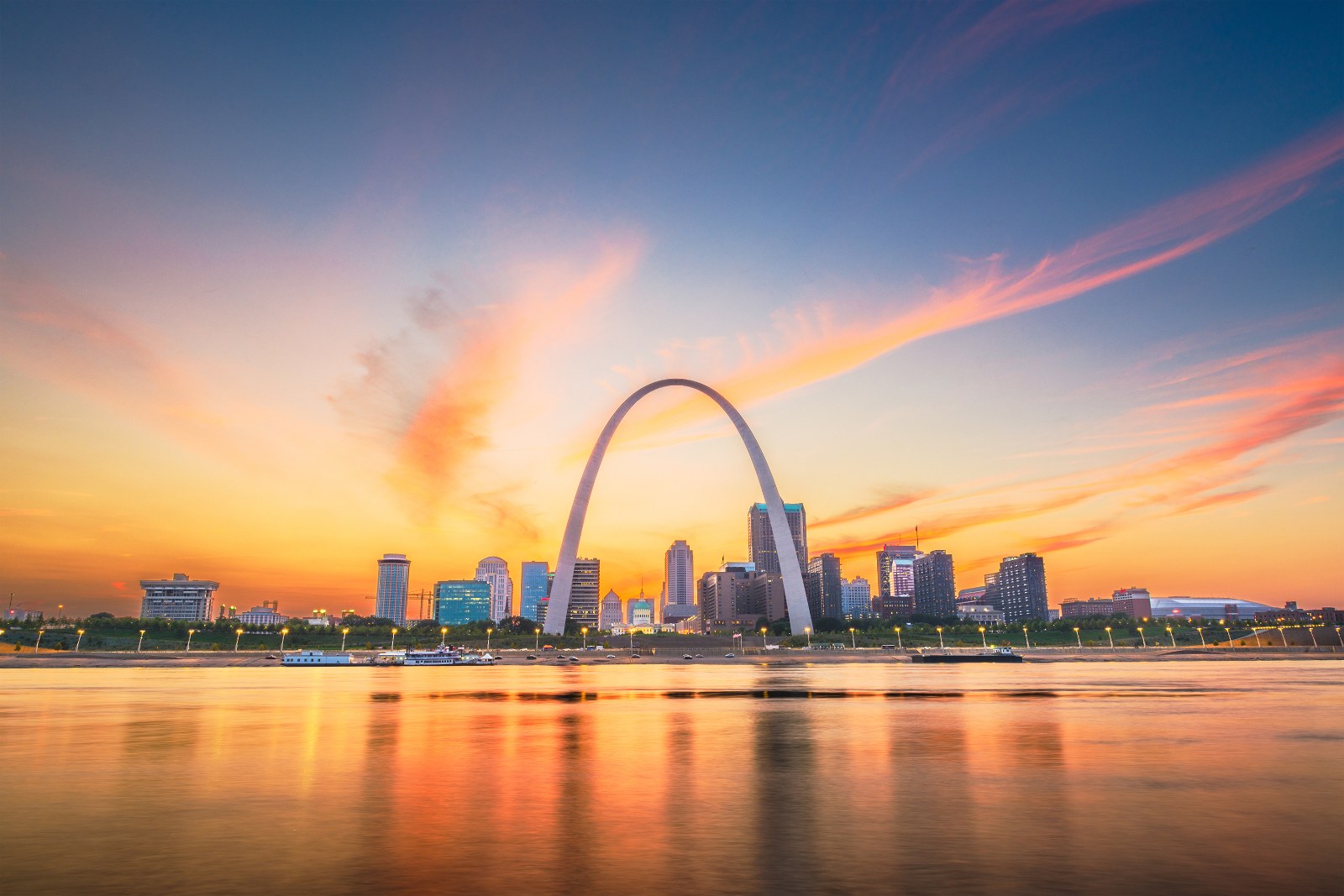
St. Louis keeps a remarkable number of world-class attractions free. Forest Park, larger than Central Park, holds the Saint Louis Zoo, the Saint Louis Art Museum, the Missouri History Museum, and the Saint Louis Science Center. All four have free general admission, so a full weekend of sightseeing can cost you the price of parking.
Spend your ticket money on the 630-foot Gateway Arch tram ride, where tiny pods carry you to windows at the top. Then eat like a local with toasted ravioli and gooey butter cake. Soulard and The Hill both serve generous plates at fair prices.
San Antonio, Texas
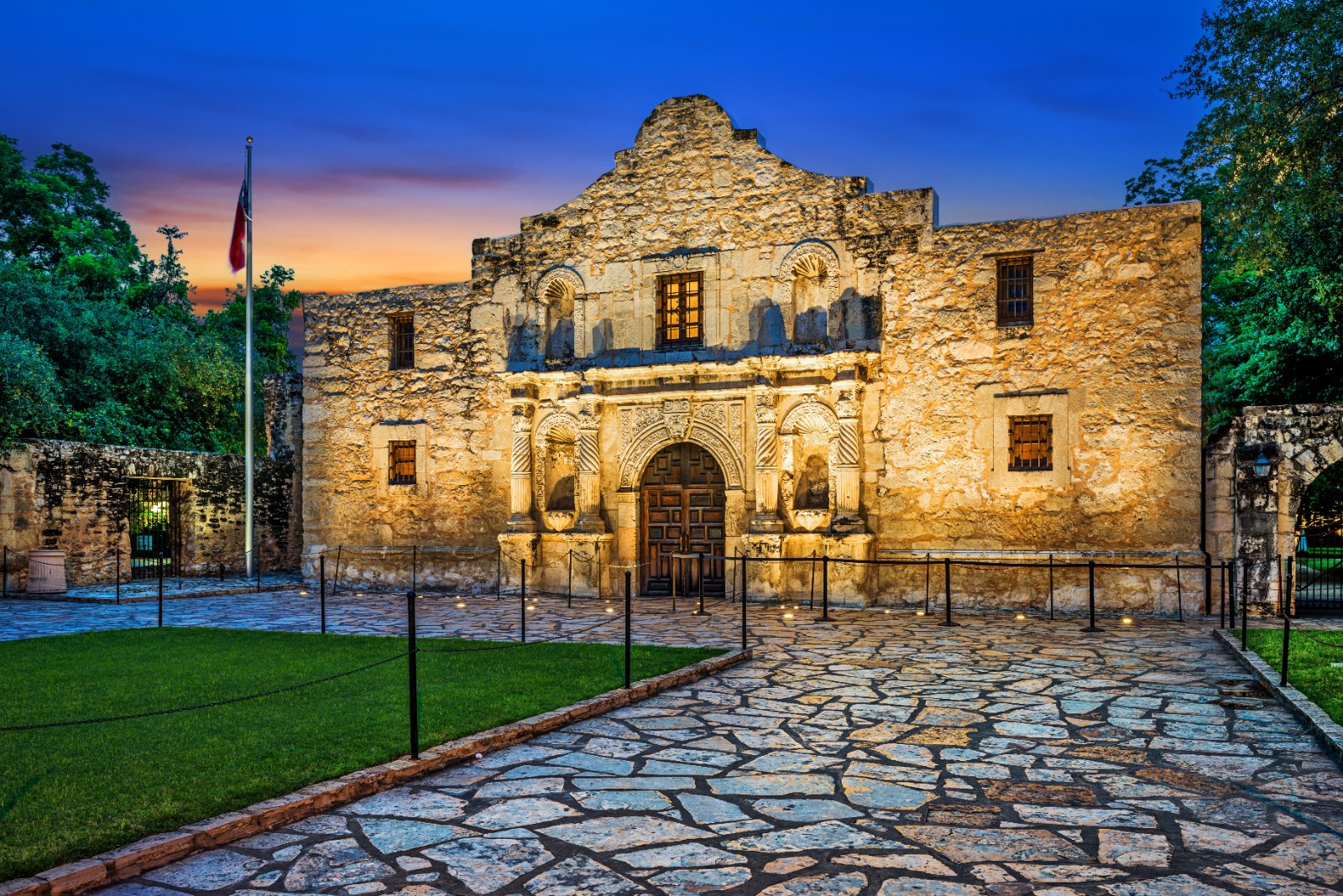
The Alamo is the famous one, but San Antonio holds five Spanish colonial missions. The other four make up San Antonio Missions National Historical Park, which you can tour for free. A paved hike-and-bike trail along the San Antonio River links them, so you can cover centuries of history on a rented bike in an afternoon.
The Alamo itself charges nothing for general entry to the church. The River Walk winds below street level through downtown, and strolling it costs only the time. Skip the touristy riverside restaurants and head to a neighborhood taqueria for breakfast tacos, a local staple that comes cheap.
Wichita, Kansas
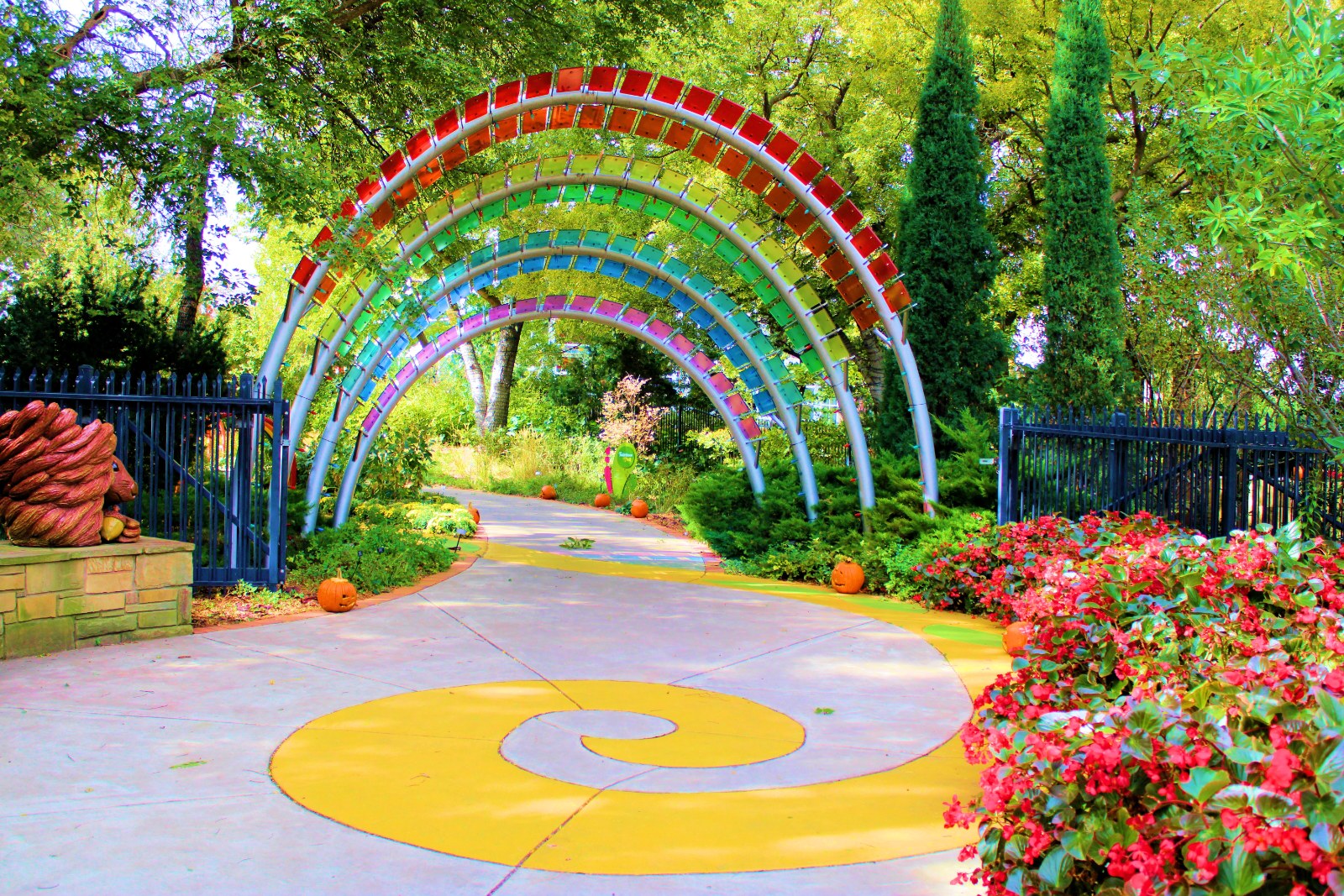
Wichita calls itself the Air Capital of the World, and the label holds up. Cessna, Beechcraft, and Learjet all built planes here, and aviation history shows up in museums and plane-spotting all over town.
Downtown, the Keeper of the Plains sculpture stands where the Arkansas and Little Arkansas rivers meet. Its fire pots are lit on most evenings, which makes for a free and surprisingly moving show. Old Town’s brick warehouses now hold restaurants and bars with Midwest pricing. Botanica’s gardens and the riverside museums are close enough to group in a single walkable afternoon.
Springfield, Illinois
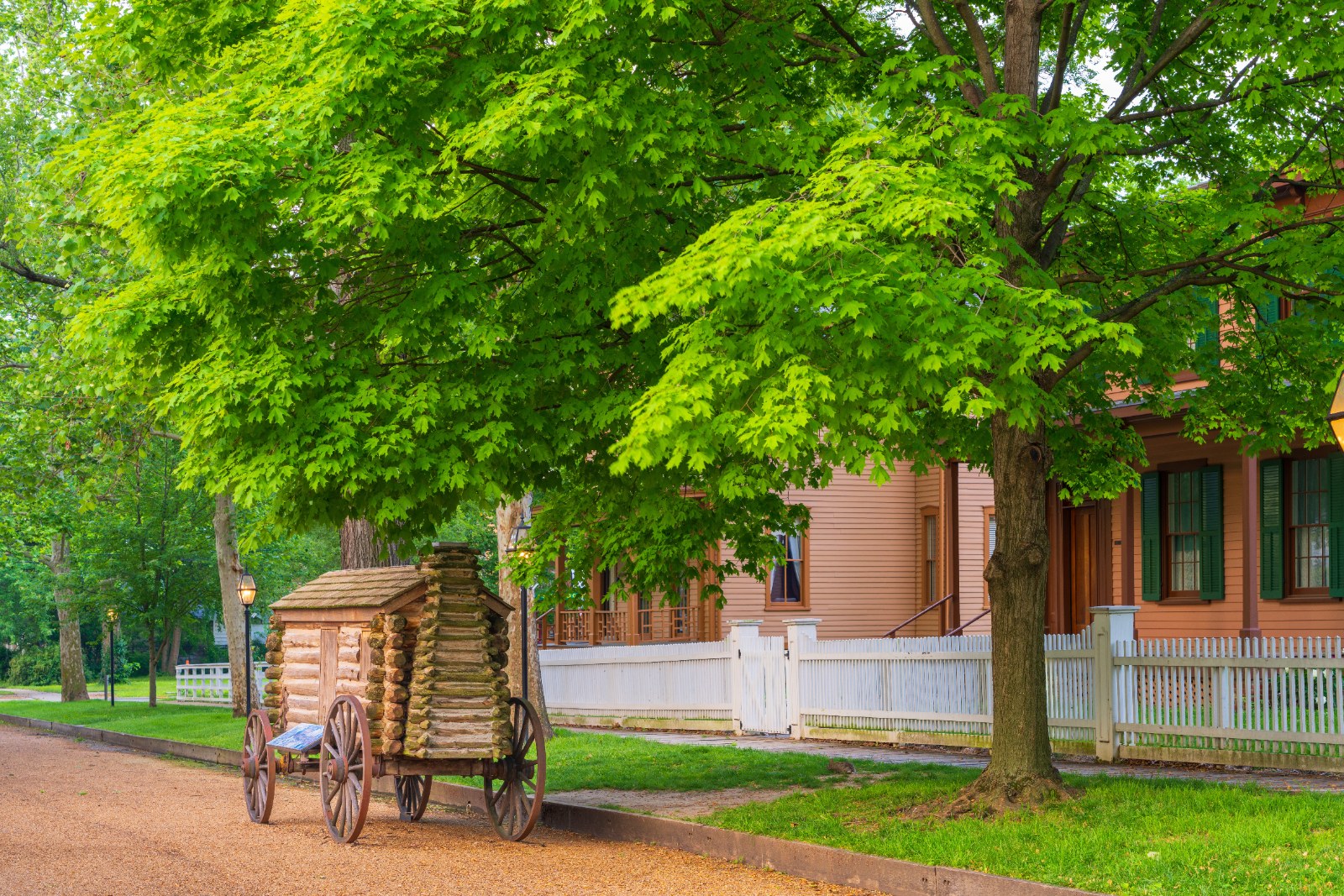
Abraham Lincoln lived in Springfield for 24 years, and the town lets you walk through much of that life for free. The Lincoln Home National Historic Site offers no-cost tours of the only house he ever owned, set on a few preserved blocks of 1850s streets. His tomb at Oak Ridge Cemetery is also free.
The Abraham Lincoln Presidential Library and Museum charges admission and is worth every dollar for its theatrical exhibits. For lunch, order a horseshoe: an open-faced sandwich buried in fries and cheese sauce, invented in Springfield and large enough to last you until dinner.
Oklahoma City, Oklahoma
The outdoor Oklahoma City National Memorial is free and open around the clock. Its 168 empty chairs honor the victims of the 1995 bombing, and visiting at night, when the chairs light up, leaves a lasting impression.
Elsewhere the city leans toward cowboy culture and new parks. Stockyards City still runs live cattle auctions and sells boots and steaks without the polish. Scissortail Park downtown offers free concerts and lawn space, and Bricktown’s canal is lined with restaurants. The National Cowboy & Western Heritage Museum charges admission, but it holds one of the country’s largest collections of Western art.
Pittsburgh, Pennsylvania
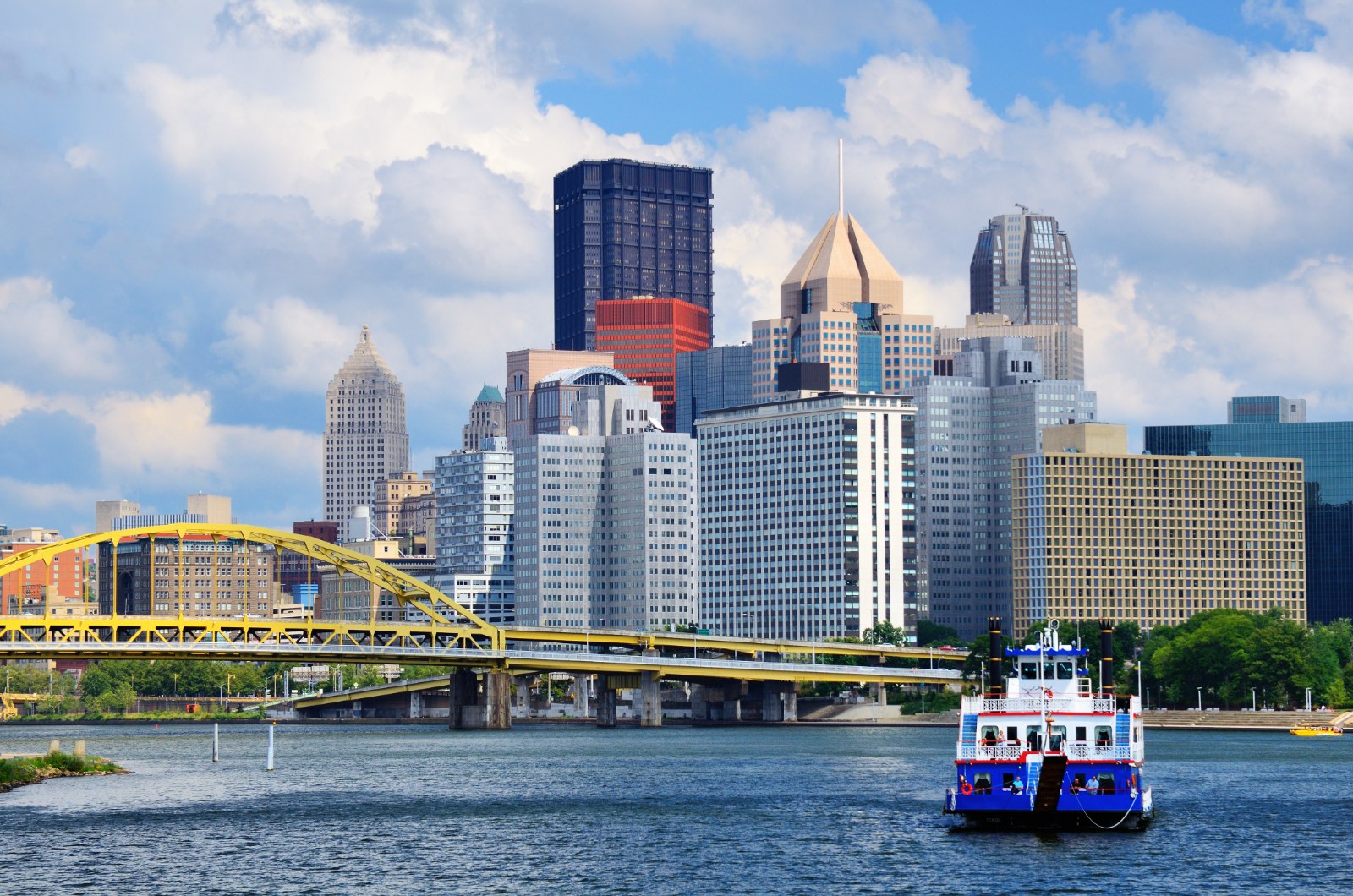
Pittsburgh has more than 400 bridges, the most of any city in the world by many counts. The best way to see them is from above. The Duquesne and Monongahela inclines are 19th-century cable cars that climb Mount Washington for about the cost of a bus fare, and the view of the rivers meeting downtown is the city’s best free payoff.
Down below, the Strip District sells pierogies, biscotti, and Steelers gear from old warehouses. Primanti Bros. stacks fries and coleslaw inside the sandwich. The Andy Warhol Museum covers the Pittsburgh native across seven floors, and a big chunk of the city’s museum pass offers make return trips worth planning.
Bentonville, Arkansas
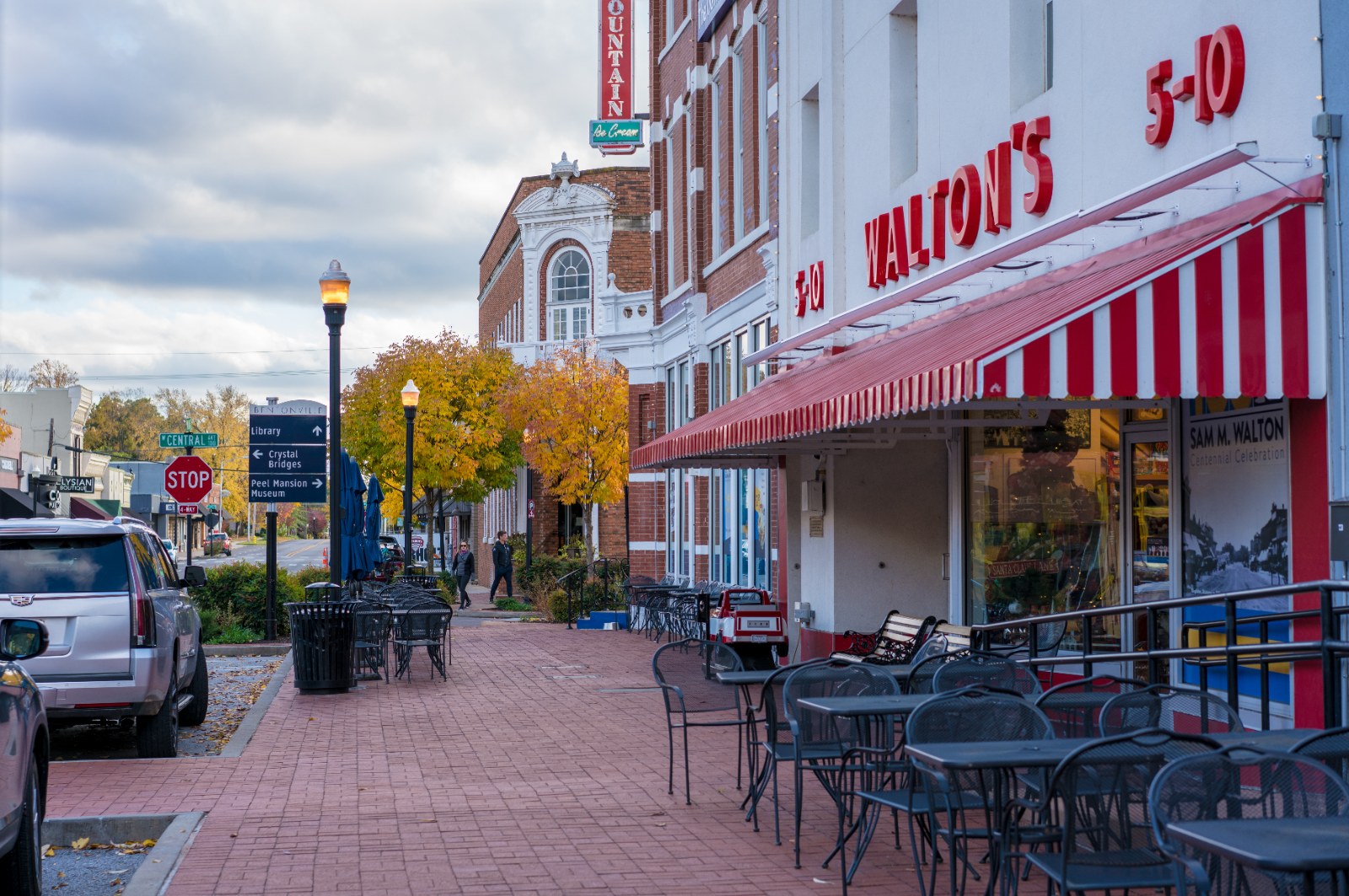
Alice Walton opened Crystal Bridges Museum of American Art in 2011, and general admission has been free since day one. The collection covers Colonial portraits to contemporary work, and the building stretches over spring-fed ponds in a wooded ravine.
Walmart money also paid for one of the country’s densest networks of mountain bike trails. Hundreds of miles wind through town and the surrounding Ozark hills, many of them reachable without a car. The Walmart Museum on the downtown square is free and includes an old-fashioned soda fountain, which makes it the cheapest dessert stop in town.
Greenville, South Carolina
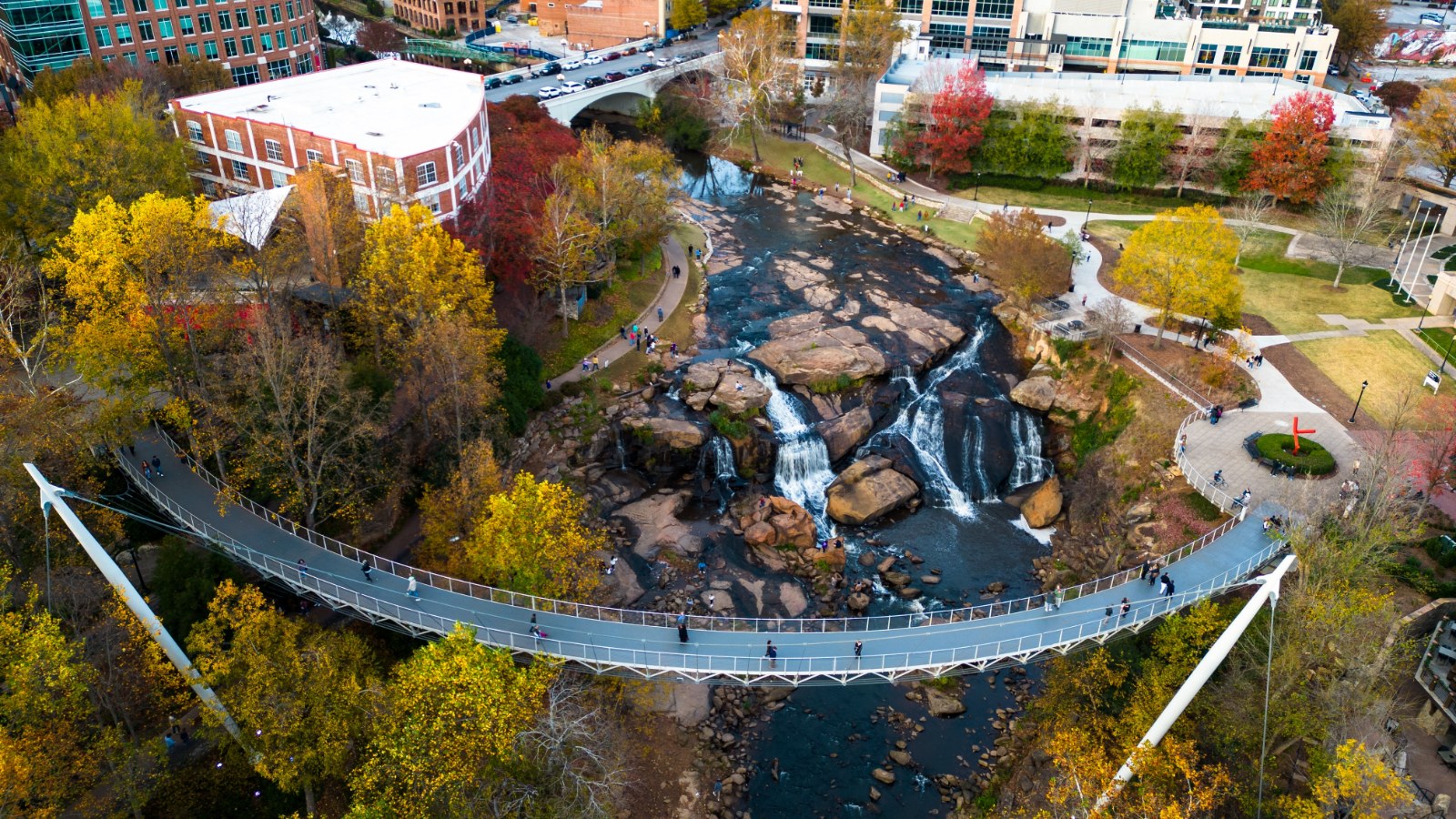
Most cities bury their waterfalls under concrete, and Greenville did for decades. Then it tore out a highway bridge and built Falls Park on the Reedy, with a curving pedestrian suspension bridge looking straight down at the cascades in the middle of downtown.
Main Street runs right past it, lined with trees, cafes, and restaurants that price below Charleston’s. The Swamp Rabbit Trail stretches about 22 miles from Greenville to Travelers Rest on an old rail line. Bike rentals cost little, and the route passes plenty of spots to stop for coffee or a beer.
Kansas City, Missouri
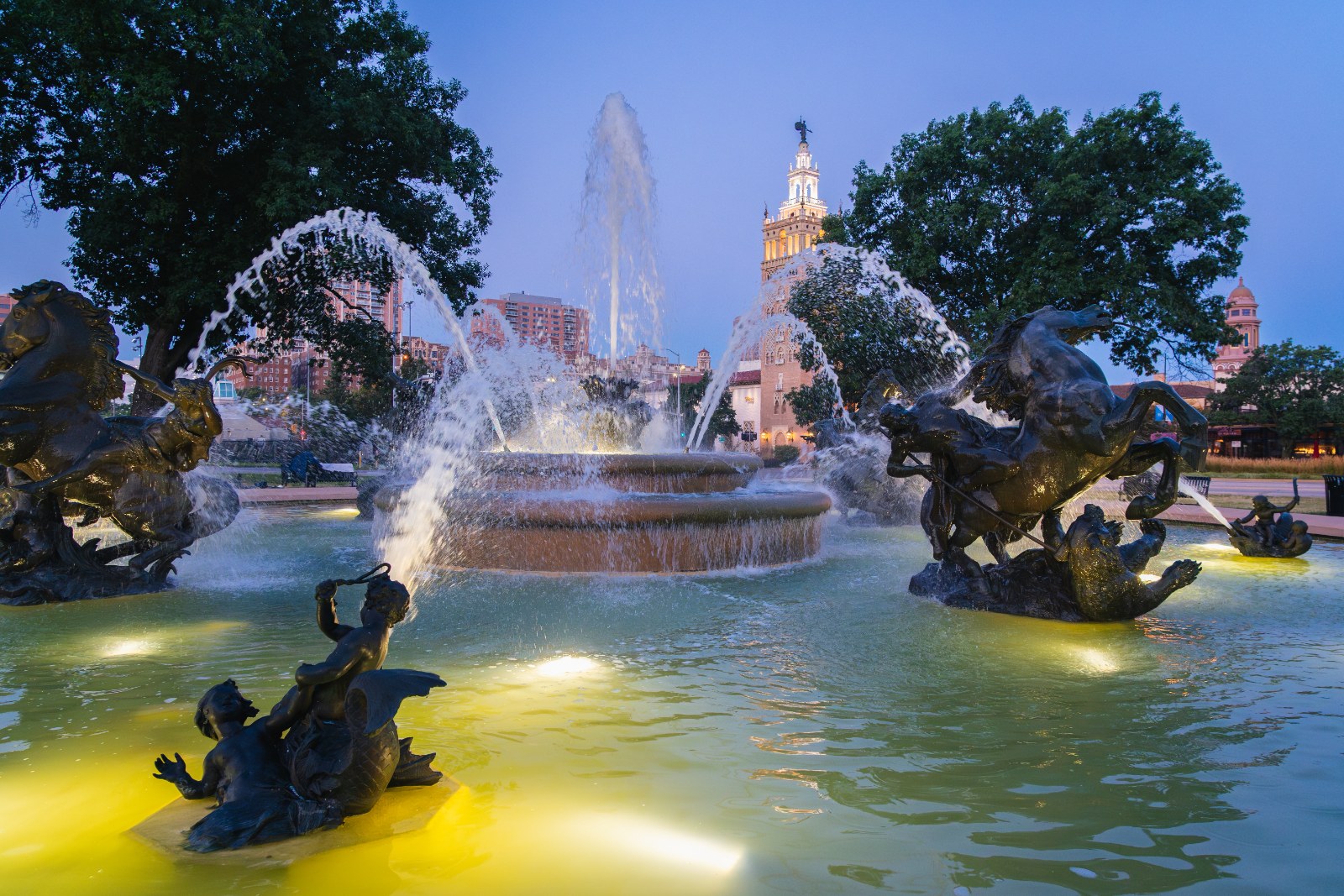
Kansas City counts more than 100 barbecue restaurants, and burnt ends started here. A full tray of brisket, ribs, and sides at a local joint costs far less than a nice dinner on either coast, and it’ll feed you twice.
The city’s culture comes cheap too. The Nelson-Atkins Museum of Art has free admission, plus giant shuttlecock sculptures across its lawn. The downtown streetcar runs free. At 18th and Vine, the American Jazz Museum and Negro Leagues Baseball Museum share a building in the district where Charlie Parker learned to play.
Madison, Wisconsin
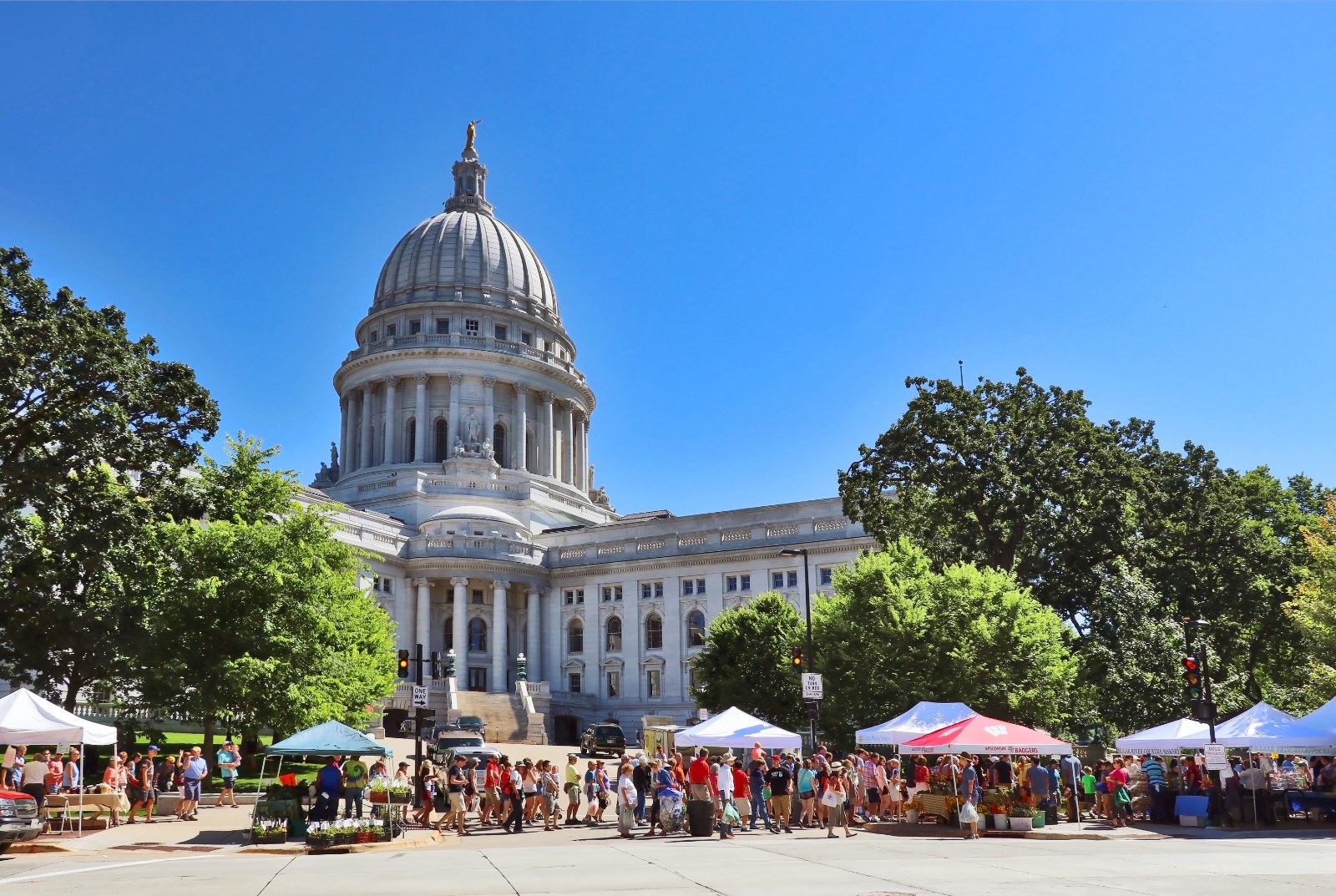
Madison sits on a narrow isthmus between Lake Mendota and Lake Monona, so water is never more than a few blocks away. The State Capitol rises at the center, and its free tours include an observation deck with views across both lakes.
On Saturdays from spring through fall, the Dane County Farmers’ Market wraps around the Capitol Square. It’s one of the largest producer-only markets in the country, so you can graze on squeaky cheese curds and spicy cheese bread for a few dollars. Henry Vilas Zoo is free, and the Memorial Union Terrace on Lake Mendota serves cheap beer with a sunset view.
Omaha, Nebraska
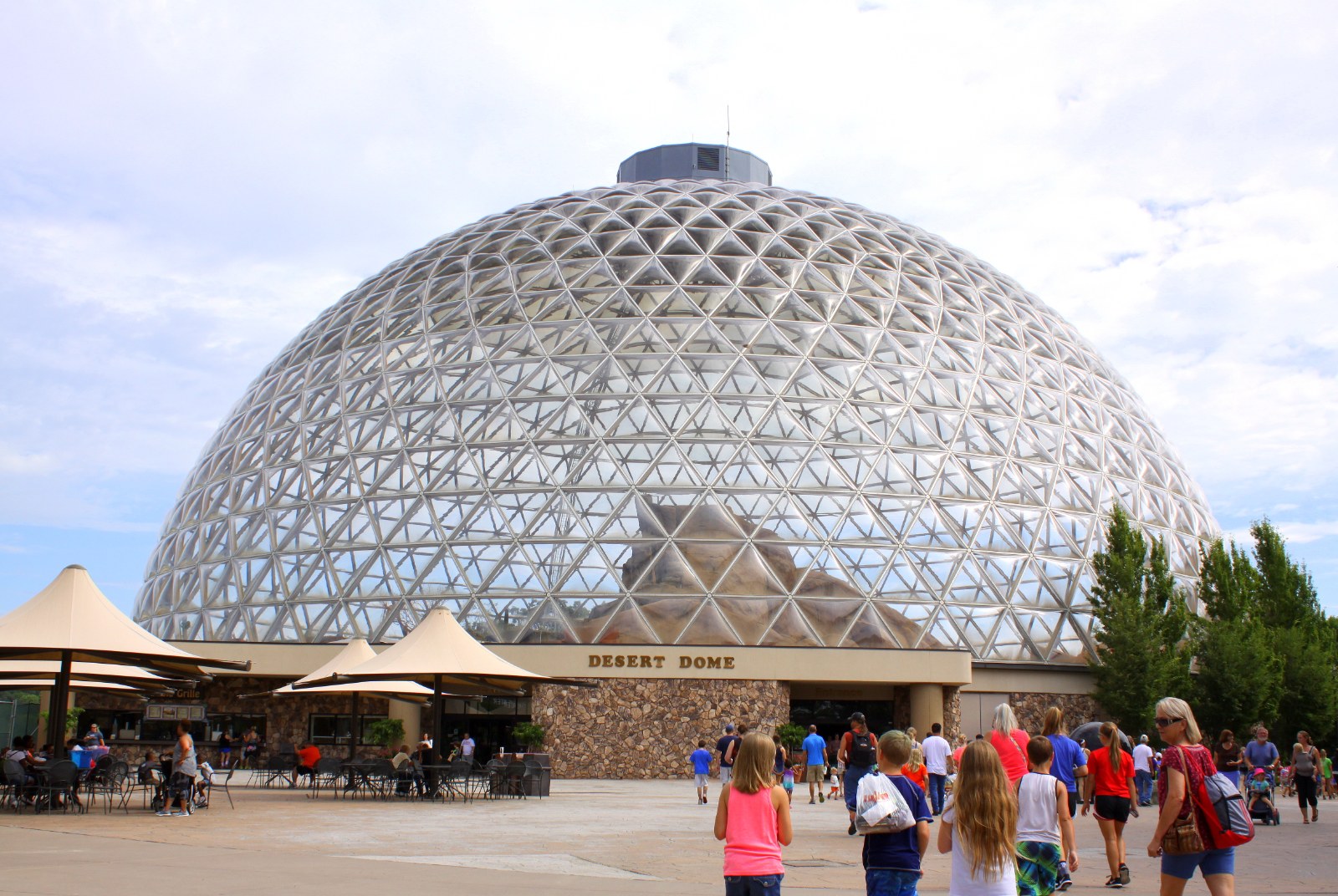
Omaha claims the Reuben sandwich, along with a zoo that regularly lands on best-in-the-nation lists. Henry Doorly Zoo and Aquarium charges admission, but it holds a huge indoor desert dome and a walk-through jungle, so plan a whole day there.
The rest of the city runs cheap. The Old Market district has cobblestone streets, independent shops, and steakhouses that serve corn-fed beef at Midwest prices. The Joslyn Art Museum has free general admission. The Bob Kerrey Pedestrian Bridge lets you stand with one foot in Nebraska and one in Iowa over the Missouri River.
Akron, Ohio
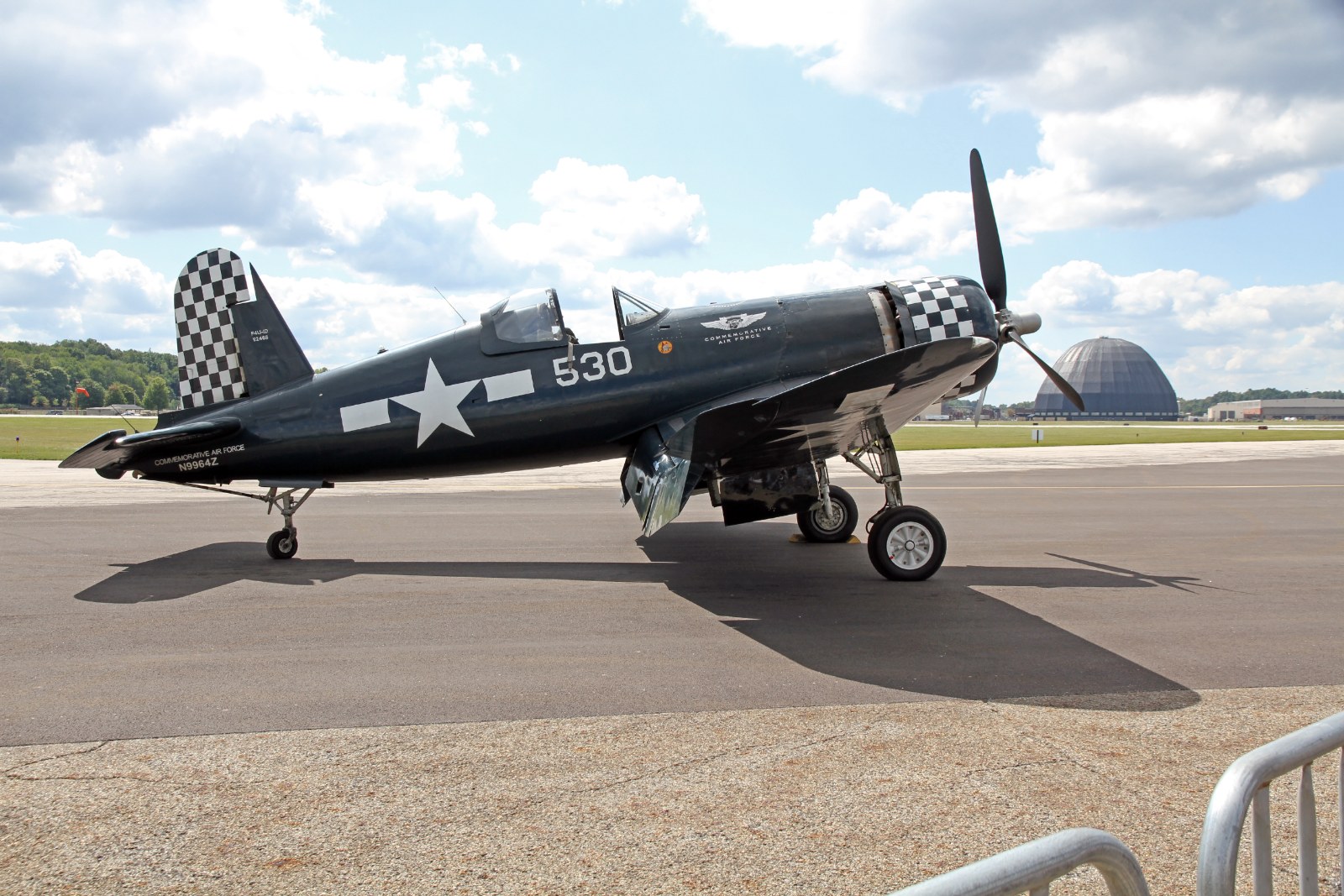
Akron was once the rubber capital of the world, home to Goodyear, Firestone, and Goodrich. One of the richest rubber barons left behind Stan Hywet Hall and Gardens, a Tudor Revival mansion with 65 rooms, and it’s one of the largest historic house museums in the country.
Cuyahoga Valley National Park sits between Akron and Cleveland and charges no entrance fee. The Towpath Trail follows the old Ohio & Erie Canal through the park, perfect for biking, and the scenic railroad lets you ride one way and pedal back. LeBron James grew up here, and his I Promise School is a point of local pride.
Savannah, Georgia
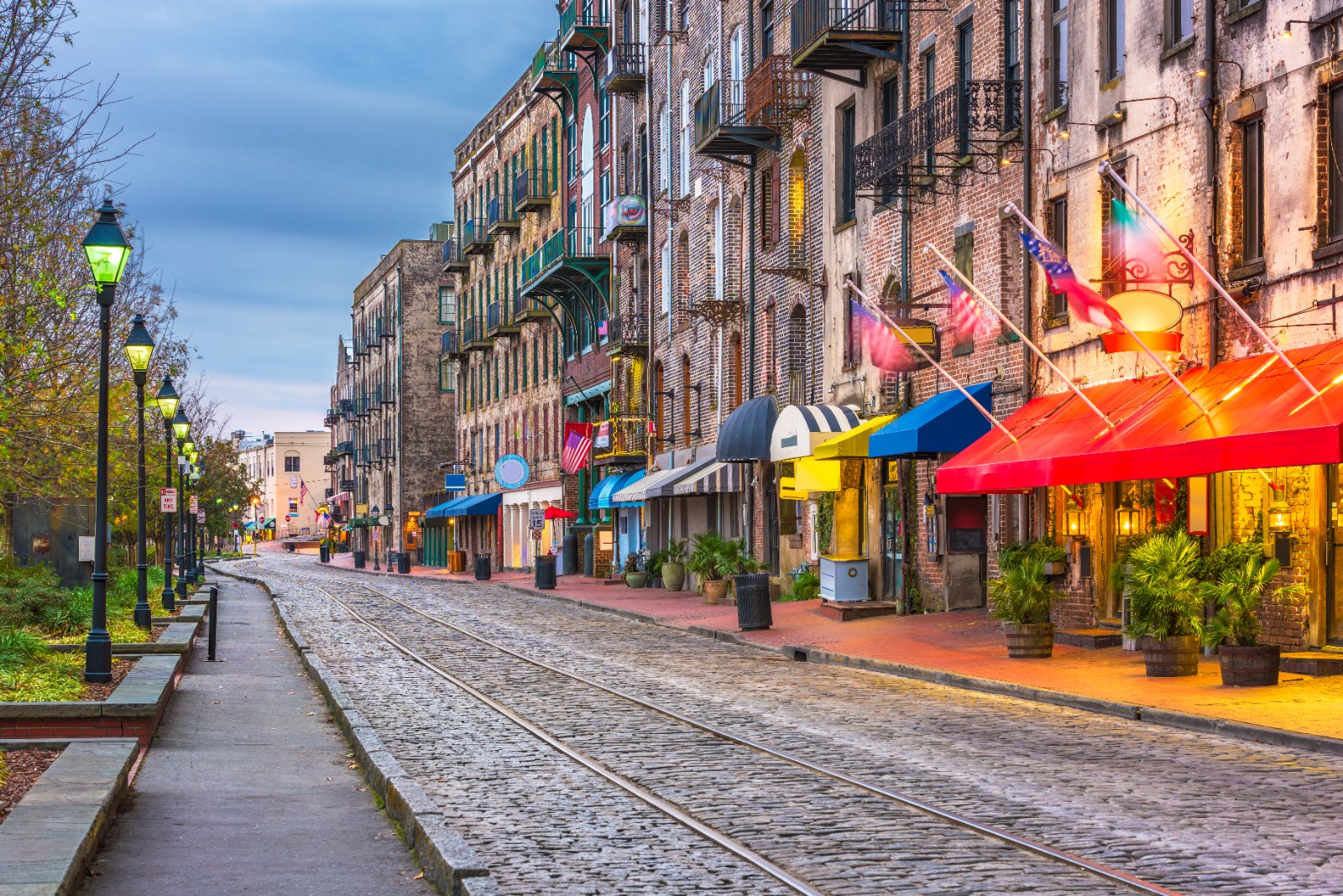
James Oglethorpe laid out Savannah in 1733 with a grid of public squares, and 22 of them survive, each shaded by live oaks draped in Spanish moss. Walking from square to square is the main attraction, and it costs nothing.
Savannah’s historic district also permits open containers, so you can carry a drink in a to-go cup as you wander. That habit alone trims bar tabs. Forsyth Park’s fountain is free to admire, and the riverfront offers free ferry rides across the Savannah River. Hotels in the district run pricey, so staying just outside it saves you real money.
Albuquerque, New Mexico
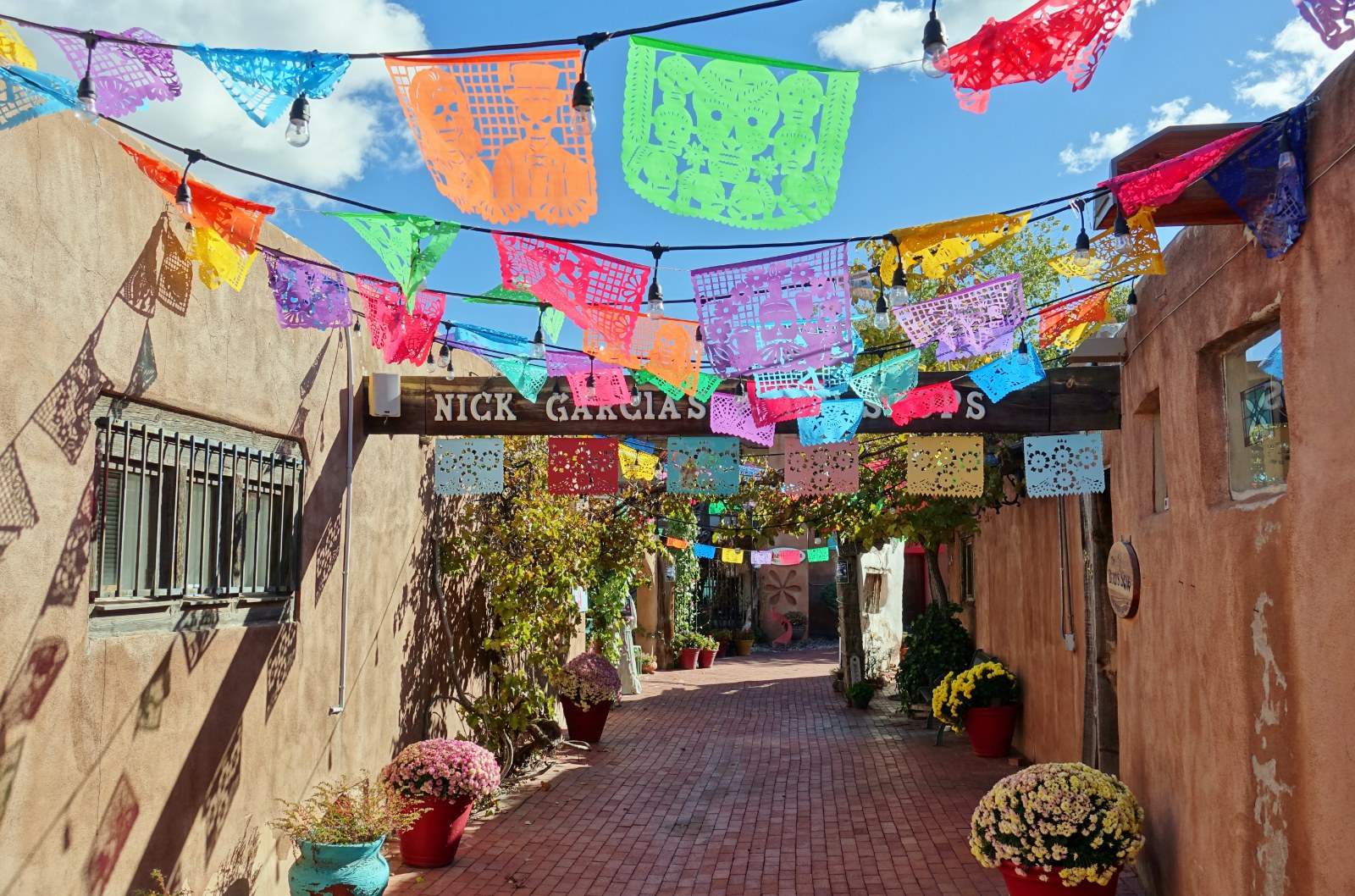
Every October, hundreds of hot air balloons rise over Albuquerque during the International Balloon Fiesta, the largest balloon event in the world. Hotel prices spike that week, so visit other months for the better deal, when balloon rides still launch most mornings.
The city’s standout perk is green chile, which shows up on burgers, enchiladas, and breakfast burritos at very reasonable prices. Petroglyph National Monument preserves thousands of rock carvings, and its trails are free to hike. The Sandia Peak Tramway costs more, but it climbs to more than 10,000 feet, with views that cover a big piece of the state.