
Europe’s landscapes hold some of the planet’s most striking geological formations and natural phenomena. From volcanic peaks and ancient forests to dramatic coastlines and glacial valleys, the continent offers remarkable diversity across relatively compact distances.
These natural wonders showcase Europe’s geological history and ecological variety, spanning locations from Iceland’s volcanic terrain to the Mediterranean’s limestone formations. You’ll find destinations ranging from remote islands to accessible national parks, each shaped by millions of years of natural processes.
Whether you’re drawn to towering mountain ranges, pristine waterways, or unique rock formations, these sites represent much of what European nature has to offer. Each wonder reflects volcanic activity, glacial movement, erosion, or ecological evolution that continues to shape the continent today.
25. Old Man of Storr, Isle of Skye, Scotland
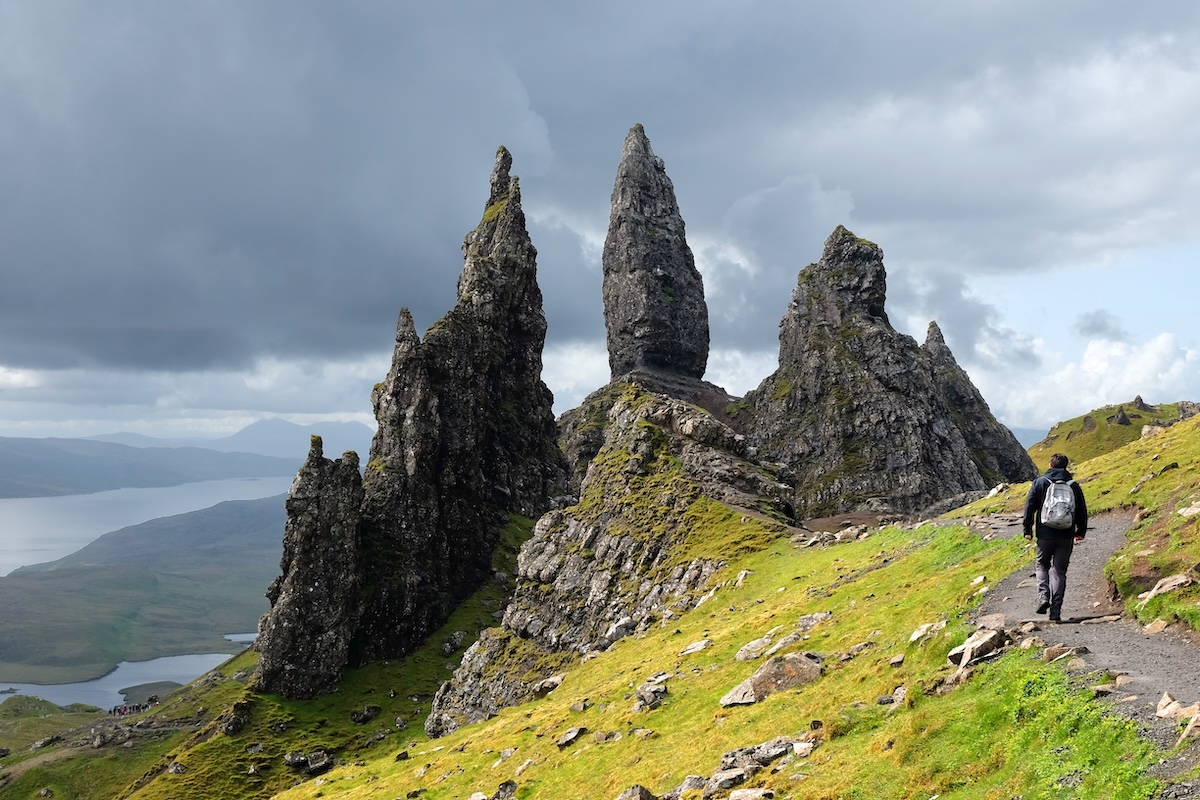
One of Scotland’s most dramatic geological features rises from the Trotternish Ridge, where the Old Man of Storr stands 165 feet above the hillside like a stone giant. A massive landslide formed this ancient rock pinnacle millions of years ago, creating the surreal landscape of jagged peaks and rocky spires you see today. The main pinnacle is the tallest of several formations in the area, drawing your eye upward against the moody Scottish sky.
The hike to this natural wonder takes about 45 minutes from the car park. A well-maintained path climbs through otherworldly terrain before opening to sweeping views across the Sound of Raasay and the Scottish mainland. Morning visits offer the best chance for dramatic photography, when mist often clings to the surrounding cliffs and creates an almost mythical atmosphere. You can’t climb the Old Man itself without specialized equipment, but standing at its base gives you a powerful sense of Scotland’s raw natural beauty.
24. Saxon Switzerland, Germany
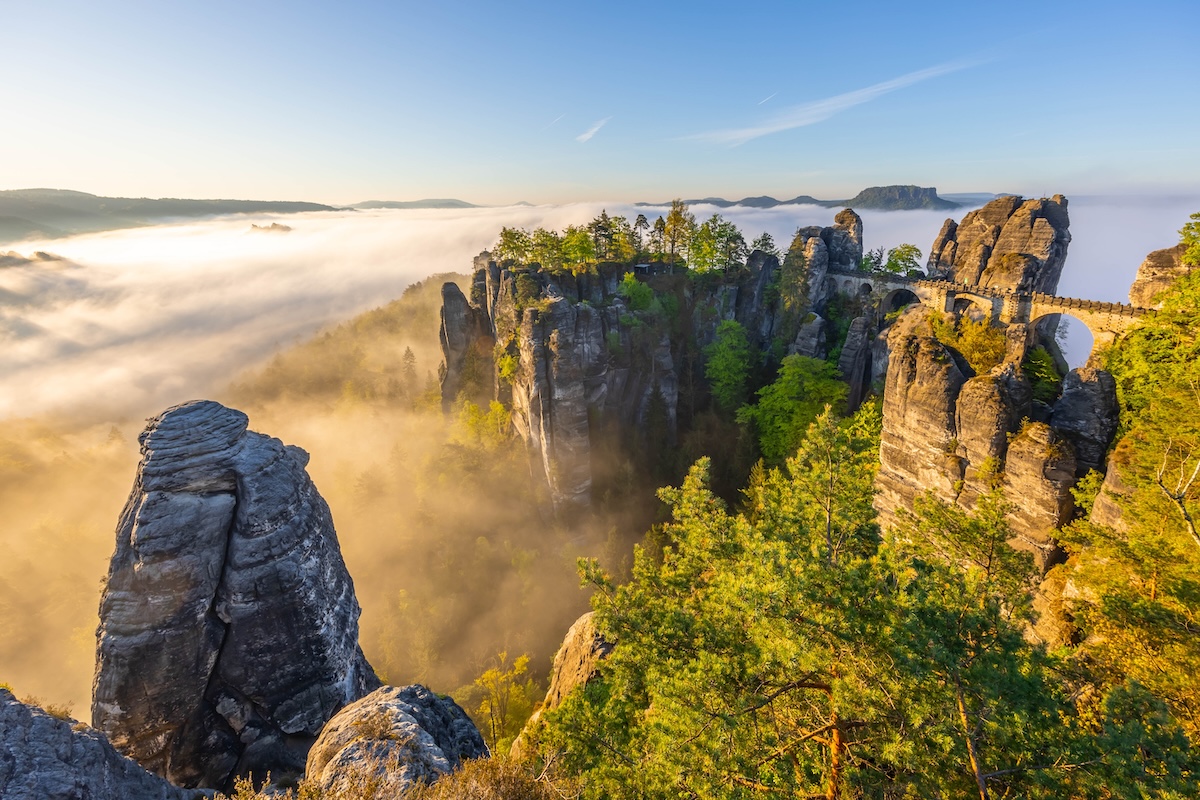
This dramatic landscape lies along the Elbe River near the Czech border, where millions of years of erosion sculpted sandstone into towering pillars, deep gorges, and natural rock bridges. The name might confuse you at first, but Swiss artists in the 18th century thought the scenery reminded them of their homeland. The most famous landmark is the Bastei Bridge, a stone structure perched 194 meters above the river. It connects jagged rock formations and offers stunning views across the forested valleys.
You can explore more than 1,200 kilometers of marked hiking trails that wind through narrow crevices and lead to panoramic viewpoints. Rock climbing is extremely popular here, with hundreds of sandstone peaks attracting climbers from around the world. The region also features castle ruins such as Königstein Fortress and charming riverside towns where you can relax after a day of adventure. Spring and autumn provide the best hiking conditions, with mild temperatures and fewer crowds than the busy summer months.
23. Uvac Canyon, Serbia
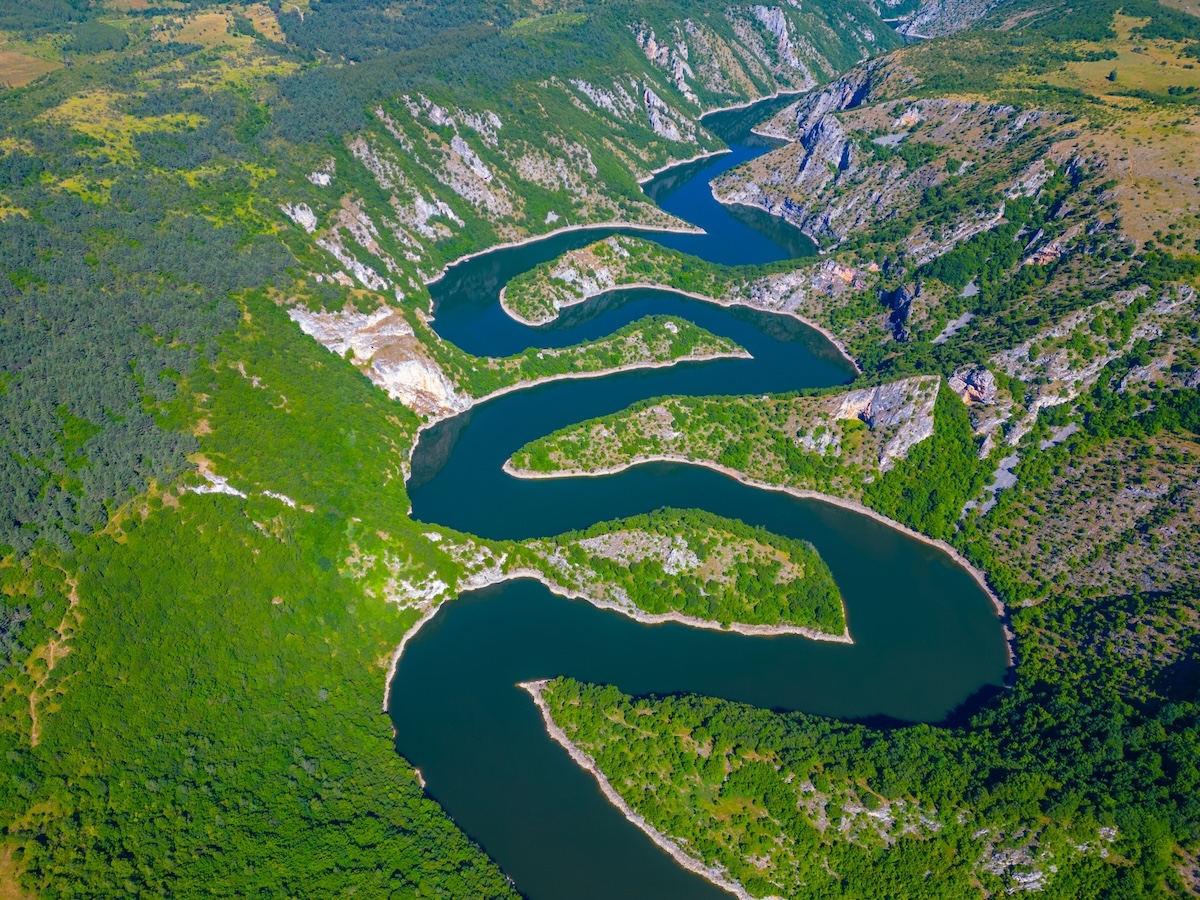
One of Serbia’s most striking landscapes appears where the Uvac River has carved dramatic meanders through limestone cliffs over millions of years. Viewed from above, the canyon’s serpentine curves form a mesmerizing pattern, with the river winding back on itself in hairpin bends more than 100 meters below the surrounding plateau. This remote area in southwestern Serbia remains relatively untouched by mass tourism, giving you an authentic wilderness experience.
The canyon is a protected special nature reserve and home to one of Europe’s last remaining griffon vulture colonies. You can explore hiking trails leading to spectacular viewpoints or take boat trips along the turquoise waters to spot diverse wildlife. The reserve also contains several cave systems, including the impressive Ušac Cave with its ice formations. Spring and autumn offer the best conditions for photography, when vibrant forests contrast with the canyon’s steep walls. The area’s isolation means you’ll need to plan carefully, but the effort gives you access to a pristine natural wonder that showcases the Balkans at its wildest.
22. Pico do Arieiro, Madeira, Portugal
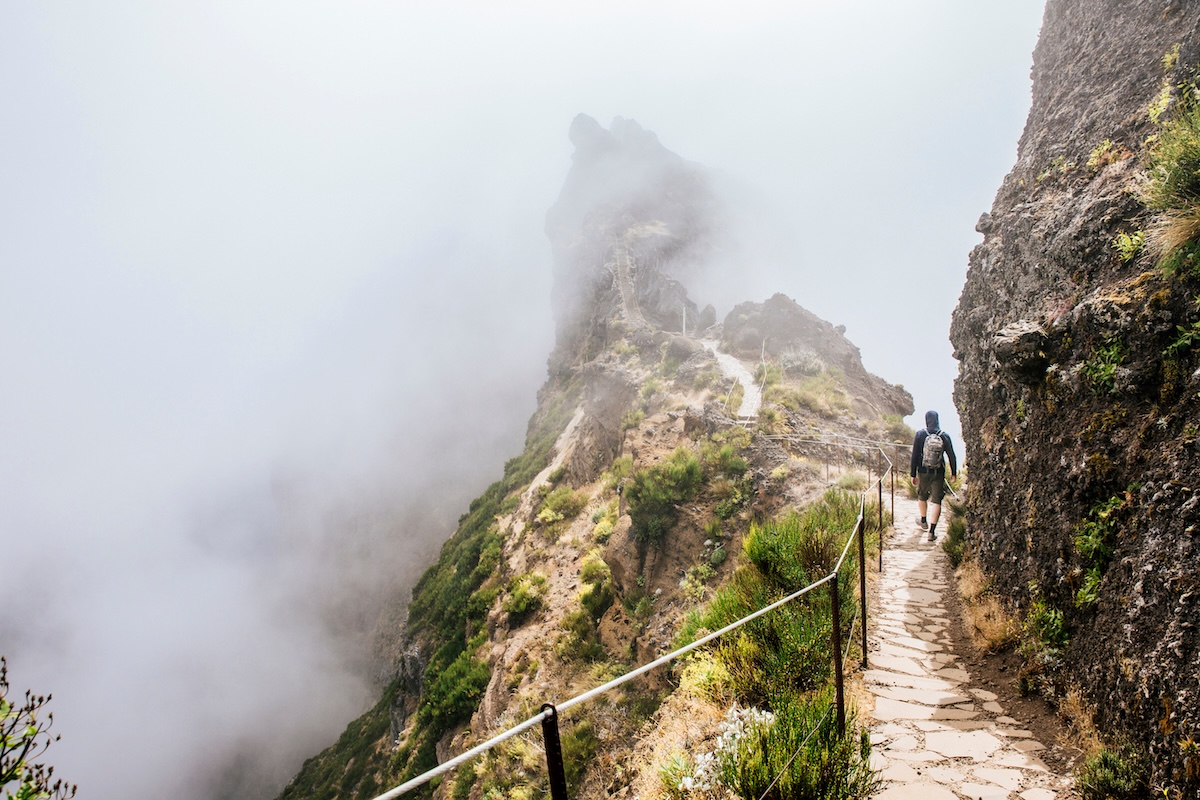
At Pico do Arieiro, Madeira’s third-highest peak, you’ll stand 1,818 meters above sea level. The mountain offers one of Portugal’s most accessible high-altitude experiences, with a paved road leading nearly to the summit. On clear mornings, you can watch the sunrise above a sea of clouds covering the valleys below. It feels less like standing on the earth and more like floating above it.
The summit marks the start of one of Europe’s most dramatic hiking trails, which leads to Pico Ruivo through tunnels carved into the mountainside and along narrow ridges with steep drop-offs. You’ll encounter vegetation adapted to the harsh alpine environment, including endemic plants found nowhere else on earth. Temperatures at the peak stay noticeably cooler than on the coast, so bring layers even during summer. Weather conditions change rapidly here, and clouds can roll in within minutes.
21. Dolomites, Italy
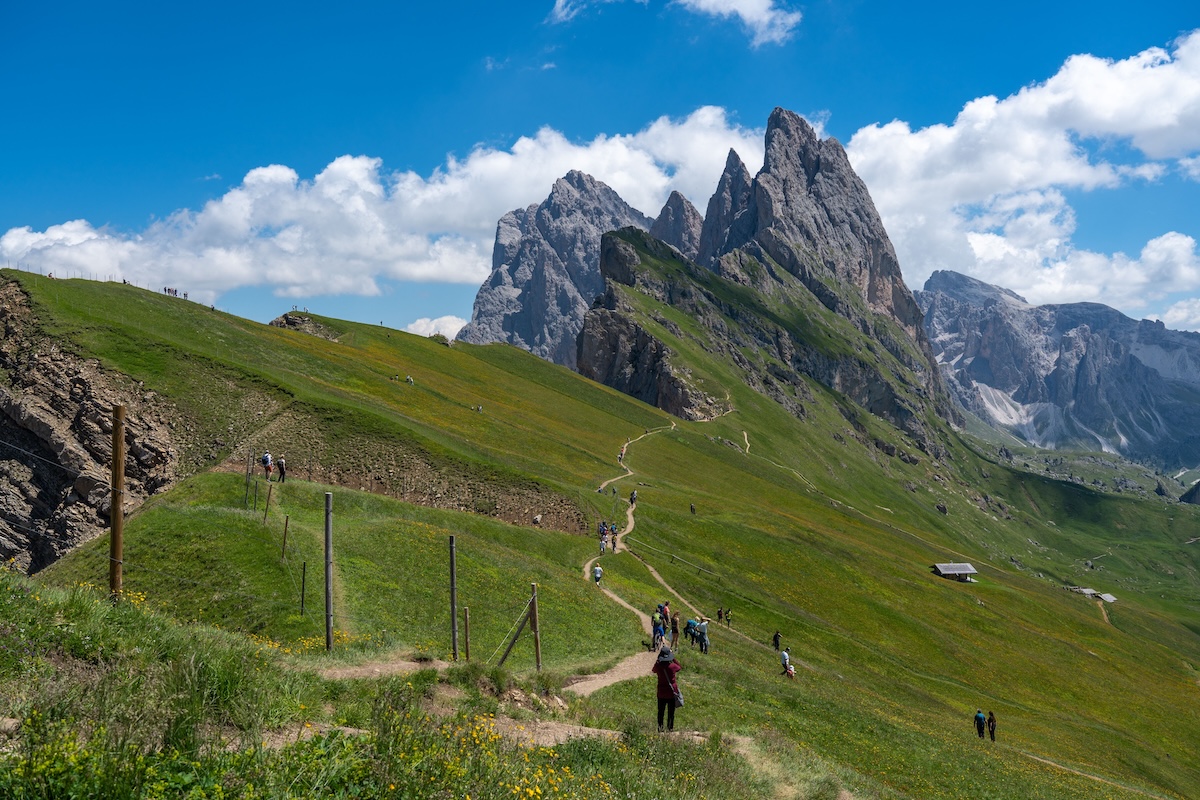
These distinctive limestone peaks rise dramatically in northeastern Italy, where their pale rock faces create one of Europe’s most recognizable mountain landscapes. The range stretches across several provinces and features jagged spires, vertical walls, and geological formations that glow pink and orange during sunrise and sunset, a phenomenon locals call “enrosadira.” UNESCO recognized the Dolomites as a World Heritage Site in 2009 for their exceptional natural beauty and geological significance.
The experience changes with the seasons. During summer, you can explore hundreds of hiking trails through alpine meadows and past crystalline lakes. Winter transforms the region into a premier skiing destination with interconnected resort networks. The area’s Via Ferrata routes let you climb safely along historic World War I paths while reaching stunning viewpoints. You’ll also find charming mountain villages where Italian and Austrian influences blend in the cuisine, architecture, and Ladin language spoken by some residents.
20. Dettifoss, Iceland
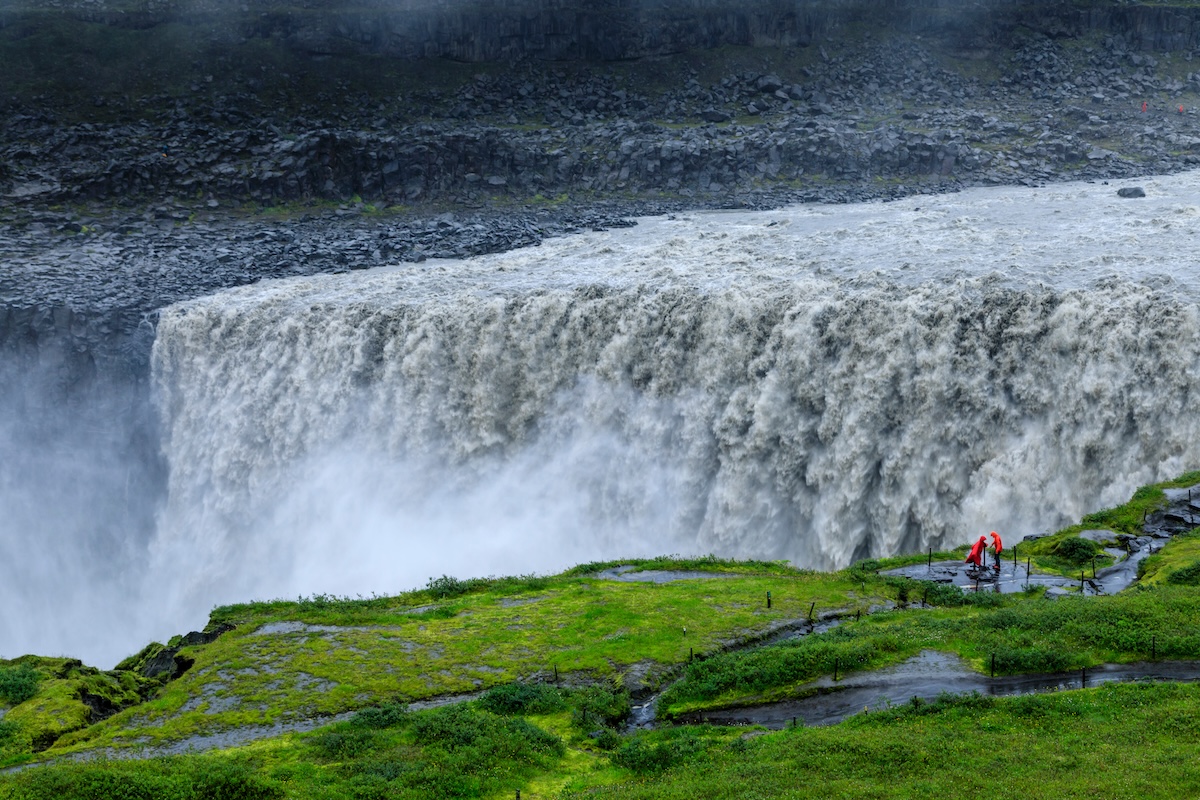
Dettifoss lies in Vatnajökull National Park in northeastern Iceland, where it ranks as Europe’s most powerful waterfall by volume. The glacial Jökulsá á Fjöllum River drops 45 meters across a width of 100 meters, creating a thunderous display you can hear from nearly a kilometer away. On sunny days, rainbows may form in the spray rising from the churning gray-brown water below.
Getting to Dettifoss requires a drive along Route 862 from the west or Route 864 from the east. Both roads are unpaved and can prove challenging in poor weather. The surrounding landscape feels almost lunar, with dark volcanic rock and little vegetation stretching toward distant mountains. You can view the falls from either side of the canyon, though the eastern viewpoint brings you closer to the action. Summer offers the best access and the strongest flow, when glacial meltwater swells the river.
19. Meteora, Greece
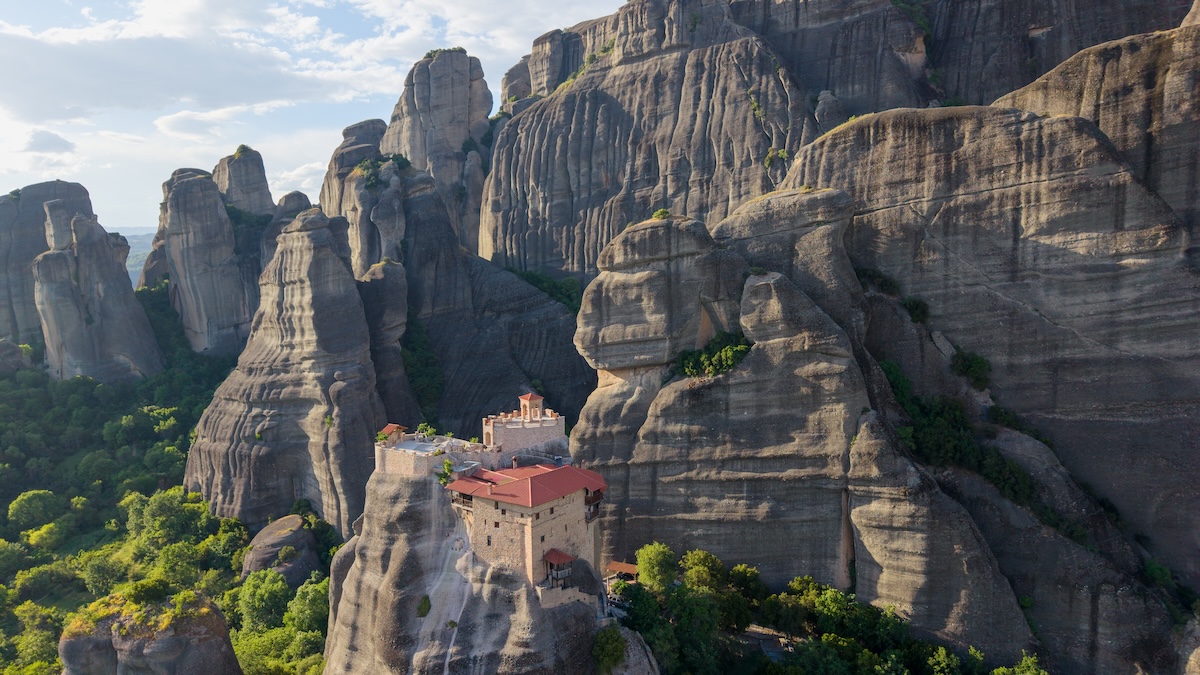
Meteora rises from central Greece, where massive rock pillars tower over the Thessalian Plain. Geological processes shaped these sandstone and conglomerate formations over 60 million years, and some reach heights of up to 400 meters. The name “Meteora” translates to “suspended in air,” an apt description for these otherworldly stone giants.
Eastern Orthodox monasteries perched atop the rock columns make the landscape even more remarkable. Monks built them between the 14th and 16th centuries, choosing the isolated peaks for spiritual contemplation and protection from invaders. Six monasteries remain active today, and you can reach them by staircases carved into the rock. The combination of geological marvels and human architecture creates a scene unlike anywhere else in Europe. You might hike the trail network, explore Byzantine religious art, or simply take in the surreal scenery. Either way, Meteora brings natural wonder and cultural heritage together.
18. Ordesa Canyon, Spain
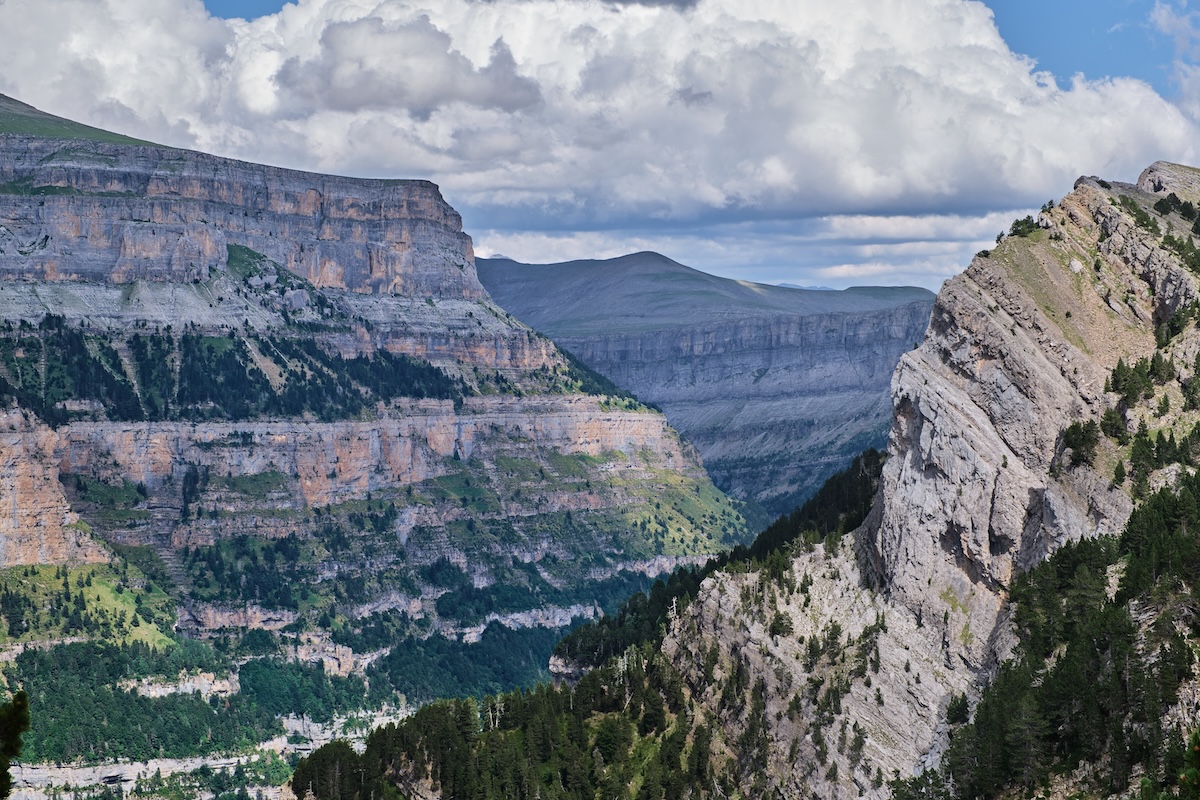
Ordesa Canyon cuts deep into the Pyrenees in northeastern Spain, where the Arazas River has sculpted one of Europe’s most dramatic limestone gorges. The canyon forms the centerpiece of Ordesa y Monte Perdido National Park and stretches roughly 15 kilometers between rock walls rising as high as 1,000 meters. Ancient beech, fir, and pine forests cover the lower slopes, while jagged peaks frame the skyline.
A hike through the canyon takes you past thundering waterfalls, including the spectacular Cola de Caballo at the head of the valley. The trail system suits different skill levels, from gentle riverside paths to challenging mountain routes. Spring brings meltwater cascades and wildflower meadows, while autumn fills the beech forests with warm colors. You might spot Pyrenean chamois scaling the cliffs, golden eagles overhead, or marmots basking on sun-warmed rocks.
17. Danube Delta, Romania/Ukraine
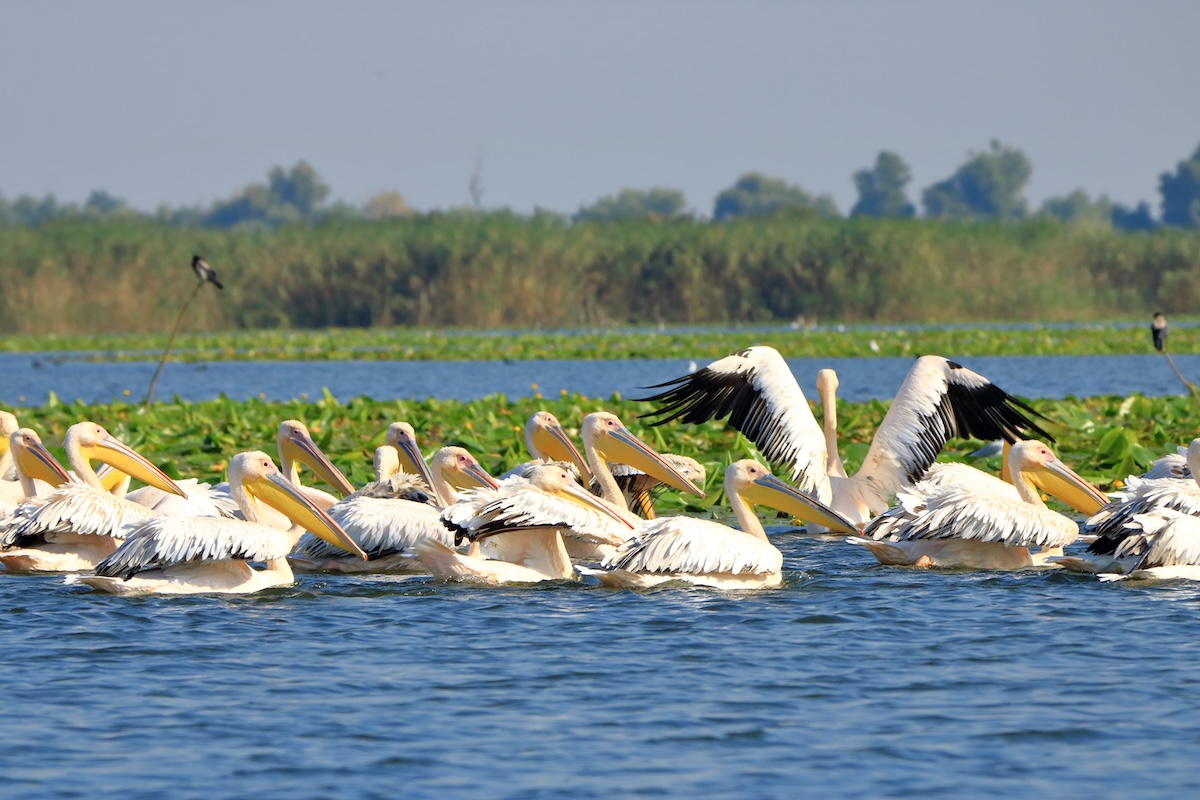
Europe’s second-largest river delta appears where the Danube meets the Black Sea, creating a vast wetland across the border between Romania and Ukraine. This UNESCO World Heritage Site covers more than 2,200 square miles of channels, marshes, and reed islands. The delta keeps changing as sediment builds new land and water cuts fresh passages through the landscape.
More than 300 bird species use the delta as a crucial stopover along migration routes between Europe, Asia, and Africa. You can spot pelicans, herons, cormorants, and countless other species among floating reed beds and shallow lakes. The waterways support 45 freshwater fish species and shelter wildlife such as wildcats, minks, and wild boars. Traditional fishing villages dot the channels, where locals still use wooden boats to navigate waterways that remain largely inaccessible by road.
16. Sørvágsvatn, Faroe Islands
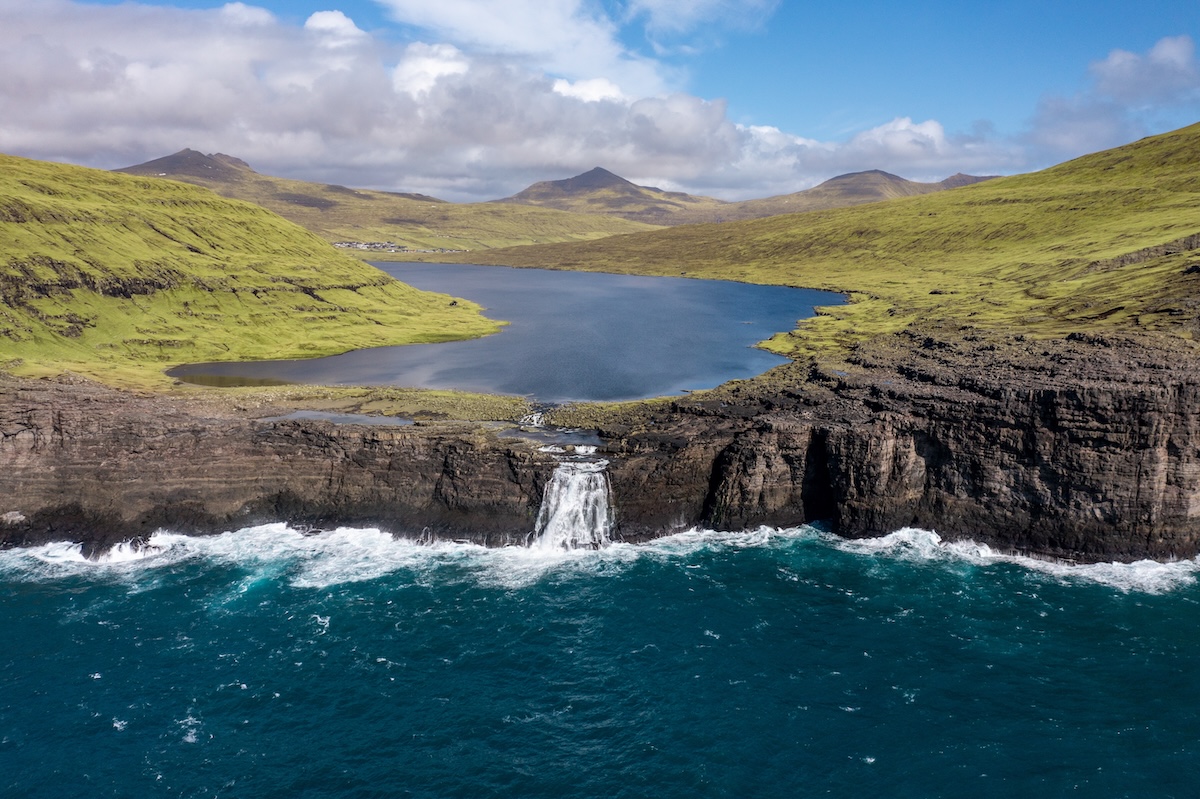
Sørvágsvatn, the largest lake in the Faroe Islands, offers one of Europe’s most striking optical illusions. The freshwater lake sits on Vágar and appears to float dramatically above the ocean from certain angles. In reality, it rests about 30 meters above sea level, but the cliff’s perspective makes it seem much higher.
When you visit, you can hike to the famous viewpoint at Trælanípa, a sea cliff with the best view of this natural phenomenon. The walk takes about an hour from Miðvágur and follows marked trails across rugged ground. Bring waterproof gear, since weather can change suddenly in the Faroe Islands. The lake covers roughly 3.4 square kilometers and drains into the ocean through a waterfall at Bøsdalafossur, where freshwater drops directly into the Atlantic.
15. Dune of Pilat, France
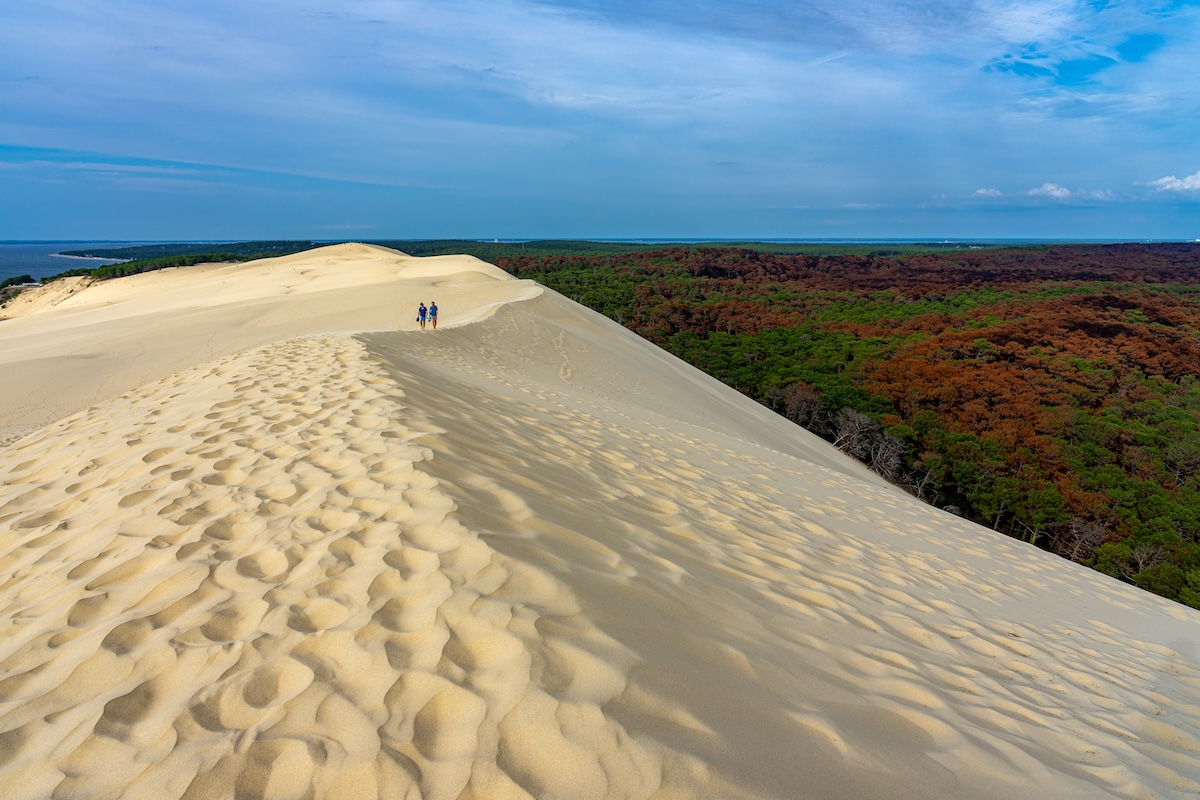
Europe’s tallest sand dune rises along France’s Atlantic coast in the Arcachon Bay area. The Dune of Pilat stretches nearly two miles long and climbs more than 100 meters above sea level, creating an unexpected desert landscape beside dense pine forests and ocean waters. After climbing the seasonal wooden staircase or trudging up the sandy slope, you’re rewarded with sweeping views of three distinct environments: the Atlantic Ocean to the west, the green Landes forest to the east, and the tranquil Arcachon Basin to the south.
Coastal winds and tides constantly shift the dune, moving it inland several meters each year. You can visit year-round, though summer brings the largest crowds. The site offers opportunities for paragliding, sandboarding, and sunset watching. Just an hour’s drive from Bordeaux, it shows why this striking geological formation has become one of France’s most visited natural attractions outside the Alps.
14. Tara River Canyon, Montenegro
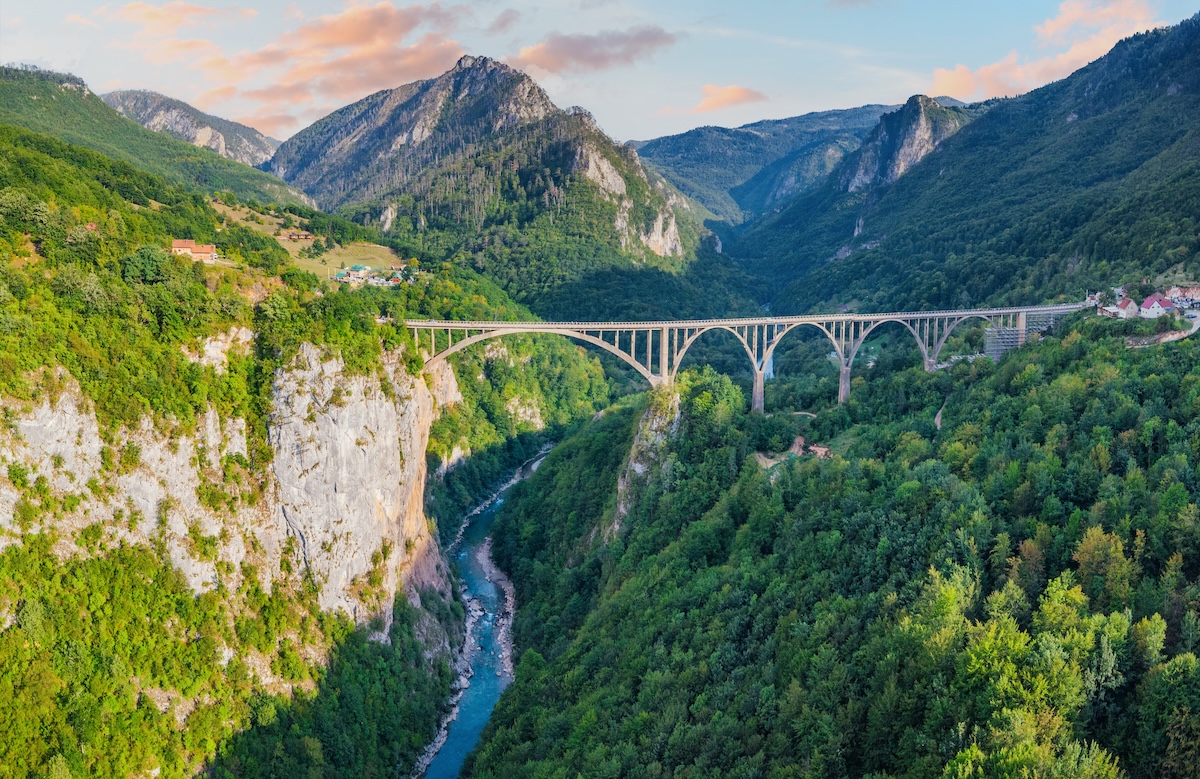
Europe’s deepest canyon cuts through the mountains of northern Montenegro, where the Tara River has carved a gorge that plunges 1,300 meters at its deepest point. The canyon stretches 80 kilometers through Durmitor National Park, offering some of the continent’s most dramatic river scenery. Steep limestone walls rise on either side of the emerald-green water, creating a landscape that rivals anything in the American West.
The Tara River offers some of Europe’s best whitewater rafting, with rapids ranging from gentle Class II to challenging Class IV sections. You can paddle through pristine water that stays cold and clear year-round, fed by mountain springs and snowmelt. The Đurđevića Tara Bridge spans the canyon at one of its most spectacular points. It stands 172 meters above the river and gives you breathtaking views into the gorge below. UNESCO designated the canyon and surrounding area a World Heritage site in 1980, protecting its unique ecosystem of dense forests, rare plants, and diverse wildlife.
13. Cliffs of Moher, Ireland
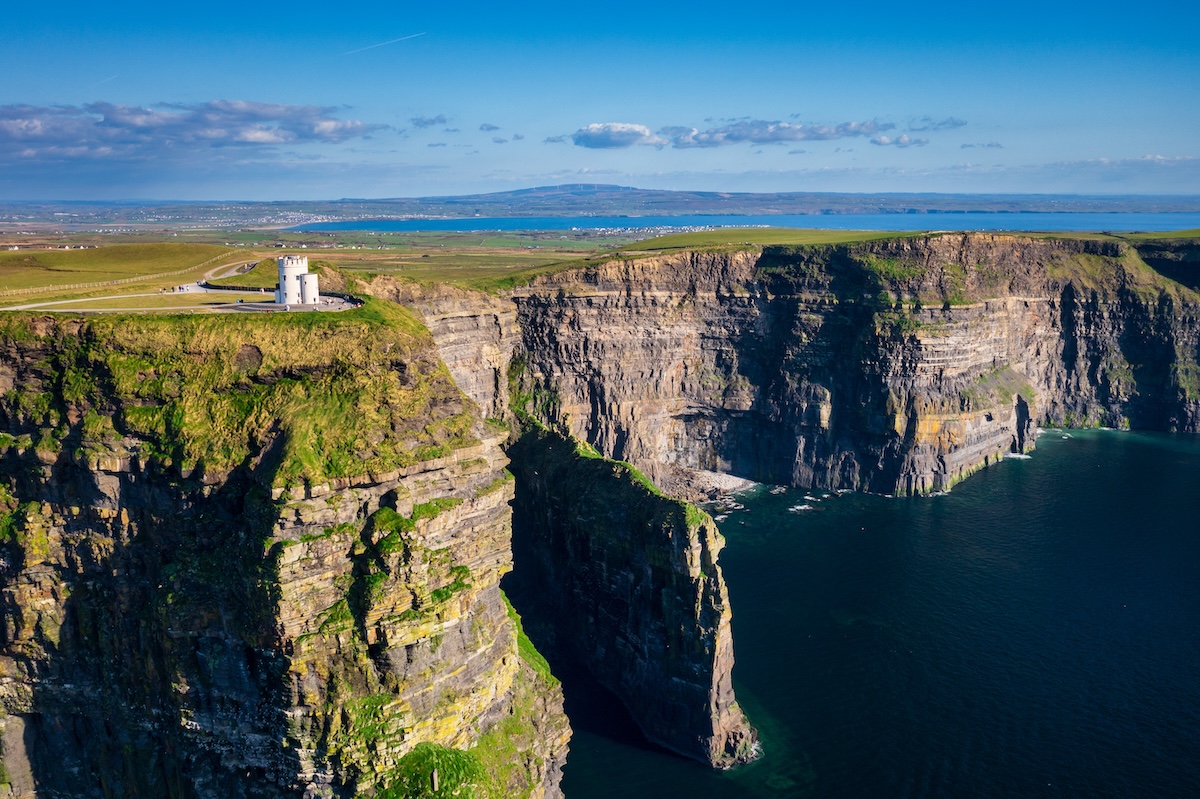
These dramatic sea cliffs rise up to 700 feet above the Atlantic Ocean along Ireland’s western coast in County Clare. They stretch for about five miles and offer some of Ireland’s most photographed coastal scenery. On clear days, you can see the Aran Islands, Galway Bay, and the Twelve Bens mountain range from the cliff edge.
More than one million visitors make the journey each year, drawn by the raw power of the landscape where land meets sea. Diverse seabird colonies nest on the cliff faces, including puffins, razorbills, and guillemots during breeding season. Built in 1835, O’Brien’s Tower serves as a viewing point with panoramic views of the surrounding coastline. You can make a quick stop at the main viewing areas or take longer coastal walks along designated paths for different perspectives of these ancient rock formations.
12. Verdon Gorge, France
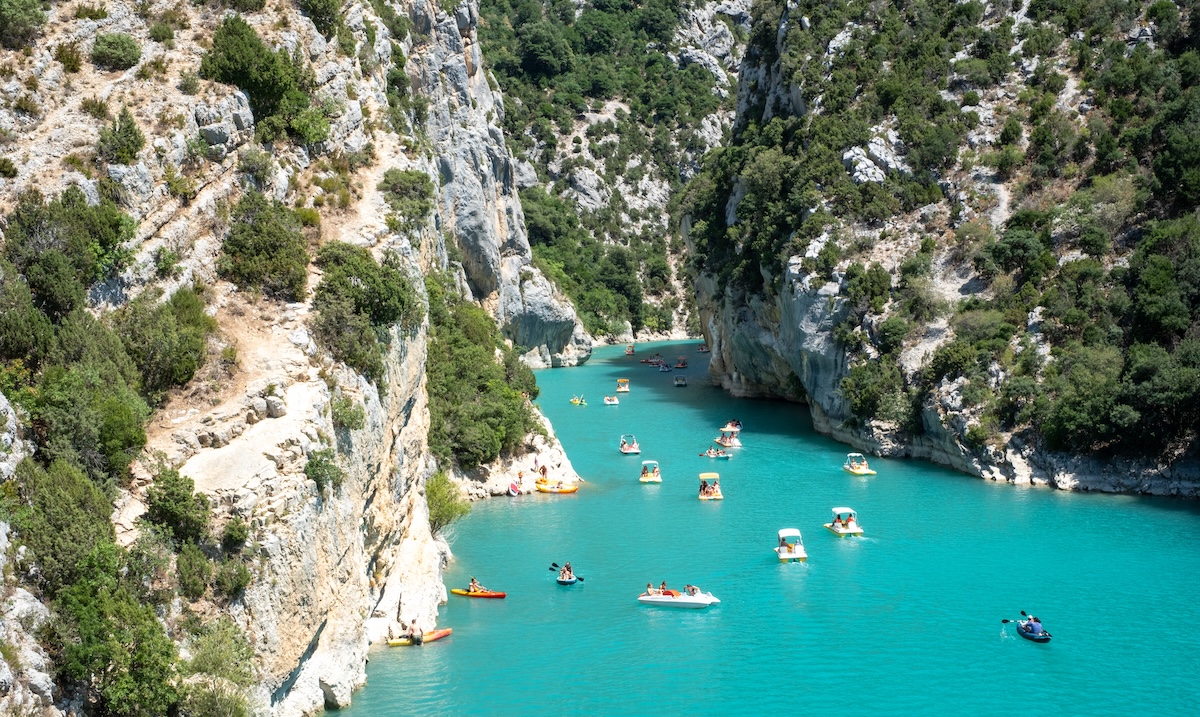
You’ll find yourself staring into one of Europe’s most dramatic river canyons when you visit Verdon Gorge in southeastern France. The turquoise-green Verdon River has carved through limestone cliffs that plunge up to 700 meters deep, creating a spectacular natural wonder stretching about 25 kilometers. Glacial minerals and microalgae give the water its vivid color, which shifts with the light throughout the day.
Your experience here can range from peaceful to adventurous, depending on your preference. You can drive along scenic rim roads with breathtaking viewpoints, or head into the gorge for kayaking, rock climbing, and hiking. Charming Provençal villages surround the canyon and make convenient bases for exploring. Summer brings crowds of outdoor enthusiasts, but spring and autumn offer quieter trails with scenery that’s just as stunning.
11. Aletsch Glacier, Switzerland
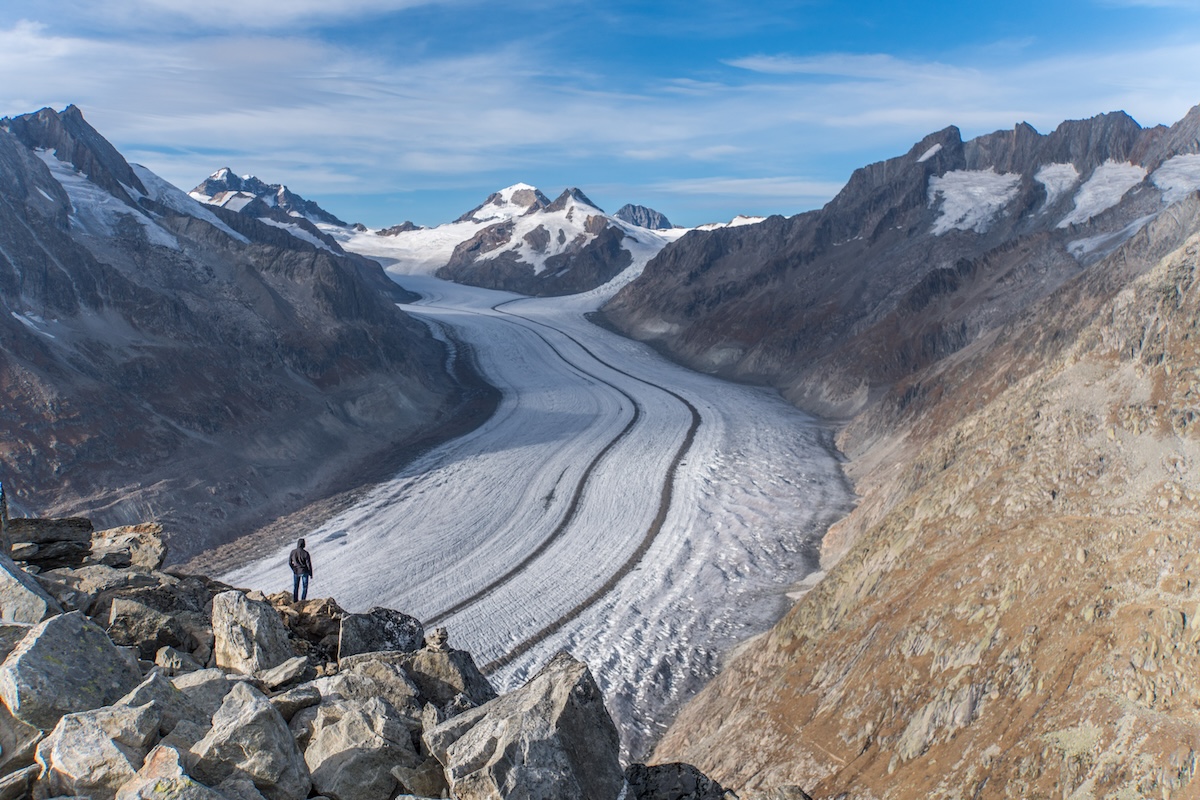
You’ll find the longest glacier in the Alps stretching 23 kilometers across the Swiss landscape in the Bernese Alps. The Aletsch Glacier contains approximately 11 billion tons of ice and reaches depths of up to 900 meters in places. This massive river of ice has carved through the mountains for thousands of years, creating an almost otherworldly landscape. You can reach viewpoints such as Moosfluh and Hohfluh for sweeping panoramas across the glacier.
The Jungfrau-Aletsch UNESCO World Heritage Site added the glacier in 2001 because of its exceptional geological significance. Distinctive medial moraines run across its surface, forming dark lines of rock debris that trace the glacier’s movement. During summer, you can hike trails that lead close to the ice or take the cable car to Eggishorn for elevated views. Climate change has caused the glacier to retreat, reducing its length by about 200 meters and shrinking its volume over recent decades.
10. Giant’s Causeway, Northern Ireland, UK
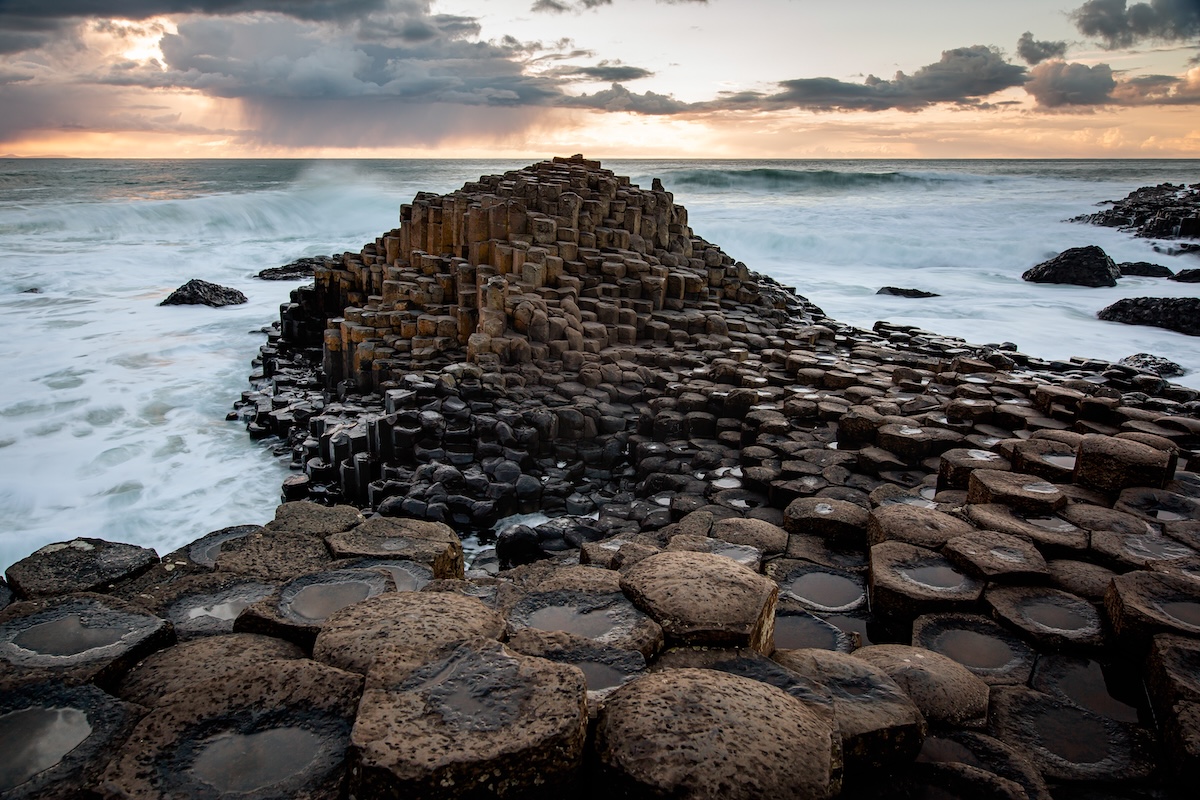
You’ll find yourself walking across approximately 40,000 interlocking basalt columns formed by ancient volcanic eruptions around 60 million years ago. The hexagonal stones fit together so perfectly that legend credits their creation to the Irish giant Finn MacCool, who supposedly built the causeway to reach Scotland. The geological explanation is just as fascinating: rapidly cooling lava created the dramatic patterns you see today.
When you visit this UNESCO World Heritage Site along Northern Ireland’s rugged Antrim coast, you can explore three main areas: the Grand Causeway, the Middle Causeway, and the Little Causeway. The columns range from mere inches to more than 40 feet high, creating a surreal landscape where you can climb across stepping stones toward the sea. Bring sturdy shoes because the surfaces can be slippery, and allow extra time for the cliff paths, which offer spectacular coastal views.
9. Lofoten Islands, Norway
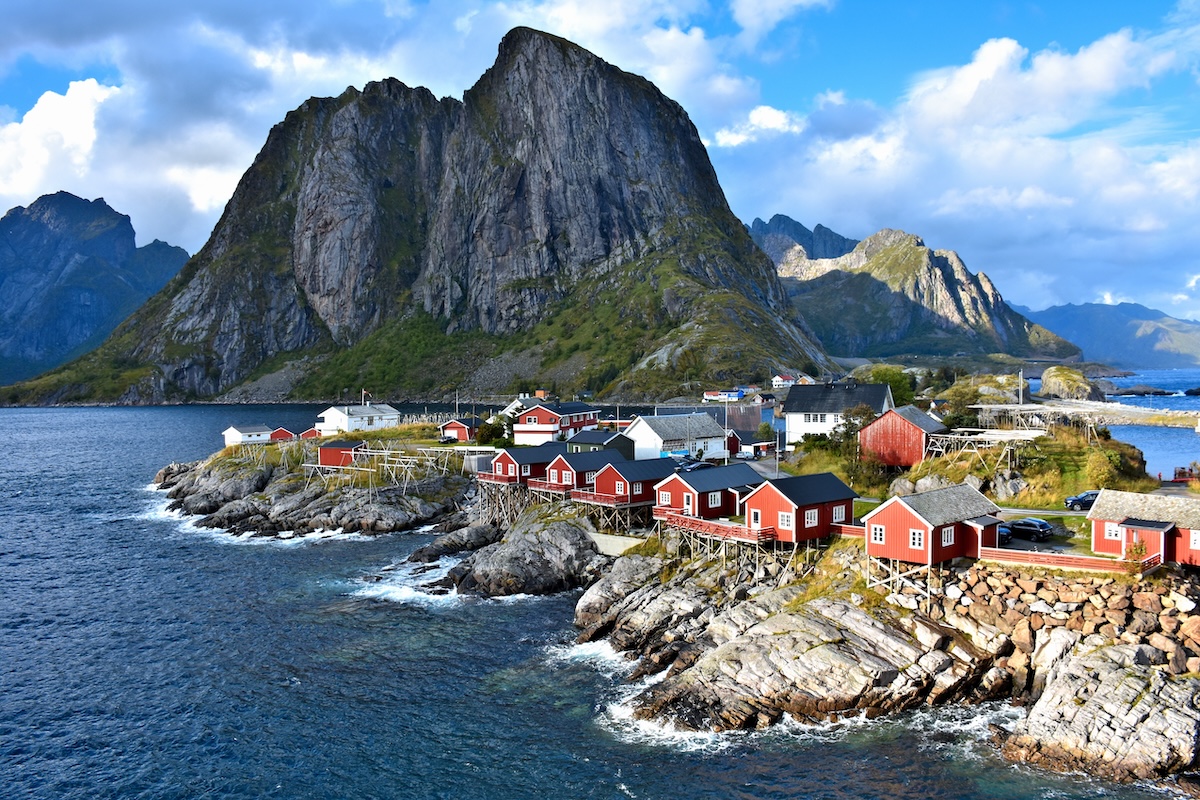
You’ll find the Lofoten archipelago rising dramatically from the Norwegian Sea above the Arctic Circle, where jagged peaks pierce the sky and traditional fishing villages cling to rocky shores. The islands stretch along 118 miles of coastline, creating one of Scandinavia’s most striking landscapes. Despite their northern latitude, the Gulf Stream keeps temperatures surprisingly mild, so you can explore throughout the year.
The midnight sun bathes the islands in golden light from May to July, while the northern lights dance across winter skies from September to April. You can kayak through crystal-clear fjords, hike to secluded beaches with white sand and turquoise water, or photograph the iconic red rorbuer cabins along the waterfront. The islands still maintain their fishing heritage, and you’ll see stockfish drying on traditional wooden racks, just as it has for centuries. Whether you’re drawn to outdoor adventure or scenic beauty, the Lofoten Islands offer an unforgettable Arctic experience where nature’s raw power meets human resilience.
8. Belogradchik Rocks, Bulgaria
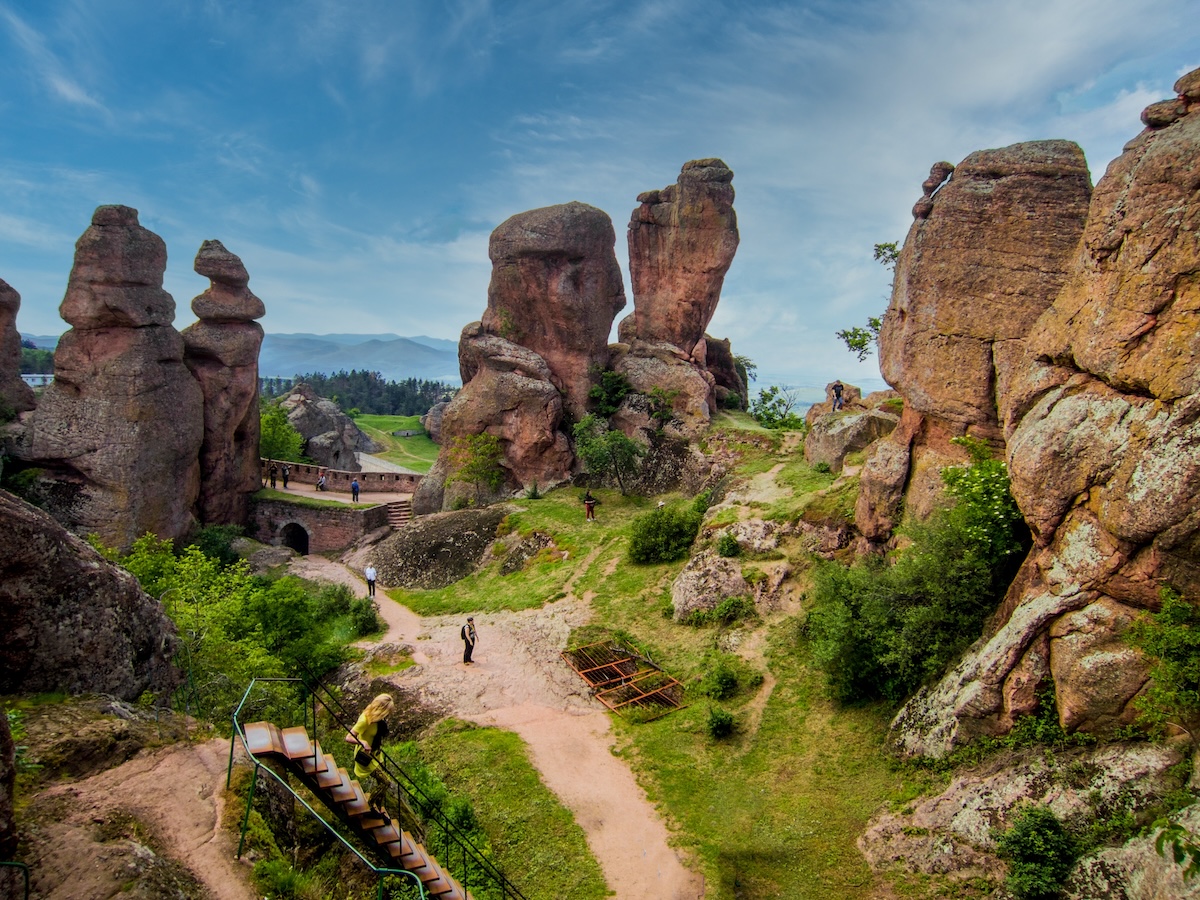
You’ll find one of nature’s most striking geological formations in northwestern Bulgaria, where massive red sandstone pillars rise up to 200 meters from the earth. The Belogradchik Rocks cover several square kilometers and display shapes that have inspired local legends for centuries. Wind and rain sculpted these formations over millions of years, creating figures that resemble everything from animals to mythical creatures.
Your visit becomes even more fascinating when you explore the ancient fortress built into the rocks, with walls that blend into the natural stone. Hiking trails wind between the towering pillars and offer close views of the rust-colored cliffs against the blue sky. You can visit year-round, though spring and autumn bring the most comfortable temperatures for walking. The rocks look particularly dramatic at sunset, when the red sandstone glows in the warm light.
7. Wadden Sea, Netherlands/Germany/Denmark
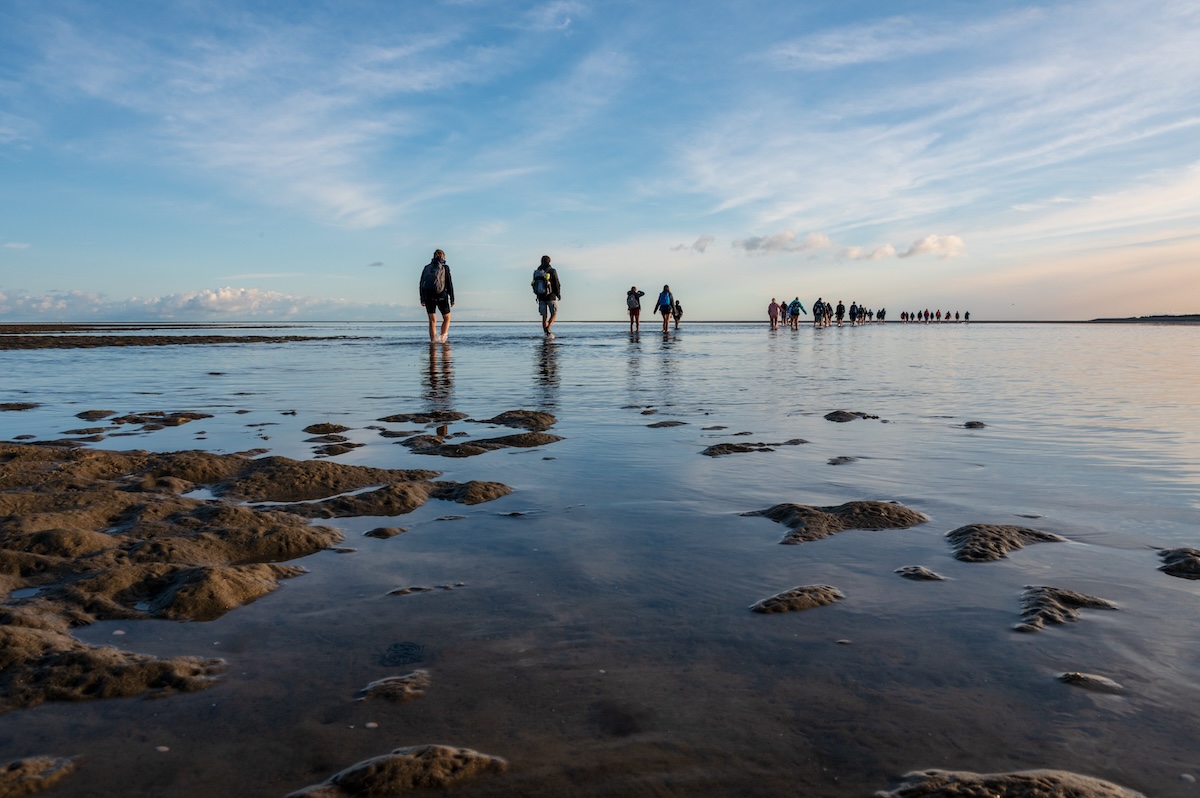
You’ll discover one of Earth’s most dynamic coastal ecosystems stretching 500 kilometers between the Netherlands, Germany, and Denmark. The Wadden Sea forms the world’s largest unbroken system of intertidal sand and mud flats. Twice daily, the North Sea retreats and exposes a vast underwater landscape. This UNESCO World Heritage Site changes before your eyes as billions of gallons of water move with each tide.
At low tide, you can walk across the seabed on guided mudflat hiking tours, known locally as wadlopen. The area provides a critical stopover for millions of migratory birds traveling between Arctic breeding grounds and African wintering sites. You’ll see an incredible range of marine life, from harbor seals lounging on sandbanks to shellfish and worms thriving in the nutrient-rich sediment. The changing conditions create dramatic scenery where water, land, and sky blend in ways you won’t find anywhere else in Europe.
6. Białowieża Forest, Poland/Belarus
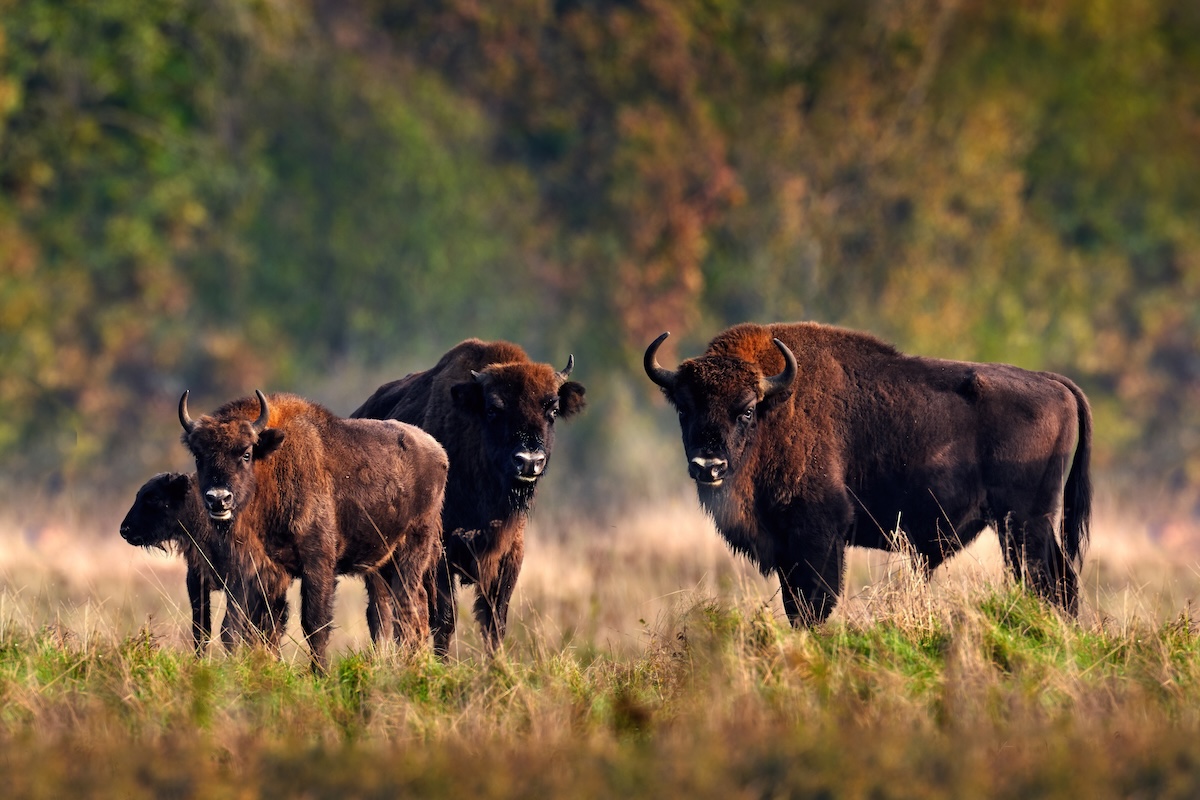
You’ll find Europe’s last primeval forest straddling the border between Poland and Belarus, where ancient woodland has survived virtually unchanged for thousands of years. This UNESCO World Heritage Site covers more than 580 square miles of old-growth forest that looks much as it did before people began clearing Europe’s trees. The forest supports over 20,000 animal species and more than 1,000 plant species, forming an ecosystem that has vanished from most of the continent.
Your best chance to see the European bison in its natural habitat is here. These massive animals have returned after coming close to extinction. The forest’s towering oak, ash, and spruce trees can reach 150 feet, with some specimens more than 500 years old. You can explore the Polish side more easily through guided tours into the strictly protected core area. The Belarusian section requires advance planning but offers equally impressive wilderness. In winter, snow covers the forest, and you might spot tracks from lynx, wolves, and wild boar.
5. Plitvice Lakes, Croatia
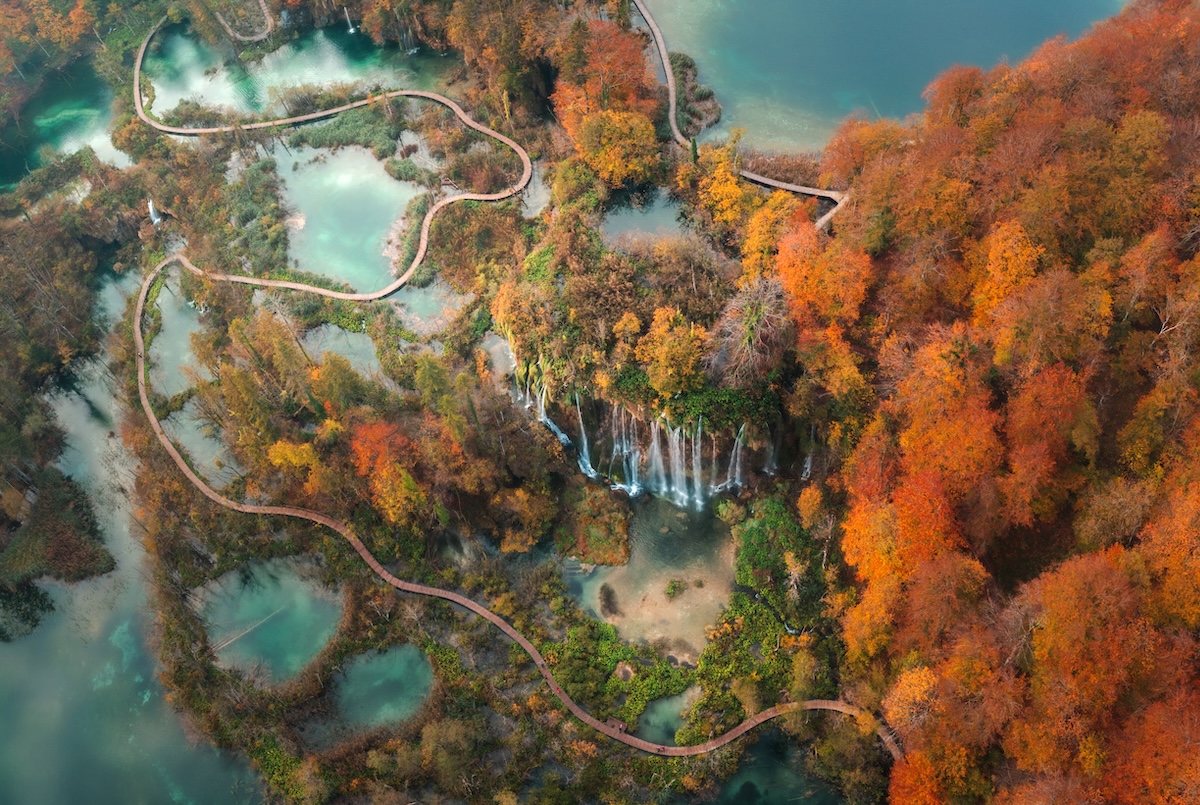
You’ll find yourself mesmerized by cascading turquoise waters connecting sixteen terraced lakes in Croatia’s oldest national park. Limestone and chalk formations created natural dams over thousands of years, producing a stunning series of waterfalls that seems almost surreal in person. Wooden walkways wind through the park, bringing you close to crystal-clear waters filled with trout and the lush forests around them.
The park changes dramatically with each season, offering a different experience throughout the year. In spring and early summer, the waterfalls reach their strongest flow, while autumn turns the beech and fir forests into a tapestry of golden and amber hues. You can explore by boat rides across the larger lakes or take the electric train between different areas. Winter brings a quieter, frozen wonderland atmosphere, with ice decorating the waterfalls and fewer visitors around.
4. Mount Etna, Italy
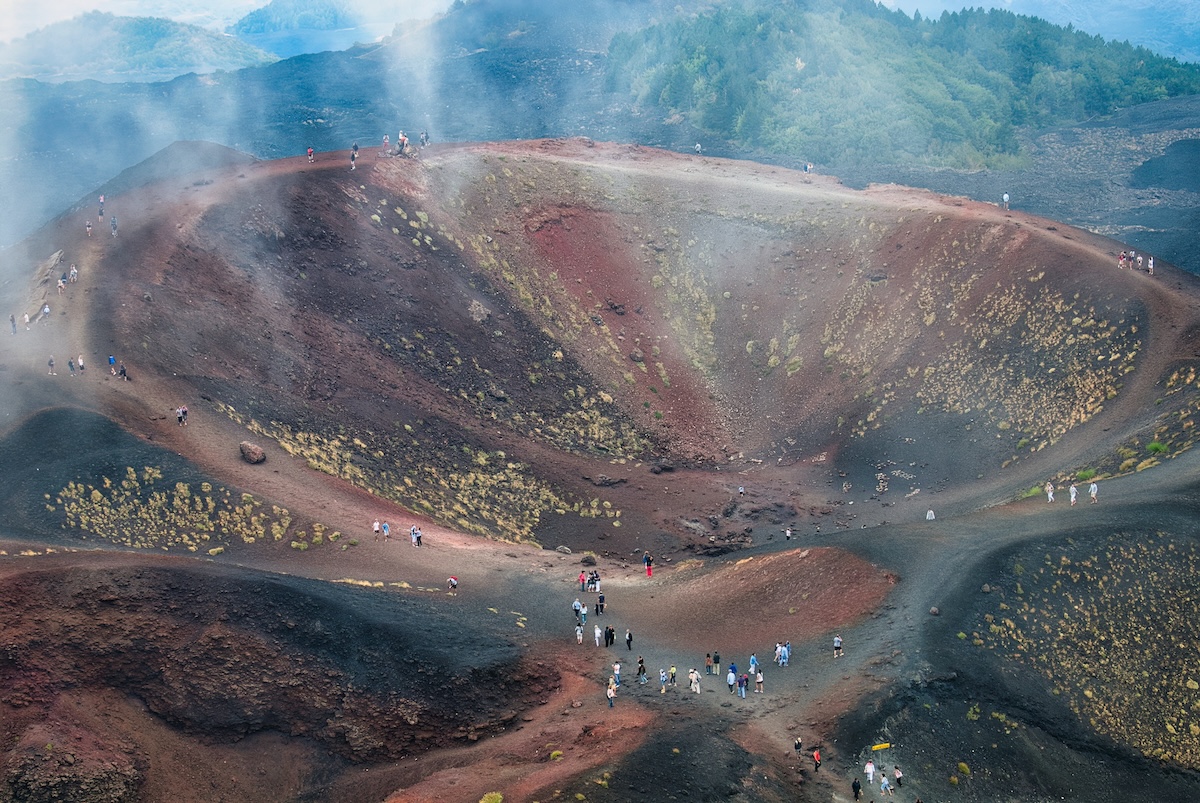
You’ll find Europe’s most active volcano towering over Sicily’s eastern coast, where Mount Etna has erupted for thousands of years. This massive stratovolcano rises to approximately 10,900 feet, though each eruption can change its summit elevation. You can explore multiple craters, lava fields, and volcanic caves that reveal the raw force of Earth’s geological activity.
Your visit to Etna offers striking contrasts through the seasons. You might ski on snow-covered slopes in winter, then hike through lunar-like volcanic landscapes surrounded by wildflowers in spring. Fertile volcanic soil supports vineyards and orchards on the mountain’s lower slopes, where local farmers produce distinctive wines and other crops. You can take cable cars and guided tours to higher elevations, where steam vents and recent lava flows appear across the landscape. The surrounding national park protects ecosystems ranging from Mediterranean forests to alpine vegetation, making this one of Sicily’s most compelling natural attractions.
3. Matterhorn, Switzerland/Italy
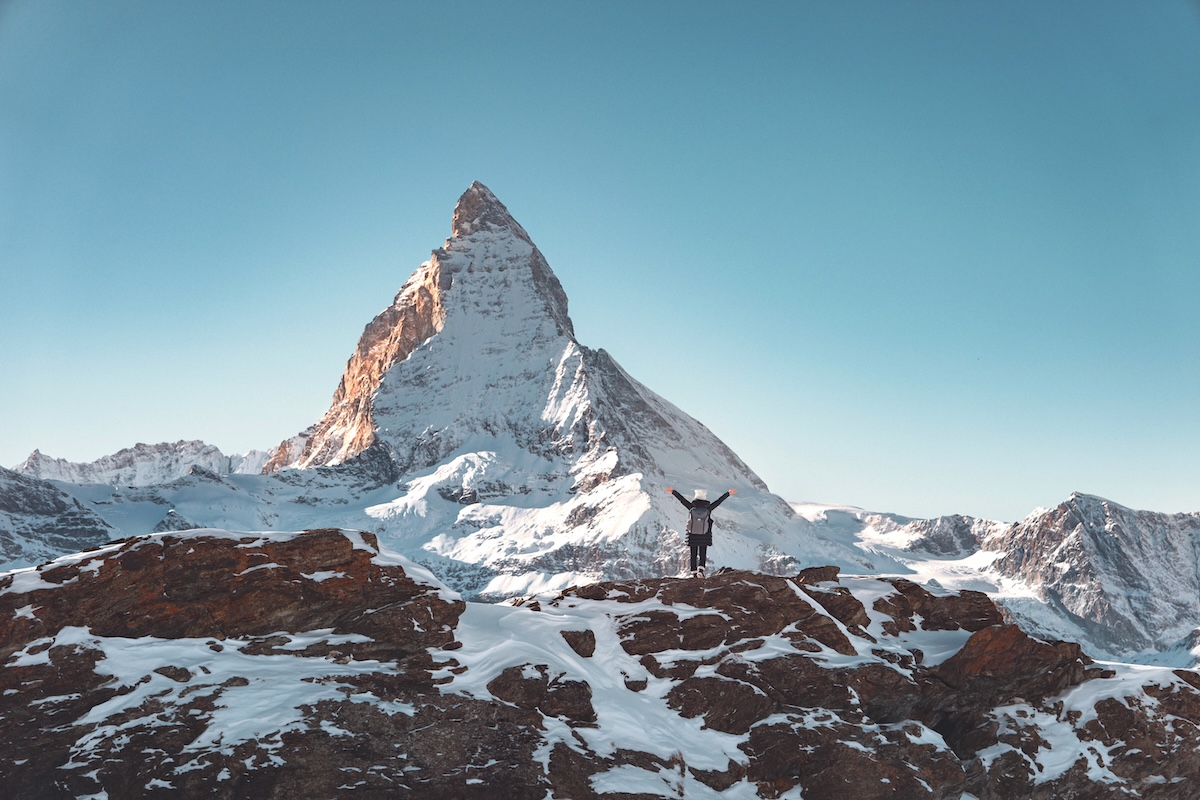
You’ll recognize the Matterhorn’s distinctive pyramidal peak from countless chocolate bars and photographs, but seeing this 4,478-meter mountain in person feels different. Straddling the border between Switzerland and Italy, the iconic summit dominates the skyline near Zermatt and has captivated mountaineers and travelers since the first successful ascent in 1865. Its four steep faces align almost precisely with the cardinal directions, creating an unmistakable geometric silhouette.
You can experience the Matterhorn without technical climbing skills by taking the Gornergrat Railway or cable cars to viewpoints around Zermatt. The peak’s reflection in Riffelsee lake creates one of the Alps’ most photographed scenes. From the Italian side, the town of Breuil-Cervinia offers another perspective. Summer brings wildflower-covered meadows at the base, while winter turns the region into a premier skiing destination, with runs that let you travel between two countries.
2. Vatnajökull, Iceland
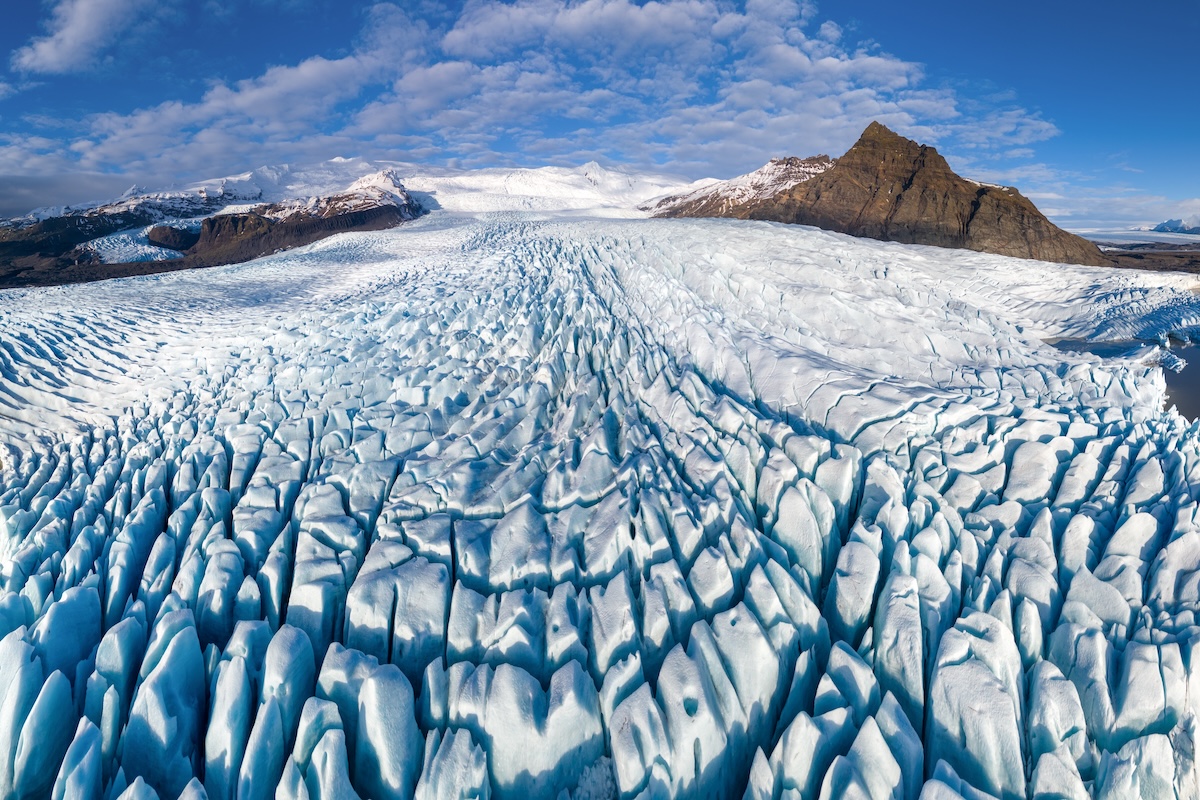
You’ll find Europe’s largest ice cap covering roughly 8% of Iceland’s landmass. Vatnajökull glacier spans around 8,100 square kilometers and reaches depths of nearly 1,000 meters in places. This massive ice formation anchors its namesake national park, where fire and ice meet as several active volcanoes lie beneath the frozen surface.
Your exploration of Vatnajökull reveals striking contrasts and unusual natural phenomena. The glacier feeds numerous outlet glaciers into surrounding valleys, creating opportunities for ice cave exploration during winter, when crystal-blue chambers form beneath the ice. You can also visit the Jökulsárlón glacial lagoon at the glacier’s southern edge, where icebergs break from the terminus and drift toward the sea. Volcanic eruptions occasionally melt through the ice and cause sudden floods called jökulhlaups. Summer offers glacier hiking and climbing, while the surrounding areas provide views of ice formations, volcanic peaks, and black sand plains shaped by millennia of glacial movement.
1. Geirangerfjord, Norway
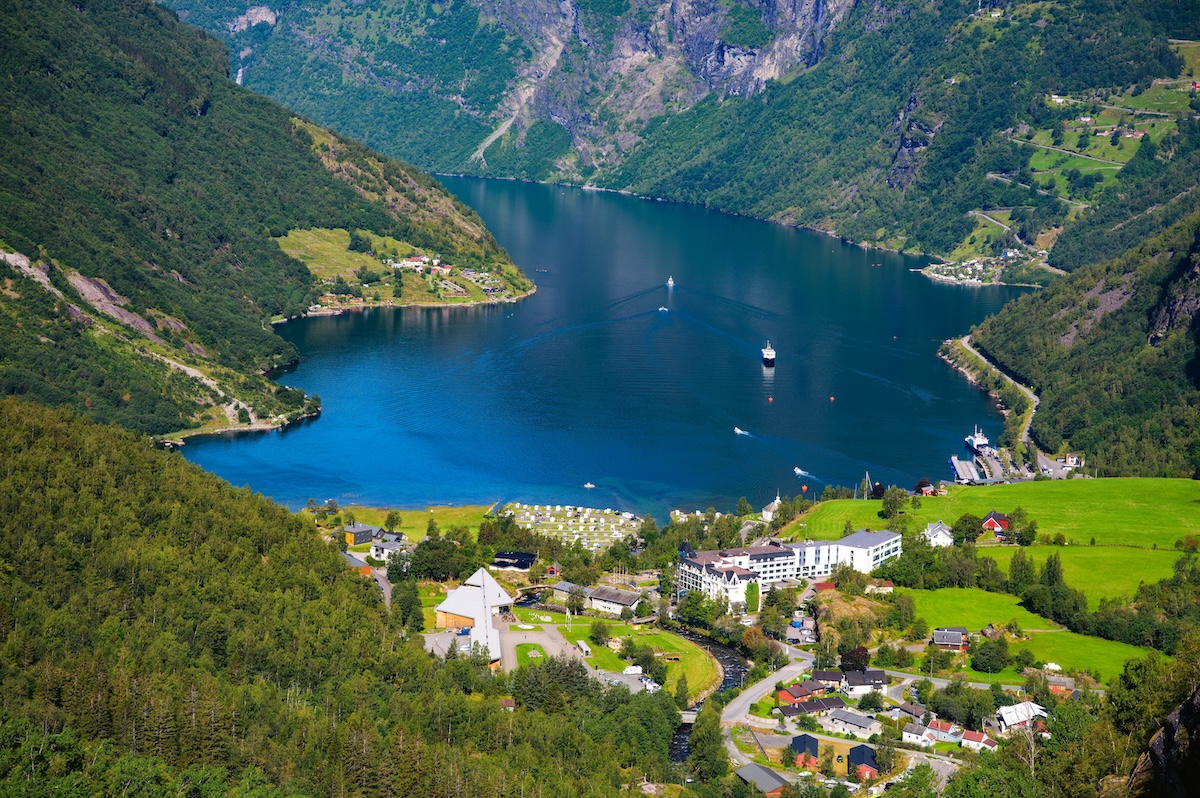
You’ll find one of Norway’s most stunning fjords cutting deep into the country’s western coastline, where steep mountain walls rise dramatically from emerald-green waters. Geirangerfjord stretches about 15 kilometers inland and reaches depths of up to 260 meters, creating a landscape that has earned a place on UNESCO’s World Heritage list. Its most famous sights include the Seven Sisters waterfalls, which cascade down the cliffs, and the abandoned mountain farm of Skageflå, perched almost impossibly on a narrow ledge.
You can experience this natural wonder in several ways, from taking a ferry through the fjord to hiking the surrounding peaks for panoramic views. The small village of Geiranger sits at the fjord’s head and makes a convenient base for summer exploration. Keep in mind that winter snow closes many roads, so late spring through early autumn usually offers the best window for a visit.