
Some hotels exist purely for sleeping. These hotels exist because someone in the 19th century decided that ordinary hospitality wasn’t nearly enough. And spent a frankly irresponsible amount of money proving it. The results outlasted the empires, royal families, and fashion movements that originally filled the guest registers.
Book one of these for a night and you’ll spend half the time wandering the corridors trying to figure out which famous person stood exactly where you’re standing. The other half you’ll spend wondering how you’re going to explain the room rate to yourself on the flight home.
23. Fairmont Le Montreux Palace, Montreux
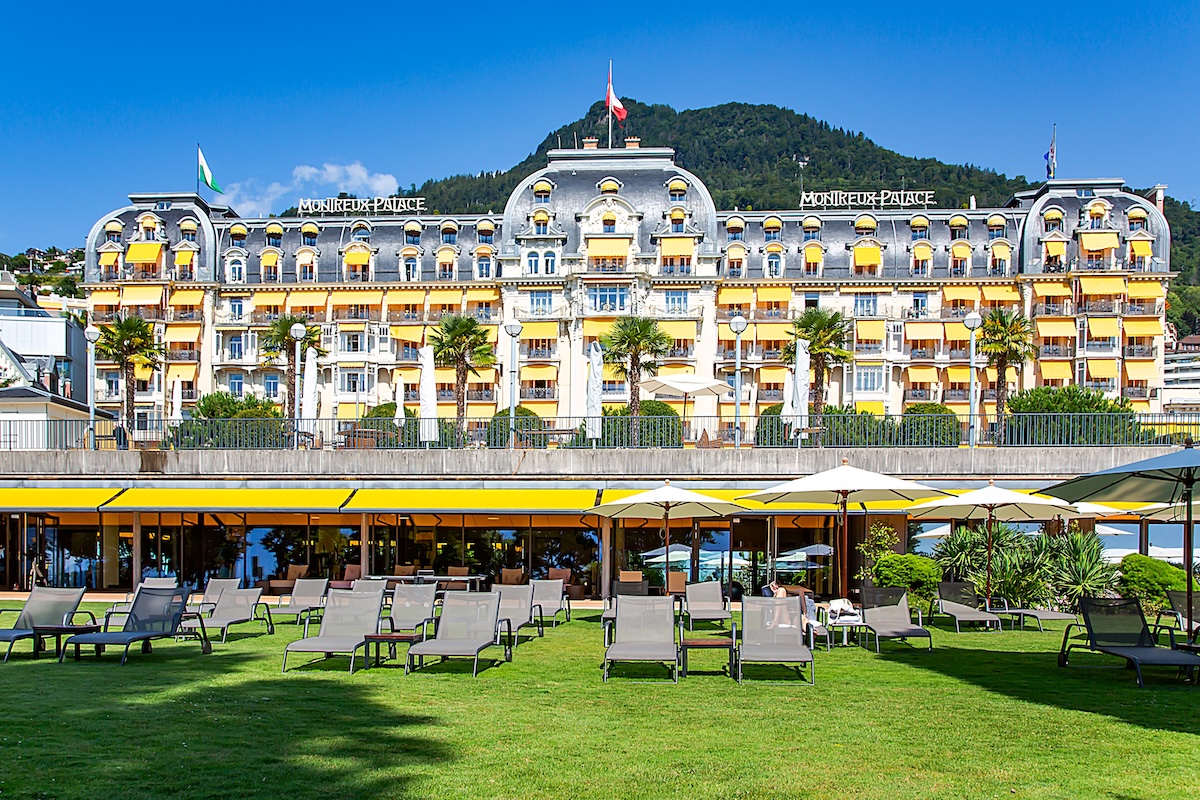
This Belle Époque masterpiece sits right on the shores of Lake Geneva and has welcomed guests since 1906. The palace’s striking Art Nouveau architecture, with its ornate façade and elegant turrets, stands out against the Swiss Alps. Step inside and you’re walking the same halls where Freddie Mercury once roamed—he spent his final years in Montreux and recorded at the hotel’s former Mountain Studios.
Staying here puts you in the heart of the Swiss Riviera, with the lake just steps away and the Montreux Jazz Festival lighting up the town each July. The hotel blends historic charm with modern luxury: refined dining, a world-class spa, and rooms that manage to feel both classic and up-to-date. You’re also close to Chillon Castle and can hop on the cogwheel train up to Rochers-de-Naye for those epic Alpine views.
22. Grand Hotel Tremezzo, Lake Como
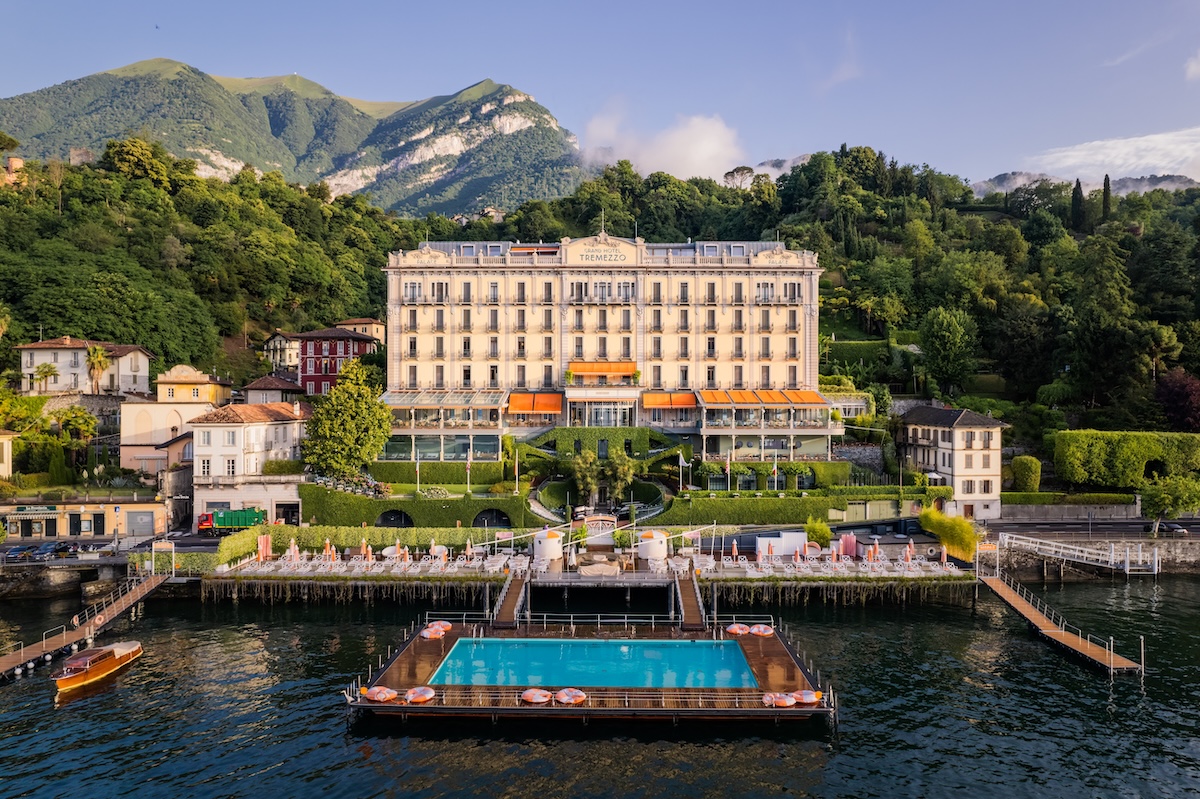
This Belle Époque stunner has graced Lake Como’s western shore since 1910. The hotel’s Art Nouveau balconies and terraces frame jaw-dropping views of the Grignetta mountains. Most rooms look out over the lake or the hotel’s lush gardens, which tumble down toward the water in a riot of azaleas, rhododendrons, and ancient trees.
You’ll find three restaurants here, including the Michelin-starred La Terrazza—perfect for savoring contemporary Italian cuisine as the sun sets over Bellagio. Multiple pools await, including a floating pool on the lake, linked to the shore by a historic pier. The T Spa uses local botanicals for its treatments, and the private beach club gives you direct access to swimming and water sports.
21. Hotel Grande Bretagne, Athens
This landmark hotel stands right on Syntagma Square, facing the Hellenic Parliament. Since opening in 1874, it’s been Athens’ first luxury hotel and has set the tone for hospitality in the city for over 150 years. Its neoclassical facade has watched over major moments in Greek history.
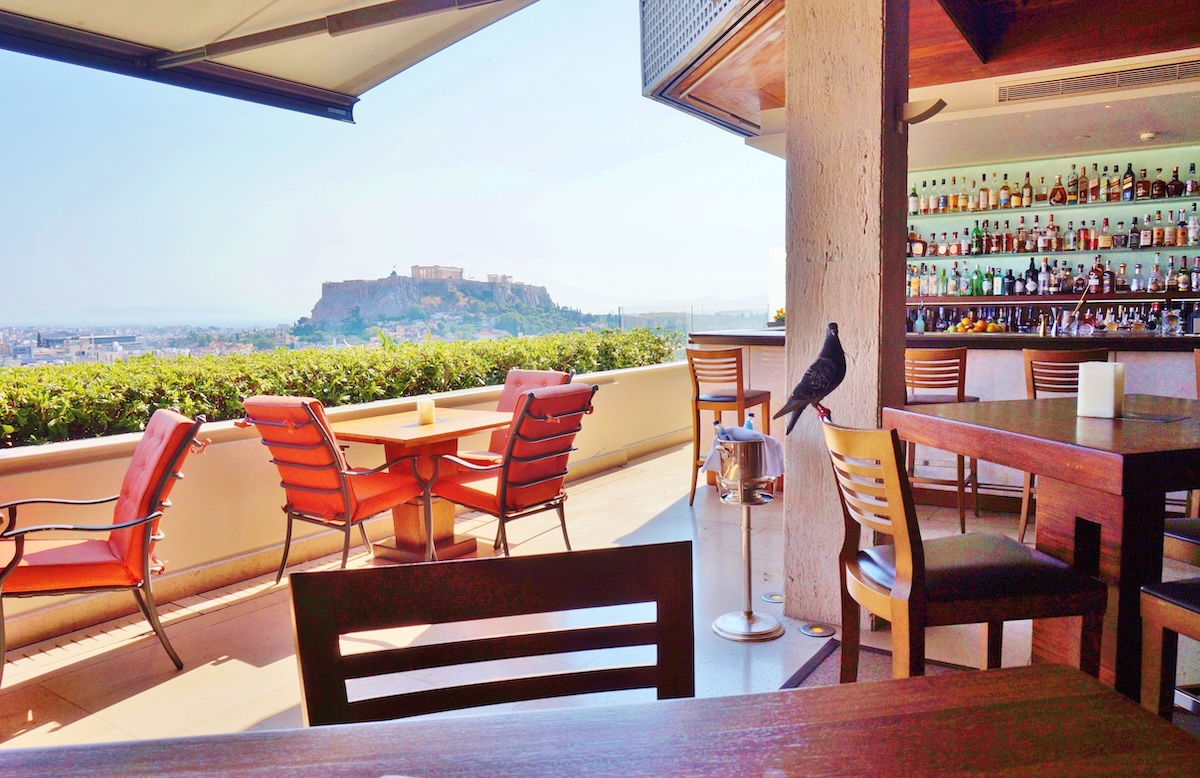
Inside, marble columns, crystal chandeliers, and ornate details channel the grandeur of 19th-century design. The rooftop terrace delivers sweeping views of the Acropolis, so you can take in ancient monuments while enjoying modern comforts. The Acropolis Museum and Plaka neighborhood are within walking distance, making it a great base for exploring Athens’ historic center. Over the years, the hotel has hosted royalty, heads of state, and celebrities, holding onto its reputation as Athens’ most distinguished address.
20. Hotel Maria Cristina, San Sebastián
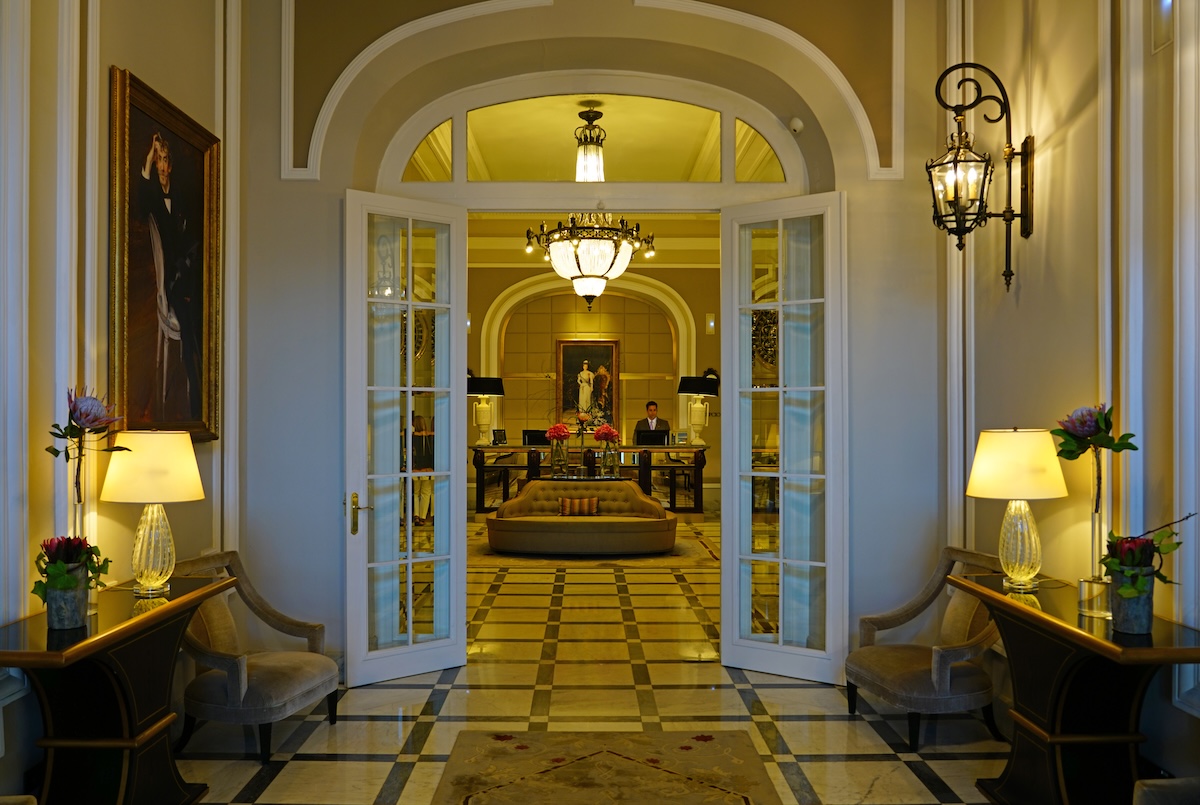
This Belle Époque beauty overlooks the Urumea River and has been welcoming guests since 1912. Named after Queen Maria Cristina, who made San Sebastián her summer retreat, the hotel’s regal heritage is obvious in every detail. The lobby greets you with marble columns, sparkling chandeliers, and a sweeping staircase that’s seen its fair share of film stars during the city’s annual film festival.
Rooms offer views of the river or the city’s elegant architecture, with interiors that blend classical European luxury and modern comfort. You’re within walking distance of La Concha beach and the pintxos bars in the old town. Every September, during the San Sebastián International Film Festival, the hotel buzzes with cinema royalty and photographers line up to catch the arrivals.
19. Carlton Cannes
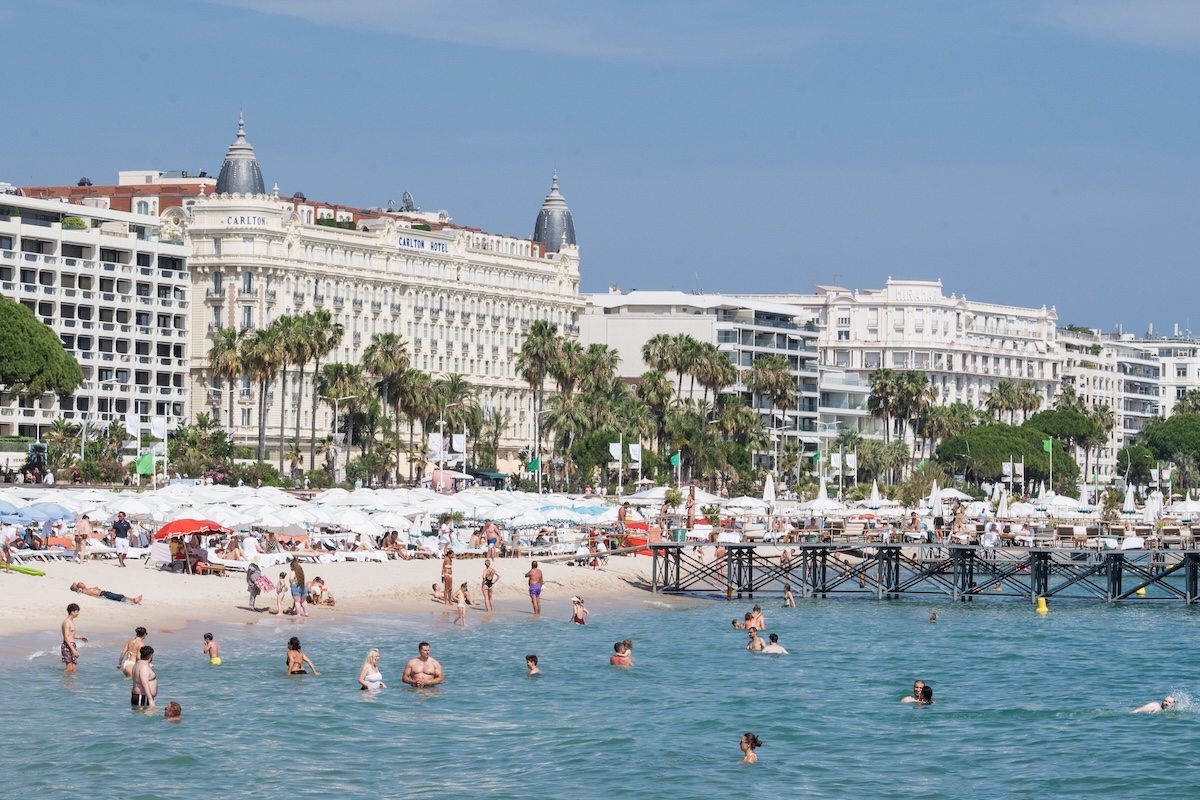
You’ll spot the Carlton right on La Croisette, Cannes’ famous palm-lined boulevard, where it’s been hosting guests since 1911. Film fans know it from Hitchcock’s “To Catch a Thief”—Cary Grant and Grace Kelly filmed scenes throughout the property. Those twin black domes on the roof? You can see them from almost anywhere along the beach.
Stay here and you’re in the heart of Riviera glamour, especially when the Cannes Film Festival takes over and the hotel becomes festival HQ. The 332 rooms and suites look out over the Mediterranean or the private gardens. There’s direct access to a private beach with its own restaurant, and the seventh-floor spa treats you to panoramic sea views. You can walk to the Palais des Festivals, designer boutiques, or wander up to the old town of Le Suquet in just a few minutes.
18. The Savoy, London
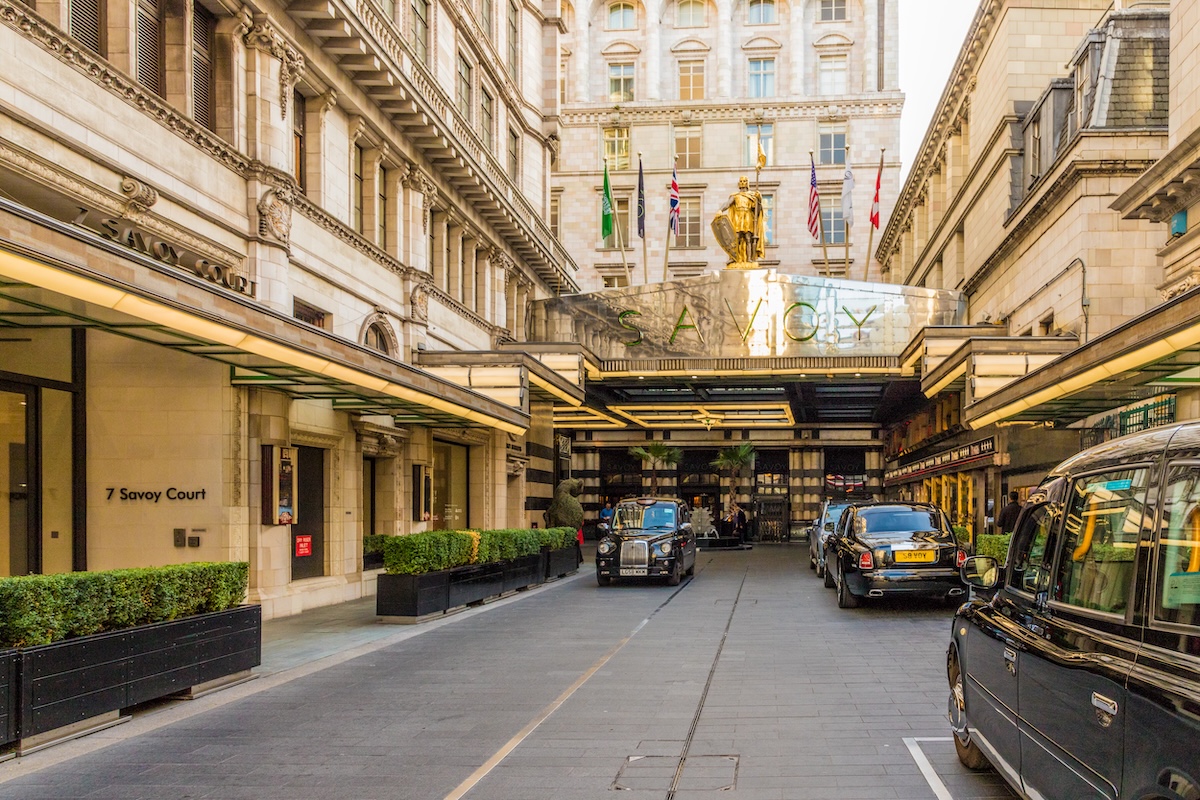
The Savoy stands tall on the Strand and has been welcoming guests since 1889. It was the first luxury hotel in Britain to offer electric lights and elevators throughout—pretty groundbreaking at the time. Art Deco and Edwardian design elements come together here, giving the place a vibe that’s both historic and refined.
Step inside and you’re entering a hotel that’s played host to everyone from Winston Churchill to Frank Sinatra. The American Bar is still one of London’s most celebrated cocktail spots, while the Thames Foyer serves up afternoon tea under a gorgeous glass dome. Rooms feature handcrafted furnishings and marble bathrooms, with many offering river views. One quirky detail: the hotel’s entrance courtyard is the only street in London where you’re allowed to drive on the right side of the road.
17. Hotel de Paris Monte-Carlo
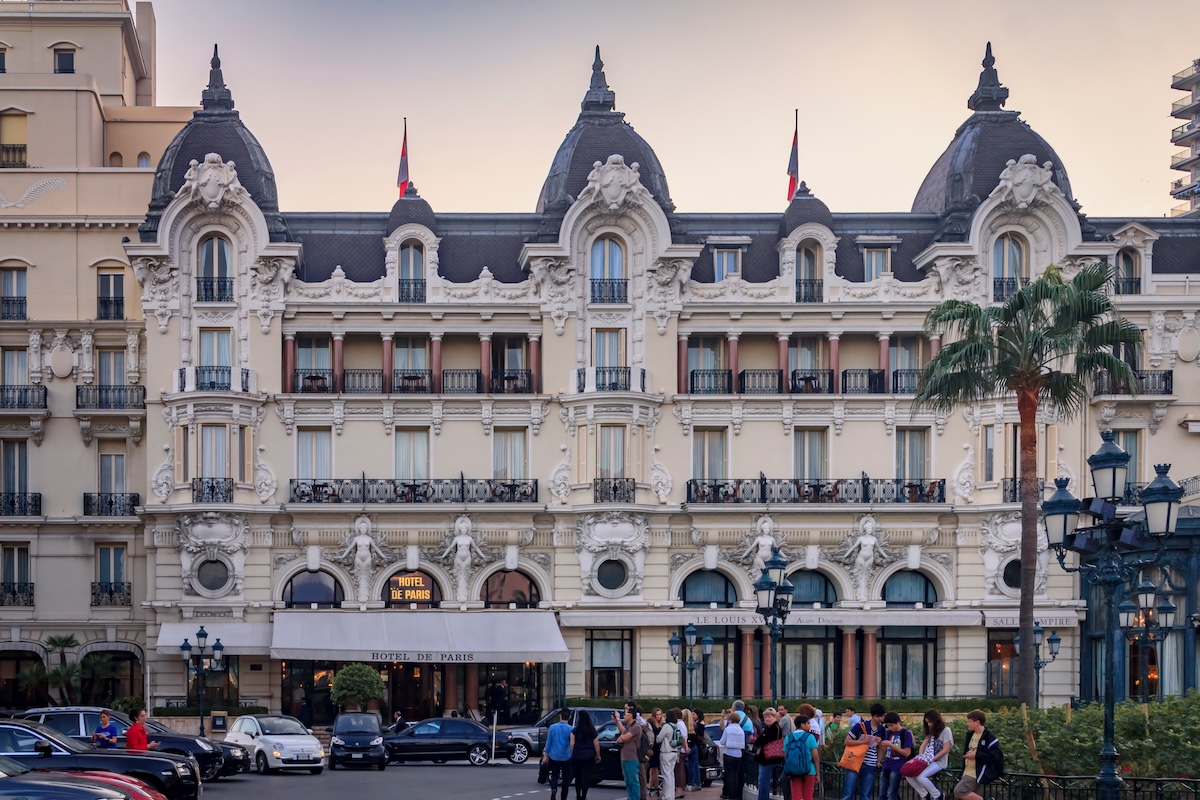
You’ll step into Belle Époque splendor at this legendary Monaco hotel, which has welcomed guests since 1864. It sits right on Monte-Carlo’s Casino Square, and its ornate façade and commanding presence have defined luxury in the principality for over 150 years. Gilded decor, crystal chandeliers, and marble columns surround you, instantly transporting you to the golden age of European high society.
The guest list here? It’s a who’s who of royalty, celebrities, and cultural icons. The hotel overlooks the Mediterranean and stands just steps from the famous Casino de Monte-Carlo. Dine at restaurants led by Alain Ducasse, unwind at the spa, or simply soak up the harbor and palace views from your room. The property manages to keep its historic character while updating things for today’s travelers—so you get old-world charm and modern comfort in one place.
16. Vidago Palace, Vidago
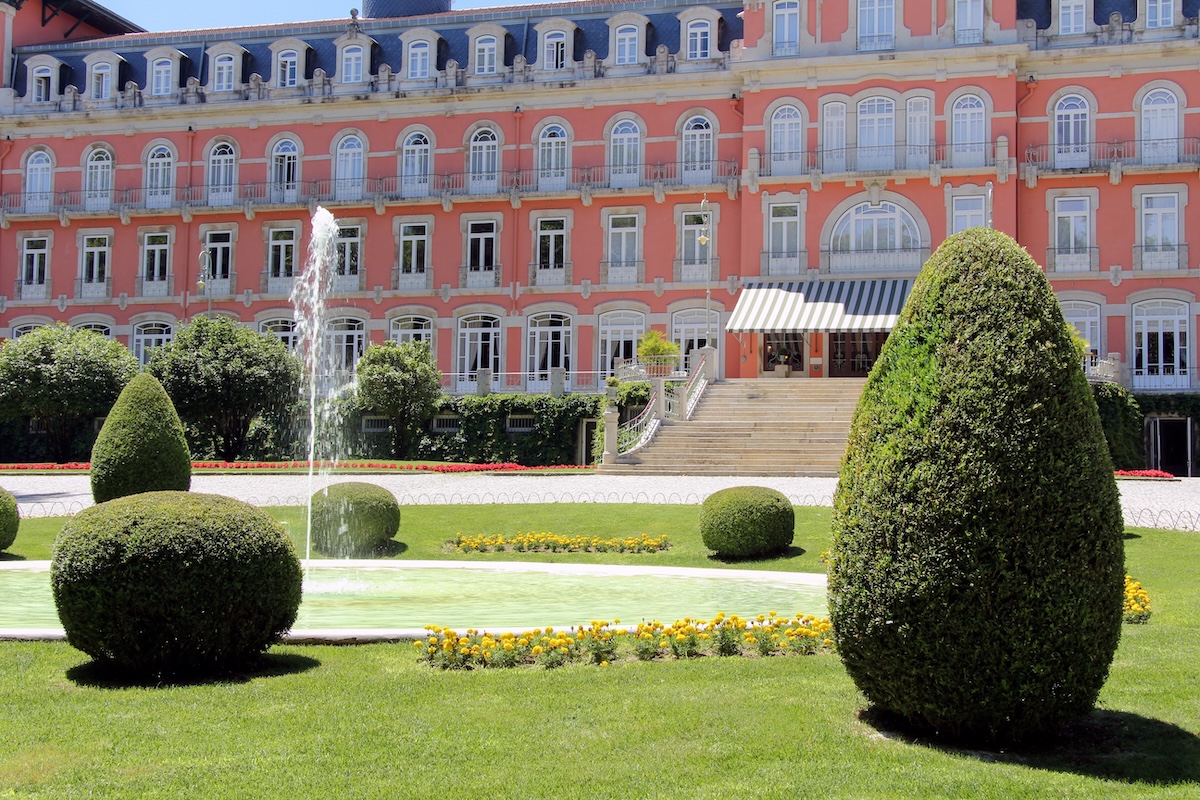
Tucked away in Portugal’s northern highlands, this Belle Époque palace has been around since 1910. It started out as a thermal spa retreat for European aristocrats, drawn by the healing waters of Vidago’s springs. The pink granite facade and ornate gardens whisk you back to an era when grand tours and long spa stays were the height of luxury.
The hotel sits on a sprawling estate with an 18-hole golf course and century-old parklands. After a careful restoration, the palace reopened in 2010, blending Edwardian splendor with modern amenities. You can still take the waters at the thermal spa, explore the Trás-os-Montes wine region, or just relax on the terrace overlooking manicured grounds. It’s a proper escape from the modern world—a place that still feels like a retreat for Europe’s elite.
15. Hôtel Ritz, Paris
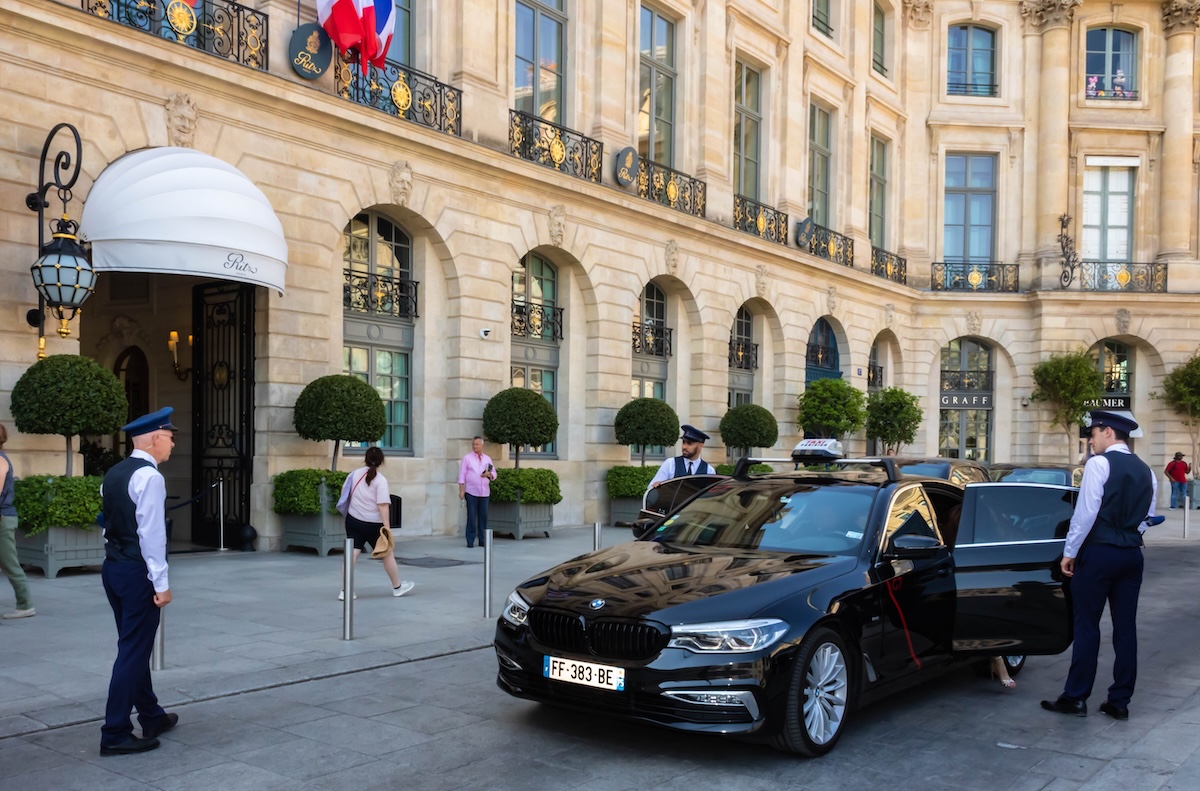
You’ll find the Ritz on Place Vendôme, where it’s been setting the standard for Parisian luxury since 1898. César Ritz opened the hotel with a vision to create Paris’s finest, and it quickly became the place to be for royalty, writers, and celebrities. The hotel even gave us the word “ritzy” and was among the first to offer en-suite bathrooms in every room.
Today, you can walk the same halls Coco Chanel called home for over three decades—she lived in a suite here and made the Ritz her Parisian base. Ernest Hemingway celebrated the liberation of Paris at the hotel’s bar, which now bears his name. After a major renovation from 2012 to 2016, the rooms and facilities feel fresh but still ooze Belle Époque elegance. You can sense the same refined atmosphere that drew everyone from Proust to Princess Diana.
14. Grand Hotel Excelsior Vittoria, Sorrento
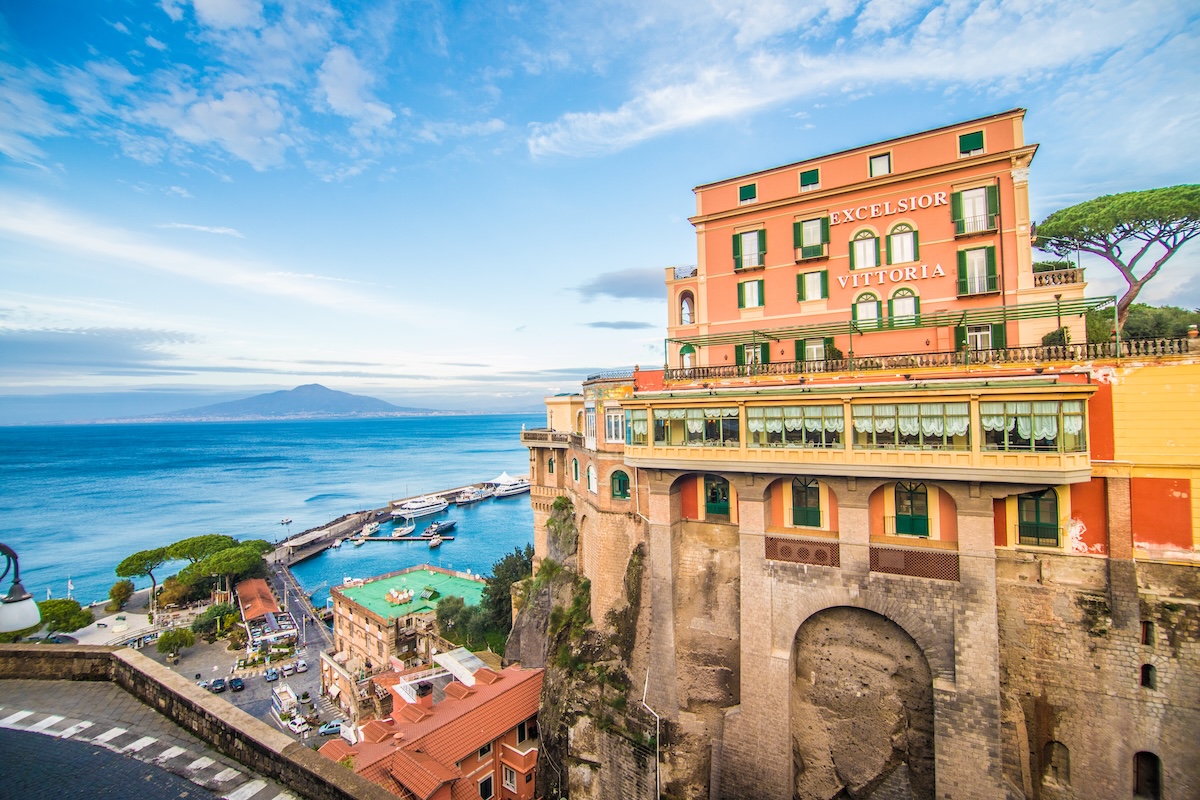
Perched atop a cliff with views over the Bay of Naples, this elegant hotel has been welcoming guests since 1834. It sits in the heart of Sorrento, surrounded by five acres of private gardens brimming with citrus trees and Mediterranean greenery. You’re steps from the historic center, but the peaceful views of Mount Vesuvius make it feel worlds away.
The same family has run the hotel for five generations, keeping its authentic character while updating the amenities for modern comfort. Over the decades, composers, royalty, and writers have all stayed here, drawn by the stunning coastal setting. Rooms might have antique furnishings, hand-painted tiles, or a terrace overlooking the sea. The blend of Belle Époque architecture and Italian craftsmanship gives the place a vibe that’s both grand and surprisingly intimate.
13. Grand Hotel Oslo
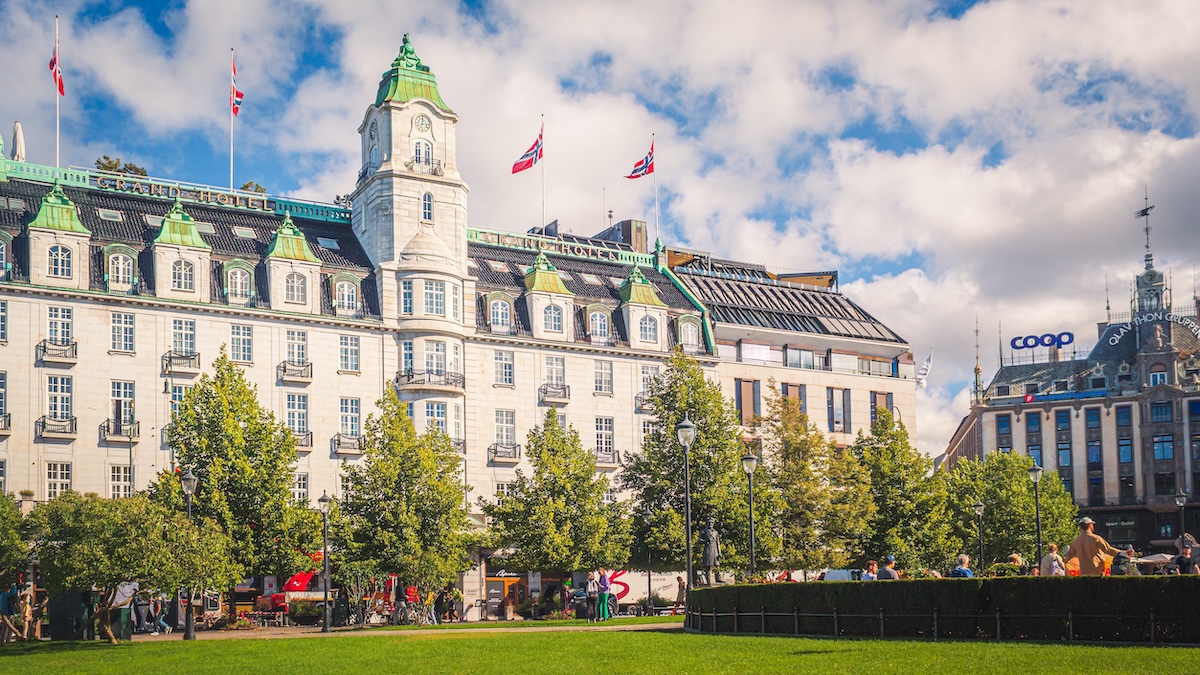
Right in the heart of Norway’s capital, you’ll spot this distinguished spot directly across from the Royal Palace and Parliament building. Since 1874, the Grand Hotel has been Oslo’s go-to for travelers who want both luxury and a central location. The classic façade and elegant interiors? They really do reflect more than a century of Scandinavian hospitality—there’s a certain lived-in grandeur you can’t fake.
Staying here, you can’t help but feel the echoes of Nobel Peace Prize laureates who’ve called the hotel home during the awards each December. The place has several restaurants and bars, including the famous Grand Café—Henrik Ibsen used to hang out there, if you can believe it. Most rooms offer a peek at Karl Johans gate, Oslo’s main boulevard, or even a glimpse of the palace grounds if you’re lucky. The hotel mixes traditional Norwegian design with plenty of modern touches, so you get a comfortable base for wandering the city’s museums, waterfront, and those historic neighborhoods that always seem to surprise you.
12. Hotel Splendido, Portofino, Italy
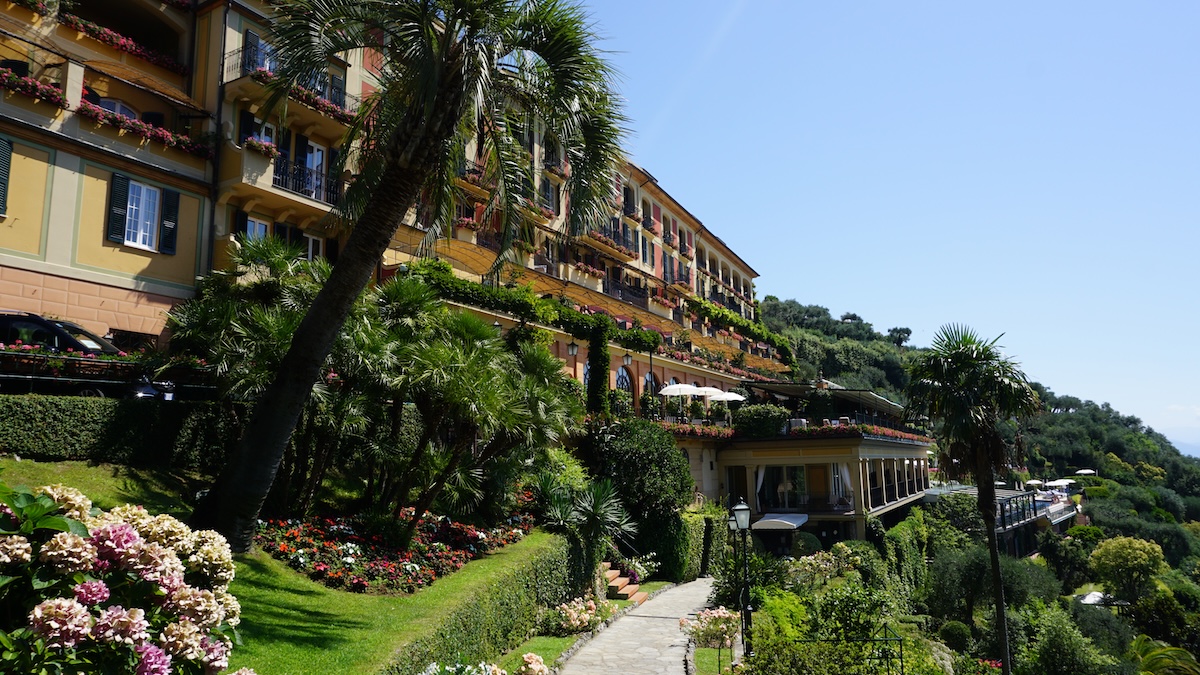
Portofino’s harbor is small enough that the fishing boats and superyachts share the same postcard, and the Splendido watches all of it from a hillside position that a group of Benedictine monks originally chose for entirely different reasons. The monastery conversion happened in the early 20th century, the bougainvillea arrived shortly after, and Humphrey Bogart, Ava Gardner, and half of Hollywood’s golden era followed once word got around about the terrace view.
The funicular ride up from the port sets the tone before you’ve even checked in. Everything at the Splendido operates at that same unhurried, slightly theatrical pace that the Italian Riviera perfected, but be prepared to utter “mamma mia” when you see the rates.
11. Kurhaus of Scheveningen, Den Haag, Netherlands
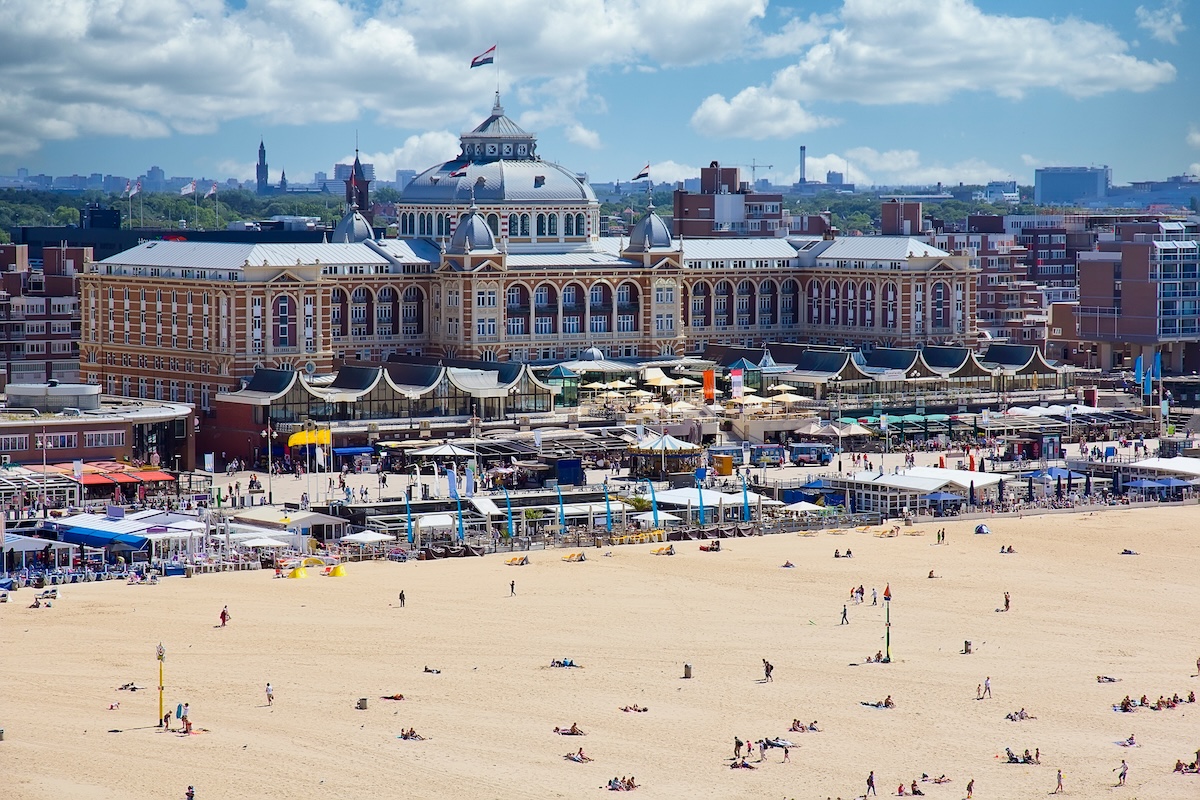
Nobody builds beach hotels like this anymore, partly for cost reasons and partly because the architectural confidence required to put a gilded rotunda on the North Sea simply doesn’t exist in the same form. The 1885 Kurhaus showed up on the Scheveningen promenade and immediately set a standard that every subsequent Dutch beach development spent the next century failing to match.
The grand café inside the domed hall operates beneath ceiling paintings that beach hotels stopped commissioning around the time electricity became standard. Outside, the North Sea does what the North Sea does regardless of how grand the building behind you is, which is usually just a form of character building.
10. The Balmoral, Edinburgh, Scotland
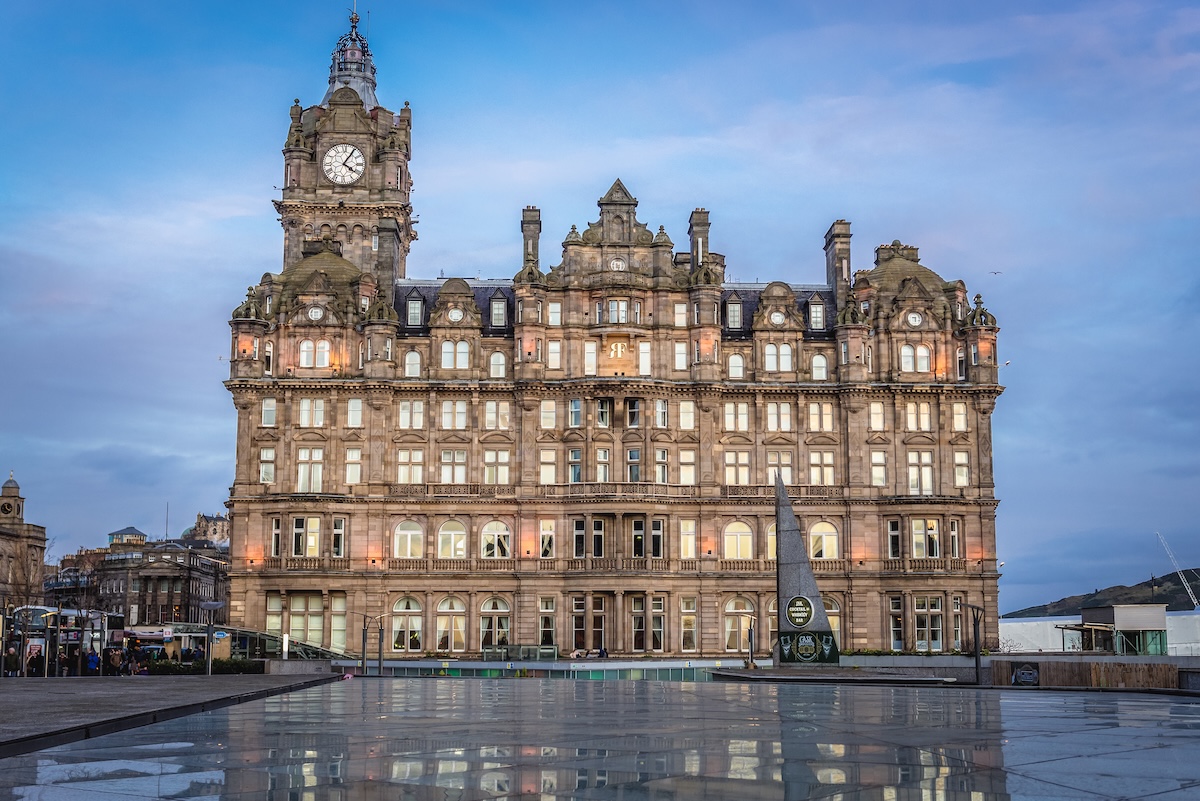
The clock tower at the east end of Princes Street runs three minutes fast by deliberate hotel policy, set that way to help Edinburgh residents catch their trains from Waverley Station below. The Balmoral kept that tradition since 1902 without anyone seriously suggesting it stop, which tells you something about the hotel’s relationship with the city it anchors.
J.K. Rowling finished writing Harry Potter and the Deathly Hallows in suite 552 and celebrated by signing a bust of Hermes in the room, which the hotel displays with a lot of pride. Edinburgh Castle sits directly above on the volcanic rock, and the upper-floor views across the Old Town roofline make the premium room rate feel like an honest transaction.
9. Grand Hotel, Sopot, Poland
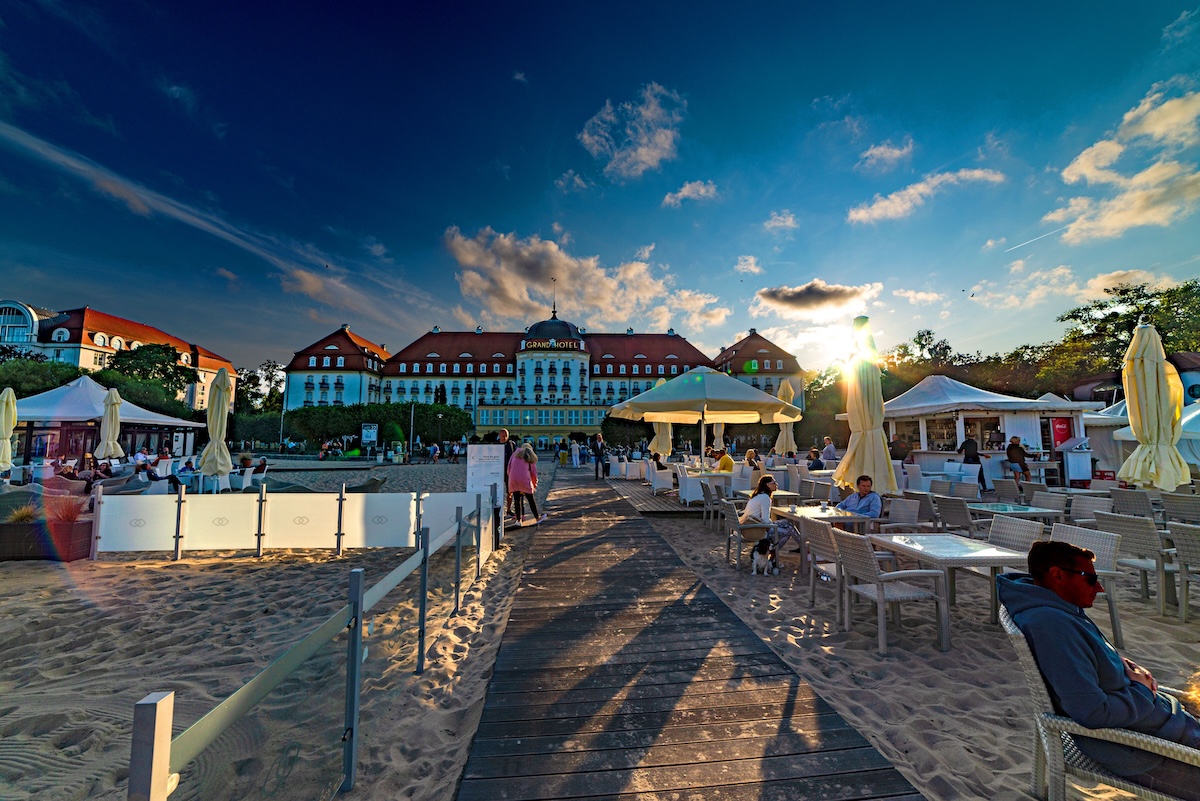
The Baltic Coast’s most storied hotel opened in 1927 on a stretch of Polish coastline that became one of interwar Europe’s most fashionable resort destinations. The white Art Nouveau building faces the longest wooden pier in Europe, and on clear days the sea views from the upper floors stretch across the Gulf of Gdańsk toward the Swedish horizon.
The hotel survived the Second World War and the subsequent Soviet era with its architectural bones intact, and the restoration that followed Polish independence brought the interwar glamour back with real commitment. Sopot’s summer music festival fills the surrounding resort town, and the Grand Hotel sits at the center of the whole operation with the composure of somewhere that has seen considerably more dramatic events than a music festival.
8. Pera Palace Hotel, Istanbul, Turkey
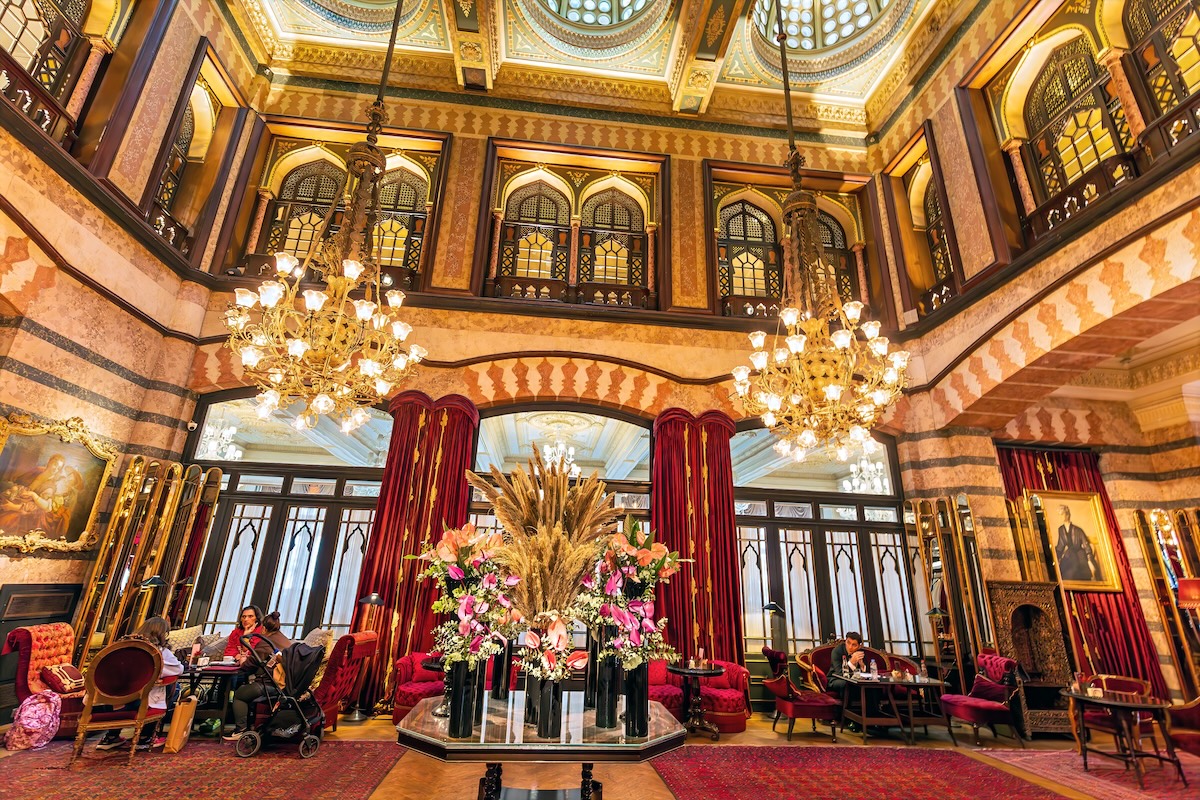
The Orient Express terminated in Istanbul, and the Pera Palace opened in 1895 specifically to receive its passengers after the journey from Paris. Agatha Christie stayed in room 411 repeatedly and reportedly wrote Murder on the Orient Express partly from that room, which the hotel preserved and now offers to guests who book it for exactly that reason.
Atatürk’s personal suite became a museum within the hotel, kept exactly as he left it. The bar downstairs serves some of Istanbul’s finest cocktails beneath ceilings that Austro-Hungarian architects designed for an era when arriving by train from Paris felt like an achievement worth celebrating at length.
7. Belmond Reid’s Palace, Madeira, Portugal
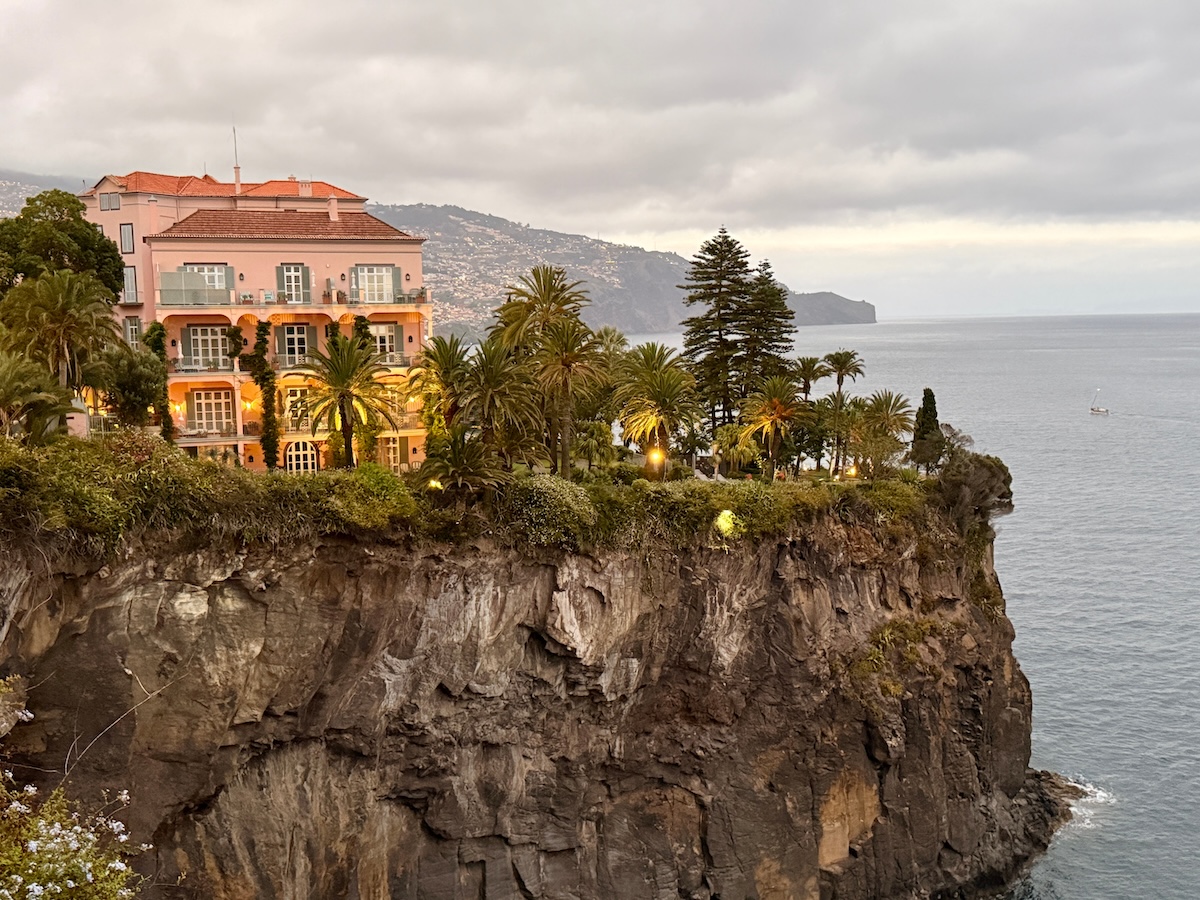
Winston Churchill came to Reid’s to paint and drink Madeira wine, which remains an excellent vacation template that the hotel’s clifftop position above Funchal makes very easy to follow. The 1891 building clings to a volcanic rock promontory with the Atlantic on three sides and subtropical gardens terracing down to swimming platforms cut directly into the lava below.
Afternoon tea at Reid’s operates as a Madeiran institution that local families and hotel guests share across the same ocean-view terrace. The Madeira wine list runs deep enough to justify a lesson or two, and Churchill worked through a significant portion of it during his stays here without it appearing to affect the painting quality.
6. Grandhotel Pupp, Karlovy Vary, Czech Republic
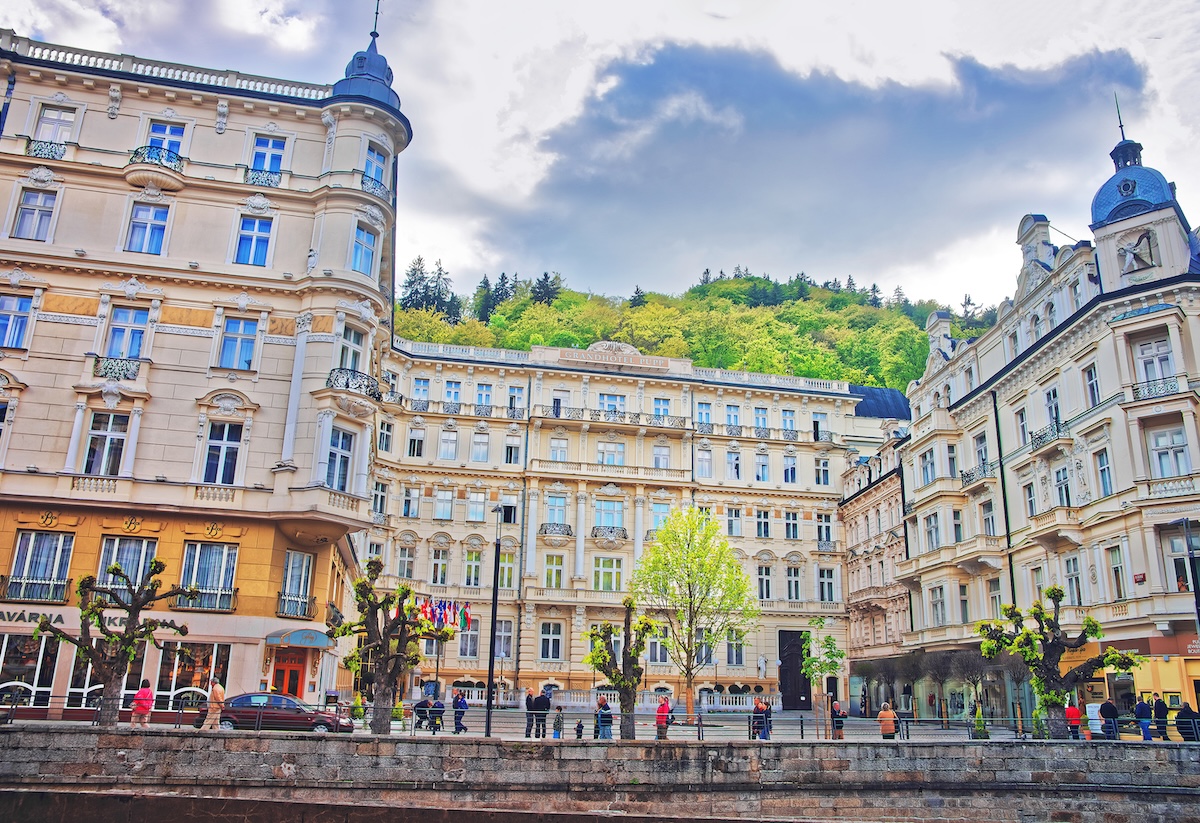
The Bohemian spa town of Karlovy Vary built its entire architectural identity around grand hotels, and the Pupp sits at the top of that hierarchy with a history stretching back to 1701. The current baroque building anchors the Tepla River promenade, where European aristocracy came to take the thermal waters and stay somewhere suitably grand while doing so.
The hotel stood in for Casino Royale Montenegro in the 2006 Bond film, which required almost no set dressing because the Pupp already looked exactly like the kind of place where fictional spies gamble fictional fortunes. The spa facilities tap the same thermal spring water that 18th-century guests traveled across Europe for, delivered now through considerably more sophisticated plumbing.
5. Villa d’Este, Lake Como, Italy
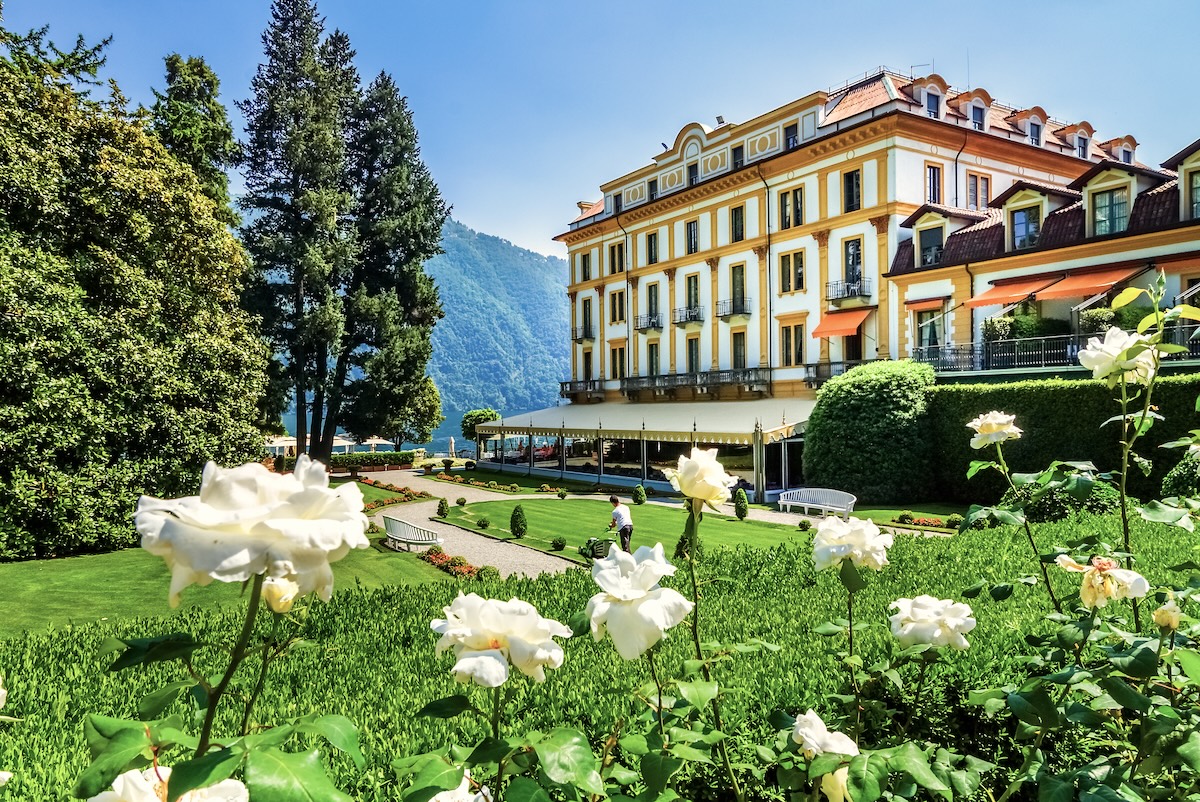
Cardinals, royalty, and eventually every significant European noble family passed through Villa d’Este between its construction in 1568 and its conversion to a hotel in 1873, leaving behind gardens, frescoes, and accumulated prestige. The floating swimming pool anchored in Lake Como, added in 1920, remains the best idea anyone had about the property and the hotel knows it.
The dining terrace sits directly above the lake with the surrounding mountains catching the late afternoon light in colors that kept European painters returning to Como for centuries. A boat from the hotel dock reaches Bellagio in minutes, though leaving the terrace requires more motivation than most guests have.
4. Hotel Negresco, Nice, France
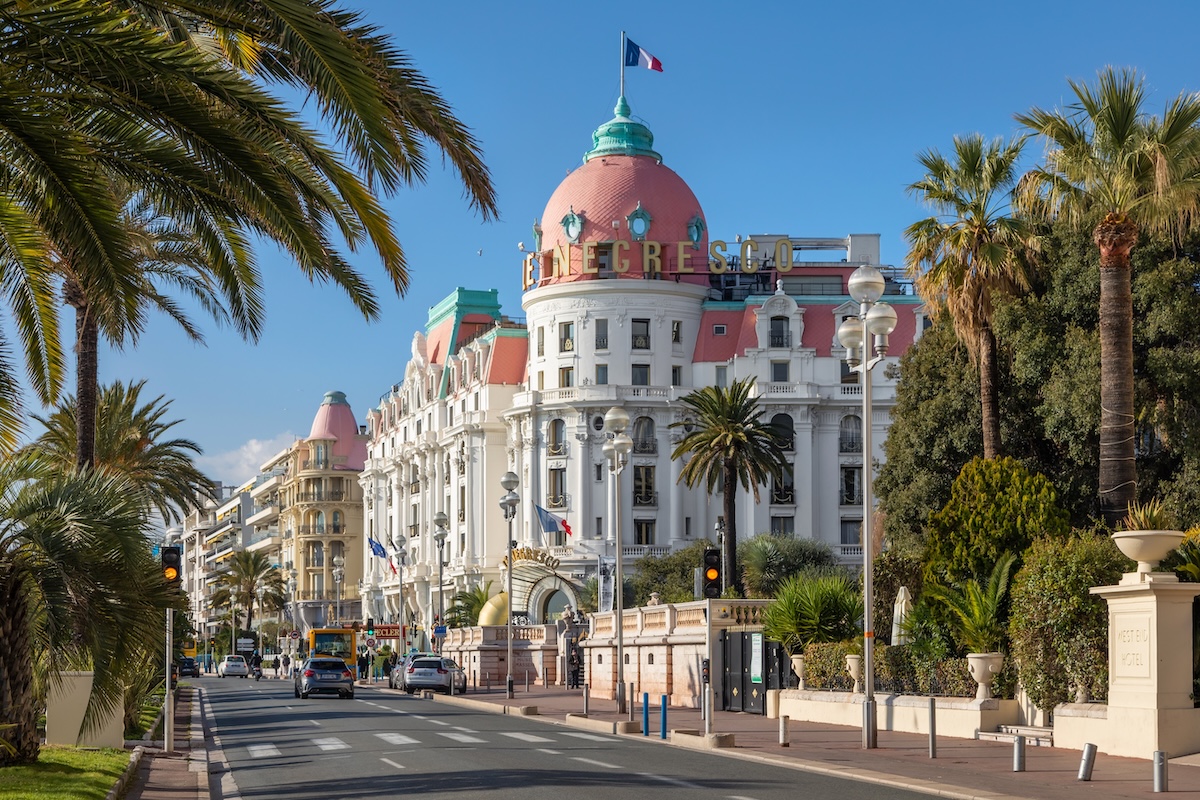
The Negresco’s pink dome above the Promenade des Anglais became a Nice landmark the moment the hotel opened in 1913, and owner Jeanne Augier spent her subsequent decades turning the interior into an art collection that Chagall, Niki de Saint Phalle, and Louis XIV salon’s worth of acquisitions now fill. The result sits somewhere between grand hotel and eccentric museum, and the balance works completely.
The Negresco stayed family-owned through the entire 20th century. That ownership explains the personal eccentricity running through every design decision, and no corporate hotel group would have permitted any of it, which makes the whole building much more interesting as a result.
3. Badrutt’s Palace Hotel, St. Moritz, Switzerland
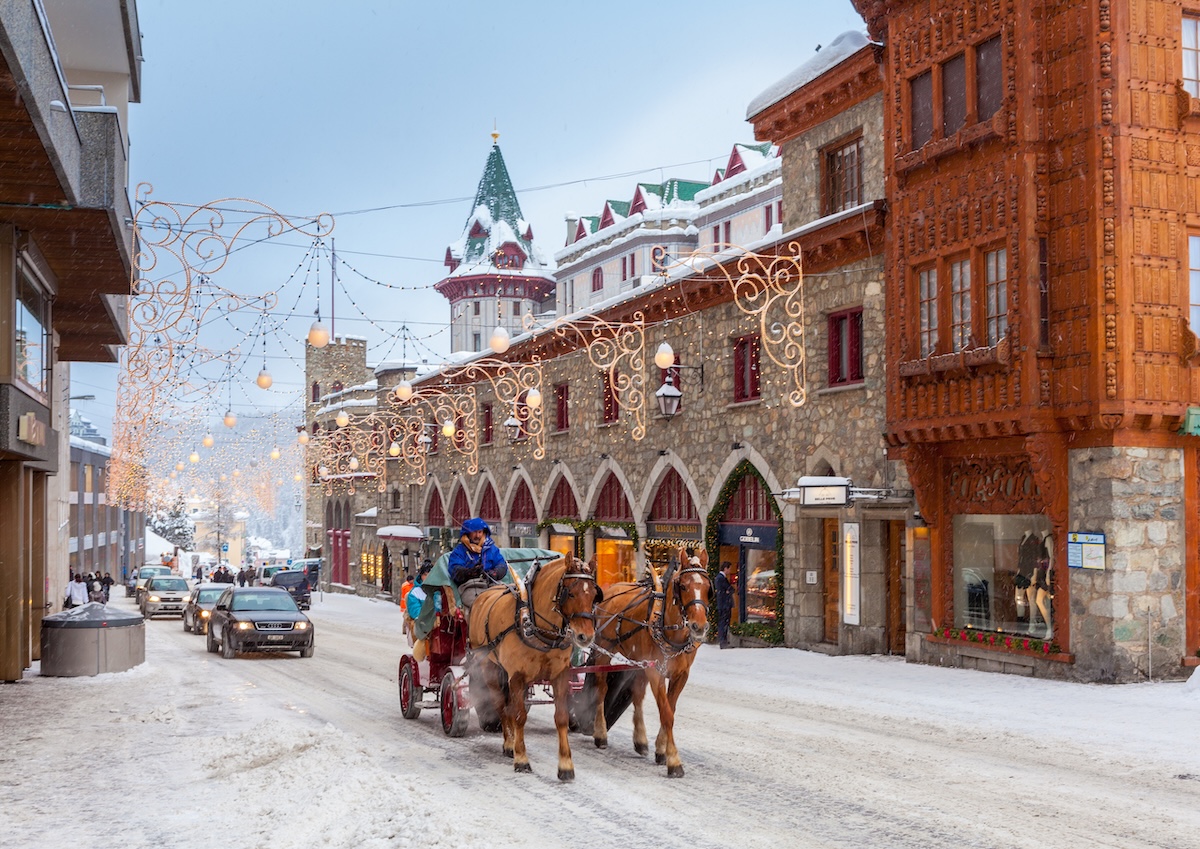
Johannes Badrutt reportedly bet British summer guests in 1864 that the Engadin valley’s winter sunshine would suit them, promising to refund their travel costs if they disagreed. They came, stayed through spring, and accidentally invented Alpine winter tourism in the process. The current Palace building opened in 1896 and the luxury ski resort hotel template it established spread across every subsequent mountain destination that wanted to take itself seriously.
The King’s Club basement nightclub ran as Europe’s highest-altitude celebrity social venue through the 1970s and 80s, and the hotel’s relationship with winter excess stayed consistent across every decade since Badrutt won that original bet on the weather.
2. Hotel Sacher Wien, Vienna, Austria
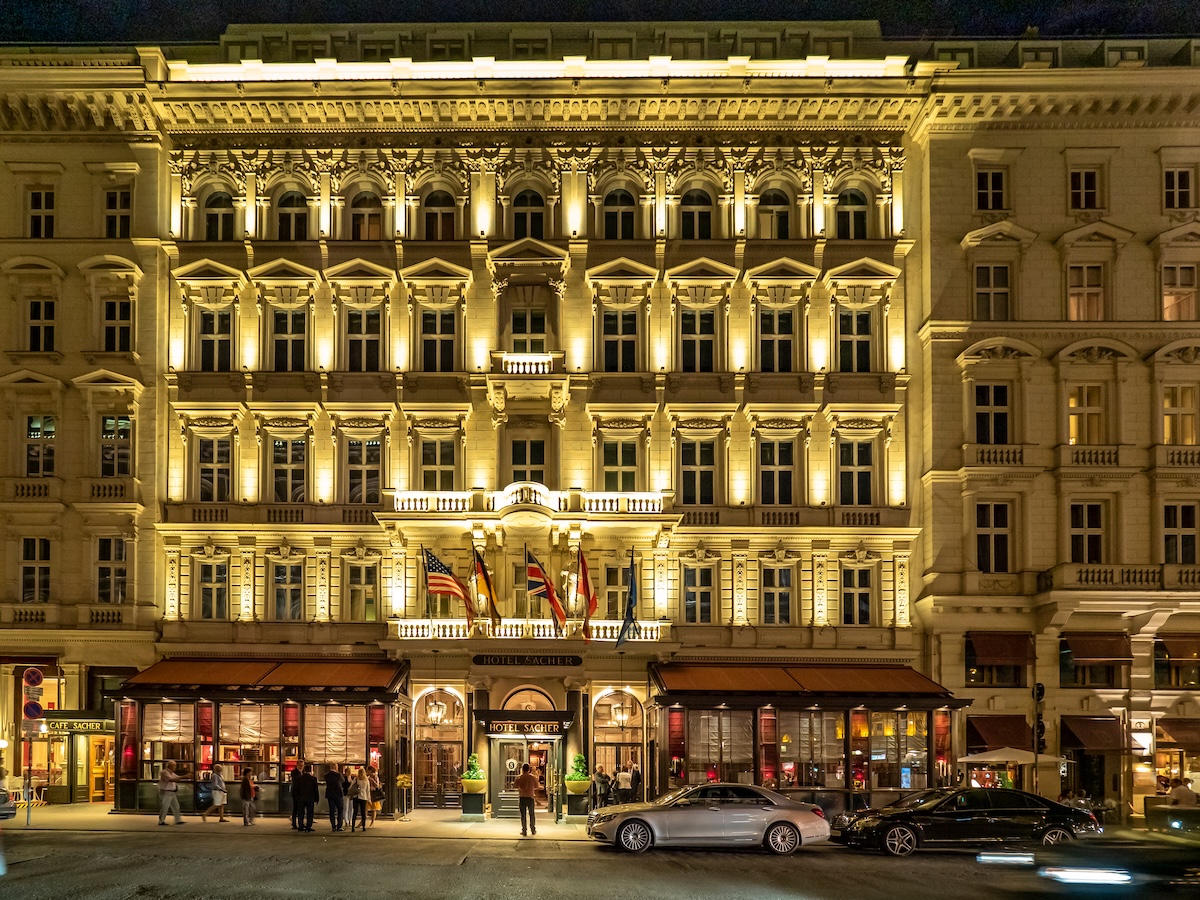
Franz Sacher invented the Sachertorte in 1832 and his son Eduard opened the hotel in 1876, setting up a chocolate cake legal dispute with the nearby Demel Konditorei that ran through the Austrian courts for seven years and ended in a compromise that both parties still consider a personal victory. The Sachertorte argument tells you everything about Vienna’s relationship with pastry, institutional pride, and the importance of getting dessert exactly right.
The hotel sits directly behind the Vienna State Opera, and the after-performance crowd fills the Red Bar and Café Sacher, giving the lobby a cultural energy most hotels spend significant budget on events programming trying to achieve. The Sacher gets it through geography and a very good chocolate cake.
1. The Gritti Palace, Venice, Italy
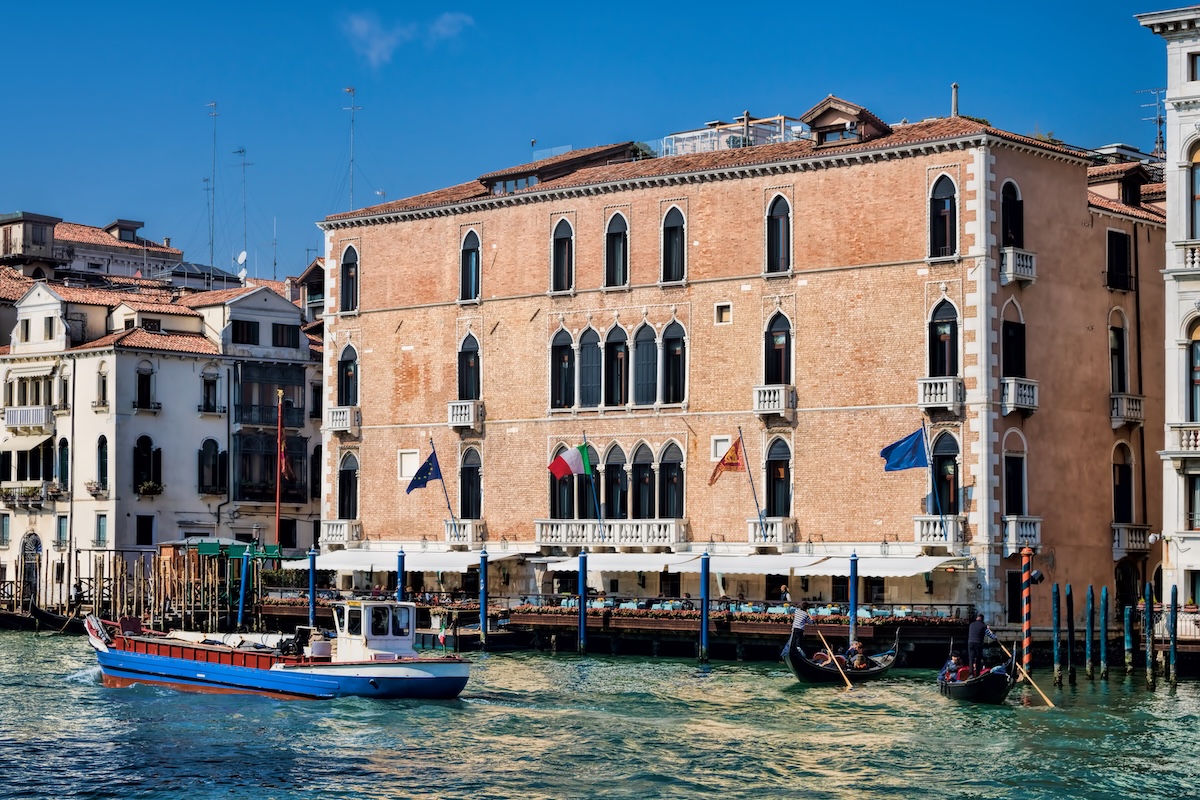
Ernest Hemingway drank in the bar, John Ruskin wrote about the Grand Canal view from the terrace, and Somerset Maugham called it his favorite hotel in the world. The building started as a 15th-century Doge’s palace, which set the architectural bar at a level that the subsequent hotel conversion had no choice but to respect.
The Grand Canal position puts water traffic, gondolas, and the Santa Maria della Salute church directly outside the windows. Venice floods, smells of the lagoon in summer, and crowds its streets beyond comfortable navigation. From the Gritti Palace terrace with a Bellini and a front-row seat to the canal, none of that registers as a problem worth solving.