
Every American region seems to have one crop or catch it refuses to stop talking about. Usually there’s a good reason. A town built its economy on a sweet onion, a stubborn tree, or a mudbug from the bayou, and at some point the locals decided the only fitting tribute was a weekend of parades, eating contests, and a crowned queen.
These festivals come with a hometown quality that big-city food events rarely match. Prices stay reasonable, the volunteers are often the growers themselves, and the food comes from fields you passed on the drive in.
If you want to taste a place at the exact moment it’s proudest of itself, a festival built around one local specialty is the most direct route. You’ll leave knowing what grows there, who grows it, and why they care so much.
Maine Lobster Festival, Rockland, Maine
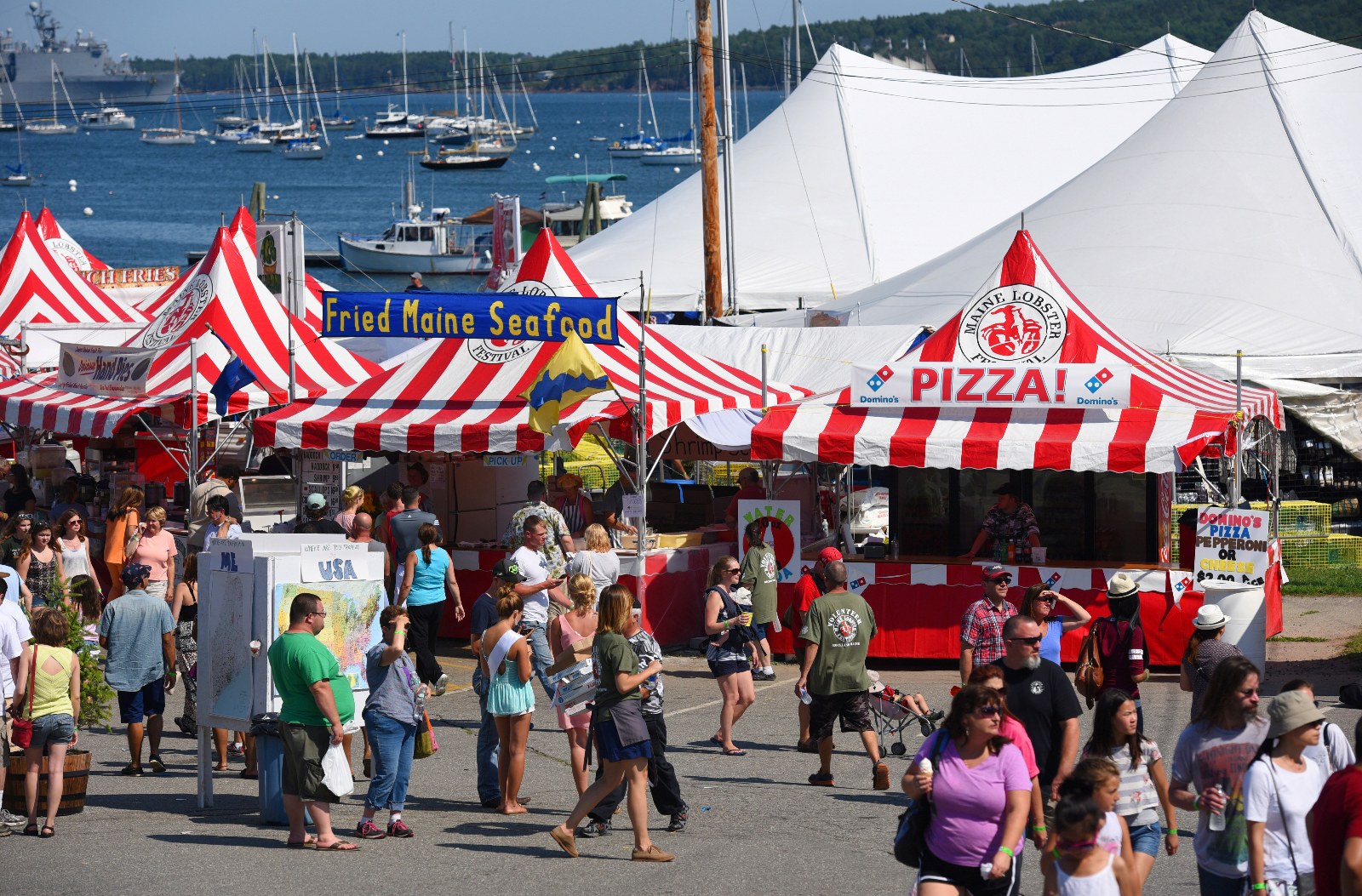
Rockland has been throwing this party in Harbor Park since 1947, and the centerpiece is a cooker the size of a small shed. Volunteers steam thousands of pounds of lobster over the festival’s run in early August, and the line for a plate moves with the efficiency of people who have done this for decades. You eat at long tables with the harbor right there, which is about as close to the source as a lobster dinner gets.
The event keeps plenty of small-town strangeness alongside the shellfish. A Maine Sea Goddess is crowned each year, and the International Crate Race has contestants sprinting across a line of floating lobster crates tied between two docks until they fall in. Most of them fall in fast. The record runs run into the thousands of crates, which tells you something about the stamina of coastal Mainers.
National Cherry Festival, Traverse City, Michigan
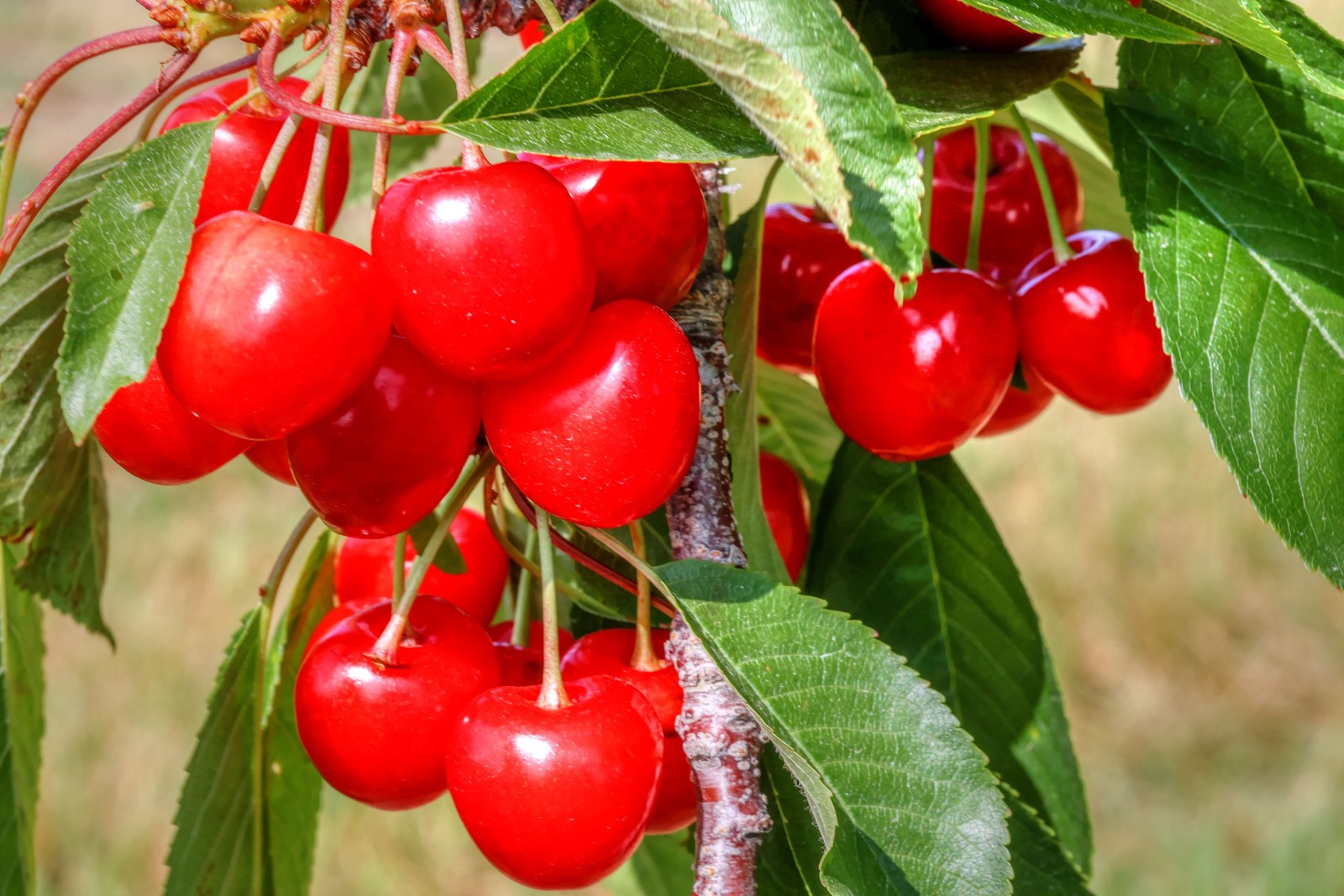
Michigan grows roughly three-quarters of the country’s tart cherries, and Traverse City sits at the center of that orchard country on Grand Traverse Bay. The festival grew out of a 1920s Blessing of the Blossoms ceremony and now fills a week in early July, timed to the harvest. You’ll find cherry pie, cherry salsa, cherry sausage, and cherry everything else at stands along the waterfront.
The pit-spitting contest draws the most loyal crowd, with serious competitors launching pits well past 50 feet. Air shows over the bay have featured military demonstration teams, and the open beach park gives you a front-row seat without paying for one. Plan to visit nearby farms on the Old Mission Peninsula for fresh-picked fruit, since that’s where the festival’s reason for existing grows in tidy rows above the water.
Hatch Chile Festival, Hatch, New Mexico
The Village of Hatch has about 1,600 residents and a name recognized in grocery stores across the country. Over Labor Day weekend, that tiny population swells with visitors who come for the green chile harvest from the Hatch Valley, a stretch of the Rio Grande where hot days and cool nights produce peppers with a distinctive earthy heat.
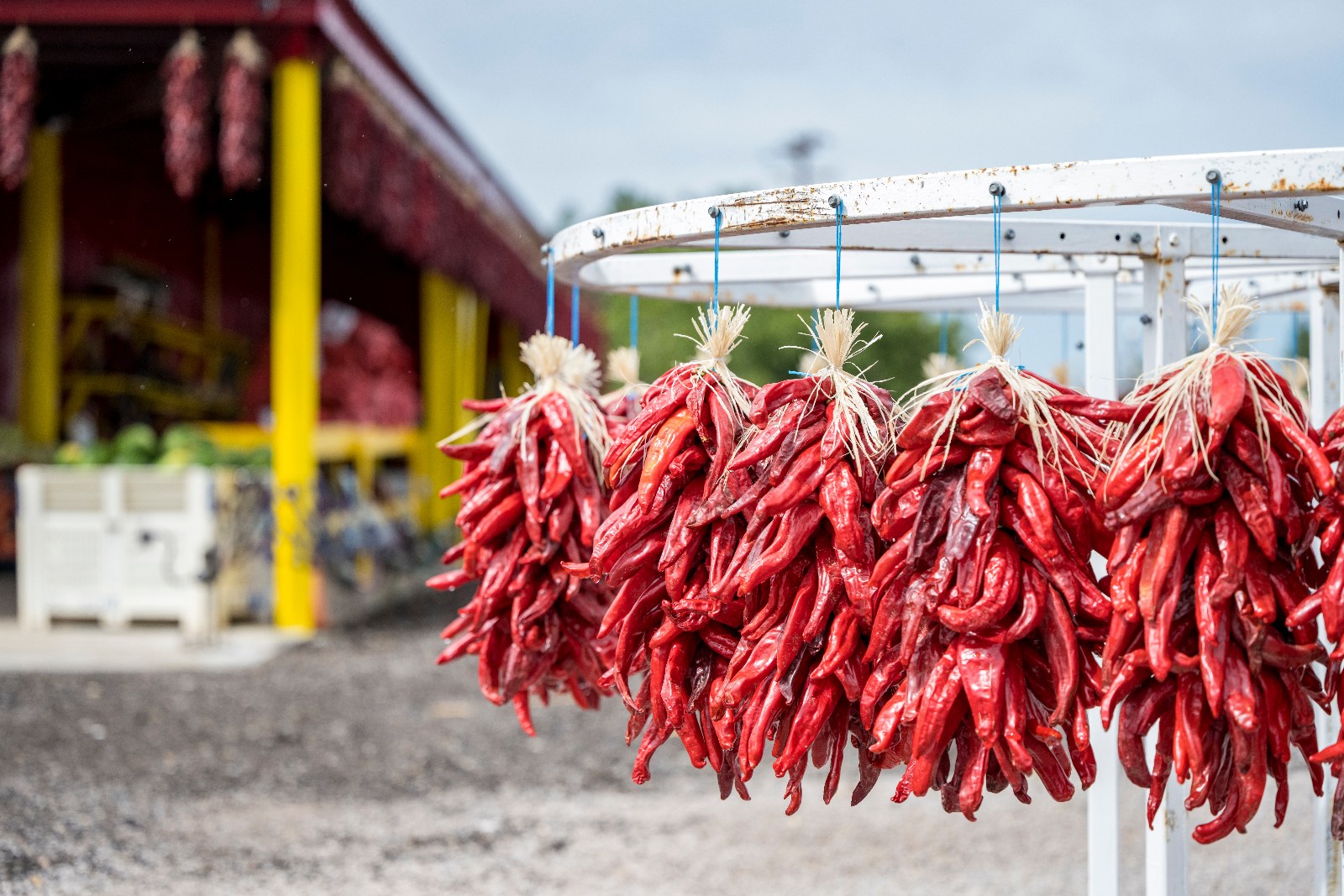
The smell hits you before you park. Rotating metal drums roast chiles over open flames all weekend, and many visitors leave with sacks of freshly roasted pods to freeze at home. Red chile ristras hang from booths, and a Chile Queen presides over the festivities. Bring a cooler. A 25-pound sack fits in most of them, and New Mexicans will tell you that’s a modest amount for one winter.
Vidalia Onion Festival, Vidalia, Georgia
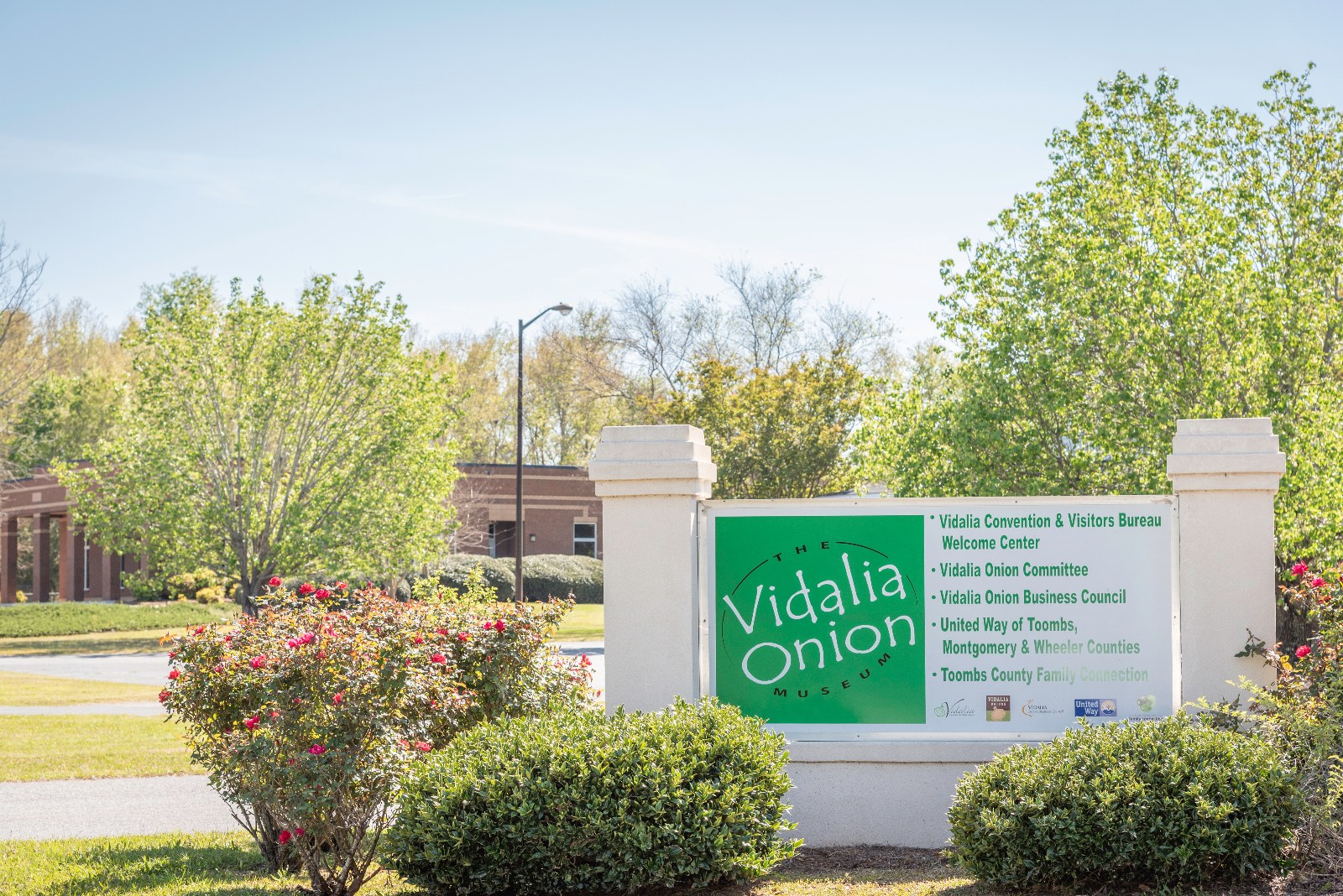
An onion you can bite like an apple sounds like a dare, and Vidalia has been proving it since the festival started in 1977. The sweetness comes from low-sulfur soil in a defined zone of southeast Georgia, and a 1986 state law restricts the Vidalia name to onions grown in 20 specific counties. The onion is also Georgia’s official state vegetable.
The festival lands in late April, right as the harvest begins, and runs on a mix of small-town staples: a parade, a rodeo, and cooking contests where onions anchor every recipe. The onion-eating contest is the event people talk about afterward, with contestants racing through raw bulbs while the crowd cheers. Fried onion rings and blooming onions fill the food stalls, and farm stands sell 10-pound bags for the trip home.
Vermont Maple Festival, St. Albans, Vermont
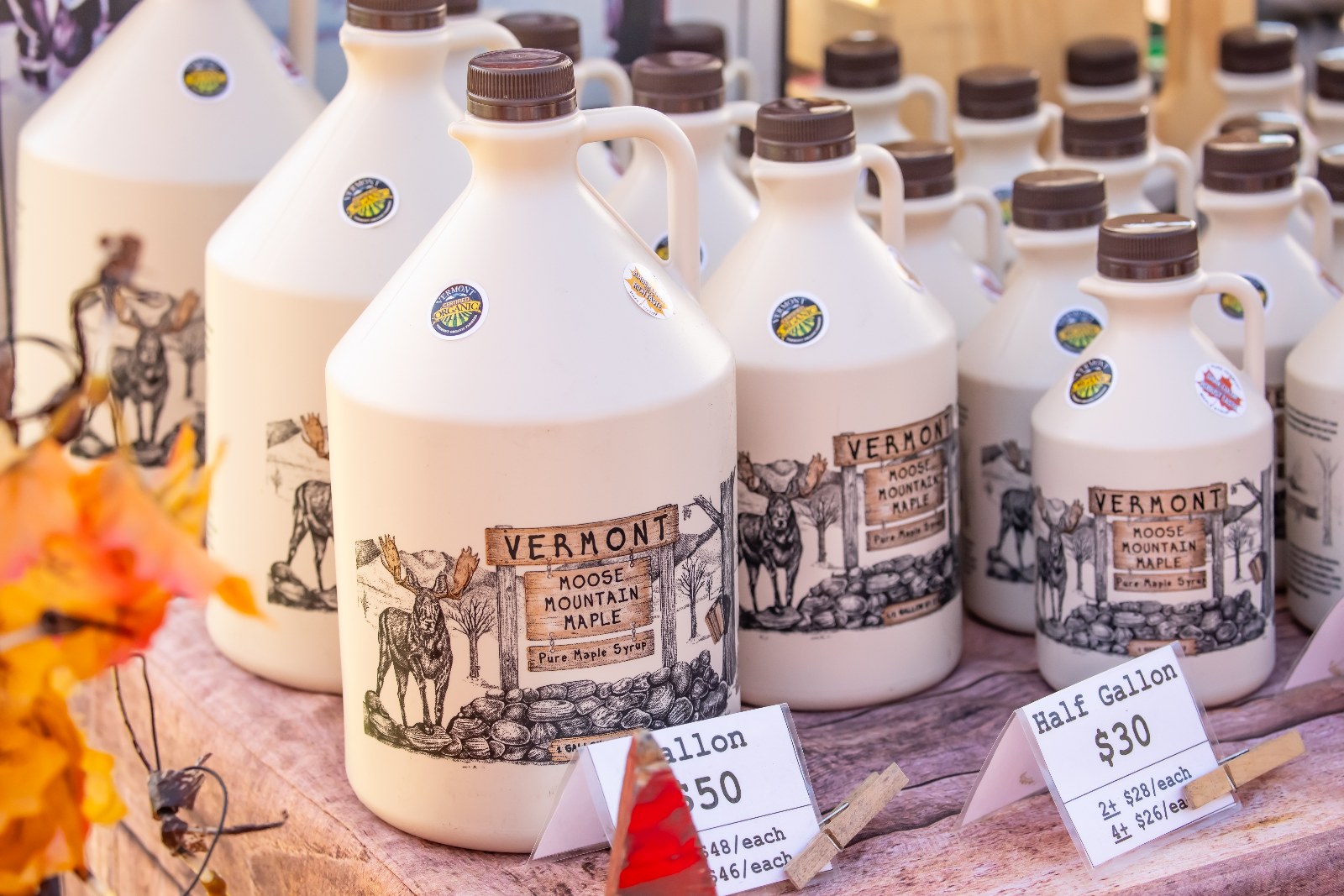
Franklin County taps more maple trees than almost anywhere in the country, so St. Albans makes a logical home for a festival dedicated to sap. The event has run every April since 1968, timed to the end of sugaring season, when producers can finally step away from their evaporators long enough to celebrate.
Sugar on snow is the treat you’re here for. Hot syrup gets poured over packed snow until it firms into chewy ribbons, traditionally served with a sour pickle and a plain doughnut to cut the sweetness. The exhibit hall showcases maple cream, candy, and syrup entered in grading competitions, and pancake breakfasts give you a reason to try several grades side by side. Sugarhouses around the county open their doors that weekend if you want to see the boiling process.
Florida Strawberry Festival, Plant City, Florida
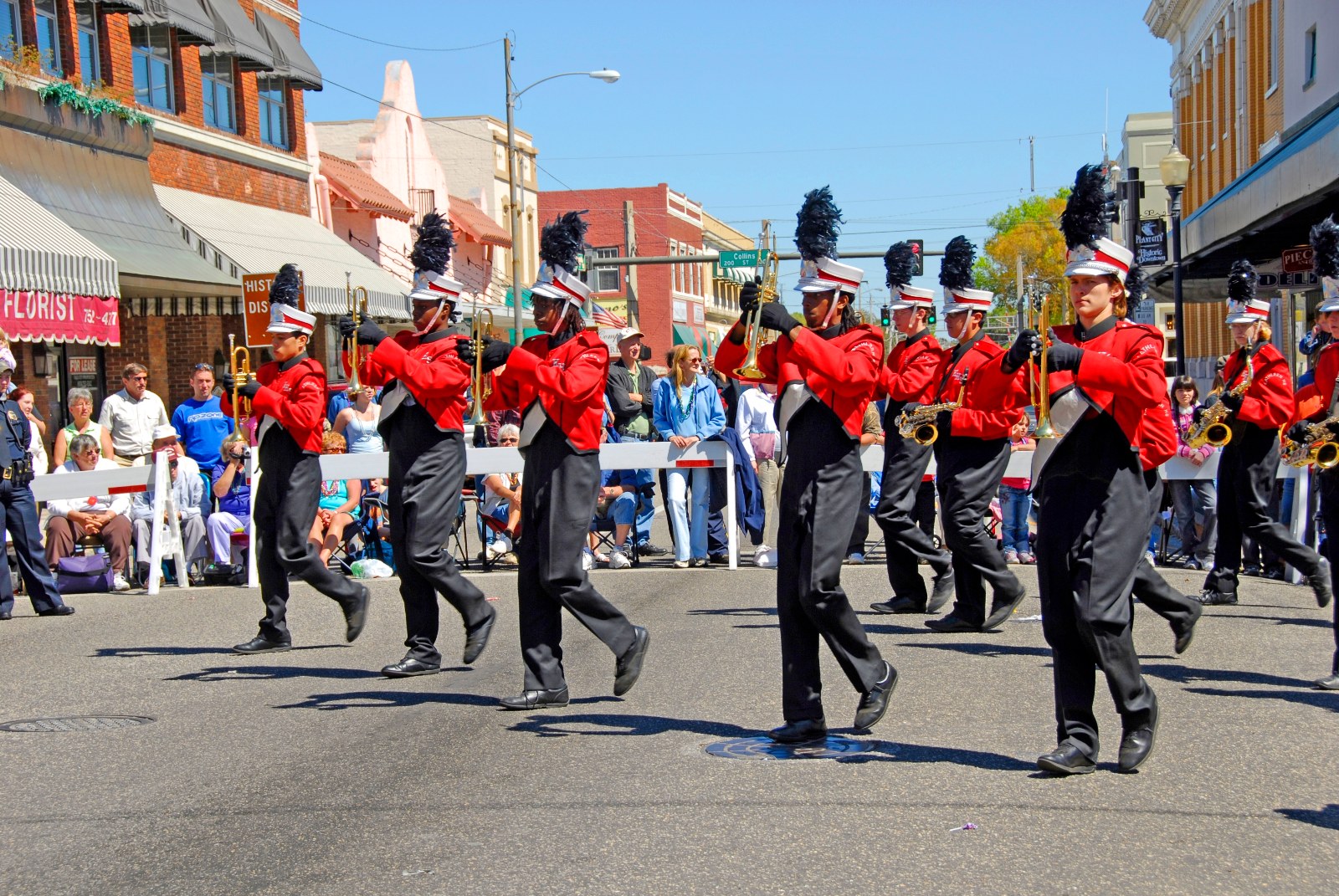
Plant City calls itself the Winter Strawberry Capital of the World, and the timing explains why: berries ripen here from December through March, when most of the country is frozen. The festival, held since 1930, runs 11 days in late February and early March and draws more than half a million visitors.
Scale sets this one apart. Beyond the shortcake stands and berry-laden milkshakes, you get a full midway, livestock shows, and a headliner concert stage that books well-known country and classic rock acts for most nights of the run. The strawberry shortcake from local church groups and civic clubs is a tradition many visitors line up for first. Buy flats of fresh berries from vendors on your way out, because they rarely taste this good after a long truck ride north.
National Peanut Festival, Dothan, Alabama
Dothan claims that a large share of the nation’s peanuts grow within 100 miles of town, and you’ll see the pride everywhere, including decorated peanut statues scattered around the streets. The festival began in 1938, and George Washington Carver, whose peanut research reshaped Southern agriculture, spoke at the first one.
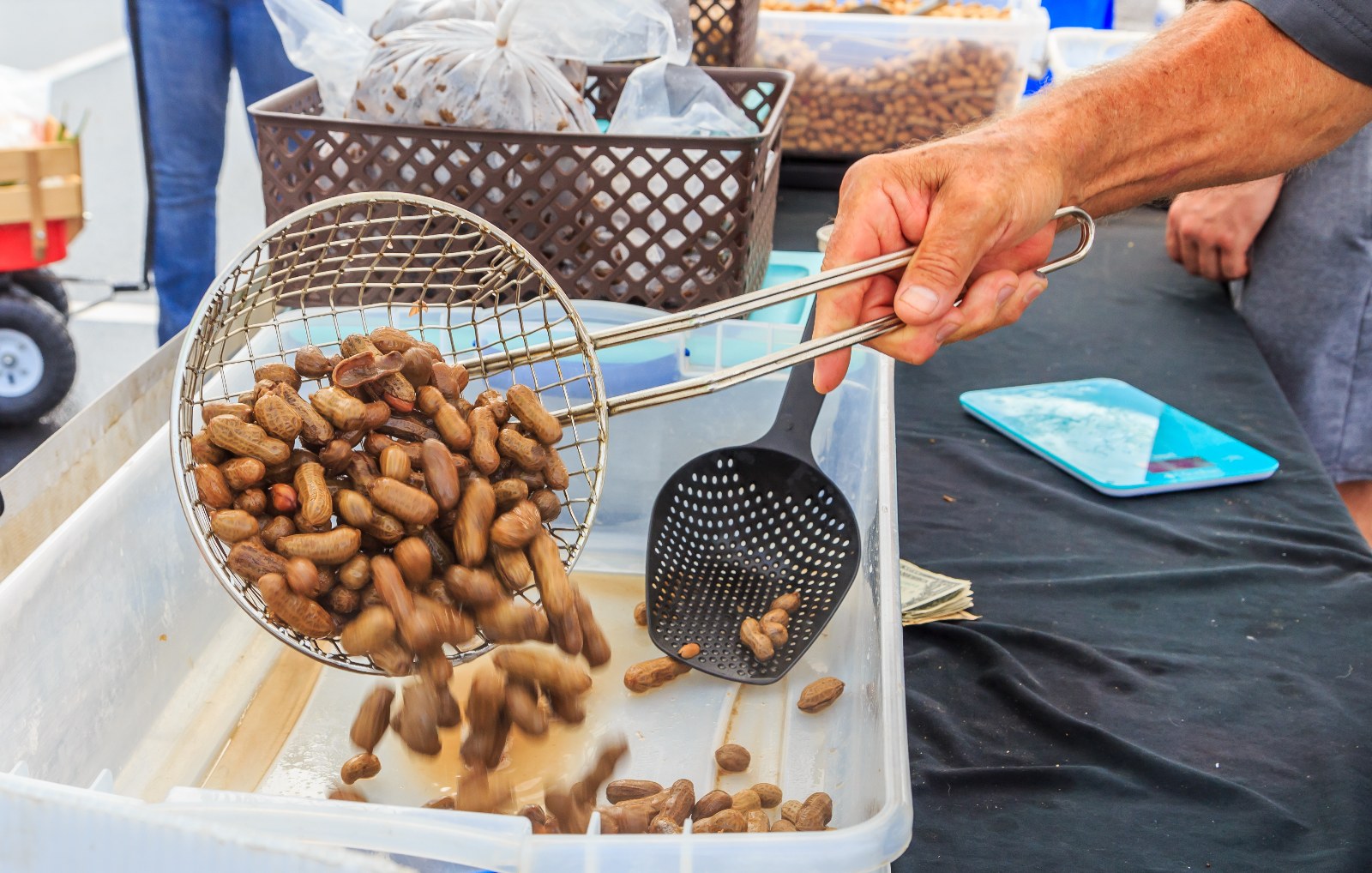
The modern event runs about 10 days each November, after harvest wraps up, and functions like a full county fair with a single-minded theme. Expect boiled peanuts served hot and salty, a parade, livestock exhibits, and a pageant crowning Little Miss and Miss National Peanut Festival. If you’ve only had roasted peanuts from a jar, the boiled version is worth the trip on its own: soft, briny, and eaten by the paper bag.
Artichoke Festival, Monterey County, California
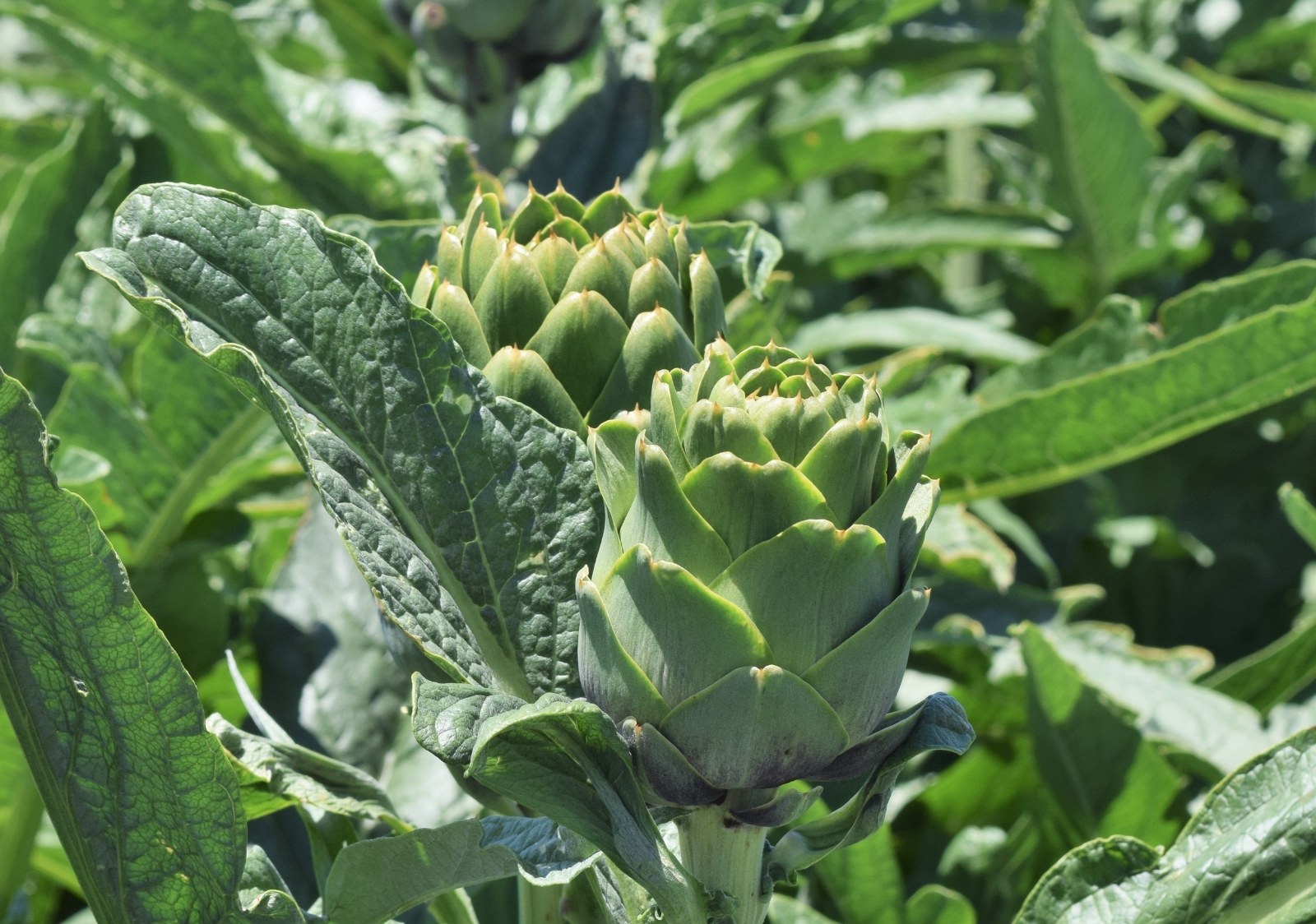
Castroville, the self-declared Artichoke Center of the World, crowned its first Artichoke Queen in 1948, and the young woman wearing the sash was Norma Jeane Baker, soon to be Marilyn Monroe. The festival itself followed in 1959 and has since used venues around Monterey County, including the county fairgrounds.
Most of the country’s commercial artichokes grow in the fog-cooled fields around Castroville, where the marine layer suits the thistle perfectly. At the festival you can try them fried, grilled, marinated, and folded into soups, plus watch the agro-art competition, where entrants build sculptures out of vegetables. Before you leave, stop at the giant artichoke statue on Castroville’s Merritt Street, a roadside landmark that has been posing for photos since the 1960s.
Kona Coffee Cultural Festival, Kailua-Kona, Hawaii
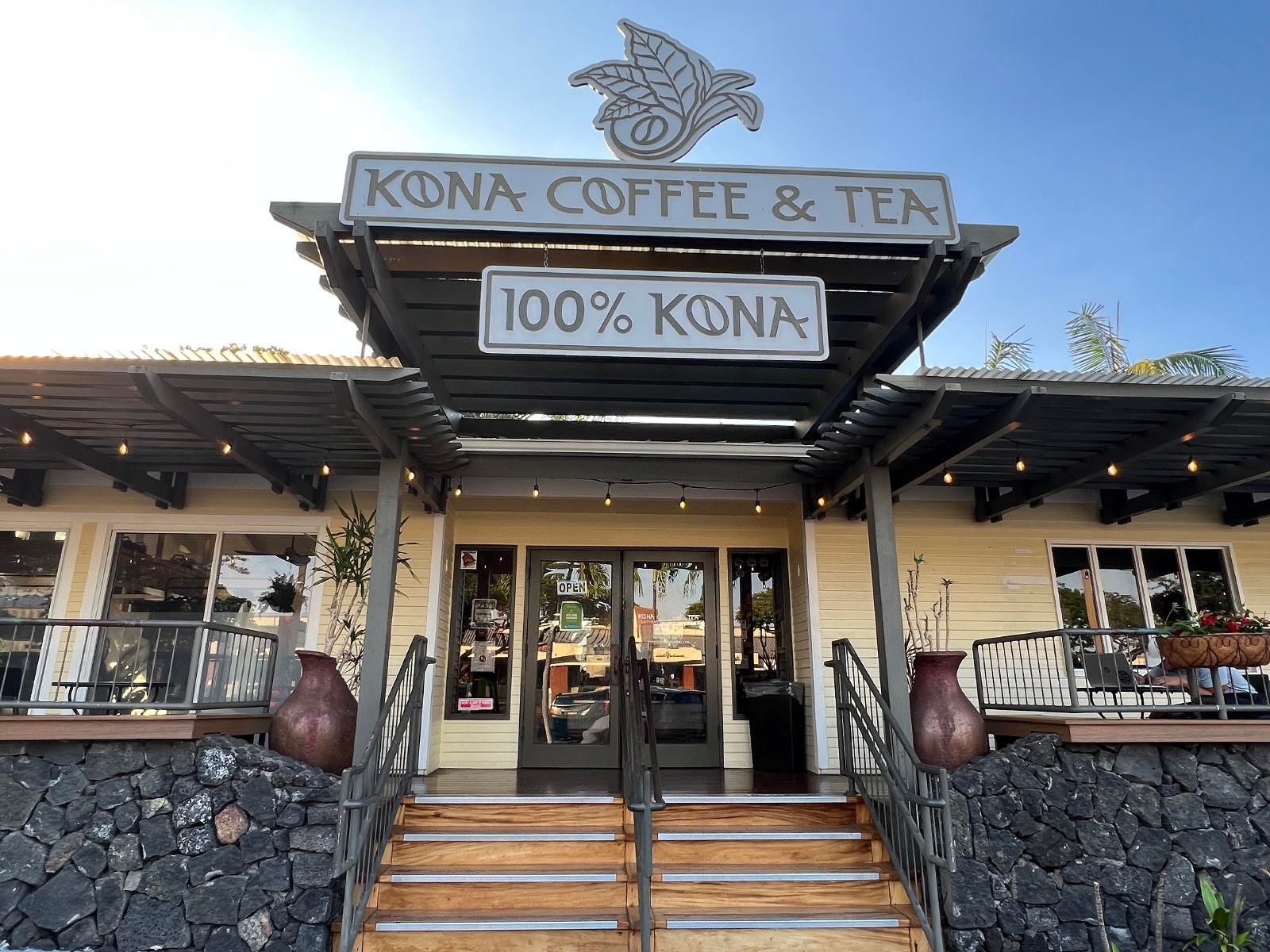
Hawaii’s oldest food festival started in 1970 and celebrates a crop grown in a narrow belt on the slopes of Hualalai and Mauna Loa, where afternoon clouds shade the trees. Kona coffee commands premium prices partly because the growing area is so small, and many farms here are family operations of only a few acres.
The festival spans about 10 days in November, during peak harvest. The cupping competition is the serious event, with judges tasting entries blind to rank the season’s best beans. You’ll also find farm tours, a lantern parade, a Miss Kona Coffee pageant, and pageantry rooted in the Japanese, Filipino, and Native Hawaiian families who built the industry. Visit a farm during the run and you’ll see ripe red cherries picked by hand on steep hillsides.
North Carolina Pickle Festival, Mount Olive, North Carolina
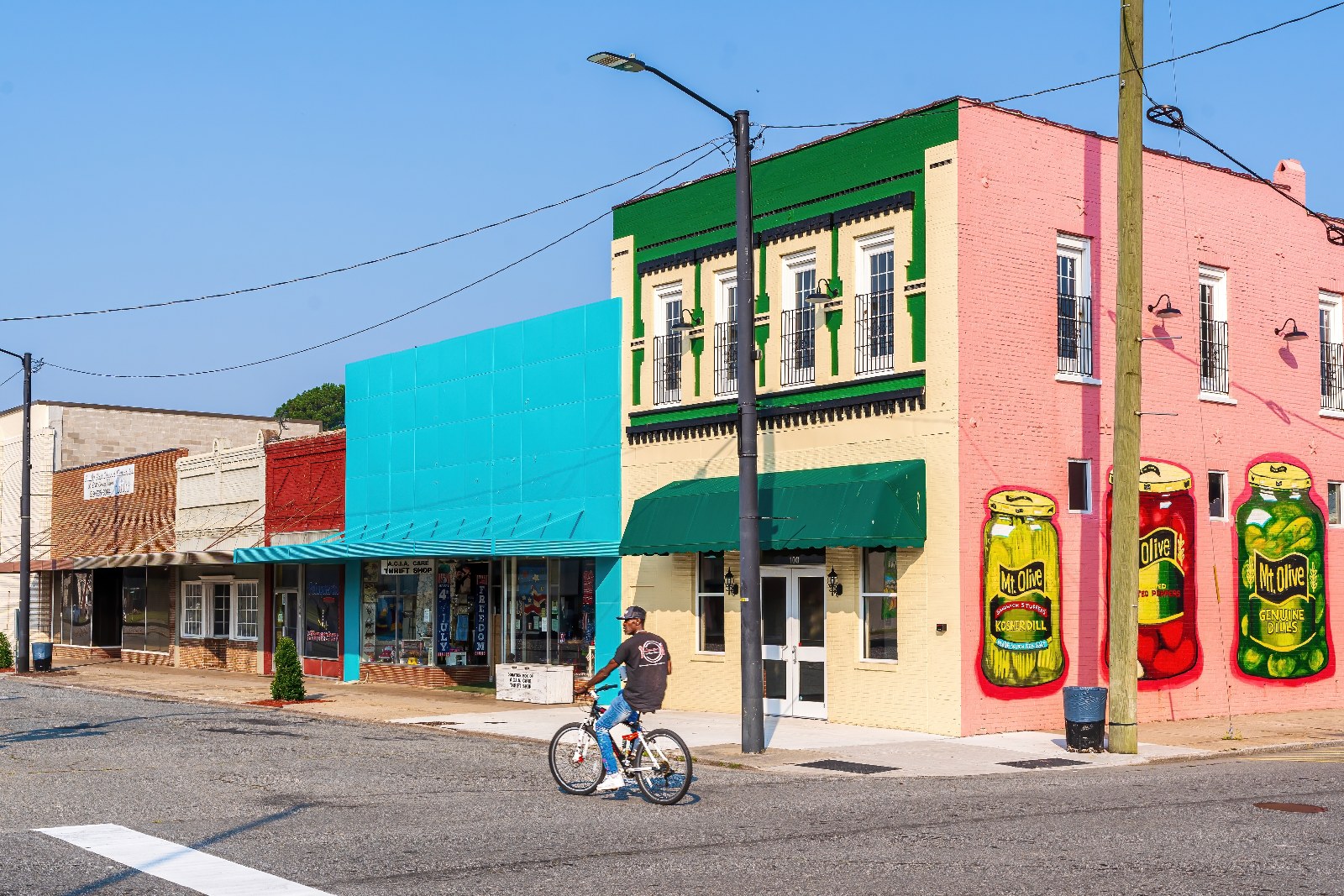
Mount Olive is home to the Mt. Olive Pickle Company, one of the largest pickle makers in the country, and the town embraced the association long ago. The festival began in 1987 and fills a late-April weekend with pickle tastings, pickle-themed contests, and a downtown street party.
Free samples flow from the company, and you can try varieties from sweet bread-and-butter chips to spicy spears. Kids enjoy rides and games, while adults browse crafts and live bluegrass and beach music. Mount Olive’s pickle devotion extends beyond spring, too. The town lowers a giant lighted pickle into a pickle-tank on New Year’s Eve, at 7 p.m., which corresponds to midnight Greenwich Mean Time, so locals can be in bed at a reasonable hour.
Warrens Cranberry Festival, Warrens, Wisconsin
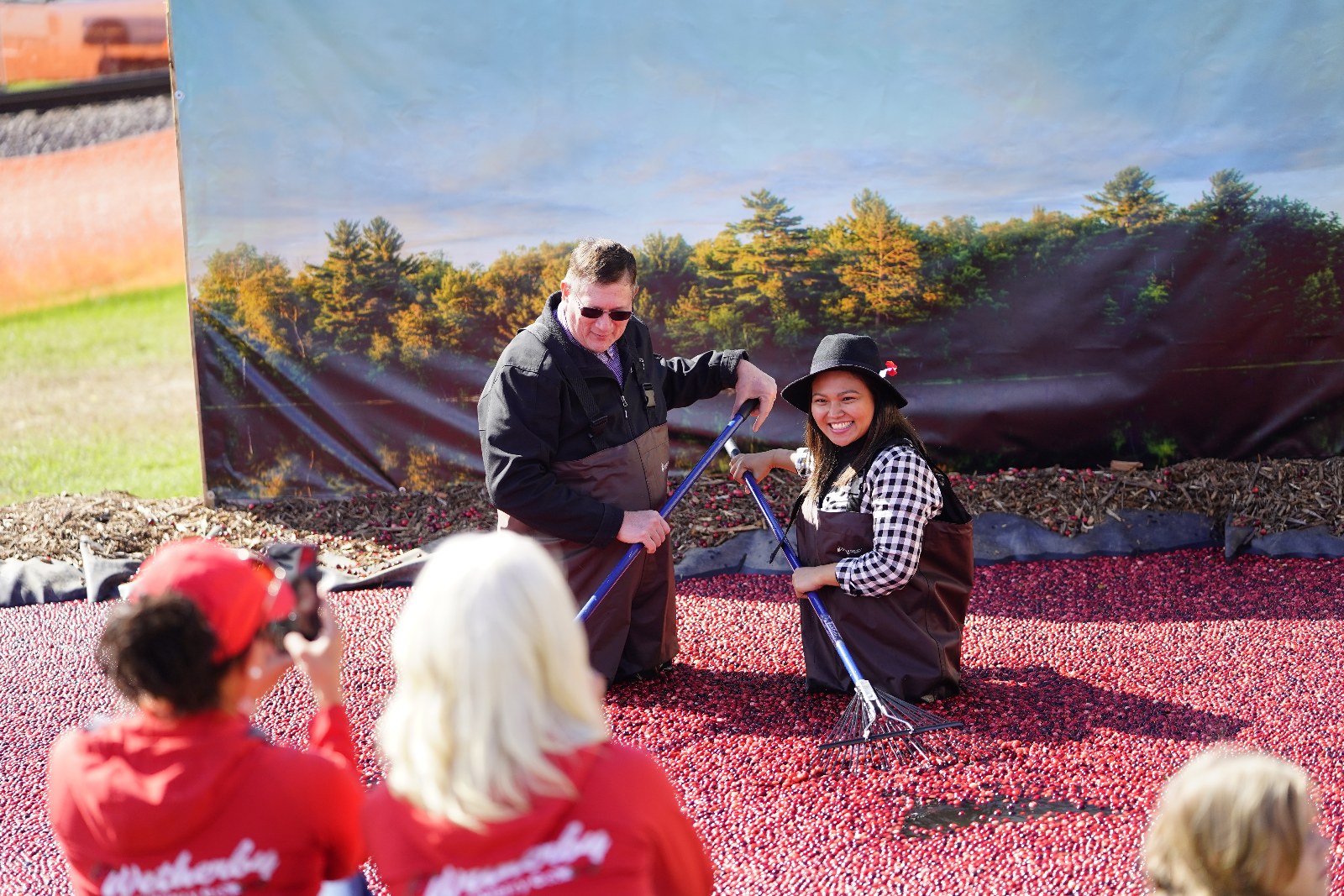
Wisconsin grows more than half of America’s cranberries, and Warrens, a village of a few hundred residents, hosts the celebration. Over one weekend in late September, crowds in the six figures descend on a town that normally fits inside a single high school gym.
Most of them come for the market, which ranks among the largest of its kind in the Midwest, with hundreds of vendors selling antiques, crafts, and flea-market finds across a sprawling grid. Cranberry treats dominate the food lineup, from cream puffs to brats. The best detail is the marsh tours, which take you out to the bogs during harvest, when growers flood the fields and floating berries turn the water a vivid crimson.
Breaux Bridge Crawfish Festival, Breaux Bridge, Louisiana
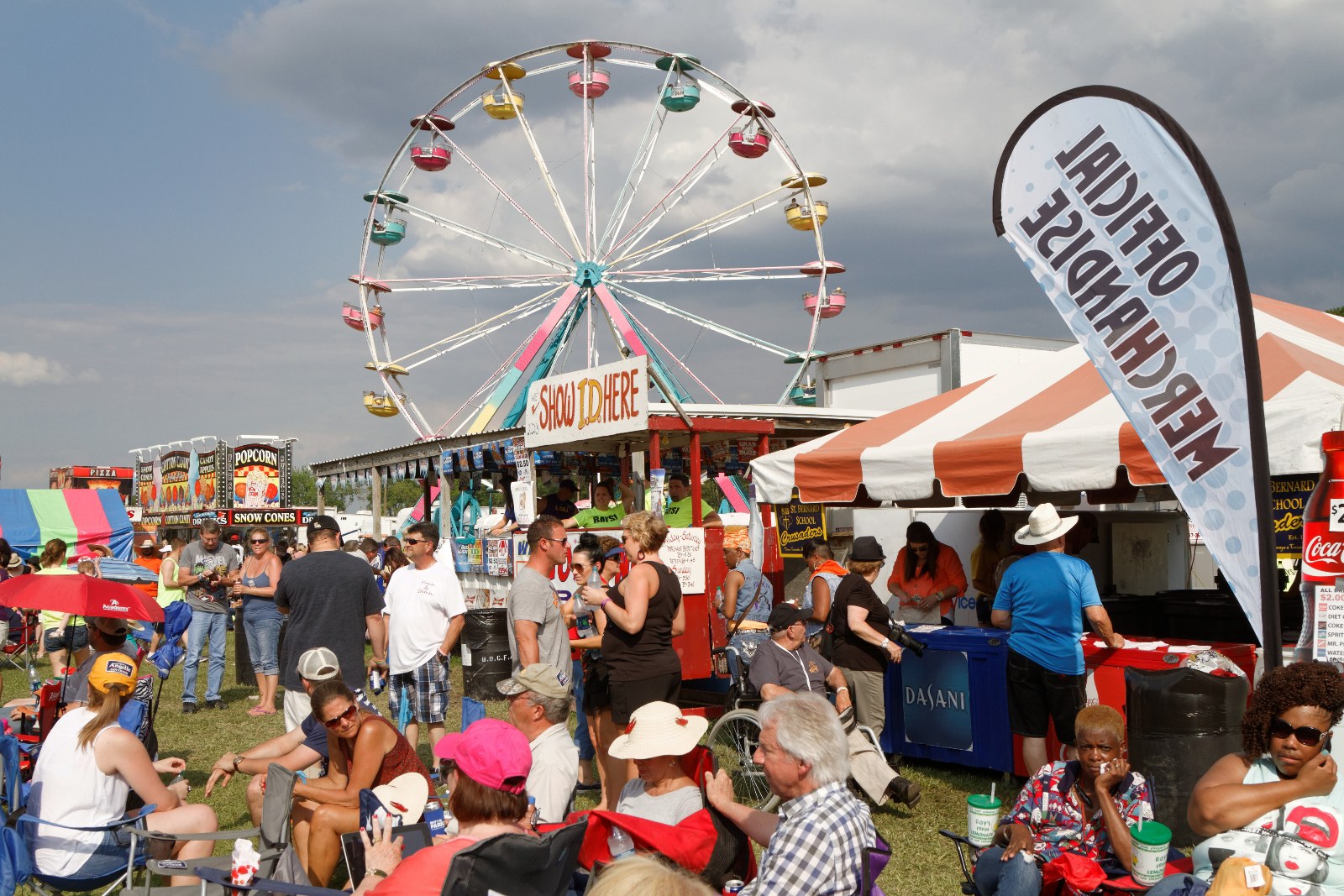
The Louisiana Legislature named Breaux Bridge the Crawfish Capital of the World in 1959, and the festival followed a year later. It takes over the first full weekend in May, when crawfish season peaks and the town’s Cajun heritage plays out on several stages at once.
Music is half the reason to go. Cajun and zydeco bands keep dance floors packed under the tents, and couples two-step at every age. On the food side, you’ll find boiled crawfish by the pound, étouffée, crawfish pies, and boudin. The crawfish-eating contest rewards whoever peels and swallows fastest, and the crawfish races feature small competitors scrambling across a circular board toward the outer ring. Bring cash and patience, since parking fills fast.
Georgia Peach Festival, Fort Valley and Byron, Georgia
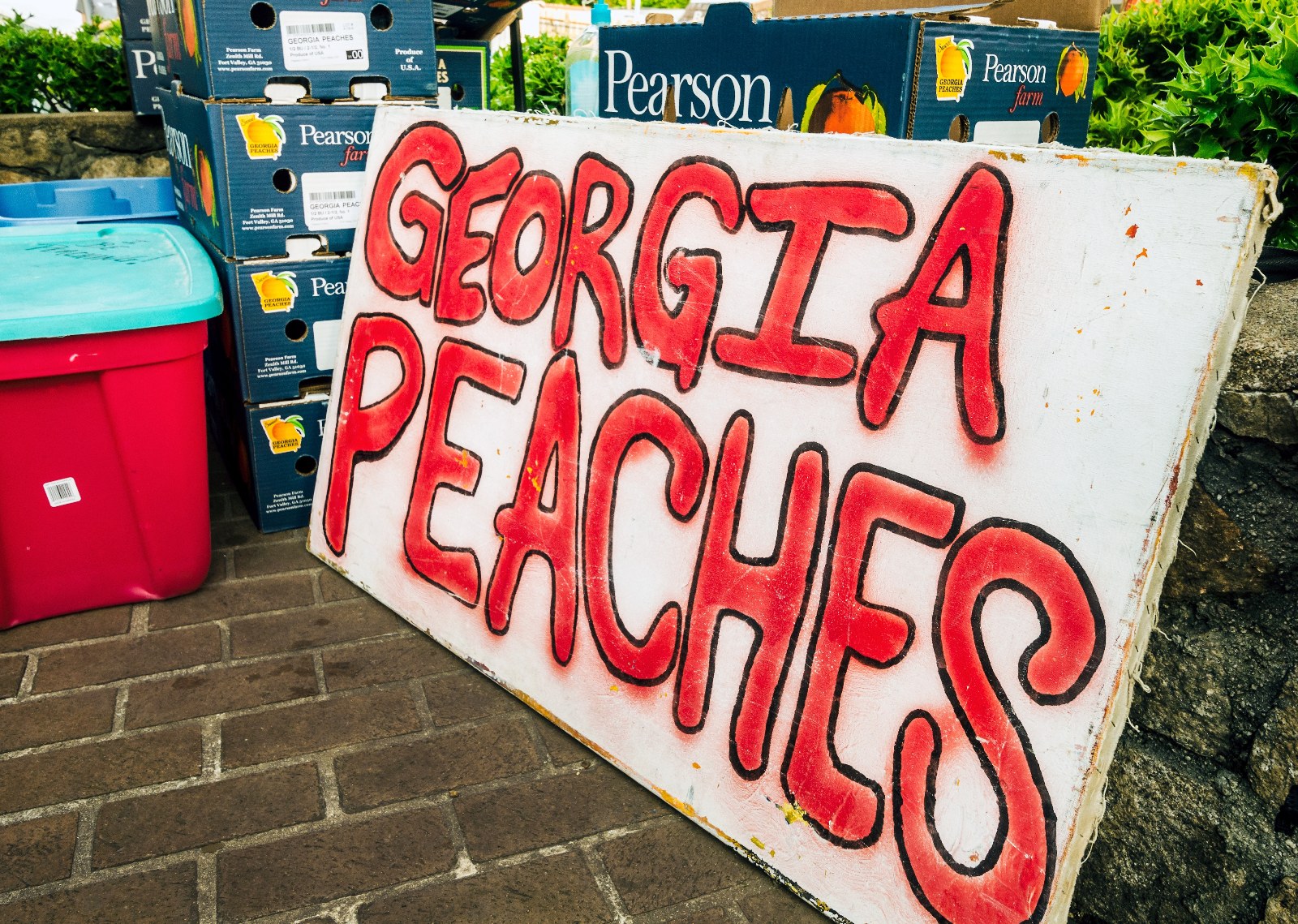
Georgia wears the Peach State title proudly, even though California grows more peaches. Nobody in Peach County seems bothered. The modern festival dates to 1986, split between neighboring Fort Valley and Byron, and it runs in June as the harvest hits its stride.
The signature event is the world’s largest peach cobbler, baked in a custom pan measuring about 11 by 5 feet and served free to the crowd. Expect a parade, fireworks, and plenty of homemade peach ice cream. Lane Southern Orchards and Pearson Farm, both near Fort Valley, sell fresh fruit straight from packing sheds, and the drive between towns runs past orchards where the trees hang heavy in early summer.
International Rice Festival, Crowley, Louisiana
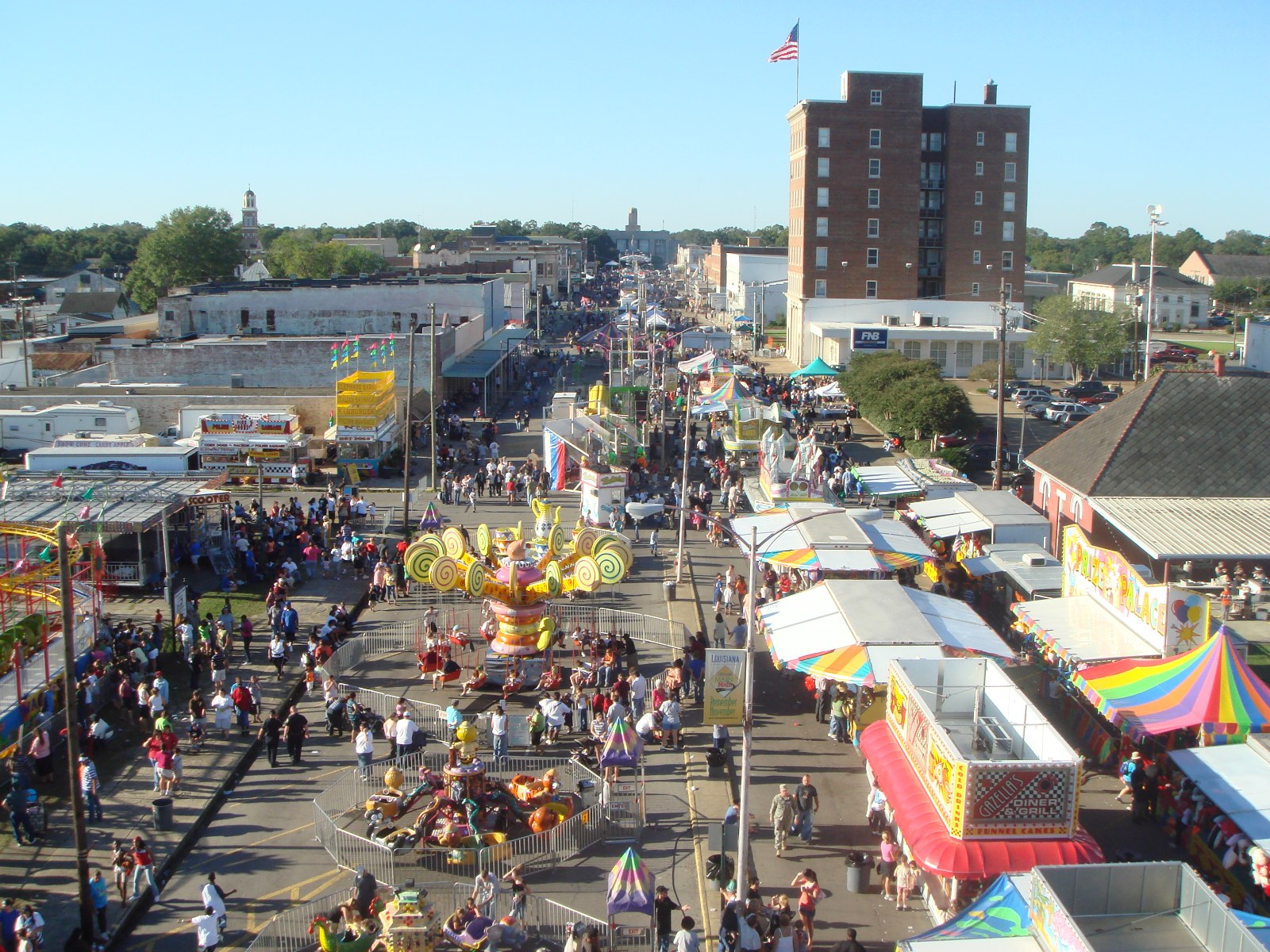
Crowley calls itself the Rice Capital of America, and its festival, started in 1937, ranks among the oldest agricultural events in Louisiana. The town grew up around rice mills, and the flooded fields surrounding it still supply the mills that keep the economy humming.
The festival takes place in October over a weekend packed with parades, an accordion contest, and Cajun music. The rice-cooking contest sees entrants turn out jambalaya, rice dressing, and boudin, which shows how much of South Louisiana cooking depends on a steady supply of the grain. A rice-eating contest keeps the competitive spirit alive. Crowley’s historic downtown hosts much of the action, and a short drive leads to Rayne and other towns that are just as loyal to their own local specialties.
National Buffalo Wing Festival, Buffalo, New York
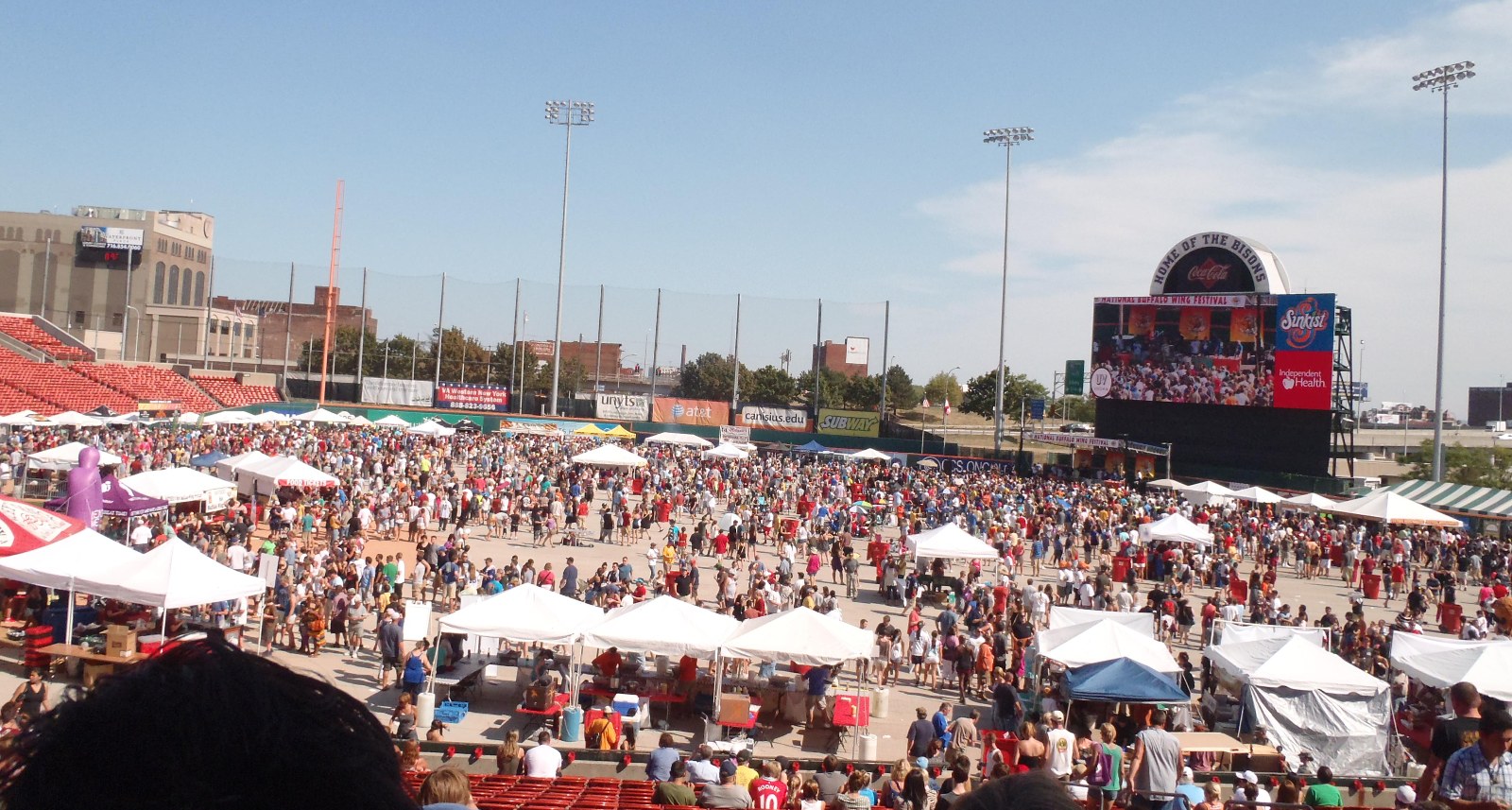
A movie line started this festival. In the 2001 film Osmosis Jones, Bill Murray’s character dreams of attending the National Buffalo Wing Festival, and local promoter Drew Cerza noticed that no such thing existed. The first one followed in 2002, and Cerza became known as the Wing King.
The festival runs over Labor Day weekend at Buffalo’s downtown ballpark, with restaurants from around the country serving their takes on the dish that the Anchor Bar is credited with inventing in 1964. Contests crown the best traditional and creative wings, and the eating competition draws professional speed eaters. Pace yourself, since vendors sell wings by the ticket and samples add up quickly. Blue cheese wins over ranch among locals, and you’ll hear that argument repeatedly.
Hope Watermelon Festival, Hope, Arkansas
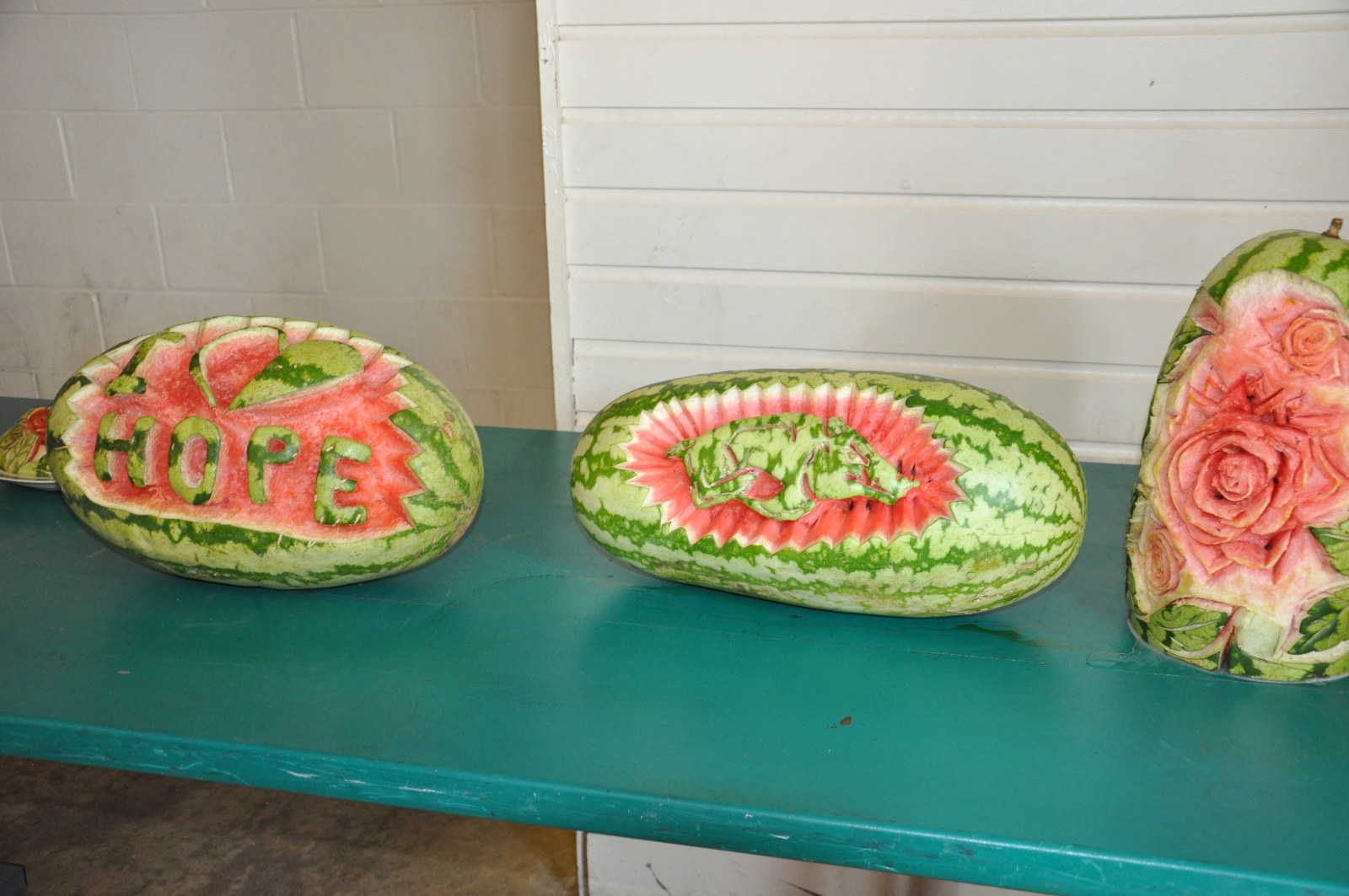
Hope grows some of the largest watermelons in the world, with local farmers producing melons that top 200 pounds. The festival dates back to the 1920s, went dormant for decades, and returned in 1977. It now runs in August at Fair Park, when the melons reach their peak.
The giant melon displays are the main attraction, but the festival keeps plenty of hands-on fun: seed-spitting contests, watermelon-eating competitions, and arts and crafts booths in the shade. Hope is also the birthplace of Bill Clinton, and his childhood home is a short drive from the festival grounds if you want a side trip. Expect August heat that makes a cold slice taste even better.