
America’s island count runs well into the thousands, and the vast majority never appear on anyone’s travel itinerary. The famous ones absorb all the attention while the rest sit in bays, lakes, and coastal waters, being entirely themselves, largely undisturbed. Getting to the ones on this list is part of the experience, whether that means a two-hour ferry, a small plane, or a mail boat that runs on its own schedule and doesn’t particularly care about yours.
The islands here have very little in common beyond being overlooked. All of them are worth the extra logistics.
12. Tangier Island, Virginia
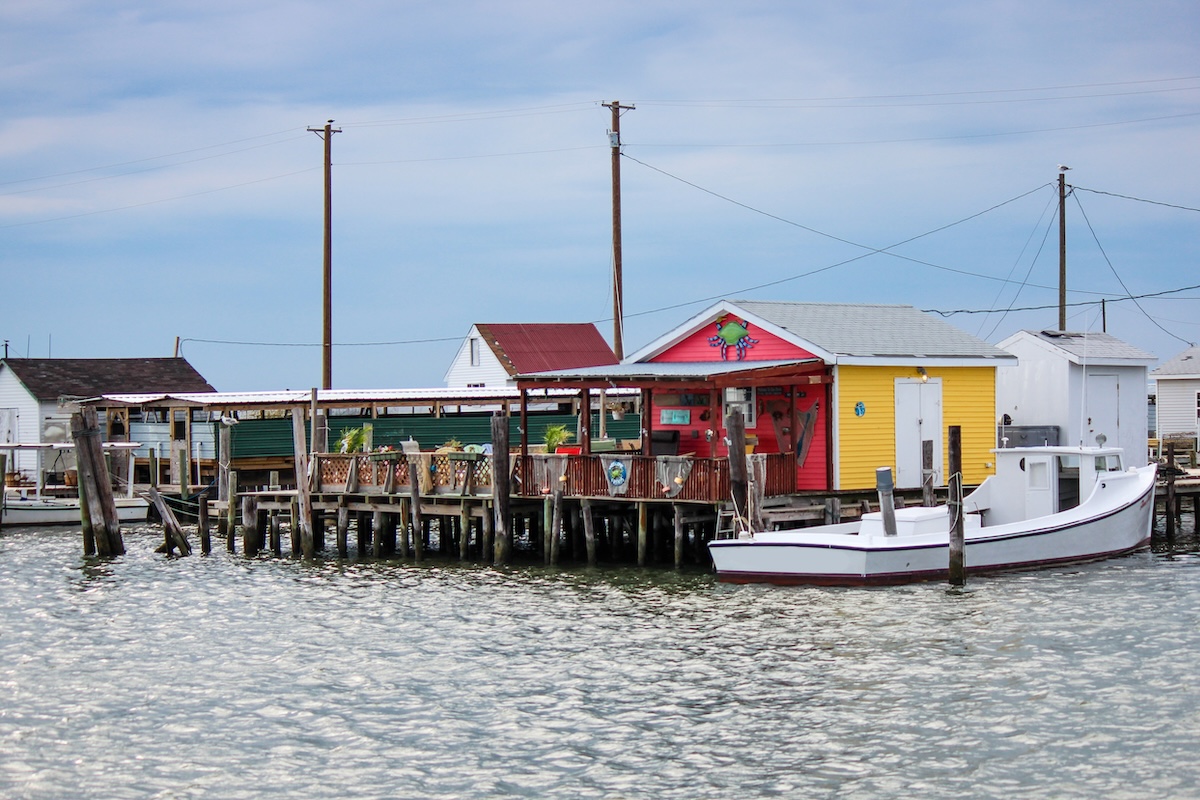
In the middle of Chesapeake Bay sits Tangier Island, home to around 400 people who speak with an accent that linguists have traced back to 17th-century Cornwall. There are very few cars here, no traffic lights, and the crabbing industry has sustained the community for generations. The island is also slowly disappearing into the bay, losing ground to erosion. The pace is frightening and has put its long-term future into serious question.
The only way in is by ferry from Crisfield, Maryland, or Reedville, Virginia. Day-trippers arrive in summer for the soft-shell crabs, but the real magic happens when they leave, and the town can get back to its sleepy self.
11. Smith Island, Maryland
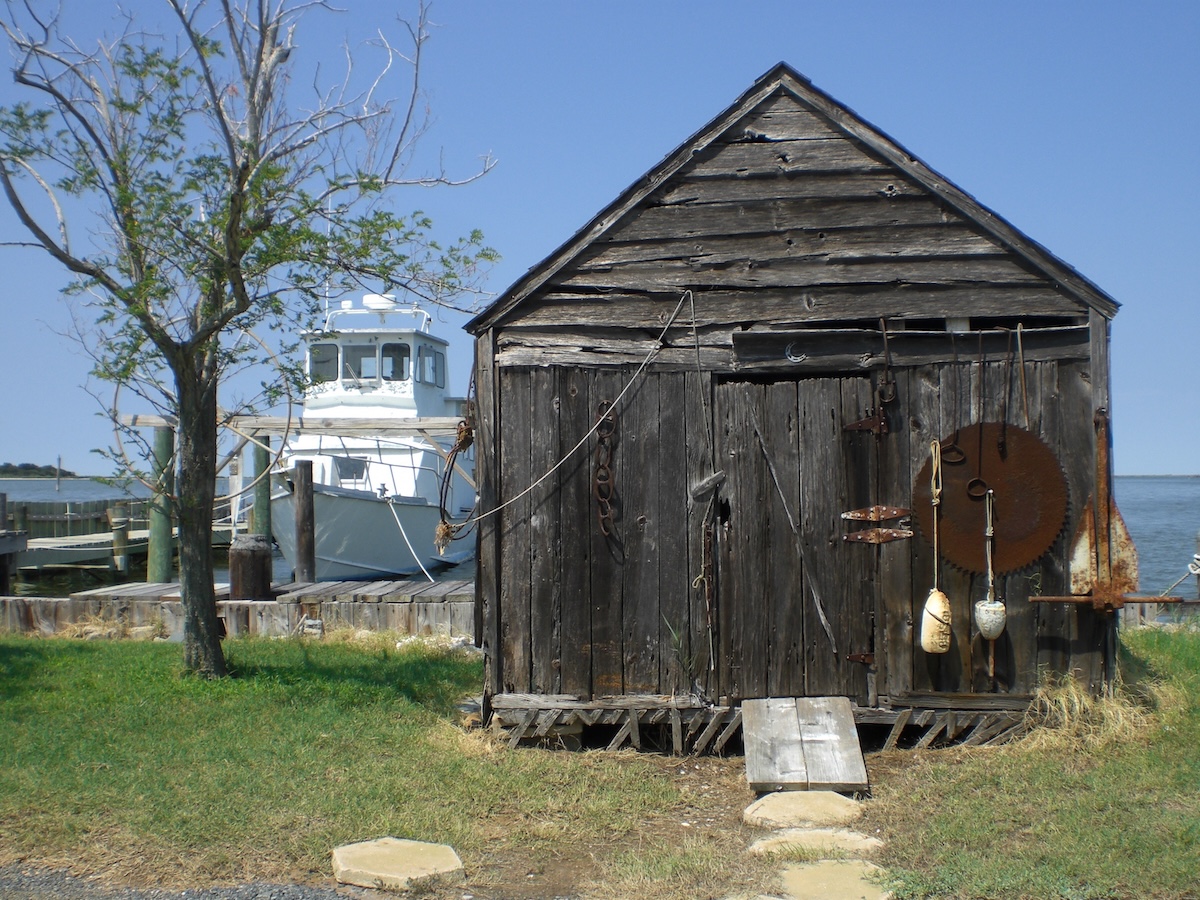
Smith Island only permanently inhabited island in the Chesapeake Bay with no road; yet it still has around 275 people living across three small villages connected by water taxi. They have been a permanent fixture since the 1600s! The Smith Island cake, a towering confection of eight to ten thin layers with chocolate fudge frosting between each one, is the official dessert of Maryland and the island’s most celebrated export.
The ferry from Crisfield takes about 45 minutes, and with every minute that ticks by, you move another decade closer to the slower pace of life that awaits on the other side.
10. Blake Island, Washington
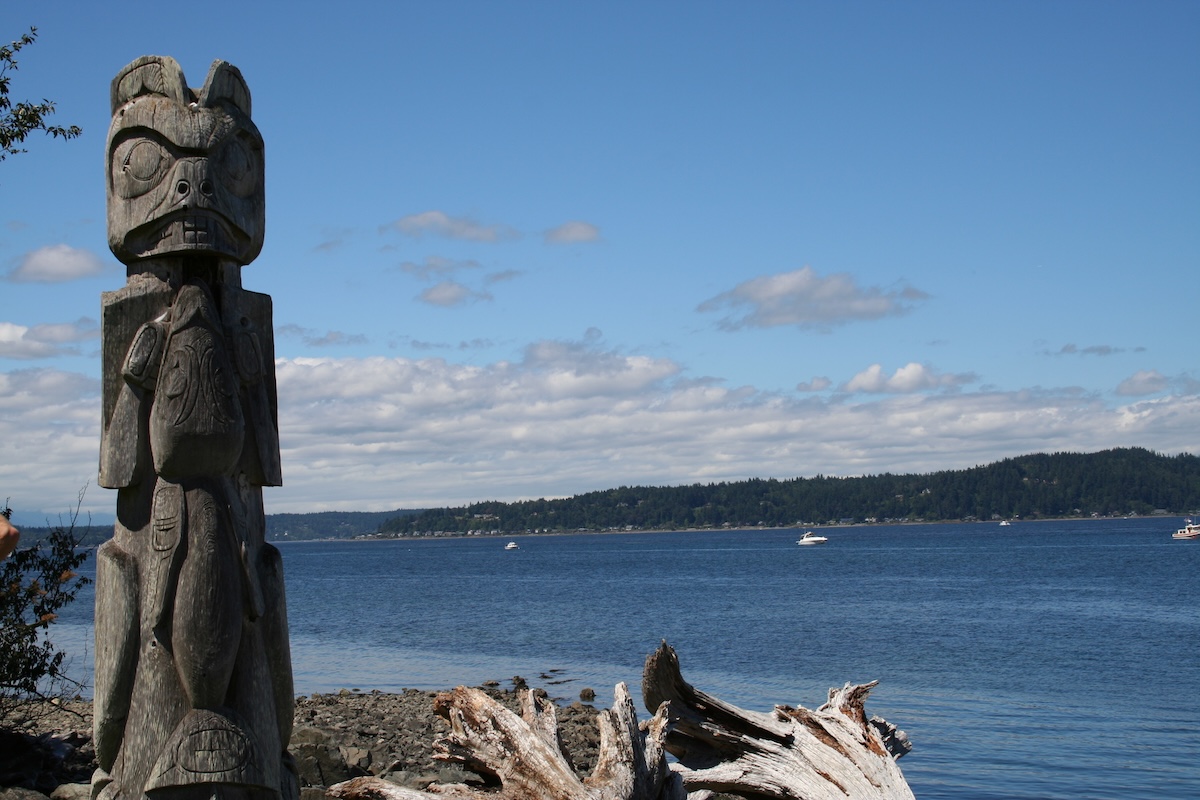
On the rare occasion that there is a clear day in Seattle you can see Blake Island in Puget Sound between the city and the Kitsap Peninsula. The whole island is a state park, with no permanent population and no development beyond a marina and Tillicum Village, a longhouse where the Suquamish Tribe has been hosting salmon bakes since 1962.
The forest is old-growth, and the beaches face the Olympic Mountains. The salmon bake over an alder fire at Tillicum Village completes what is already one of the more unusual day trips from any American city. Chief Seattle is said to have been born here, a detail the island carries without fanfare.
9. Block Island, Rhode Island
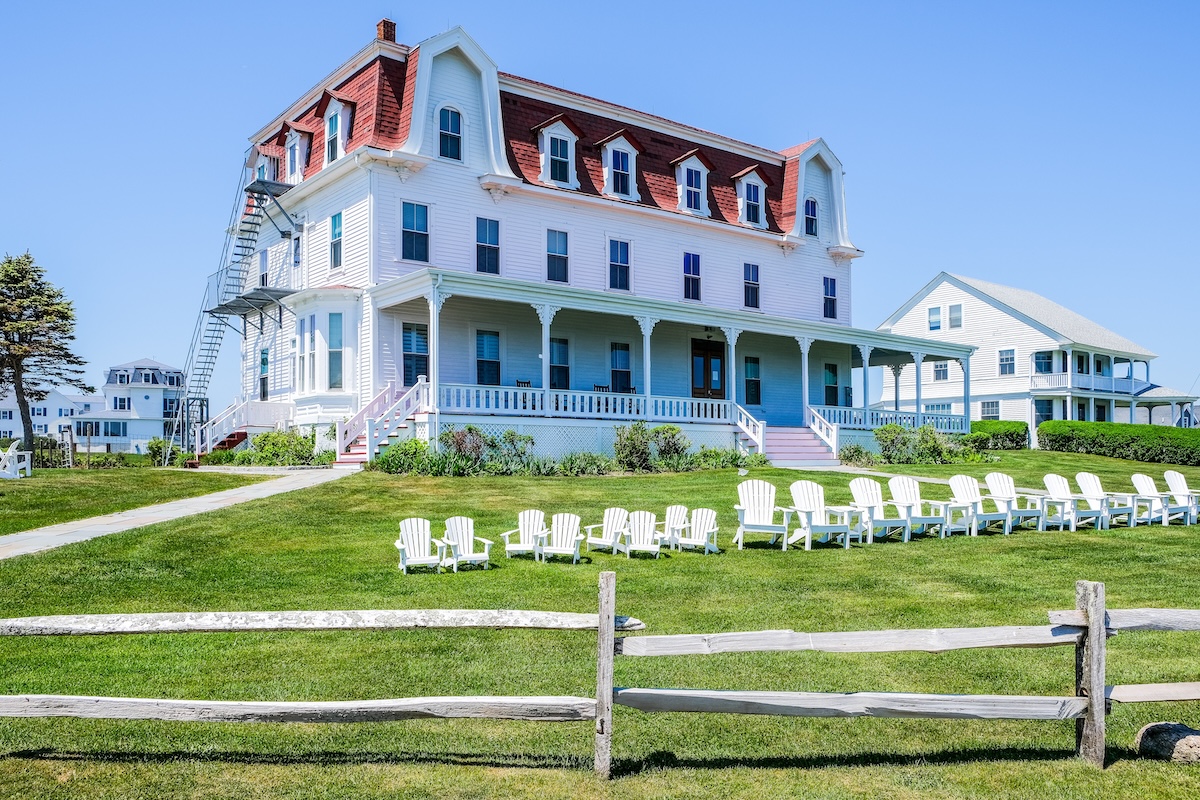
Thirteen miles off the Rhode Island coast, Block Island is accessible by ferry from Point Judith in about an hour, and the Nature Conservancy has protected roughly half the island’s land from development. Victorian hotels line the harbor at Old Harbor, and the cliffs at Mohegan Bluffs drop 150 feet to a spectacular beach that is only accessible by a long staircase at the southern end.
The island is better by bicycle than by car, and the birding during fall migration is exceptional. Block Island sits directly on the Atlantic Flyway, and the volume of species passing through in October has been drawing serious birders here for generations.
8. Molokai, Hawaii
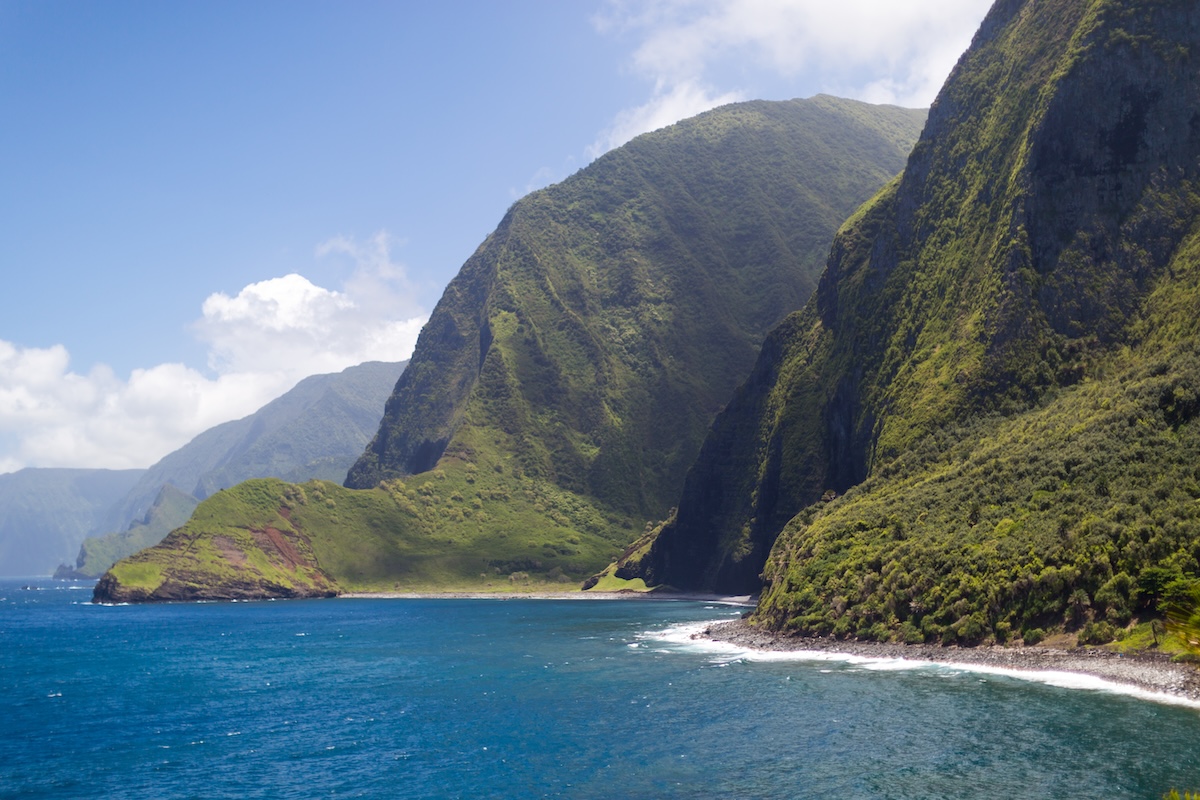
The fifth-largest Hawaiian island has no traffic lights and no buildings taller than a coconut palm. The local community has thankfully resisted the resort development that transformed its neighbors, and Molokai makes that position clear early.
The sea cliffs on the north shore are the tallest in the world at over 3,000 feet, and Kalaupapa National Historical Park on the isolated peninsula below preserves the leprosy settlement where Father Damien worked until his own death from the disease in 1889. Getting to Kalaupapa is not straightforward, and the effort recalibrates you before you even arrive.
7. Topsail Island, North Carolina
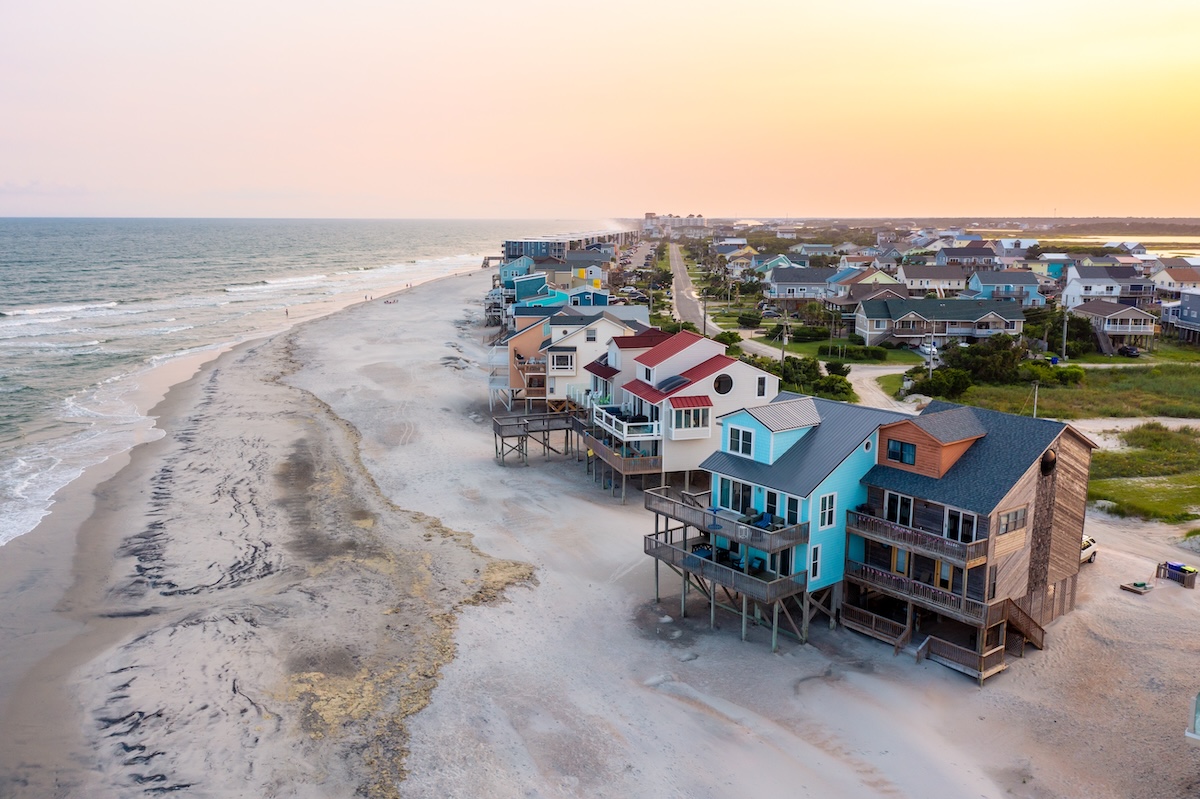
About 30 miles north of Wilmington, Topsail Island has managed to stay several notches calmer than the Outer Banks despite being perfectly positioned to be just as crowded. The development stays low-rise and the beaches wide. Loggerhead sea turtles also got the memo about the seclusion and choose to nest on the shore from May through August, giving the island some conservation protection too.
The Karen Beasley Sea Turtle Rescue and Rehabilitation Center treats injured turtles before returning them to the ocean, and it welcomes visitors during summer. Few barrier islands along this coast have held this particular line between accessibility and restraint, but Topsail does so with pride.
6. Unalaska Island, Alaska
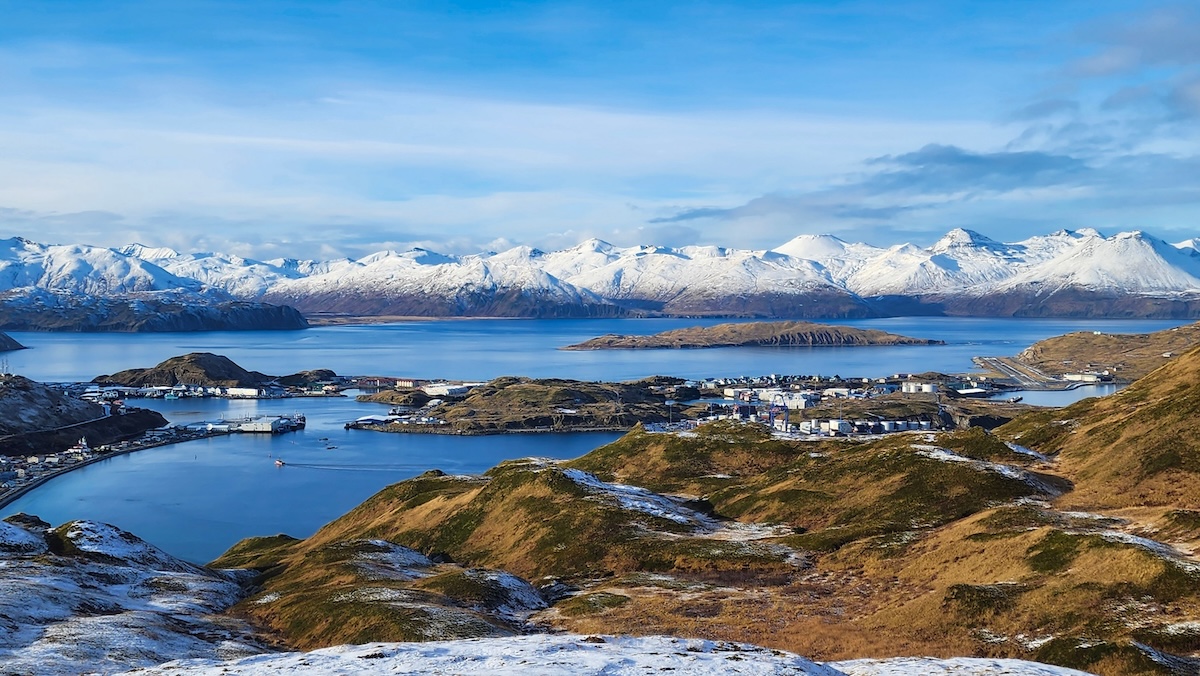
About 800 miles southwest of Anchorage in the Aleutian chain, Unalaska is home to Dutch Harbor, one of the most productive fishing ports in the United States. The Deadliest Catch television series has been filming here for over two decades, giving the island name recognition entirely disconnected from its actual visitor numbers. Very few people come here who are not working.
Bald eagles congregate around Dutch Harbor in massive numbers, creating a soundtrack for the unforgiving terrain. The Church of the Holy Ascension, a Russian Orthodox church built in 1825, is still active and one of the oldest standing buildings in Alaska.
5. Beaver Island, Michigan
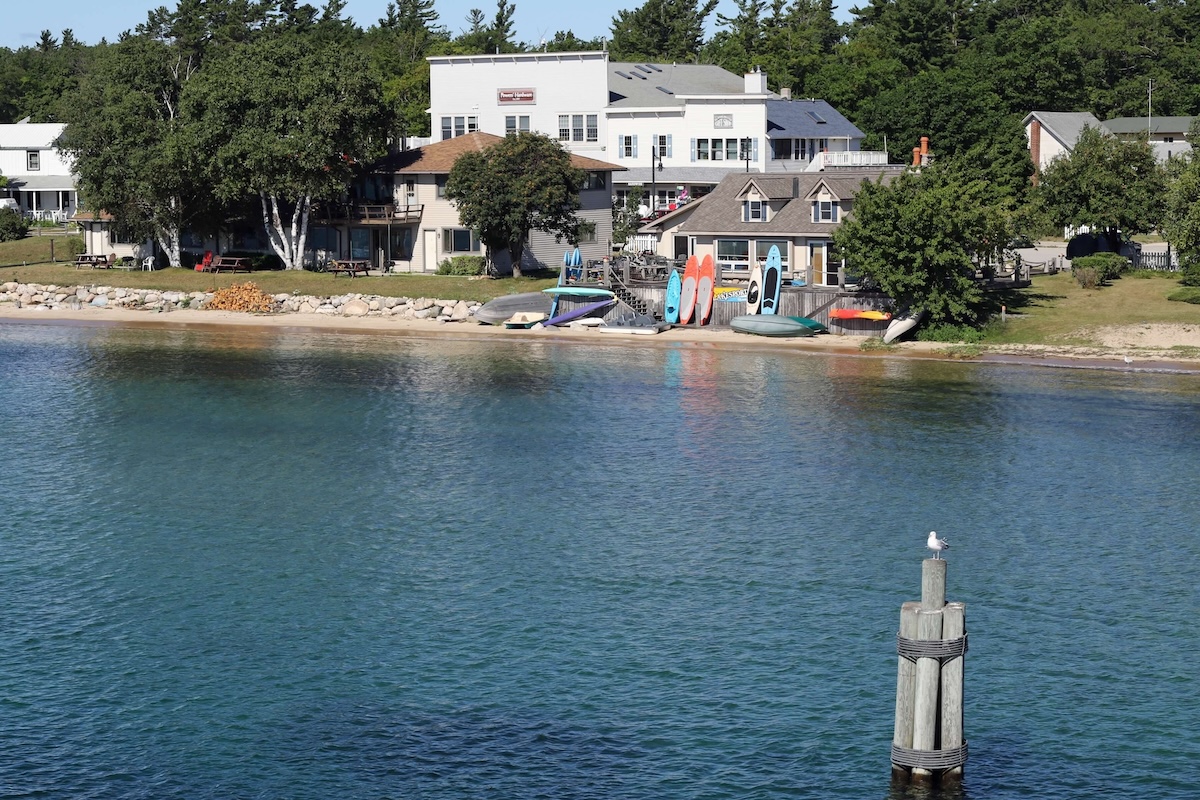
Beaver Island is the most remote inhabited island in the Great Lakes and is fifty miles off the coast of northern Michigan. Getting there means a two-hour ferry from Charlevoix or a short flight, and the year-round population of around 600 has a strong Irish heritage dating to the mid-19th century.
The island’s strangest chapter involves James Strang, a Mormon leader who declared himself king and ruled with increasing authoritarianism through the early 1850s before being shot by two of his own followers. The island has moved on, but it remembers.
4. Isle au Haut, Maine
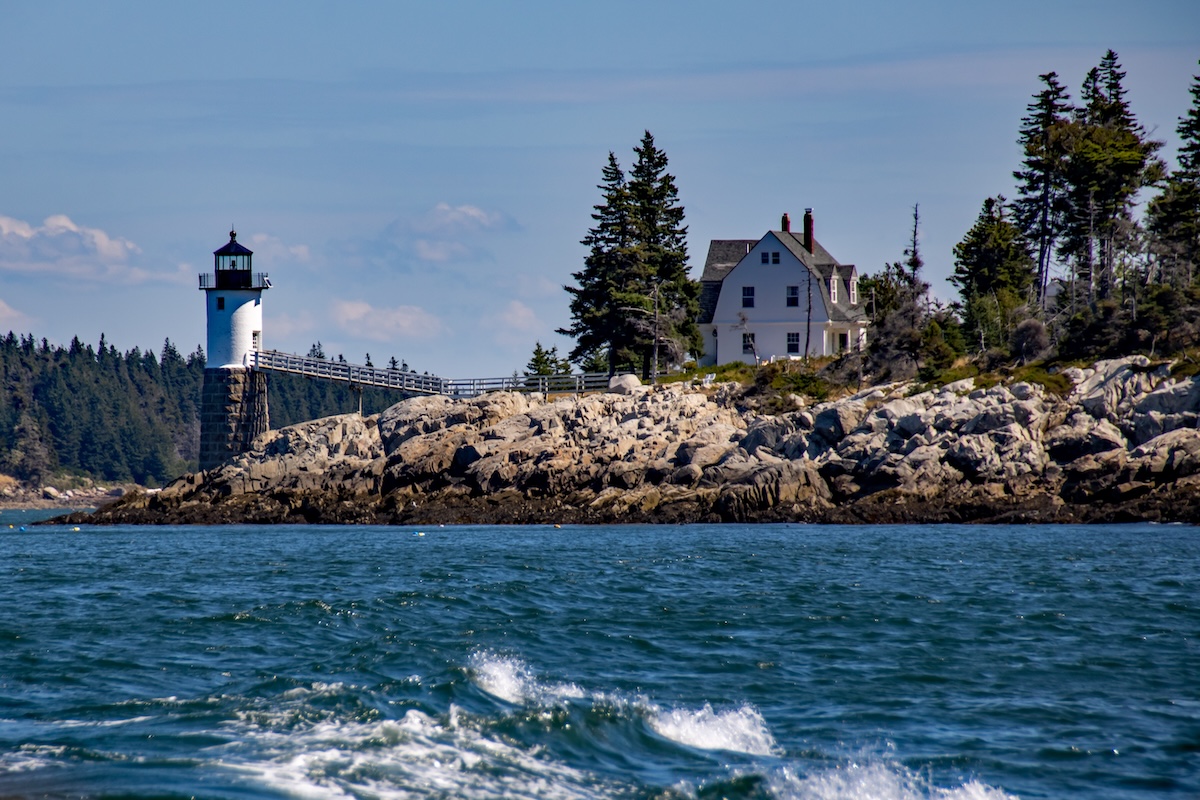
Much of this island belongs to Acadia National Park, which most visitors don’t discover until they try to get here. The only way onto Isle au Haut is a mail boat from Stonington that runs on the post office’s schedule, which isn’t very diverse.
The park section has a small number of lean-to campsites that book months ahead, and day visitors are capped to keep the trails from being overwhelmed. The hiking here matches anything Acadia offers on Mount Desert Island, and the complete absence of cars makes it something the main park can no longer offer.
3. Daufuskie Island, South Carolina
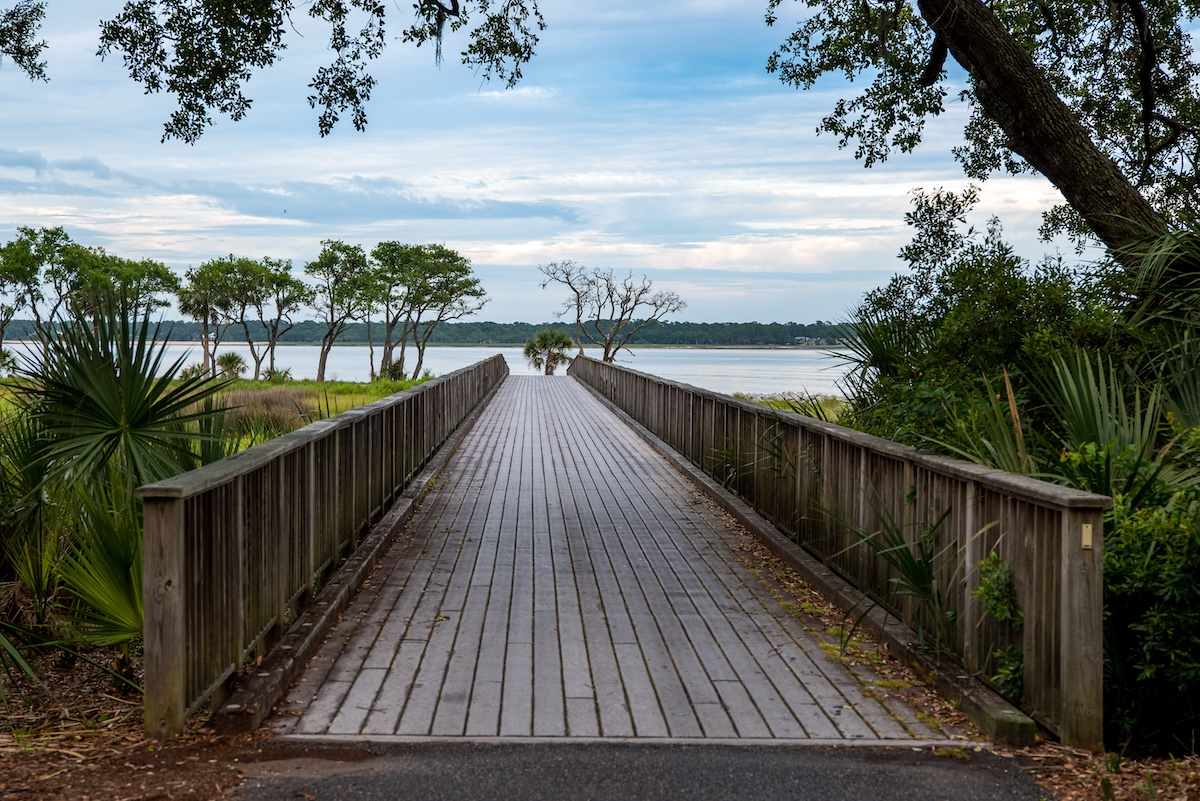
Sitting between Hilton Head and Savannah and accessible only by ferry, Daufuskie Island has been home to a Gullah Geechee community since the era of enslavement. Pat Conroy taught at the island’s two-room schoolhouse in the early 1970s and wrote about the experience in The Water is Wide, a book that eventually embarrassed the local school board enough to fire him.
There is no bridge to the mainland, which has kept Daufuskie from the development fate of Hilton Head next door. The Gullah heritage here is active and present, and that is what sets it apart from the more touristic Lowcountry destinations up the coast.
2. Sapelo Island, Georgia
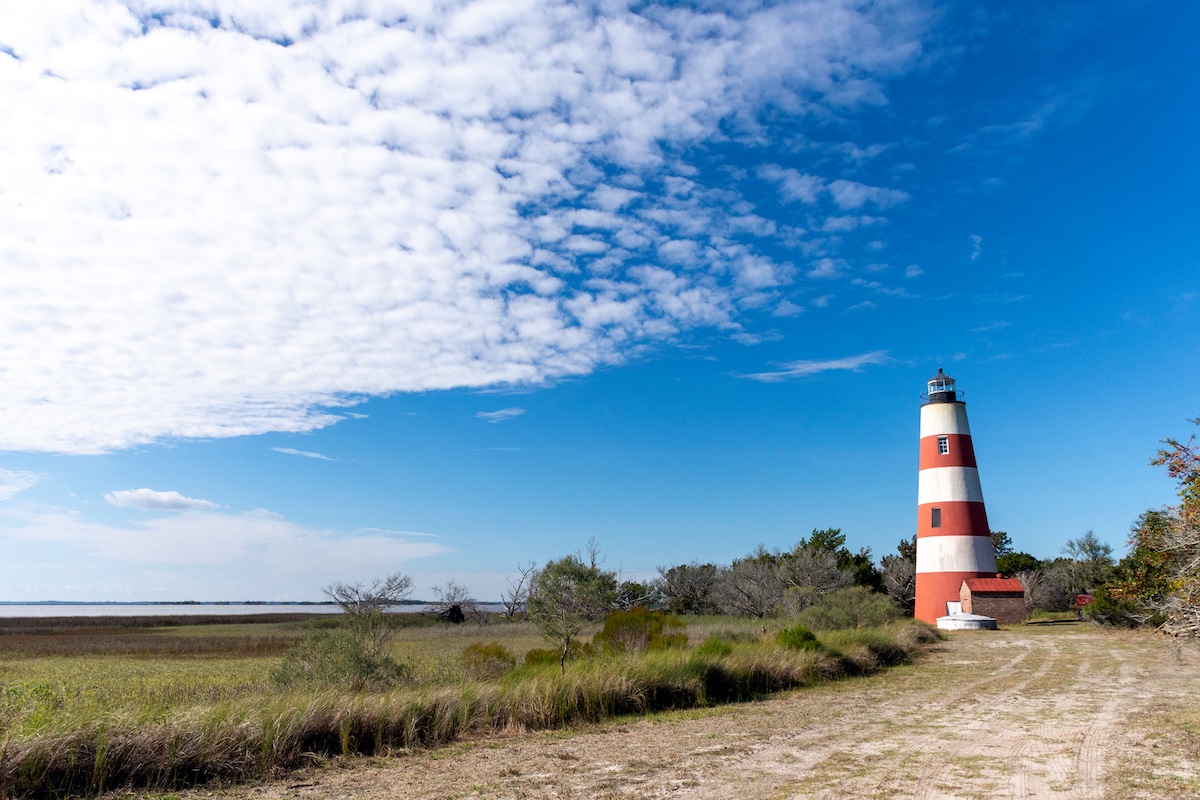
To get to Sapelo Island you must board a ferry in Meridian, Georgia, which limits and structures visits accordingly, preserving both the ecosystem and the island’s remarkable human history. The Hog Hammock community on the south end is one of the last intact Gullah Geechee settlements in the United States, descended from people enslaved on the island’s cotton plantations.
R.J. Reynolds Jr. built a mansion on the north end that now operates as a bed and breakfast. The two histories sharing this single small island make Sapelo unlike anything else on the Georgia coast.
1. Garden Key, Florida
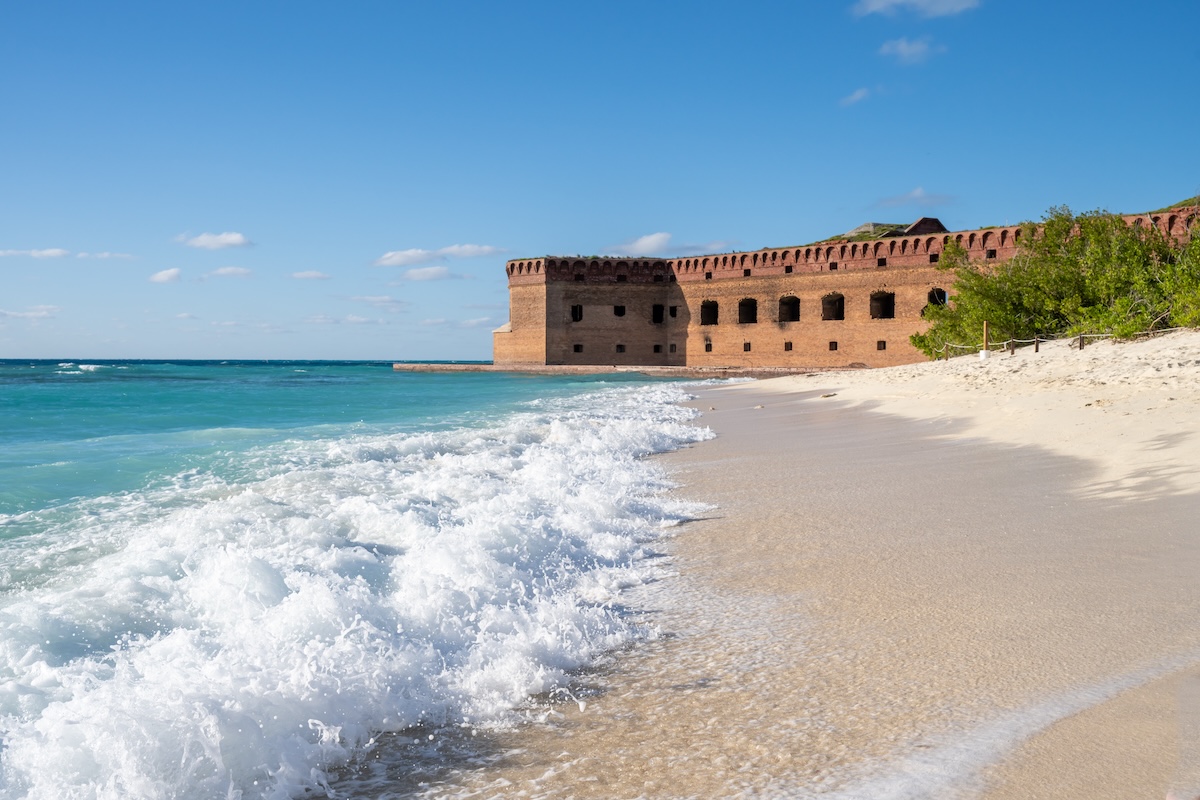
Seventy miles west of Key West in the Gulf of Mexico, you will find Garden Key. It is dominated almost entirely by Fort Jefferson, a massive 19th-century fortification that was never completed and never fired a shot in anger. Dr. Samuel Mudd, who set the broken leg of Lincoln’s assassin John Wilkes Booth, was imprisoned here, a historical footnote that greets most visitors before they’ve even stepped off the boat.
The only way there is by ferry or seaplane from Key West. The snorkeling around the fort’s moat walls is among the best in Florida, and camping overnight on the island is an option that should be much higher on any intrepid traveler’s bucket list.