
Venezuela is a country of many faces. It has Caribbean coastal beaches, Andean peaks, wetlands teeming with piranhas and anacondas and inland sand dunes. It is a tropical country that has great biodiversity. It is also the country of oil exports, beauty pageant winners, and the birthplace of Simon Bolivar, who liberated many South American countries from Spanish rule. Indeed, most cities, regardless of size, have a plaza honoring the great liberator. An overview of the most popular tourist attractions in Venezuela:
10. Morrocoy National Park
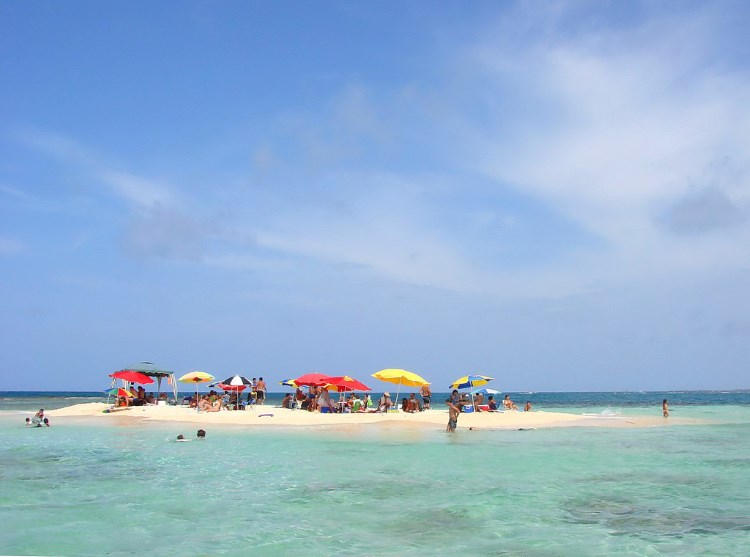
Morrocoy National Park is located in the northeastern part of Venezuela. It contains an area of mangroves and numerous islets and cays with beautiful sandy beaches. Coral reefs and tropical fish are abundant in the waters around the cayos. Dolphins, marine turtles and even some coastal caimans live in the remoter mangroves. Birds include pelicans, flamingos, egrets and the colorful scarlet ibis. On the islands, vegetation is sparse and generally adapted to the dry, salty environment.
9. Medanos de Coro
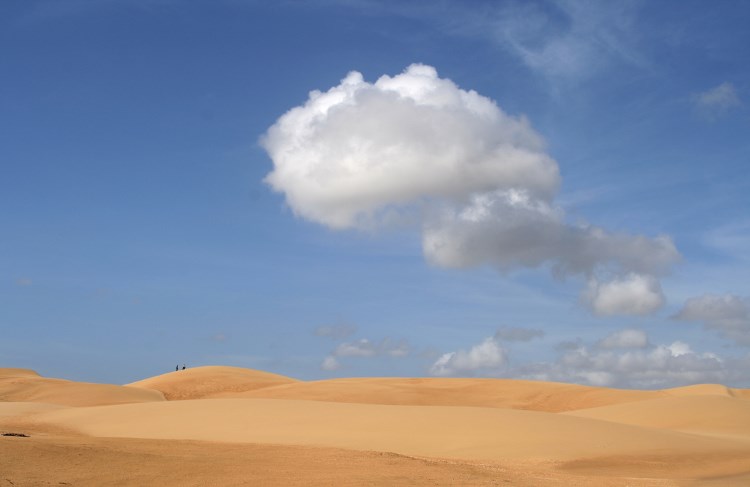
The sand dunes at Medanos de Coro National Park are a spectacular sight, especially since they’re located in what is essentially a tropical country. The dunes, some of which are 40 meters (120 feet) high, are in colorful shades of orange and yellow. High winds mean they are always changing shape. The area is quite dry, so there’s limited vegetation and wildlife to see. The dunes are a popular place to go sand boarding, and can also be explored on hired camels. The national park is easily reachable by bus or taxi from Coro.
8. Mochima National Park
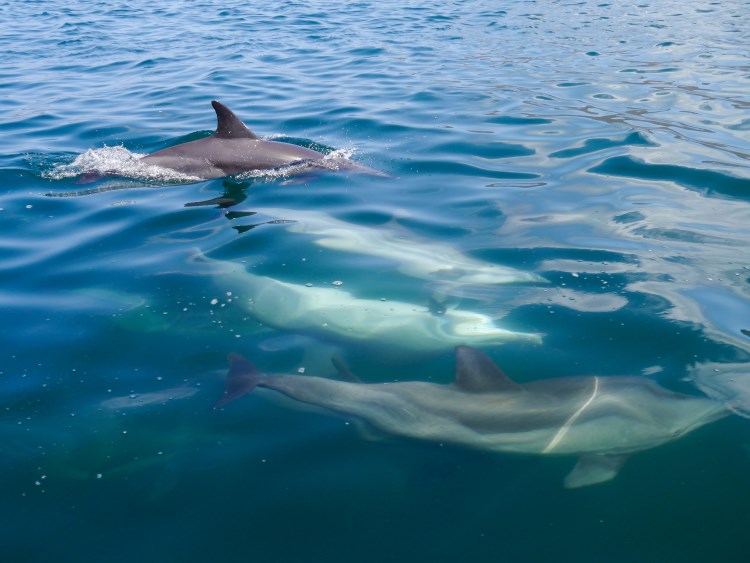
Mochima National Park is located on the northeastern coast and is designed to protect the marine environment as well as the forests of the Turimiquire mountains. Venezuela’s second marine park, created in 1973, takes in the shoreline from Puerto la Cruz to Cumana, as well as 32 offshore islands. Pelicans nest at La Ciena Cove while dolphins prevail at Isla Cachicamo. The park, named after a nearby town, is also popular with snorkelers and divers with excellent underwater spots, including exploring three ship wrecks, within a 30- to 40-minute boat ride from Puerto la Cruz.
7. Isla Margarita
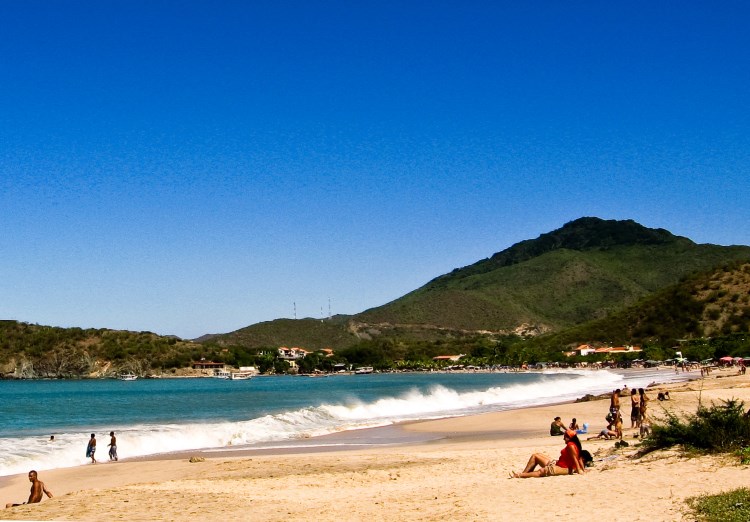
Isla Margarita, the largest island off the northeastern coast of Venezuela, is a great place to do some beachcombing. With 50 beaches strung out over the coastline, popular activities include wind- and kite-surfing, especially at Playa el Yaque. Isla Margarita is a popular vacation destination with Venezuelans, partly because of shopping at the duty-free port. It has several large cities, including La Asuncion, the capital of the Venezuelan state of Nueva Esparta. FYI: Christopher Columbus was the first European on the island, way back in 1498.
6. Mount Roraima
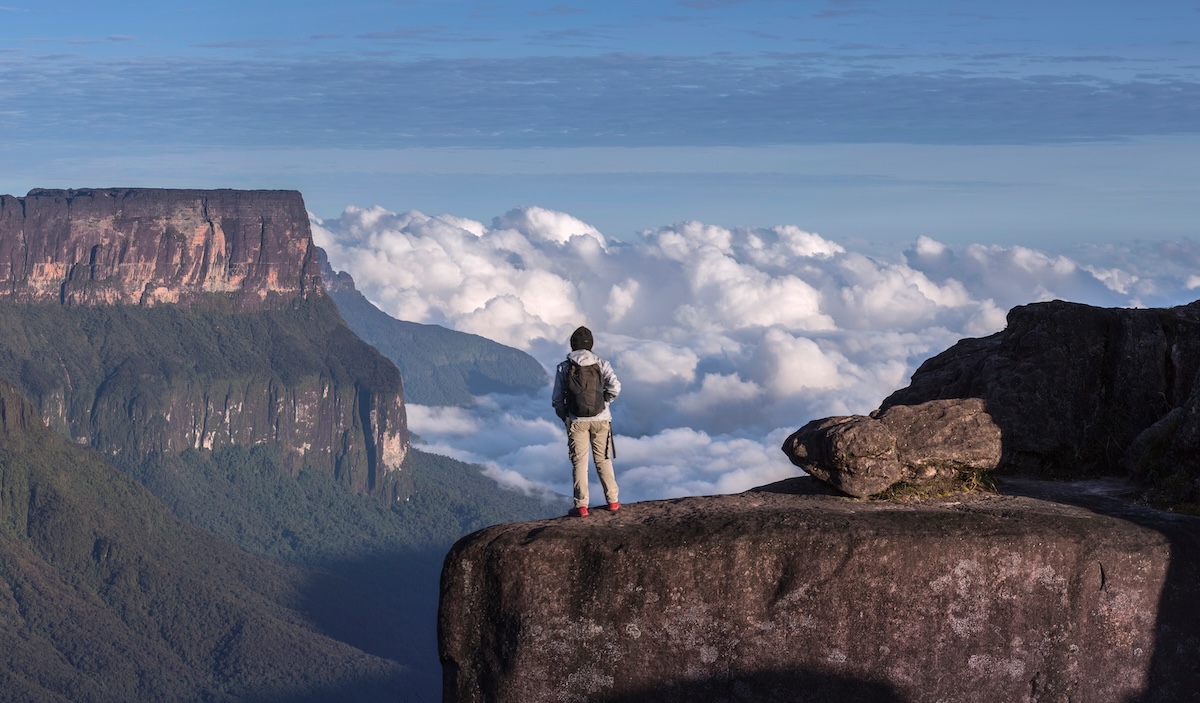
Mount Roraima is a tabletop mountain (or tepuy) than sits at an elevation of 2,810 meters (9,220 feet). While most of Roraima lies in Venezuela, it also marks the point where Brazil and Guyana join that country. The only way visitors can climb to the plateau however is from the Venezuelan side. It also is the centerpiece of Canaima National Park, where geologic formations date back two billion years. It rains almost every day on the plateau, which is home to some rare plants and animals. The plateau inspired Sir Arthur Conan Doyle when he wrote his 1912 fictional novel entitled The Lost World.
5. Merida Cable Car
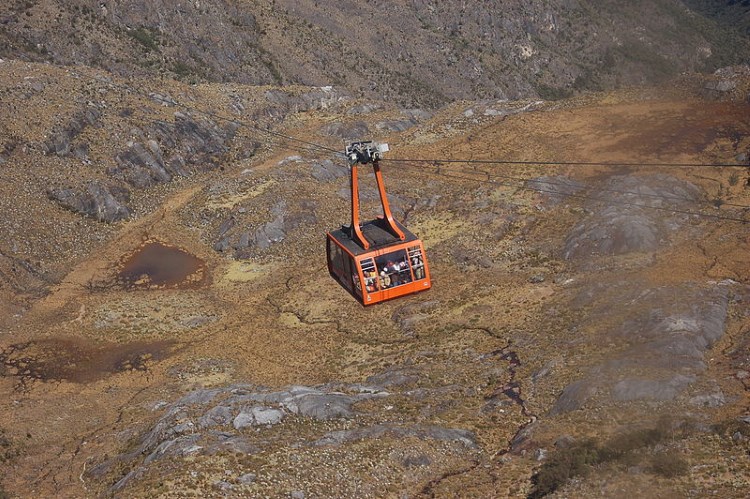
Riding the Merida Cable Car (called the Teleférico) is something that every visitor to Venezuela simply must do. Why? Because it’s the world’s longest and highest cable car. The cable car route is almost 12 km (7.5 miles) and soars more than 4,700 meters (15,600 feet) in the air. The cable car stops along the way, so visitors can get out and maybe do a little trekking; the stops are named after the views and other sights that are seen along the way. December to February is the best time to make the ride because there’s no fog.
4. Choroni
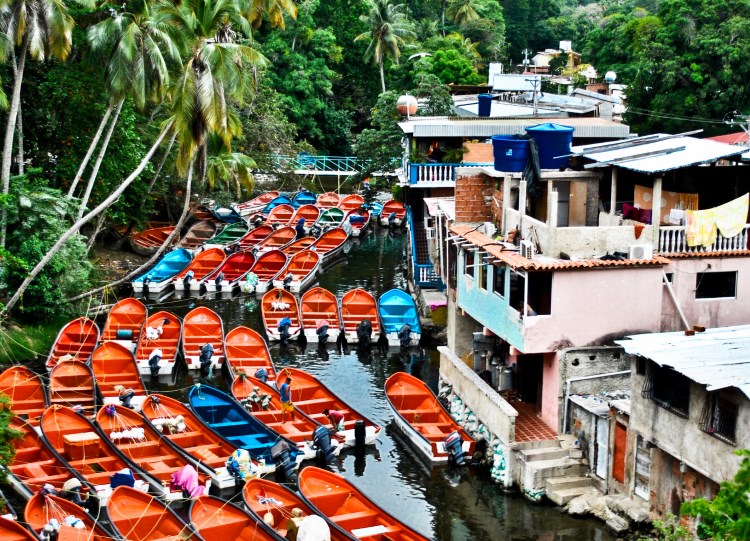
Choroni is generally known as one of Venezuela’s best Caribbean beaches, though the town itself actually sits slightly inland, boasting some fine colonial houses around a quiet central plaza. Choroni also makes a good base for bird-, plant- and wildlife-watchers who want to explore the cloud forest and lowland jungles of Henri Pittier National Park. Besides monkeys, snakes and deer, the park has 500 bird species and 200 kinds of butterflies. Venezuela’s first national park was originally known as Rancho Grande but the name was later changed to Henri Pittier, in honor of the scientist who proposed it.
3. Los Roques
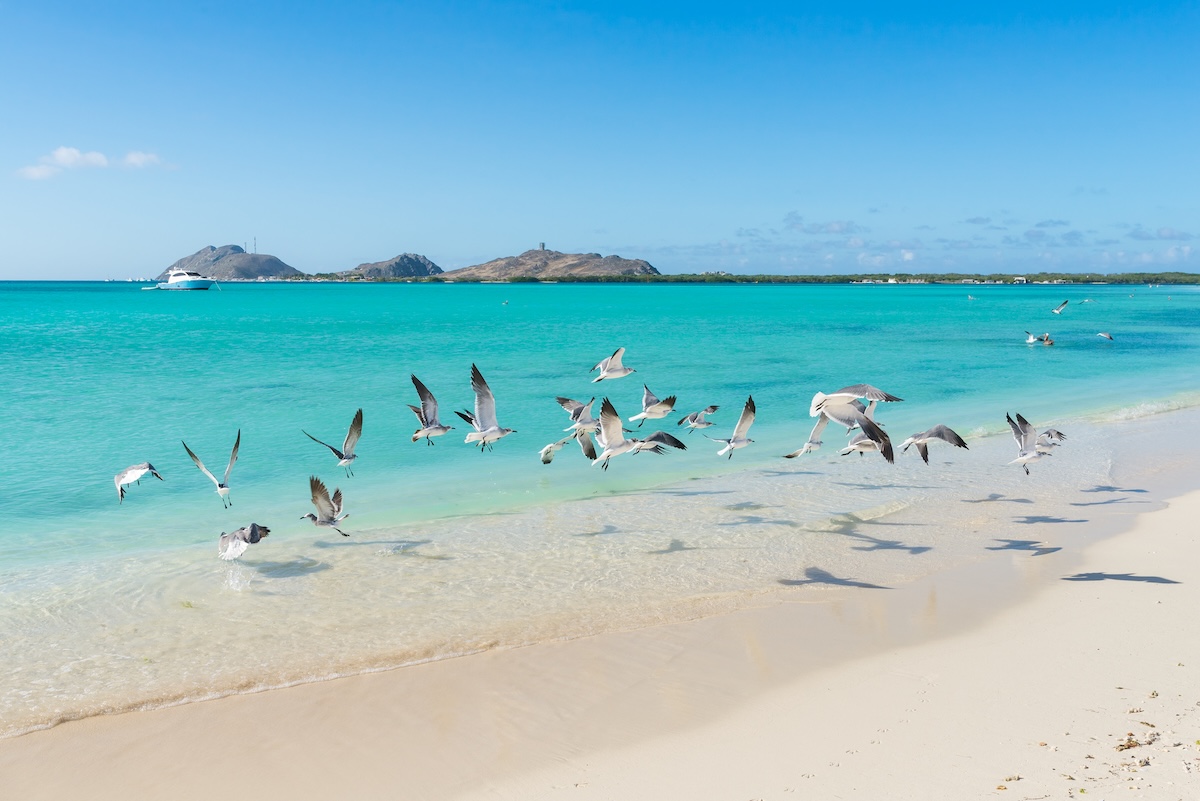
Los Roques Archipelago National Park was created in 1972 by the Venezuelan government to protect a marine ecosystem of exceptional beauty and ecological . It is the largest marine park in the Caribbean Sea. The almost untouched coral reefs host some of the most beautiful underwater fauna and flora of the Caribbean. The park has exceptionally beautiful beaches of white sand and multicolor, crystalline warm waters which make it a diving, sailing and fishing paradise. The main island is Gran Roque, which has a few small villa-style hotels that are small but comfortable.
2. Los Llanos
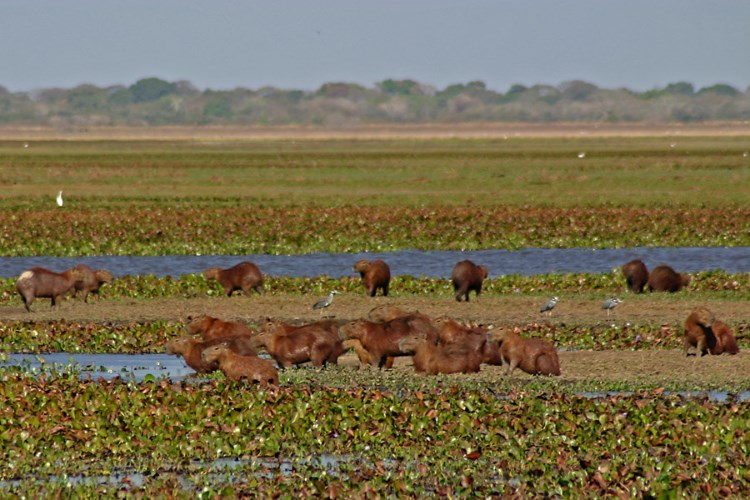
Los Llanos, or The Plains, is a vast grassland that straddles Venezuela and Columbia. The Orinoco River that runs through it forms the border between the two countries, and is the main river in Venezuela. Los Llanos generally floods during the rainy season (May to October), turning into a birdwatcher’s paradise. Sometimes called the Serengeti of South America, it’s the place to see wildlife in the dry season, when animals flock to the areas that do have water. Besides being the last stronghold for the Orinoco Crocodile, Los Llanos is also home to anacondas, capybaras, jaguars and caimans.
1. Angel Falls
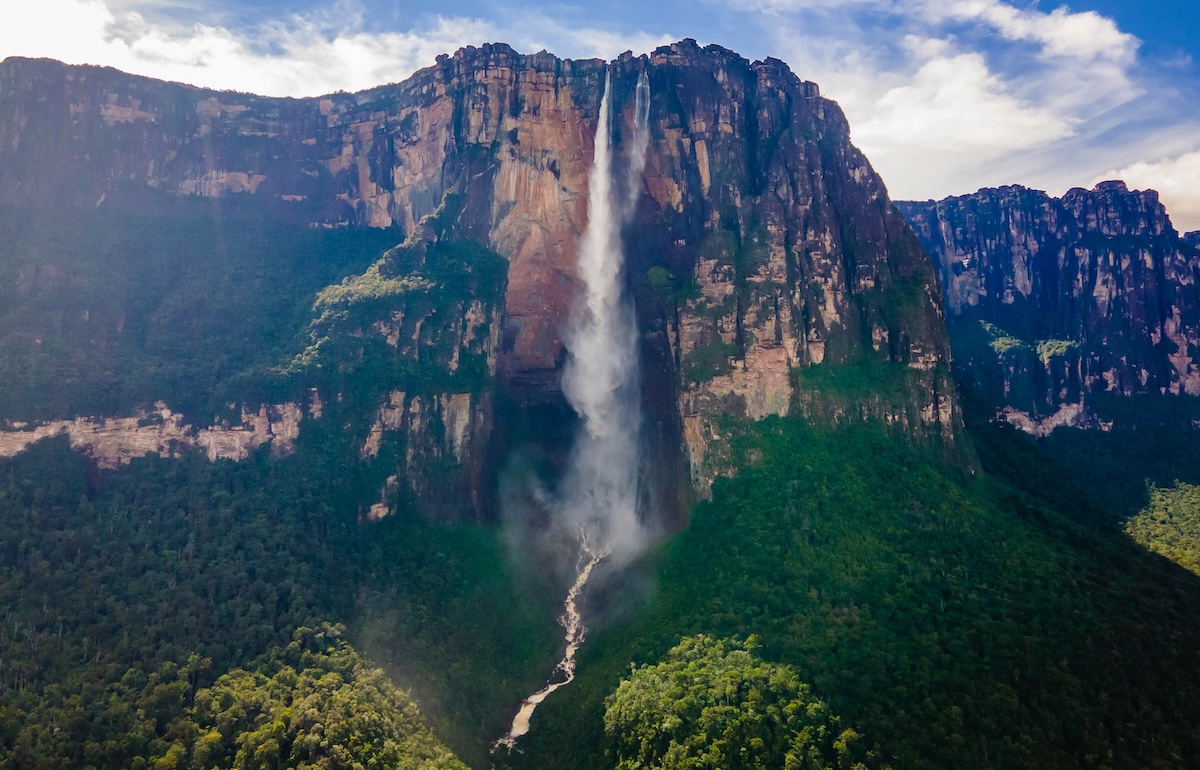
Angel Falls is one the most popular tourist attractions in Venezuela as it is the highest uninterrupted waterfalls in the world. It is 978 meters (3,208 feet) tall, and drops off the side of Auyantepui Mountain in Canaima National Park in Bolivar State. Located on the Gauja River, the falls were originally known as Kerepakupai Vená, or “fall from the highest point” by the local natives. The name was later changed to Angel Falls to honor Jimmie Angel, a U.S. aviator who was the first to fly over the falls. The waterfall is at its highest June to December.