
The most important and widespread building type in ancient Greece was the temple. The first stone temples appeared some time during the early 6th century BC and began to appear in large numbers in the next century. The purpose of a Greek temple was usually to house a cult statue or emblem.
Religion did not require people to gather inside the temple to worship, and their temples were primarily monuments to the gods. The most recognizable feature of the Greek temple are the massive columns. The Greeks used three types of columns: the Doric, Ionic and Corinthian order. An overview of the most famous Greek temples found around the Mediterranean.
10. Temple of Olympian Zeus
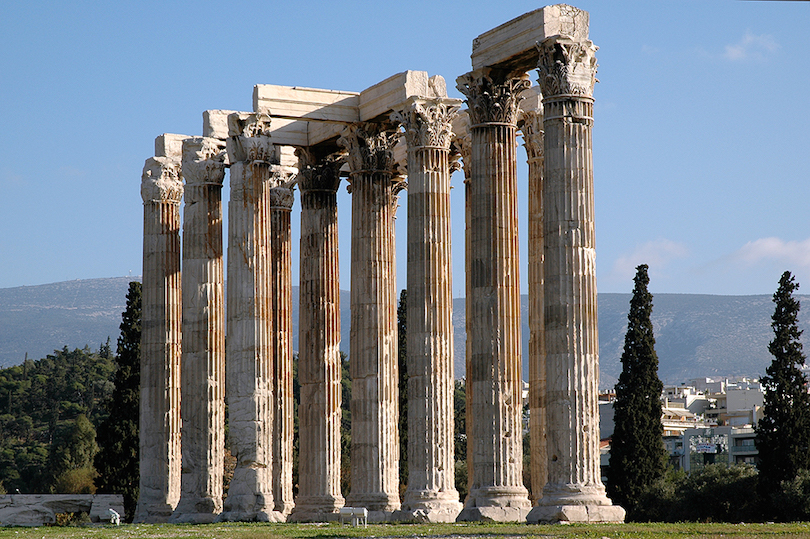
Though only a few columns remain of the Temple of Olympia Zeus in Athens it does not take much imagination to realize that this was one gigantic temple. Construction began in the 6th century BC during the rule of the Athenian tyrants, who envisaged building the greatest temple in the ancient world, but it was not completed until the reign of the Roman Emperor Hadrian in the 2nd century AD some 638 years after the project had begun.
9. Temple of Poseidon at Sounion
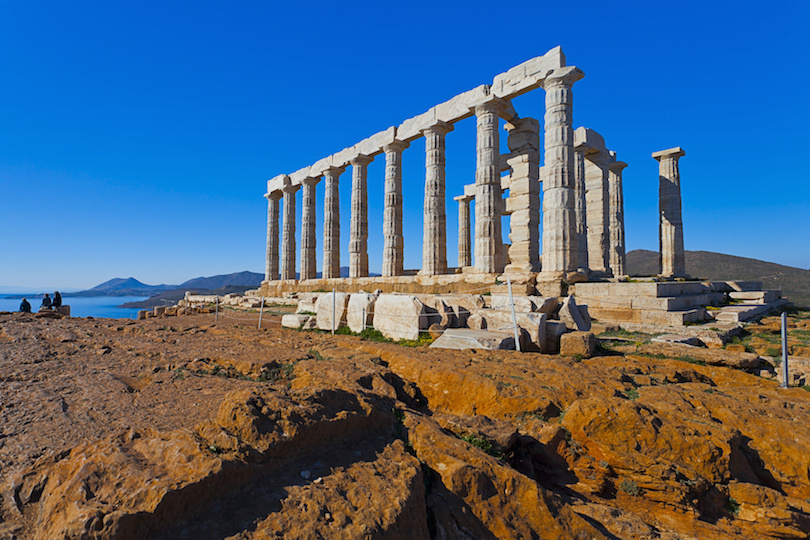
Located at the southernmost tip of the Attica peninsula in Greece, the Temple of Poseidon at Sounion is surrounded on three sides by the sea. It was constructed in approx. 440 BC, over the ruins of a temple dating from the Archaic Period. Only some columns of the Temple of Poseidon stand today, but intact it would have closely resembled the Temple of Hephaestus beneath the Acropolis, which may have been designed by the same architect.
8. Temple of Zeus at Cyrene
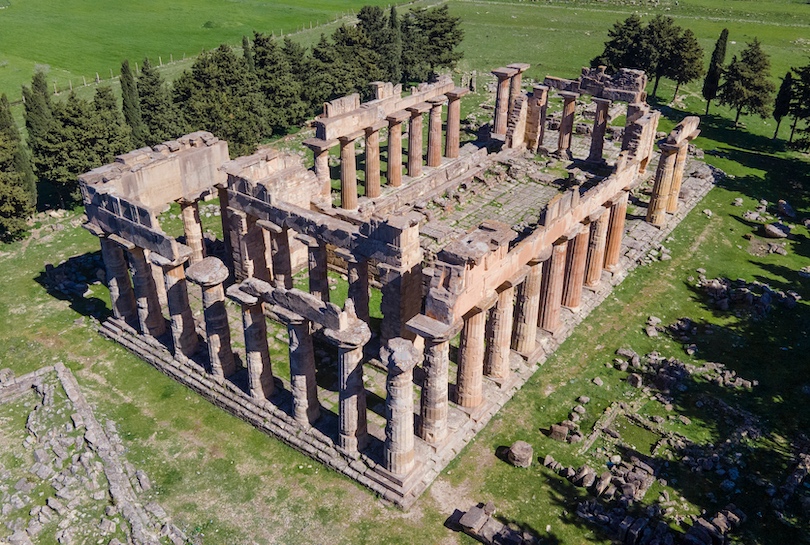
Cyrene was the most important of the five Greek colonies in present-day Libya. High up from the rest of the city, lies the Temple of Zeus, dating back to the 5th century BC. It was destroyed during a Jewish rebellion in 115 AD, and was restored 5 years later by the Romans on order of Emperor Hadrian.
In 365 AD an earthquake reduced the temple to rubble once more and it was not rebuilt until modern times by British and Italian archaeologists. This temple is larger than the Parthenon, a reflection of the wealth and importance of Cyrene in the ancient Greek world.
7. Erechtheum
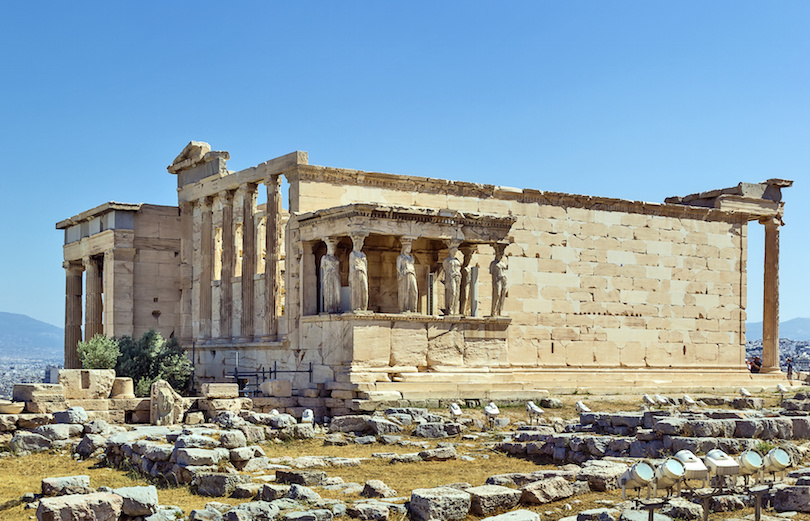
The Erechtheum is an ancient Greek temple of Ionic style on the north side of the Acropolis of Athens. The temple as seen today was built between 421 and 407 BC. The name, of popular origin, is derived from a shrine dedicated to the Greek hero Erichthonius. The temple is probably most famous for its distinctive porch supported by six female figures known as the Caryatids.
6. Temple of Apollo Epicurius
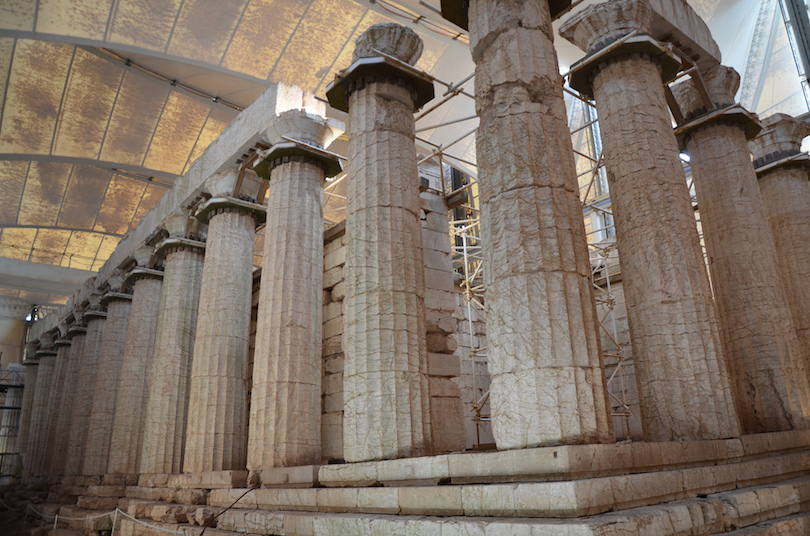
Located on a remote mountainside in the Peloponnese, the Temple of Apollo Epicurius at Bassae is a well-preserved and unusual Greek temple. It was built somewhere between 450 and 400 BC. The temple is aligned north-south, in contrast to the majority of Greek temples which are aligned east-west. The temple is unusual in that it has examples of all three of the classical orders used in ancient Greek architecture.
Doric columns form the peristyle while Ionic columns support the porch and Corinthian columns feature in the interior. The temple of Apollo Epicurius is presently covered in a tent in order to protect the ruins from the elements.
5. Doric Temple of Segesta
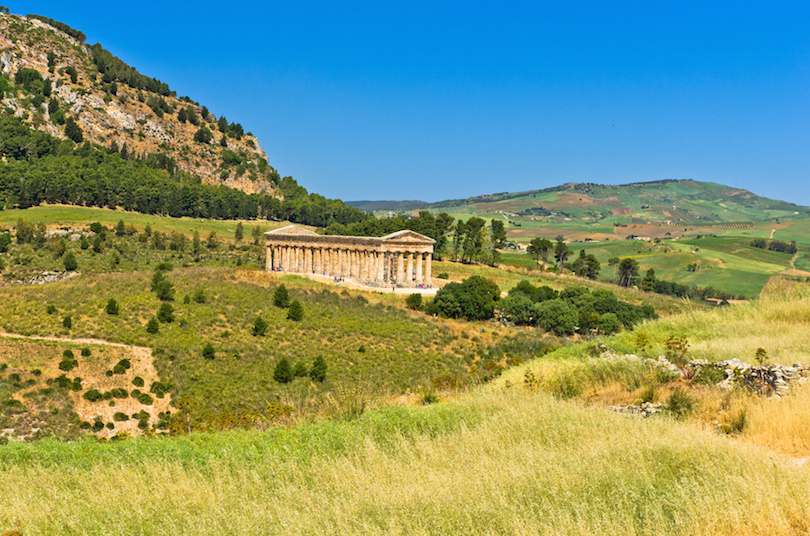
Located in the northwestern part of Sicily, Segesta was one of the major cities of the Elymian people, one of the three indigenous peoples of Sicily. The population of Segesta was mixed Elymian and Greek, though the Elymians soon Hellenized and took on external characteristics of Greek life. The Doric temple that lies just outside the ancient site is well preserved.
It was built in the late 5th century BC and has 6×14 Doric columns. Several things suggest that the temple was never actually finished. The Doric columns have not been fluted as they normally would have been and the temple also seems to have lacked a roof over the main chamber.
4. Paestum
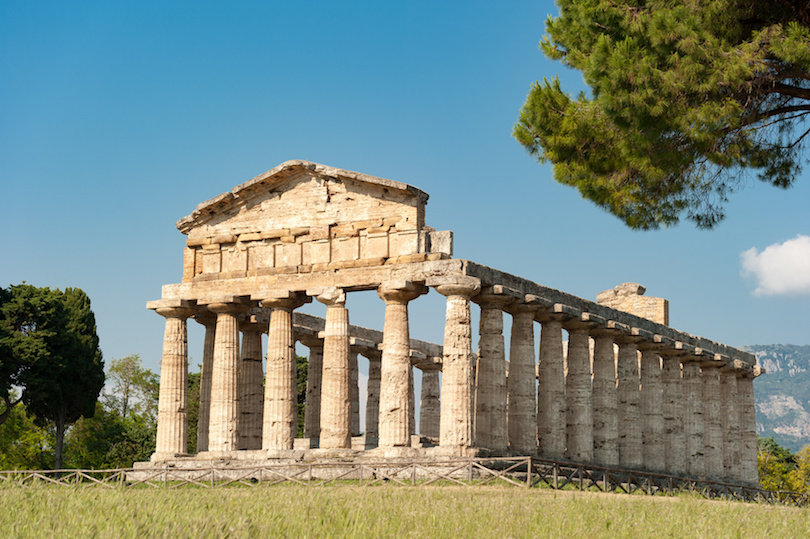
Paestum is an ancient Greco-Roman city in southern Italy, not far from the beach. The side boasts three well preserved Greek temples. The oldest temple in Paestum is the Temple of Hera, built around 550 BC by Greek colonists. The nearby temple was built about a century later and was also dedicated to Hera, the goddess of marriage and childbirth. Further away stand the Temple of Athena built in about 500 BC.
3. Temple of Hephaestus
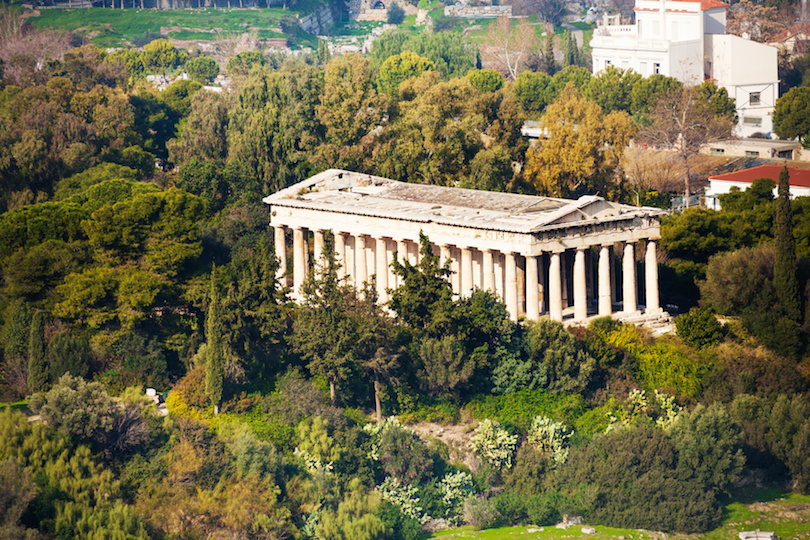
Located about 500 meters north-west of the famous Acropolis, The Temple of Hephaestus is the best-preserved Greek temple in the world, although it is far less known than its illustrious neighbor.
The temple was built in the 5th century BC in a district which contained many foundries and metalwork shops. It was therefore dedicated to Hephaestos, the god of metal working. The Temple of Hephaestus was designed by Ictinus, one of the architects who also worked on the Parthenon.
2. Valley of the Temples
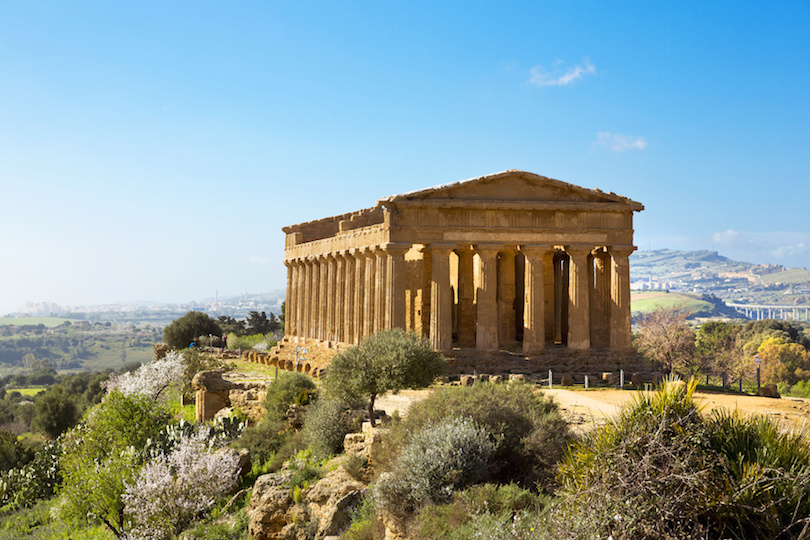
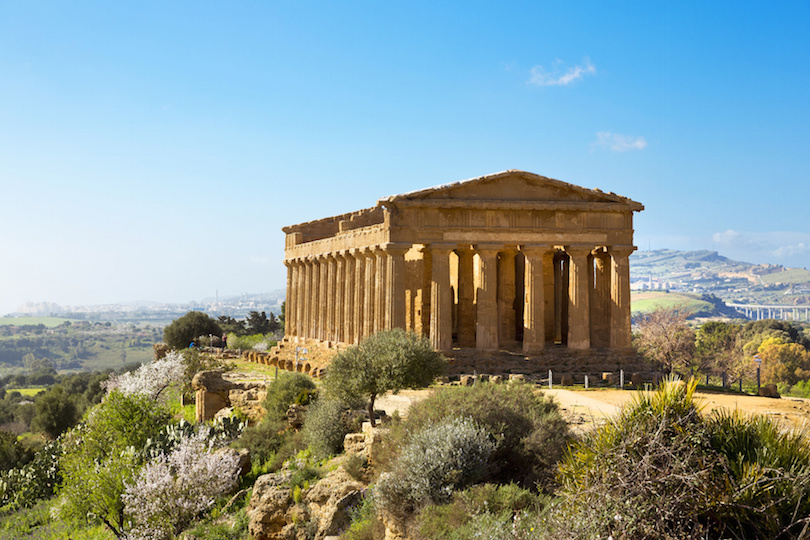
Located on a ridge outside the city of Agrigento, Sicily lie the remains of seven Greek temples called the Valley of the Temples. The Temple of Concordia, built in the 5th century BC, is the best preserved in the Valley and is one of the largest and best preserved Doric style temples still standing.
The Doric columns are 7 meters (22 feet) high including the capitals and have a diameter of 1.3 meters (4.5 feet) at the base. Other temples include the Temple of Juno, used for the celebration of weddings, and the Temple of Heracles, the oldest Temple at the site which today consists of only eight columns.
1. Parthenon
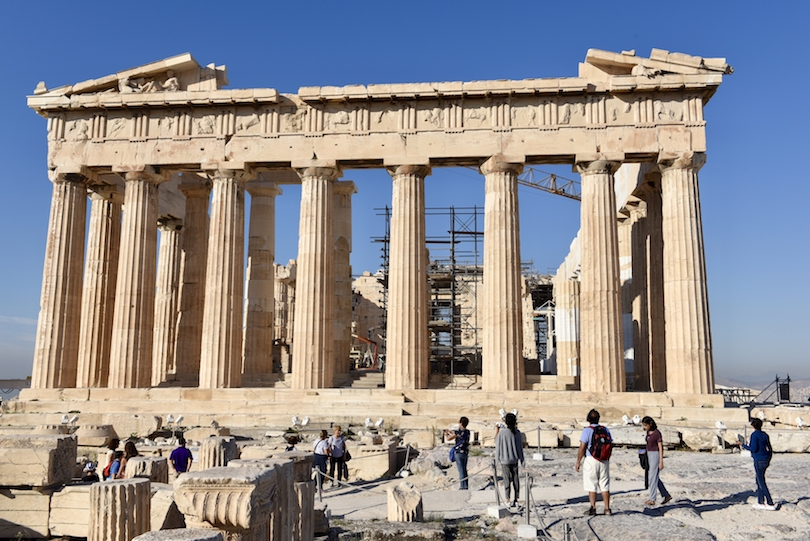 © Jim Roberts / Dreamstime
The Parthenon on top of the Acropolis is one of the most popular tourist attractions in Greece and a visit to Athens is not complete without visiting this temple. The construction of the Parthenon started in in 447 BC, replacing and older temple that was destroyed by the Persians, and completed in 432 BC. The purpose of the Parthenon was to house a massive statue of Athena Parthenos made from ivory, silver and gold.
Sometime in the 5th century the statue was looted by one of the Roman Emperors, and taken to Constantinople, where it was later destroyed. During its long life the Parthenon has also served as a fortress, a church, a mosque and as a powder magazine.