
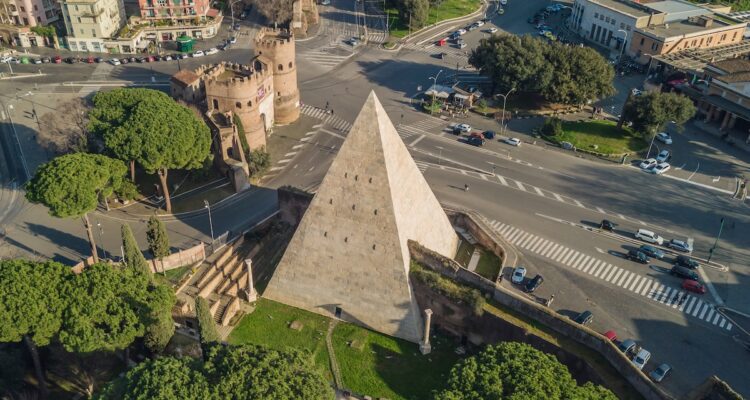
Why Is There an Ancient Pyramid Standing in the Heart of Rome?
Most visitors to Rome stick to the usual loop: the Colosseum, the Forum, the Trevi Fountain, St. Peter’s.
Where to Stay in Naples: Best Neighborhoods & Hotels
Naples is a whirlwind of an Italian city, with delicious street food, ancient history, Camorra connections and a huge volcano as a neighbour.

Skip the Crowds: 23 Underrated Destinations in Italy Most Tourists Miss
Italy is one of the world’s most popular travel destinations. However, many visitors spend most or all of their time visiting the major attractions within the country.
This Sparkling Italian Escape Offers Villas, Vineyards, and Views Straight Out of a Movie
Lake Como has been charming visitors to its shores for hundreds of years: think sparkling blue waters edged by high mountainous peaks, laid-back sunny days and starry nights; the natural beauty of the Lake Como is almost unrivaled.
33 Must-See Attractions in Italy
Italy is home to the greatest number of UNESCO World Heritage Sites in the world. High art and monuments are to be found everywhere around the country.
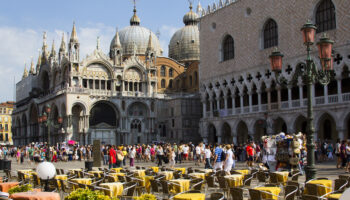
27 Best Places to Visit in Italy
Located in Southern Europe, this boot-shaped country is one of the world’s most popular travel destinations for a number of reasons that include art treasures, charming towns, passionate people and top-class cuisine.
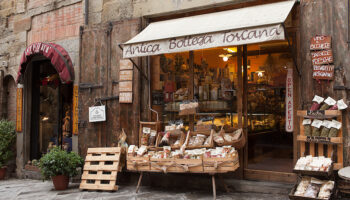
Visit Tuscany’s Most Picturesque City — Medieval Squares, Artistic Treasures, and Local Festivals Await
Rolling hills, olive groves, and historic cities often define this iconic region, but some of its most authentic charm can be found in its lesser-known towns.
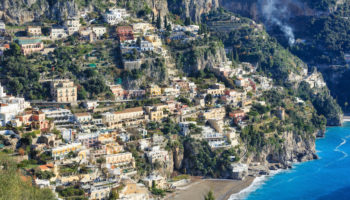
9 Incredible Day Trips from Naples You’ll Never Forget
In Southern Italy, along its western coast, is the city of Naples. Founded by the Greeks more than 2,6000 years ago, this is a city with a staggering amount of history.
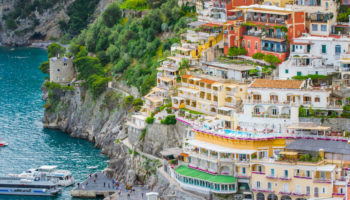
Why So Many of Italy’s Most Famous Places Come From This One Region
Framed by the Mediterranean Sea, this sun-soaked southern region blends dramatic coastlines, rugged mountains, and fertile landscapes with one of the richest histories in Europe.
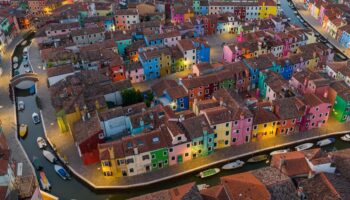
The Most Colorful Village in the World Is Hidden in Italy
Somewhere up in the northern stretches of the Venetian Lagoon, there’s a little island where every house seems to compete for your attention with a different color.
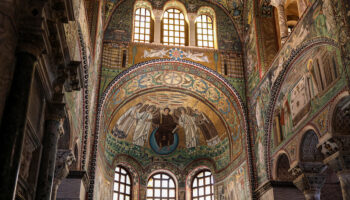
This Former Roman Capital Holds Some of the Most Stunning Mosaics in the World
Few destinations can rival this small Italian city when it comes to the beauty and power of mosaic art.

You’ll Be Surprised How Beautiful Italy National Parks Really Are
When you think of Italy, it is probably not its wealth of national parks that immediately spring to mind.
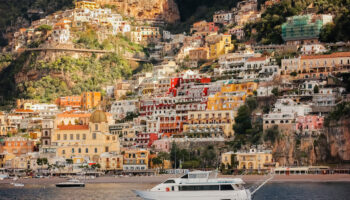
Discover the Cliffside Magic of This Picturesque Village: Voted One of Italy’s Most Breathtaking Destinations
Perched dramatically on a cliffside above the Mediterranean, this iconic coastal town is a vision of cascading houses, winding streets, and breathtaking views.
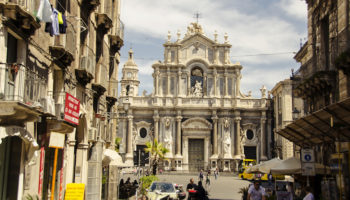
Where to Stay in Sicily
The island of Sicily is famous the world over for its amazing food, stunning countryside, unique culture, and rich history.
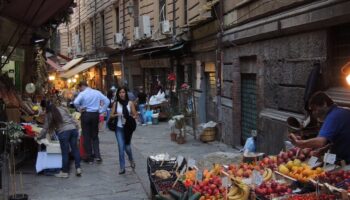
The City at the Crossroads of Civilizations — With Ancient Churches, Seaside Views, and a Spirit All Its Own
The capital and largest city of Sicily, Palermo is set on the island’s northwest coastline, overlooking the glittering waters of the Tyrrhenian Sea, with the mainland of Italy lying far off in the distance.
Introduction
What’s not to love about Italy? Located in Southern Europe, this boot-shaped country is one of the world’s most popular travel destinations for a number of reasons that include art treasures, trendy fashion, stunning landscapes, passionate people and top-class cuisine. Italians are known for their zeal for life, and this trait shows up in every aspect of their culture from their animated language to their superb fashion and impeccable cuisine.
Exercised across the country is the Italian tradition, la passeggiata, where locals go out for an evening stroll to enjoy life as well as to show off new clothes and new romances.
Every region of Italy stars its own irresistible attractions from the Italian Riviera and Grand Canal of Venice in the North to the breathtaking Amalfi Coast and Pompeii ruins in the South. The country is home to the greatest number of UNESCO World Heritage Sites in the world. High art and monuments are to be found everywhere around Italy.
Besides its art treasures, Italy also features beautiful coasts, alpine lakes and scenic mountains. At the heart of the country is the capital city, Rome, with its centuries-old relics and lively cultural scene. From Rome, the central region stretches outward to one of Italy’s most popular destinations, the picturesque wine country of Tuscany and its capital city of Florence, the birthplace of the Renaissance.