

Penang Island in Malaysia is an incredible destination packed with historic architecture and major tourist attractions. You can explore national parks or admire incredible architecture on the island. From colonial structures to contemporary street art in, Penang’s capital George Town is a cultural hotspot in Asia. Top it off with fantastic Malaysian cuisine and waterfront views , and it is clear to see why Penang Island is such a wonderful place to explore. An overview of the top tourist attractions in Penang:
10. Chew Jetty
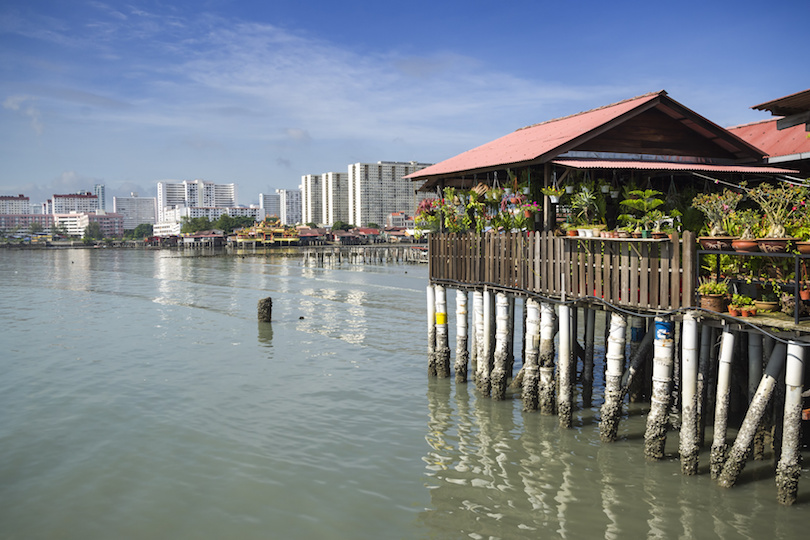
Step back in time and experience the Malaysia of the past with a visit to Chew Jetty. At more than a century old, Chew Jetty is a collection of wooden houses built next to the water. The jetty was just a row of planks where passengers could board boats, but Chinese immigrants who worked at the port in the 19th century built homes directly above the jetty. One of these, known as Chew Jetty, still stands. The jetty homes have kept up with modernization in some ways, adding in things like electricity and running water. However, the haphazard nature of construction is a clear nod to the past. Touring Chew Jetty is a stark contrast to some of the more contemporary buildings you’ll in Penang.
9. Penang National Park
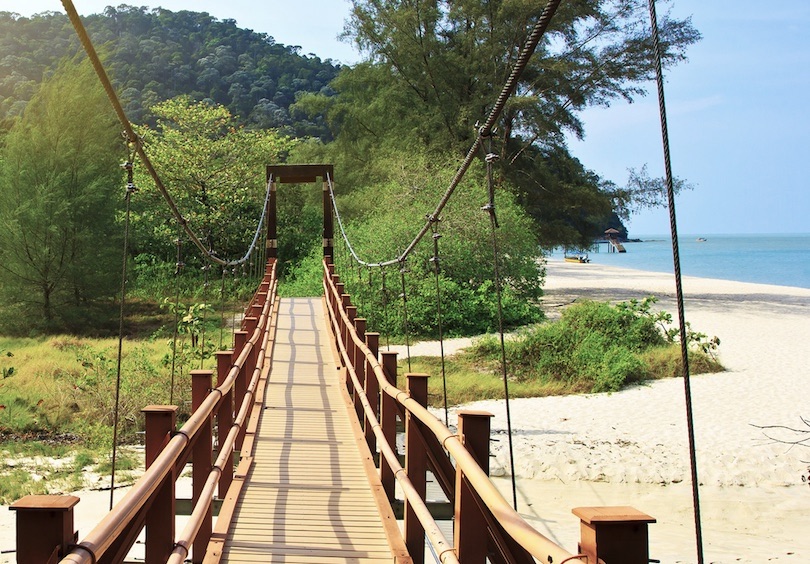
To experience the natural, pristine side of the island, take time to visit Penang National Park. The park boasts a wide range of terrains and landscapes, which means that you can hike through jungles and then relax on the beach without leaving the borders of the same park. Popular beaches like Monkey Beach and Teluk Kampi are also located in the park. Penang National Park is one of the most popular spots to hike and camp on the island. Much of the area is virgin jungle, so a guided hike might be best for those new to such rugged terrain.
8. Khoo Kongsi
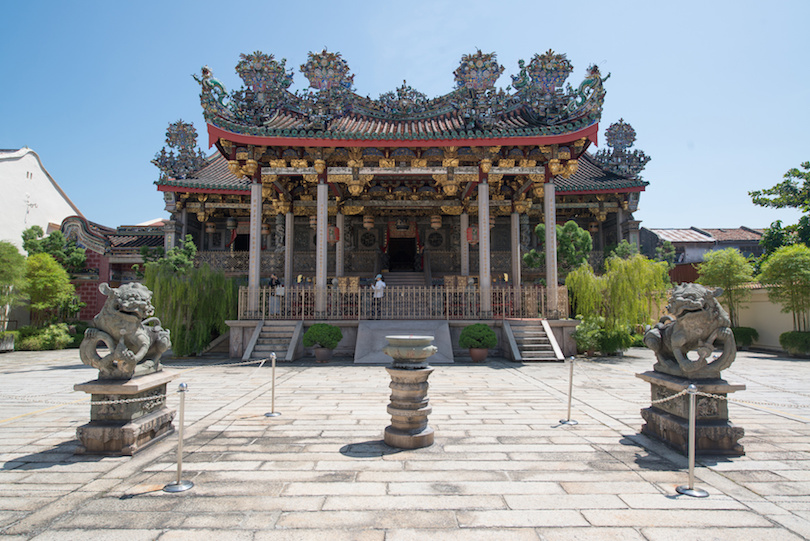
In centuries past, Penang’s Hokkien community was comprised of several clans. The Khoo clan was one of the largest. Like other clans, the Khoo constructed a large clan house called the Khoo Kongsi. This structure still stands, despite its age of over 650 years. It is located in Cannon Square in the heart of the oldest part of George Town. The building has a clear Chinese influence that reflects the Hokkien culture. If you visit, you’ll be able to see the ornate stone carvings, the granite dragons, the gold details and the beautiful paper lamps overhead. For history or architecture lovers, Khoo Kongsi is a memorable stop in Penang.
7. Tropical Spice Garden
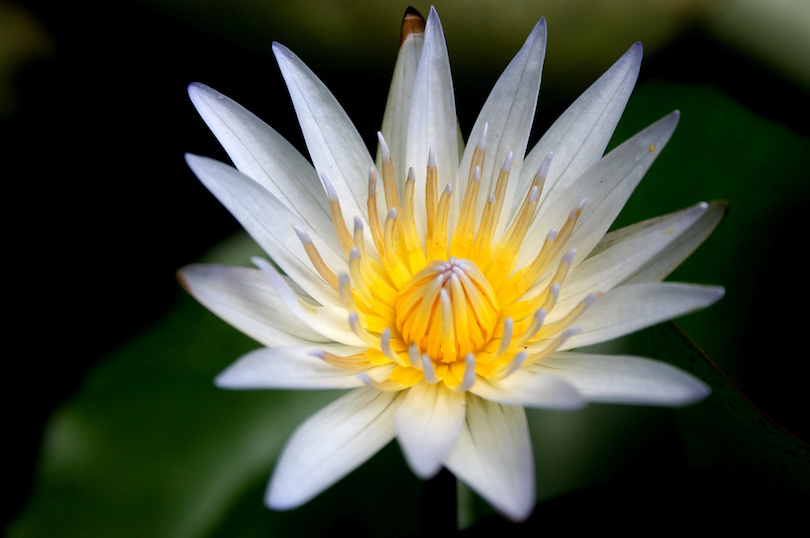
One of the most interesting gardens in Penang is the Tropical Spice Garden. The gardens emphasize local plants, spices and herbs. Malaysian cuisine is well known for its spices, so it’s a fantastic way to see those mystery ingredients in their most natural stage. The Tropical Spice Garden also has a cooking school right on the premises. After a stroll around the gardens, you can head to a cooking class. Fresh herbs and produce get plucked straight from the garden and go into the dishes you’ll learn how to make. For foodies, the Tropical Spice Garden in Batu Ferringhi is a must-see attraction.
6. Batu Ferringhi
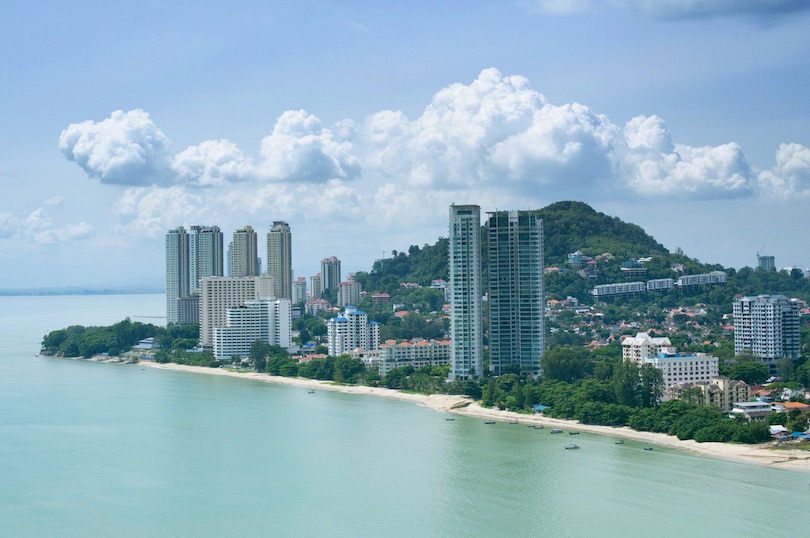
On the northern coast of the island is Batu Ferringhi, one of the biggest tourist hubs in Penang. You’ll find stretches of sandy coastline as well as plenty of restaurants, nightlife options and accommodation. Though the beach is popular it can be dirty when there are crowds, and jellyfish can also be a concern. If you’re willing to walk away from the crowds a little, you can find the Muka Head Lighthouse. From the lighthouse tower, you’ll have an unparalleled view over the coast. After a day at the beach working up an appetite, make your way to the Teluk Bahang Pier, where there is a great collection of incredible seafood restaurants to choose from.
5. Cheong Fatt Tze Mansion
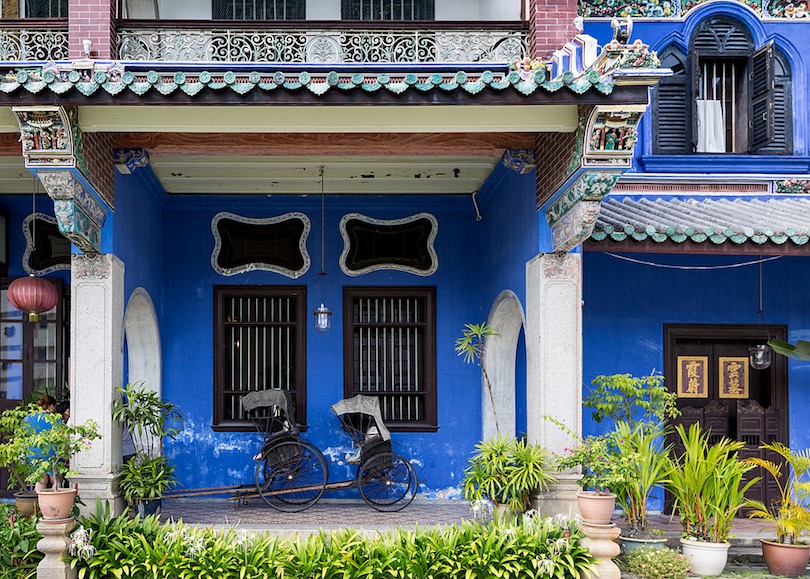
In the heart of George Town, Penang’s capital, is Cheong Fatt Tze. Also known as the Blue Mansion, this structure dates back to the end of the 19th century. The building is a traditional Chinese mansion, built using exclusively the best materials from around the world. It was unusual at the time for such a wealthy person to build a mansion in the Chinese and Hakka style. Clearly, Cheong Fatt Tze has stood the test of time. Still in remarkable condition, the mansion is now a hotel as well as a major tourism attraction. Today, you can take an architectural tour, stop in for a delicious meal or even spend the night.
4. Penang Hill
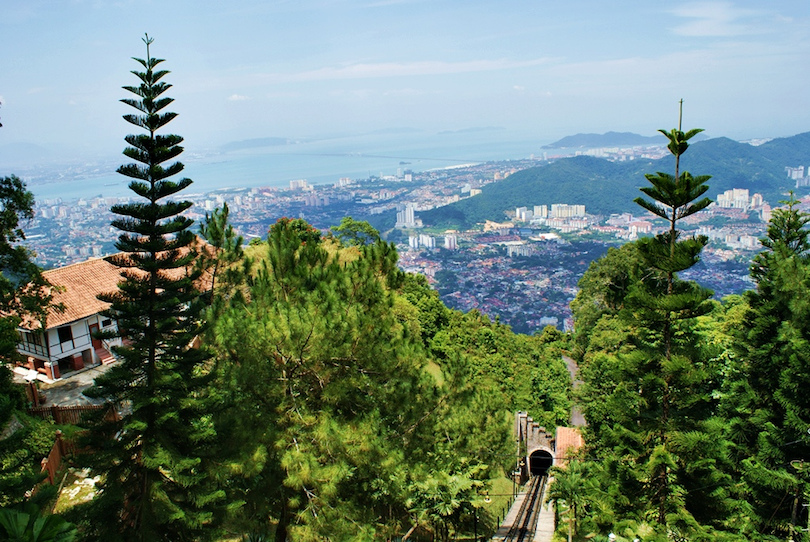
To enjoy some of the best views of Penang, make your way to the top of Penang Hill. You can access the summit via the Penang Hill Railway, which is a short five-minute ride to the top. At the top of Penang Hill, you’ll be treated to panoramic vistas as well as slightly cooler temperatures than the city of George Town below. You can also take a buggy tour of the peak, spotting a variety of beautiful historic homes along the way. You can opt to hike to the top of Penang Hill, but many people choose the railway on the way up and a casual stroll on the way down.
3. Kek Lok Si Temple
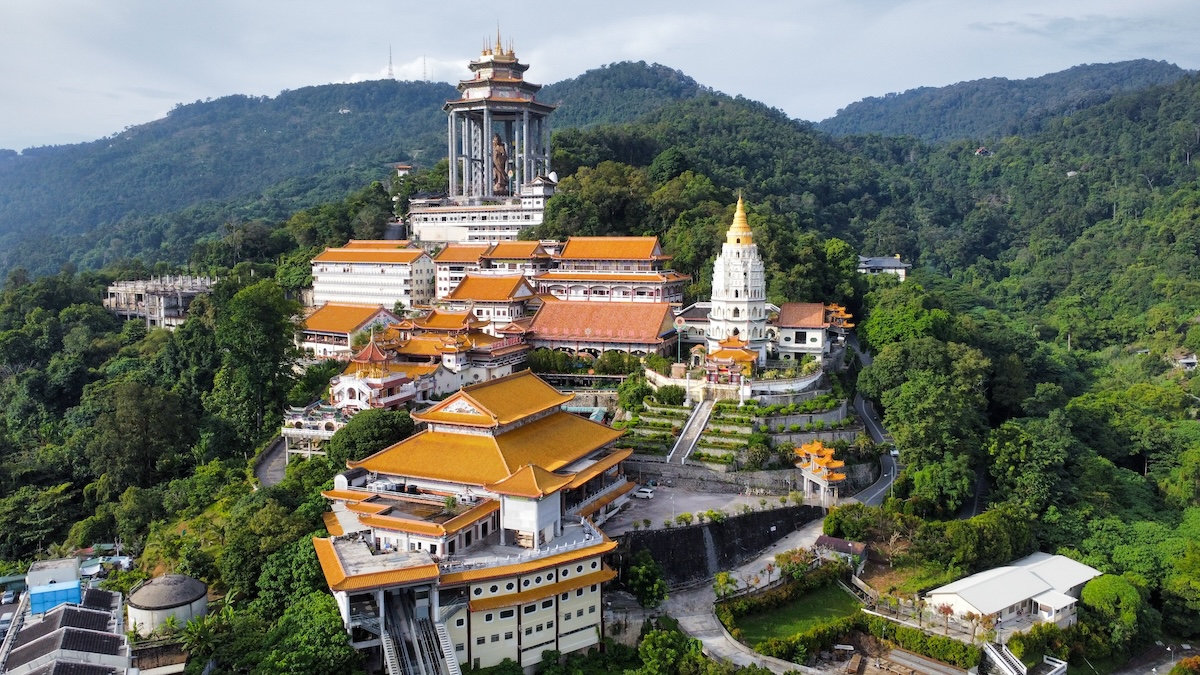
The Kek Lok Si Temple is considered to be one of the largest Buddhist temples in all of Asia. The temple is located in Air Itam, it faces the sea, and it was opened in 1905. Not just a temple, Kek Lok Si is a true complex. It is comprised of several prayer halls, monasteries, gardens and statues. The most visited landmark within the temple is the Kuan Yin Statue. You can ride a unique slanted elevator to get to the statue, which is housed in an octagonal pavilion. Kek Lok Si Temple is one of the most popular tourist attractions in Penang.
2. Penang Street Art
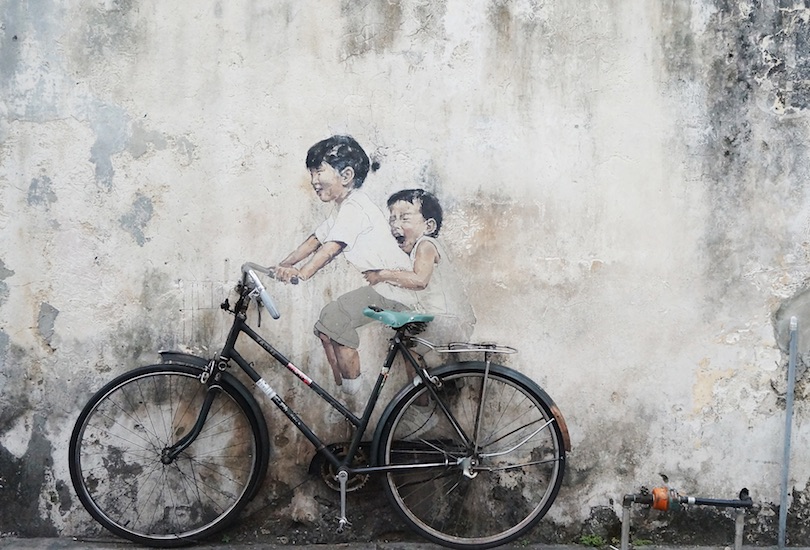
Although Penang boasts plenty of historic artifacts and ancient temples, there is also a vibrant contemporary art scene. In George Town, you can check out what is known as Penang Street Art. This is a collection of art found not in a museum or a gallery, but right on the walls of the city. The works are done by a Lithuanian artist called Ernest Zacharevic. As you stroll through George Town, you might spot some of these pieces on your own.
Many of the works feature children. On Armenian Street for example, look for the mural titled, “Little Children on a Bicycle”. You can grab a map that guides you straight to the best works, or you can join a guided walking tour that can reveal some of the hidden gems that are utilizing the city itself as a blank canvas.
1. Pinang Peranakan Mansion
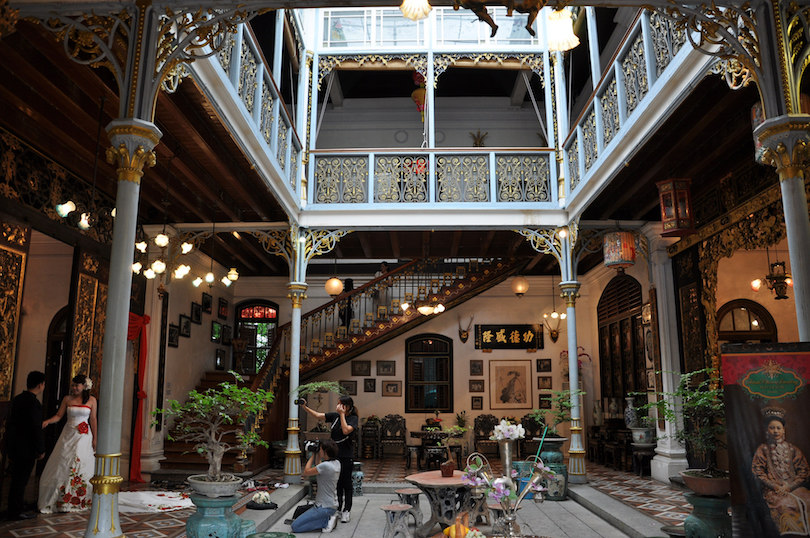
One of the must-see attractions in the heart of George Town is the Pinang Peranakan Mansion. Peranakan is the name for the Chinese immigrants who came to Malaysia around the 16th century. Over time, this group developed its own unique culture, cuisine and even dialect. The Pinang Peranakan Mansion is a window into this world. When you visit, you can see how a wealthy Peranakan family lived more a century ago. You’ll have the chance to admire carved Chinese wooden panels, the Scottish ironworks and the staggering collection of antiquities from around the world. This is a kind of living museum, and it is a fantastic way to explore the Peranakan culture.