
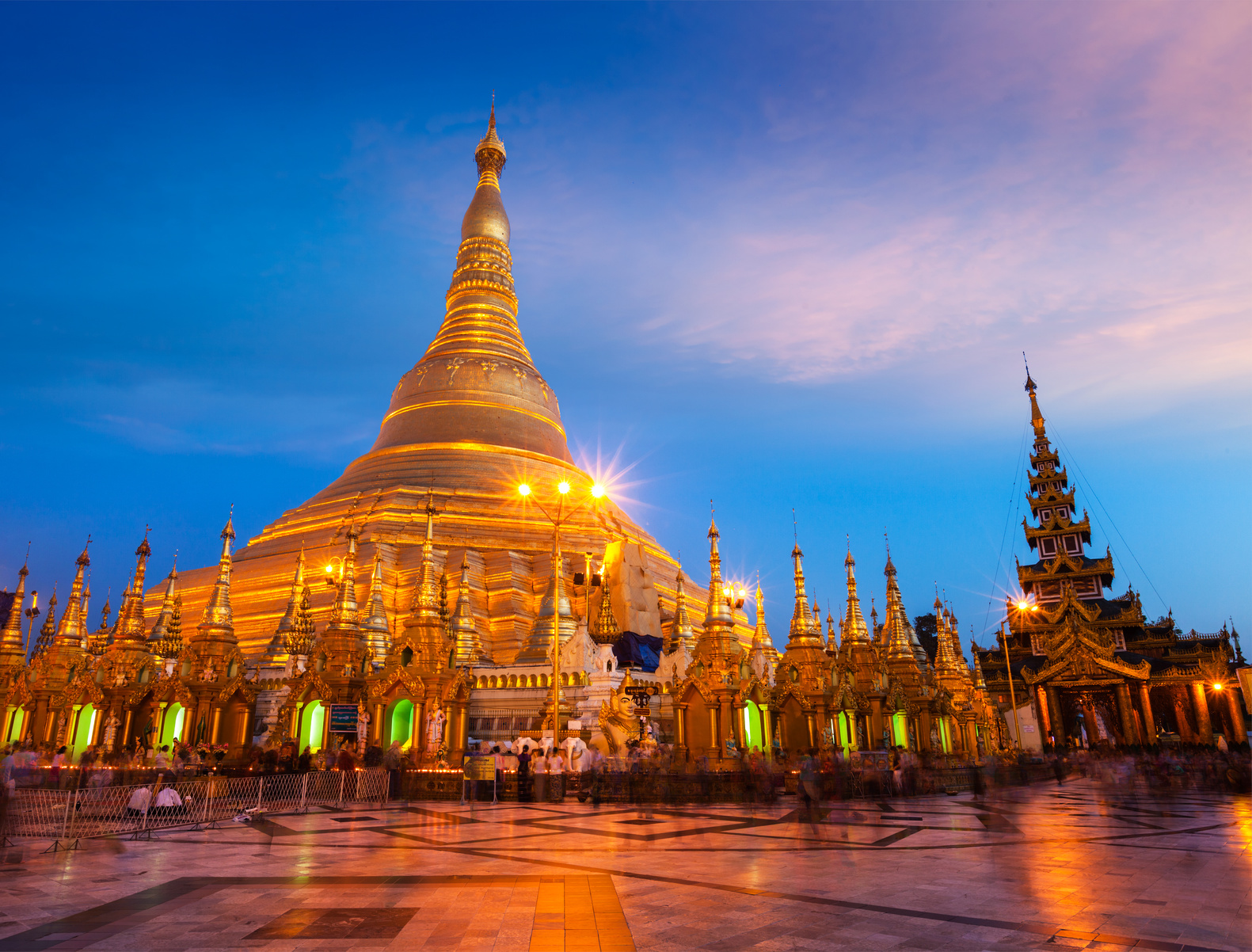
Buddhism is a major world religion and philosophy founded in northeastern India in the 5th century BC. It is based on the teachings of Siddhartha Gautama, commonly known as “The Buddha”, who was born in what is today Nepal.
Buddhism takes as its goal the escape from suffering and from the cycle of rebirth: the attainment of nirvana. There are between 230 million and 500 million Buddhists worldwide. An overview of the most famous Buddhist temples in the world.
10. Haeinsa Temple
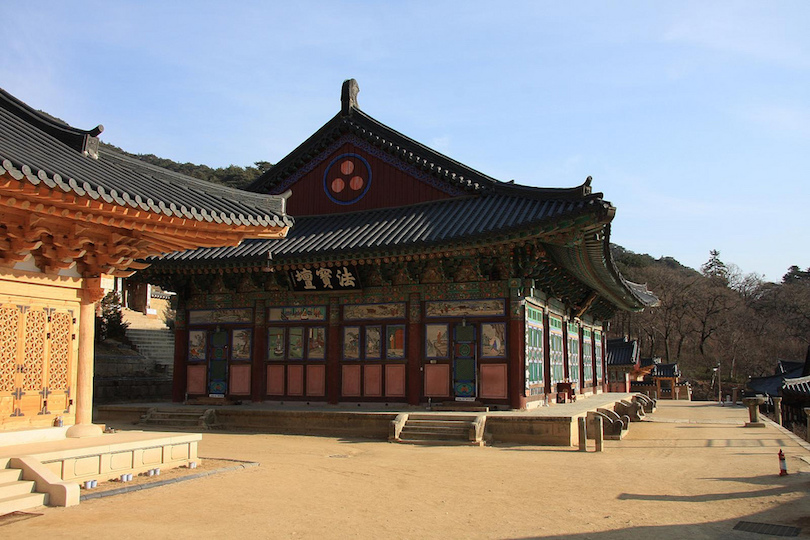
Haeinsa (Temple of Reflection on a Smooth Sea) is one of the most important Buddhist temples in South Korea. The temple was first built in 802 and rebuilt in the 19th century after Haiensa was burned down in a fire in 1817. The temple’s greatest treasure however, a complete copy of the Buddhist scriptures (he Tripitaka Koreana) written on 81,258 woodblocks, survived the fire.
9. Wat Arun
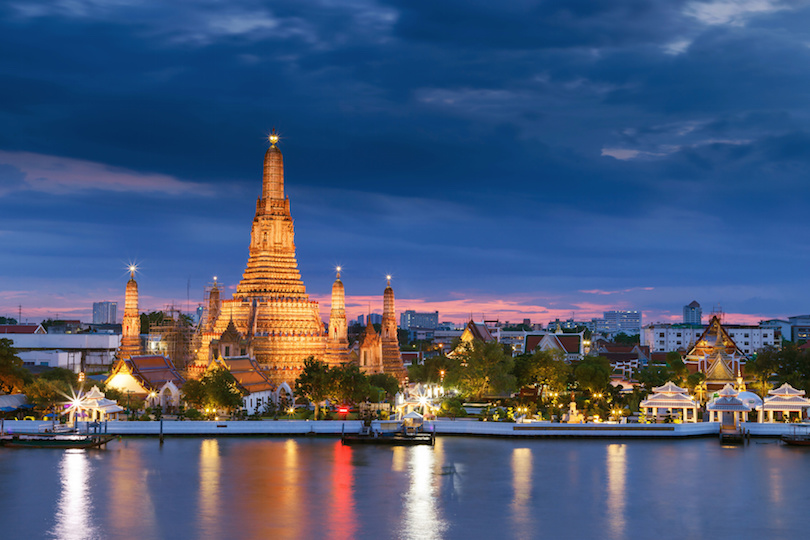
Situated on the Thonburi side of the Chao Phraya River , Wat Arun (“Temple of Dawn”) is one of the oldest and best known landmarks in Bangkok, Thailand. The temple is an architectural representation of Mount Meru, the center of the universe in Buddhist cosmology. Despite it’s name, the best views of Wat Arun are in the evening with the sun setting behind it.
8. Pha That Luang
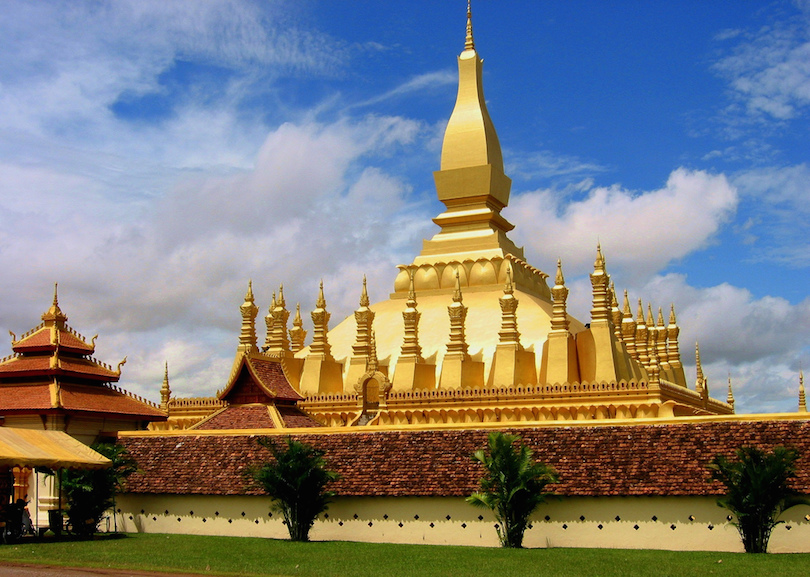
Located in Vientiane, Pha That Luang (“Great Stupa in Lao”) is one of the most important monument in Laos. The stupa has several terraces with each level representing a different stage of Buddhist enlightenment. The lowest level represents the material world; the highest level represents the world of nothingness. Pha That Luang was built in the 16th century on the ruins of an earlier Khmer temple. The temple was destroyed by a Siamese invasion in 1828, then later reconstructed by the French in 1931.
7. Jokhang
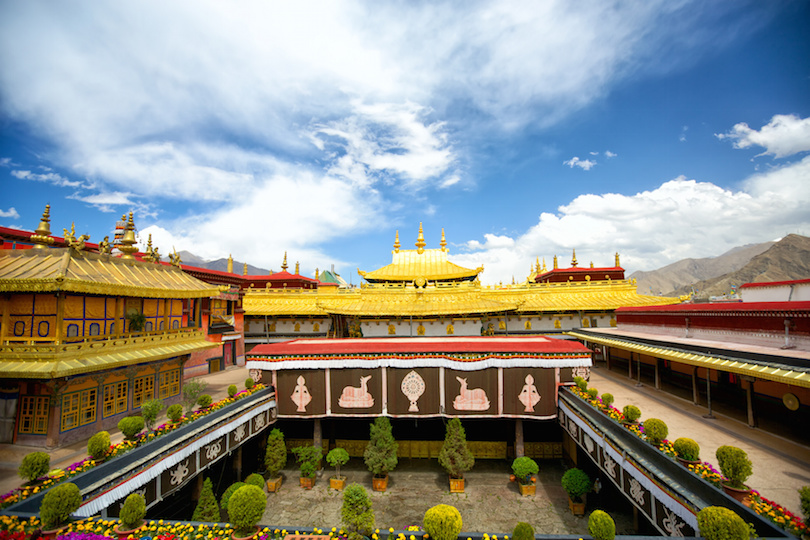
The Jokhang Temple in Lhasa is the most important sacred site in Tibetan Buddhism attracting thousands of pilgrims each year. The temple was constructed by King Songtsän Gampo in the 7th century. The Mongols sacked the Jokhang temple several times but the building survived. Today the temple complex covers an area of about 25,000 square meters.
6. Todaiji Temple
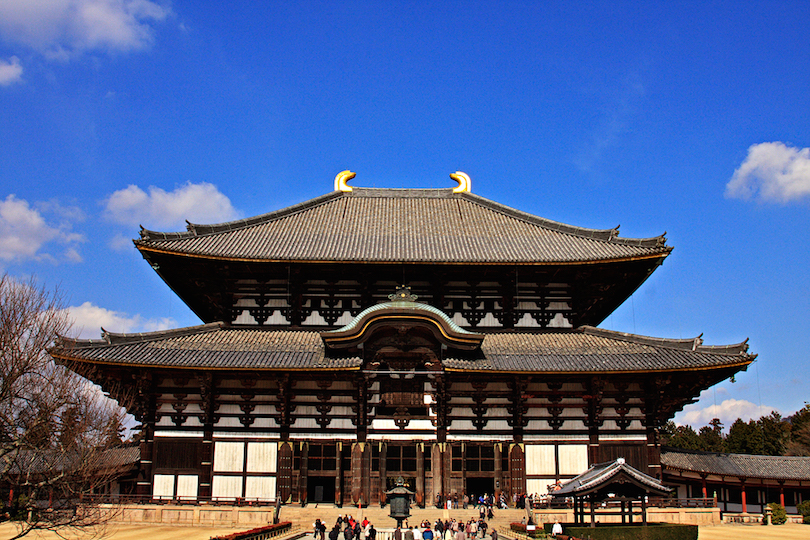
Todaiji (“Great Eastern Temple”) in Nara is one of the most historically significant and famous Buddhist temples in Japan. The temple was built in the 8th century by Emperor Shomu as the head temple of all provincial Buddhist temples of Japan. Today little remains of the original buildings of Todaiji.
The Daibutsuden (“Great Buddha Hall”), dates for the most part from 1709. It houses one of the largest Budha statues in Japan and is the worlds largest wooden building, even though it is only two-thirds the size of the original structure.
5. Boudhanath
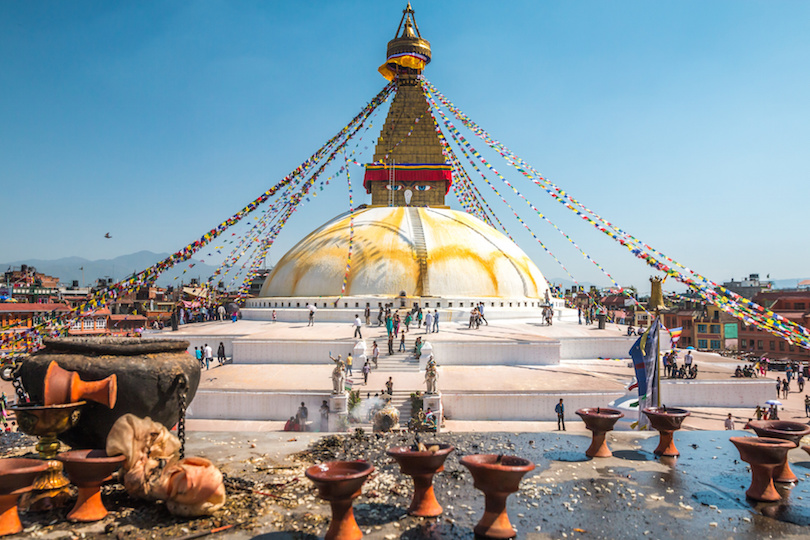
Located in a suburb of Kathmandu, Boudhanath is one of the largest stupas in the world. It is the center of Tibetan Buddhism in Nepal and many refugees from Tibet have settled here in the last few decades.
It is probably best known for the Buddha eyes that are featured on all four sides of the tower. The present stupa is said to date from the 14th century, after the previous one was destroyed by Mughal invaders.
4. Mahabodhi Temple
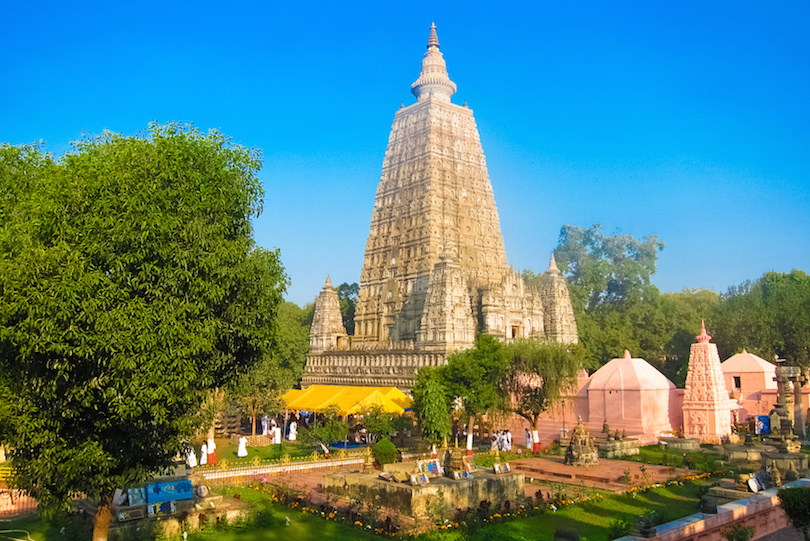
The Mahabodhi (Great Enlightenment) Temple is a Buddhist stupa located in Bodh Gaya, India. The main complex contains a descendant of the original Bodhi Tree under which Gautama Buddha gained enlightenment and is the most sacred place in Buddhism. About 250 years after the Buddha attained Enlightenment, Emperor Asoka built a temple at the spot. The present temple dates from the 5th-6th century.
3. Shwedagon Pagoda
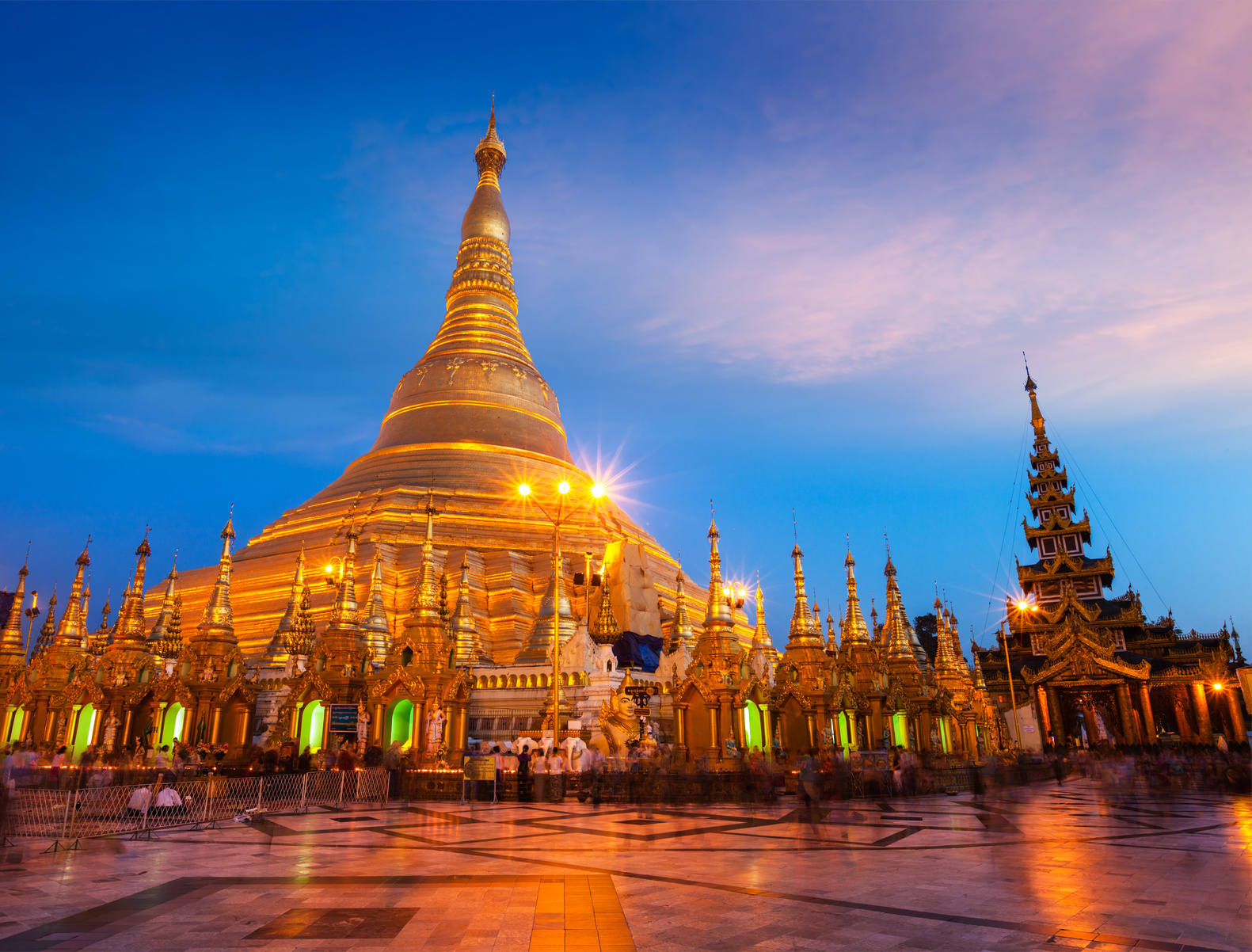
The Shwedagon Pagoda (or Golden Pagoda) in Yangon, is the holiest Buddhist shrine in Burma. The origins of Shwedagon are lost in antiquity but it is estimated that the Pagoda was first built by the Mon during the Bagan period, sometime between the 6th and 10th century AD. The temple complex is full of glittering, colorful stupas but the center of attention is the 99 meter high (326 feet) high main stupa that is completely covered in gold.
2. Bagan
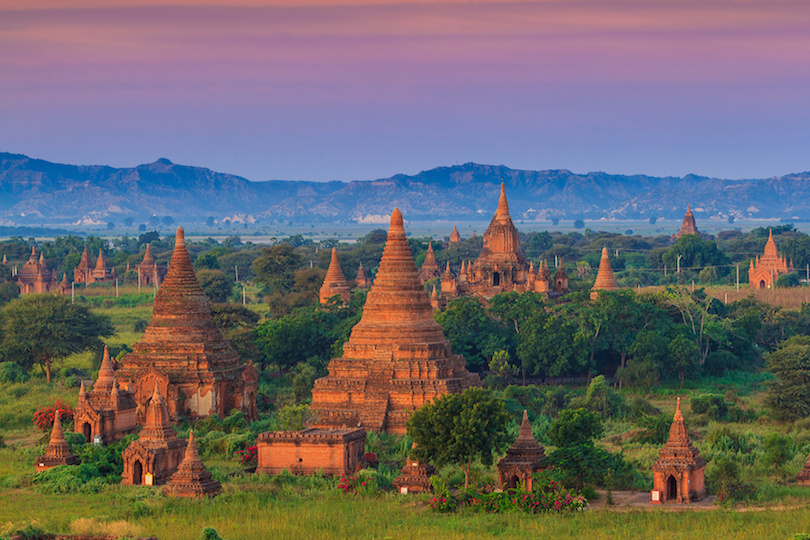
Bagan, also spelled Pagan, on the banks of the Ayerwaddy River, is home to the largest area of Buddhist temples, pagodas, stupas and ruins in the world. It was the capital of several ancient kings of Burma who built perhaps as many as 4,400 temples during the height of the kingdom (between 1000 and 1200 AD).
In 1287, the kingdom fell to the Mongols, after refusing to pay tribute to Kublai Khan and Bagan quickly declined as a political center, but continued to flourish as a place of Buddhist scholarship.
1. Borobudur
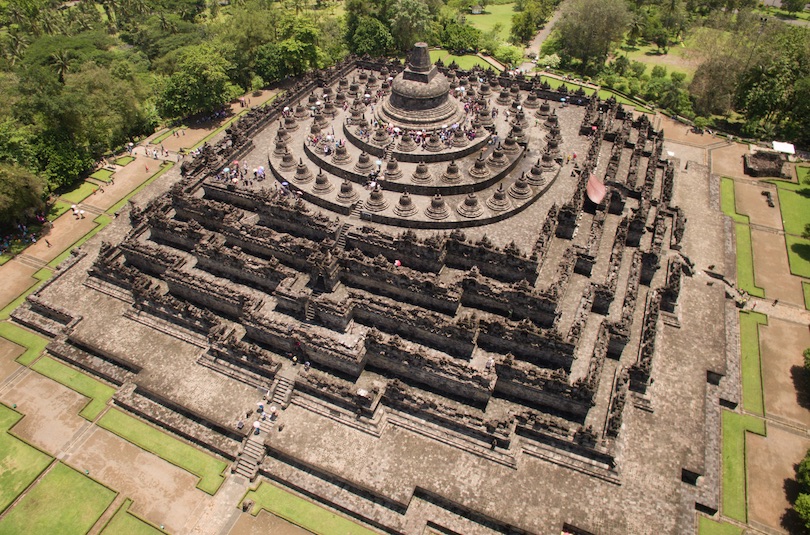
Located on the Indonesian island of Java, 40 km (25 miles) northwest of Yogyakarta, the Borobudur is the largest and most famous Buddhist temple in the world. The Borobudur was built over a period of some 75 years in the 8th and 9th centuries by the kingdom of Sailendra, out of an estimated 2 million blocks of stone. It was abandoned in the 14th century for reasons that still remain a mystery and for centuries lay hidden in the jungle under layers of volcanic ash.